Day 2. Delhi: Chandni Chowk - Jama Masjid - Lodi Garden.
This morning, the metro—which has an excellent reputation—will take us to Old Delhi to visit the Chandni Chowk neighborhood and the massive Jama Masjid mosque.
Clean, colorful, spacious, and easy to navigate, Delhi’s metro is a really practical way to get around the city over long distances. Nathalie and I feel right at home in this underground world. Like kids on a scavenger hunt, we carefully spot the different lines with their colors and the connections that will take us to our destination. We’re in control. Perfect before diving into the chaotic universe of "Old Delhi."

Chandni Chowk! And it’s a shock…
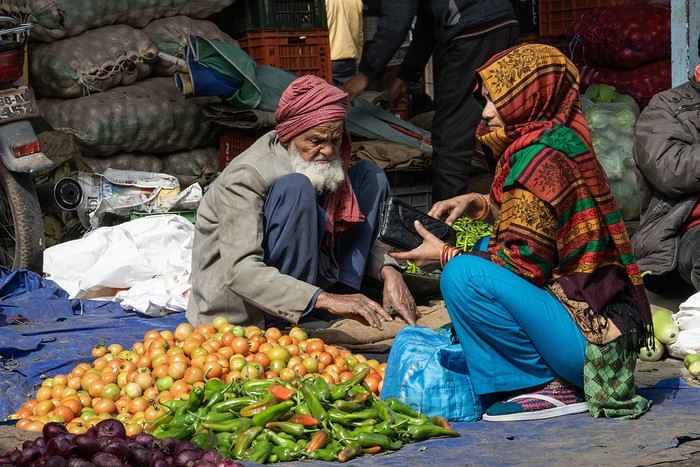
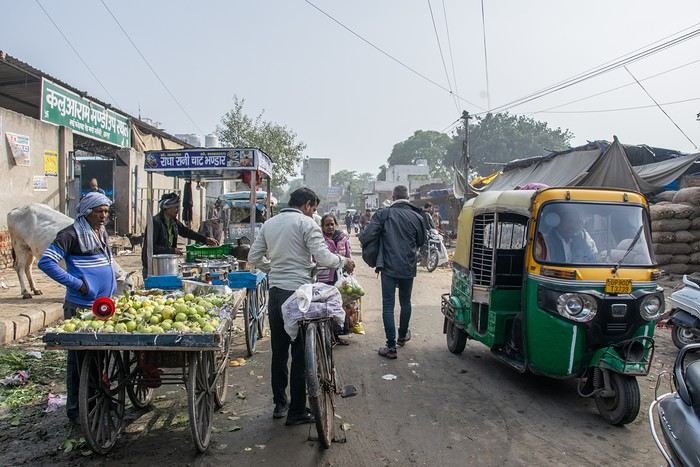
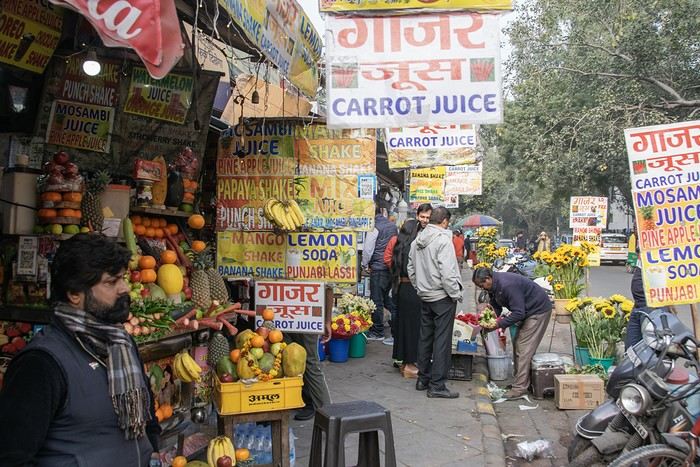
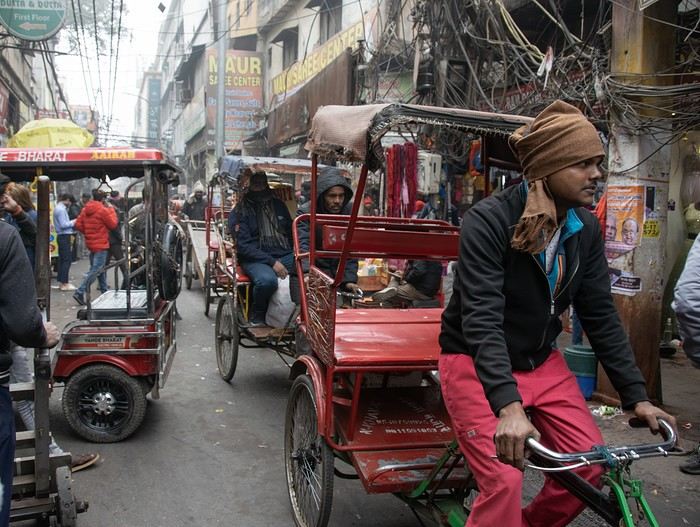
Here we are in the heart of popular and bustling India—poorer but not truly miserable, with a few exceptions. Chandni Chowk is a city within a city, a city-market. A massive bazaar where everything is bought and sold, everything is made and repaired. A tangle of streets and alleys packed with stalls, small workshops, vendors, customers, tuk-tuks, cows, dogs, beggars, mopeds, bewildered tourists—everyone sharing the same space as best they can.
We walk in single file, afraid of getting separated. We’re amazed, and also dizzy from the honking, the crowd’s noise, the riot of colors, the mix of smells—some refined, others downright foul. Amazed, but not stressed or worried. The general vibe is pretty relaxed. Everyone’s going about their business. There’s pushing, shoving, shouting, honking, but no real aggression or tension.
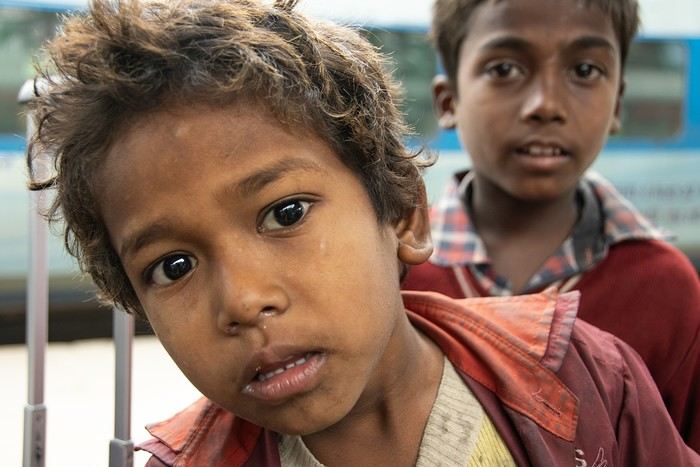
A barefoot, dirty street kid tries to get our attention with acrobatics. One look, and he’s won—though we’ve lost. He sticks with us for nearly fifteen minutes.

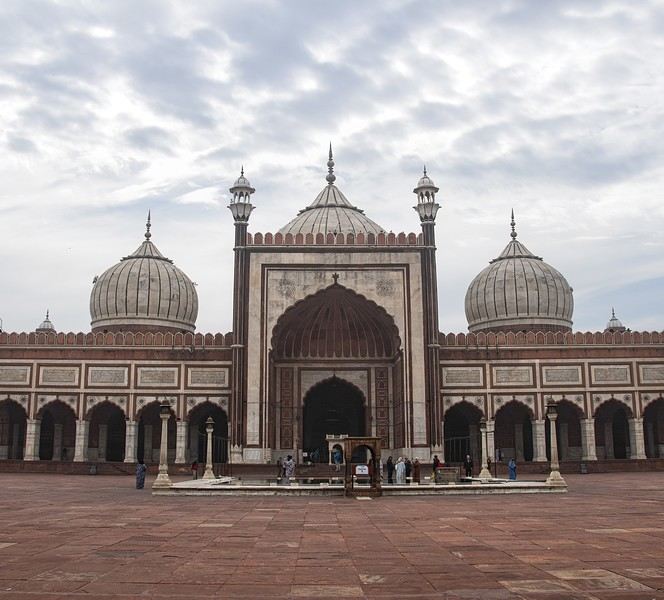
We head toward the massive mosque that dominates the urban landscape with its bulk. Red sandstone and white marble. The 17th-century structure is stunning, with its large courtyard, two minarets, and three bulbous domes.
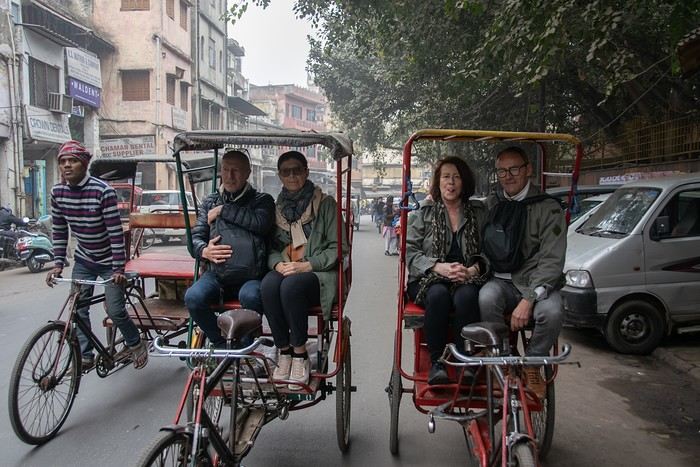
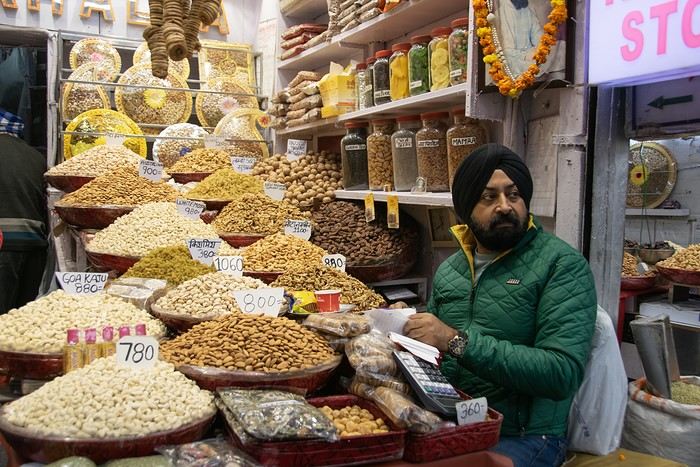
As we leave, two rickshaw drivers (the bike-powered kind) pester us for a while, insistently offering a full tour of the huge neighborhood. We half-heartedly refuse, hesitate, then accept. Deep down, it’s a great idea because we’re not really sure how to tackle this detailed visit of Chandni Chowk. And off we go for an hour and a half of sightseeing, punctuated by stops in the heart of the city-market. The route is pleasant as we explore the different sections of the market, organized by product type: spices, fabrics, jewelry… We also discover some beautiful houses that are now abandoned or run-down. Here, as elsewhere, the middle class eventually left the city centers for the more comfortable and better-equipped outskirts. Our guide is friendly, and we chat in English. Still, I feel a little uneasy seeing this fairly young man struggling to pedal while carrying two well-fed tourists—about 130 kg in total.
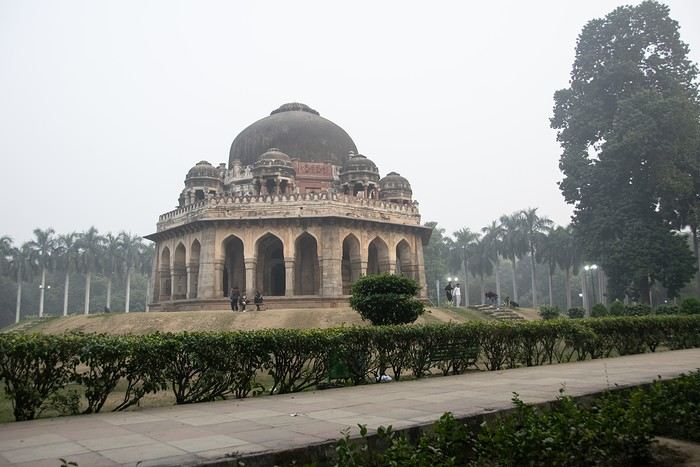
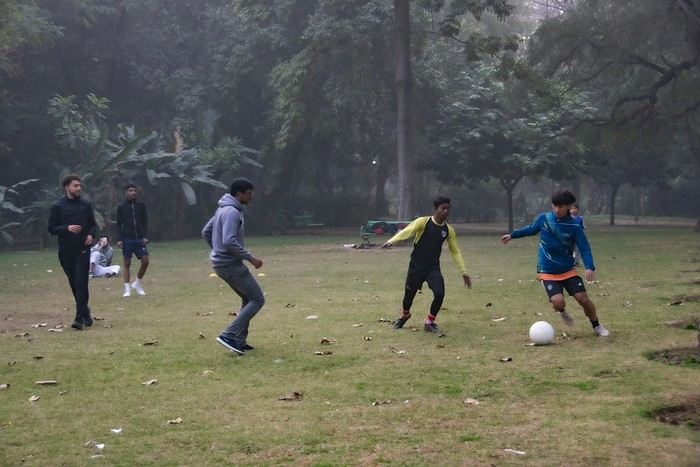
In the afternoon, we decide to take a more relaxing break at Lodi Garden. It’s a large park developed by the British in the 18th century, but it contains many monuments (mostly mausoleums) from the Lodhi dynasty, Muslim rulers during the Delhi Sultanate. We enjoy the peaceful atmosphere, far from the hustle and bustle of Chandni Chowk.
For the evening, we decide to buy food and eat in our guesthouse. A quick detour to Khan Market to order some pizzas.
On our way back, we run into the tuk-tuk driver we’d used the night before. He recognizes us and rushes ahead of his colleagues to take us. We start chatting, and he seems eager to learn more about us. Small vehicle, three of us in the back, me up front next to the driver. And off we go! Full speed ahead, in the cold, after dark. He drives fast but with great skill. Behind me, Nathalie and Kate are laughing hysterically. It’s like being on a roller coaster. The crisp air is exhilarating, and we barely notice the danger—we trust him. Do we have a choice? Our driver seems to be having fun too; he’s laughing with us. "Do you want to drive?" He puts my hands on the handlebars and the throttle. It reminds me of my old moped. I can’t believe it—I’m driving a tuk-tuk! We’re all like kids, the five of us. Finally, we arrive at our guesthouse. Handshake, thanks. He asks if we have any euro coins for his foreign currency collection. Nathalie gives him 2 €. He looks at the coin with emotion, touched by what he sees as a gift. He thanks us again and wishes us good luck.
This fleeting encounter, this little moment of shared fun with this Indian man, touched all four of us. It’ll be one of the rare times we have that kind of connection—an honest exchange, not spoiled by a purely mercantile perspective.
Off to bed. Tomorrow, the train, Agra, the Taj…