12 days in Israel, before...
This trip took place in May 2023, a period of calm that later proved precarious.
Day of May 17
Departure from Marseille on El Al (tickets booked by ourselves, while the stay itself was organized by Voyageurs du Monde). Before check-in, six or seven El Al staff members conduct a security check—quite understandable, but they do it in total chaos. They send people to the left, then block them, redirect them to the right, for no apparent reason. Most of the staff don’t speak French, which complicates things. They work at an incomprehensible slow pace, stopping the interview to do something else, then coming back and starting over...
The flight goes smoothly, except for the meal service, which, for a four-hour flight that El Al delayed to lunchtime, is more than basic: a quarter-liter of water and a corned beef sandwich that’s absolutely disgusting and inedible. To get a coffee, you have to queue at the back of the plane. You end up missing Ryanair🙂
Arrival at Ben Gurion goes better than expected—the passport control is fairly quick, as is baggage delivery.
Transfer to the Lily and Bloom hotel, Lilienblaum Street (easy to remember 🙂)
As advised by Voyageurs du Monde, we book a table for the evening at the nearest restaurant, North Abraxas. Good atmosphere and decent food. We get a sense of the price level in Israeli restaurants.
Around us, diners share dishes placed in the middle of the table. Much more convivial than our individual plates!!
Day of May 18
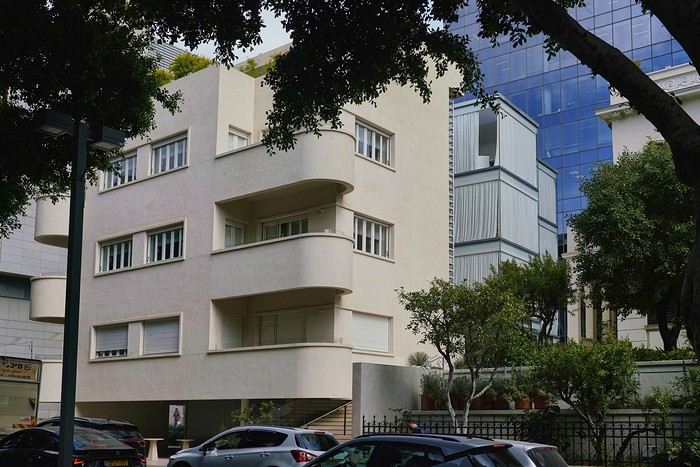
The next morning, we go down for breakfast at 7:30 AM—a late hour, but the setup is slow, with the two servers taking their time. We ask the bartender for a long coffee and a black tea... It must be a complicated order because it takes him over 10 minutes to make it. He serves us with the grace of a dancer. A good breakfast if you’re not in a hurry, followed by a little stroll in the neighborhood, since our meet-up with Patrick Arfi, our guide for the day, isn’t until 10 AM. P. Arfi is a former publishing house director in Paris who has lived in Israel for a long time and has a vast cultural knowledge. After an initial chat, we head toward Jaffa, focusing on the Bauhaus buildings preserved by a clever urban policy that allows high-rise construction while maintaining old architectural ensembles.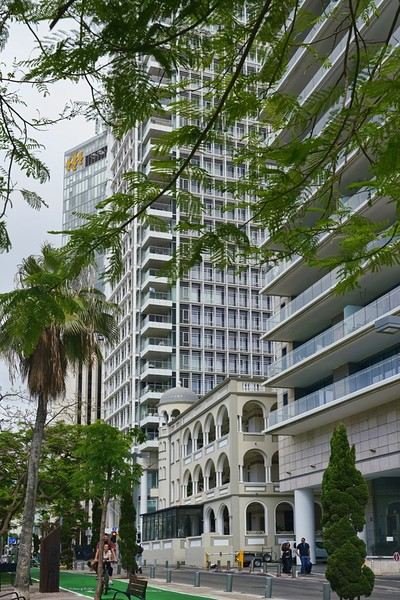
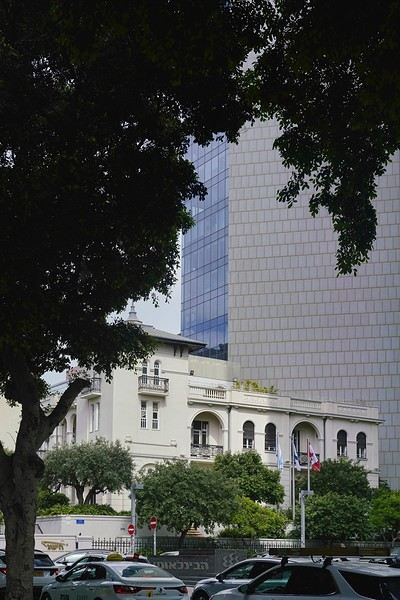
This policy keeps the streets looking more human-scale than the usual high-rise districts in modern cities.
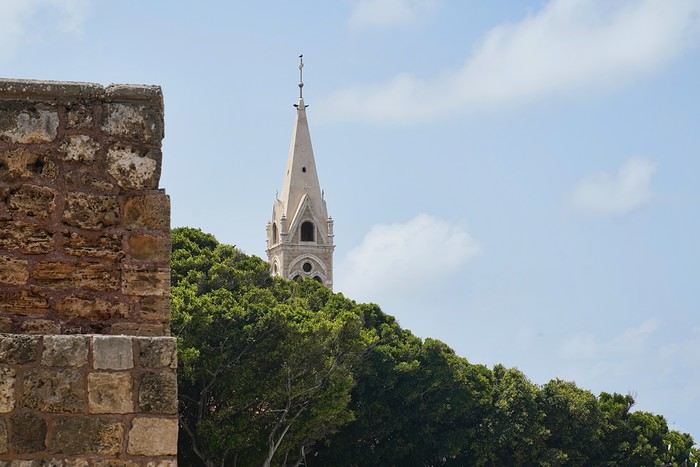
 With the visit to Jaffa, Patrick introduces us to a fascinating slice of history, despite the temperature nearing 38°C. Jaffa, once an independent city, is now a neighborhood of Tel Aviv—a predominantly Muslim area. We notice a few buildings in poor condition. They belong to Palestinian families who left Tel Aviv. Otherwise, the city has been very well restored, apart from these few buildings.
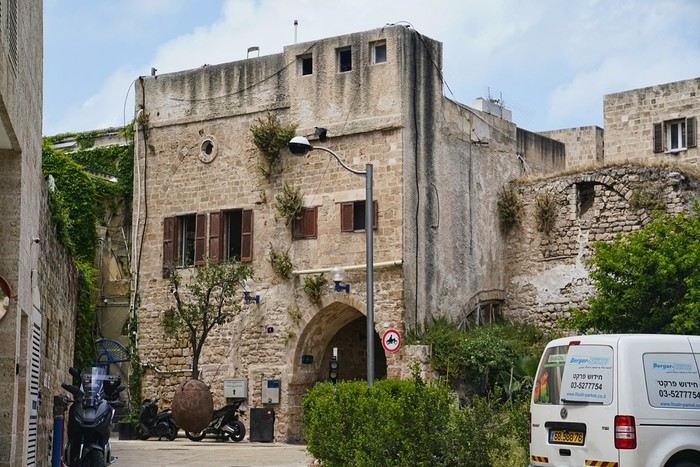
A government agency rents out the ground floors of these buildings, which helps fund part of the security work. They also try to track down the owners and buy back the abandoned properties, but some refuse to sell. The visit is very touristy—most of the people we meet are tourists like us.


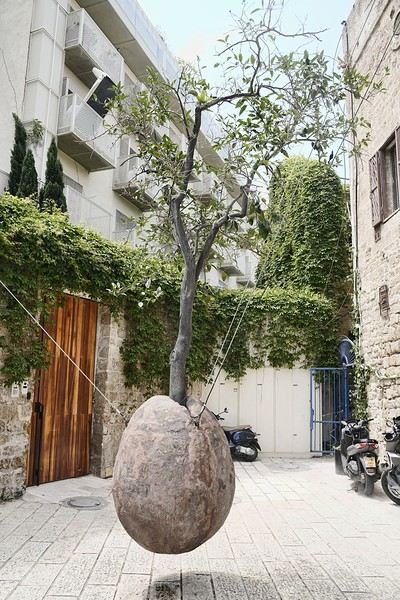
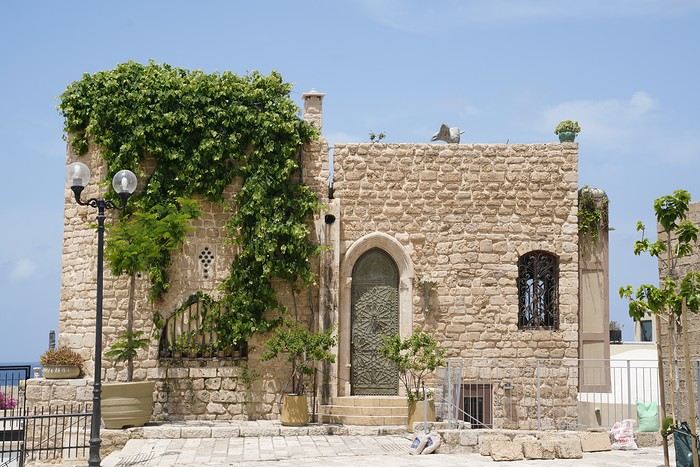
There’s very little local life, except in the lower part of the city. To be continued, as I’ve reached the allowed photo limit.
The next morning, we go down for breakfast at 7:30 AM—a late hour, but the setup is slow, with the two servers taking their time. We ask the bartender for a long coffee and a black tea... It must be a complicated order because it takes him over 10 minutes to make it. He serves us with the grace of a dancer. A good breakfast if you’re not in a hurry, followed by a little stroll in the neighborhood, since our meet-up with Patrick Arfi, our guide for the day, isn’t until 10 AM. P. Arfi is a former publishing house director in Paris who has lived in Israel for a long time and has a vast cultural knowledge. After an initial chat, we head toward Jaffa, focusing on the Bauhaus buildings preserved by a clever urban policy that allows high-rise construction while maintaining old architectural ensembles.
This policy keeps the streets looking more human-scale than the usual high-rise districts in modern cities.
With the visit to Jaffa, Patrick introduces us to a fascinating slice of history, despite the temperature nearing 38°C. Jaffa, once an independent city, is now a neighborhood of Tel Aviv—a predominantly Muslim area. We notice a few buildings in poor condition. They belong to Palestinian families who left Tel Aviv. Otherwise, the city has been very well restored, apart from these few buildings.
A government agency rents out the ground floors of these buildings, which helps fund part of the security work. They also try to track down the owners and buy back the abandoned properties, but some refuse to sell. The visit is very touristy—most of the people we meet are tourists like us.
There’s very little local life, except in the lower part of the city. To be continued, as I’ve reached the allowed photo limit.


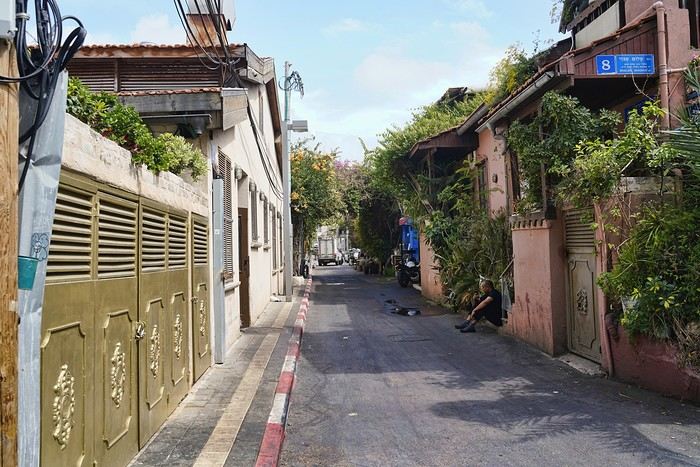
 We head back to our hotel, which is on the edge of this neighborhood. It was an excellent day with a great guide.


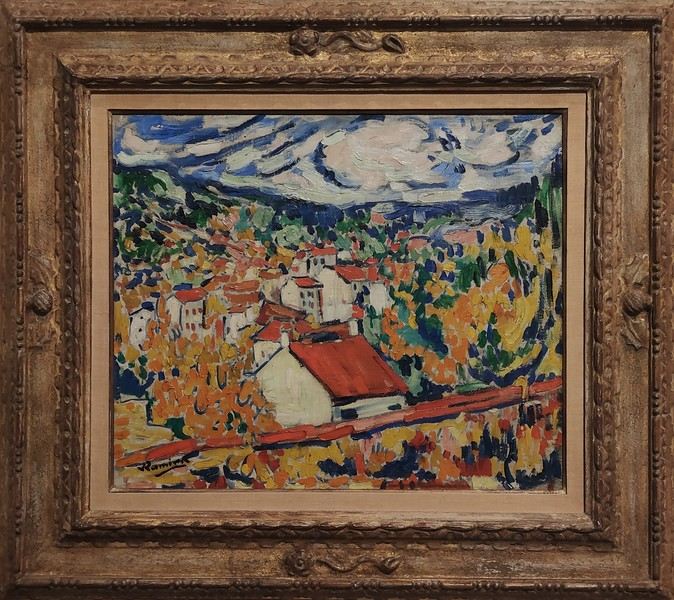
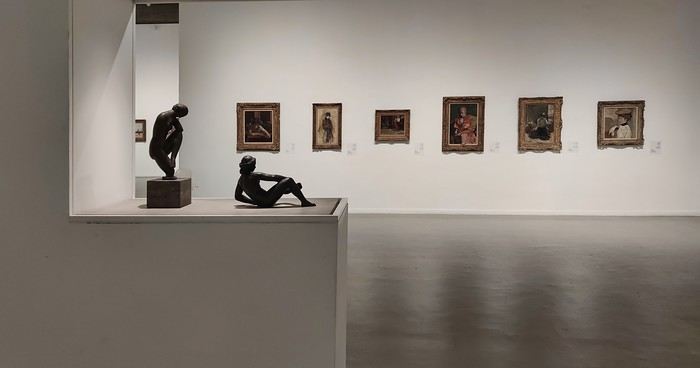
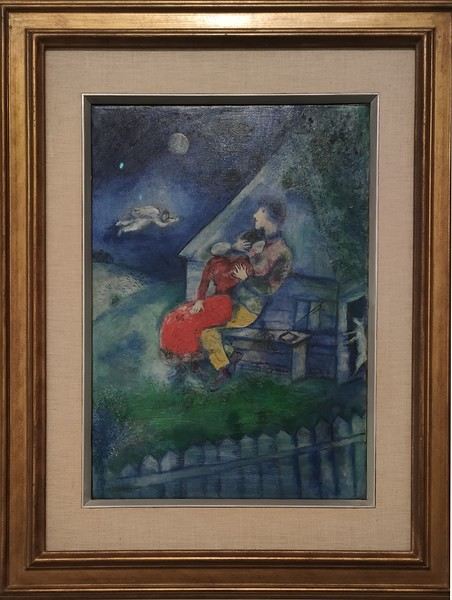
 We’re obsessed with a Chagall.


 We stroll along the port, surrounded by loads of local tourists looking for thrills on speed boats that take them for a wild ride in the bay in front of the port.

 We head back along the port’s ramparts to have lunch at Khan al-Shawarda Square in a restaurant run by Muslims. The square is a large, square-shaped plaza lined with 18th-century buildings. It was originally a monastery. Beautiful setting.


 At the bottom of the stairs, there are rooms with impressive vaulted ceilings.
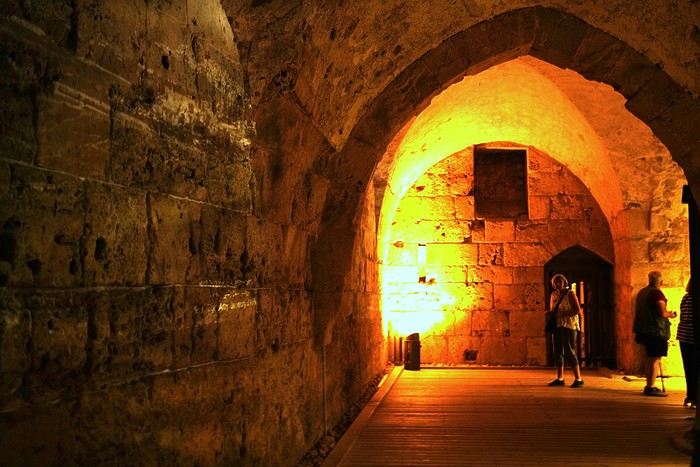

 Then, we enter the magnificent refectory hall, whose 10-meter-high vault is supported by three massive pillars.
 With a fleur-de-lis on two of the corner capitals of the room.
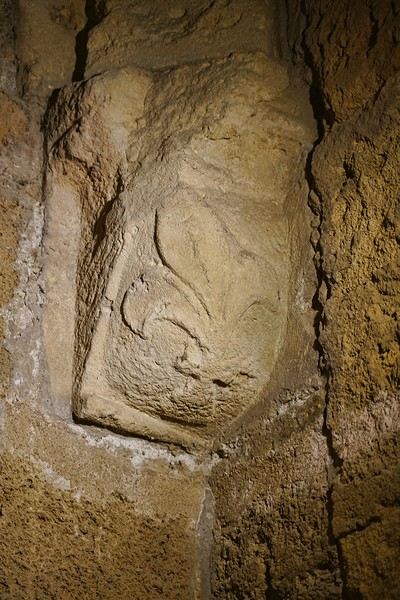 We then pass through the narrow tunnel that allowed escape to other parts of the fortress.
After this visit, we’re completely in awe of the scale of the structures and the beauty of the whole site.
Next, we try to check into our hotel, but the GPS sends us into the streets of the old city, where two-way streets are only as wide as a single vehicle (I say "vehicle" because there are several carriages shuttling tourists around, which limits traffic speed to a horse’s pace and makes passing tricky).
 We drive around for over an hour, repeatedly coming across roads marked as open on the GPS but actually closed to traffic. Eventually, we have to leave the center, take a long detour, and finally reach a parking lot near our guesthouse, located right in the old city. It’s full, and we spend fifteen minutes circling without finding a spot before ending up parking on the sidewalk to walk the 300 meters to the hotel. We navigate through narrow alleys.
 Two hotel staff come to take our luggage, and we manage to find a proper parking spot.
After a short rest, we head back to the port, where we admire the thick walls built by the Ottomans.
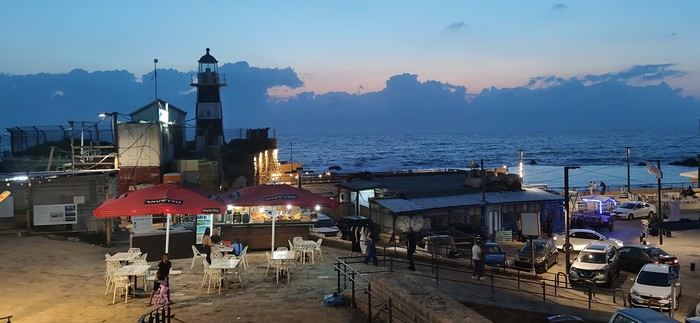
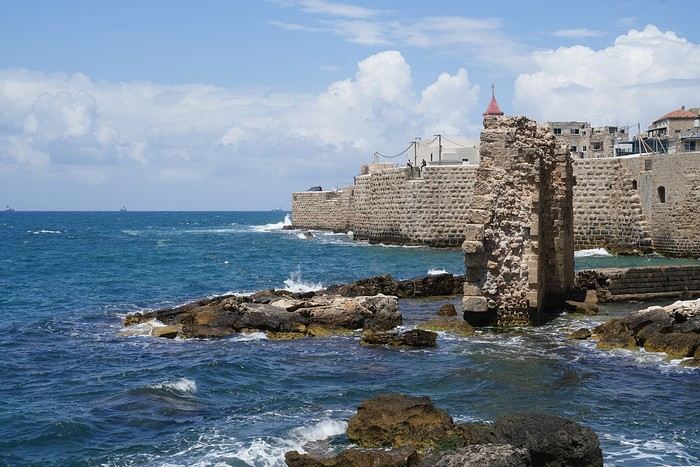 We then have dinner on the ramparts at Doniana restaurant, recommended by Voyageurs du Monde—and rightly so, because the food is good and the value for money is better than what we’ve encountered so far. We order a Saint Peter fish, expecting a John Dory, but the fish that arrives has nothing to do with what we call Saint Peter in France—it’s actually a tilapia. It’s called Saint Peter because of the miracle performed by Jesus when the tax collectors asked him to pay his dues. He then asked Saint Peter to go fishing. In the mouth of the first fish, he found a coin, hence the name of this fish.
There’s a great atmosphere on the seaside ramparts as we head back to our hotel.
A really great day, despite the difficulties getting around and parking.


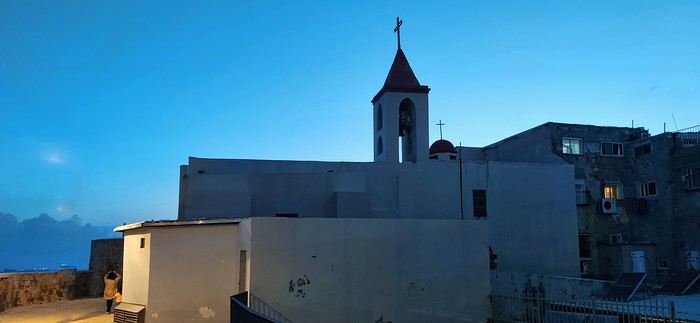


 We have trouble finding the synagogues we came to visit because we’re looking for important buildings on the slopes. In reality, we’ll see that these synagogues are quite modest.
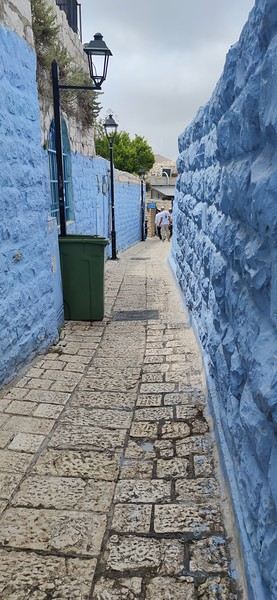
From alley to alley, we finally find the charming little Ari Ashkenazi Synagogue, one of the oldest in Israel, where we admire the beautiful Holy Ark. At the entrance, a worshiper hands out kippas and collects them at the exit with a small donation.


 All around, the charming cobbled alleys are home to many art shops, and we stroll through them for a while.


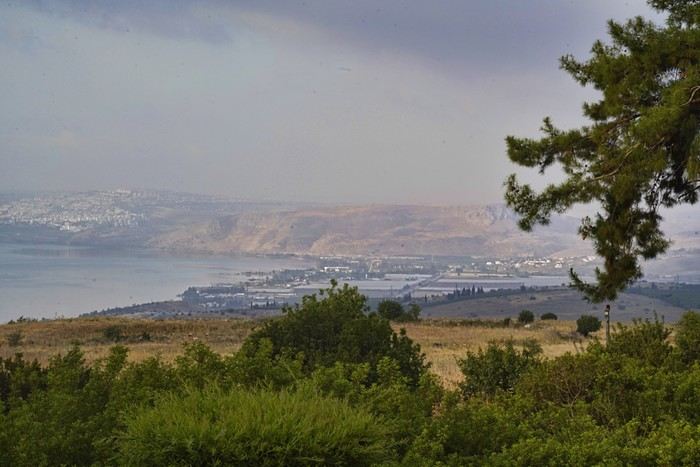
 Before heading back to Tiberias. Our hotel is a large ranch/hotel/restaurant complex in Vered Hagalil, where we settle into a spacious, well-equipped bungalow. From the terrace, there’s a wide view of the Sea of Galilee, along with some mosquito company. The restaurant turns out to be quite good, with an impressive wine list that the waiter helpfully guides us through.


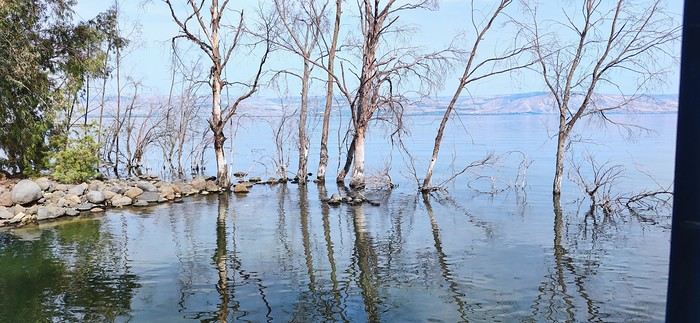

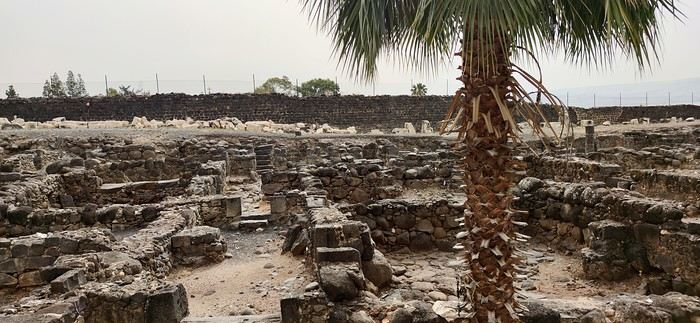
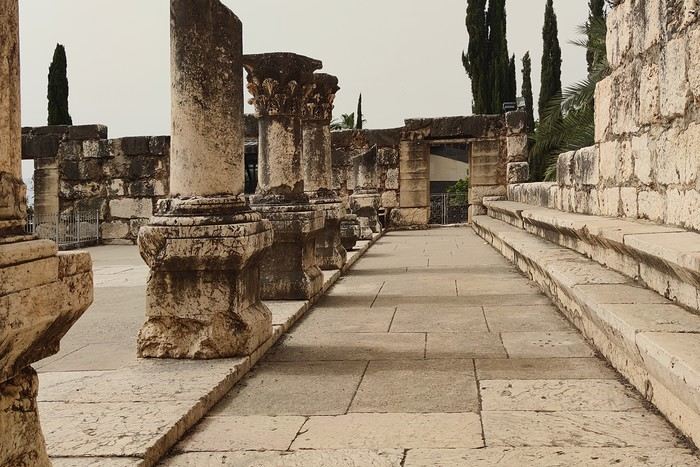
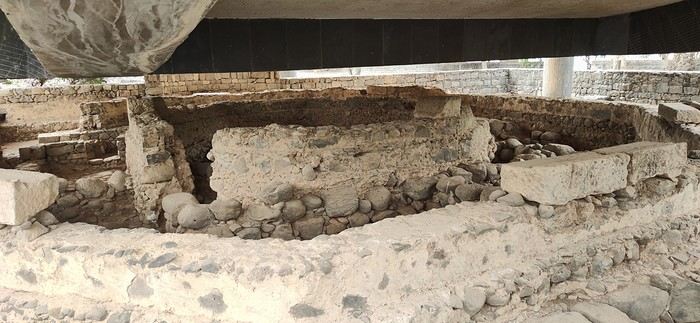 To be continued


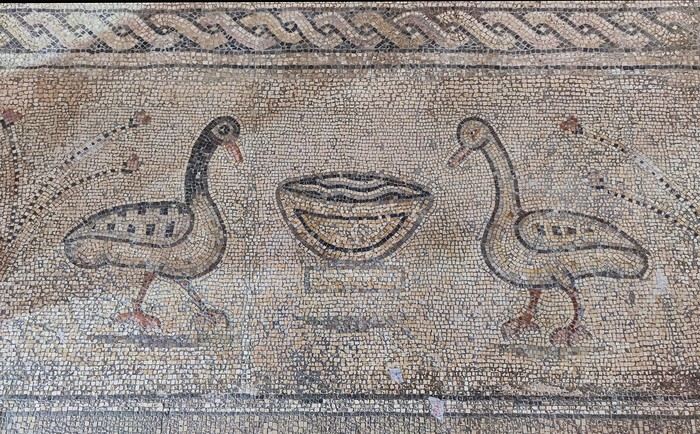
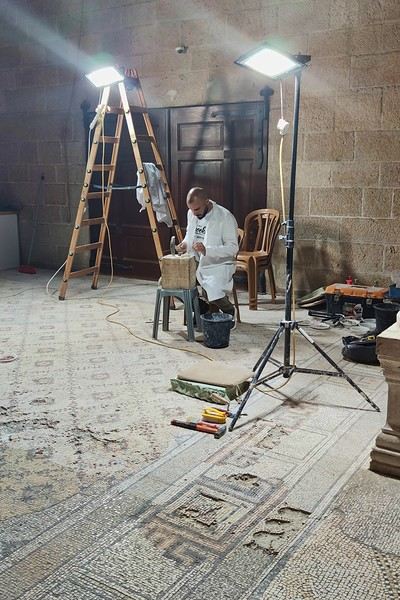
 The church also has beautiful mosaics currently being restored by German Benedictines—a very meticulous process we got to witness.
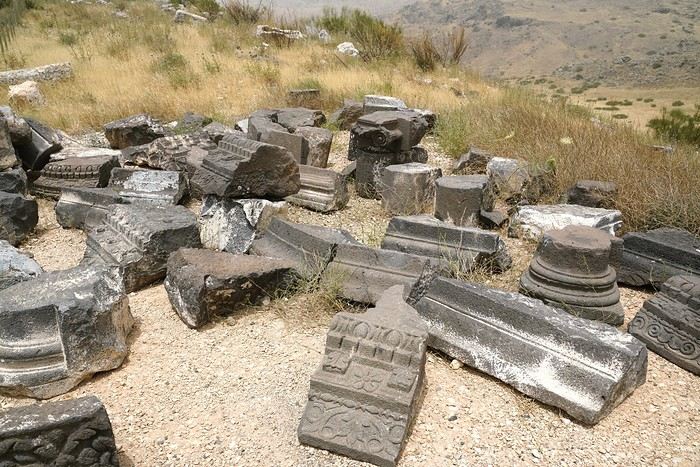
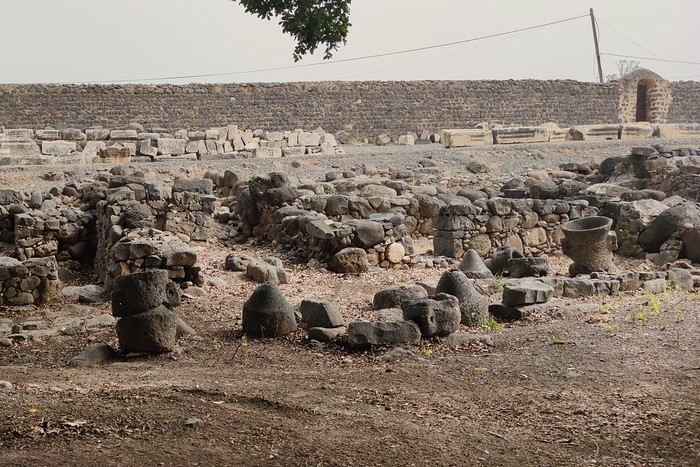
 We continue our journey around the Sea of Galilee and stop at Kursi to see the ruins of a large Byzantine monastery, destroyed—some say by the Persians, others by an earthquake. It’s believed to have been built on the site of a miracle where Jesus healed a man possessed by a demon by transferring the evil spirit into a pig.