Biking and Beer in Belgium
"The Most Refreshing Way to Travel Around Belgium"
This is the title of the guide published by Pierre Pauquay at Éditions HELVETIQ Sàrl, Lausanne, Switzerland, 2023.
I set off for Belgium with my camper van and my electric-assist bike, eager to deepen both my theoretical and practical knowledge of this country’s emblematic beverage while exploring the land. This guide became my trusted companion throughout the journey, which took place from June 4 to July 4, 2024.
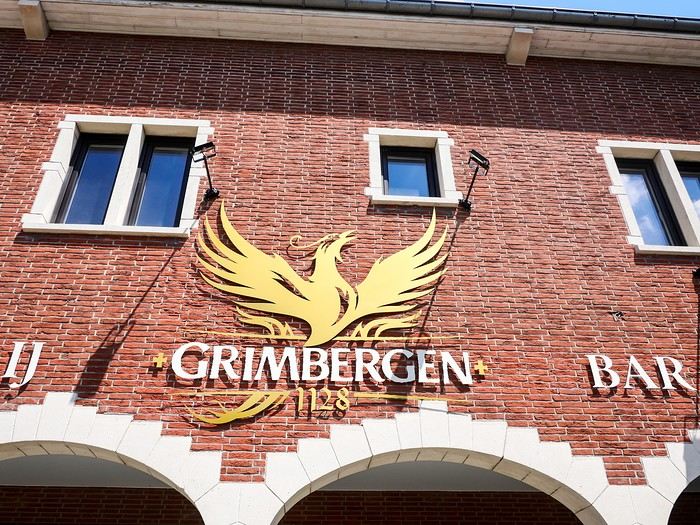
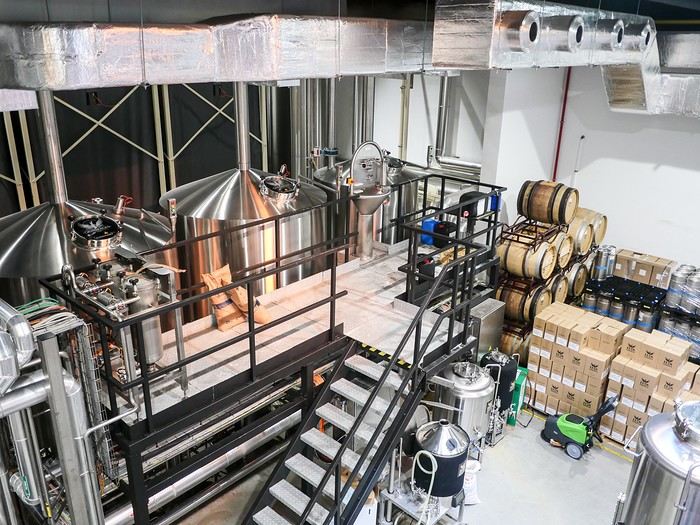
Out of the 40 routes presented, I chose 21, covering a broad swath of Belgium—both Wallonia (14 routes) and Flanders (6 routes), plus one route around the Brussels-Capital region with a visit to the famous Grimbergen brewery.
Every route included a stop at a brewery, whether lesser-known or famous, artisanal or industrial, family-run or Trappist.
In total, I logged 1,111.2 km of biking over 58 hours and 42 minutes of pedaling, averaging 3 hours of cycling per ride of 55.6 km. I visited 21 breweries, toured a few, and had just one flat tire (I didn’t count the number of beers, but I tasted them all...).
I wasn’t always able to park my camper van near the brewery planned for that day’s route, but I made sure to enjoy the famous nectar only after completing the physical exercise required by the loops.
Traveling by camper van, I needed routes that formed a loop, starting and ending in the same place. Except in Brussels, I never had to rely on campsites for a safe night’s stay. I always found a welcoming public or private parking spot, secure enough to prepare for the next day’s ride.
I discovered Belgium from top to bottom, through hills (not very high) and valleys (very flat and often windy), at my own pace. I stopped whenever a photo caught my eye, grabbed a bite or a drink in the villages I passed through, and often felt like I was truly part of the landscape, in sync with the country’s rhythm and curious to see how people lived...
More to come, with photos in a future post...
Thanks for reading...
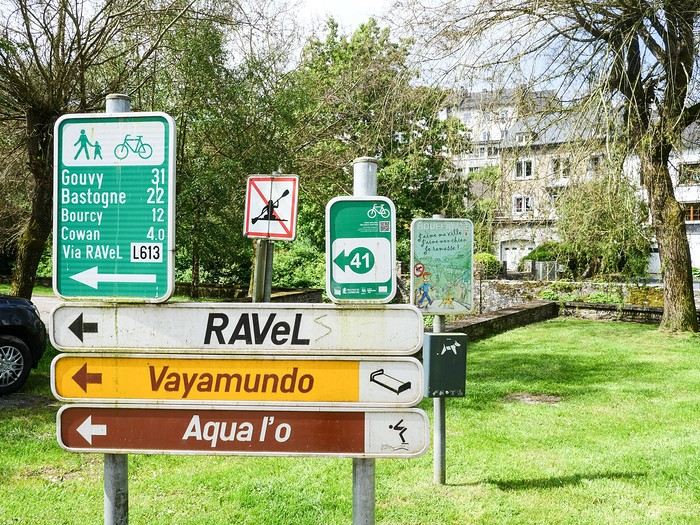 On my very first outing, I discovered the RAVel (Rail to Bike) network and the node-based cycling system used not only in Belgium but also in the Netherlands. The concept involves a network of quiet routes (greenways, bike paths, country lanes, forest trails, etc.) that lets you explore freely without a map or GPS. Every intersection is numbered and marked with a clearly visible green sign. These signs show the intersection number, the next node numbers, and the direction to follow.
Using dedicated maps available at tourist offices or online, you just plan your route and note the node numbers to follow. Once at the starting point, find the first sign and head in that direction. When you reach it, look for the next one, and so on until you arrive. It’s nearly impossible to get lost or take a wrong turn.
My guide, *Biking and Beer in Belgium*, lists the node numbers to follow for most of the suggested routes.
More info at: www.fietsroute.org or the Fietsknoop01 app.
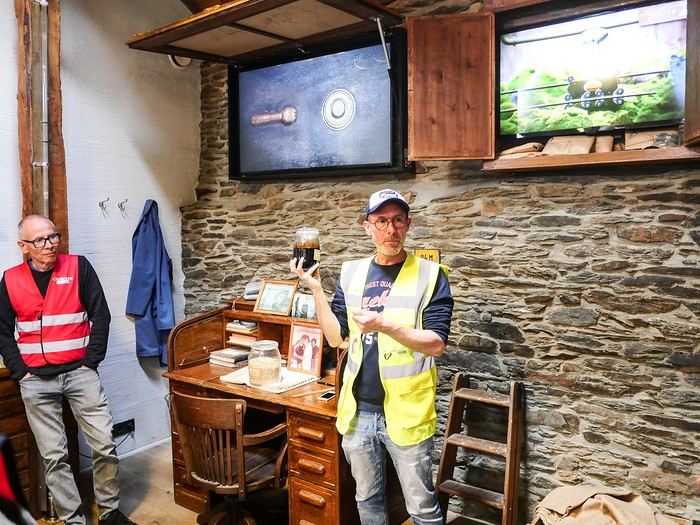
First leg, first brewery in Houffalize, and first beer—La Chouffe—after the visit...
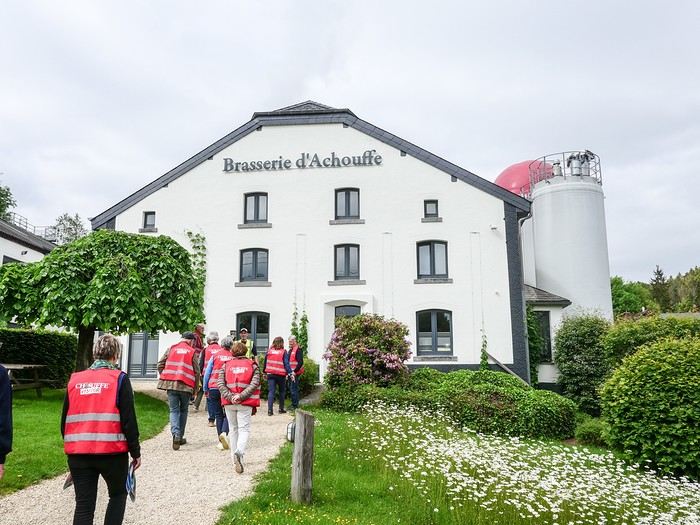


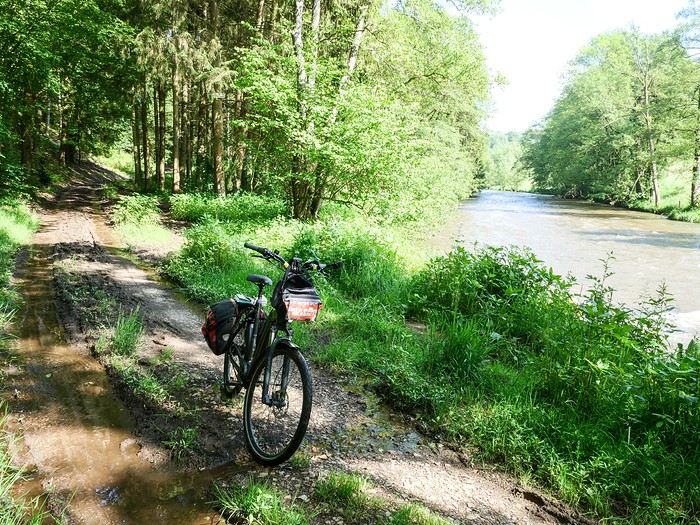
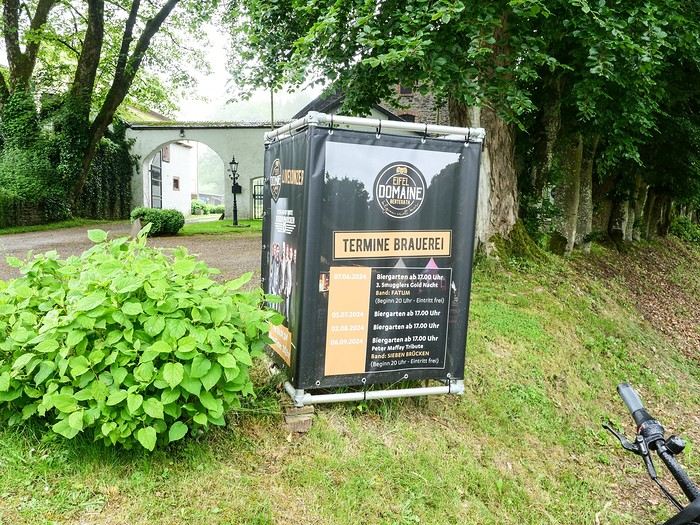 the route follows the banks of the Our River
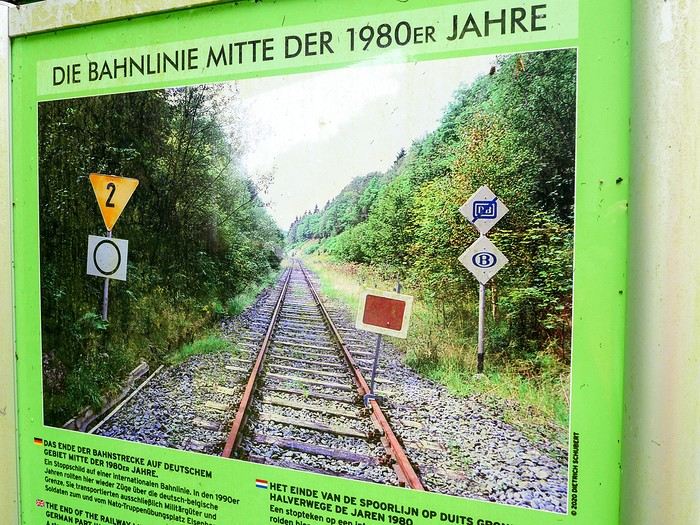
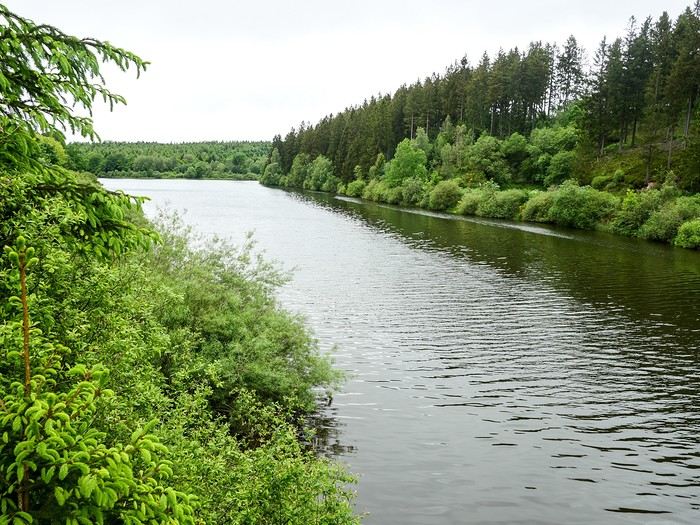 to reach the German border at Hergersberg. You’ll take the old railway line between Losheim and Wévercé, which was opened in 1912 by the Germans for military purposes.


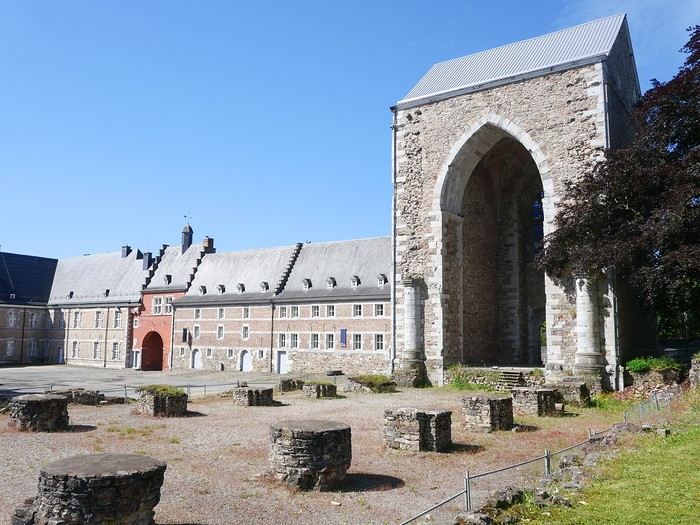 Along the way, the half-timbered village of Bellevaux is home to a small brewery founded in 2005 by a Dutchman who came to spend his holidays in the region.
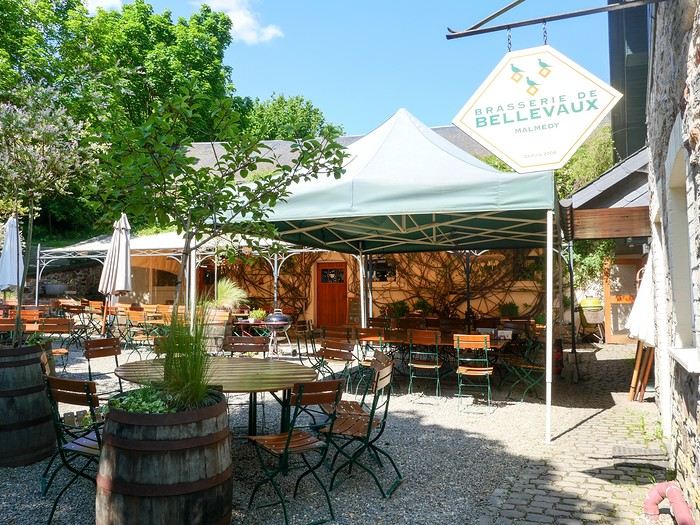 Throughout the year, the brewery produces a brown ale as well as an elegant blonde. The sparkling white ale heralds spring, and in autumn, the Black appears—a bold-flavored beer characterized by its creamy Guinness-like foam!!!
These past few days, it’s been raining a lot, and the trails along the Amblève can be quite muddy and slippery.


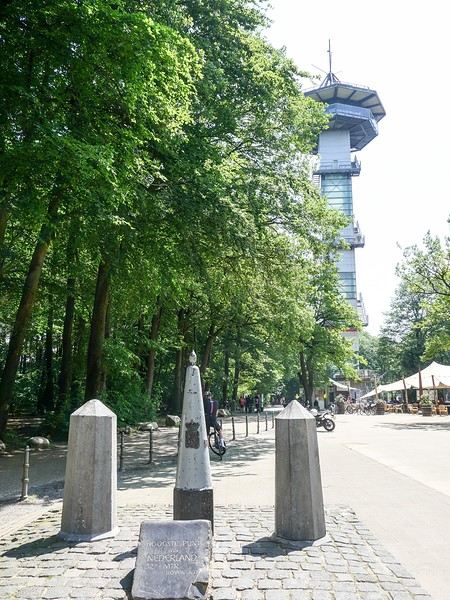 A meeting point of three countries—Belgium, Germany, and the Netherlands—and the highest point of the latter, peaking at 327 m above sea level!!!
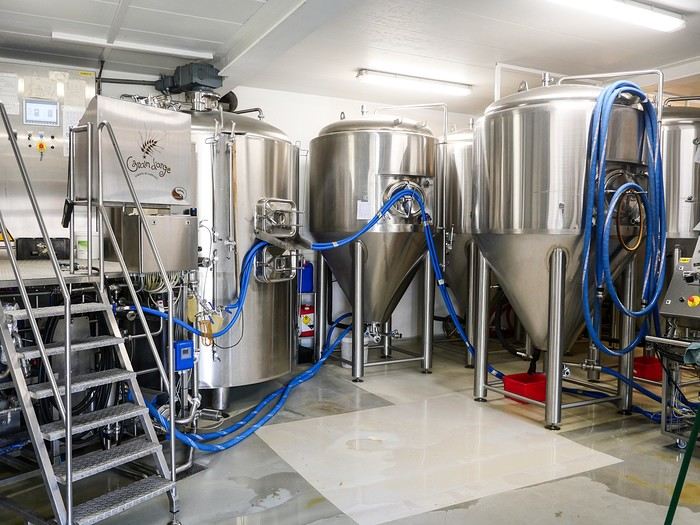
The Grain-d'orge brewery is a craft microbrewery located in the Johnen family farm. They produce a whole range of drinks on-site, showcasing experience, terroir, and flavors: for example, La Canaille, a white beer; La Grelotte, a festive beer; La Brice, the classic blonde beer; and for late evenings, Esprit d'Orge, a liqueur made from their beer distillate... Enjoy in moderation!
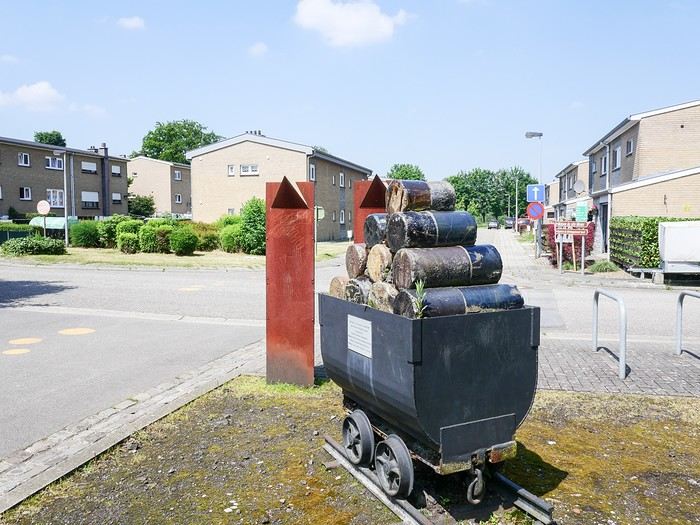
 In the village of Moresnet, there was a calamine deposit that, in the 19th century, the Netherlands and Prussia both claimed. A compromise was reached: the municipality was divided into three territories—Moresnet given to the Netherlands, Neu-Moresnet to the Prussians, and Neutral Moresnet, which held the deposit, lived as a small independent state for over a century until 1919, when the village was renamed La Calamine and annexed to Belgium.


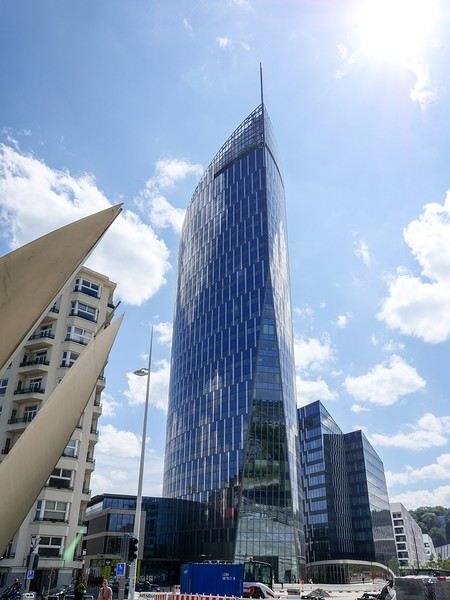
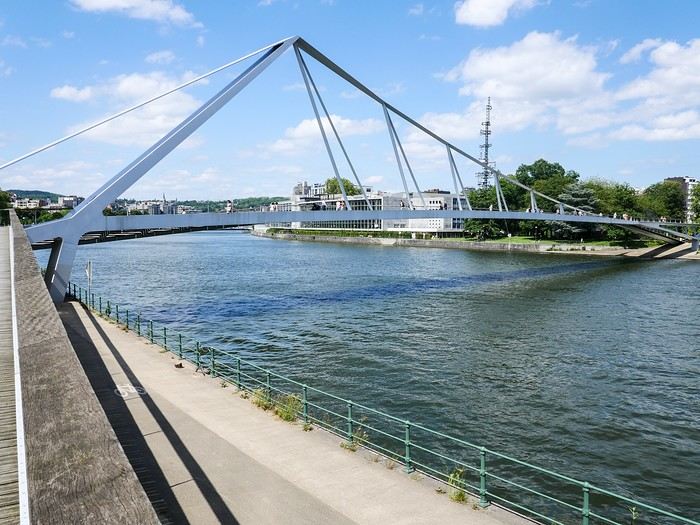
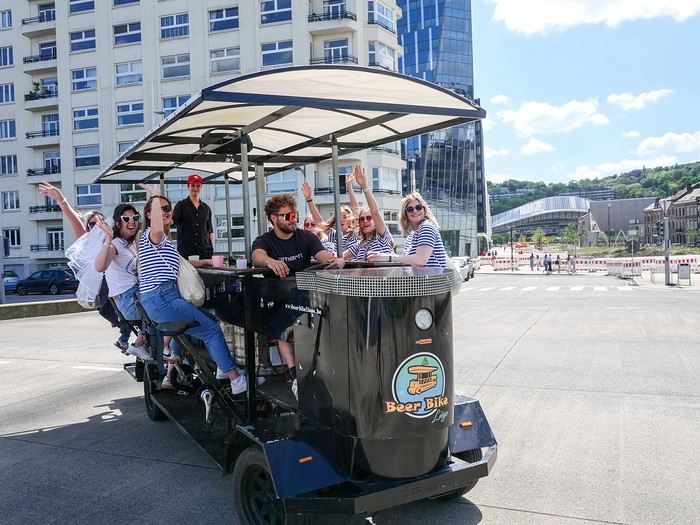
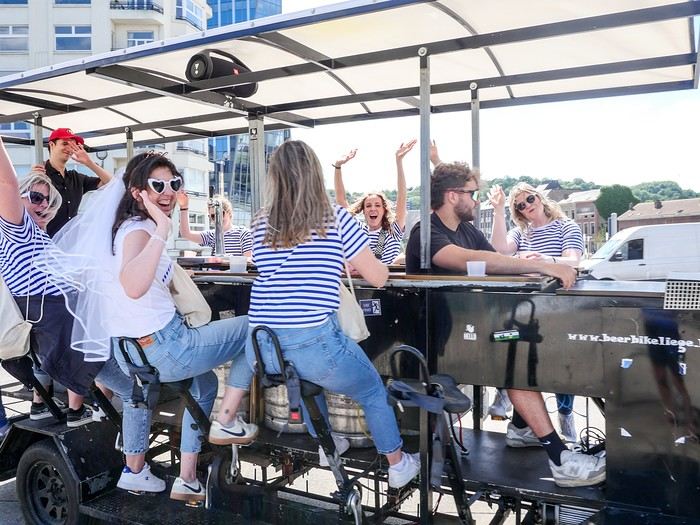


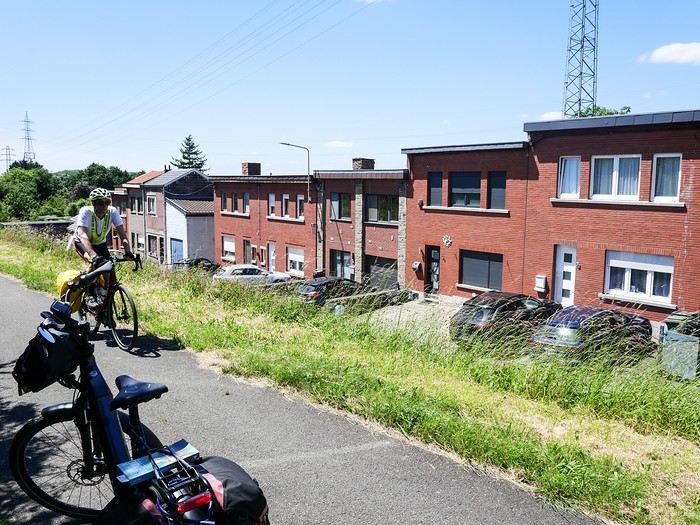
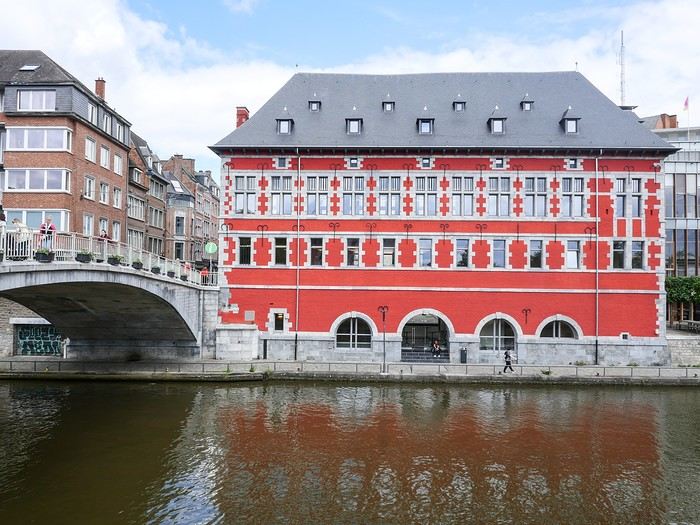
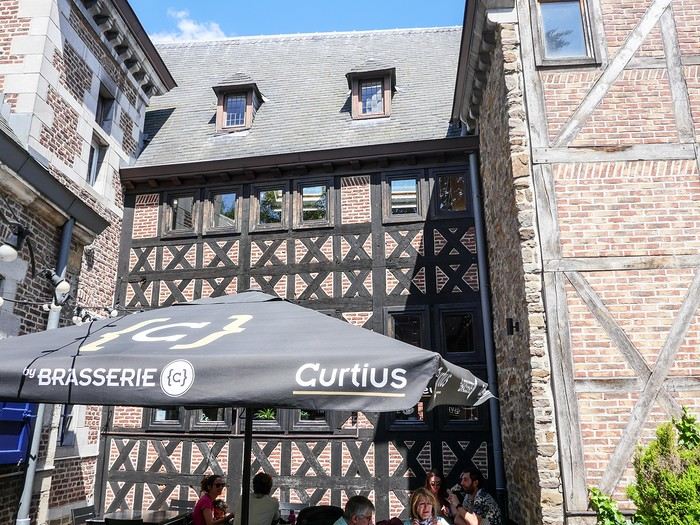 Every Sunday morning, brunch at the Curtius Brewery and a tour of the cellar...
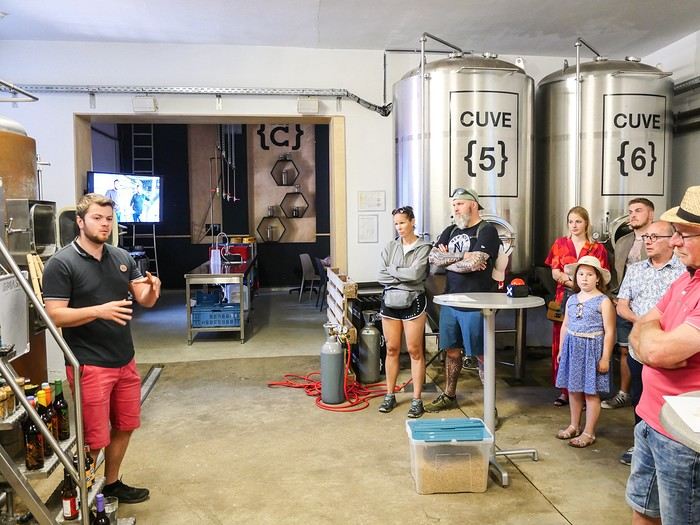
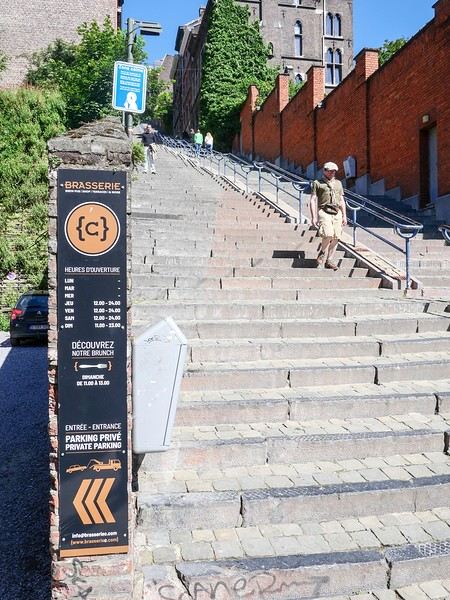


 To be continued...


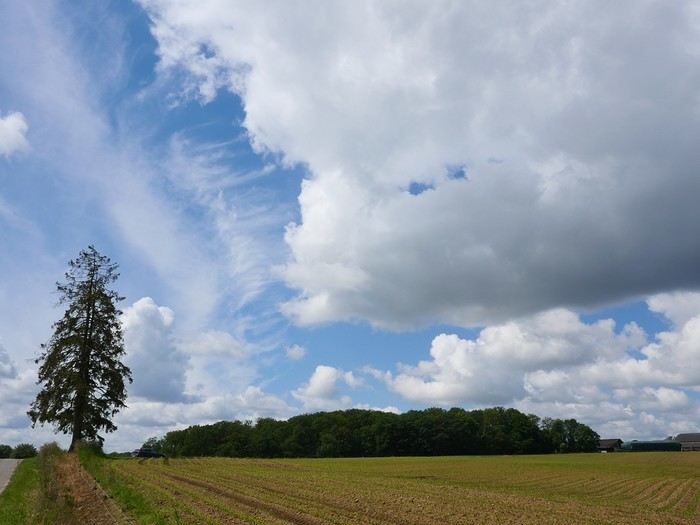
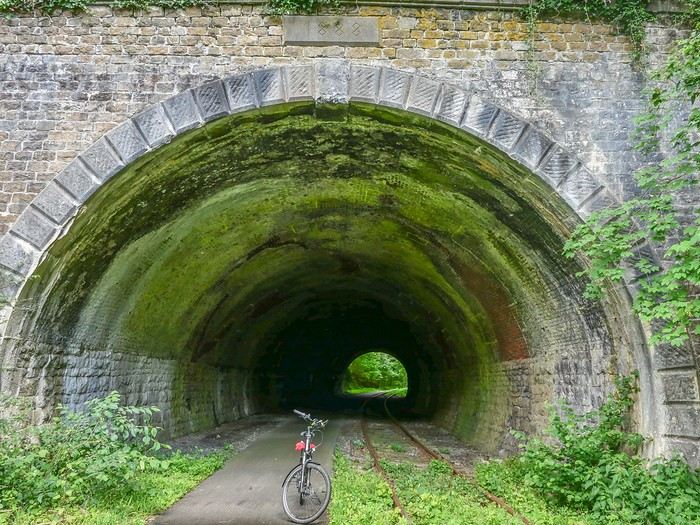
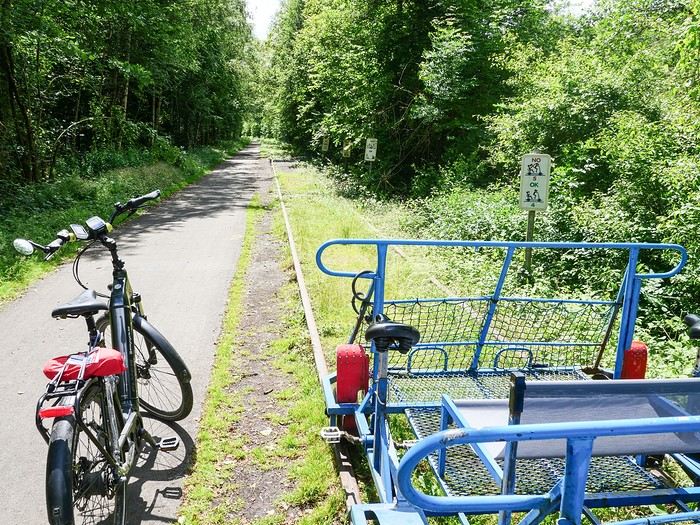 To be continued...


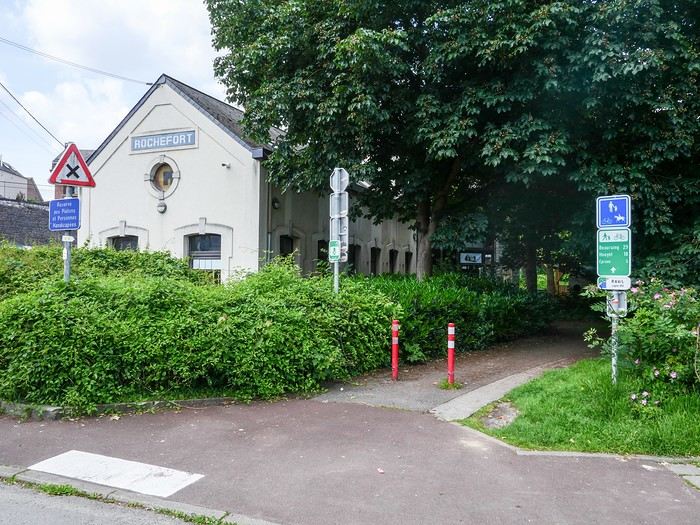
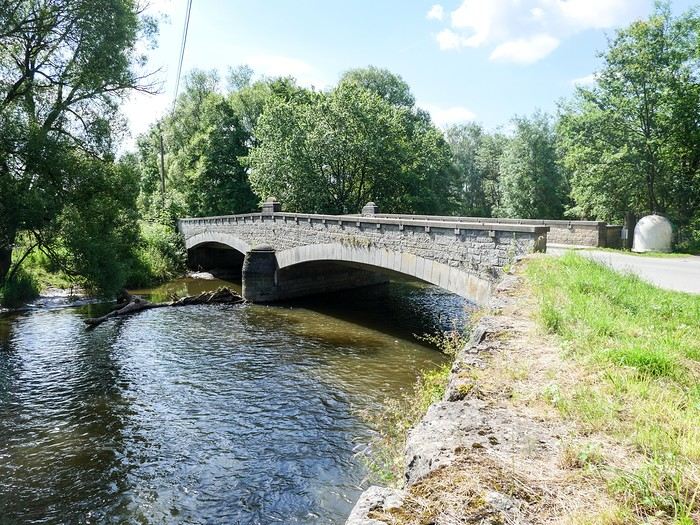
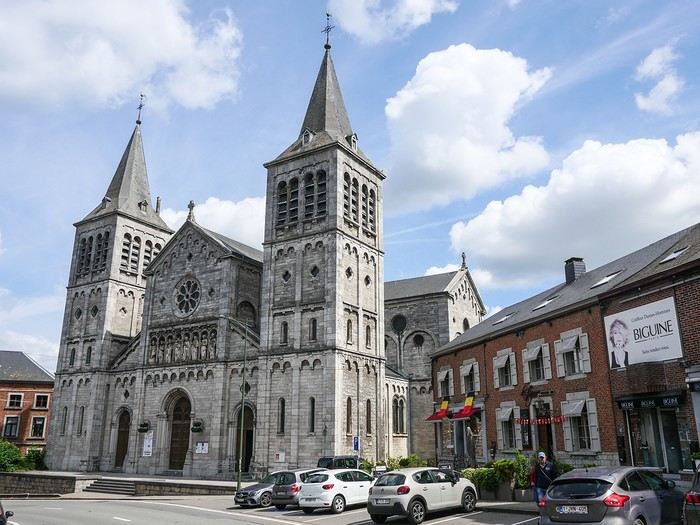
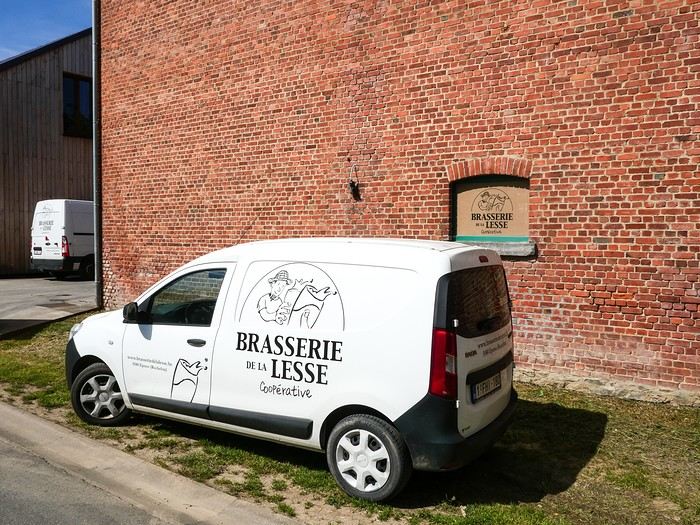


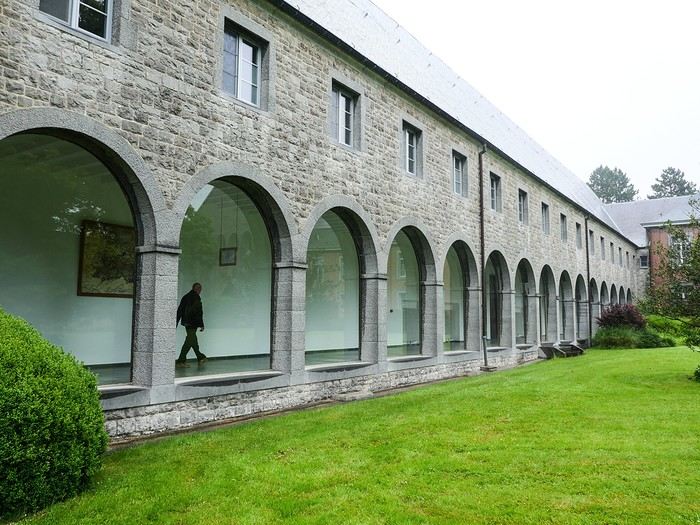
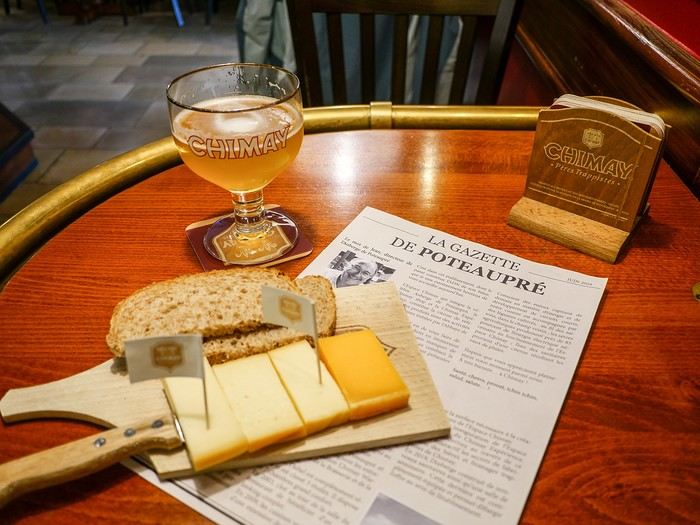 To be continued...


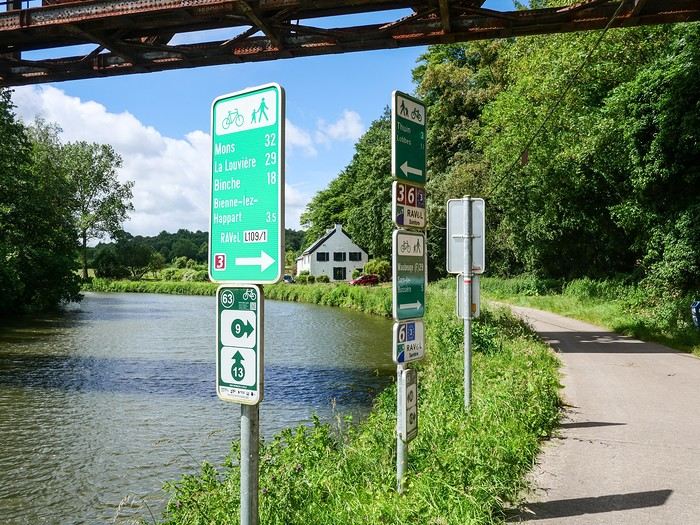
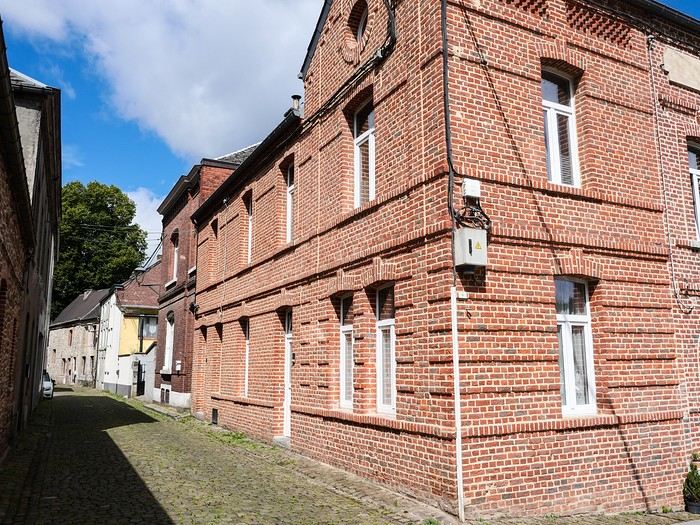


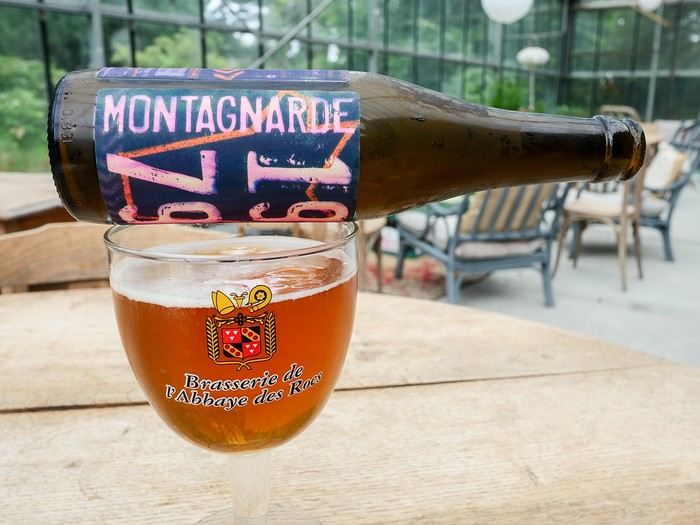
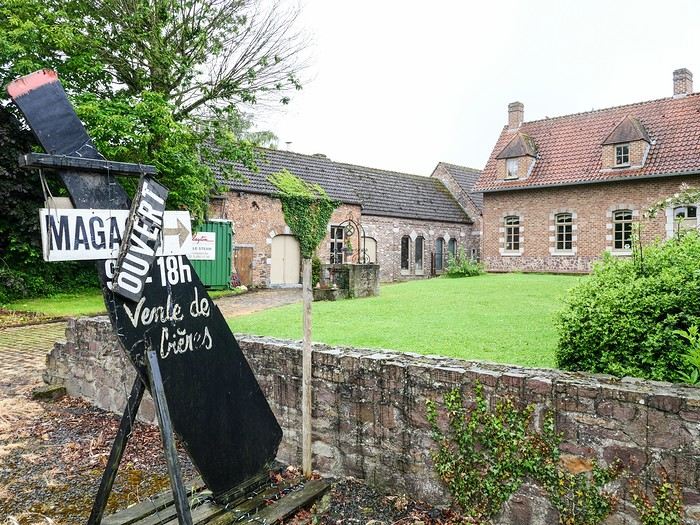
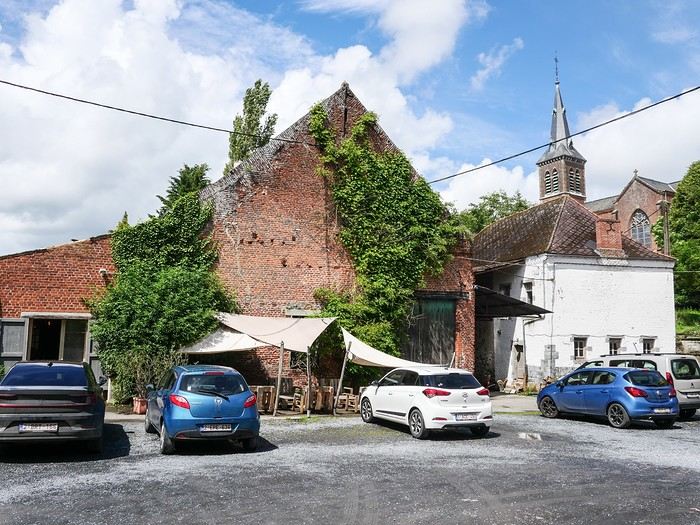
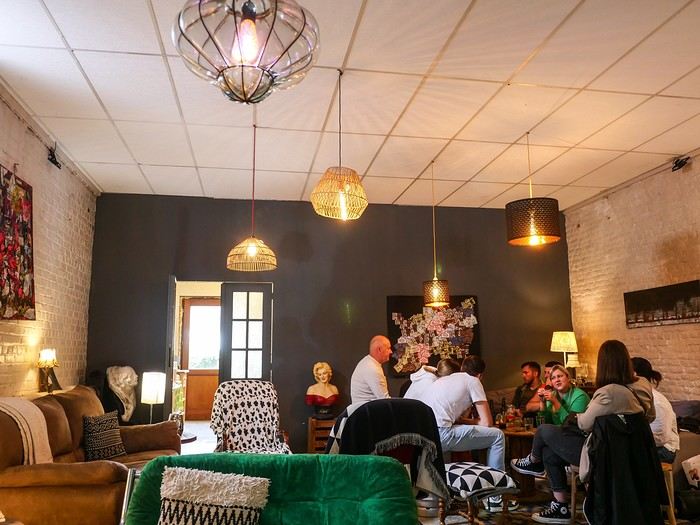
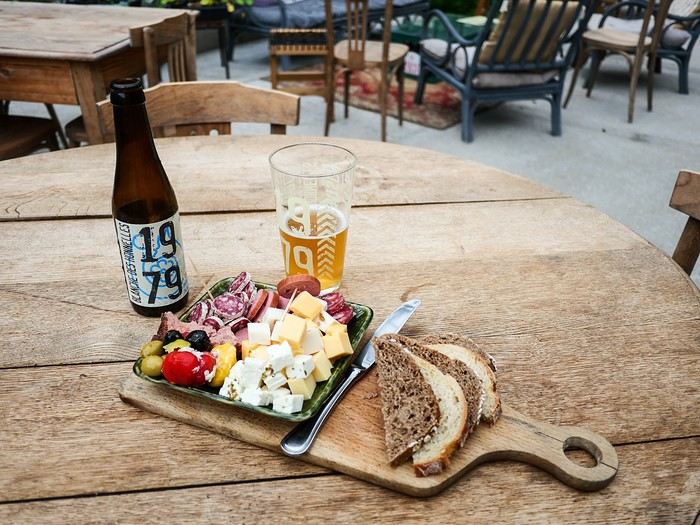 Cheers and bon appétit...


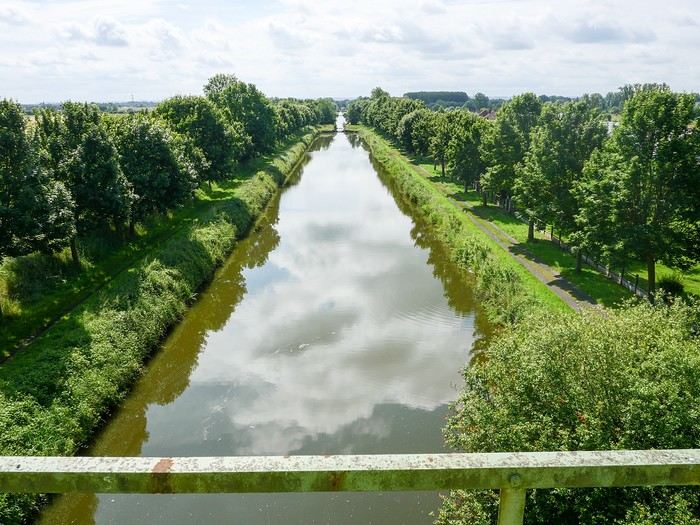
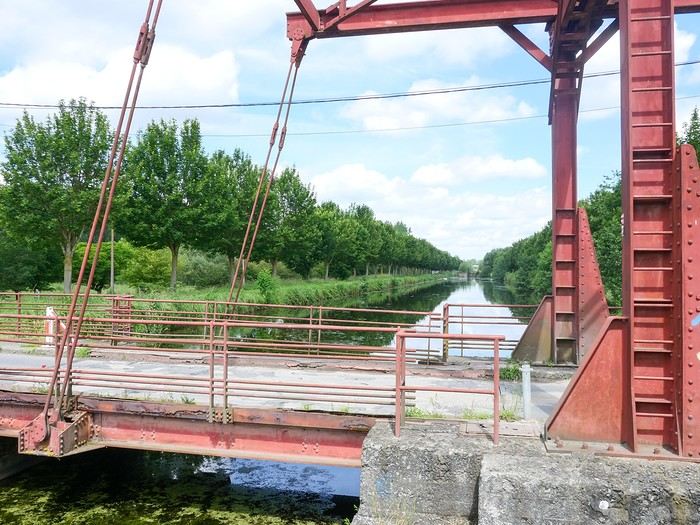
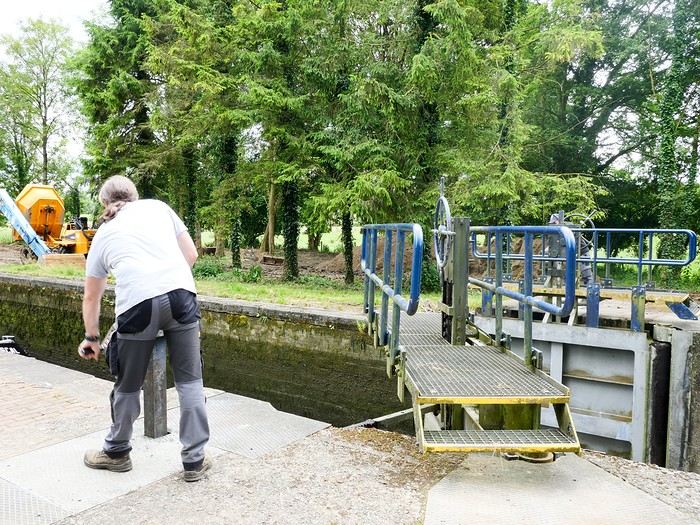
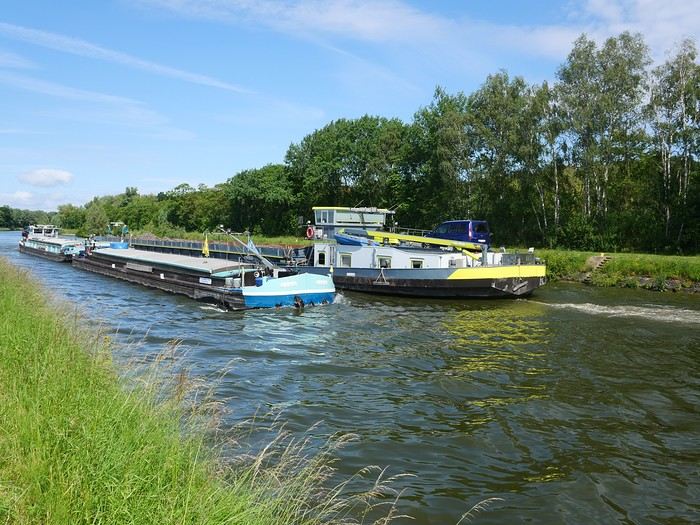
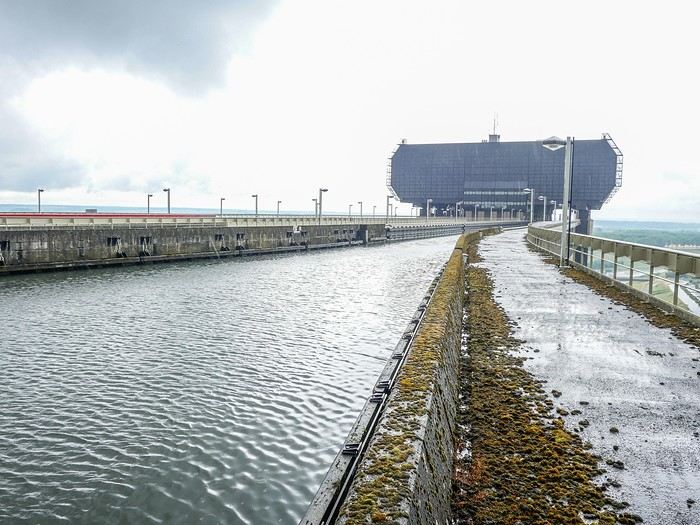
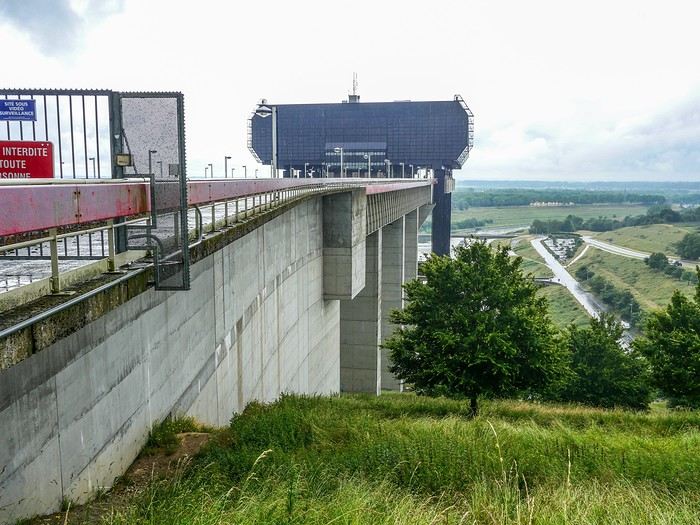
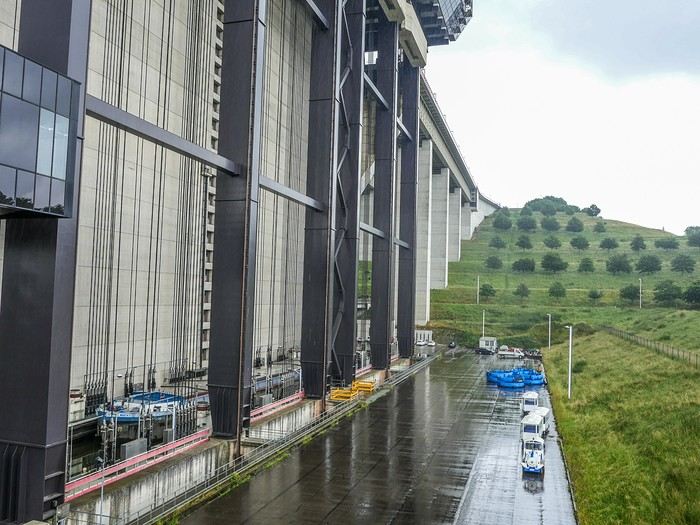
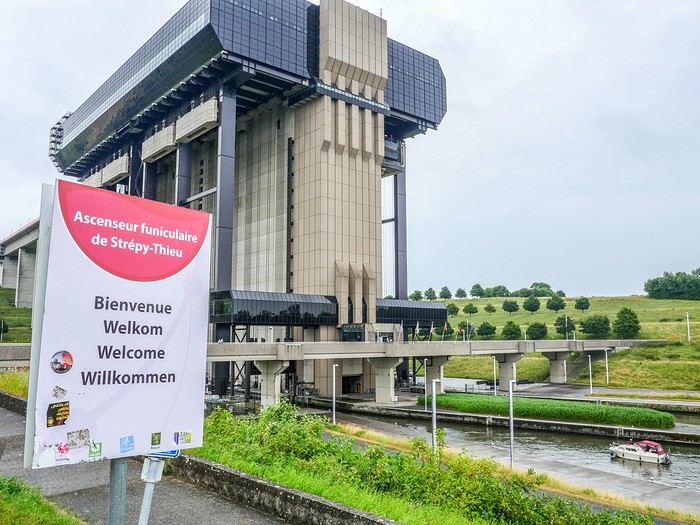
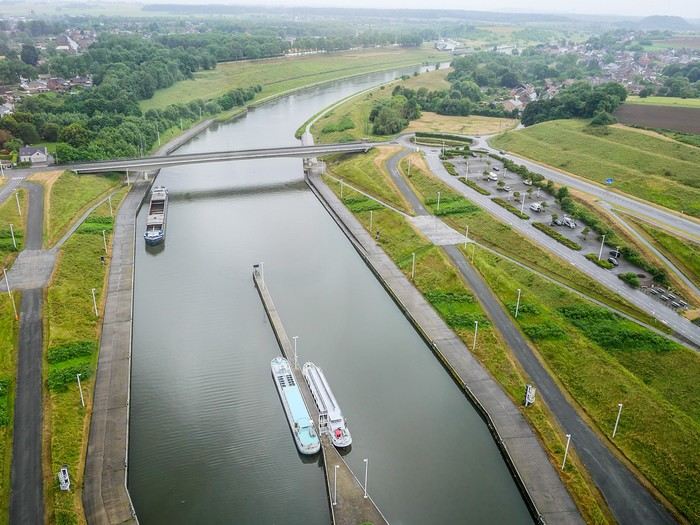
 The Nimy-Blaton canal is a large waterway accommodating dense traffic of barges and pleasure boats, connecting the Scheldt to the Sambre and Meuse basins over more than 42 km. Upstream, there once stood a large sand hill that had to be excavated. These titanic works were undertaken to avoid transporting coal through the Borinage and France (Mons-Condé canal) and thus escape the taxes. Thanks to this, after passing the Royal Bridge, boats could navigate through numerous locks and reach the Scheldt.
 To be continued...


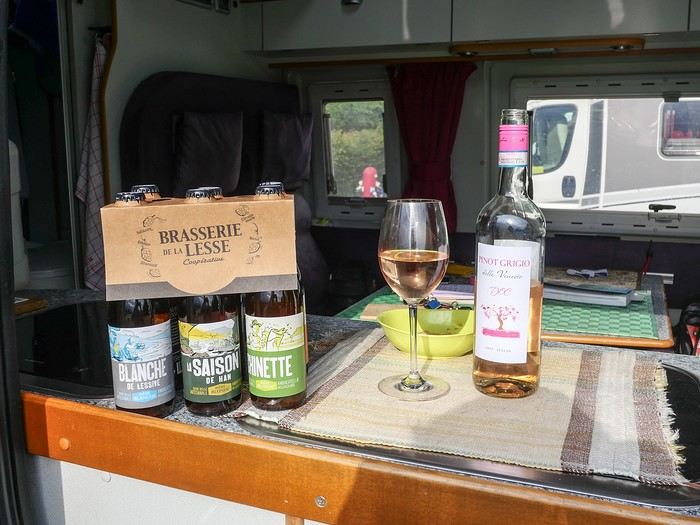
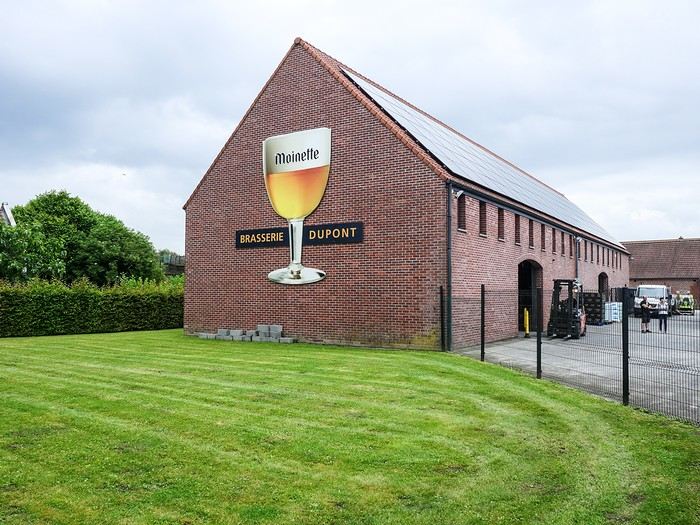
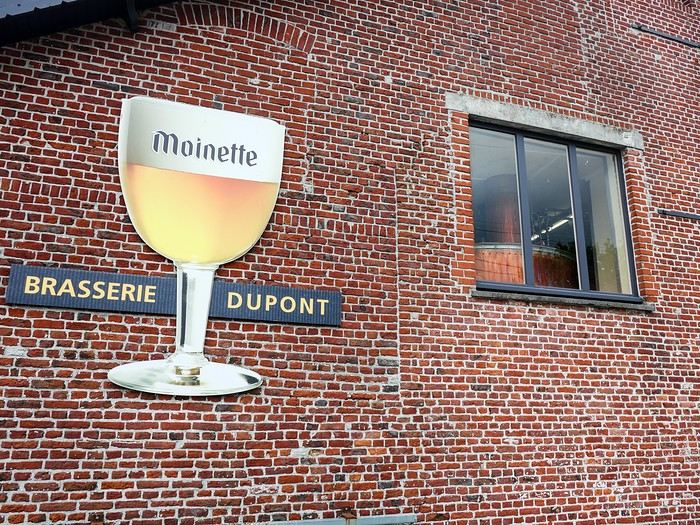
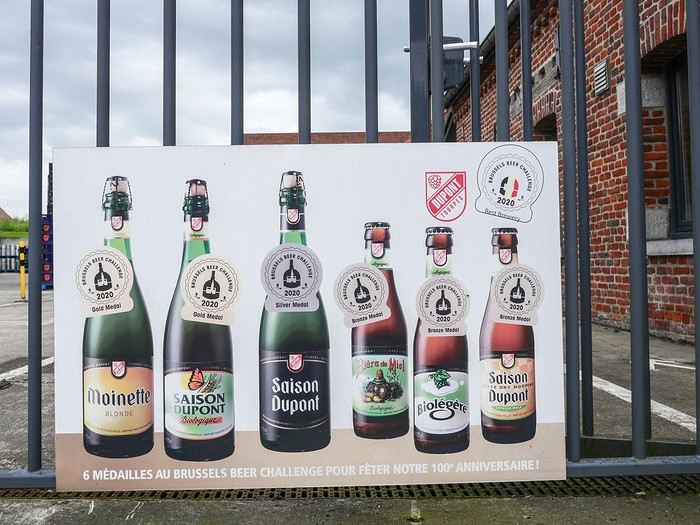
 Walloon Picardy is the region with the highest density of special Belgian beer production. The Dupont Brewery is certainly one of the most iconic, and its flagship product is undoubtedly "La Moinette," a beer with 7.5% alcohol content—a slightly hazy, top-fermented blonde beer with a hint of acidity and a grapefruit taste. In 2005, the "Saison Dupont" beer, a bit smoother and lighter, was declared the "best beer in the world" by the World Beer Awards jury.
 To be continued...


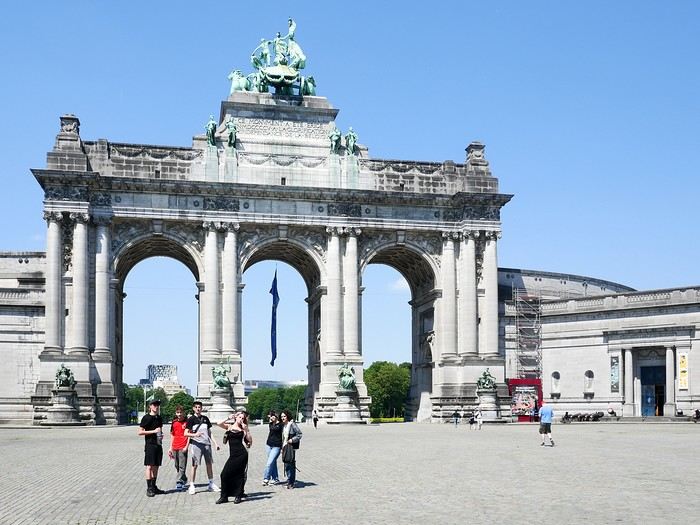
 Building of the Council and Commission of the European Union
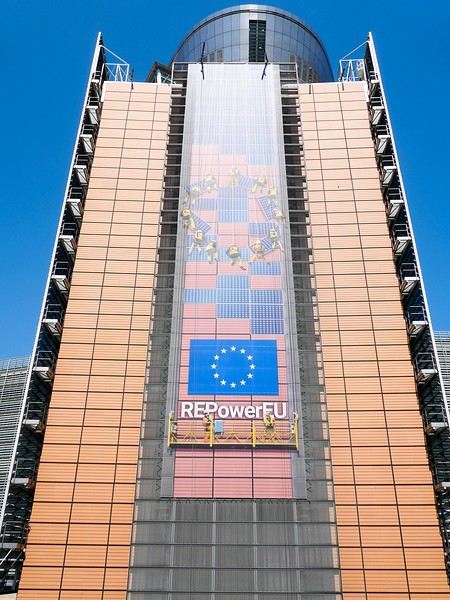
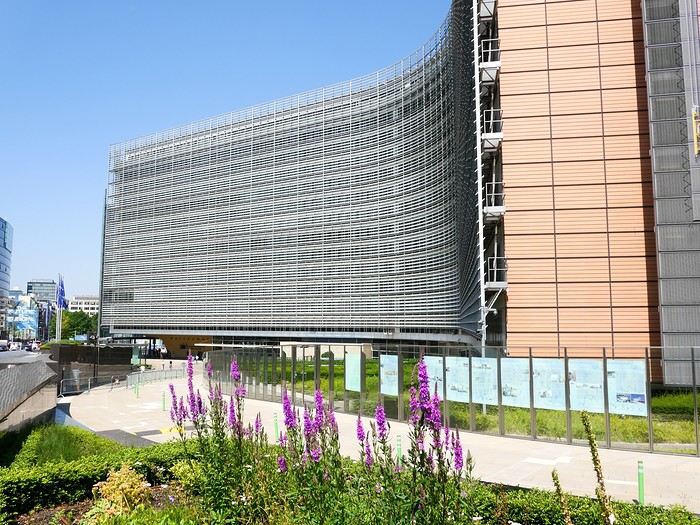
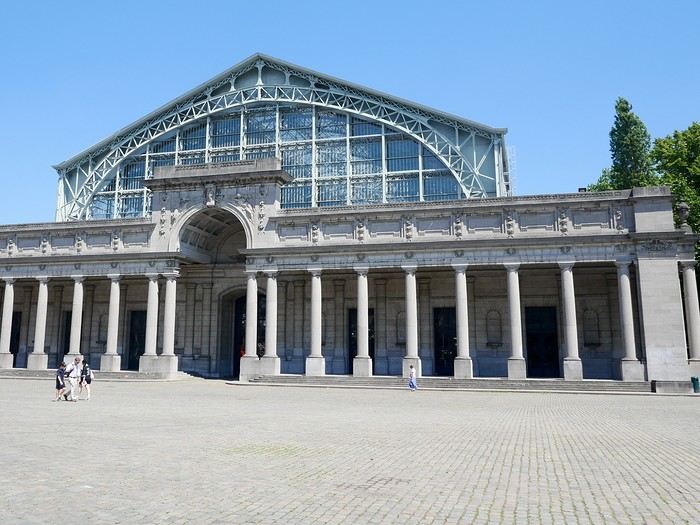
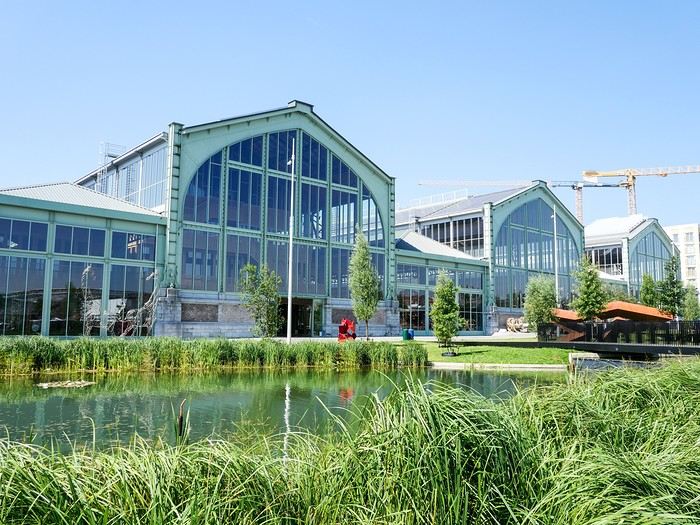
 To be continued...


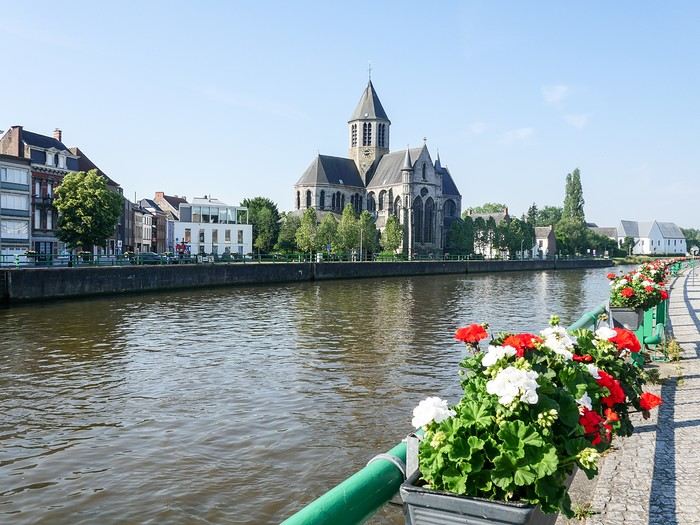
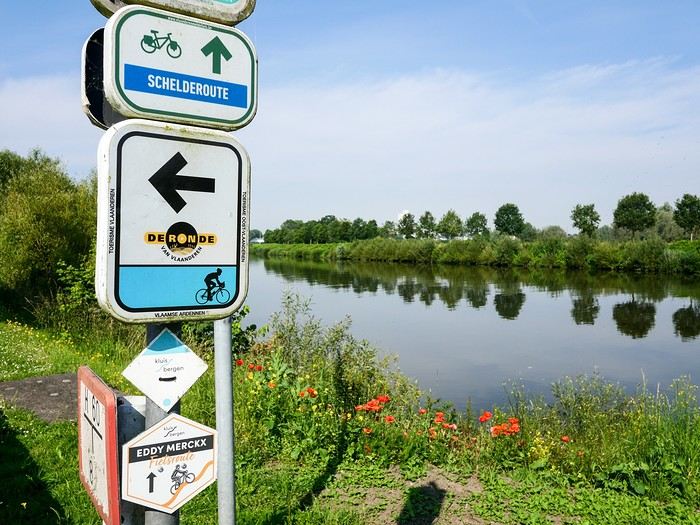
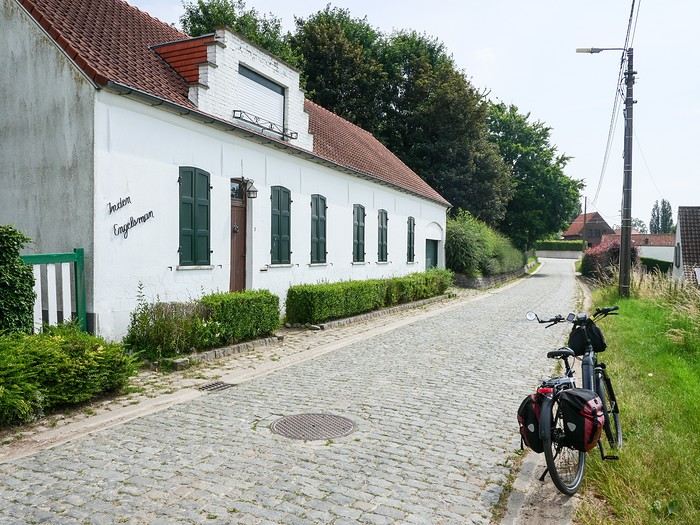 A rare fact in the history of brewers: Liefmans, this pleasantly fruity festive beer, was produced for decades by a woman, Rose Blanquaert-Merckx, before being acquired by a large group. This brewery is tied to the Flemish Ardennes, a fertile and orchard-rich land that produces fresh cherries for flavored beers: 13 kg of fruit macerate for a year in a hectoliter of beer to create this delicious and subtle nectar.
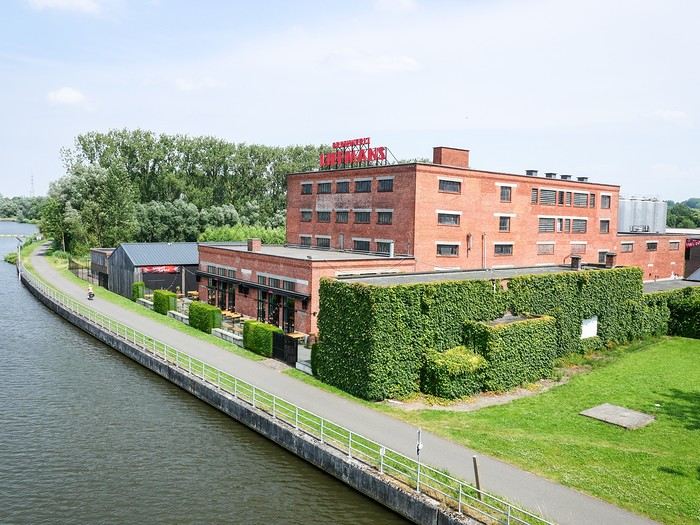 To be continued...


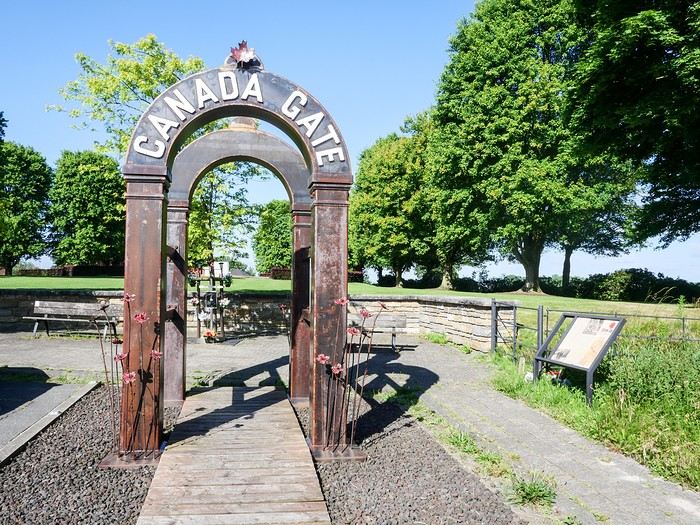
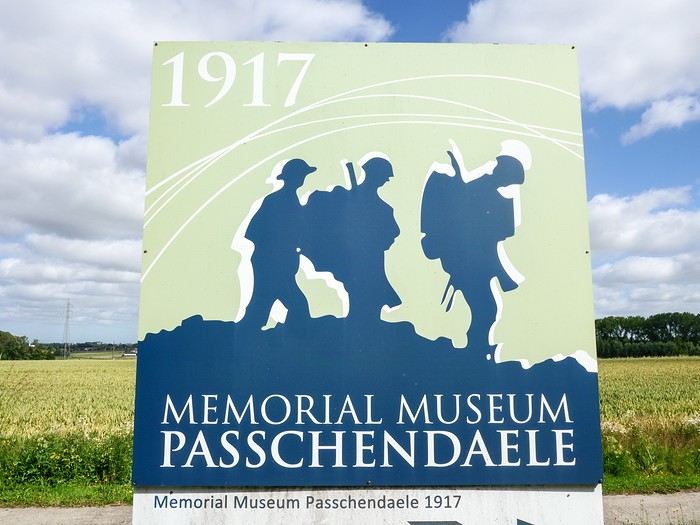
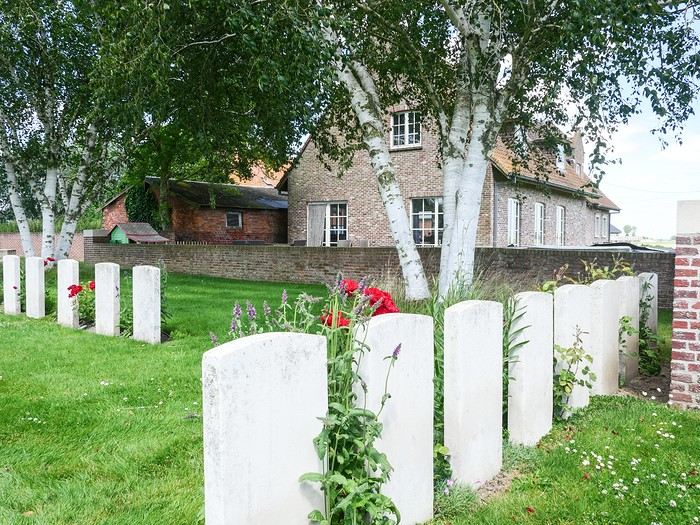
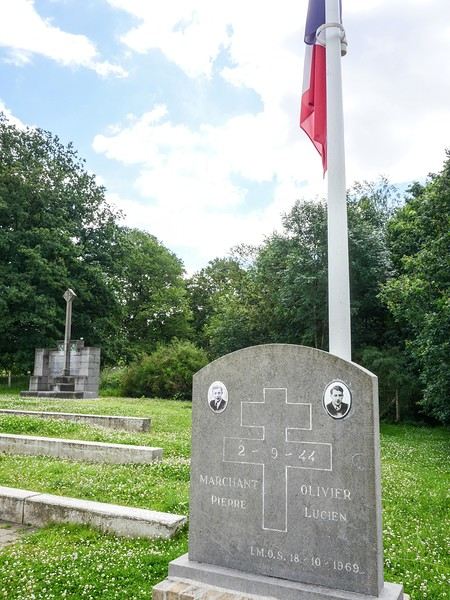 Pierre Marchand, Lucien Olivier, and so many others, who died for France and our Freedom...


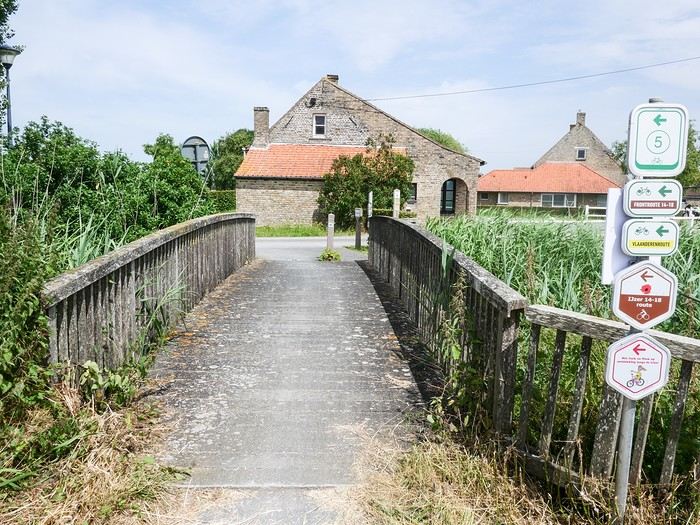
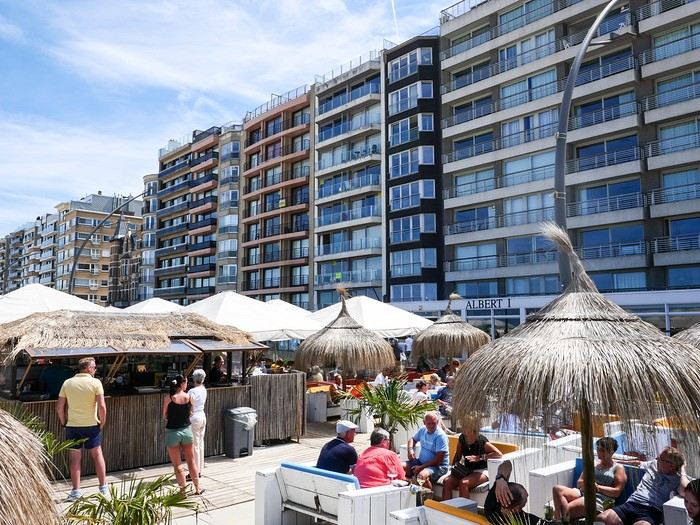
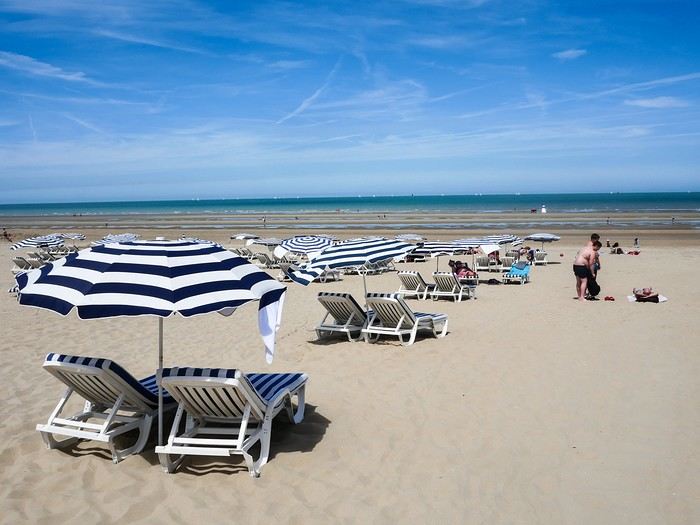 The Dolle Brouwers brewery is tied to a passion for biking: its name comes from the local cycling club "De Dolle Dravers" (the crazy trotters). Four of its members took over an old brewery in the 1980s and had the boldness to age their unfiltered beer in oak barrels!!! The "oerbier", a high-alcohol beer, was born (to be enjoyed in moderation). Speaking of which, I noticed that Belgians generally savor their beers like the French do their grand crus—with delight and without excess.
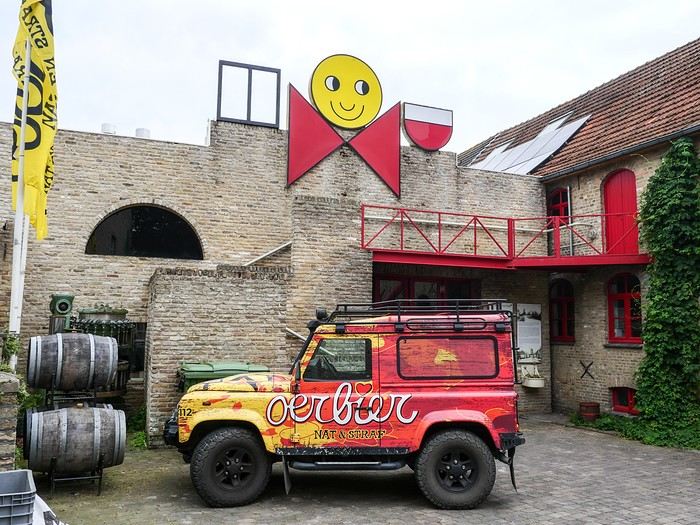
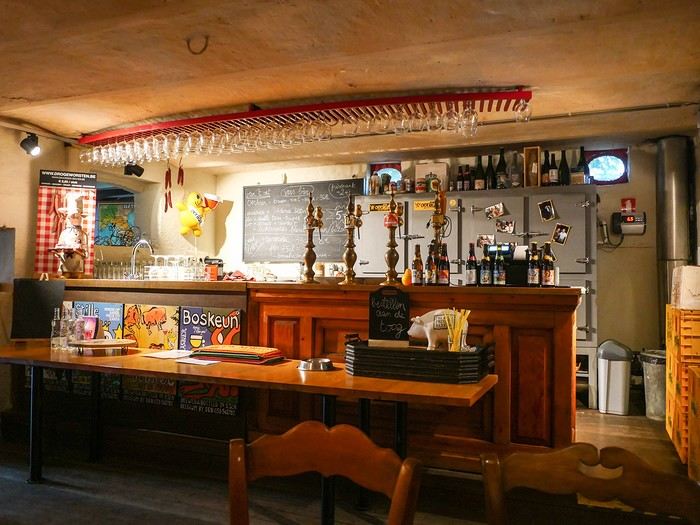
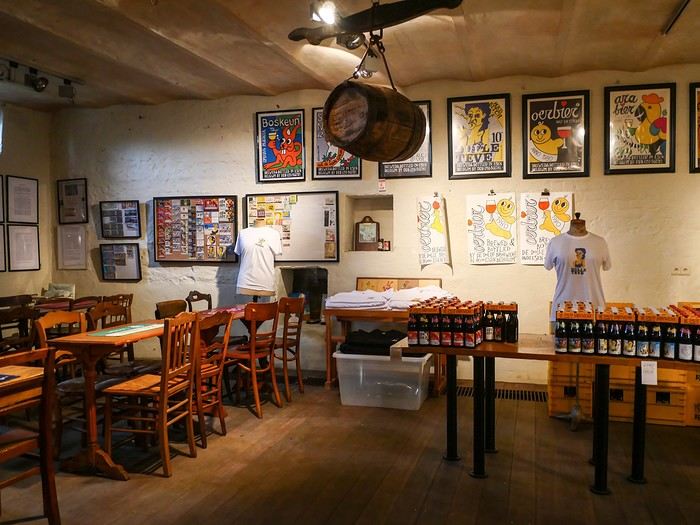 You can even find cycling jerseys with the oerbier logo.
See you later...


 To be continued...


