Thanks everyone, we're carrying on! 🙂
Day 3. From Mahabalipuram to Pondicherry
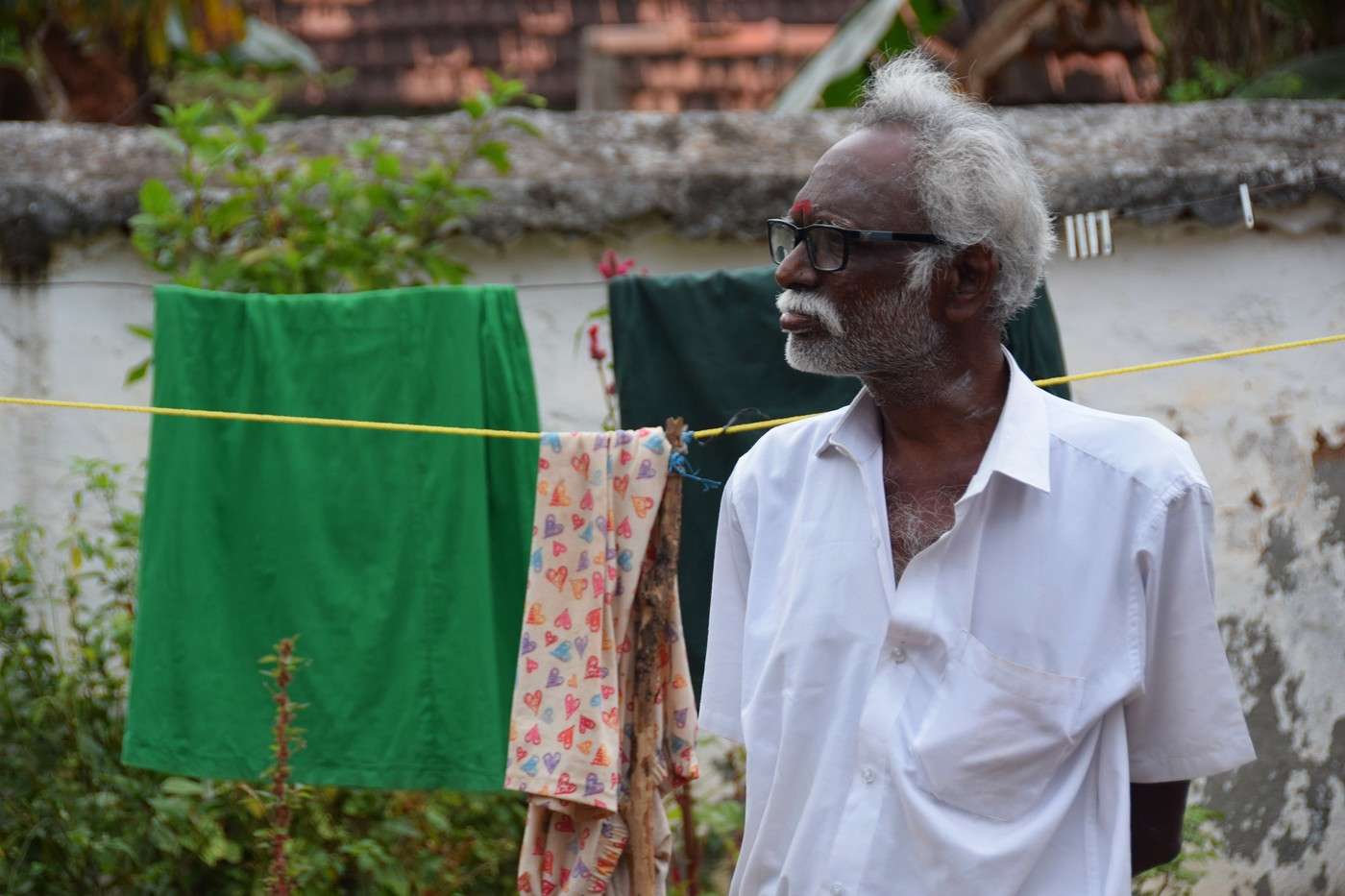
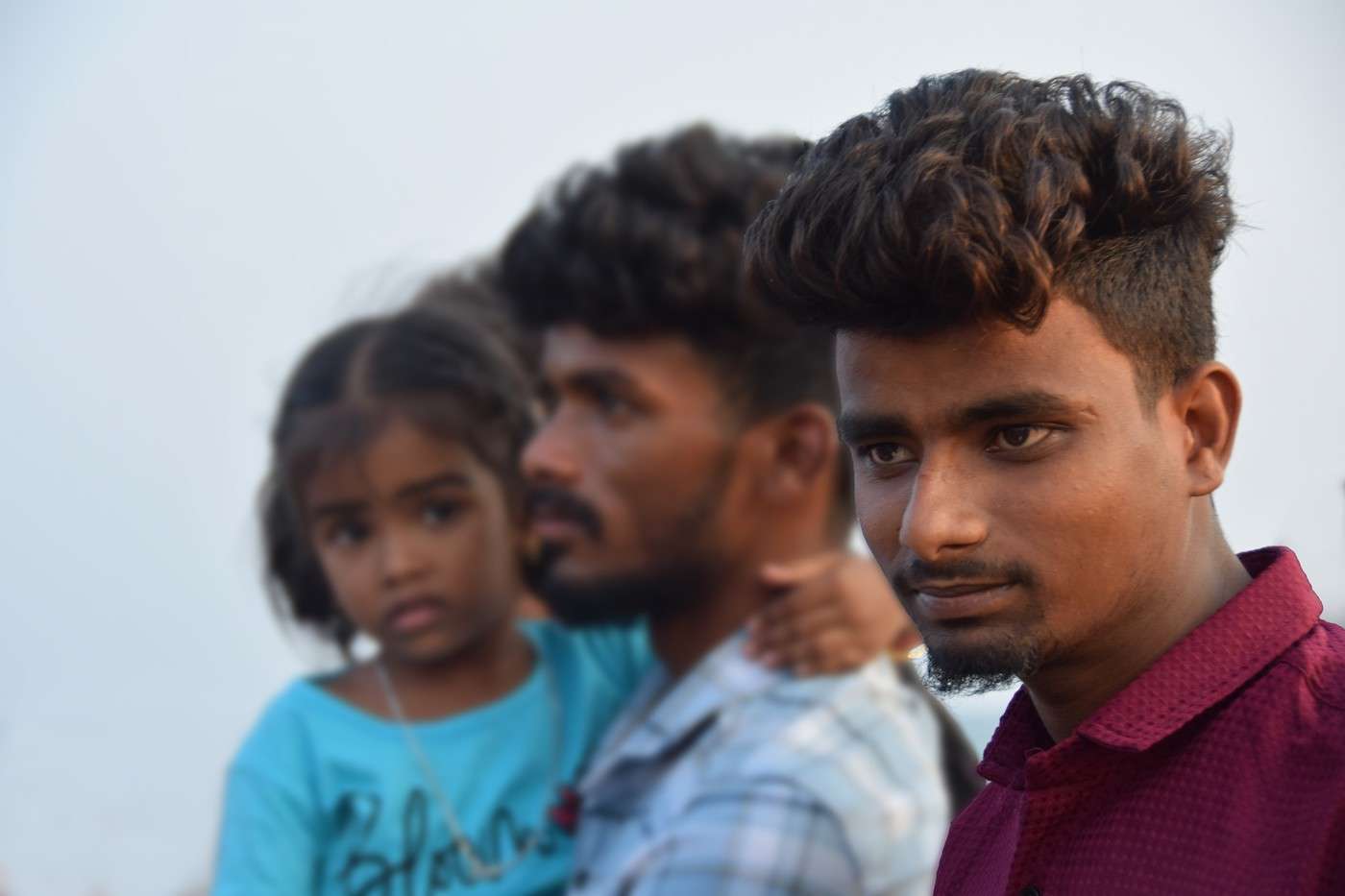
We left by taxi this morning for Pondy, less than two hours from Maha. Before leaving, Nathalie and I checked out with the young man who owns the guesthouse. The conversation that followed taught us a lot about South India. I greeted my host politely with a "Namasté," which I thought would make a good impression. "No Namasté here in Tamil Nadu! Namasté is Hindi; here we speak Tamil. You say Va Na Kam." Through his words, I sensed a man proud of his identity, his language, and his roots. During the conversation, he took care to distinguish the Tamil people from the populations of North India. "Hindis are Aryans. We were the first inhabitants of India." This strong Tamil identity is something I noticed throughout our trip, not just because of the language or physical traits.
I also took the opportunity to ask him about the religious music that fills the night. Nathalie and I vaguely understood that these chants are meant to ward off evil spirits—he pronounced the word "ghost," I think. But the effort to concentrate on understanding his English left me struggling by the end of the conversation. After some research when I got back, I found an interesting piece of information about the "Brahma muhurta, the hour of Brahma," which is the second-to-last phase of the night before sunrise. It’s a time considered auspicious for meditation or worship. Maybe that’s what our host was referring to.
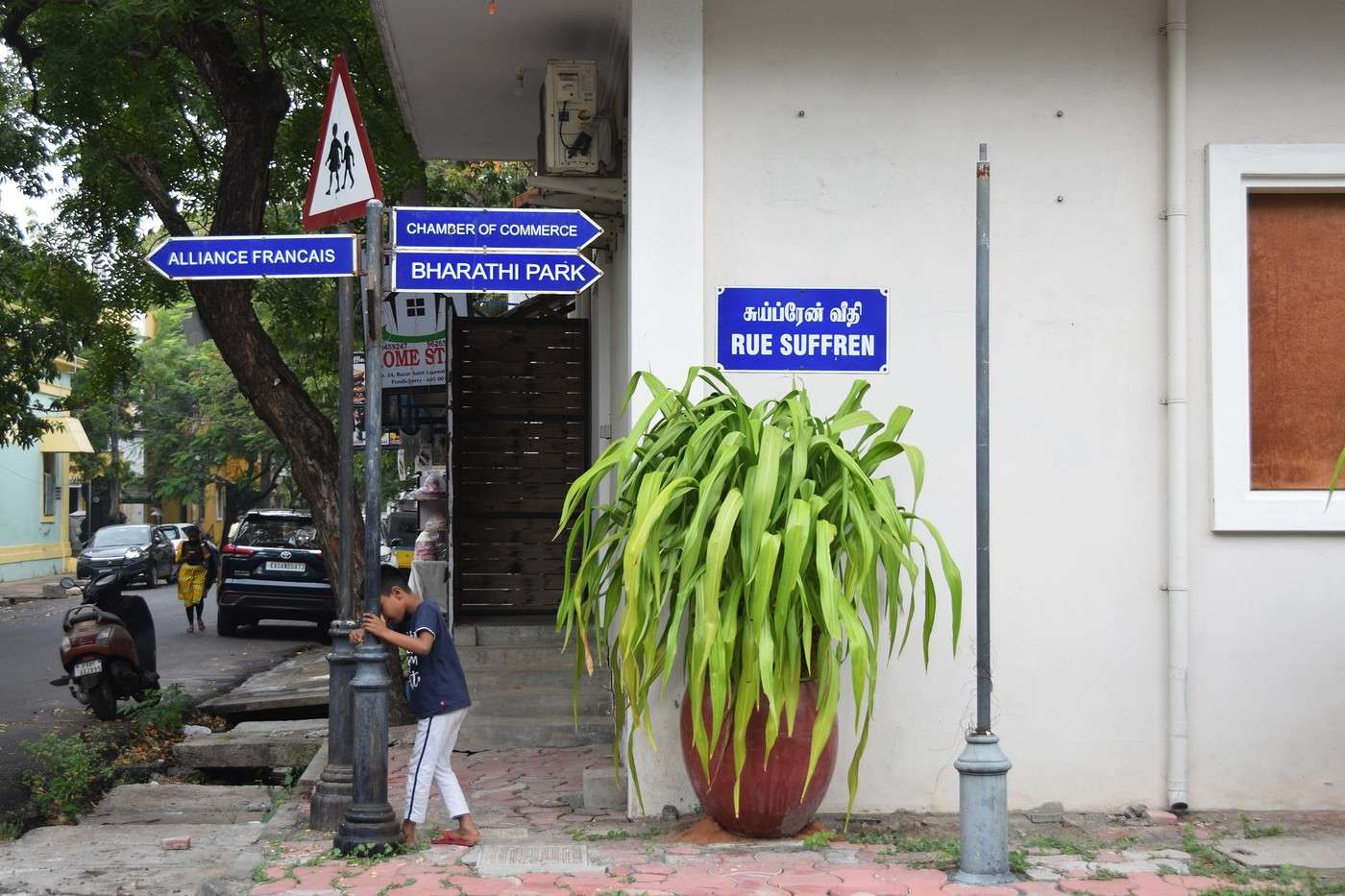
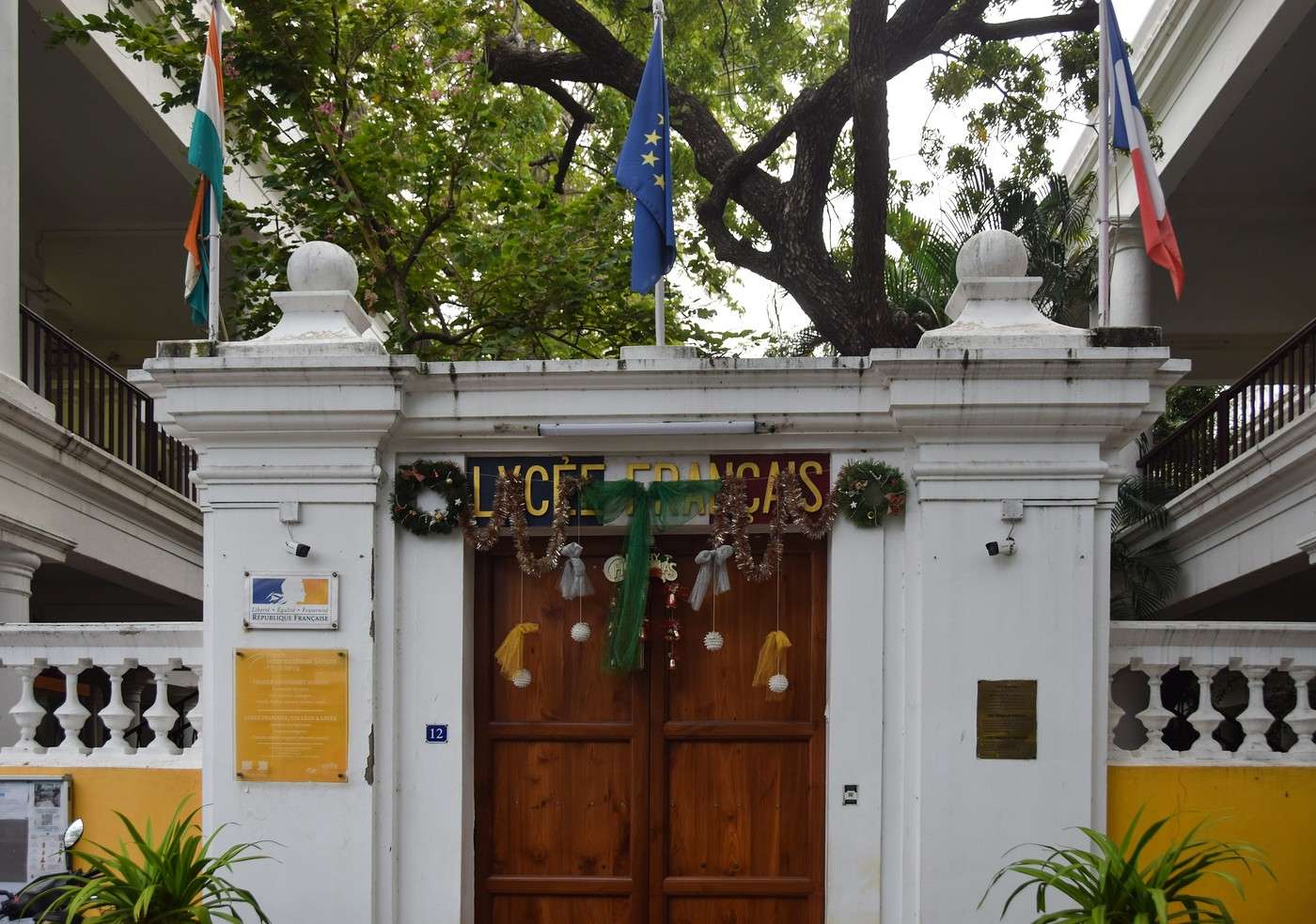
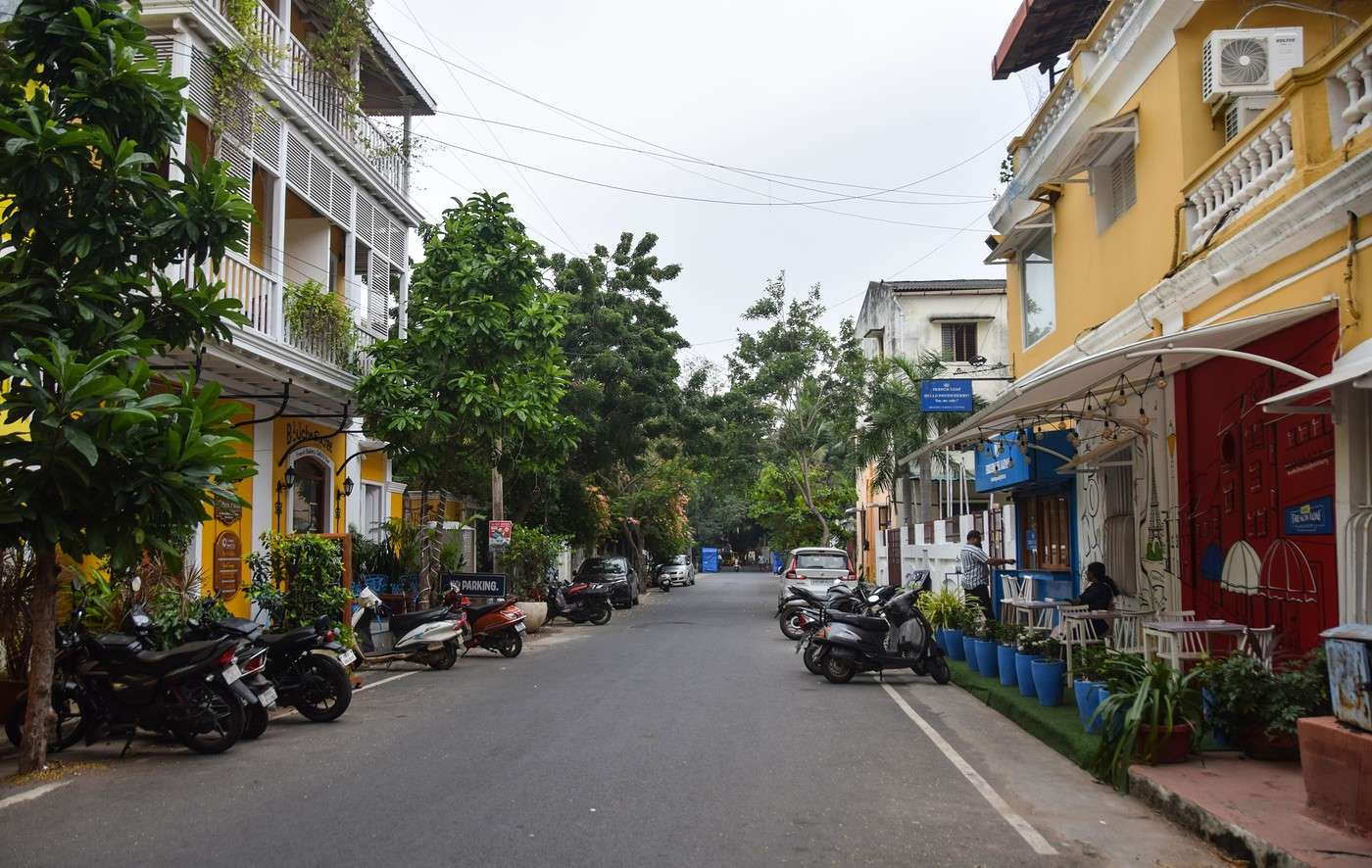
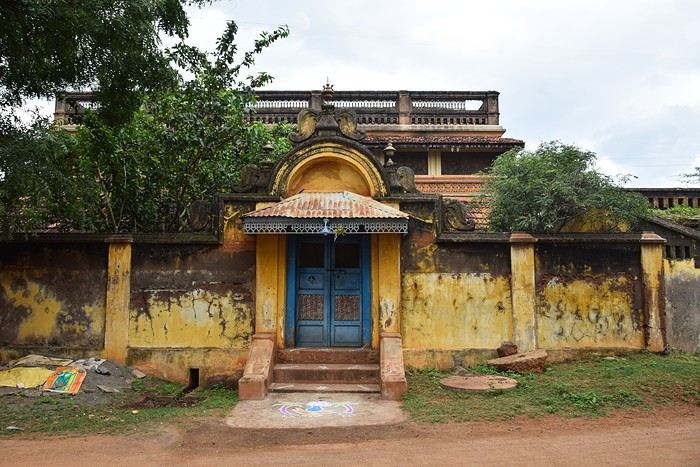
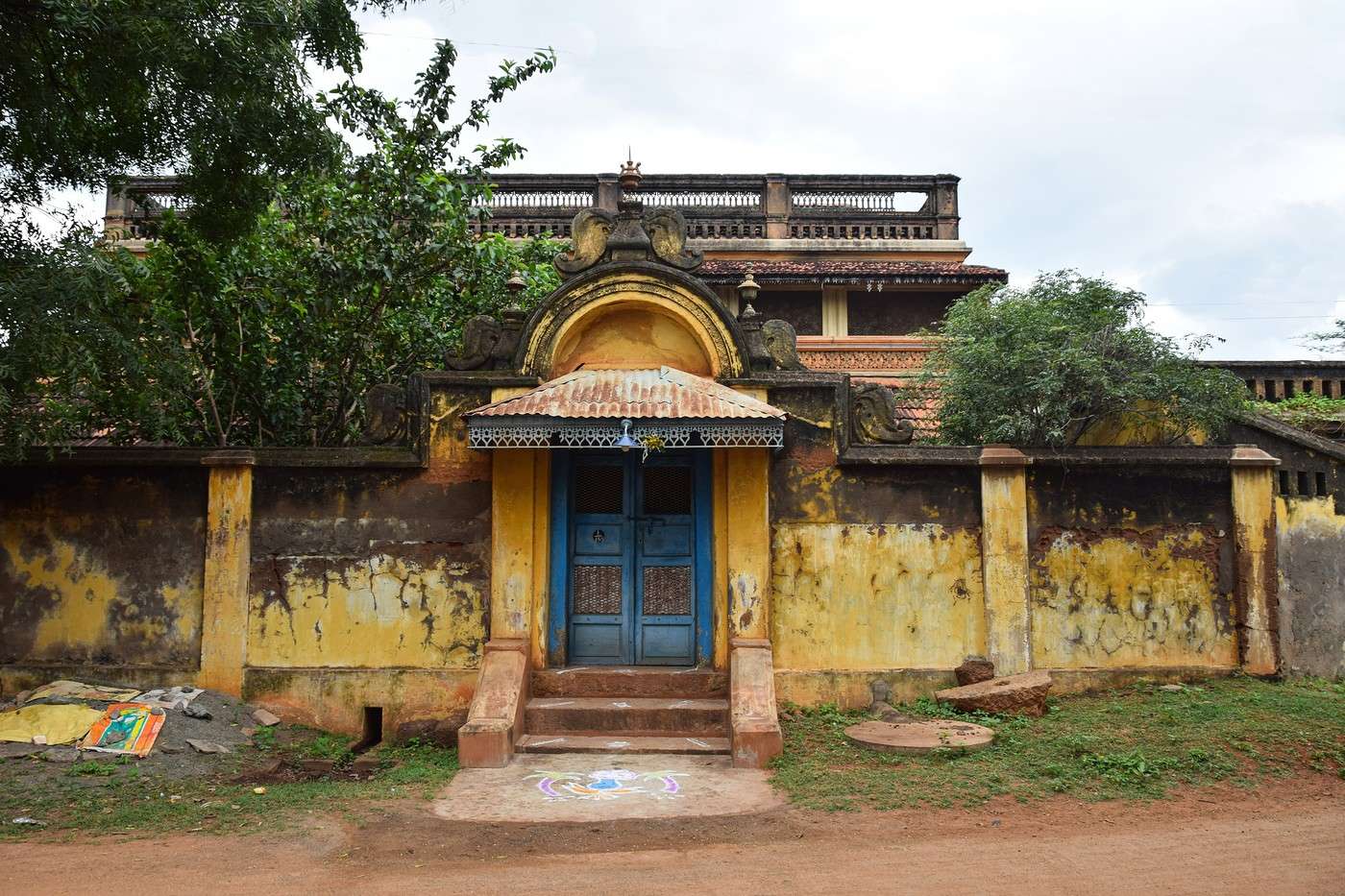
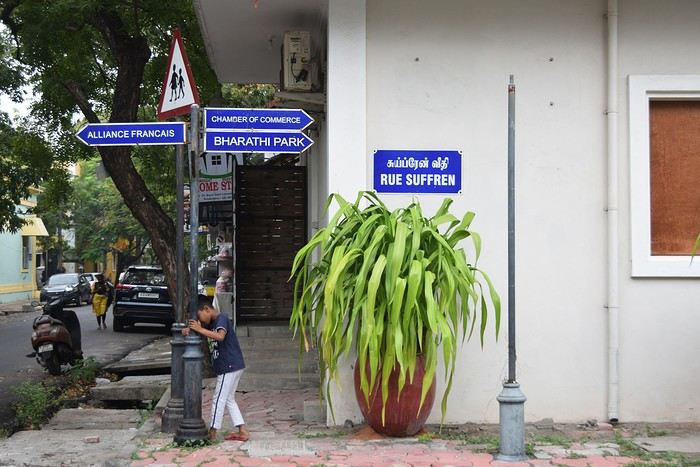
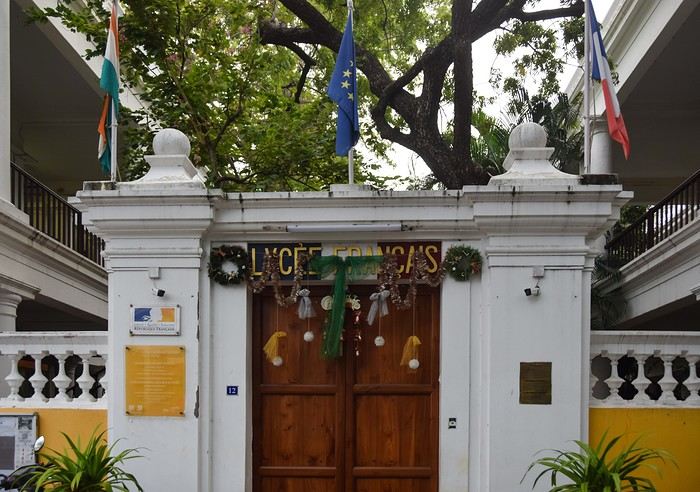
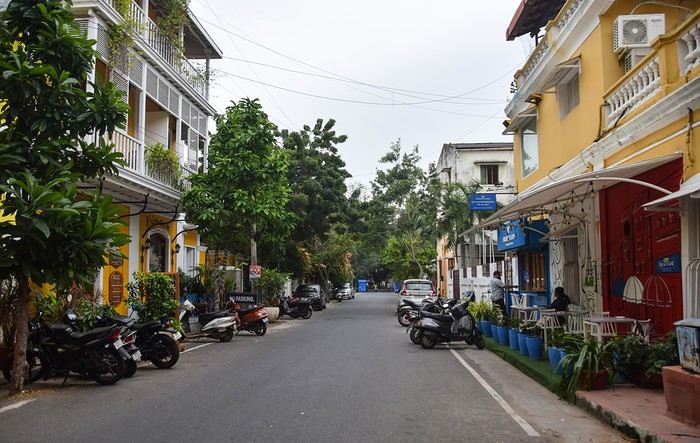
Hôtel de la plage, rue Romain Rolland, rue Sainte Thérèse... No doubt about it, we’re in Pondicherry... the French one? For me, Pondy—for the history teacher I used to be—was first and foremost the exam topics we had exclusively due to the school calendar. "Did you see what they got in Pondy this year? Tough for them..." My first reflex was to take a photo of the entrance to the French lycée to send to my former colleagues, with the République française plaque, Marianne, and the tricolor flag... And then all those guides, from the *Routard* to *Lonely Planet*, which, while nuanced, still sell us the image of a little piece of France in Indian soil. Pondy the French, then? Well, yes, there’s a "French" quarter—what’s called the White Town—with its colonial-style houses, a bit worn down. Yes, there’s also a strong French institutional and intellectual presence, beyond the lycée, with the Institut français, the Alliance française, and the École française d’Extrême-Orient. And of course, the street names that evoke almost incongruous feelings, like rue Saint-Louis, for example. The disorientation might seem reversed, but Pondicherry is very much an Indian city, even in the so-called French quarter, if only because of the extreme difficulty for a pedestrian to walk around peacefully.
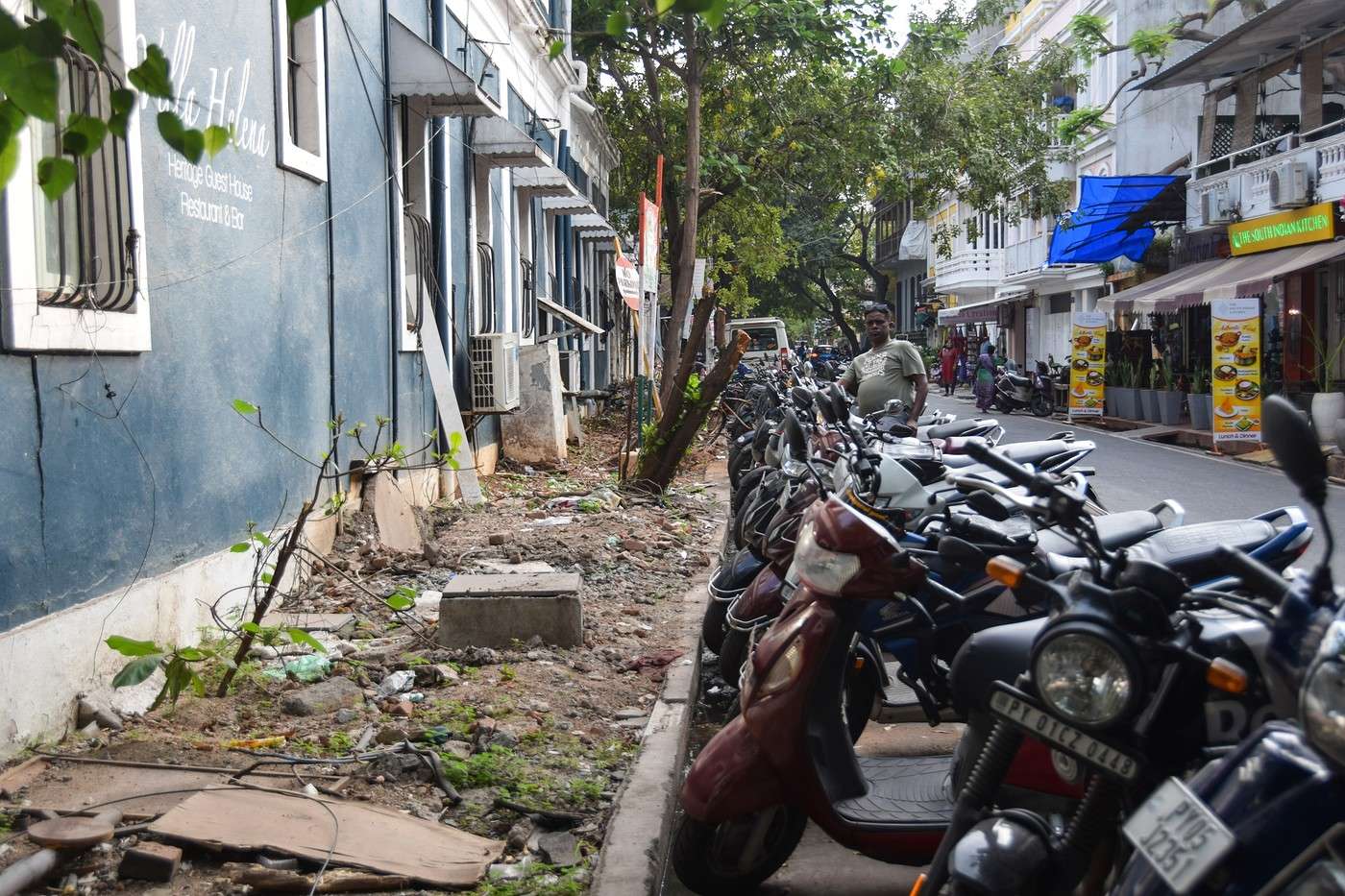
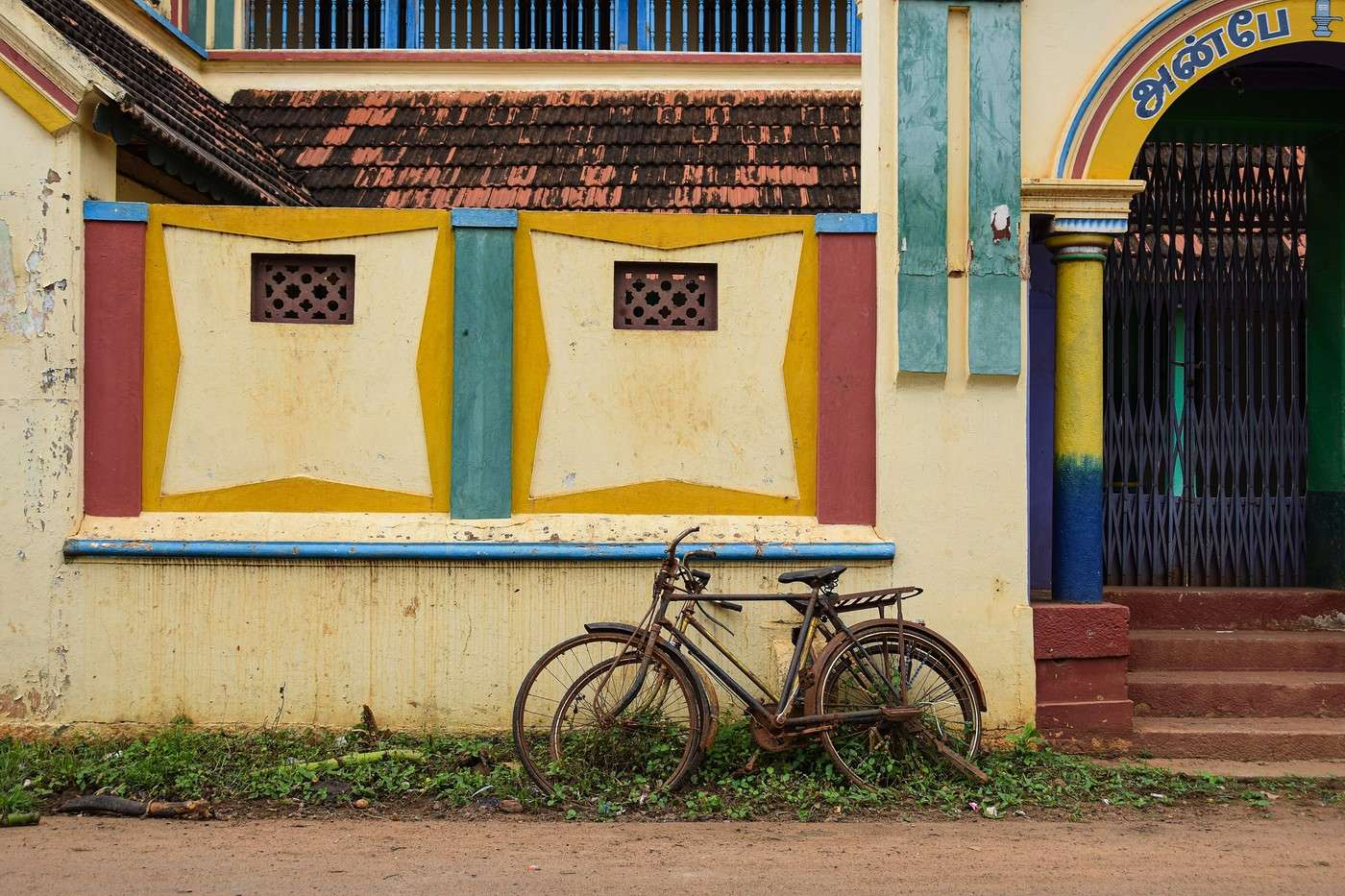
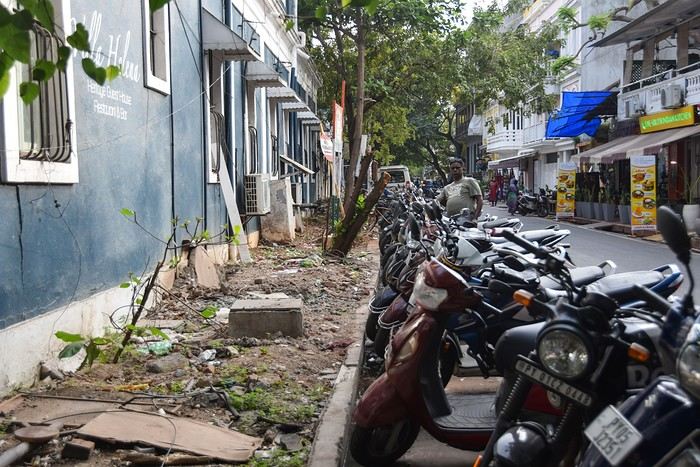
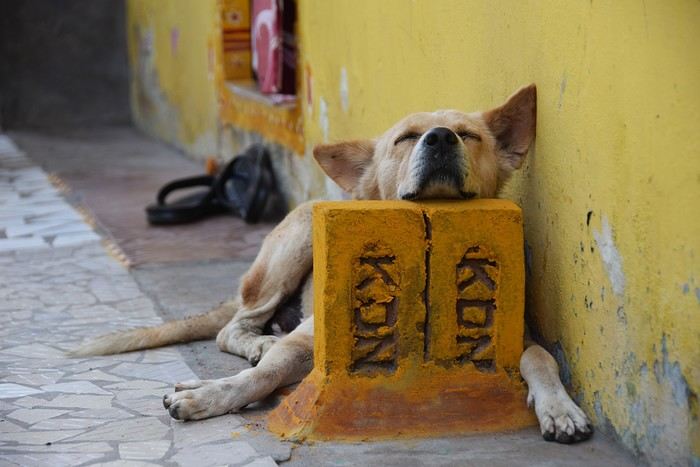
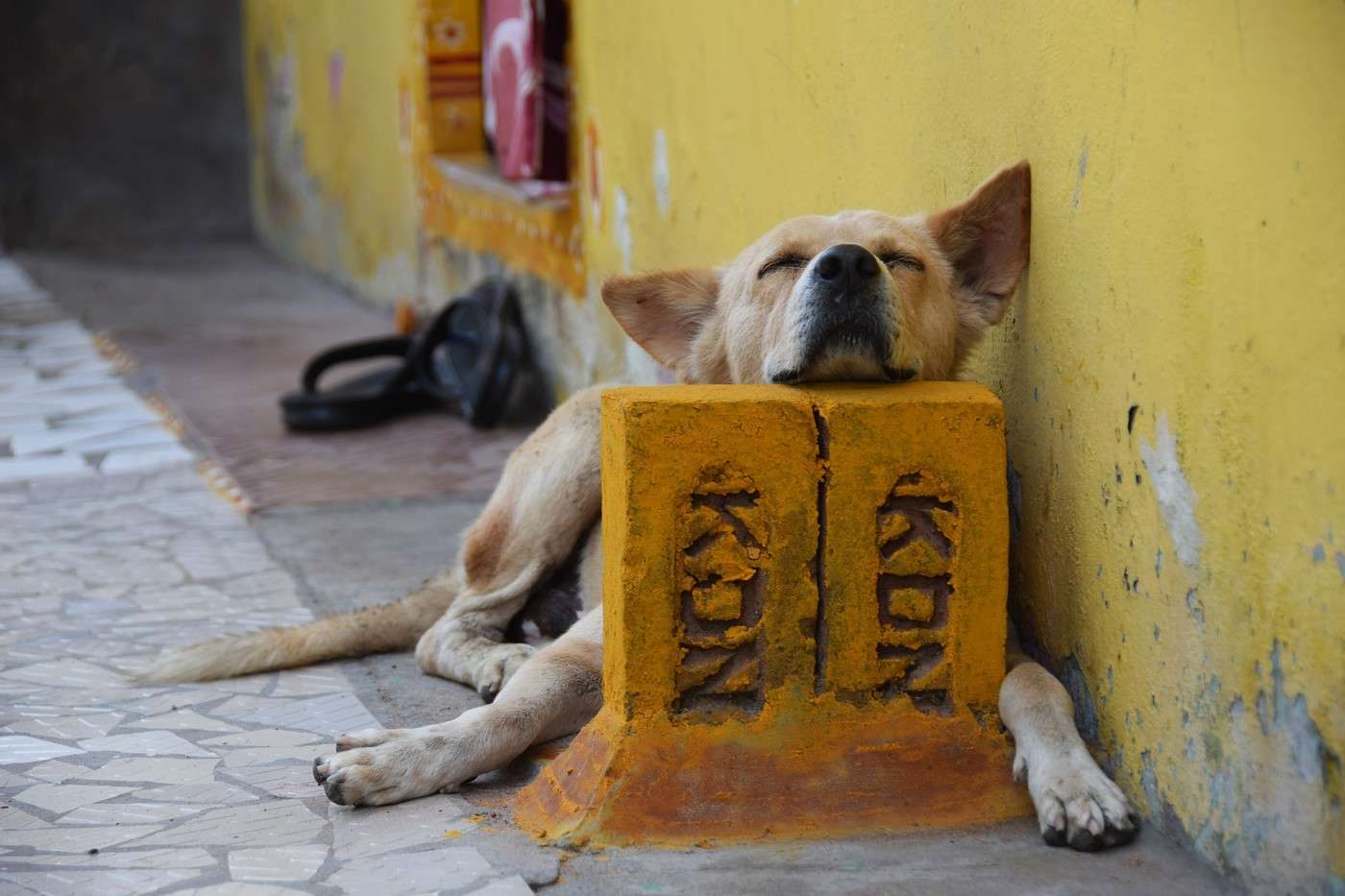
Ah, the sidewalks of Pondy! Cluttered with rubble, roots, trash, bikes, motorcycles, and piles of random objects. The sidewalks of Pondy are used for everything... except walking. The proof is in the photos!
Day 4. A day in Pondicherry
Our accommodation in Pondicherry is gorgeous, in a quiet little street in the French quarter, at the Les Hibiscus hotel.
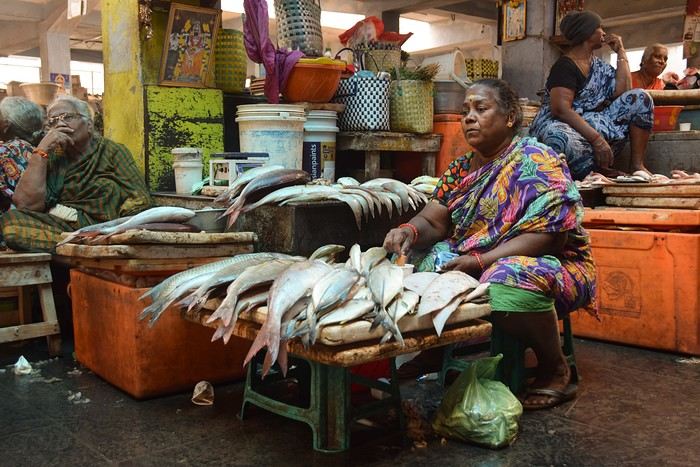
This morning, instead of visiting Sri Aurobindo’s Ashram, we decided to dive into the more typically Indian frenzy of the Tamil quarter, which is also partly the Christian quarter of the city. We headed to the city’s large covered market, which Nathalie had spotted on the *Routard* map. We walked along an endless avenue under a sun already beating down, trying to navigate between the sidewalk and the road.
The four of us love Indian markets, whether they’re covered or open-air. They’re what connect us best to India—the people, the atmosphere, the everyday scenes. It’s a great way in, and it’s also the aesthetic pleasure for Kate, who can capture moments of life in her camera.
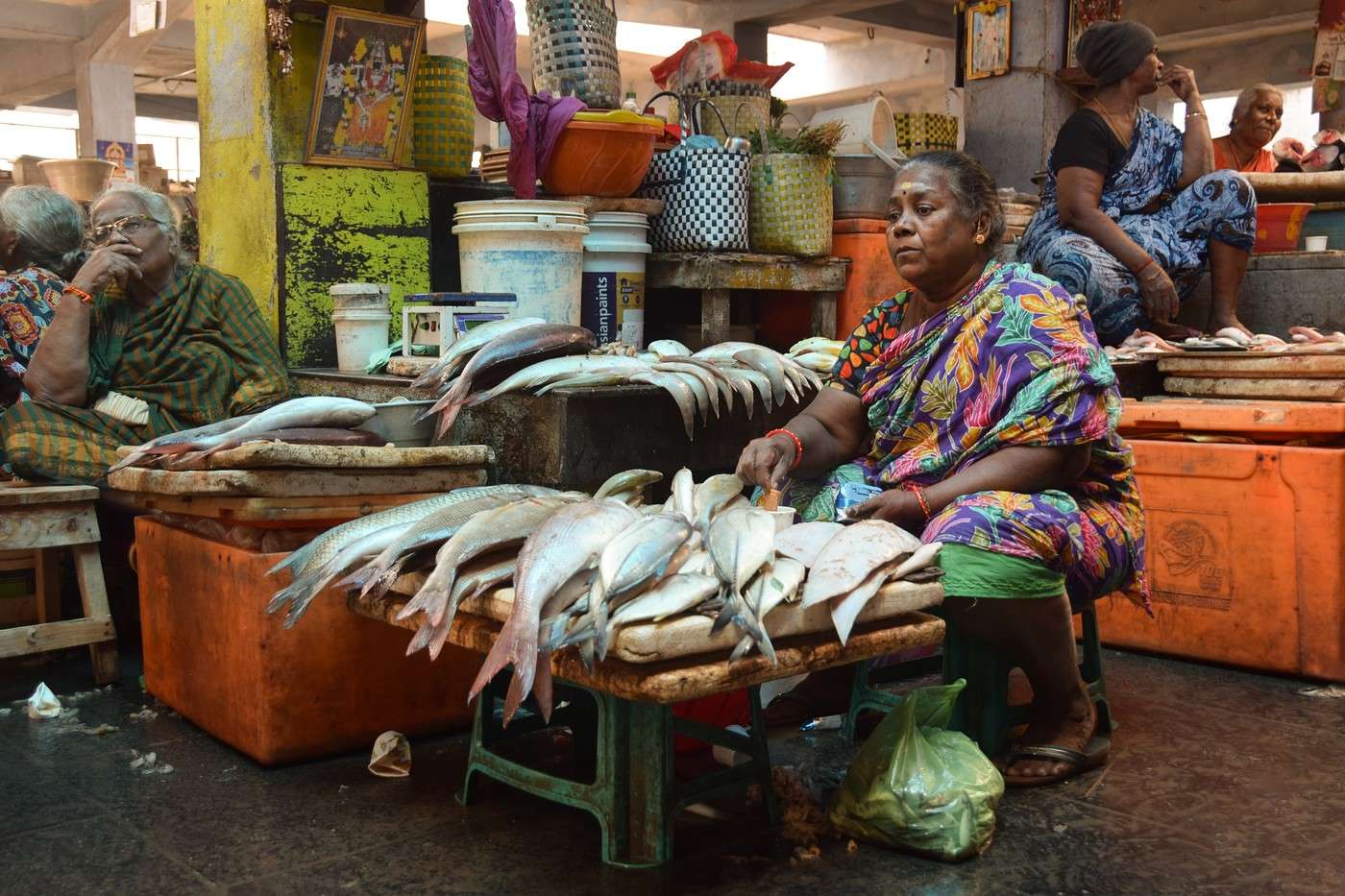
We first entered the fish market. No Westerners in sight, and we had the slightly vain impression of being real backpackers, able to appreciate India far from the tourist trails. Kate was in her element with her camera, looking for the right light, the right angle, the right situation. Nathalie came out with her legendary "so good, I’m loving it," Bruno observed everything—the stalls, the products, the beauty of some of the women. The smells were strong; it smelled of fish, obviously. The crowd was indescribable, people brushing past each other without really jostling. We then moved on to the vegetable markets, then the spice markets. Colors, scents. Sure, there are beautiful markets back home too. But what makes everything exotic are the little differences. The women or men sitting to sell their goods with stalls right on the ground, and the feeling that everything is organized without any real organization.
We left the ambient hubbub a bit dazed, a bit tipsy. Time for a chai or a lassi...
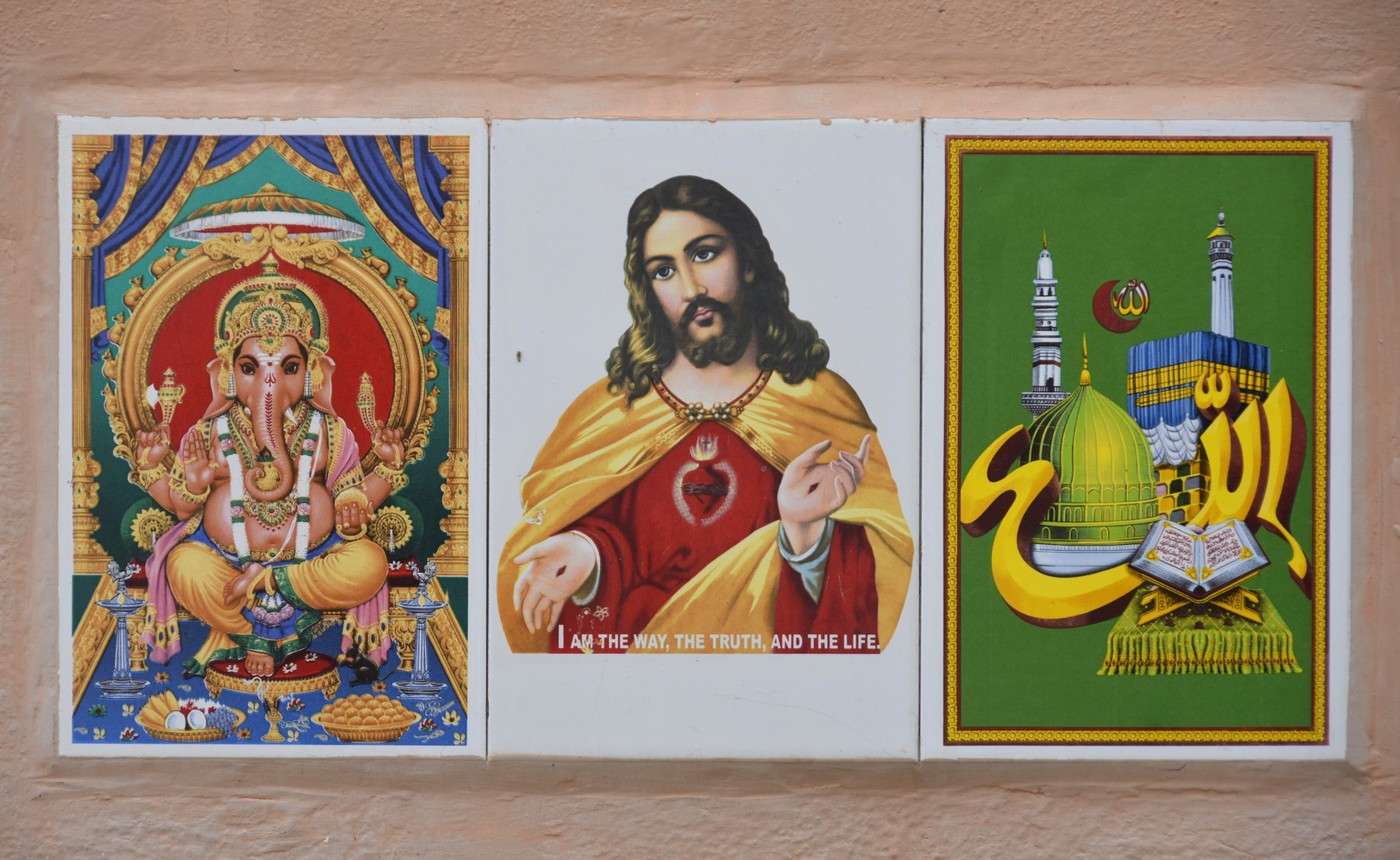
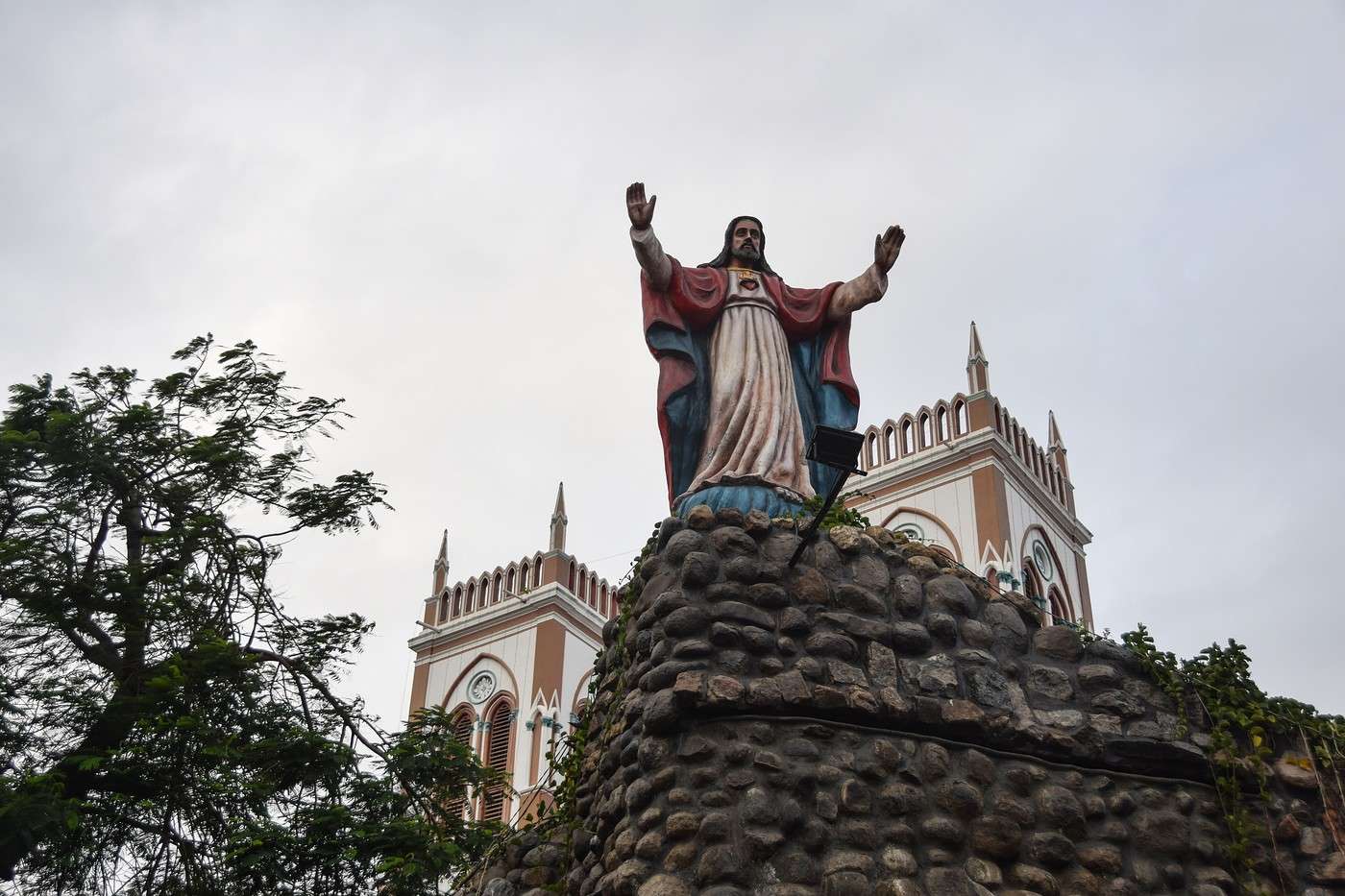
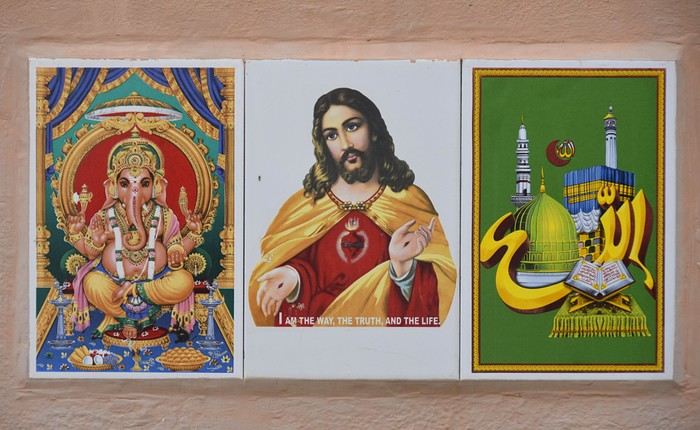
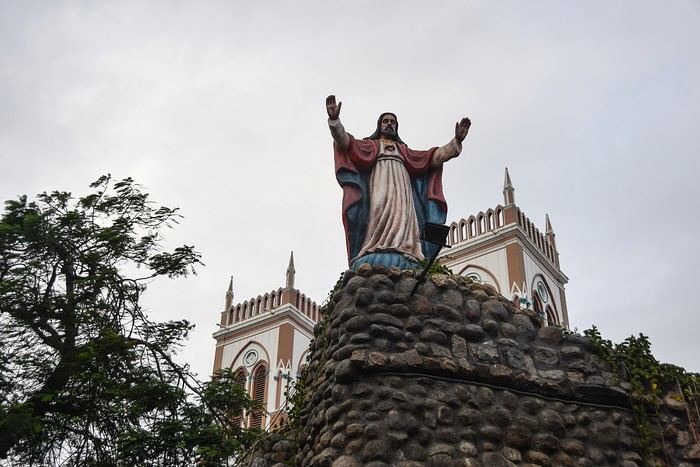
Tamil Nadu and Kerala, even more so, are partly Christian lands. Between 18 and 25% depending on the state. A quick visit to the Cathedral of Our Lady of the Immaculate Conception was a must. The building is quite majestic—it’s a cathedral, so the seat of a bishopric. Christianity, Islam, Hinduism—religion often imposes itself rather than proposes, but I was still moved by the fervor of these Tamil Indians, which reminded me that Christianity isn’t just a "white" affair.
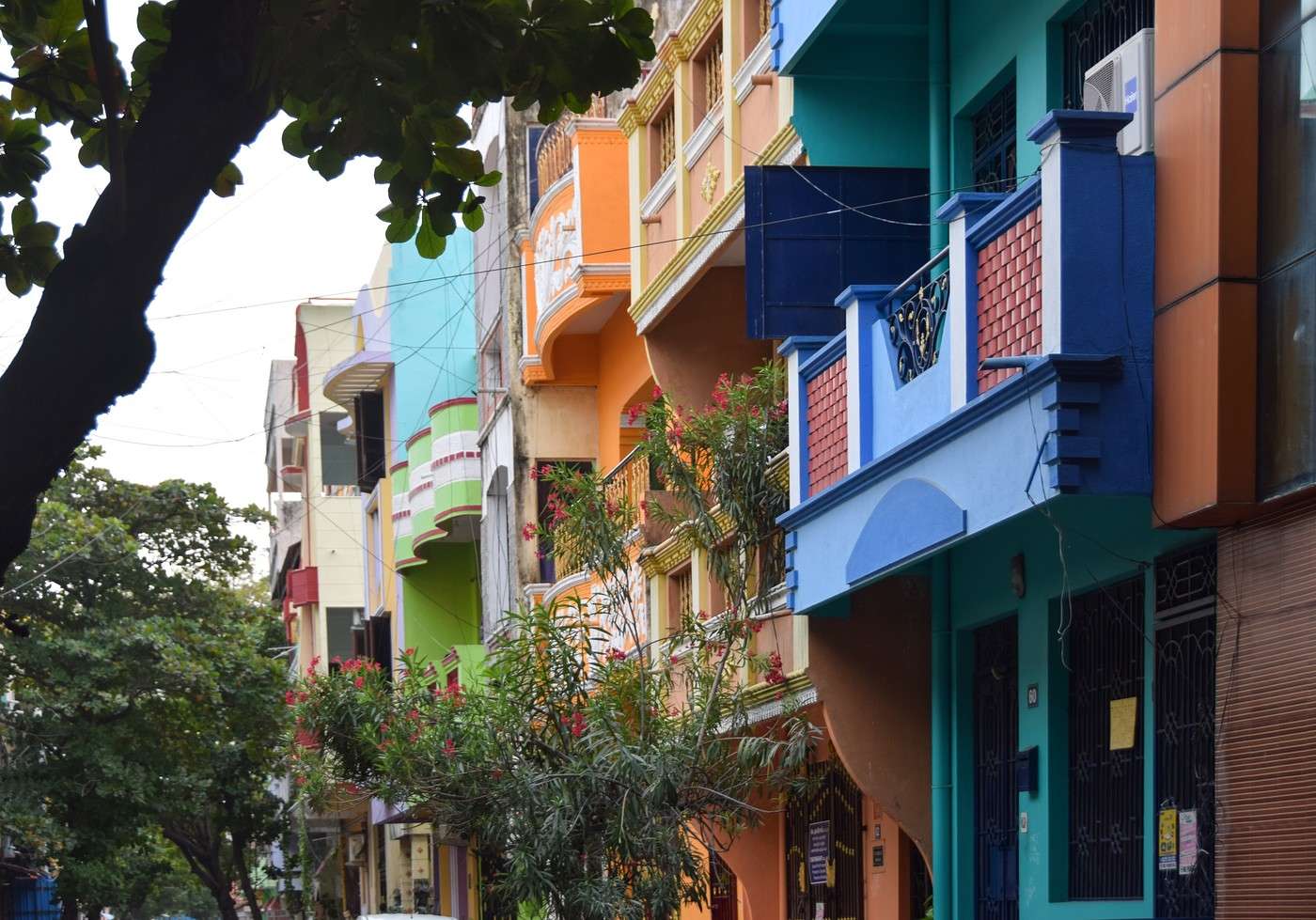
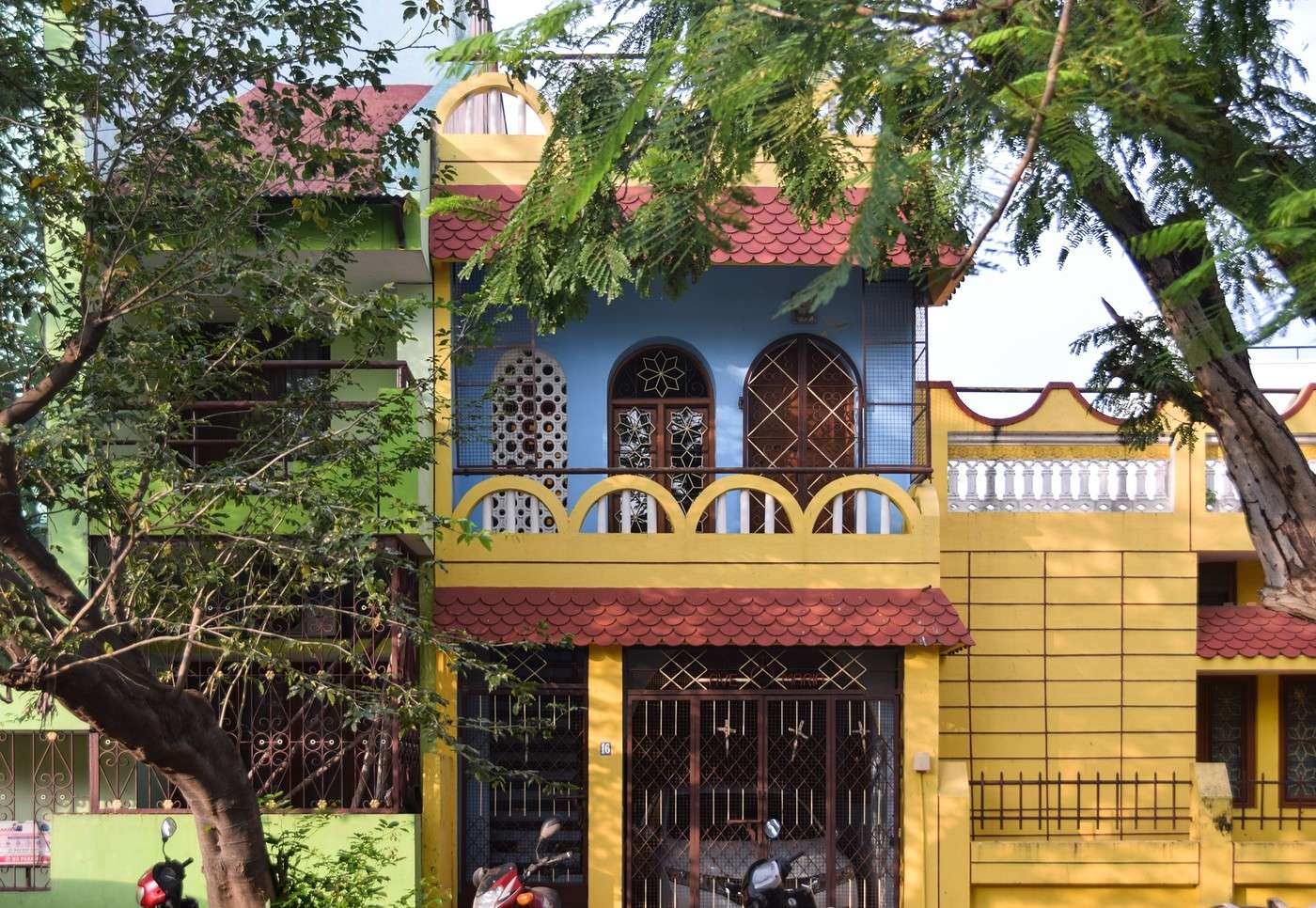
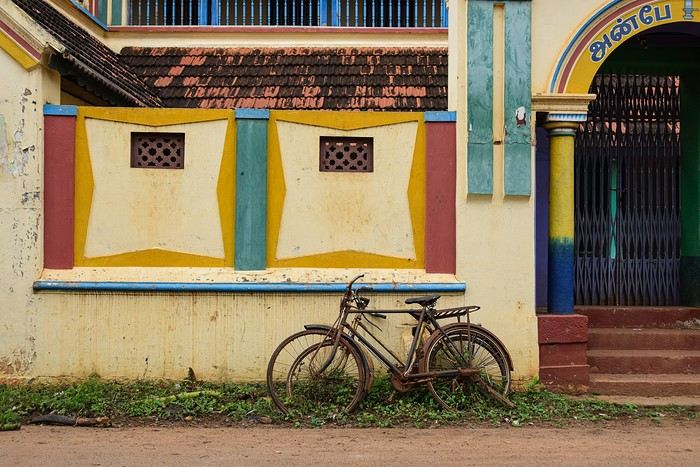
In the afternoon, we continued our exploration of Pondy by visiting the Muslim quarter. And surprise—it’s probably the most peaceful corner of the city. Beautiful, colorful houses with composite but original styles, and rather good taste, revealing a socio-economic level above the average. A very peaceful neighborhood where, twice, passersby welcomed us in impeccable French. What a strange city this Franco-Indian, Hindu-Muslim-Christian Pondicherry is.
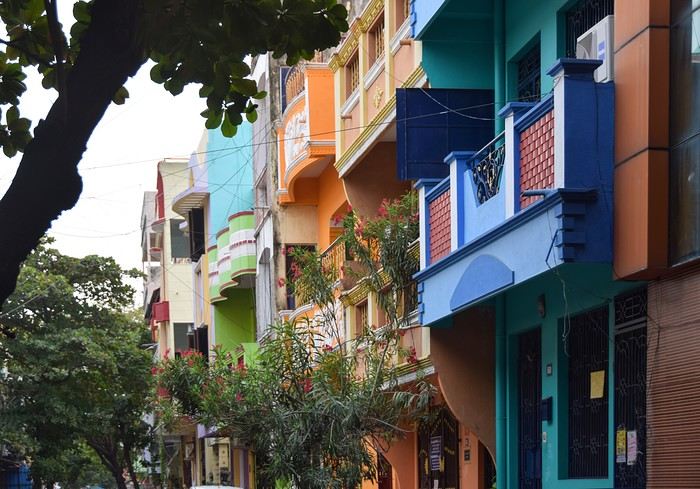
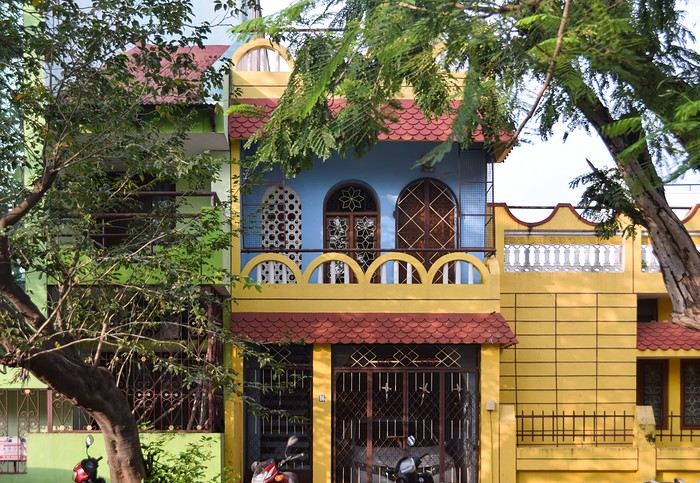
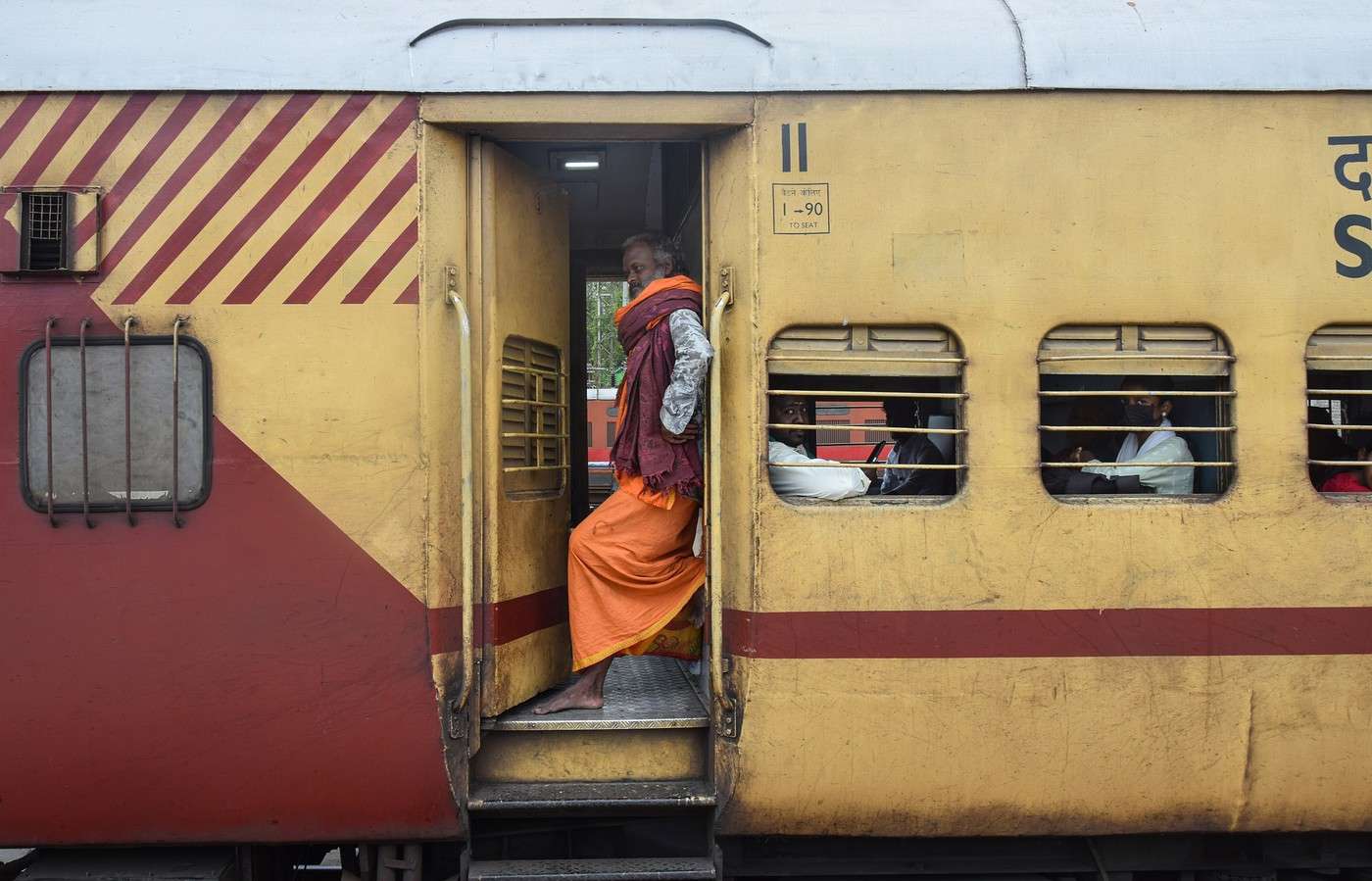
Tonight, a little treat with a somewhat upscale restaurant in an old colonial-style house. Very good dinner, sure, but as Kate, who’s showing off a bit, says, "nothing beats street food." She’s not wrong. Tomorrow, we’re taking the train to Tanjore...
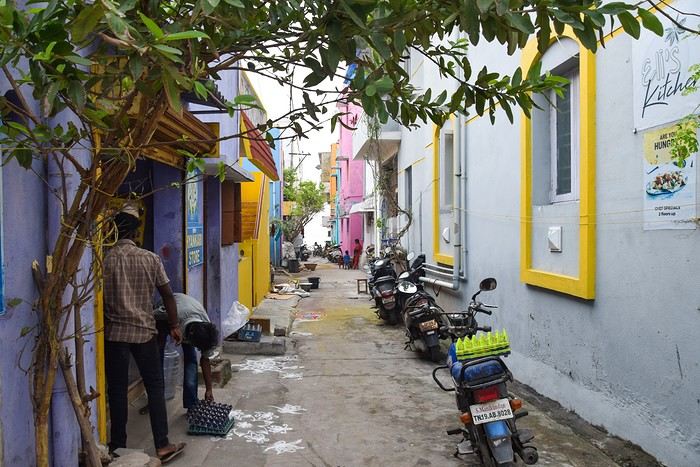
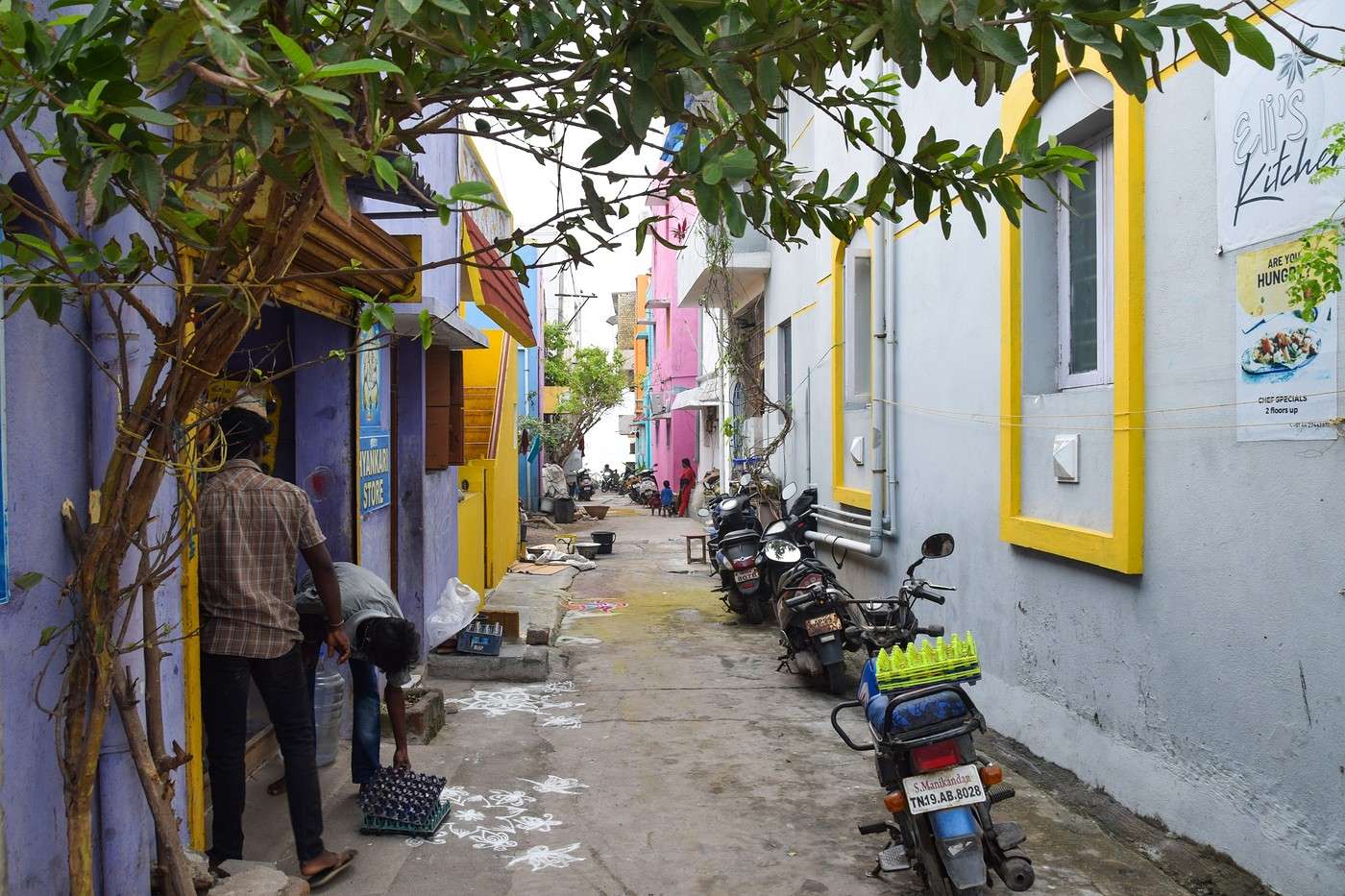
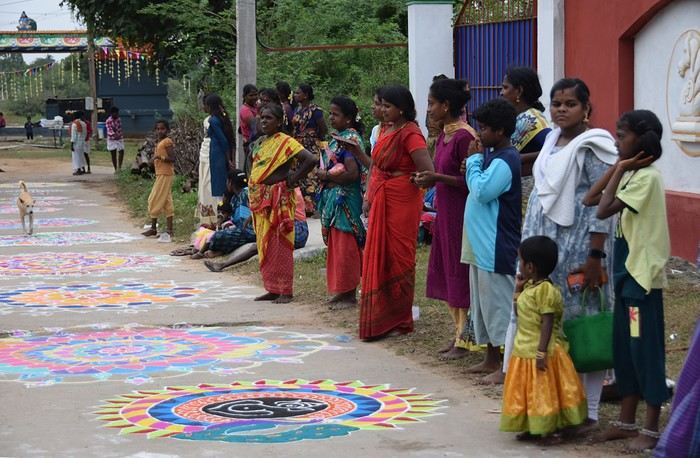
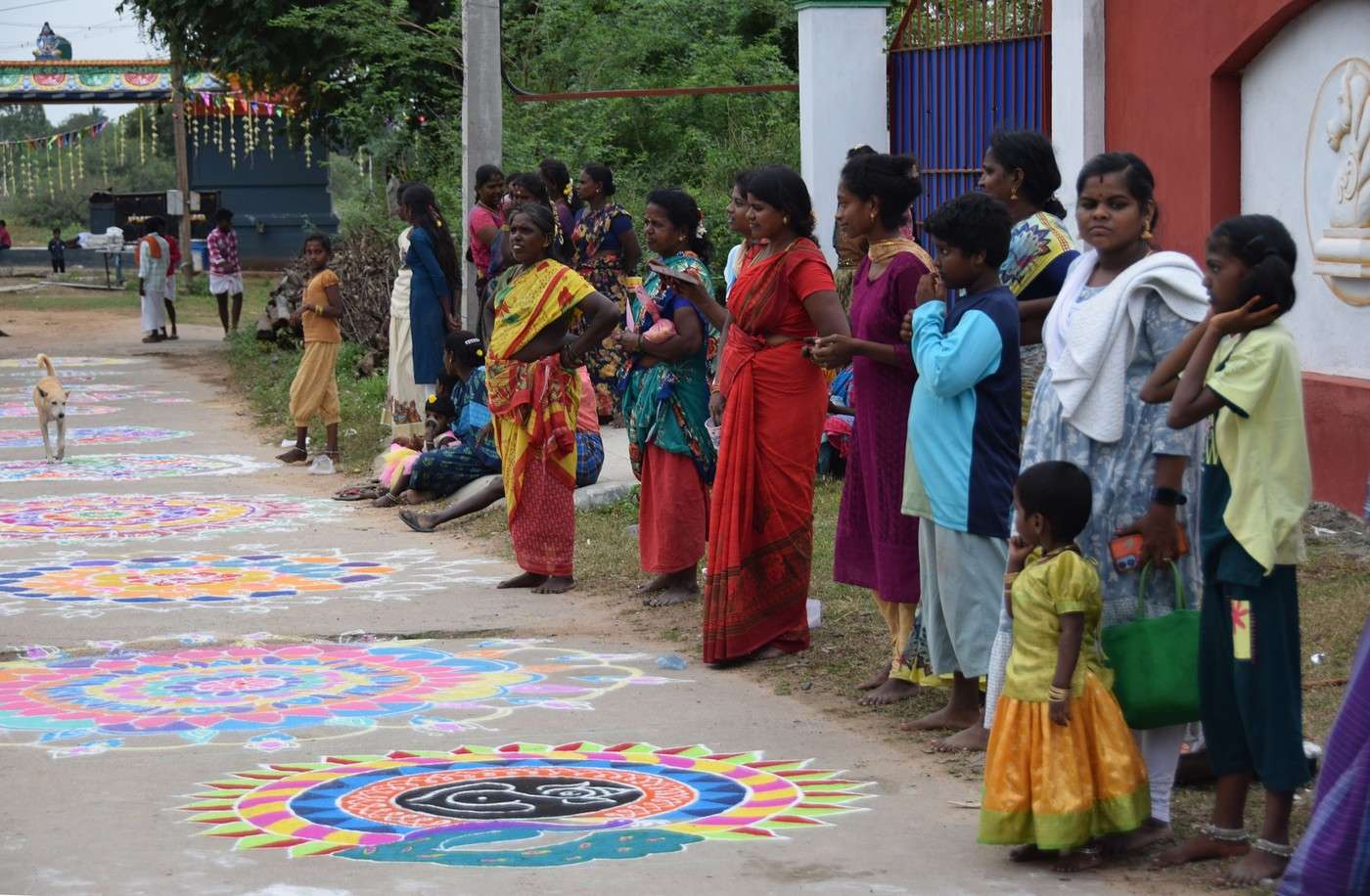
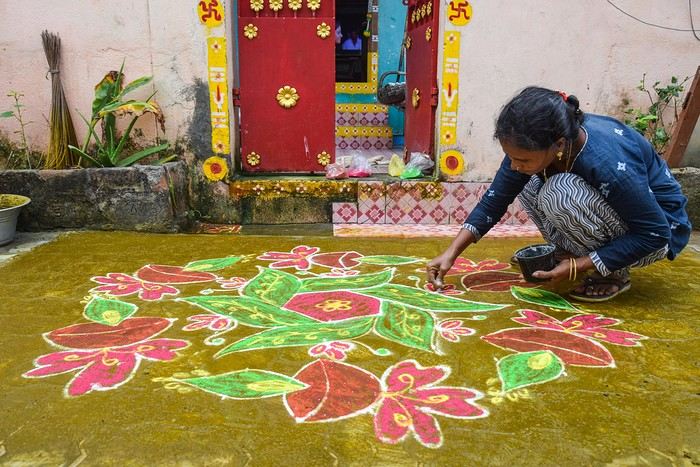
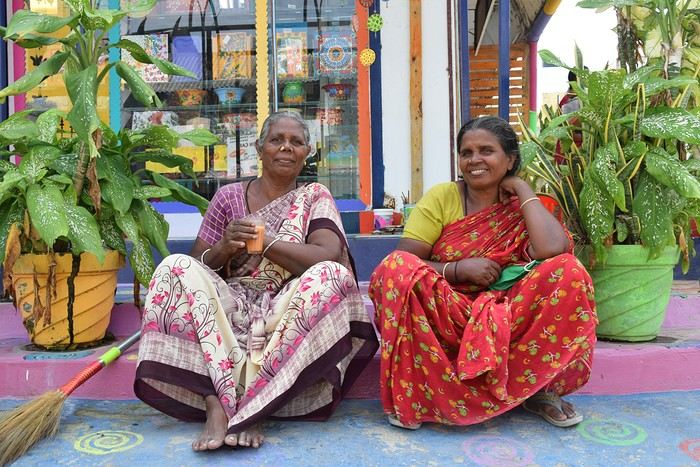
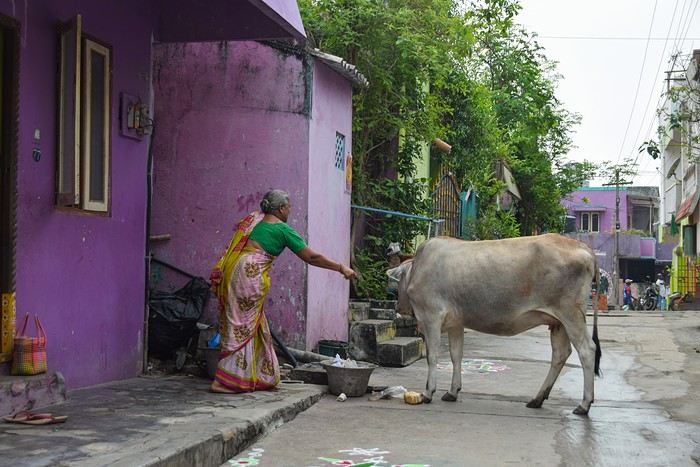
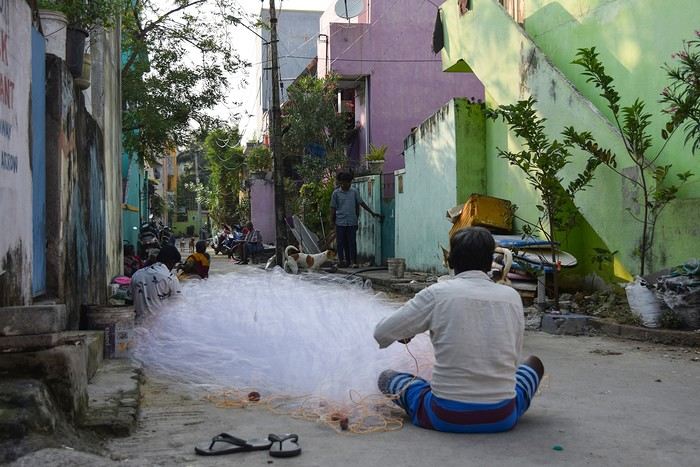
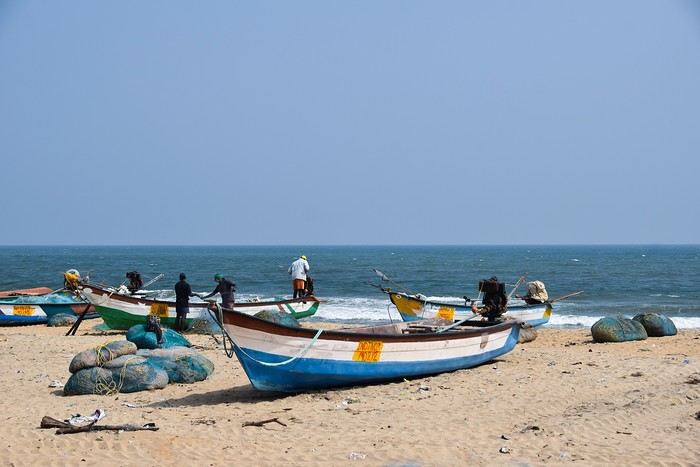
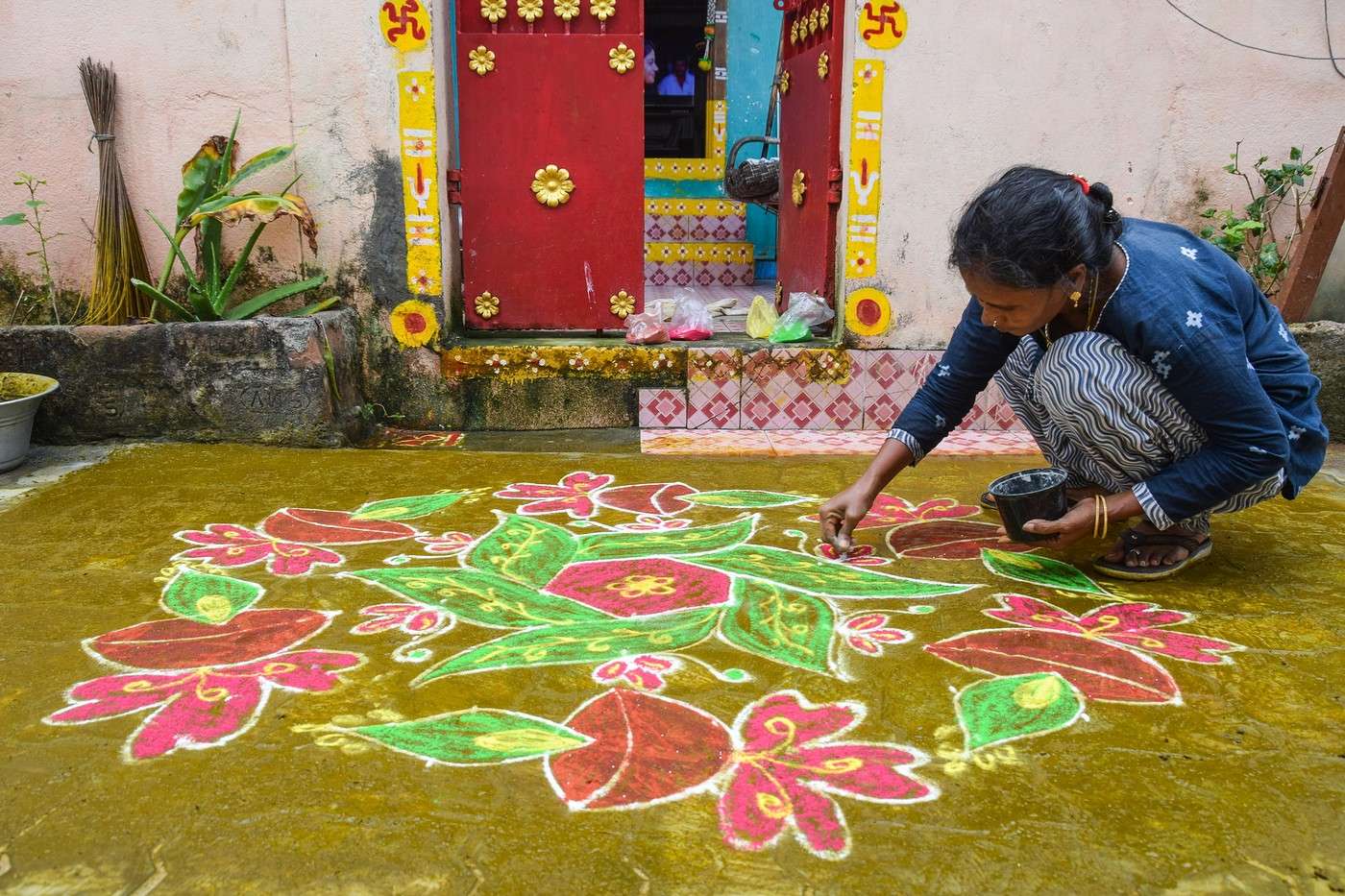
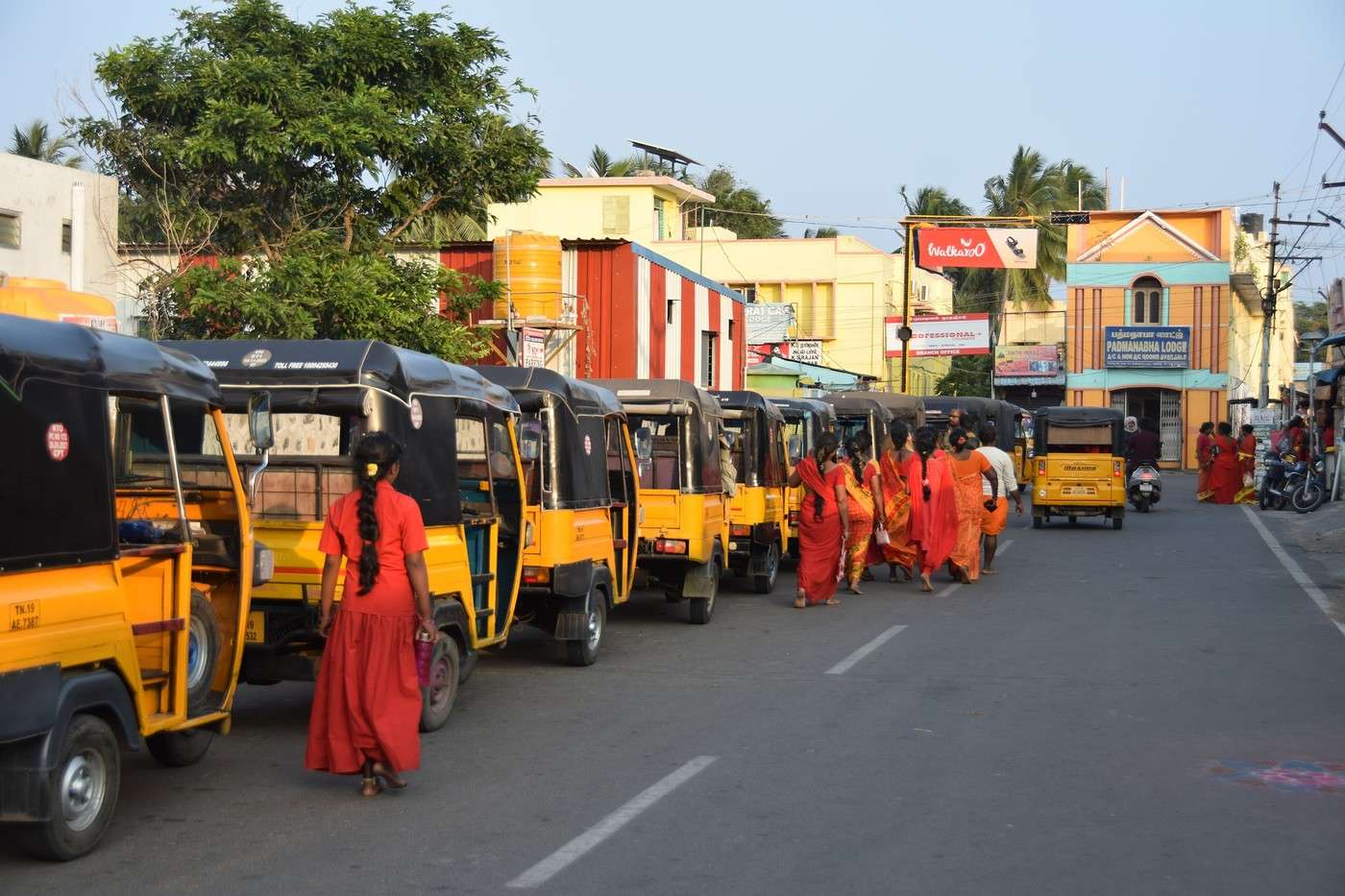
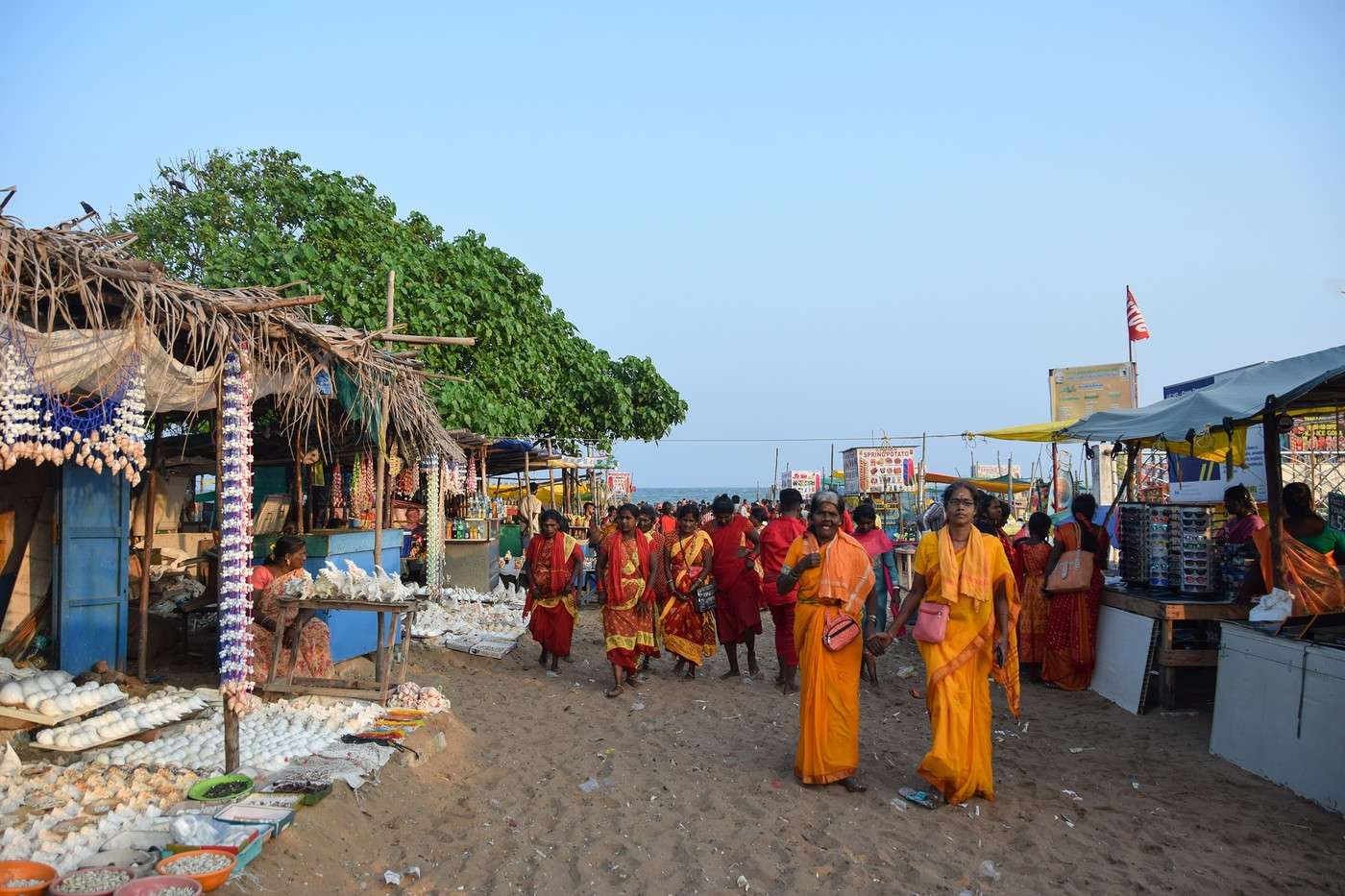
 We’re staying at Squirrel Nest Guest House in the heart of the fishermen’s quarter, a village within the city, away from the traffic noise. Small, brightly colored houses, narrow alleys cluttered with fishing nets. On the doorsteps, women draw geometric patterns in the shape of rosettes with a thousand varied colors. These are *, religious symbols made with rice powder. They serve as both a daily offering to the gods and a way to attract prosperity to the home and family, while also delivering a message of welcome.
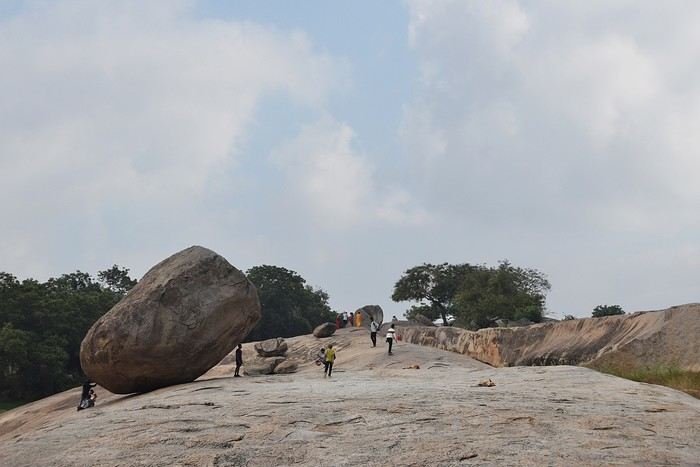
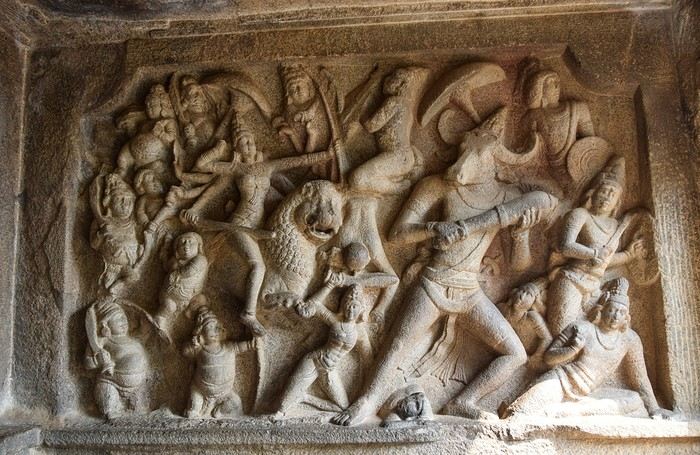
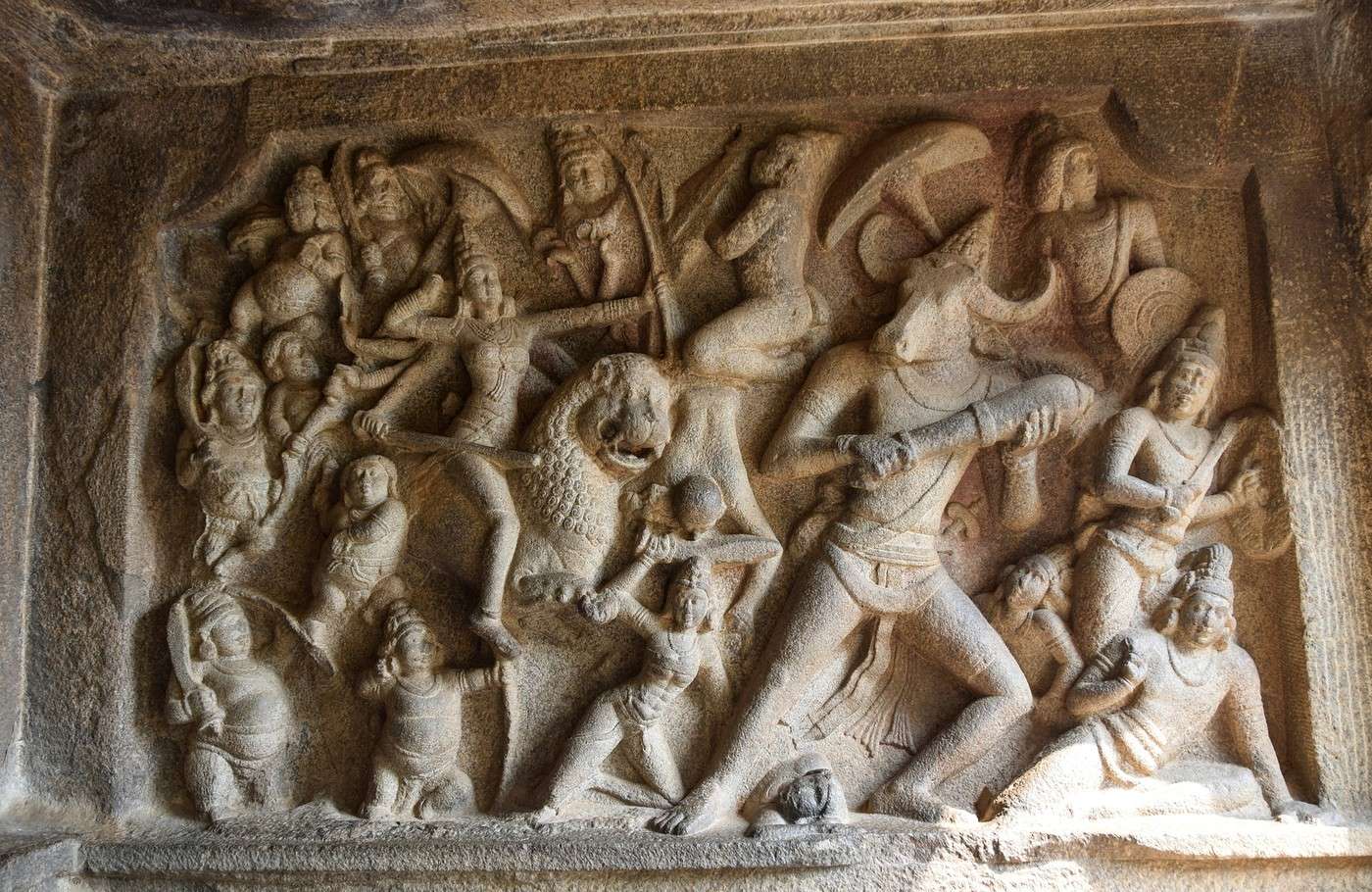
 The afternoon is dedicated to our first visits. Mahabalipuram boasts exceptional architectural heritage—the richest, in my opinion, of everything we’ll discover on our South India trip.
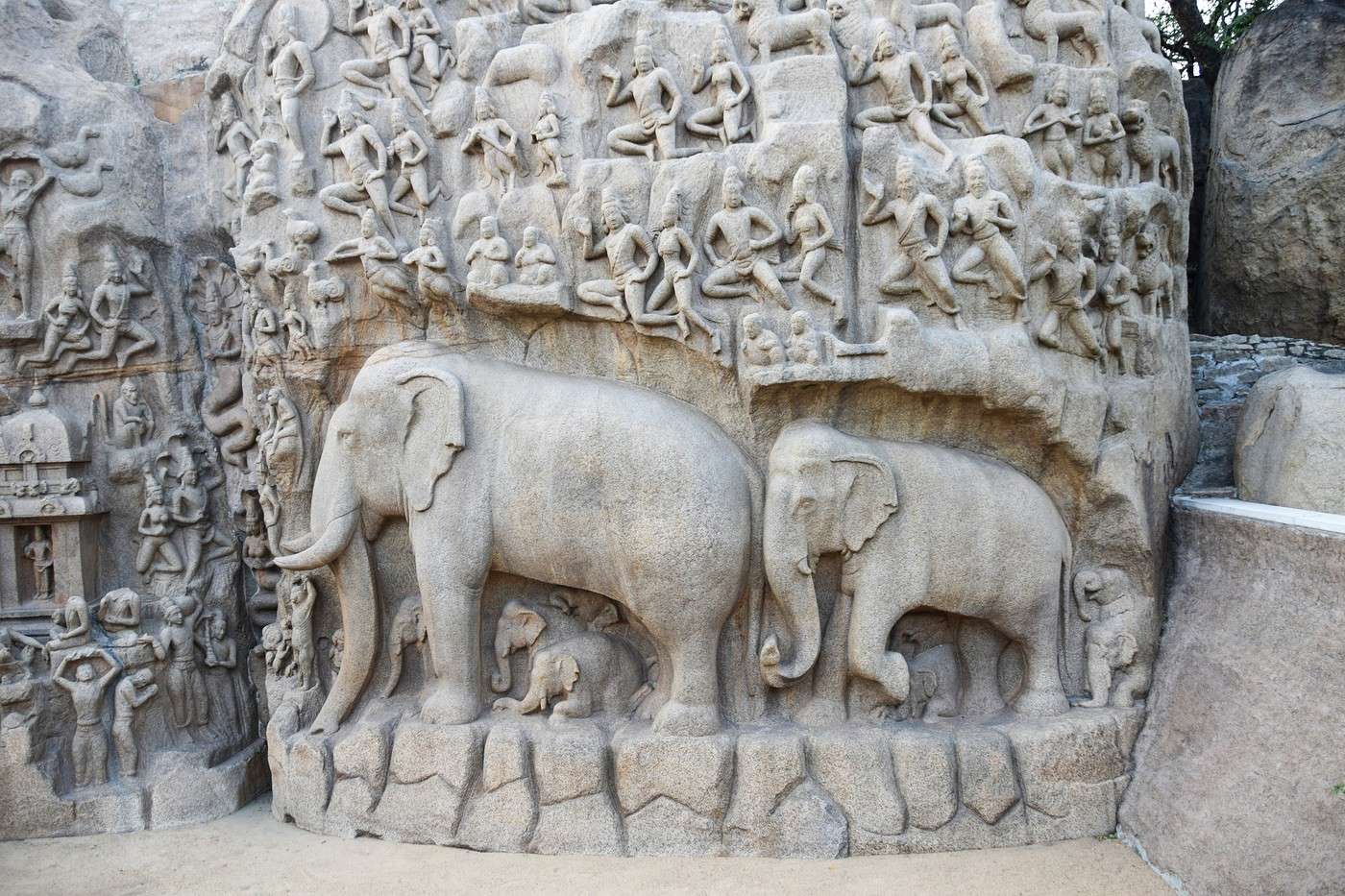
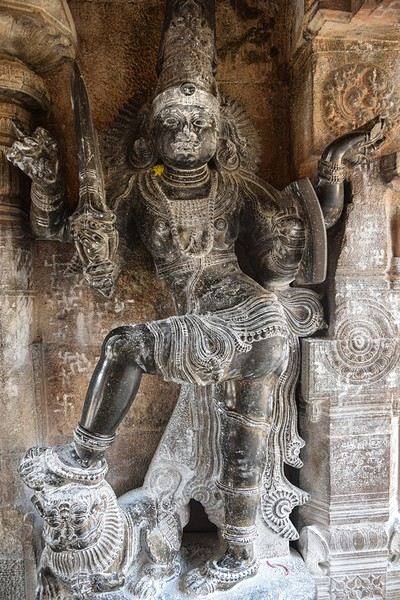
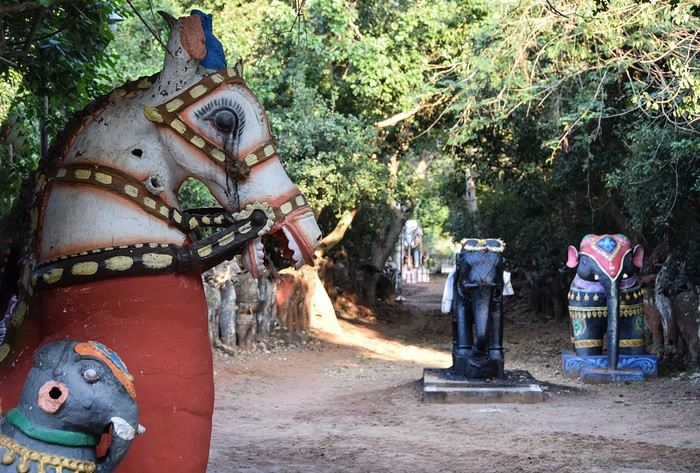
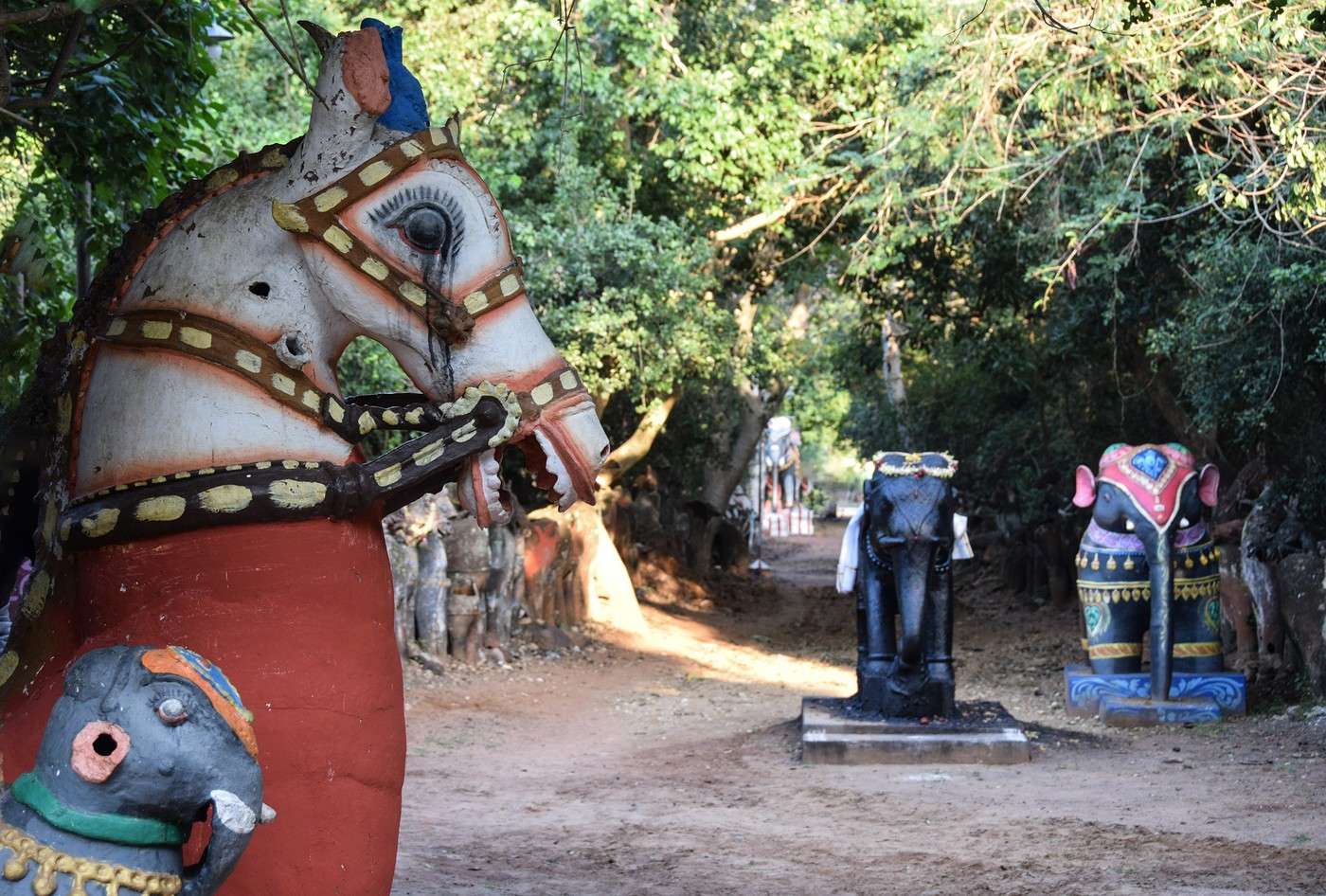
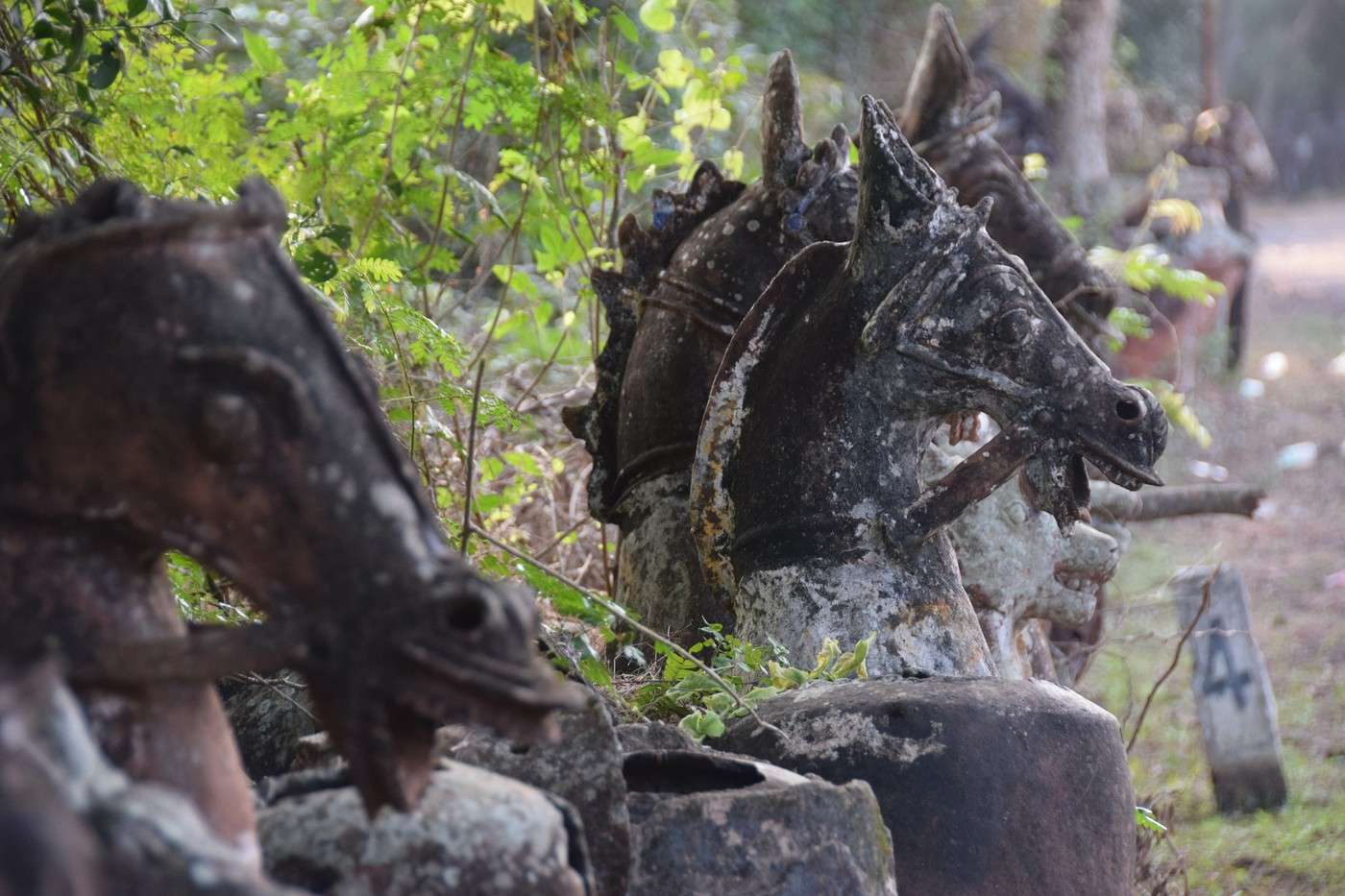
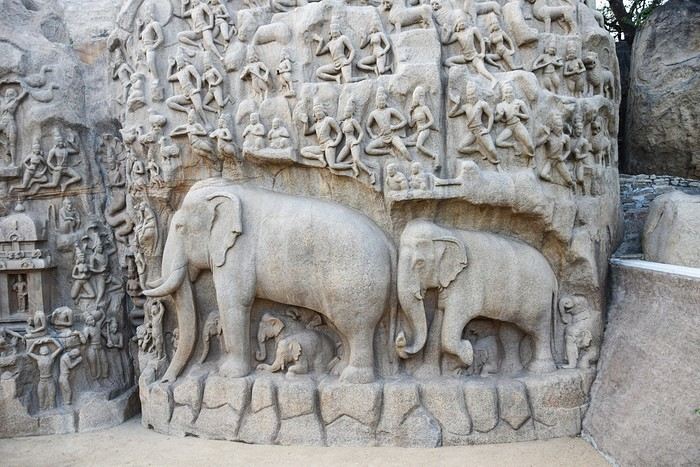
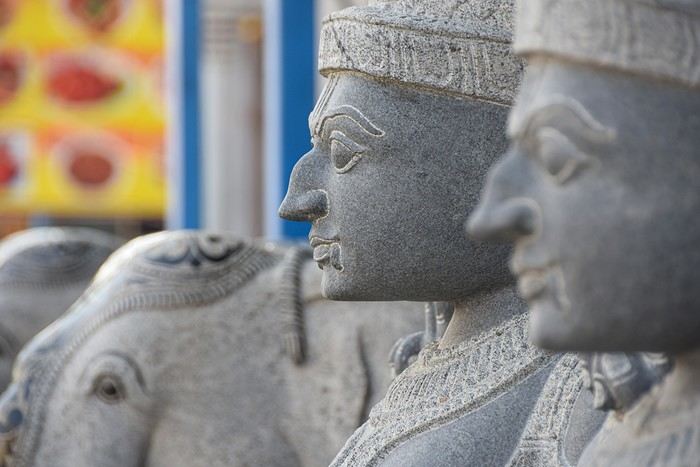
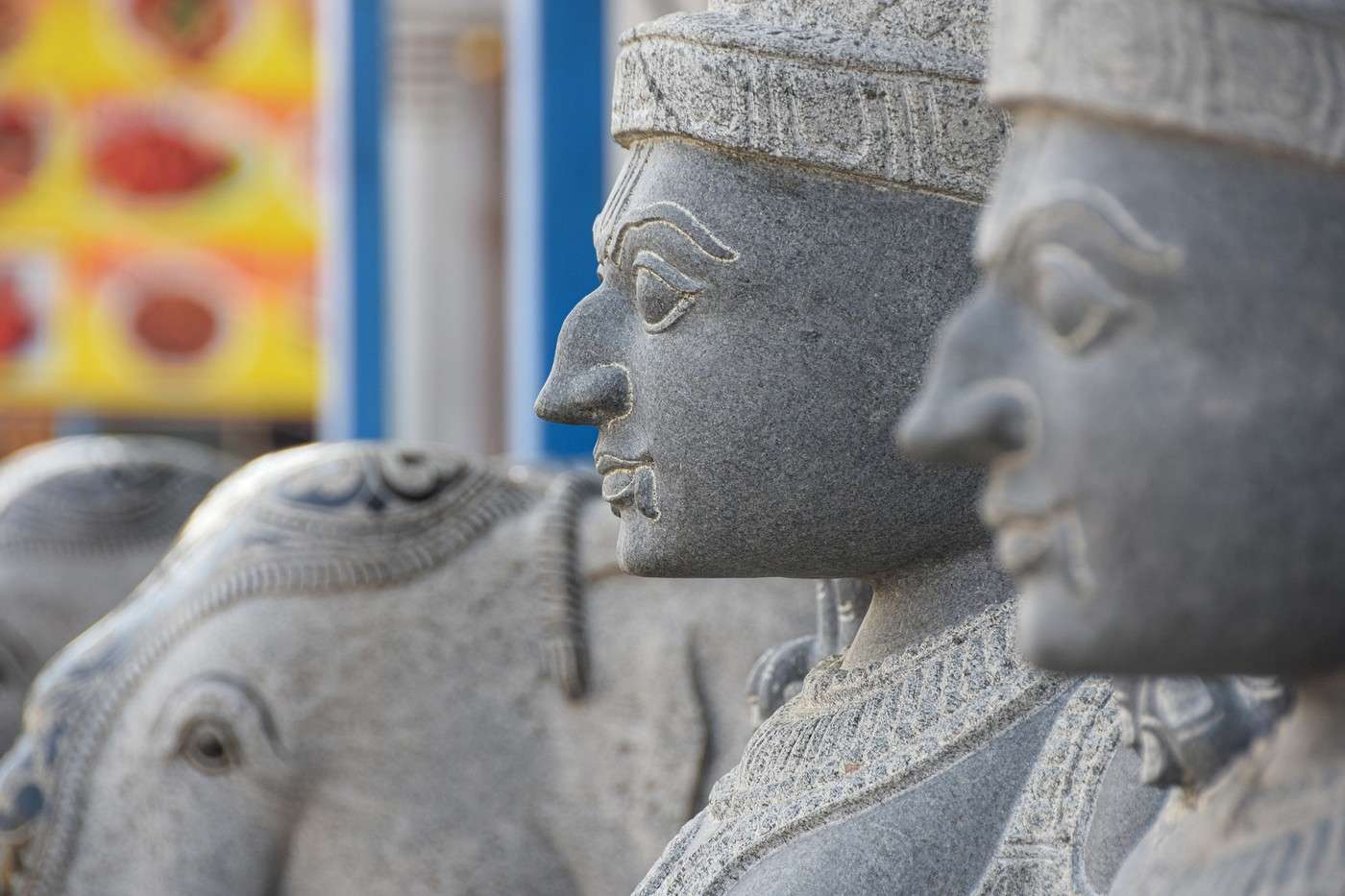
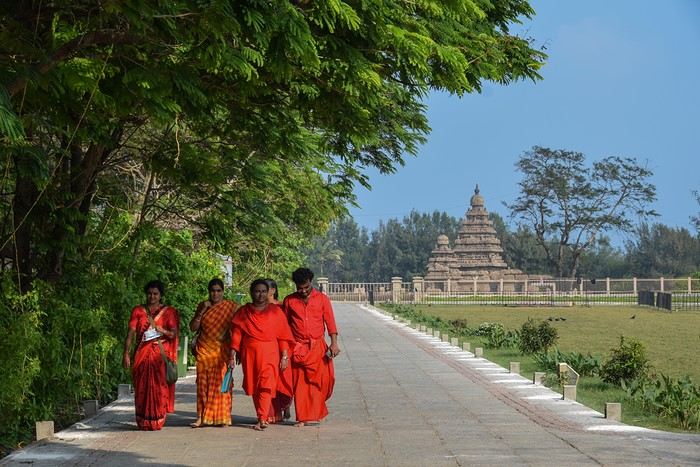
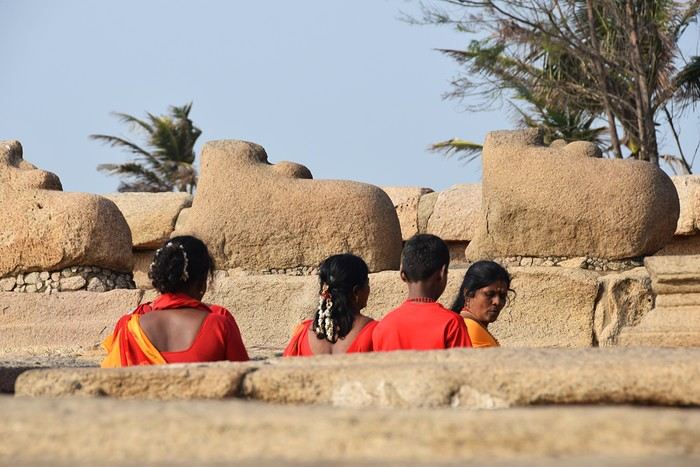
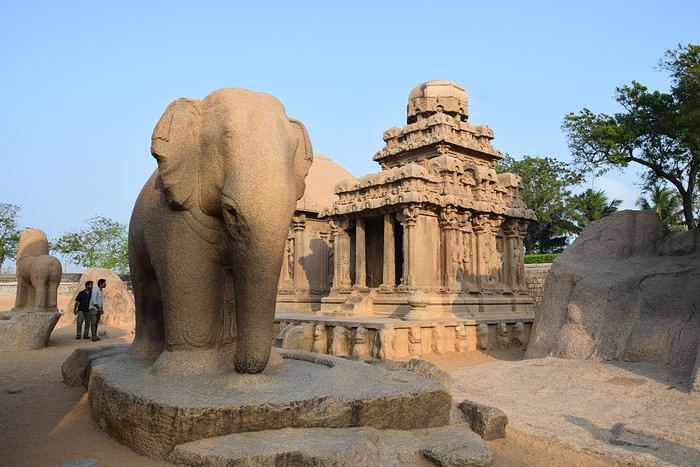
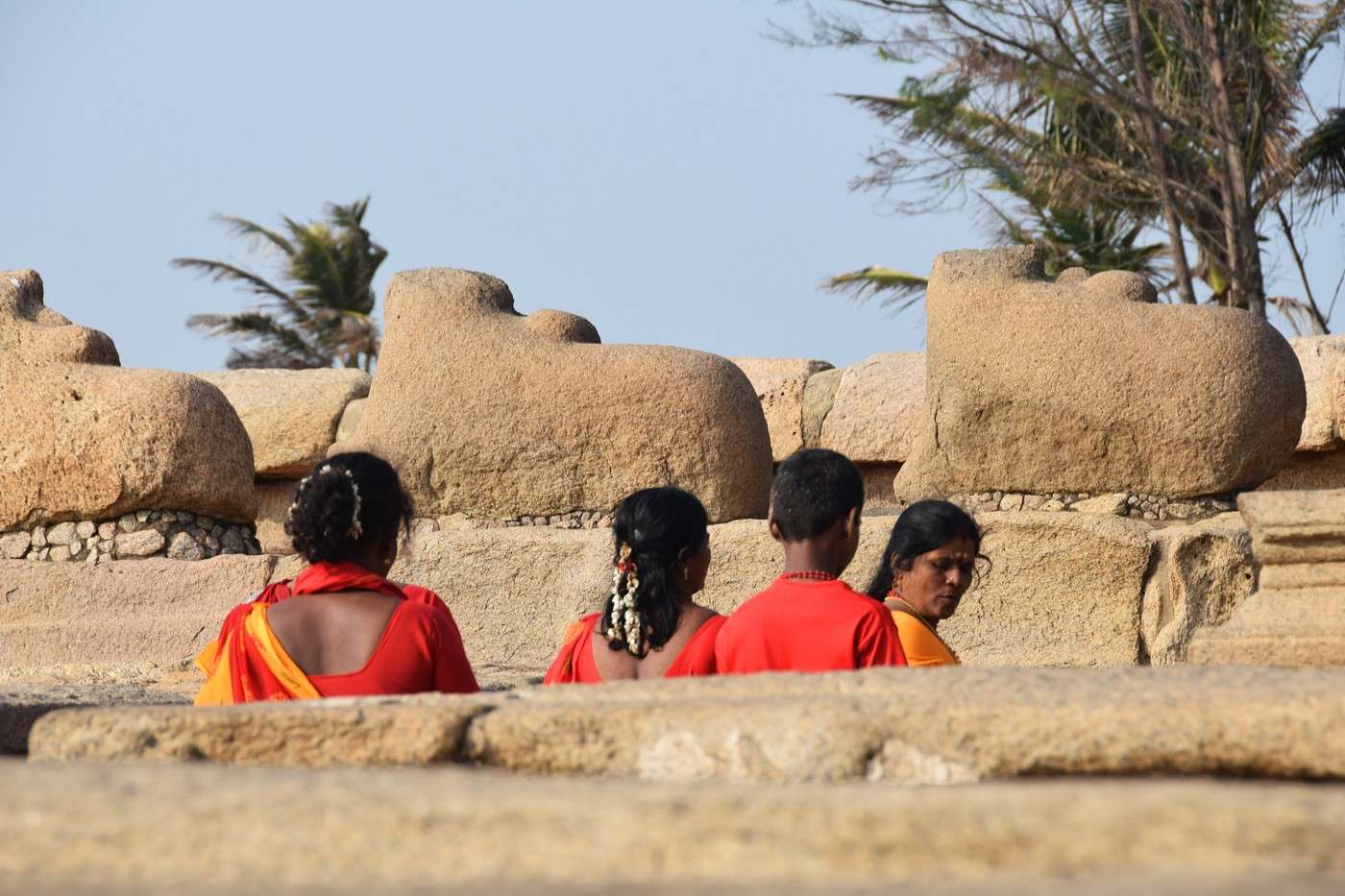
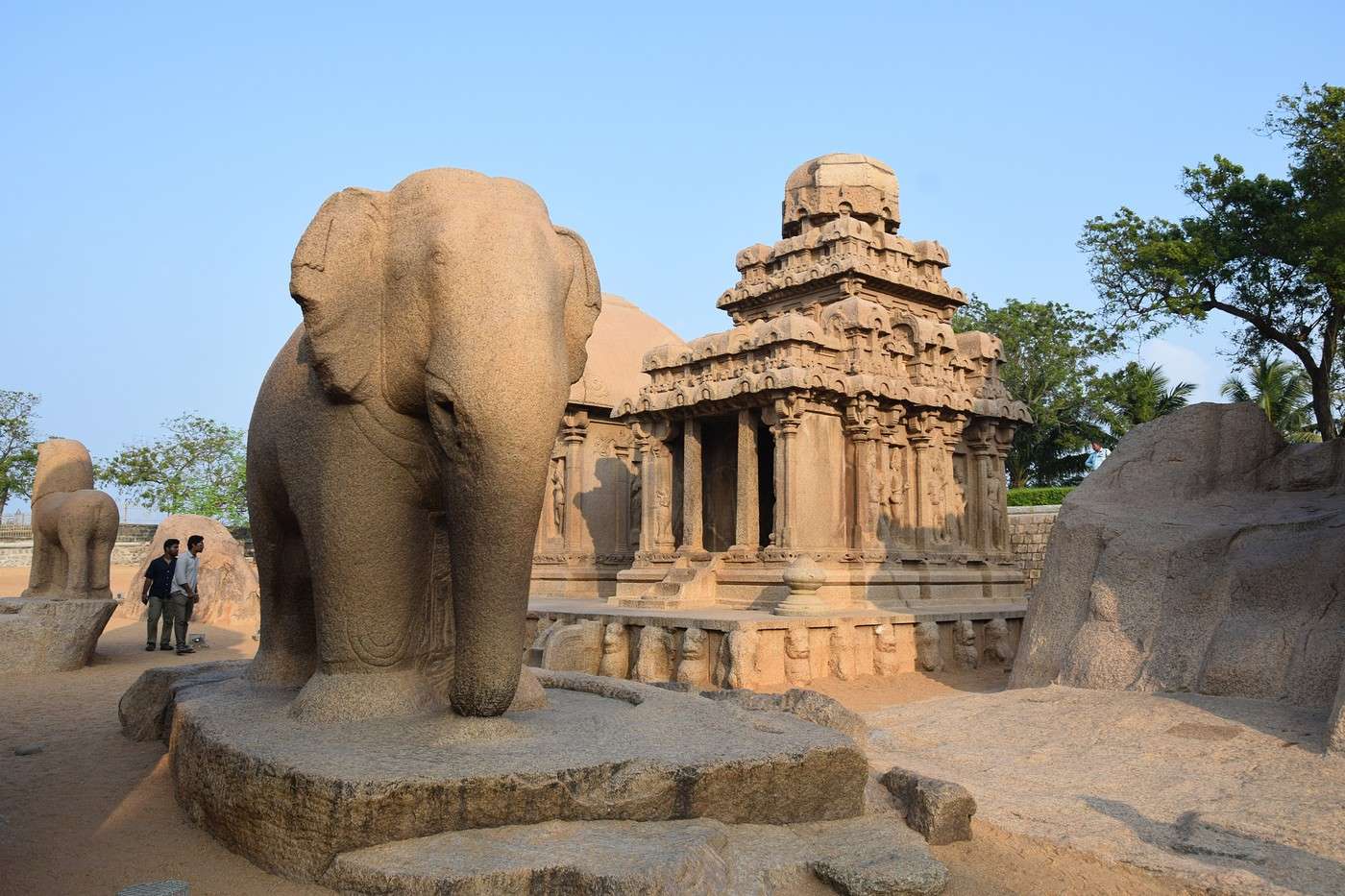
The *, the seaside temple just a short distance from the ocean, showcases harmonious proportions with its two small towers facing the sea. Dating back to the 8th century, most of the sculptures decorating it are quite eroded by time and the marine elements. A quick tuk-tuk ride later, we visit the *, five small temples delicately carved from a single block of granite, each dedicated to a god and accompanied by a giant animal serving as the deity’s mount. I recognize *, the bull, vehicle of *, and admire the monumental sculpture of a life-sized elephant, the mount of the goddess *.
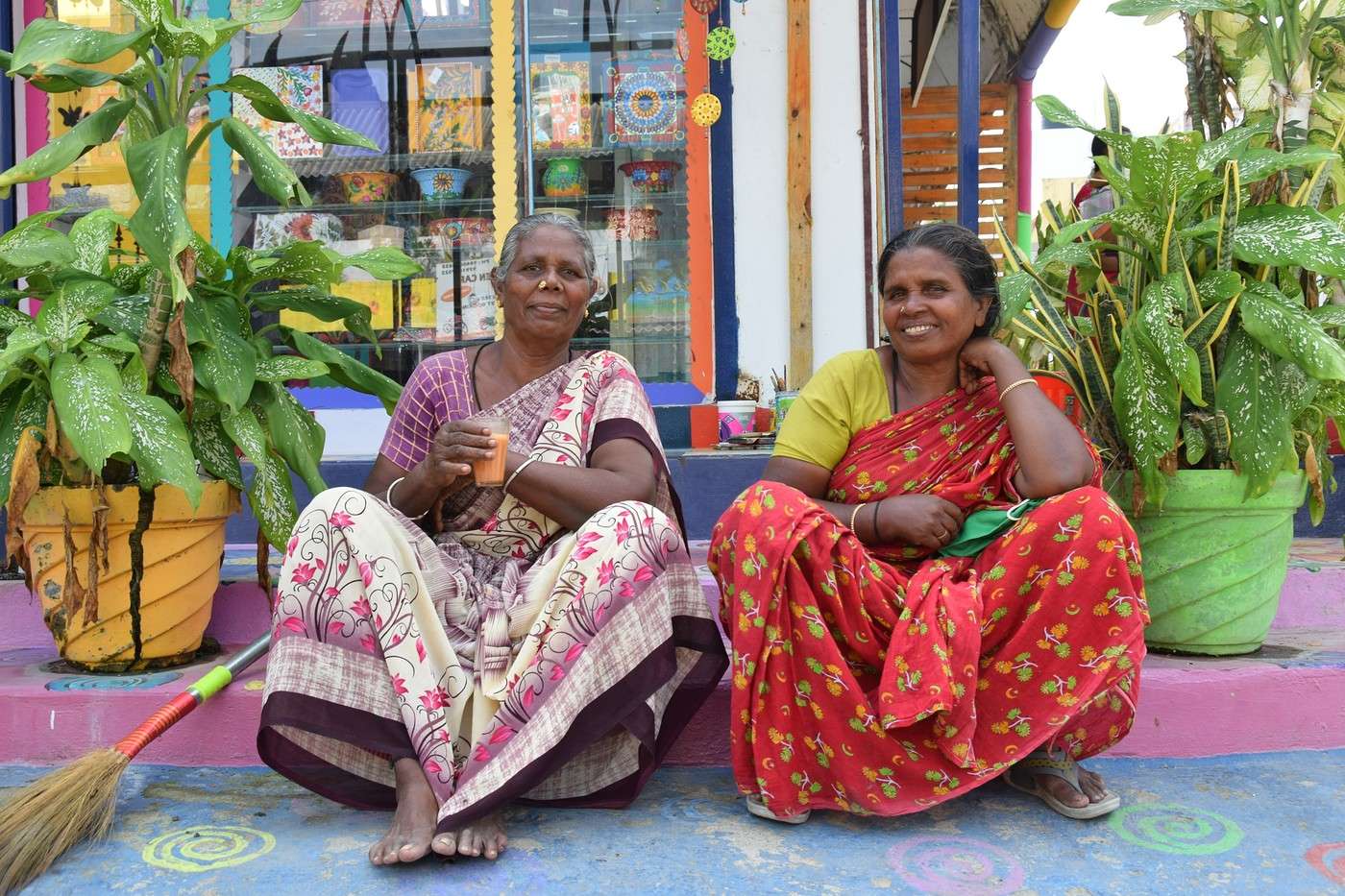
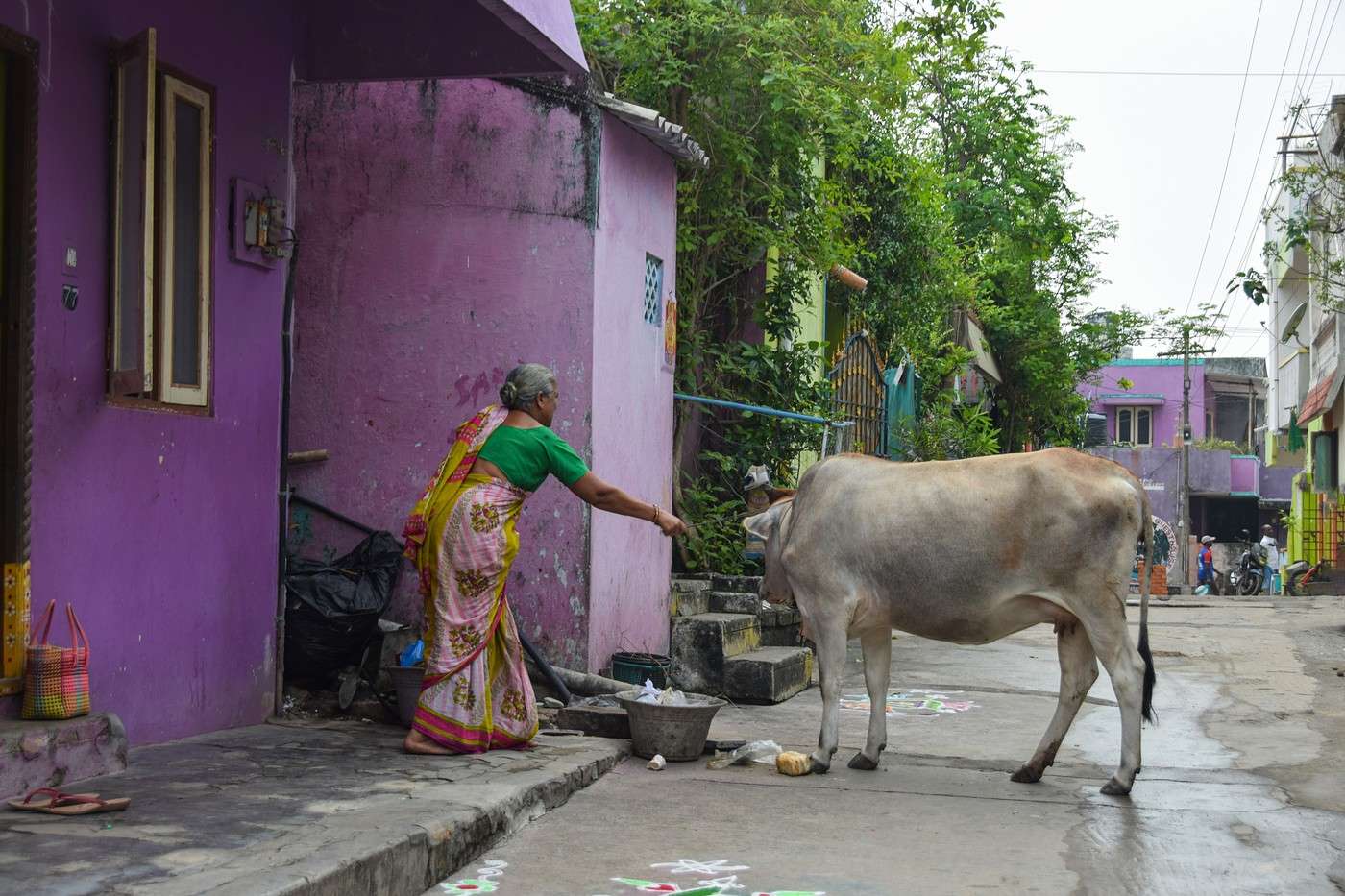
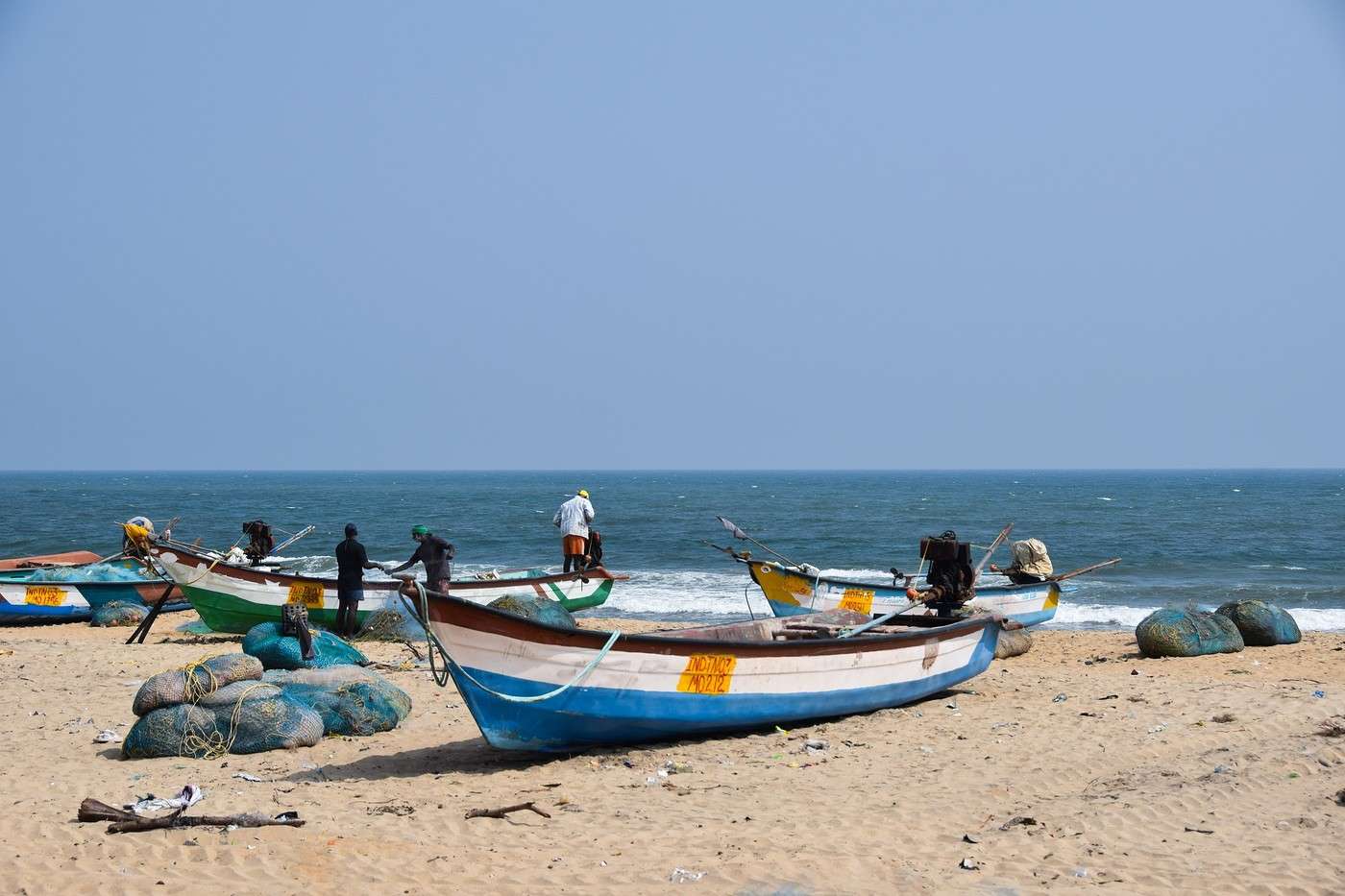
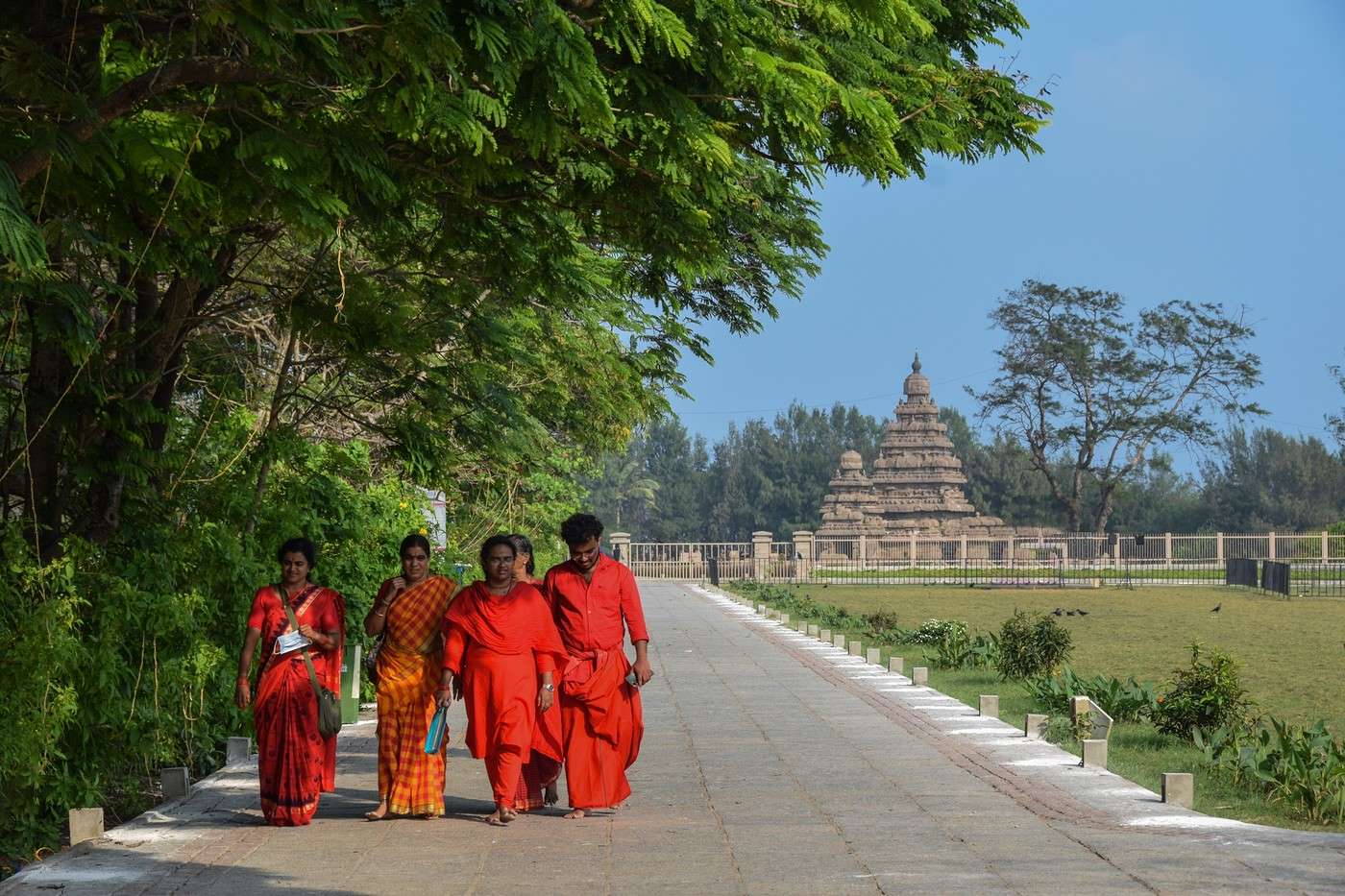
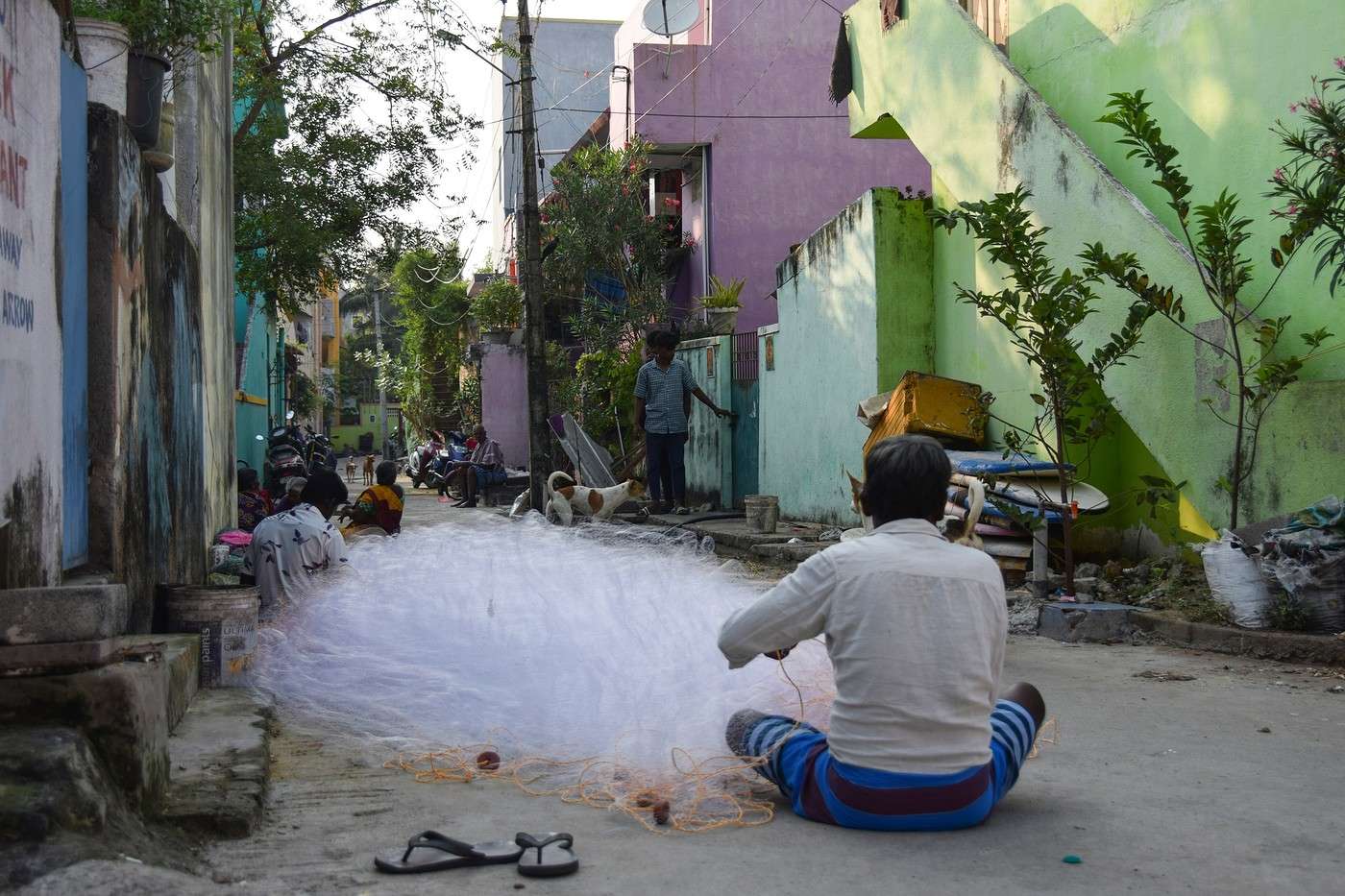
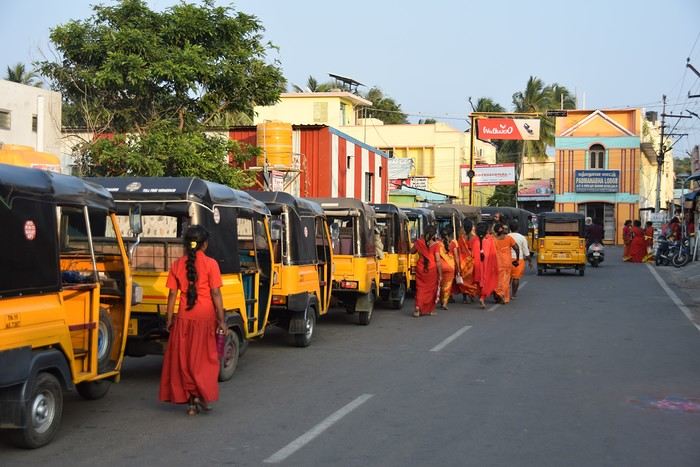
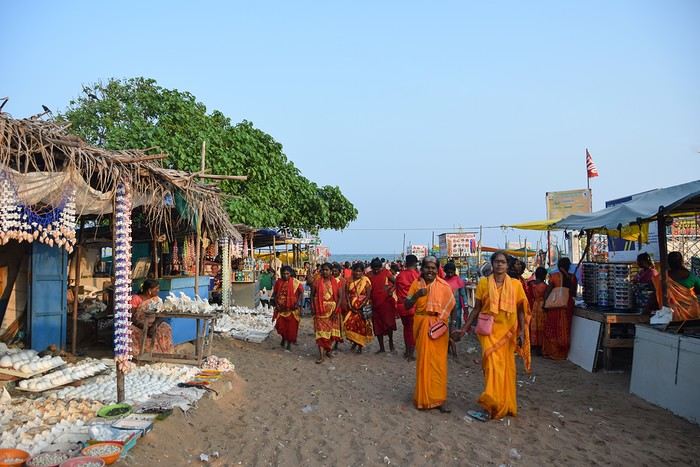
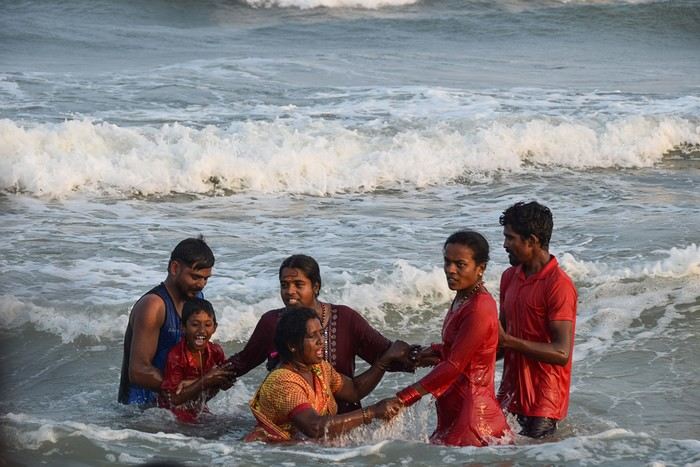
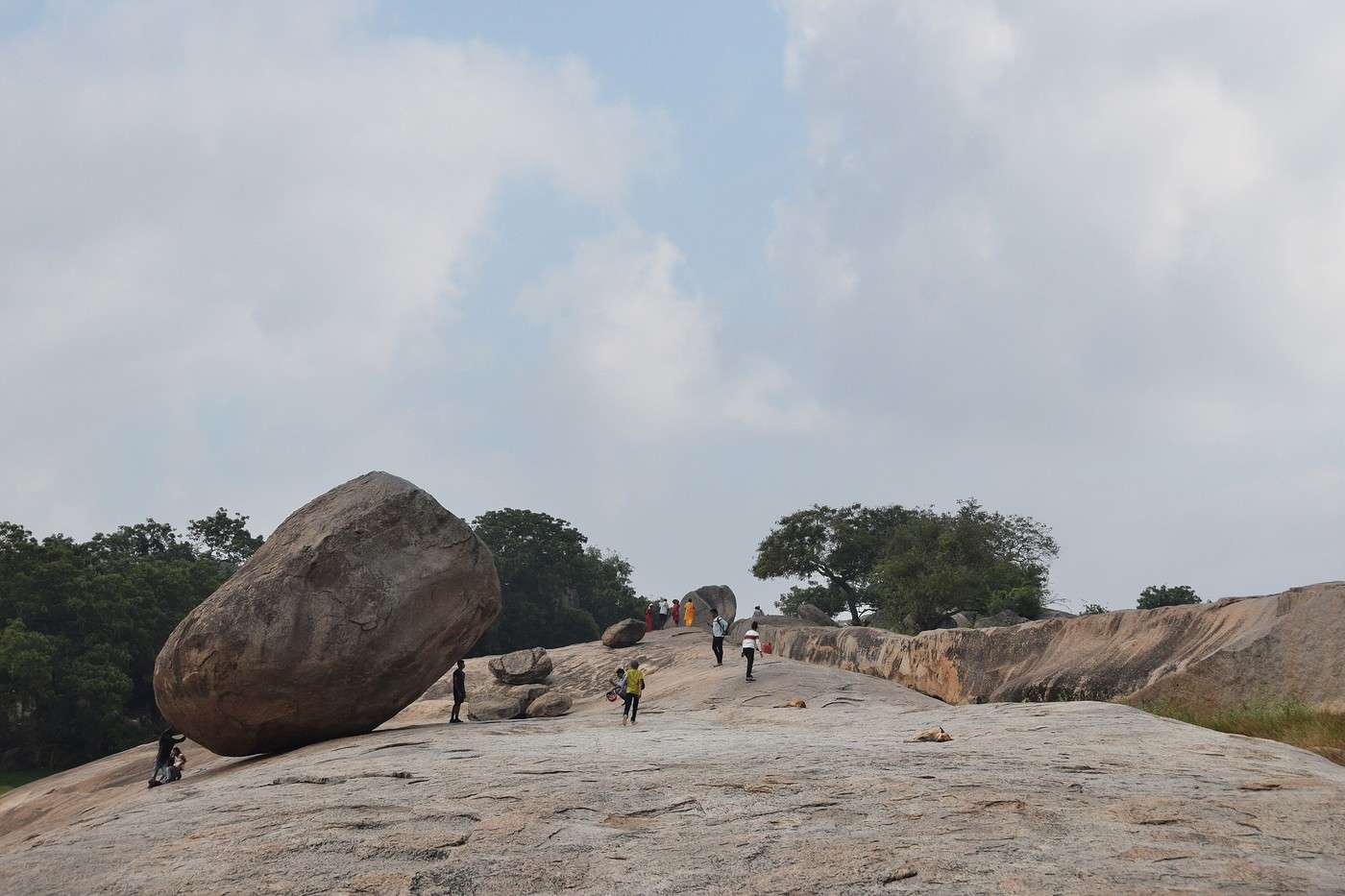
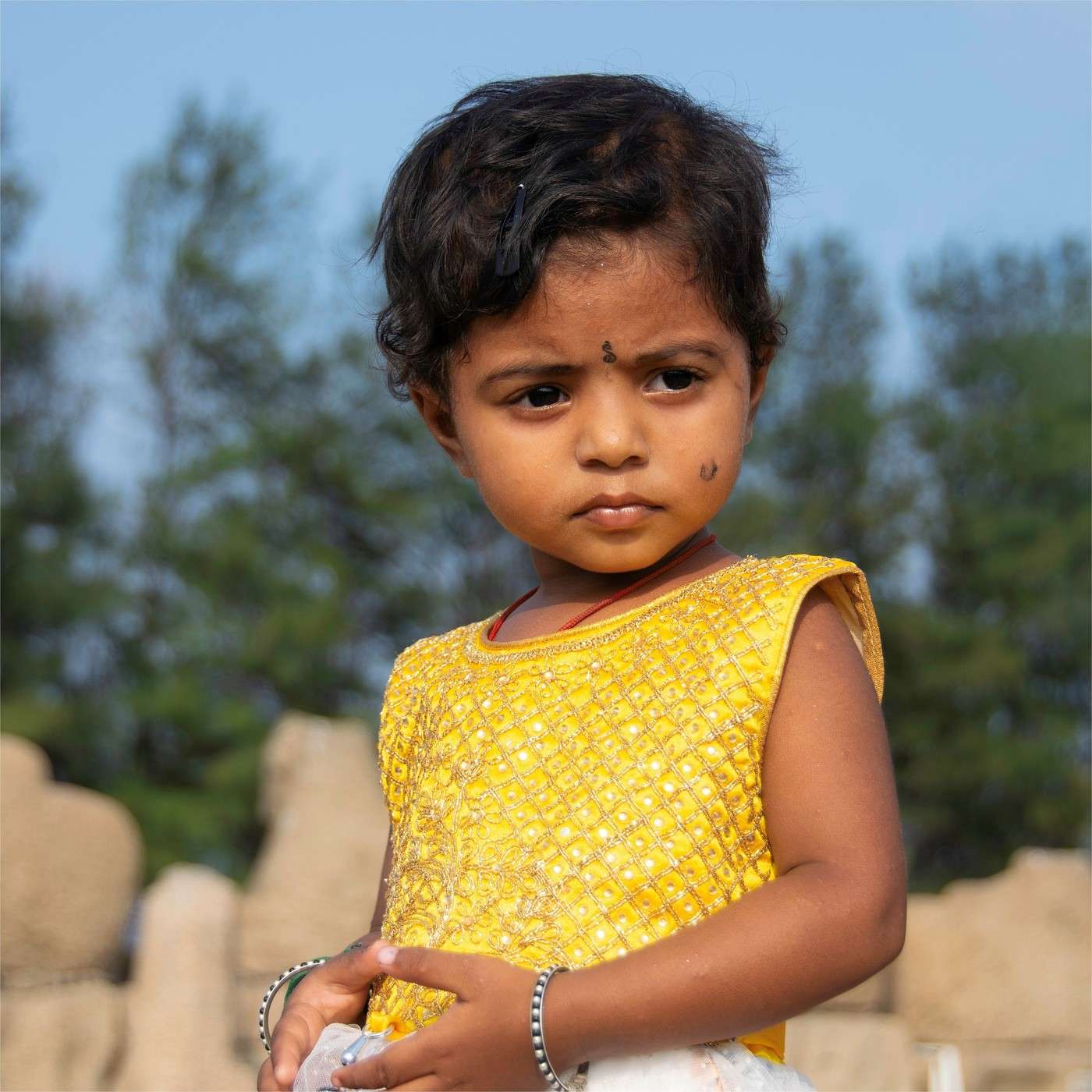
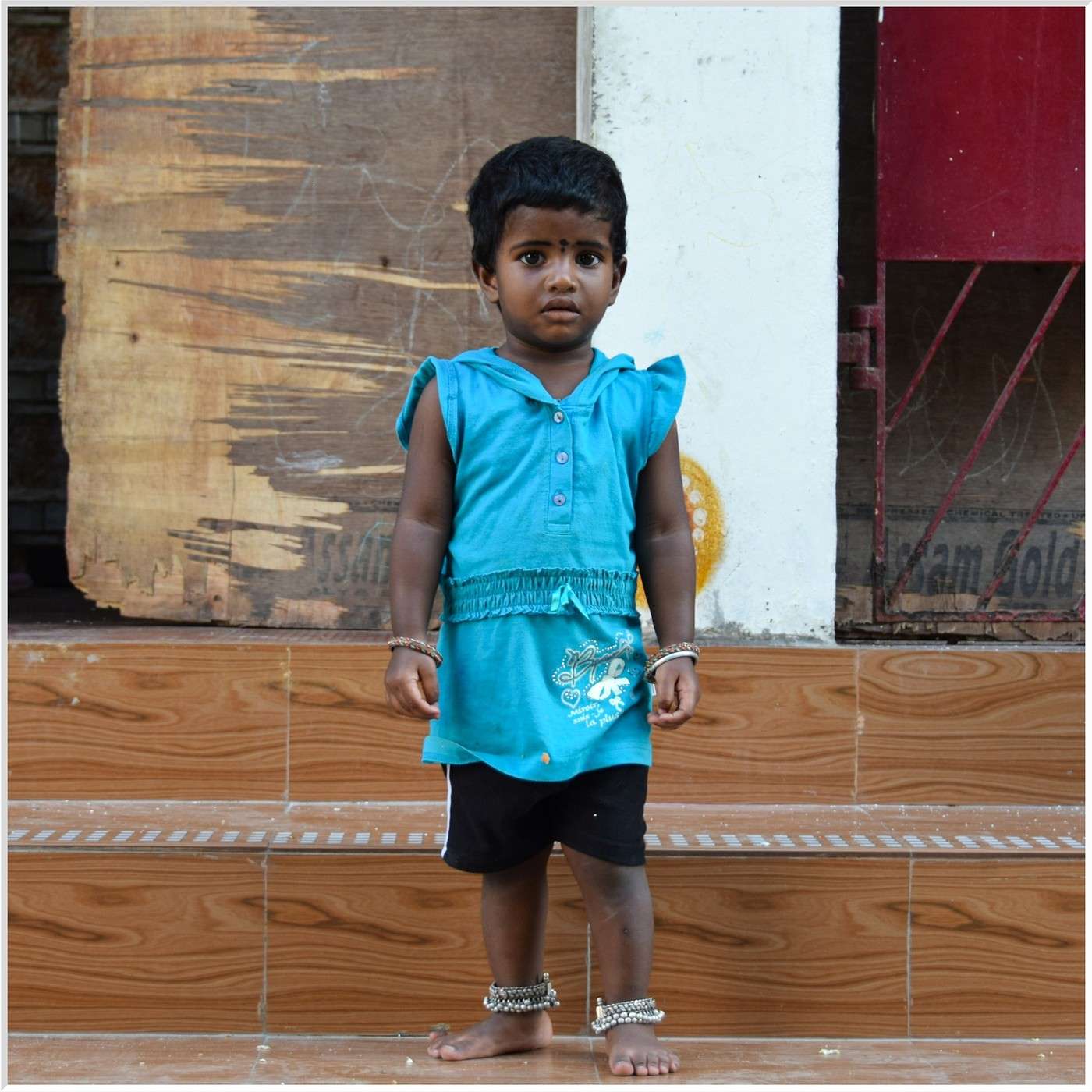
 in the heart of the fishermen’s quarter, a village within the city, away from the traffic noise