Back to the discussion

in Entre deux voyages › Carnets de voyage

Photographic Discovery of Vancouver Island

Discussion started by Rjulie95 on 2025-03-10

50 replies

This thread has been translated into English.


Photographic Discovery of Vancouver Island

Rjulie95 · 2025-03-10

Let’s catch up with a new travel journal from July 2024—only 6 months late, no biggie!

We’ll be talking about this gorgeous island, its tail end, wildlife (old habits die hard), and the sheer joy of it all 🙂

Photographic Discovery of Vancouver Island

Attila · 2025-03-10

Alright, let's kick off a little trip to Canada! !😉

Photographic Discovery of Vancouver Island

Muriel18 · 2025-03-10

Off to Canada 😉

Photographic Discovery of Vancouver Island

Rouquine38 · 2025-03-10

I'm hopping on the Zodiac too! 😊

Photographic discovery of Vancouver Island

Montagnard74 · 2025-03-10

I’m boarding the Zodiac too 😄

In this case, in Canada, it’d be more like a bomber, but I’ve got the life jacket!

Photographic discovery of Vancouver Island

Rouquine38 · 2025-03-10

I'm also boarding the Zodiac 😄

In this case, in Canada, it’d be more like a bomber, but I’ve got the life jacket !

Well, Régis will decide... when he tells us more because right now, this intro is a bit thin 🤔

Photographic discovery of Vancouver Island

Montagnard74 · 2025-03-10

Well, Régis will have the final say... once he tells us more because right now, this intro is a bit thin 🤷

Poor guy, he’s been working on his travel journal for 30 minutes now! :( It’s not his fault we’re starving for travel journals! That said, Canada isn’t something we see often...

Photographic discovery of Vancouver Island

Rouquine38 · 2025-03-10

That said, Canada isn’t often...

Plus, he’s cheating on Africa!!! 🤭

Photographic discovery of Vancouver Island

Voyajou · 2025-03-10

Hey Régis,

we’re meeting up in eastern Canada for a really beautiful trip

Well, I’m here now, but there’s no one around. I’m on the Sept-Îles archipelago, but none of the islands are called Vancouver. I ask a bear, and he tells me Vancouver’s on the west coast. I take a flying Bombardier and arrive. 😉

Photographic Discovery of Vancouver Island

Rjulie95 · 2025-03-10

Glad there's someone who's following along! 😇

Photographic Discovery of Vancouver Island

Rouquine38 · 2025-03-10

Good thing there’s someone keeping track

And on top of that, you’re confusing us now 🤪

Photographic discovery of Vancouver Island

Montagnard74 · 2025-03-10

At least there’s one person who’s following along

I had the Bombardier! 😎

Photographic Discovery of Vancouver Island

Rjulie95 · 2025-03-12

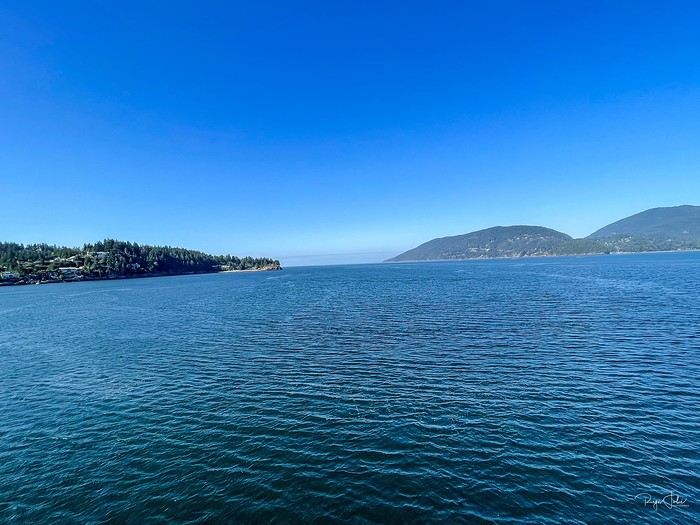
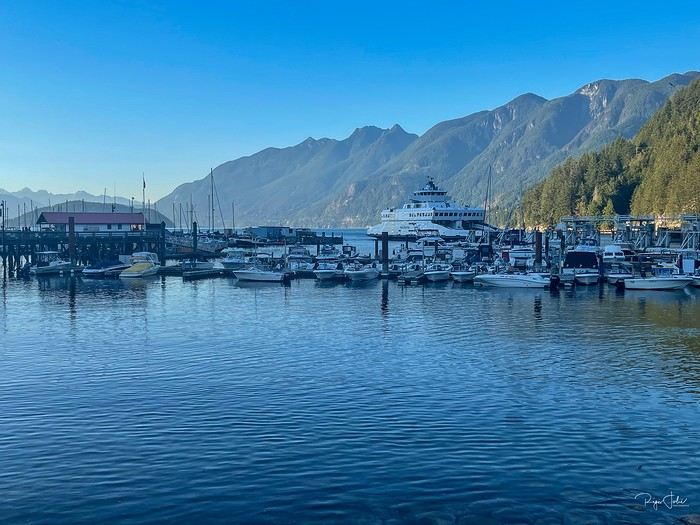
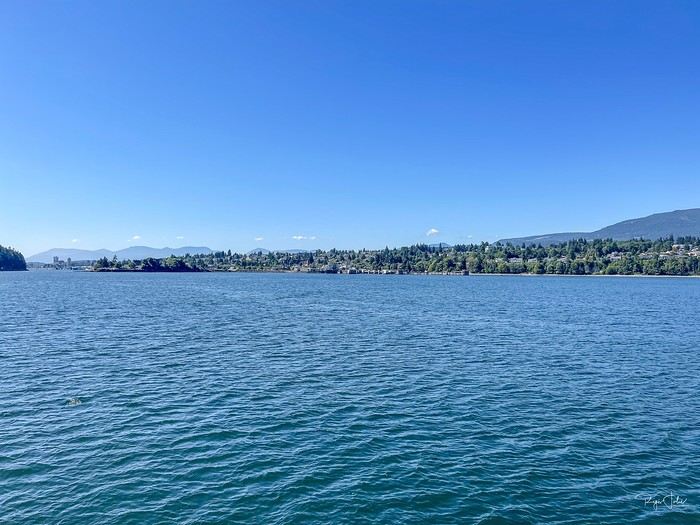
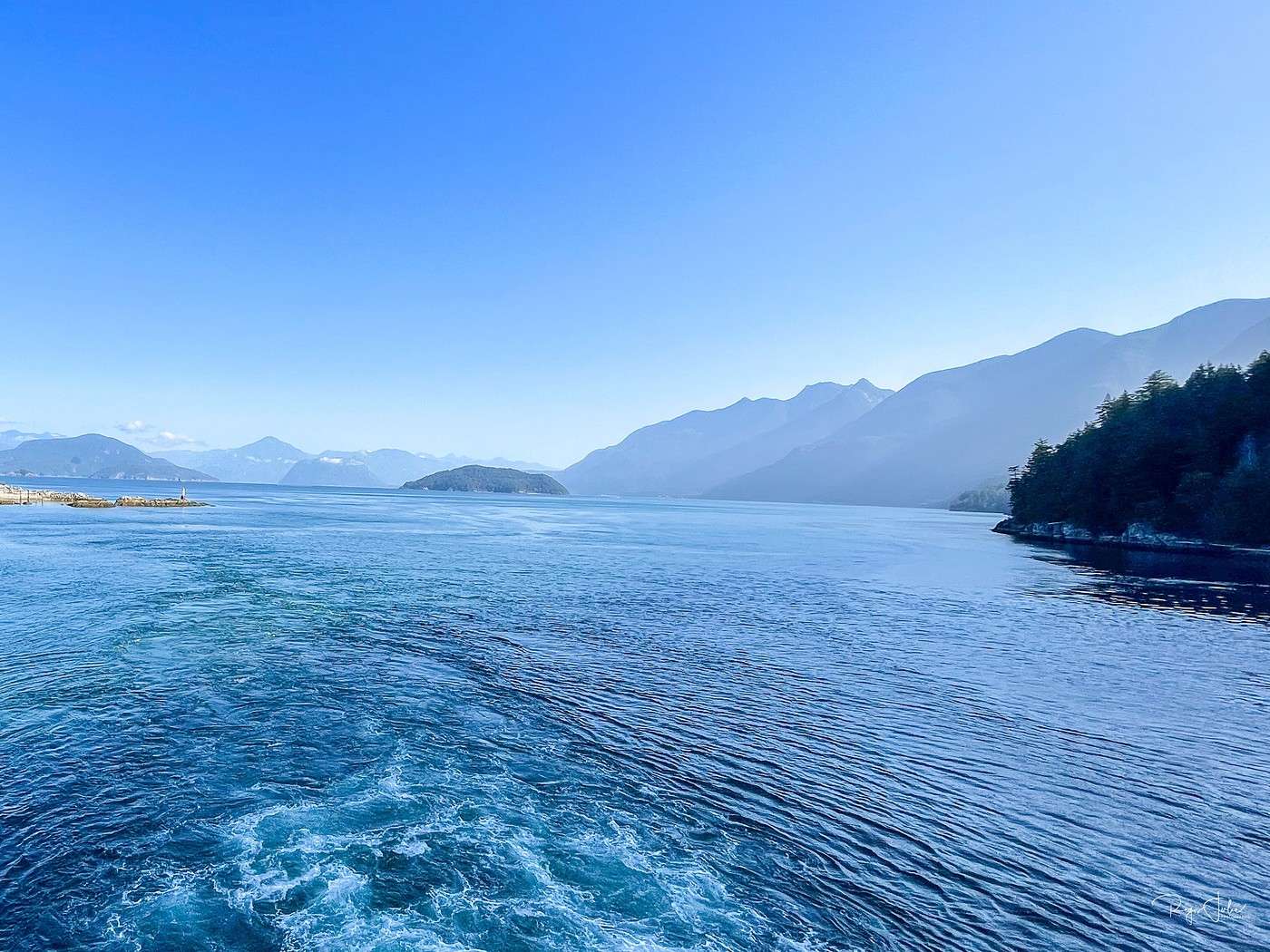
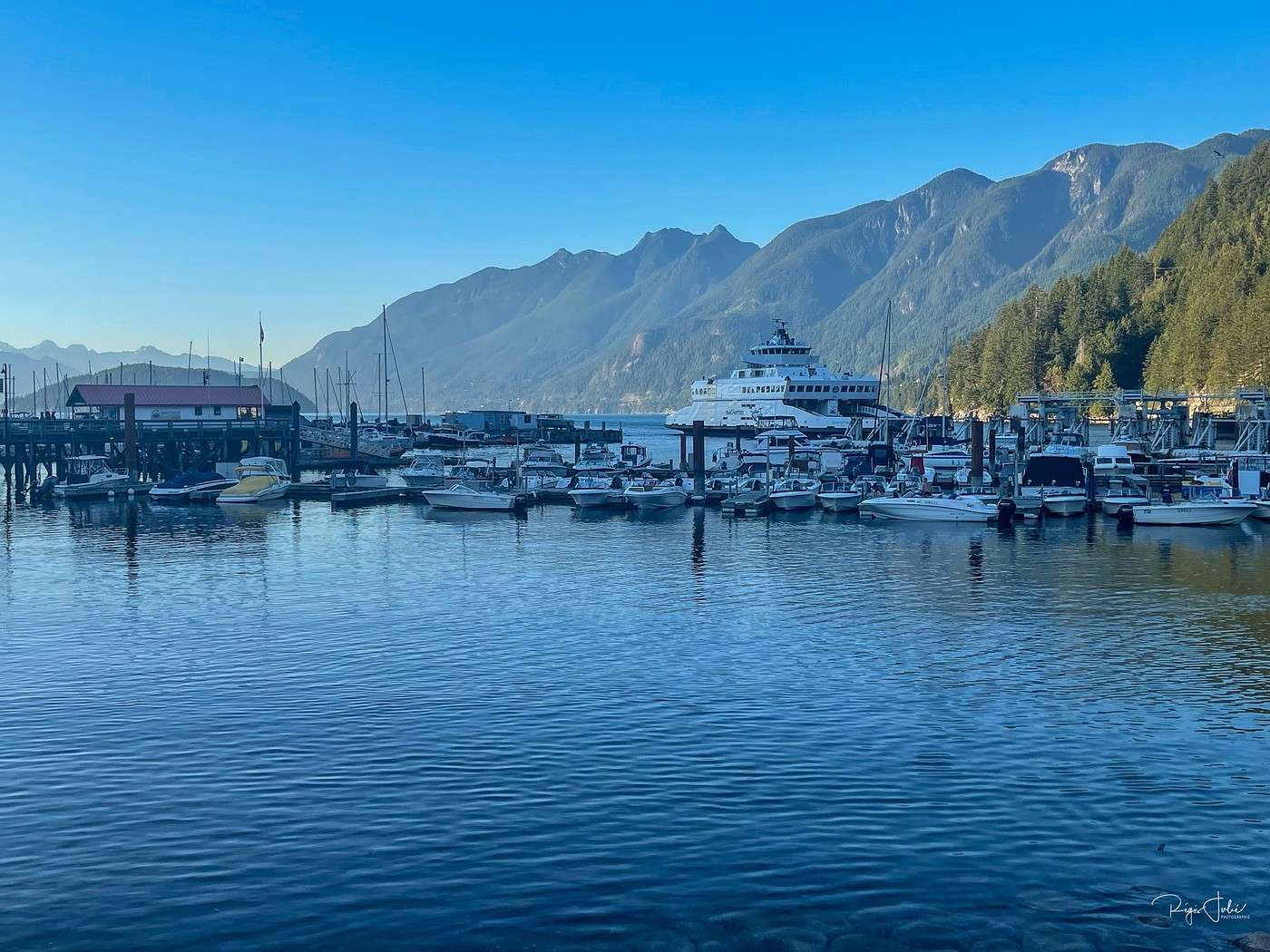
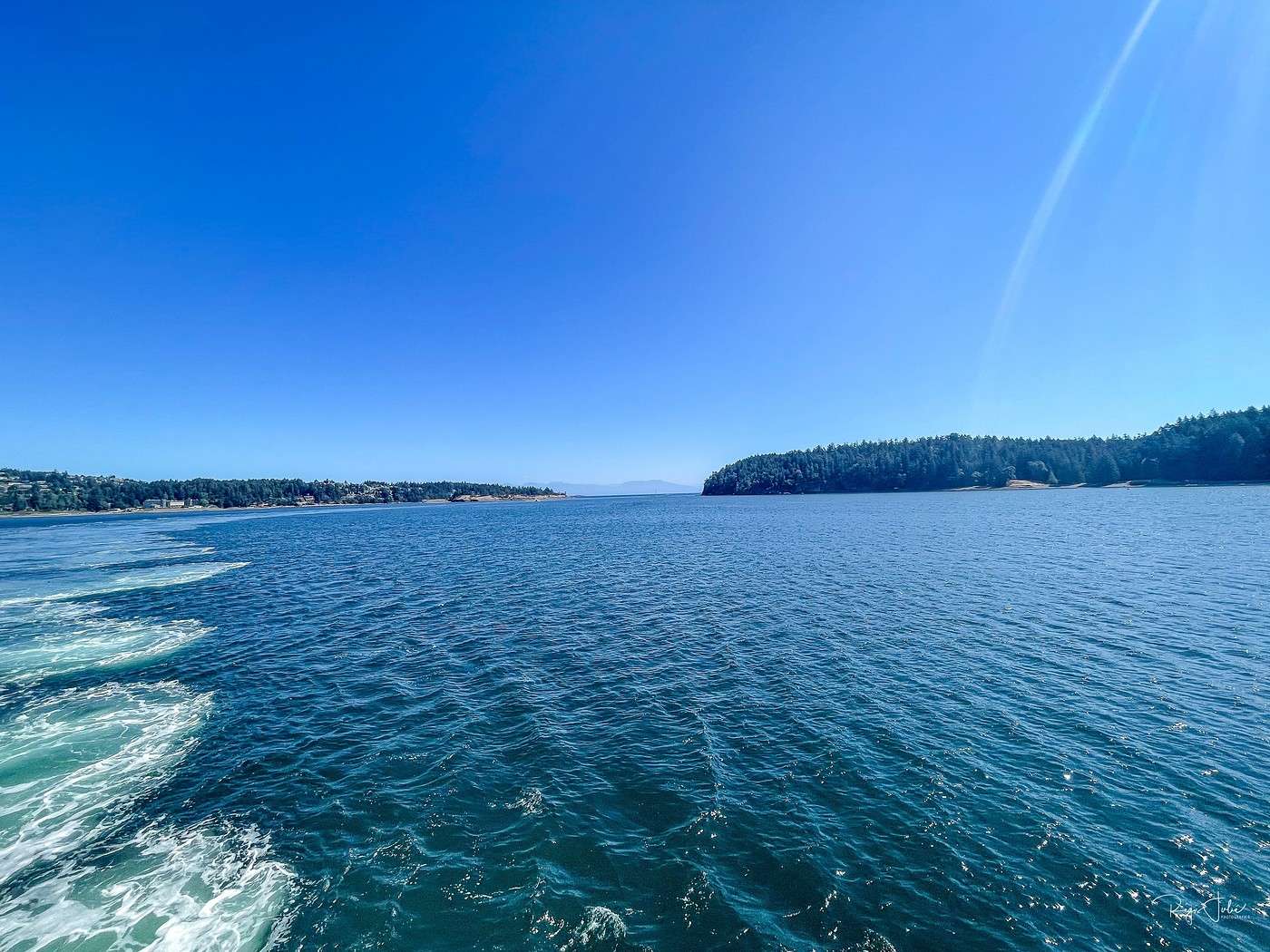
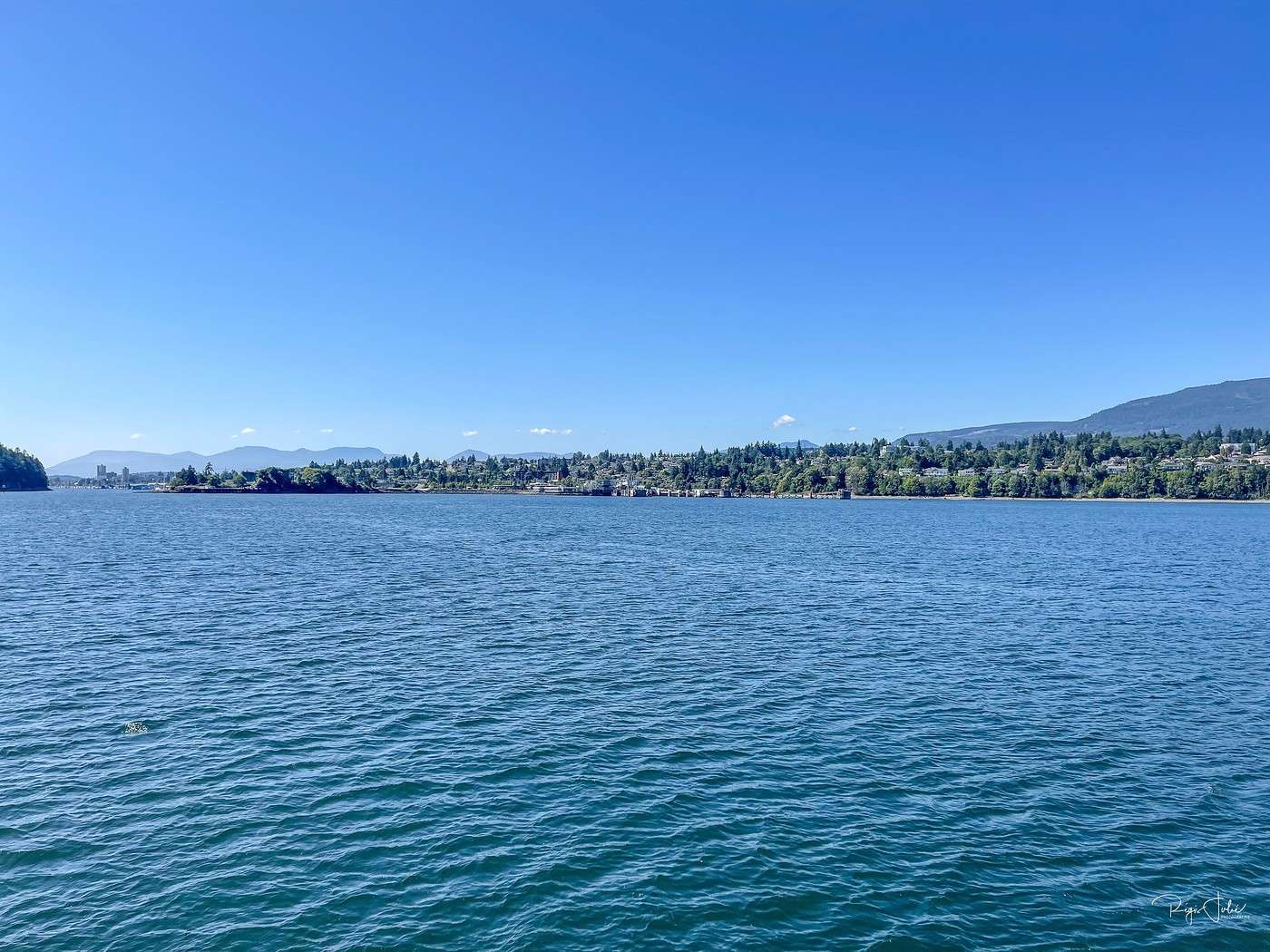
After a 12-hour direct flight, a short family visit to Whistler, and a good night’s rest, the adventure begins on Vancouver Island.

Accessible by ferry, this island is huge—four times the size of Corsica—and home to 750,000 people. Half of that population lives in Victoria, the capital of British Columbia and the island’s main urban area.

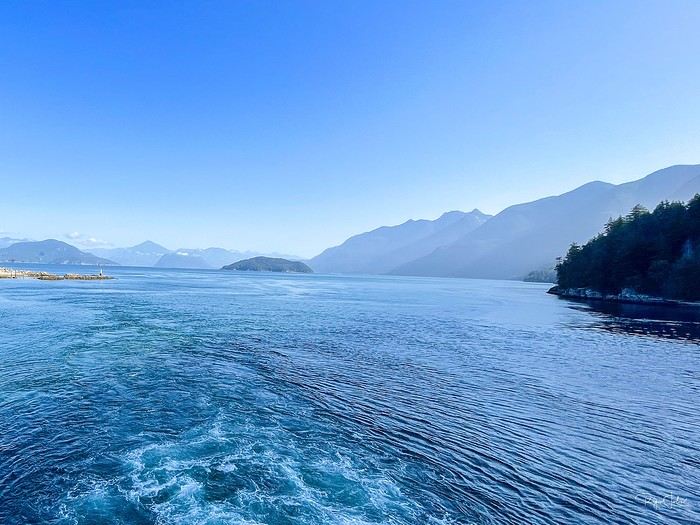
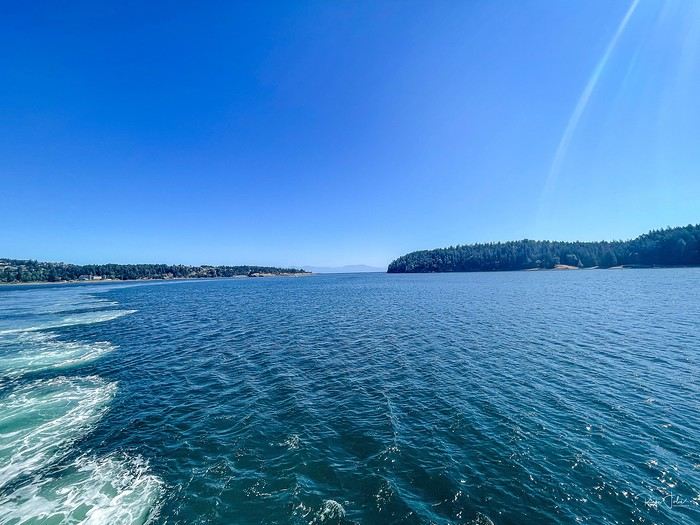
The archipelago also includes countless islets, some inhabited, others deserted, adding to the landscape’s richness.

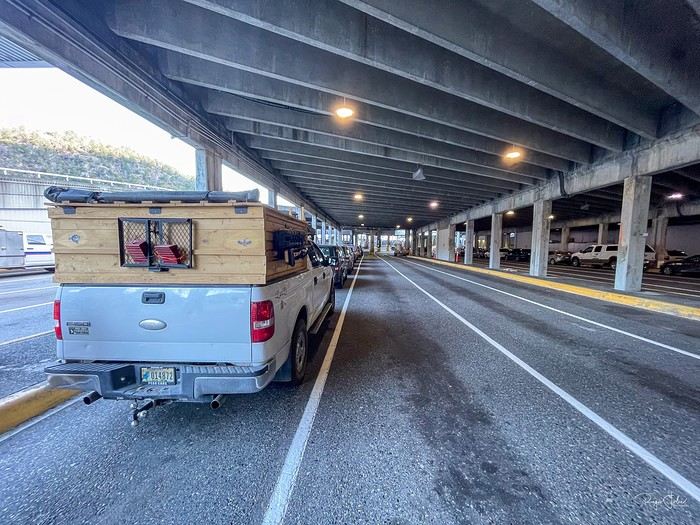
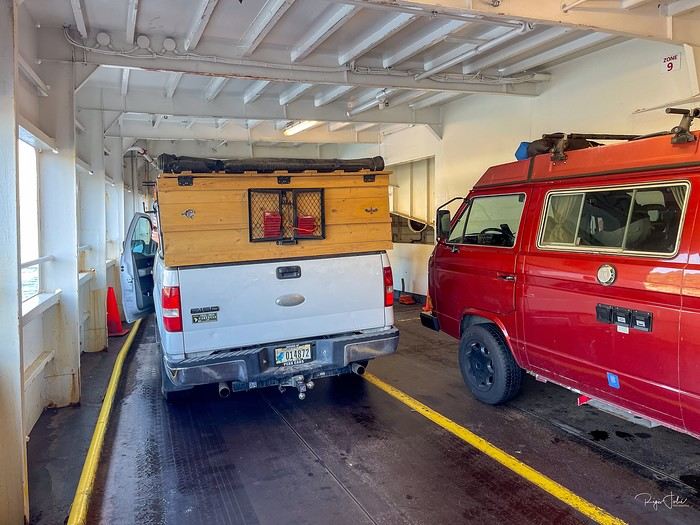
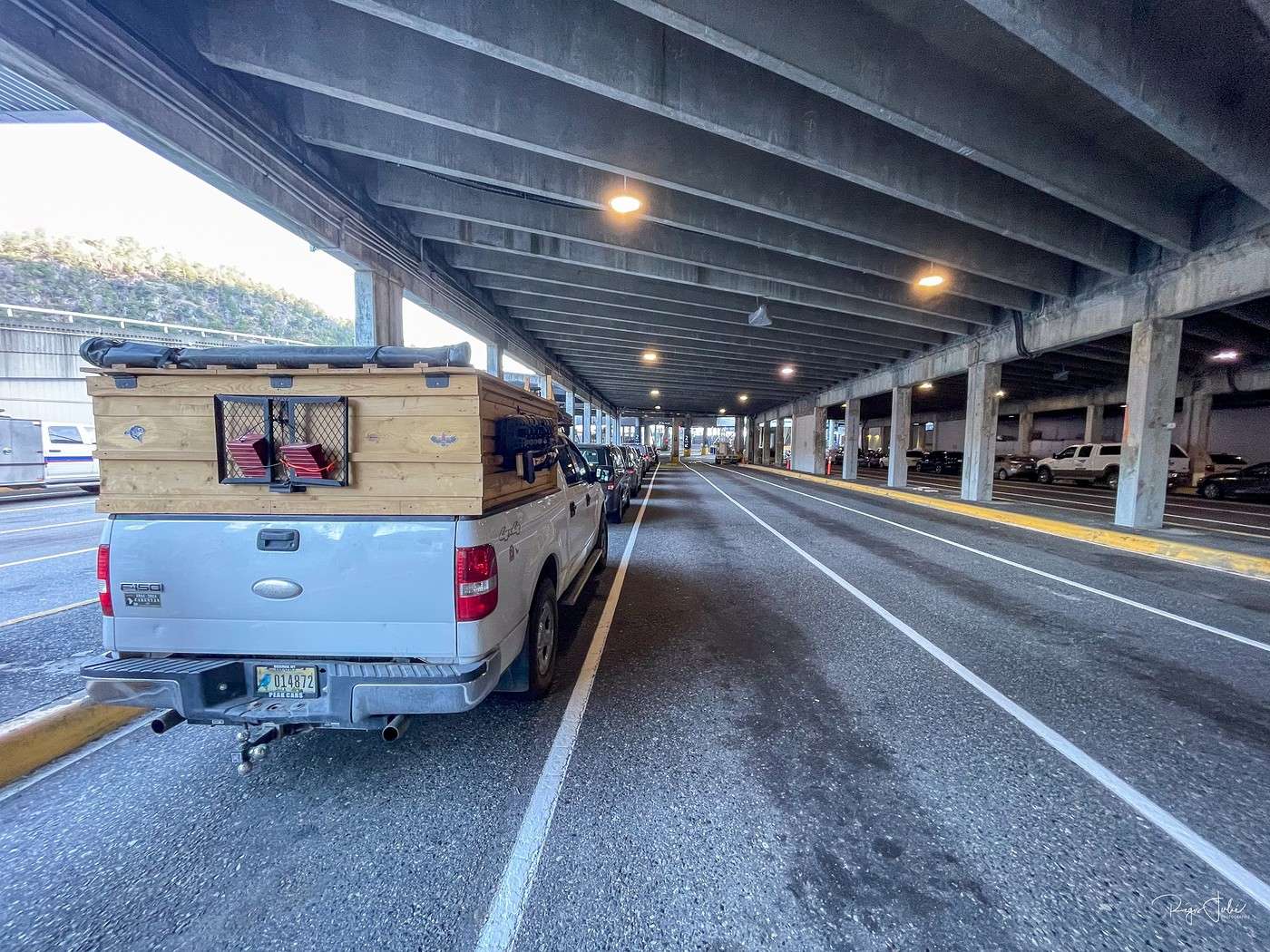
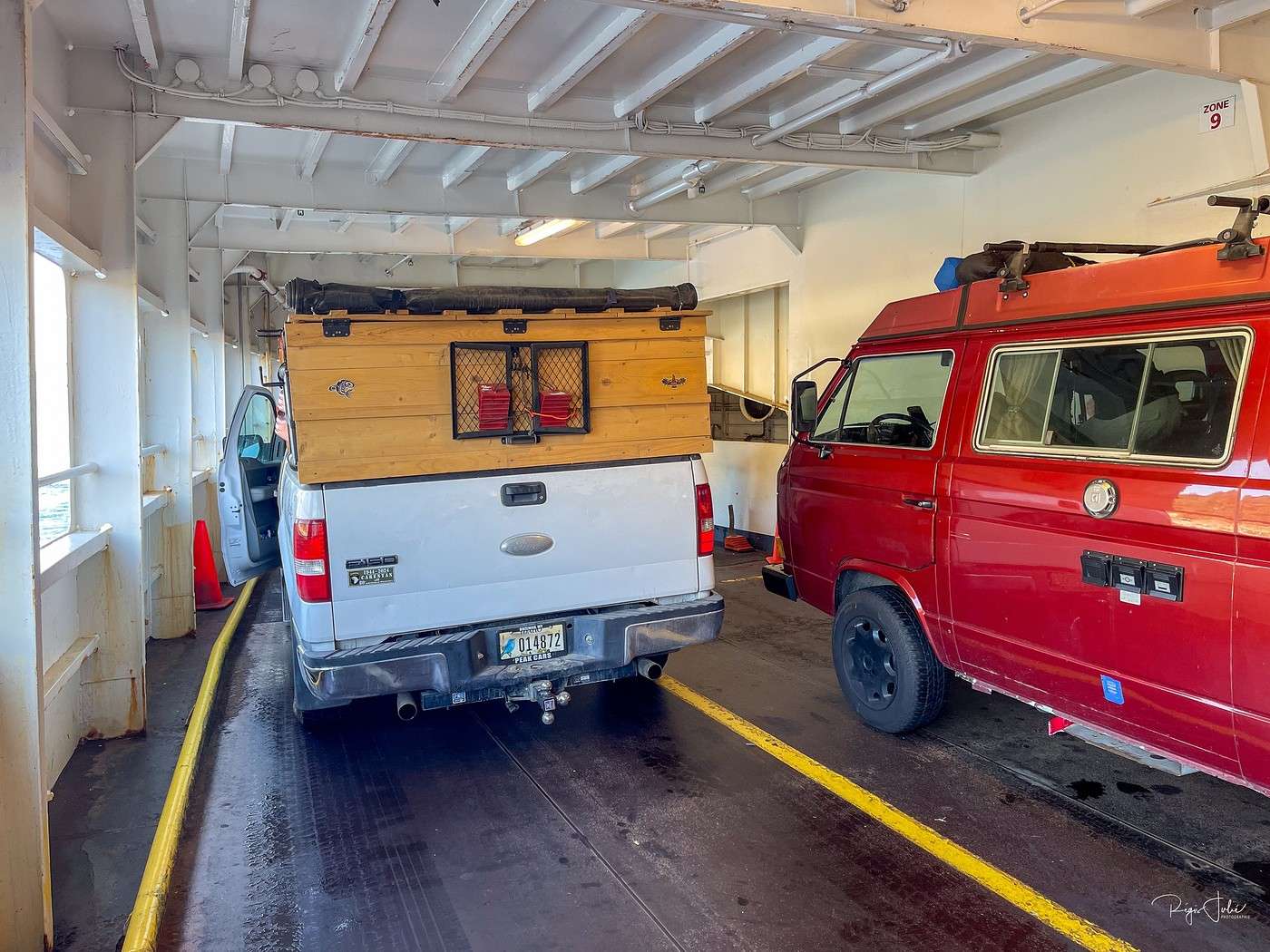
Our car for this trip

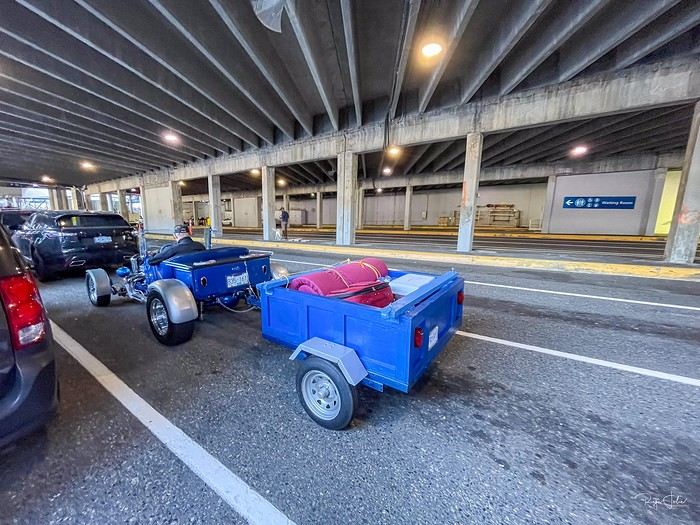
Canadians and Americans and their love for cars


Photographic Discovery of Vancouver Island

Rouquine38 · 2025-03-12

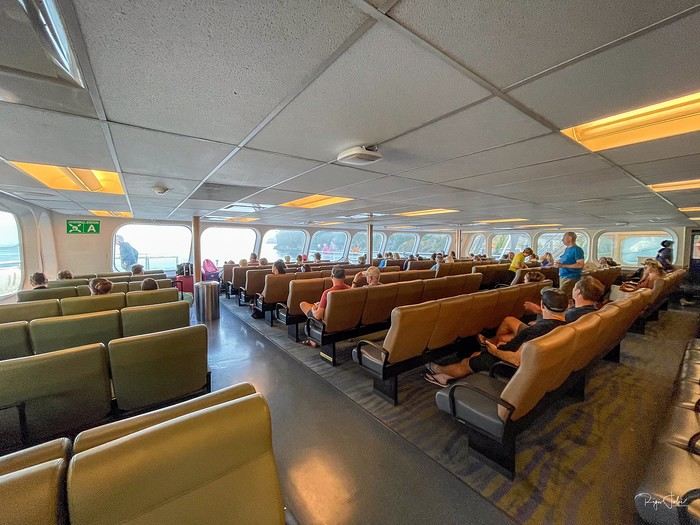
Ah, finally boarding! 😄

Photographic discovery of Vancouver Island

Muriel18 · 2025-03-12

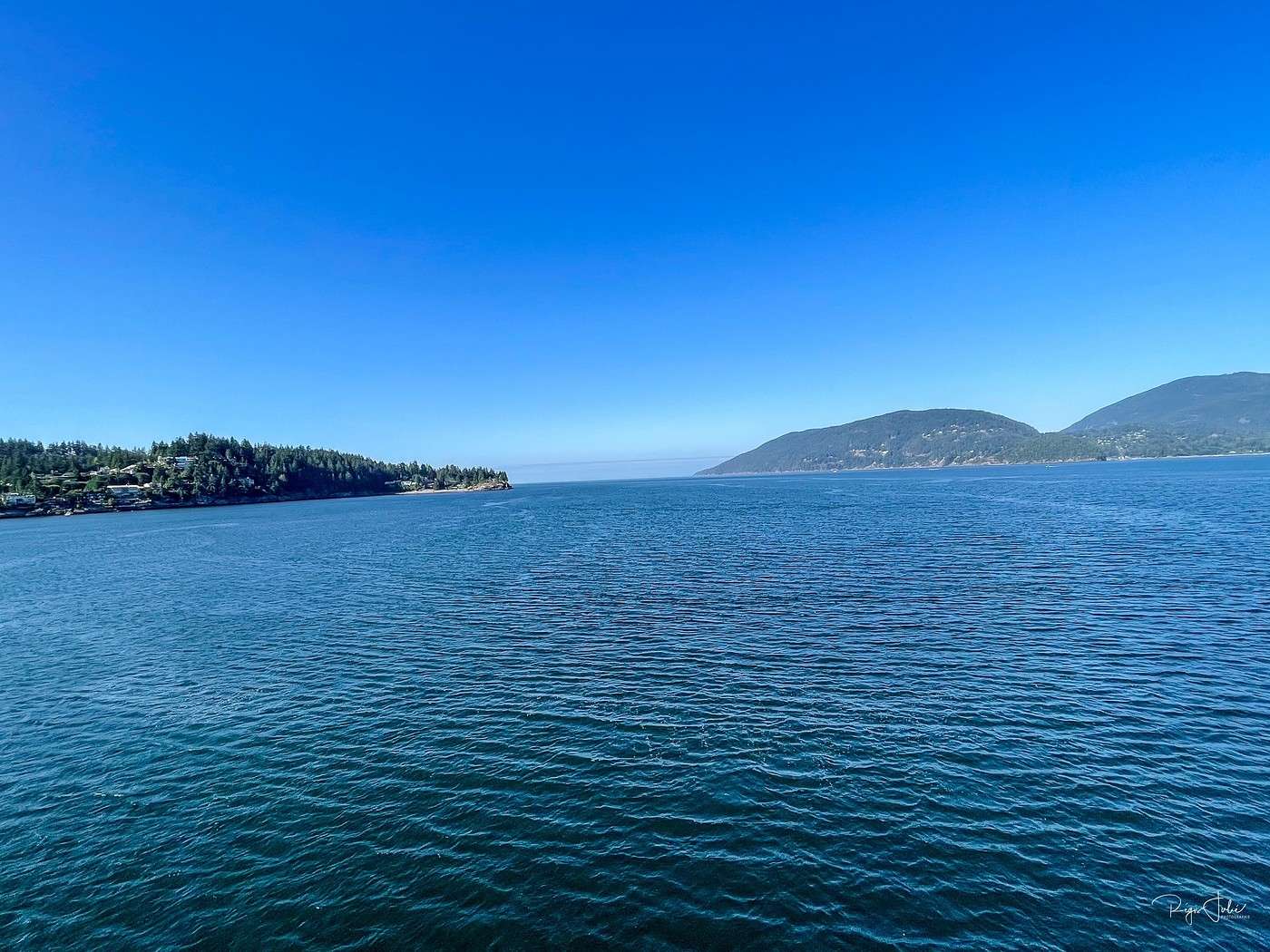
... under a beautiful blue sky :) (at least for now!)

Photographic Discovery of Vancouver Island

Rjulie95 · 2025-03-12

We really did get lucky with the weather for pretty much the whole trip

Découverte photographique de l'île de Vancouver

LillieoneFE · 2025-03-12


Photographic Discovery of Vancouver Island

Rjulie95 · 2025-03-12

Welcome, Lillie—there’s room for everyone! 😊

Photographic discovery of Vancouver Island

Ivert · 2025-03-13

We really did get lucky with the weather for pretty much the whole trip

In the summer, the weather is often really nice in the southwest of British Columbia. Victoria has the driest and sunniest summers in all of Canada. Yep... [;]

Photo discovery of Vancouver Island

Rjulie95 · 2025-03-17

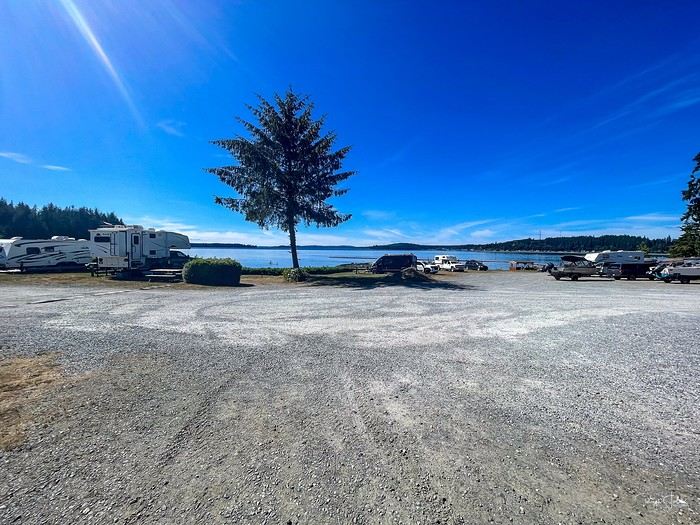
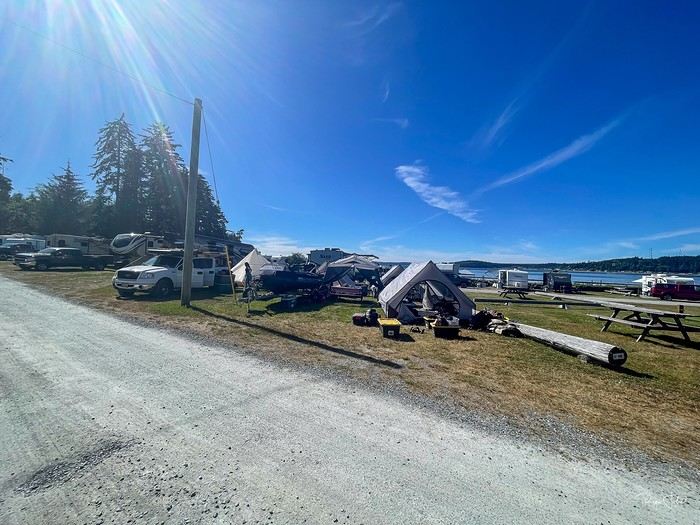
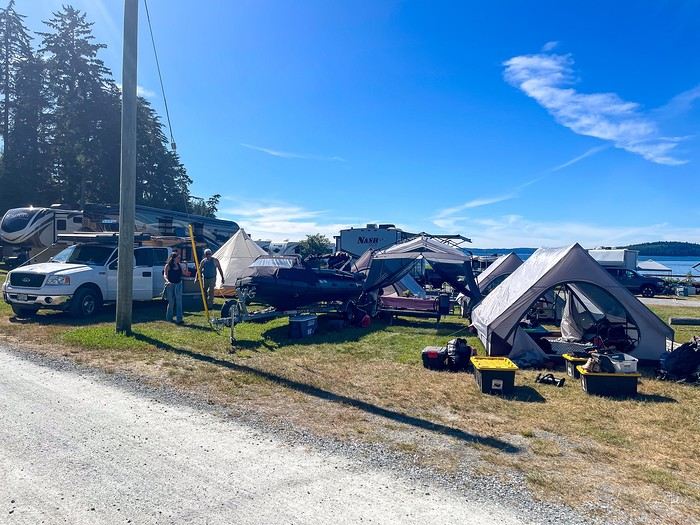
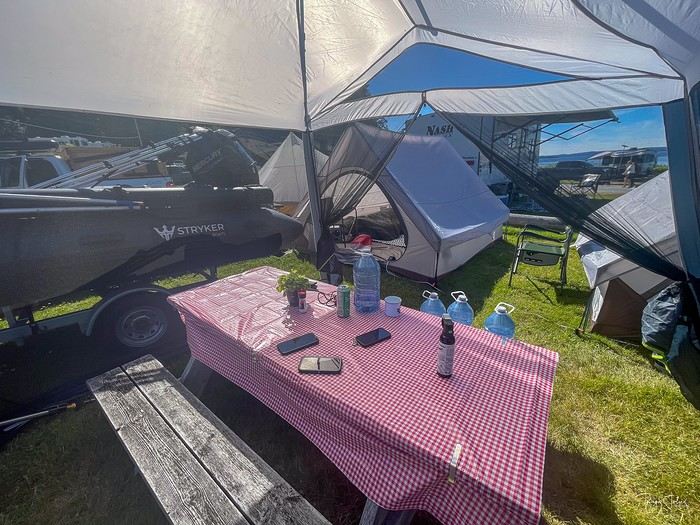
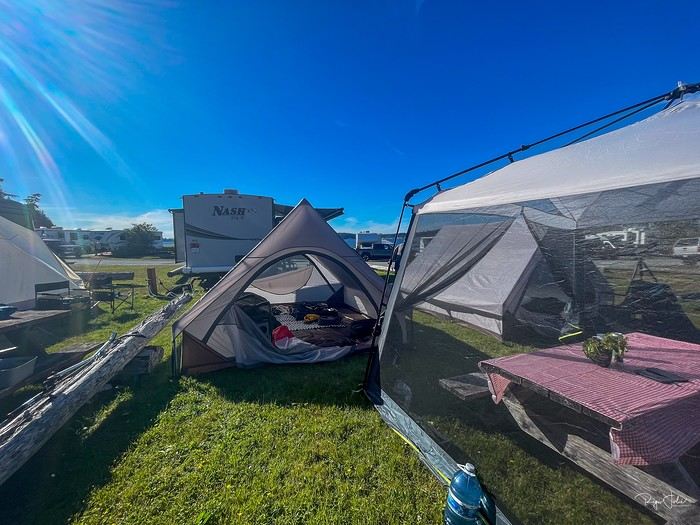
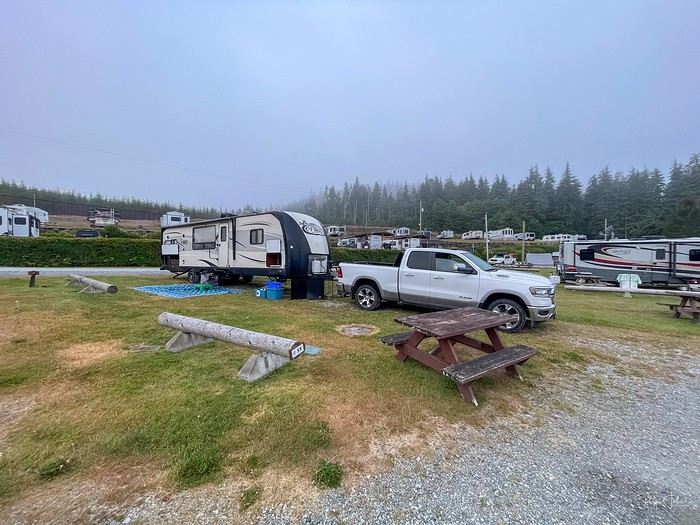
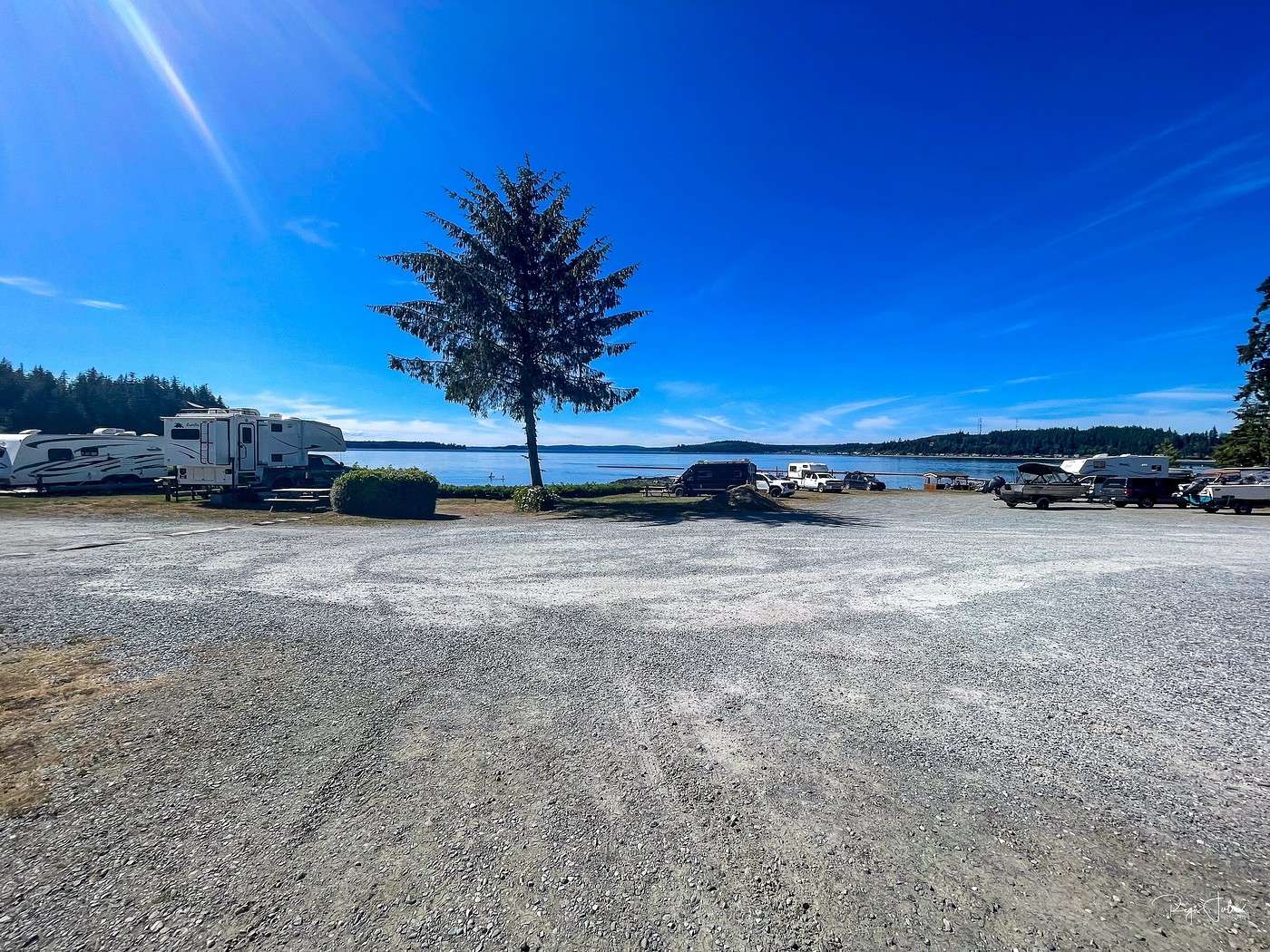
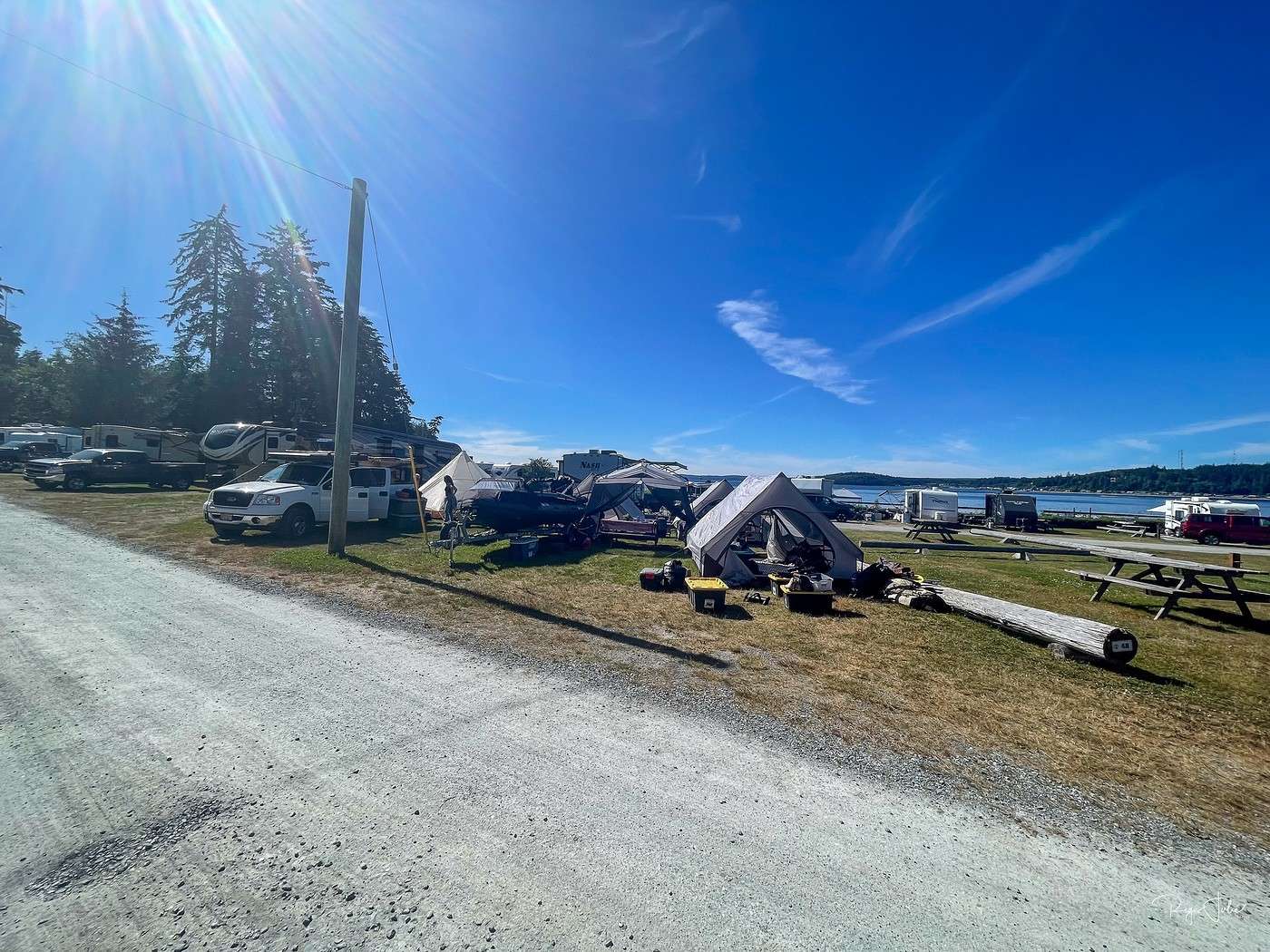
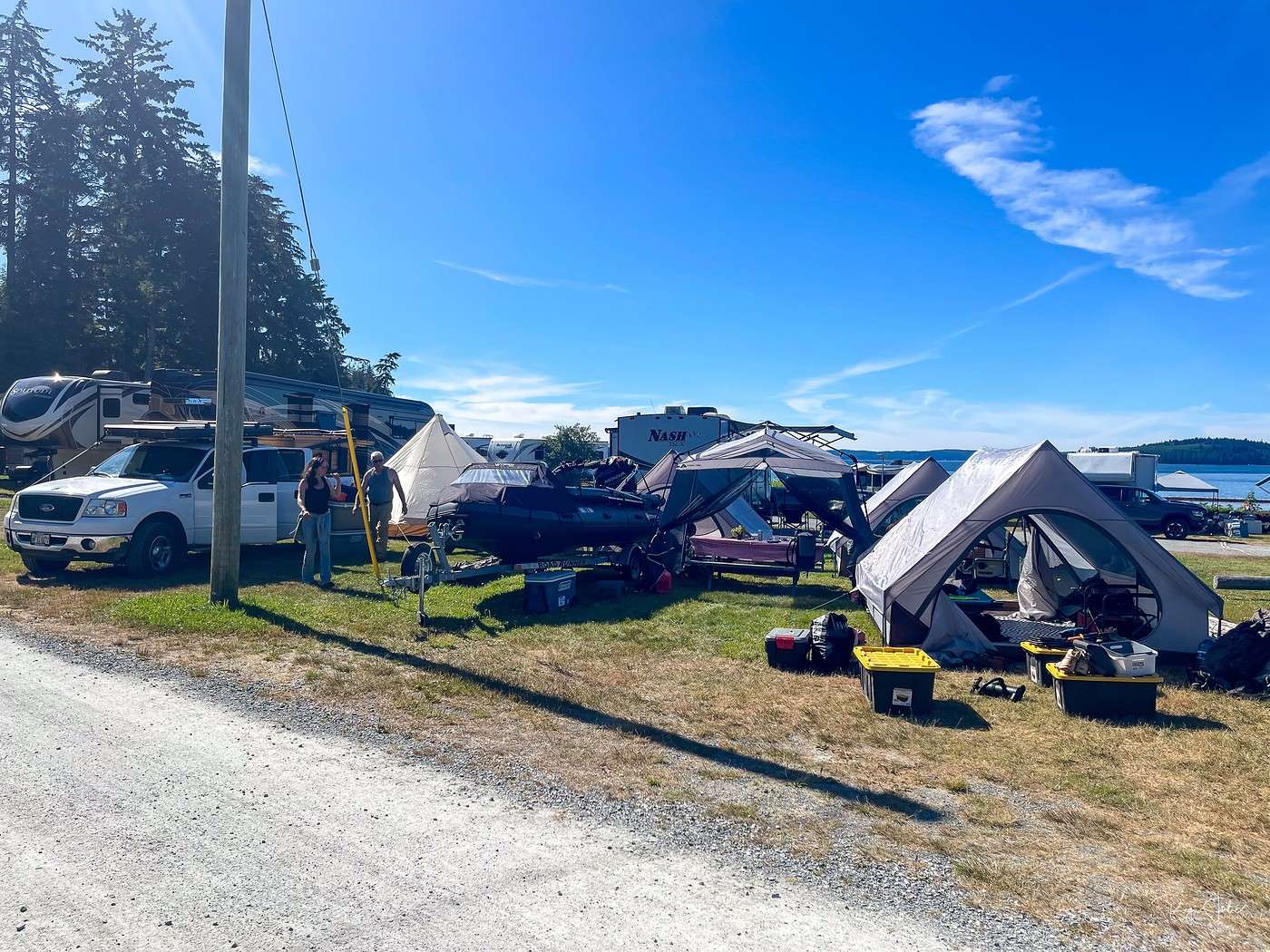
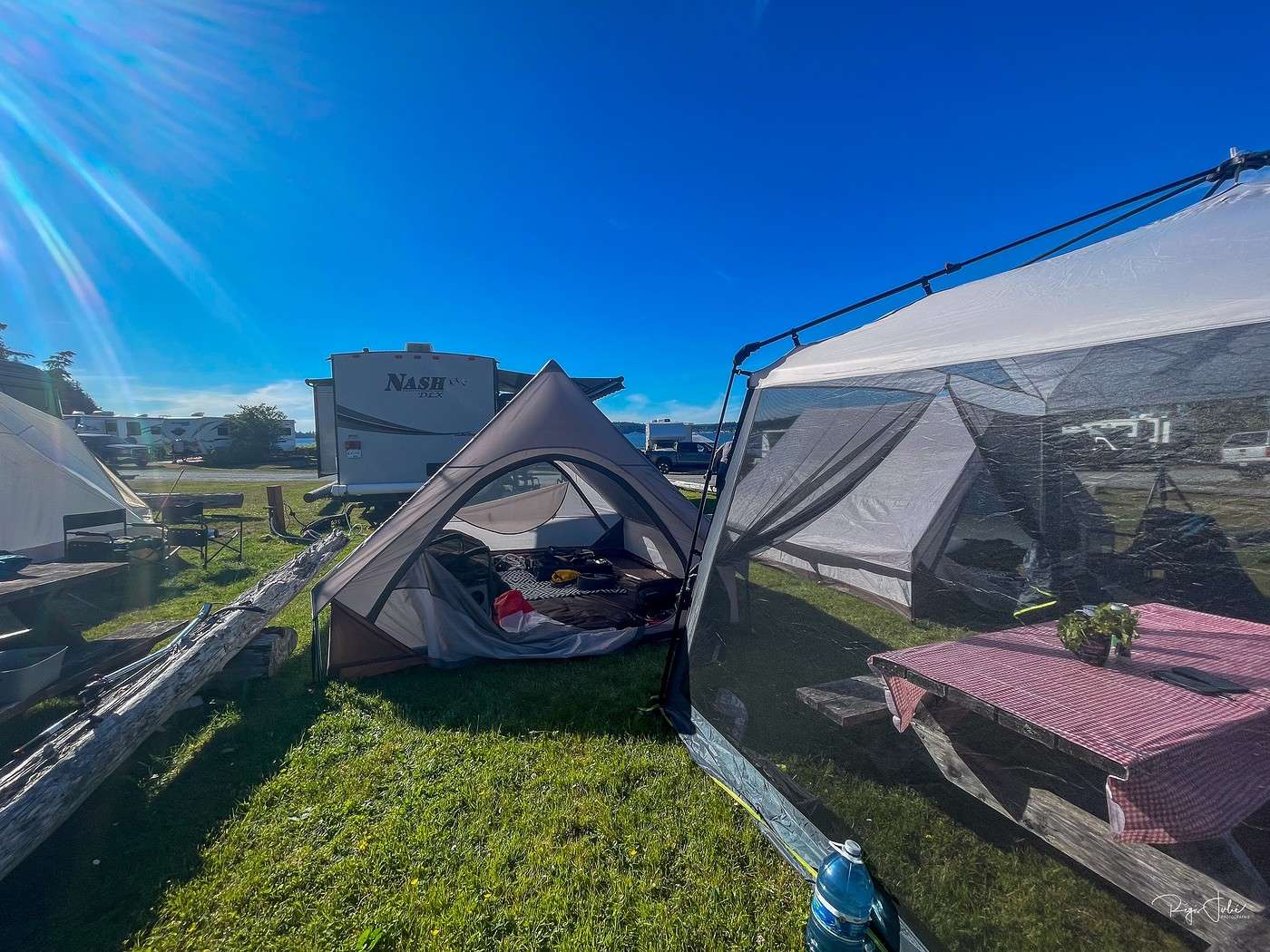
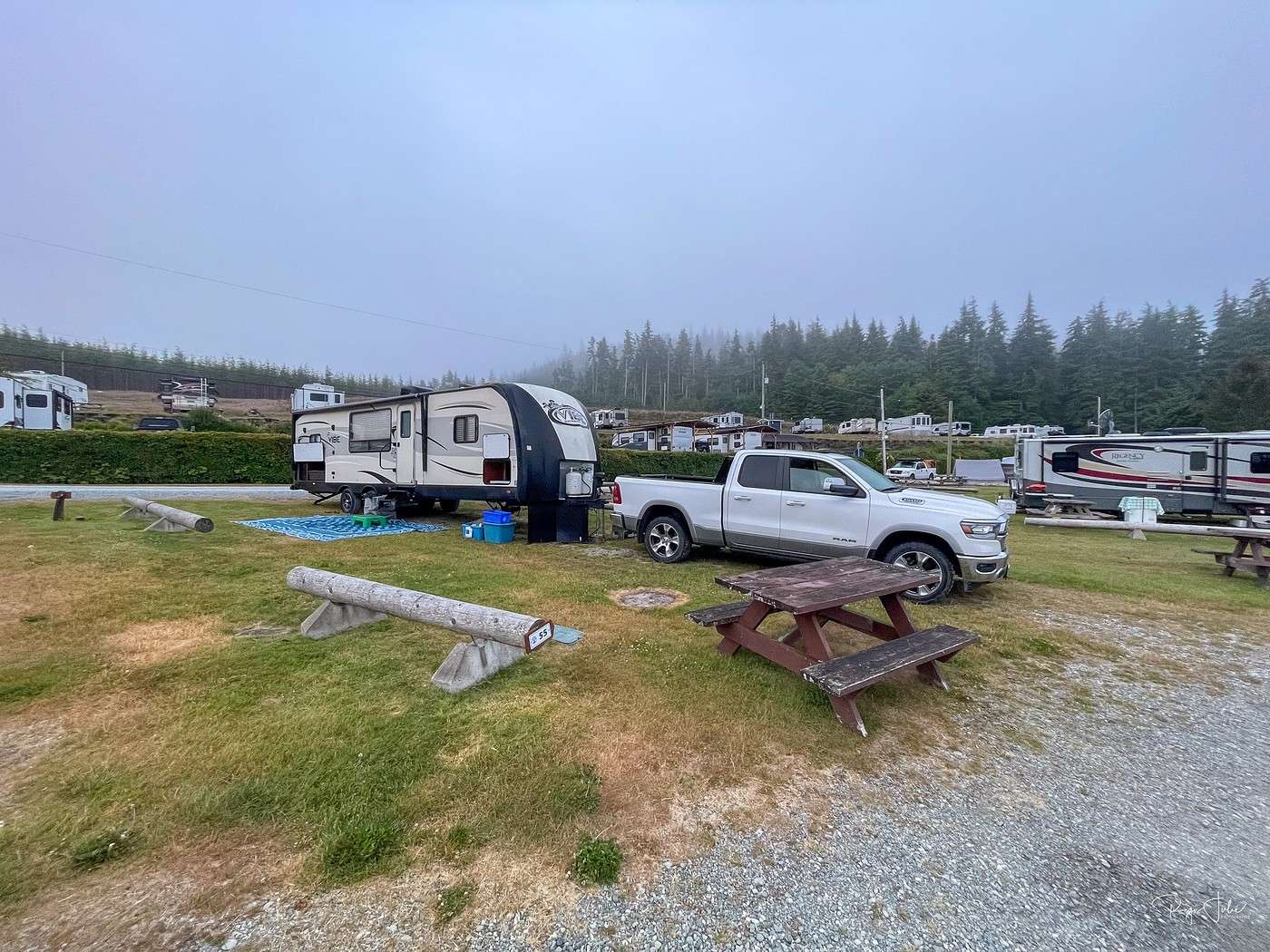
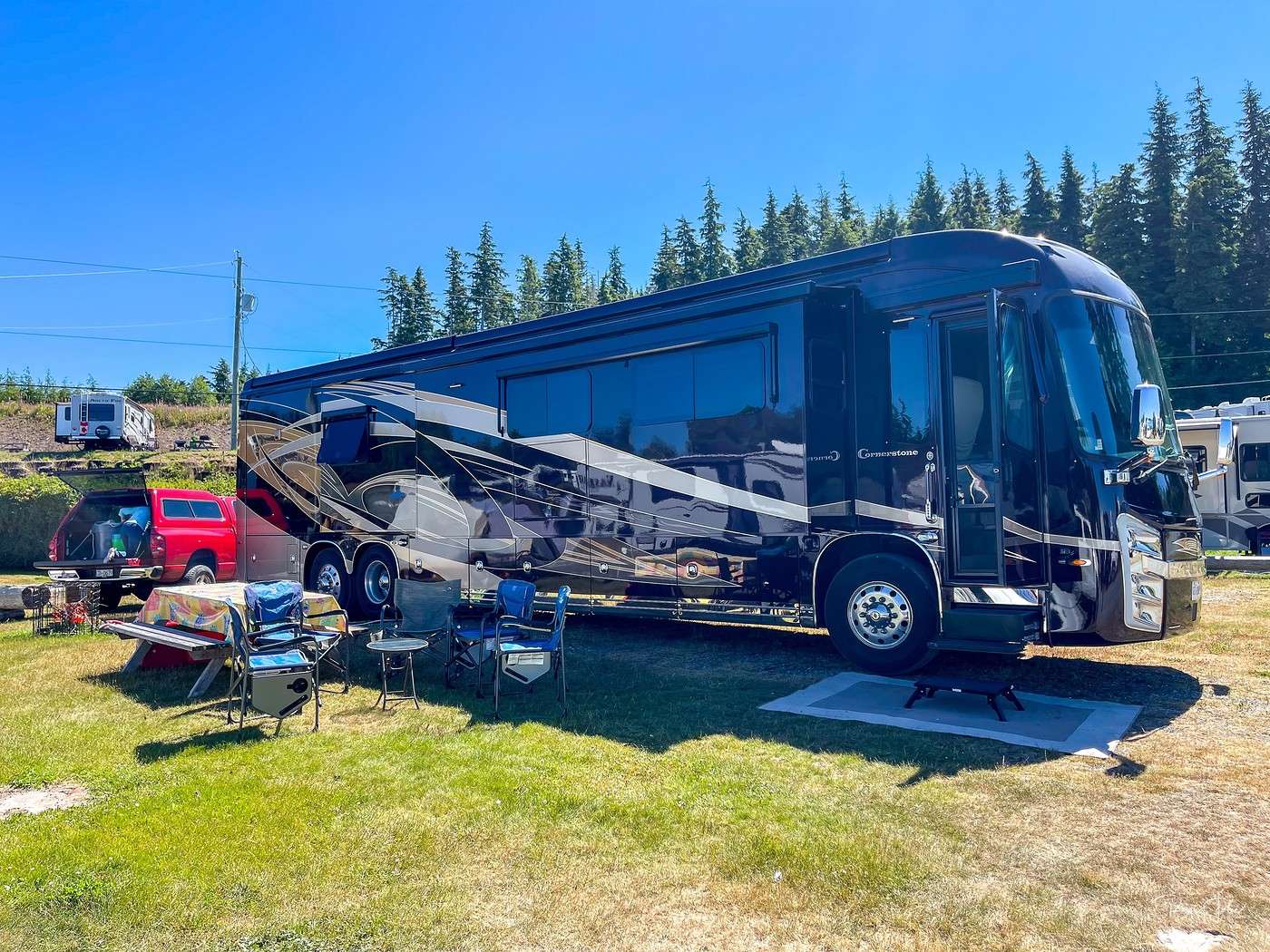
After a long and monotonous drive, here we are at our base for this trip: Alder Bay RV Park & Marina.


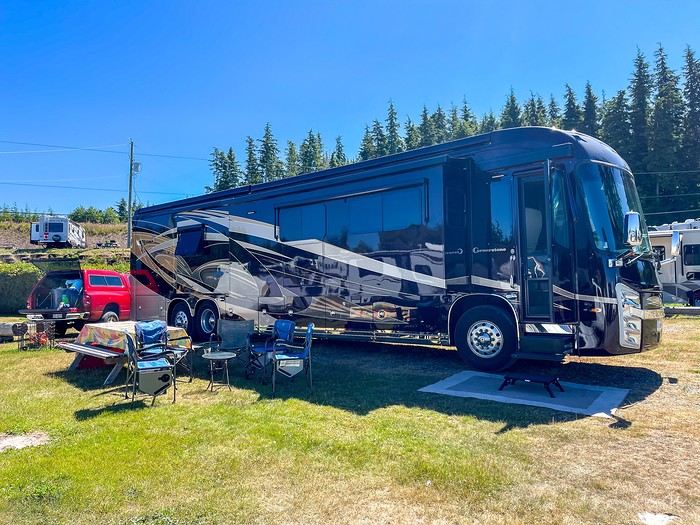
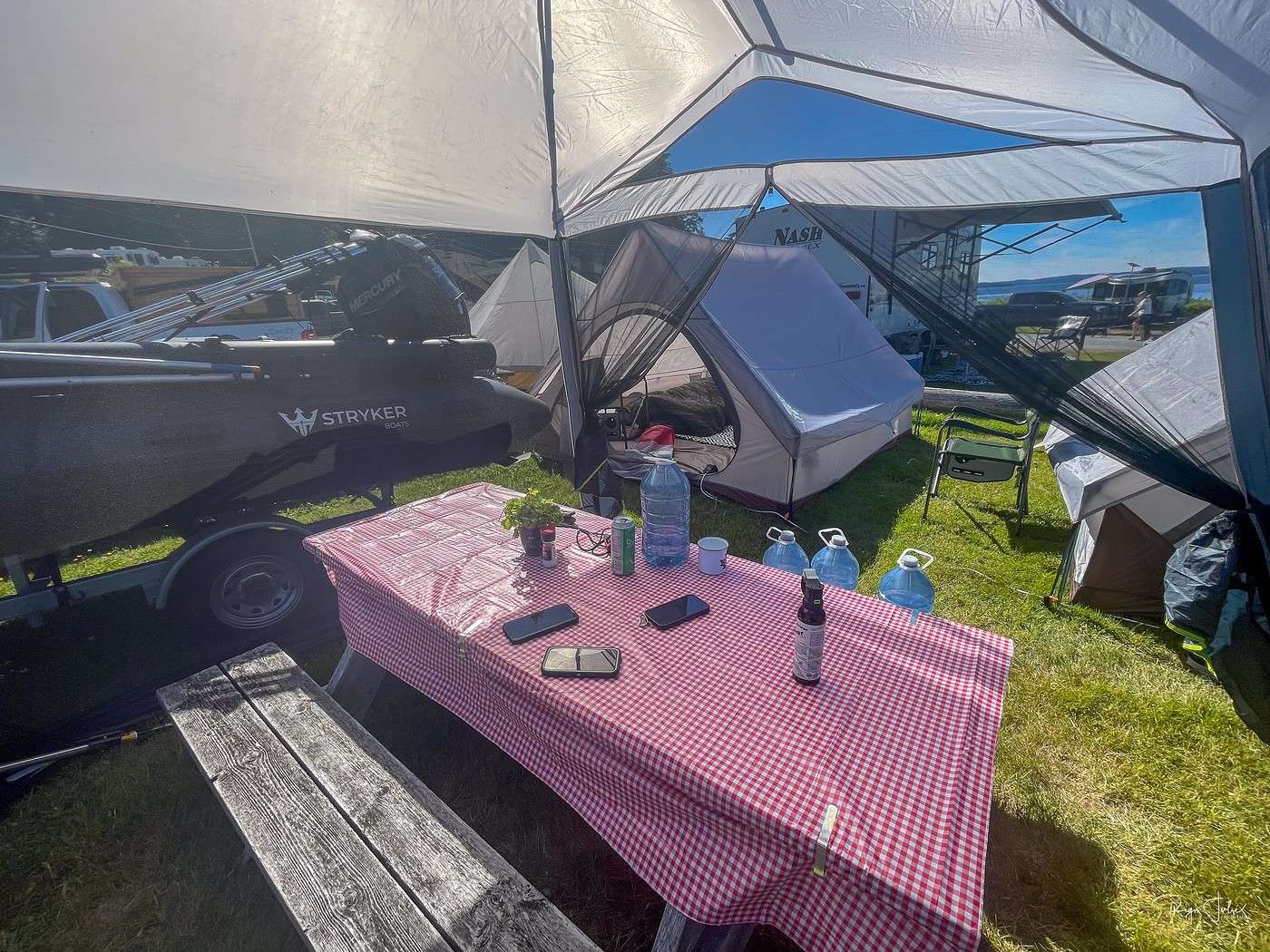
Camping in Canada is a way of life, and it's mostly frequented by a more affluent crowd. We're the only ones in tents—everyone else has their massive RVs, which are basically second homes on wheels. Some even tow their cars behind their huge RVs; you’d probably need a commercial driver’s license to handle those beasts. No sooner had we arrived than our neighbors came by to say a friendly hello and offer their help.


Photographic discovery of Vancouver Island

Rjulie95 · 2025-03-22

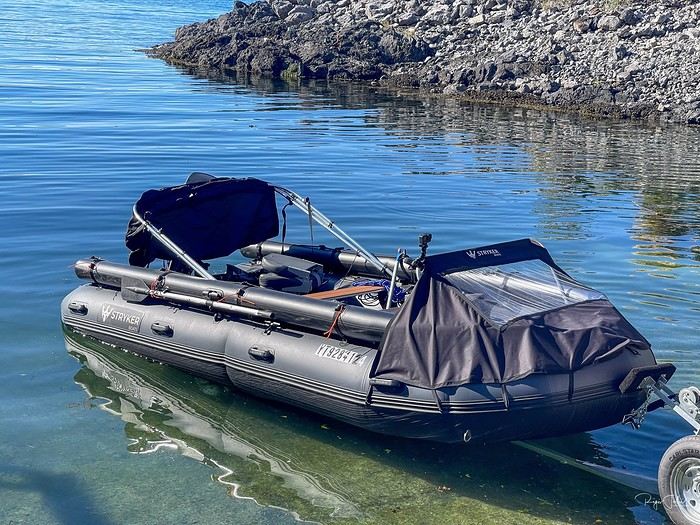
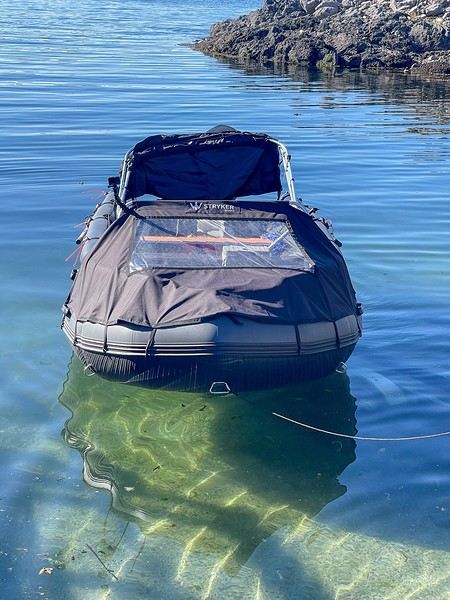
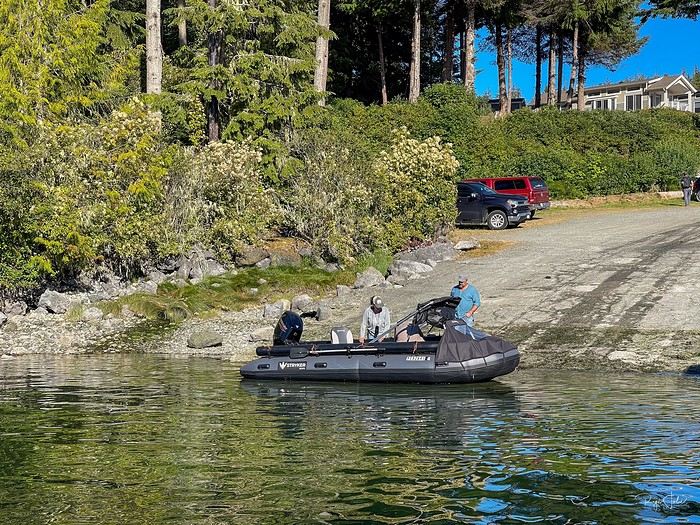
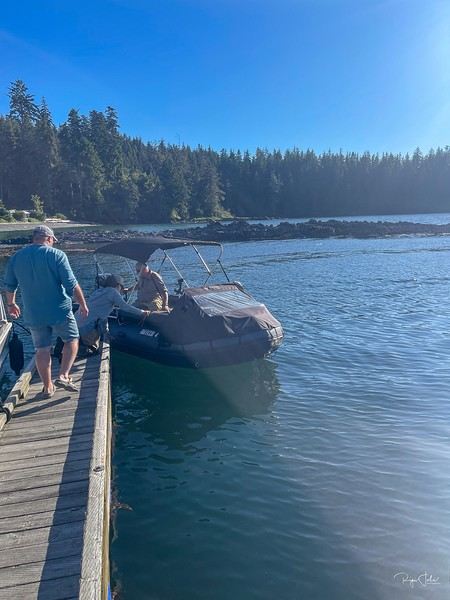
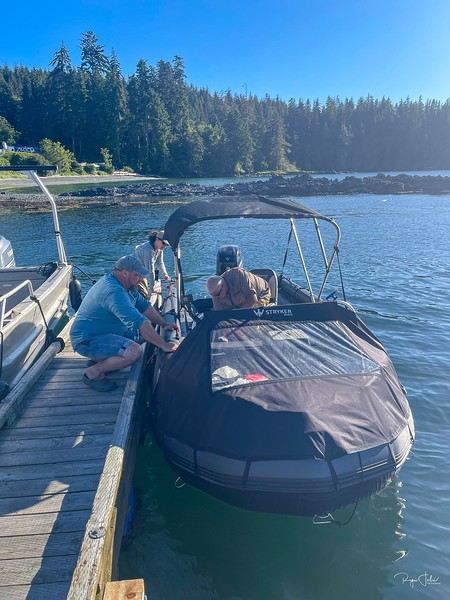
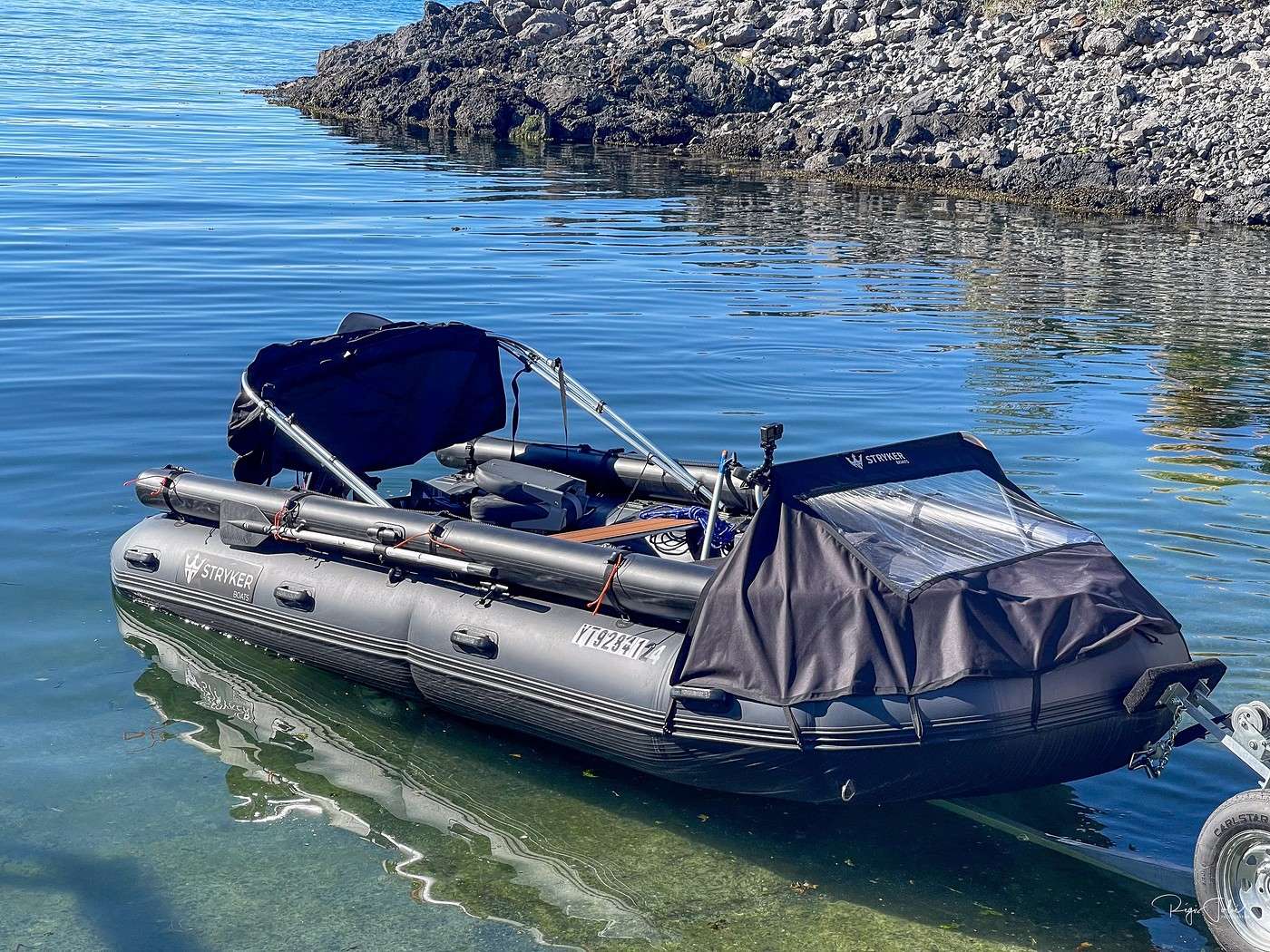
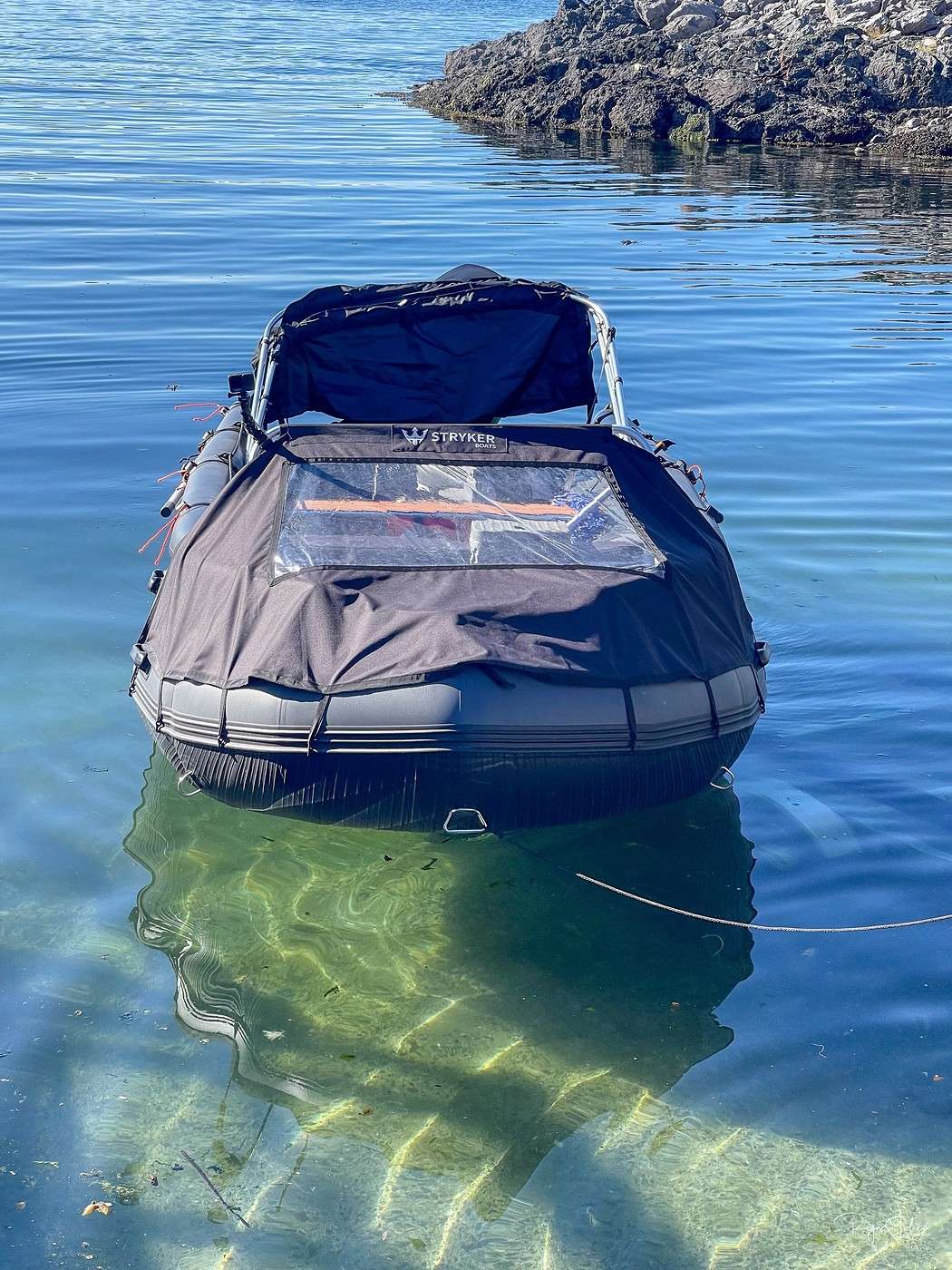
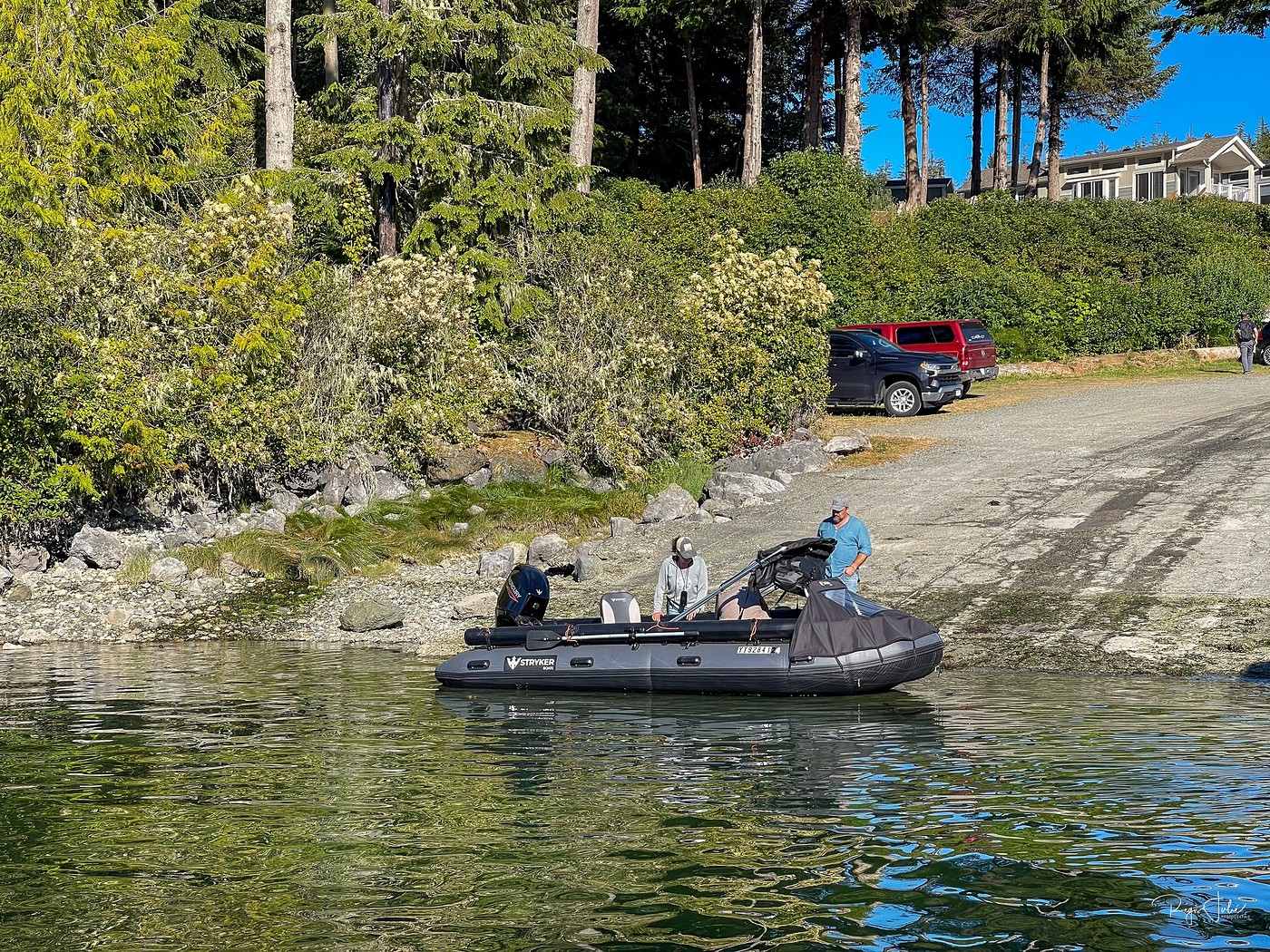
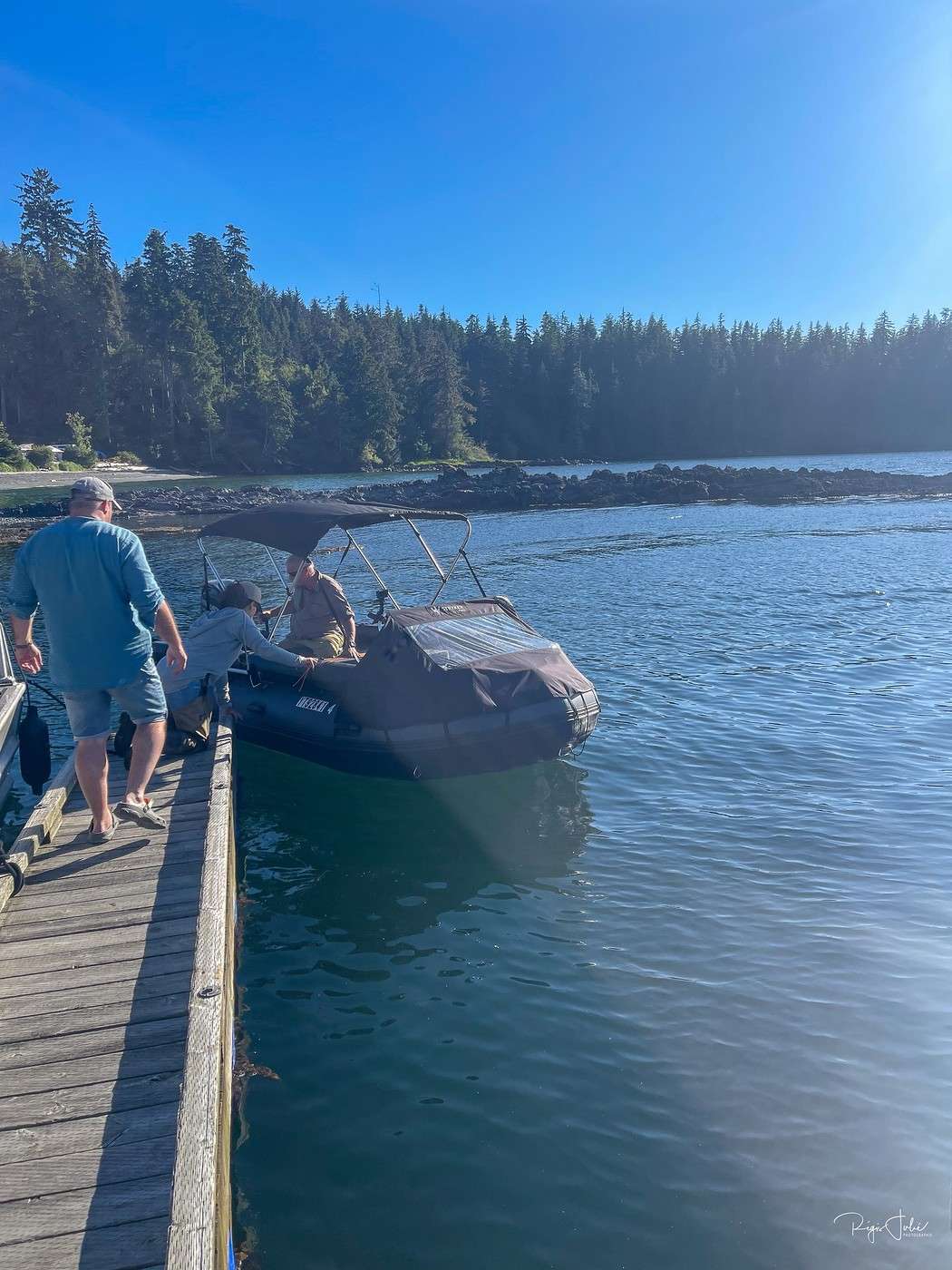
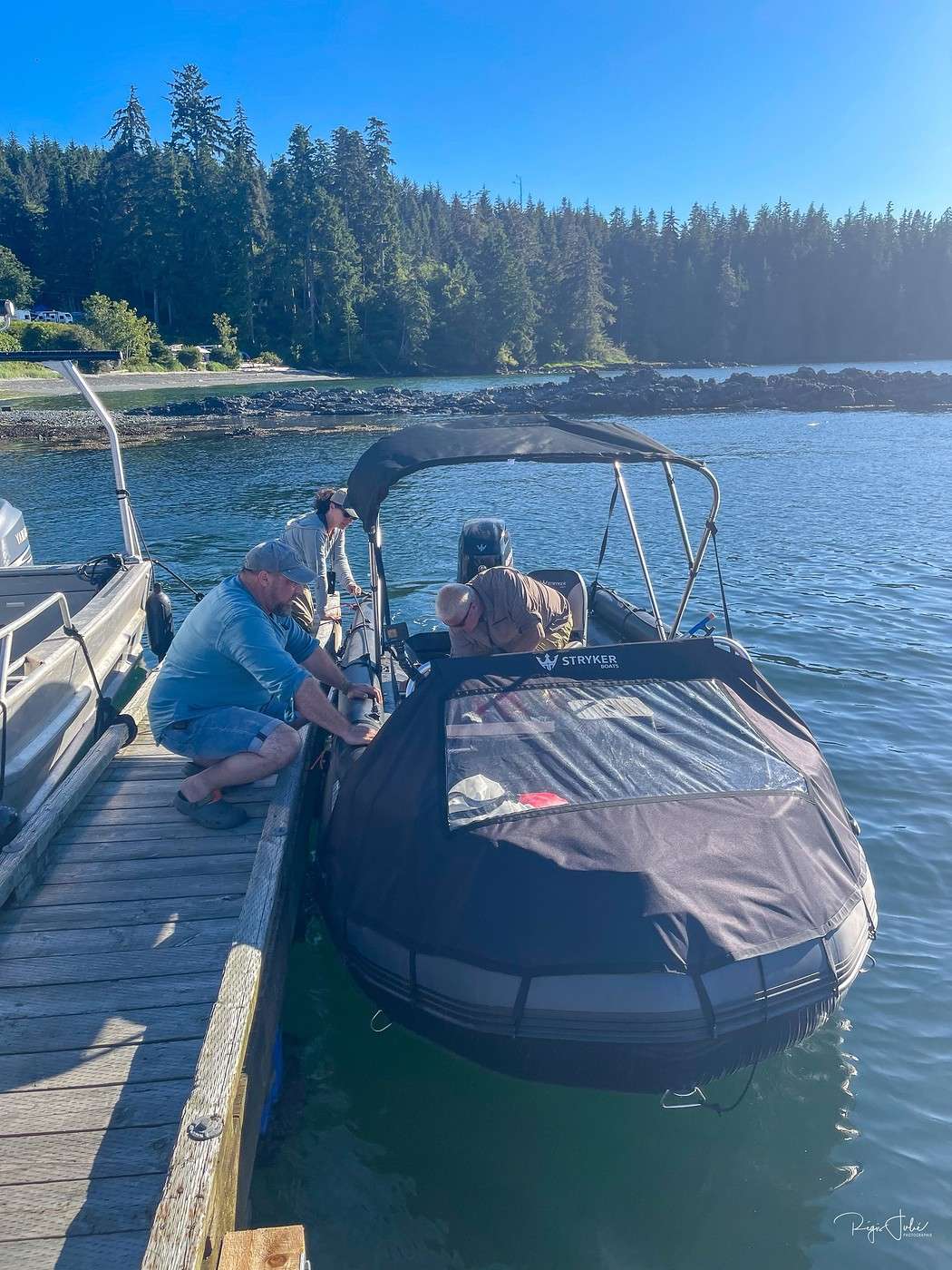
But to be able to sail more or less freely through this maze of islands, we need a Zodiac—otherwise, it’s just tourist boats, and that’s a whole different story. With one, we’re more or less free to sail wherever we please. Of course, safety reasons mean we can’t get too close to the whales, but that’s easier said than done.


The boat will be tied to the same dock for the entire stay, which is a huge plus—otherwise, you’d have to take it out and put it back in the water every day.


Photographic Discovery of Vancouver Island

Rjulie95 · 2025-03-30

After launching our boat, our great maritime adventure begins! Our main goal: to explore the fascinating marine life around us.

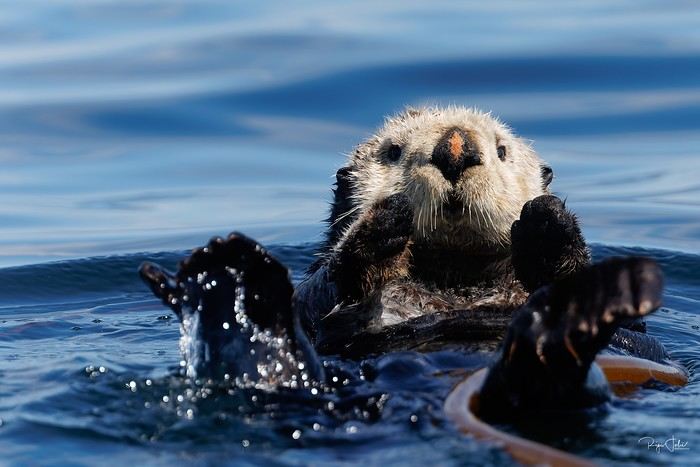
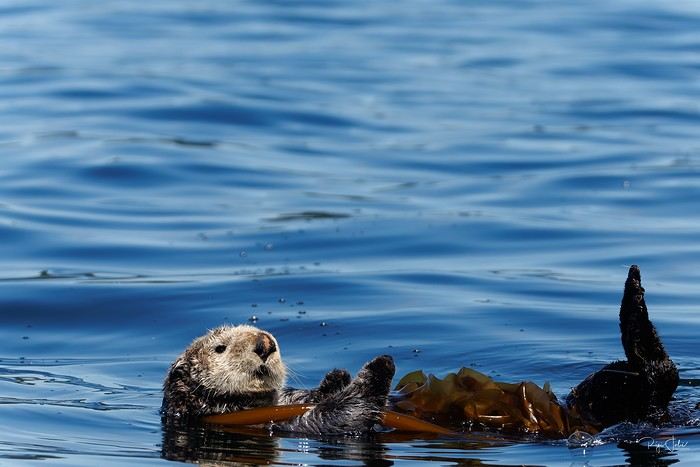
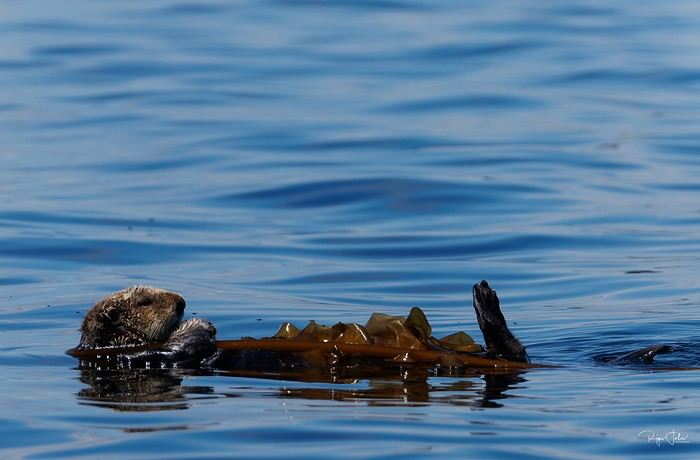
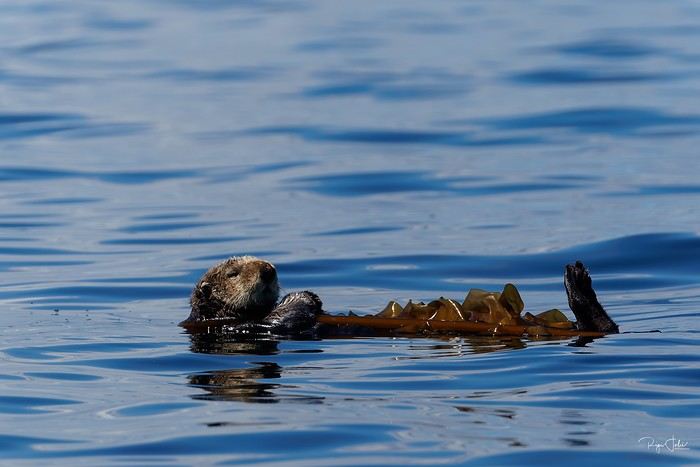
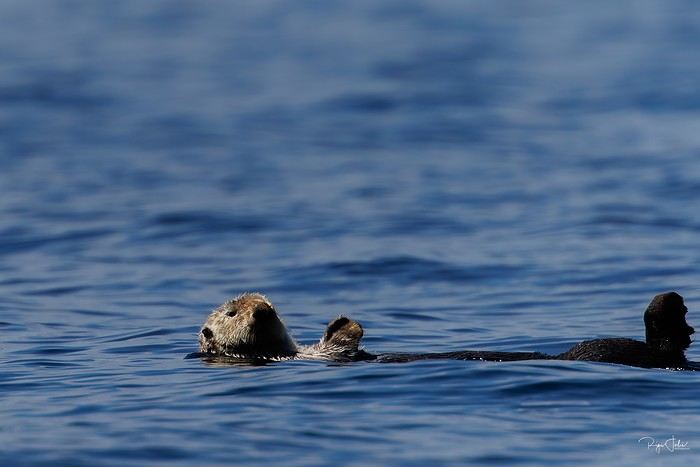
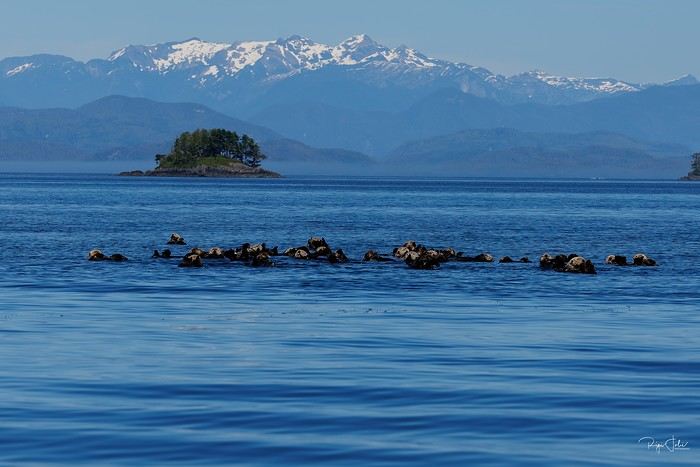
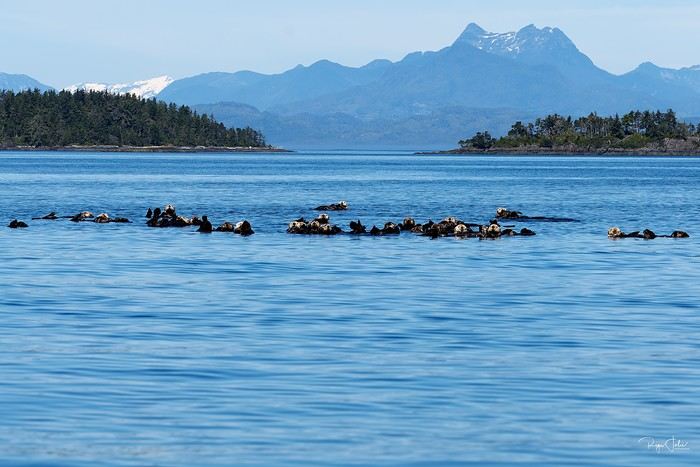
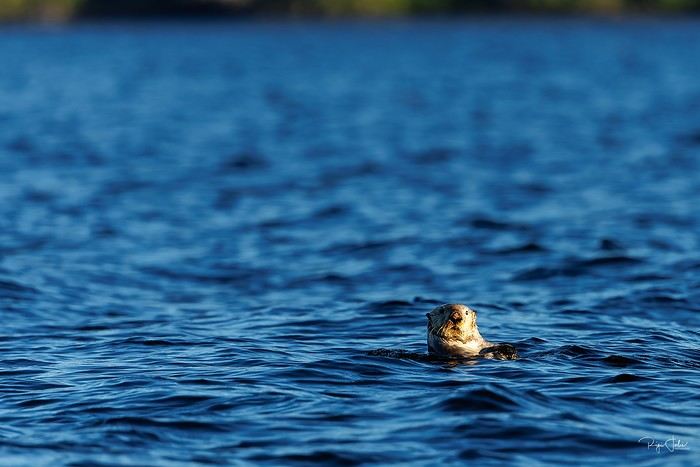
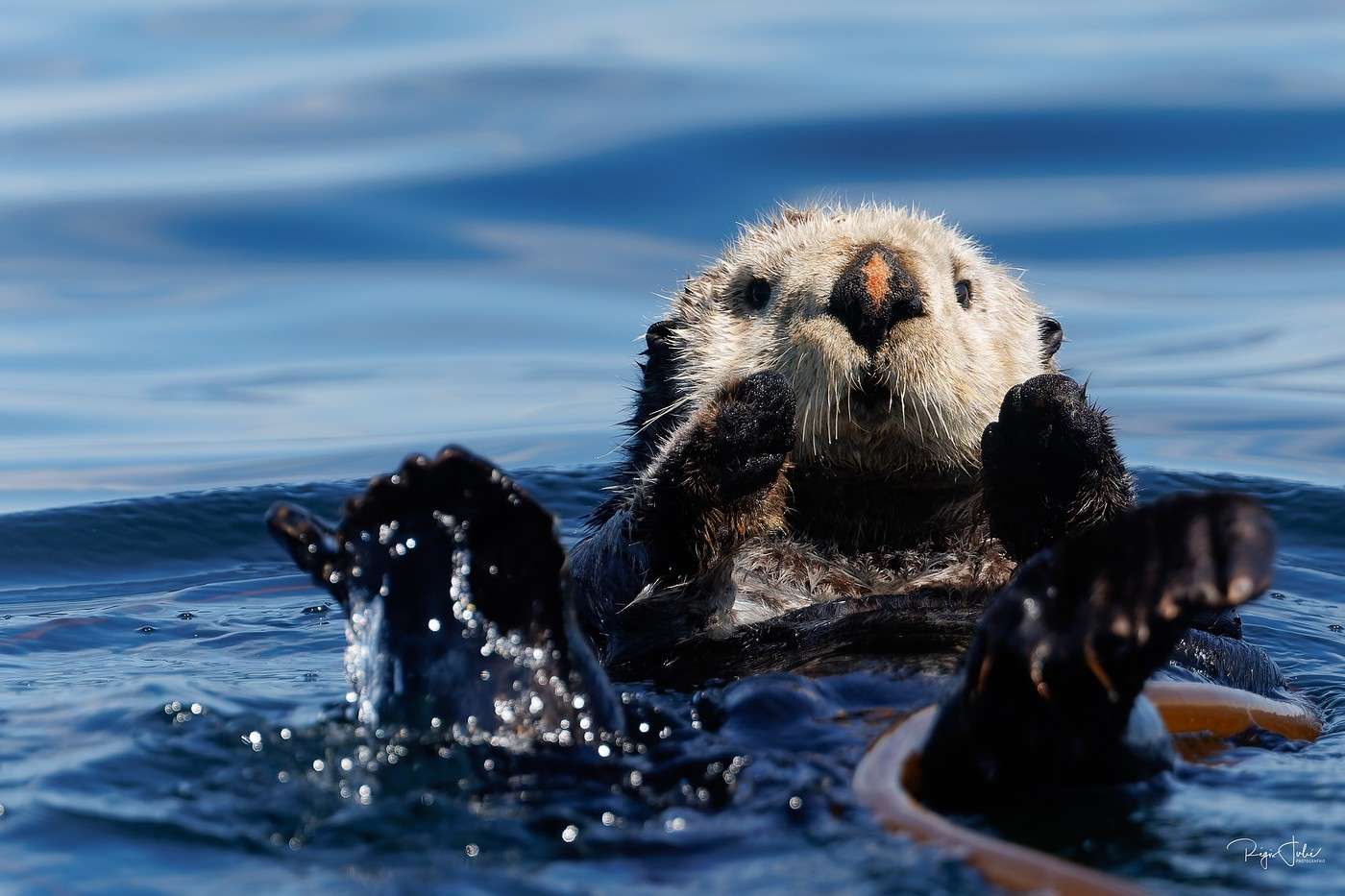
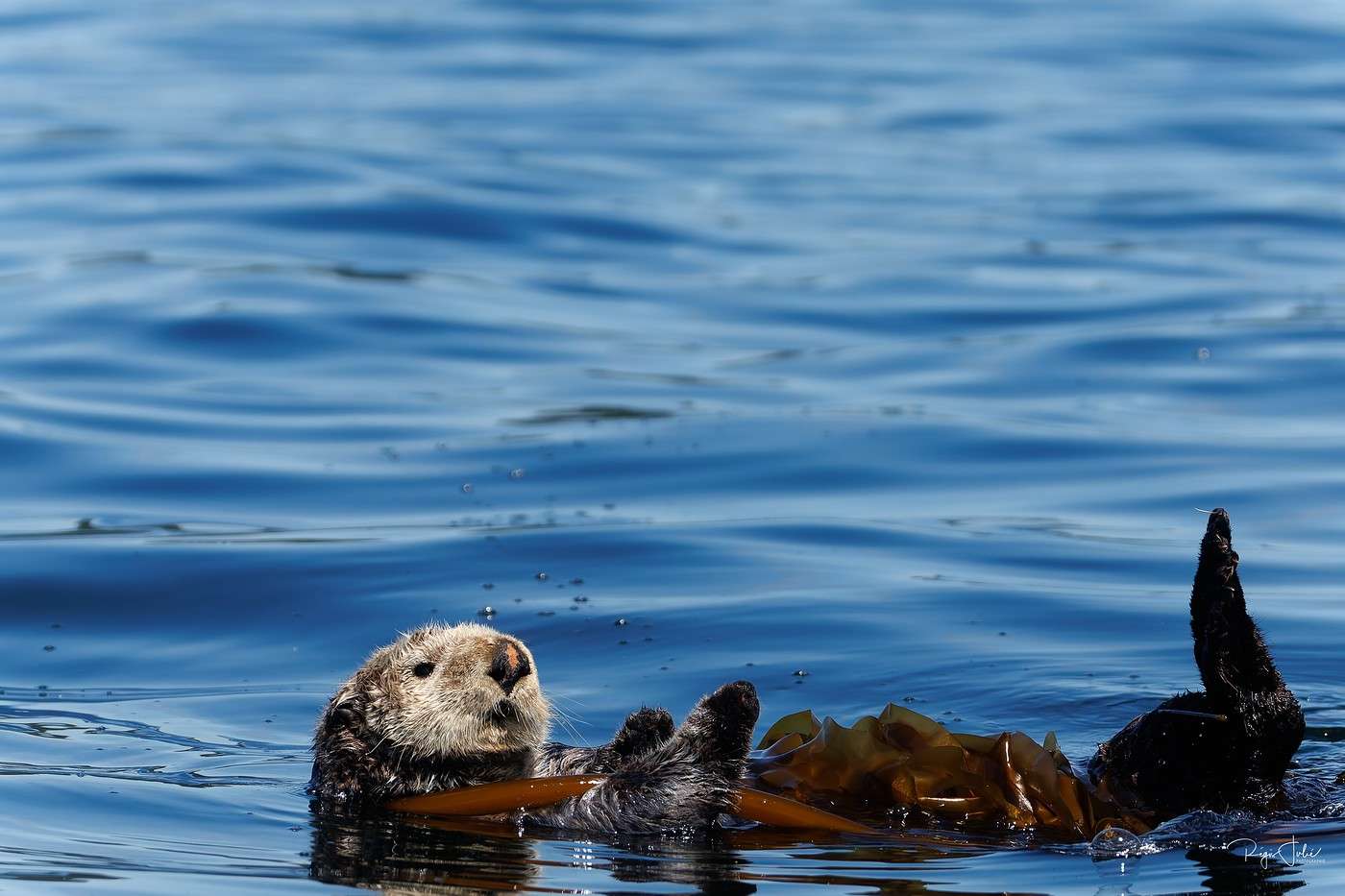
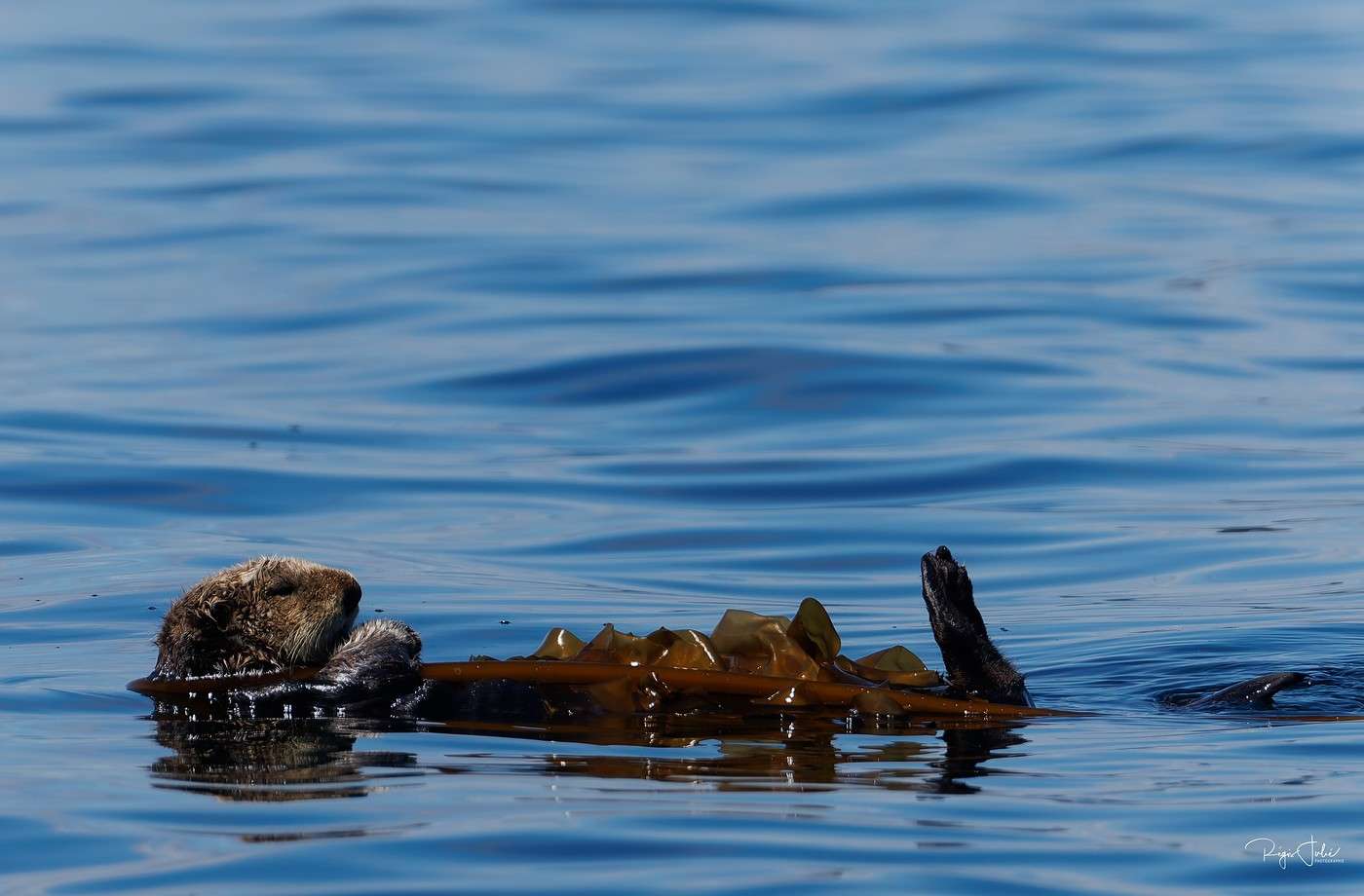
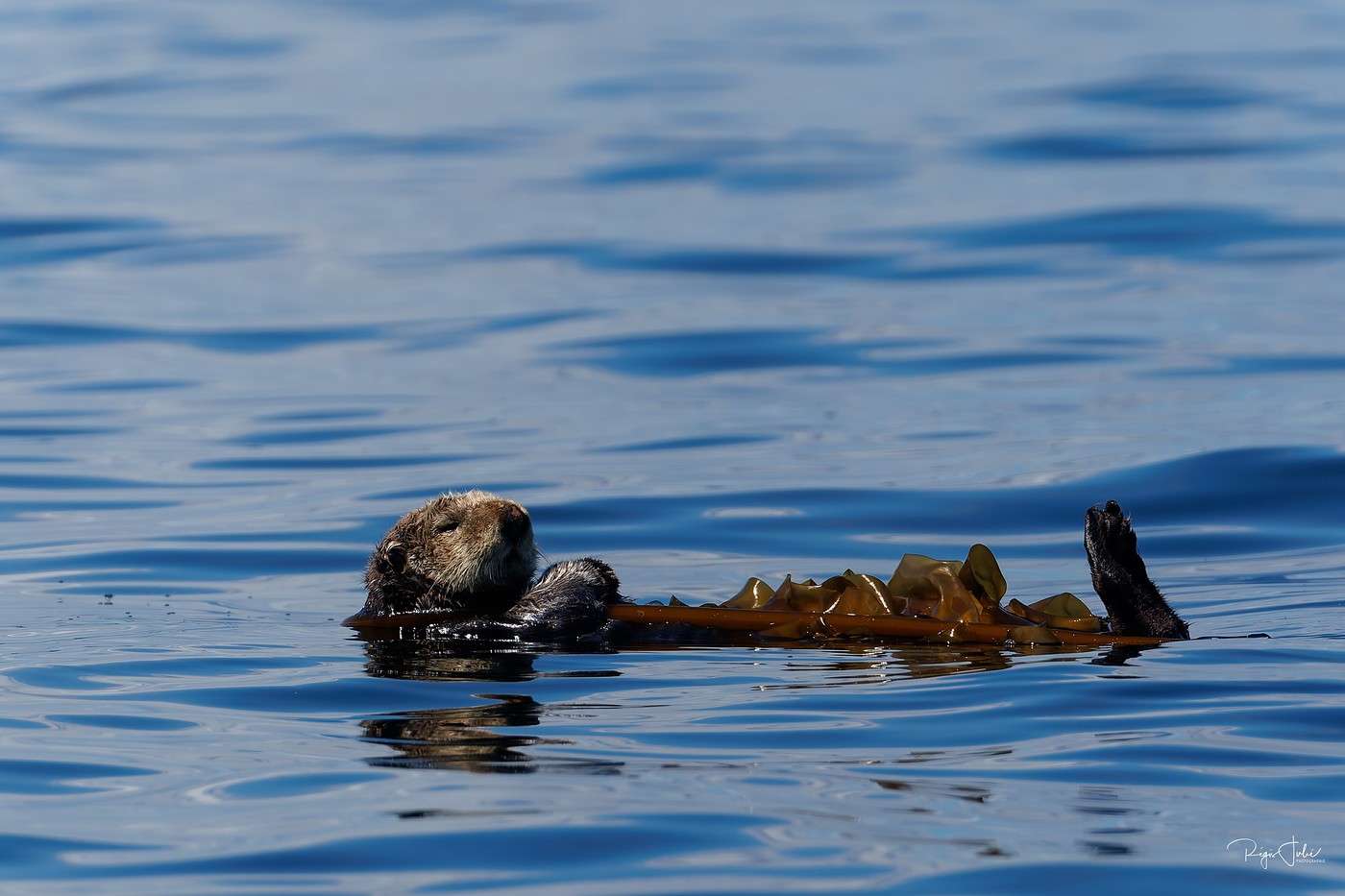
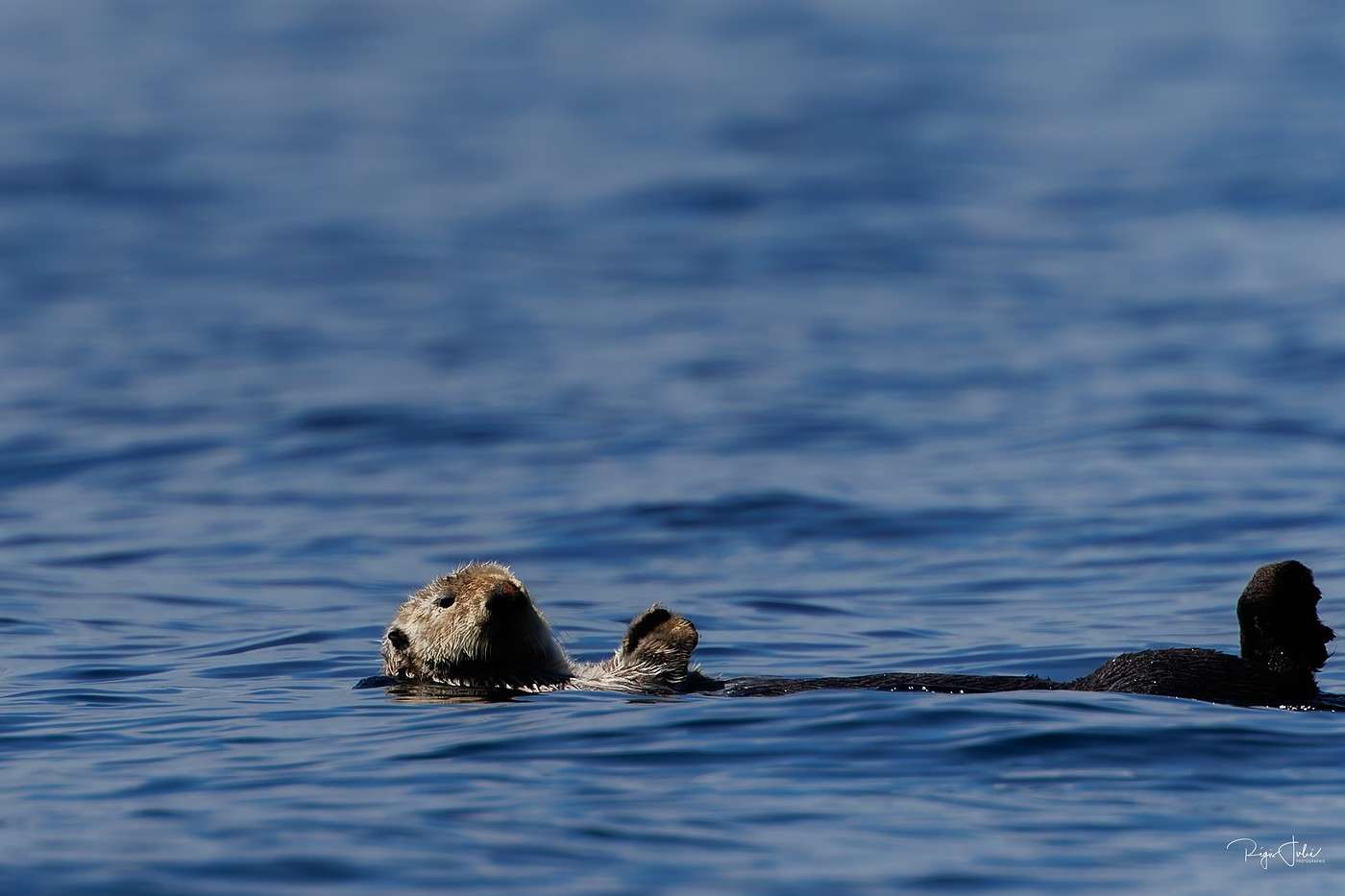
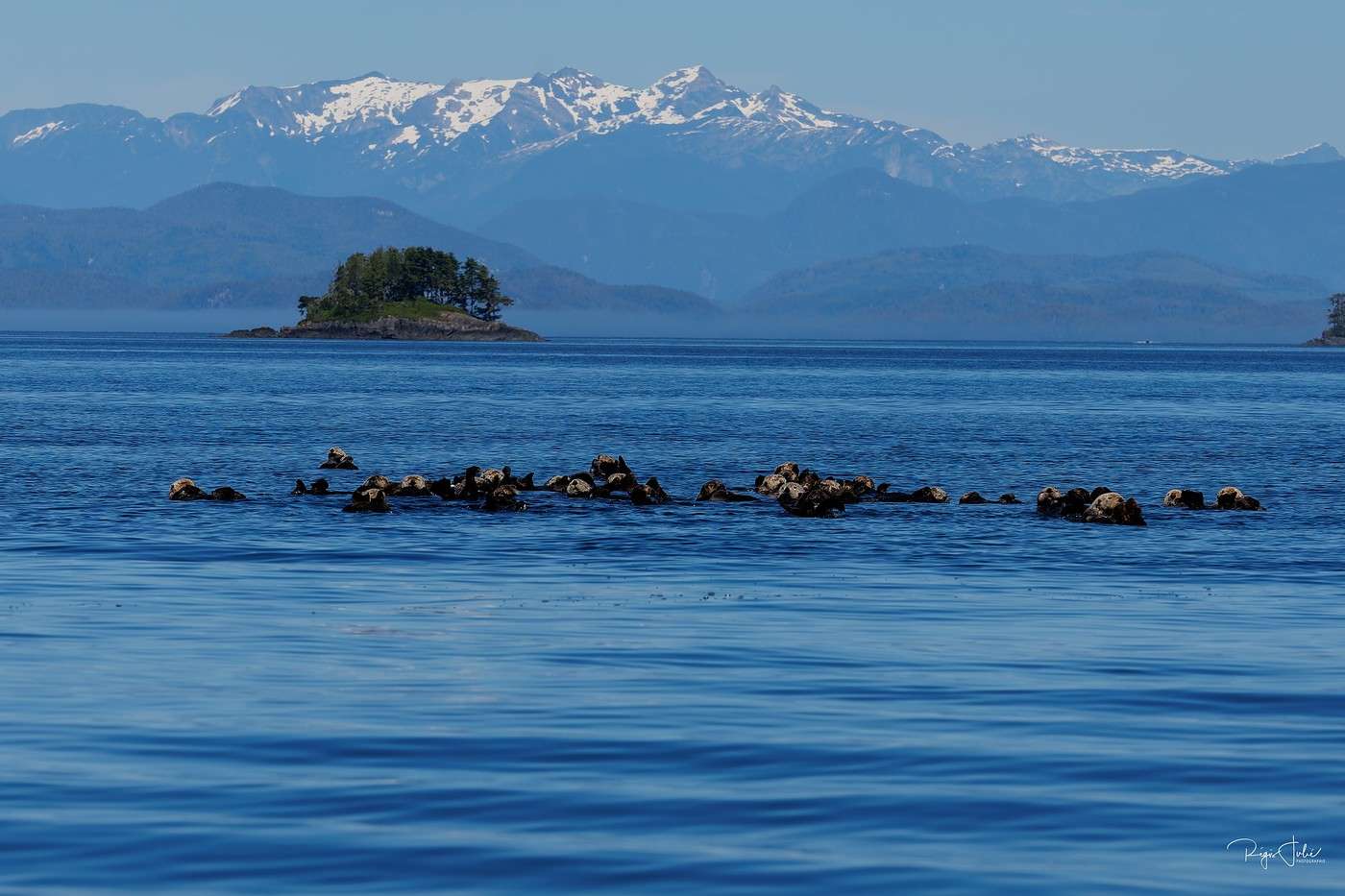
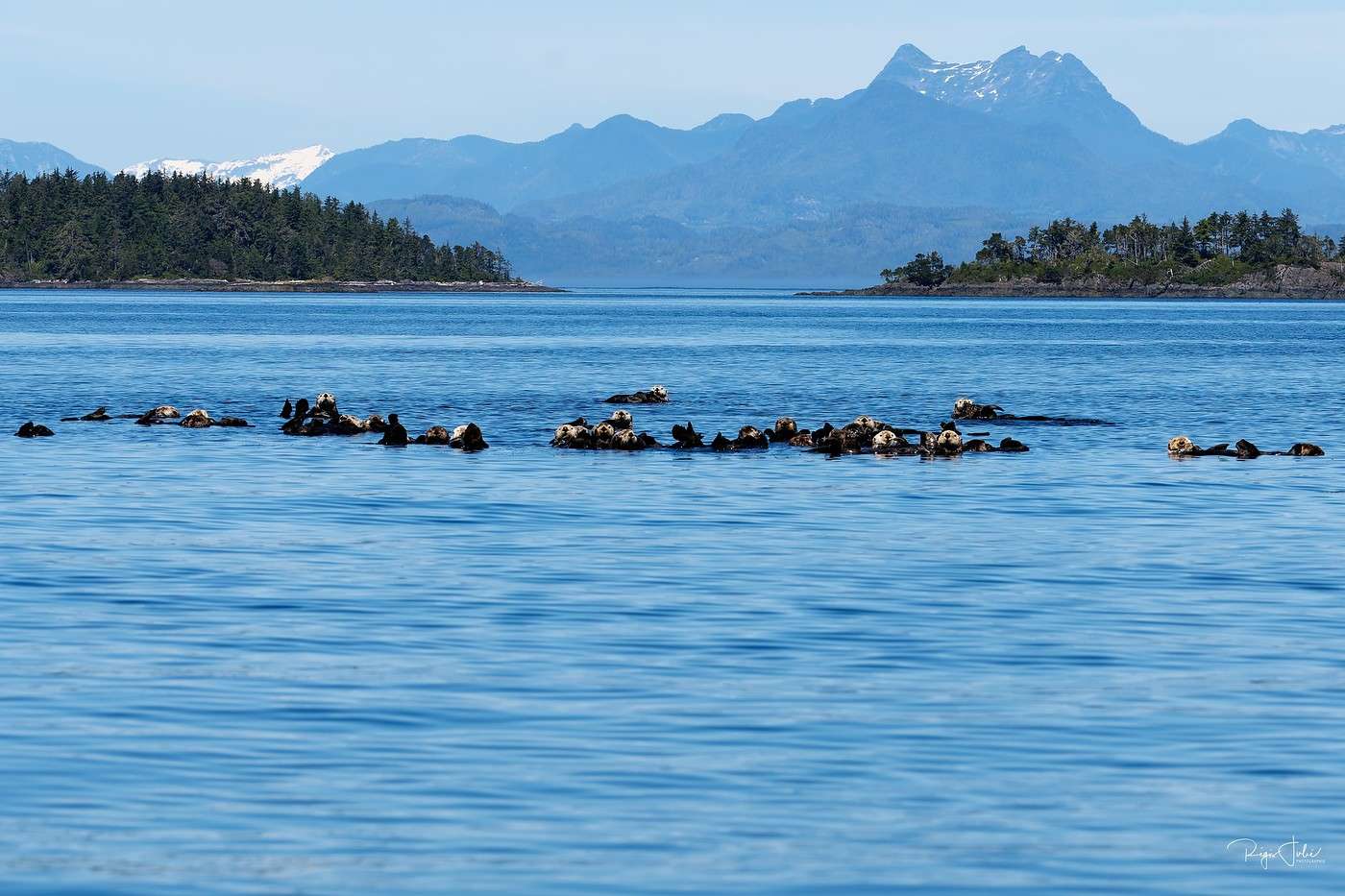
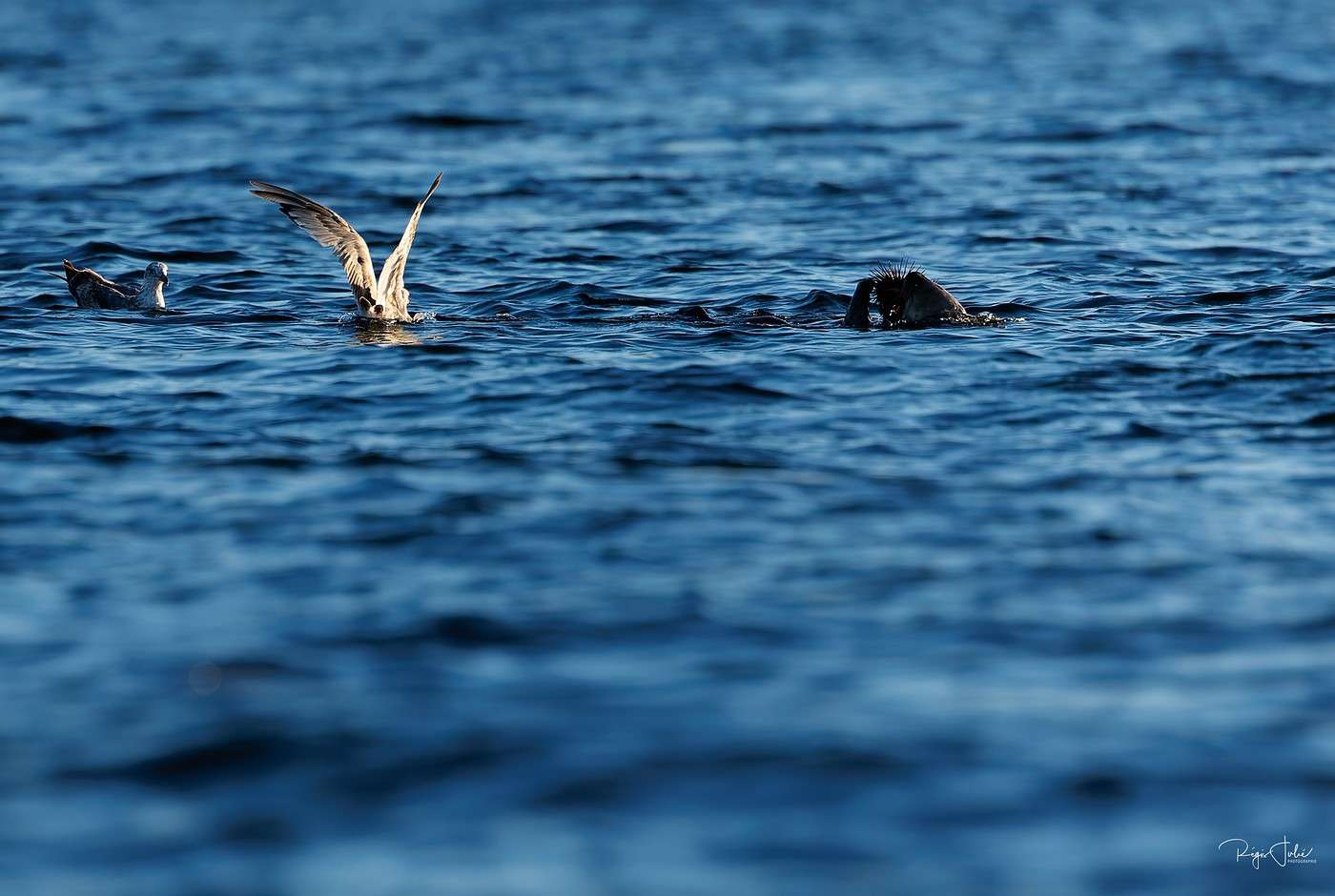
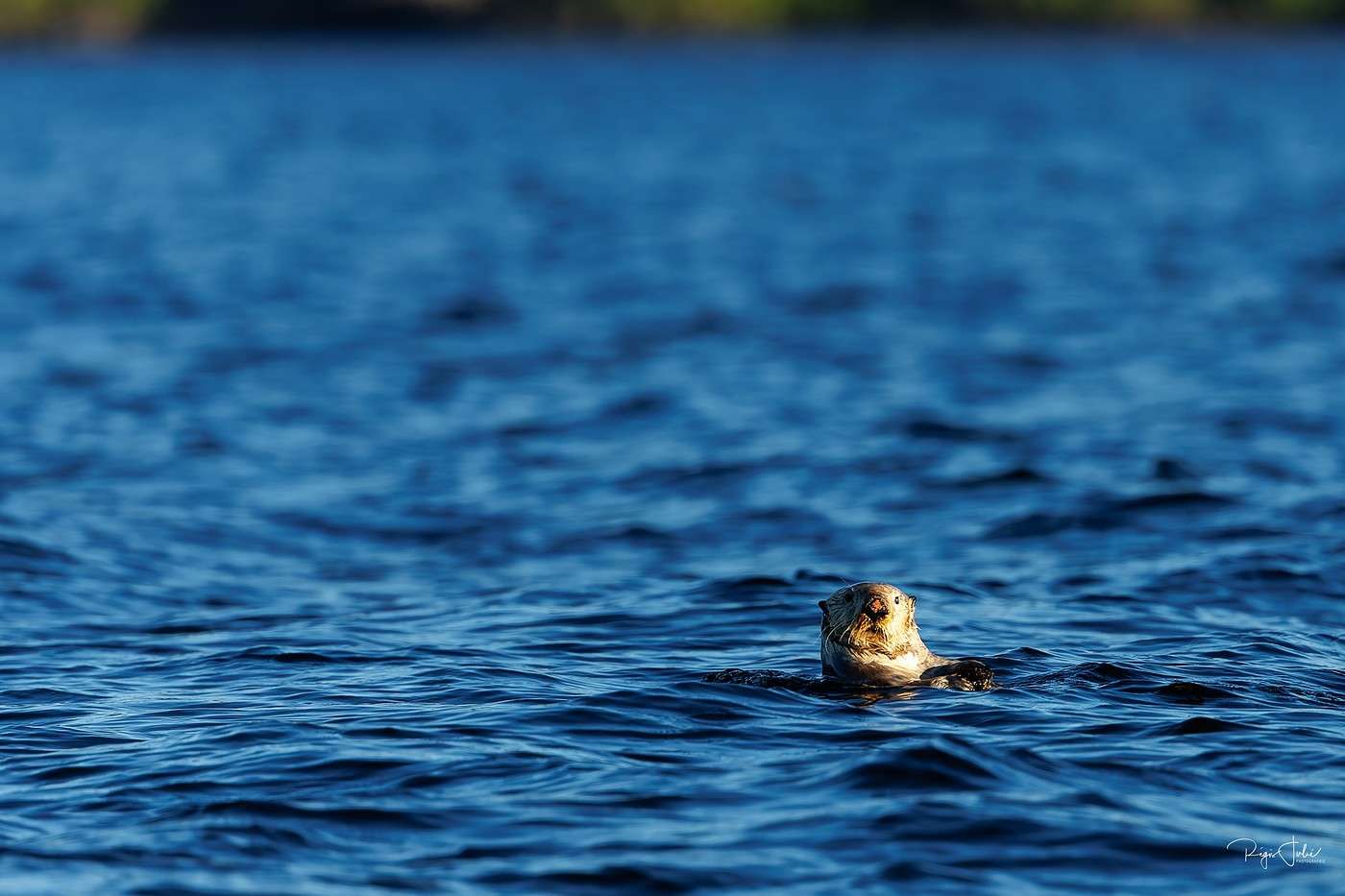
What a joy to quickly spot a group of otters—these magnificent creatures that have had such a remarkable fate. Once threatened, they’ve managed to multiply thanks to their protected species status and the ban on hunting. Vancouver and its many islets now offer a perfect refuge for these adorable mammals.

Their large numbers are a testament to a tremendous success in conservation and respect for biodiversity.


Photographic Discovery of Vancouver Island

Rouquine38 · 2025-03-31

Well! Here we go, diving into the heart of the topic 😁😆

Photographic Discovery of Vancouver Island

Muriel18 · 2025-03-31

The otters are so cute 😍! Here (in the Seychelles), there aren’t any... but there are turtles, rays, sharks, and fish of every color.

Photographic Discovery of Vancouver Island

Rjulie95 · 2025-03-31

Well! Here we go, diving right into the heart of the matter 😁😆

I see that all the side details don’t interest you 😏

Photographic Discovery of Vancouver Island

Rjulie95 · 2025-03-31

There’s so much to do with marine wildlife in the Seychelles—have a great trip, Muriel!

Photographic Discovery of Vancouver Island

Montagnard74 · 2025-03-31

Otters are so adorable 😍! Here (in the Seychelles), there aren’t any... but there are turtles, rays, sharks, and fish of every color.

Okay, stop teasing us now!! Enjoy! 😉

Quick question, Régis: Do you need a license to rent that kind of boat in Canada? (I’m curious about the extras 😛)

Photographic discovery of Vancouver Island

Rjulie95 · 2025-03-31

Quick question Régis: Do you need a license to rent that kind of boat in Canada? (I’m curious about the details 😛)

No idea at all—I think it belongs to the guide, who’s French

Photographic Discovery of Vancouver Island

Montagnard74 · 2025-03-31

Quick question Régis: Do you need a license to rent this kind of boat in Canada? (I’m curious about the extras ;P)

No idea at all, it belongs to the guide who’s French

Okay, I didn’t realize you had a guide ;P

Photographic Discovery of Vancouver Island

Rouquine38 · 2025-03-31

Well! Here we go, diving right into the heart of the matter 😁😆

I see that all the side details don’t interest you

Oh, they do! But this travel journal isn’t moving very fast 😆😆😆

Photographic discovery of Vancouver Island

Voyajou · 2025-03-31

Funny, that wooden hard top on the pickup. I can’t even imagine what it’d look like after a trip through Namibia. Wood for the final bivouac? 😇

Forgive my ignorance, but what’s that otter up to in that plank pose? Is it carrying kelp back to the mainland? 😮

Photographic Discovery of Vancouver Island

Rjulie95 · 2025-03-31

Sorry for my ignorance, but what’s that otter up to in that plank pose? Is it carrying kelp to the mainland? 😮

It’s sleeping or resting

Photographic Discovery of Vancouver Island

Fabhyène · 2025-04-03

Well! Here we go, diving right into the heart of the matter 😁😆

I see that all the side details don’t interest you

Oh, they do, but this travel journal isn’t moving very fast 😆😆😆

Rouquine, I share your point of view :). Régis, are you getting to the next part? I have such great memories of Vancouver Island—I can’t wait for the rest!!!!

Photographic Discovery of Vancouver Island

Muriel18 · 2025-04-03

Definitely not the same pace as your Tanzanian travel journal! 😅 I started it mid-trip and struggled to catch up with the 4x4!

Photographic Discovery of Vancouver Island

Fabhyène · 2025-04-03

Definitely not the same pace as your Tanzanian travel journal! 🤭 I picked it up along the way—I struggled to catch up with the 4x4!

🙂😛 There’s probably a happy medium between the two... 🙂 I just "delivered" some new posts a little while ago... I promise I’m working on it!!!

Découverte photographique de l'île de Vancouver

Muriel18 · 2025-04-03

No criticism here—I write my travel journal pretty quickly too (though probably not as fast as you 😄), but at least we don’t lose the thread, right Régis? 😉

Photographic Discovery of Vancouver Island

Rjulie95 · 2025-04-04

Patience, my friends! As they say in Tanzania, "pole pole." The reward is well worth a few moments of serene waiting. 😏

Photographic discovery of Vancouver Island

Rjulie95 · 2025-04-10

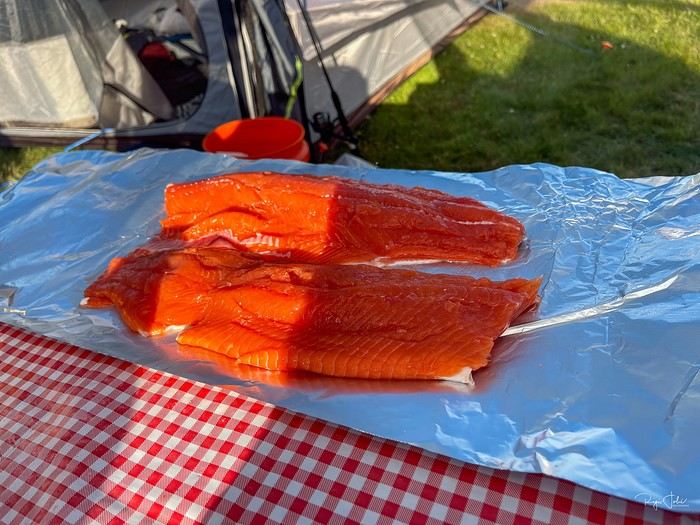
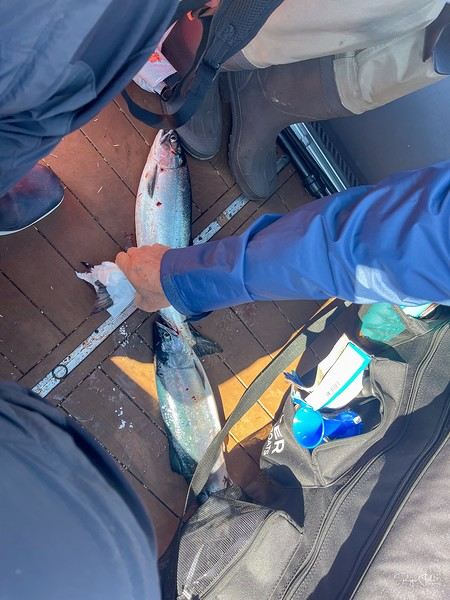
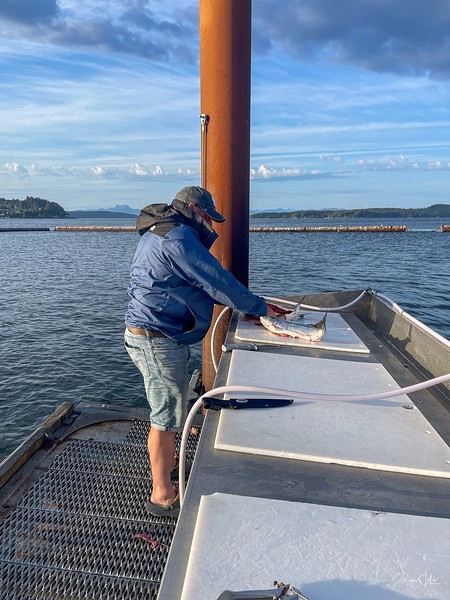
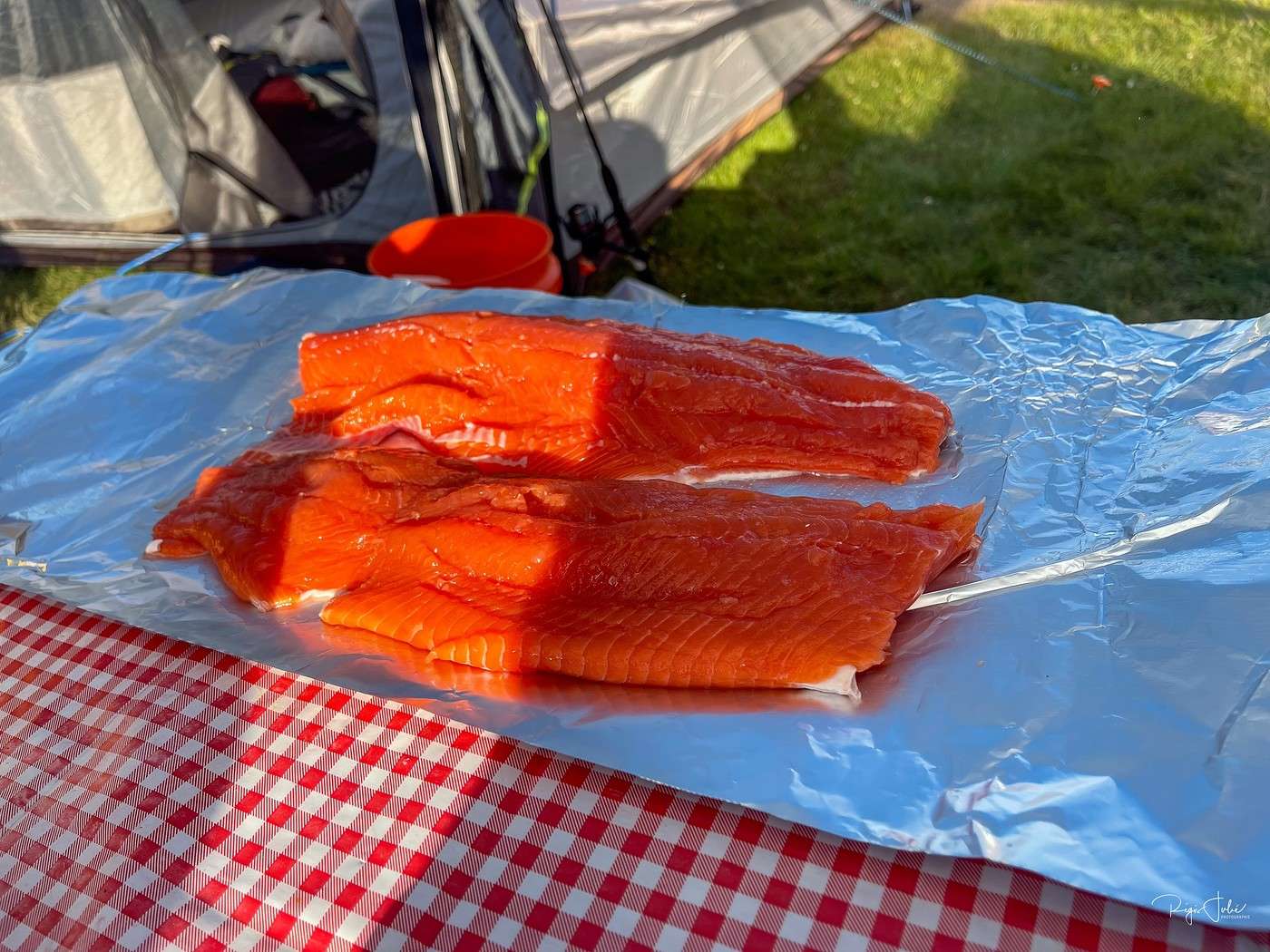
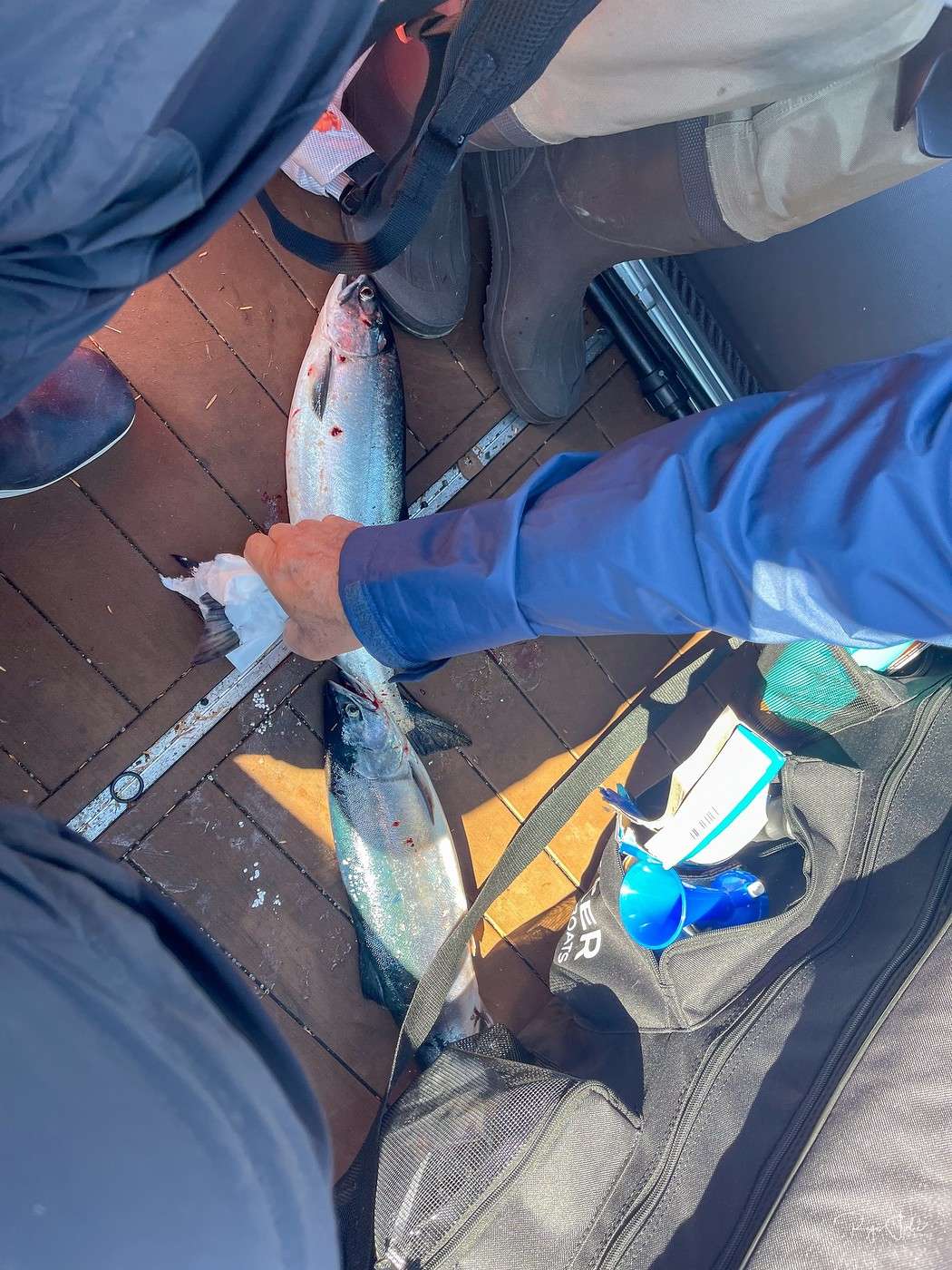
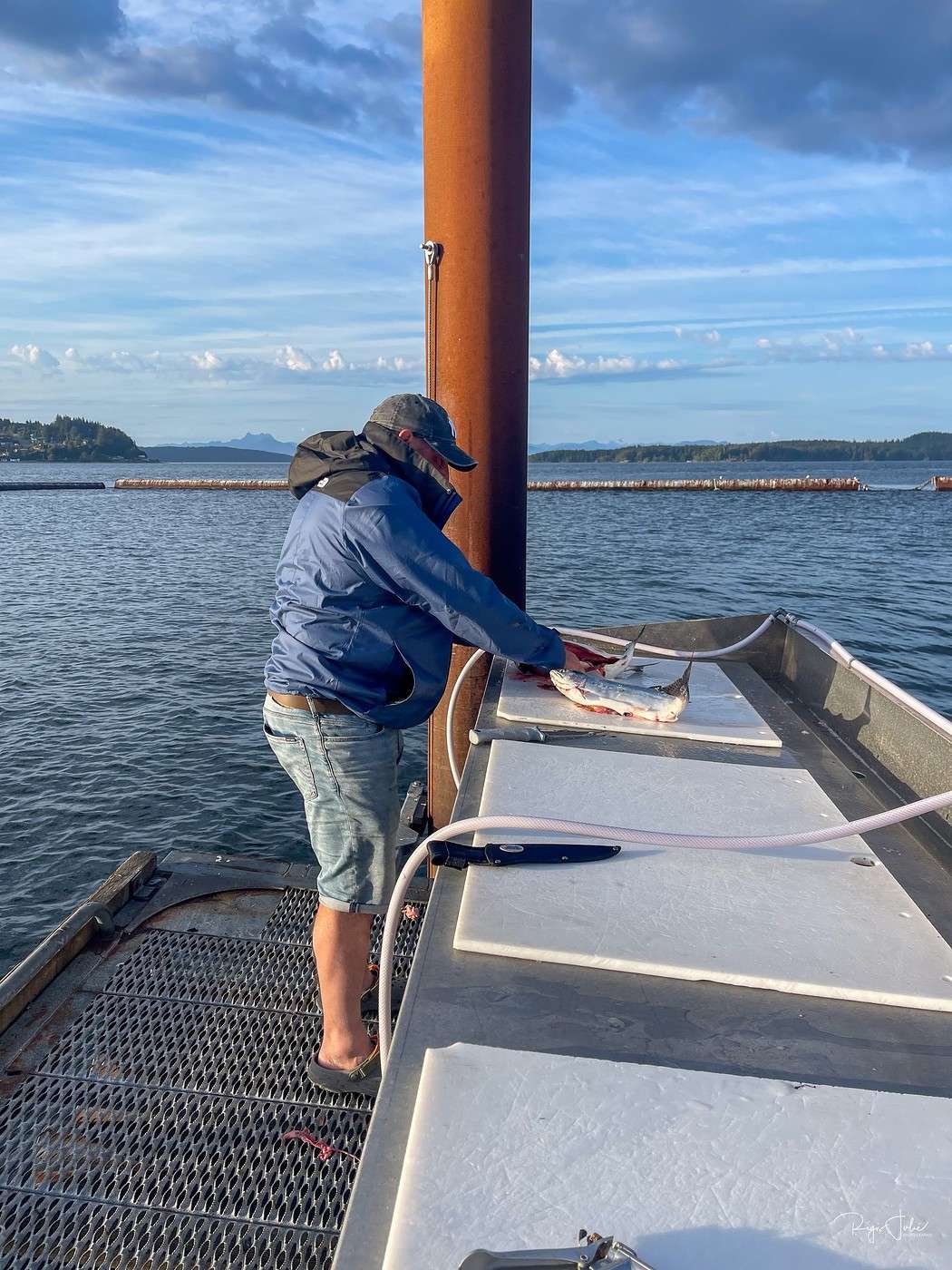
Life at the camp is really great thanks to the Canadians who generously share part of their daily catch. The fish, always fresh and delicious, has a unique flavor you won’t find anywhere else.


Photographic Discovery of Vancouver Island

Rjulie95 · 2025-04-10

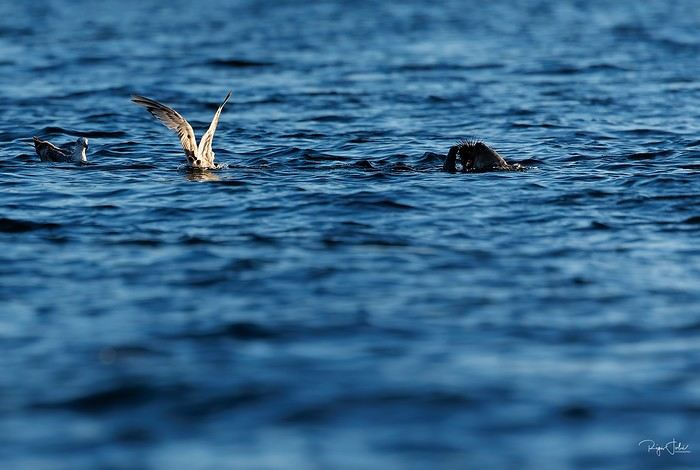
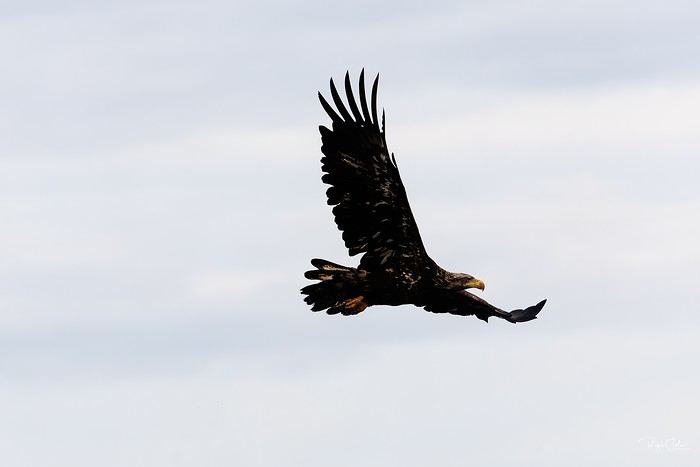
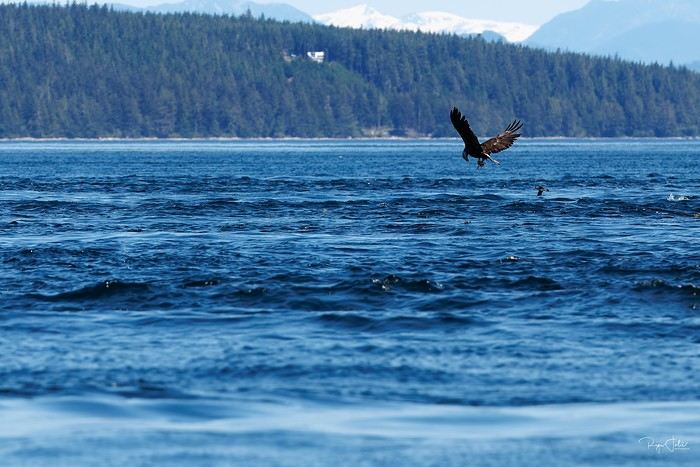
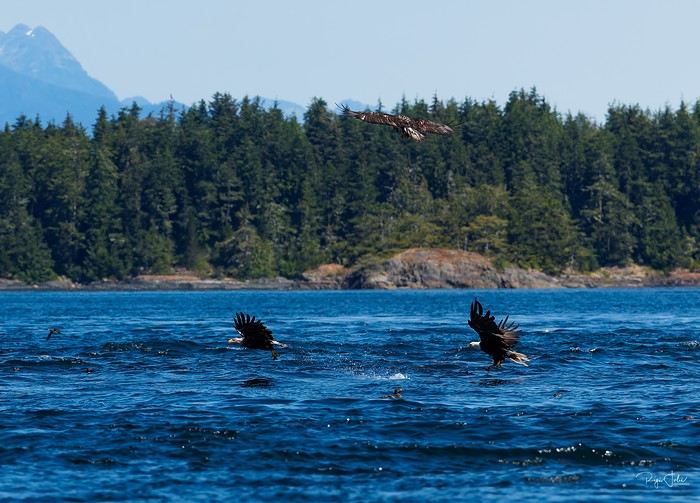
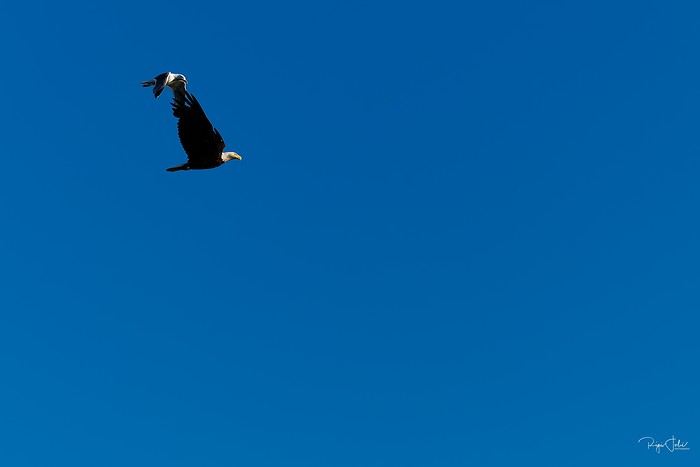
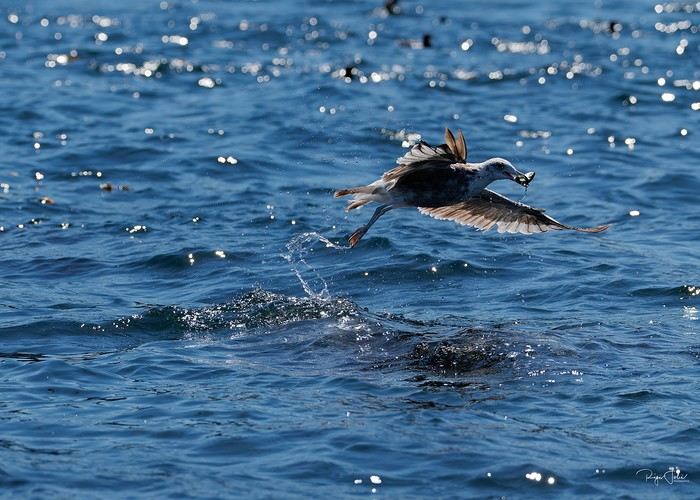
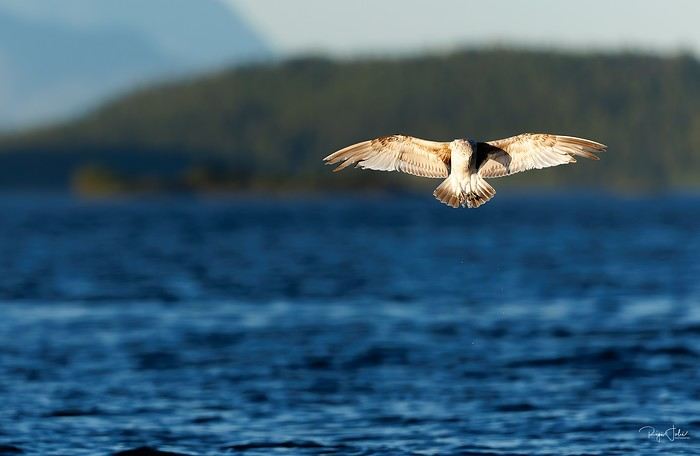
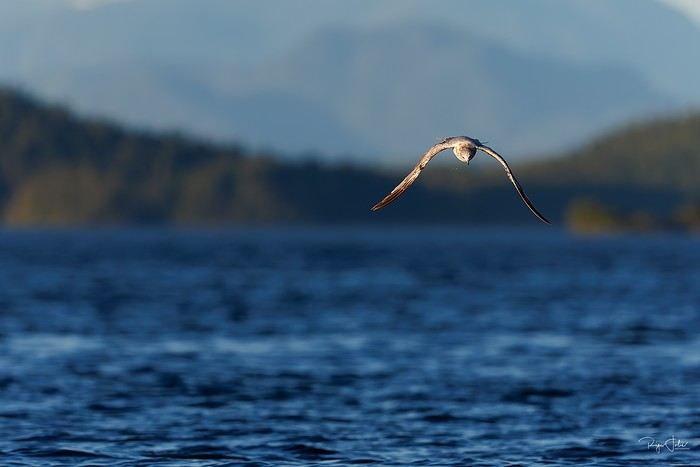
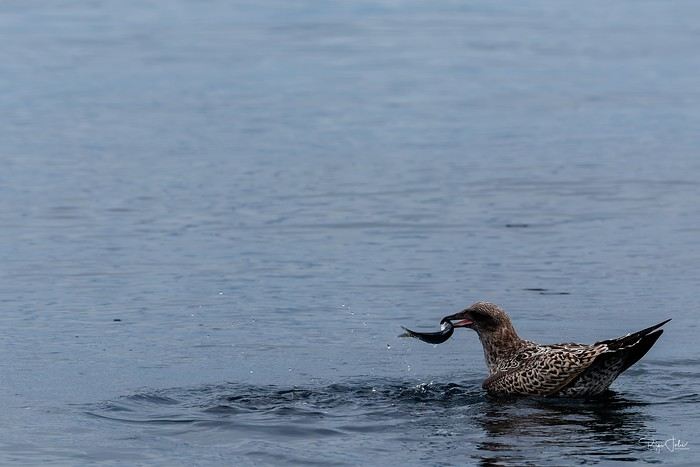
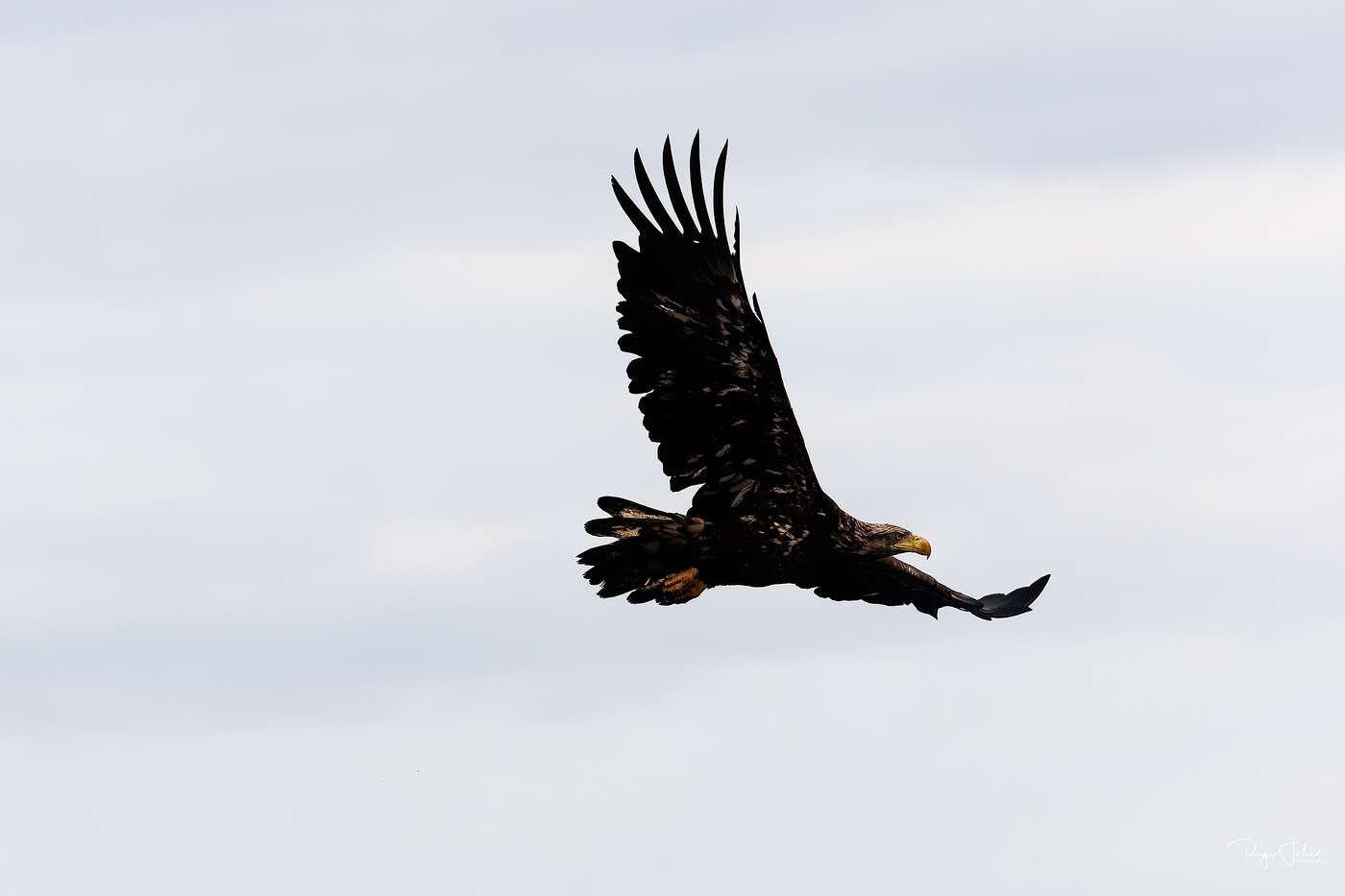
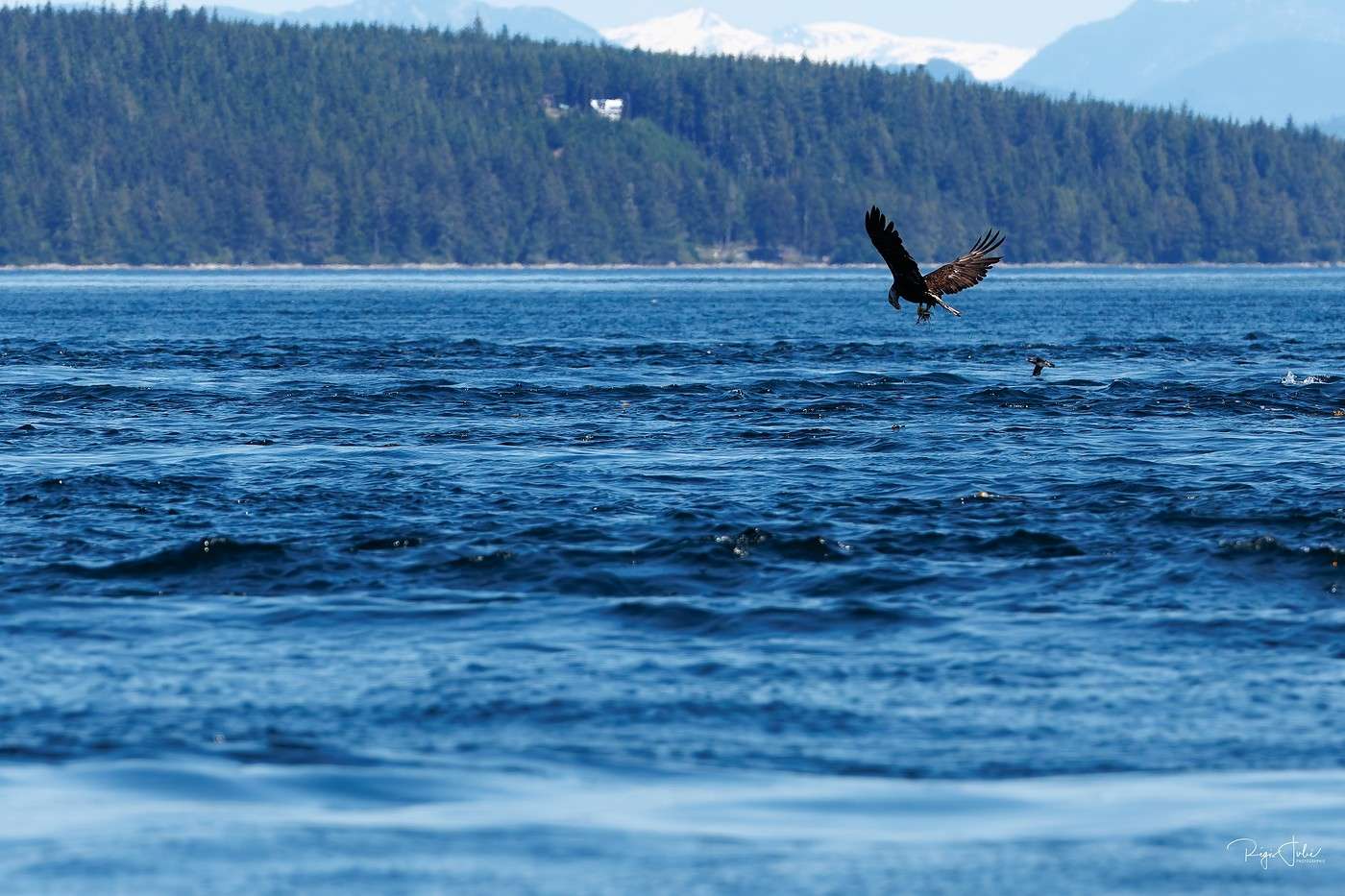
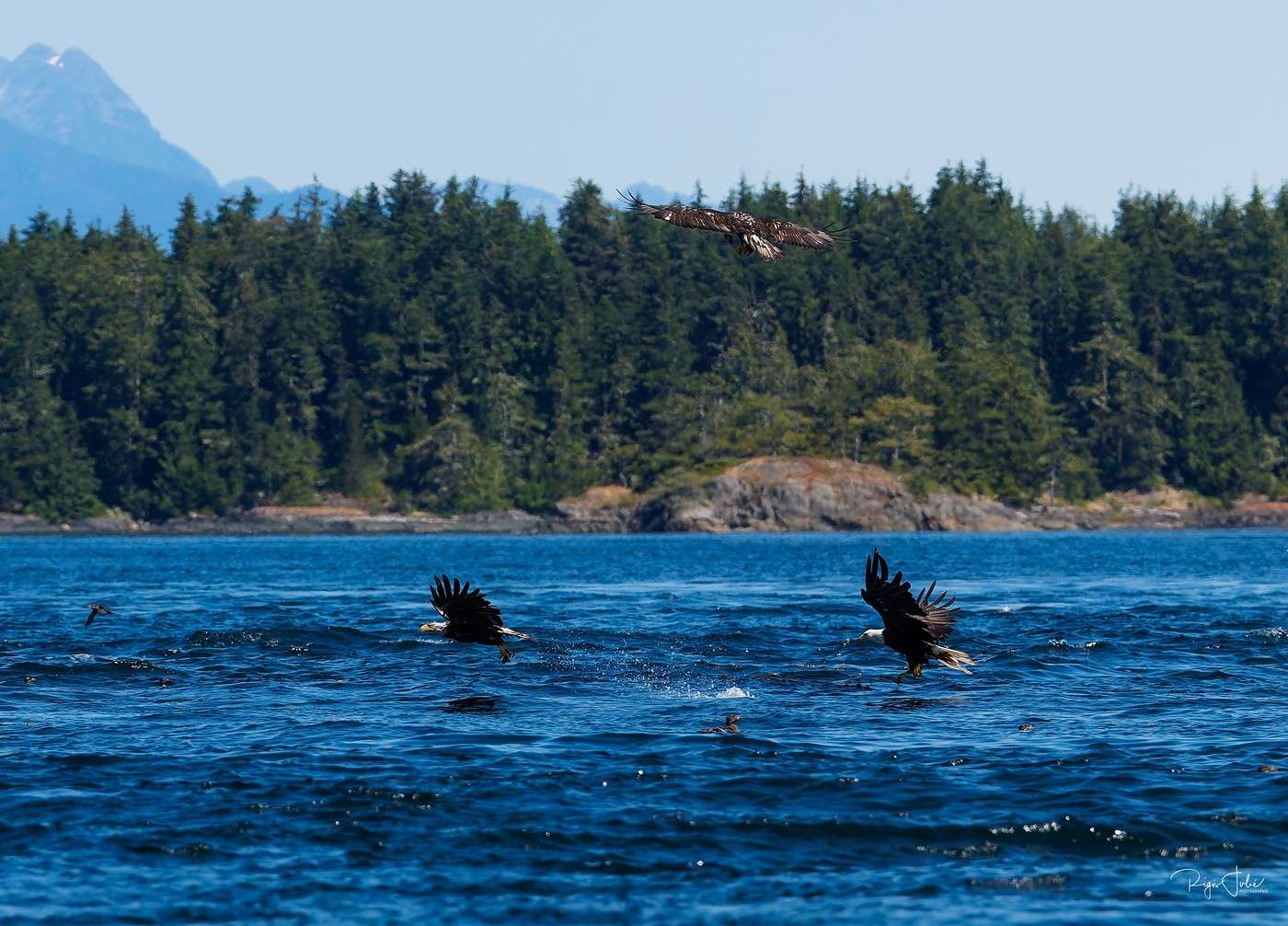
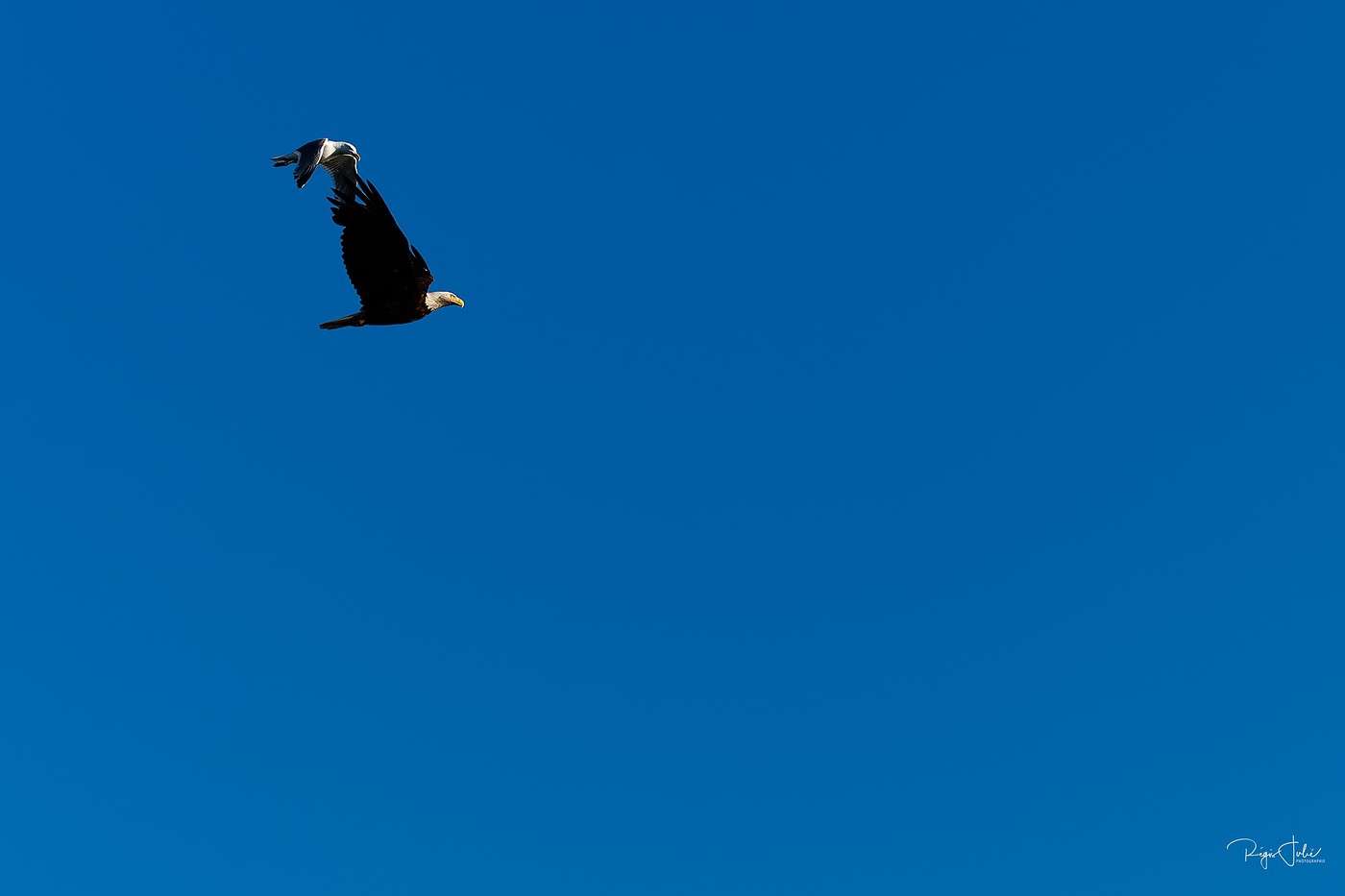
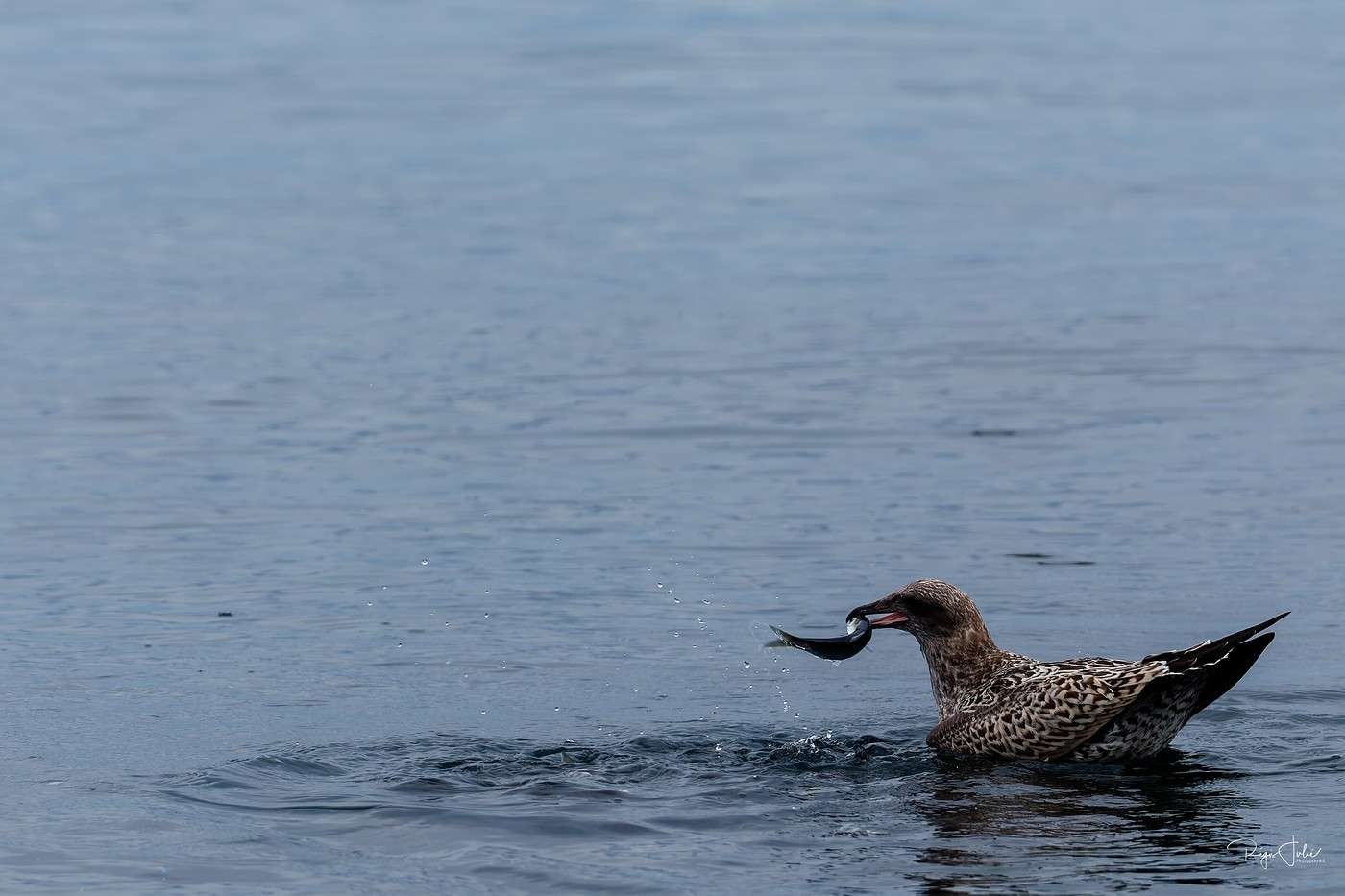
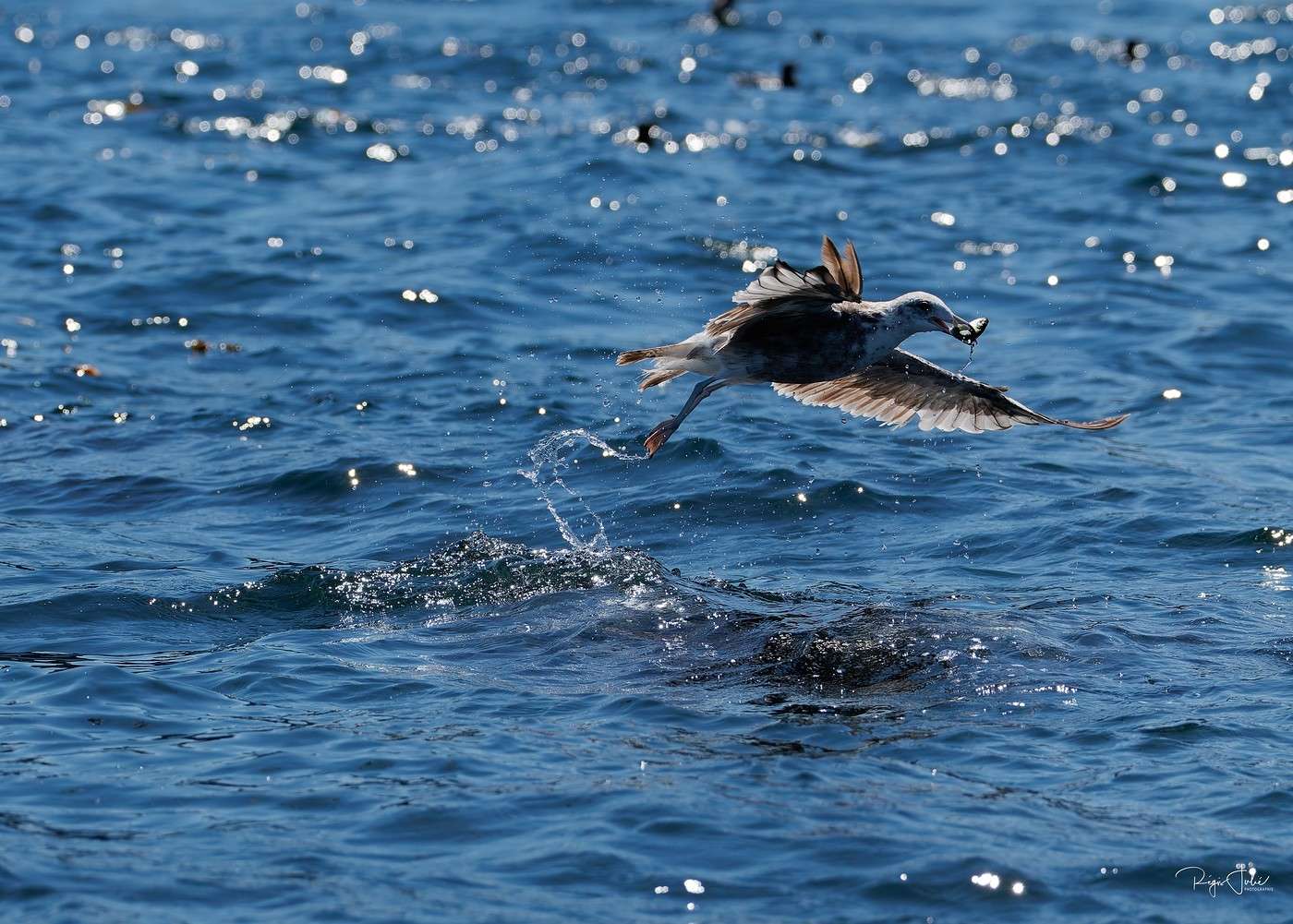
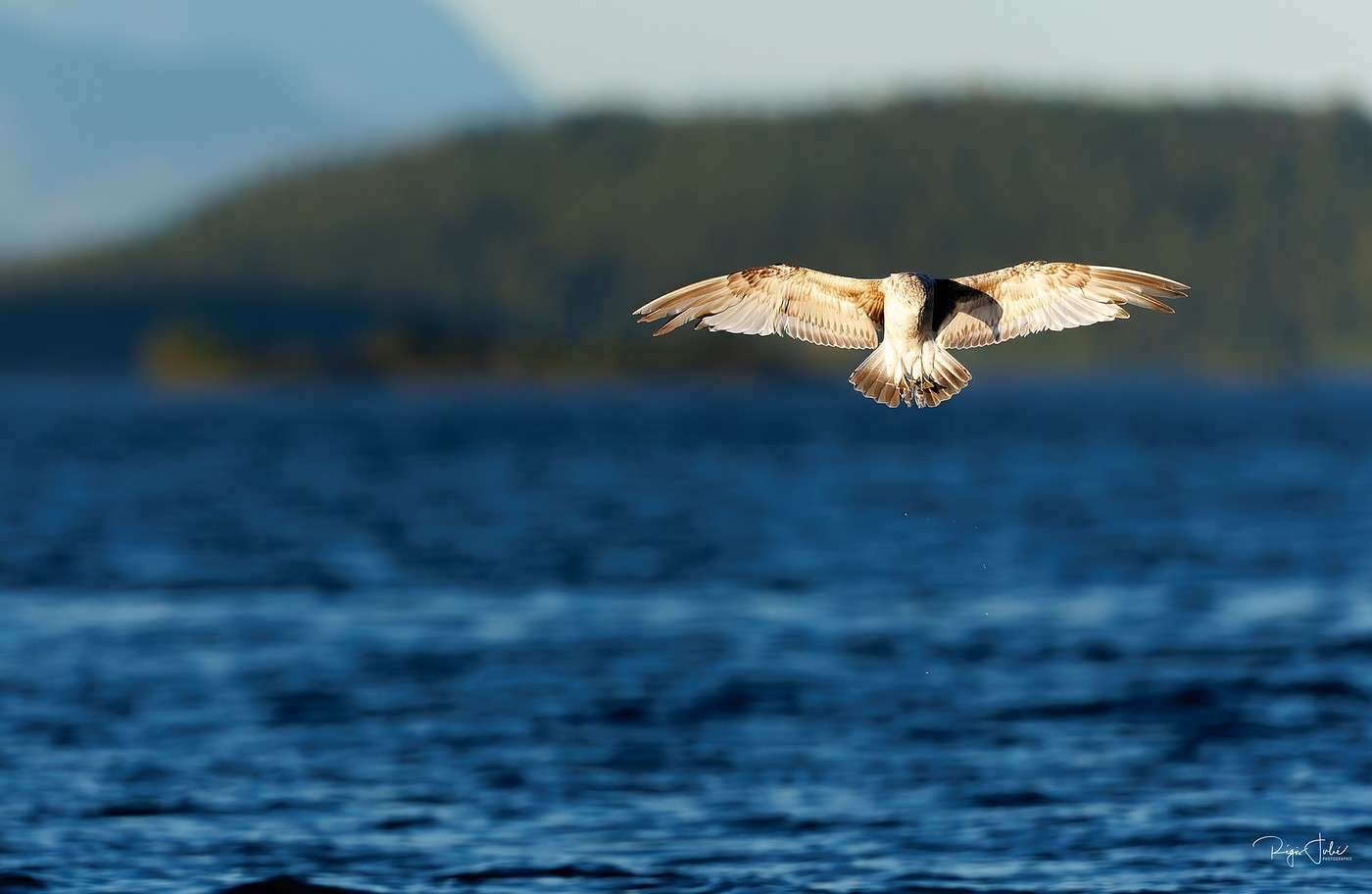
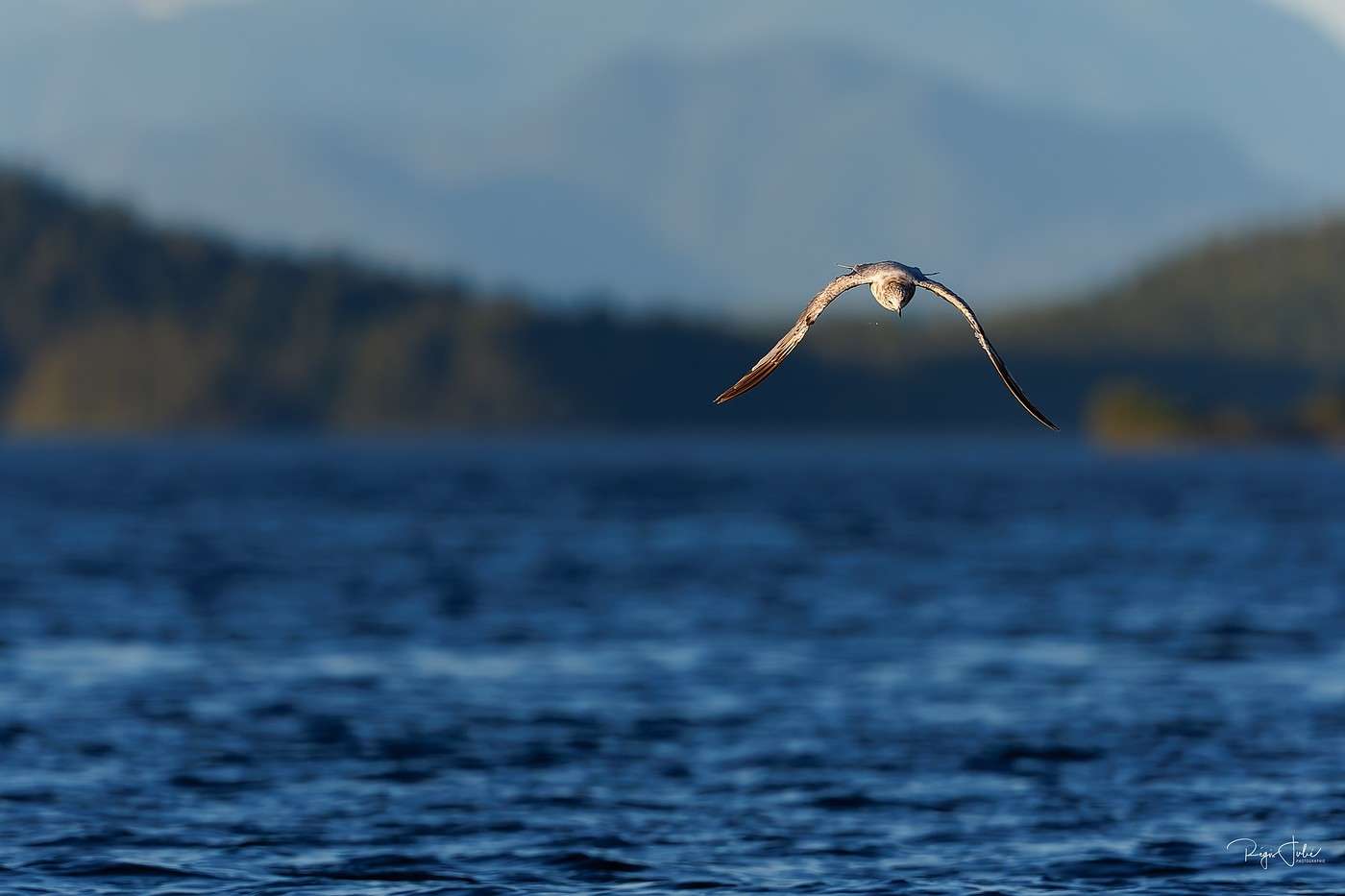
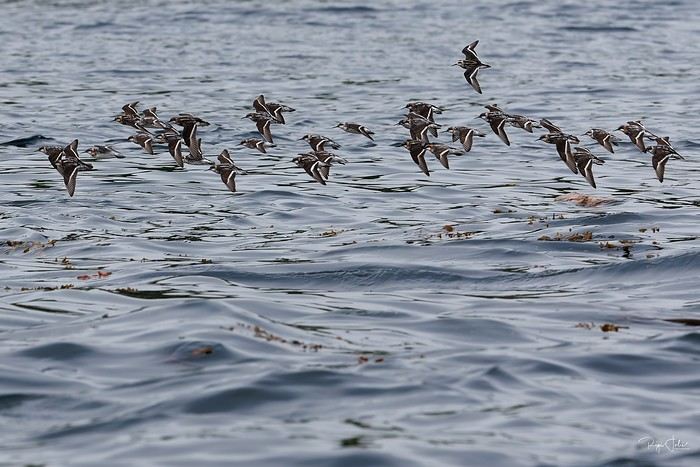
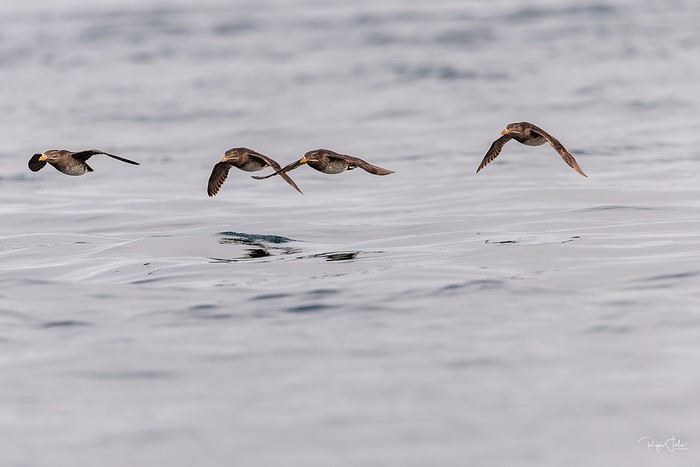
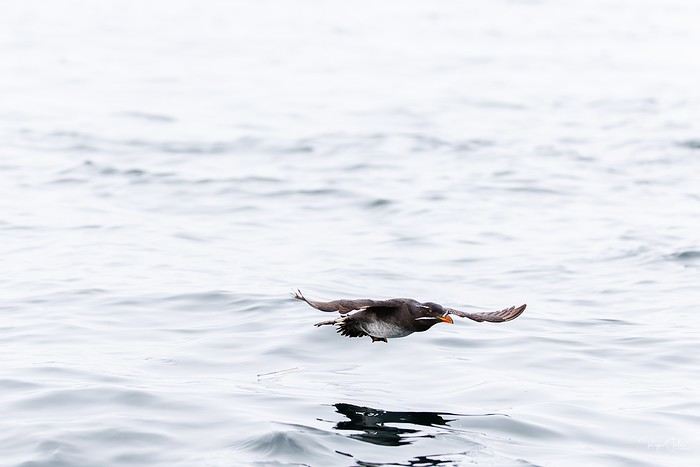
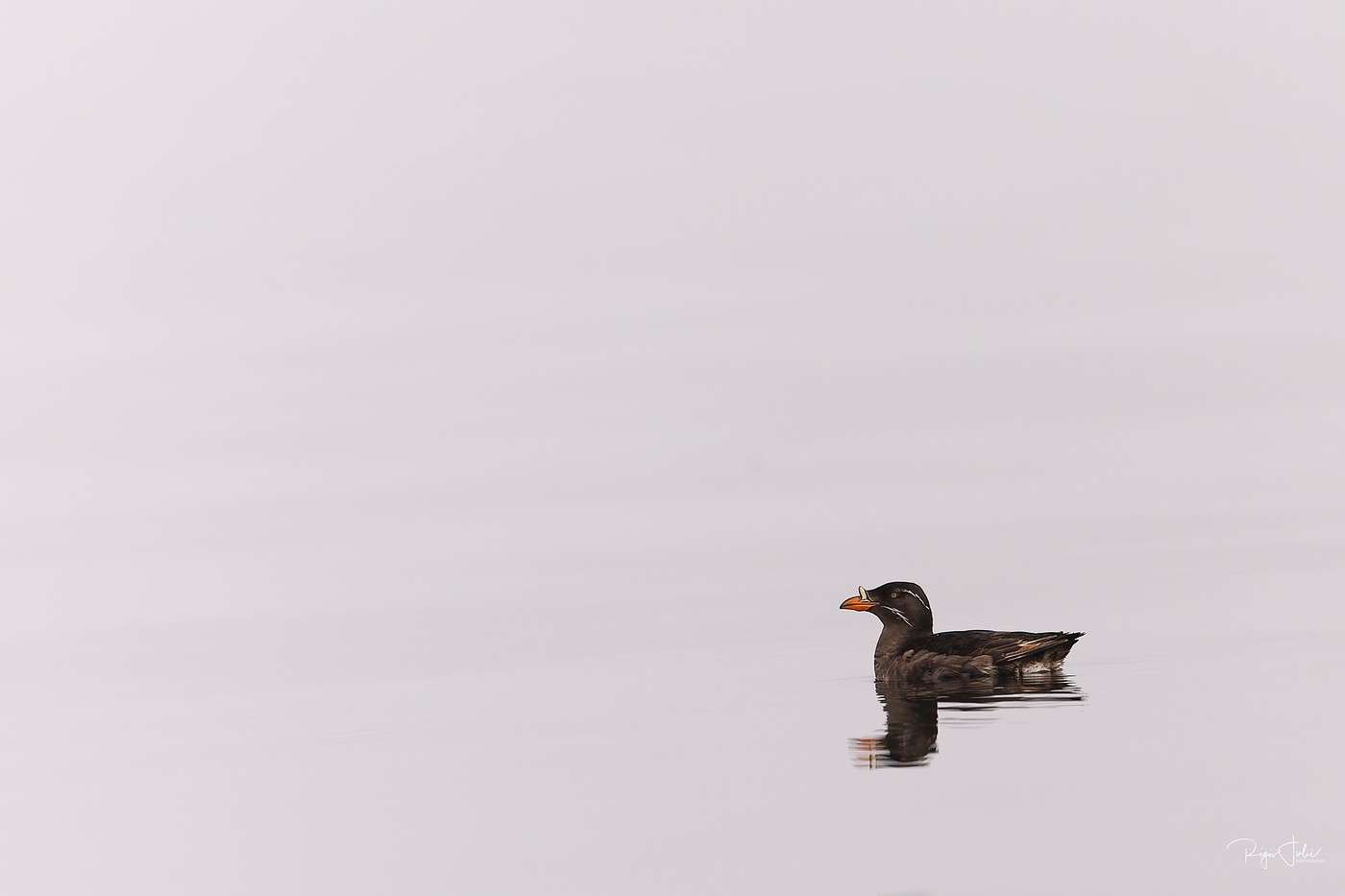
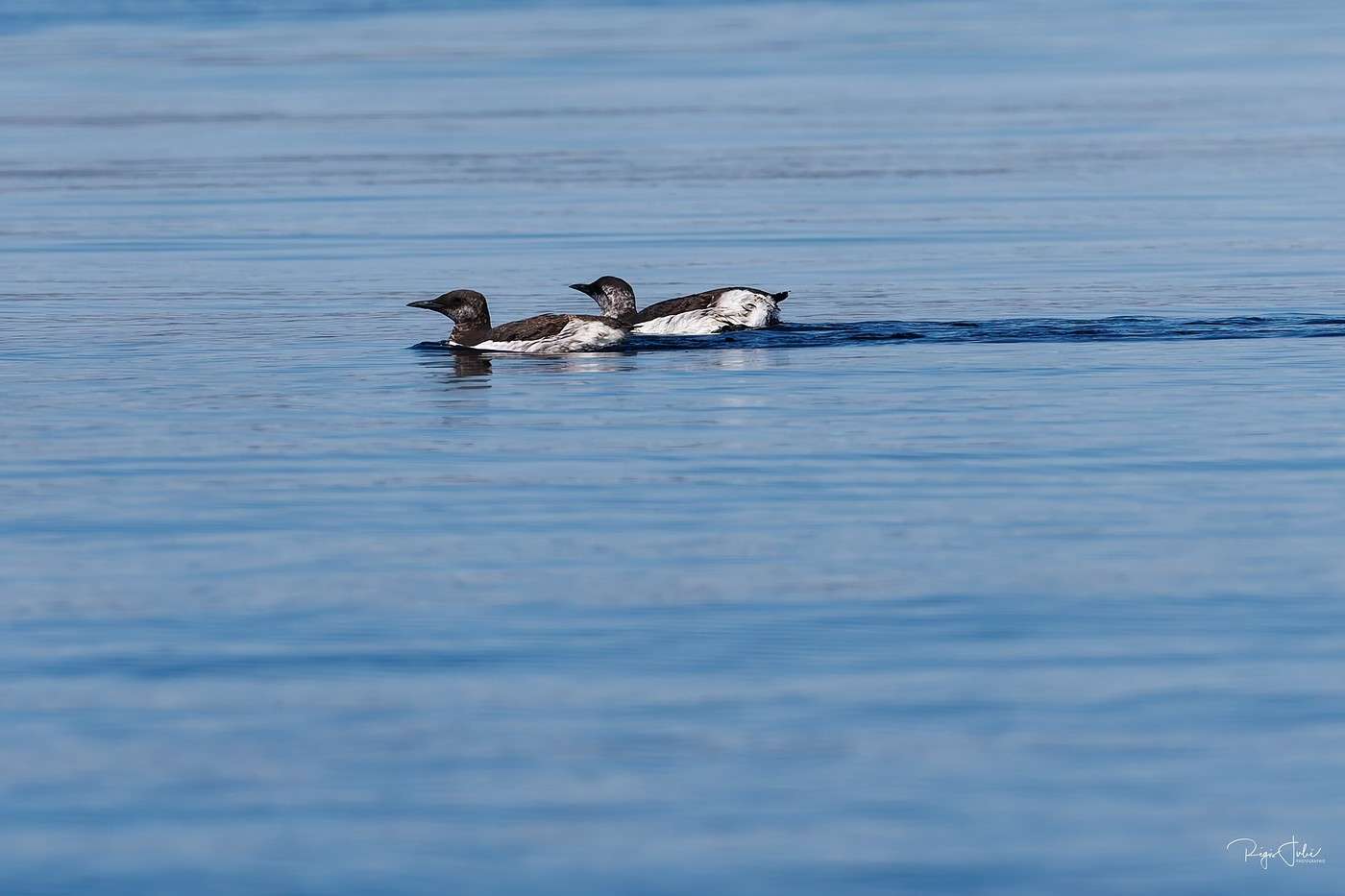
These expanses of water are teeming with fish, and can you imagine the spectacle? Flocks of birds come to fish for their meals—it’s both magical and noisy! Taking photos in this bustling scene is already a challenge, but from a rocking boat, it definitely requires pro-level skills! For now, I’m struggling a bit between the waves and the birds zooming by at top speed.

Bald Eagle (Haliaeetus leucocephalus)

The bald eagle, or American eagle, is an iconic bird of North America. With an impressive wingspan of 2 to 2.5 meters, it’s easily recognizable by its white head and tail contrasting with its dark brown plumage. It primarily feeds on fish and carrion.

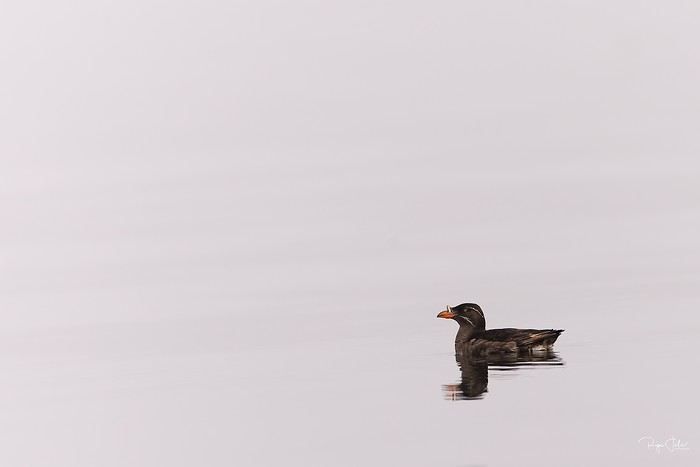
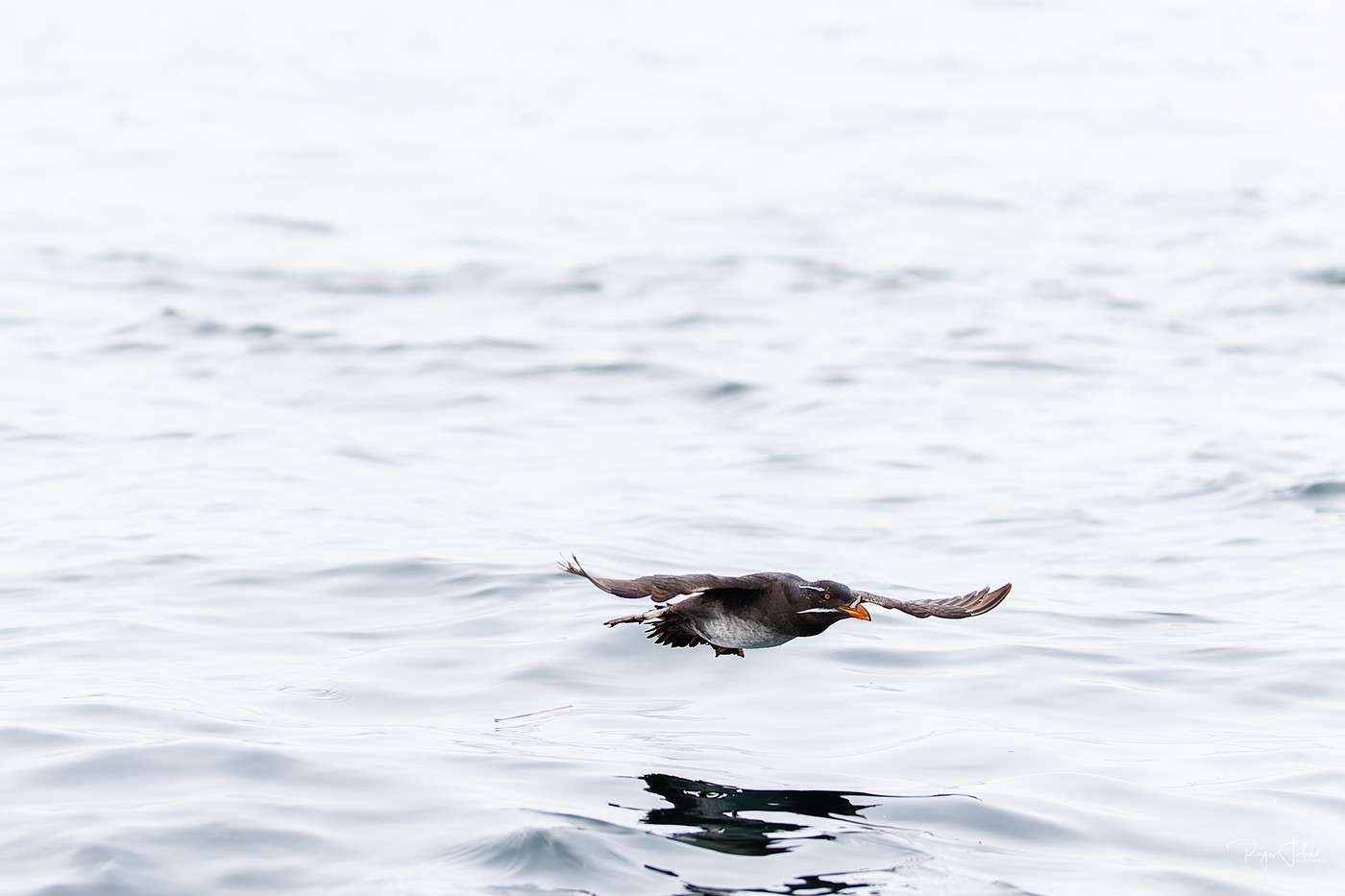
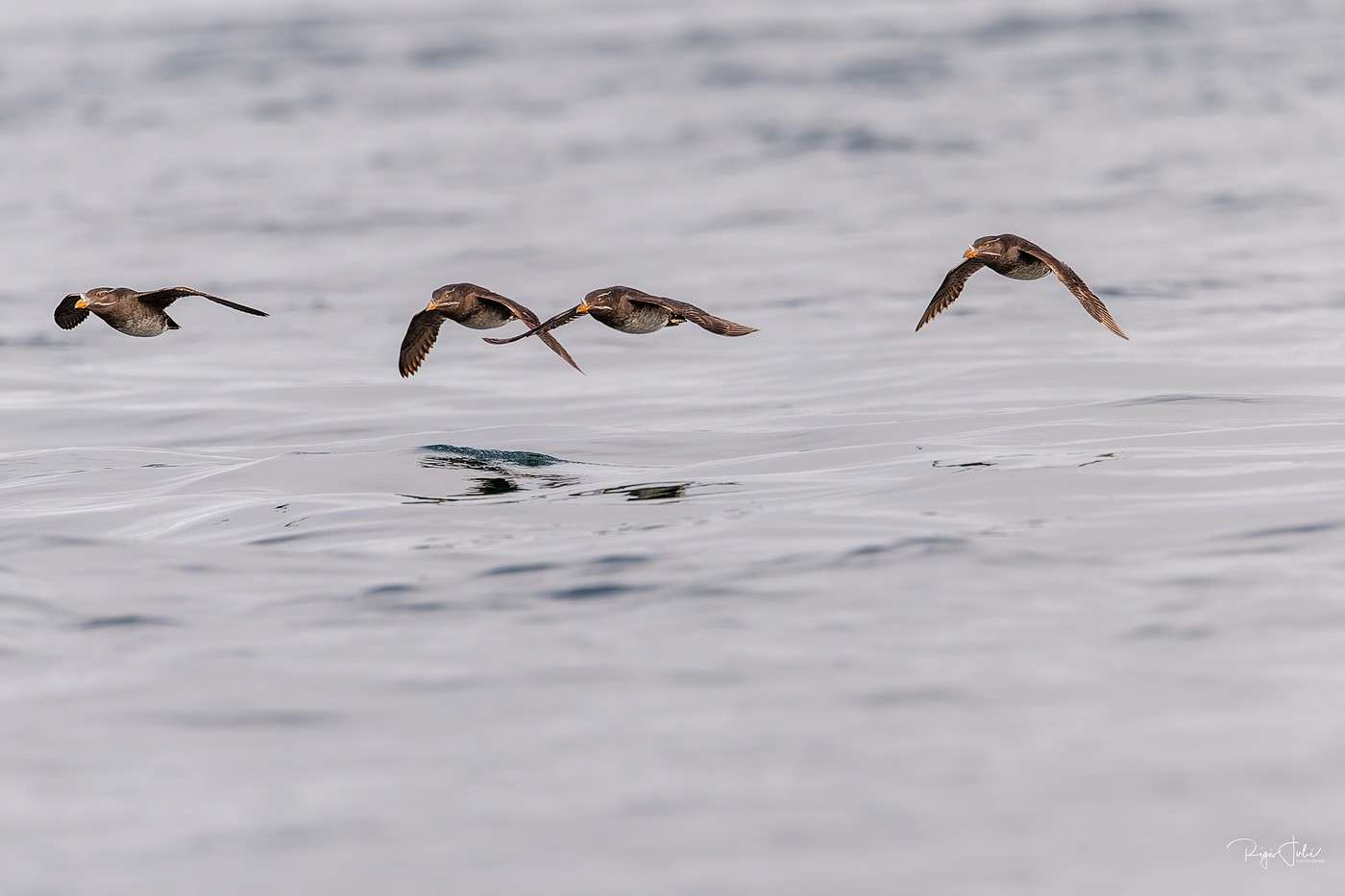
Rhinoceros Auklet (Cerorhinca monocerata) This is a seabird of the North Pacific, recognizable by its orange beak topped with a horn-like growth during the breeding season. An excellent diver, it feeds on small fish. It nests in colonies on rocky coasts. Less well-known than its cousin, the Atlantic puffin, it shares a similar lifestyle.

California Gull (Larus californicus) This is a coastal bird found from the American West to British Columbia. Smaller than the herring gull, it’s identifiable by its yellow beak with a red spot and its greenish legs. It nests near lakes and marshes, feeding on fish and invertebrates.

Glaucous-winged Gull (Larus glaucescens) This gull of the North Pacific, from Alaska to British Columbia, stands out with its pale gray back and white wingtips (no black). Larger than the California gull, it nests in rocky colonies and feeds on fish, crustaceans, and coastal waste.

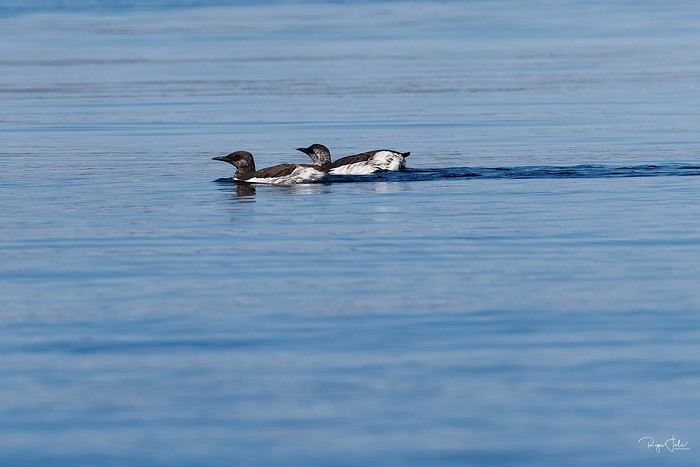
Common Murre (Uria aalge) This large seabird of the Northern Hemisphere nests on crowded cliffs. Recognizable by its black-and-white plumage and pointed beak, it dives deeply to catch fish and crustaceans. An excellent swimmer, it spends most of its life at sea. Bald Eagle

Glaucous-winged Gull

California Gull


Photographic discovery of Vancouver Island

Rjulie95 · 2025-04-10

The Rhinoceros Auklet


The Common Murre


Photographic Discovery of Vancouver Island

Muriel18 · 2025-04-11

I say bravo for the bird photos (personally, I’m pretty bad at photographing them once they’re in flight, with or without waves 😏)

Photographic discovery of Vancouver Island

Rouquine38 · 2025-04-11

Life at camp is really great thanks to the Canadians who generously share some of their daily catch. The fish, always fresh and delicious, has a unique flavor you won’t find anywhere else.


That fish looks delicious! 😋

Photographic Discovery of Vancouver Island

Rjulie95 · 2025-04-12

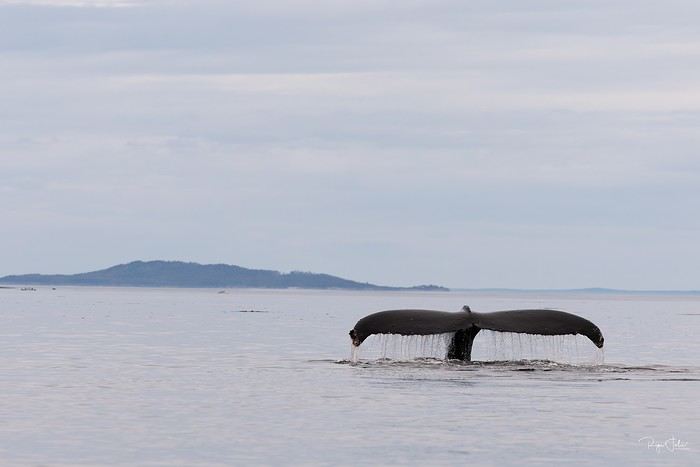
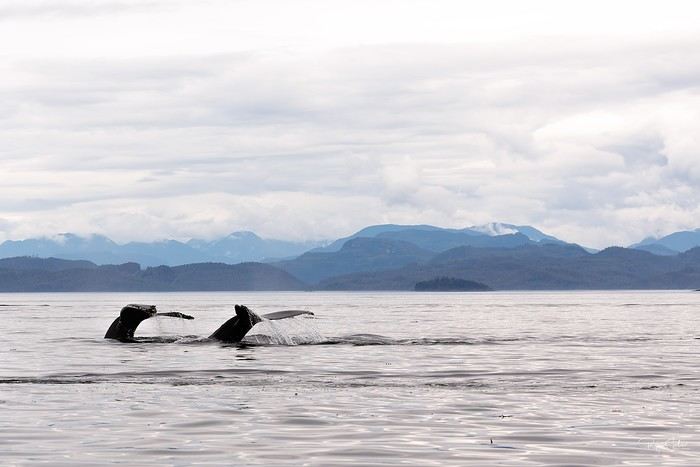
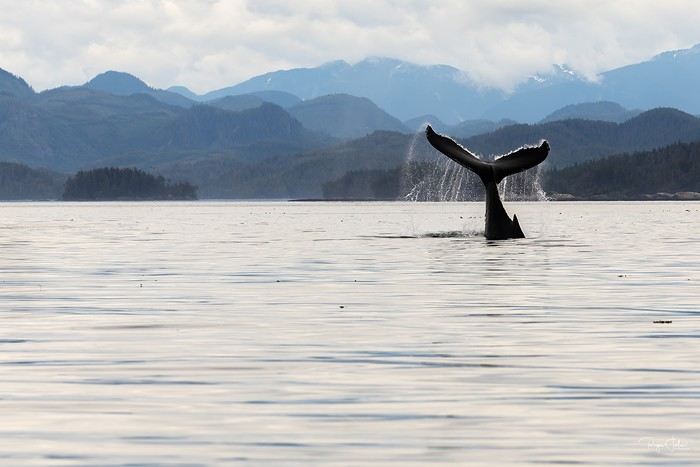
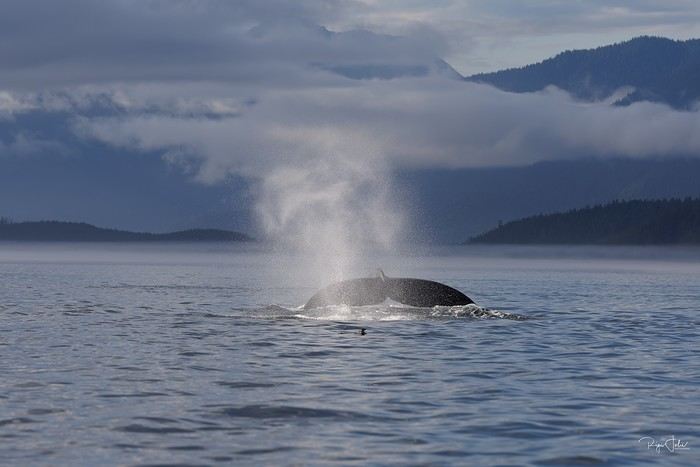
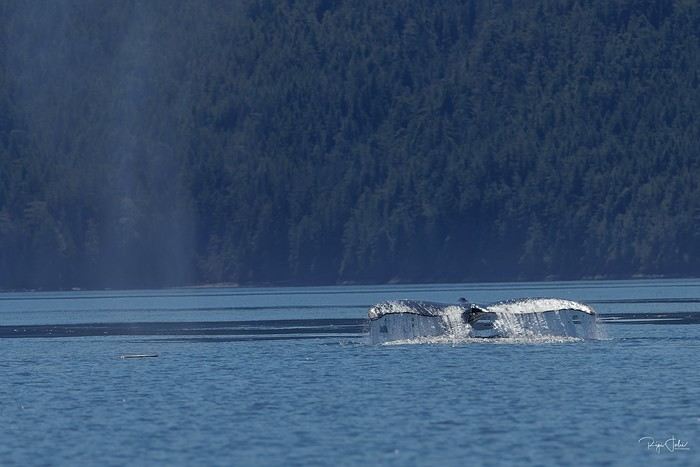
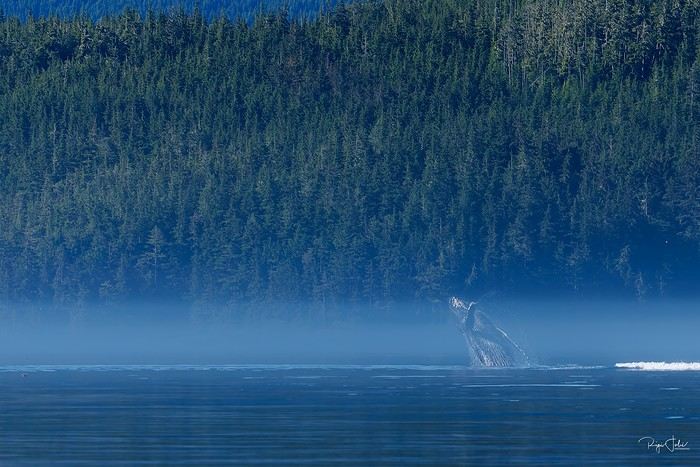
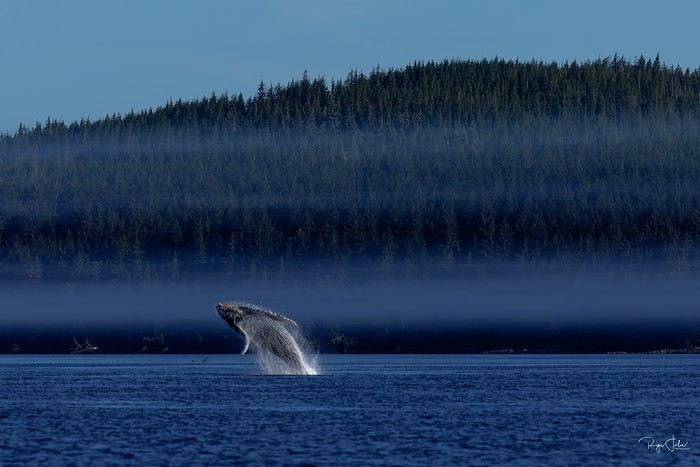
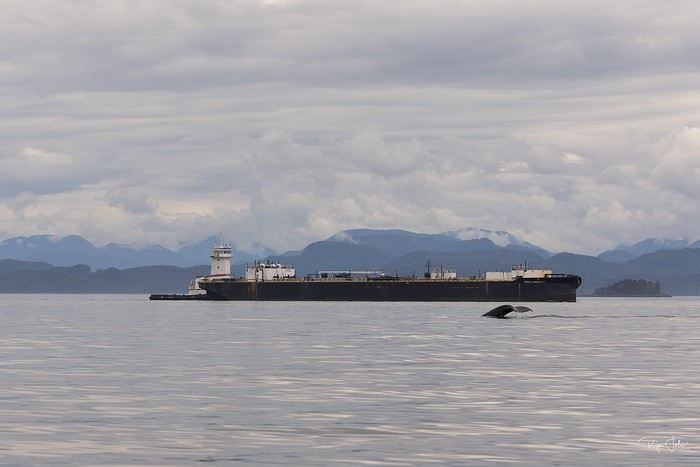
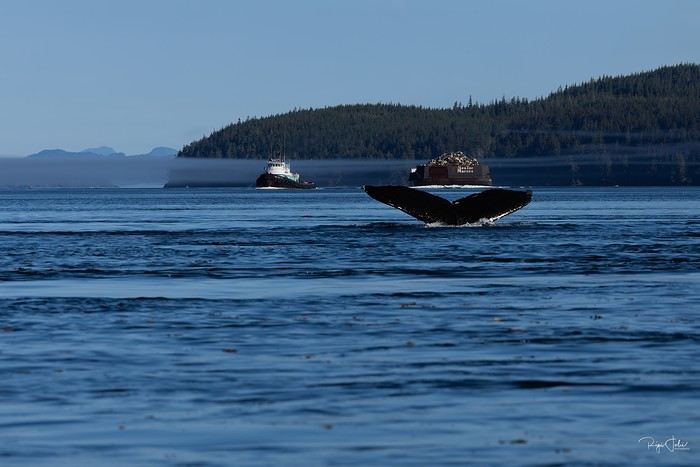
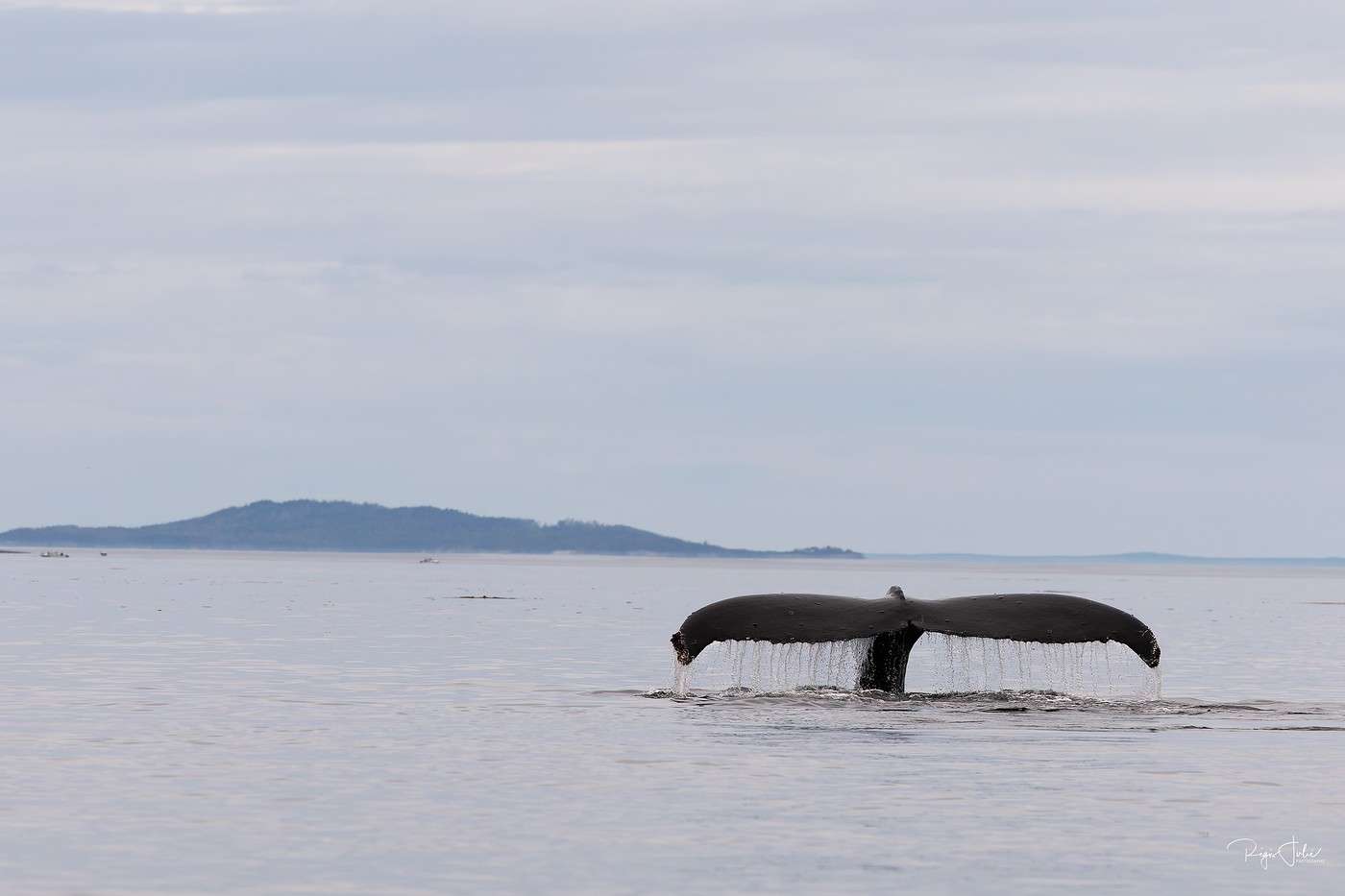
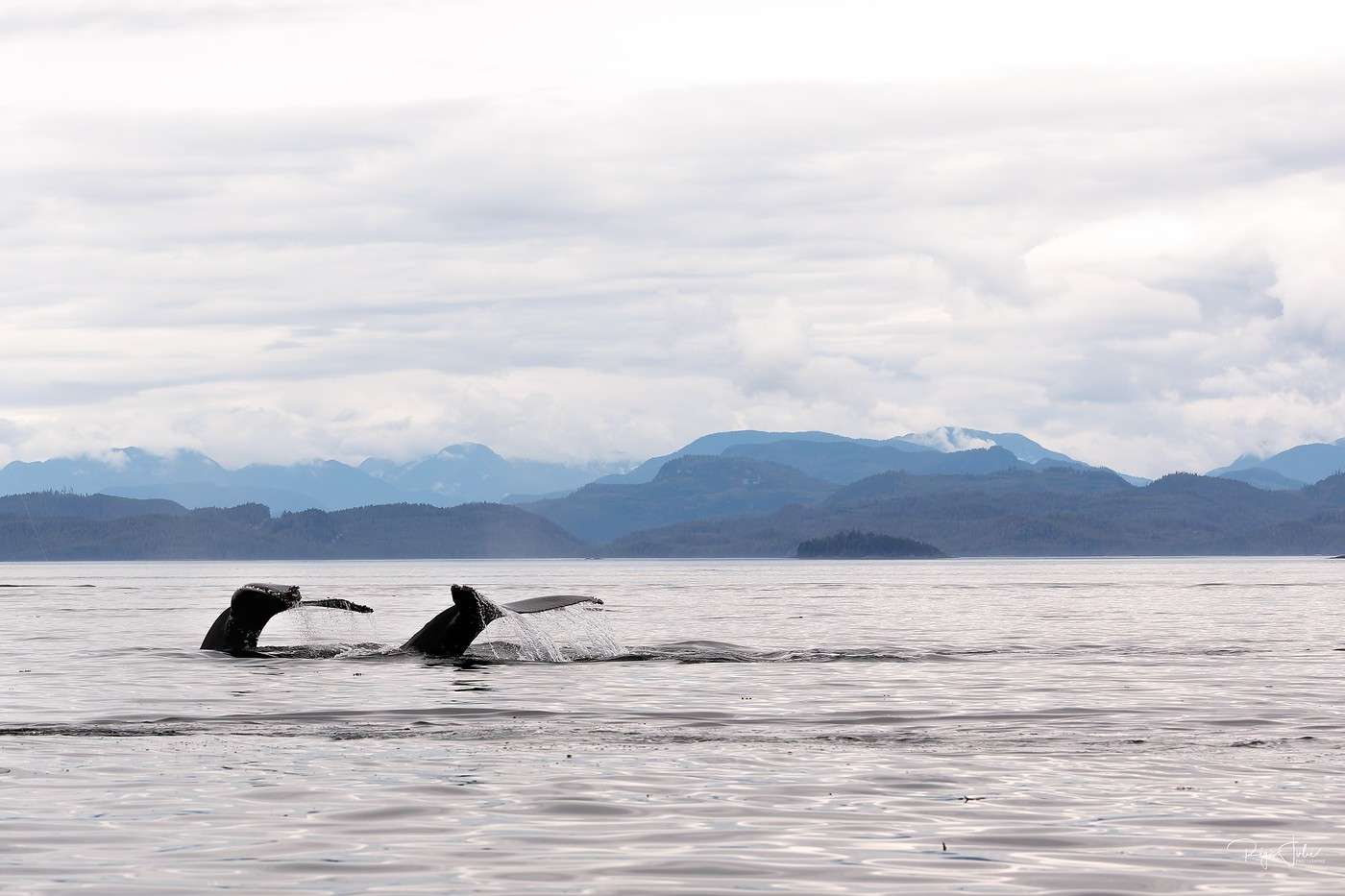
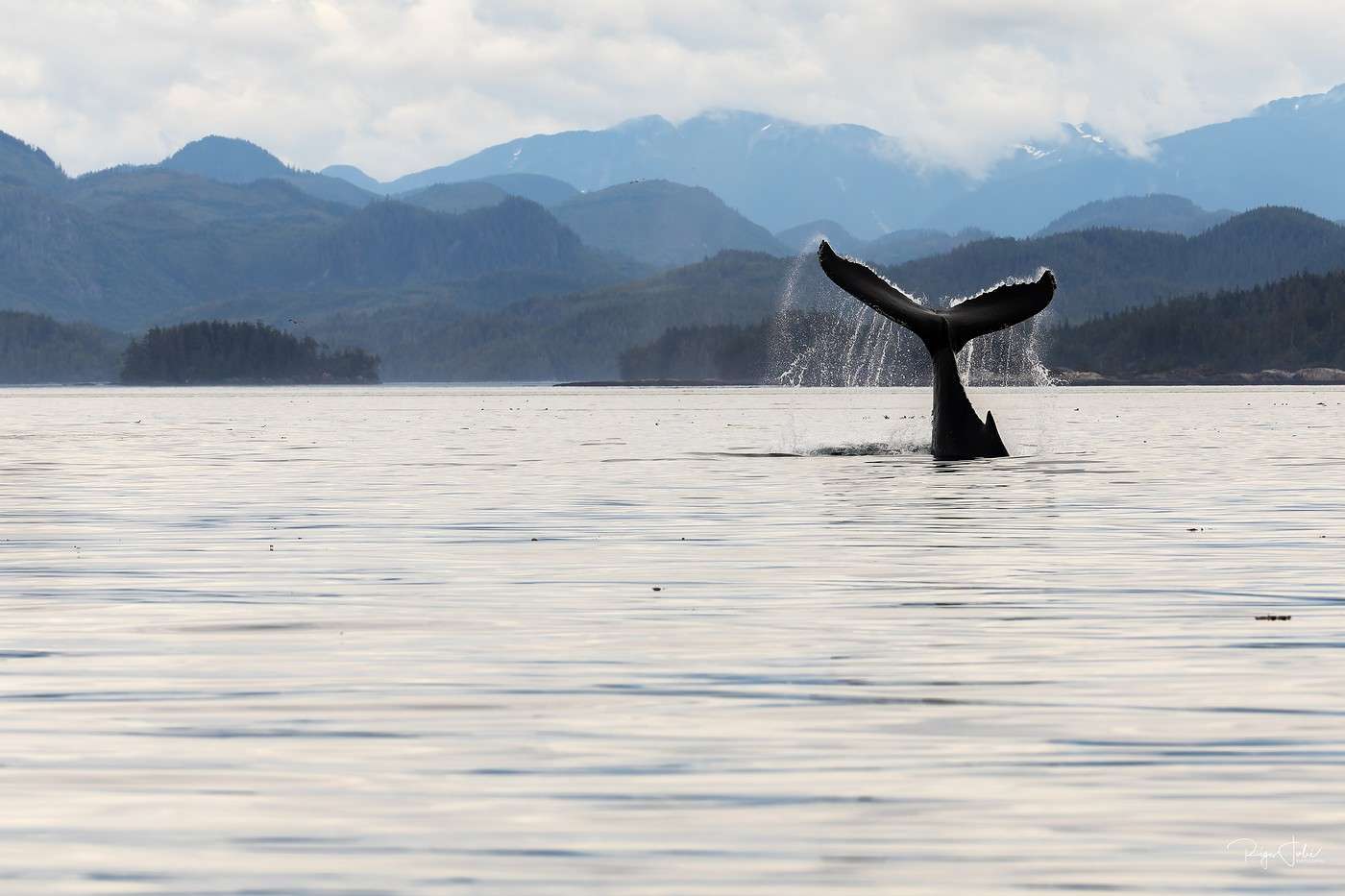
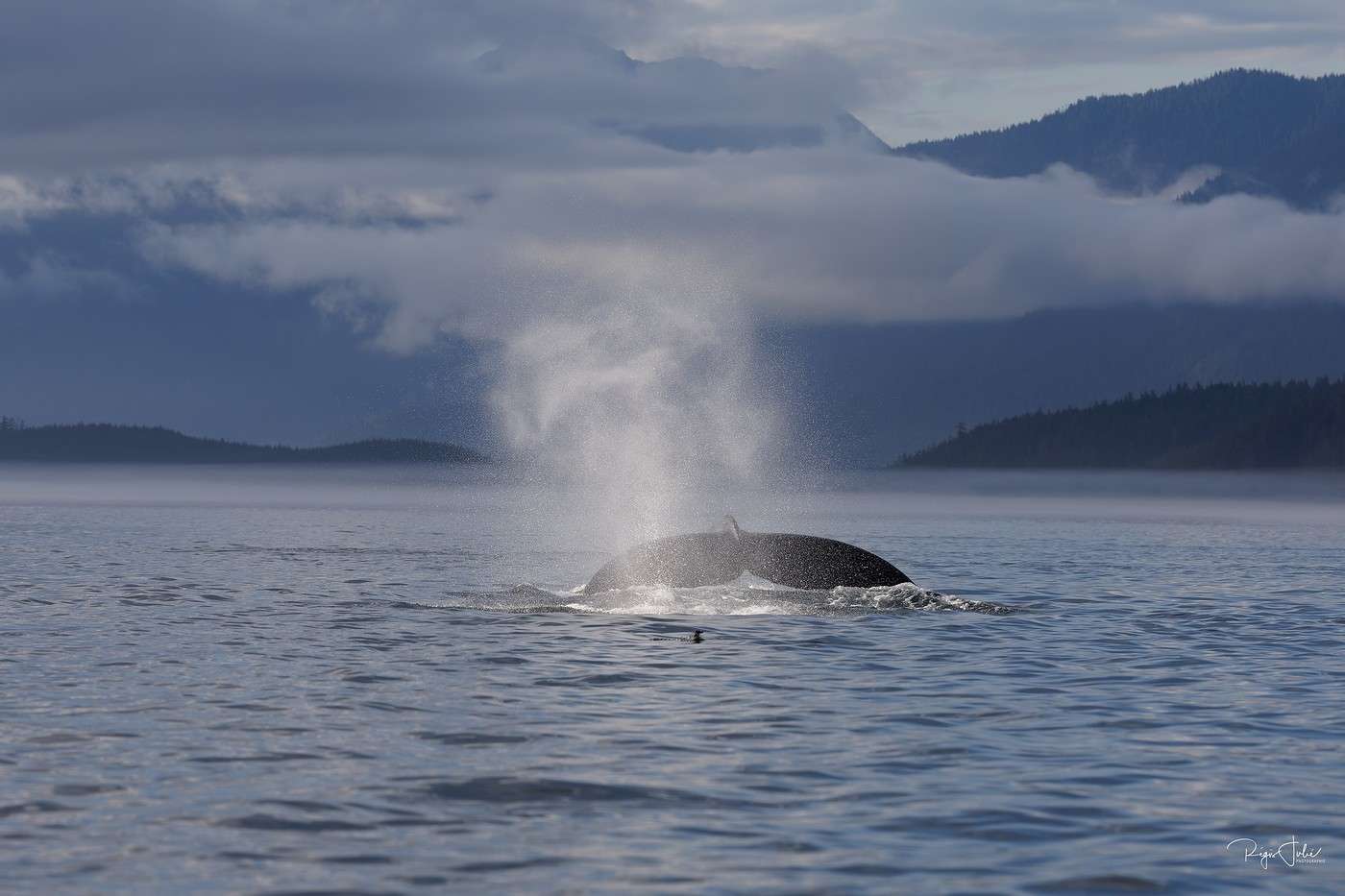
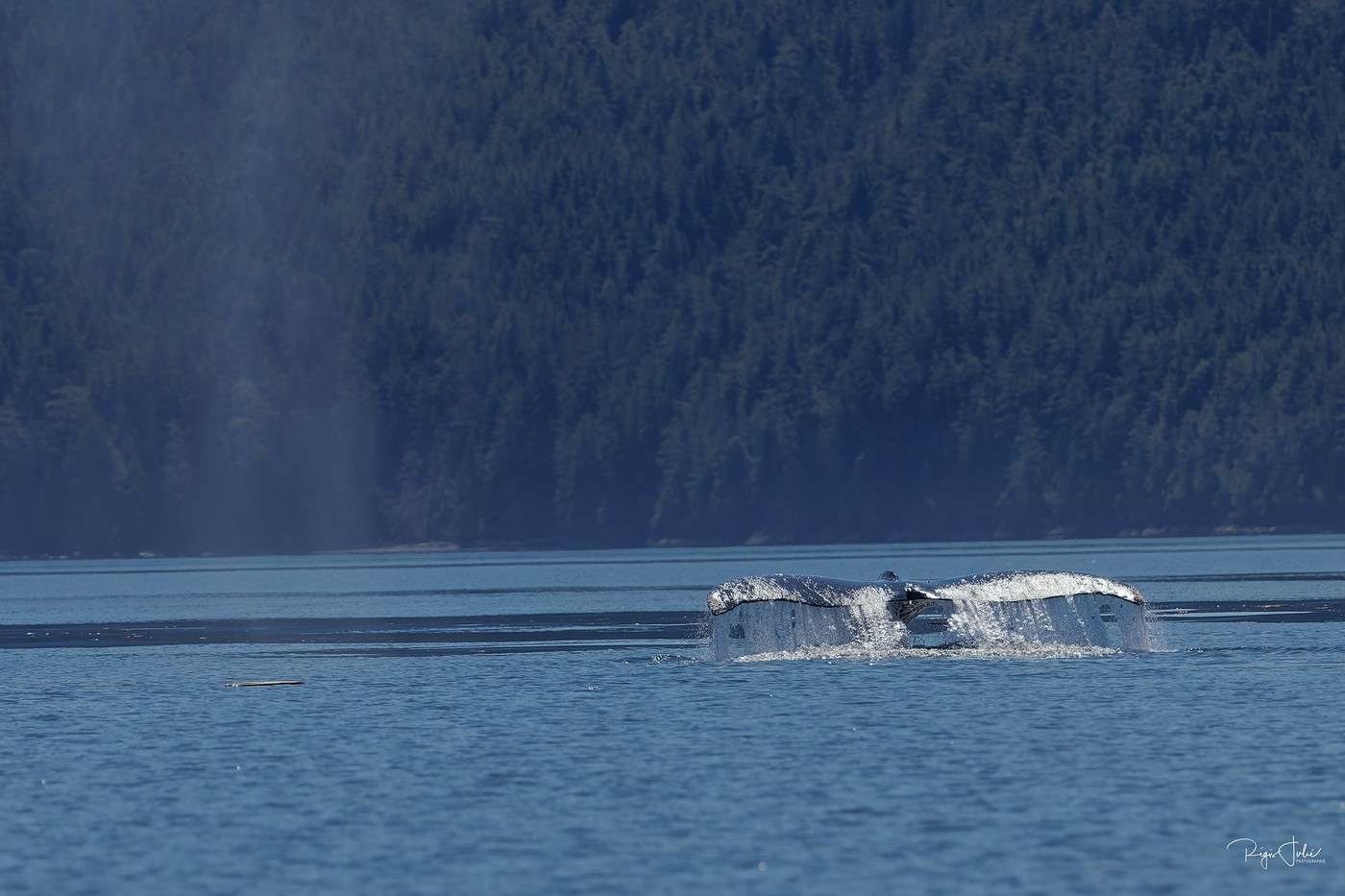
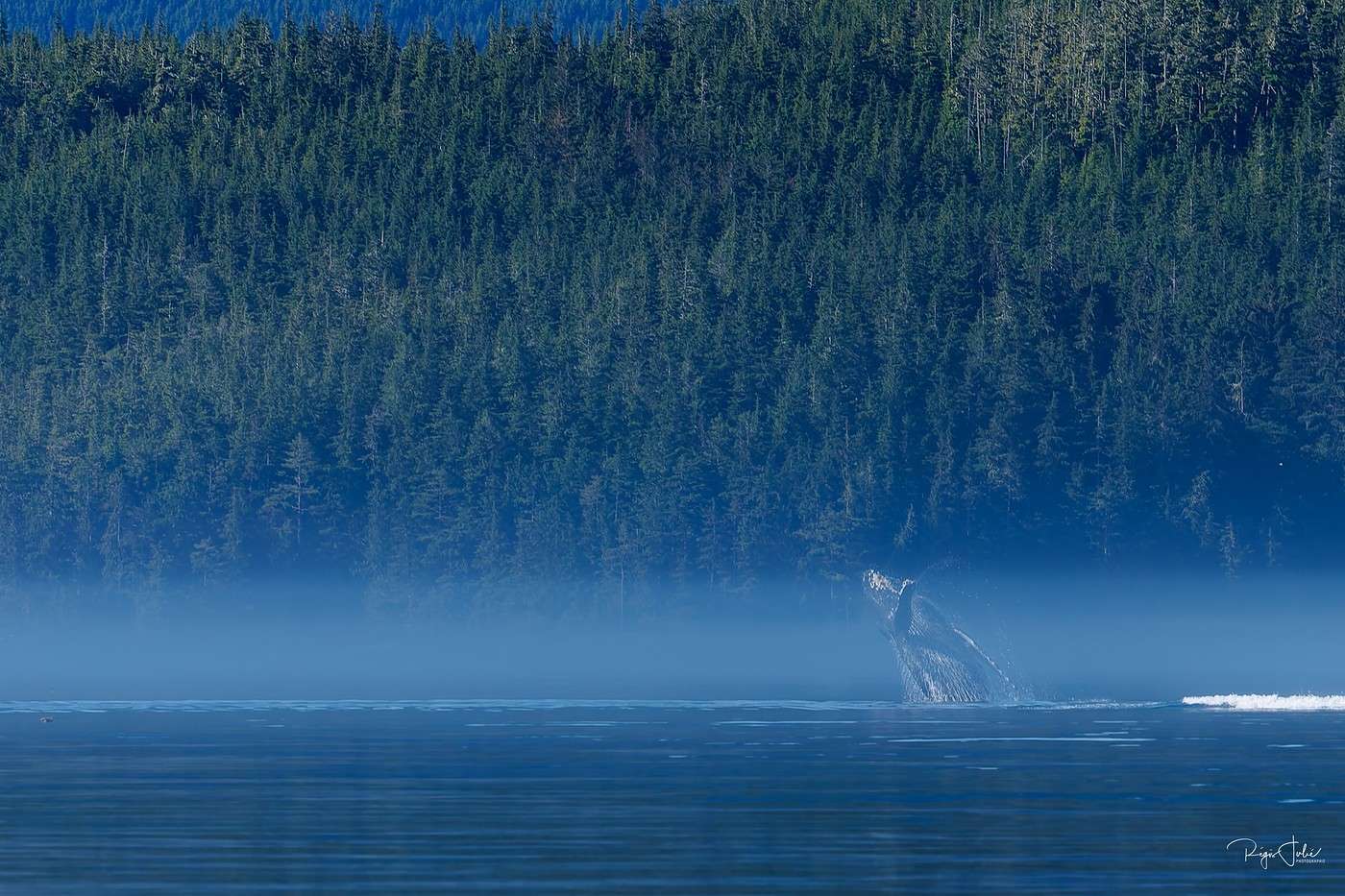
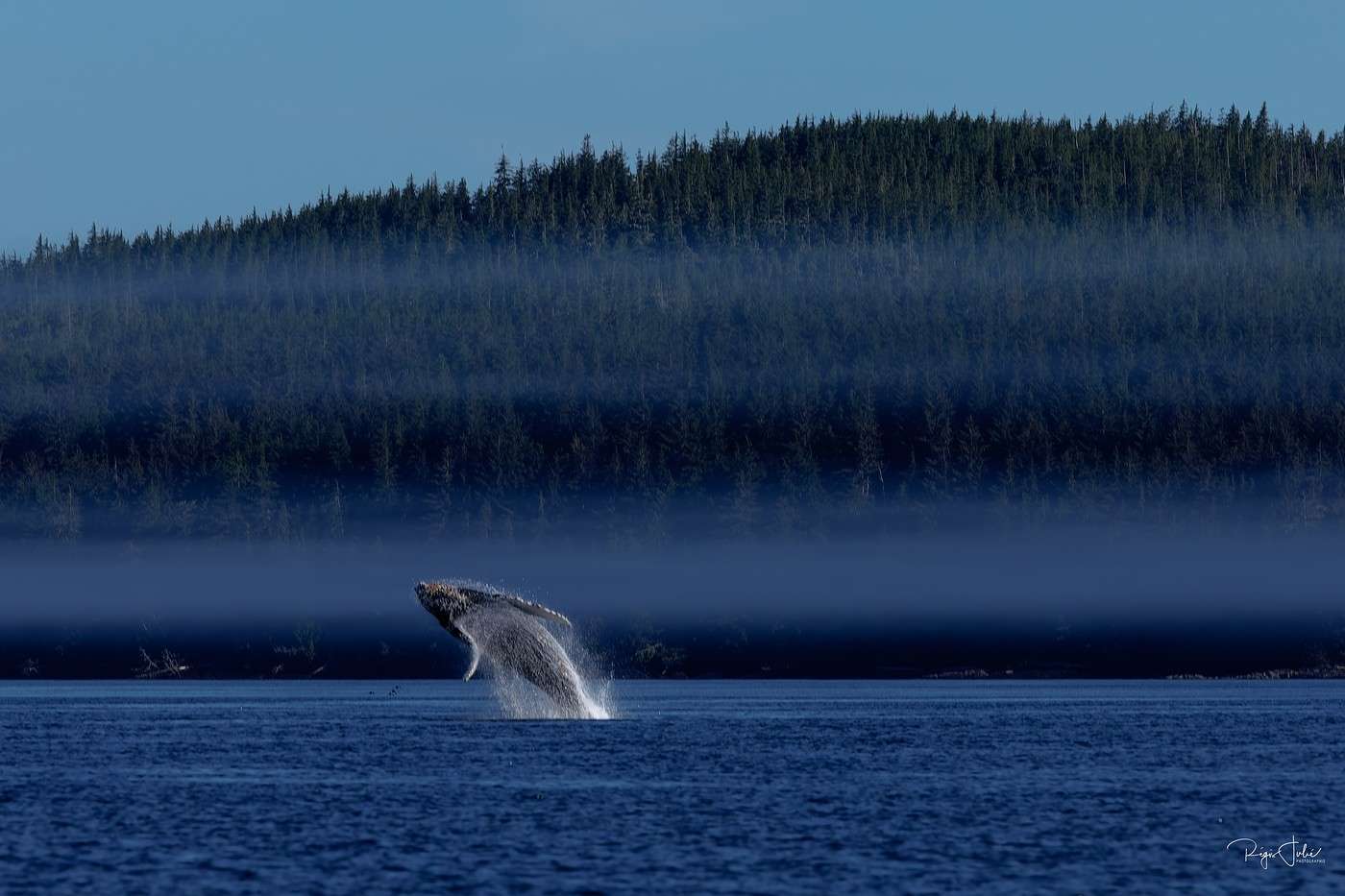
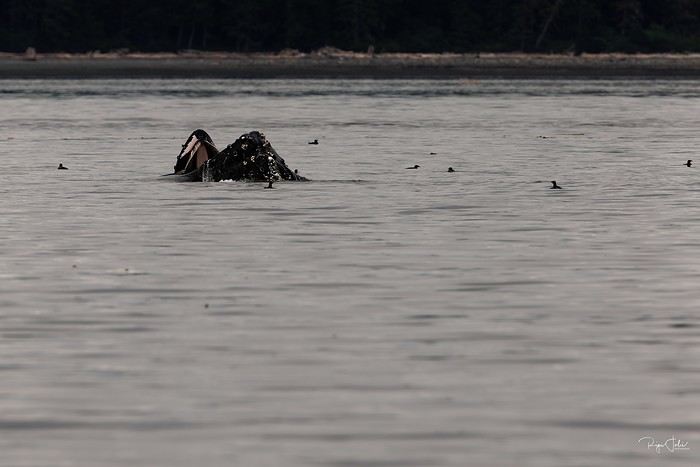
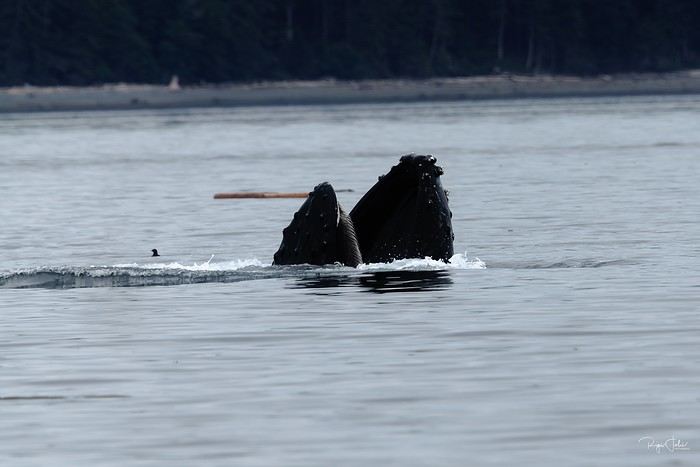
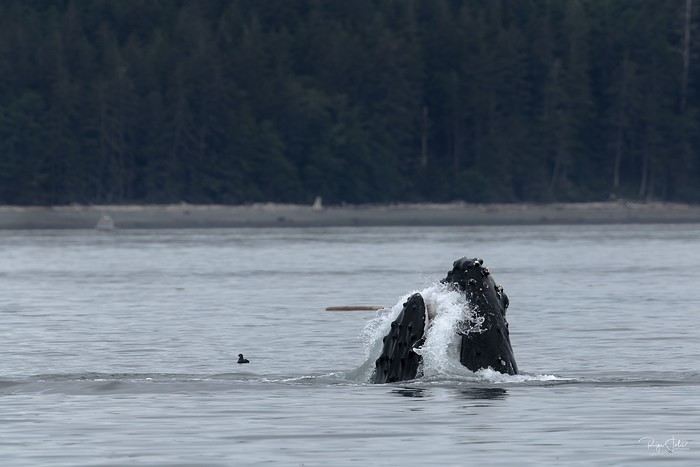
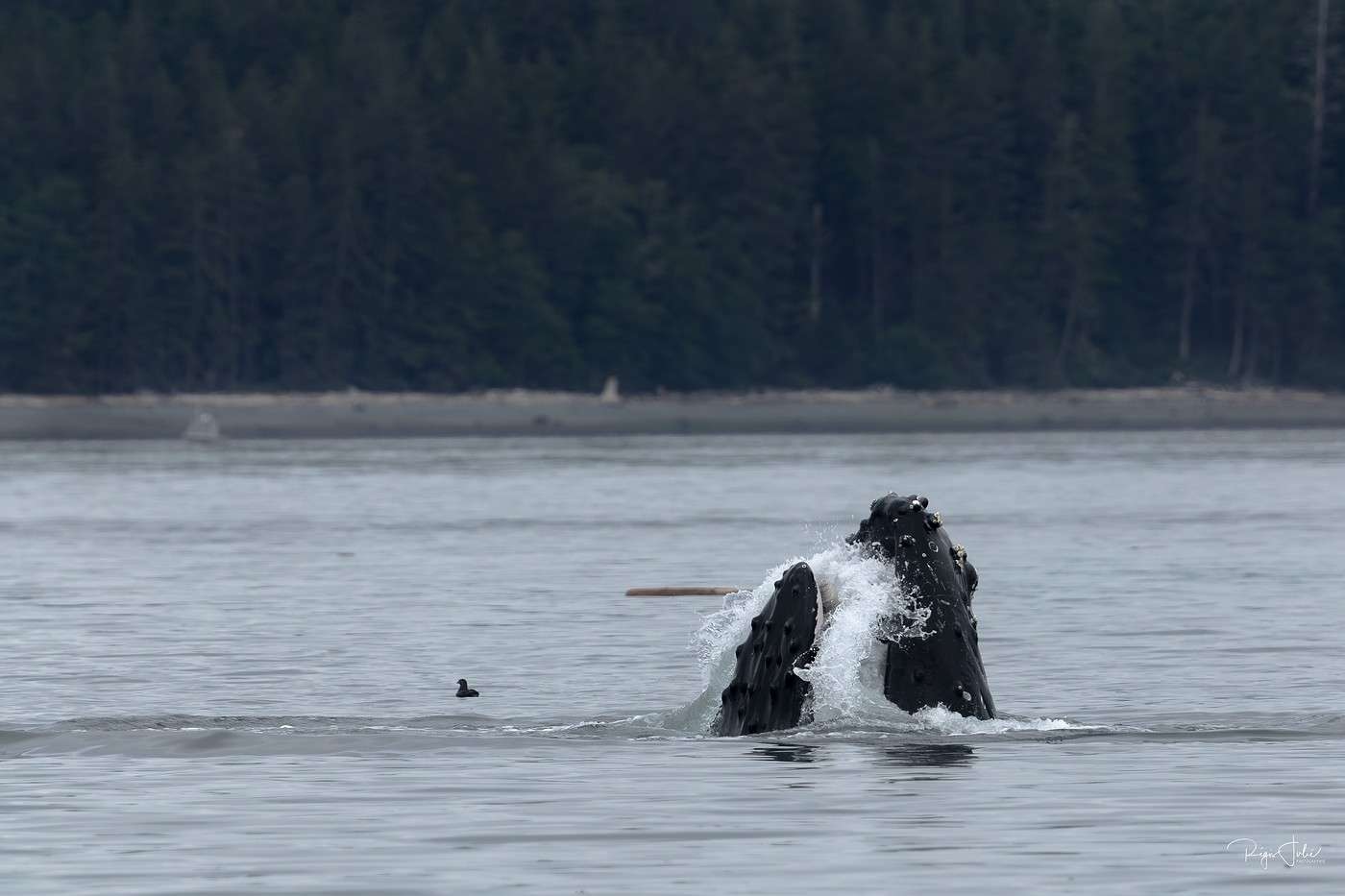
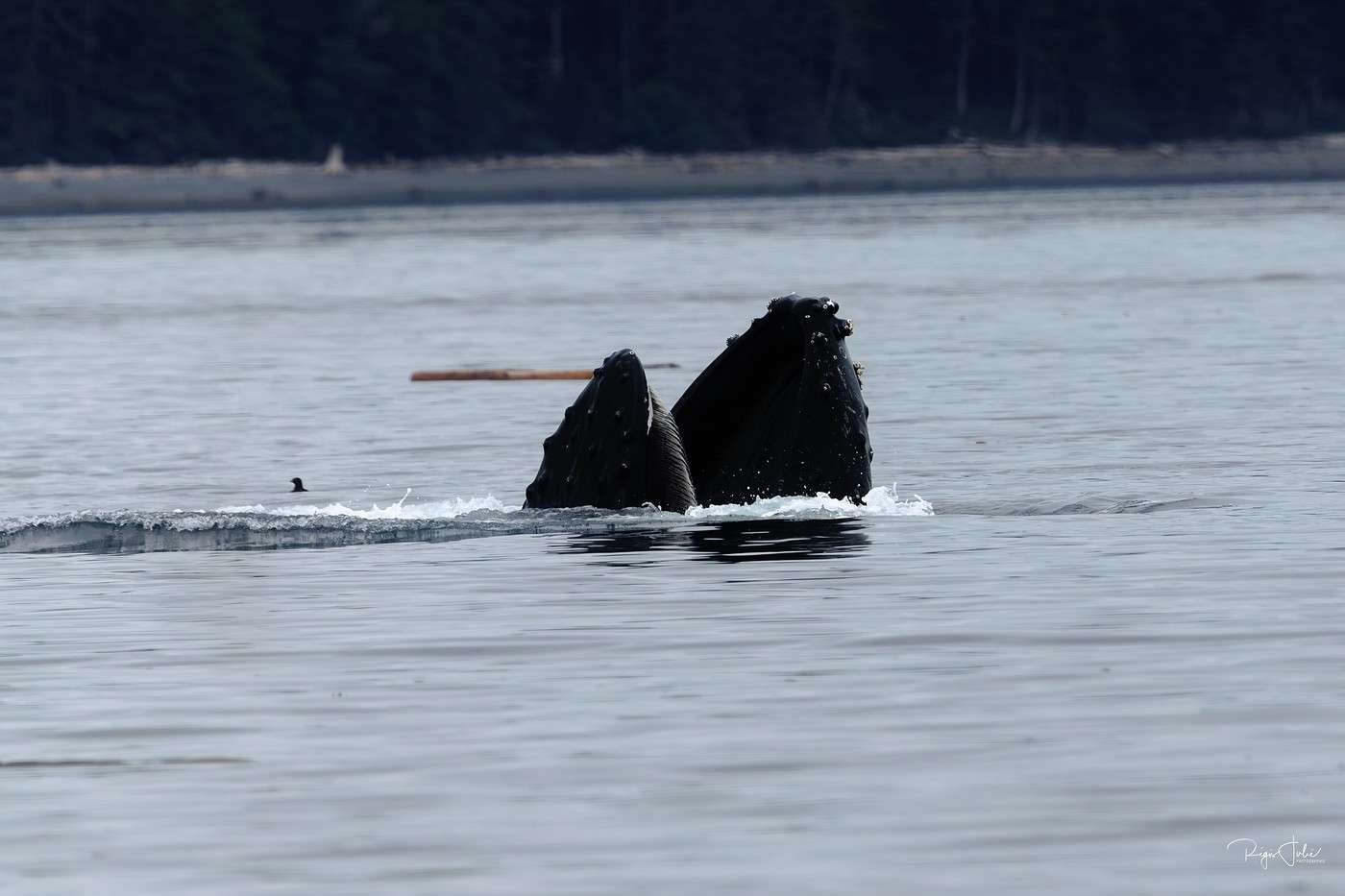
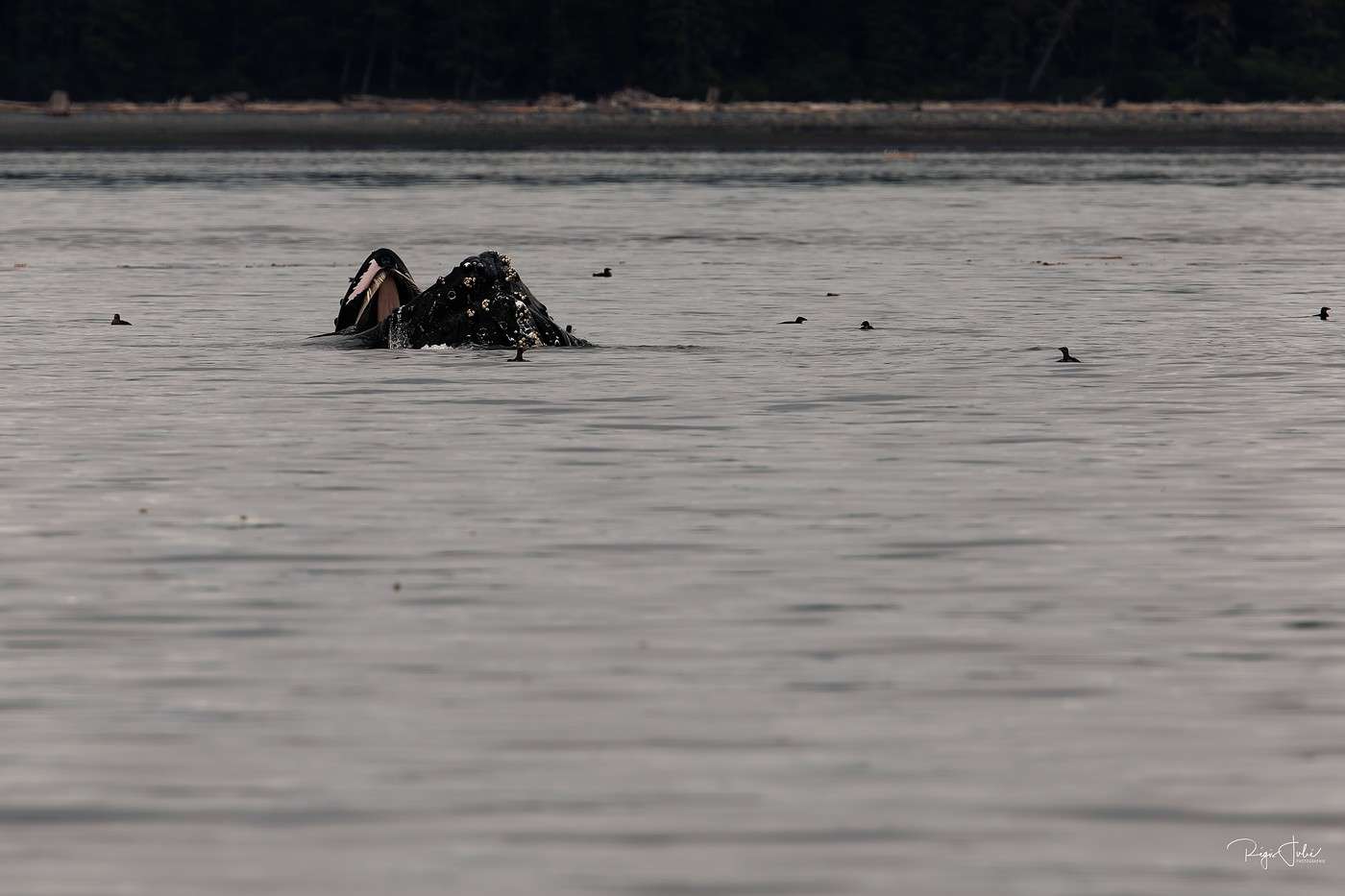
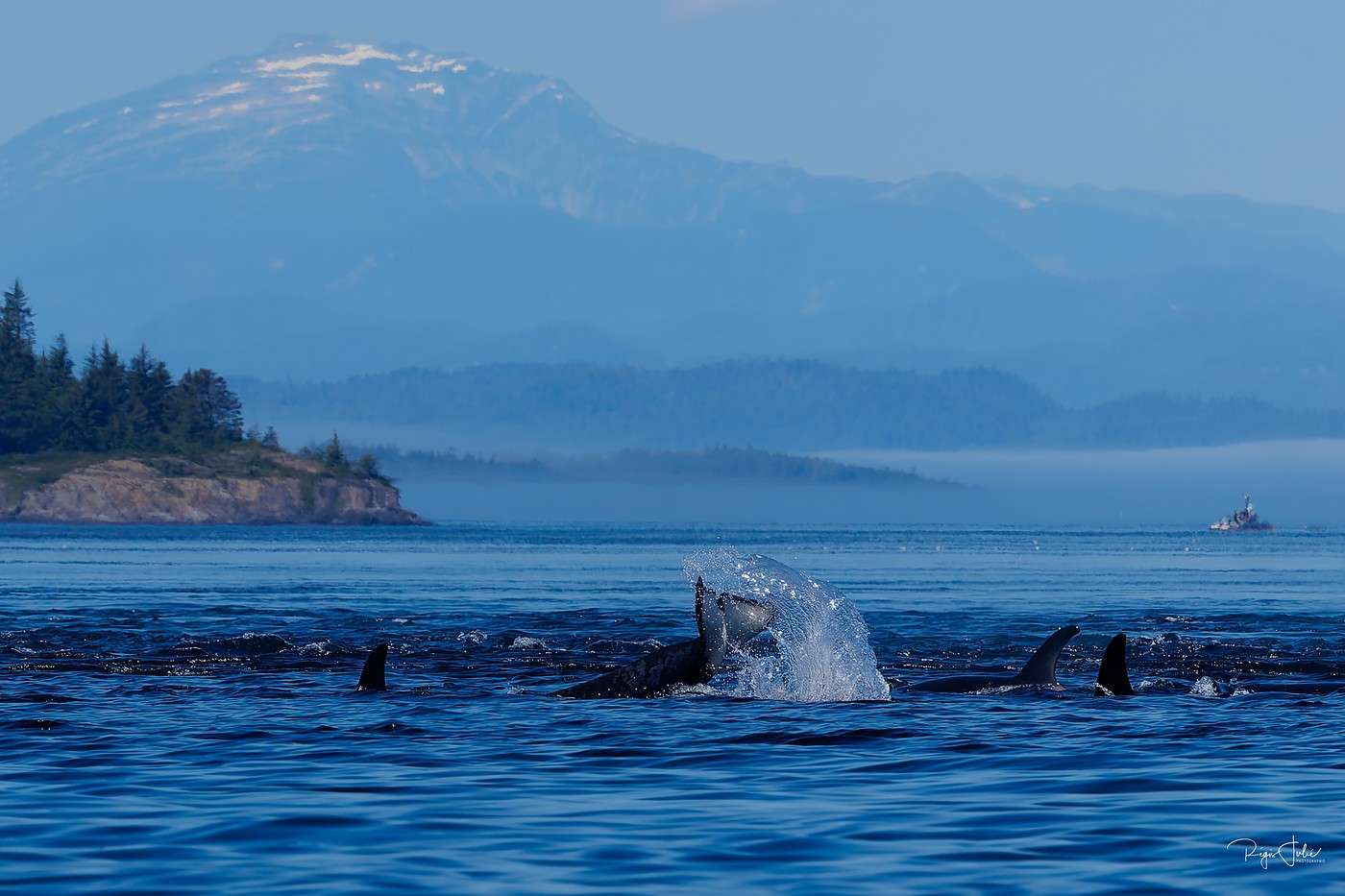
The main attraction of this place is the whale, especially humpback whales and, more rarely, gray whales. These cetaceans migrate to these fish-rich waters to feed and rest. Their migration is closely tied to the availability of their food.

The gray whale, once present in the Atlantic, suffered from intensive hunting, but the creation of protected sanctuaries has allowed its population to gradually recover. Now, it’s only visible off the North American and Mexican coasts, areas where it benefits from enhanced protection.

Recently, encouraging news for whale protection was announced: in response to strong mobilization in Iceland, the main whaling company canceled its 2025 campaign. This decision marks a major step forward for nature conservation. Every initiative to preserve endangered species is essential and contributes to their long-term survival. It highlights the importance of awareness and collective action for the preservation of marine ecosystems.

Humpback Whale The humpback whale (Megaptera novaeangliae) is a species of cetacean belonging to the Balaenopteridae family. It’s known for its long pectoral fins and powerful tail. Humpback whales are famous for their complex songs, which can last up to 20 minutes and repeat for hours. They migrate annually between their feeding grounds in cold waters and their breeding grounds in warm waters. The humpback whale can reach a length of 12 to 16 meters and weigh up to 30 tons.

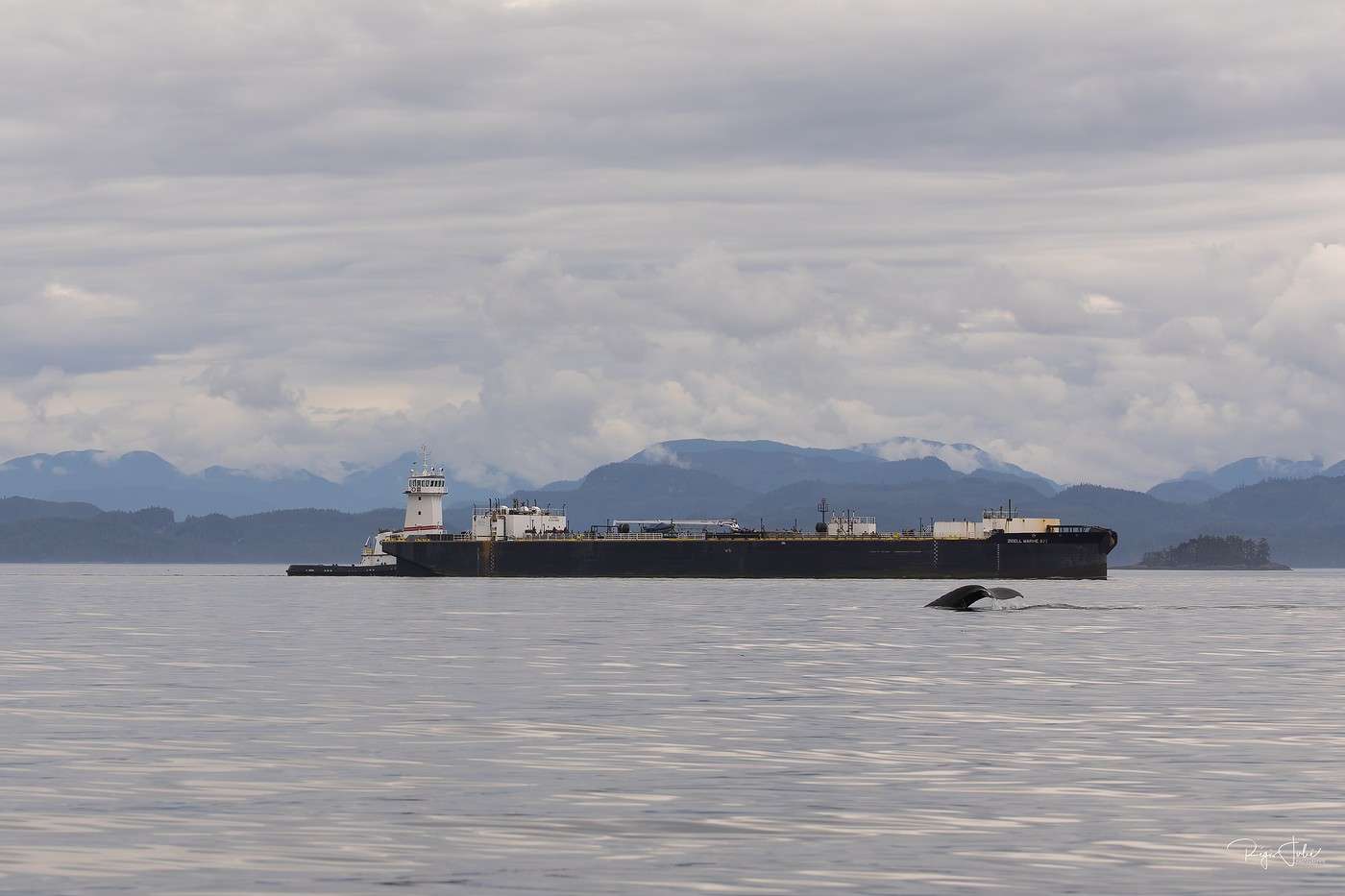
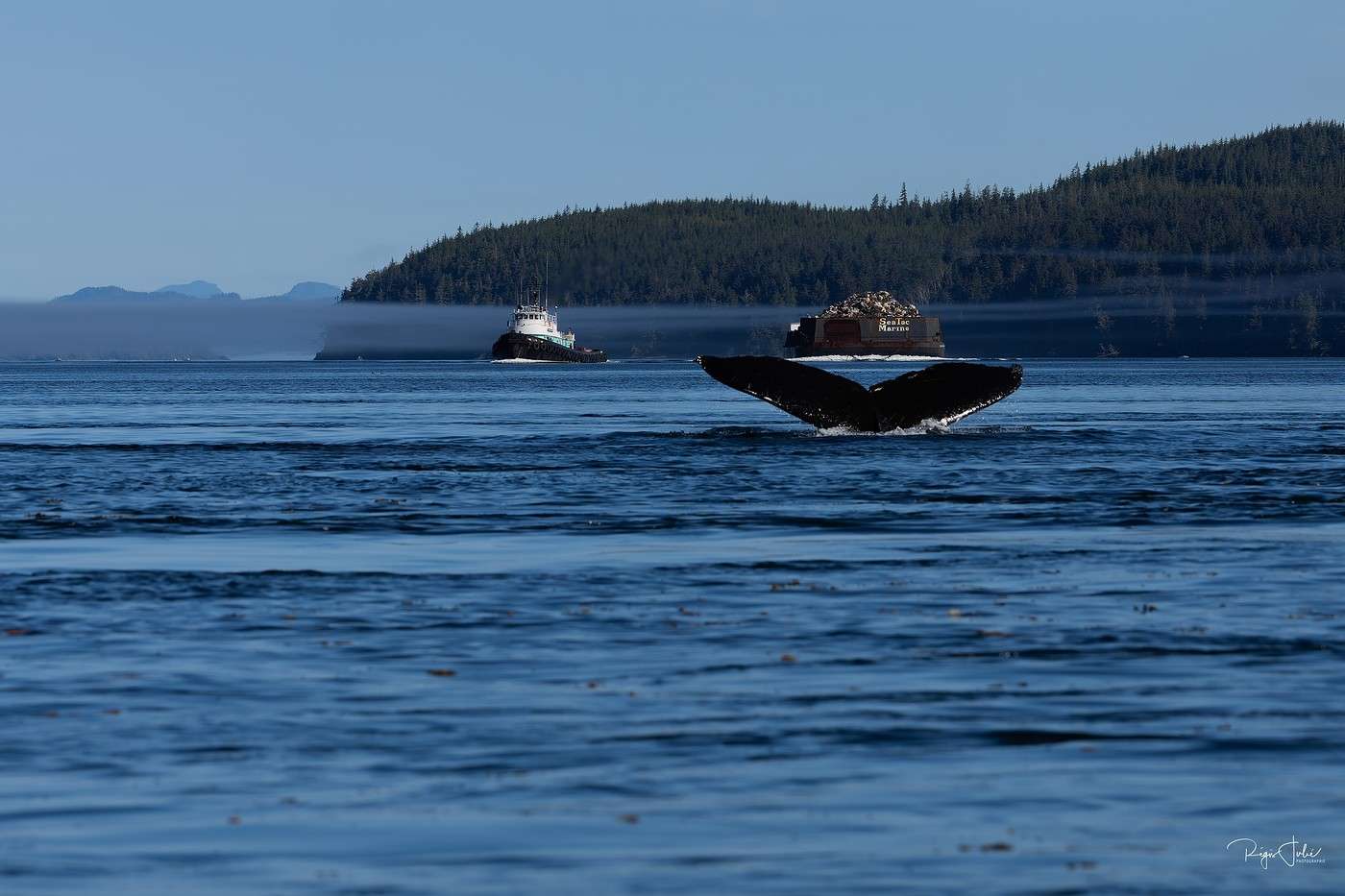
Gray Whale The gray whale (Eschrichtius robustus) is a species of cetacean belonging to the Eschrichtiidae family. It’s recognizable by its gray skin, often covered in parasites and scars. Gray whales undertake one of the longest annual migrations of any mammal, traveling up to 20,000 kilometers between their feeding grounds in the Arctic and their breeding grounds in warmer waters. They primarily feed on small crustaceans, which they filter through their baleen. The gray whale can reach a length of 12 to 15 meters and weigh up to 36 tons. Here are the much-anticipated tails!


If you think photographing birds in flight is tricky, you should try this!


Interaction with human activity


Photographic Discovery of Vancouver Island

Rjulie95 · 2025-04-12


Photographic Discovery of Vancouver Island

Rjulie95 · 2025-04-13


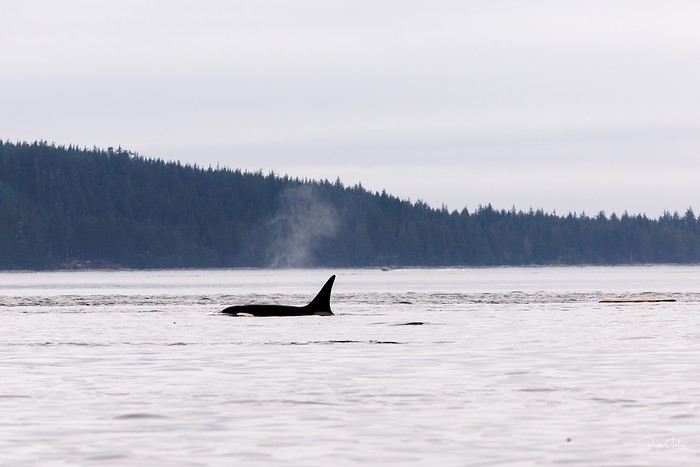
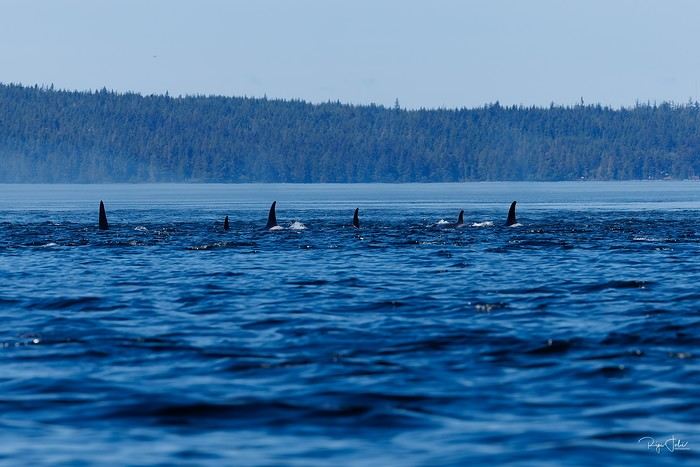
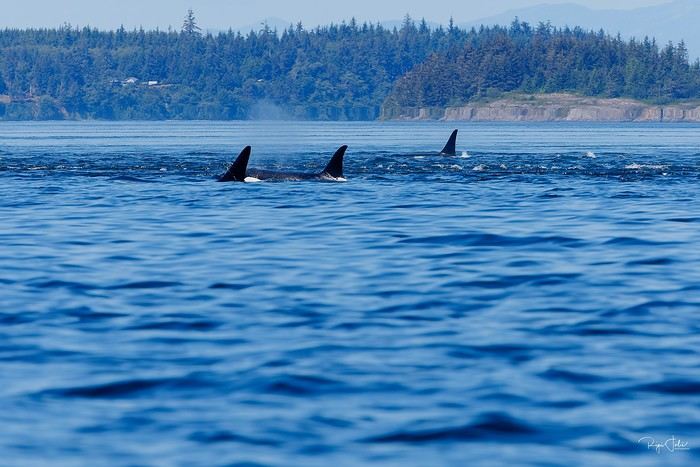
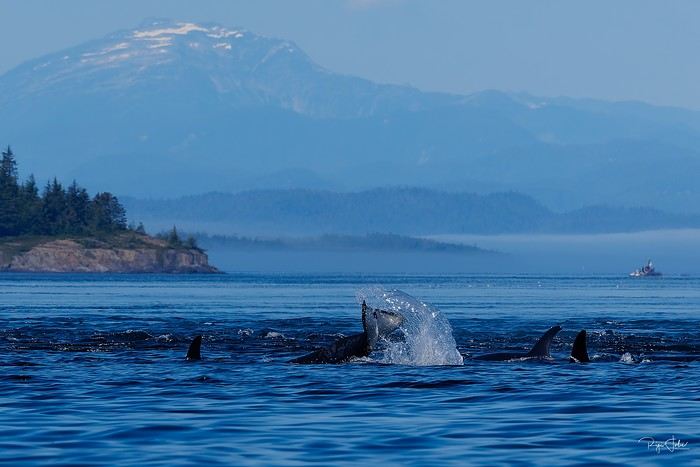
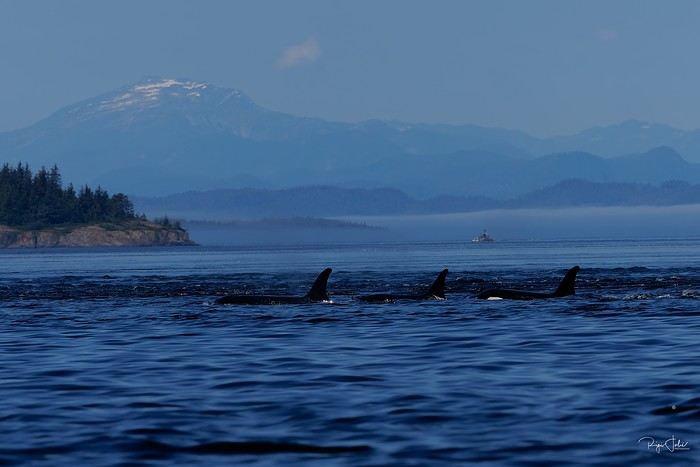
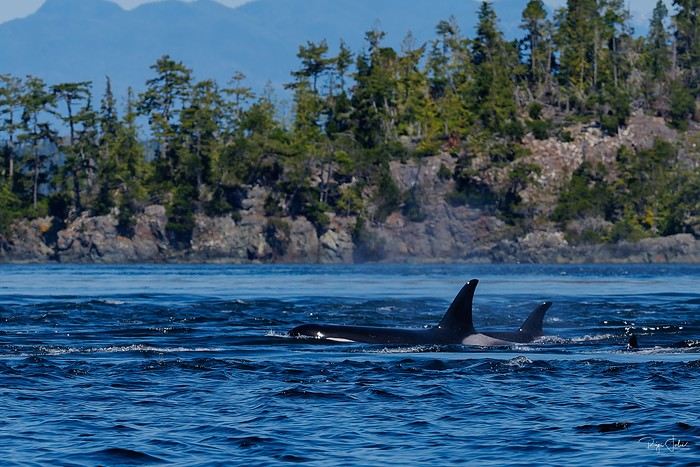
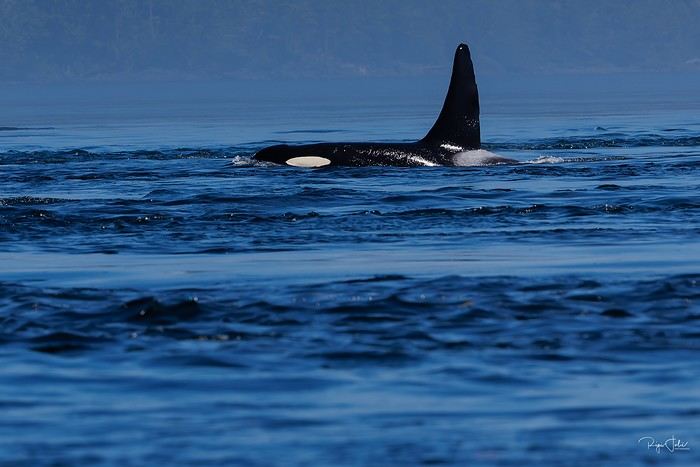
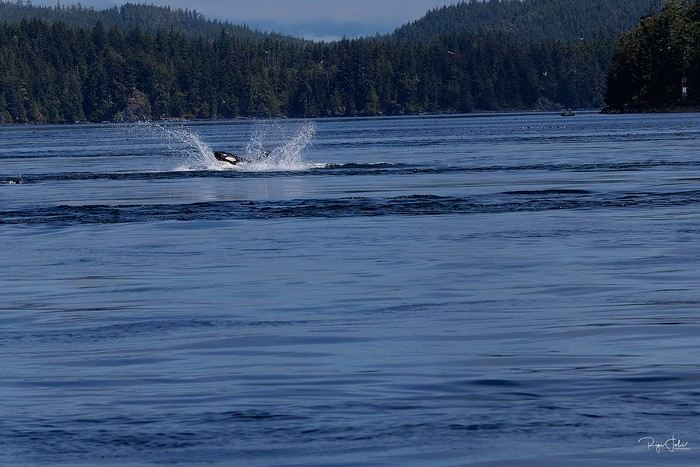
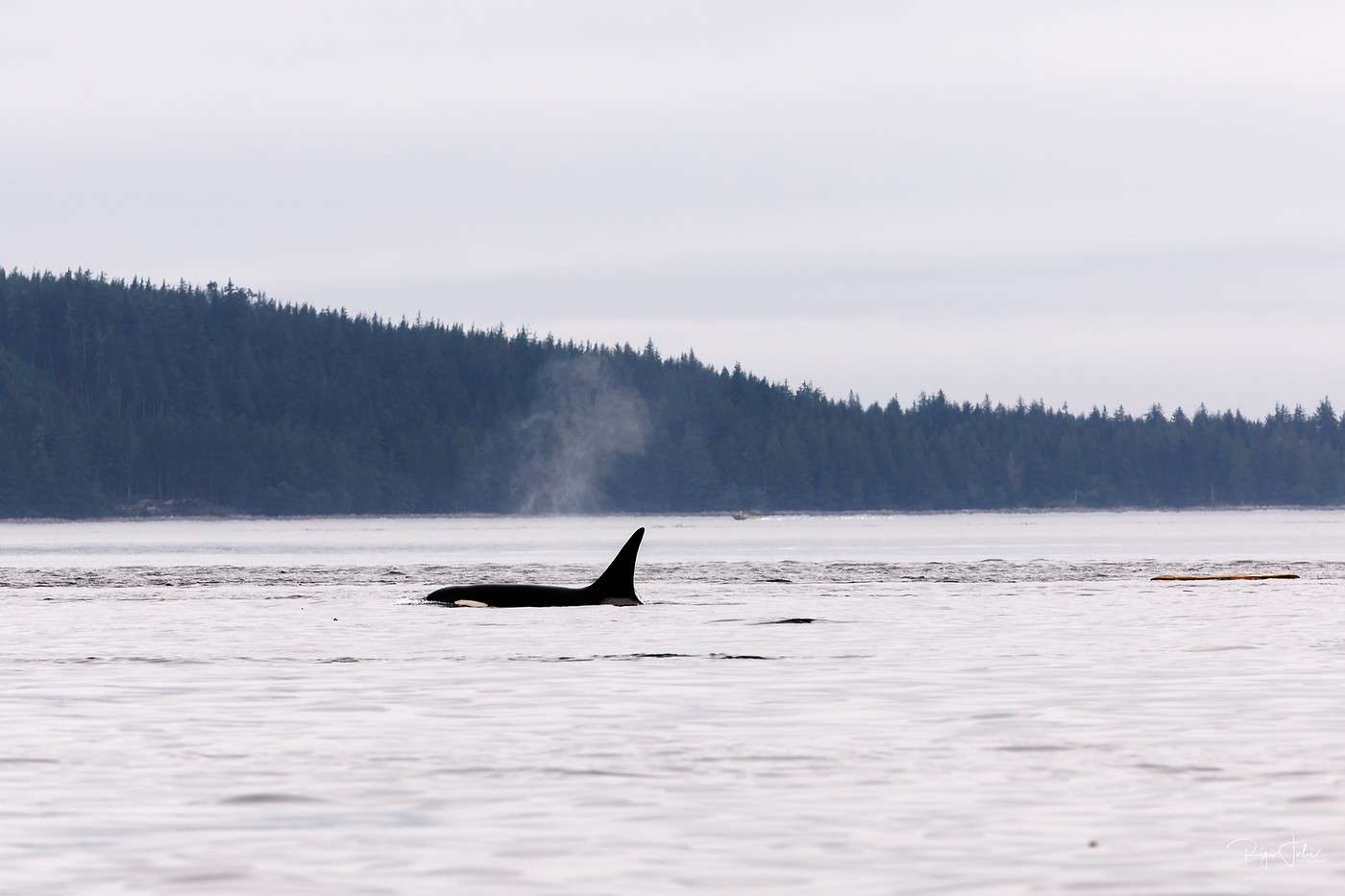
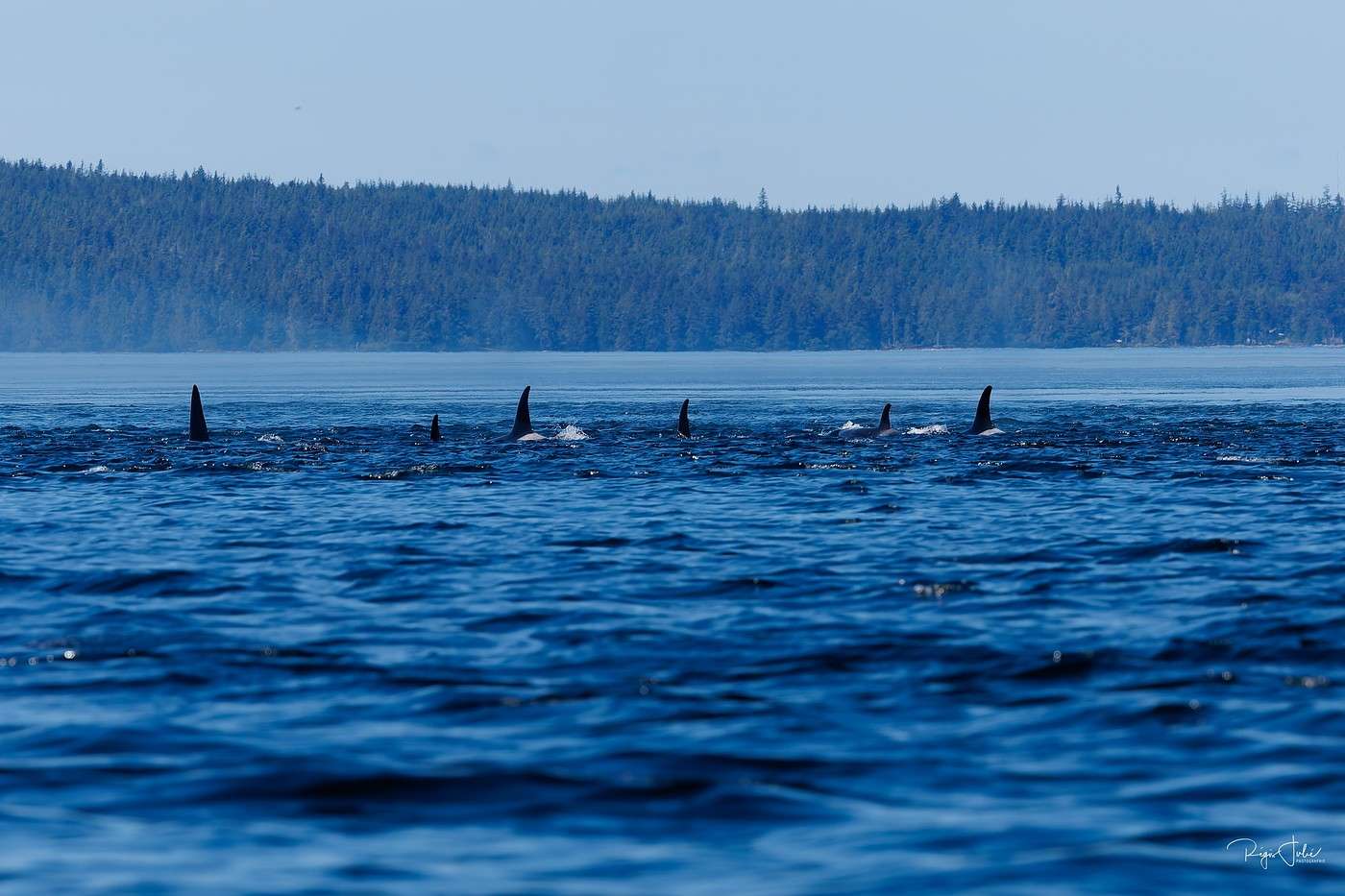
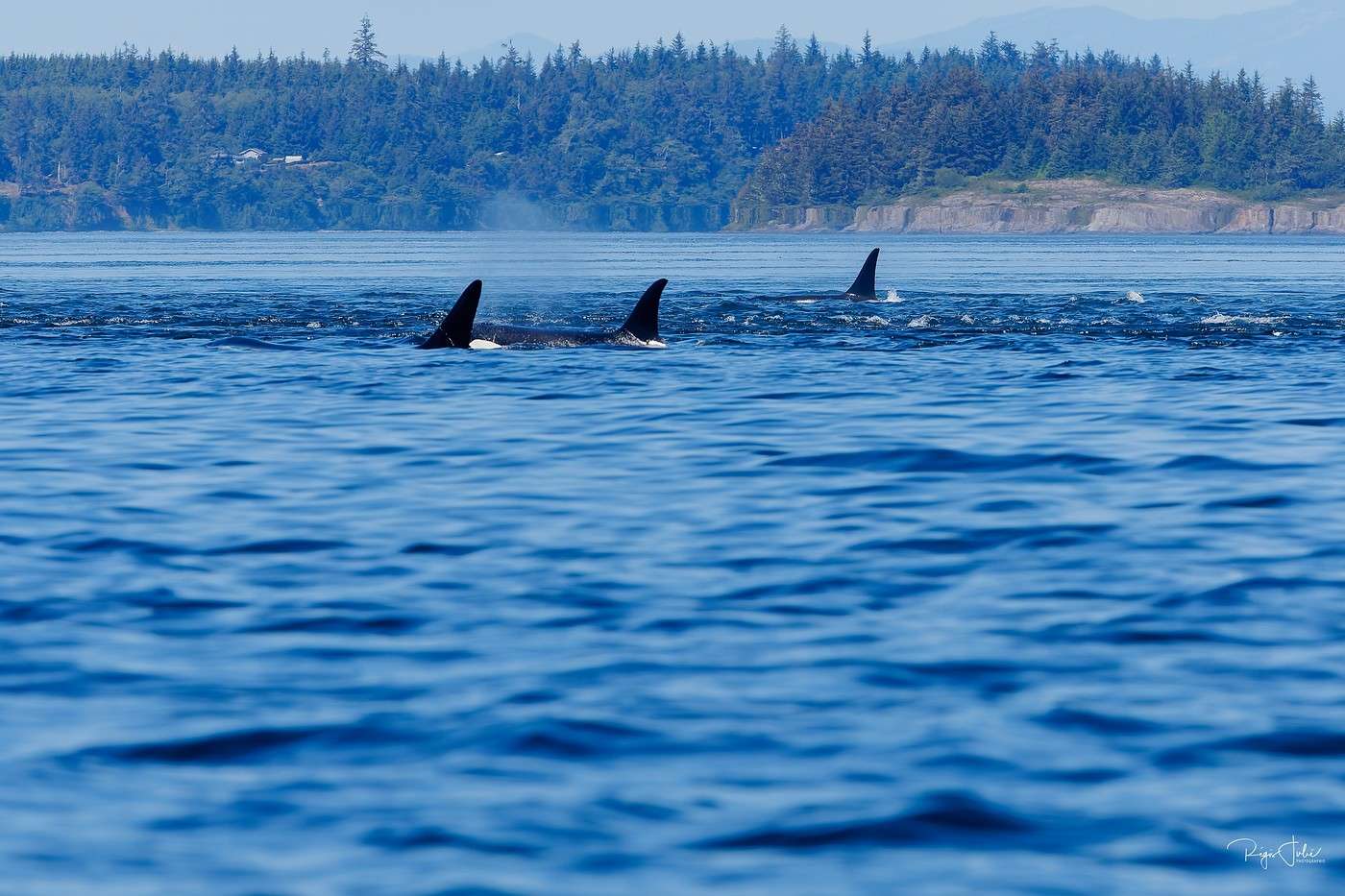
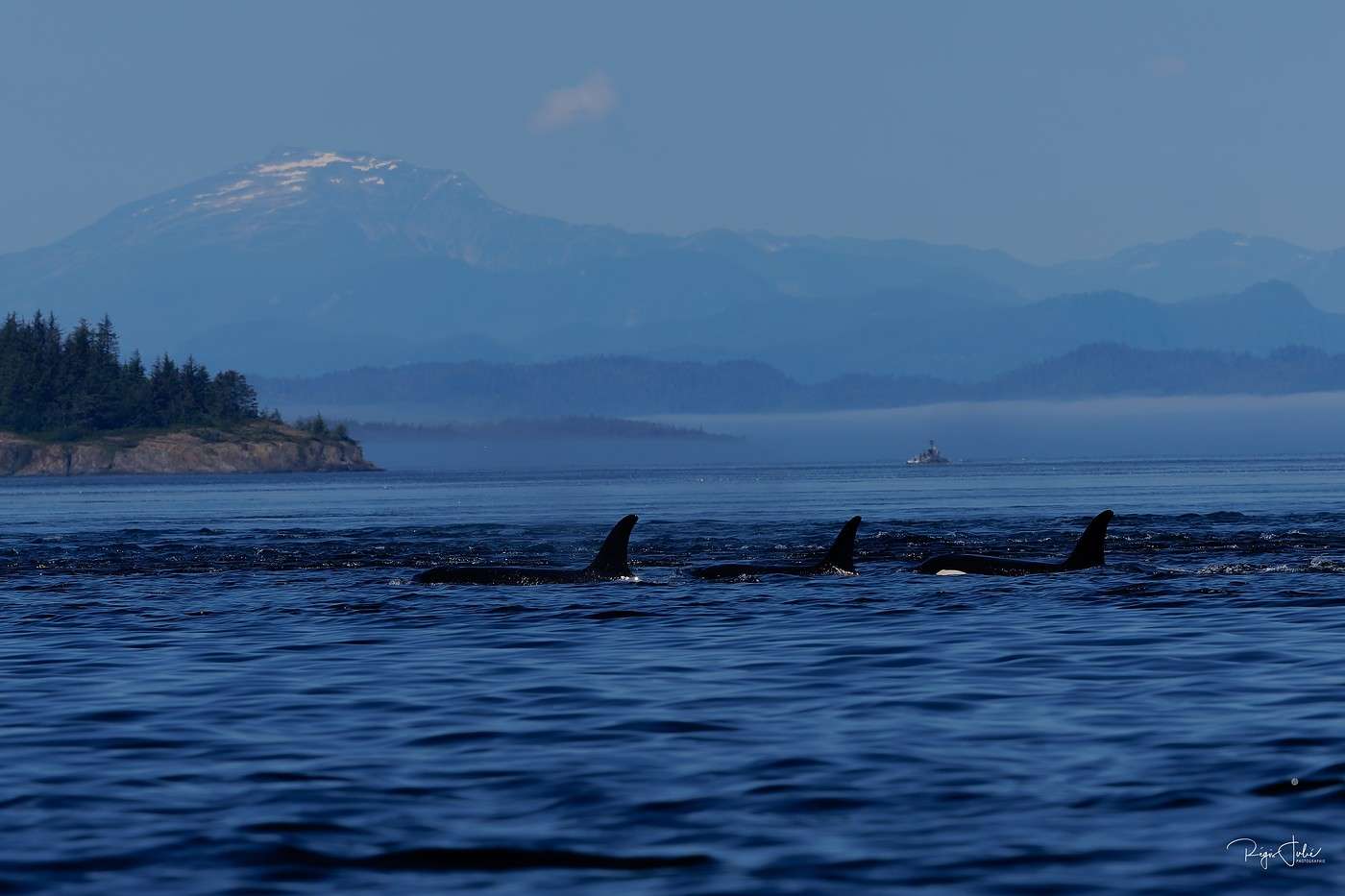
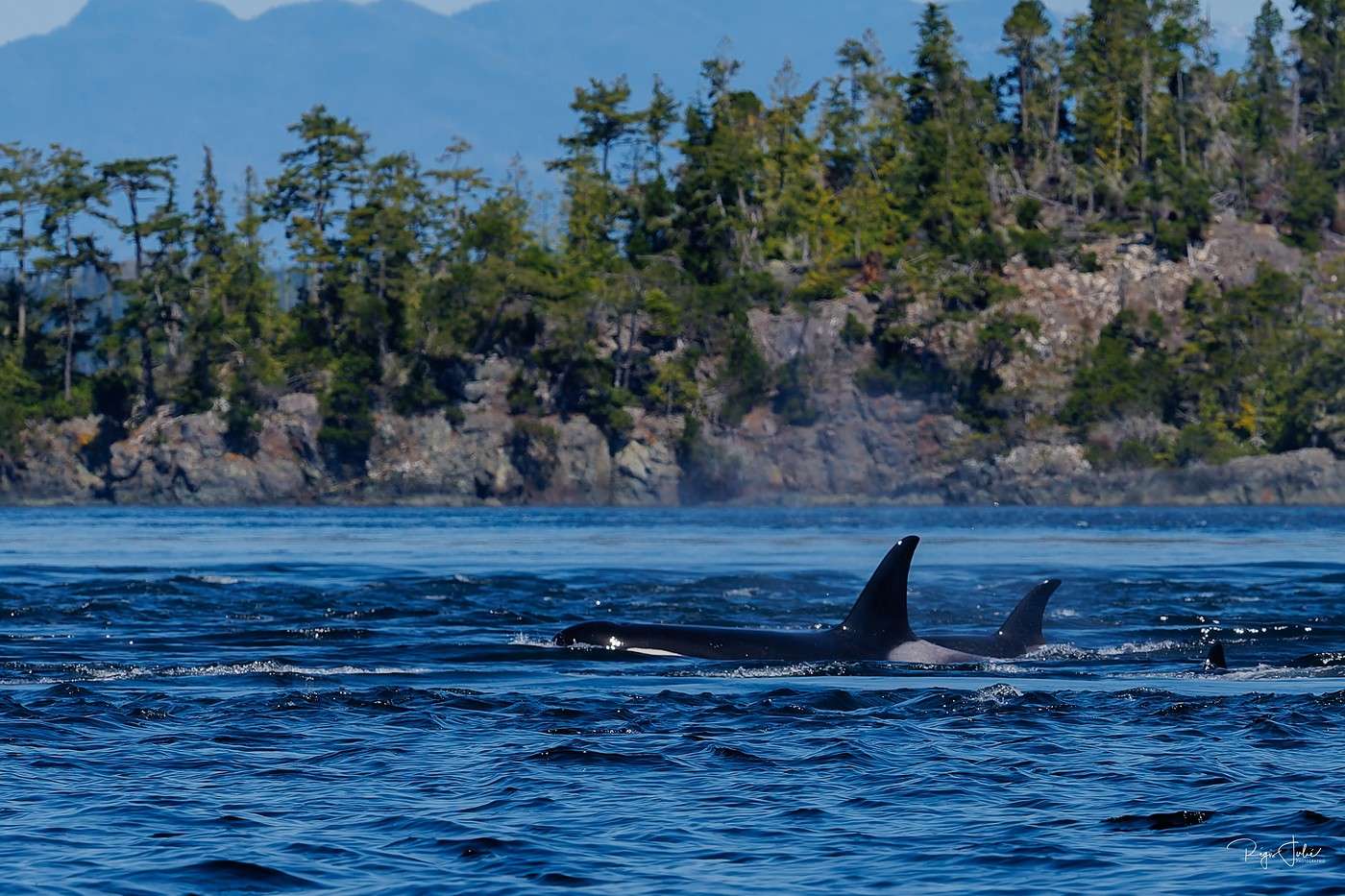
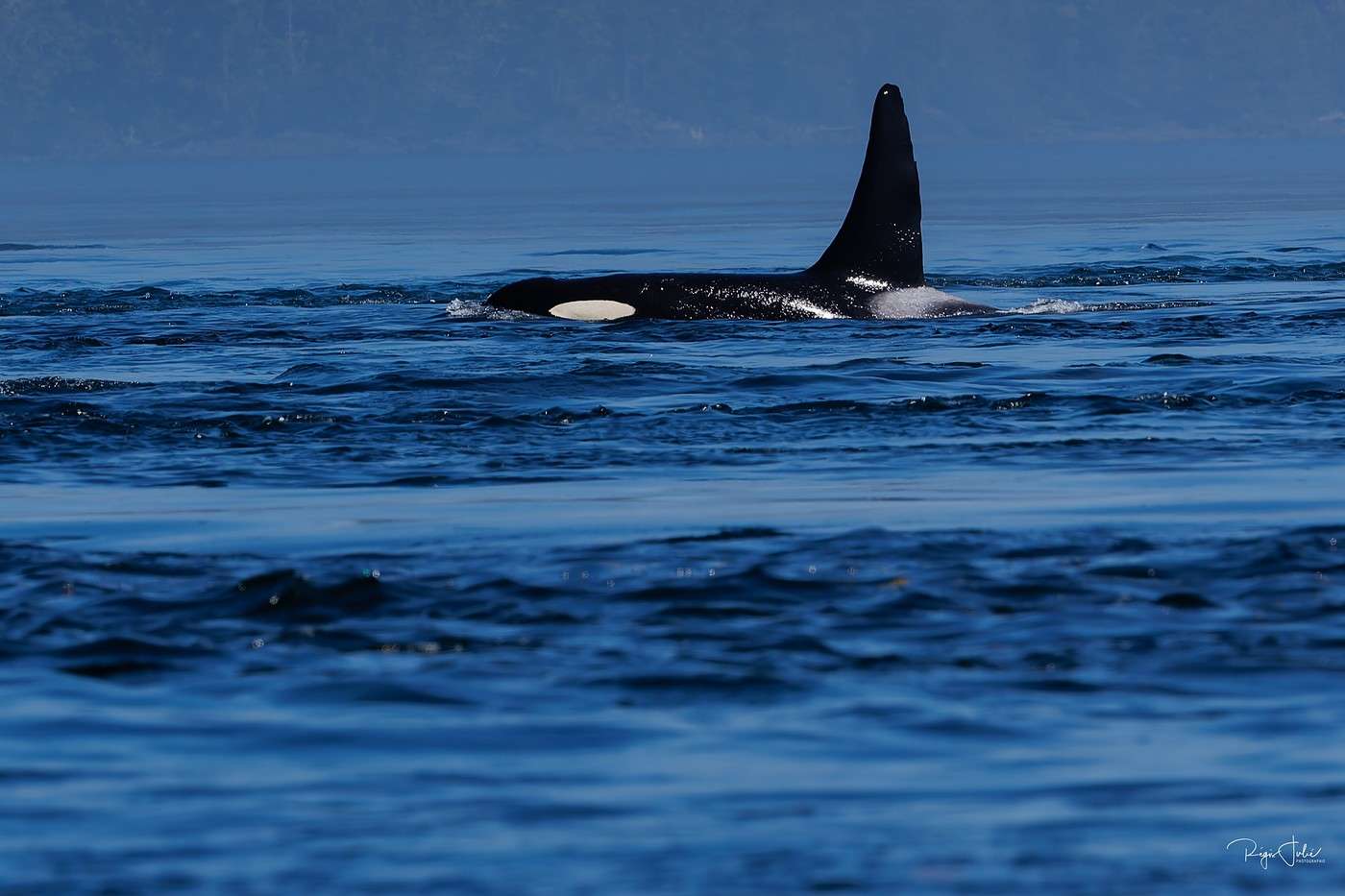
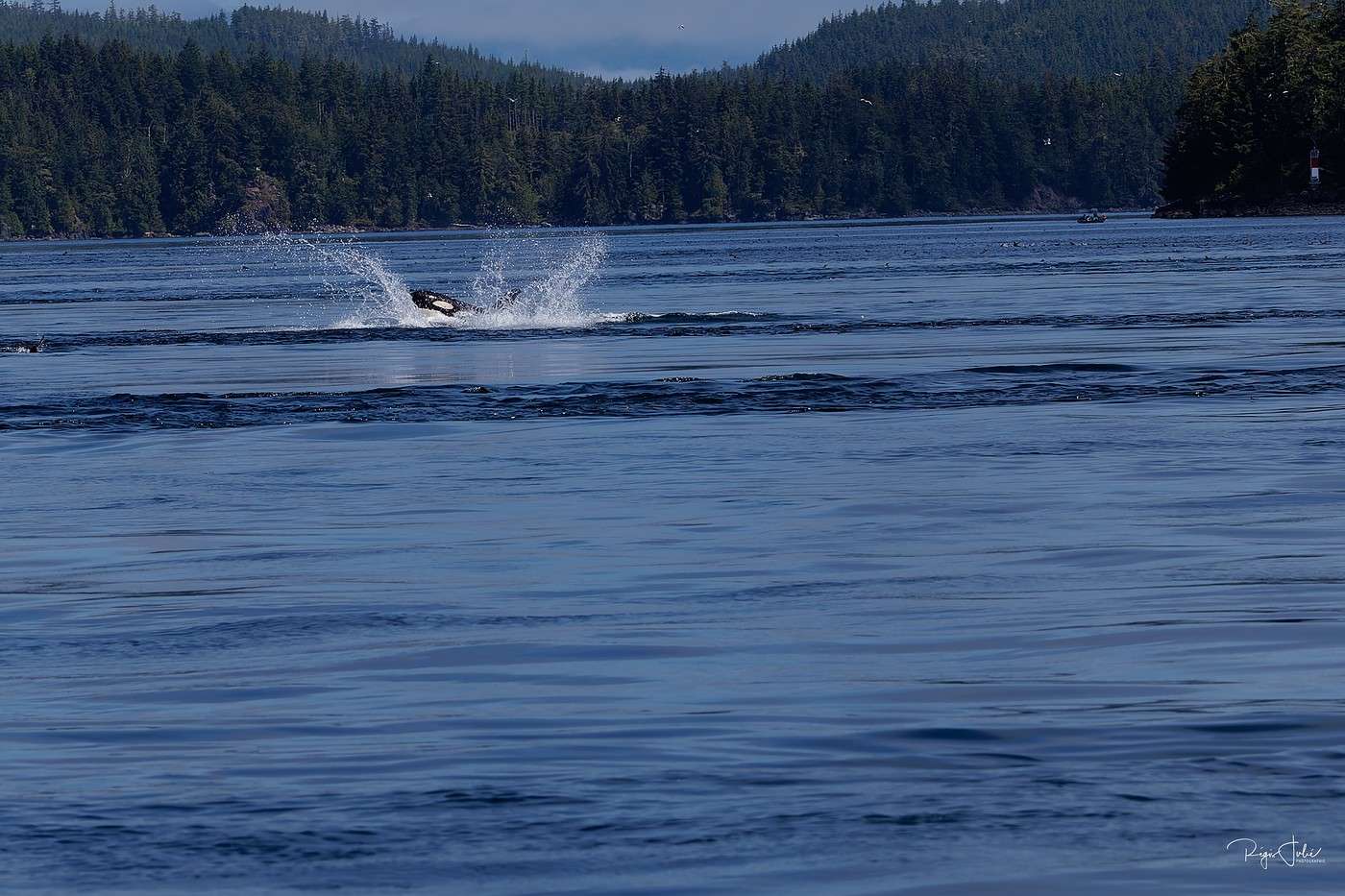
The waters around Vancouver are also home to the orca, an impressive and iconic cetacean of the region. These marine predators frequent these waters to hunt, taking advantage of the rich food resources available. During our sea excursions, we had the opportunity to observe several orcas in the midst of hunting activity. While they weren’t particularly playful at those moments, it’s fascinating to watch them move through their natural habitat.

Orcas, also known as killer whales, play a crucial role in the marine ecosystem by regulating the populations of their prey and maintaining ecological balance (unlike bipeds).

Orca (Orcinus orca) Family: Delphinidae (oceanic dolphins) Size: 5 to 9 meters (males are larger) Weight: 3 to 6 tons (up to 10 tons for males) Characteristics:

Apex predator: No natural predators, hunts in groups using sophisticated techniques (echolocation, waves to destabilize seals). Distinct diets:

Resident (fish, especially salmon). Transient (marine mammals: seals, sea lions, whale calves). Offshore (sharks, rays).

Matrilineal social structure: Stable family pods led by females. Remarkable intelligence: Use of tools (sponges to protect their rostrum), vocal dialects unique to each group.

Habitat: Cosmopolitan (all oceans, from the poles to the tropics). Conservation status: Data deficient (IUCN), but some populations are threatened:

Northern Pacific resident orcas: Endangered (pollution, decline of salmon). Antarctic orcas: Impacted by melting ice.

Threats:

Pollution (PCBs, heavy metals).[/li> Controversial captivity (physical and psychological degeneration).[/li> Marine noise (disrupts hunting and communication).[/li>

Sources: Wikipedia, IUCN, recent marine ethology studies (2023-2024).


Photographic Discovery of Vancouver Island

Rjulie95 · 2025-04-13


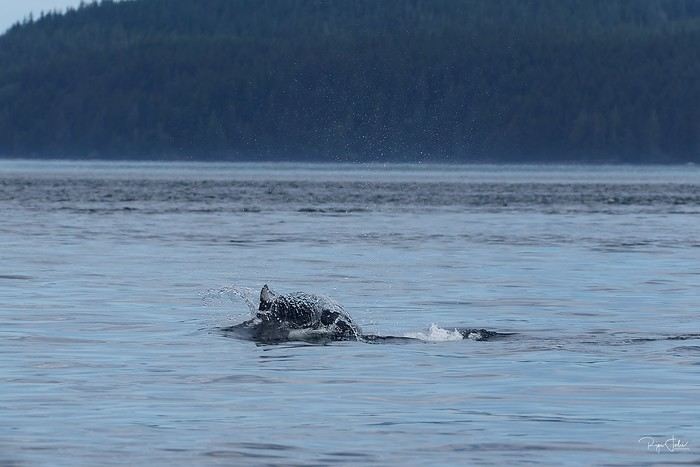
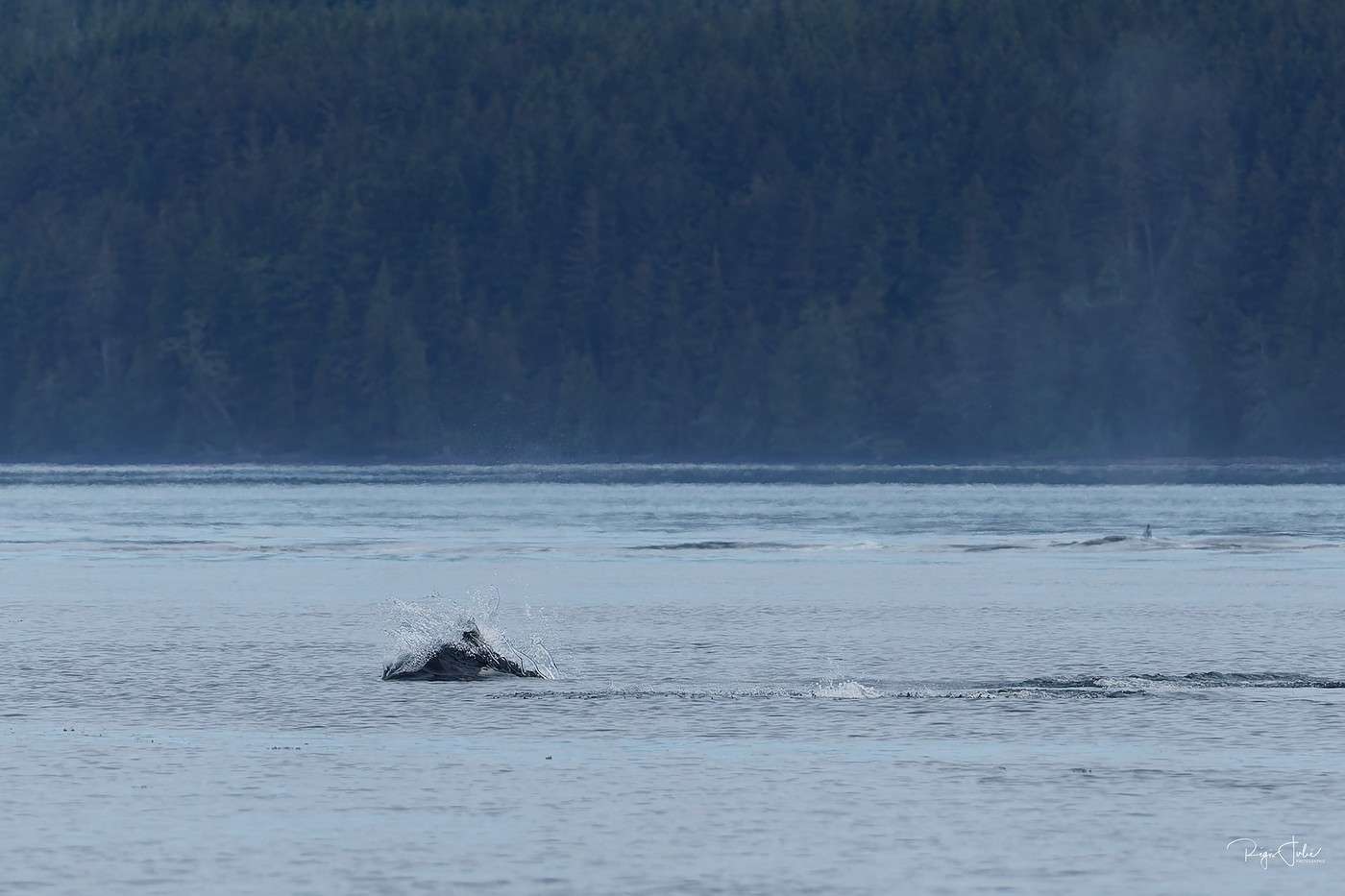
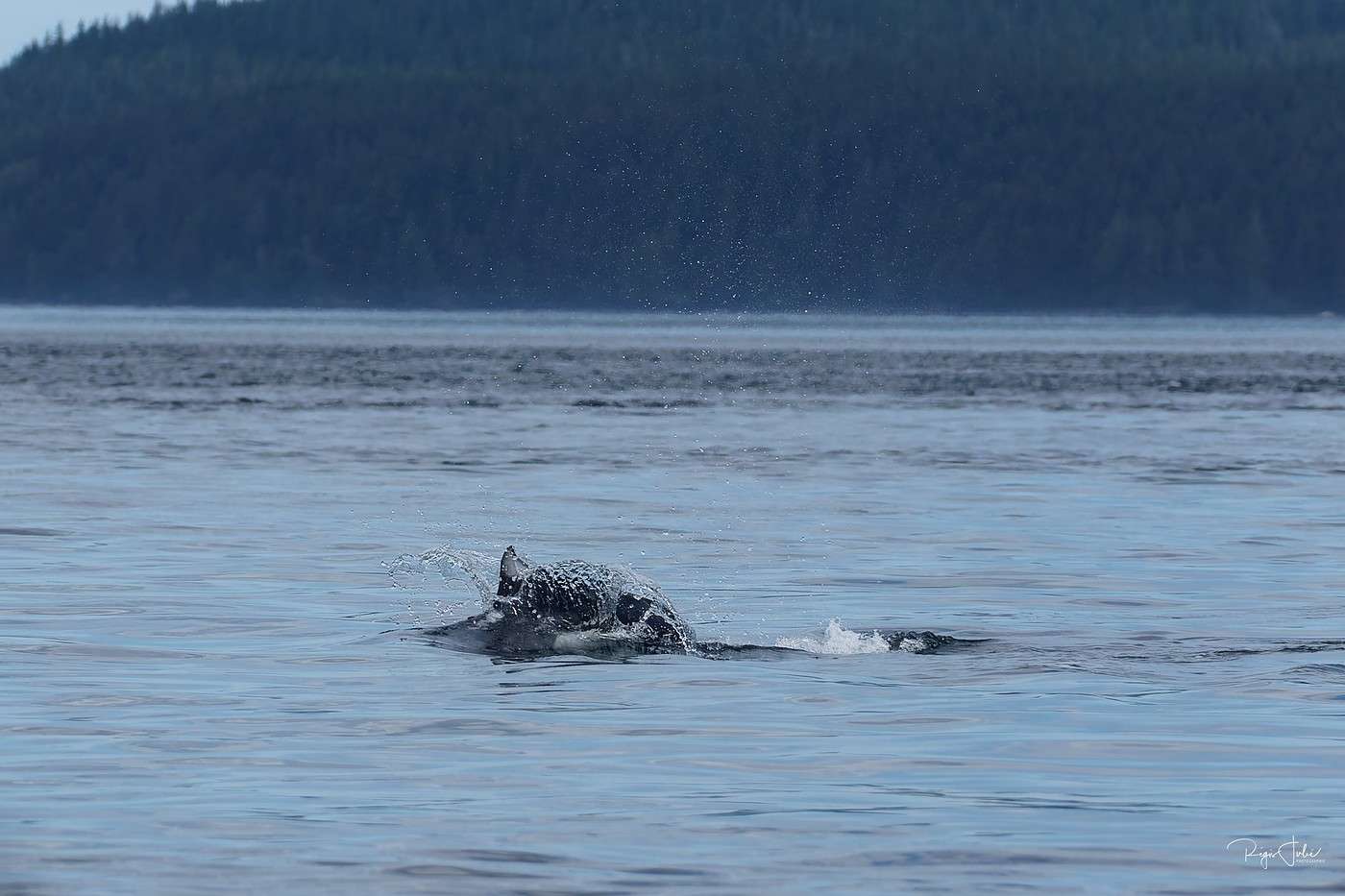
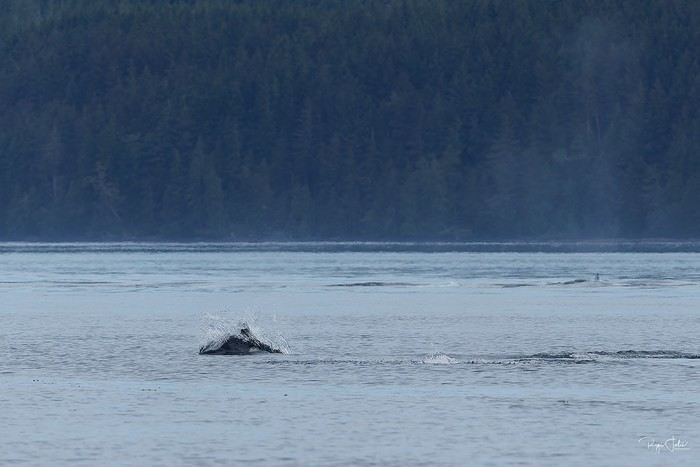
During our excursions, we spotted the porpoise. This aquatic animal, known for its speed, poses a major challenge for both amateur and professional photographers. Capturing a sharp image of this cetacean is rare and requires great skill.

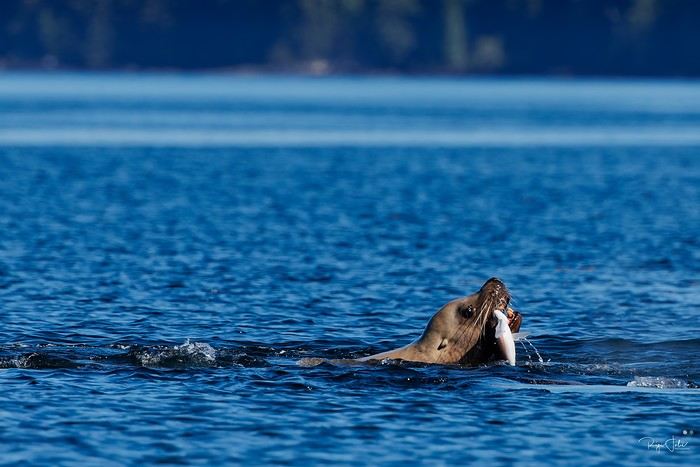
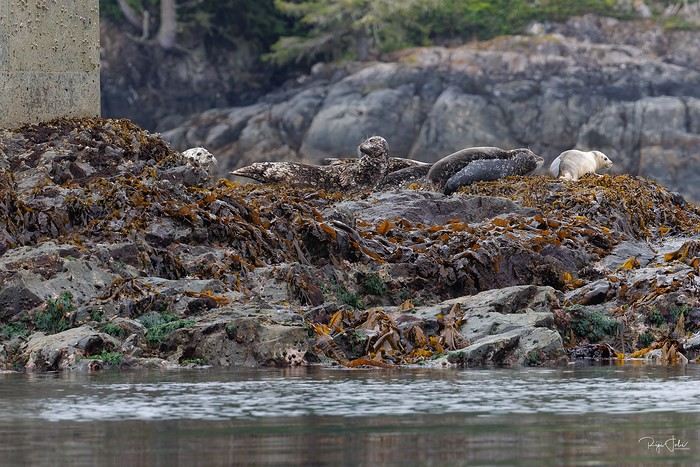
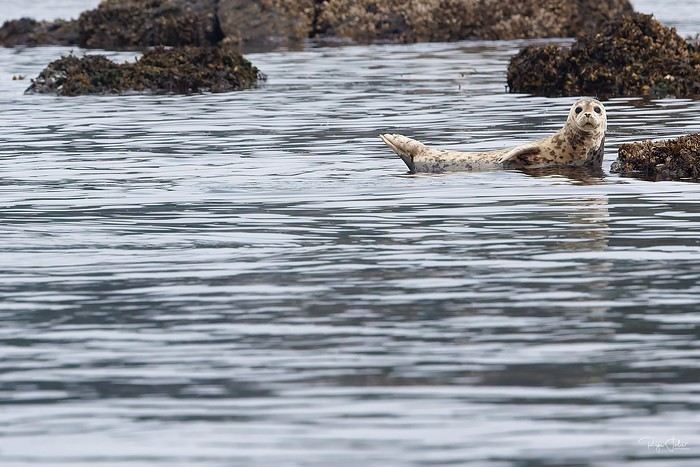
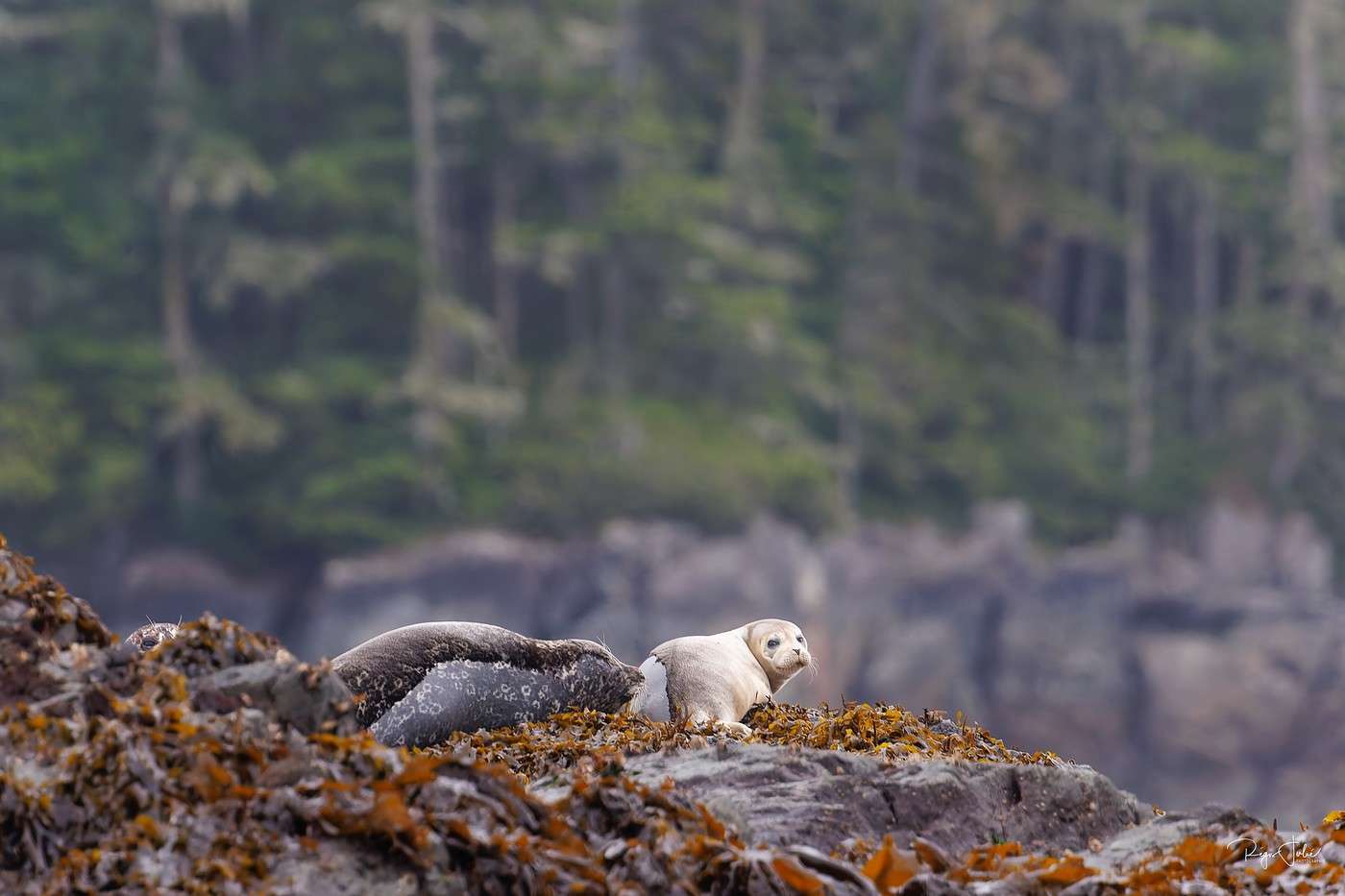
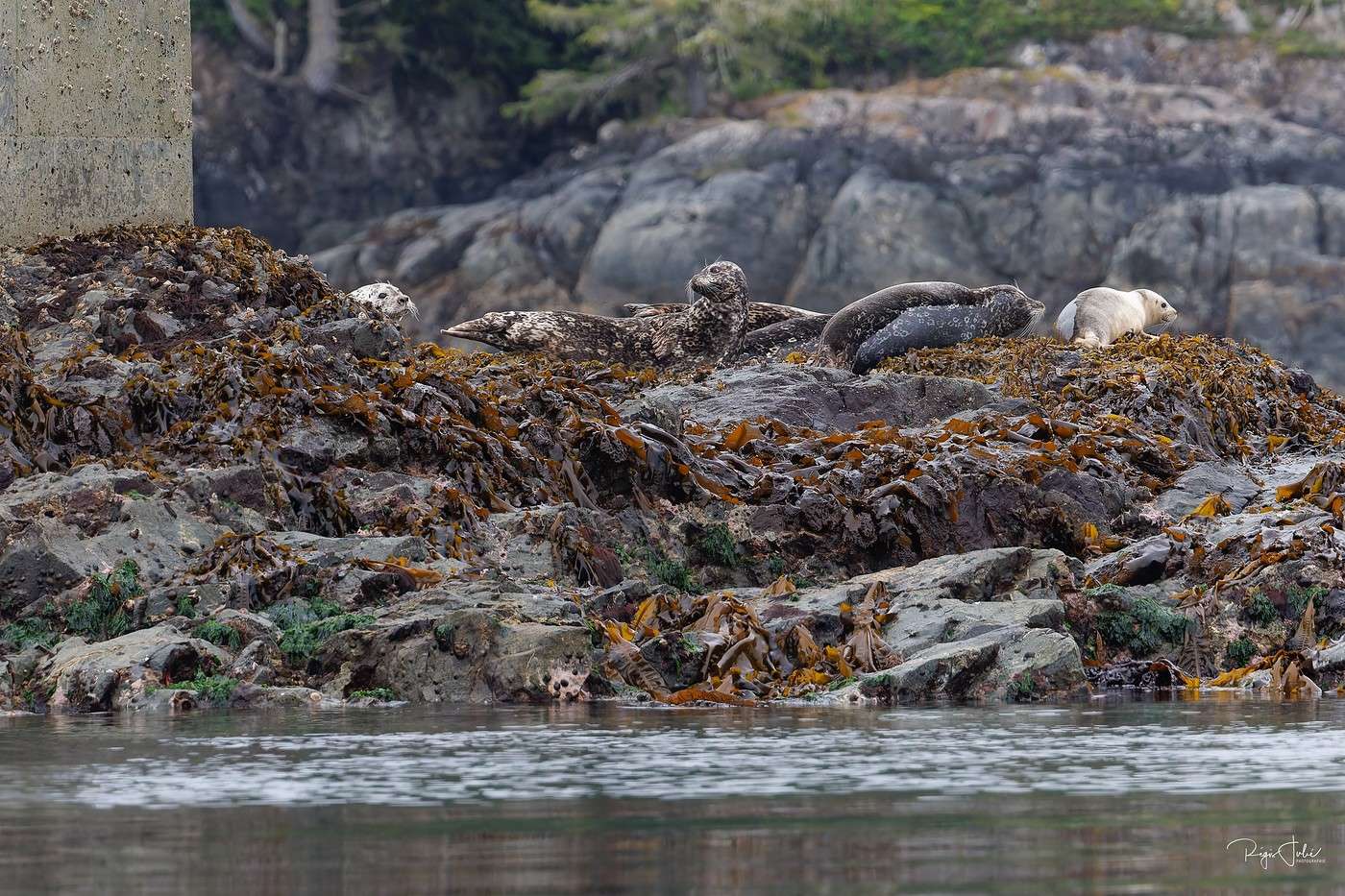
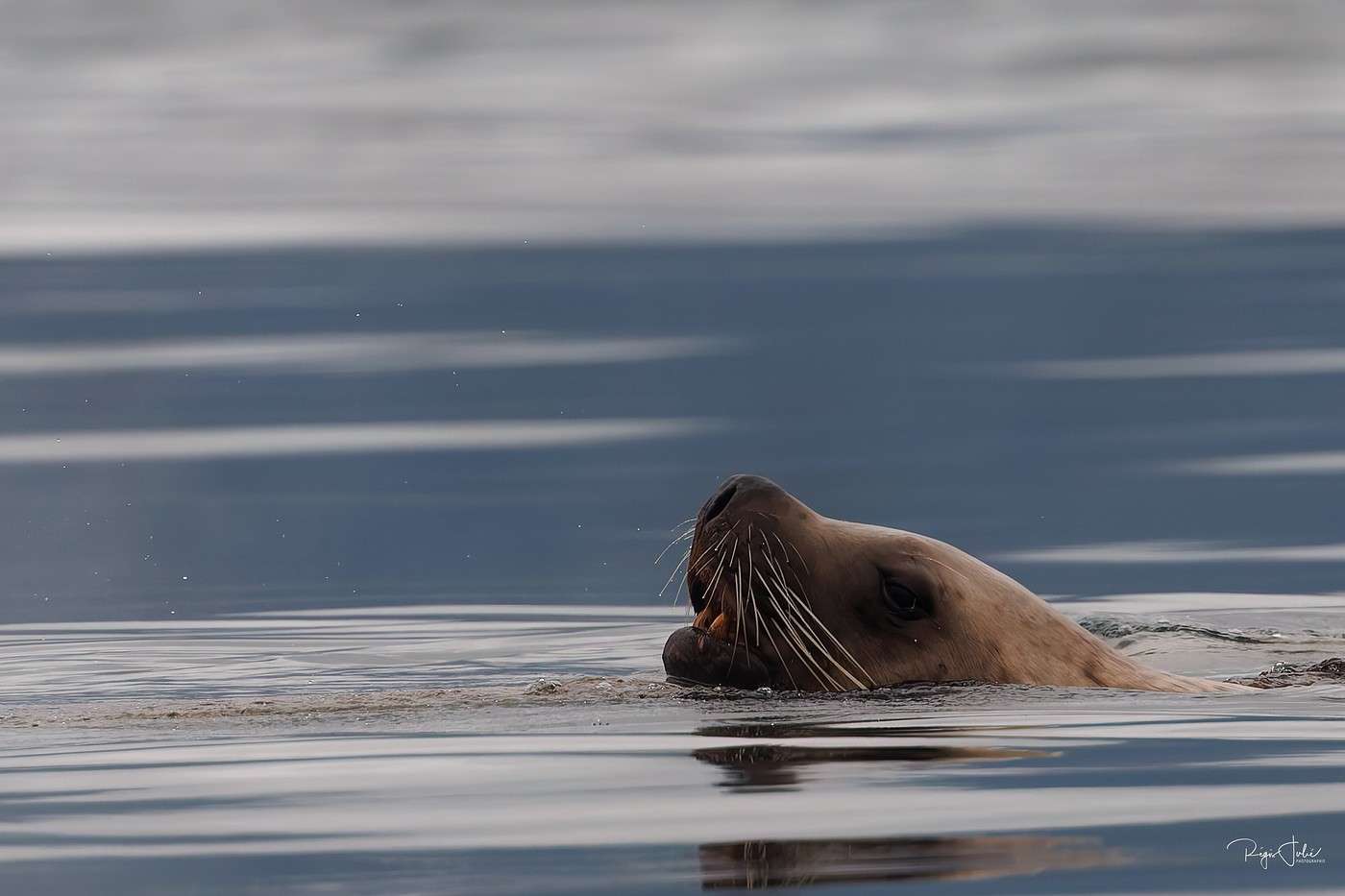
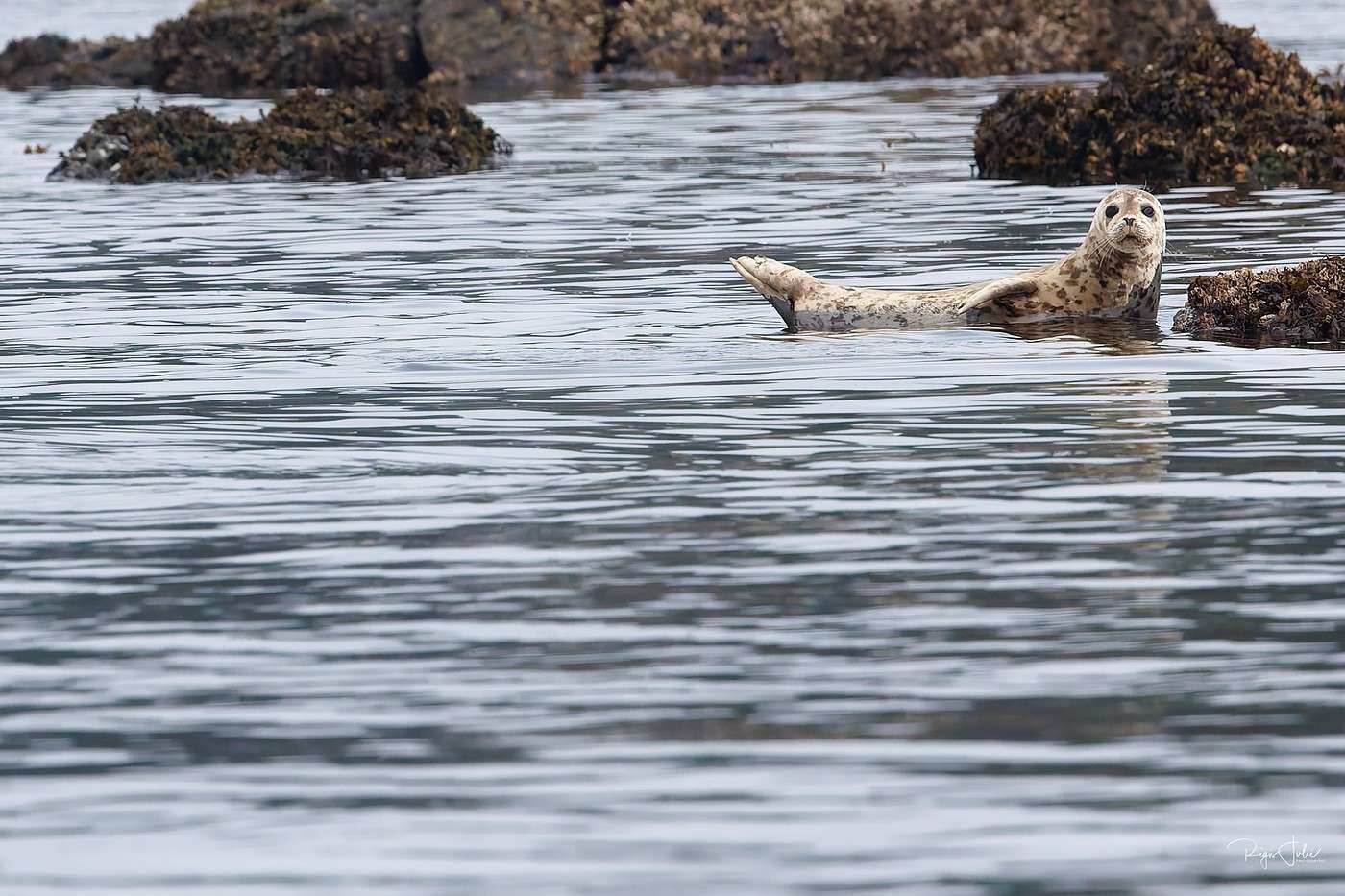
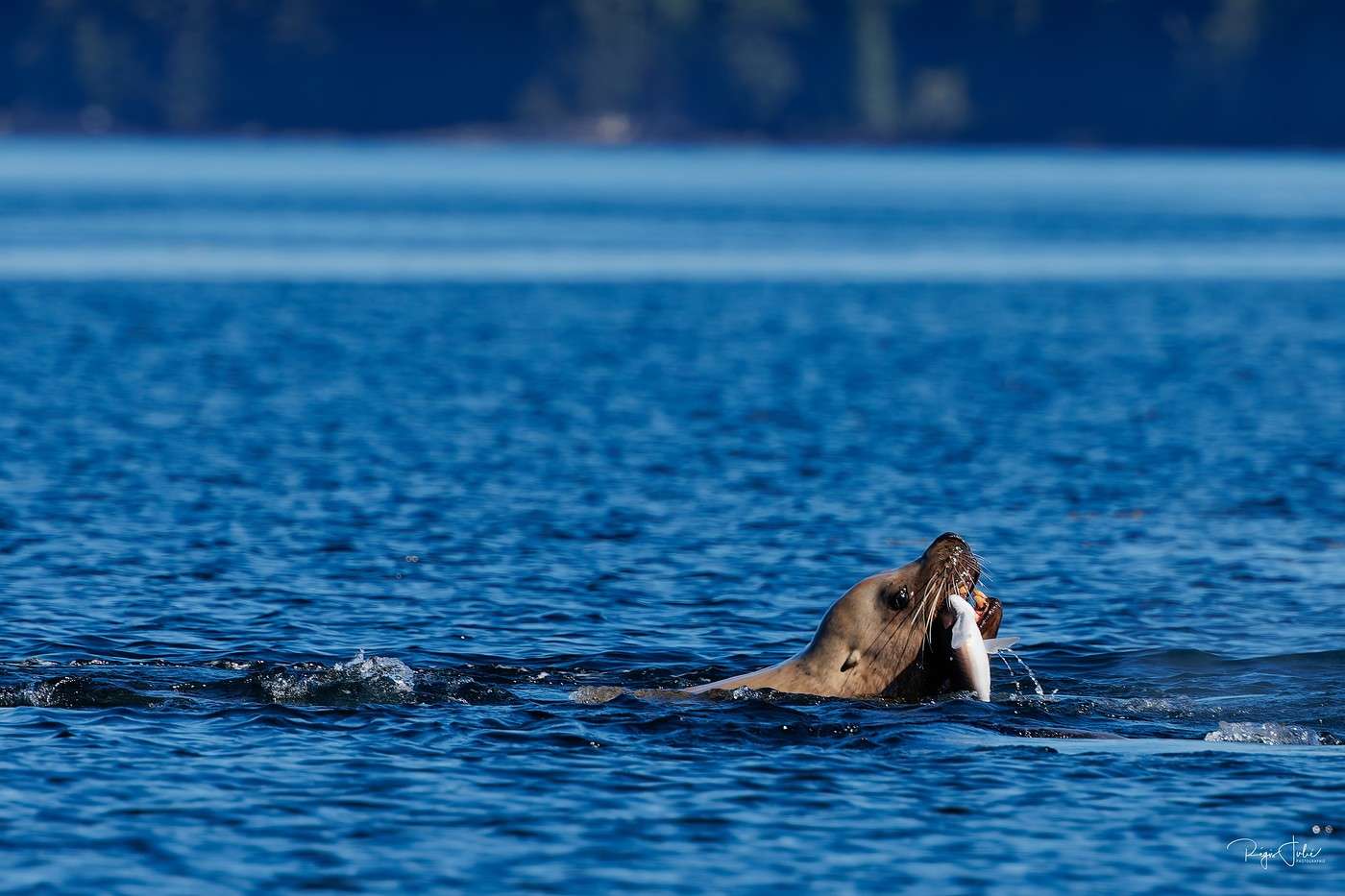
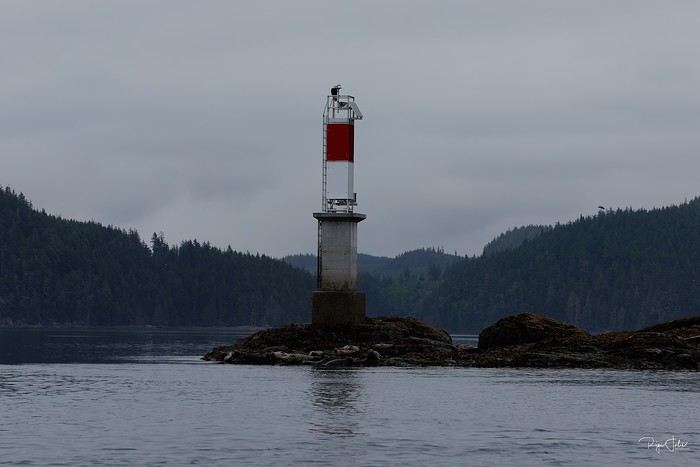
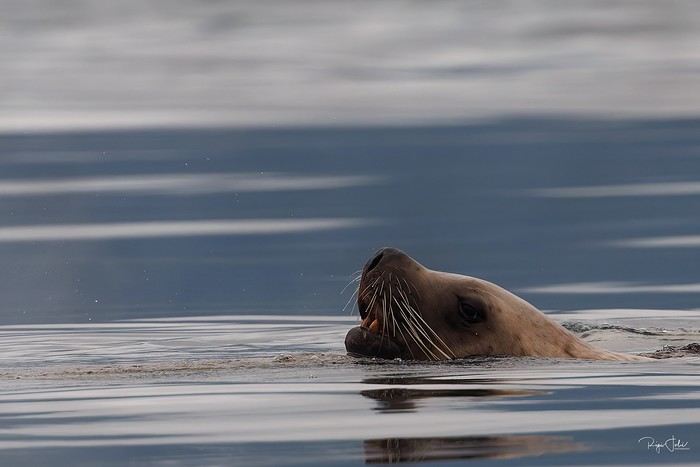
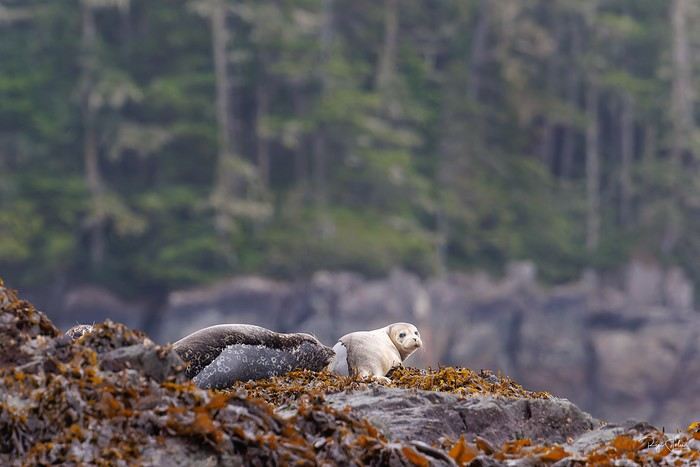
Besides the porpoise, the region is also home to sea lions and seals. Sea lions, recognizable by their external ears and long flippers, are often seen lounging on the rocks. Seals, with their streamlined bodies, excel in the water and are less frequently seen on land.

Porpoise (Phocoenidae) Family: Phocoenidae (toothed cetaceans) Size: 1.5 to 2.5 meters Weight: 50 to 200 kg Characteristics:

Small cetaceans resembling dolphins, but with a short snout and spade-shaped teeth. Discreet: Often swim alone or in small groups, avoiding boats. Iconic species:

Harbor porpoise (Phocoena phocoena): North Atlantic, threatened by gillnets. Vaquita (Phocoena sinus): Critically endangered (fewer than 10 individuals).

Diet: Fish, squid, and crustaceans.

Conservation status: Varies, but several species are threatened by bycatch and pollution.

Sea lion (Otariidae) Family: Otariidae (eared pinnipeds) Size: 1.5 to 3 meters Weight: 100 to 1,000 kg (males are much larger) Characteristics:

Powerful front flippers: Can "walk" on land. Social: Live in noisy colonies, with harems dominated by a single male. Agile predators: Hunt fish, squid, and sometimes penguins. Well-known species:

California sea lion (Zalophus californianus): Common in zoos and marine parks. Steller sea lion (Eumetopias jubatus): Largest species, in decline in the North Pacific.

Conservation status: Some populations stable, others in decline (hunting, climate change).

Seal (Phocidae) Family: Phocidae (earless pinnipeds) Size: 1 to 5 meters (depending on species) Weight: 50 kg to 3.5 tons (elephant seal) Characteristics:

Rear flippers oriented backward: Move poorly on land (unlike sea lions). Deep divers: Some (like the Weddell seal) dive to 600 m. Iconic species:

Monk seal (Monachus spp.): Critically endangered (Mediterranean, Hawaii). Gray seal (Halichoerus grypus): North Atlantic, expanding population.

Diet: Fish, crustaceans, sometimes penguins.

Conservation status: Varies, but several species threatened by hunting, pollution, and melting ice.

Sources: Wikipedia, IUCN, recent marine biology studies (2023-2024).

Porpoise
Sea lion Seals

Photographic Discovery of Vancouver Island

Tala1958 · 2025-06-14

So happy to be following along on this travel journal! My next trip in September 2026 is planned there—2 whole weeks, since up until now I’ve only ever spent 3 or 4 days at a time.

Photographic discovery of Vancouver Island

Rouquine38 · 2025-06-14

Thanks Régis for these whale and orca photos—I can just imagine the amazing encounters! Maybe we’ll get to experience them this summer? 🐋 I know we’re not the most consistent, but we really should finish that travel journal! 😅

Photographic discovery of Vancouver Island

Holigirl · 2025-06-14

Thanks for bringing up this travel journal I missed at the top of the list.

But where did Régis go???

Photographic Discovery of Vancouver Island

Holigirl · 2025-06-14

I just left the humpback whales in Hawaii and now I’m seeing them again in Canada. What luck you had seeing them jump out of the water!

You look really close—is that your lens or were you actually that near? Your photos are gorgeous 🙂 (Those otters are so adorable!)
VoyageForum — the largest community of French-speaking travellers.