Dual pricing in Hoi An and big changes in 8 years
Hi there,
I’m currently in Hoi An—I hadn’t set foot here for 8 years. The city has already changed a lot, with lots of construction, and even in the old town, along one side of the riverbank, there are huge residential buildings going up that take away some of the charm of this place. But the worst part is the overtourism—it’s impossible to walk across the famous bridge in the middle of the canal in the evening because it’s so packed with people. There’s also a new trend: massage parlors have opened in the old town and around the city. I was shocked—people call out to you or even grab your arm on the sidewalk, and it’s everywhere. Bangkok and Phuket might start shaking—Hanoi’s the same way.
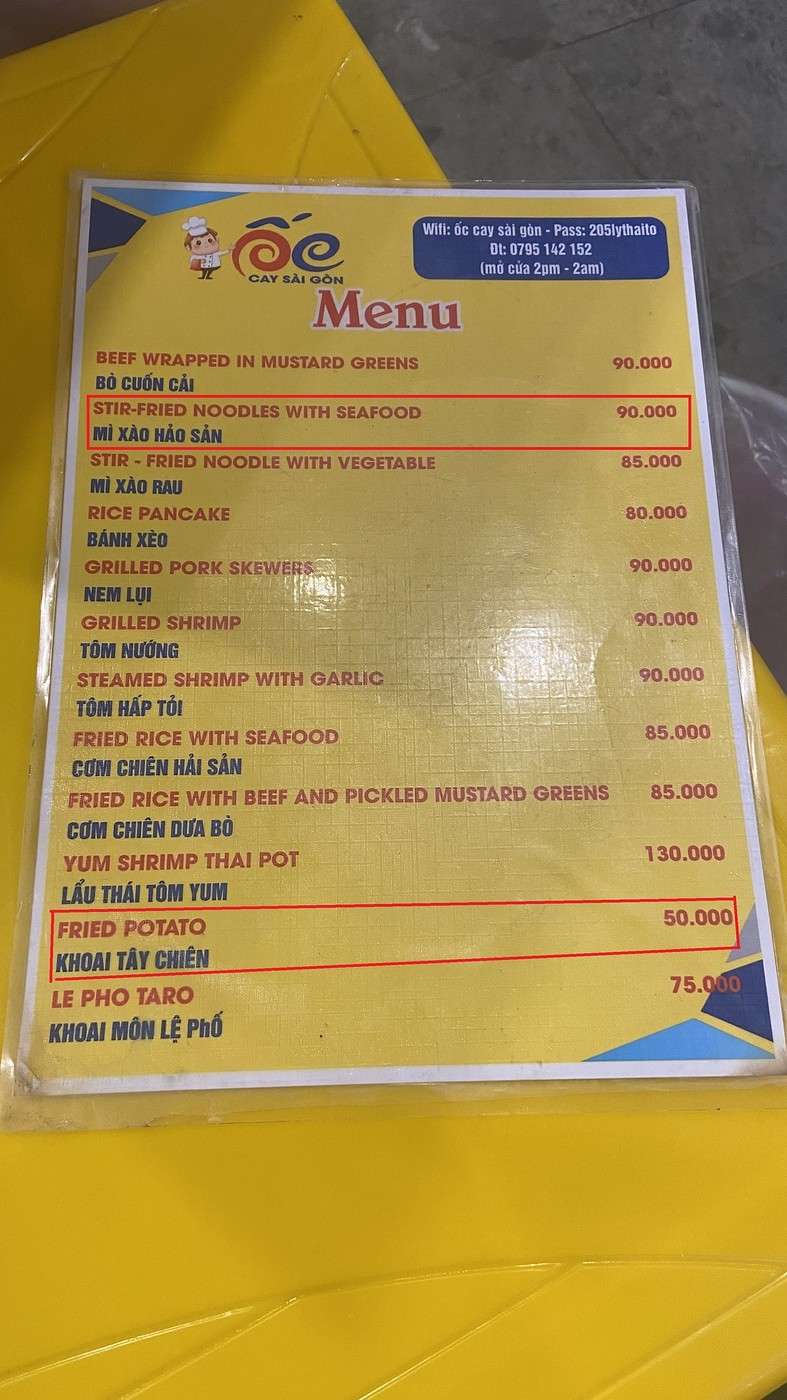
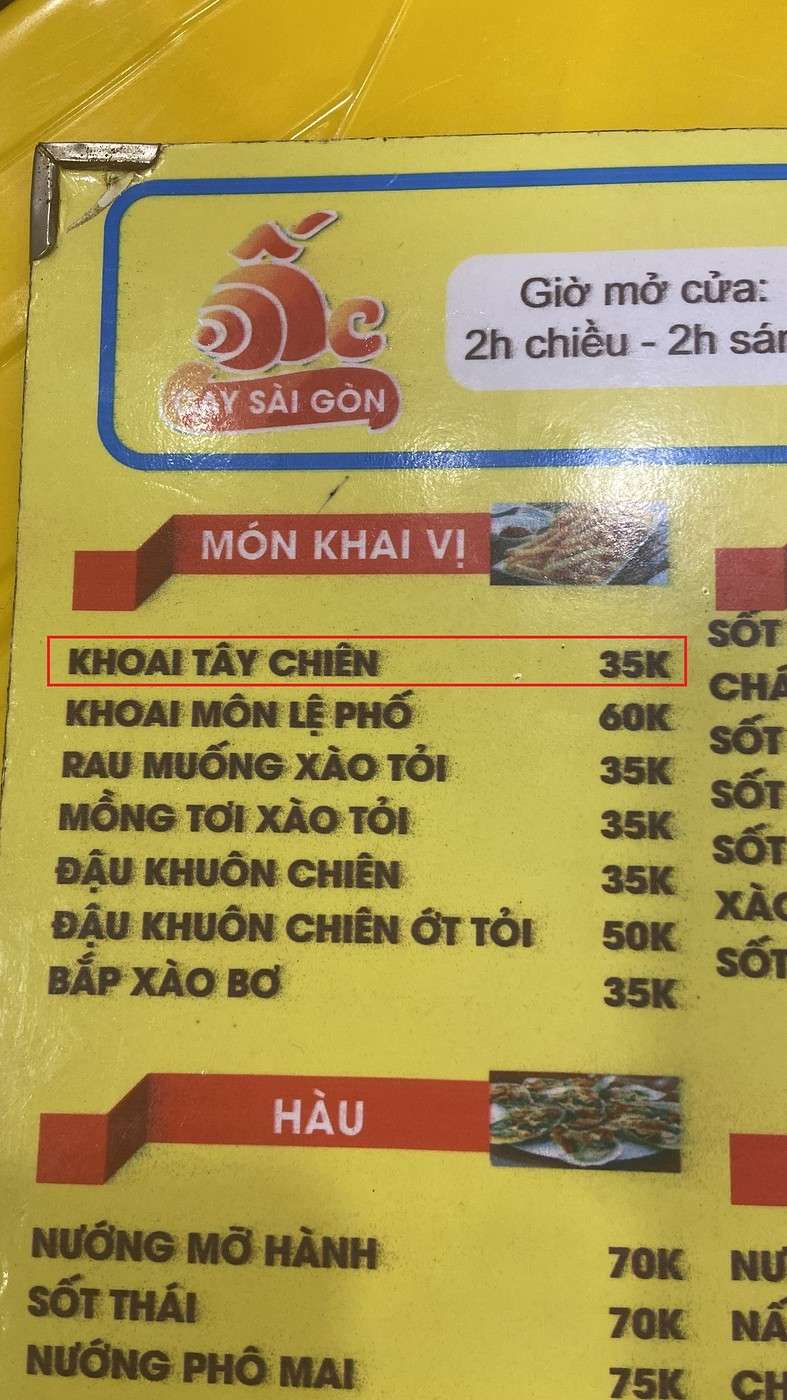
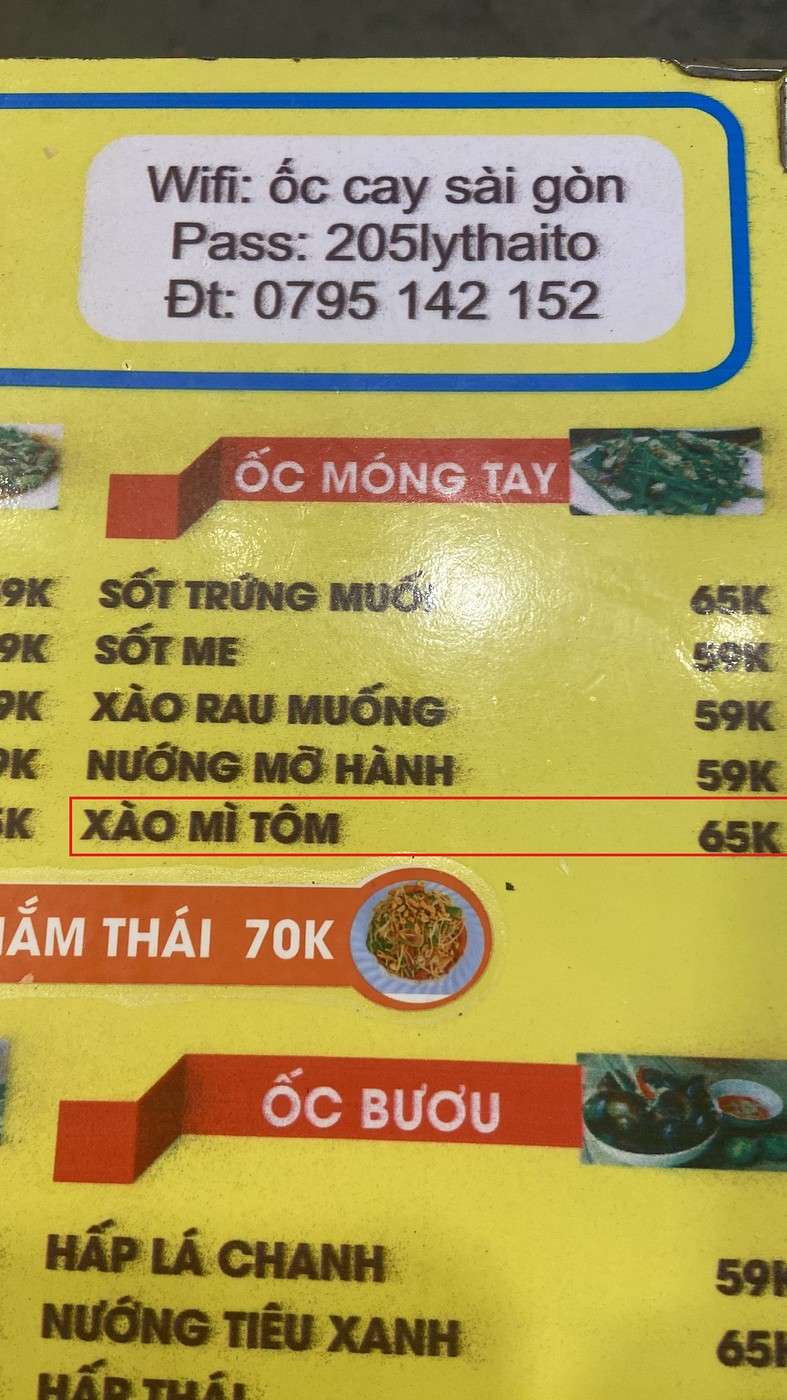
Anyway, let’s talk about the dual pricing specifically for non-Vietnamese tourists. We went to a restaurant near our hotel last night, and they gave us an English menu—okay, fine! But I noticed the table next to us, where Vietnamese tourists had a different menu. Weird! I asked to see the same menu as my neighbors, but the waitress refused, saying it was in Vietnamese and we wouldn’t understand. I insisted, and she finally agreed. Surprise!!! The prices on the two menus were different, with the English one up to 50% more expensive. I asked why, and she got flustered, telling me to just order from the Vietnamese menu, which I translated with my phone to see the local prices. I mentioned this to the hotel this morning, and the receptionist told me to go to restaurants where prices are displayed at the entrance to avoid getting ripped off. I just bought fresh bread this morning, and it was the same thing—the little loaf costs 4000 dong for Vietnamese people and 5000 dong for non-Vietnamese. It’s not a huge difference, but this way of doing things isn’t right. At supermarkets like VinMart+, prices are displayed, so there’s no surprise or dual pricing there.
I’m currently in Hoi An—I hadn’t set foot here for 8 years. The city has already changed a lot, with lots of construction, and even in the old town, along one side of the riverbank, there are huge residential buildings going up that take away some of the charm of this place. But the worst part is the overtourism—it’s impossible to walk across the famous bridge in the middle of the canal in the evening because it’s so packed with people. There’s also a new trend: massage parlors have opened in the old town and around the city. I was shocked—people call out to you or even grab your arm on the sidewalk, and it’s everywhere. Bangkok and Phuket might start shaking—Hanoi’s the same way.
Anyway, let’s talk about the dual pricing specifically for non-Vietnamese tourists. We went to a restaurant near our hotel last night, and they gave us an English menu—okay, fine! But I noticed the table next to us, where Vietnamese tourists had a different menu. Weird! I asked to see the same menu as my neighbors, but the waitress refused, saying it was in Vietnamese and we wouldn’t understand. I insisted, and she finally agreed. Surprise!!! The prices on the two menus were different, with the English one up to 50% more expensive. I asked why, and she got flustered, telling me to just order from the Vietnamese menu, which I translated with my phone to see the local prices. I mentioned this to the hotel this morning, and the receptionist told me to go to restaurants where prices are displayed at the entrance to avoid getting ripped off. I just bought fresh bread this morning, and it was the same thing—the little loaf costs 4000 dong for Vietnamese people and 5000 dong for non-Vietnamese. It’s not a huge difference, but this way of doing things isn’t right. At supermarkets like VinMart+, prices are displayed, so there’s no surprise or dual pricing there.