Day 17: Lillehammer – August 5
Hotel: Dombas Youth Hostel. We had a room with a private bathroom, 5 beds, and plenty of space—by far the best mattresses of our entire trip. The shared kitchen was really handy.
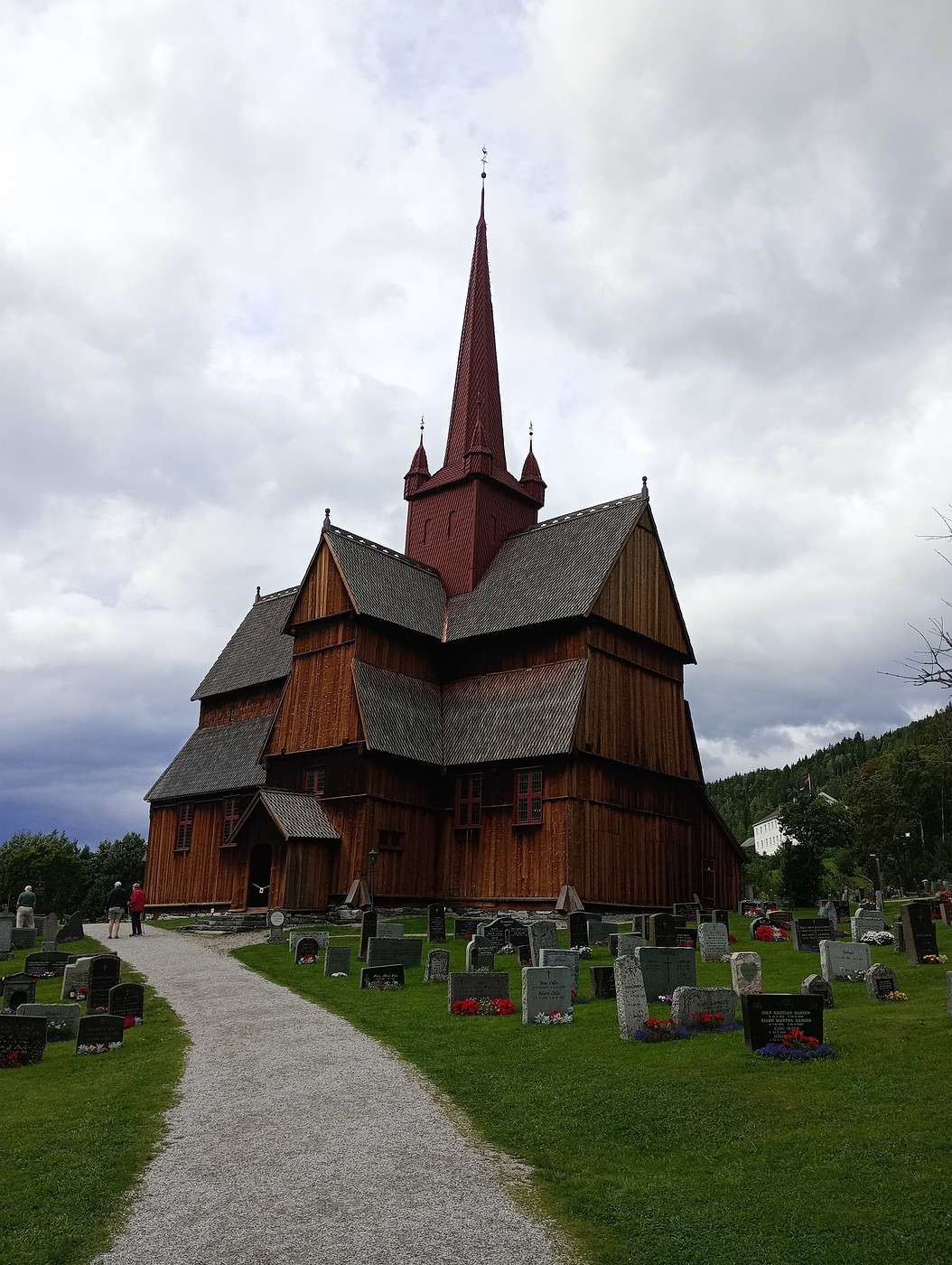
So, we set off for Lillehammer this morning, taking the same route as the day before for 75 km. It’s drizzling again. We arrived directly at Maihaugen at 10:15 AM, Norway’s largest open-air museum. Originally unplanned, we ended up staying until closing time at 5 PM!
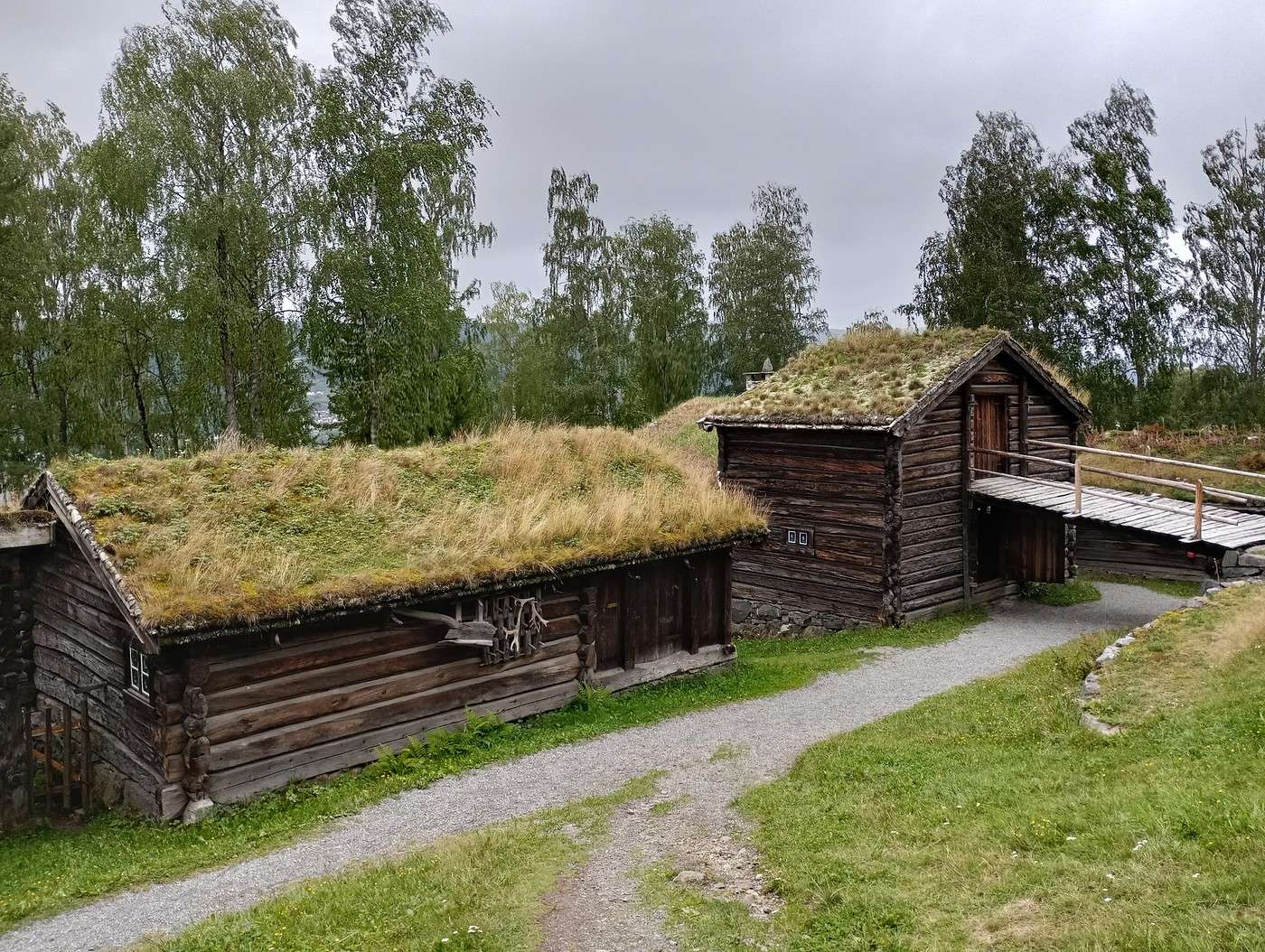
Since it wasn’t raining, we started with the "back in the day" section, featuring old farms from the region.
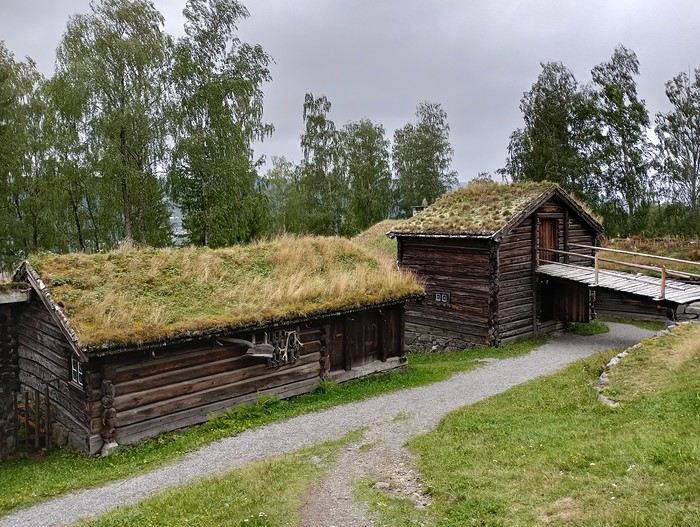
42 - A farm from the era!
Some of the farms are "inhabited" by young students in period costumes who give explanations about what we’re seeing. Super insightful! There are animals, a lake, churches, and more. Next, we explored a more recent section with homes from the 1910s to 1950s, showing how construction and interiors evolved—and what stayed the same. The childhood home of Queen Sonja was moved to this museum, so we could see where the future queen grew up. She was the first commoner in Europe to marry into a royal family, but her childhood home shows her family wasn’t exactly struggling.
Then came a neighborhood (a street with houses) from the early 20th century. There’s a cute square near the shop where you can grab a bite. Of course, there are tables and benches—just like you’d expect in Norway! There’s even a room for picnics, and since it started raining, that’s where we had lunch.
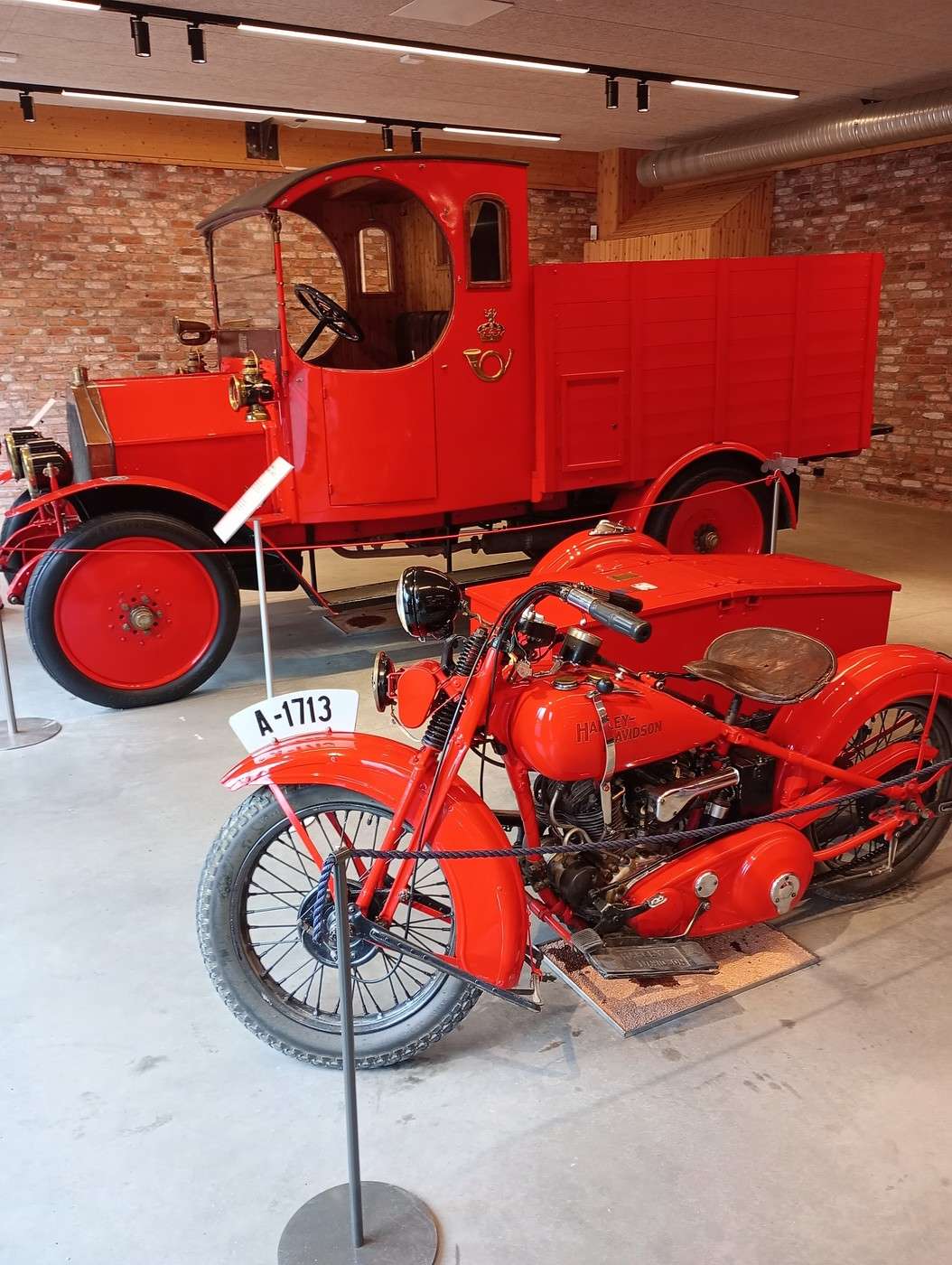
Between the raindrops, we visited the nearby Norwegian Postal Museum. The history of mail in Norway is fascinating.
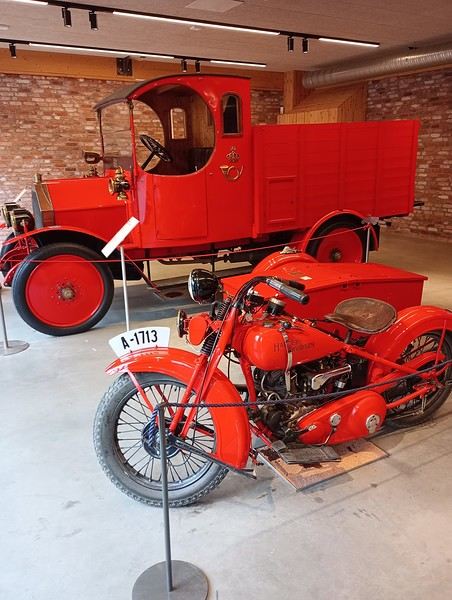
43 - Mail carriers used to ride Harleys!
A lull in the rain, and we found ourselves in front of a mime show for kids—though most of the audience was actually our age! We quickly headed back to the main building because it was pouring again.
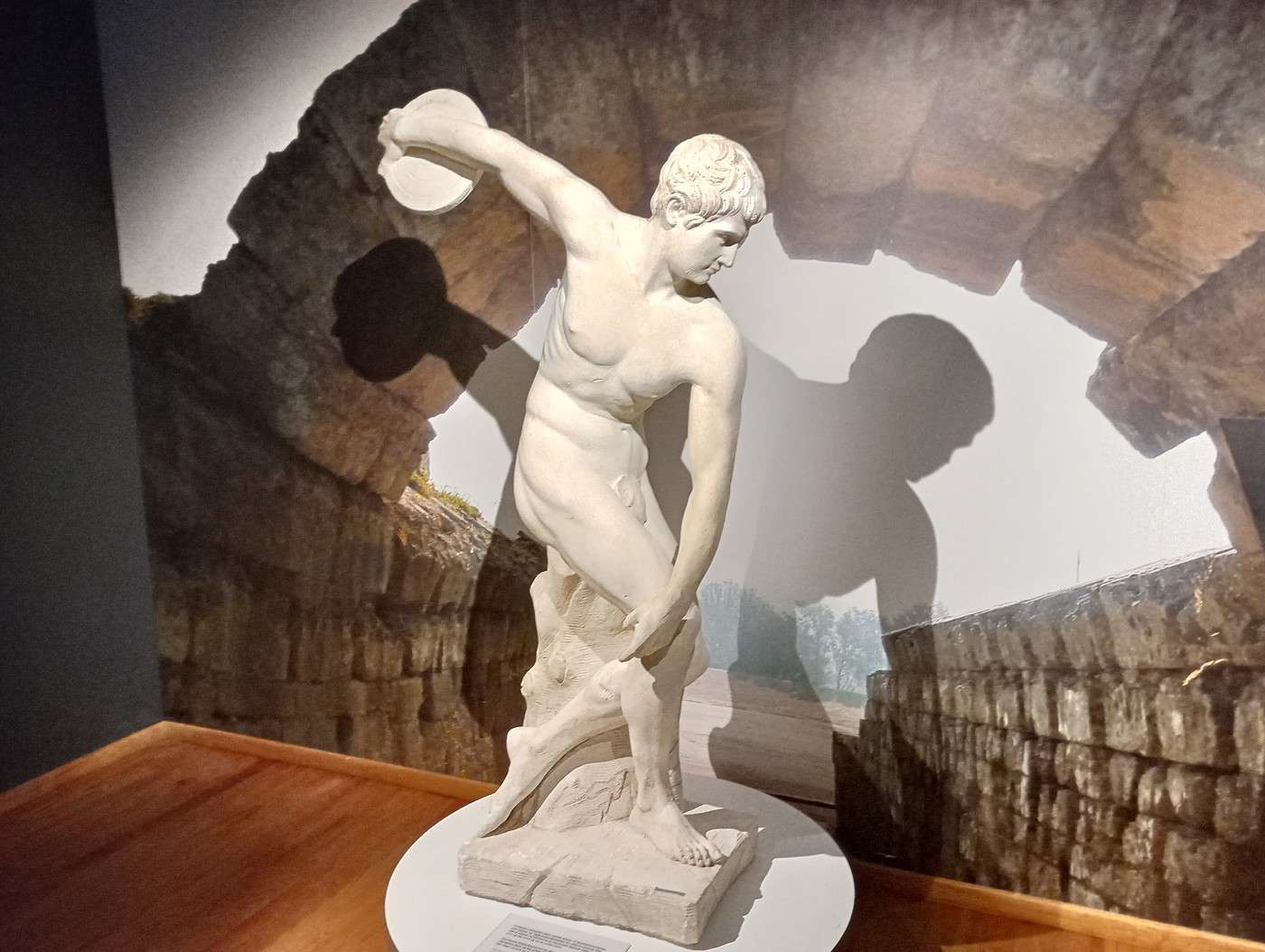
I’d read there was an Olympic Museum there. Cool for me, since I’m a sports fan. It starts with the history of the Olympics in Greece, then Baron de Coubertin, and finally tons of documents and videos about the modern Olympics.
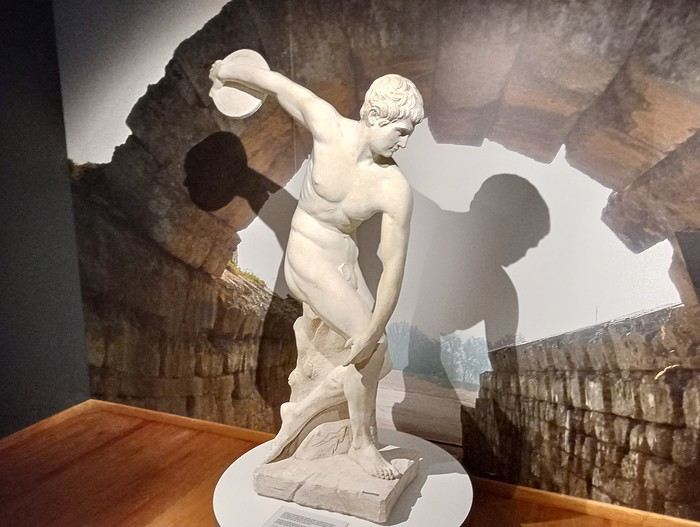
44 - The entrance to the Olympic Museum
Next, there’s a section on past Olympics, including Oslo and Lillehammer. Lots of equipment from Nordic sports and how they’ve evolved over the years. There are interactive exhibits—I even tried biathlon! Instead of cross-country skiing with a rifle, you do tipping (a balance exercise) and then shoot, then go back to tipping for a second round of shots. When your heart’s racing, it’s tough to hit the target!
The last part focuses on Norwegian champions in all sports.
A great place!
It was still raining, so we wandered around the building when I spotted a sign for temporary exhibits. We checked it out and found ourselves in an Aladdin’s cave of Norwegian history. There were all kinds of random objects from the era—weapons, armor, clay pots, clothes, furniture, musical instruments, maps, books, kids' games, even a dentist’s office (from the era, of course!).
We kept going and stumbled upon a dance museum. Naturally, it started with Norwegian folk dances, which, like many others, end in a circle—think Breton, Auvergnat, Limousin, Berry, Basque, Ardèche, Lorraine, Provençal, Jura, Alpine dances, and more. Oops, I might’ve just offended everyone, but honestly, I’ve got nothing against folk dancing!
It continued with a look at dances from around the world, with videos and headphones to listen to the music. There was even a simulator to learn a Norwegian dance, which my wife didn’t hesitate to try. Personally, I was blown away by a short video of a tango danced in front of a philharmonic orchestra—absolutely stunning. The hip-hop section brought us back down to earth, and we exited via a wide ramp. Then I noticed an entrance that looked like you were stepping into a glacier. It was pretty discreet, and we only saw one other couple there.
So, what was it? At first, you’re inside a glacier, then you’re faced with prehistoric humans (wax statues, just to clarify—I’m not *that* gullible), then Vikings, and so on, passing through different eras with houses. It was a museum covering the entire history of Norway, with sets and more videos (including a big section on World War II) up to modern times.
Another great spot!
For people who aren’t usually museum fans, and with this being an unplanned visit, we spent over 6 hours there. When we left, the rain had stopped! Not bad timing with the weather!
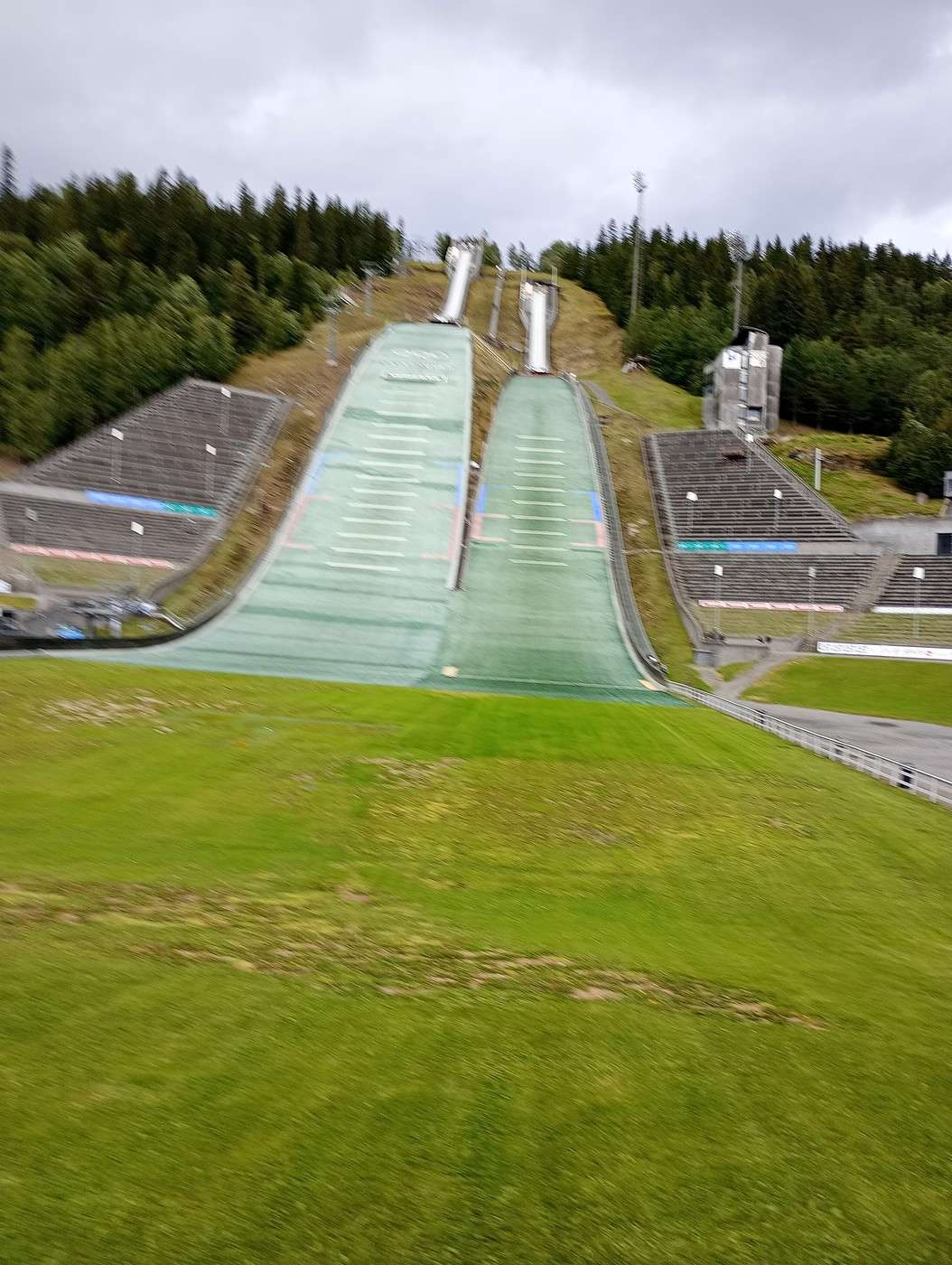
We headed to the famous Olympic ski jump. It’s open to the public, with a big parking lot, and you can walk around at the base of the hill.
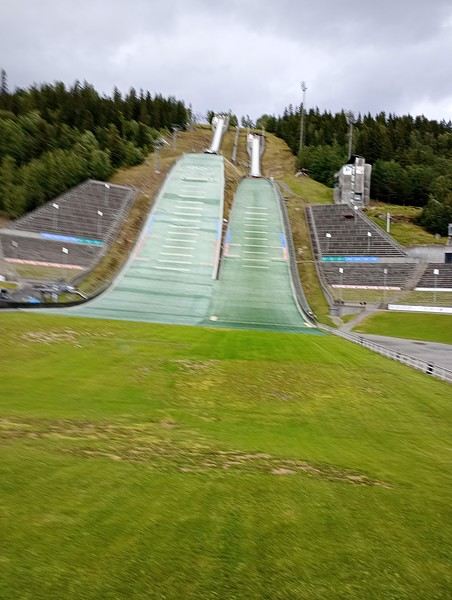
46 - At the bottom
It’s impressive. On either side of the two jumps (yes, there are two—one for summer and one for winter), there are stairs. We looked at each other, really wanting to climb up. But for once, my common sense won out. If we went up, we’d have to come back down! So, my wife climbed the 900+ steps while I tried to find a road going up to save my knee. I did, and met her at the top. It’s even more impressive from up there. Back in France, I’ll try to find dates for ski jumping competitions to see it in action at least once. Surprisingly, my wife came back down with me in the car, and we drove to the hotel, which was actually really close to the ski jump.
We had a drink, then walked down (about 20 minutes) to Lillehammer’s charming downtown and its pedestrian street, Storgata.
Dinner, then a steep climb back to the hotel (once again, we took less time going up than down, which made me say that except for the "downs" from apéritifs, I prefer the ups).
The +: Love at first sight for Lillehammer in general and Maihaugen in particular
The -: The weather wasn’t great, even if we managed it pretty well
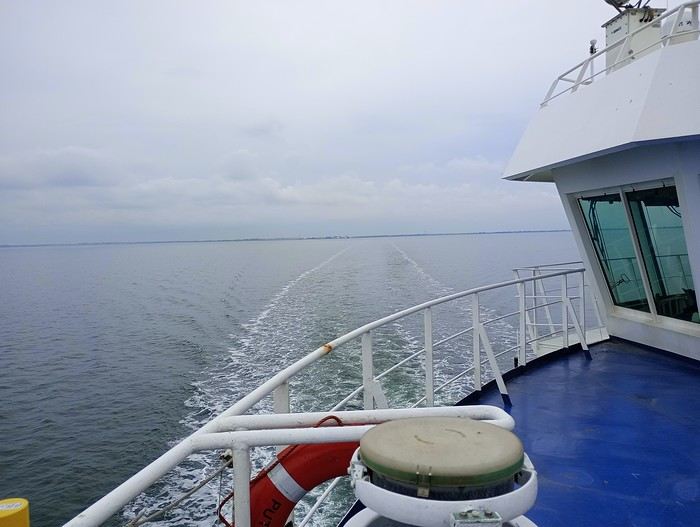 1- View of the splendid sky from the ferry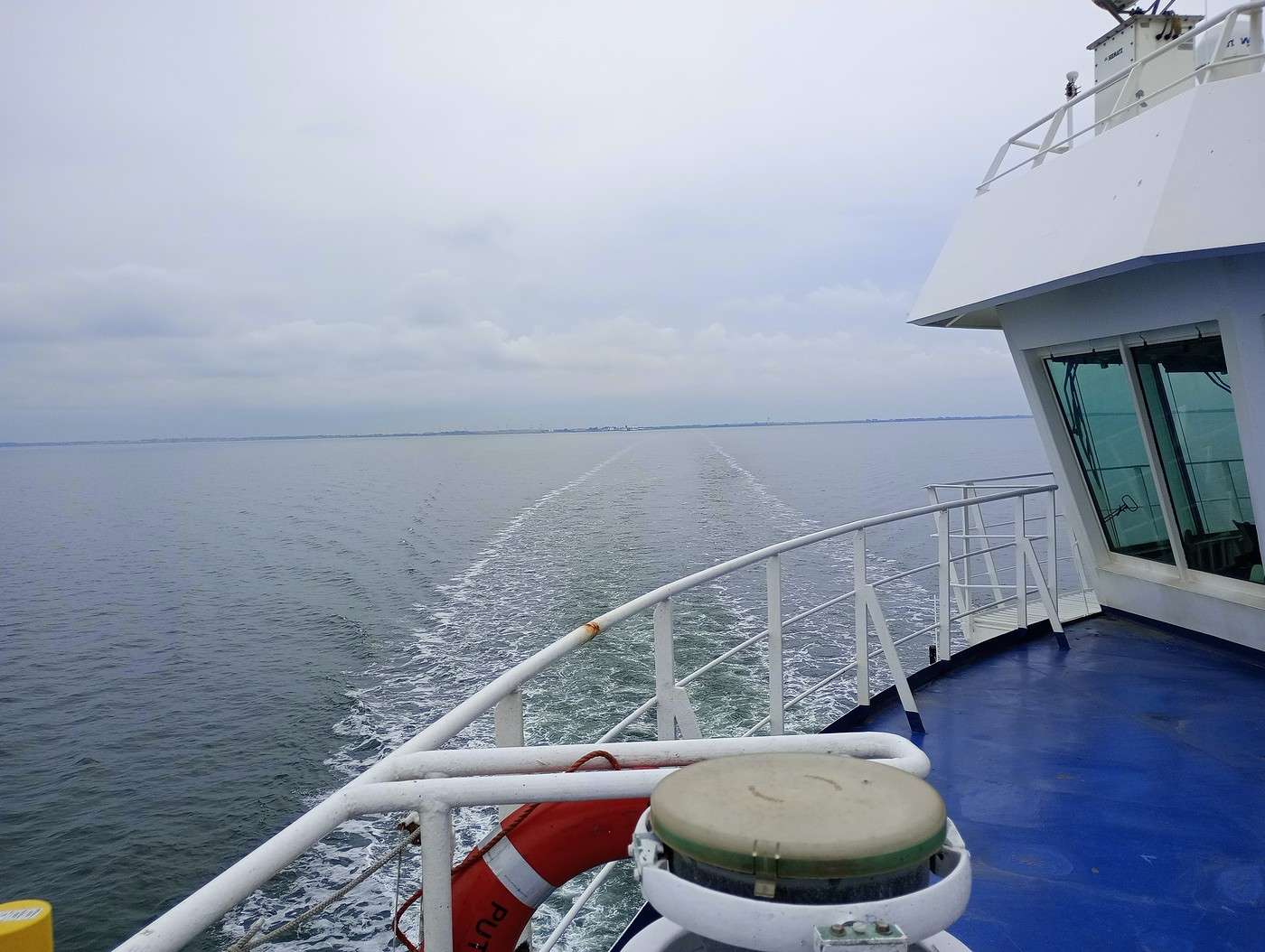
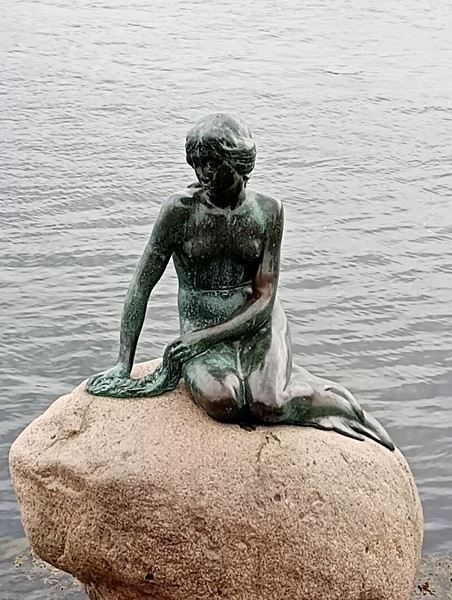
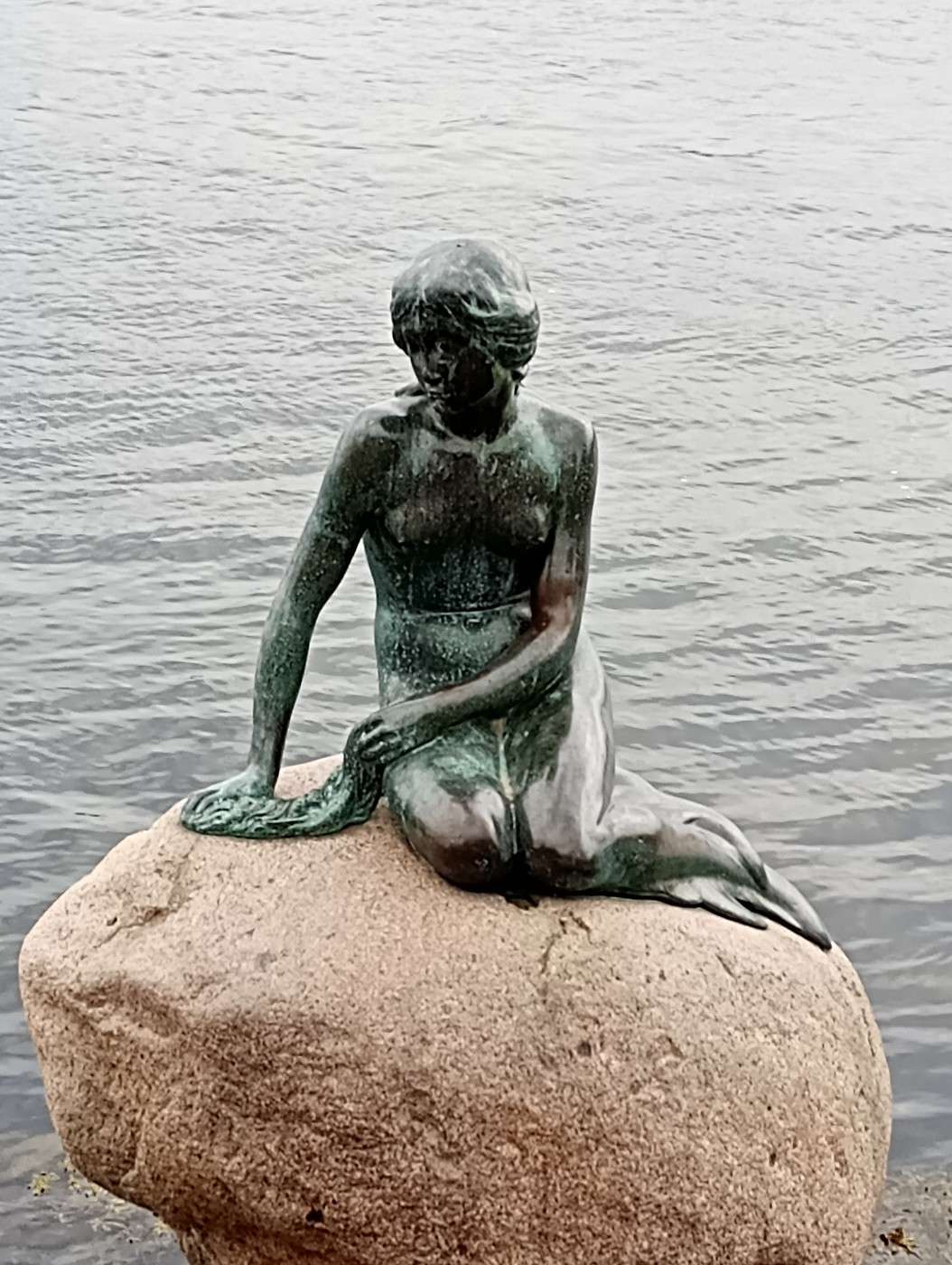
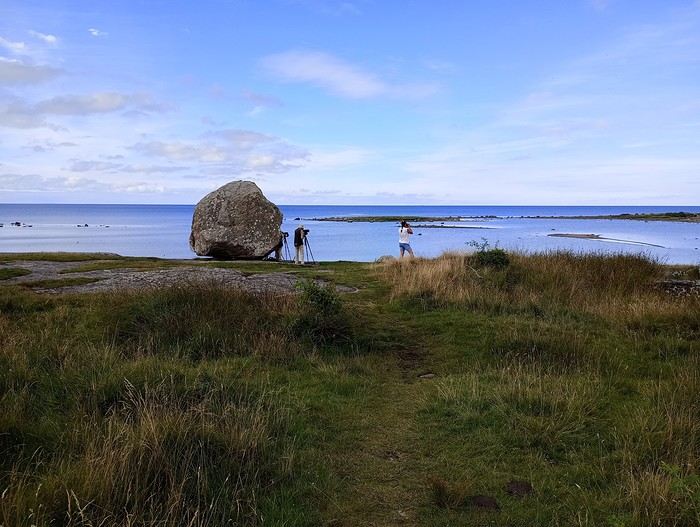 3 - Slynge Rock
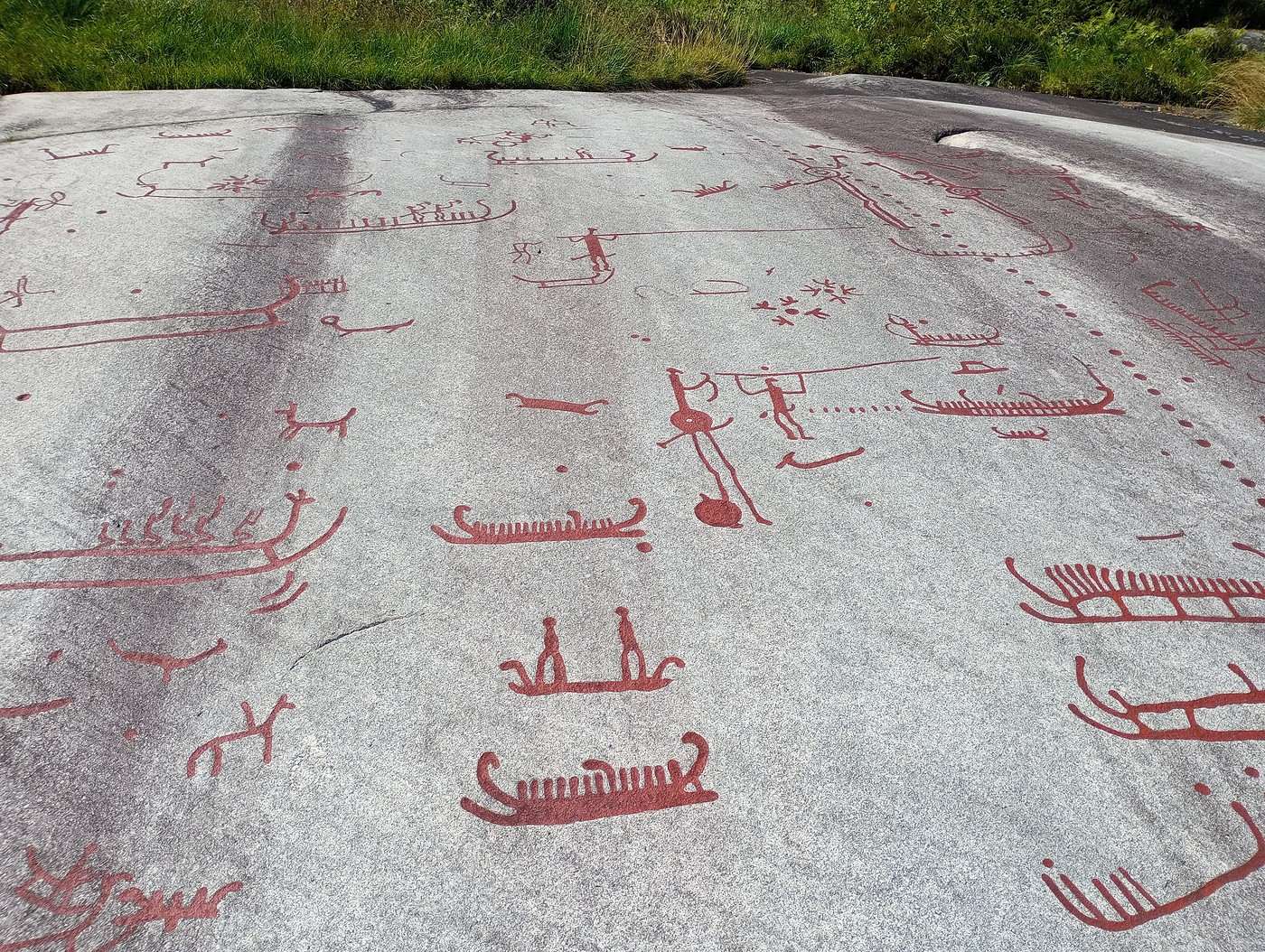
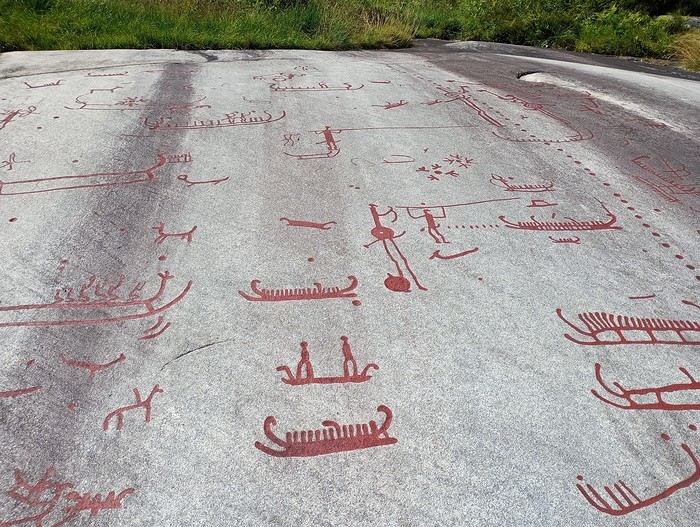 4 - The main Vitlycke panel
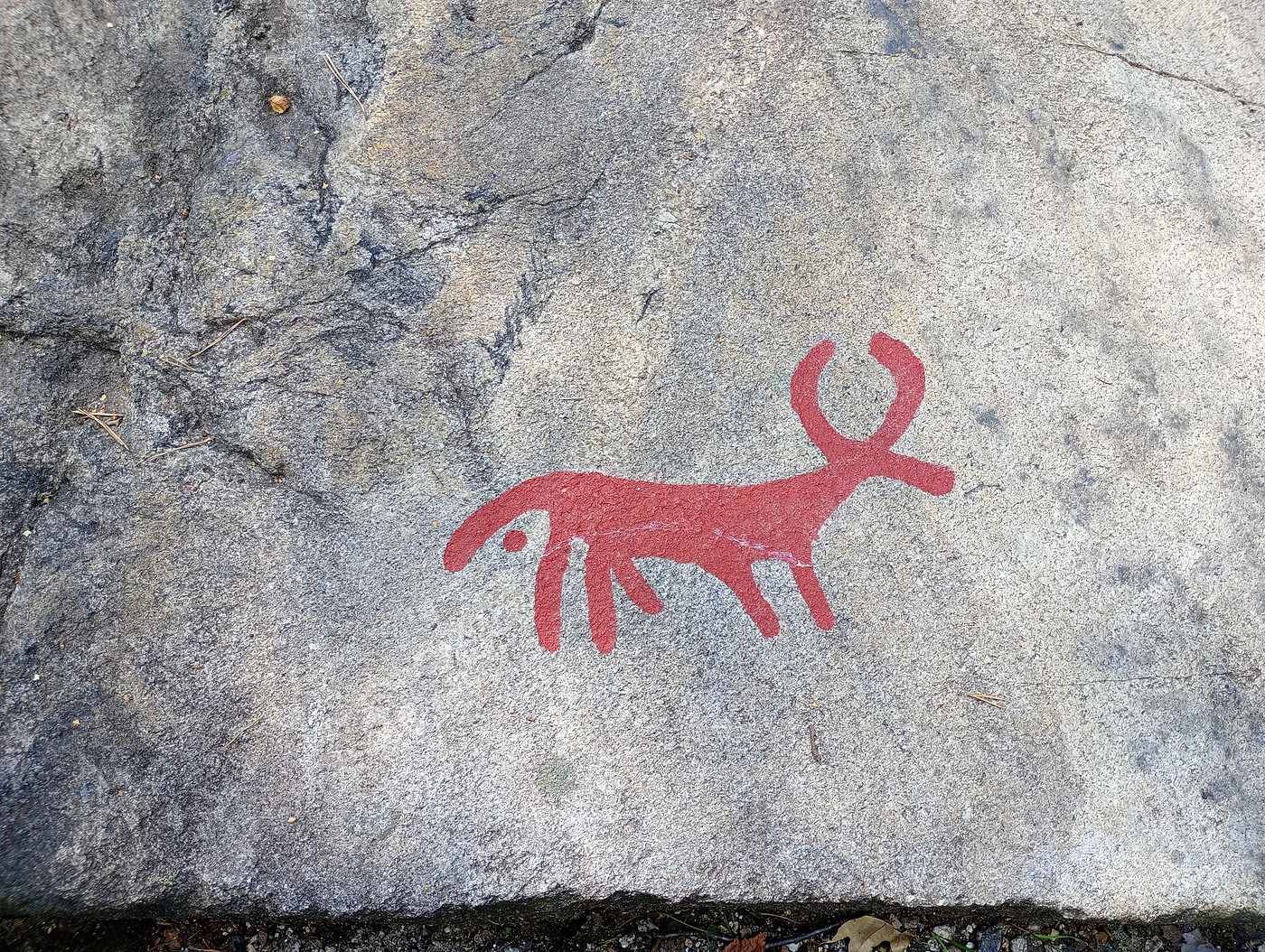
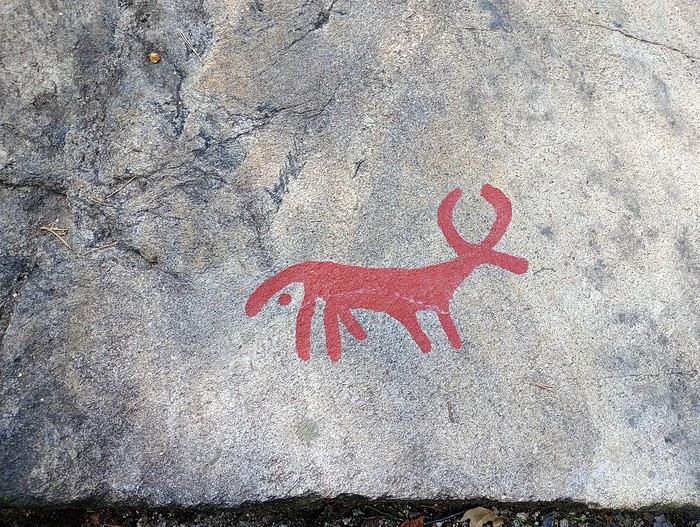 5 - One detail among many others
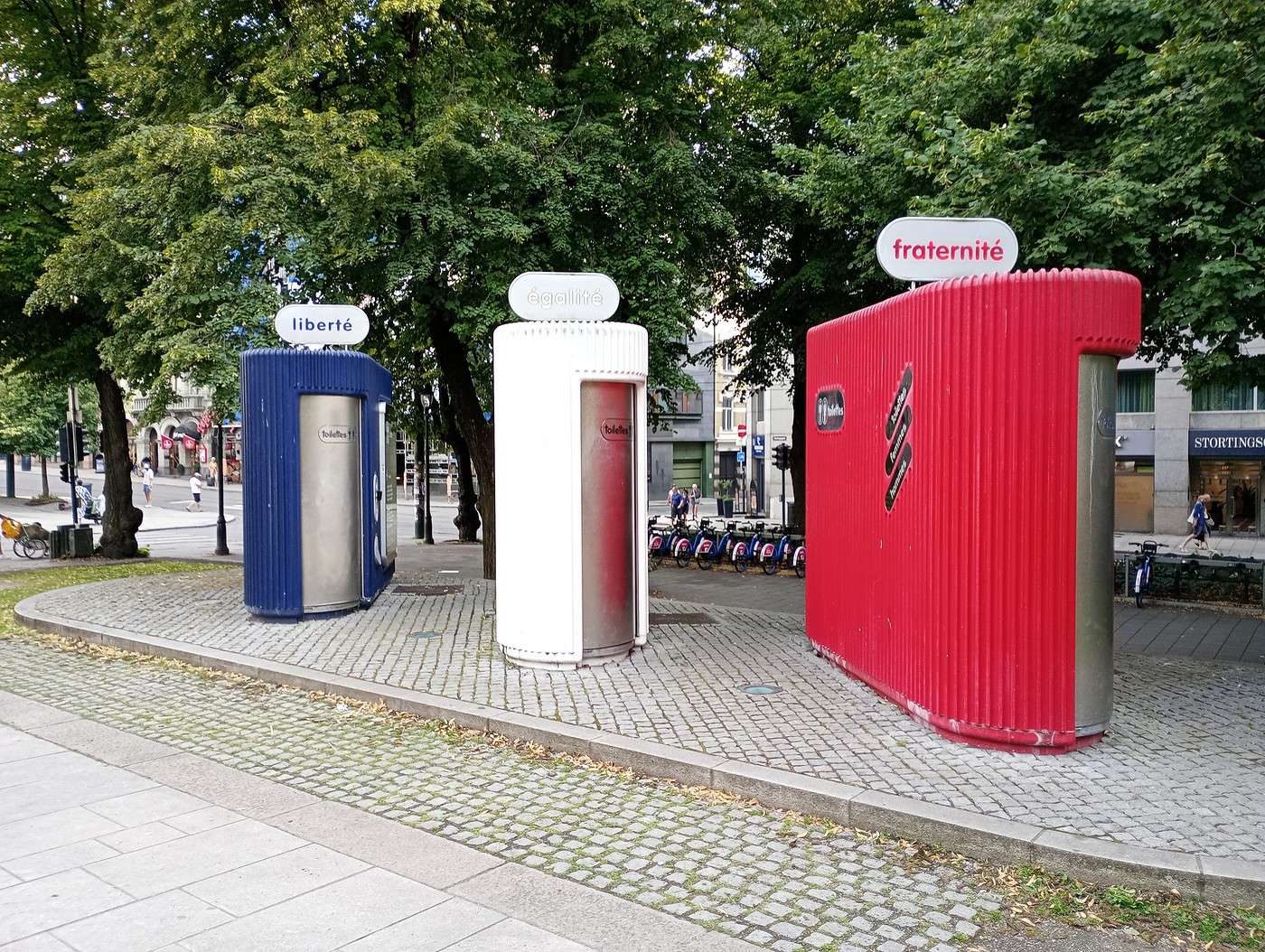
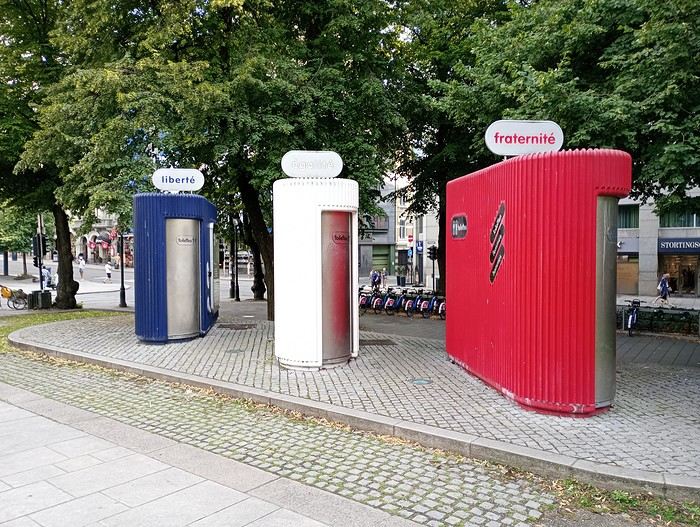 6 - Cocorico!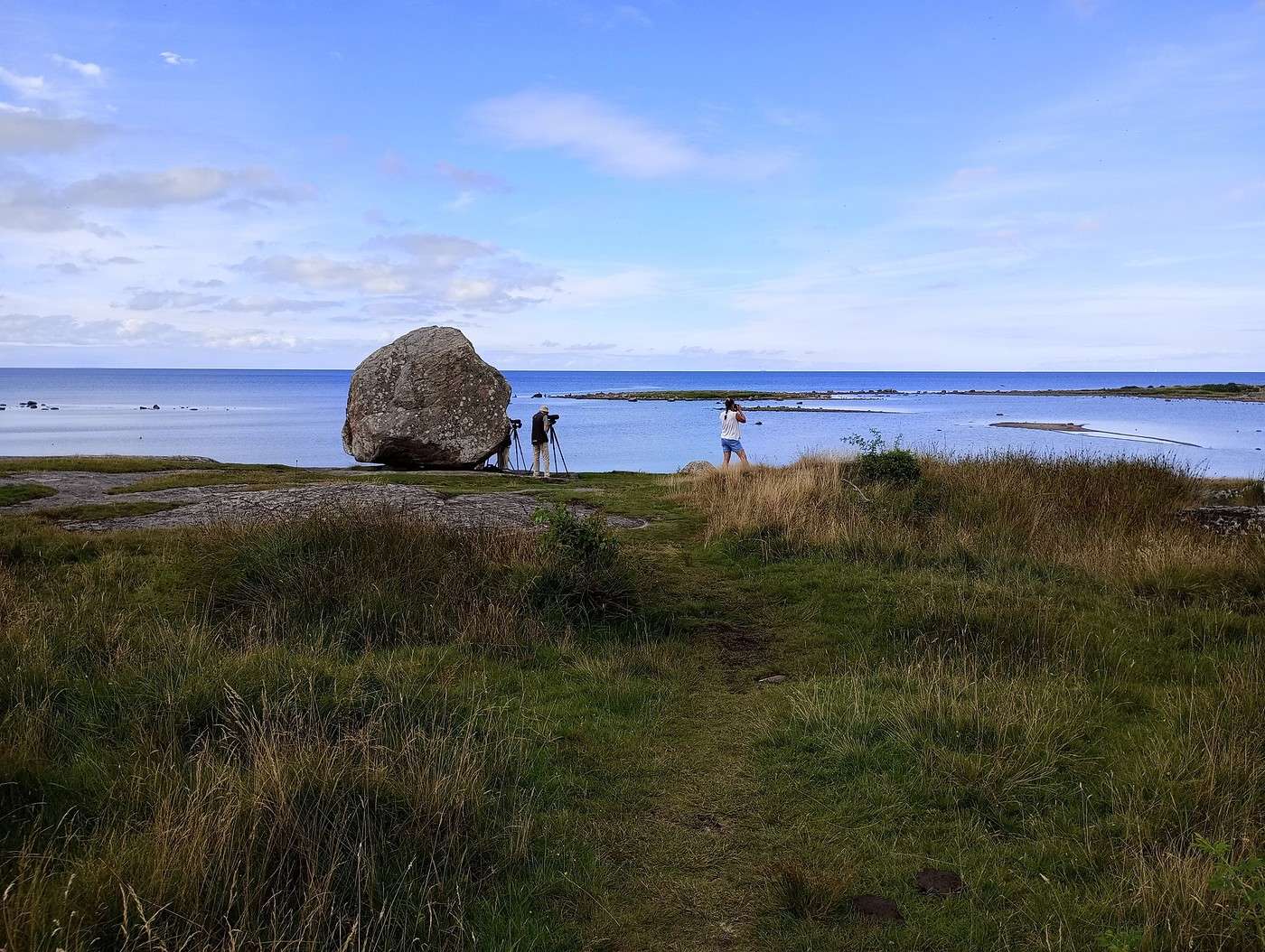
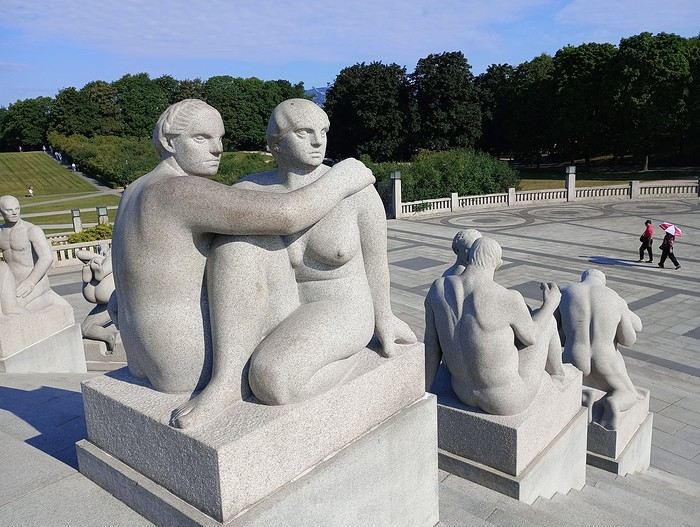 7 - The weather’s nice, they’re barely dressed!
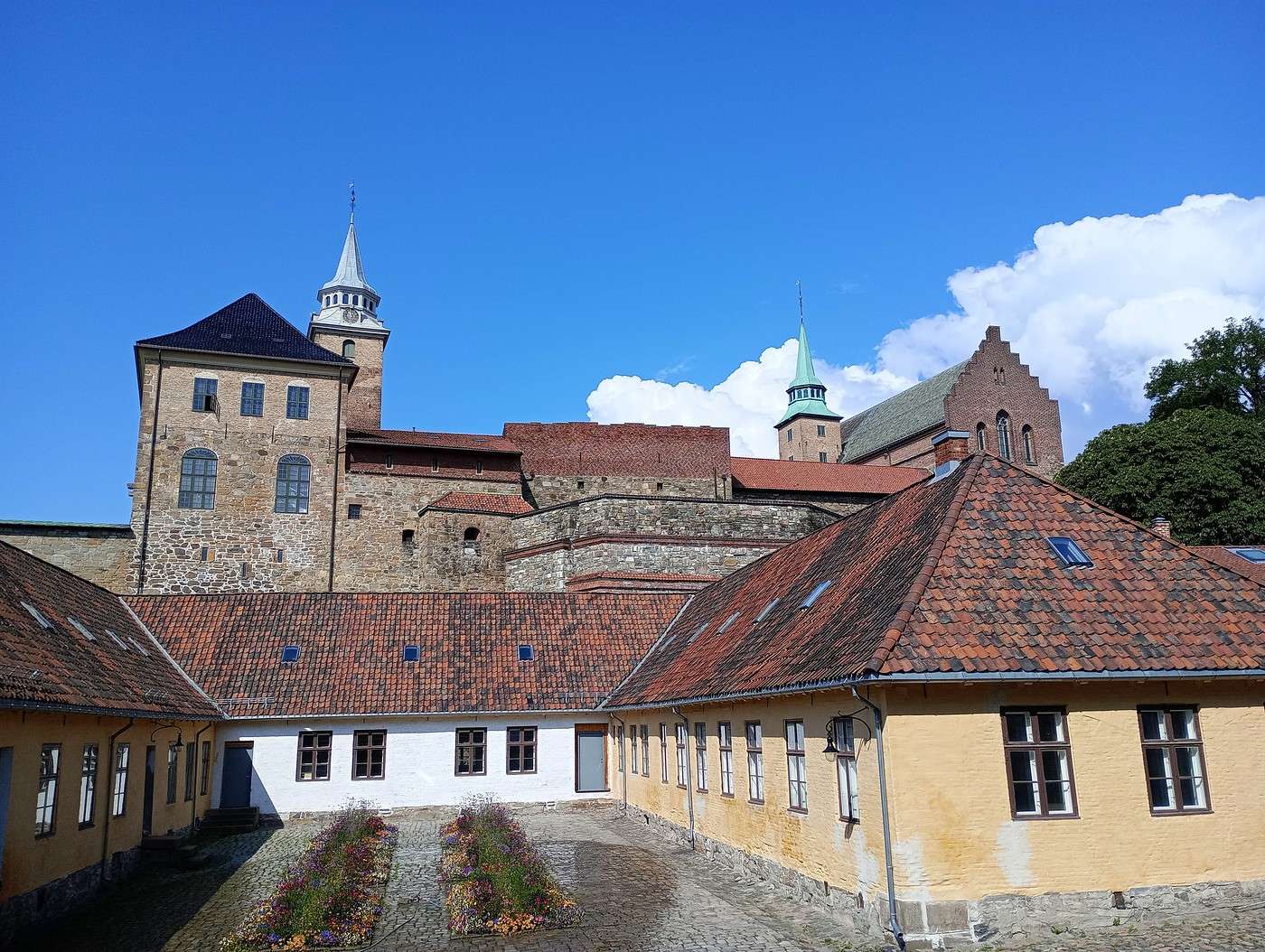
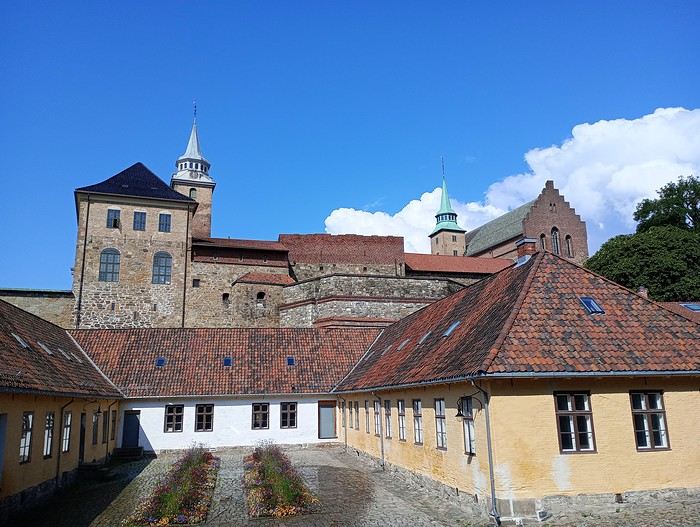 8 - It doesn’t look like much, the fortress, but it’s something else!
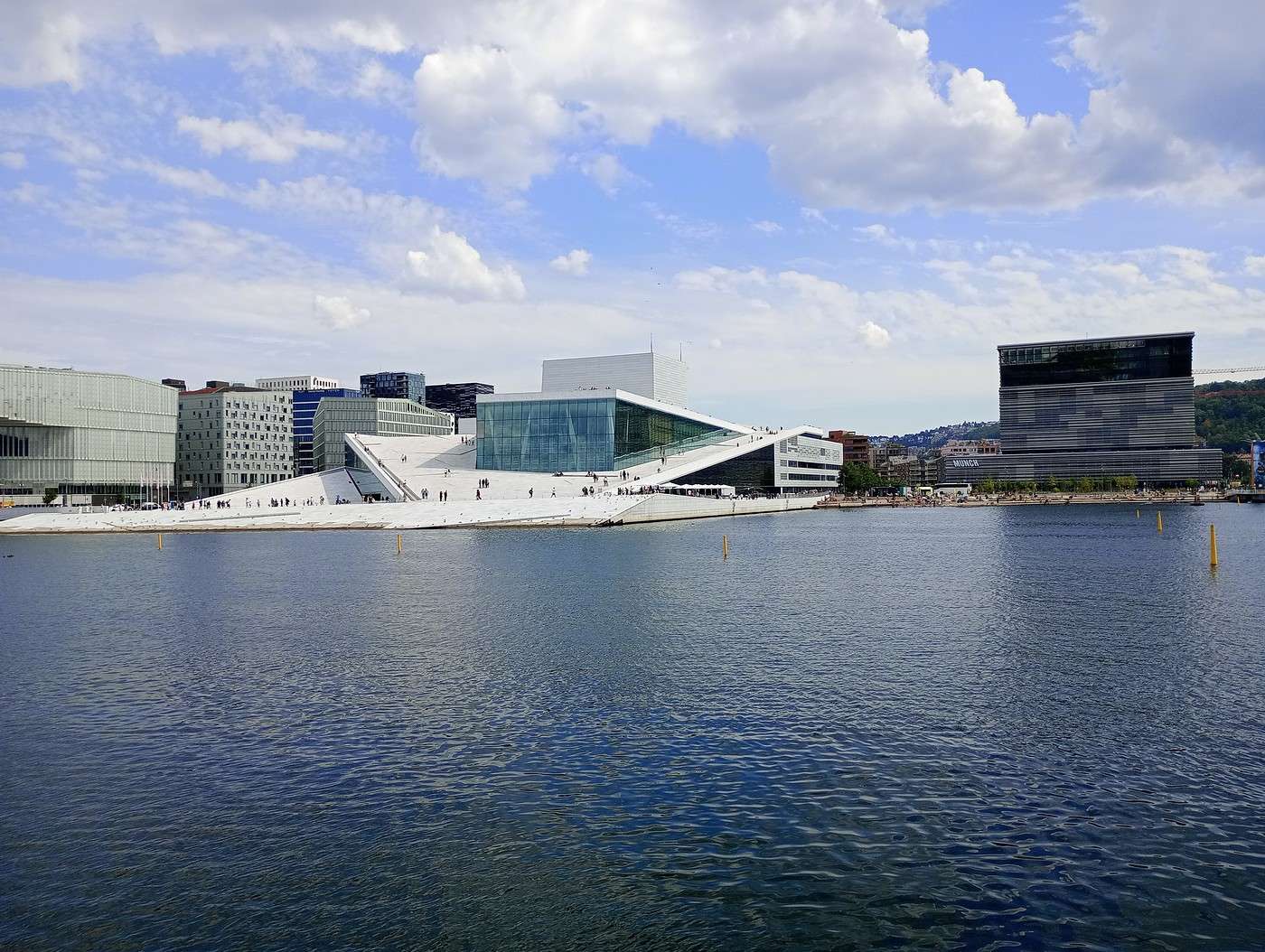
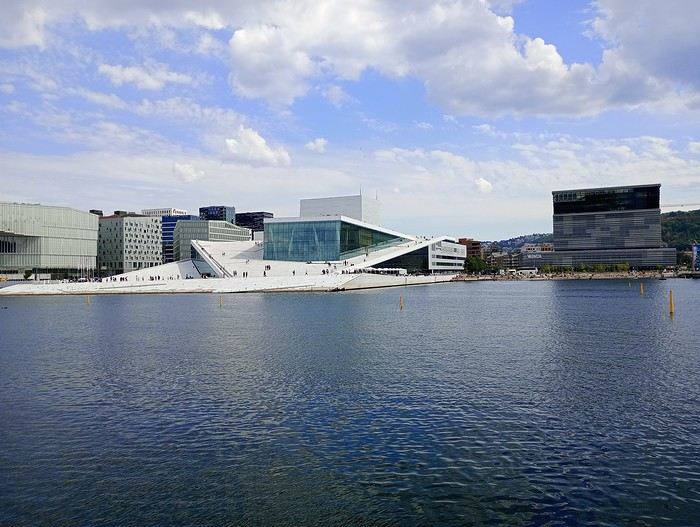 9 - View of the harbor from the opera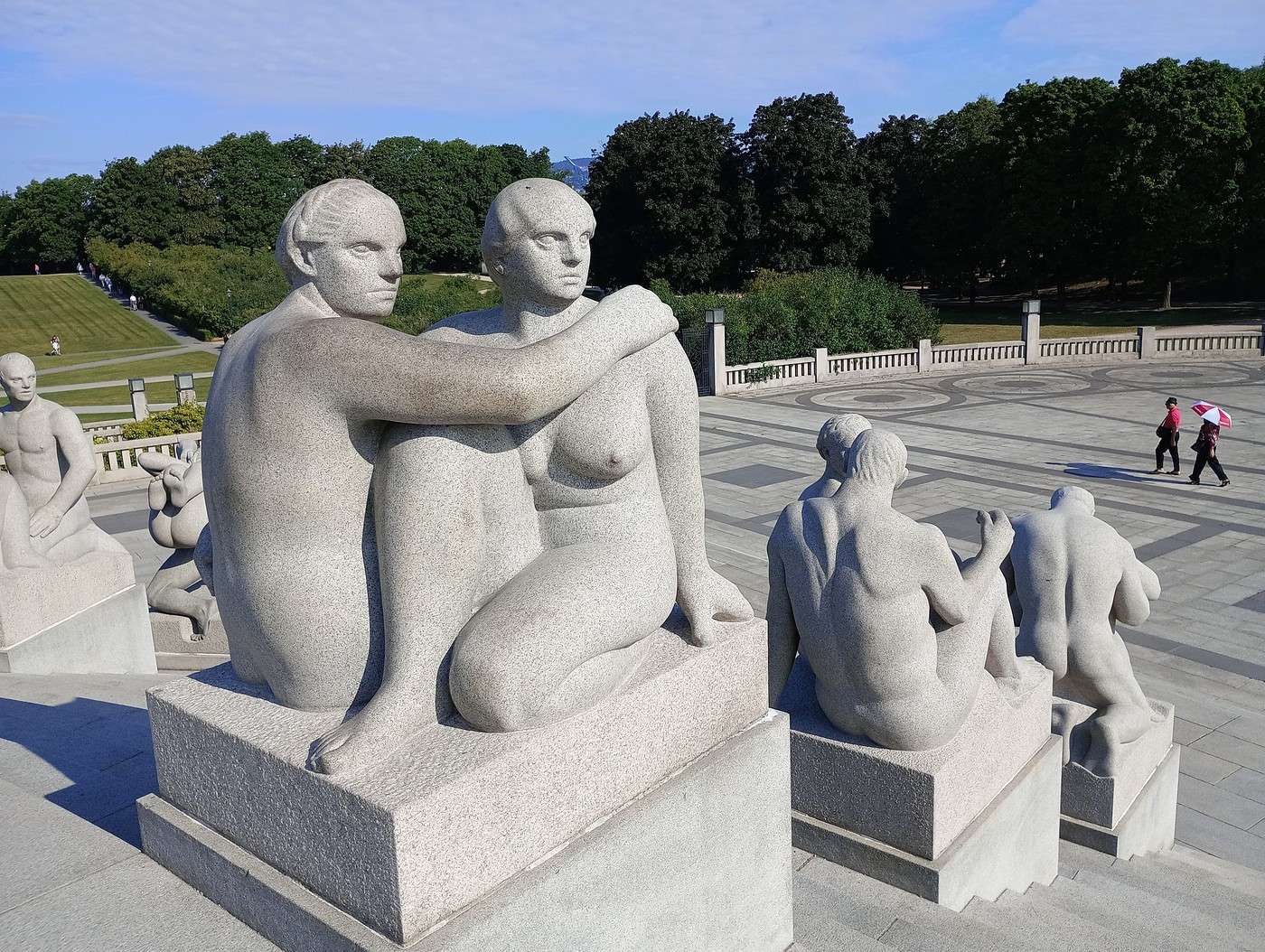
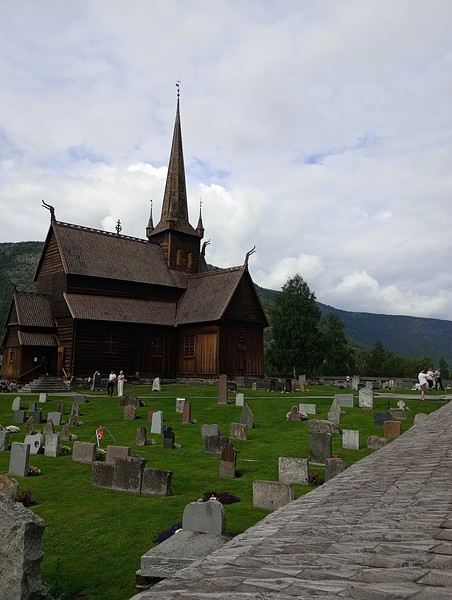
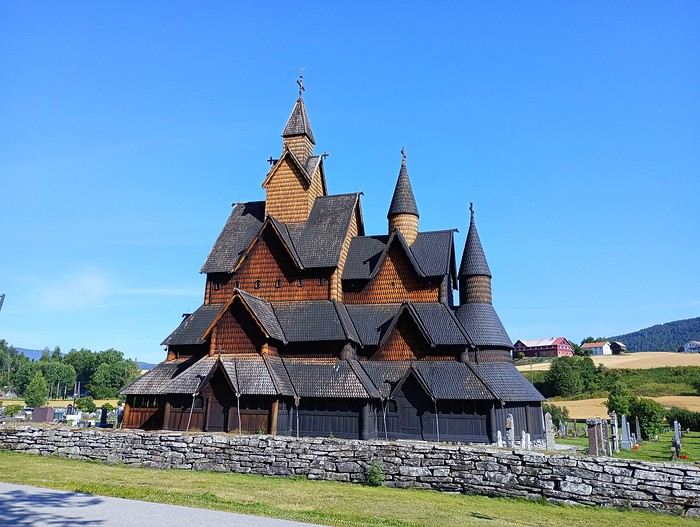 10- Heddal Stave Church
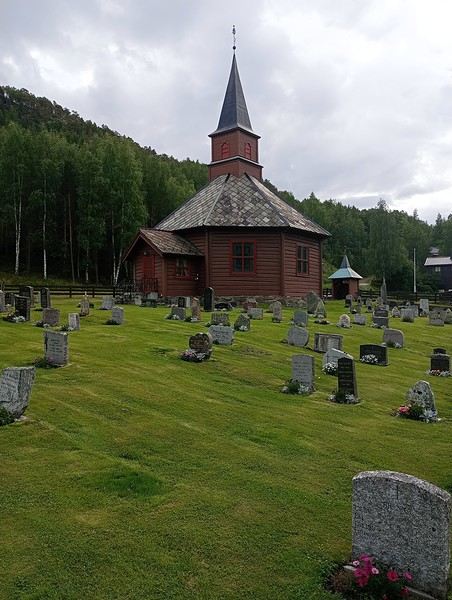
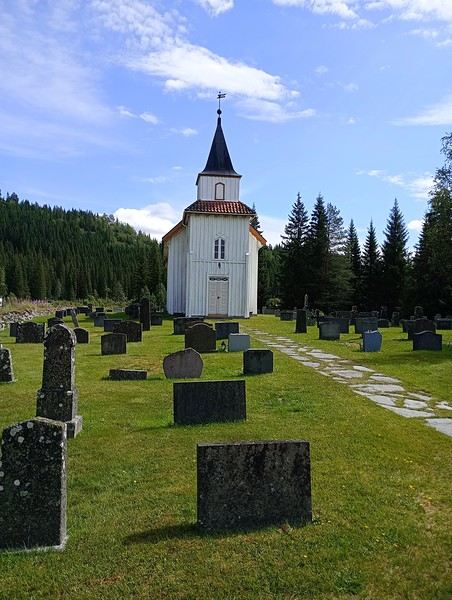 11- Høydalsmo Church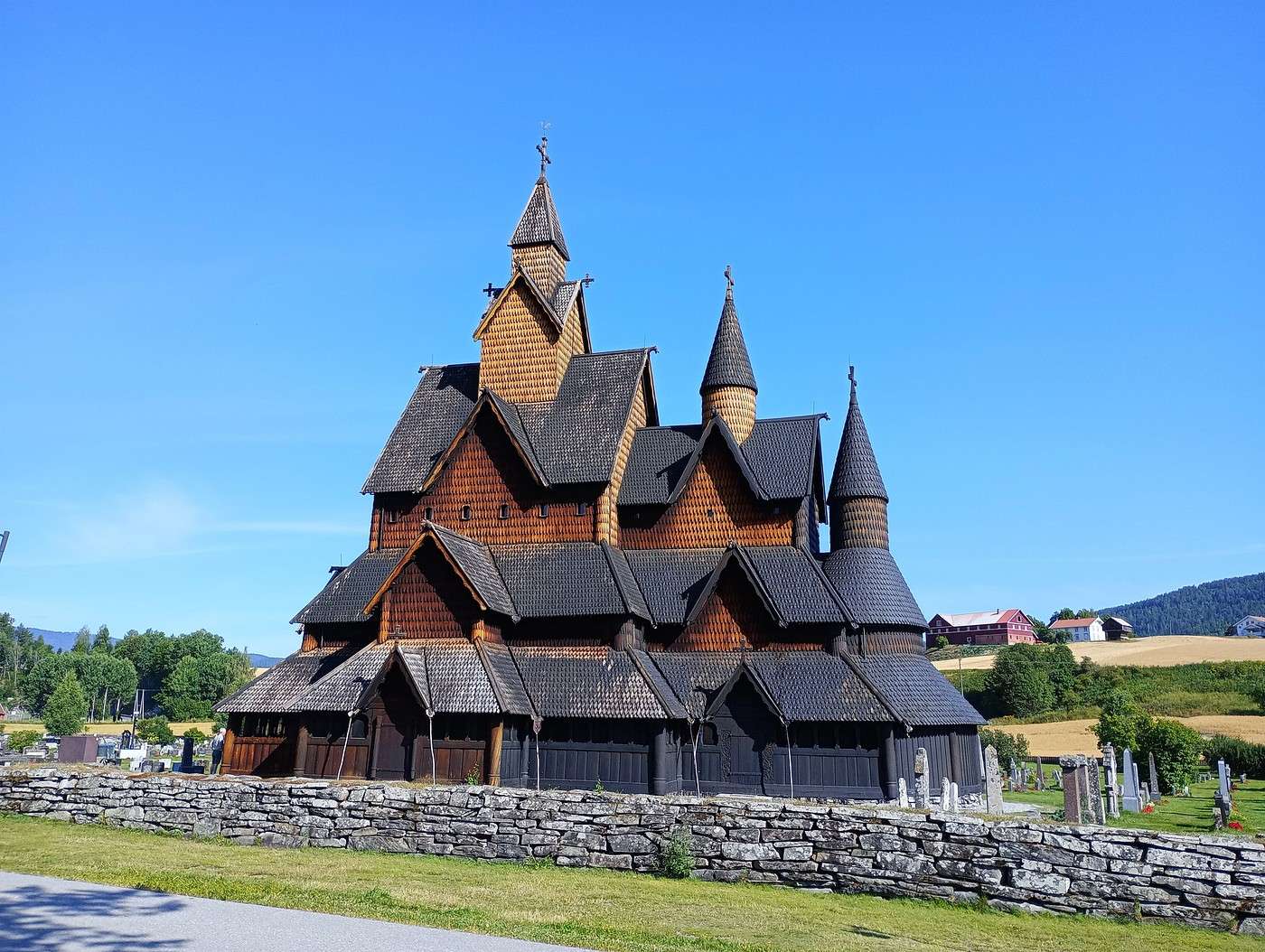
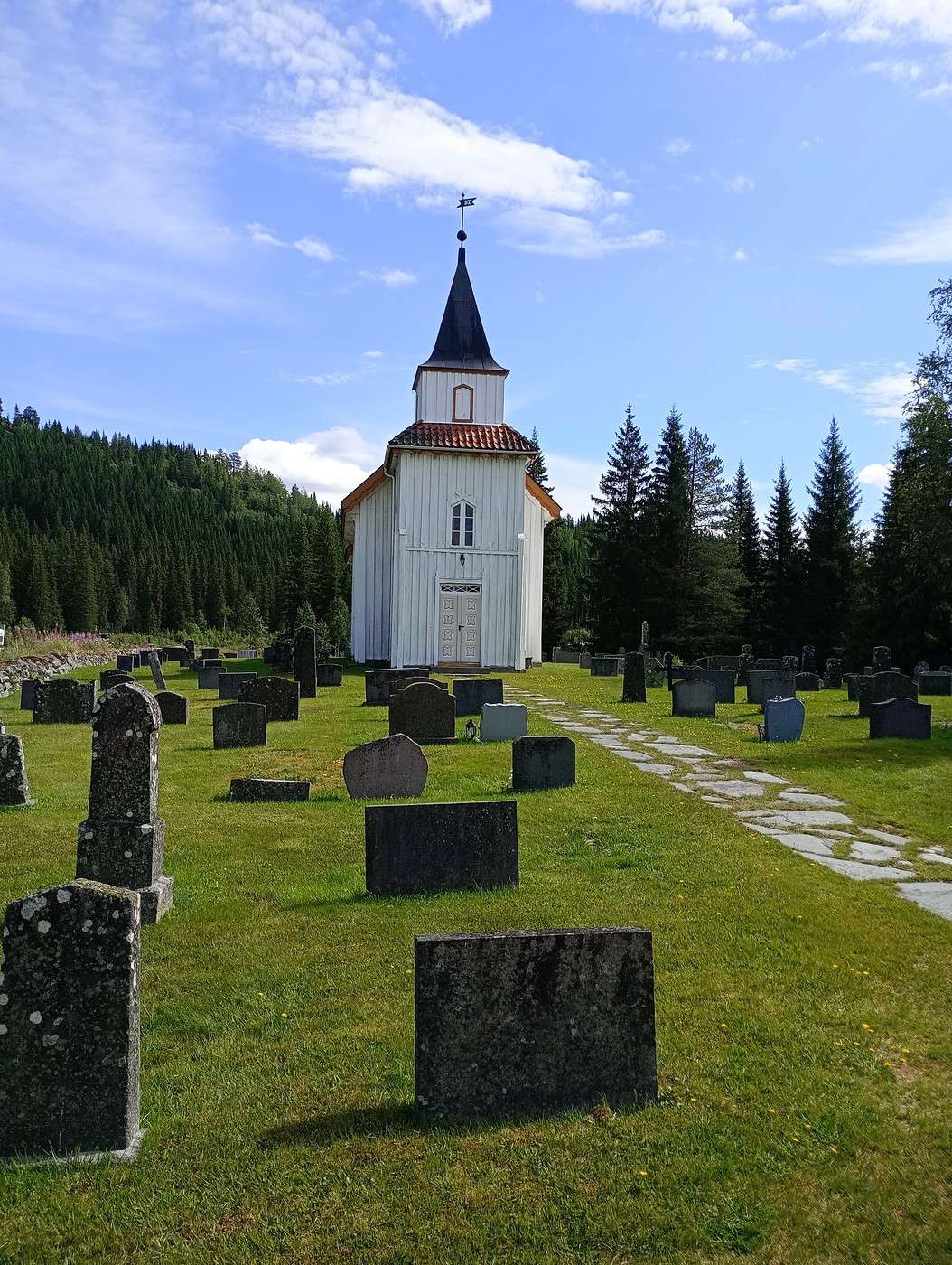
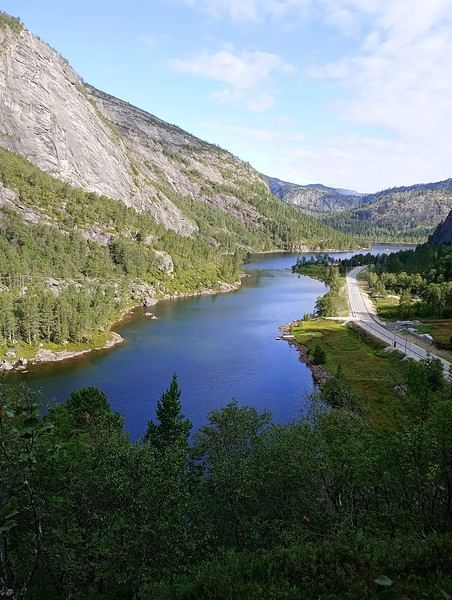 12- View from the hike
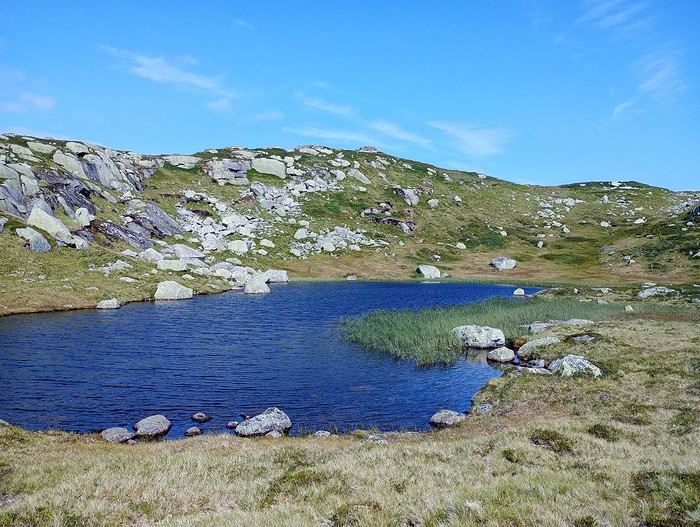 13- Suleskardveien landscape
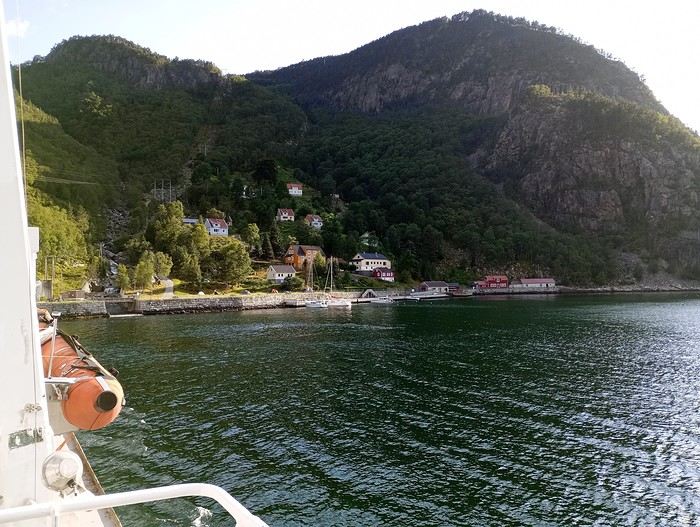 14- The cruise is fun!
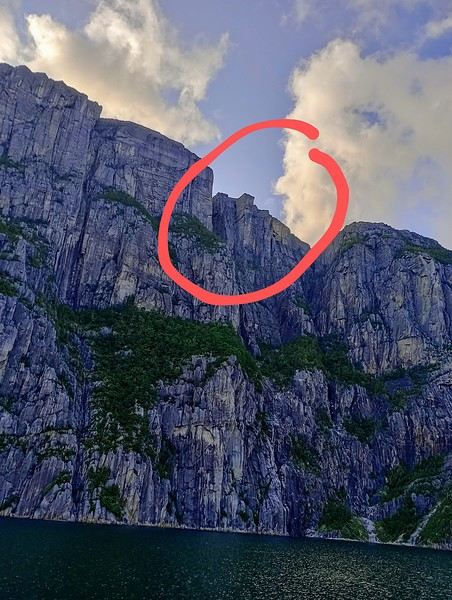 15- There it is!
The end of the trip, the wind picks up, so I bundle up in my puffer jacket (yes, I’m a cold wimp!). We arrive in Forsand around 9 PM, with 30 km left to Jorpeland and our hotel. Too late to find an open restaurant, so once again, it’s a dinner of snacks (we’d packed for this possibility).
15- There it is!
The end of the trip, the wind picks up, so I bundle up in my puffer jacket (yes, I’m a cold wimp!). We arrive in Forsand around 9 PM, with 30 km left to Jorpeland and our hotel. Too late to find an open restaurant, so once again, it’s a dinner of snacks (we’d packed for this possibility).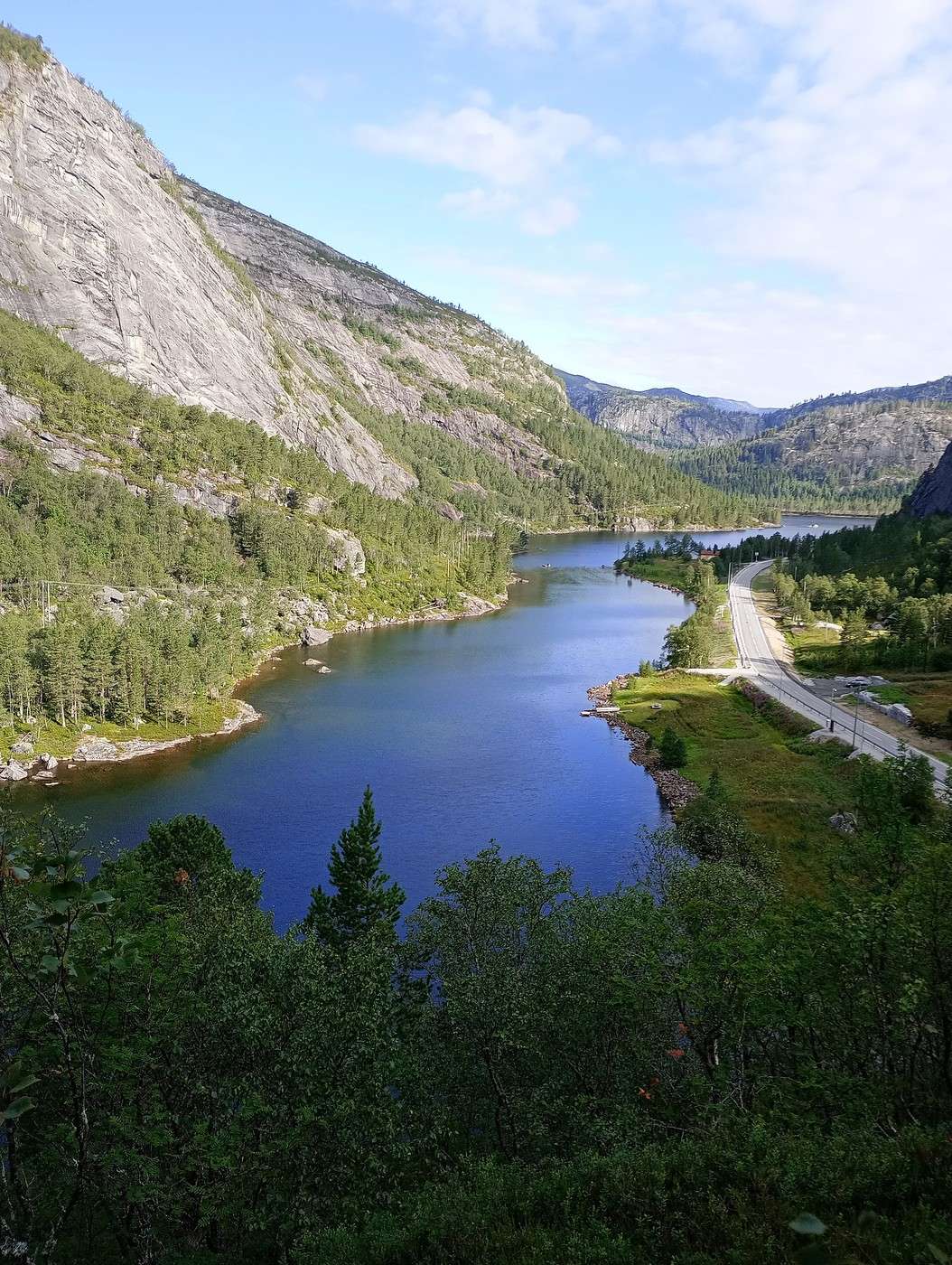
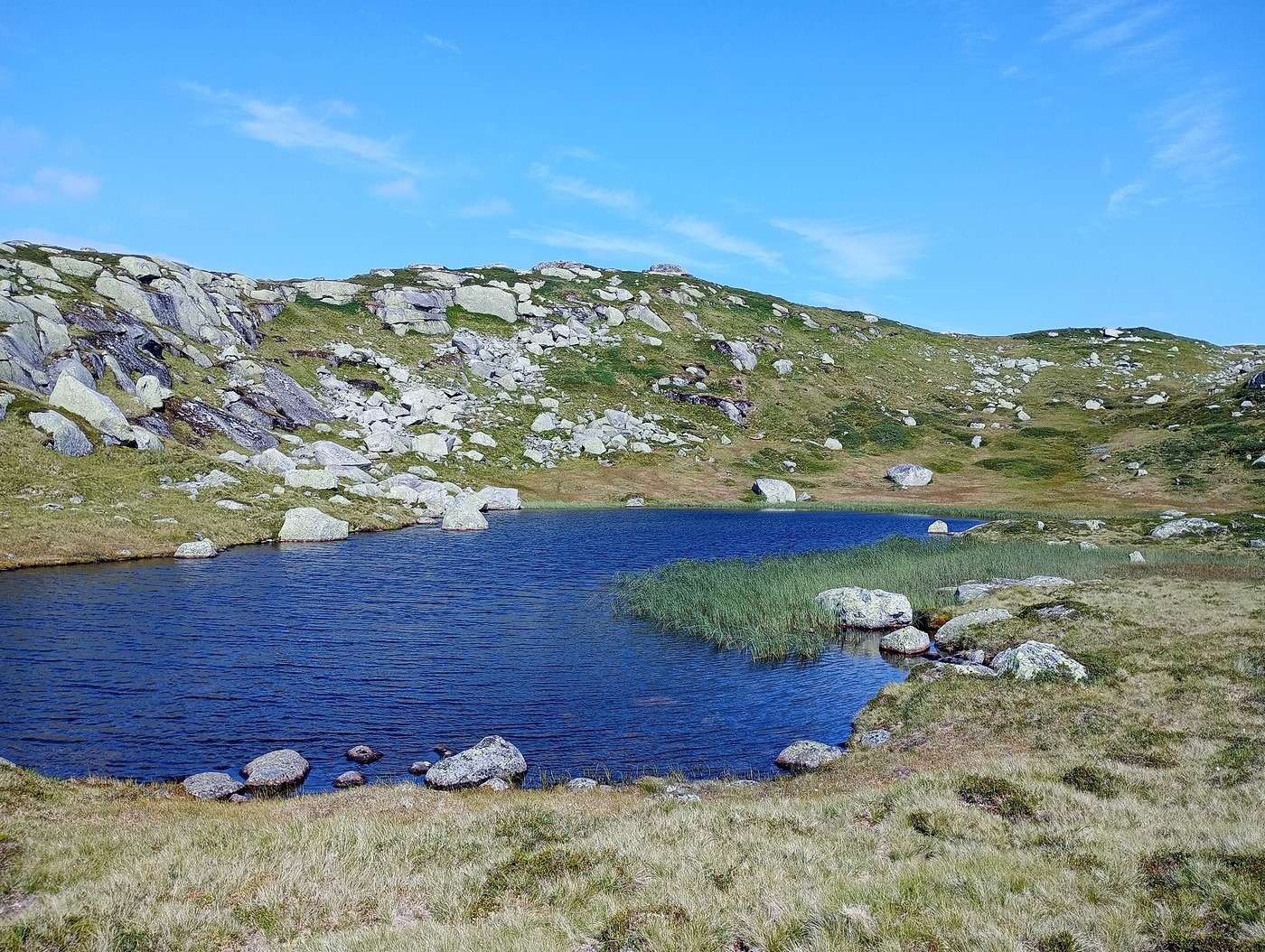
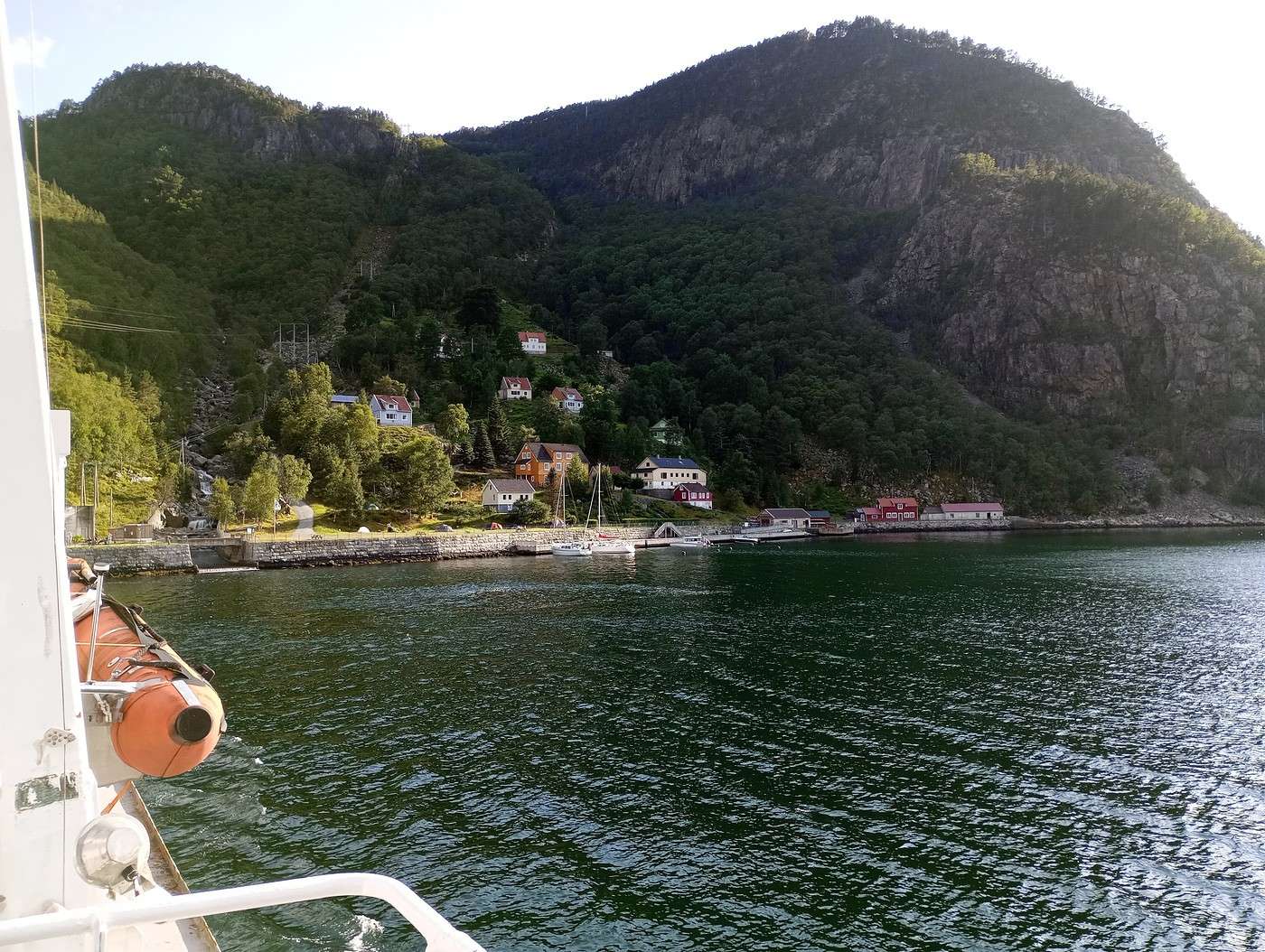
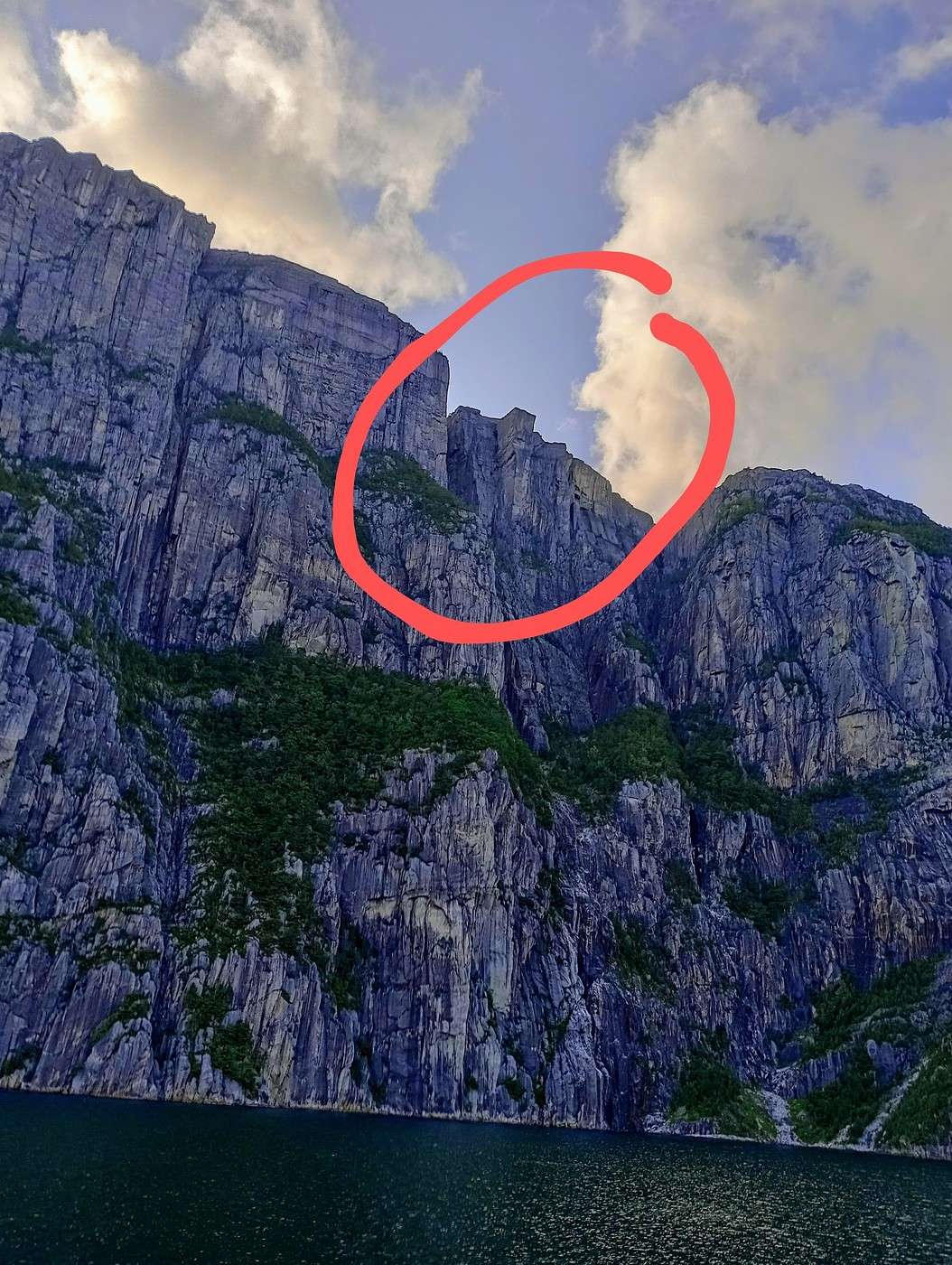
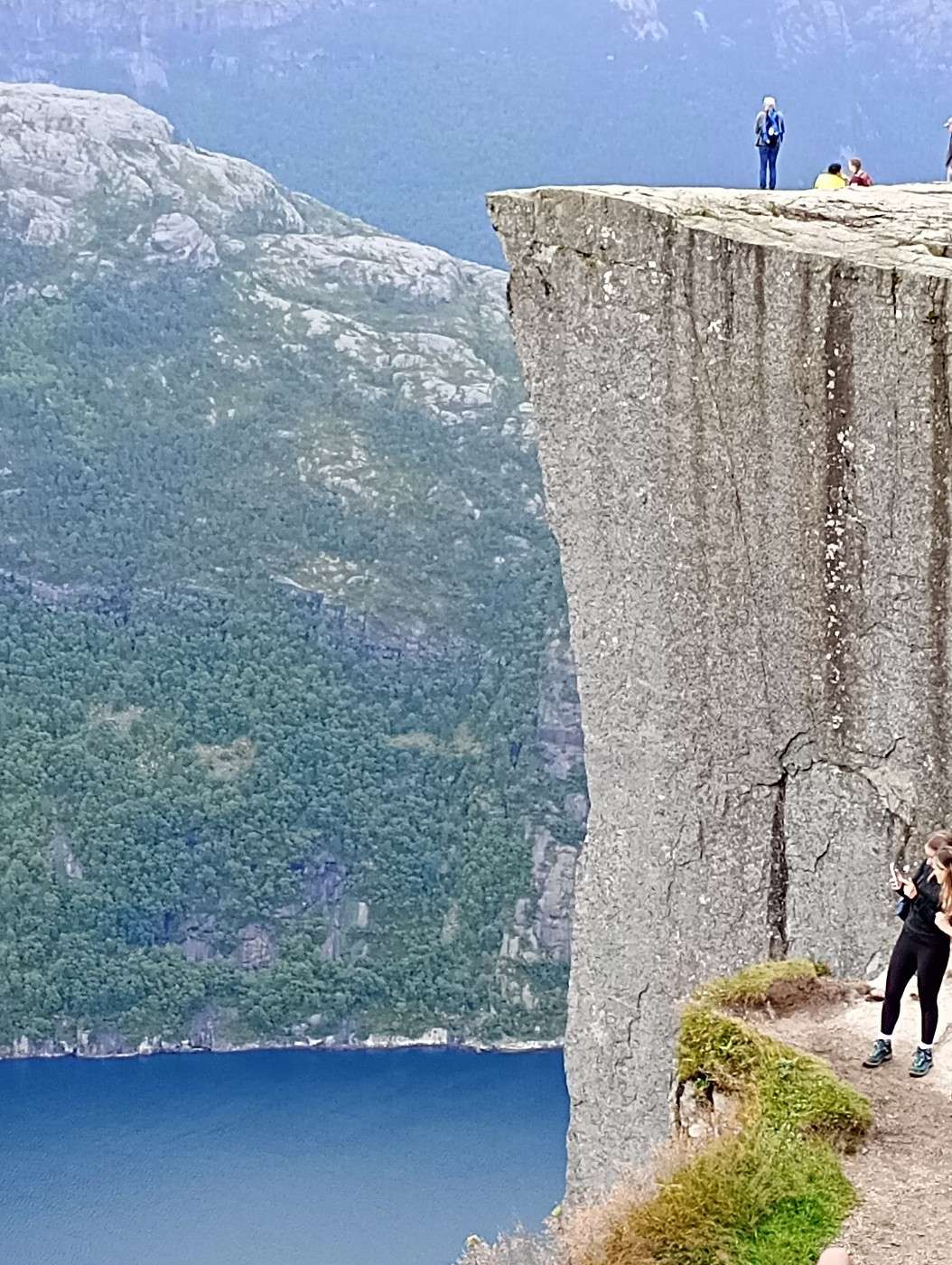
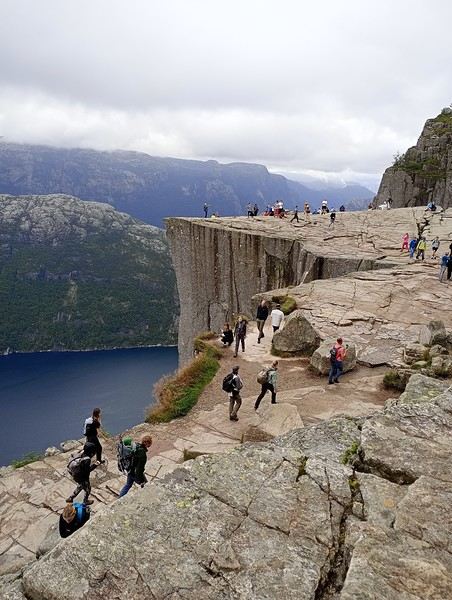 16 - After seeing it from below, here’s the view from the top!
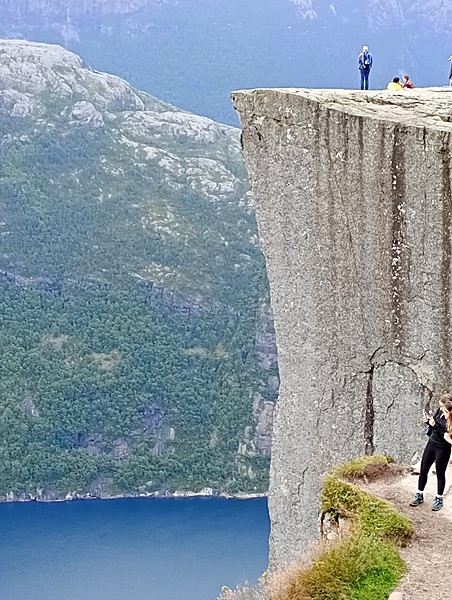 17 - Had to cheat to get a photo with hardly anyone in it!
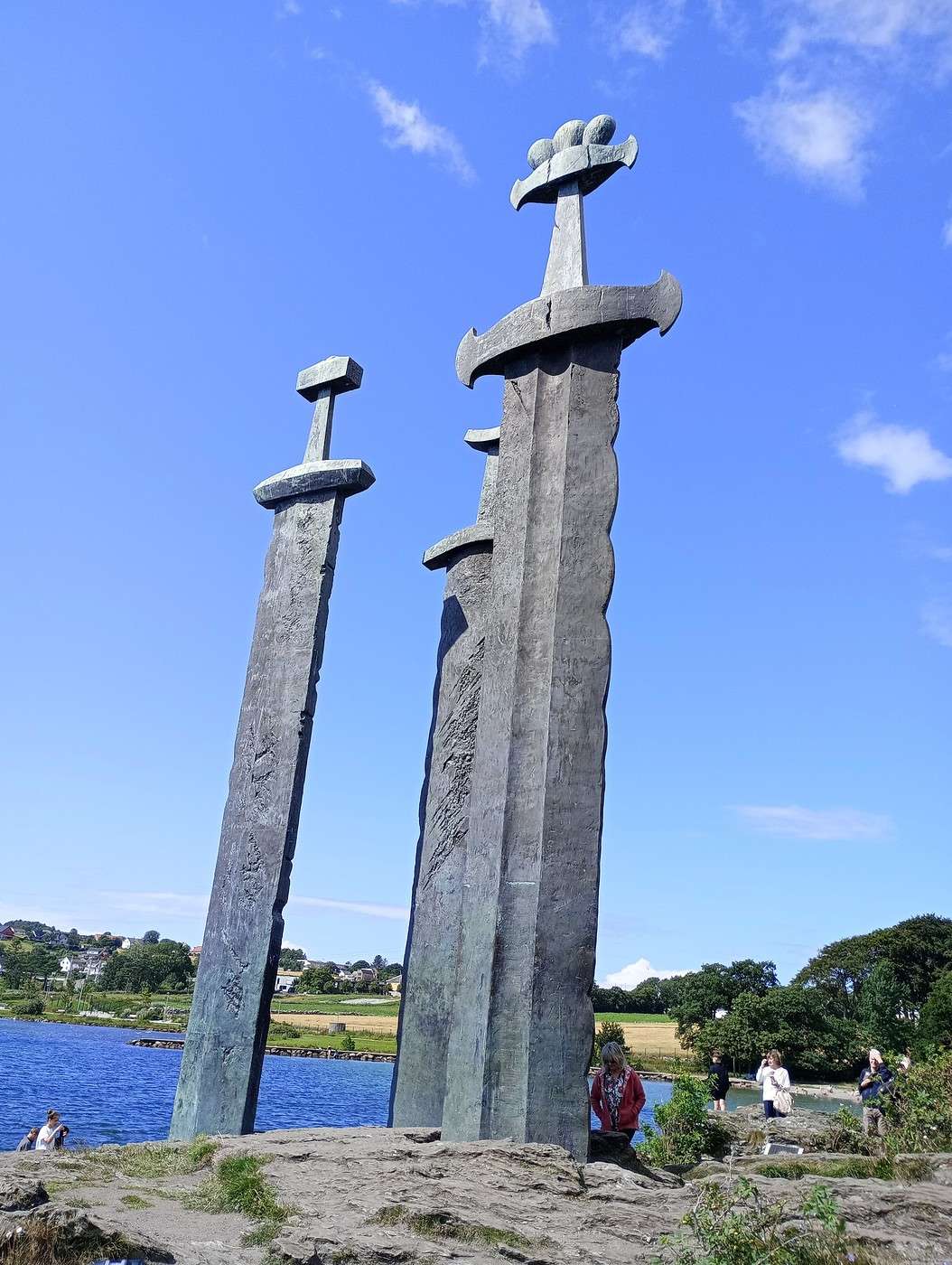
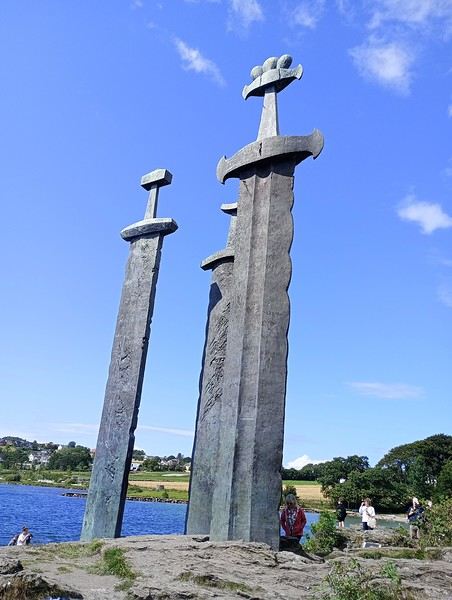 18 - Viking monument
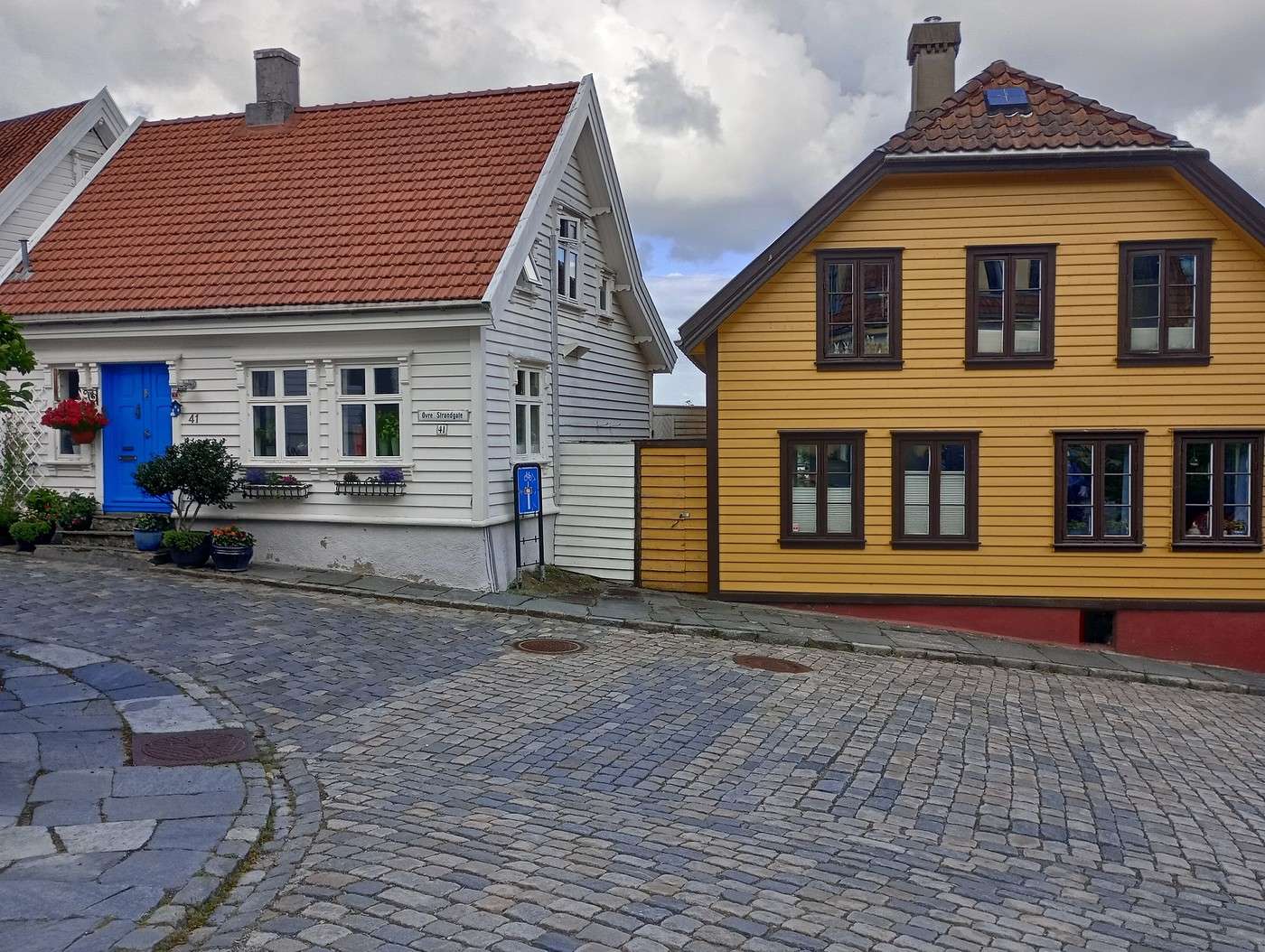
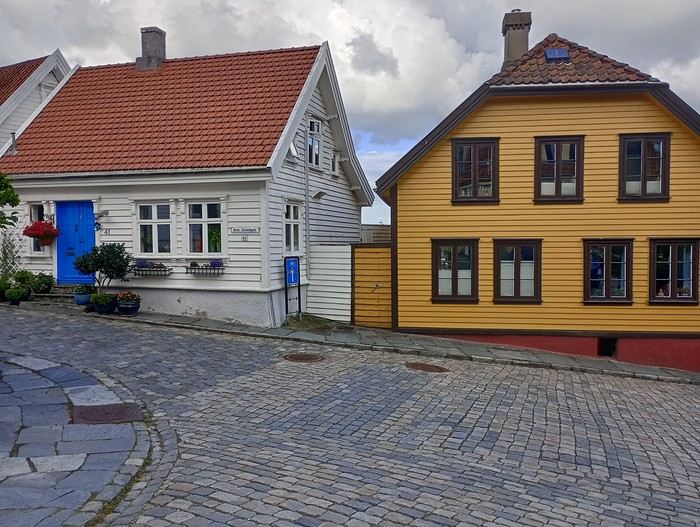 19 - Gamle Stavanger district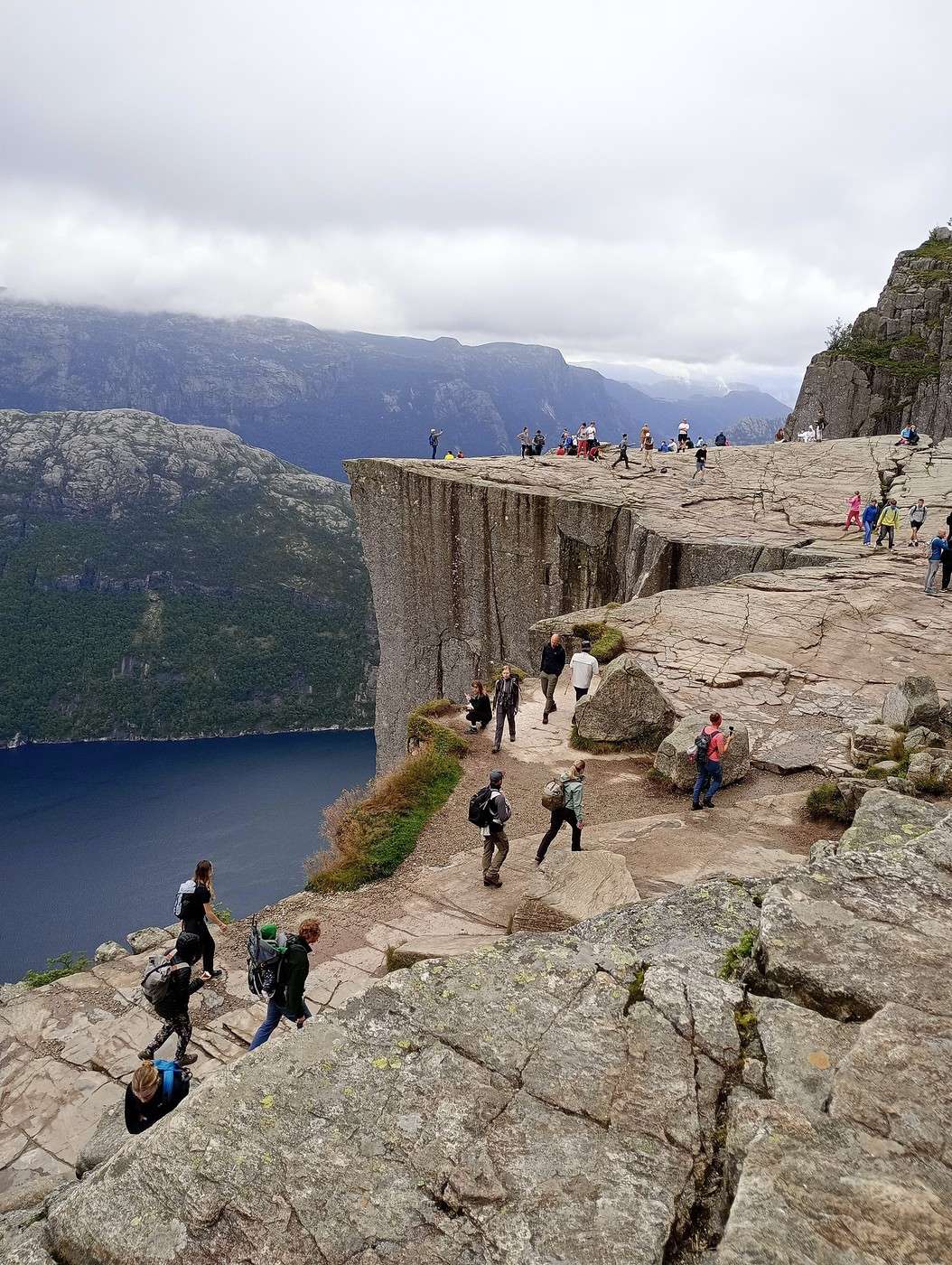
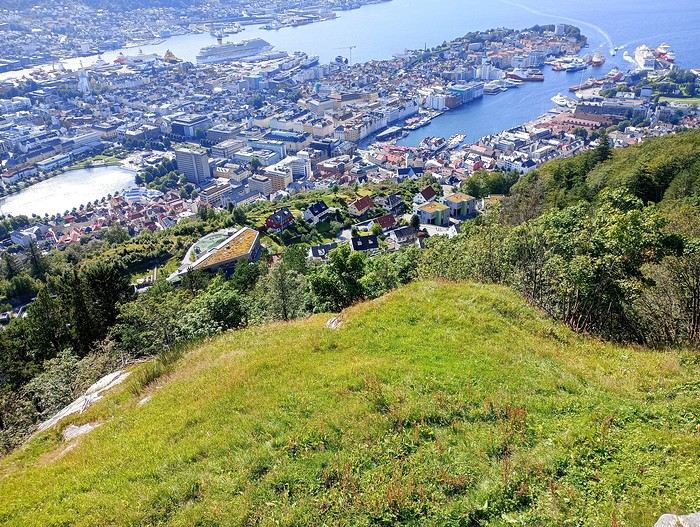 20 - View of Bergen from Mount Fløyen
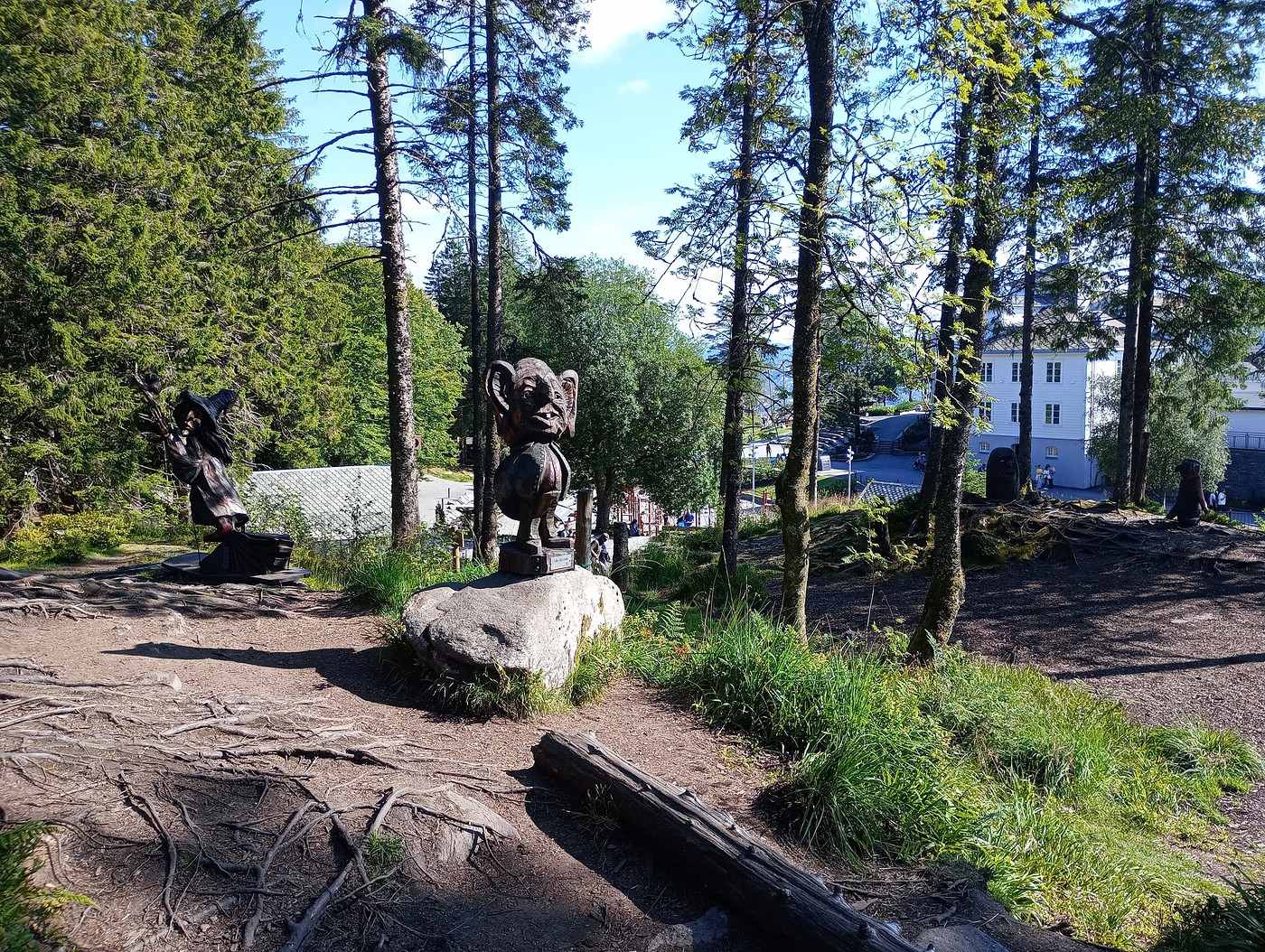
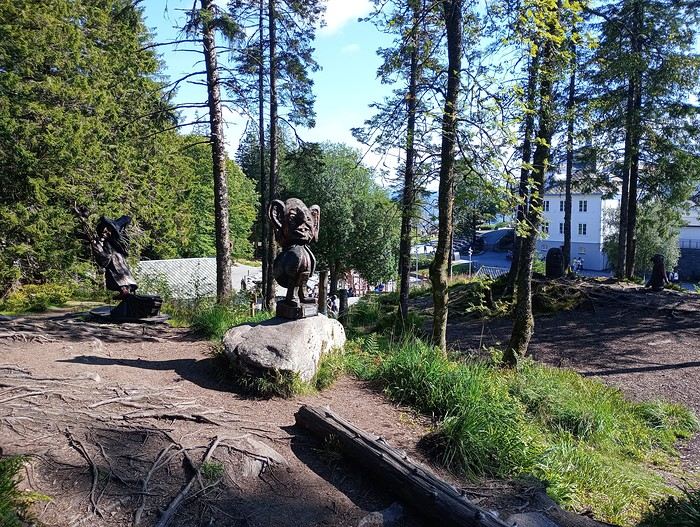 21 - A troll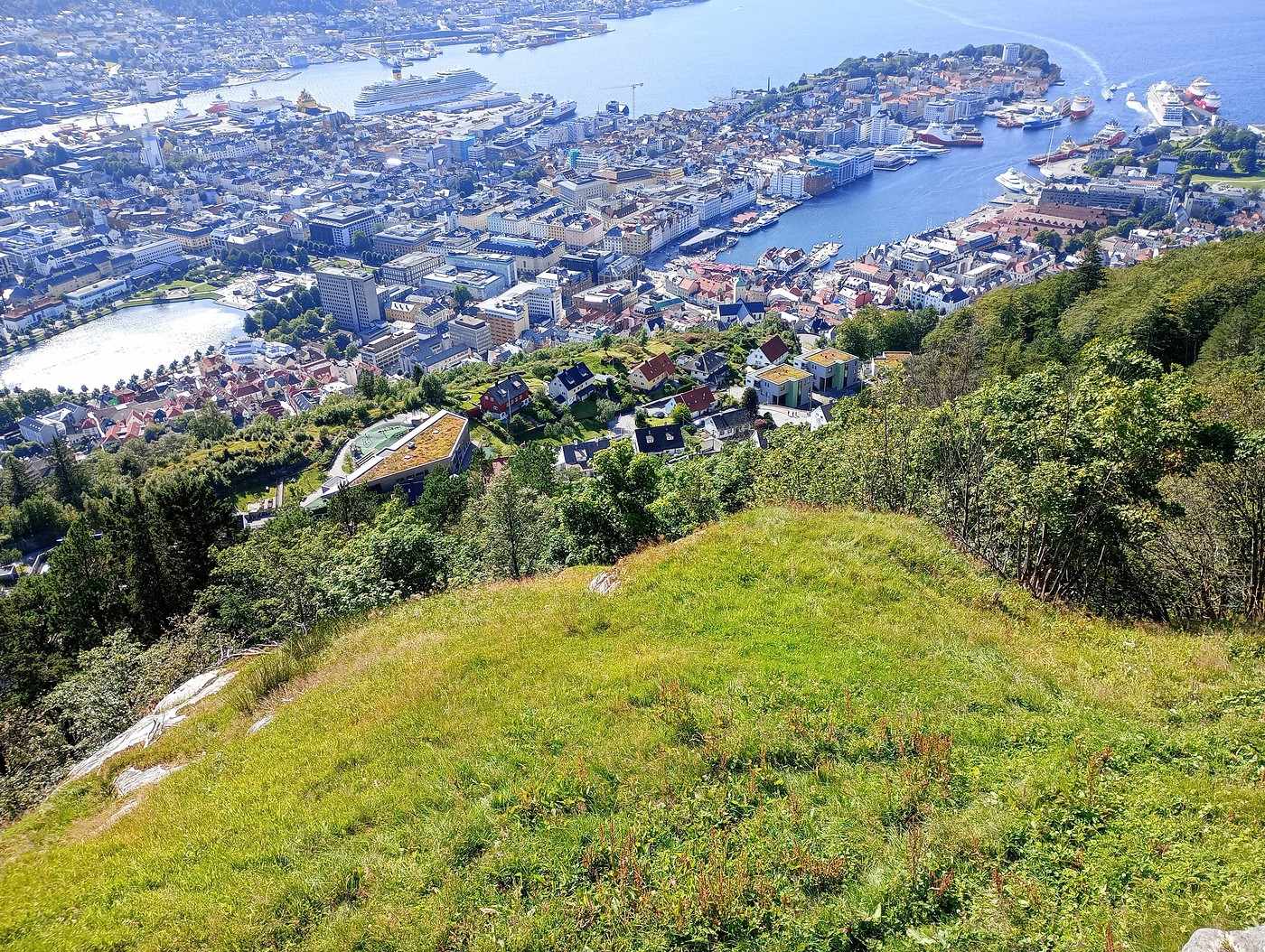
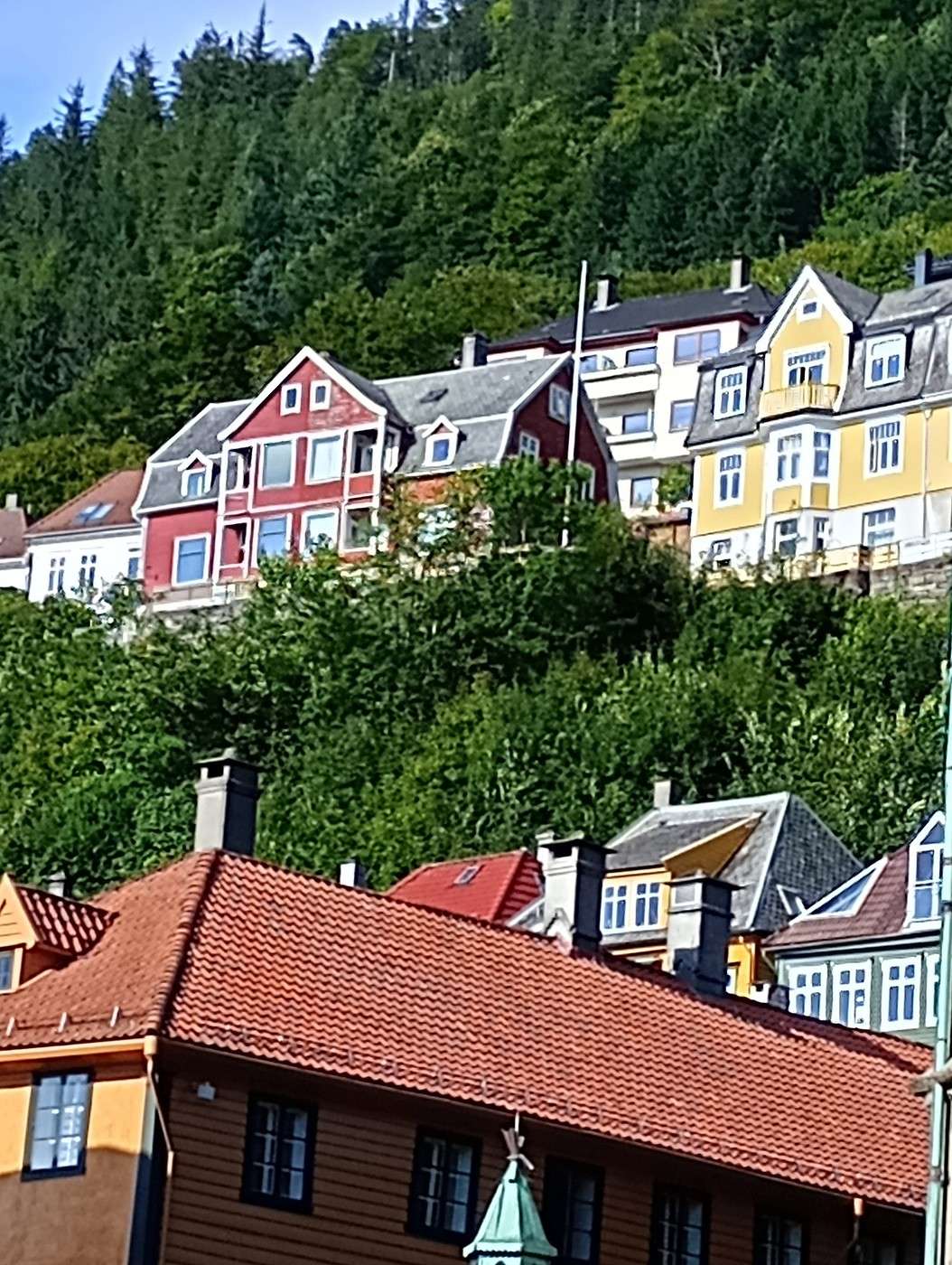
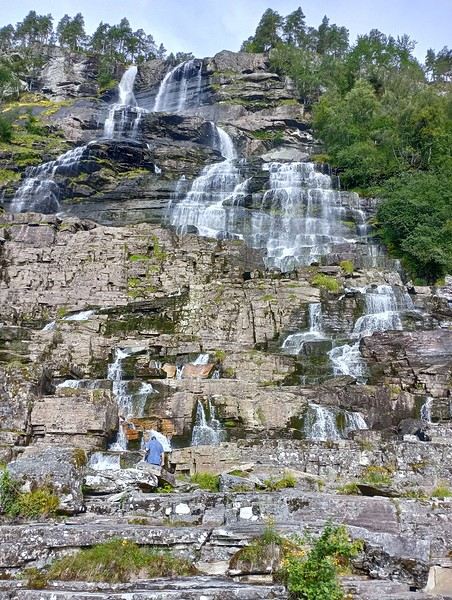
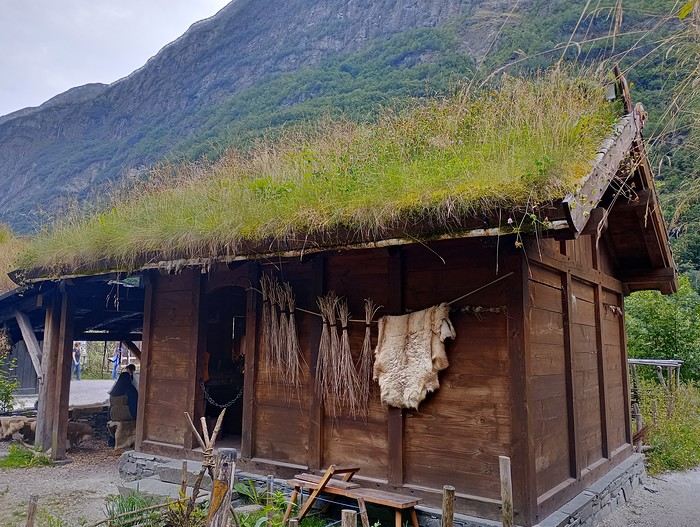
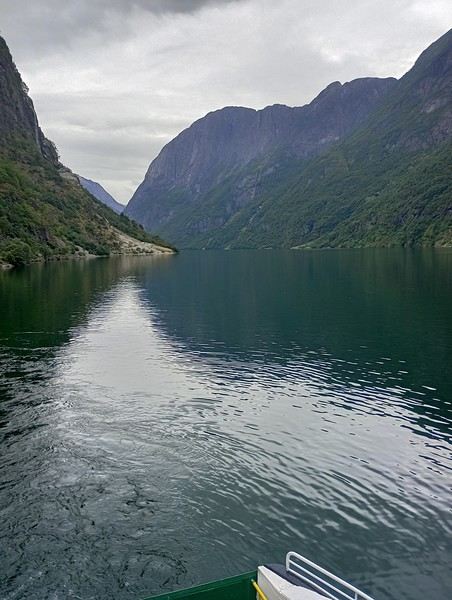
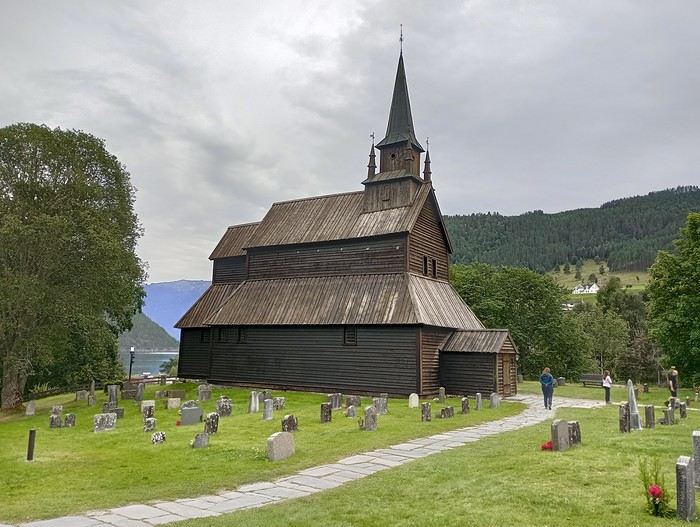
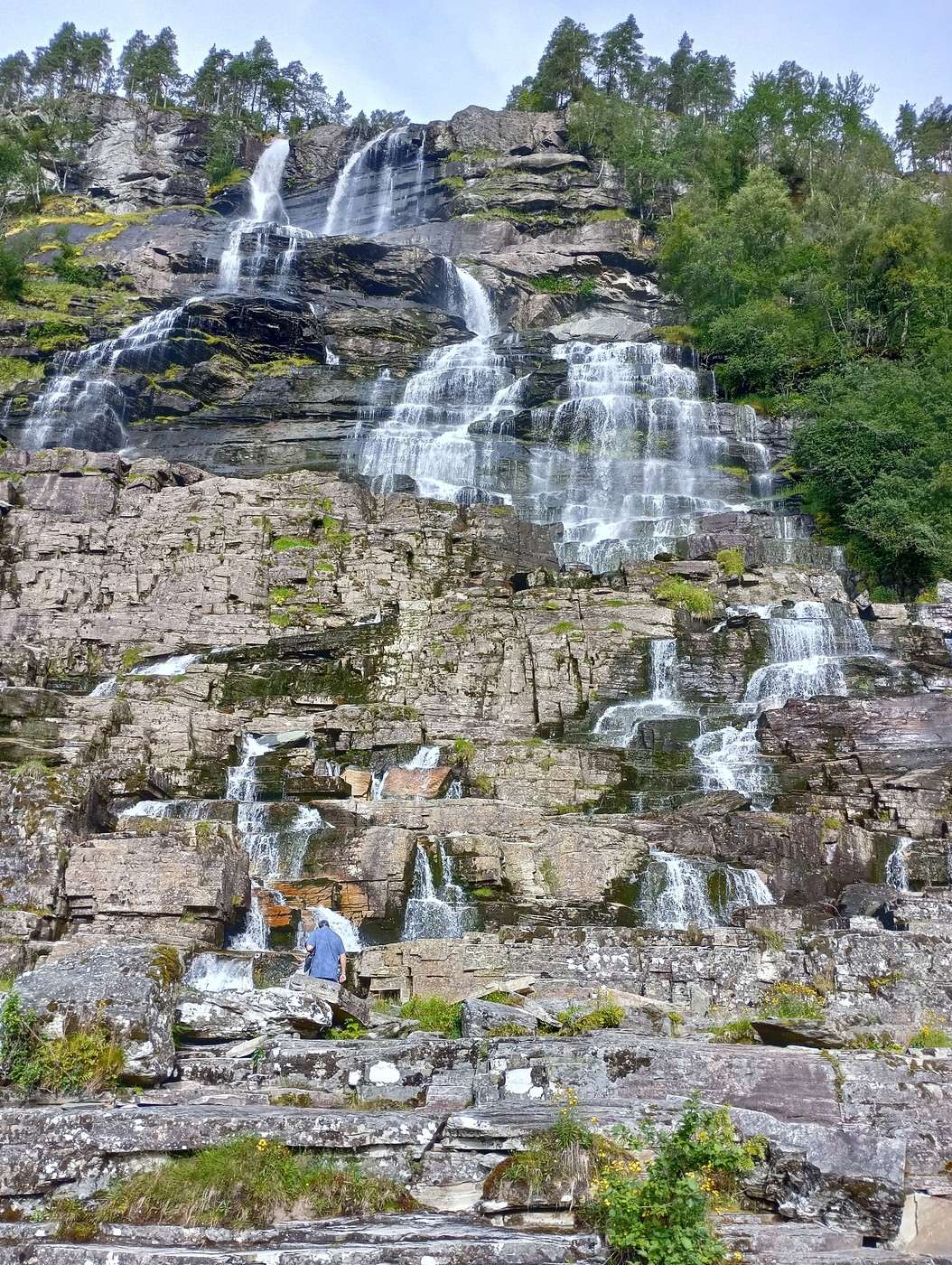
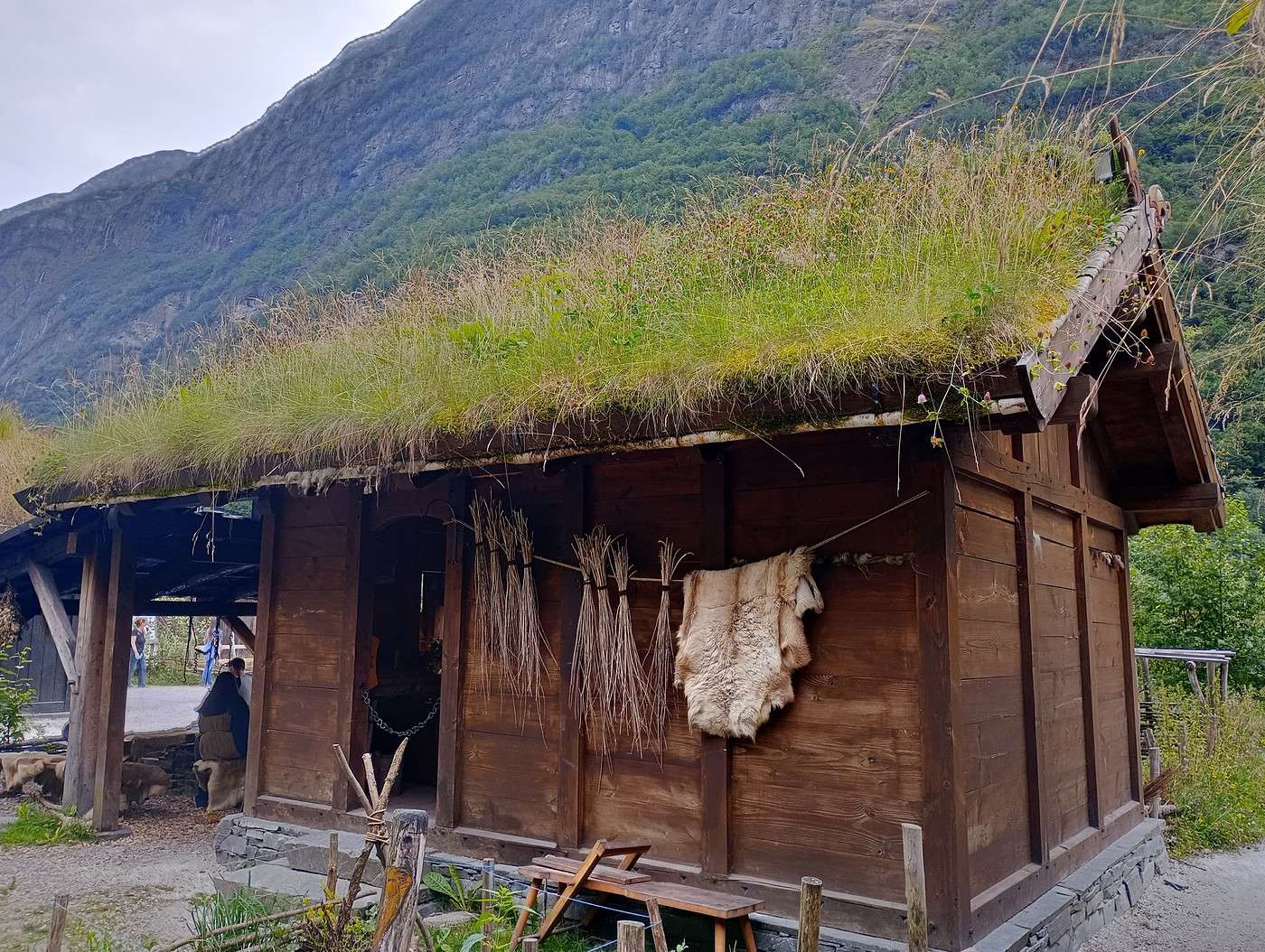
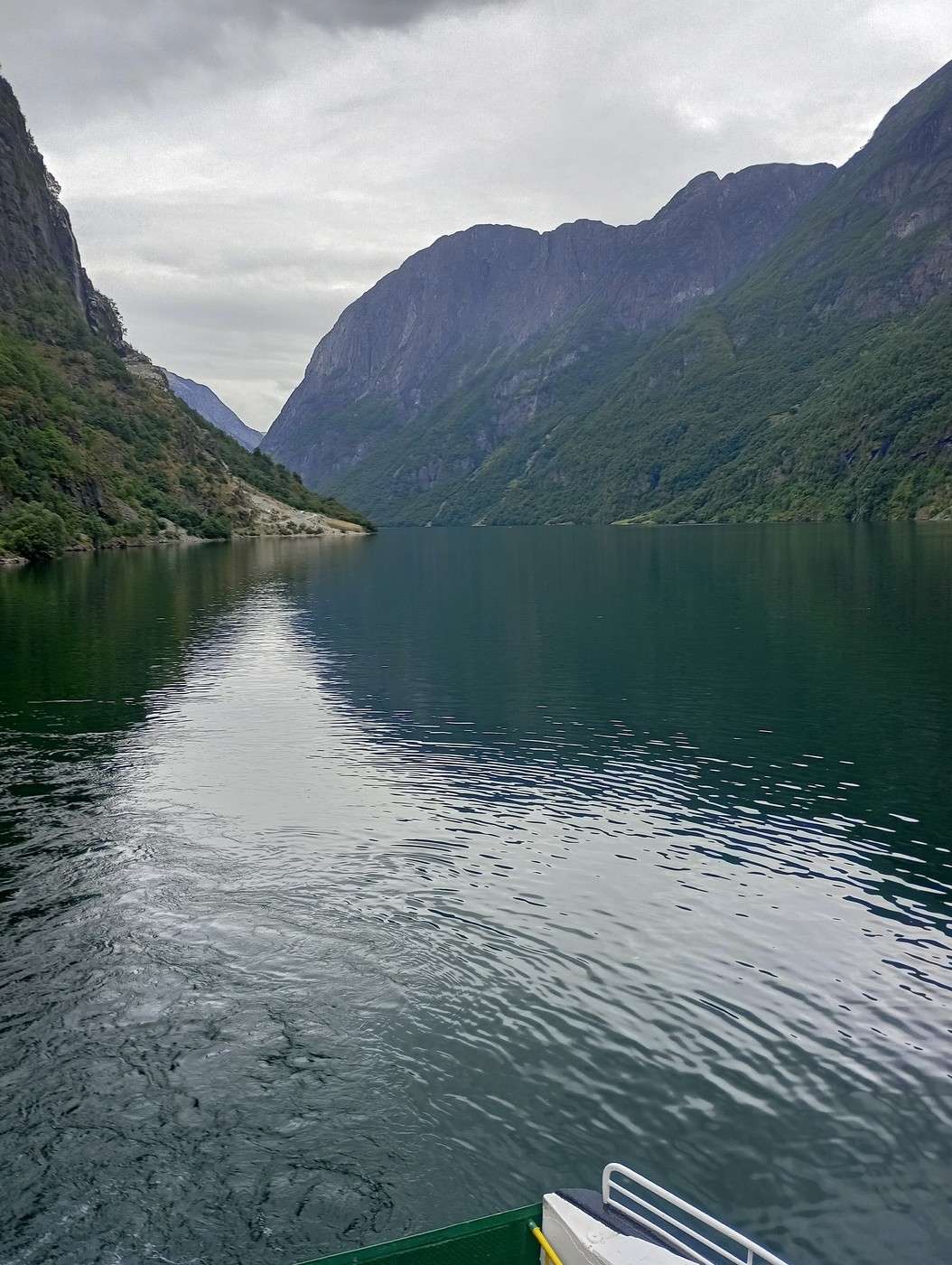
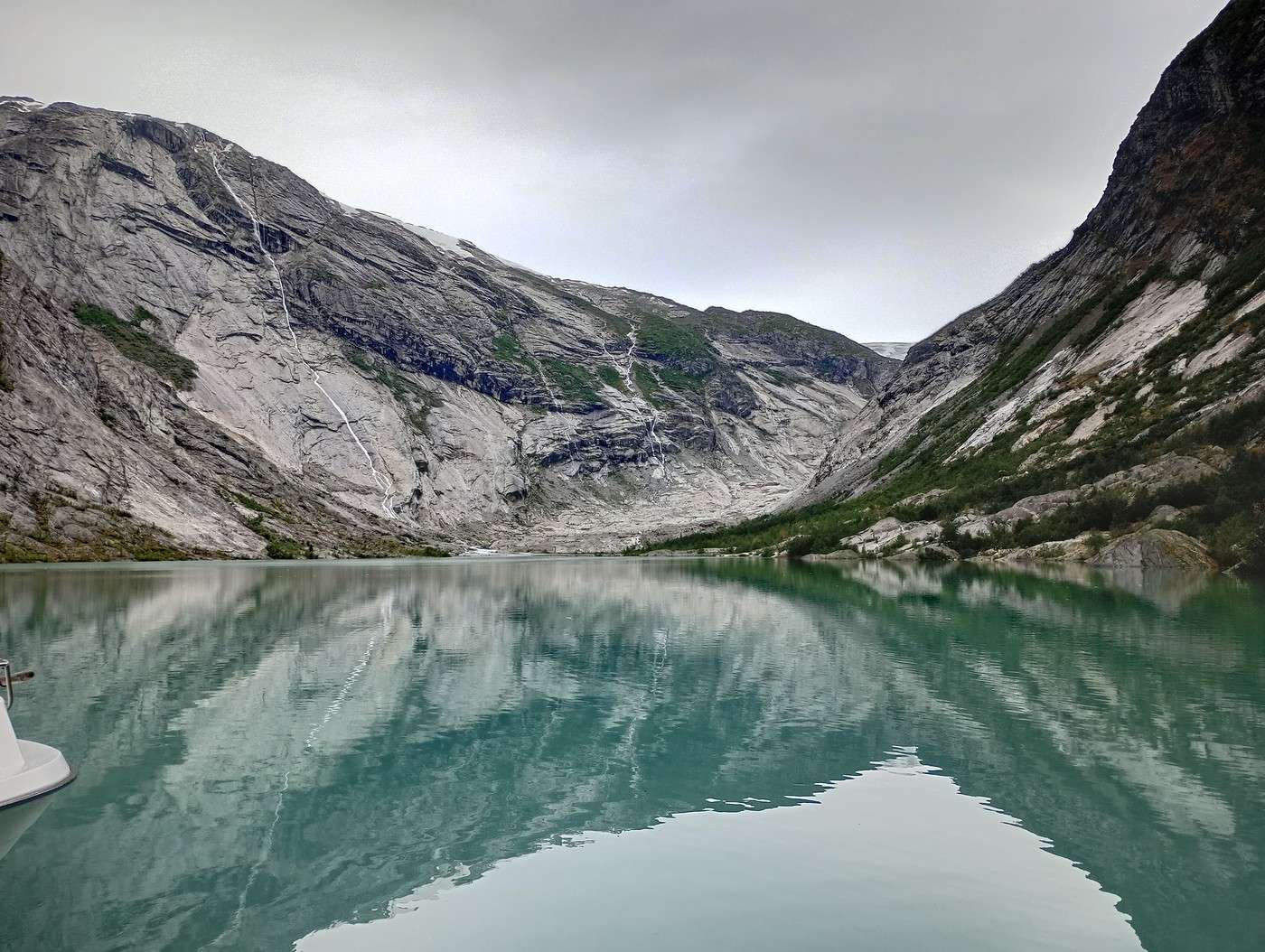
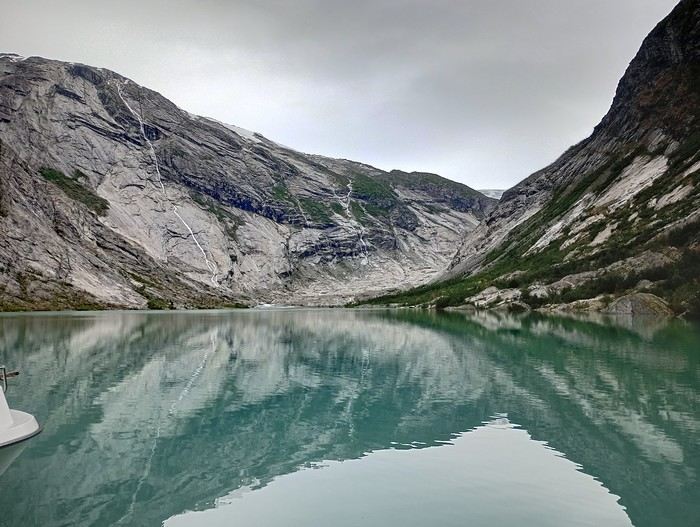 29 - Boat approach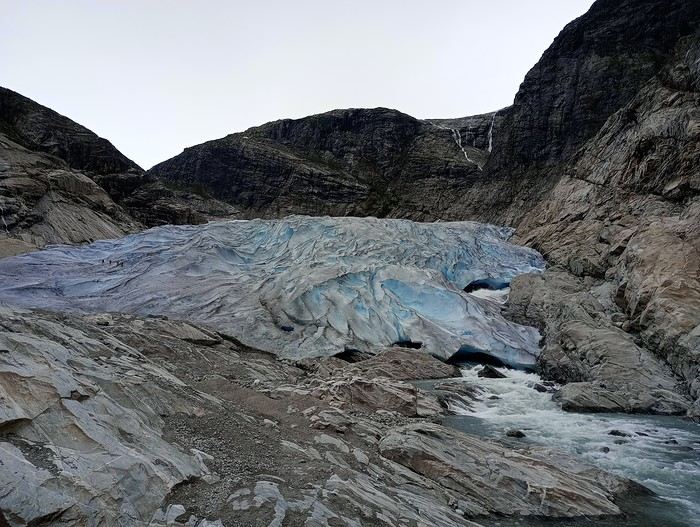
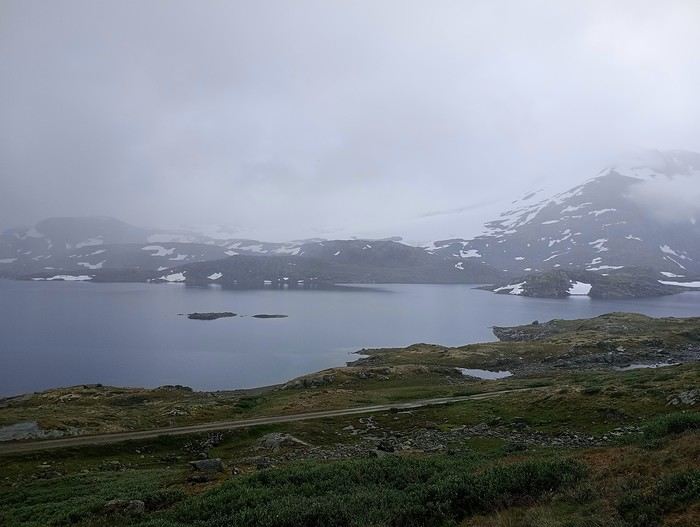
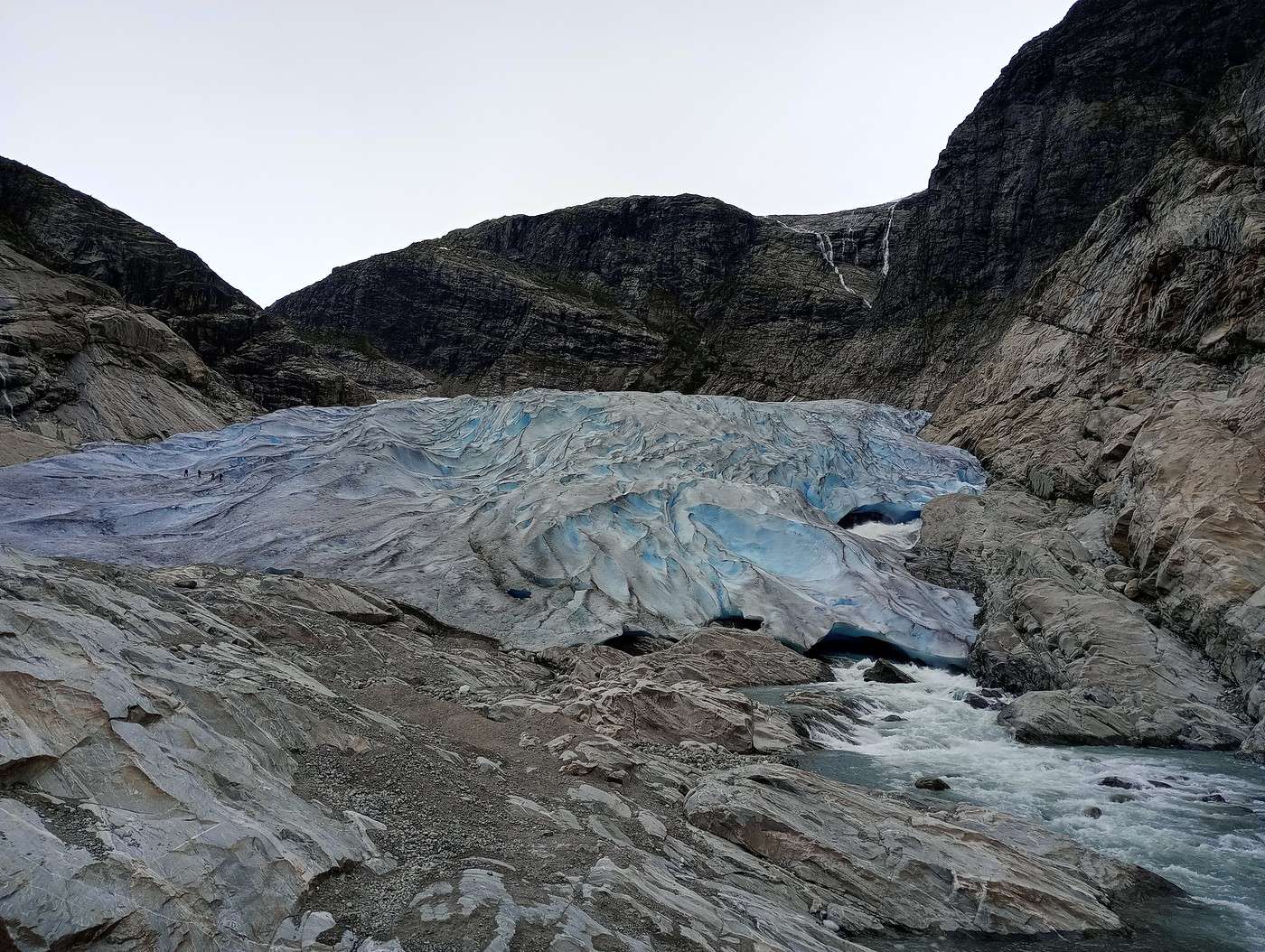
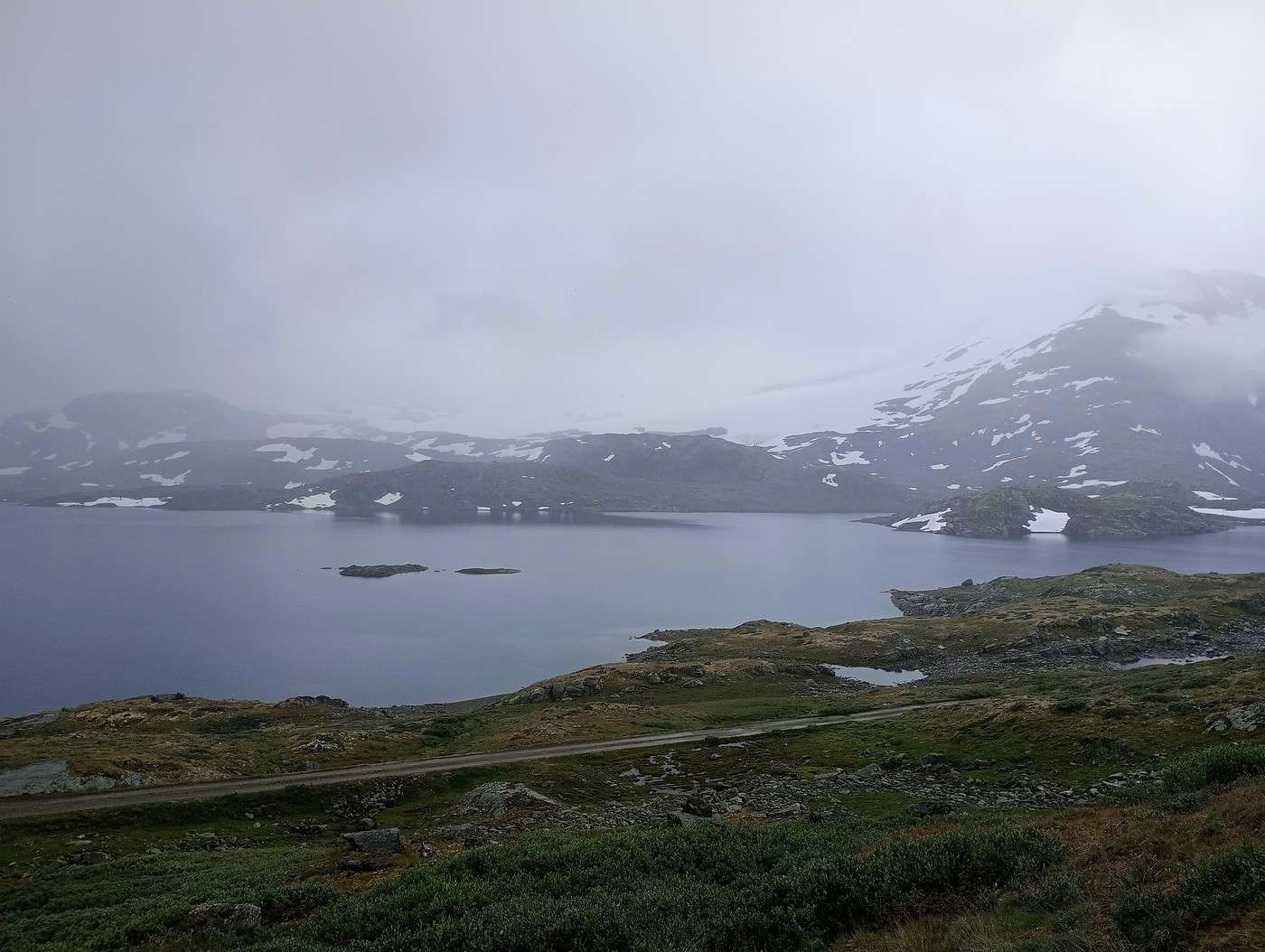
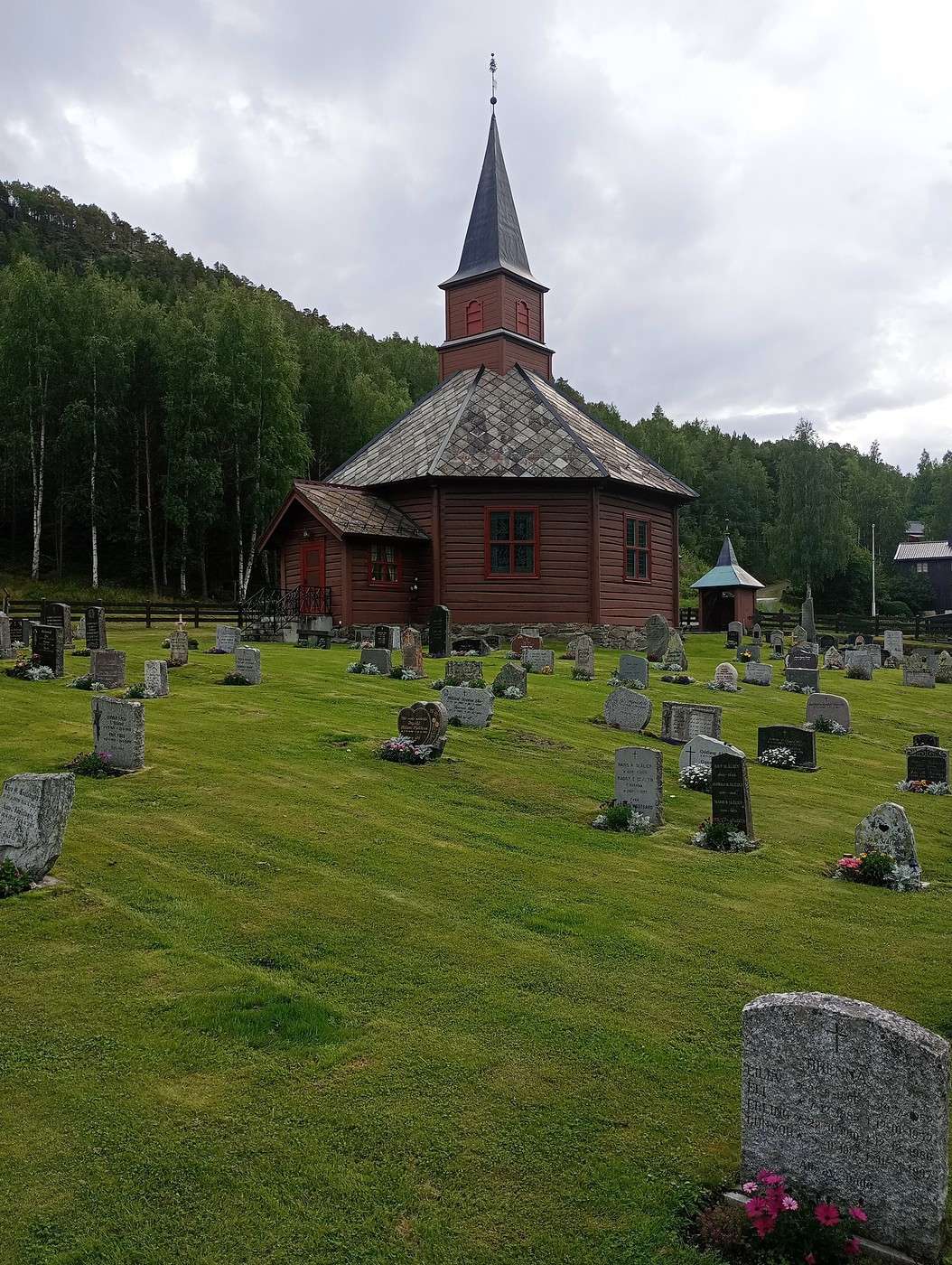
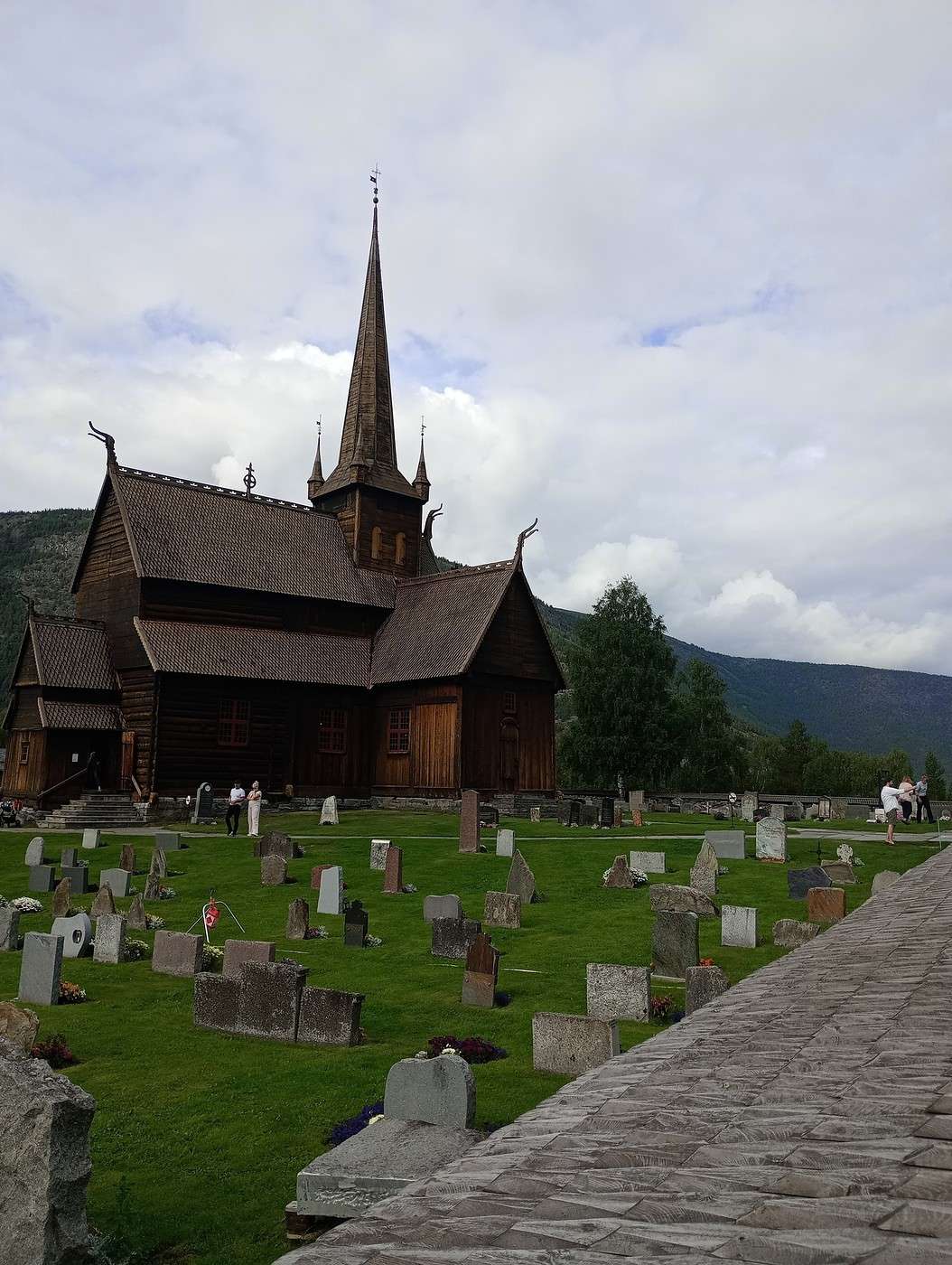
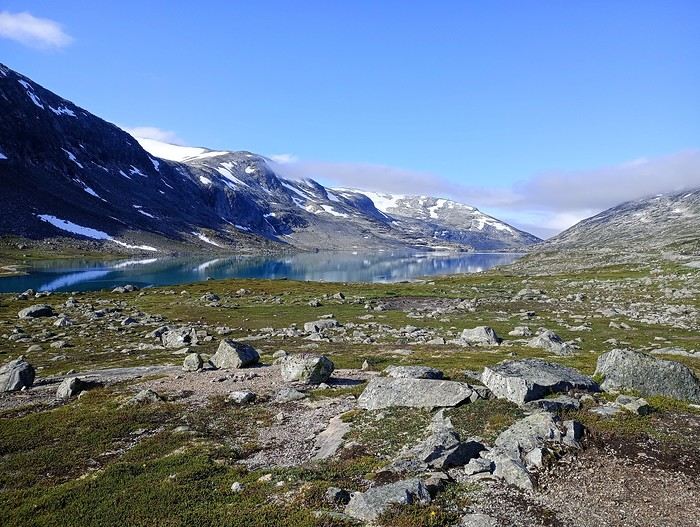 34 - It’s all here!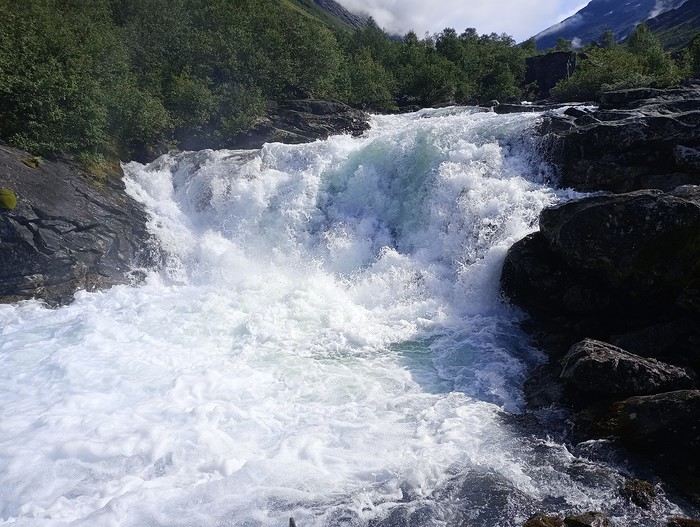
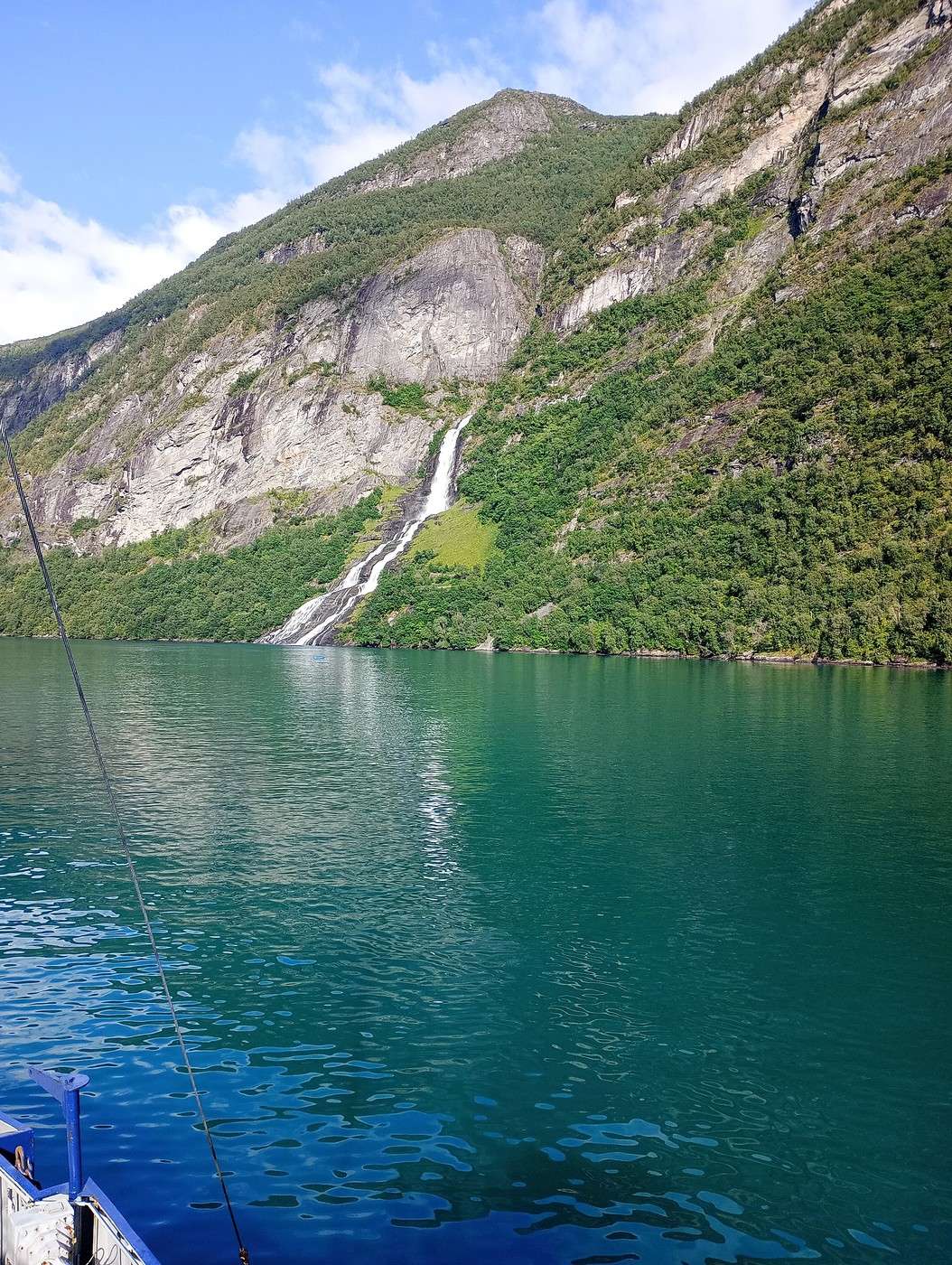
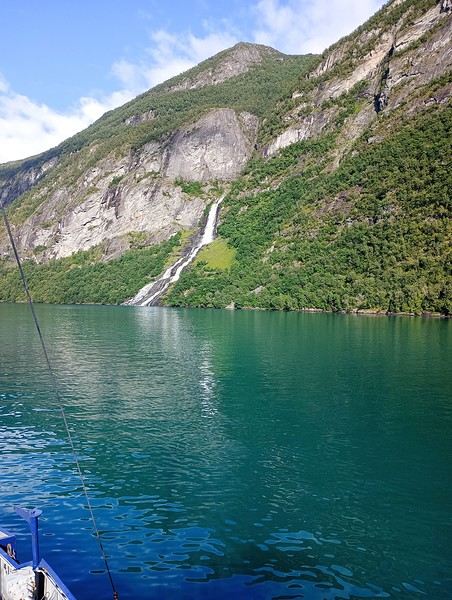 36 - A full waterfall in the Geirangerfjord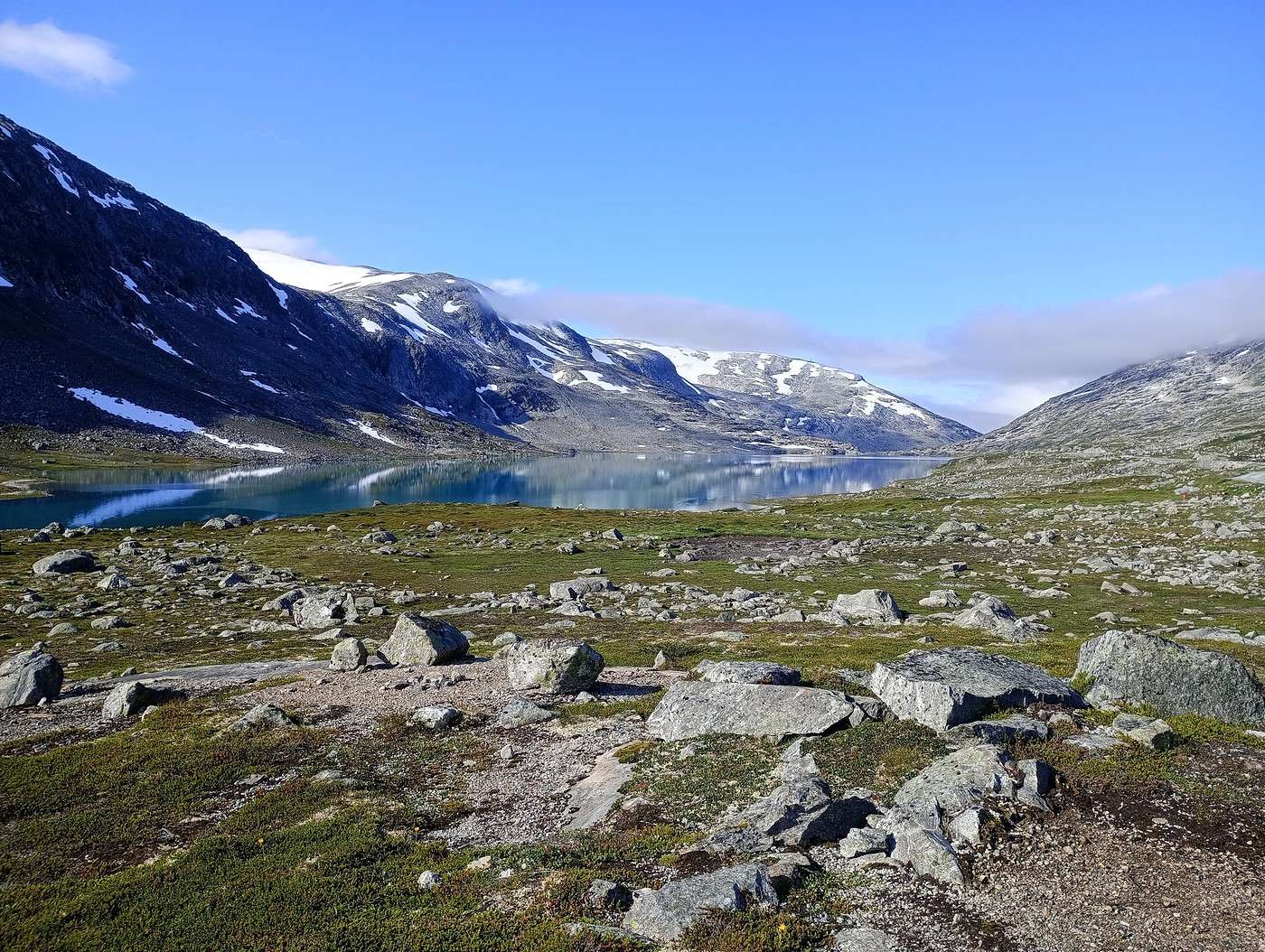
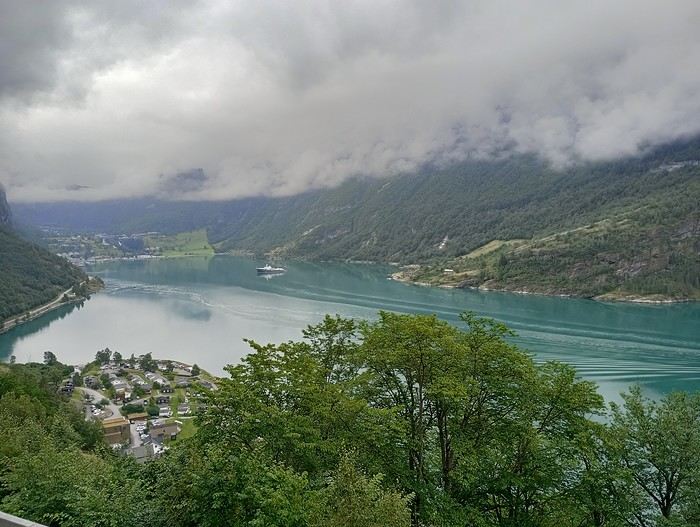
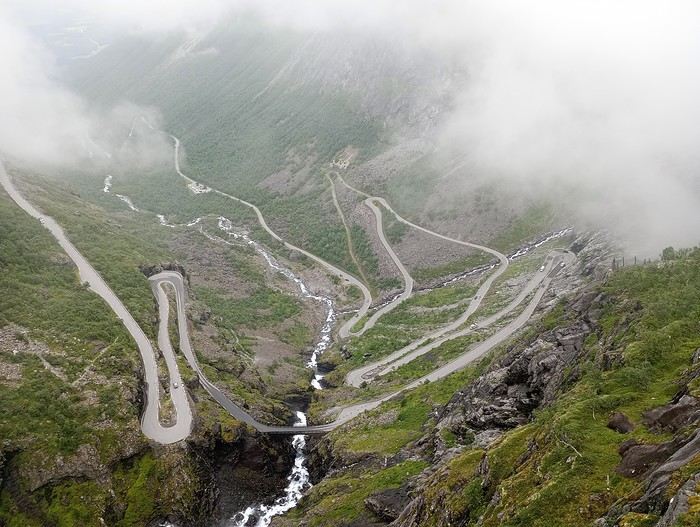
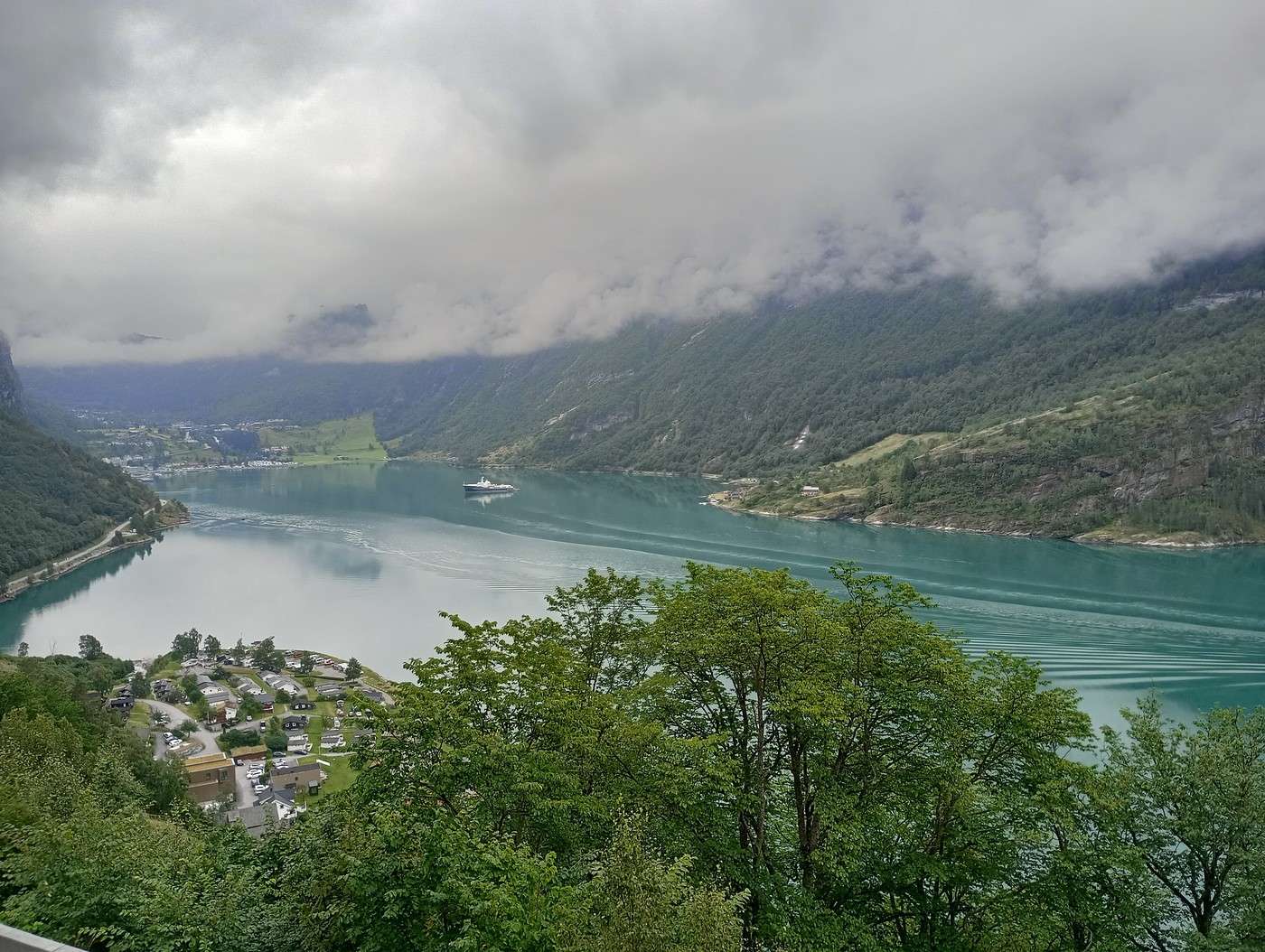
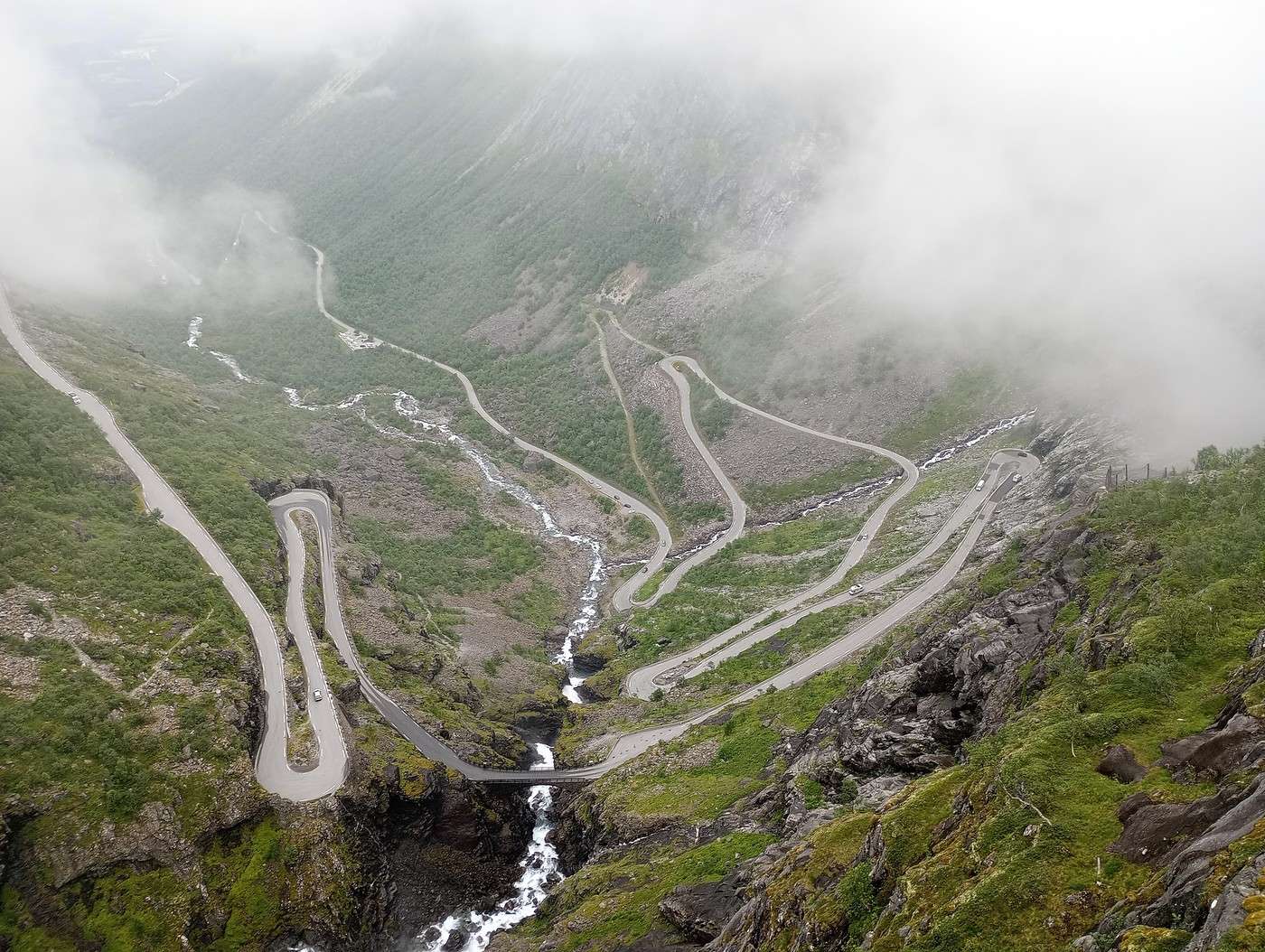
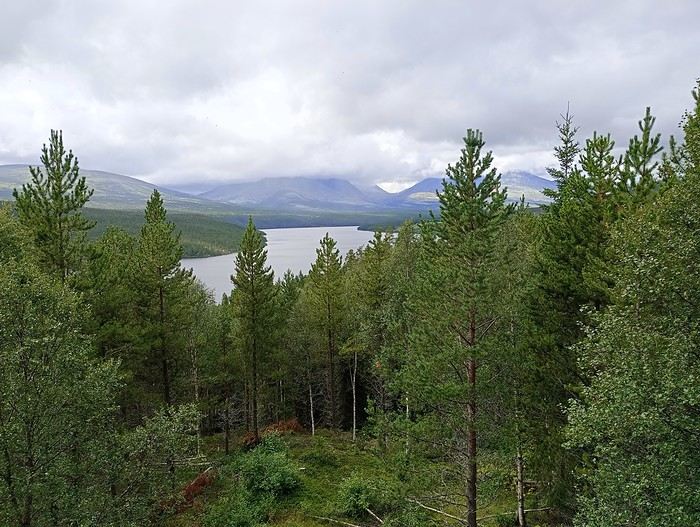 39 - The sky’s still pretty foggy!