Day 2: Friday, September 5, 2025
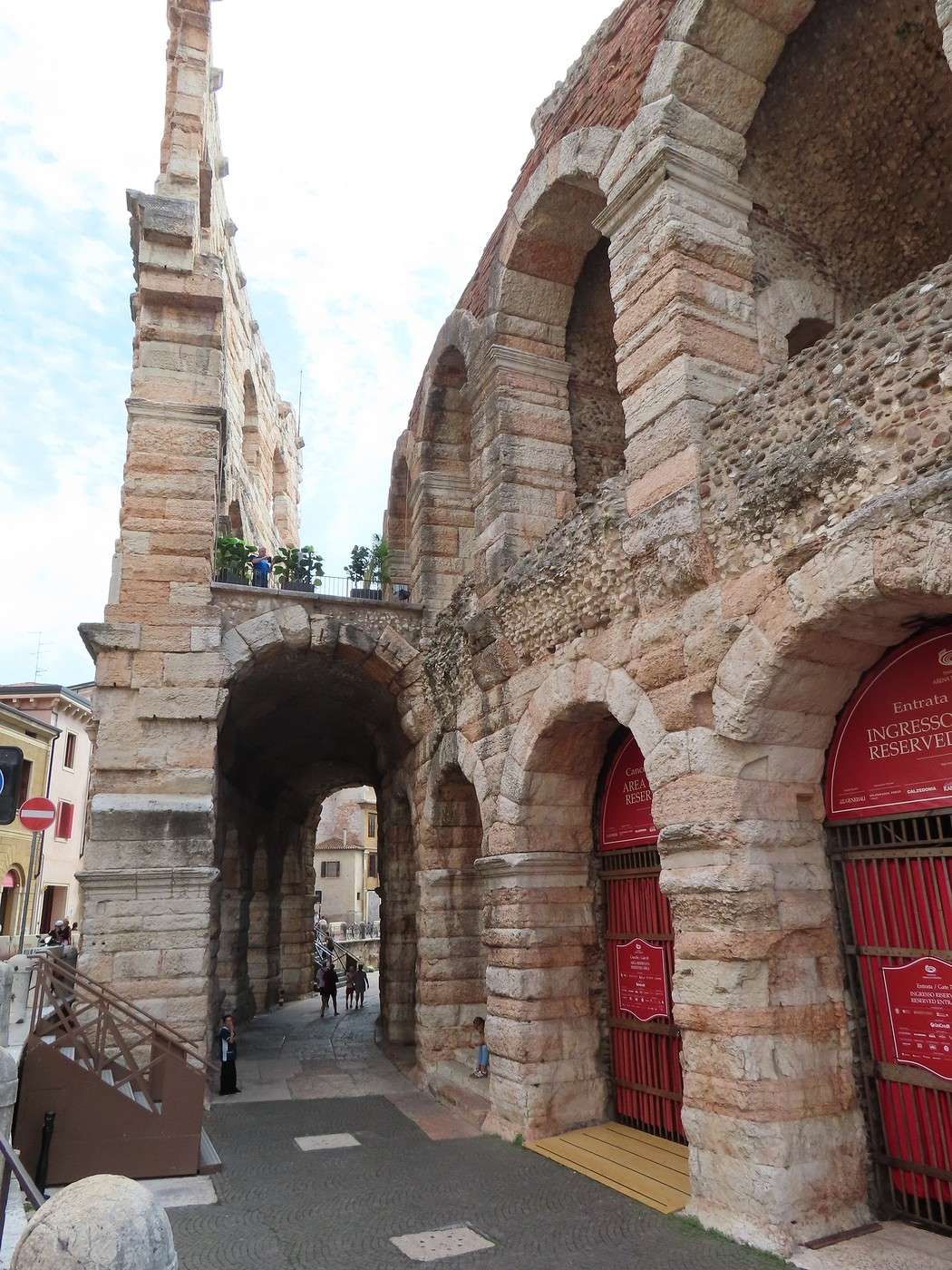
I planned a very relaxed day because the reason for stopping in Verona is the opera festival at the Arena; I’ve booked a seat for tonight.
I’m going for a walk in the center of Verona, a stroll that will turn into a bad memory of the trip. I park my mountain bike less than 5 meters from the entrance of the tourist info point and head out for a short hour-long walk without intending to visit anything.
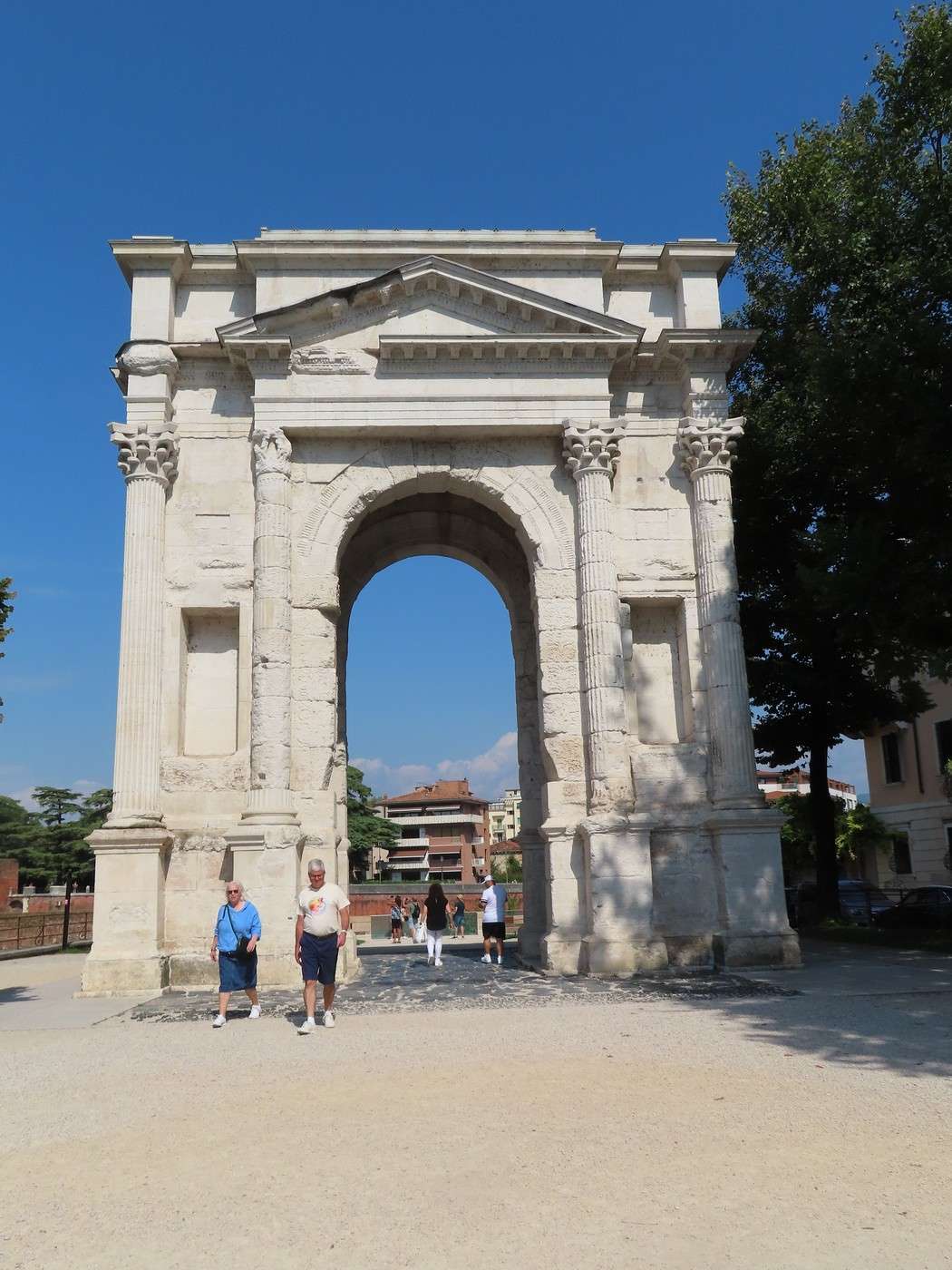
As I approach the Adige River, I arrive in front of the Arch of the Gavi (arco dei Gavi), a triumphal arch built in honor of members of a family.
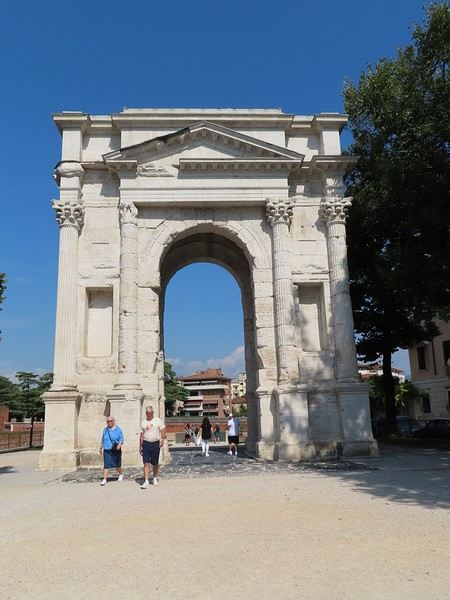
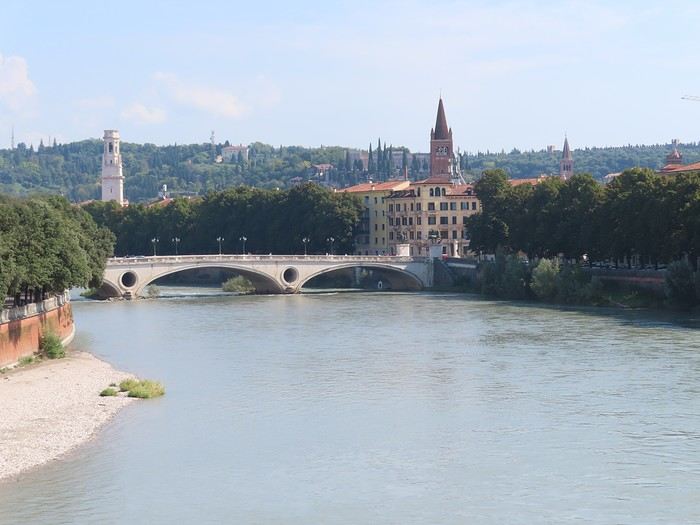
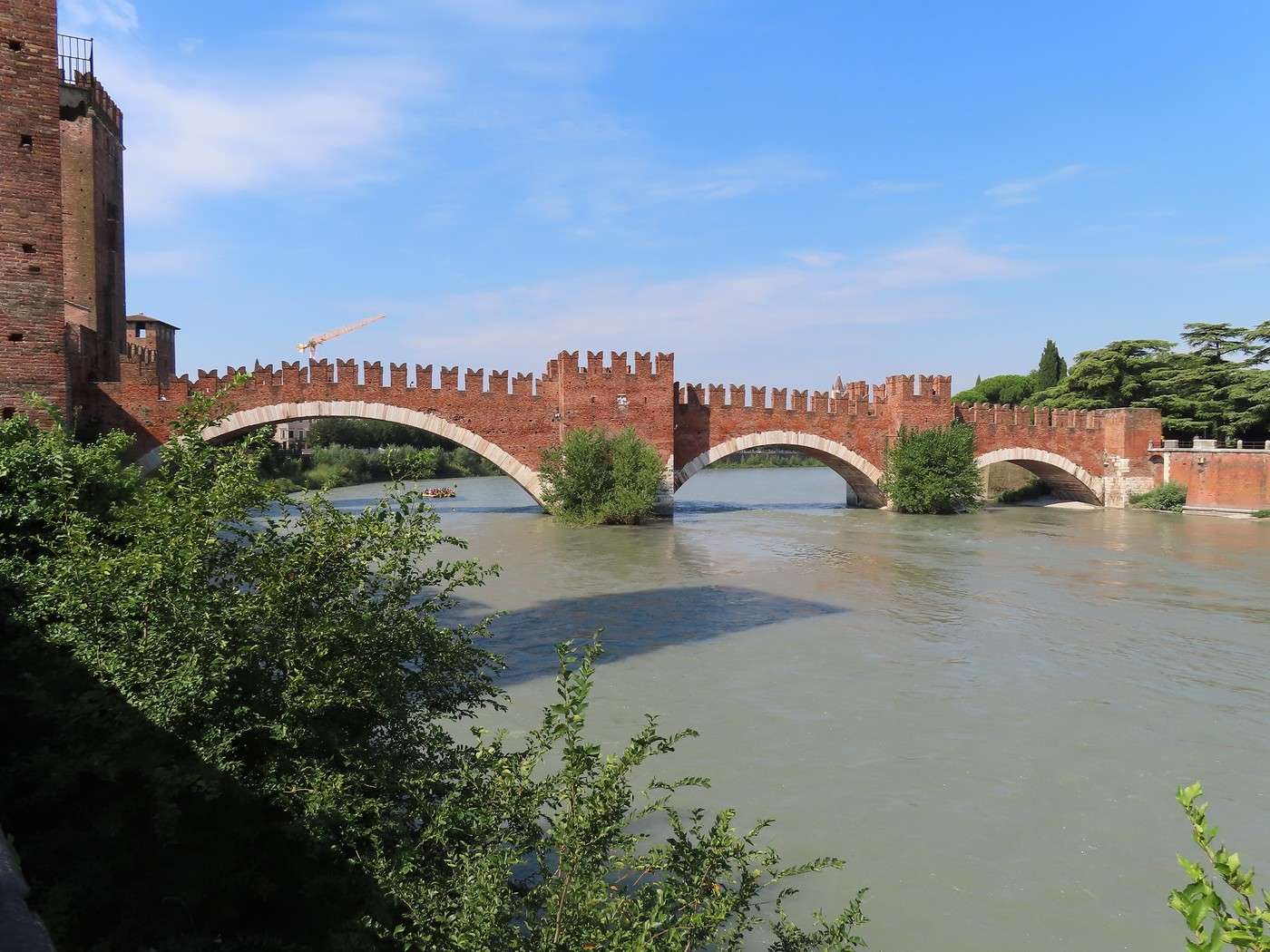
Behind the arch, you reach a terrace by the Adige where you can admire the "ponte di Castelvecchio" (Scaliger Bridge), a medieval bridge with its three uneven arches.
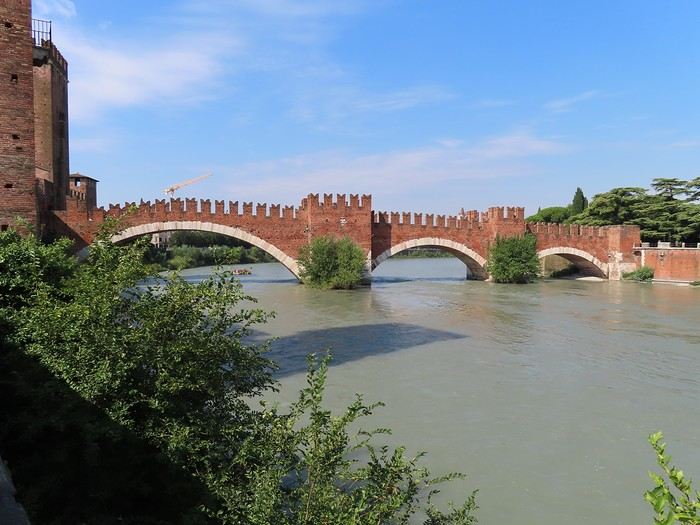
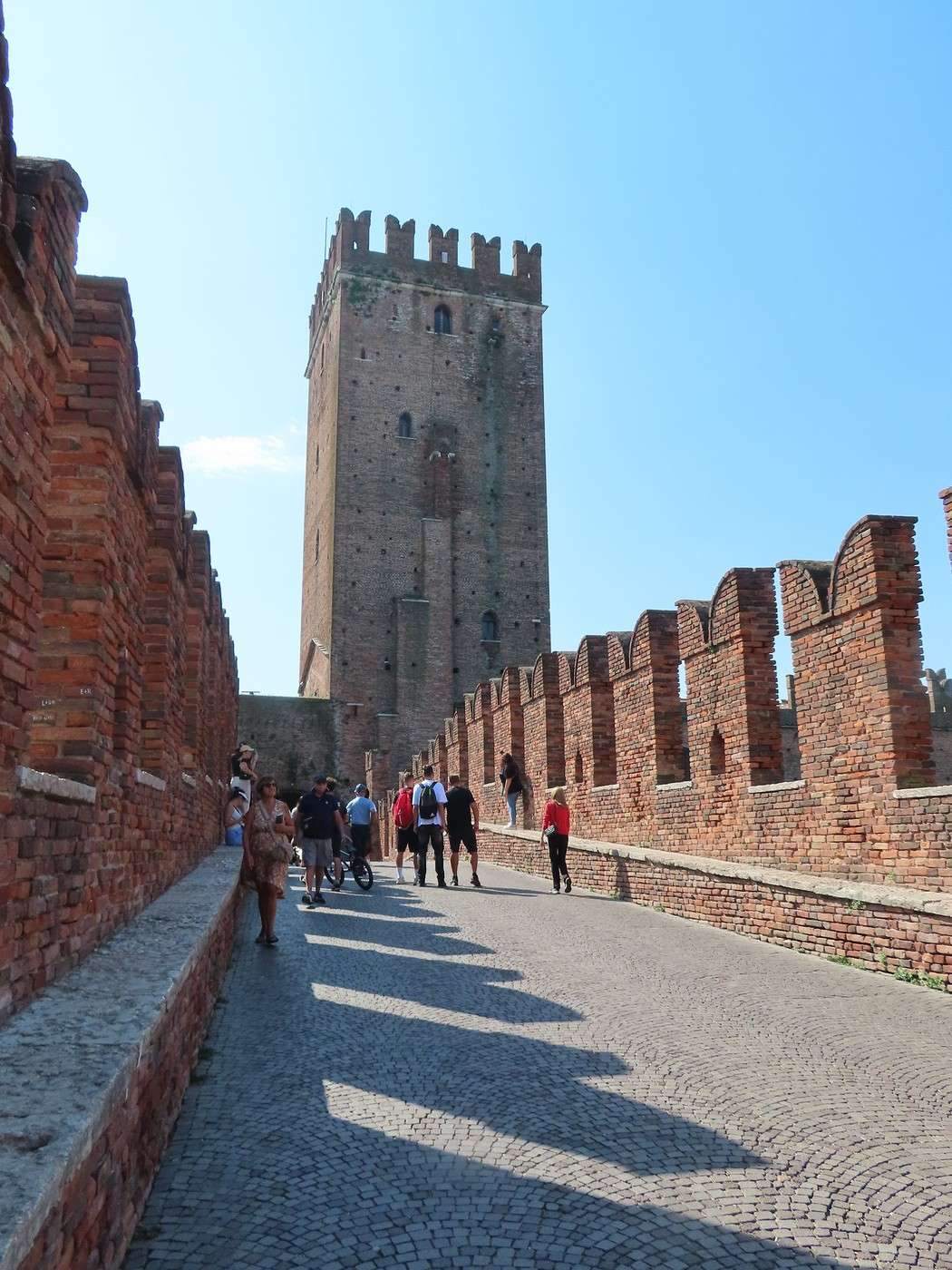
You can cross this bridge, which in the Middle Ages connected the castle to the countryside.
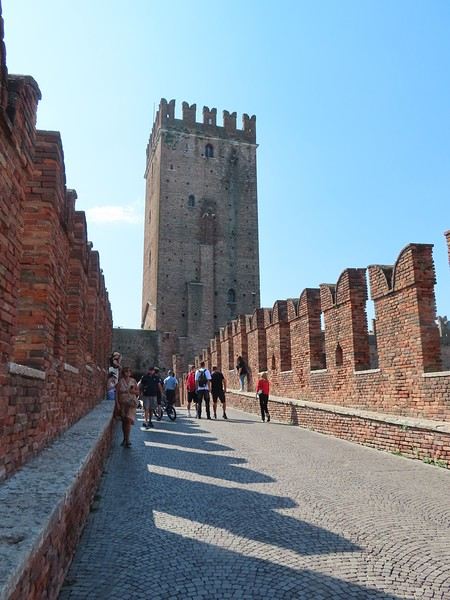
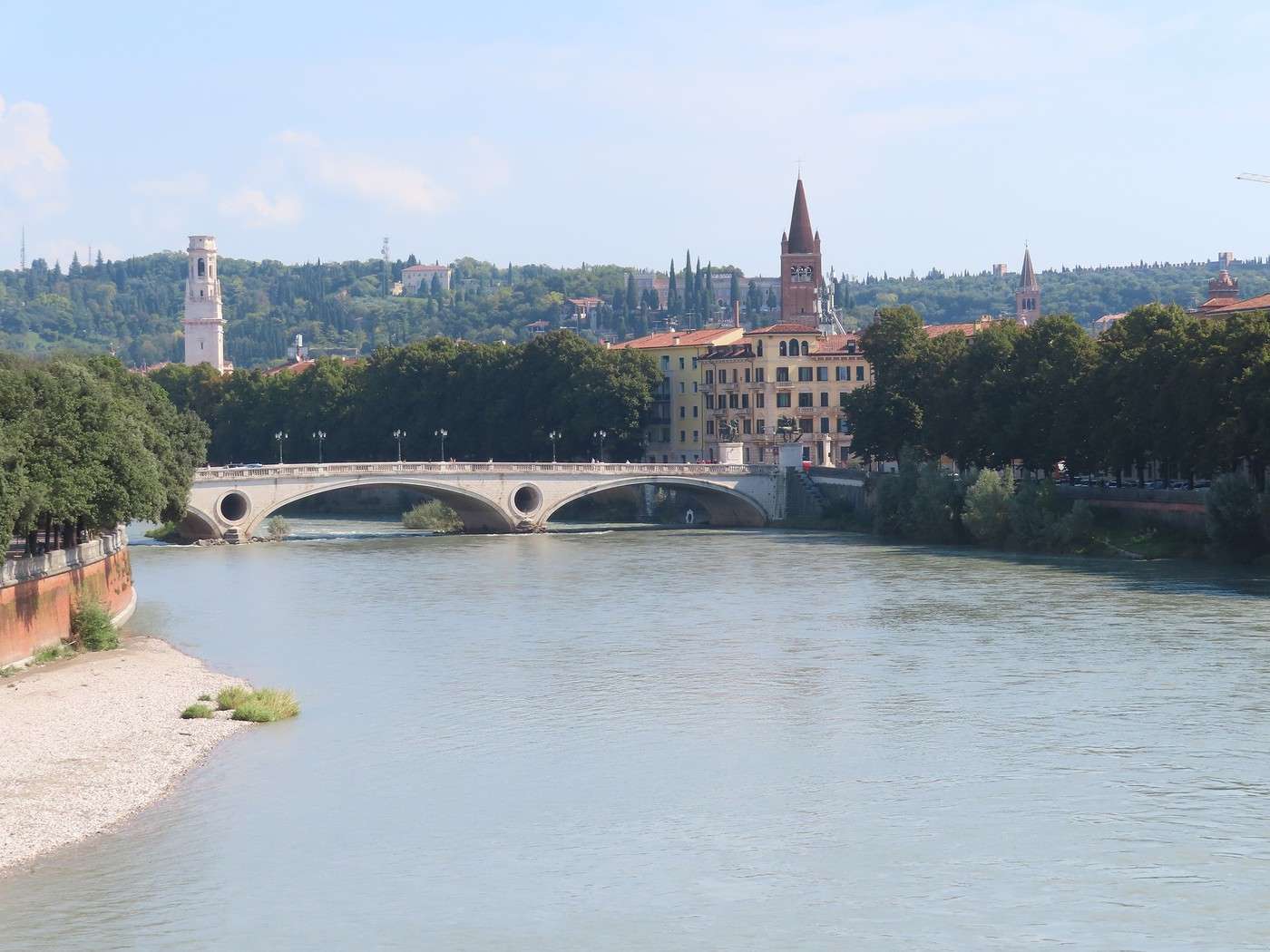
The restoration preserved or restored its medieval appearance; by climbing onto the benches, you can see the Adige flowing and, downstream, the next bridge (Ponte della Vittoria), which marks the start of the loop surrounding the city center.
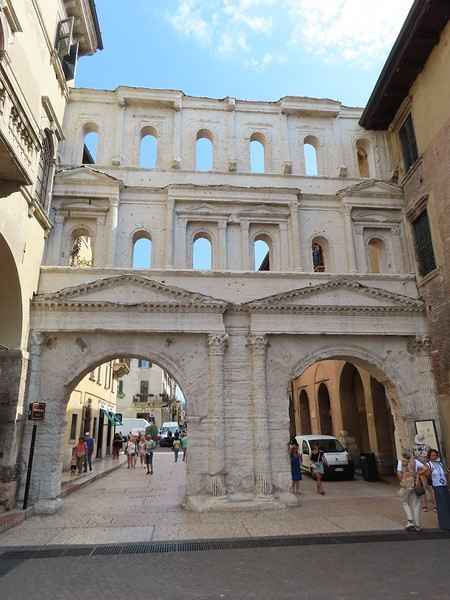
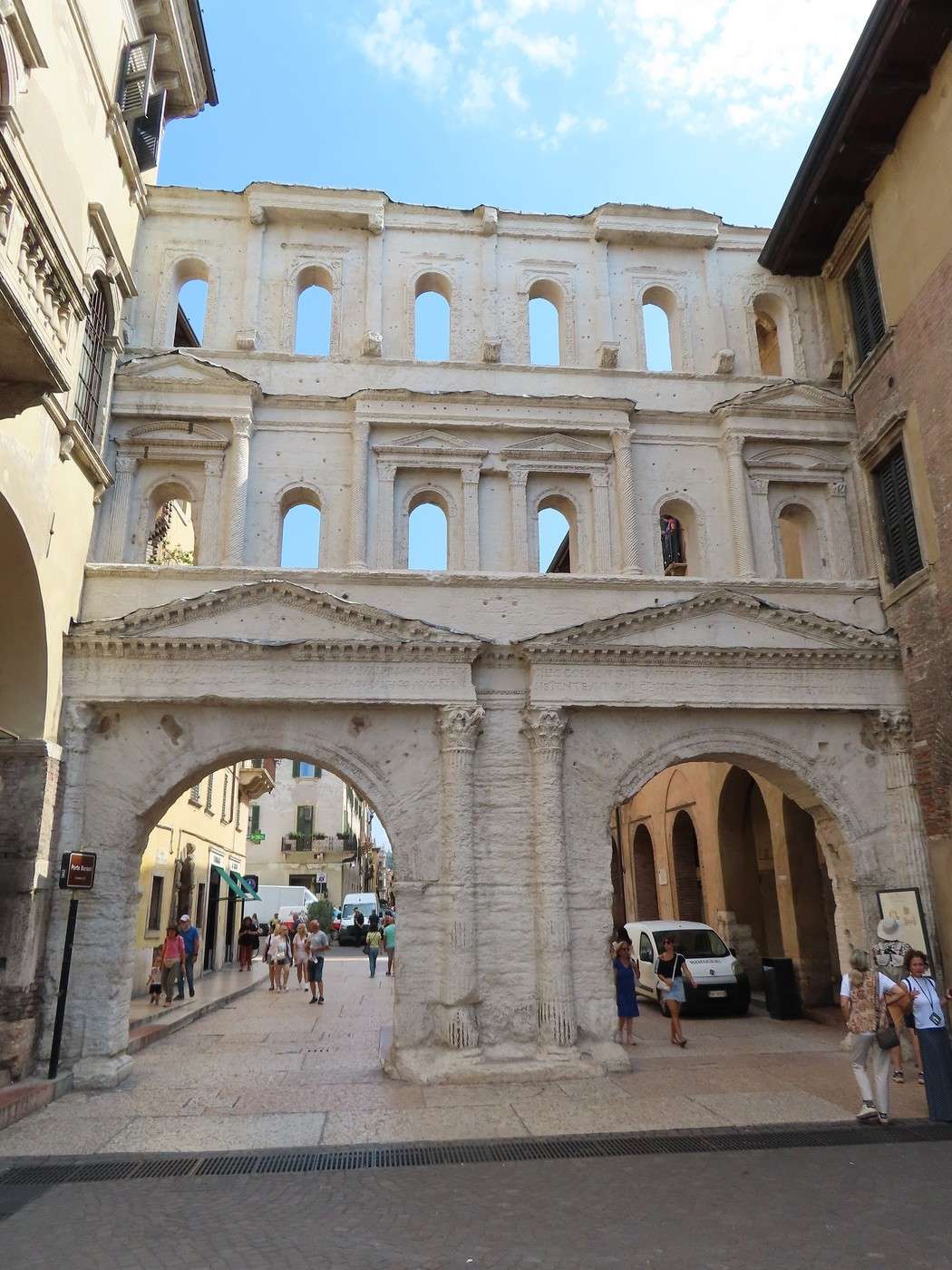
The city center was already the heart of the Roman city in the 1st century AD. I enter it by passing under a monumental gate once part of the Roman walls: porta Borsari. Only the outer facade remains; it’s not marble but local white limestone.
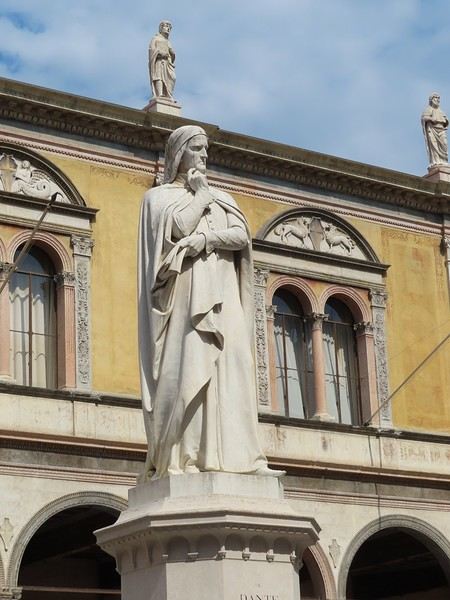
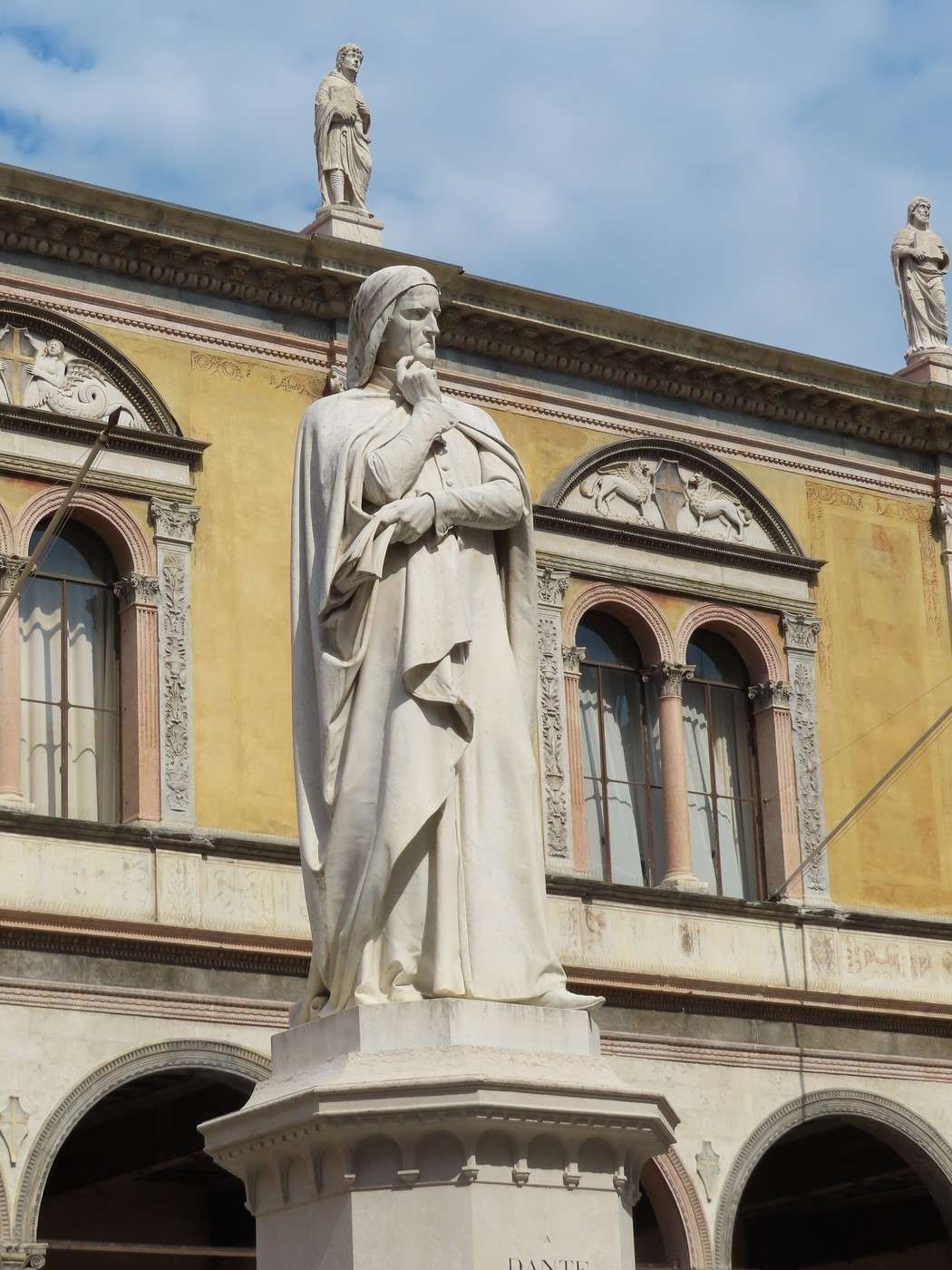
Through narrower, pedestrian streets, I reach the Herb Square (piazza delle erbe) and then the Lords’ Square (piazza dei Signori), at the center of which stands a statue of Dante.
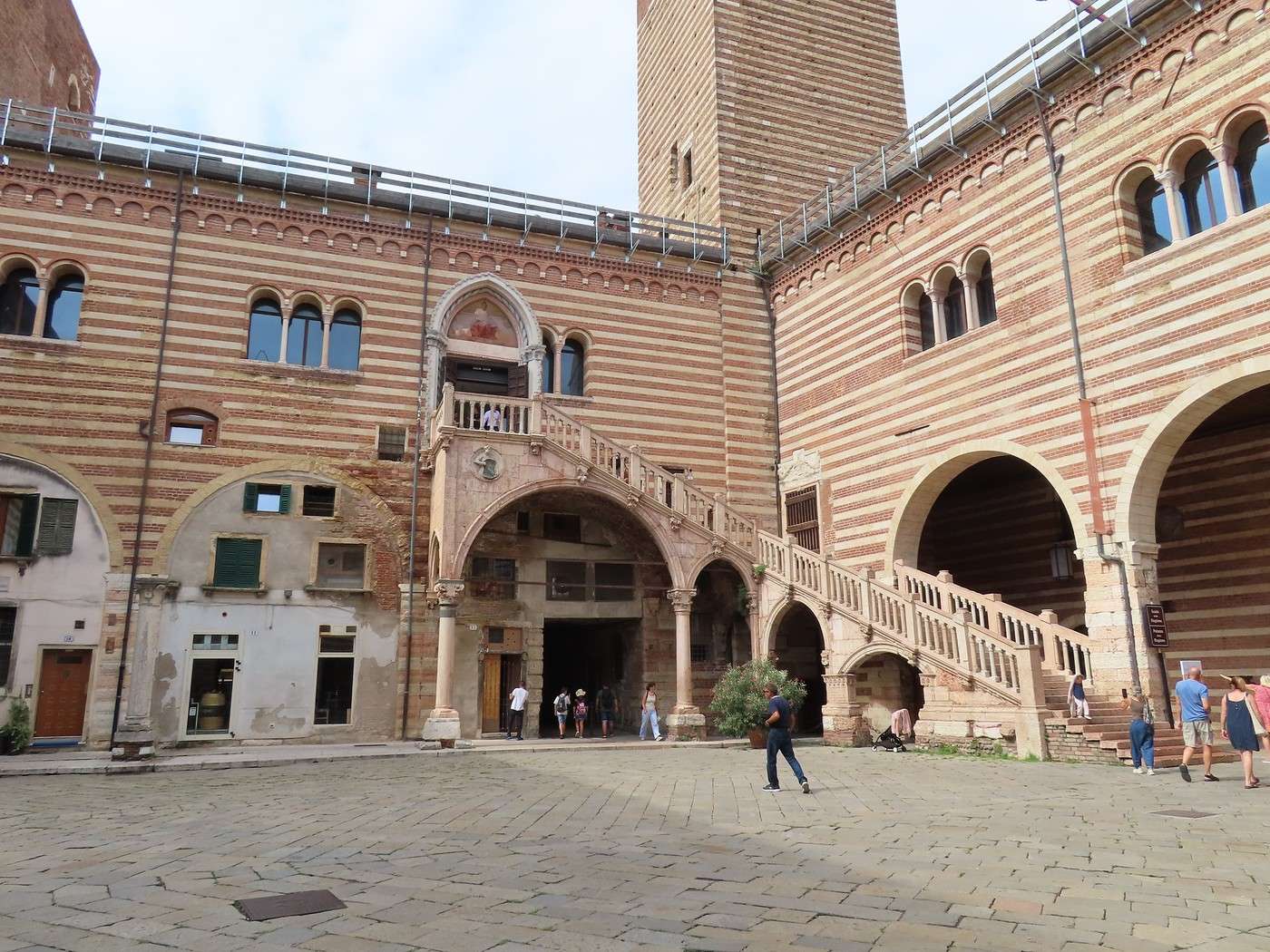
Right next door, the Old Market Courtyard (cortile del Mercato Vecchio) is bordered by the Palace of Reason (Palazzo della Ragione).
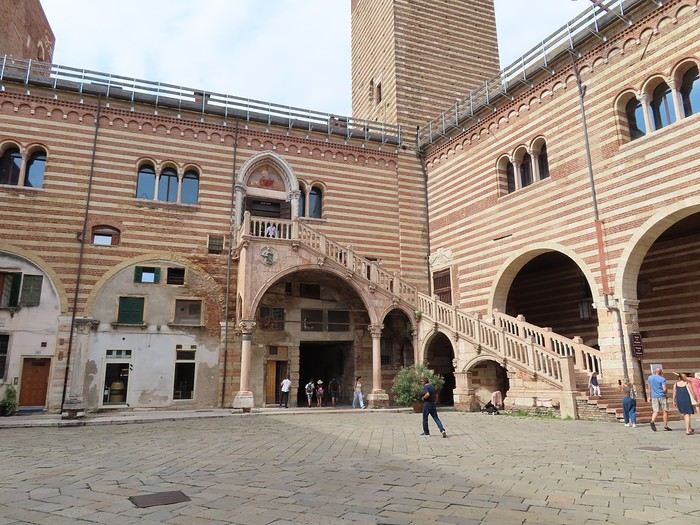
These two squares and the Old Market Courtyard are only a few dozen meters apart and form the heart of the city. On my way back to the arena, I pass through the main street of the center (via Giuseppe Mazzini) and return to the starting point.
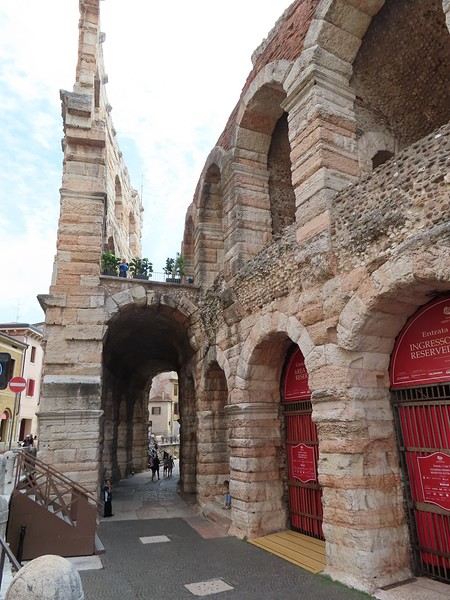
And then... my mountain bike is gone. It was stolen while I was away. I’ll later learn, once back at the campsite, that this type of theft is common in Verona. I’m really upset, both because I liked that bike and because of the consequences for the trip; I’ll have to get around either by car or on foot, without using a bike, which I’m not used to.
A few errands and some downtime in the afternoon in preparation for the evening at the Verona Arena.
The opera on the program is *Nabucco* by Giuseppe Verdi, directed by Stefano Poda.
The temperature is perfect.
From the very beginning of the show (and even before it starts), it’s clear that the deliberate choice is to go beyond a traditional opera performance and offer a total spectacle with a very futuristic vision.
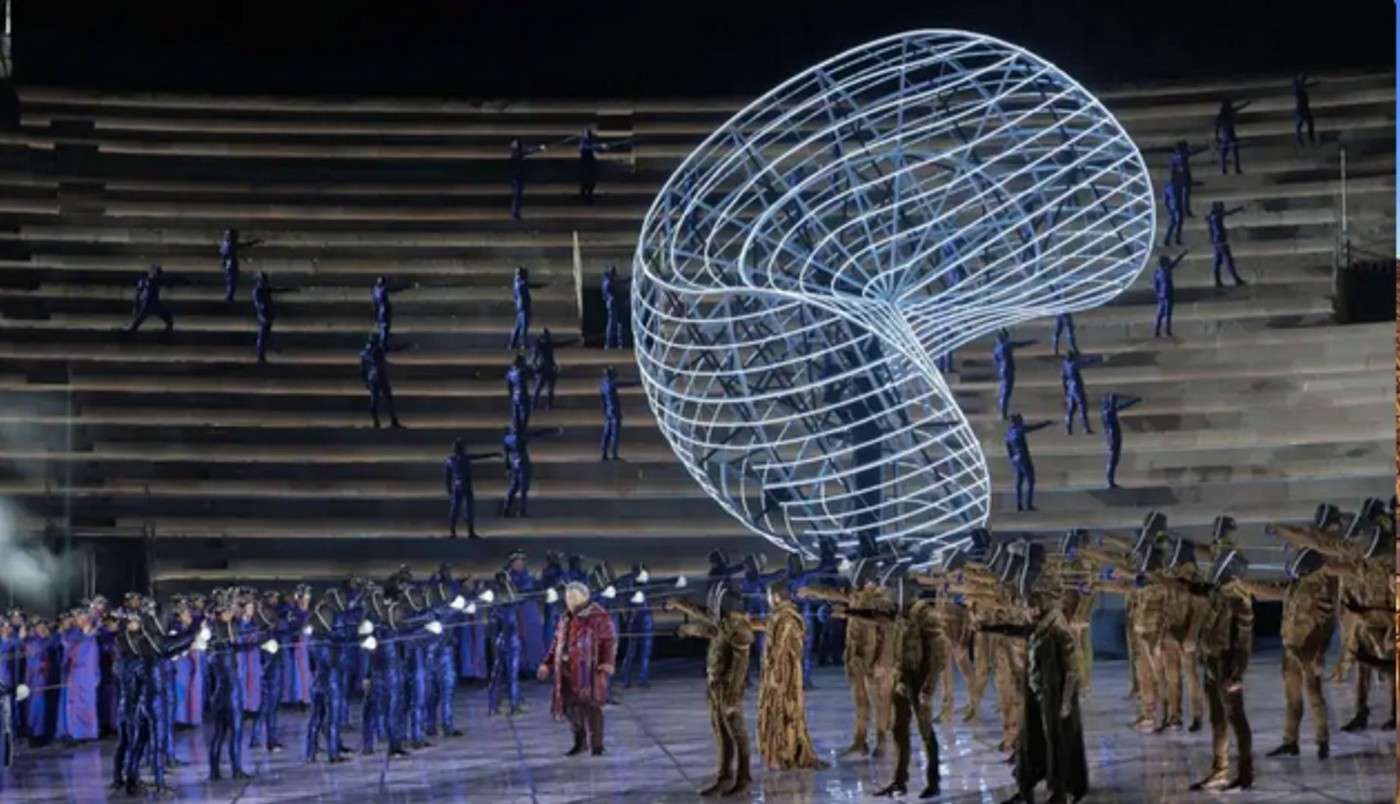
And even before that... because two large structures (metal or fiber, with neon or laser lights) are suspended above the stage, floating in space.
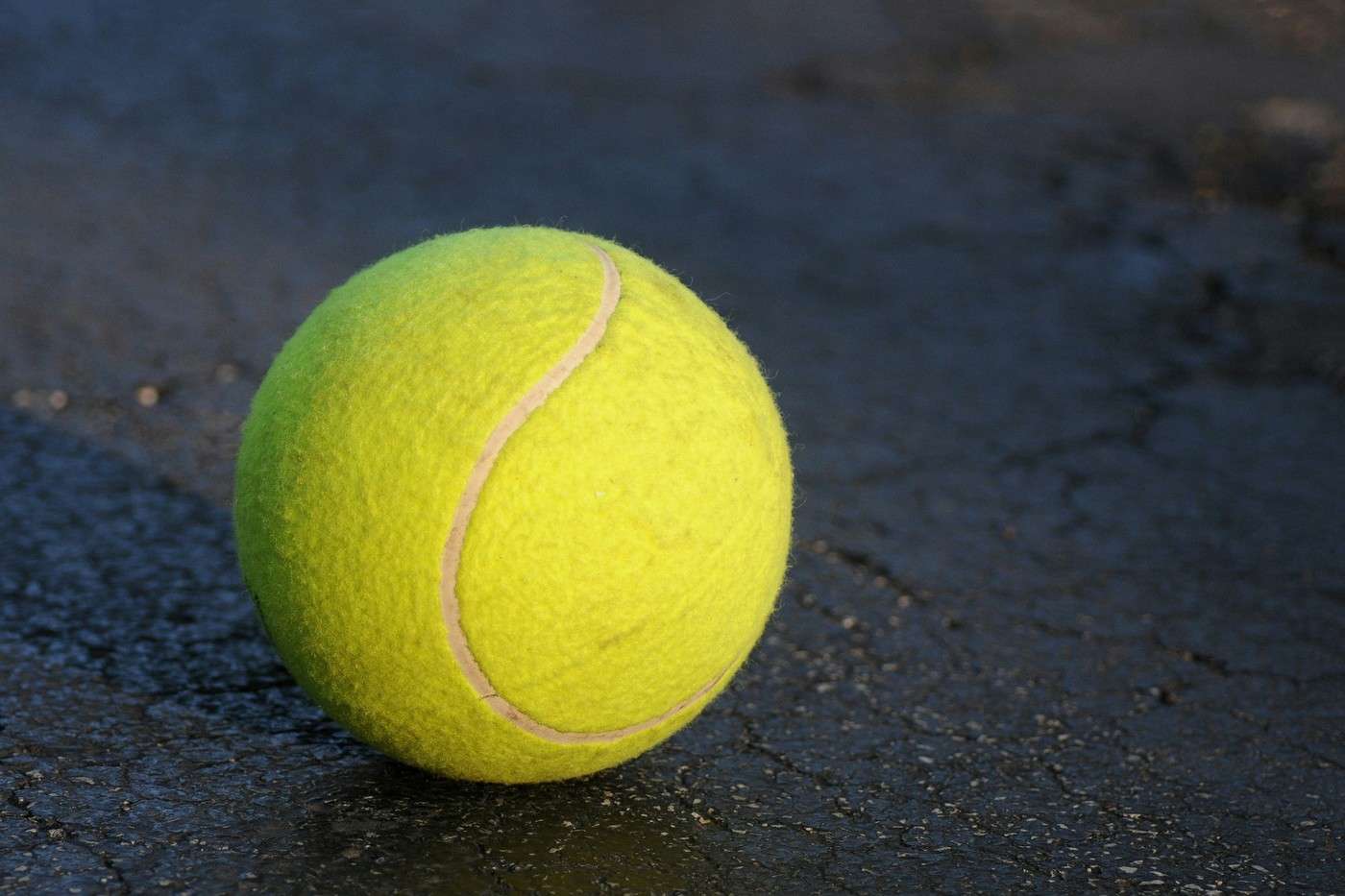
Imagine a tennis ball.
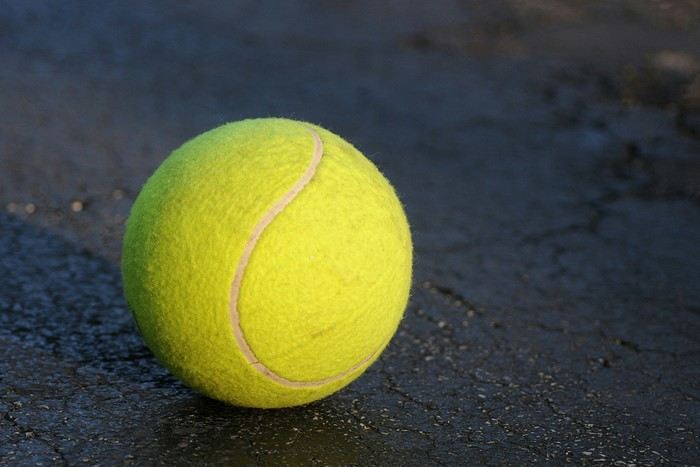
A closed curve (where there’s no yellow felt) is drawn on the ball’s surface. Cut the ball (with a cutter) along this curve. You get two surfaces, parts of a sphere. They’re not what we call hemispheres, but we’ve still divided the sphere into two equal parts—let’s say semi-spheres.
Now, think in 3D: draw segments from the center of the sphere to any point on the edge of these two parts (these segments are like radii). That’s what’s floating above the stage in the Verona Arena—two semi-spheres.
Here’s one during the show (I chose a photo where these segments—the radii—are visible).
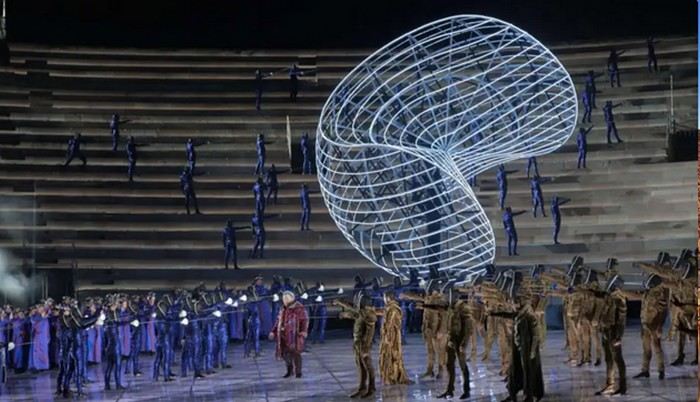
Two things from my personal history made the geometric identification of these shapes immediate and obvious. And I knew, even before the show started, that at some point they would come together and fit into each other to form a sphere or a ball... This happened at the end of the opera, during the final reconciliation-expiation scene.
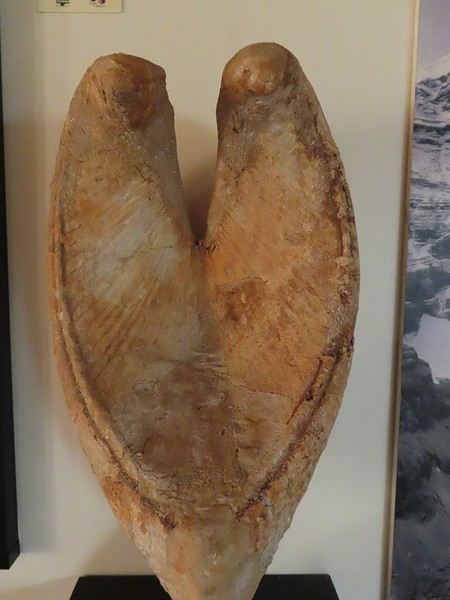
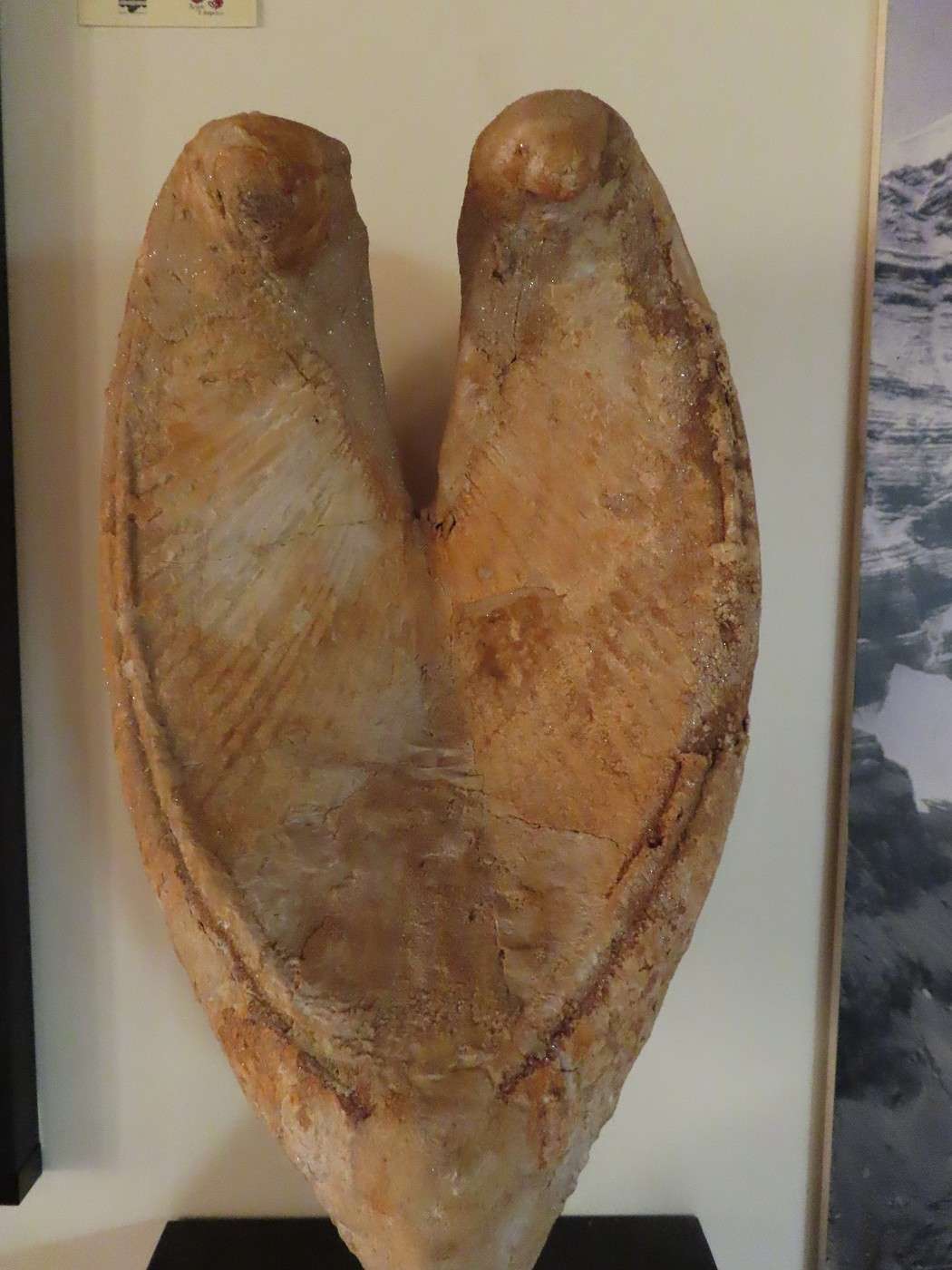
For those without the key (a tennis ball and sphere geometry), I suppose the presence of such unidentified structures must be puzzling... you might think they resemble mollusk shells like those you’d see in natural history museums.
Two months after writing the above, I’ll add this: in my opinion, these structures look like cashew nuts (I couldn’t find a better intuitive comparison).
For most of the show, the immense stage was filled with hundreds of choristers, dancers, and extras. The costumes are beautiful—either timeless or futuristic. The mass effect is used to the fullest, highlighted by special effects for masks, swords, foldable mobile structures (prisons), etc.
"Vanity" sits atop an enormous hourglass; it will flow into it, and down the staircase extending below, in glowing letters but also in flesh and blood when certain protagonists descend the stairs to enter the stage.
Hundreds of other hourglasses will appear on stage, brought by adults or children, held vertically or horizontally.
There will also be an atomic explosion when Nebuchadnezzar, abandoning his status as King, proclaims himself God.
The use of the stage space is captivating, dazzling (perhaps because I’d never seen an opera presented this way), and visually stunning. Being seated high up, near the front, on the side, posed no problem for taking in the whole scene.
As for the music and voices, the magic of the arena makes everything work. The effect of distance is still noticeable for the voices, though.
There was, however, one aspect of the staging that really bothered me—literally. Identifying the protagonists on stage, where there are often many people, isn’t easy; you have to search, sometimes for a while, to first find a group (the protagonists often have an entourage around them), then the protagonist within the group. Plus, the similarity of the costumes doesn’t make it easy to "separate" the protagonist from their entourage. Is it more natural and easier with a frontal view? I don’t know, but it would be preferable.
In the end, I’m left with the memory of an exceptional performance, marking my return to the arena 60 years after my first visit. I saw *Aida* here in the mid-1960s.
To see and hear—to experience—the show, search for ‘Nabucco Verona 2025’ on YouTube. You’ll find a 2-hour, 15-minute recording. It’s a capture by RAI from the premiere in June (it starts with the Italian national anthem, as it was the festival’s opening night).
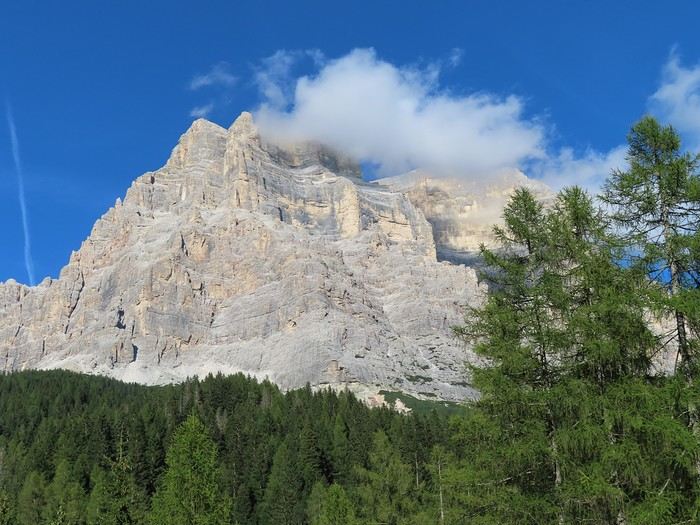
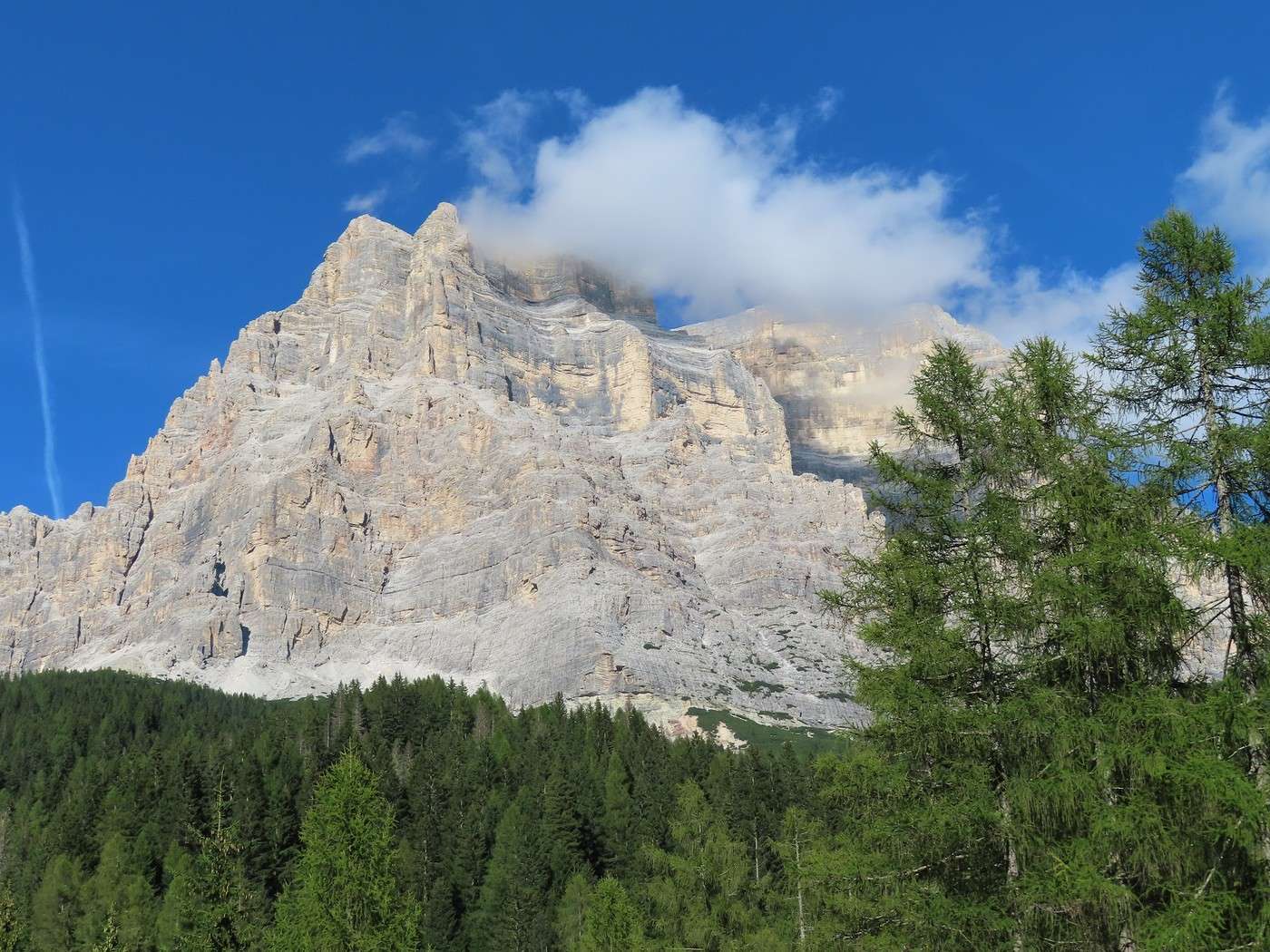
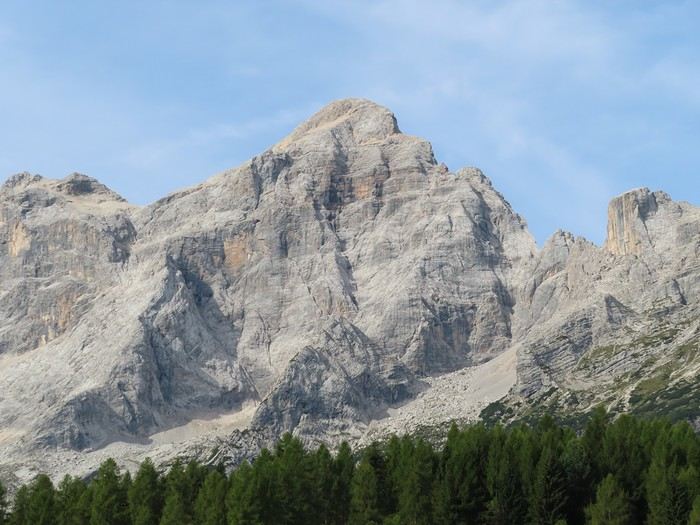
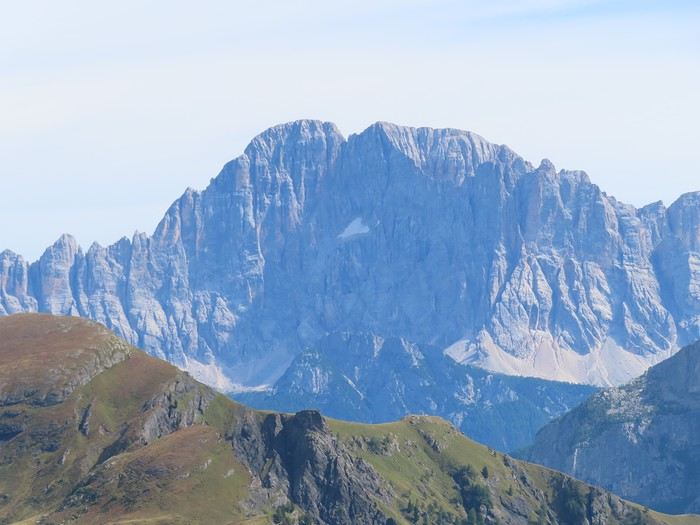
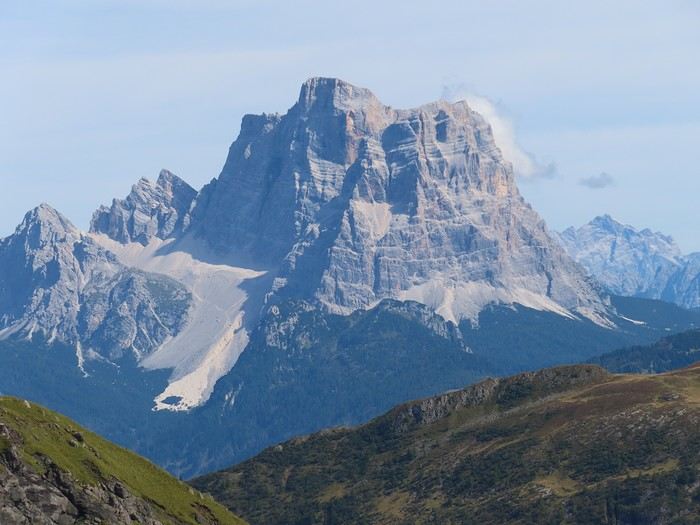
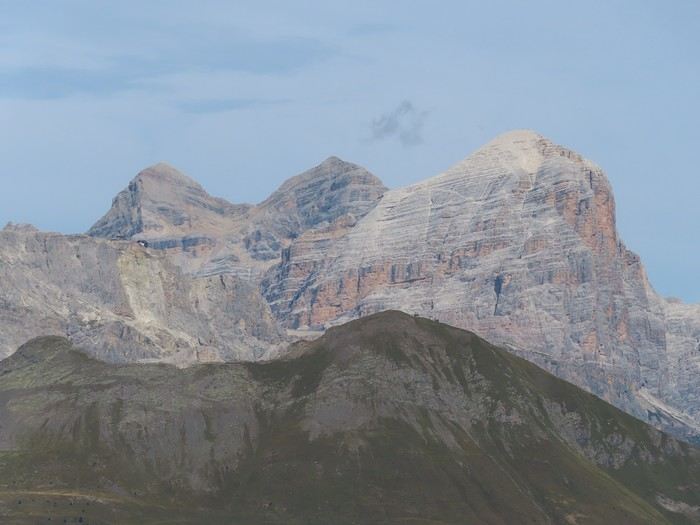
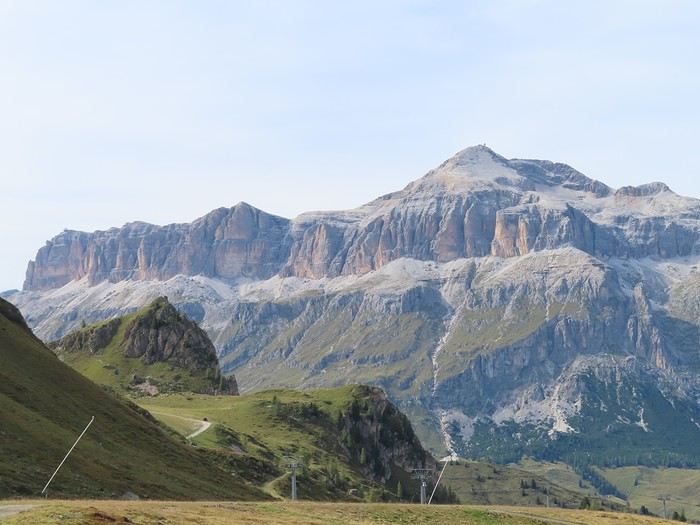
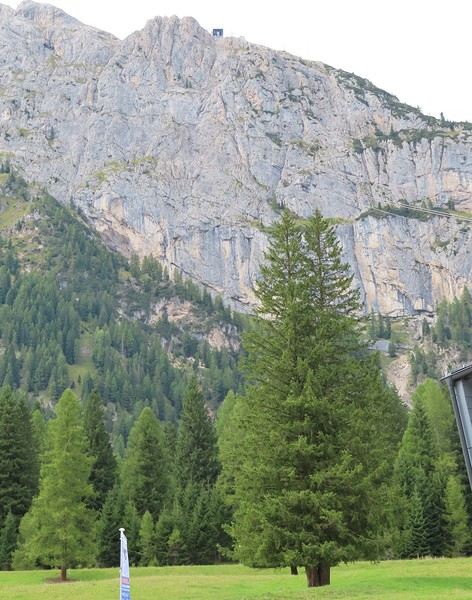
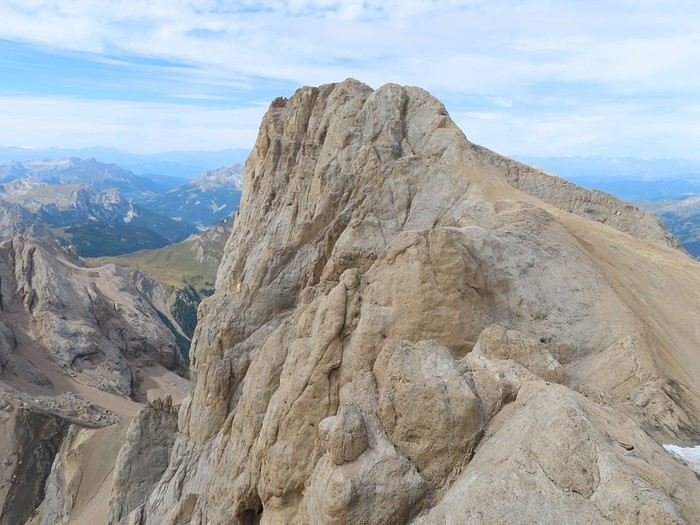
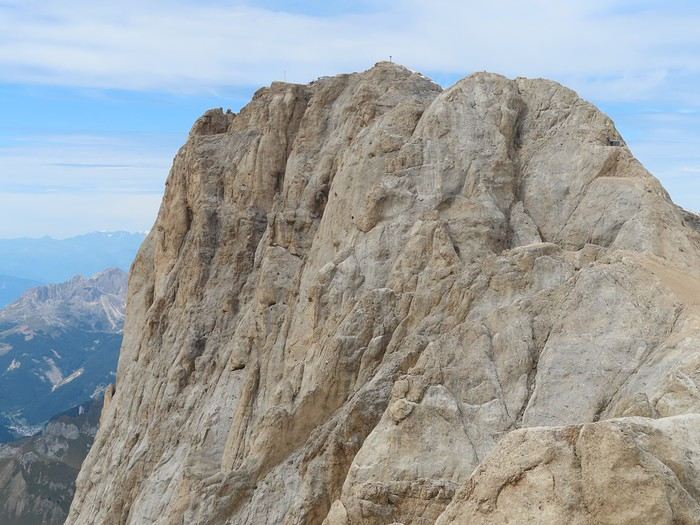
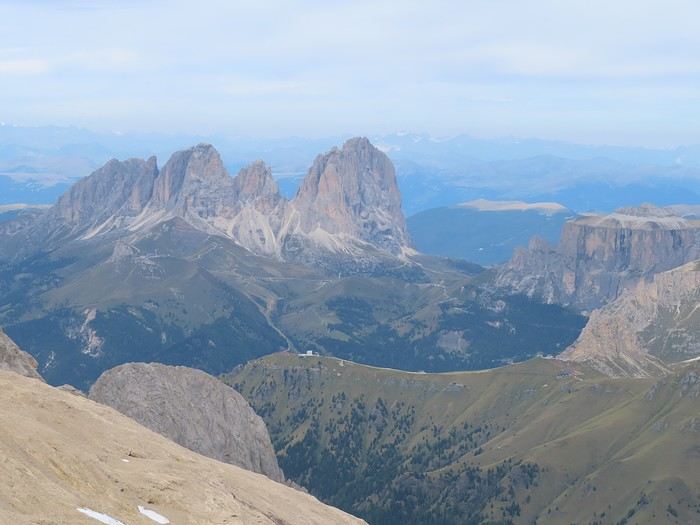
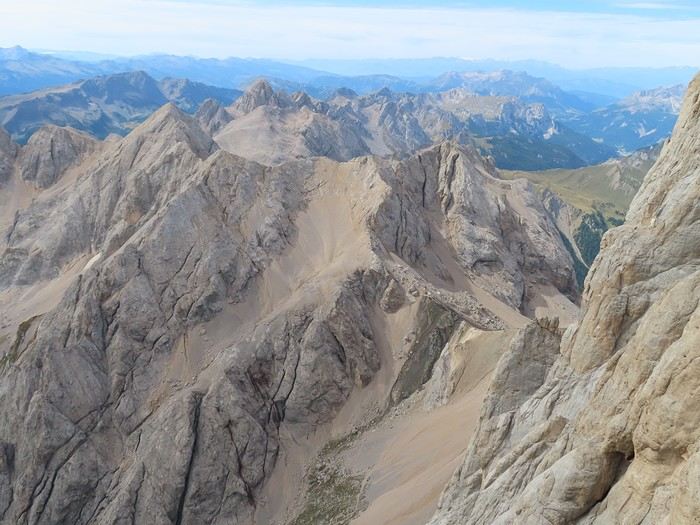
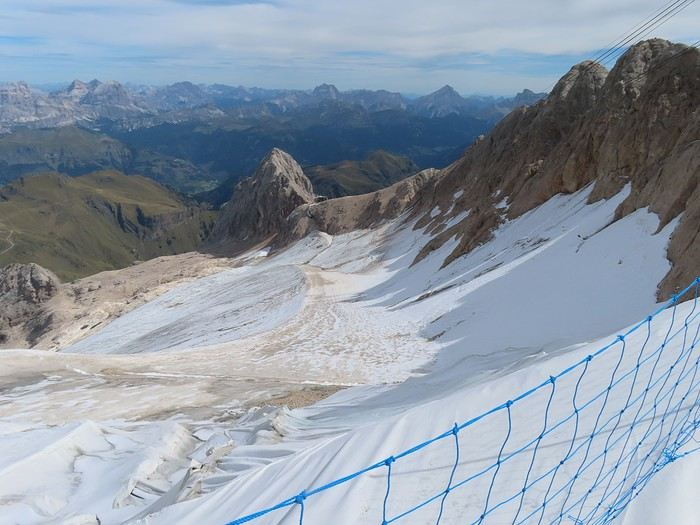
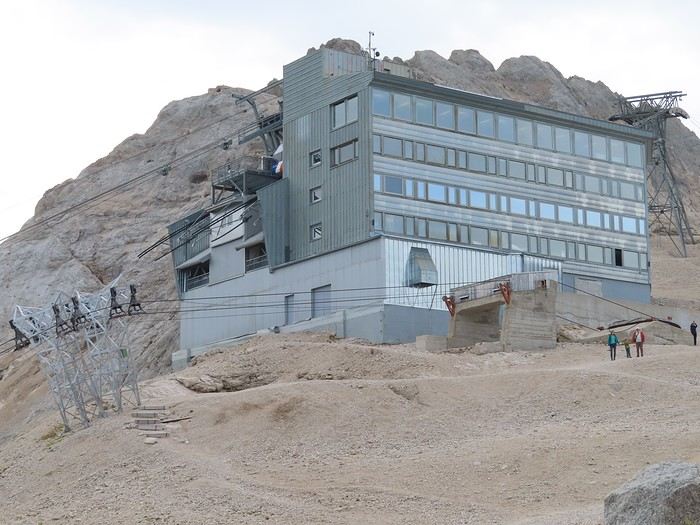
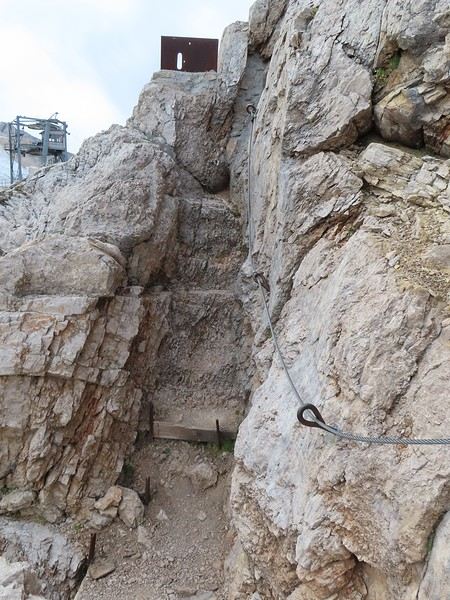
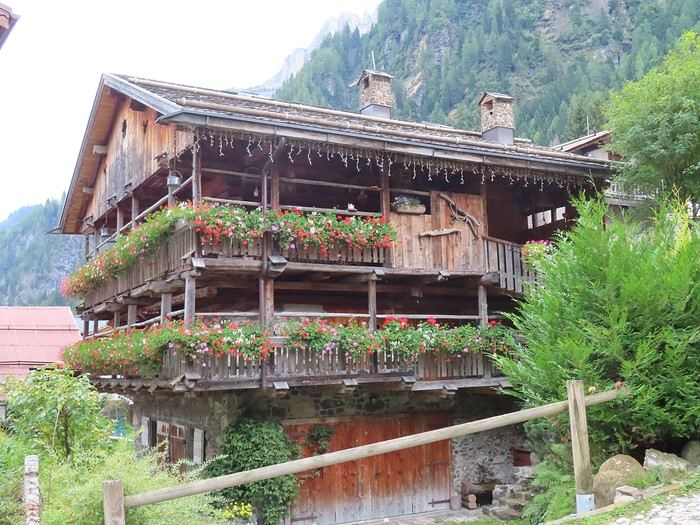
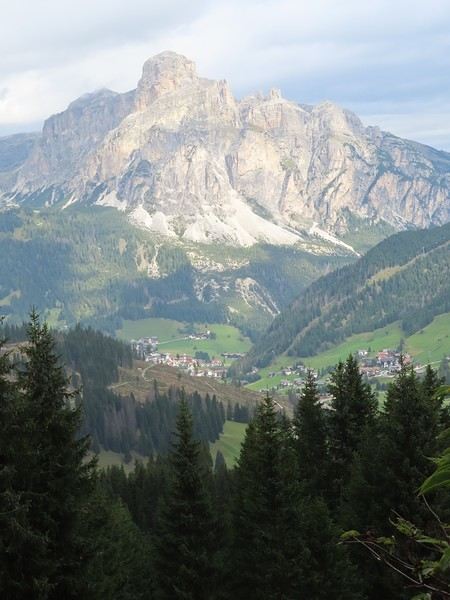
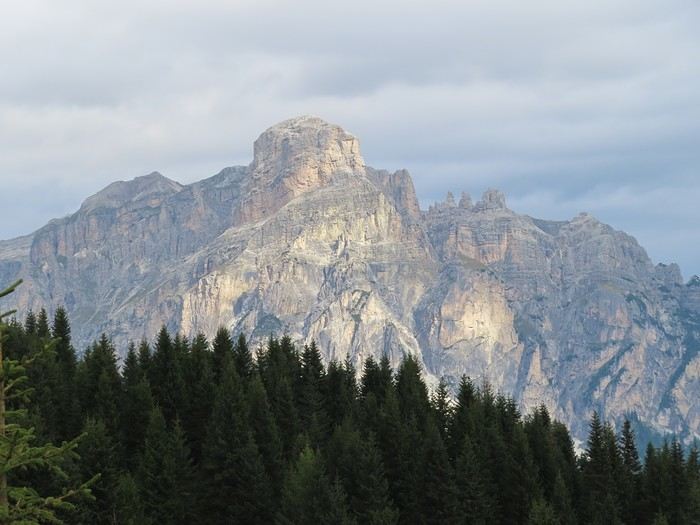
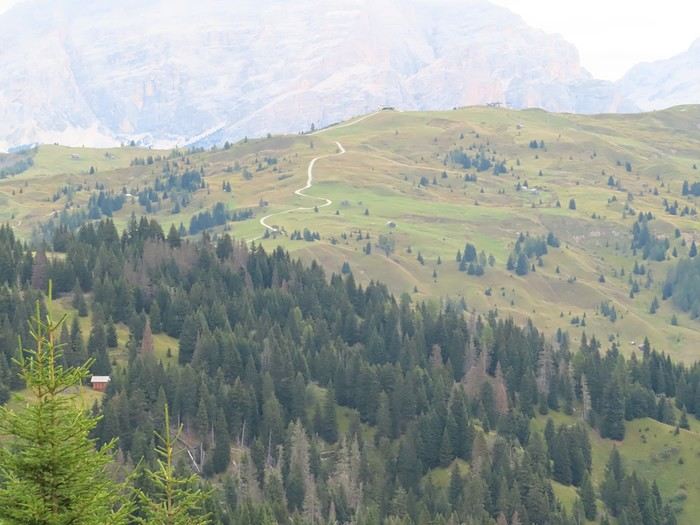
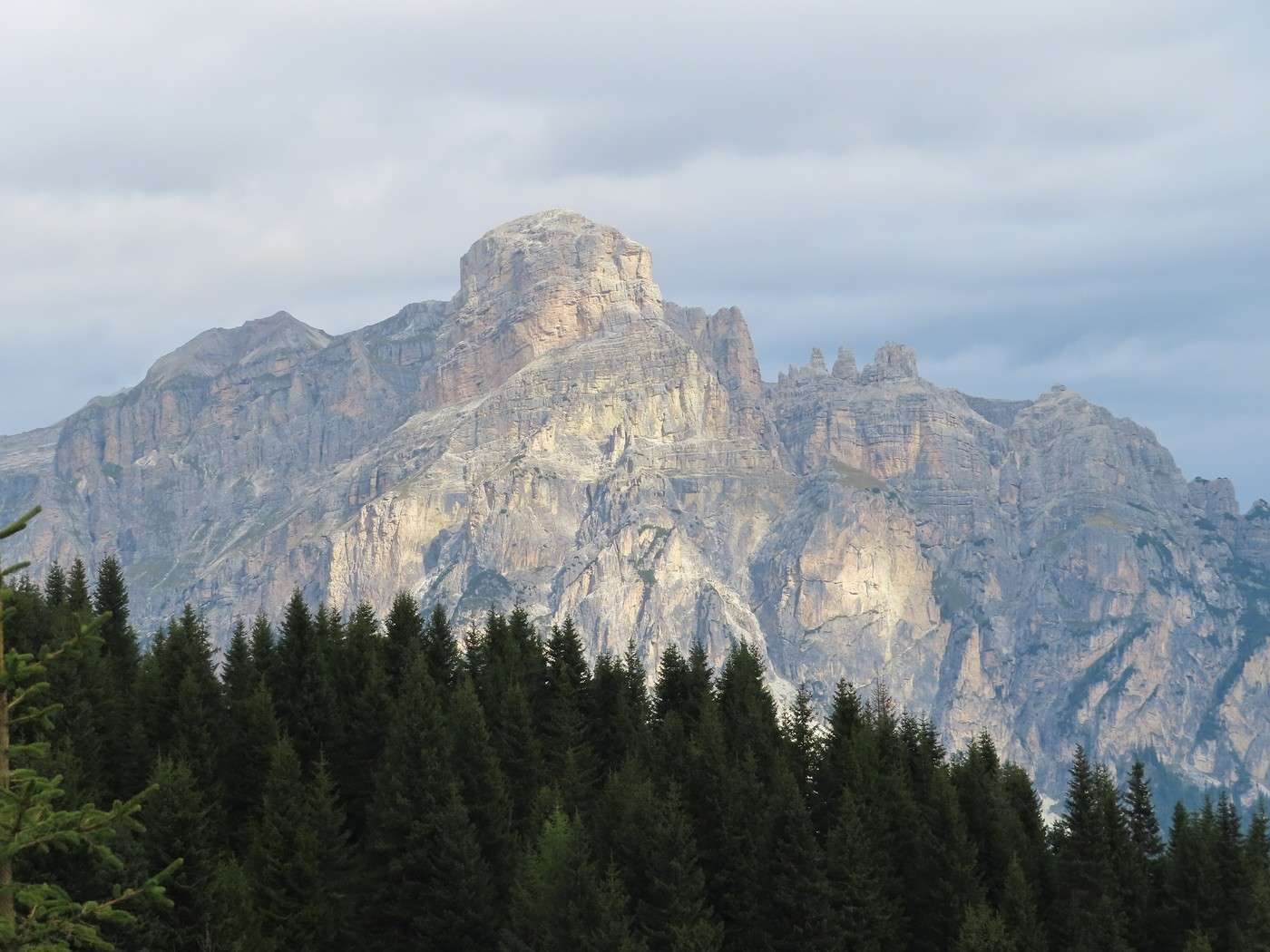
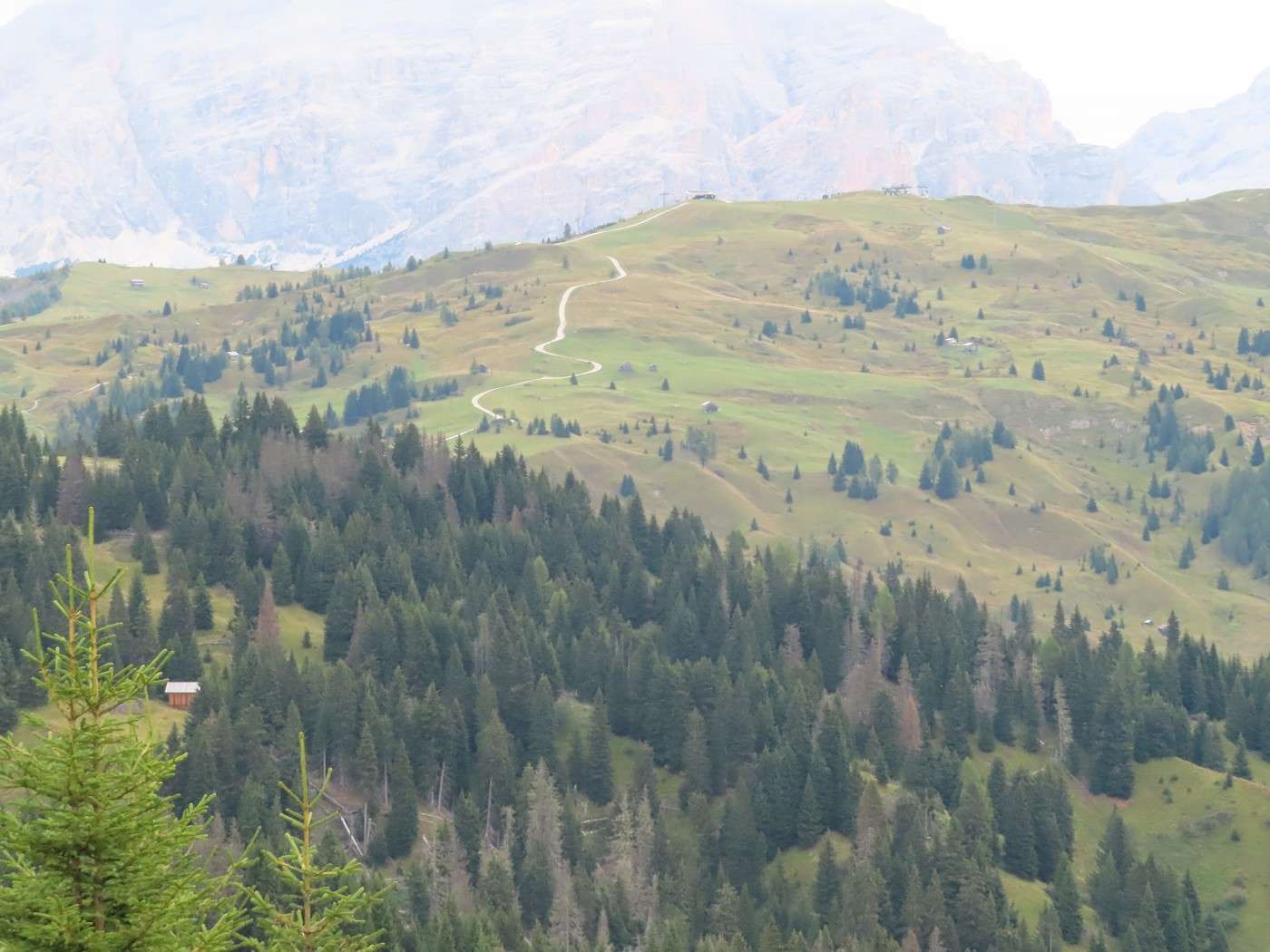
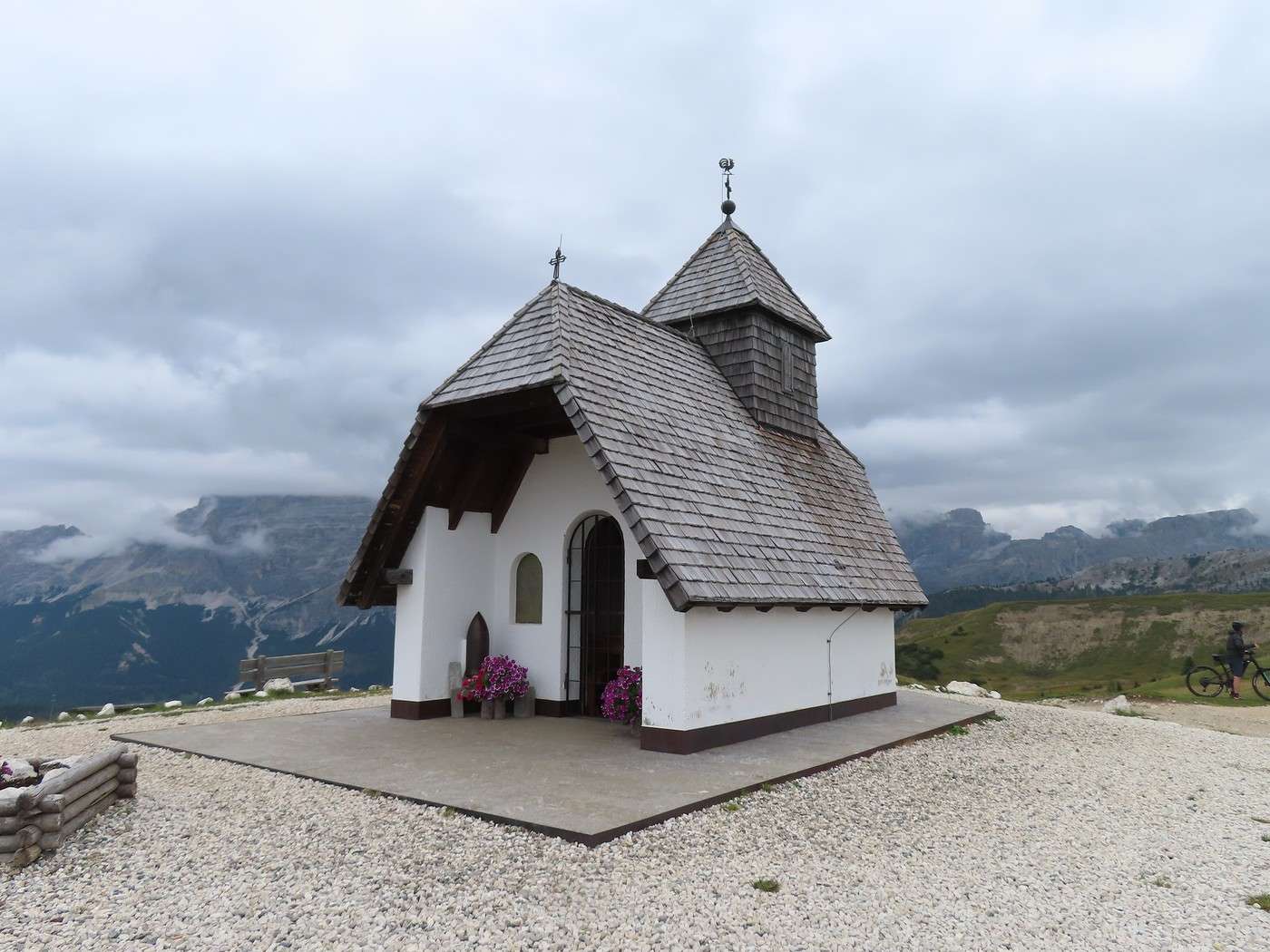
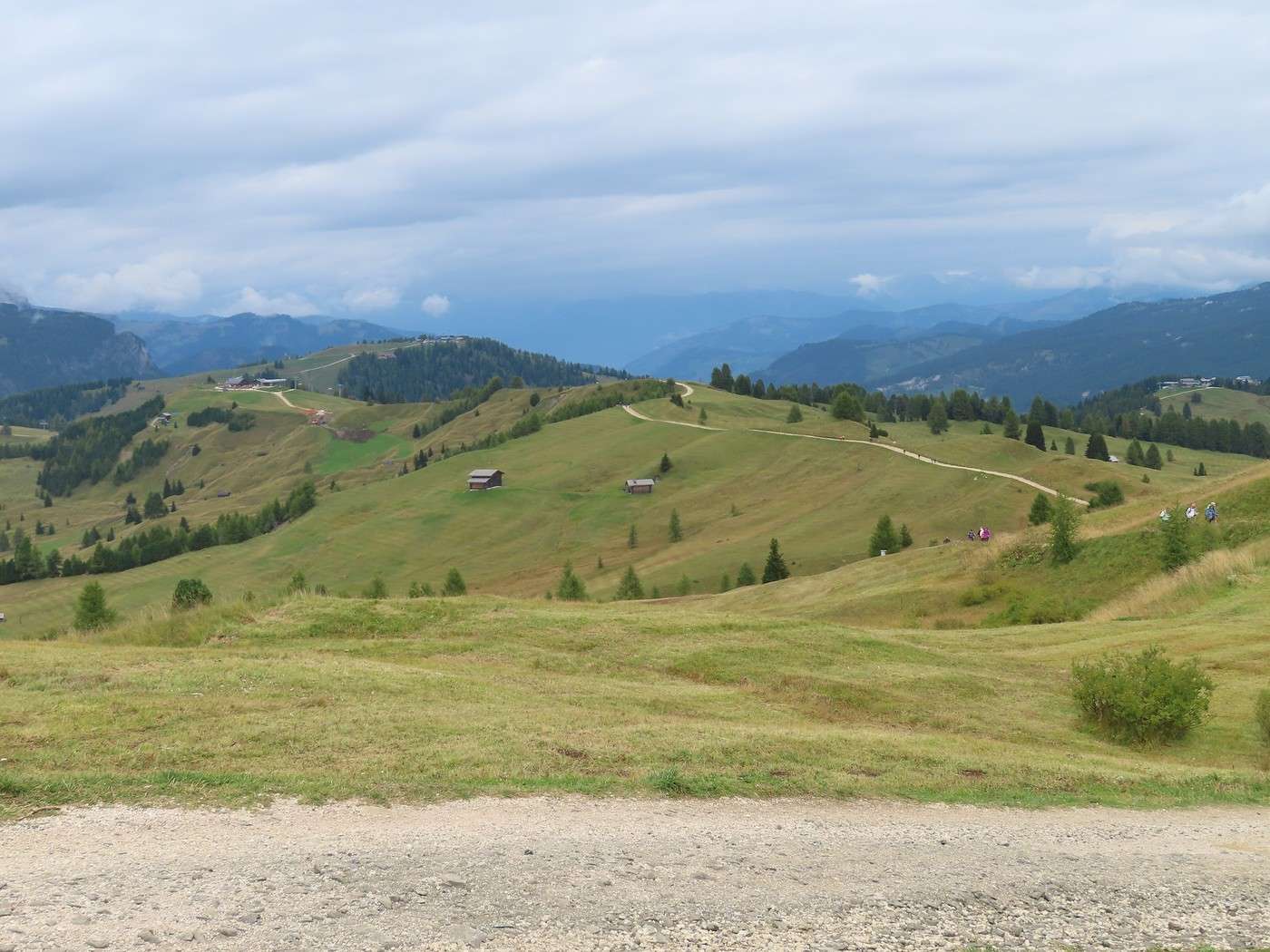
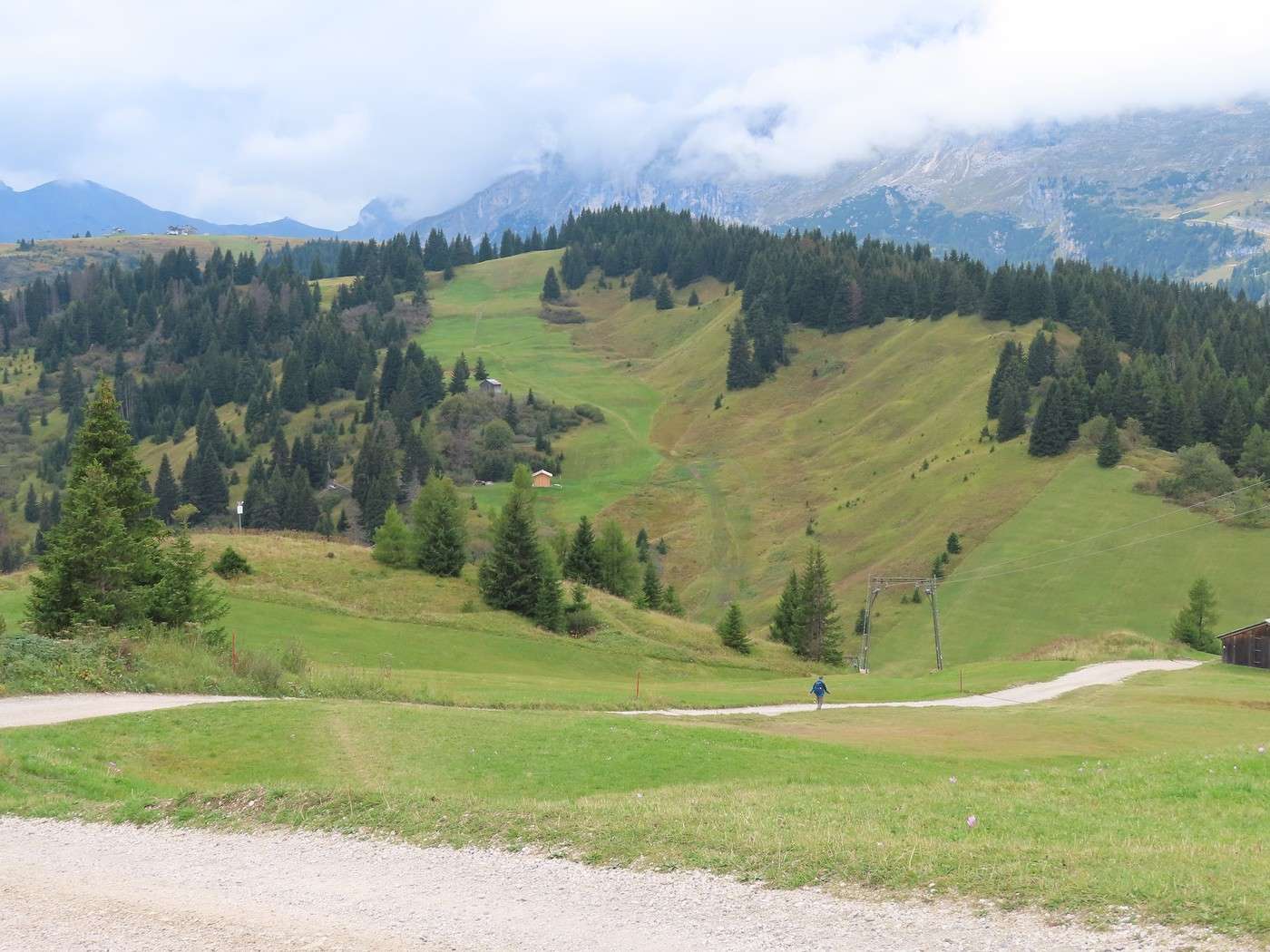
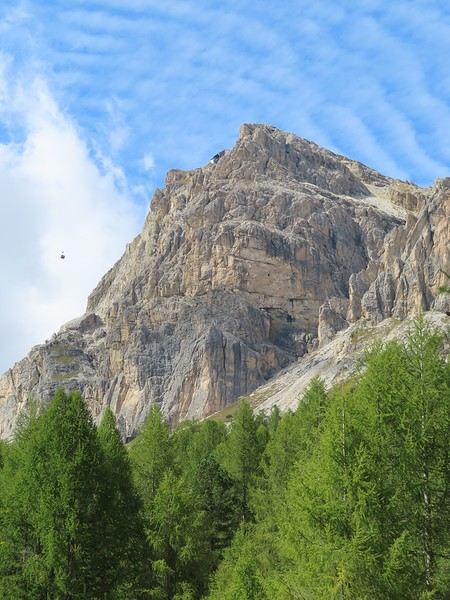
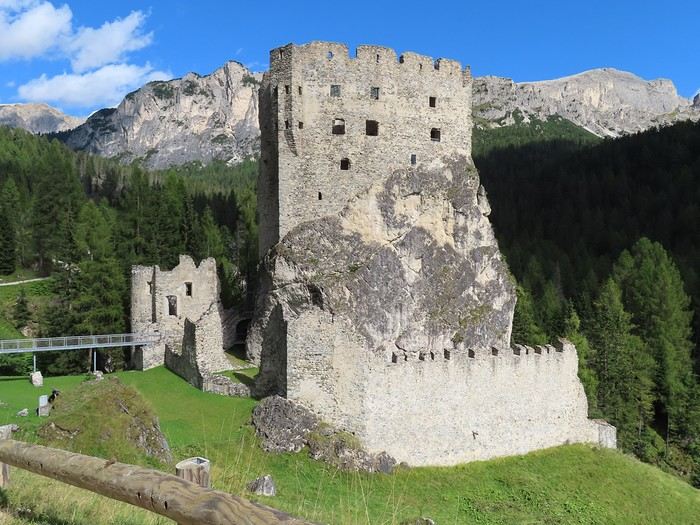
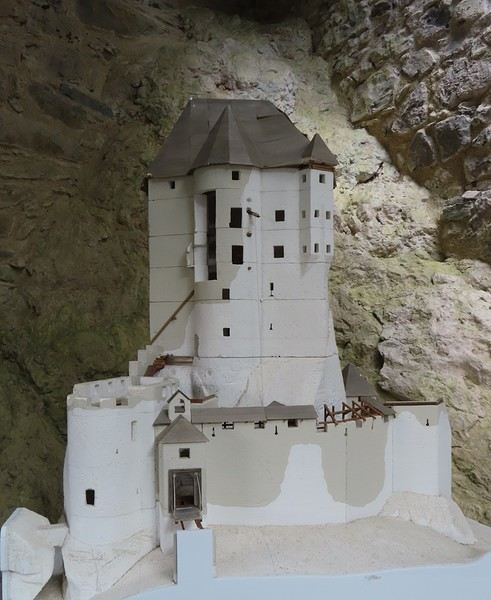
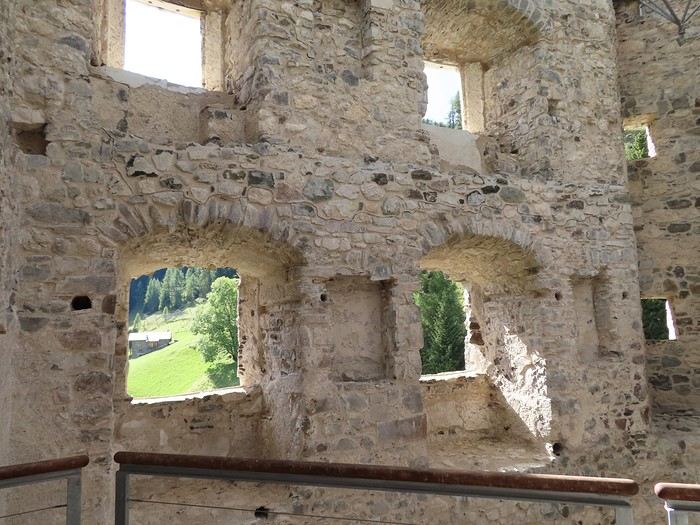
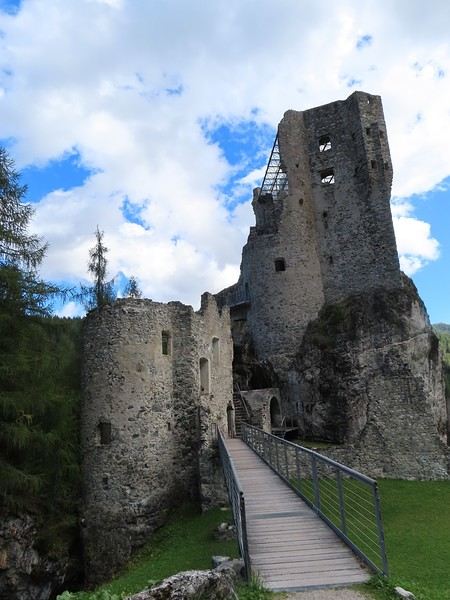
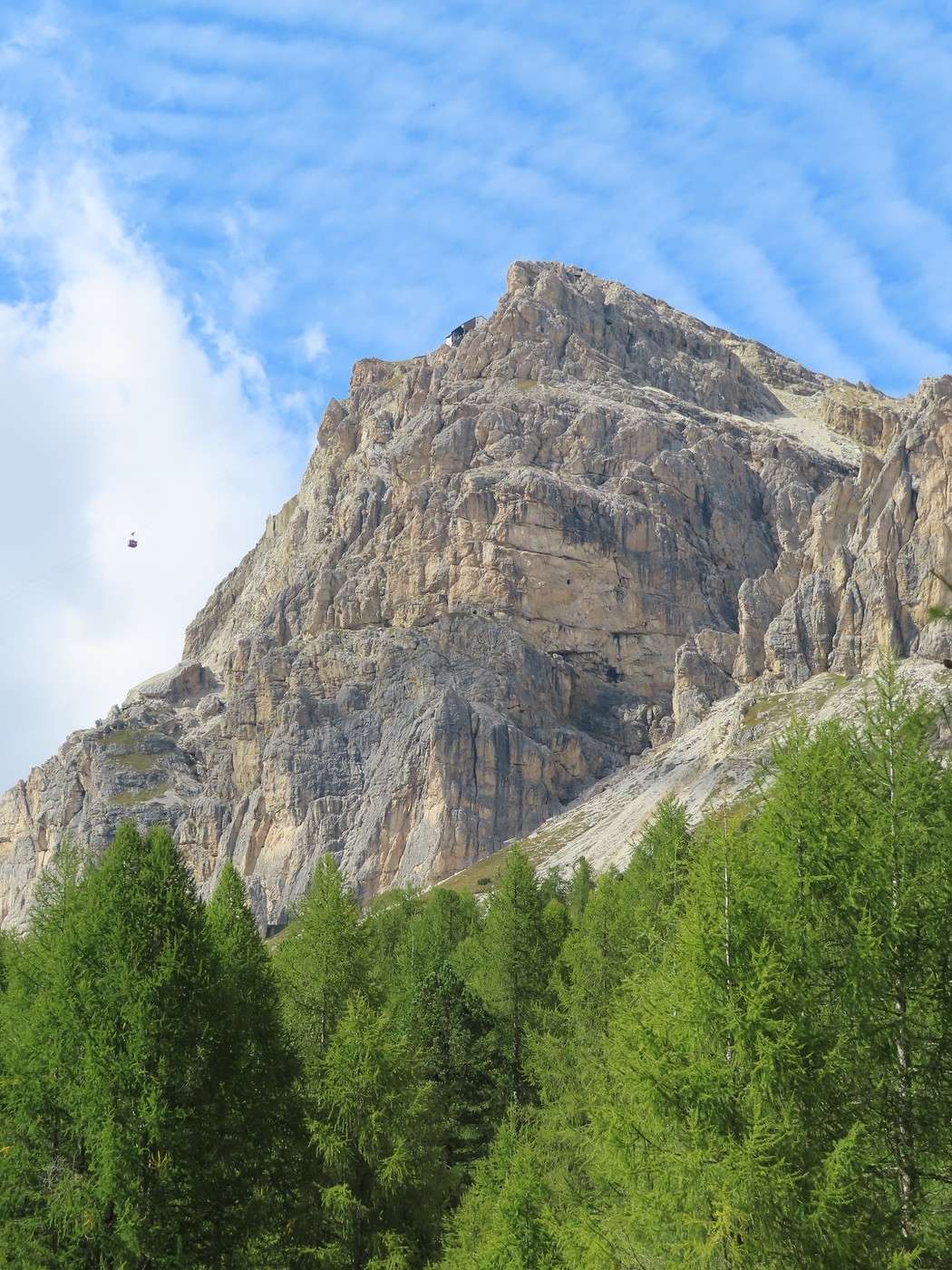
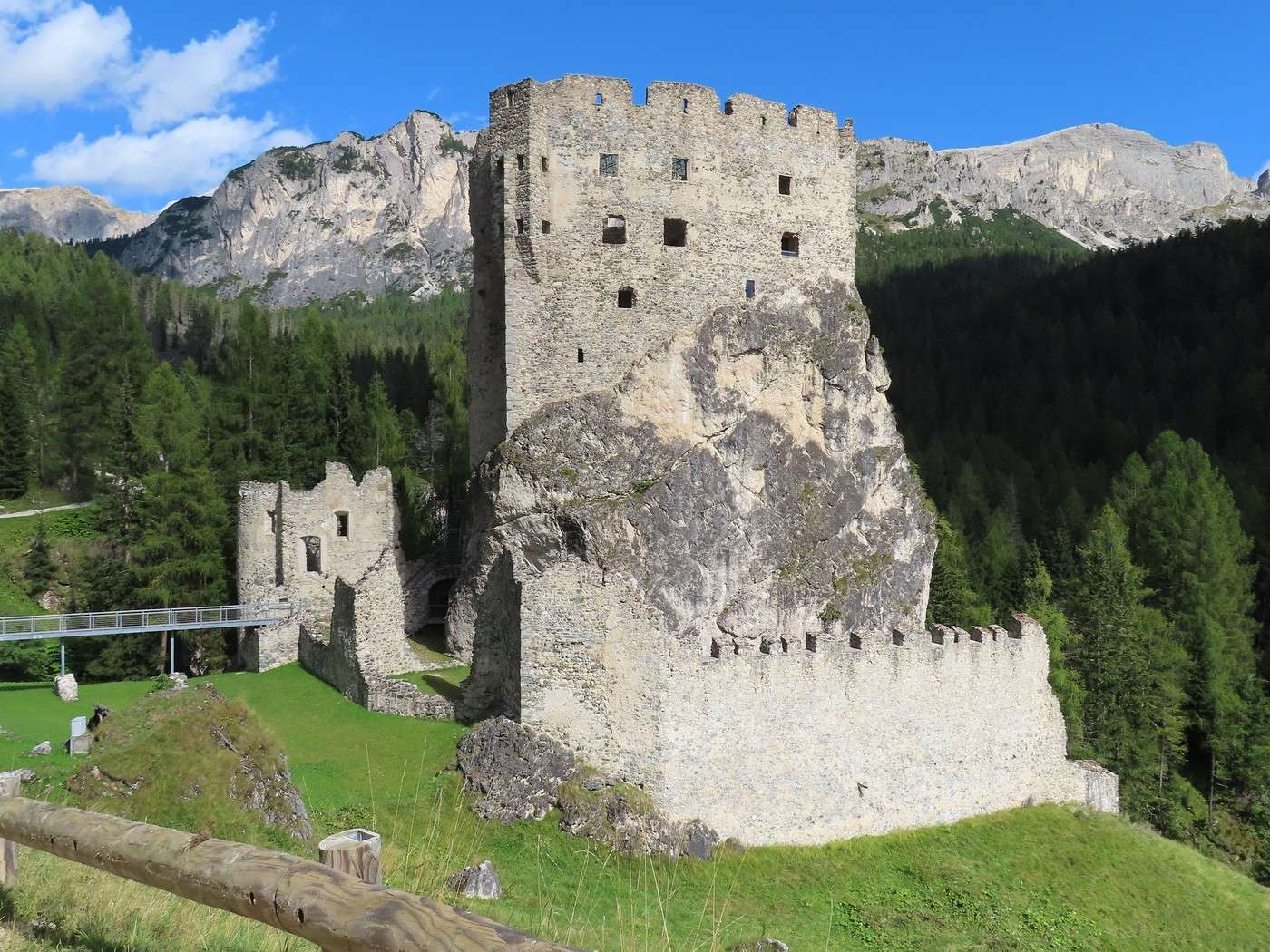
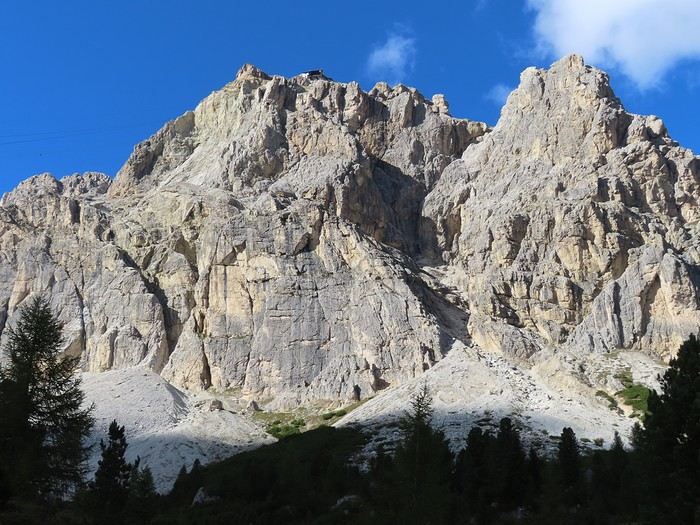
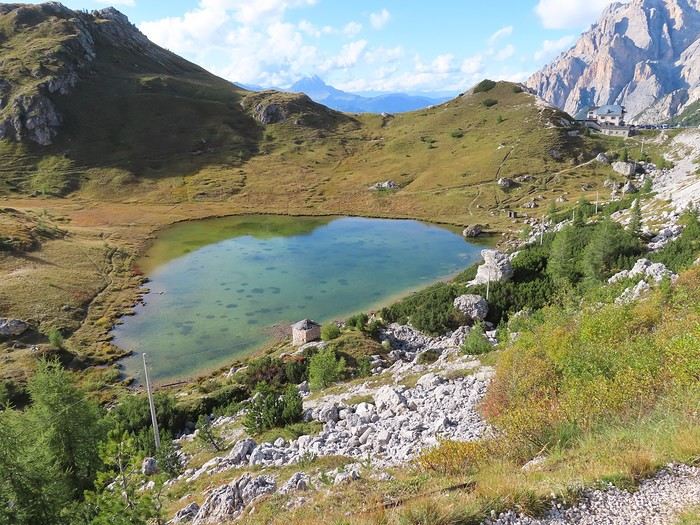
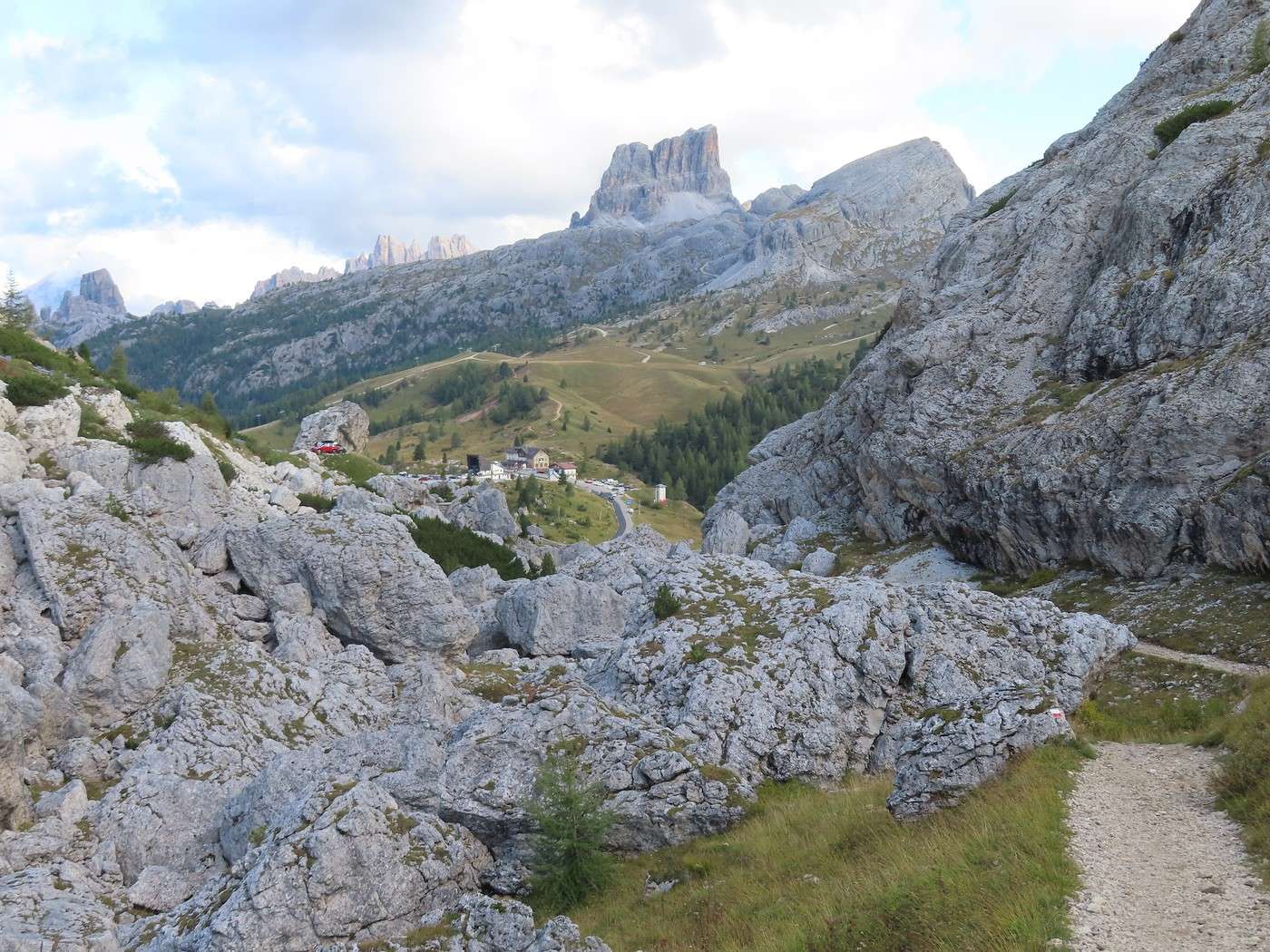
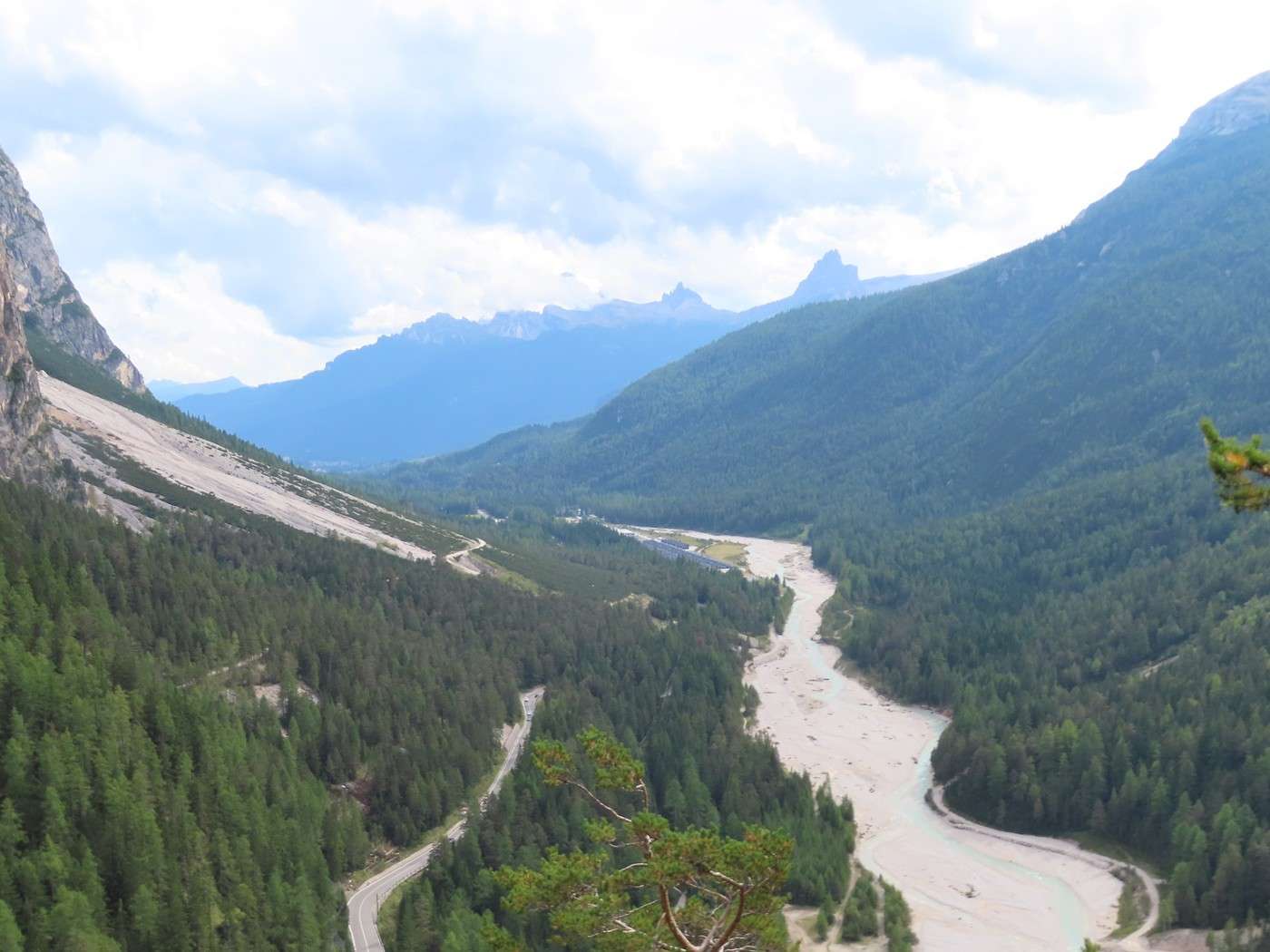
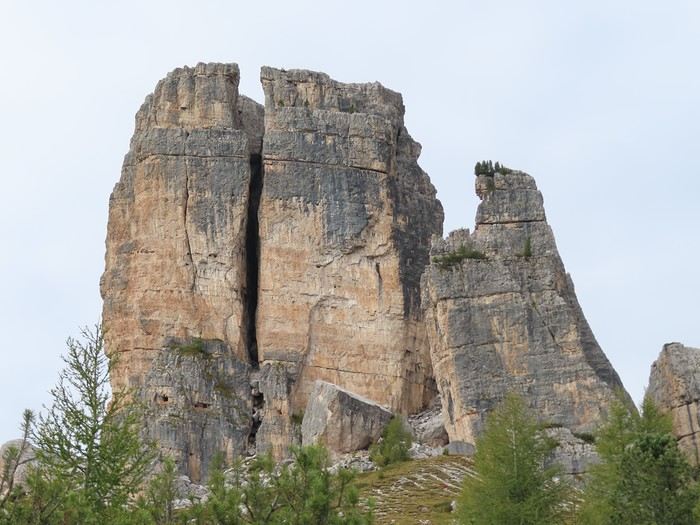
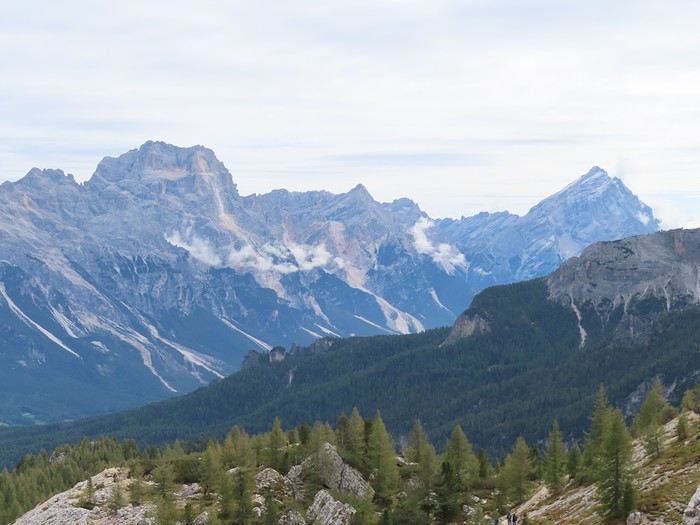
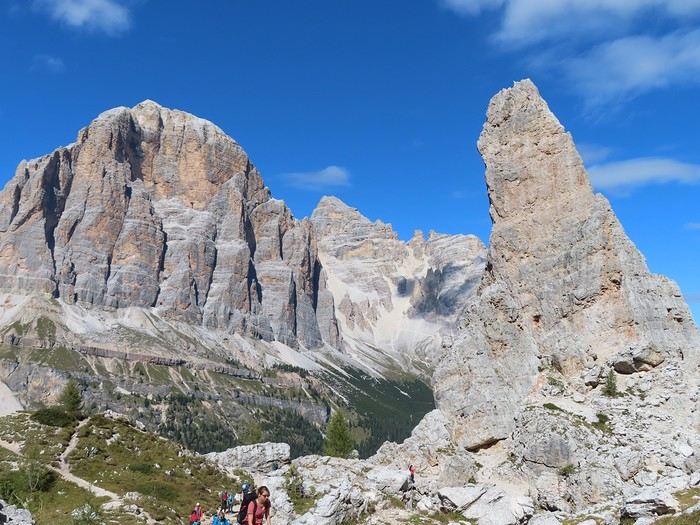
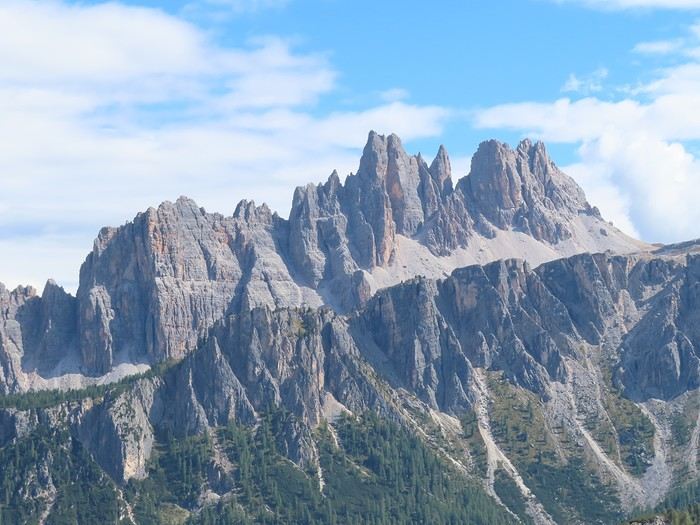
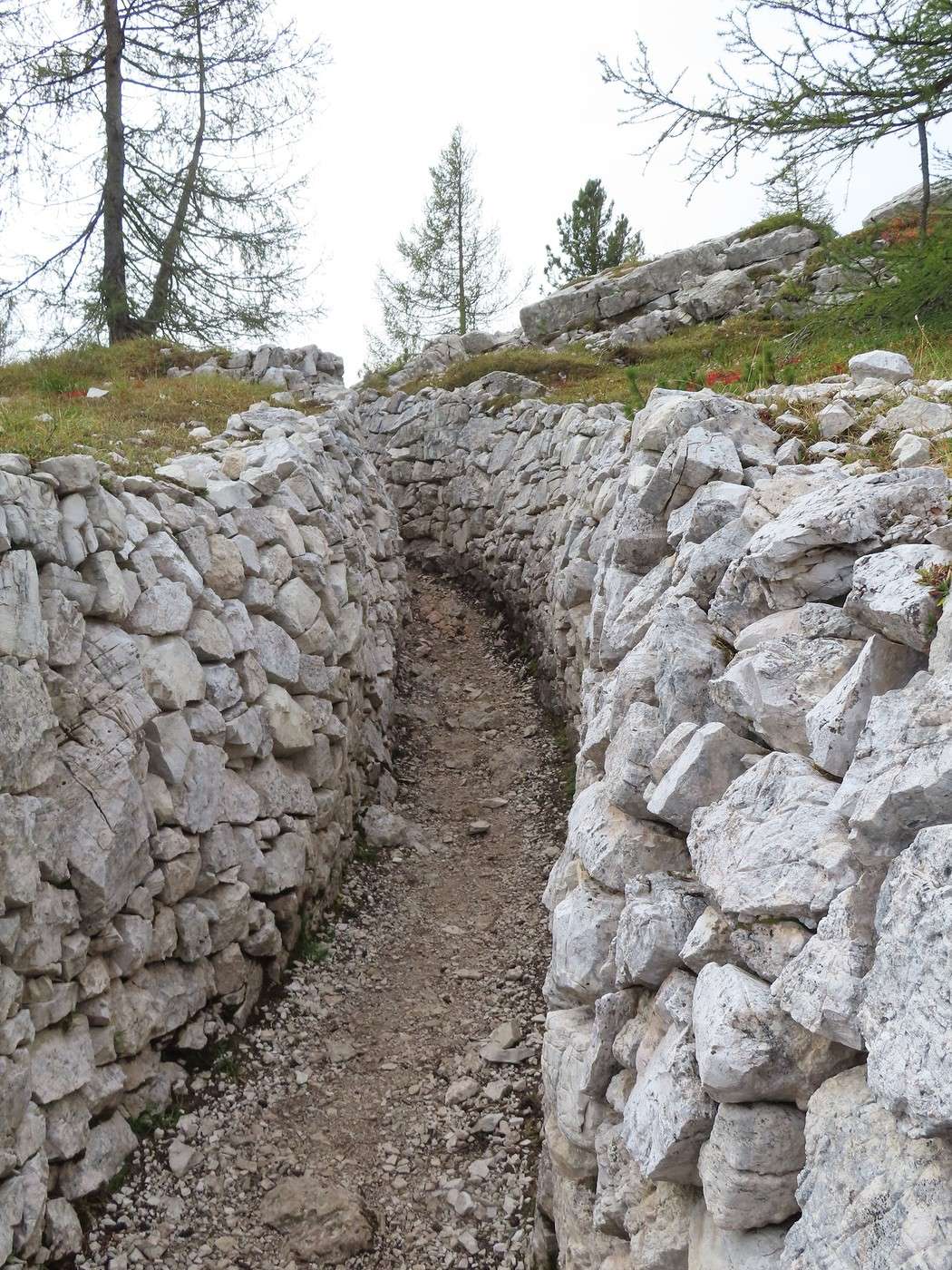
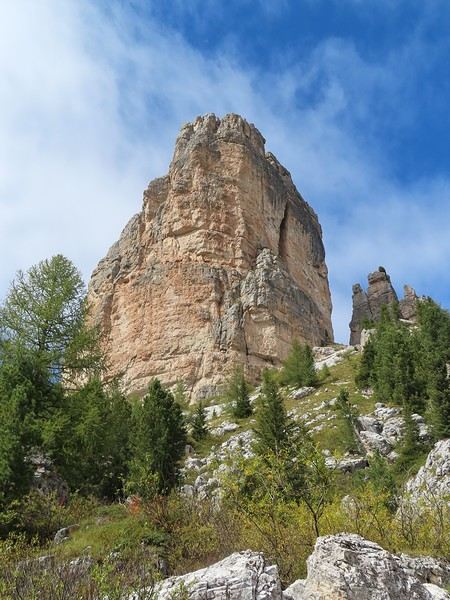
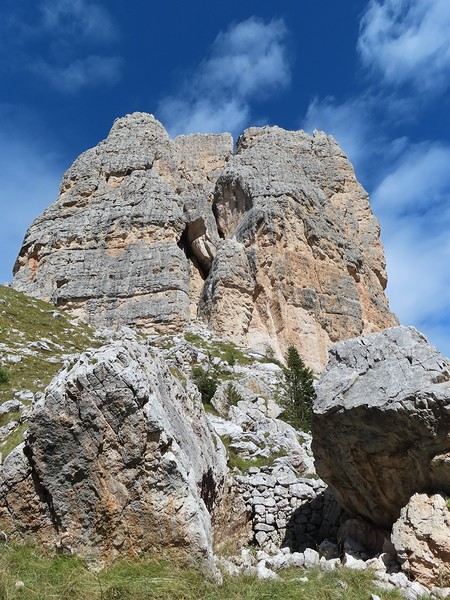
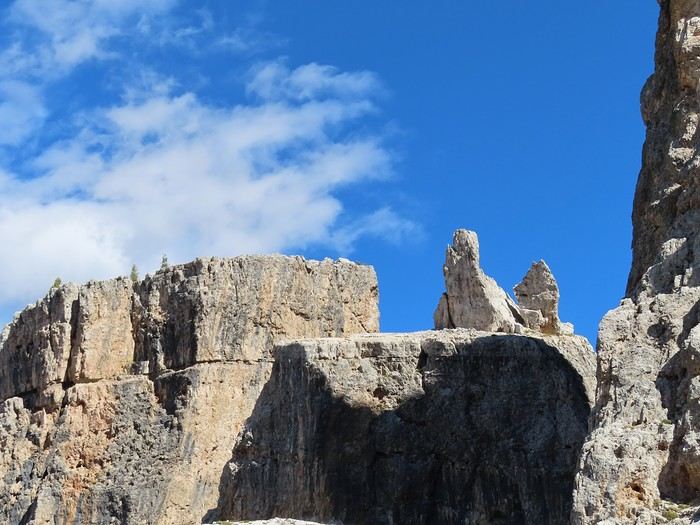
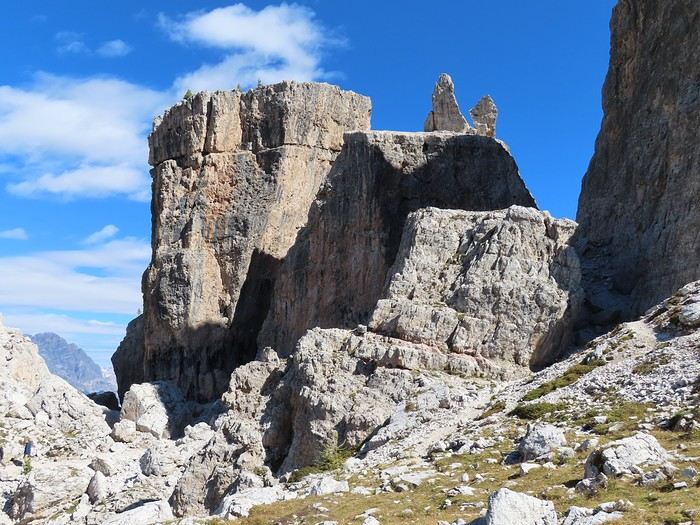
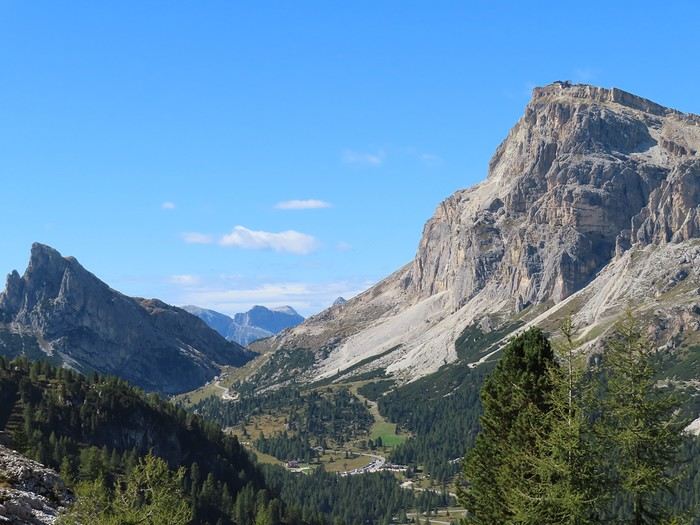
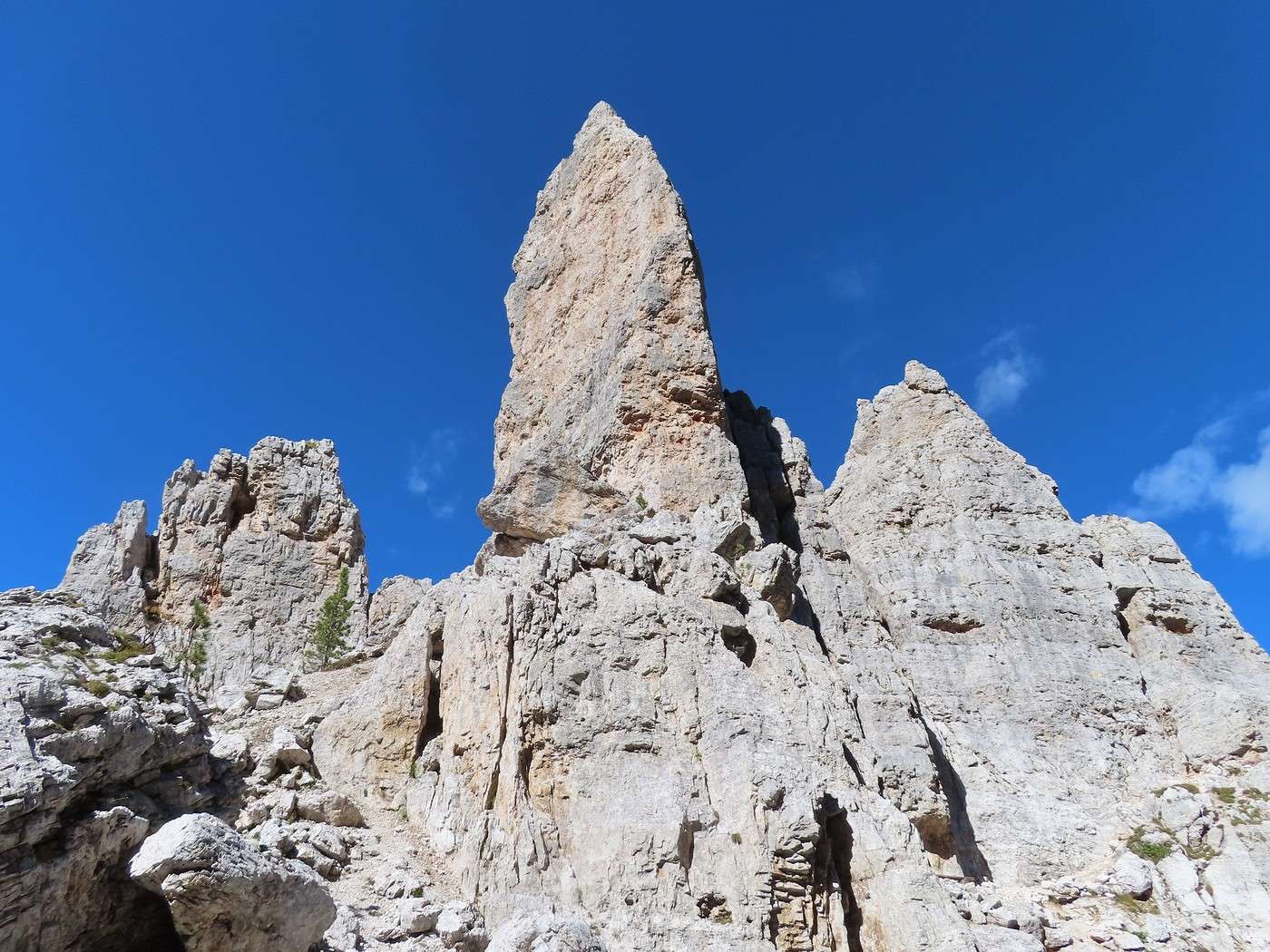
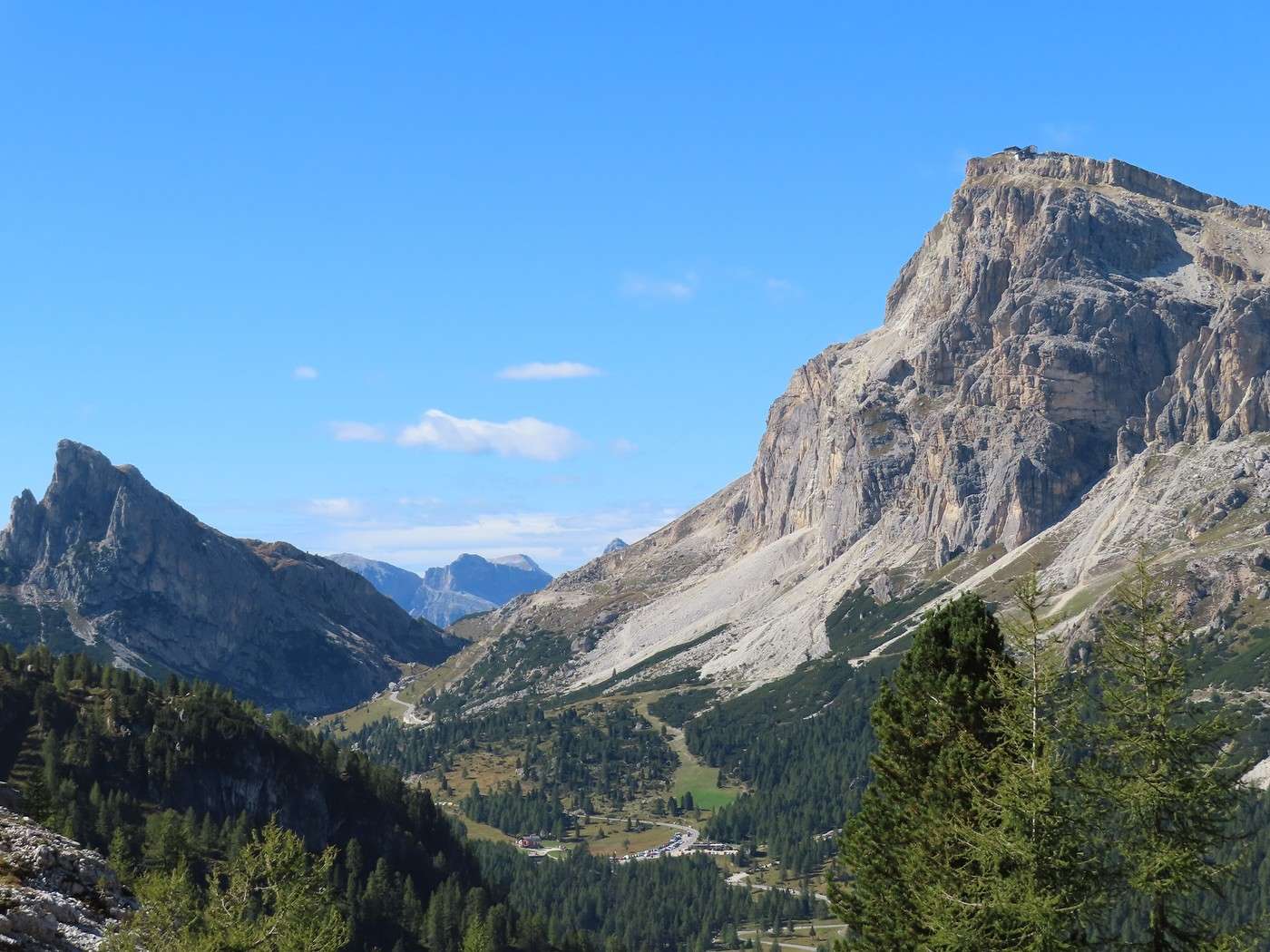
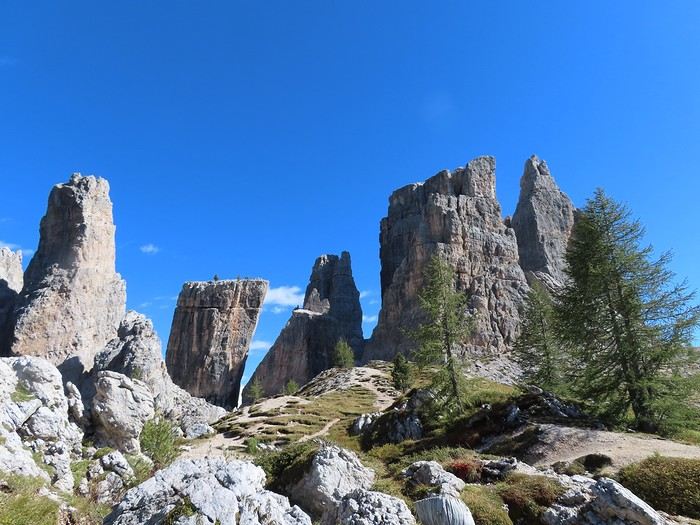
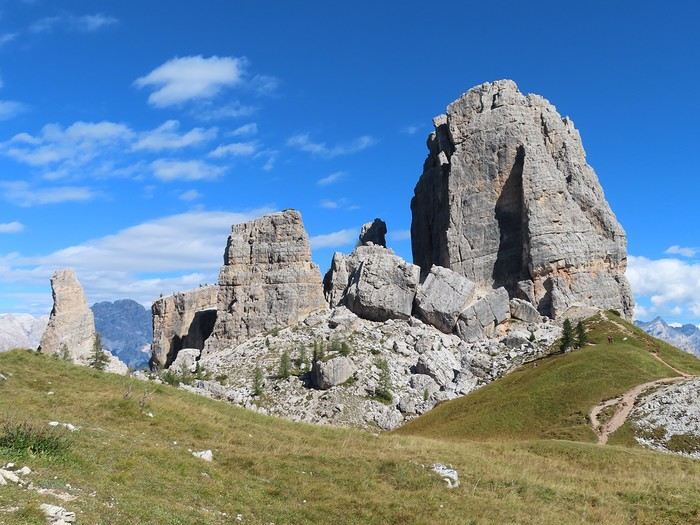
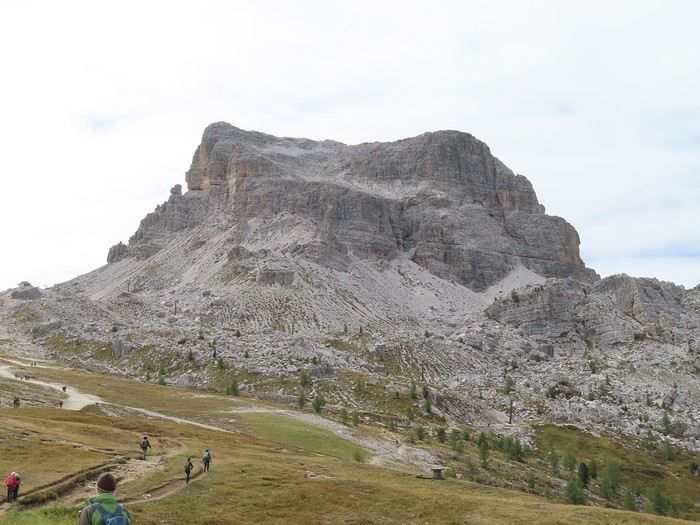
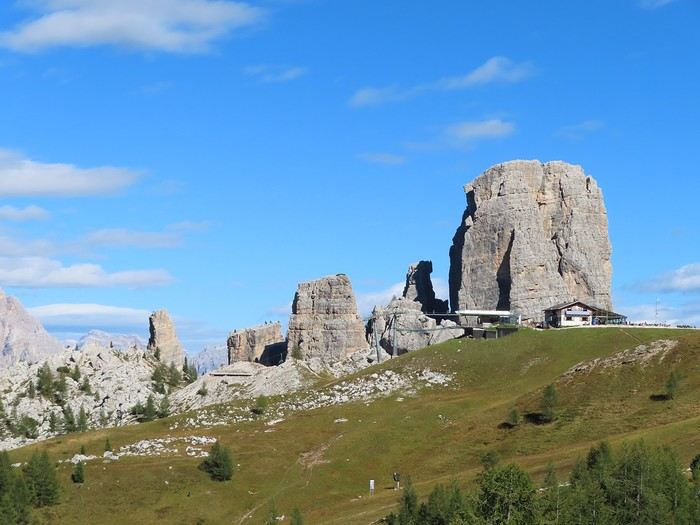
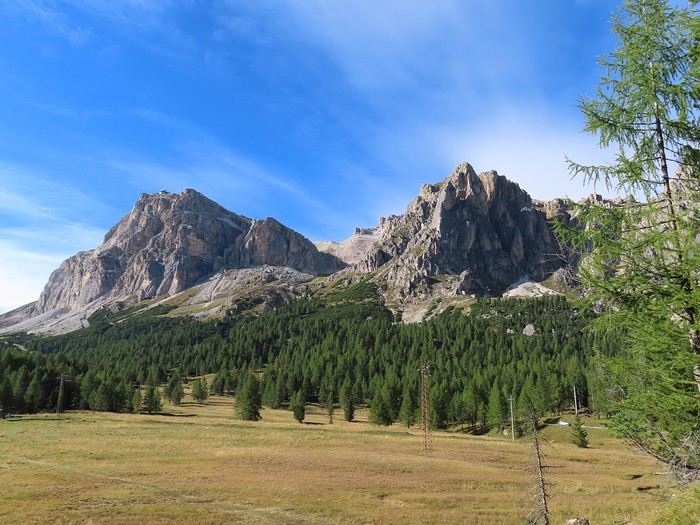
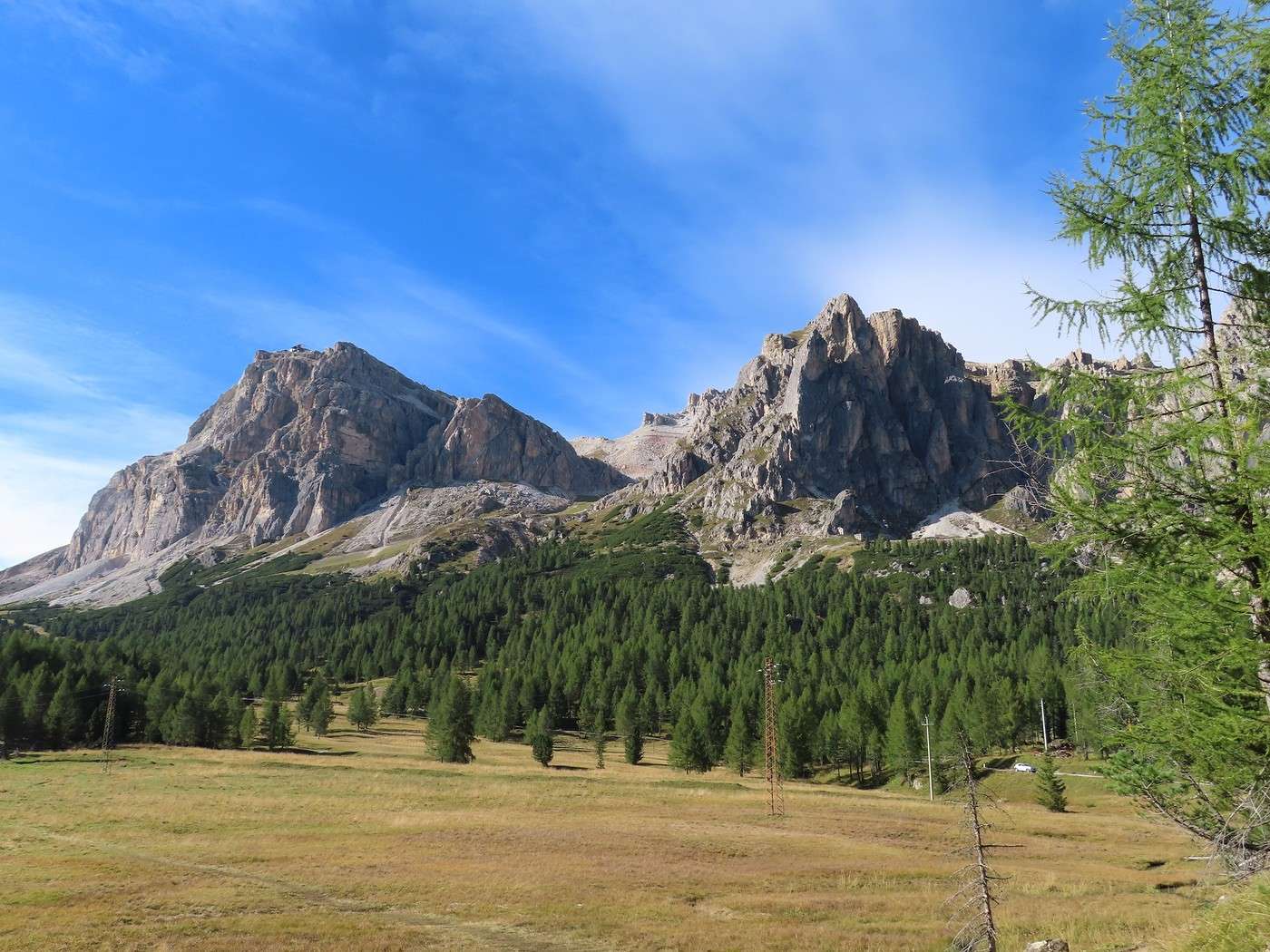
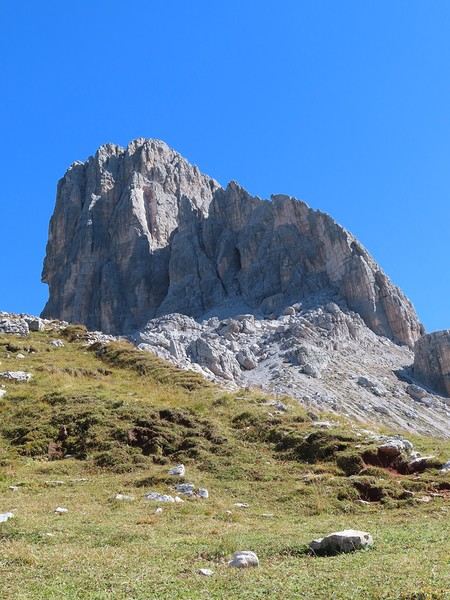
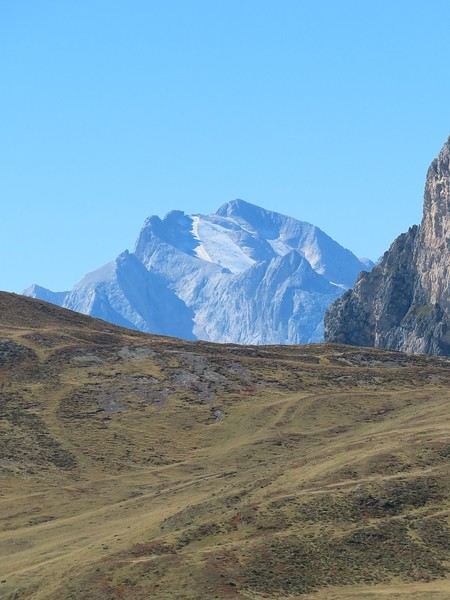
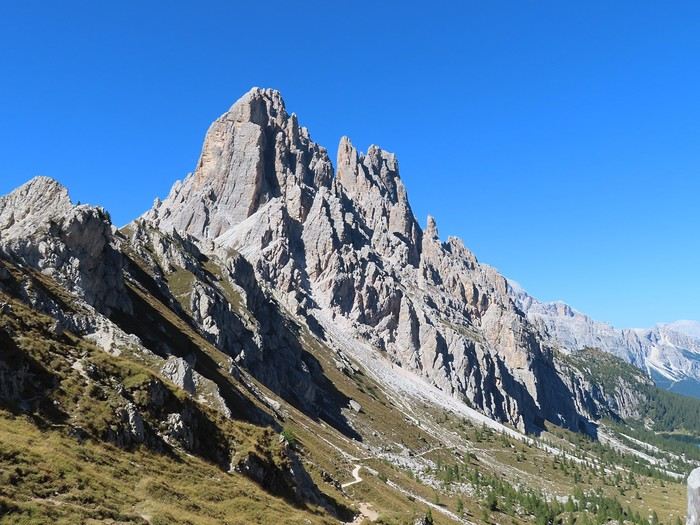
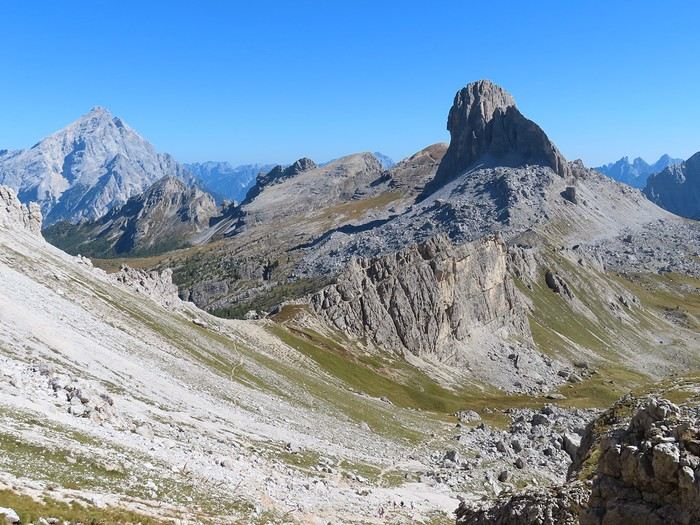
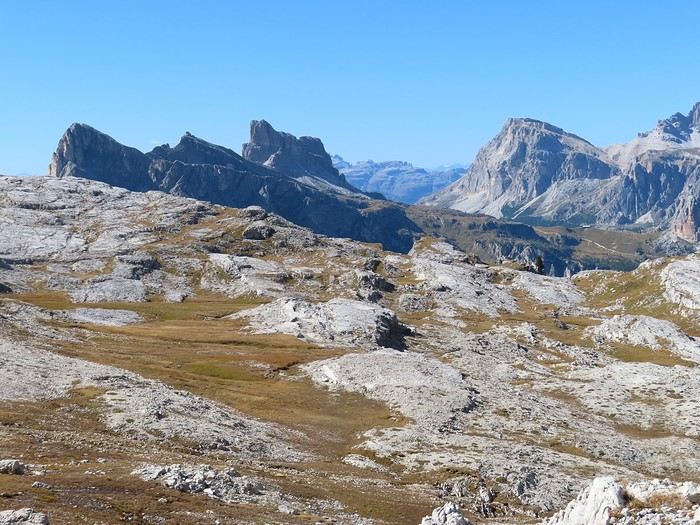
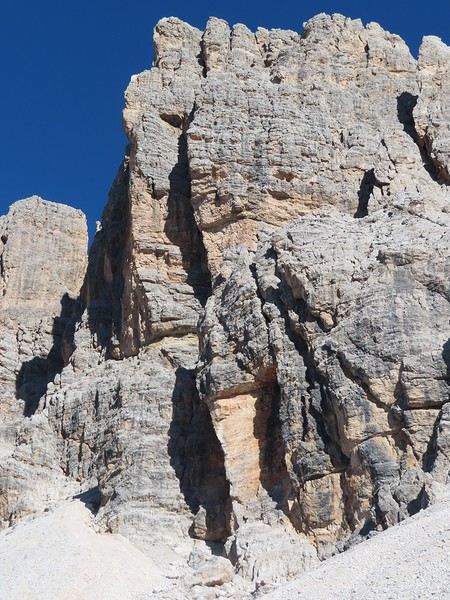
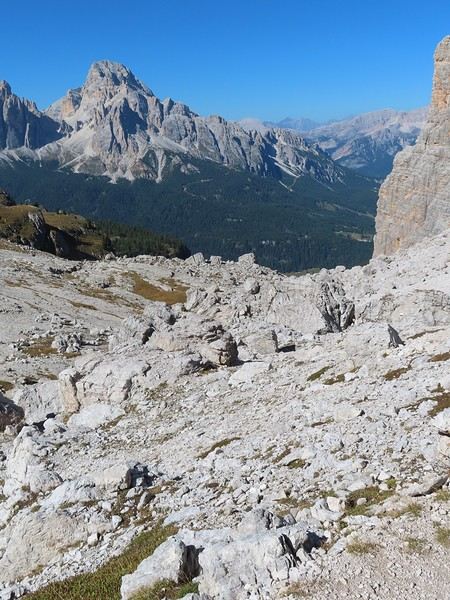
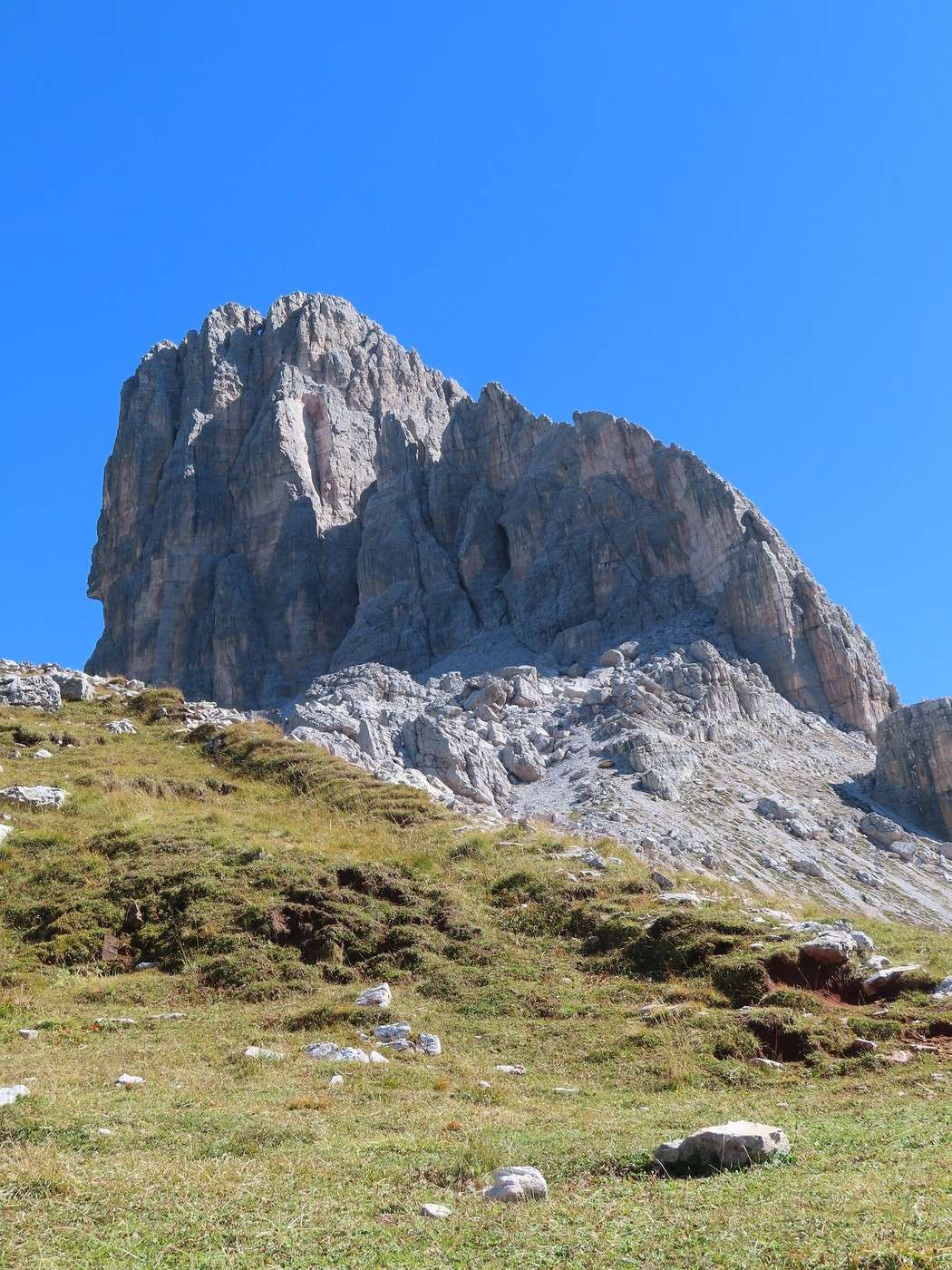
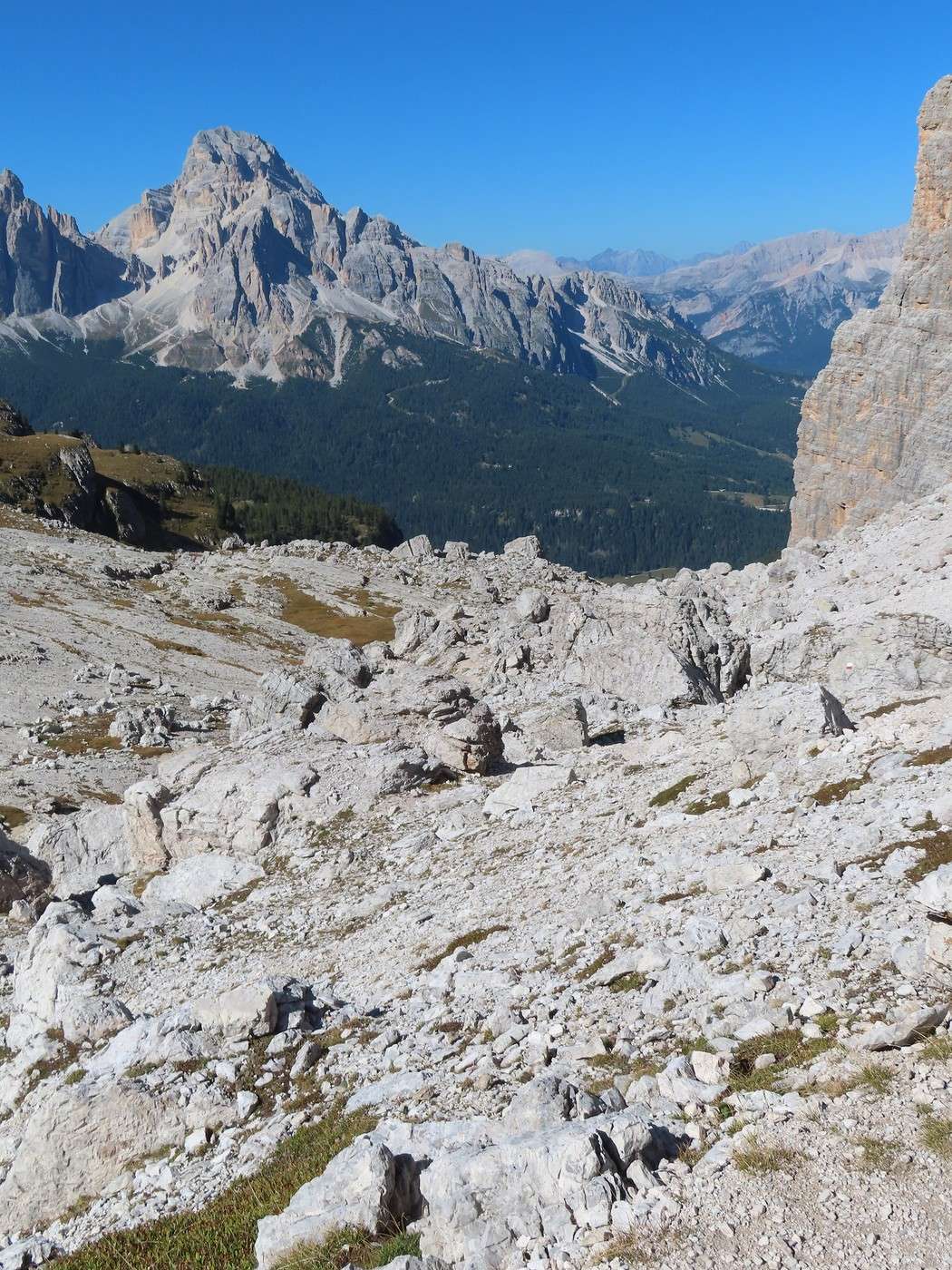
 I return to Passo Falzarego via the "Sentiero Italia" (here, trail 424). It runs through the valley between Lagazuoi and Sass di Stria. It’s now in the shade, so it’s better to hike it a little earlier in the afternoon. You can see "Passo Falzarego" and, in the background, the rocky block of Averau dominating the scene.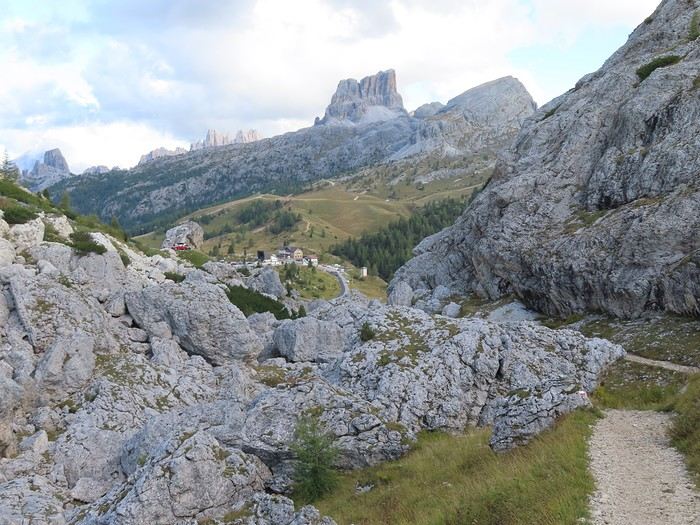
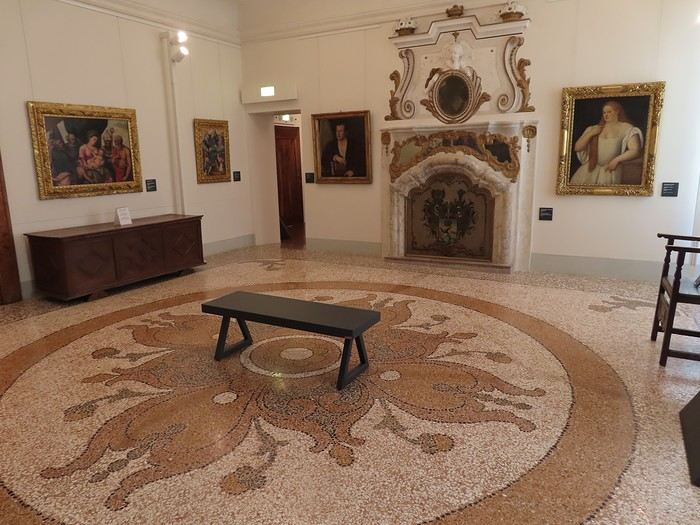
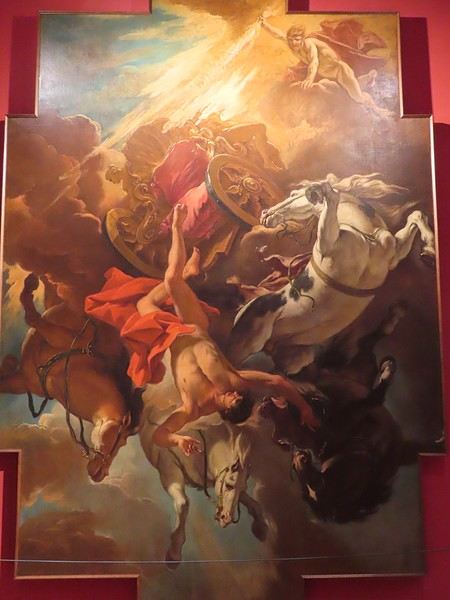
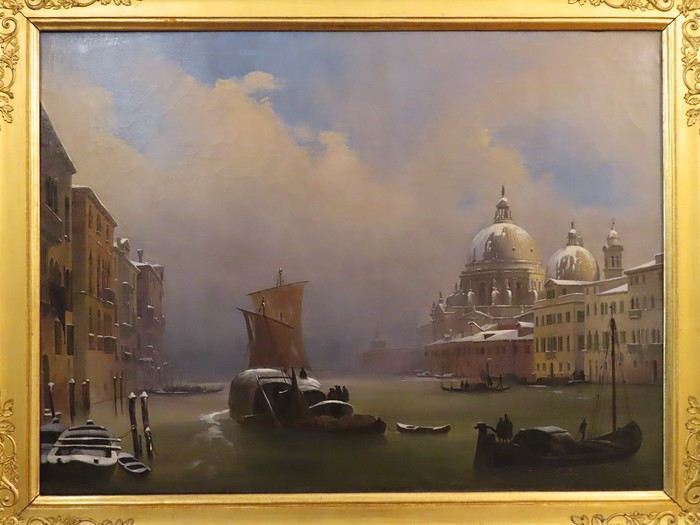
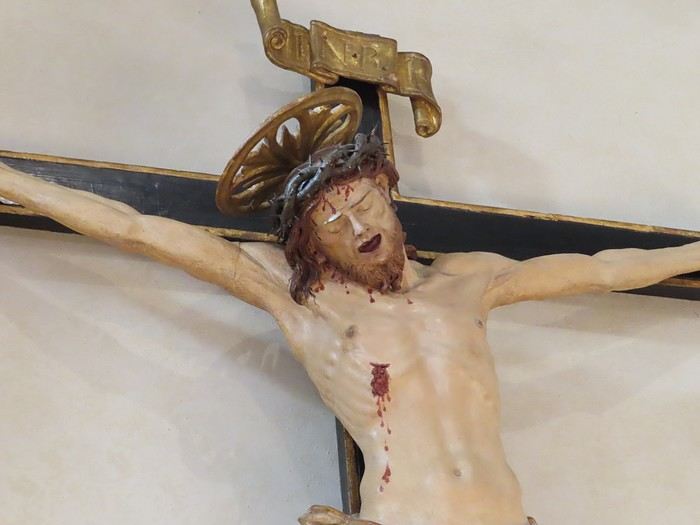
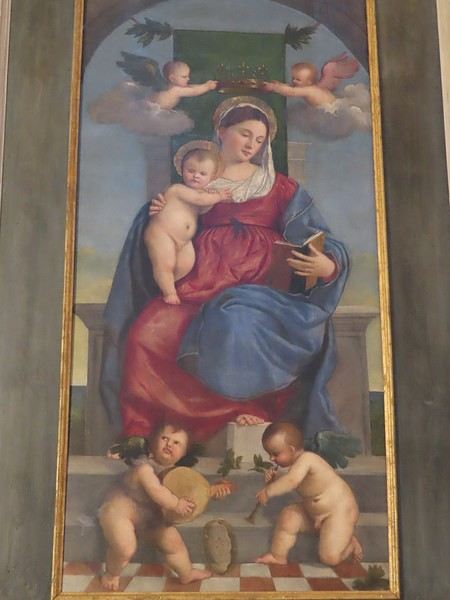
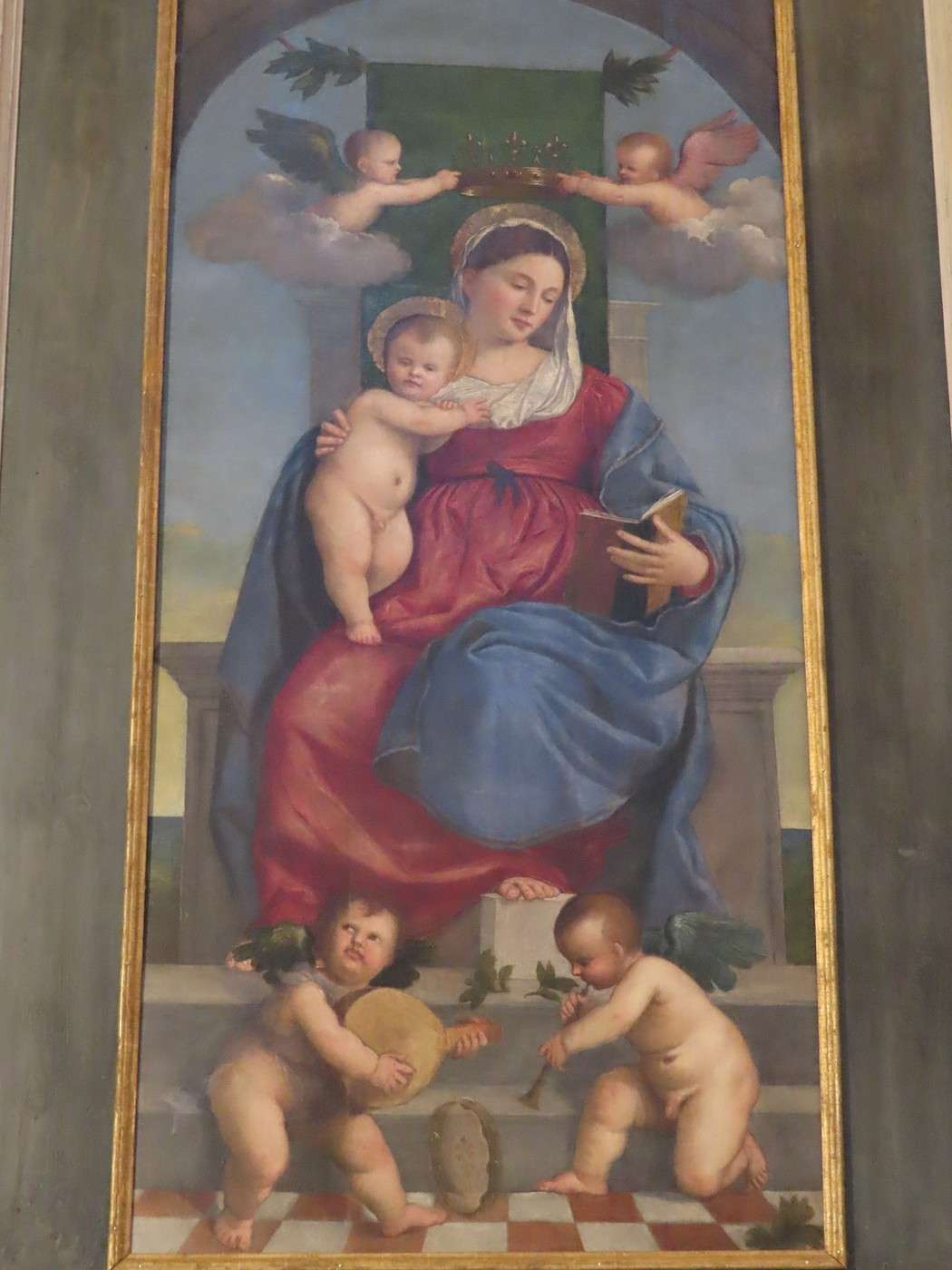
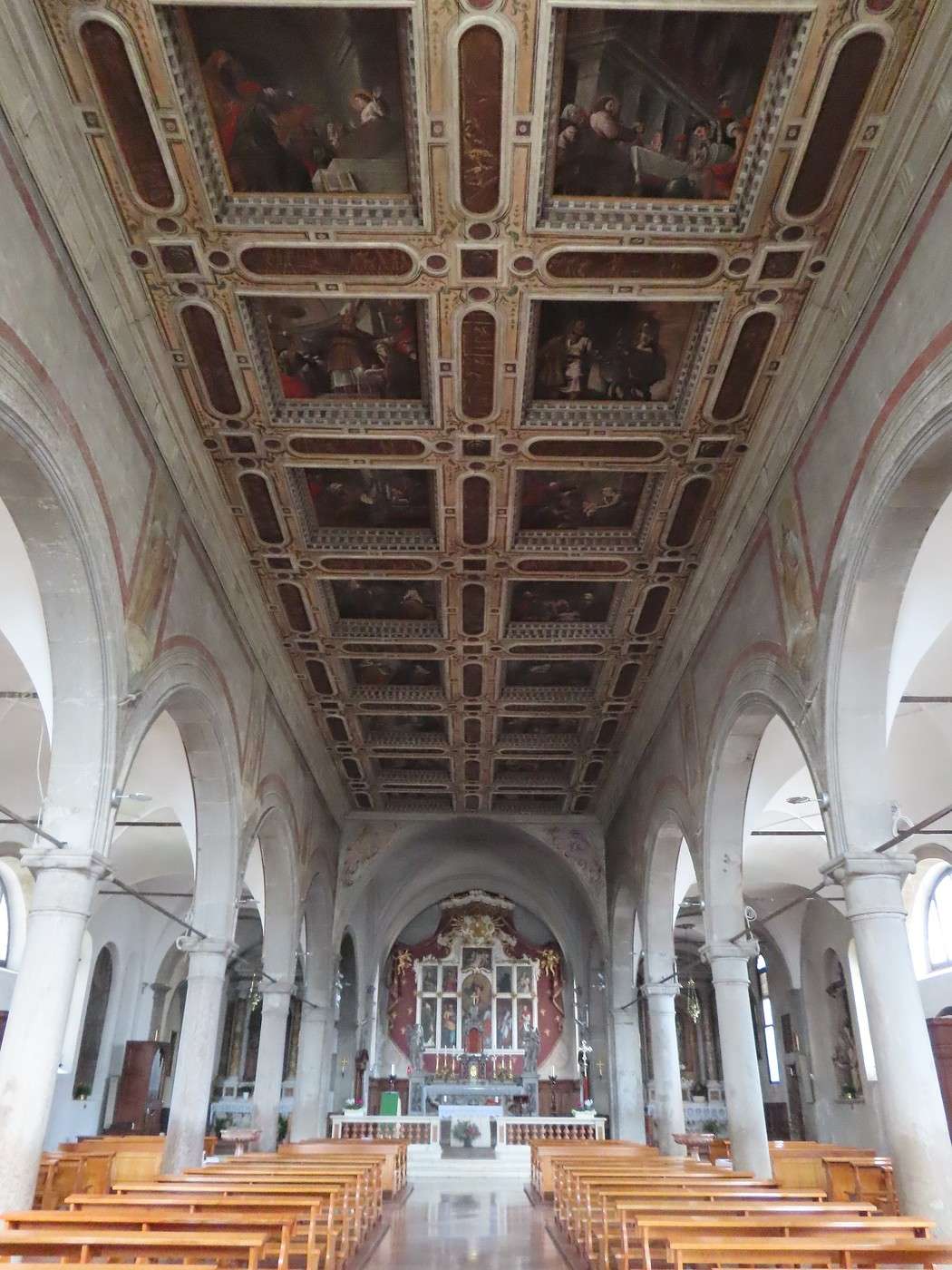
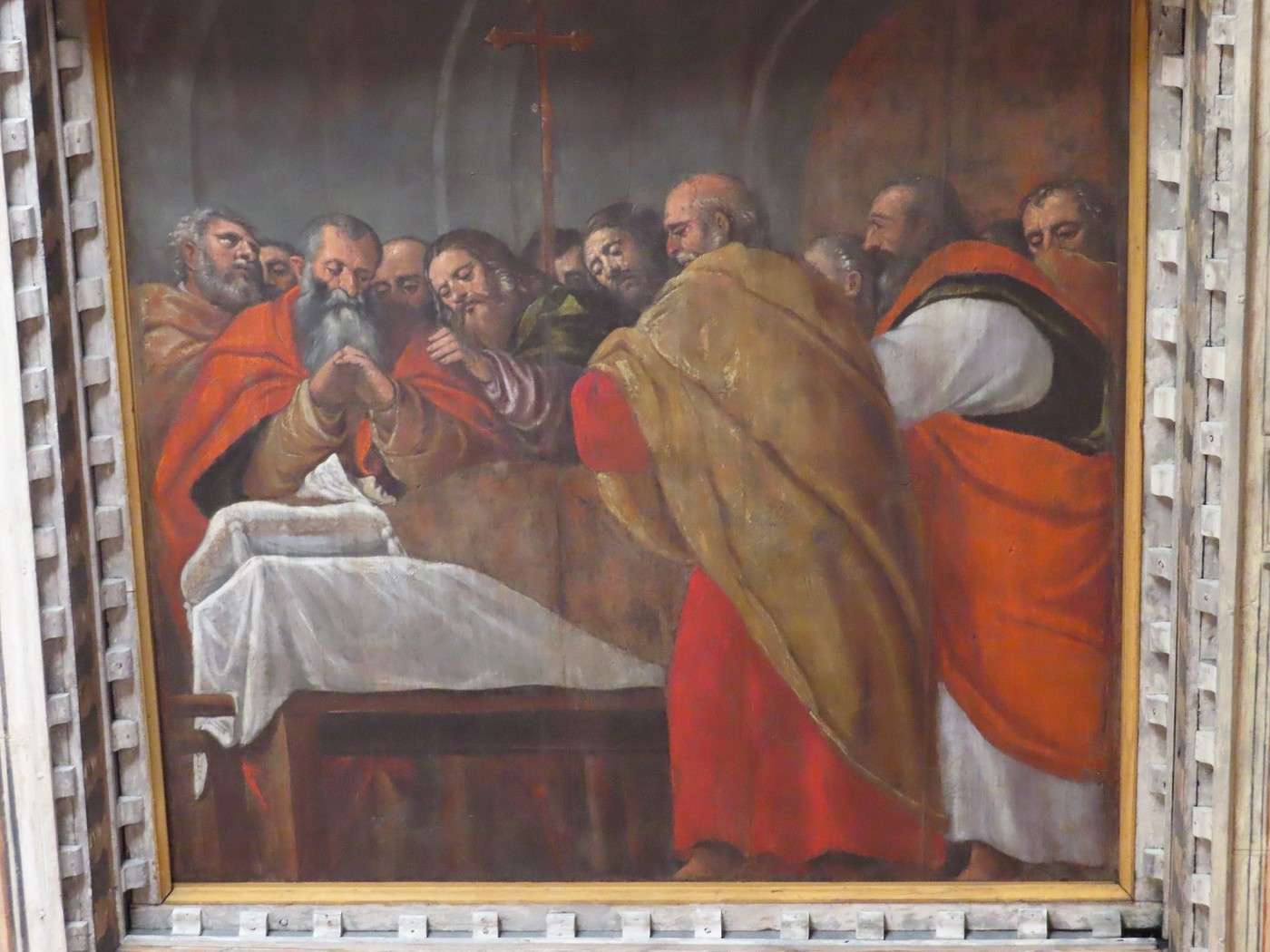
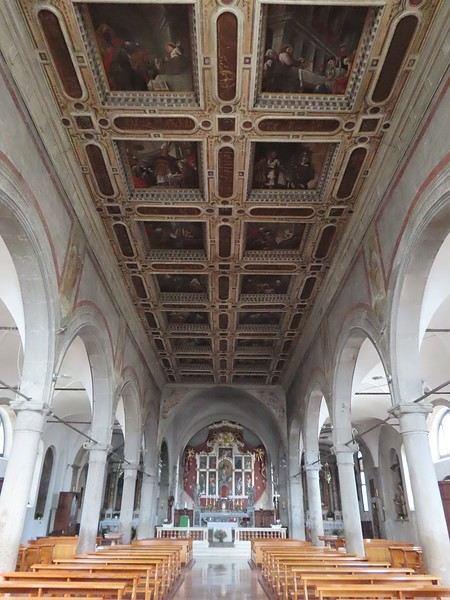 Cesare Vecellio painted the 20 panels of the immense coffered ceiling in the central nave—scenes from the Virgin Mary’s life based on the Gospels.