South and North Luangwa Parks
I'm starting a new journal about a recent safari in Zambia along the Luangwa River. Strictly speaking, it's not a travel journal since it was an organized trip, but rather a good way to get an idea of what the South and North Luangwa parks have to offer.
The flights. Booked through the tour operator Terres Oubliées, a round trip Paris-Addis Ababa-Lilongwe (Malawi). Lilongwe because it's the closest international airport to the parks located in Zambia. As an added inconvenience, a multiple-entry visa for Malawi for 150 USD and the land border crossing. The journey from the Zambian capital is estimated at two days while from the Malawian capital it takes a short day.
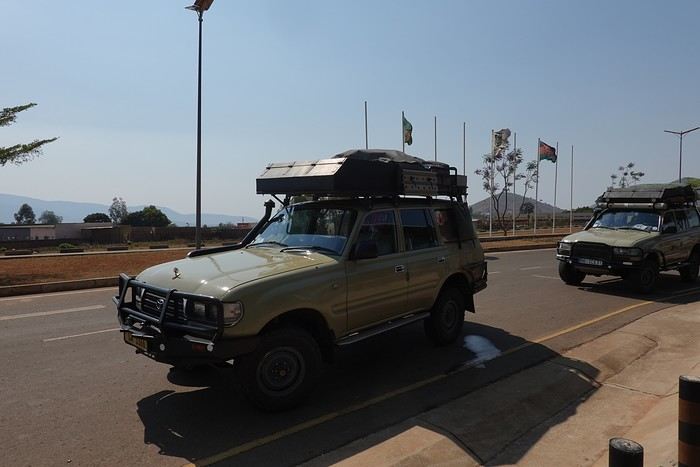
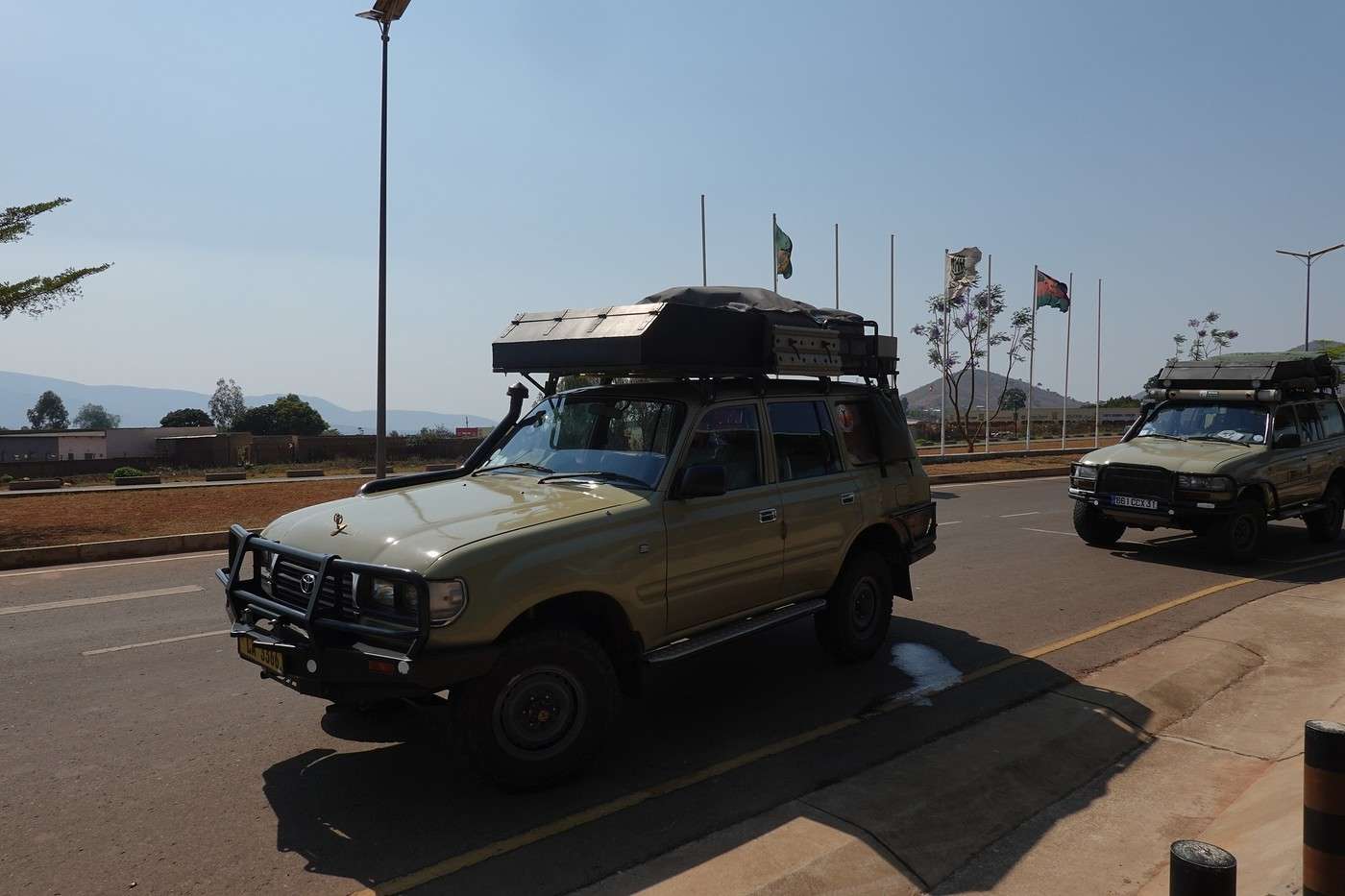
The expedition. Organized by African Escapades. An excellent agency specializing for 25 years in African safaris from Uganda to Botswana. Three 4x4 vehicles with all the equipment for self-sufficiency in the trunk and on the roof. Three naturalist guides and drivers, a group of nine tourists who split the three seats in each vehicle.
After a night at the hotel in Lilongwe we leave for Zambia. The journey is short and paved. The border crossing is quick for tourists but long for the paperwork of the three vehicles. After the border we definitively leave the asphalt for the track until Mfuwe, the town located at the entrance to South Luangwa park.
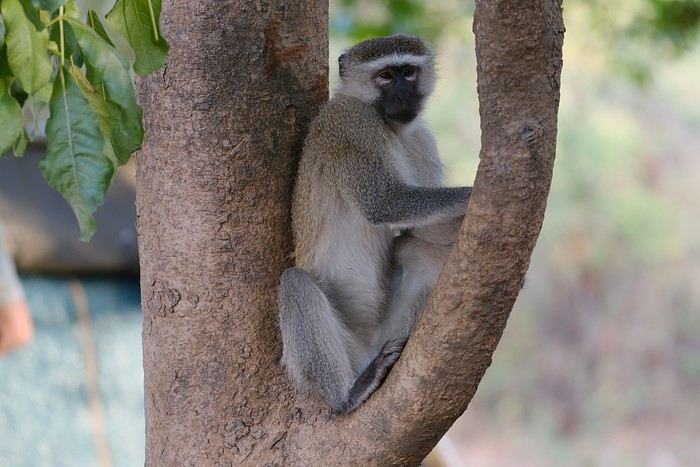
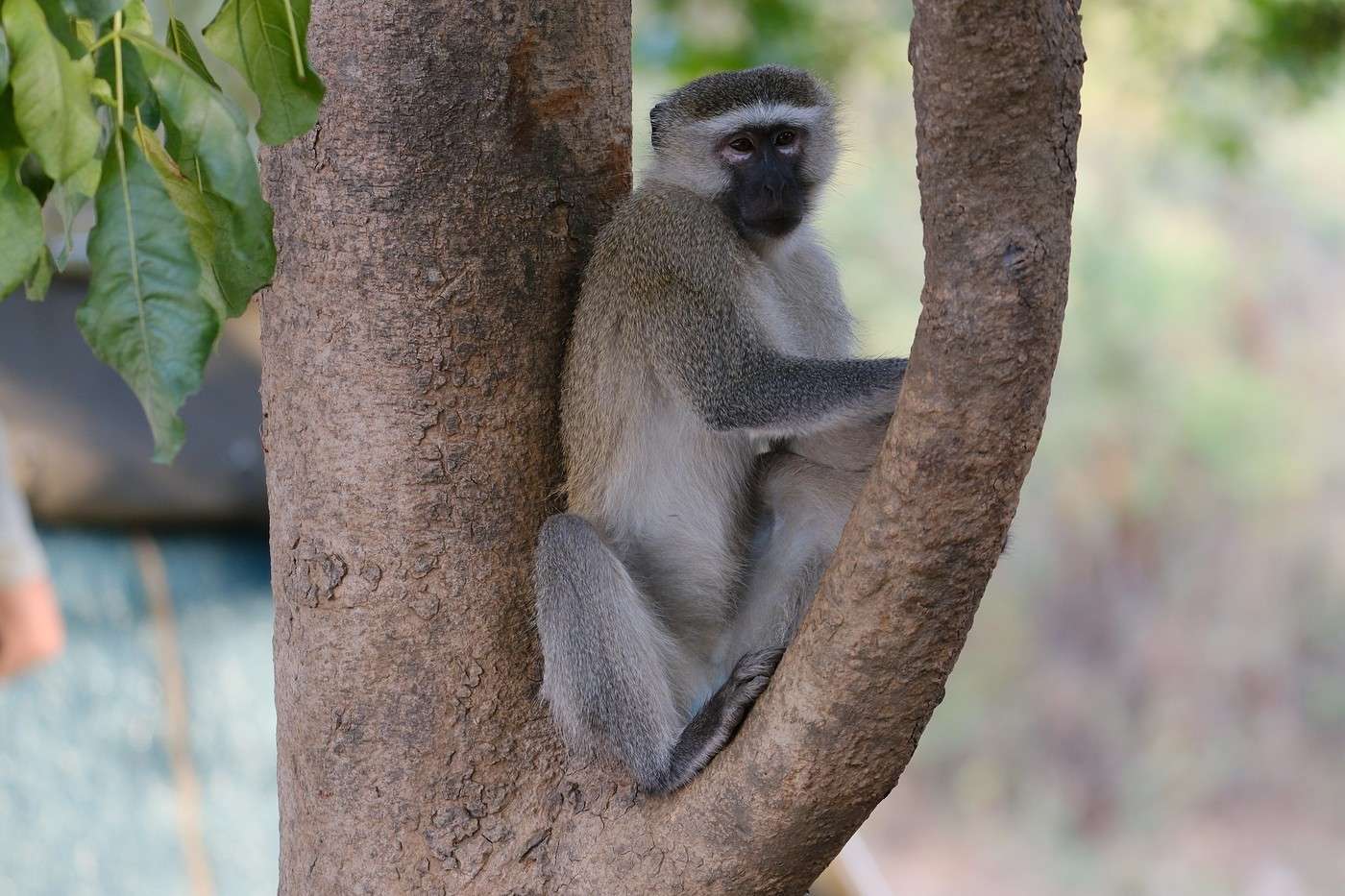
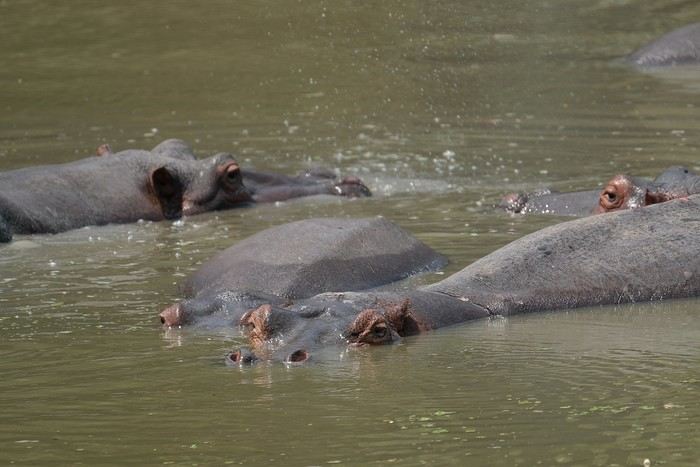
The camp. It is located on private land on the banks of the Luangwa River. We set up the tents for eight nights. The safety instructions are given to us right away. The camp is overrun by vervet monkeys and baboons. Unfortunately they are used to humans and we have to coexist. The vervet monkeys steal our food before and after meals but there's no danger. The baboons are capable of entering the tents and emptying the suitcases. We have a permanent local guard who watches the camp while we are out on safari in the park. He also prepares the meals. At night it's more frightening. Elephants and hippos come up from the river and sometimes pass right through the tents. There are also hyenas prowling around. So no leaving the tents at night. You hear lots of noises and sometimes shadows passing by. For the second camp at North Luangwa, we will be in an even wilder area where the animals are not used to humans. During the day no vervet monkey or baboon dares to approach, at night it's the same.
The organization. Two of our guides have been doing this circuit for twenty years. Everything is planned down to the smallest detail by African Escapade. We get up at 4:45 AM, a quick snack and off to the park entrance at 5:30 AM to take advantage of sunrise and the activity of the big cats before the intense heat. The park opens at 6 AM so sometimes we are held at the entrance or let through early. The safari focuses at first on the big cats returning from the hunt, then breakfast from the 4x4 around 9:30 AM. We get out of the vehicles for the occasion by the river, of course being careful. Continue until about 11:30 AM then meal at the camp. Rest in the heat until 3:30 PM and back on safari in the park which closes at 6:00 PM for sunset. Quiet dinner by headlamp because night has fallen and the vervet monkeys don't come down from the trees at night. The food was first bought before leaving for Malawi. Then a local cook sold us her production of meals, pies and cakes. Everything is local, fresh and excellent. The water is not always drinkable for us so it is systematically cleaned first with "micropur" in large jerry cans before being distributed to us. No plastic bottles, just water skins and canteens. Good choice, nobody got sick.
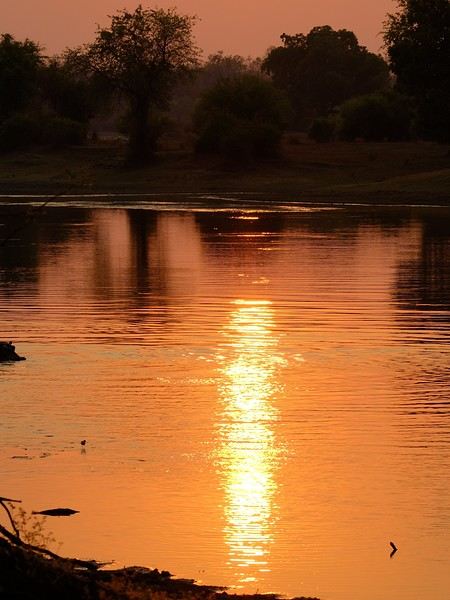
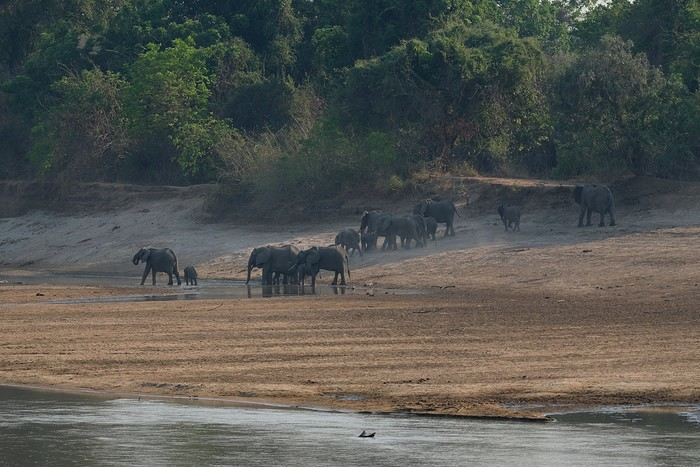
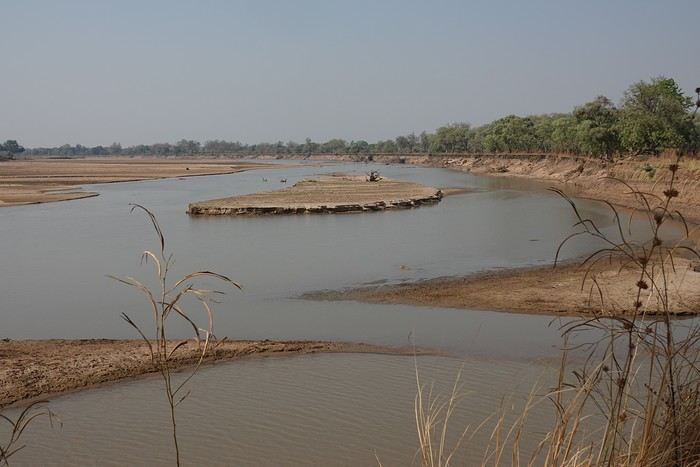
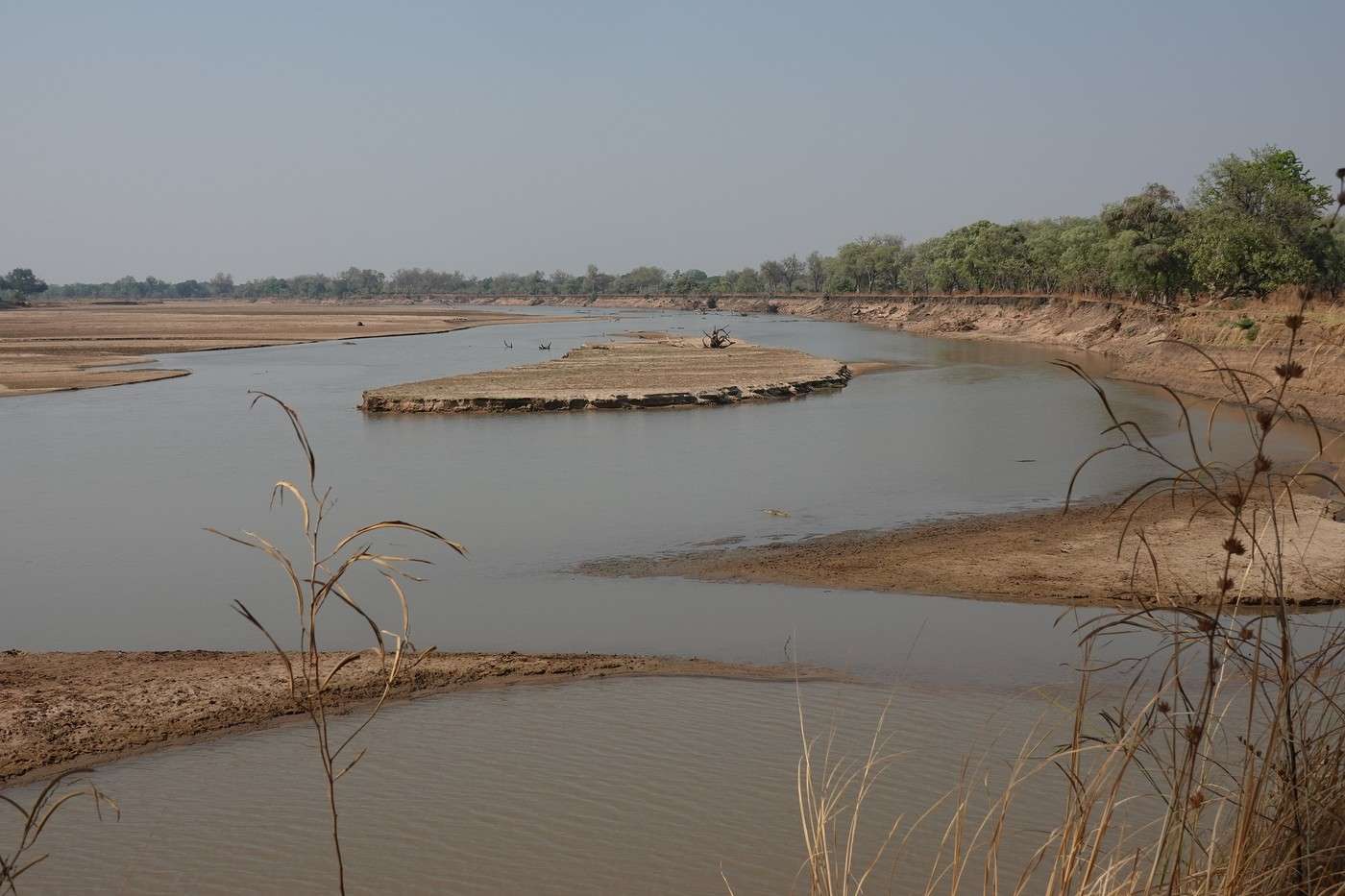
The weather. In October it's the end of the dry season. The tributary rivers are dry, the Luangwa concentrates the remaining water points with a few small pools. The animals therefore gather around the Luangwa to drink and it's perfect for observing species. The problem is the difficult crossing of the fords at this time of year because they are very sandy. In November it's the rainy season and the parks close when it becomes impassable.
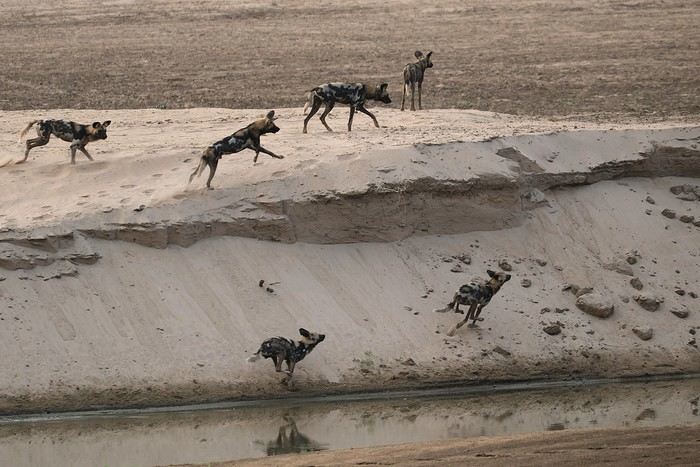
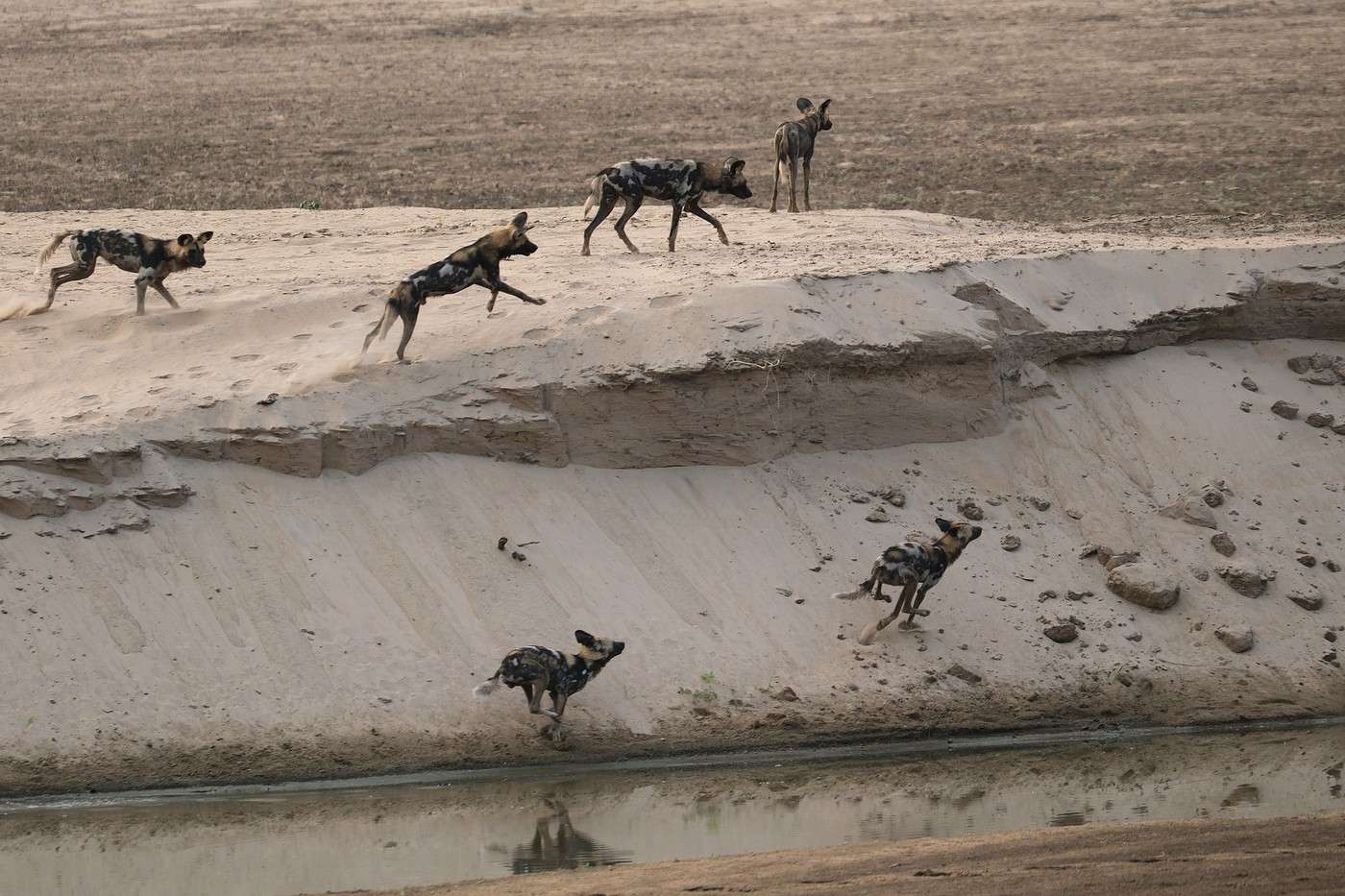
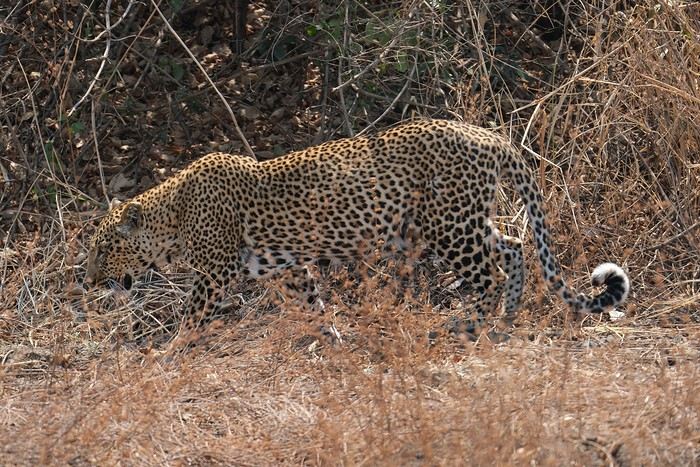
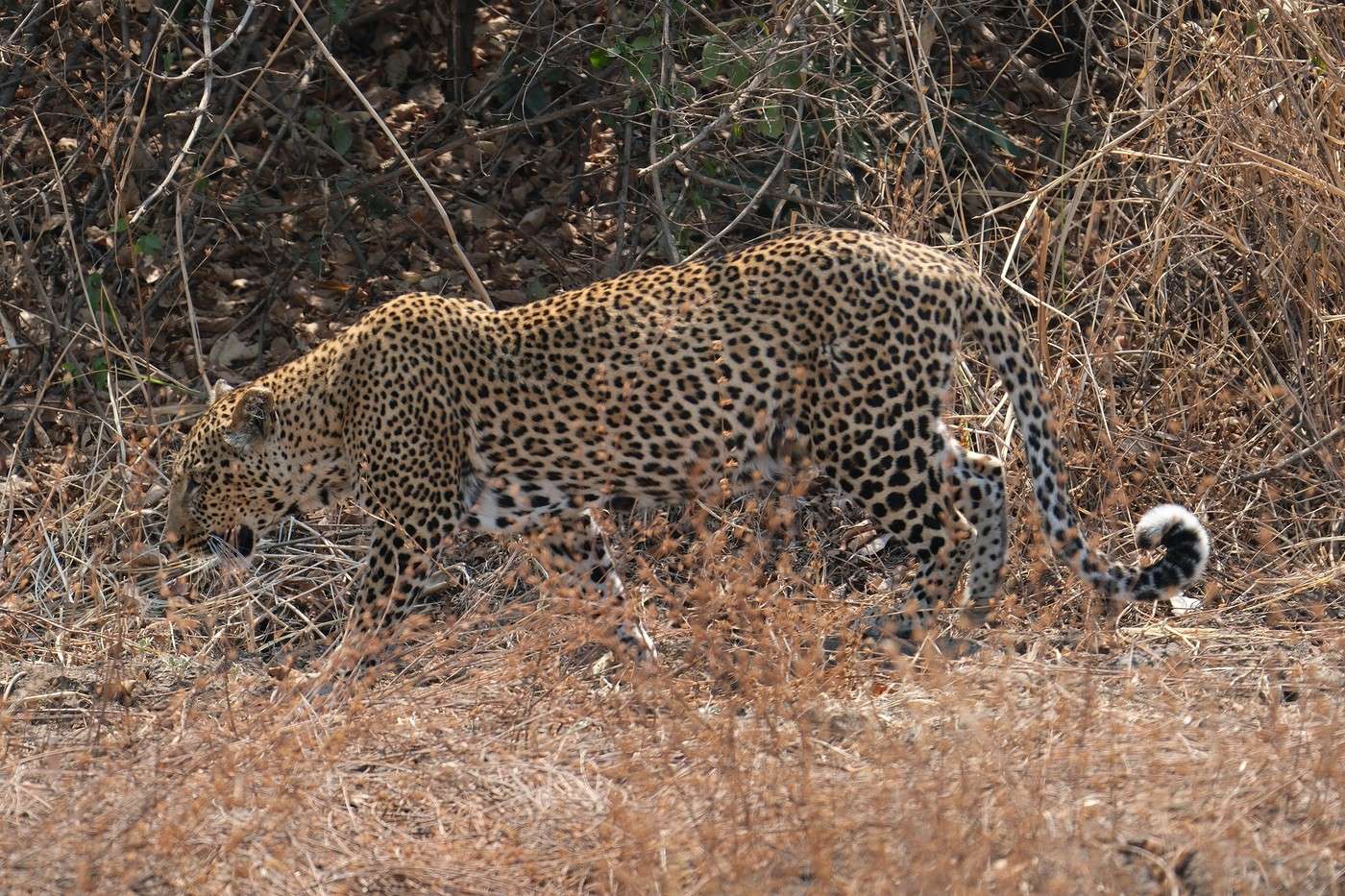
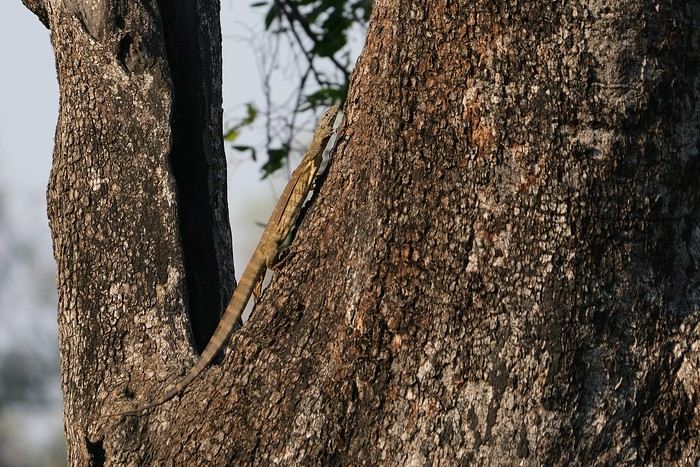
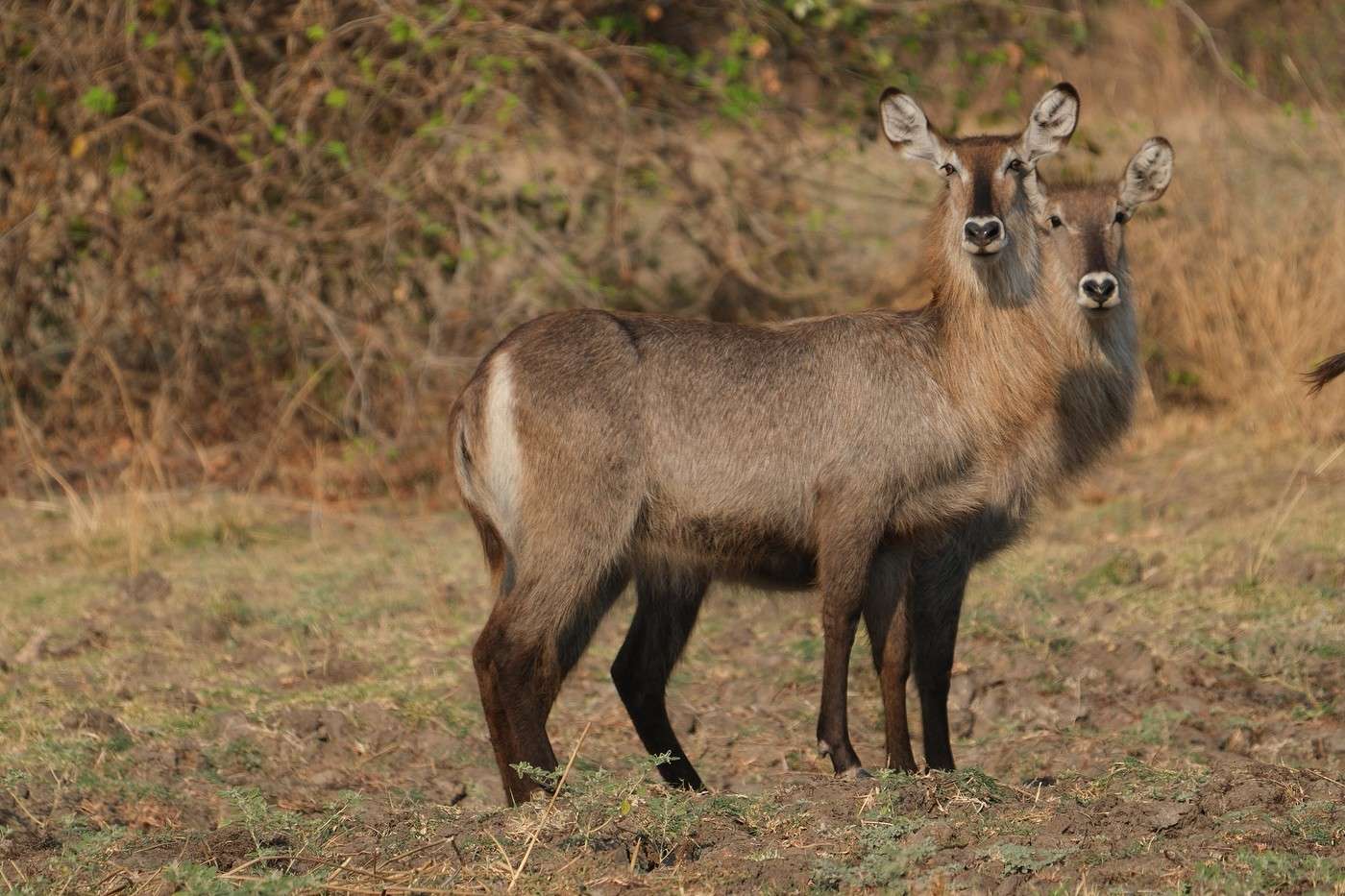
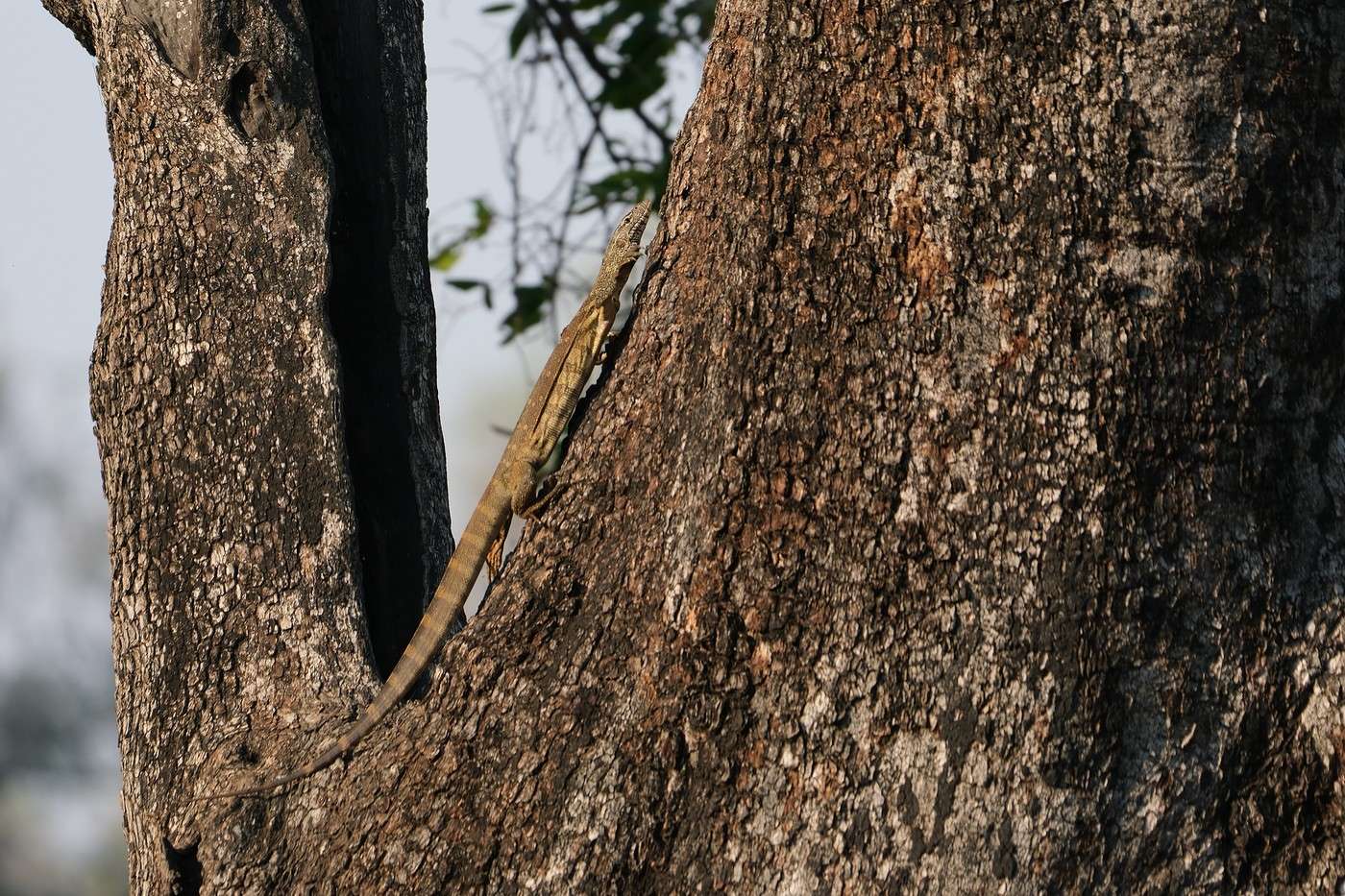
Tourism. The two parks are different. In South Luangwa there are lodges inside the park. You come across the open nine-seater vehicles called "gamedrive" from the lodges. Others come with a 4x4 and a tent on the roof, a good solution for a couple. I also saw a single girl with a camper van but I don't recommend it unless it has 4x4 drive. There's still not a crowd though and often our vehicles were alone on the track. At most I counted thirteen vehicles for the wild dogs hunting and about half that for the walking leopard. In North Luangwa it's downright deserted. You already access the park by a wooden ferry of all dangers. In the park we came across five vehicles over two days including a scientific vehicle. Tourist brochures may abound on the walking safari method but very frankly I only saw one couple do it with a guide in North Luangwa park. It's quite dangerous anyway and we experienced it near the camp. You must not cross paths with elephants. One evening around 5 PM we were walking from the camp to observe animals crossing the river and we first saw antelopes then of course elephants behind the trees. But the wind was favorable and we turned back without incident. A little further on we passed under a tree and heard branches cracking and then boom a big monitor lizard of 10 to 15 kilos fell to the ground. Shock and fright but nobody injured.
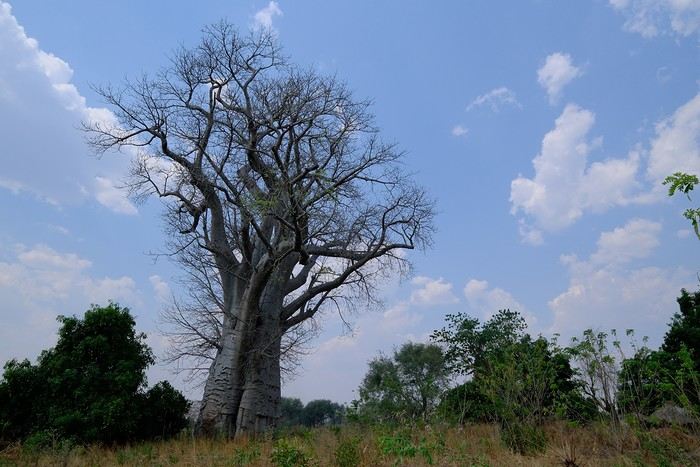
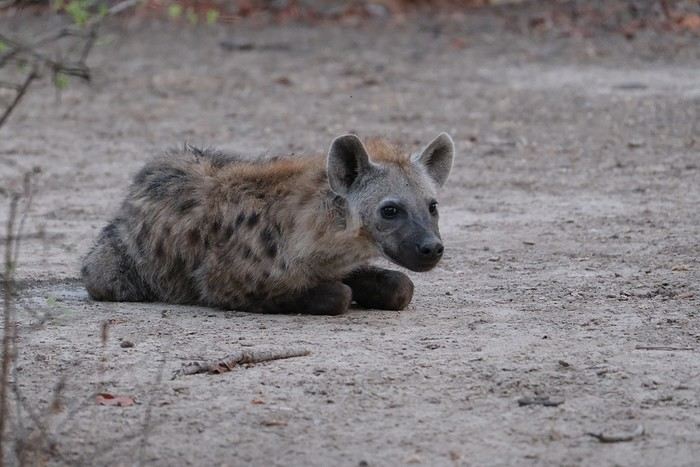
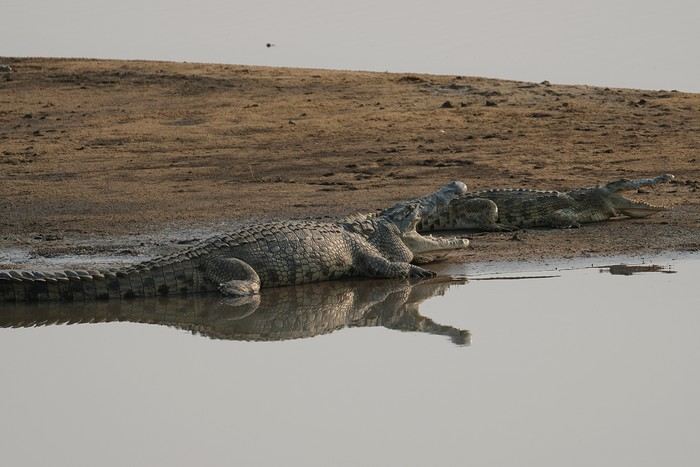
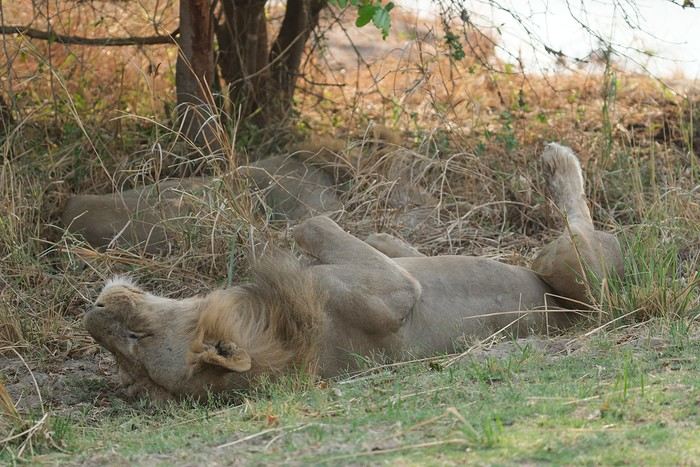
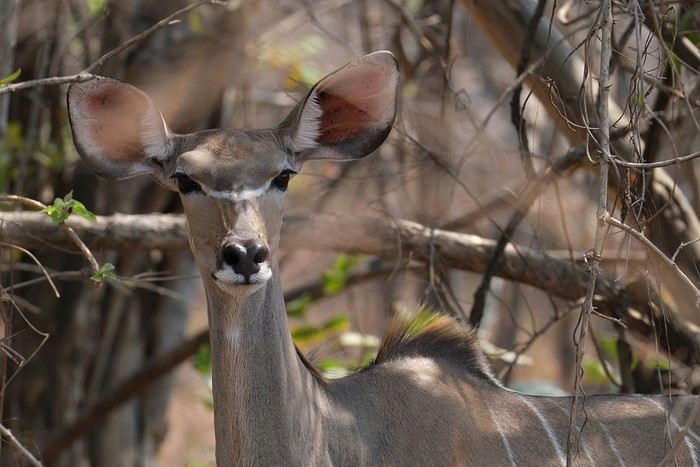
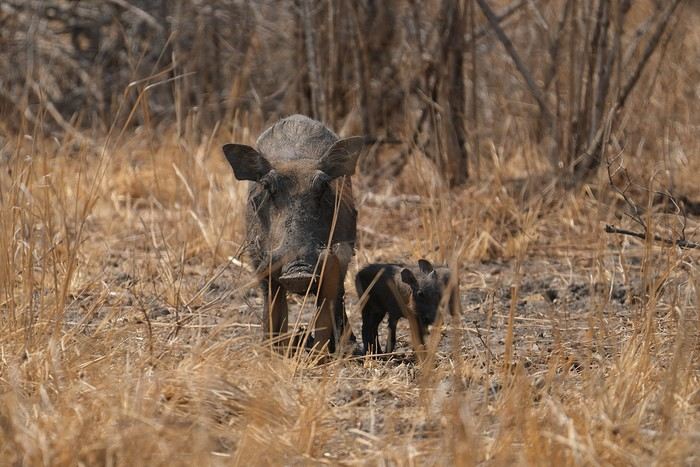
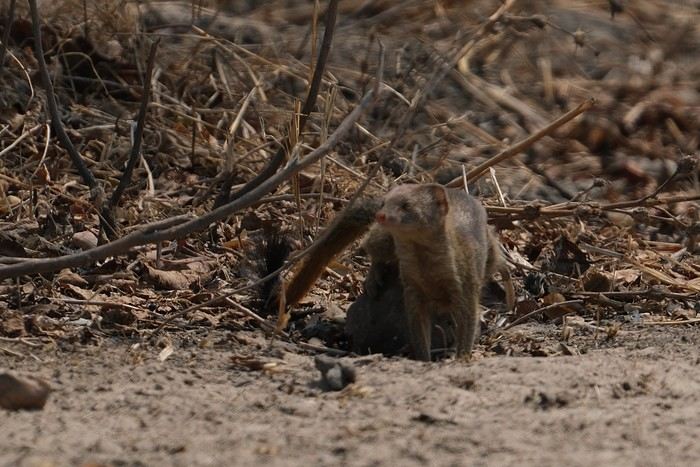
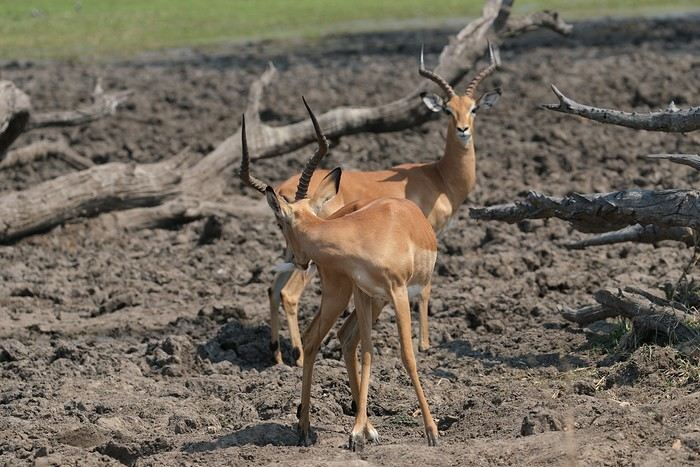
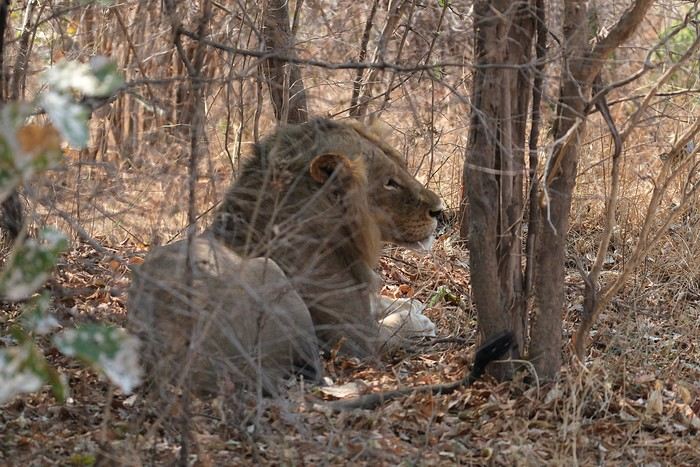
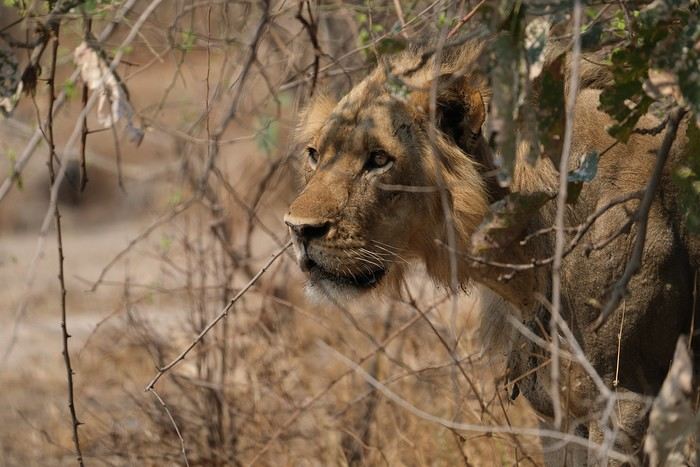
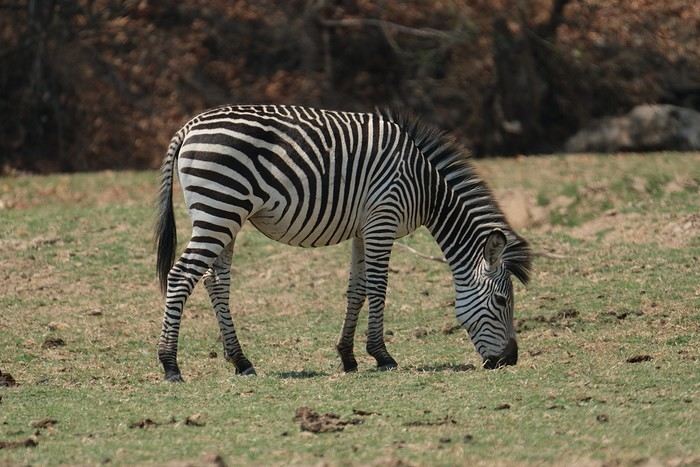
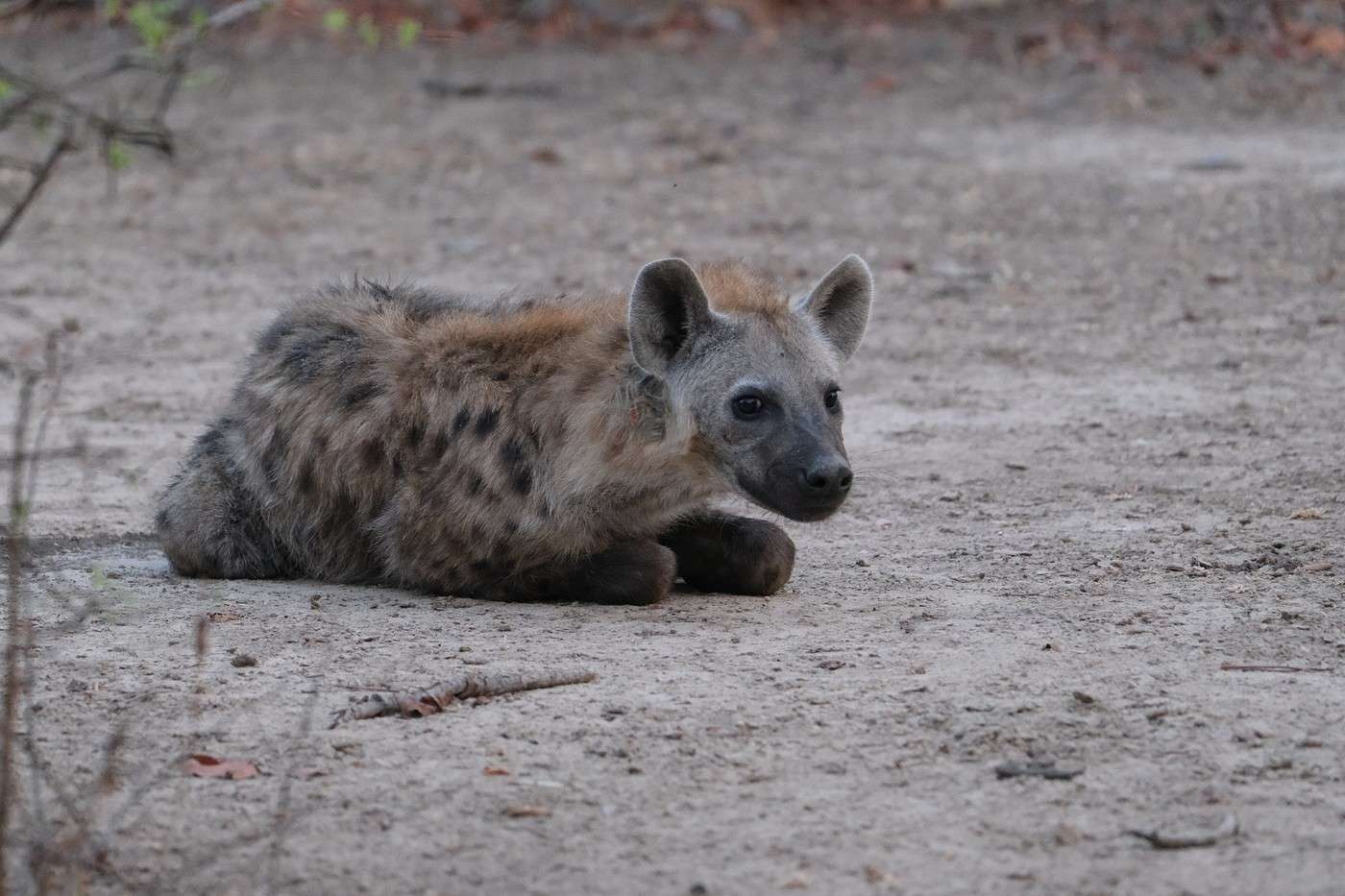
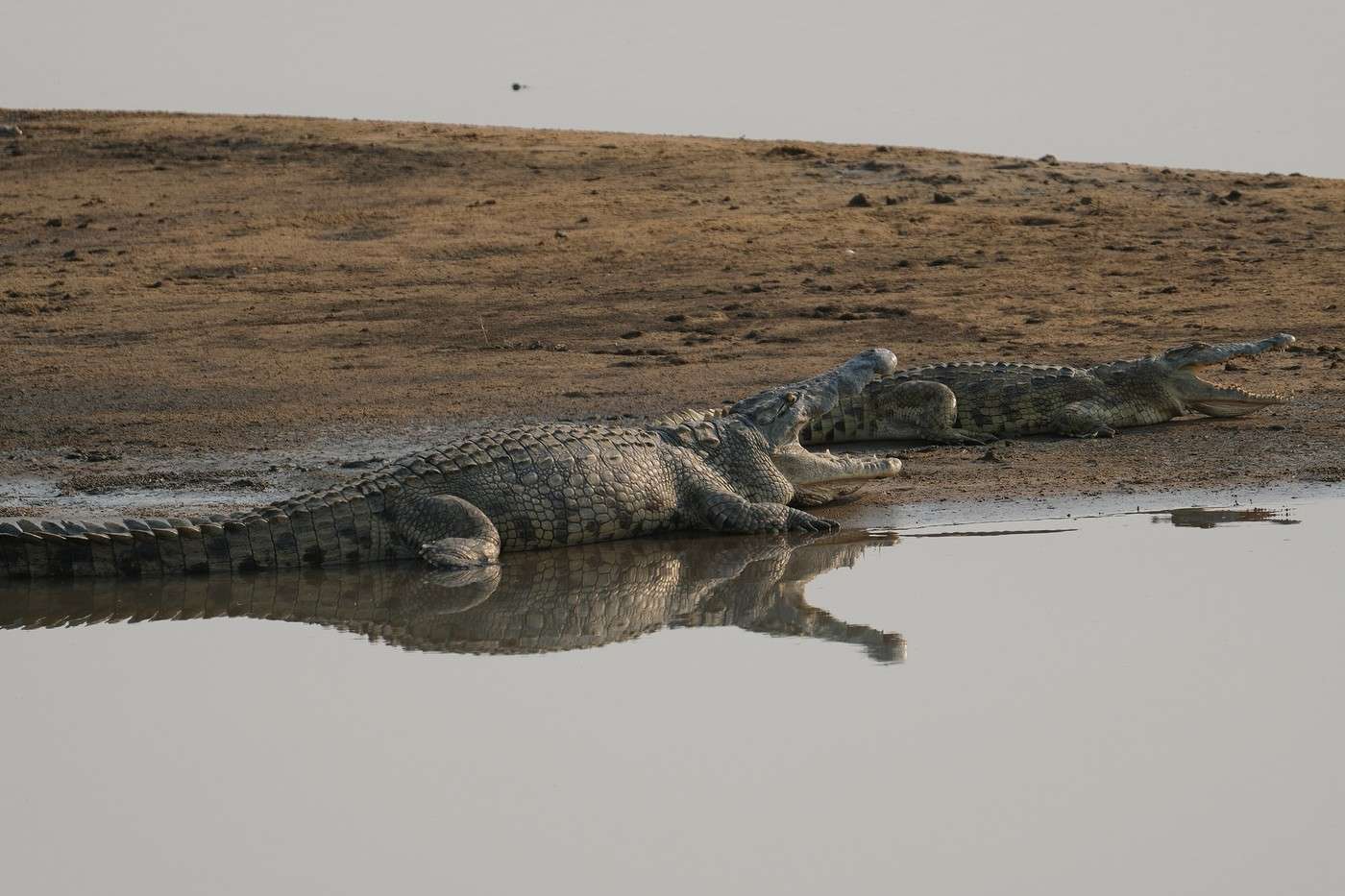
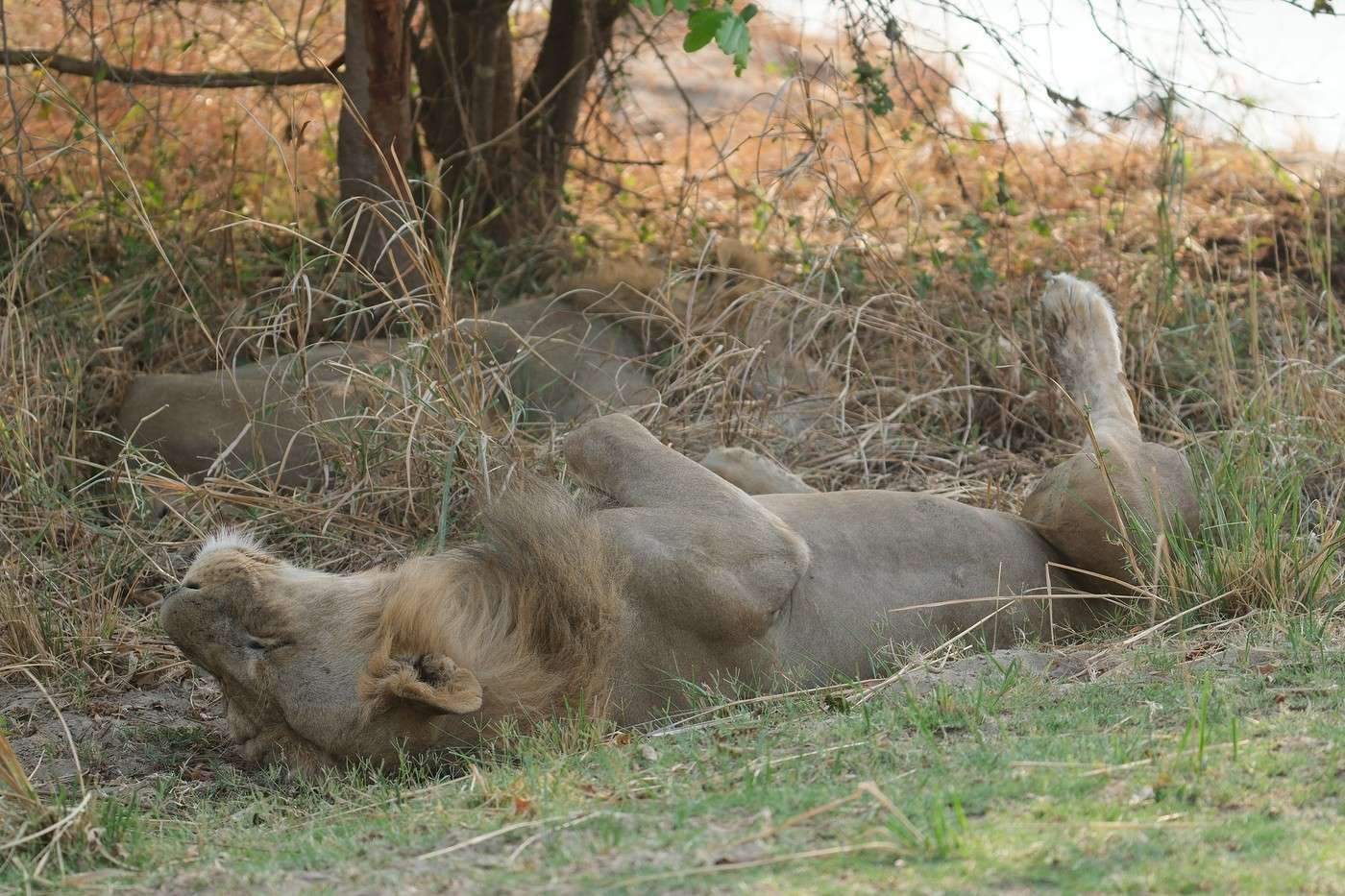
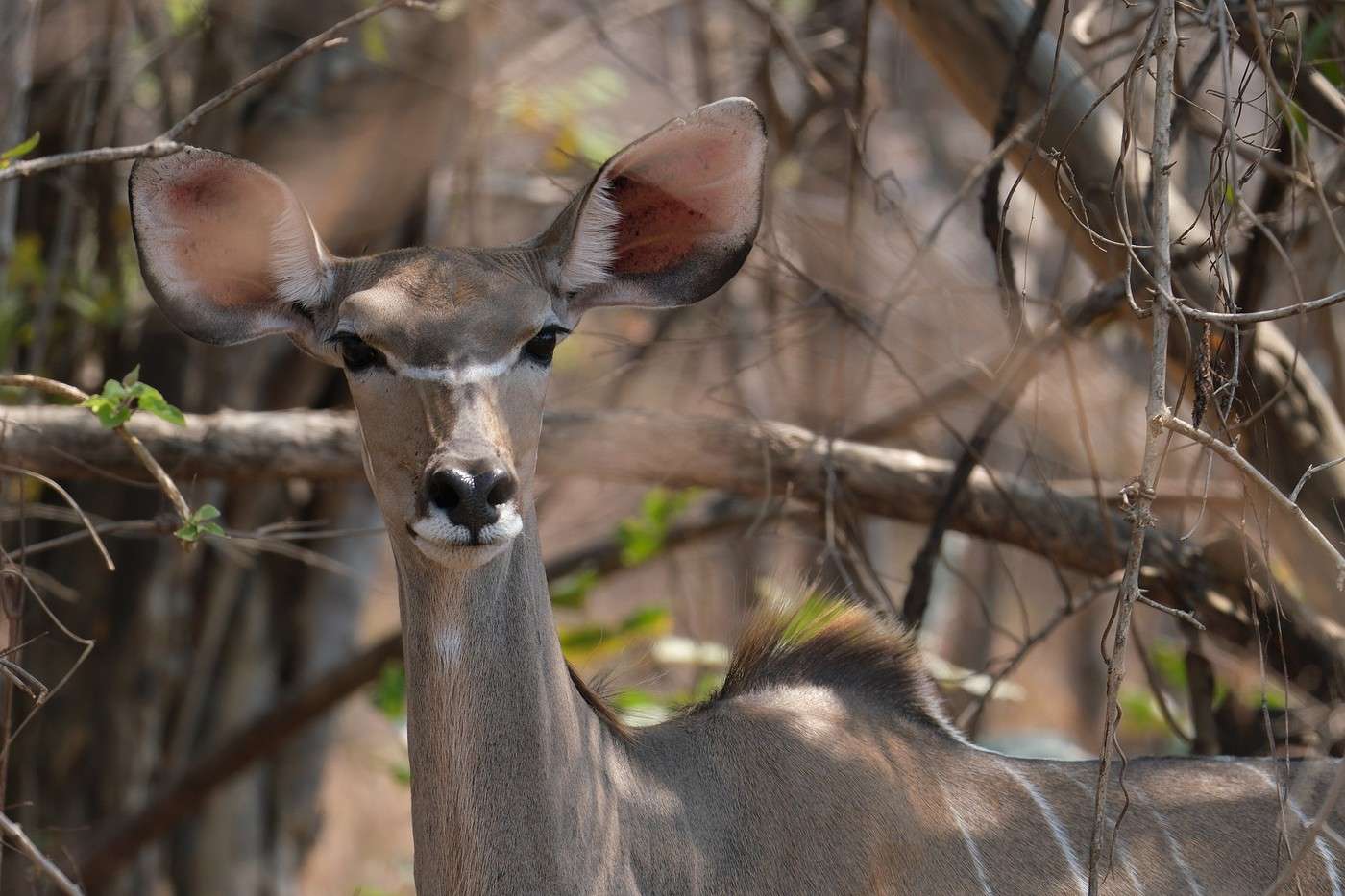
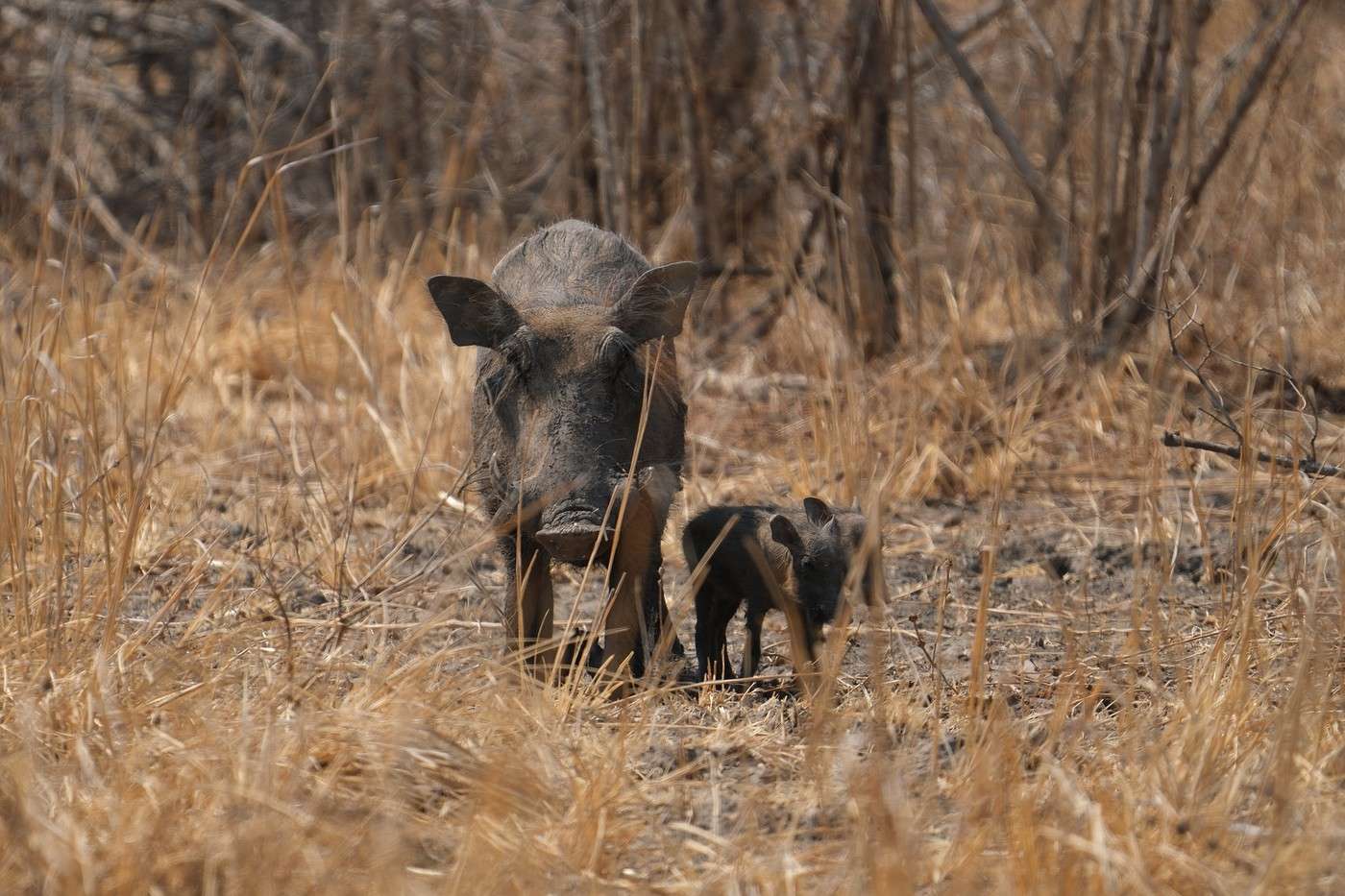
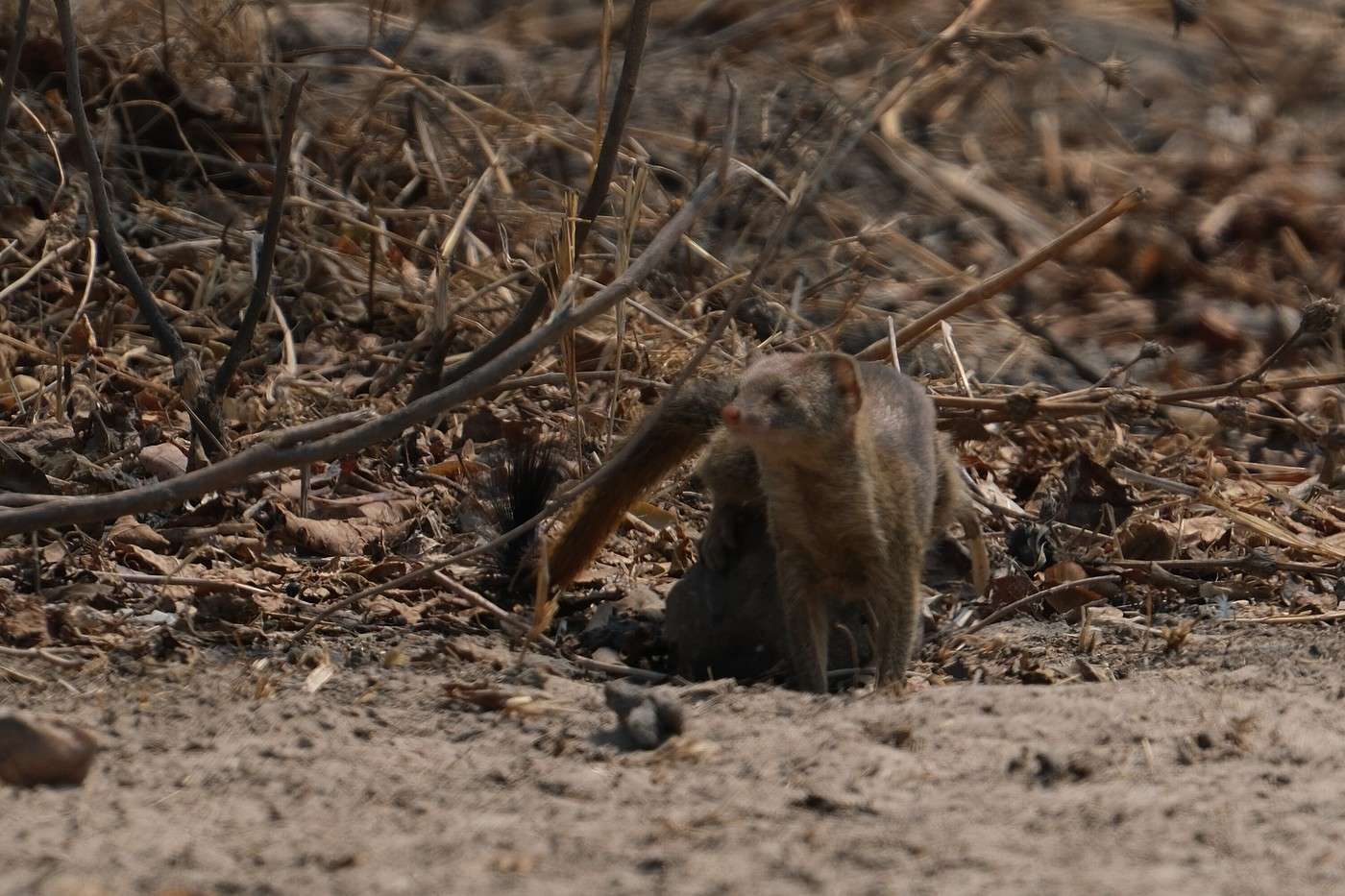
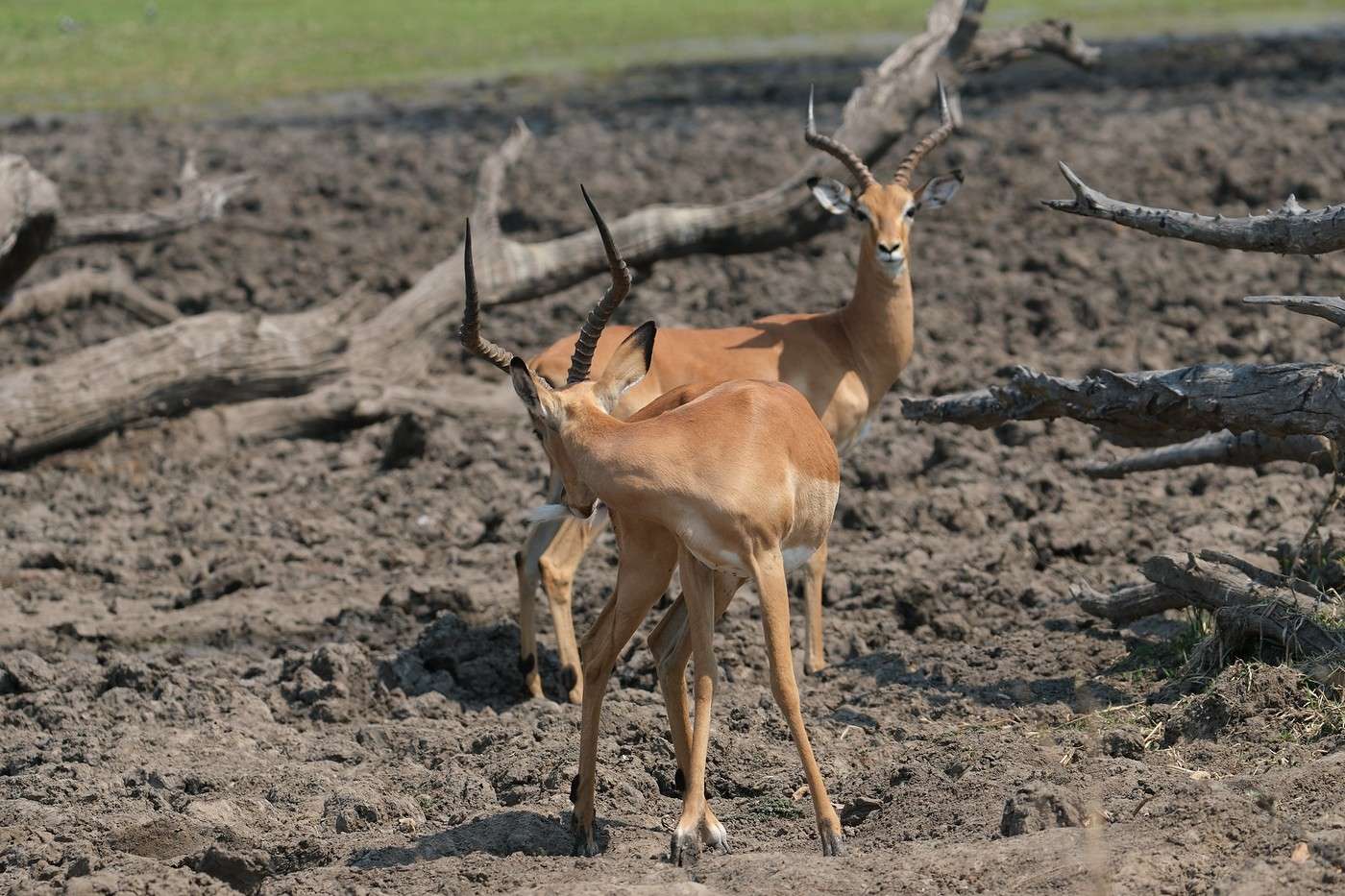
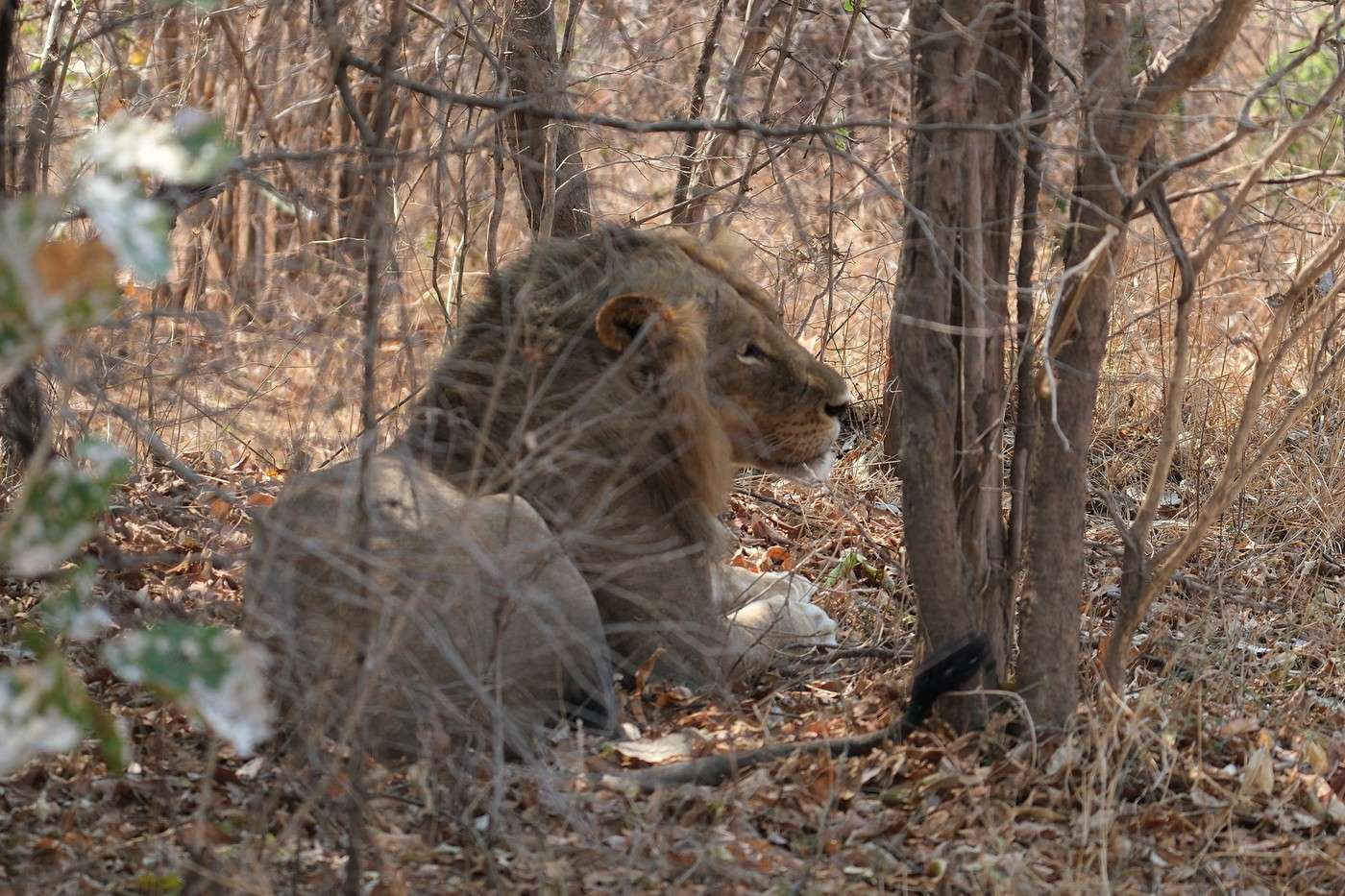
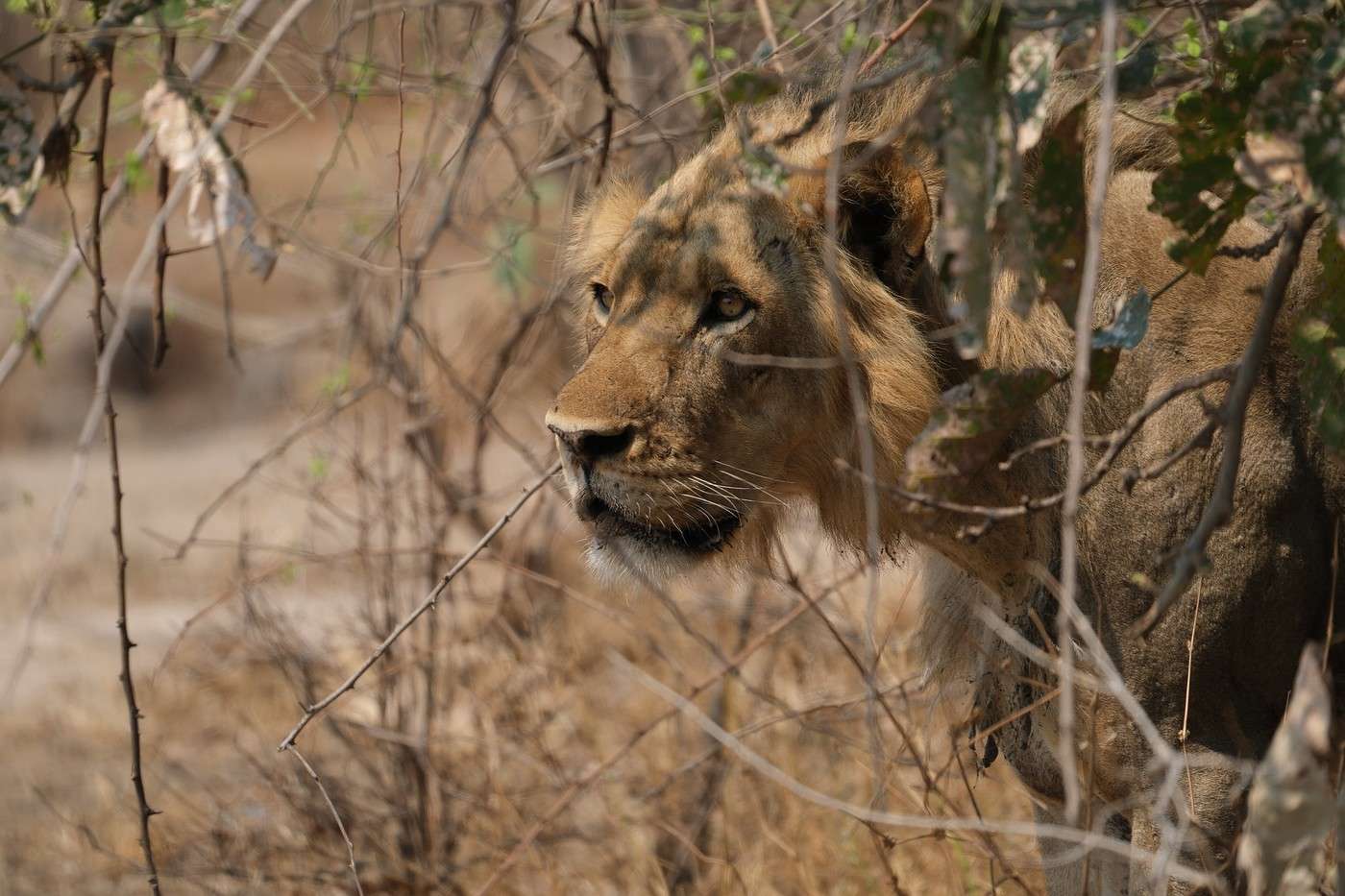
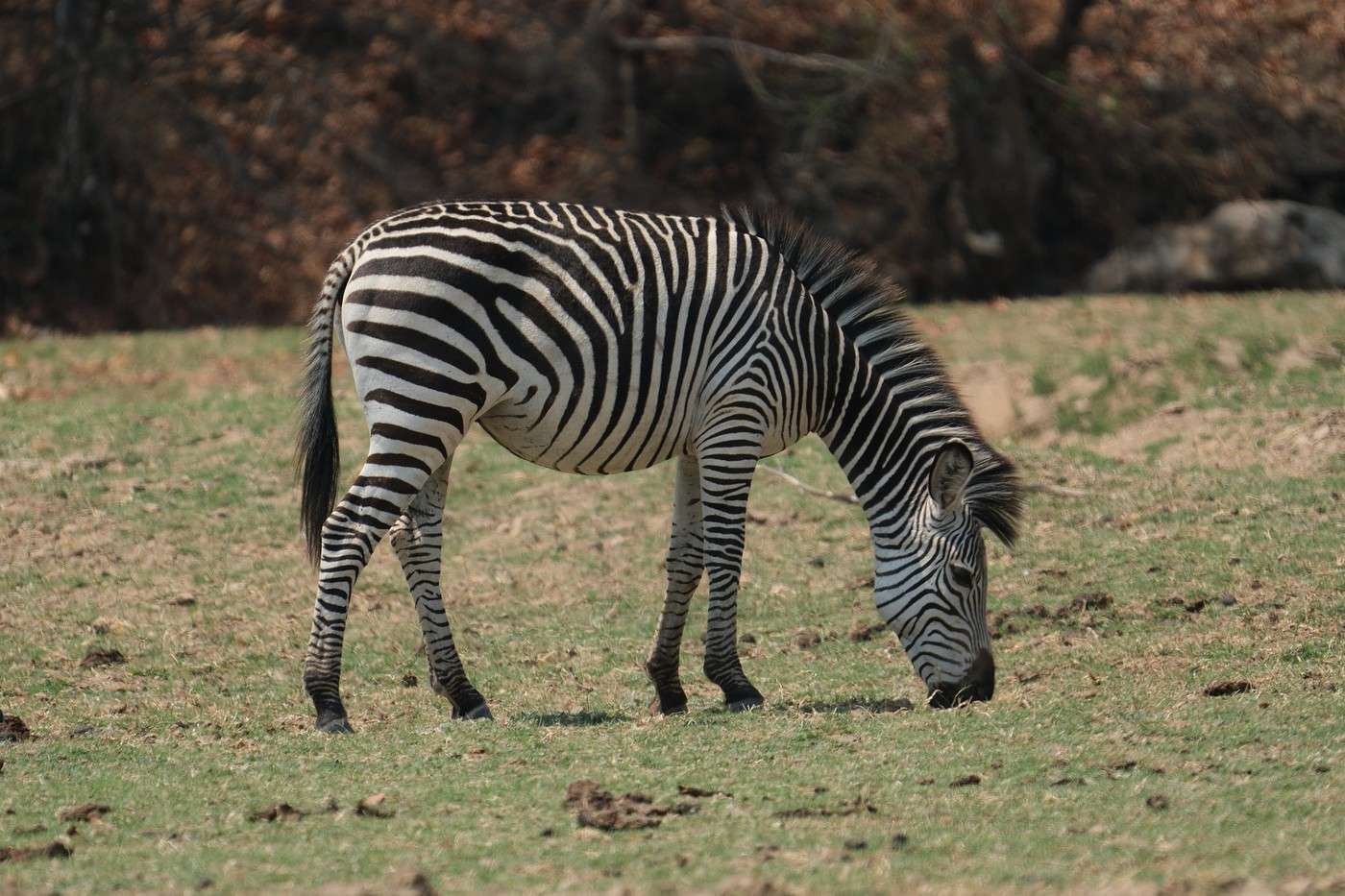
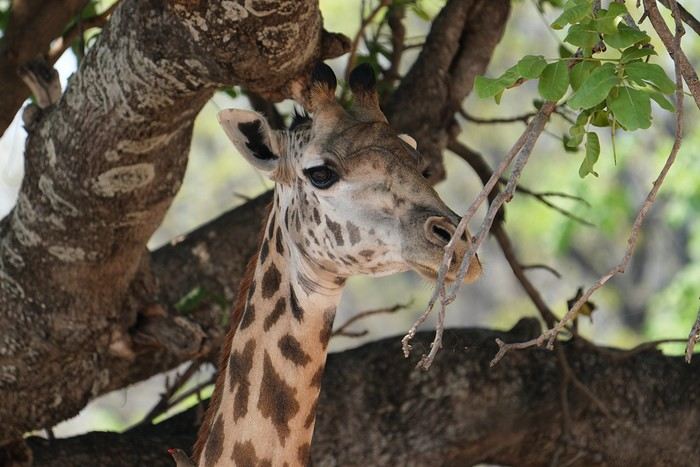
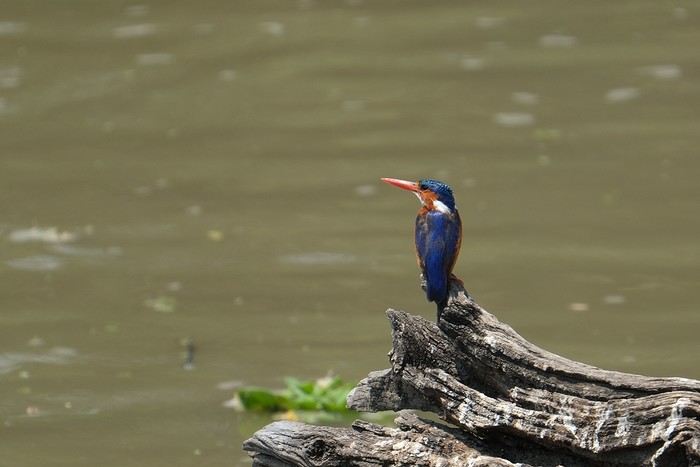
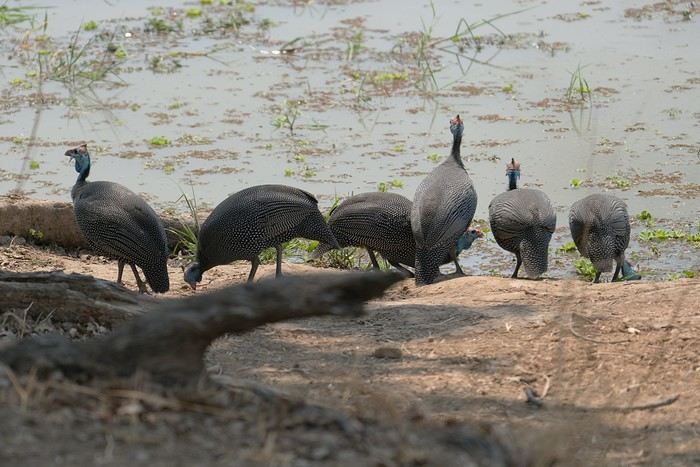
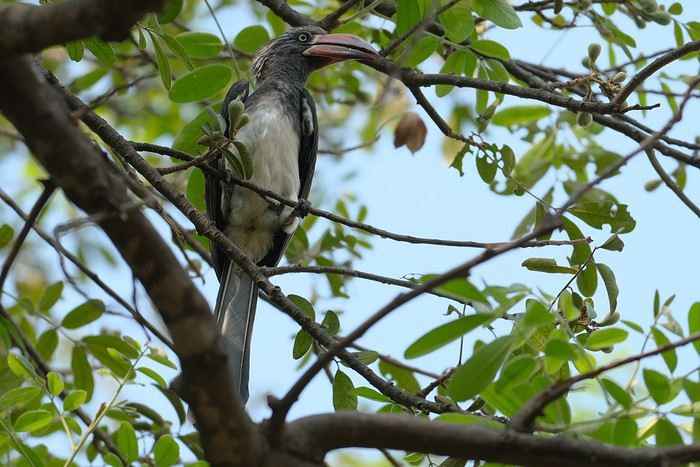
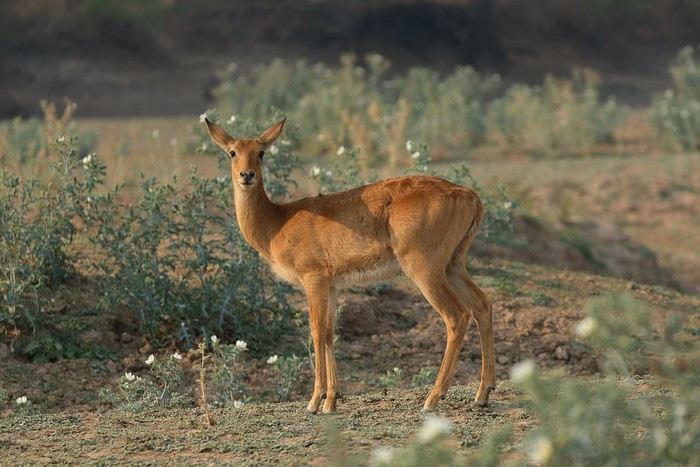
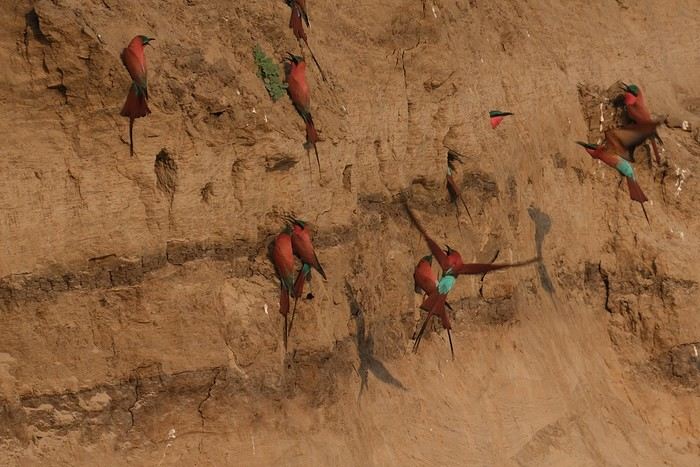
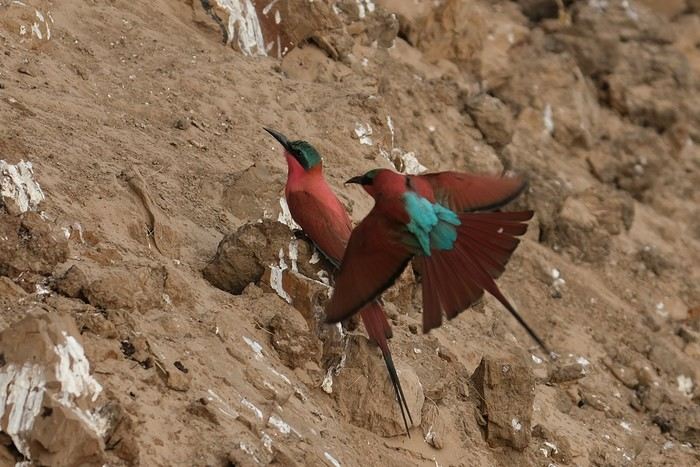
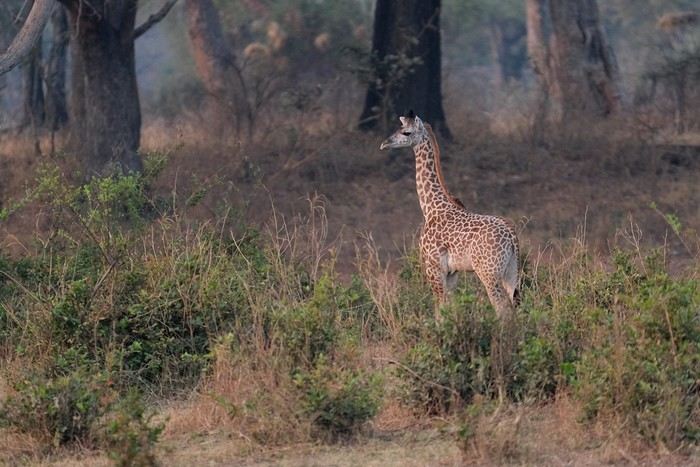
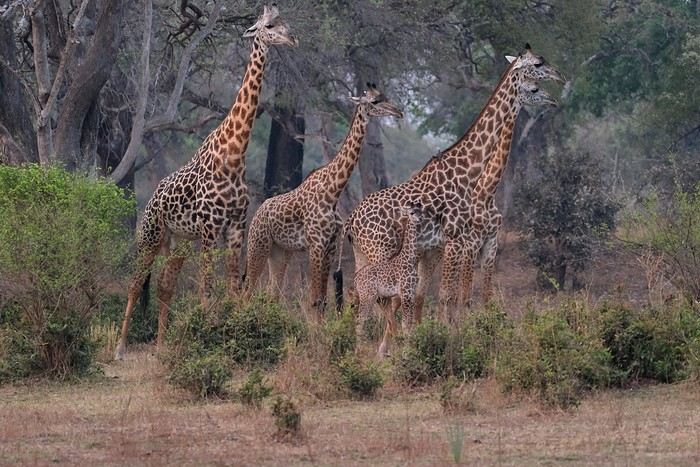
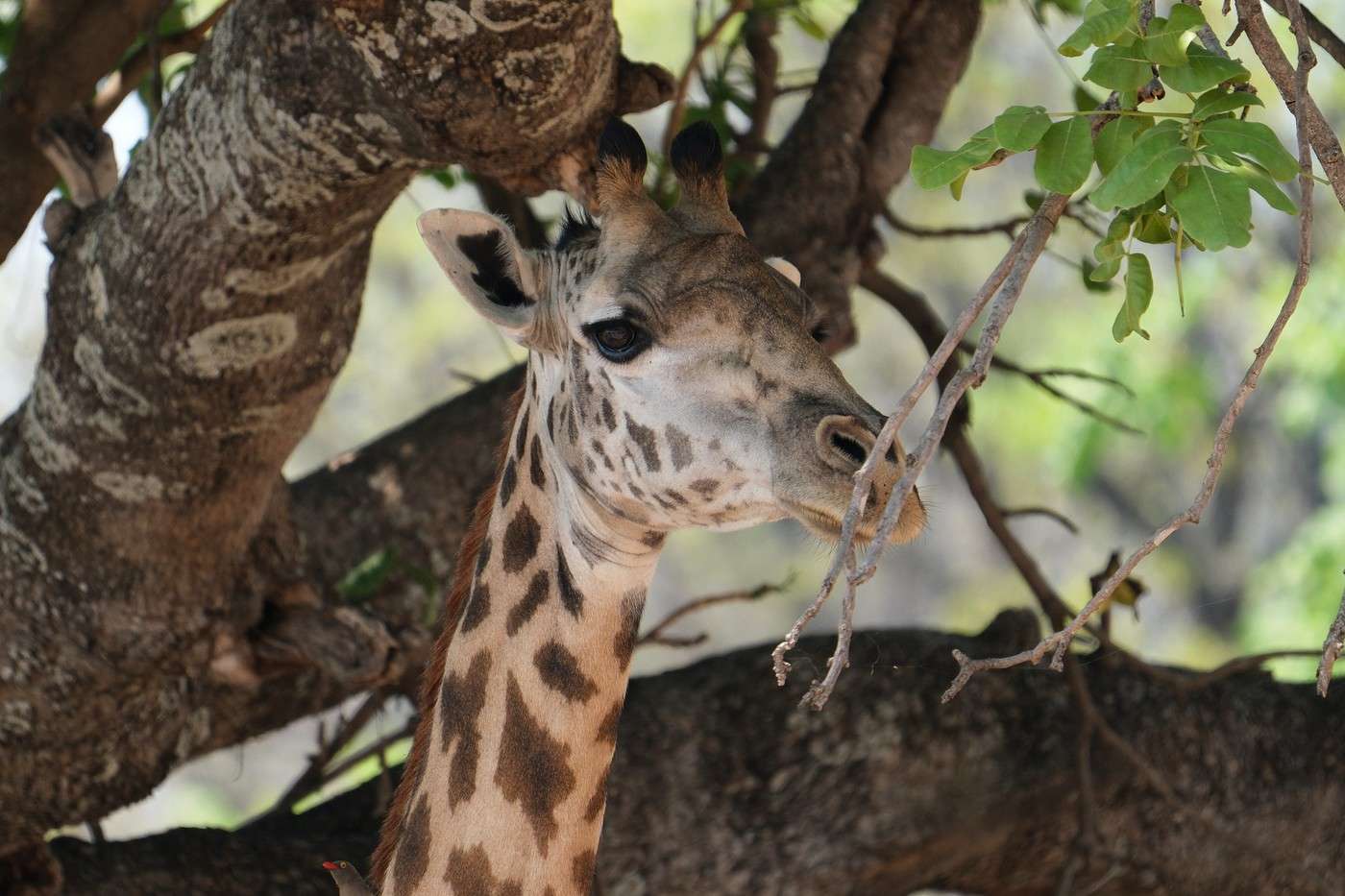
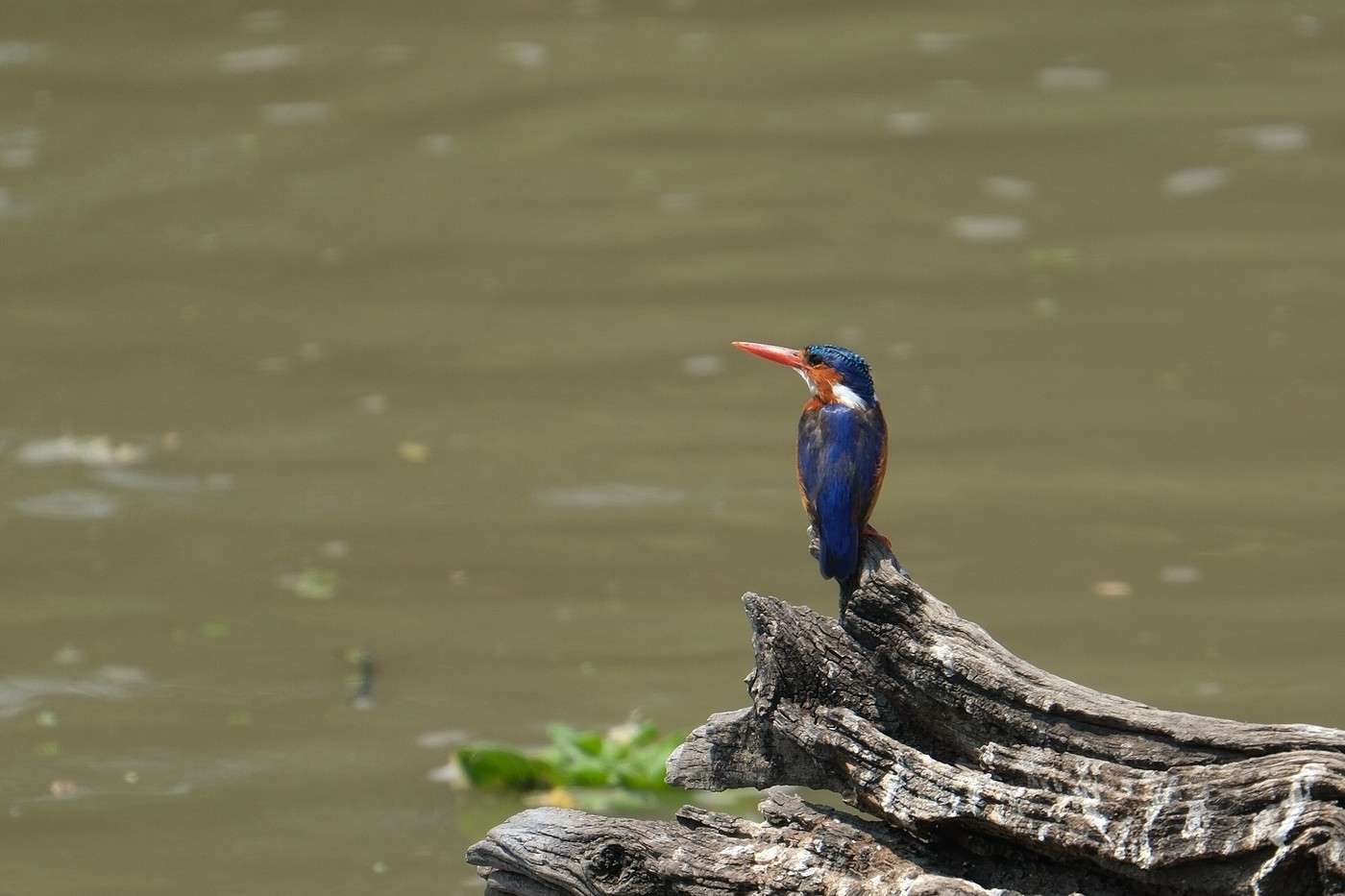
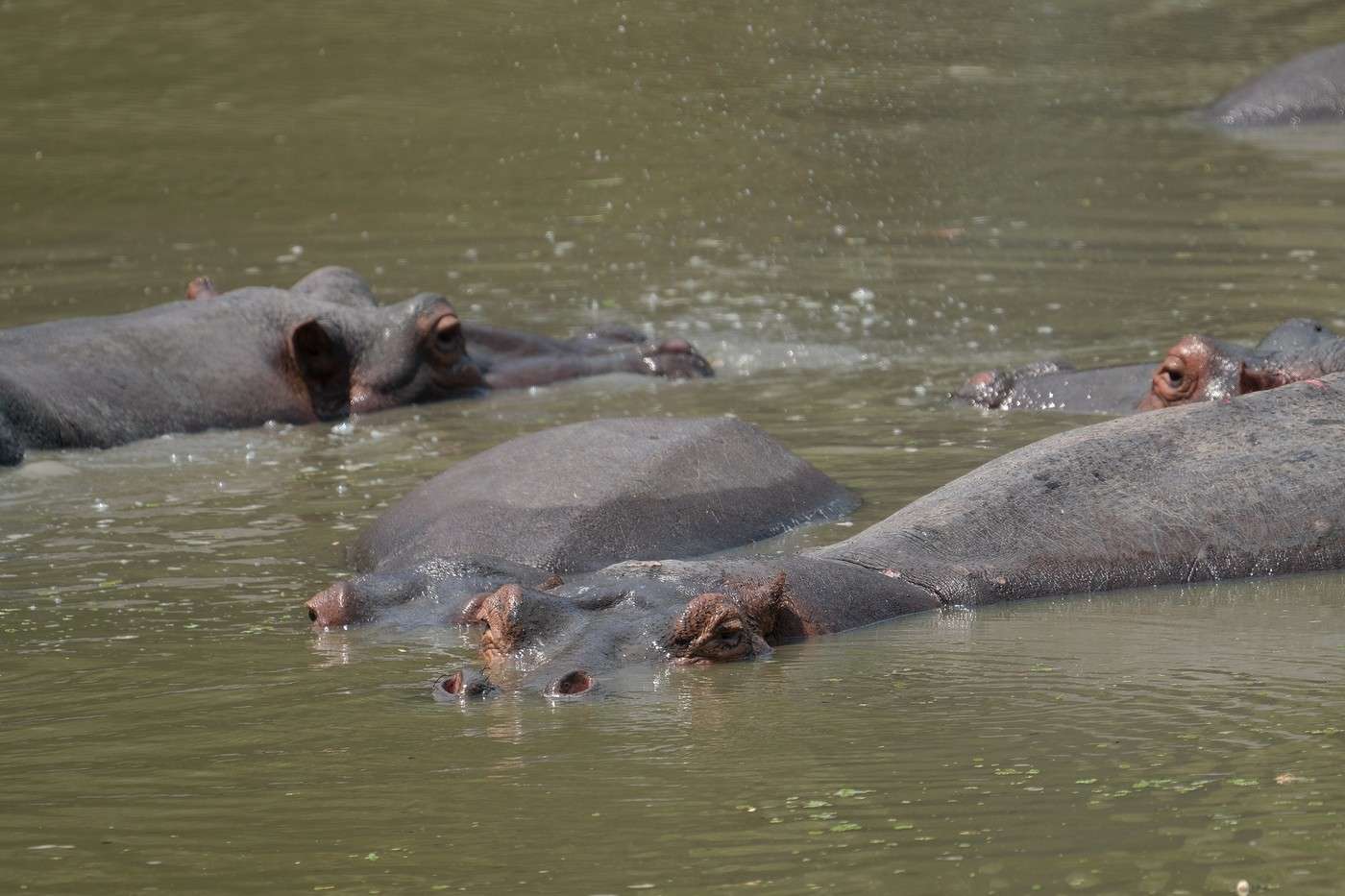
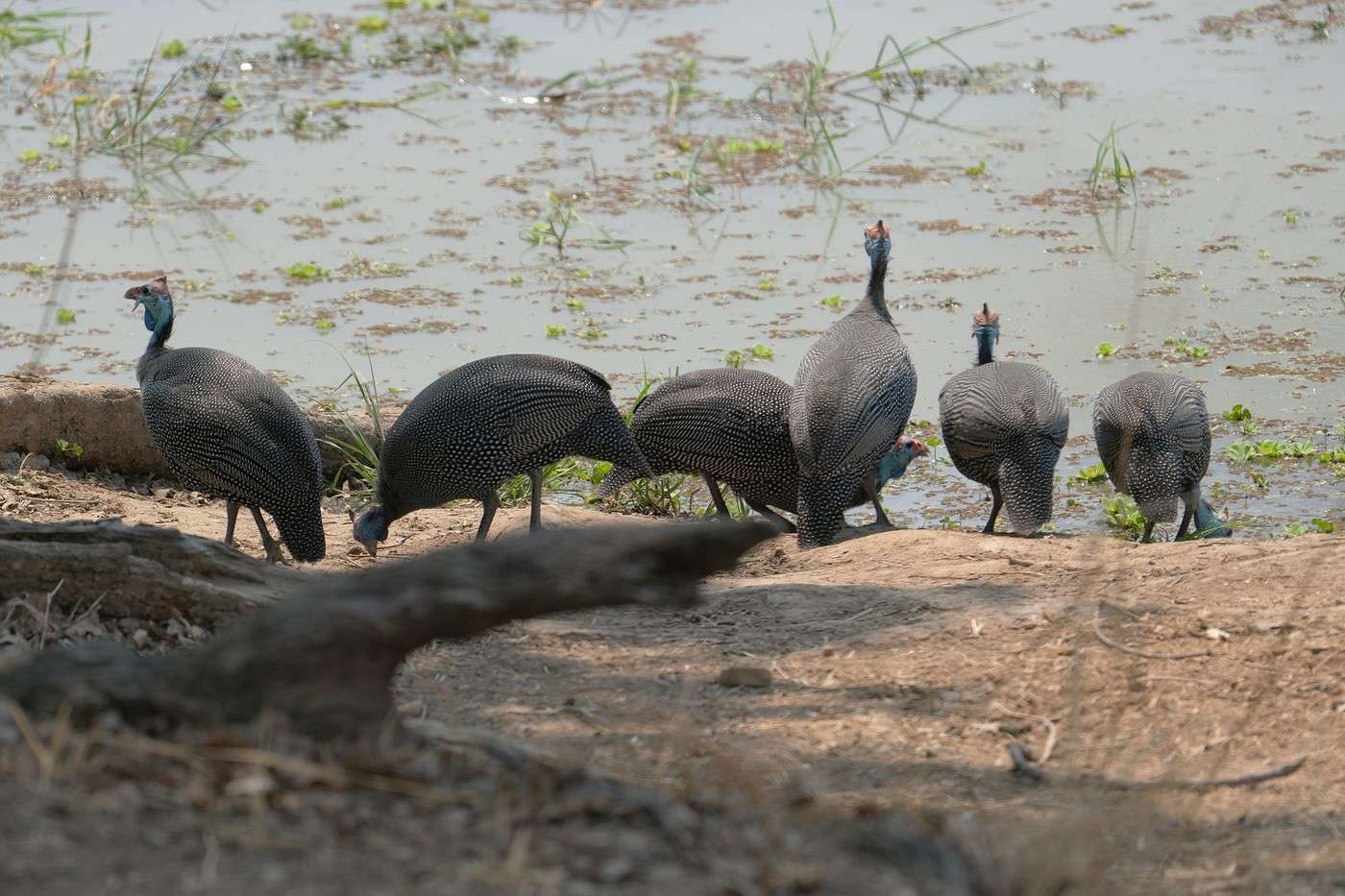
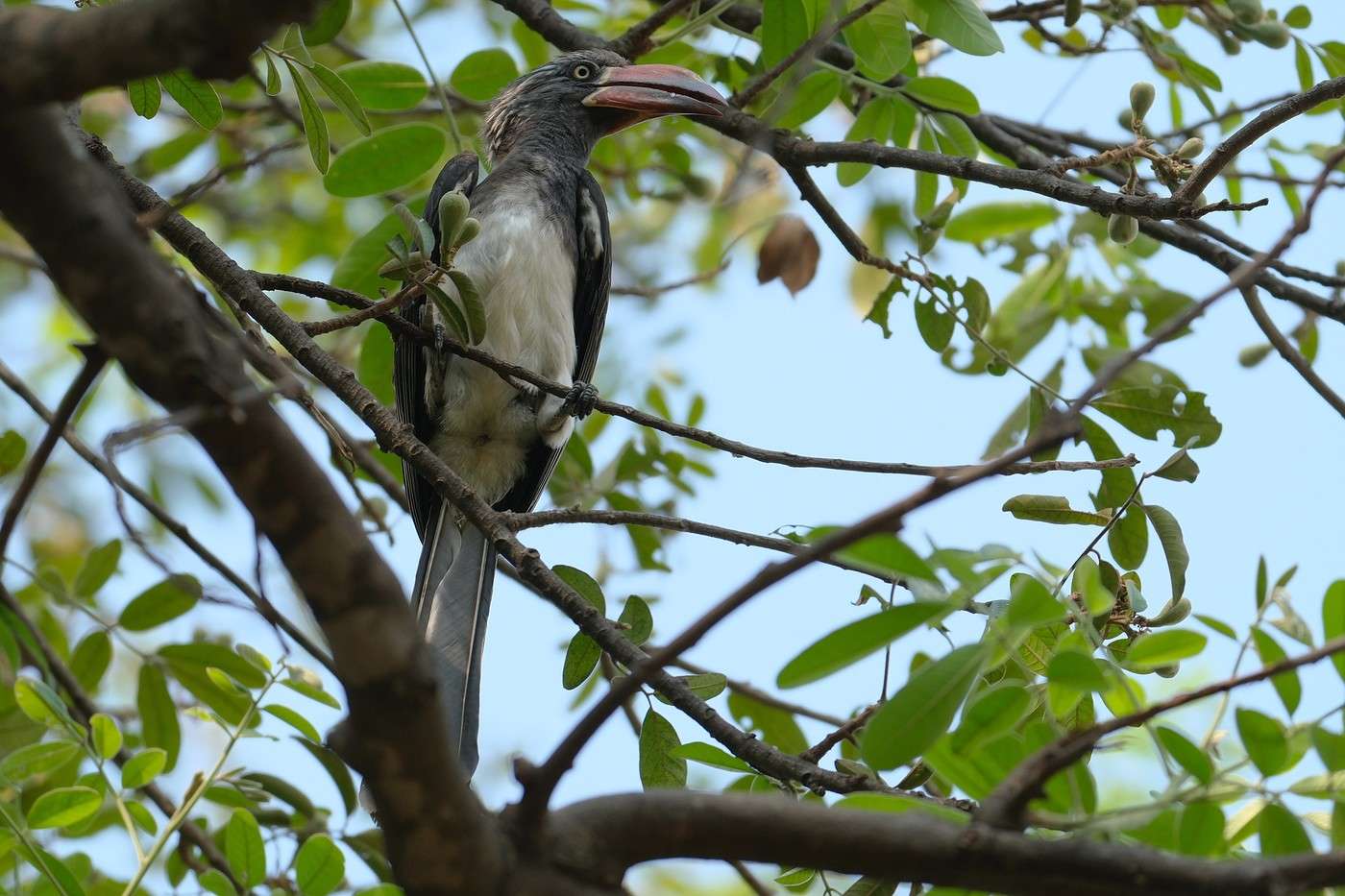
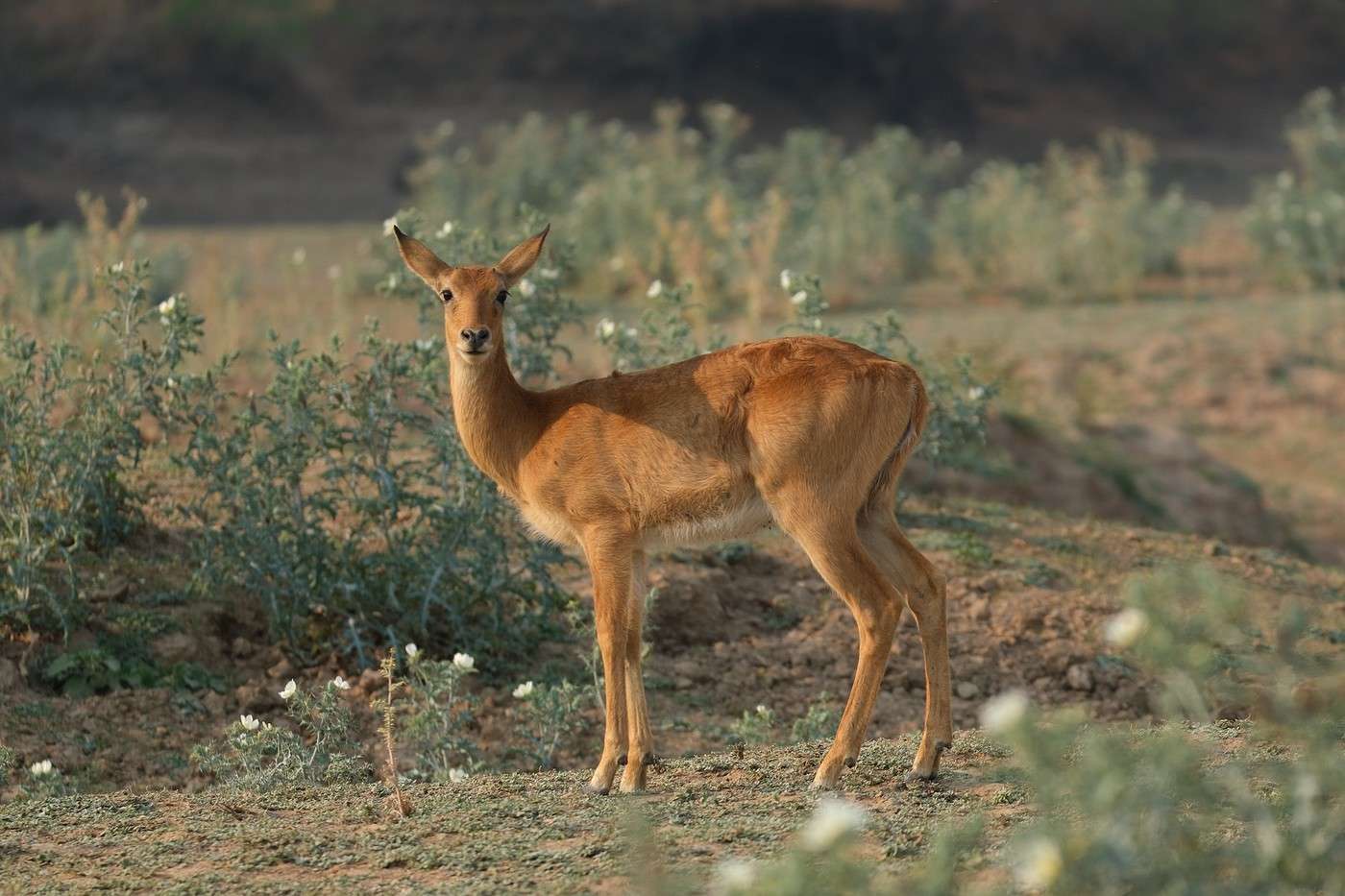
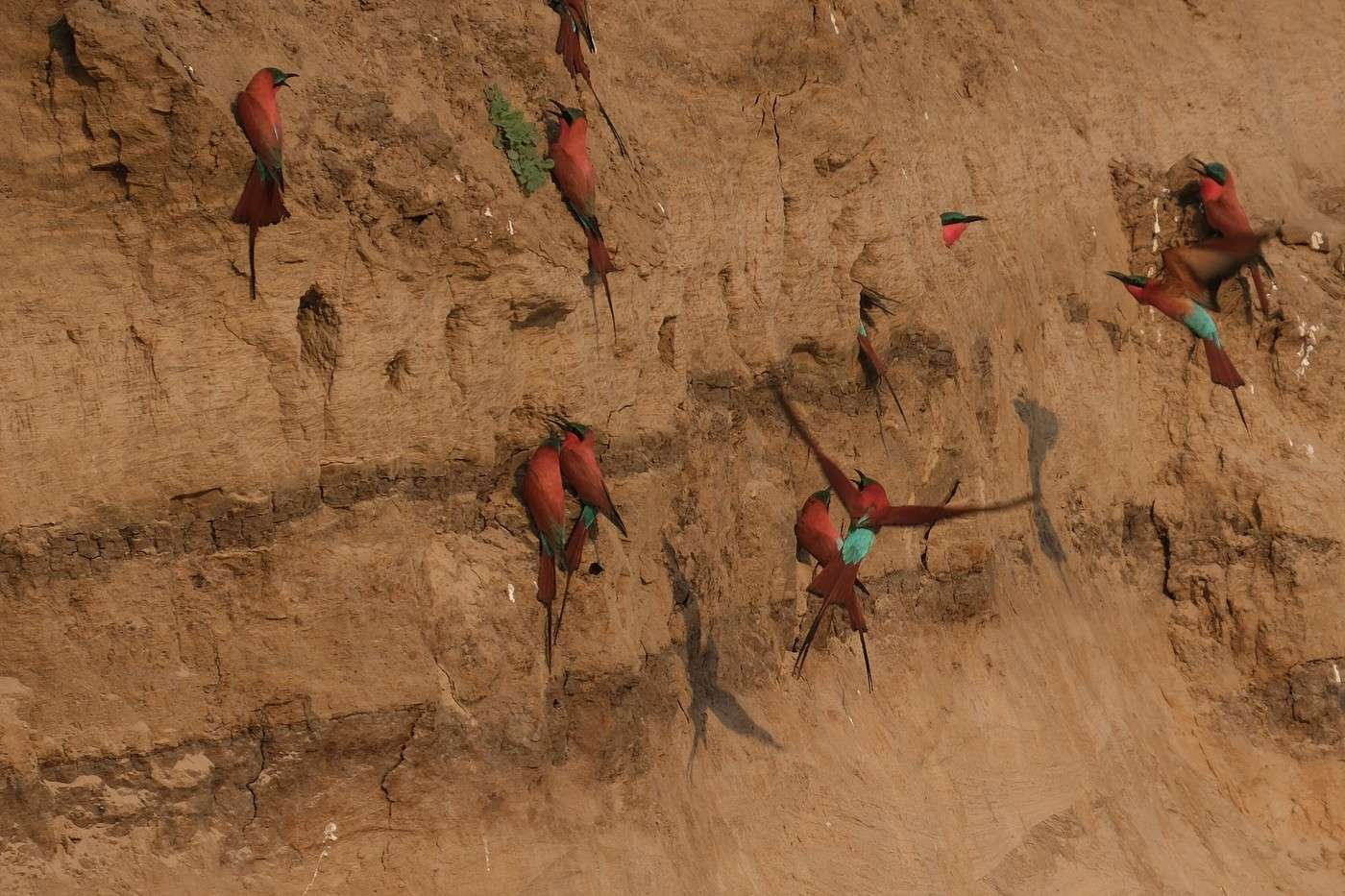
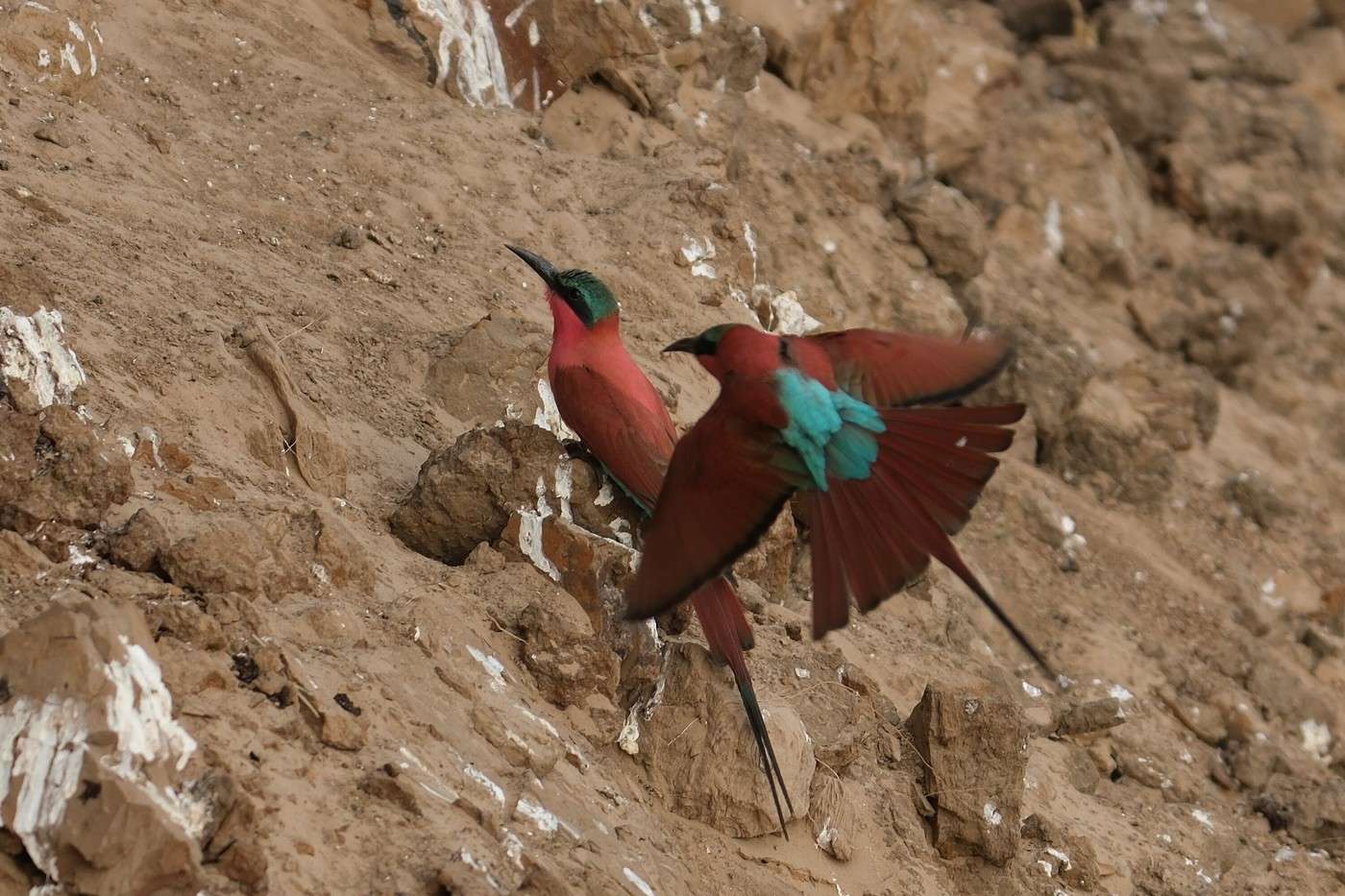
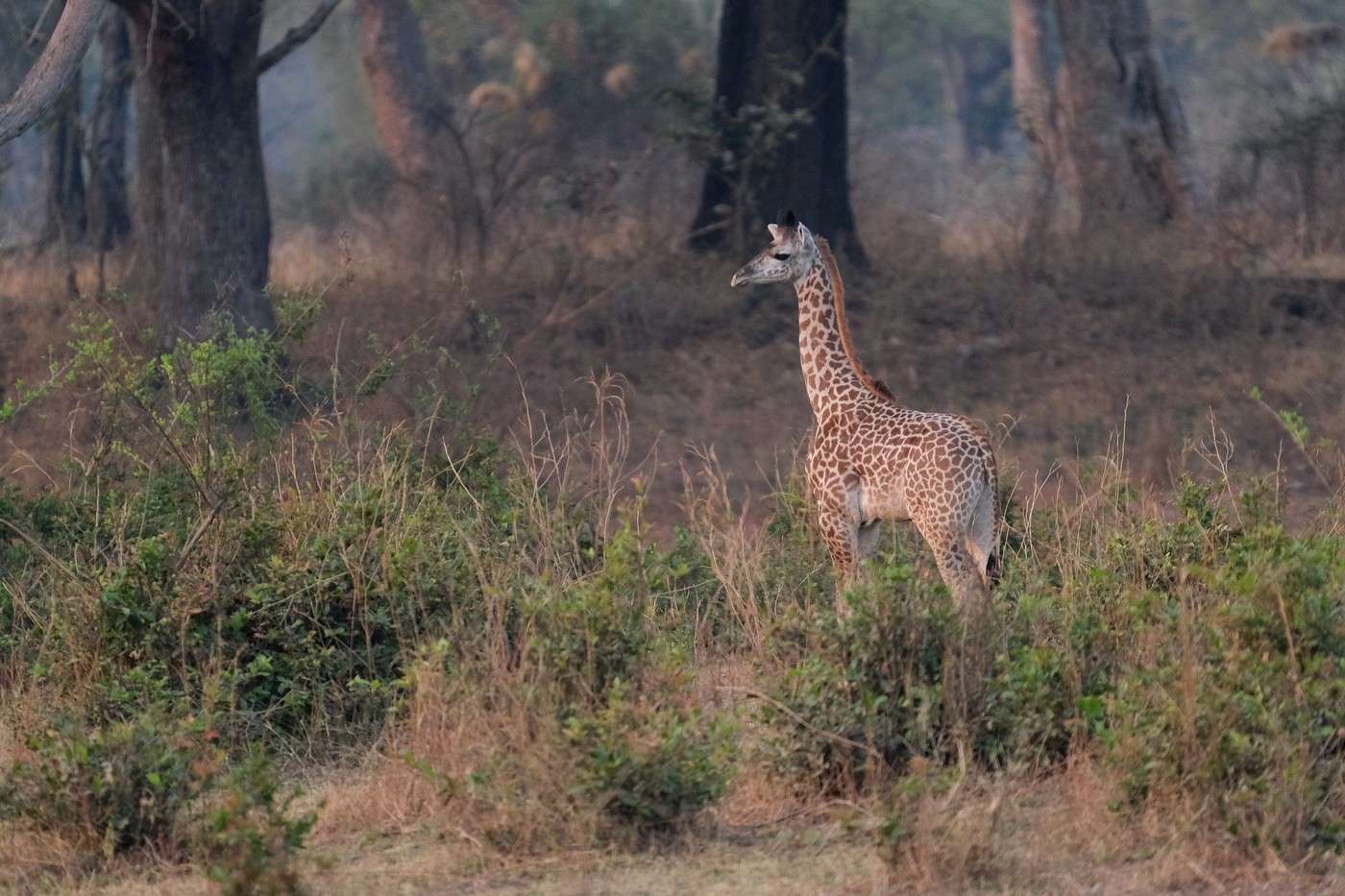
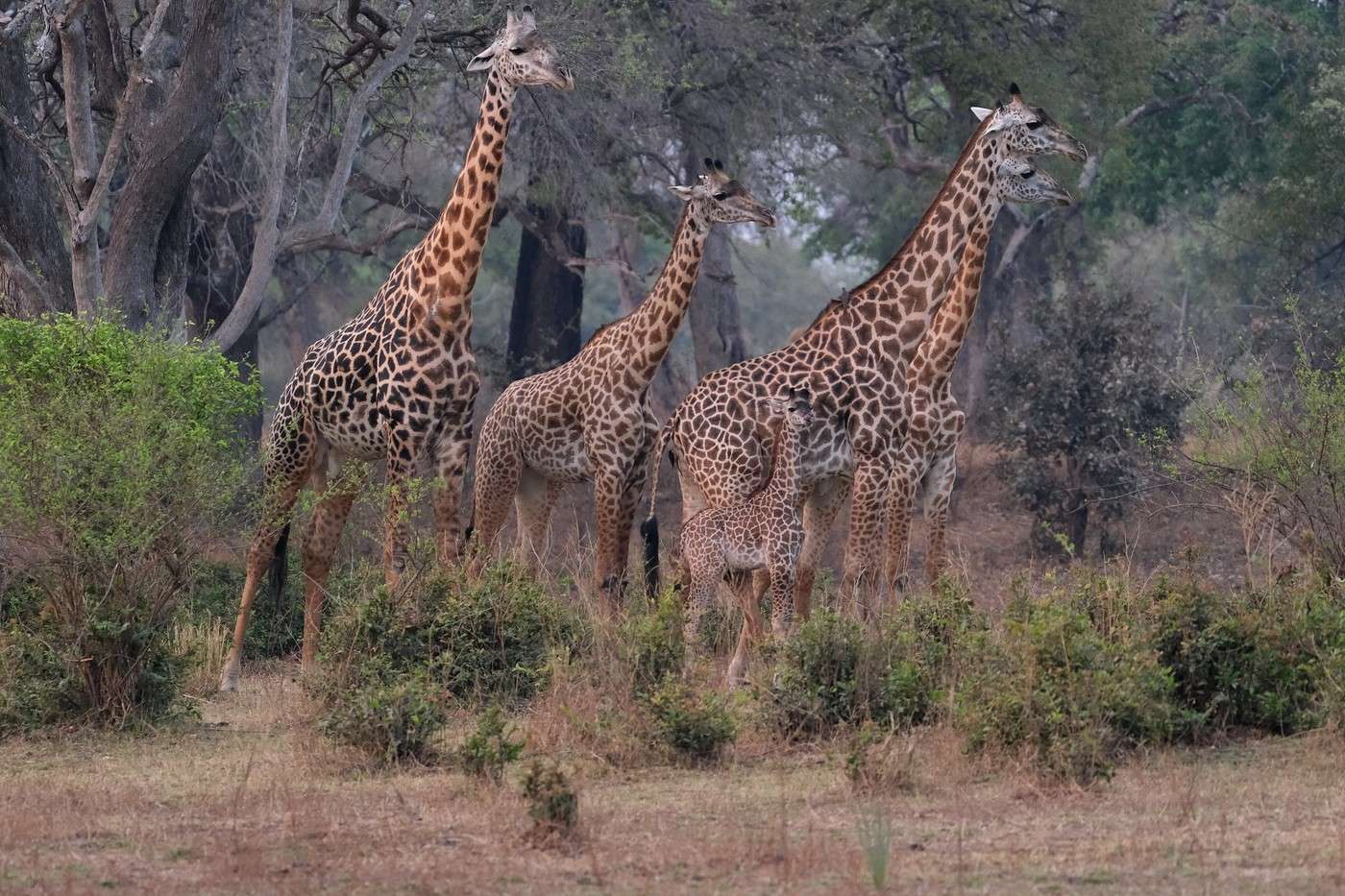
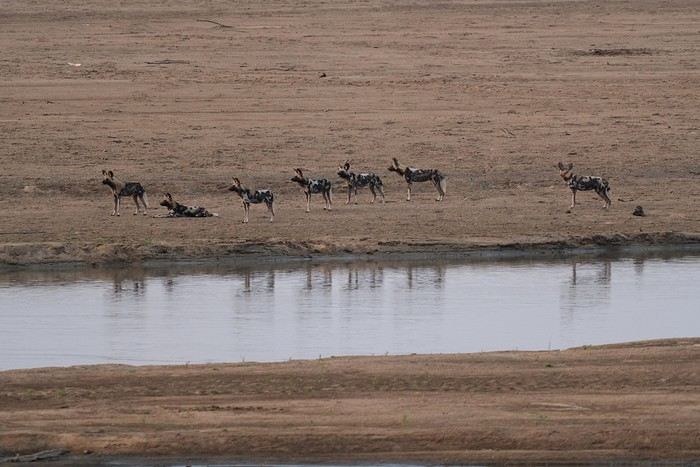
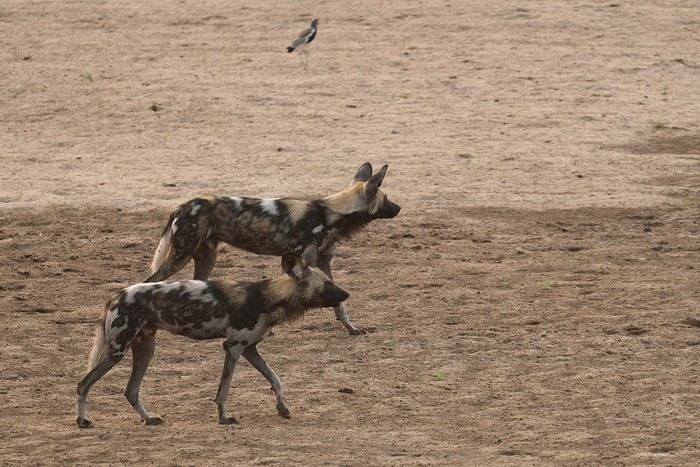
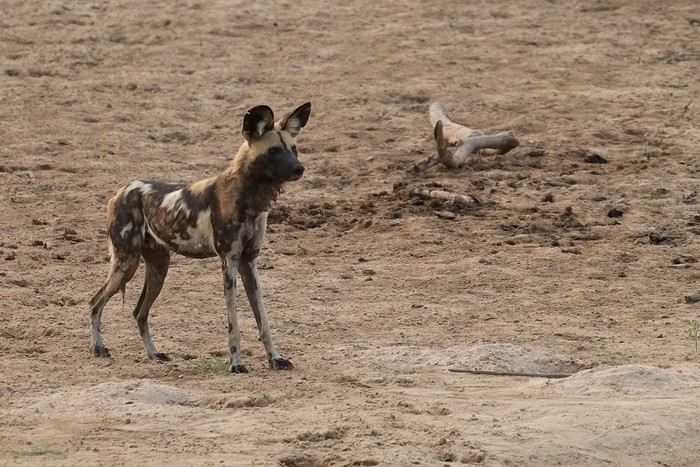
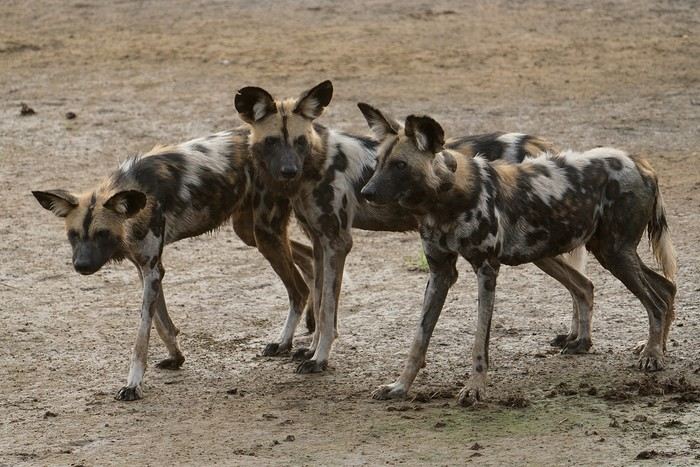
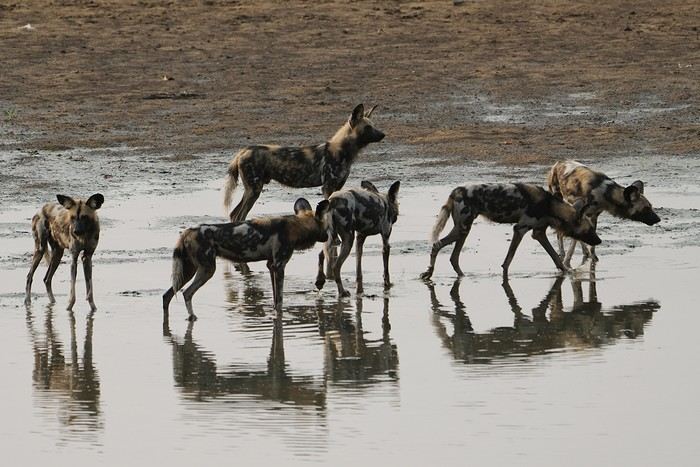
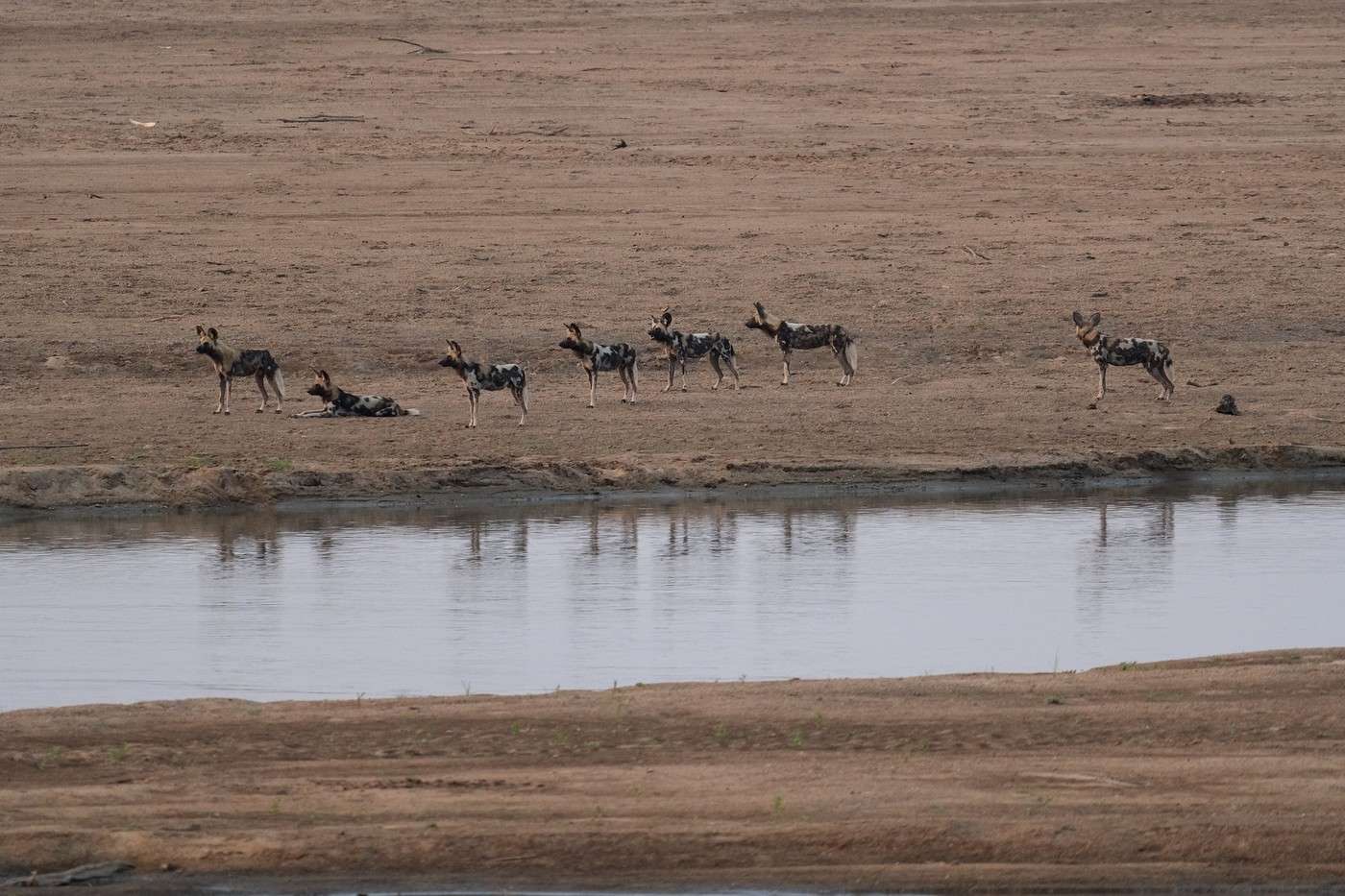
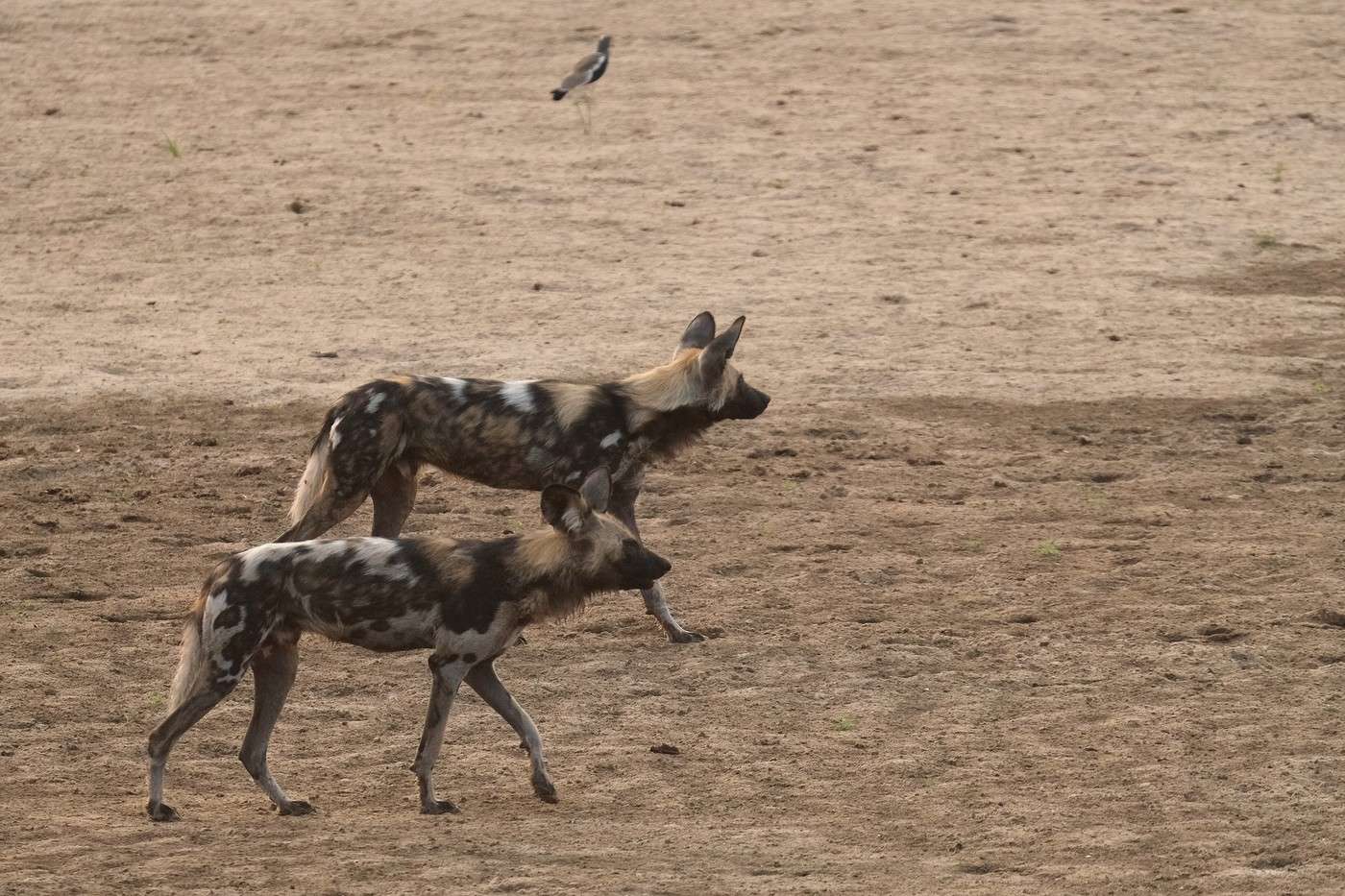
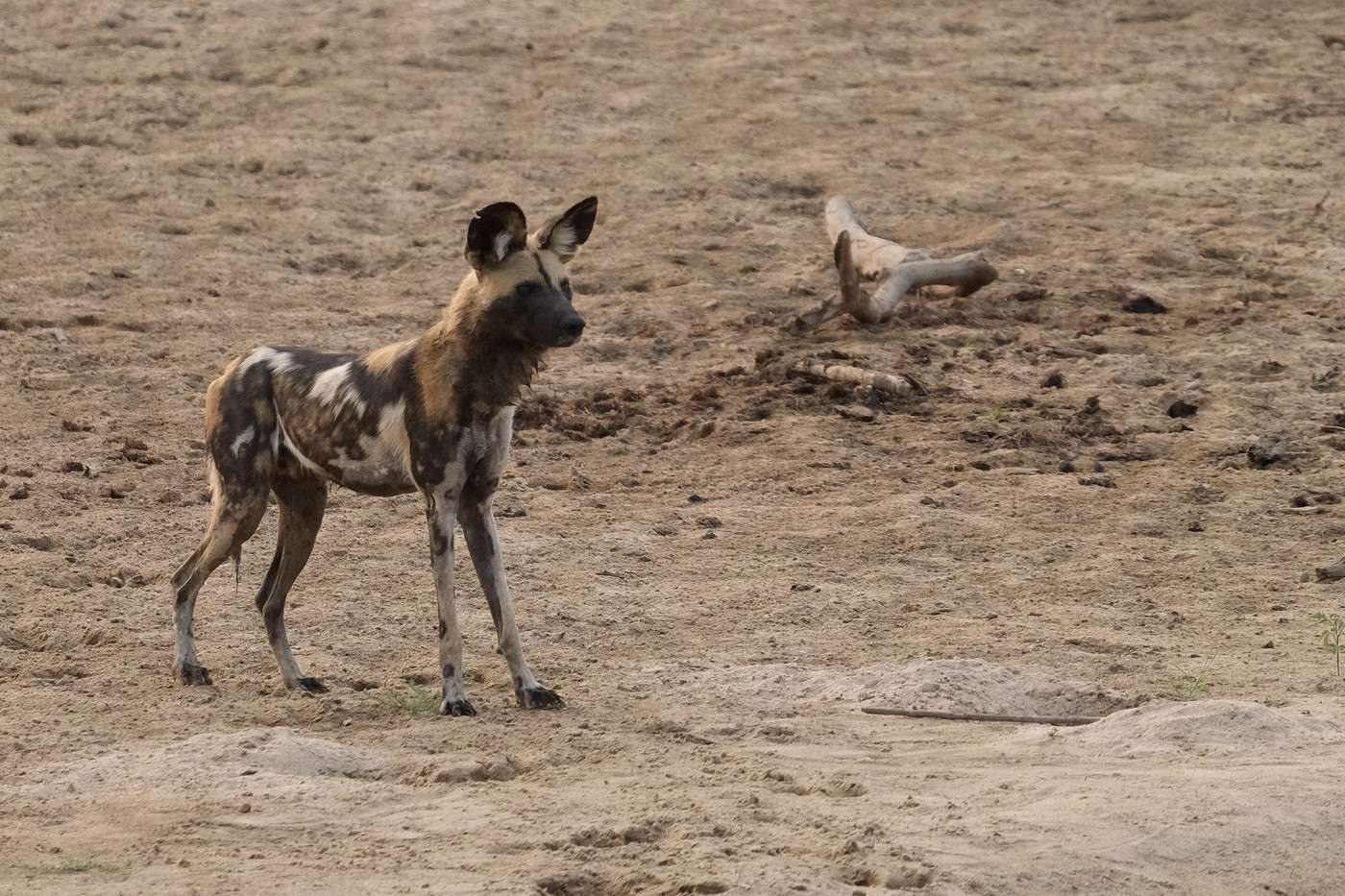
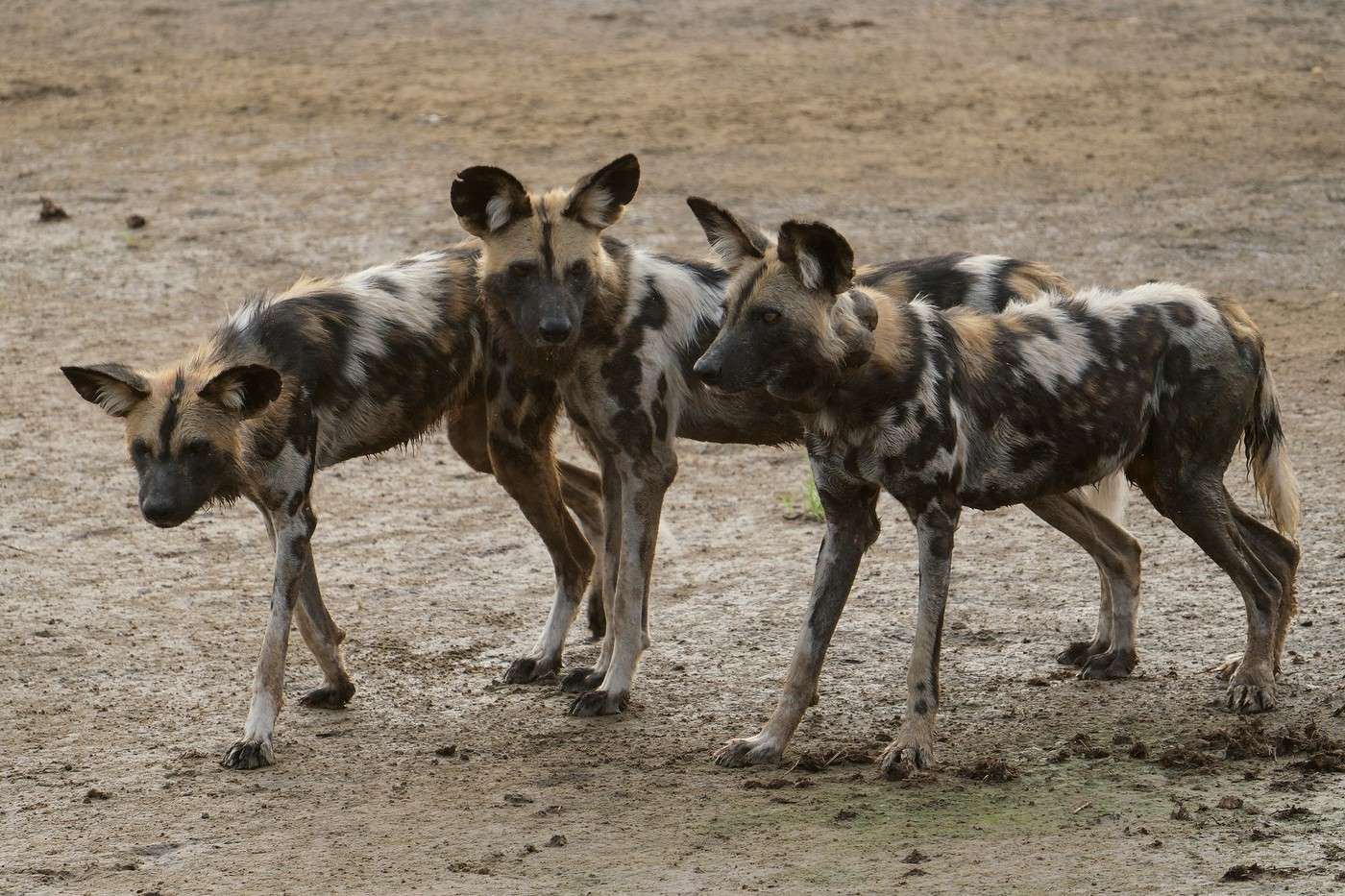
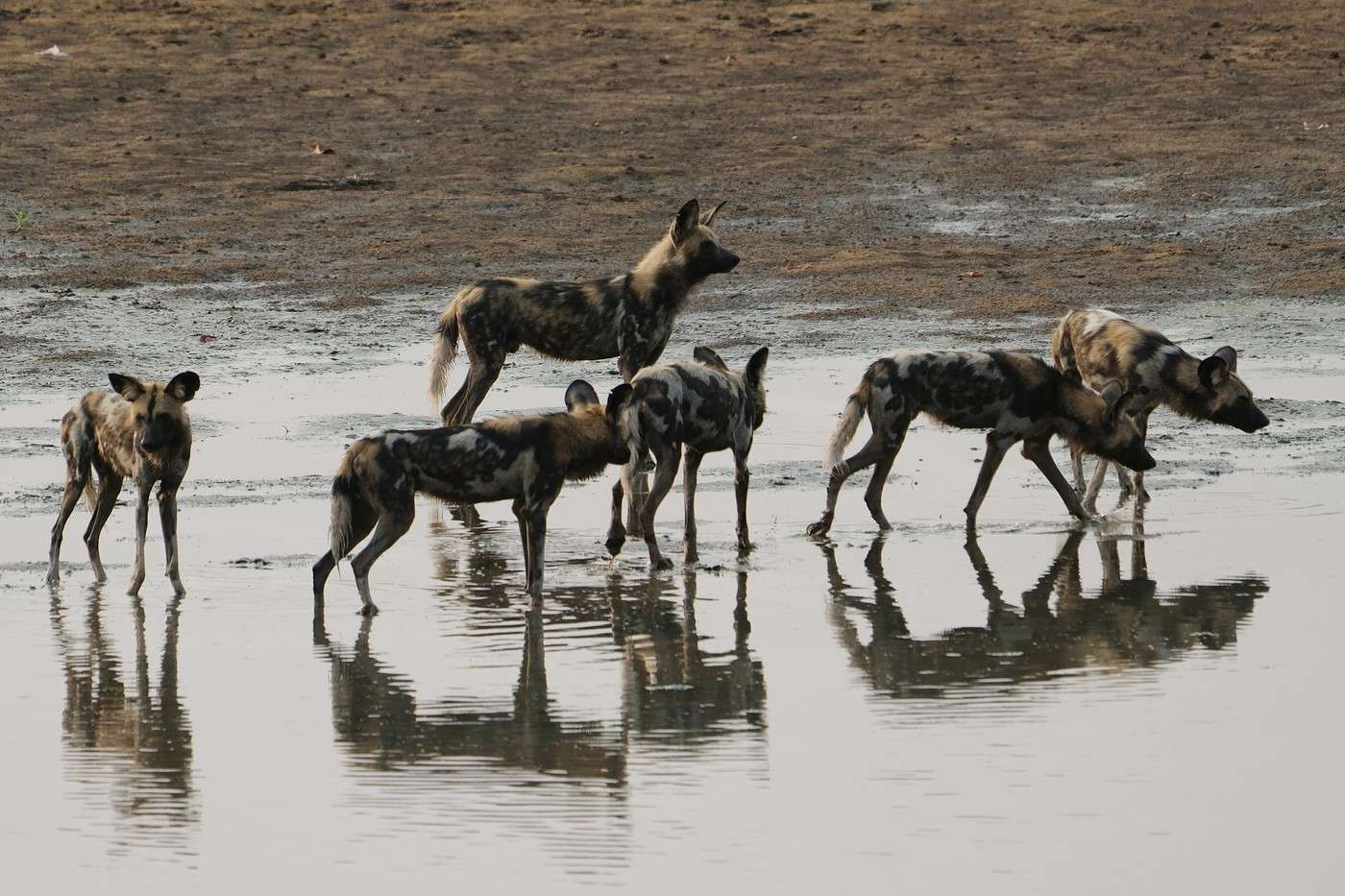
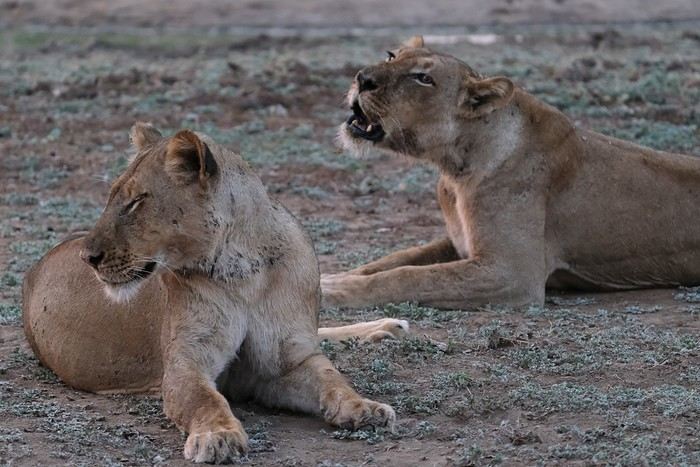
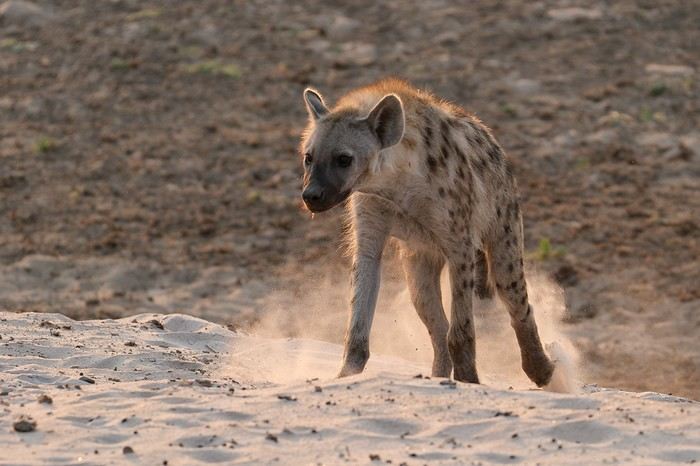
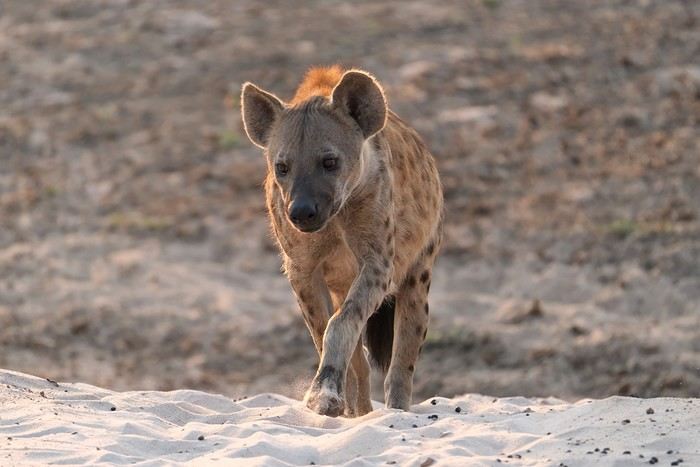
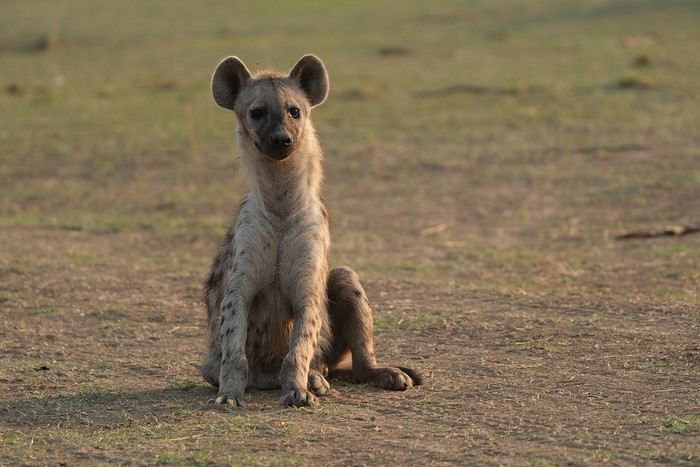
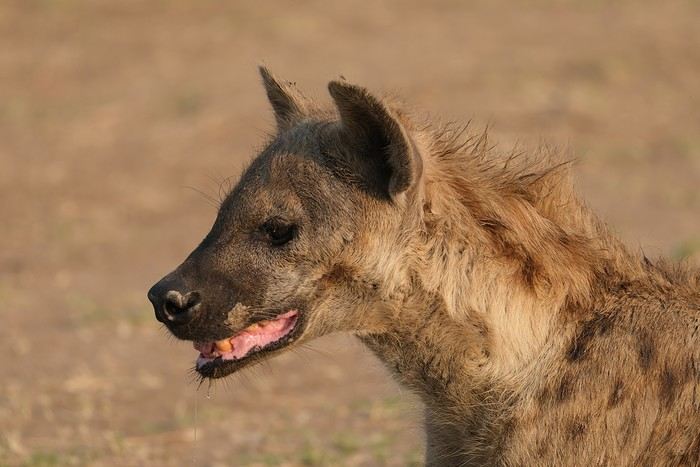
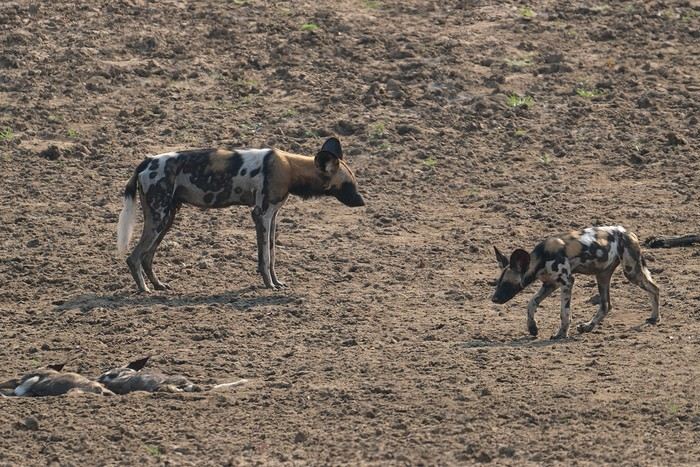
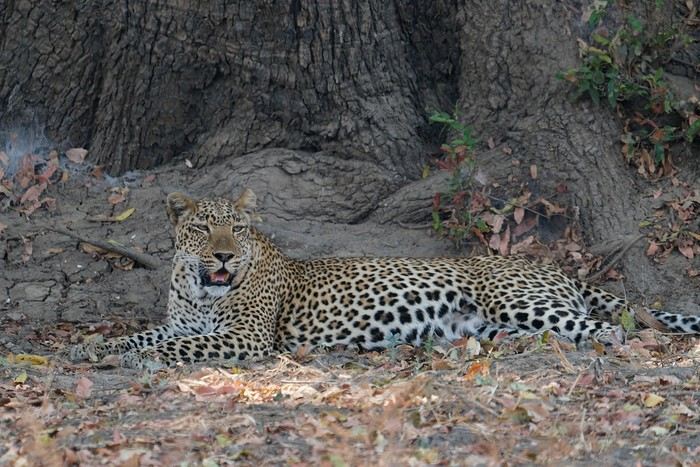
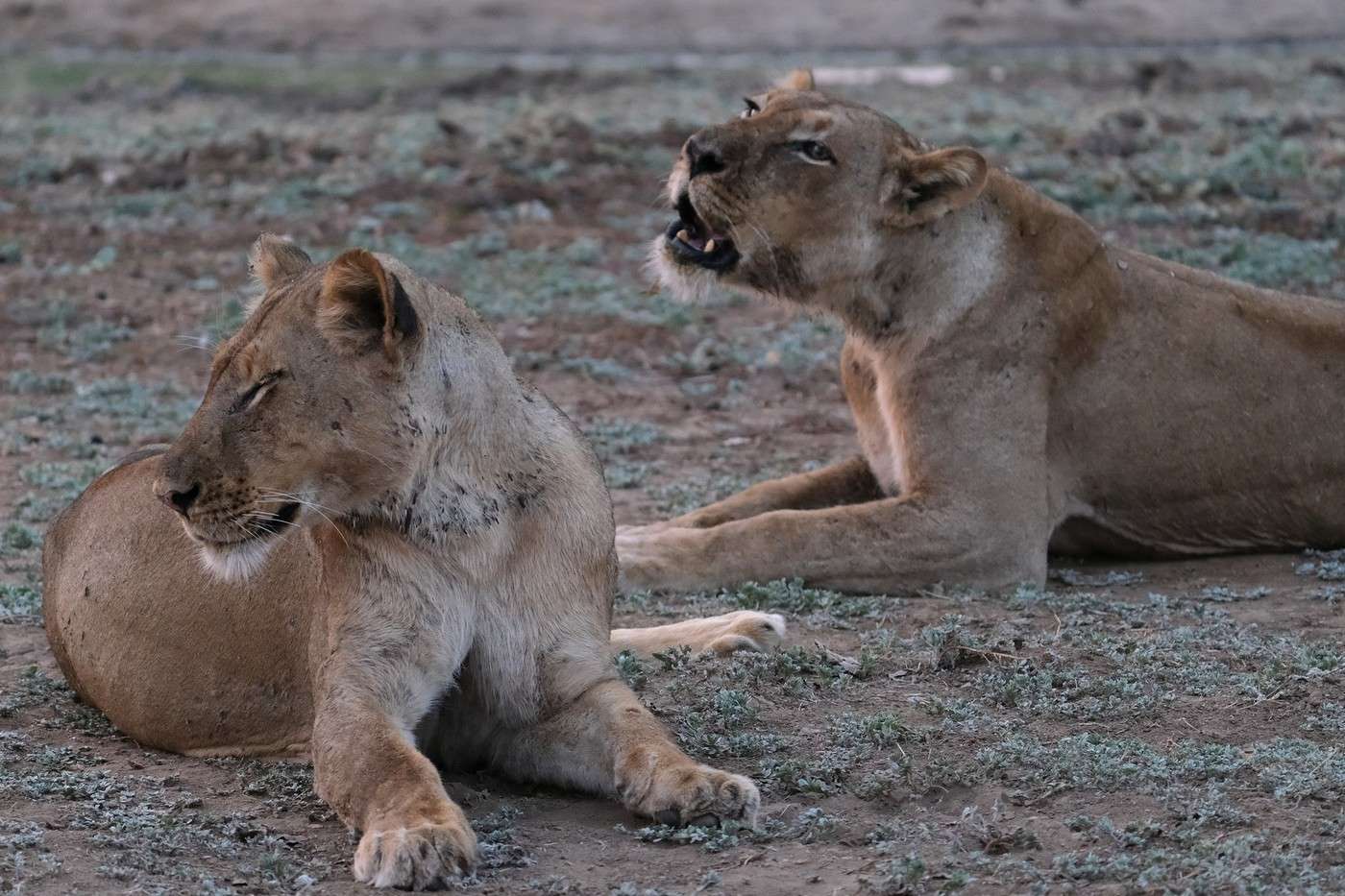
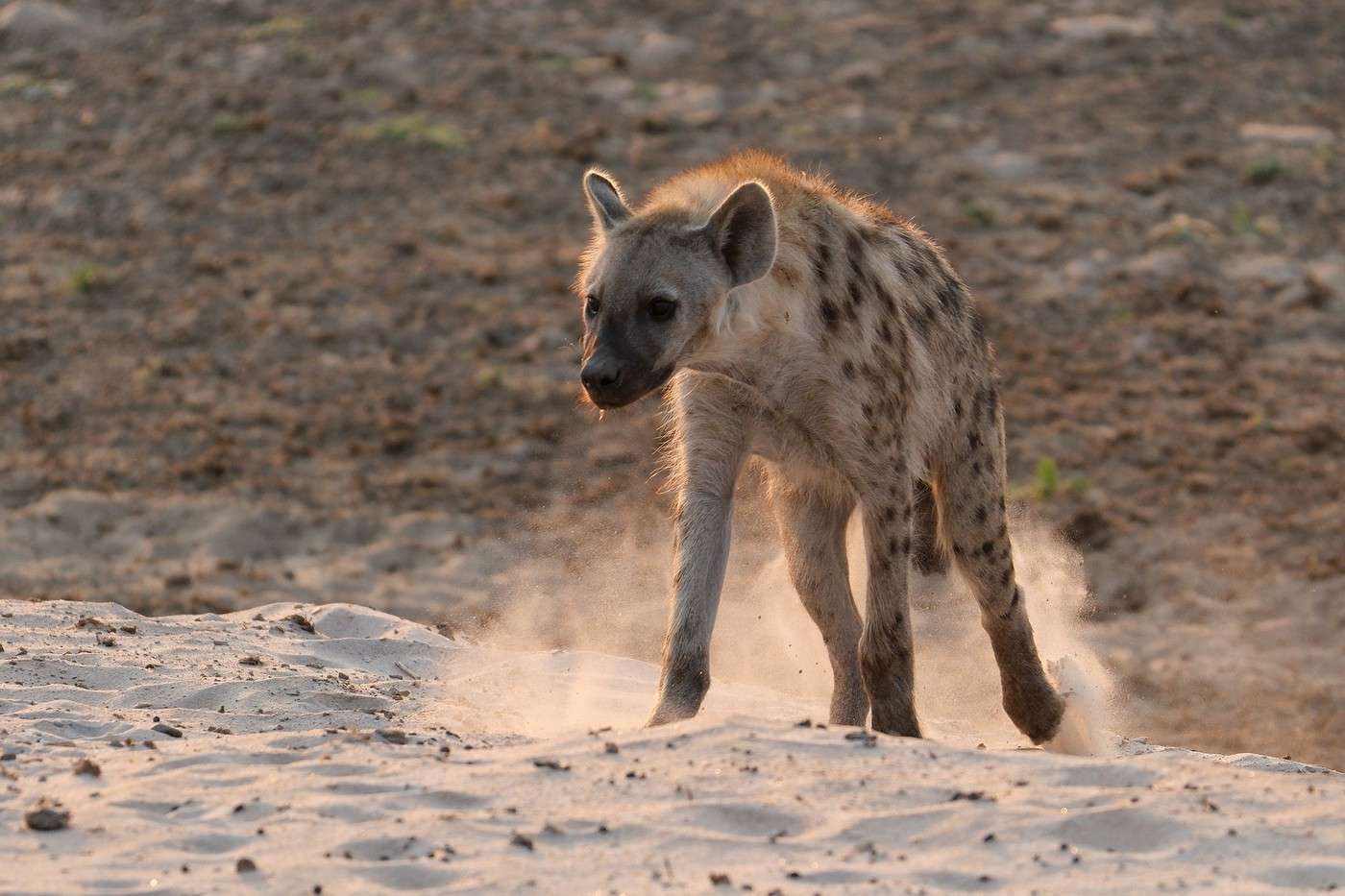
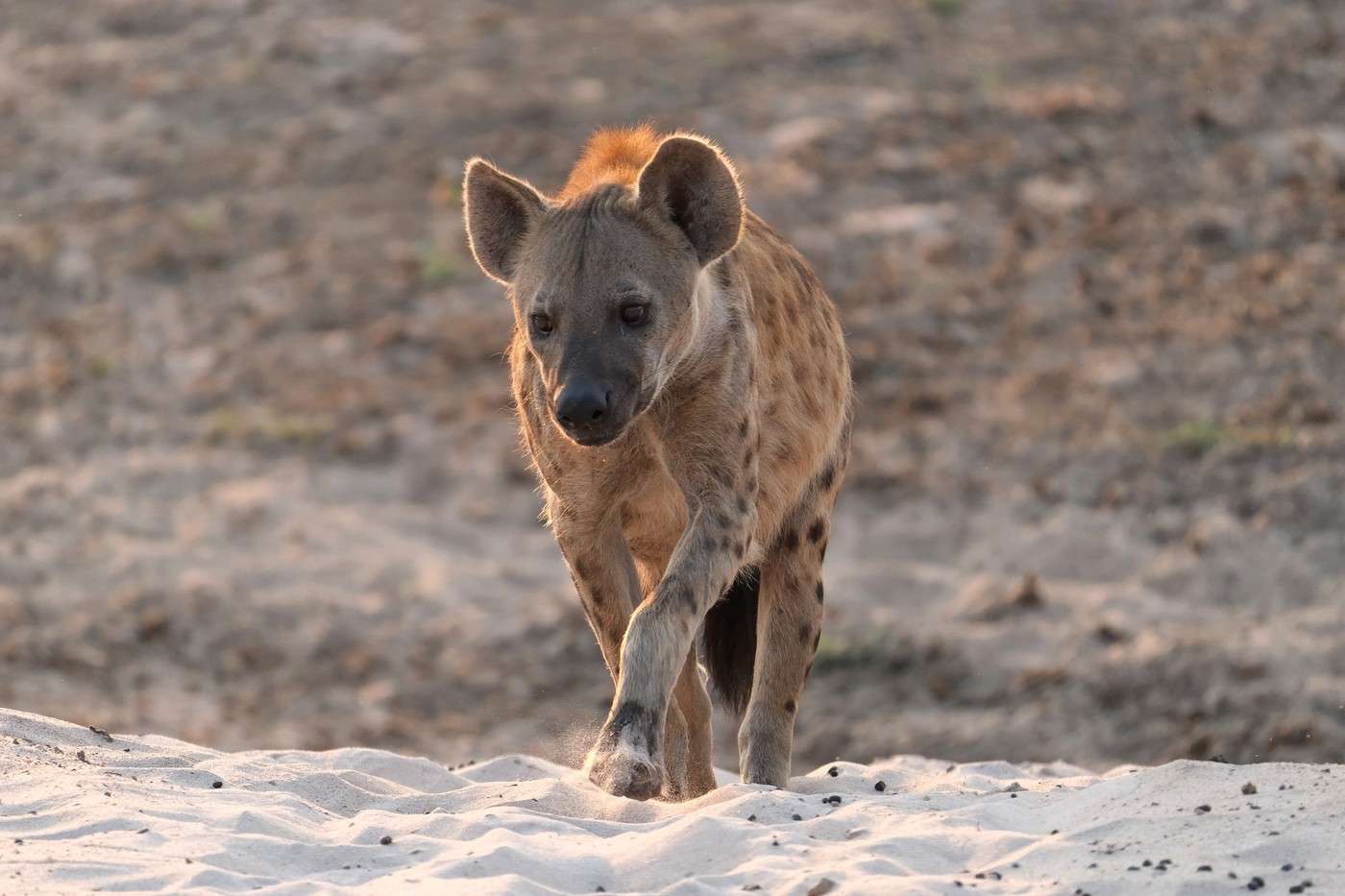
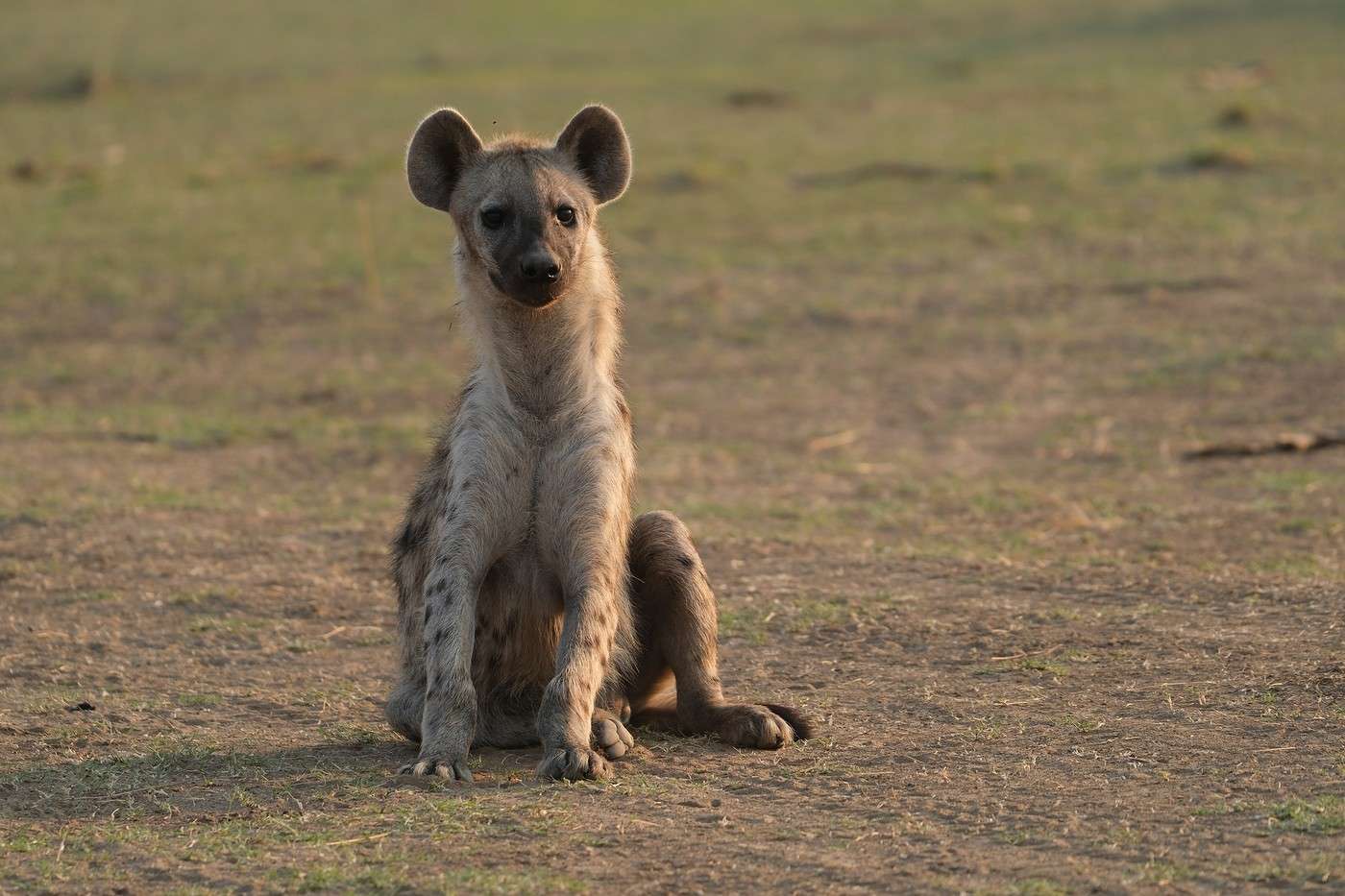
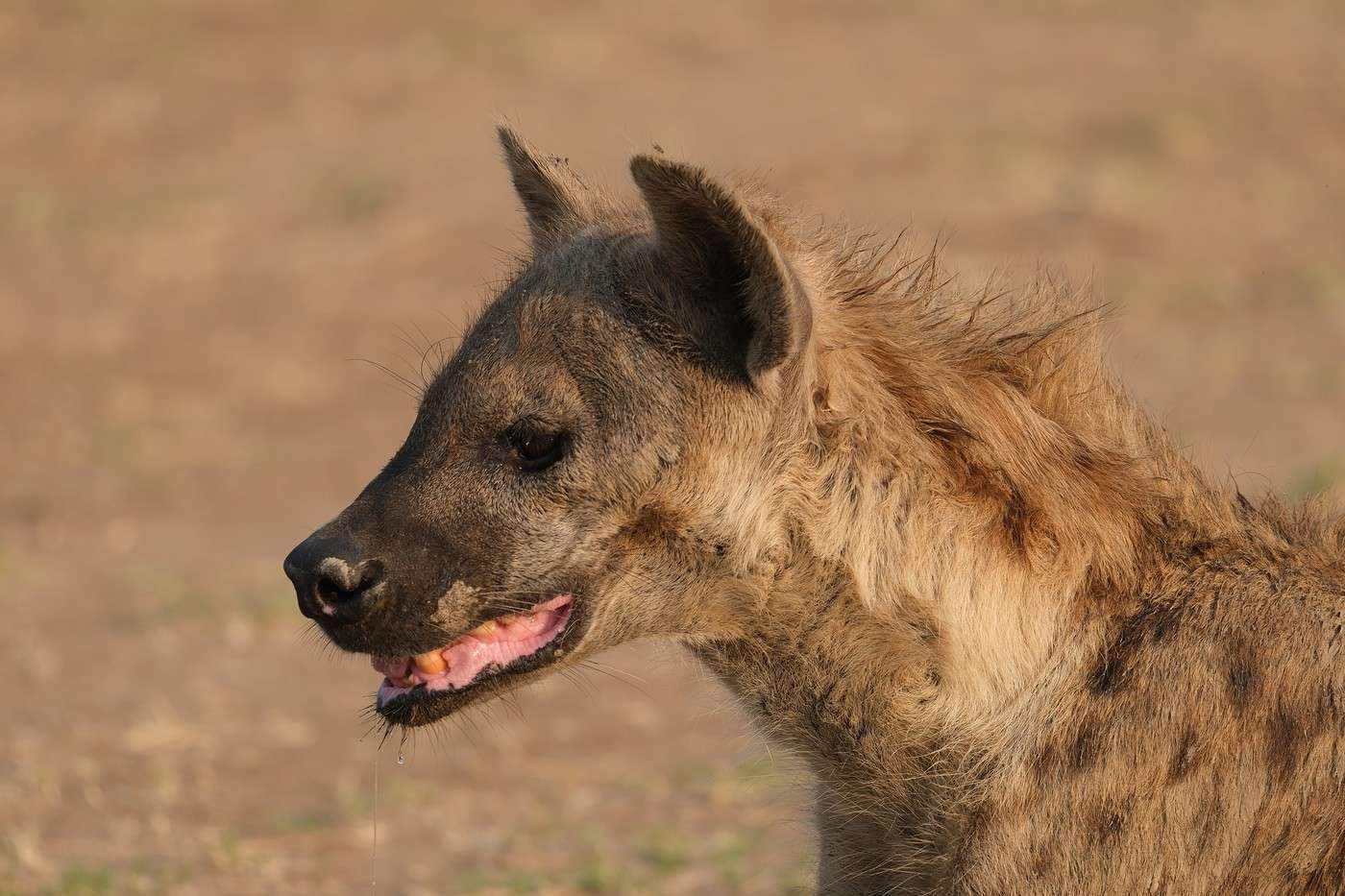
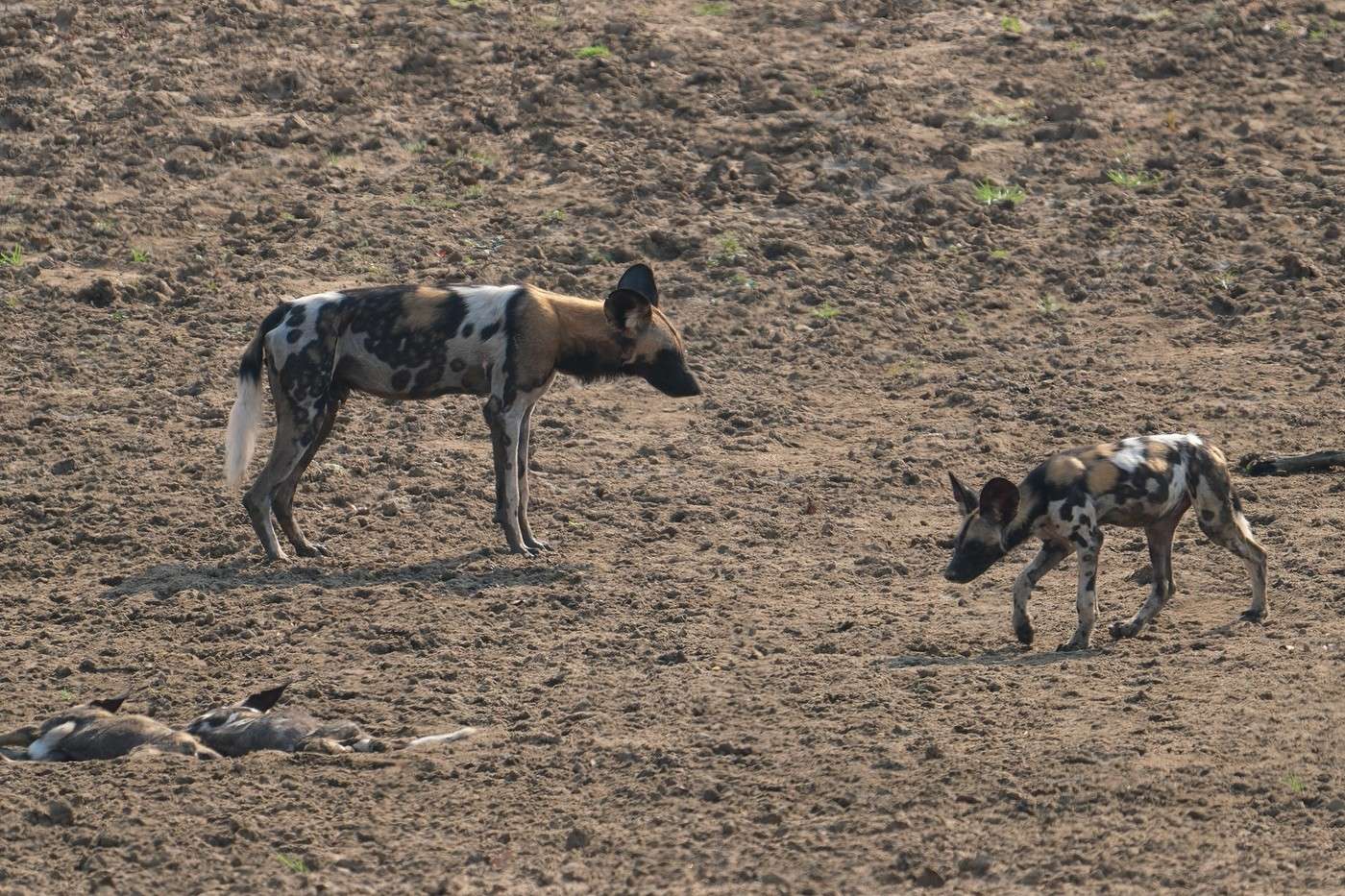
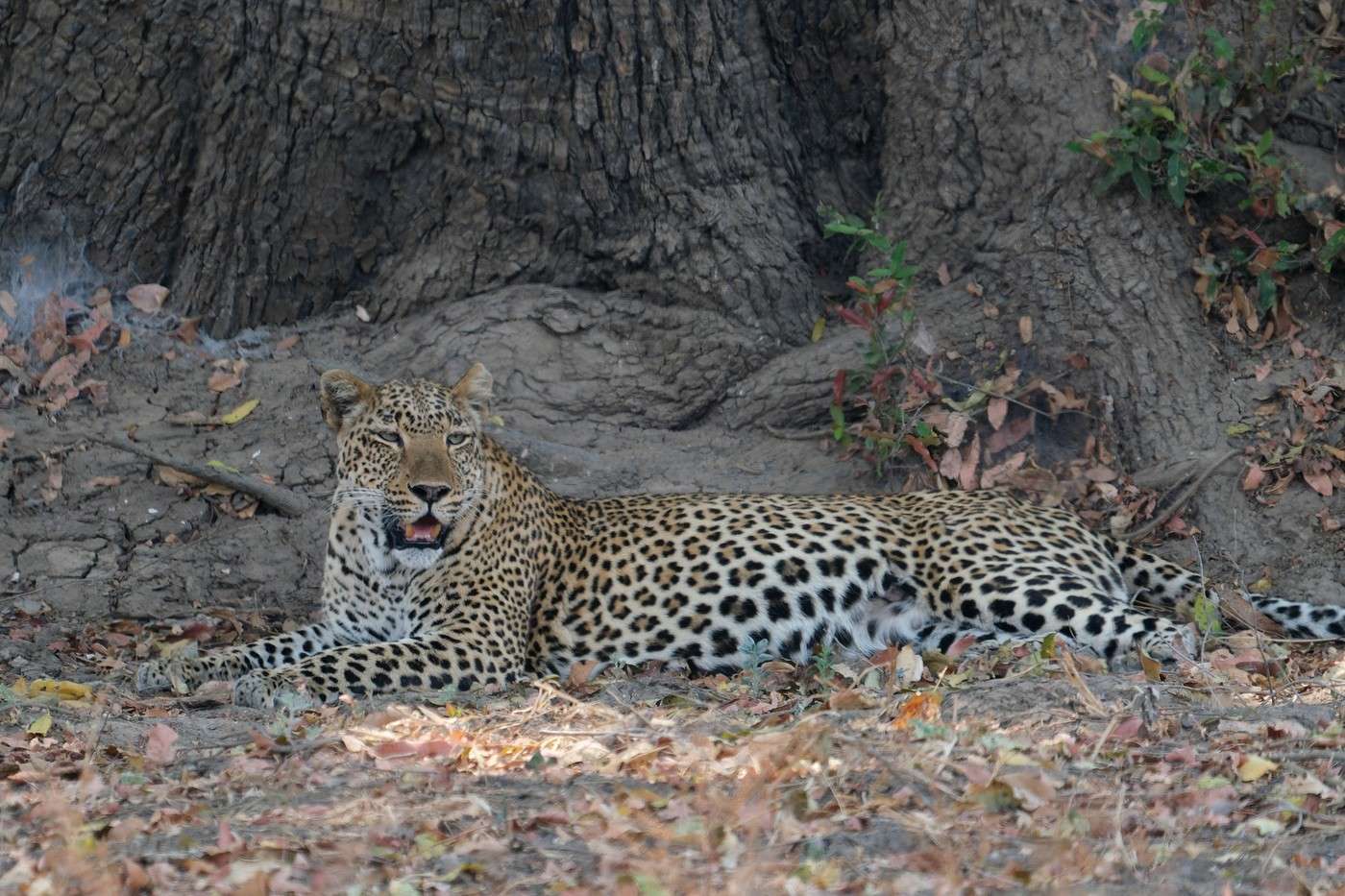
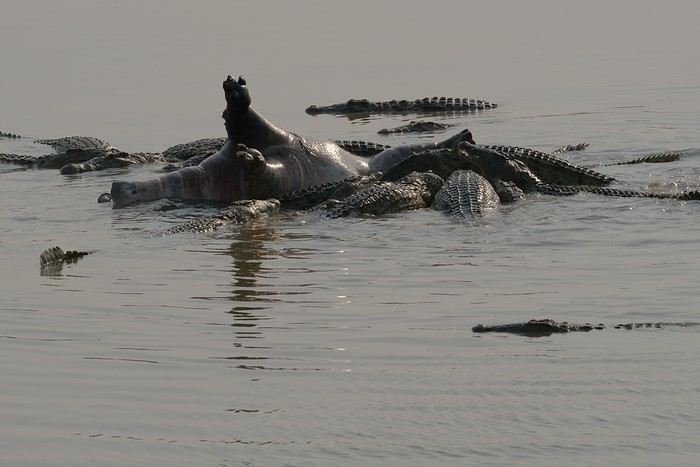
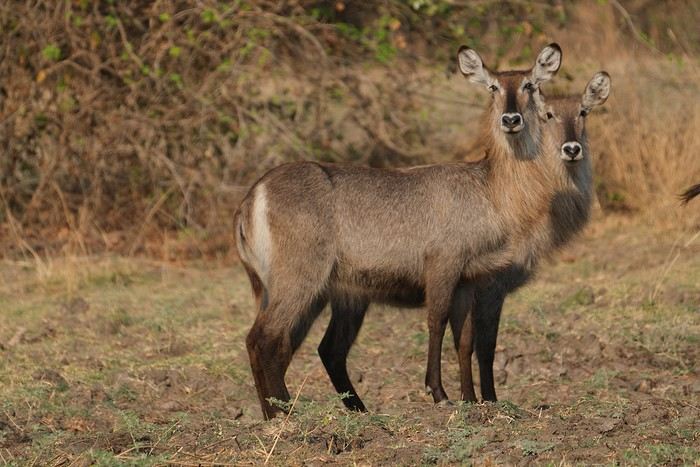
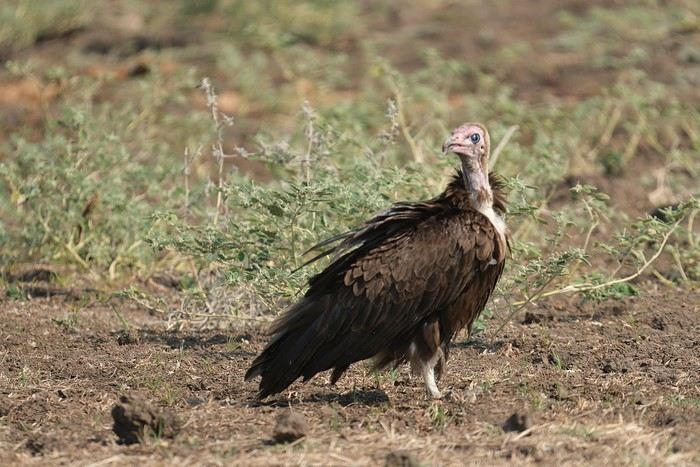
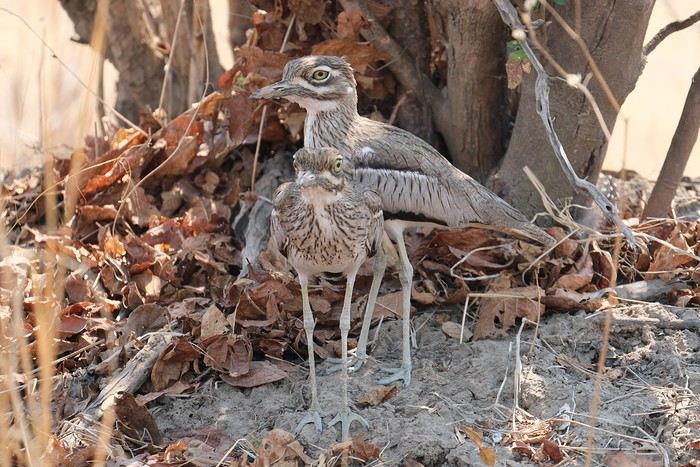
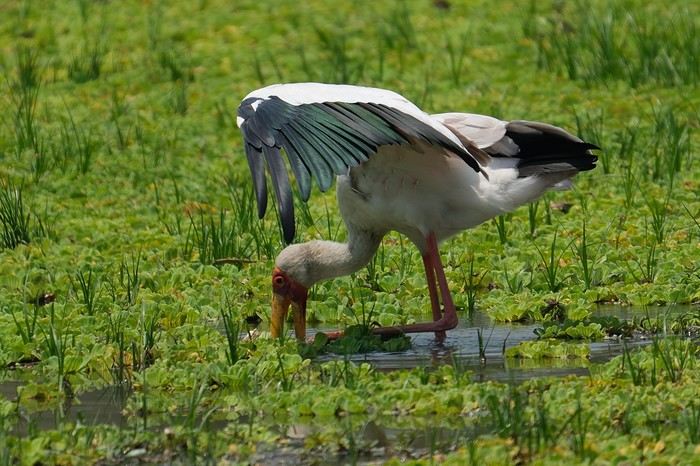
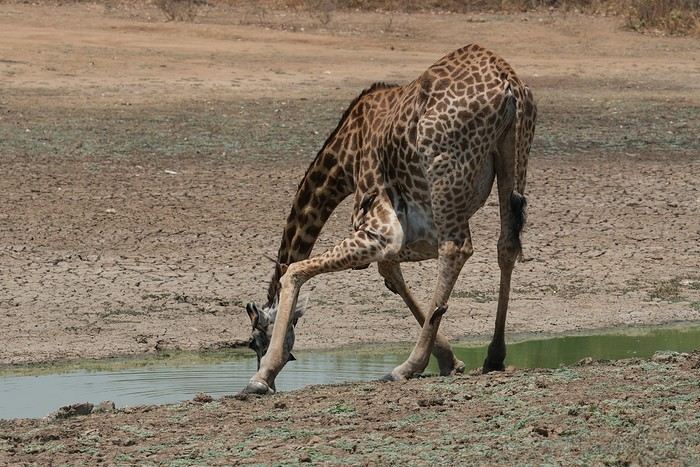
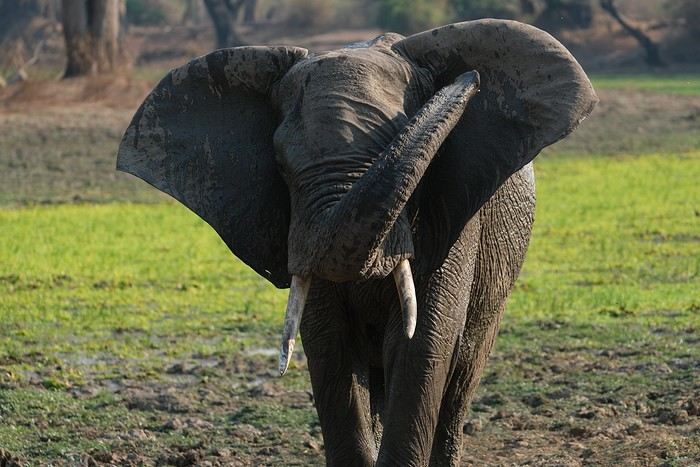
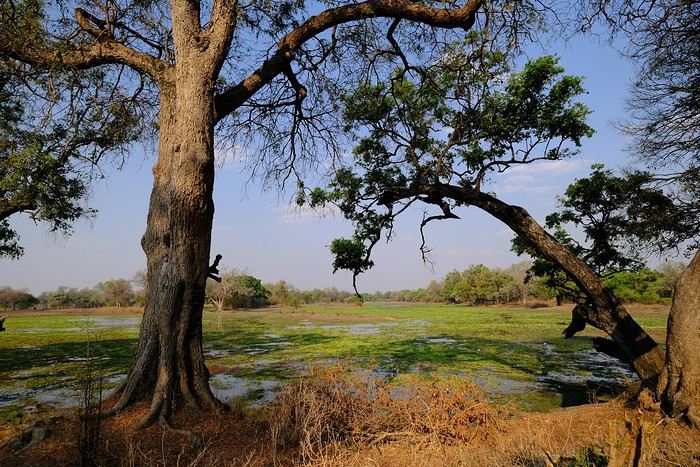
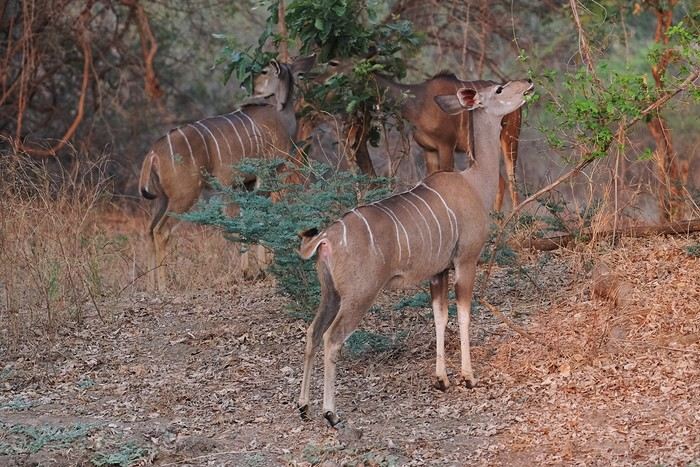
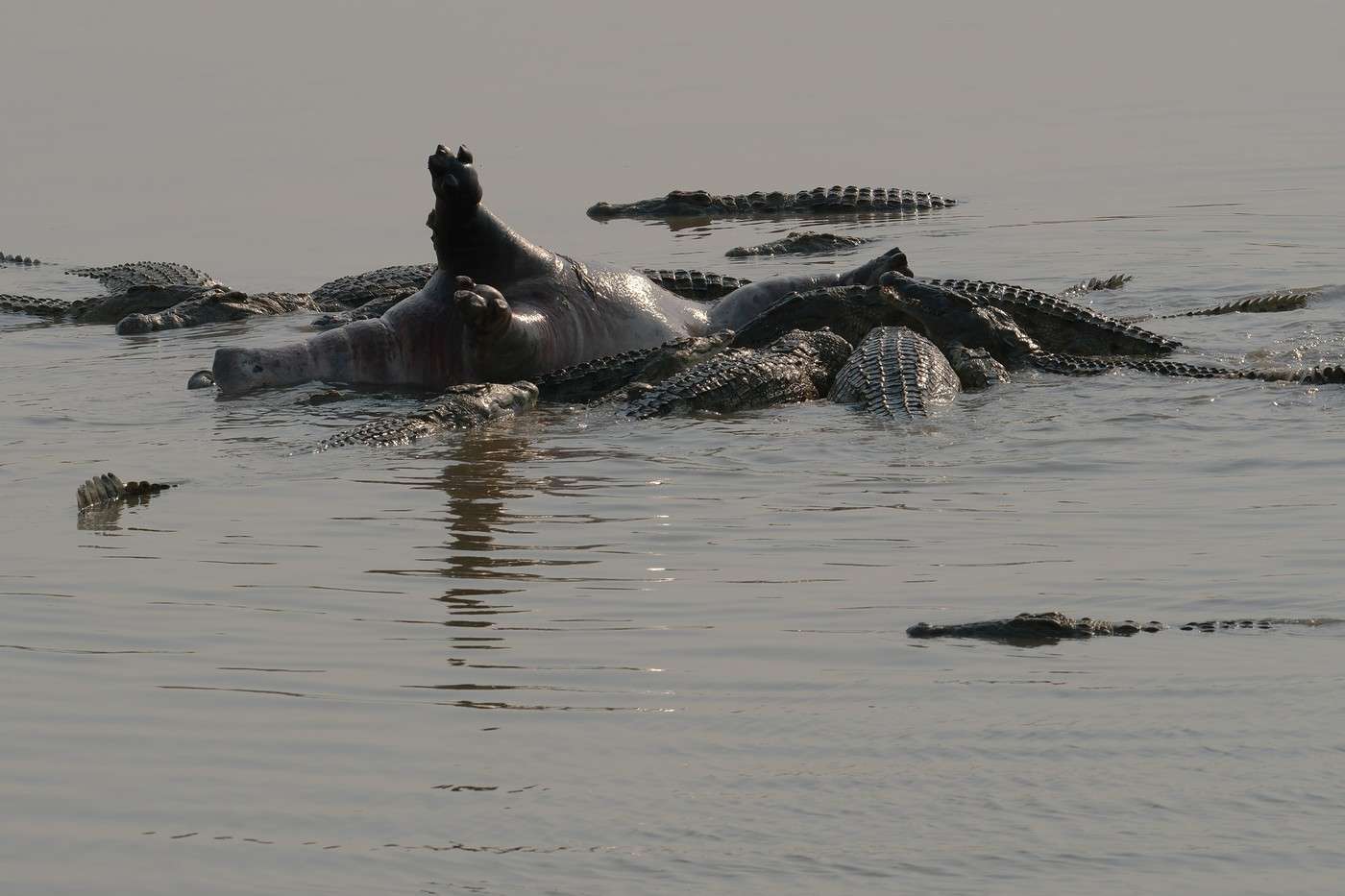
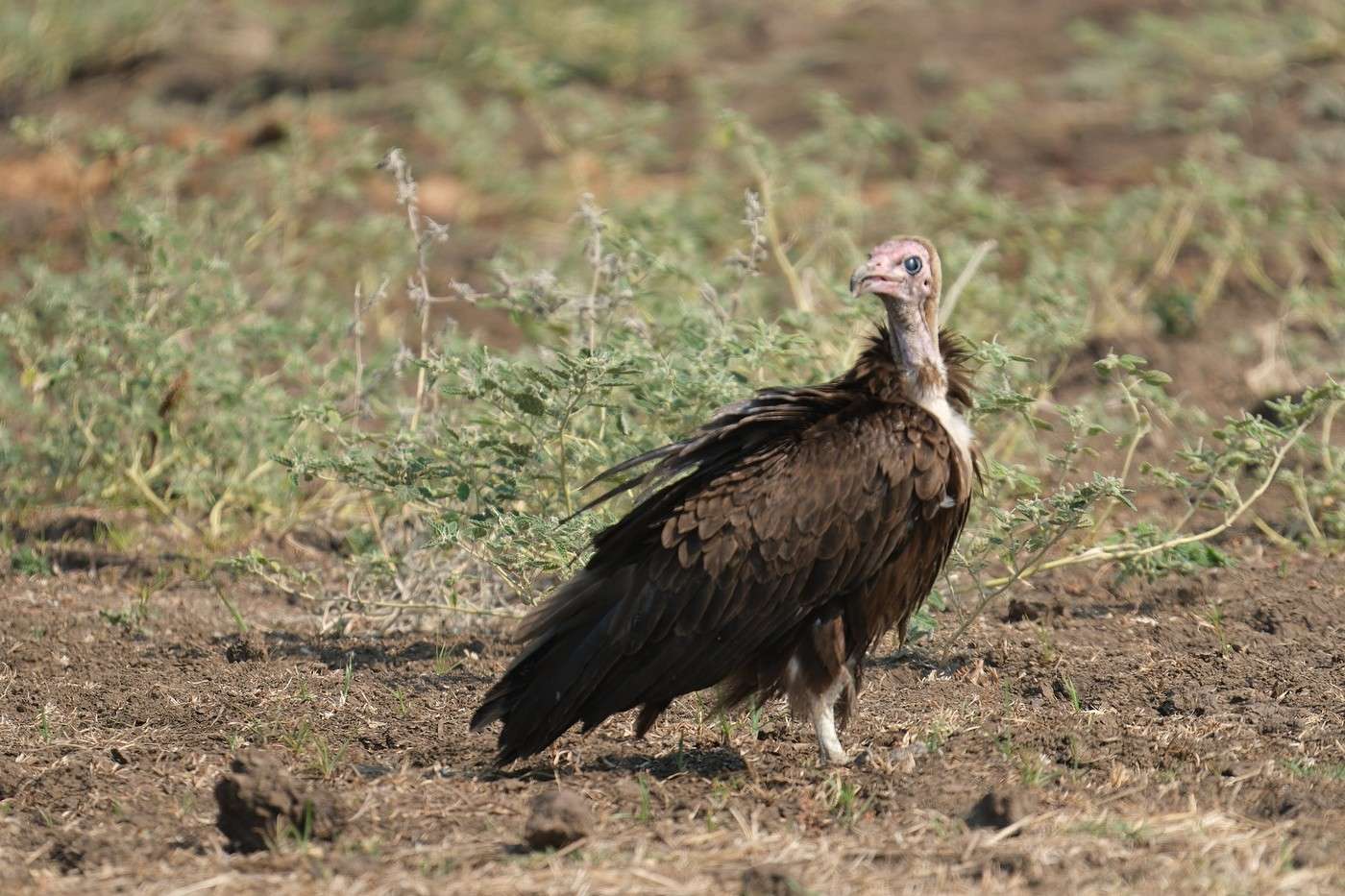
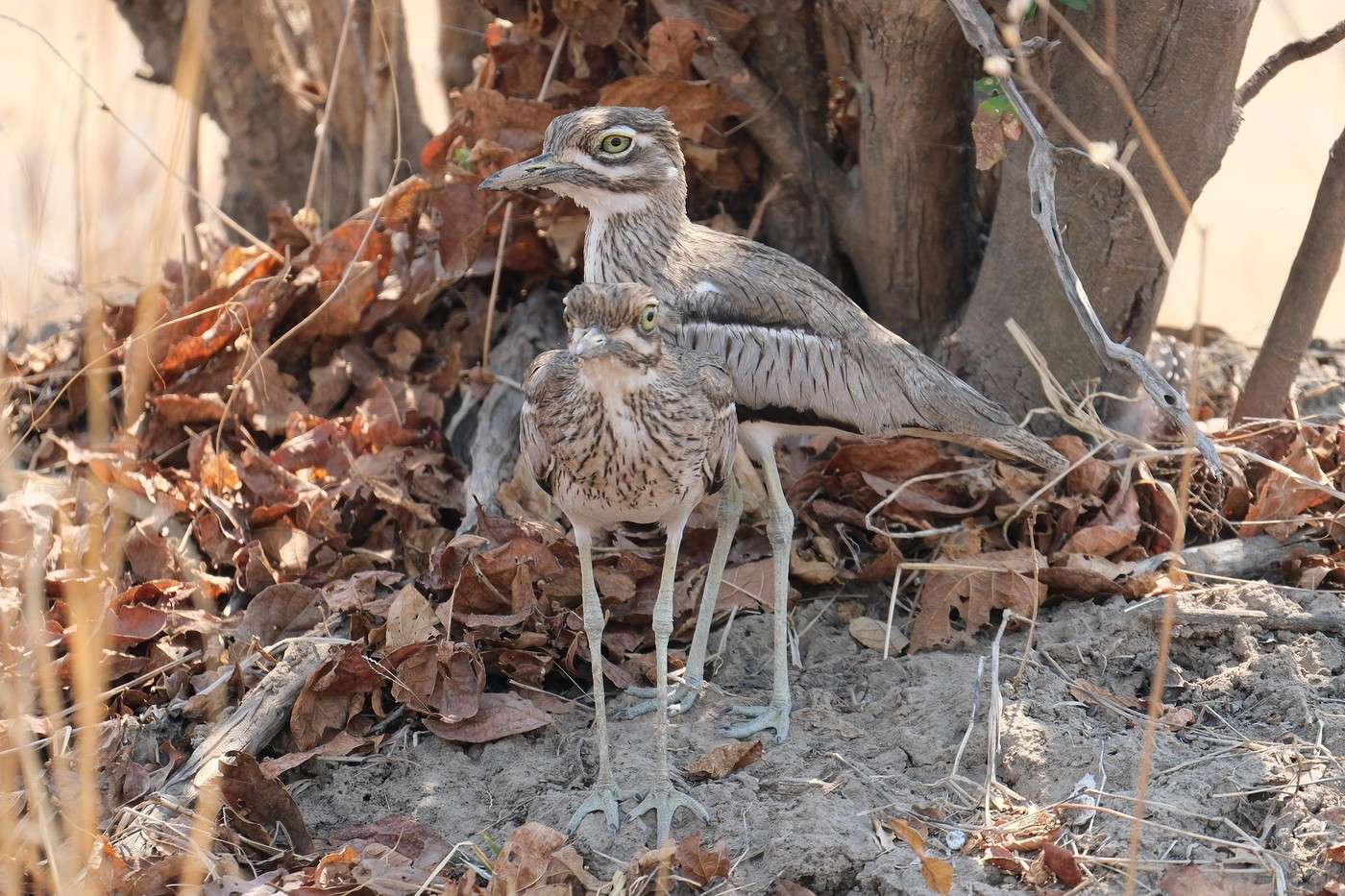
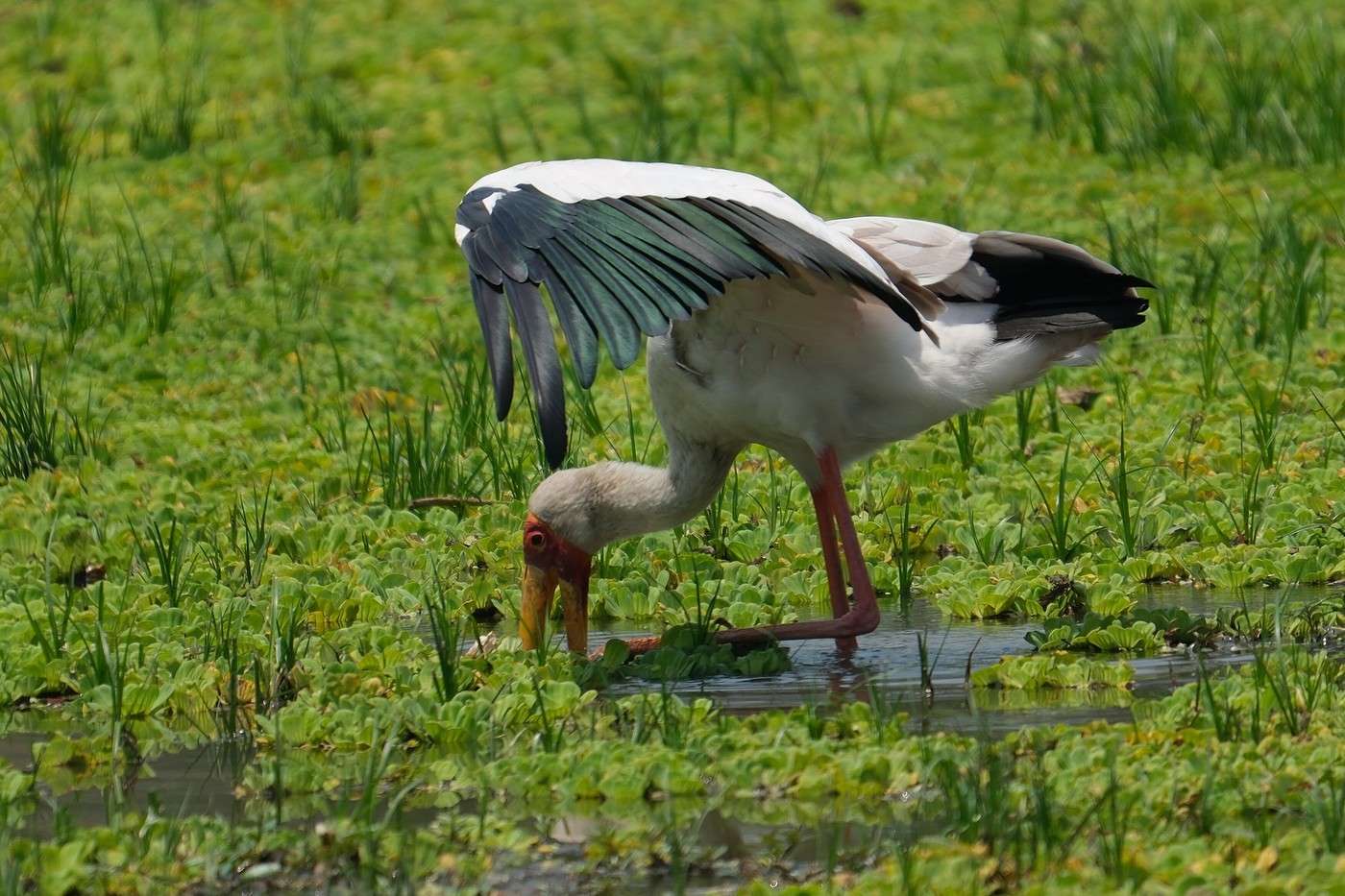
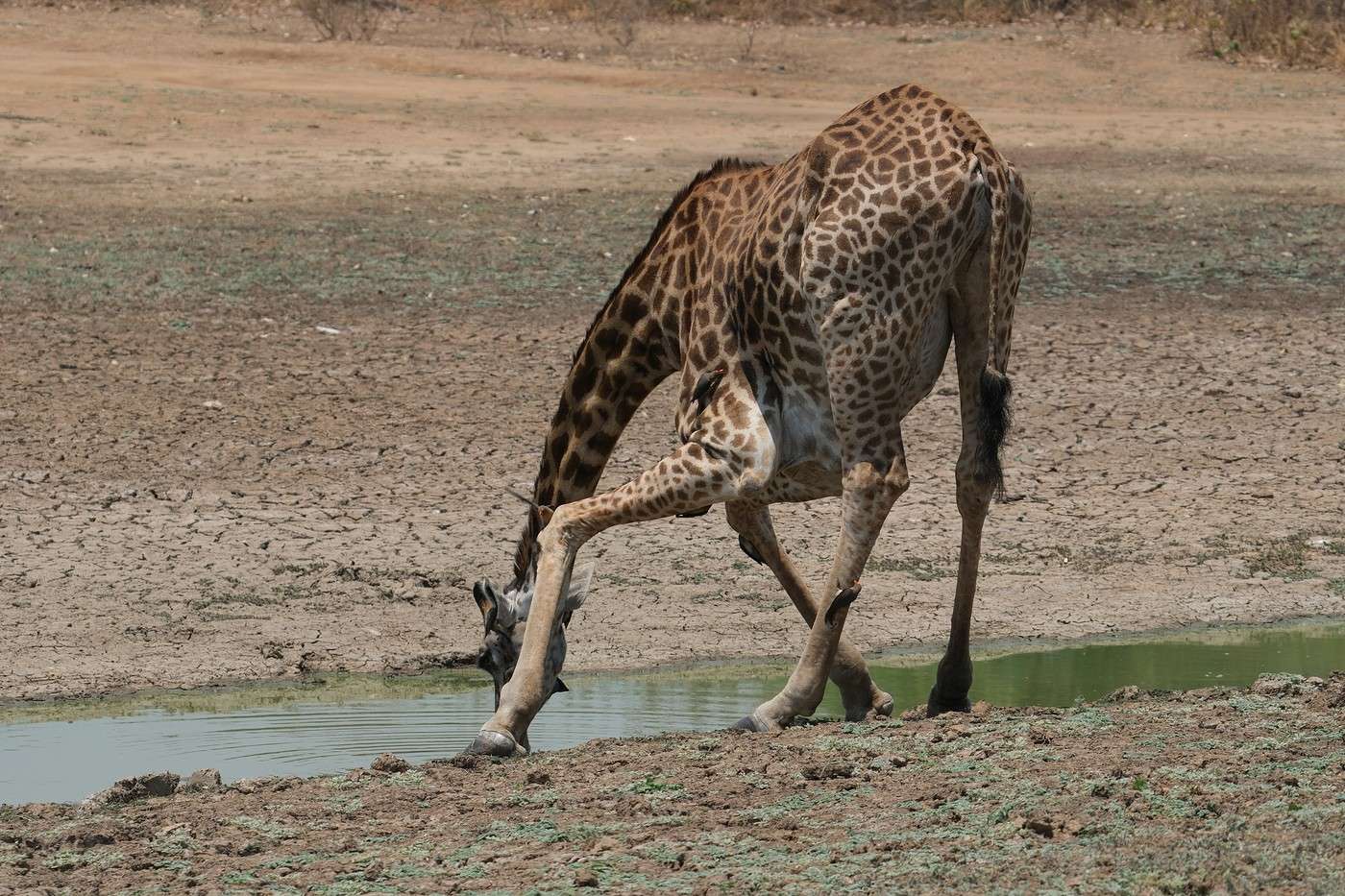
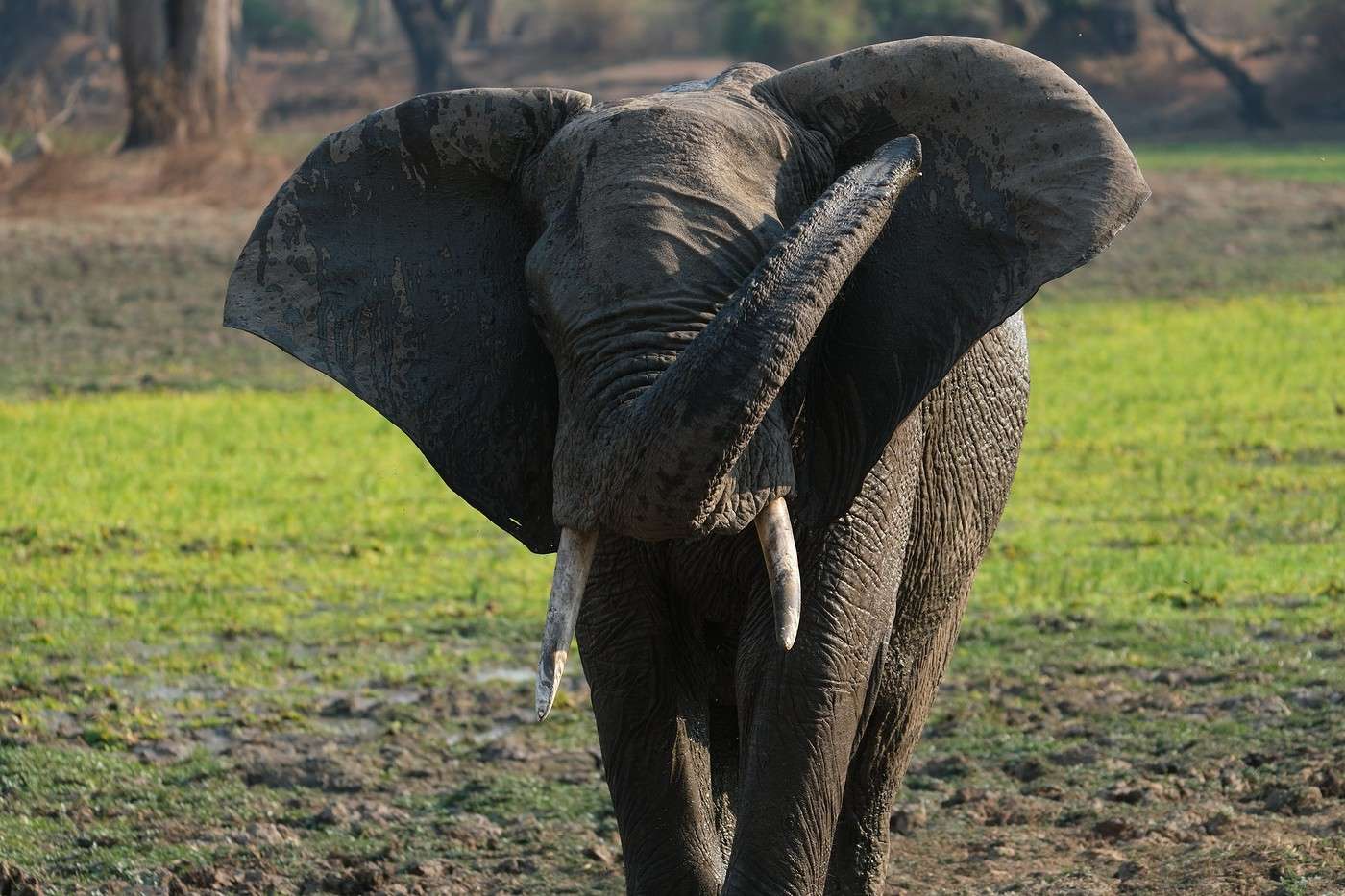
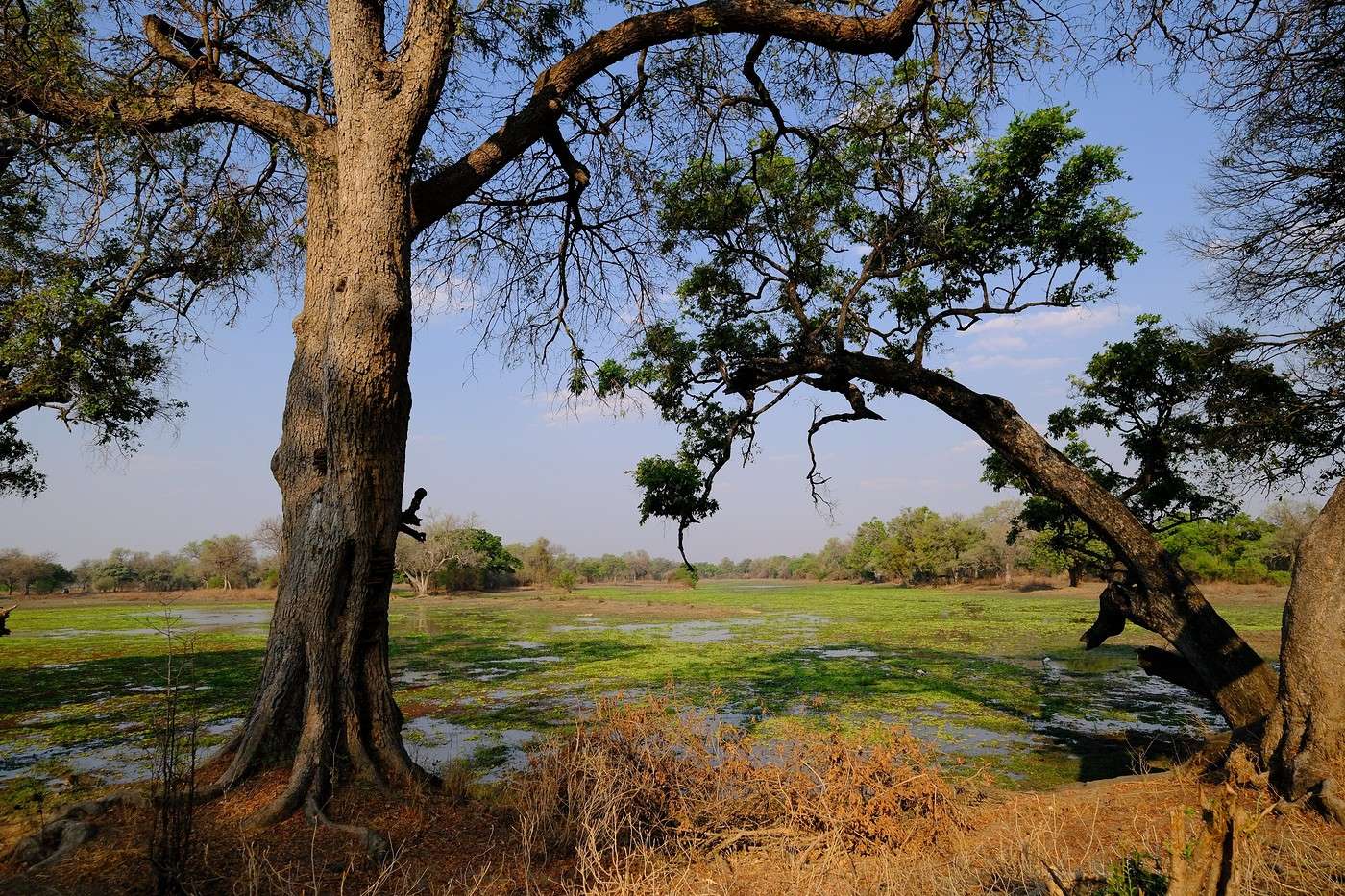
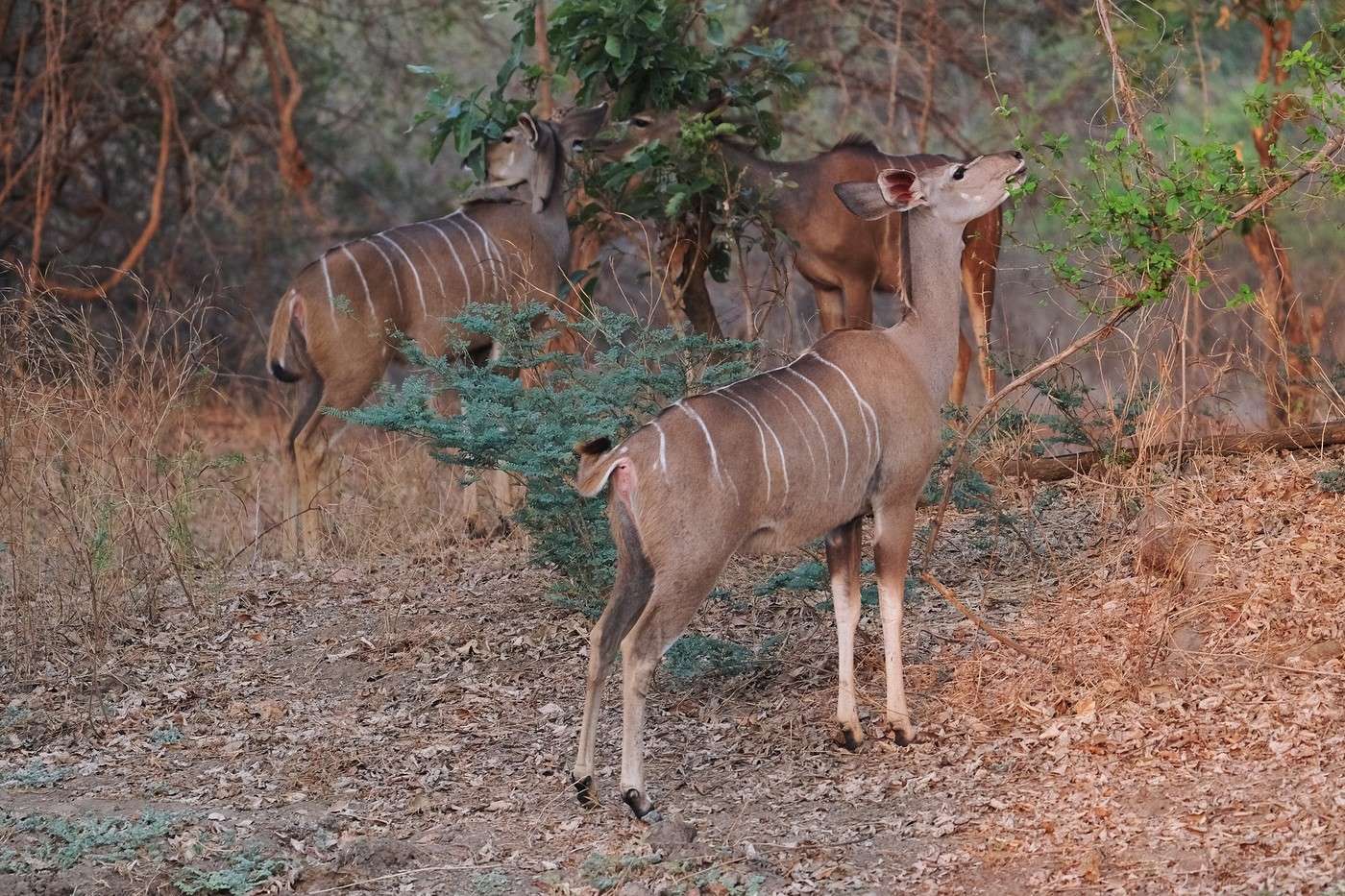
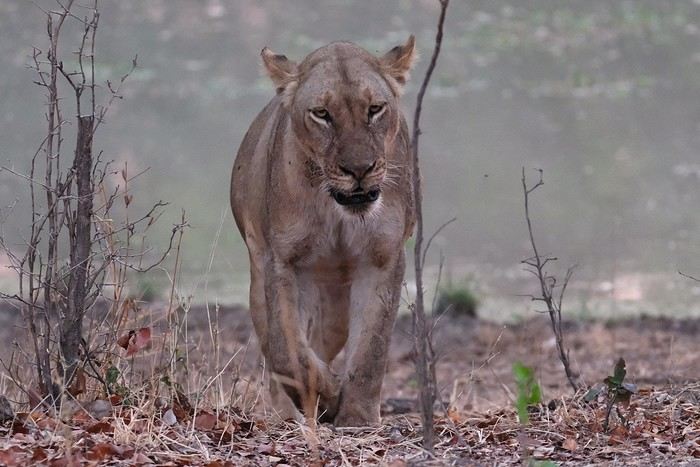
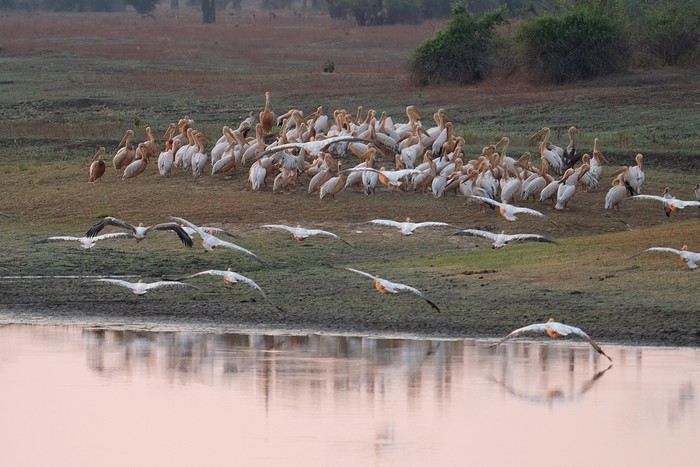
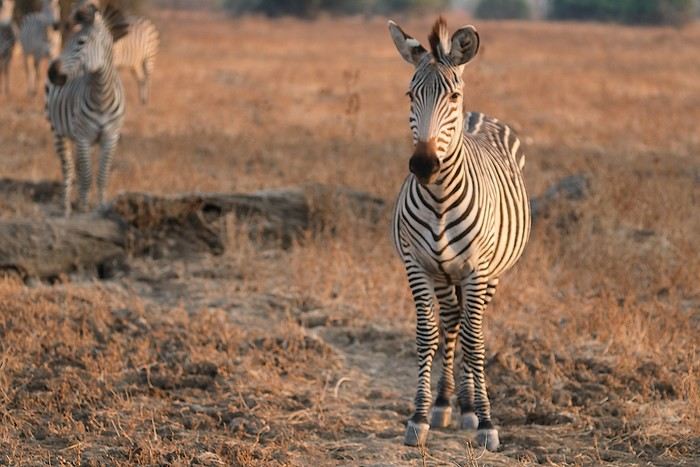
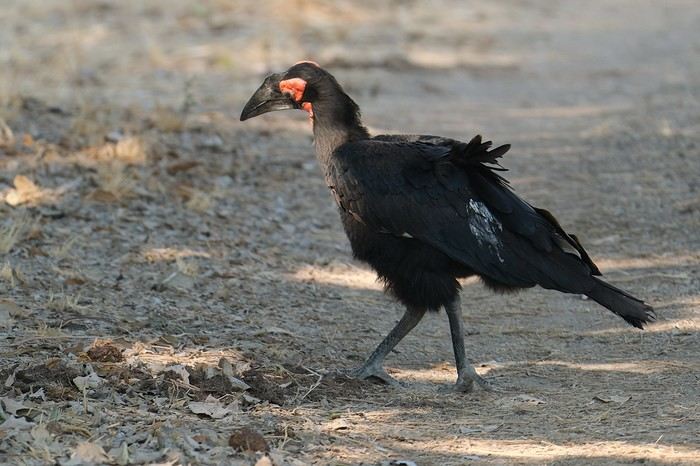
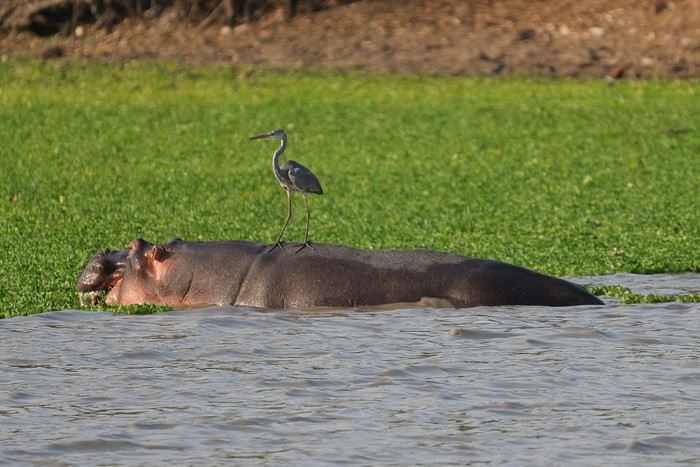
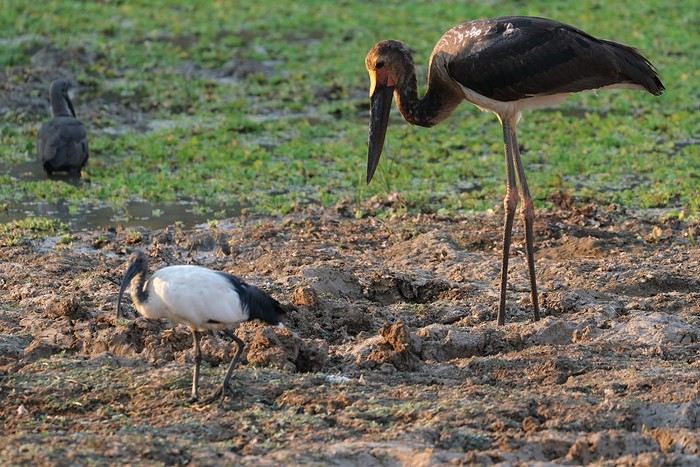
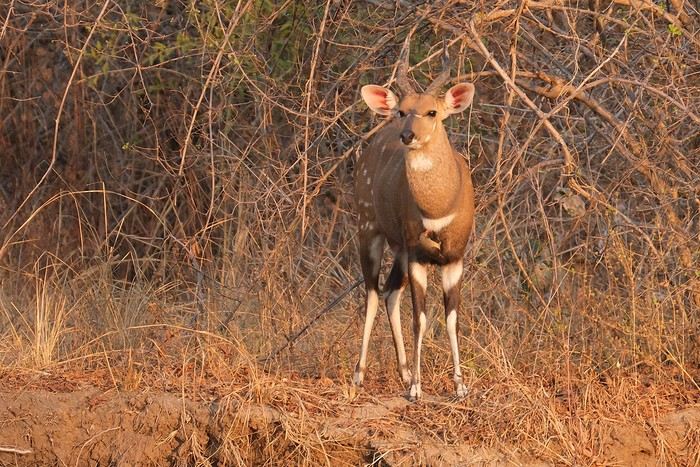
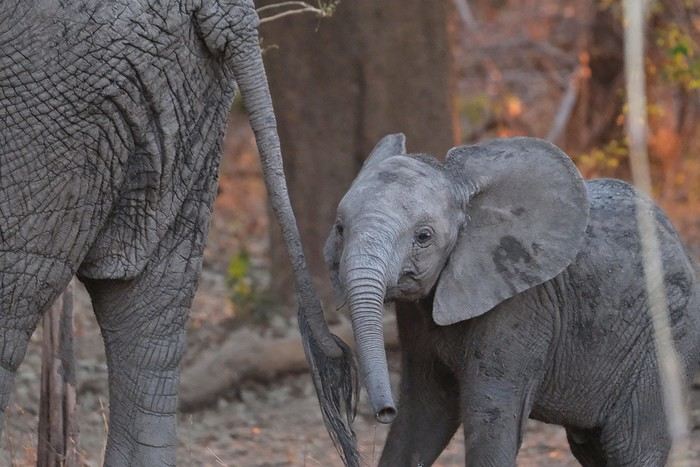
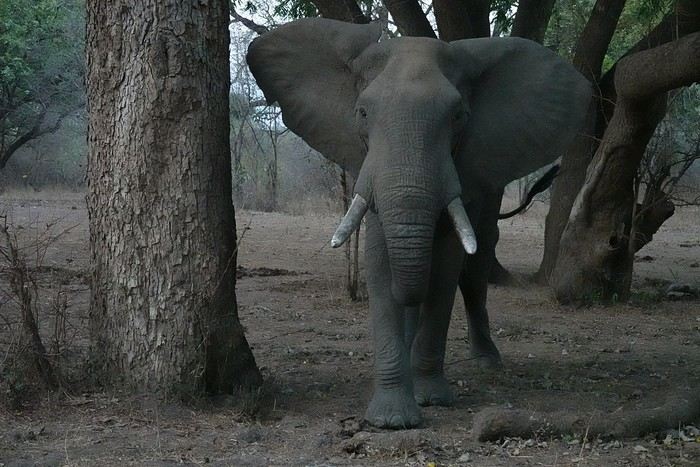
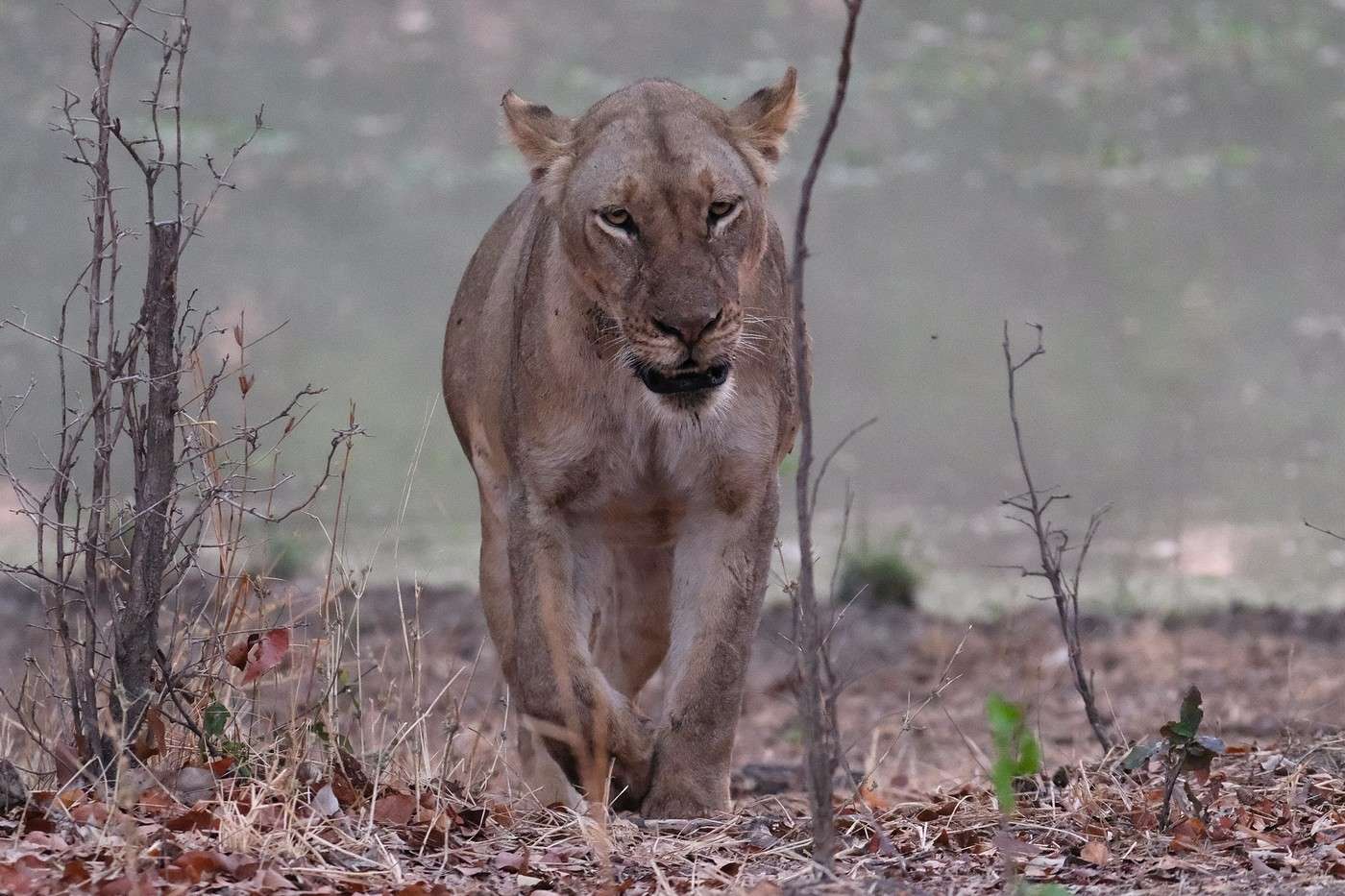
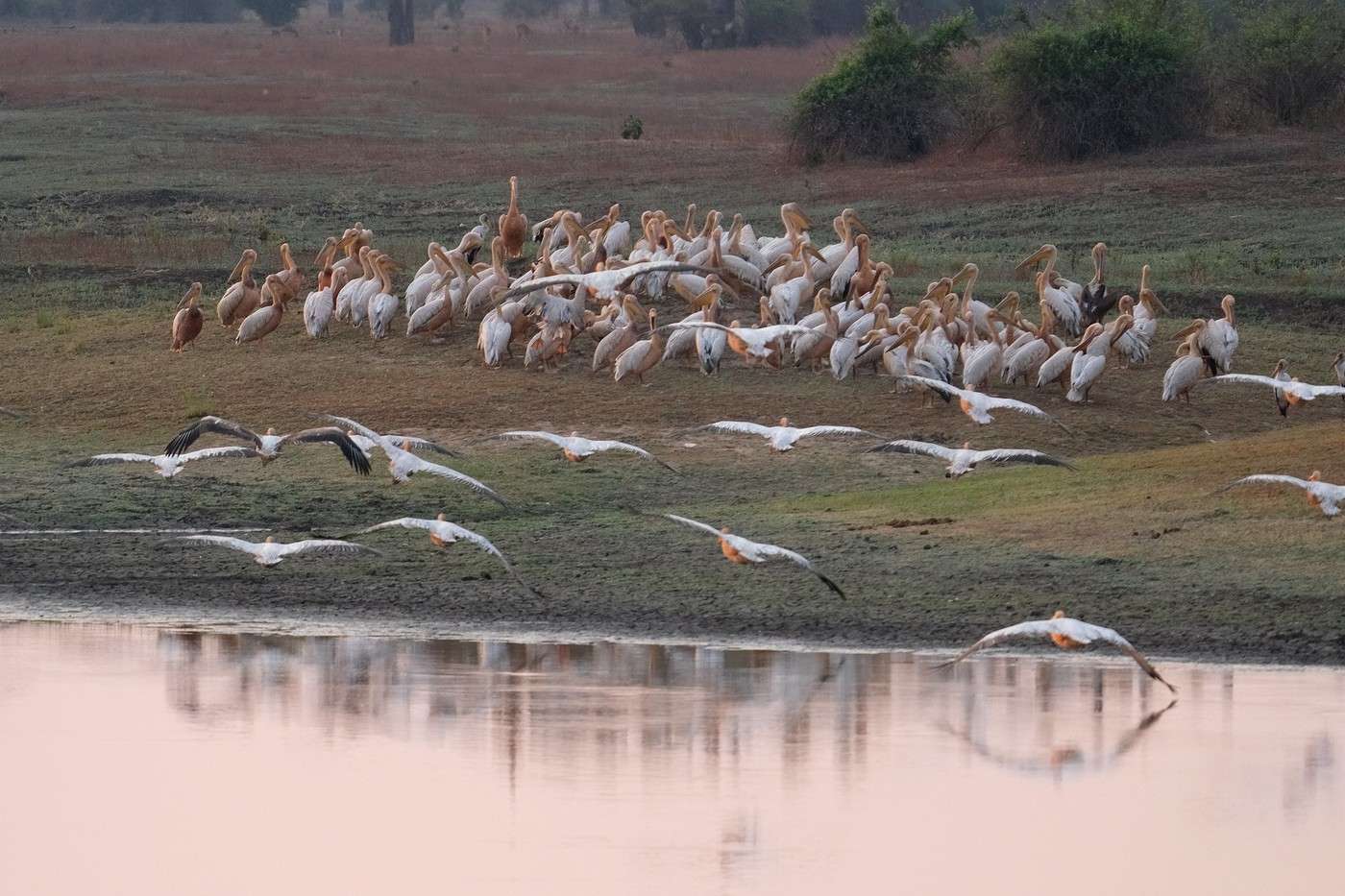
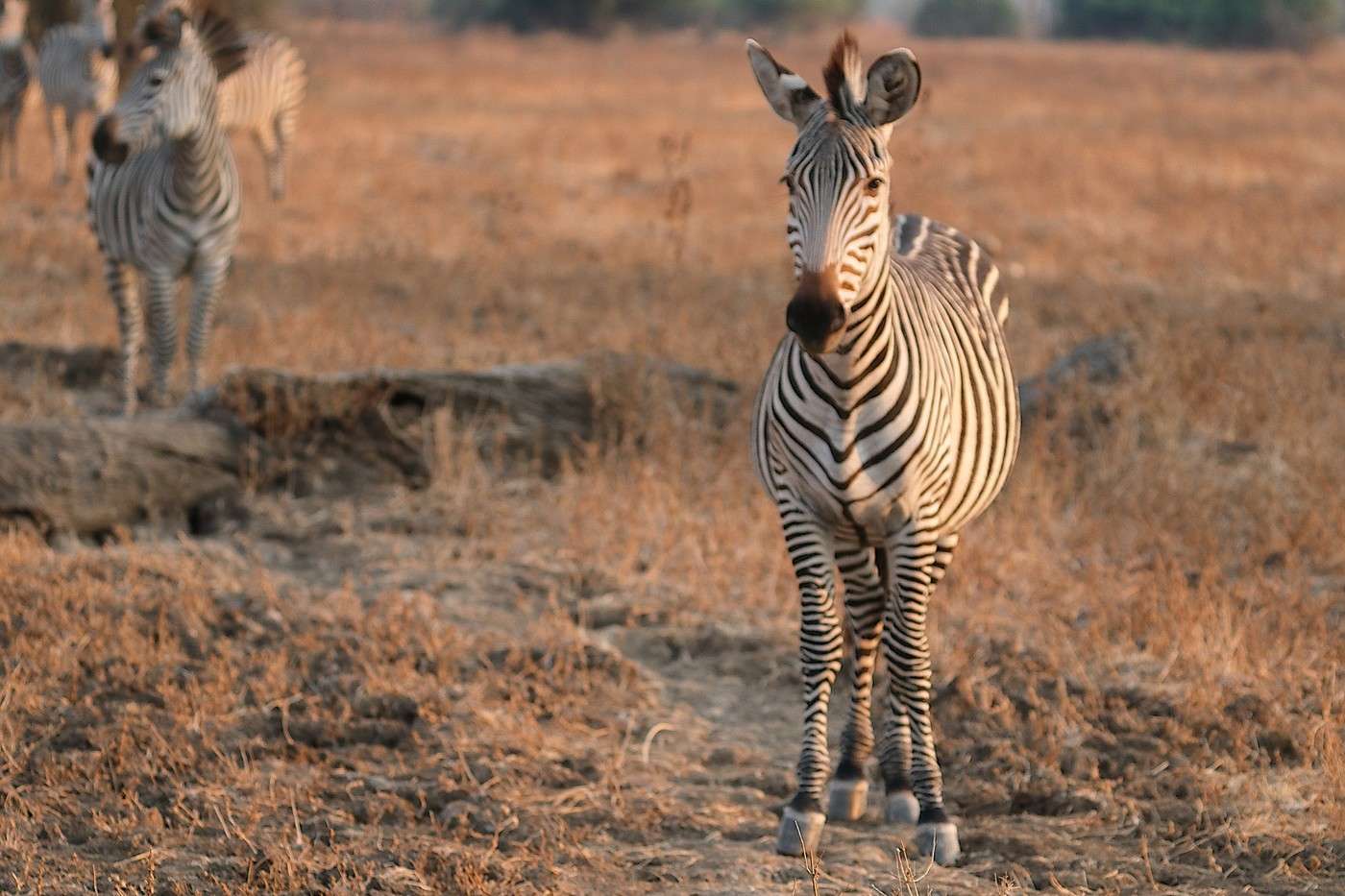
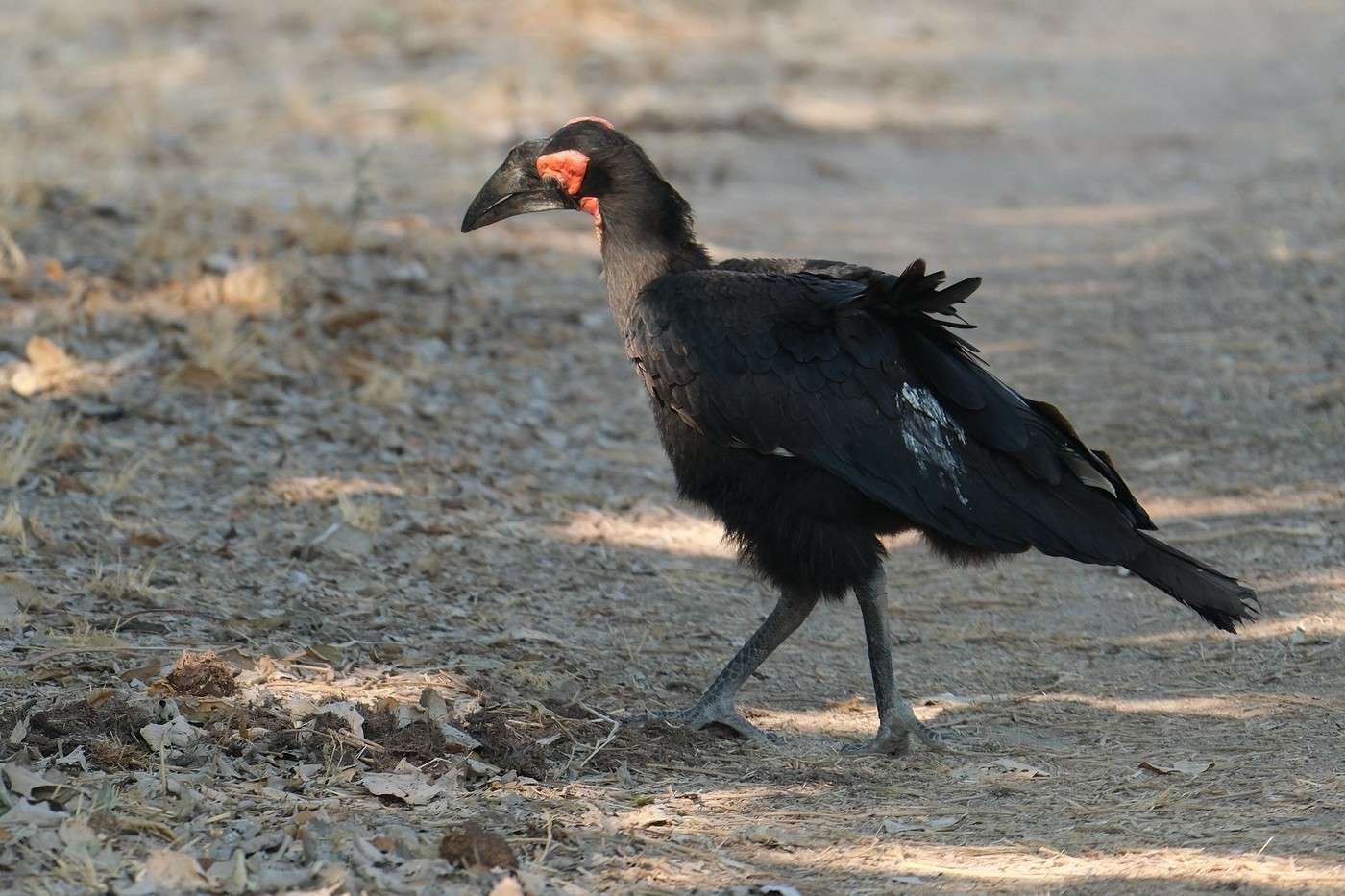
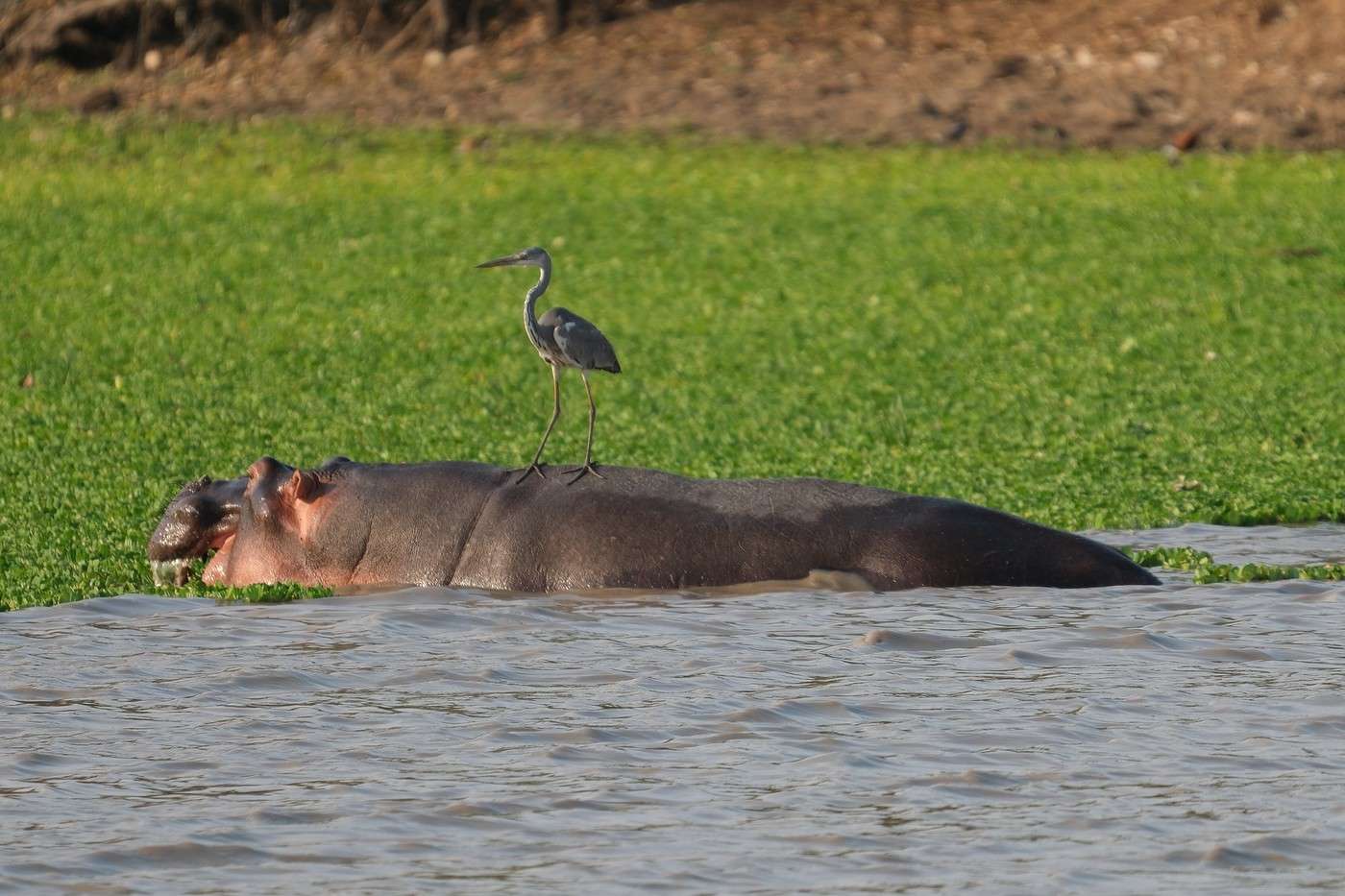
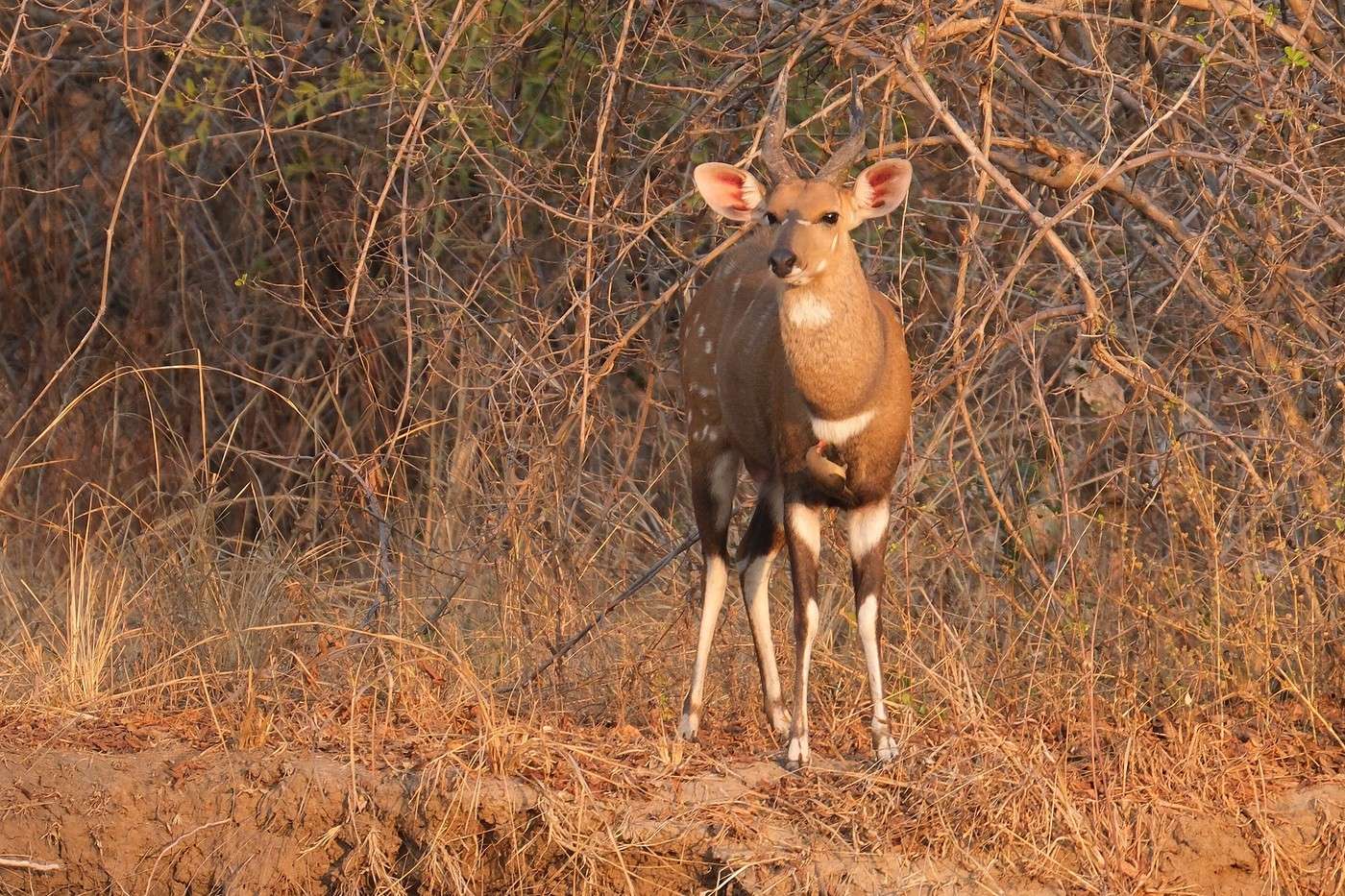
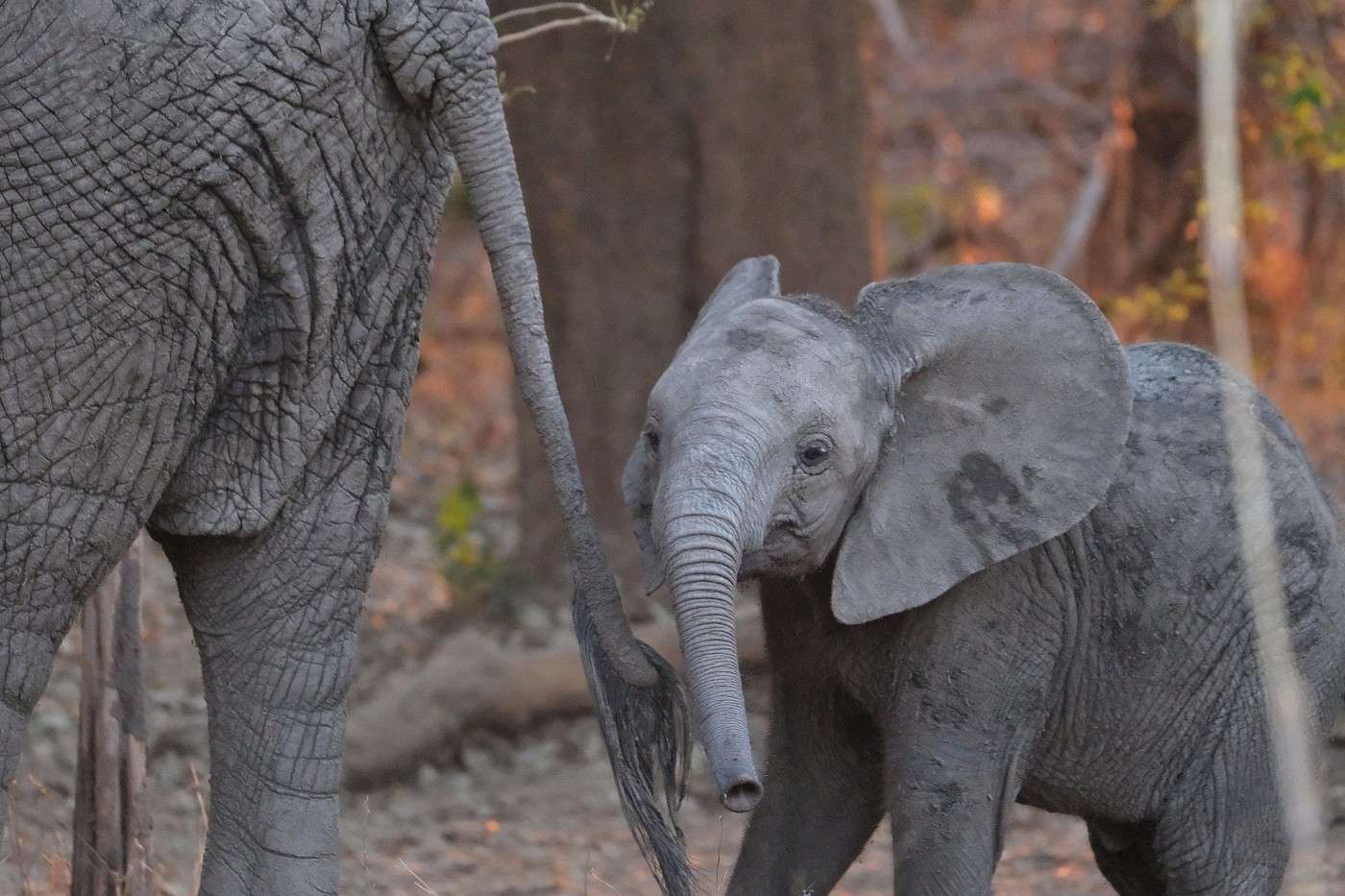
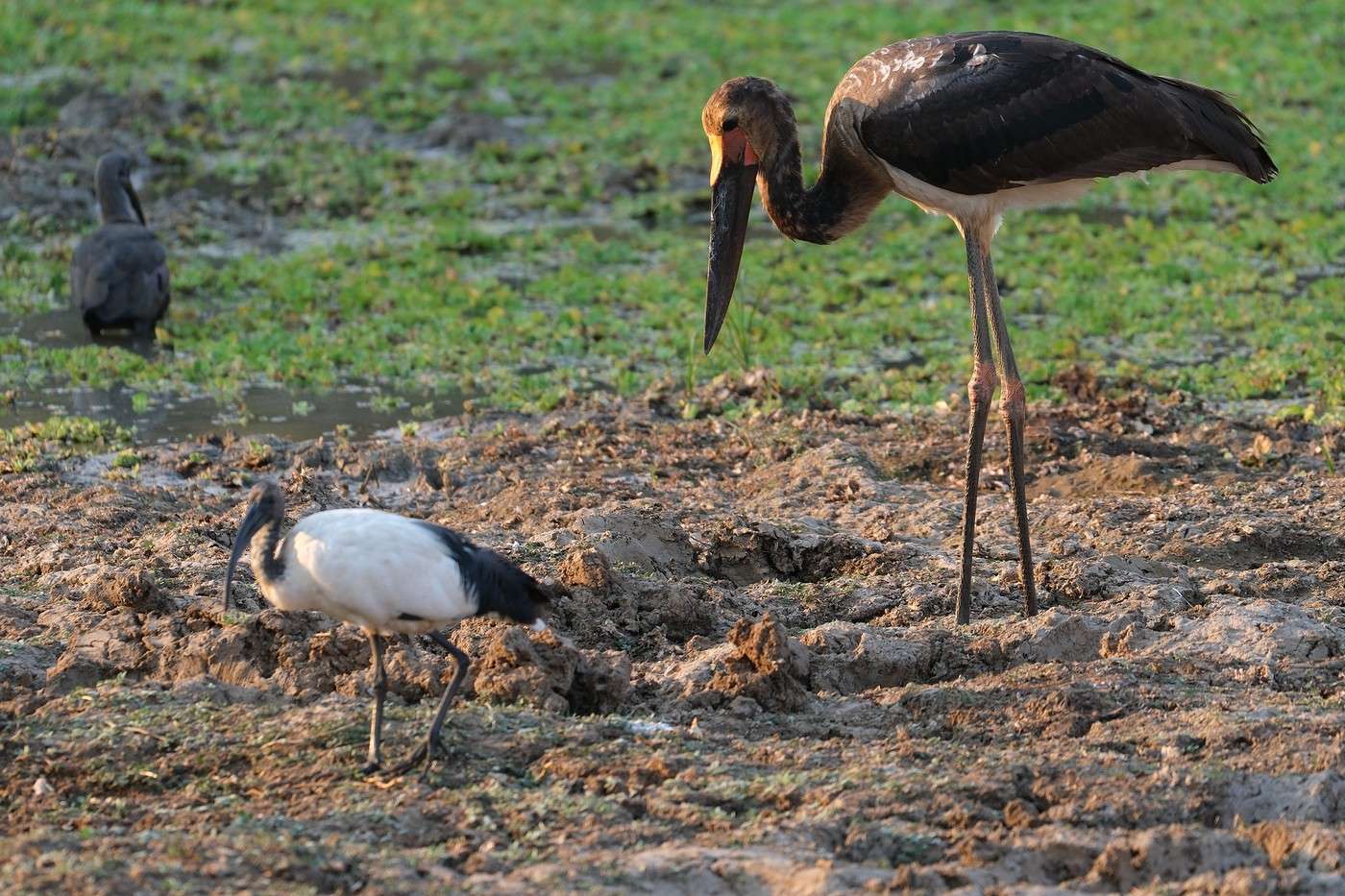
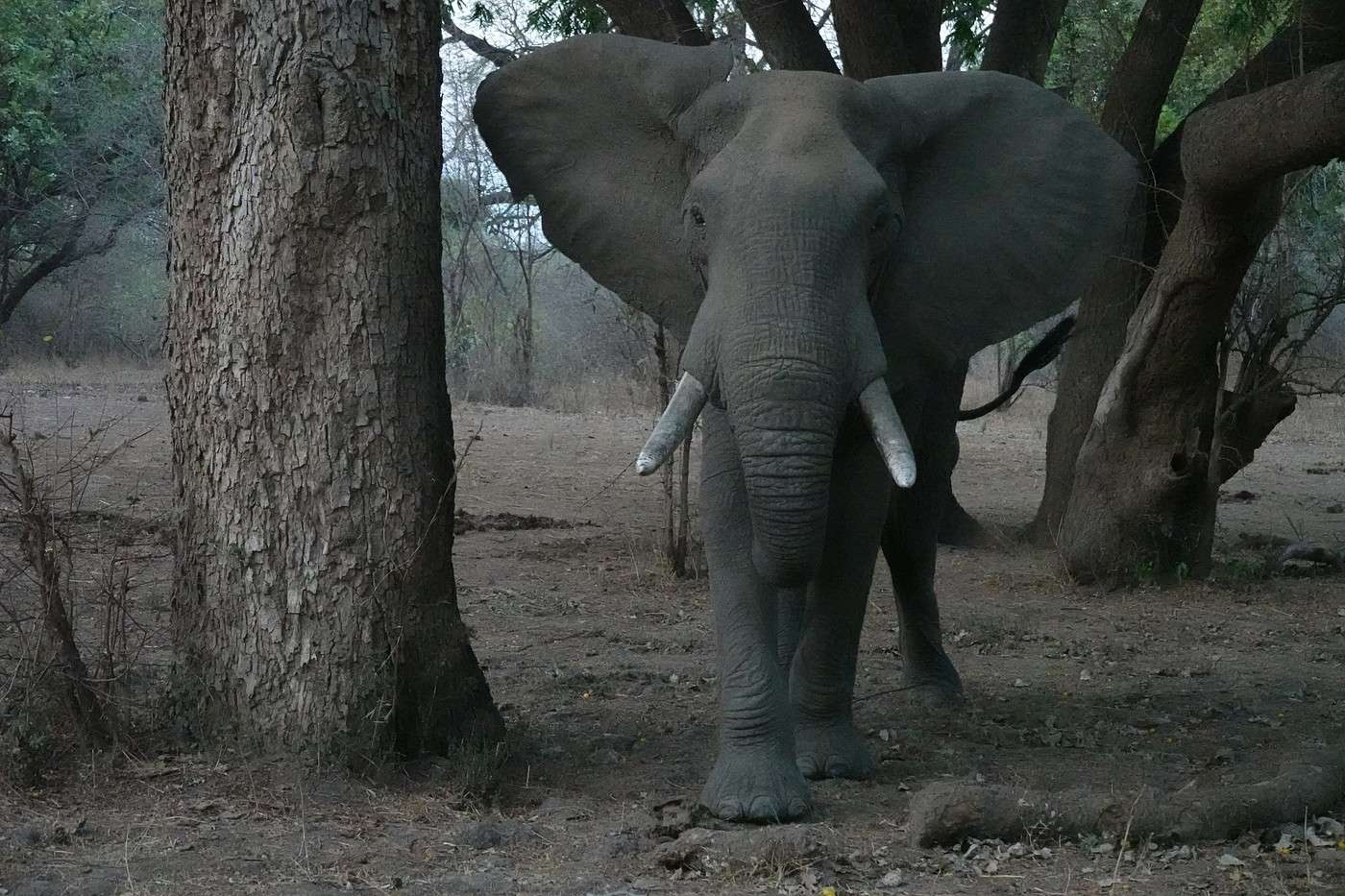
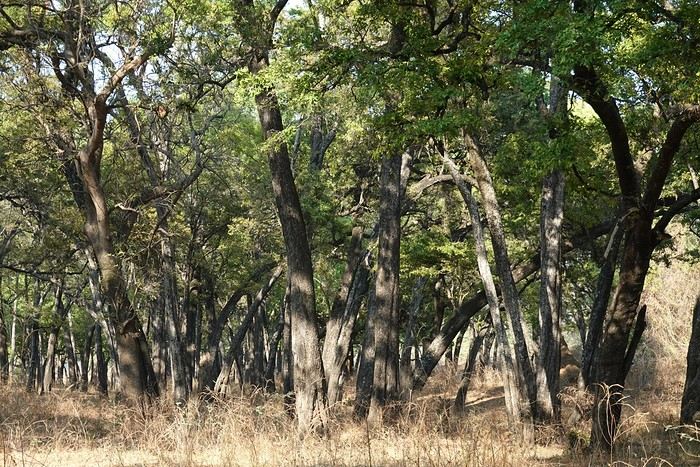
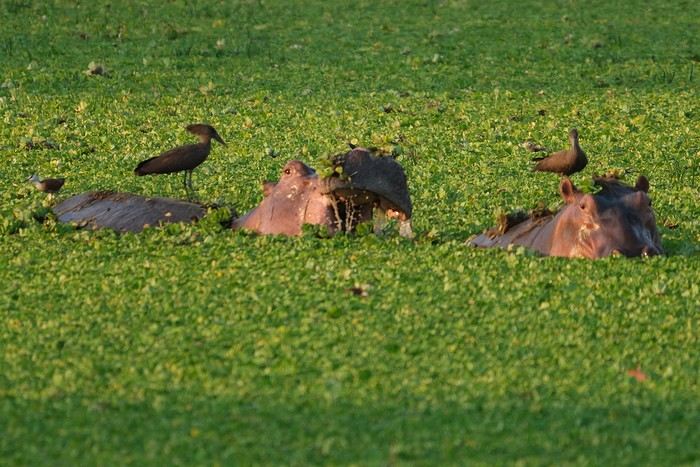
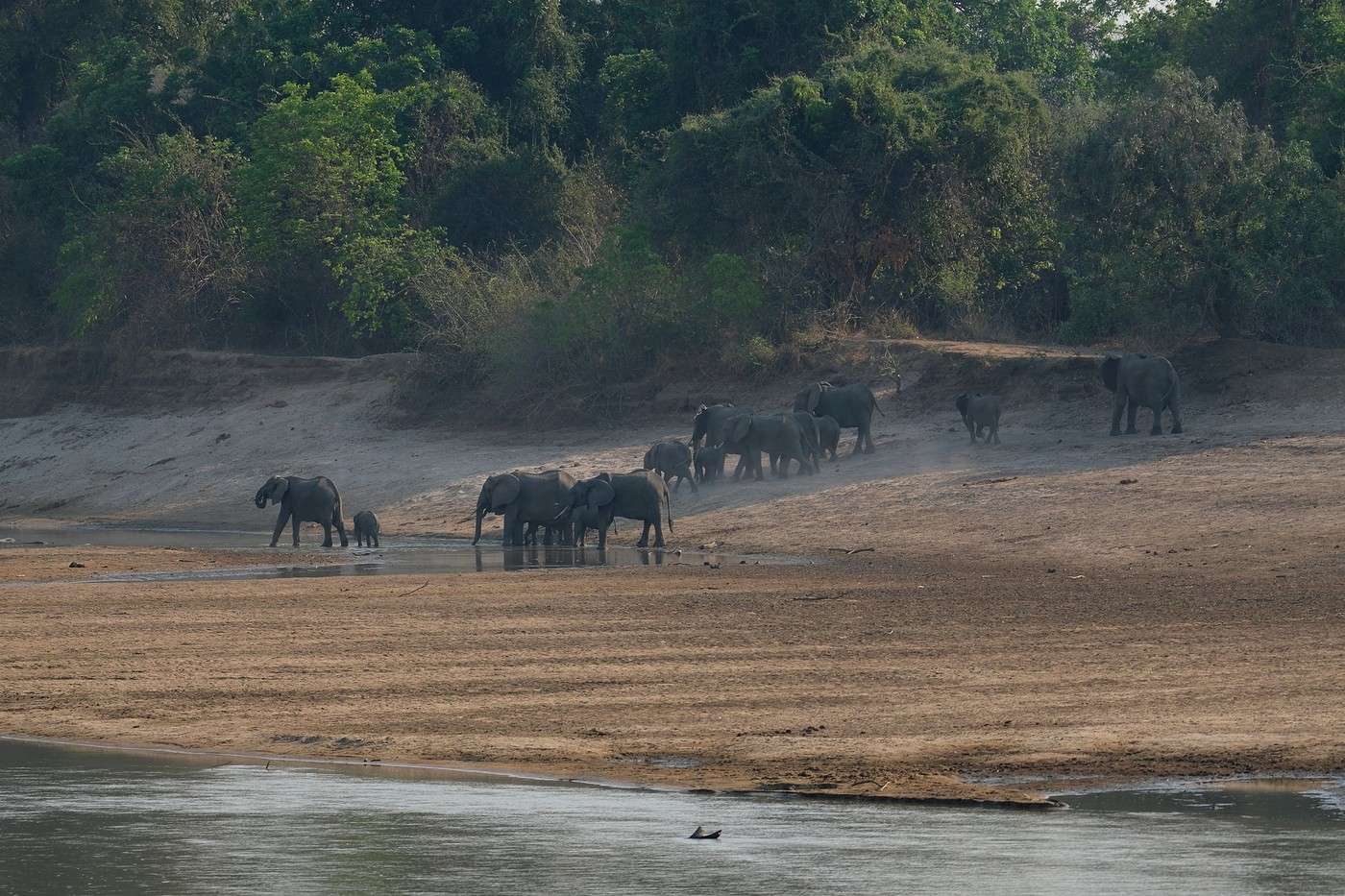
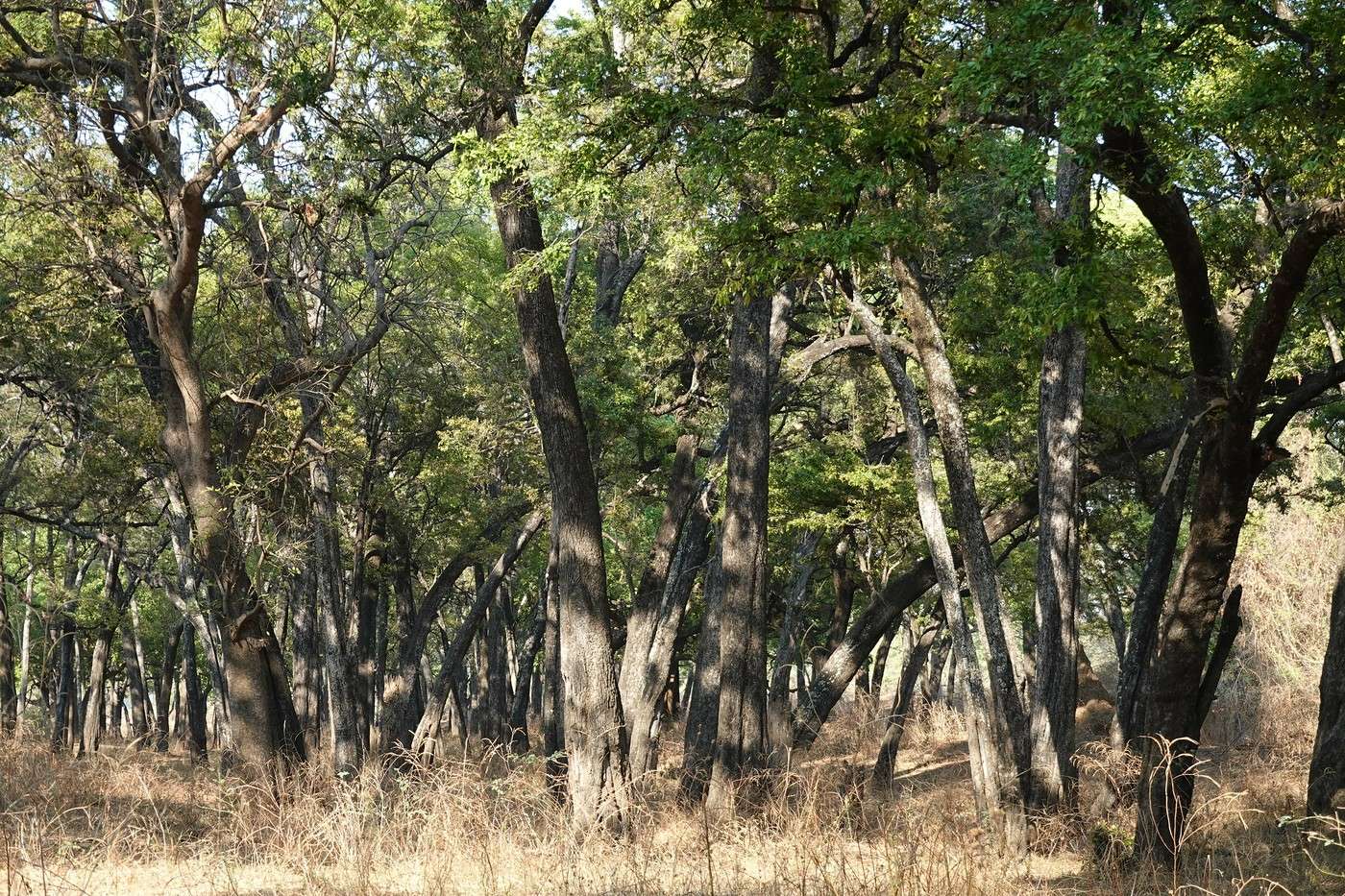
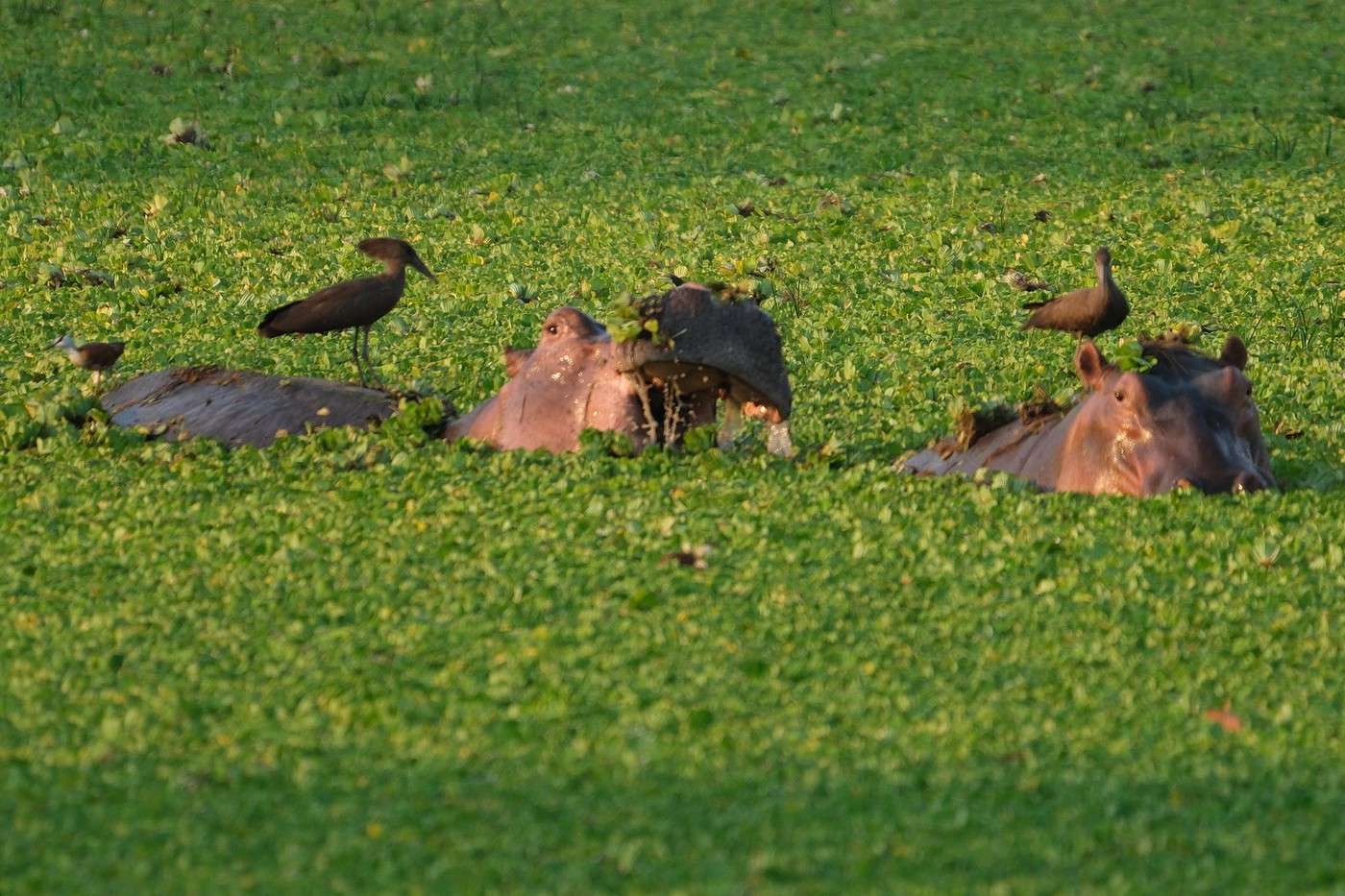
The animals. Savanna and water fauna. Numerous and varied. It's a wooded savanna with mopane trees and sometimes ebony woods. Some species are absent like the cheetah which is hindered by the trees. The rhino is also absent because decimated to extinction by poachers. North Luangwa park does have a reintroduction program but it's closed to the public. Water birds, birds of prey are omnipresent. No ostrich or secretary bird. There are always bird enthusiasts in a group. Some came to see the carmine bee-eater during nesting season, others are absorbed by the difficult photographic capture of the tiny lovebirds that I ended up calling uncatchable. A few reptiles difficult to observe except the crocodile which abounds. In my photos I think there will be all the mammal species observed, birds according to opportunities and a lizard in addition to the crocodiles. Some announced species like the eland or other antelopes were not observed. The park communicates about the wild dogs and the leopard. The wild dogs are part of a conservation program and four packs are announced in this park. But it is immense. Over seven days in South Luangwa we observed them three times which is a lot. The leopard is announced as abundant but we only saw it once, fortunately in excellent conditions. We had to wait several days before observing buffalo and wildebeest. The buffalo are grouped in immense herds but they were far from the main entrance. The wildebeest seemed solitary at first then we observed a few small groups. The attitude of the animals towards the 4x4s is very different between South park and North park. In the South they are used to them. We conscientiously stay on the track and yet some species can come right up to brush against our vehicle: lion, hyena, wild dog, elephant and even zebra. Others keep a minimum distance like the giraffe while some flee by reflex then stop a bit further away. In the North everyone flees. Even the lion seemed disturbed by our presence. The male elephant adopts a challenging stance. You really need to be in the first vehicle to avoid only seeing the rear ends of fleeing animals. It gave me the impression of an authentic safari where every photo is earned. I appreciated the second day in the front 4x4 where I had to stay alert, quick and switch to manual focus for a sharp animal among the bushes
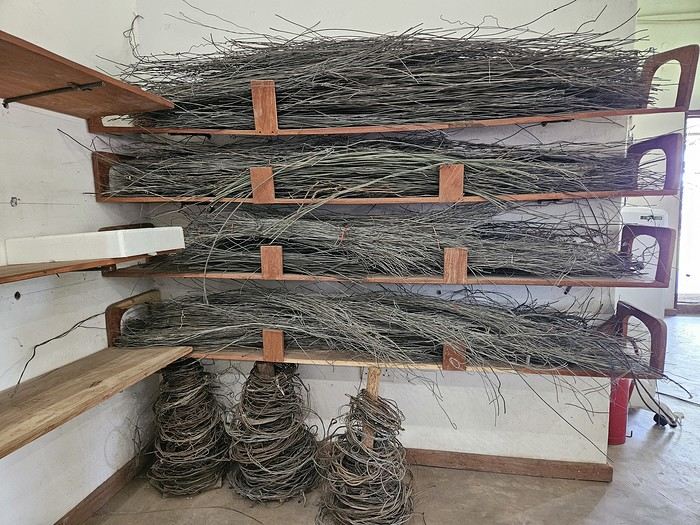
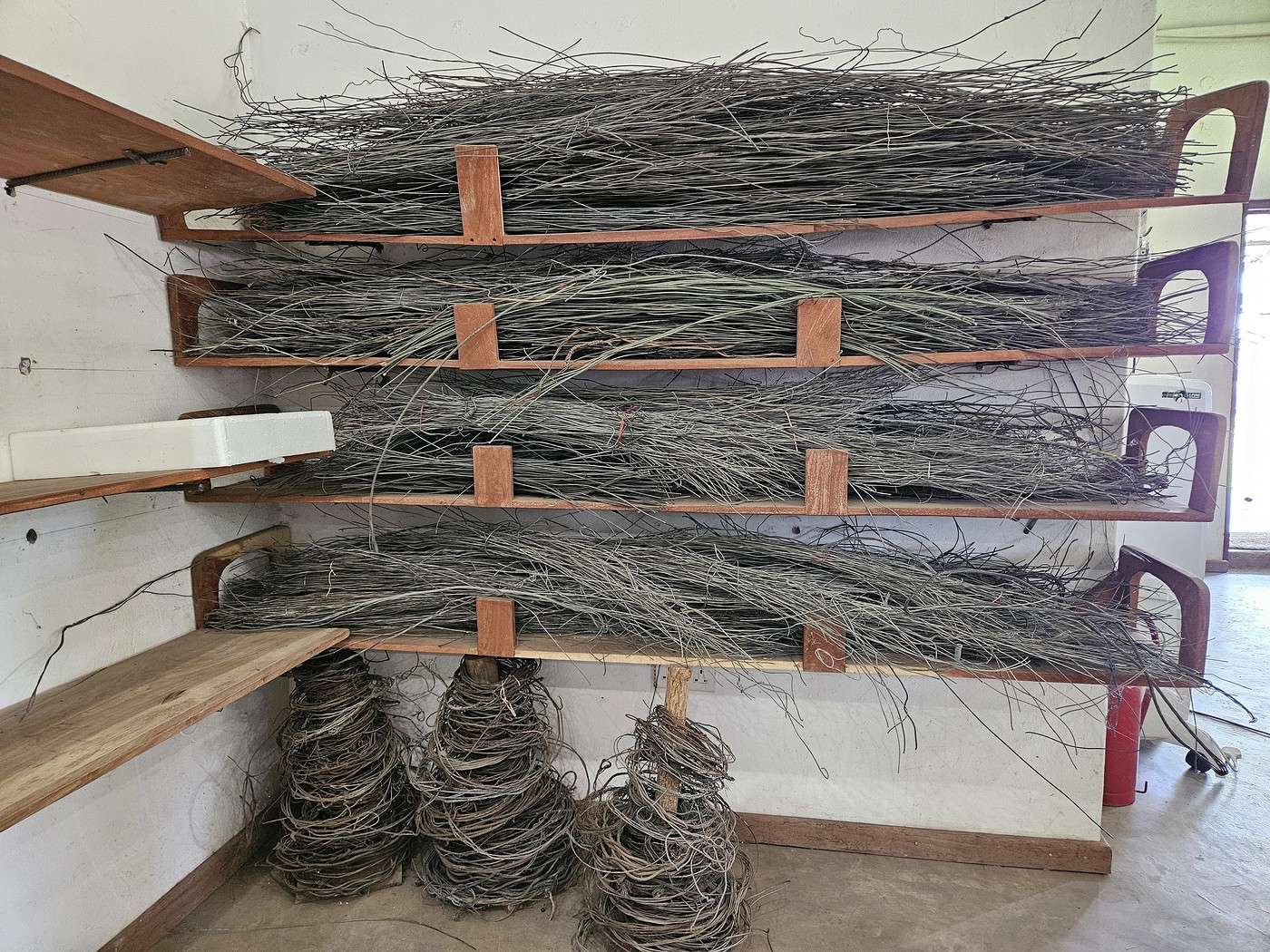
Conservation programs. I already mentioned the attempt to reintroduce rhinos in North Luangwa park. We observed in this park a group of rangers on foot tracking poachers as well as a scientist. Another significant effort is the CSL for Conservation South Luangwa ( https://cslzambia.org ) which takes care of the wild dog population. In a photo you will see two wild dogs with collars, undoubtedly the dominant pair. They also work with farmers to keep elephants away from crops. They also keep poachers away with dogs, helicopters to observe quickly far away and they collect wire snares. Located in Mfuwe, there is also "Beauty from Brutality" or rather Mulberry Monggose ( https://mulberrymongoose.com ) which recovers poaching snares to transform them into beauty necklaces.