Le Marche: An Italian Region Worth Discovering!
Hi everyone,
Le Marche? Where’s that?
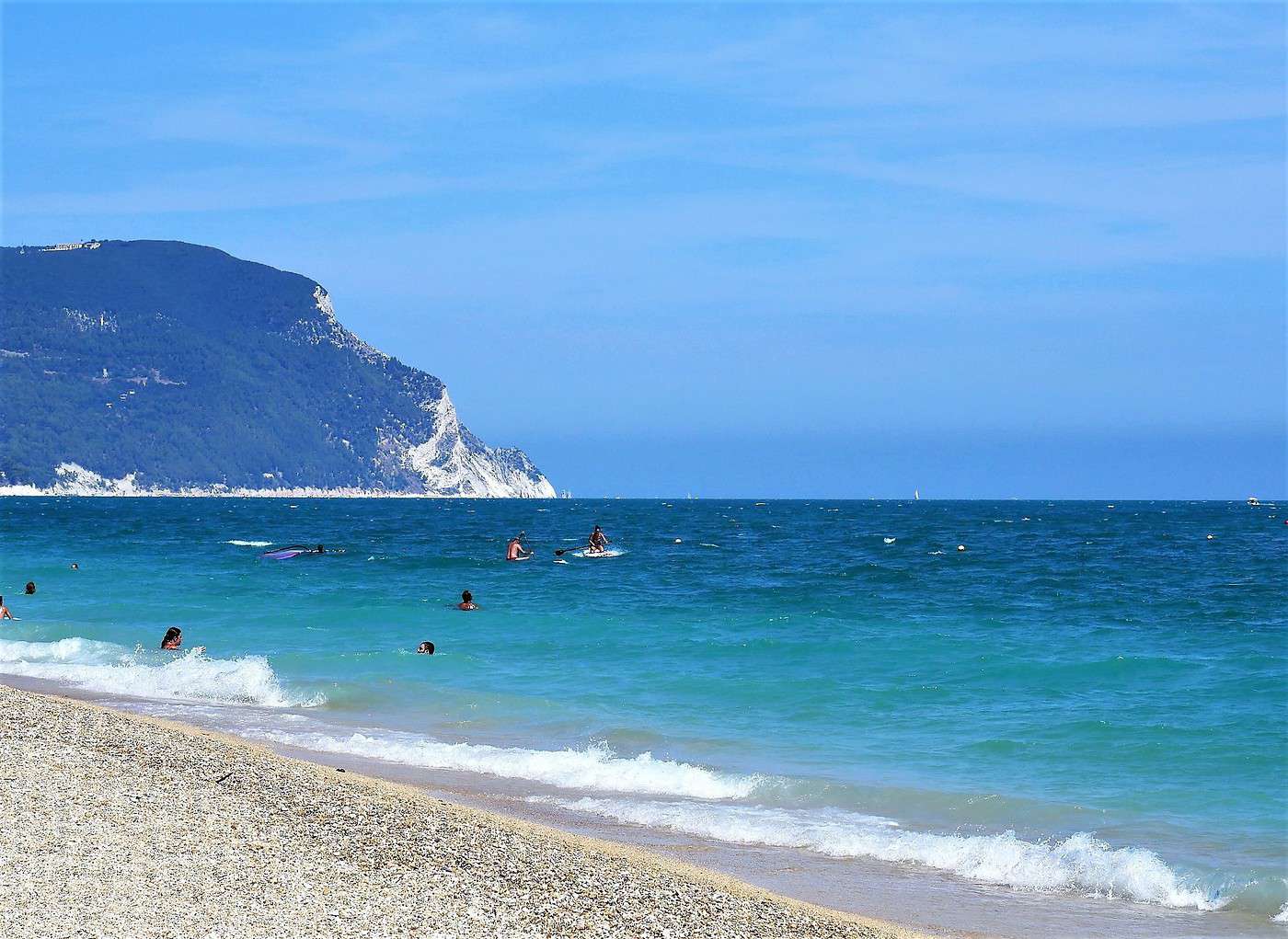
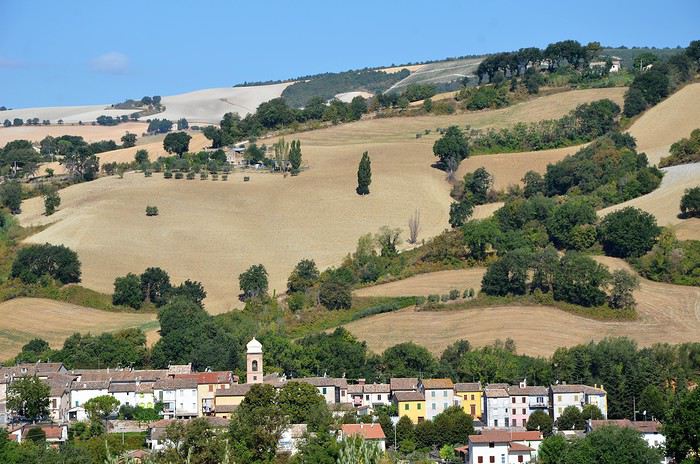 That’s what we hear more than 9 times out of 10... This region is actually little-known, or at least only its Adriatic coastline, just below Rimini, rings a bell.
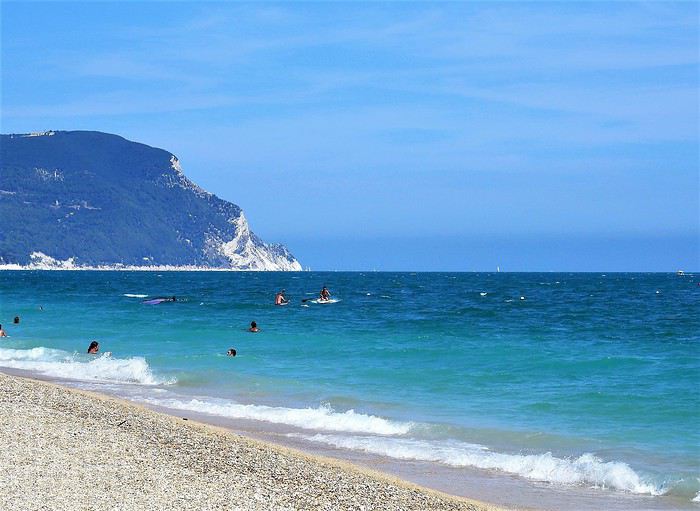
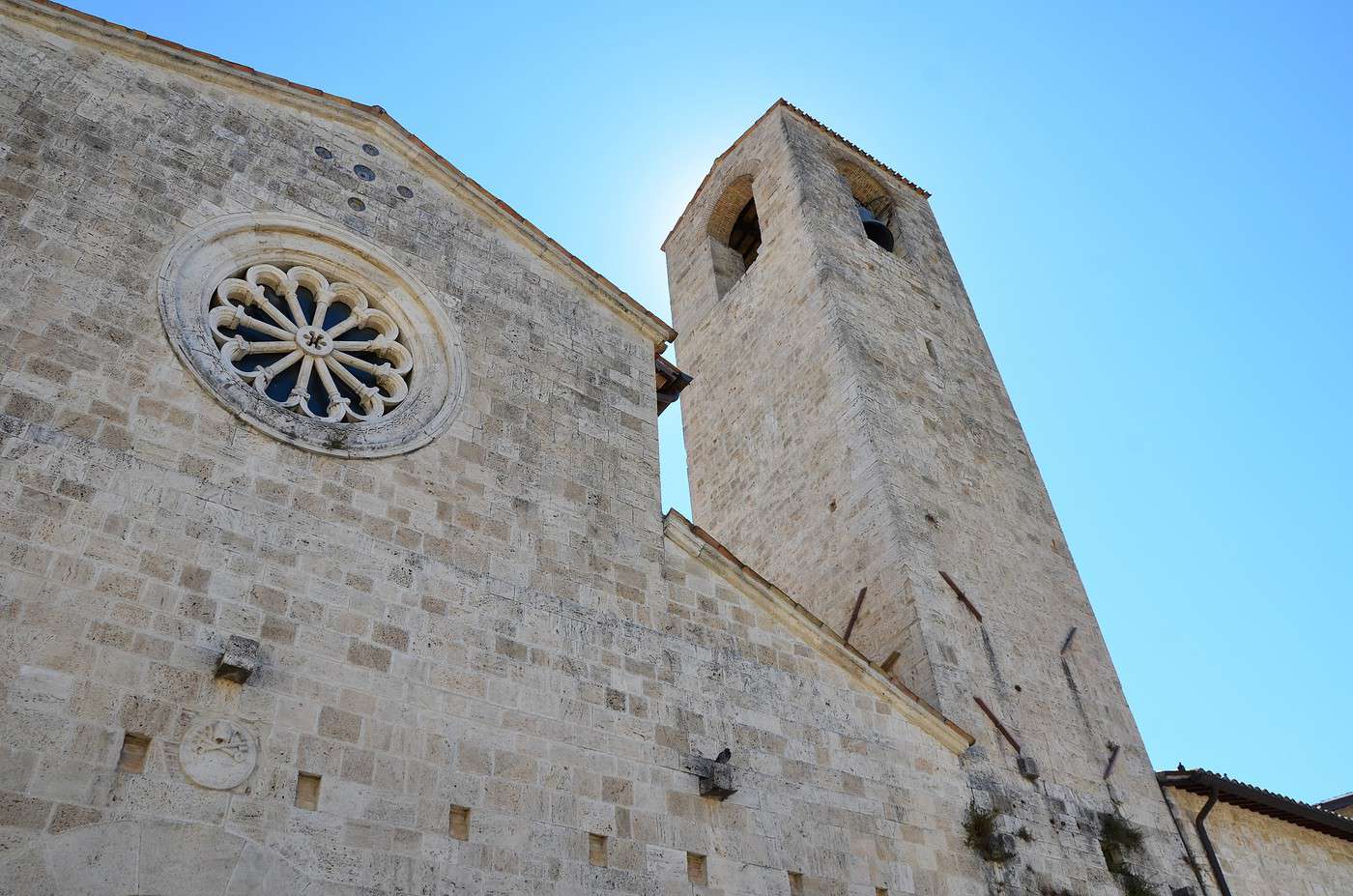
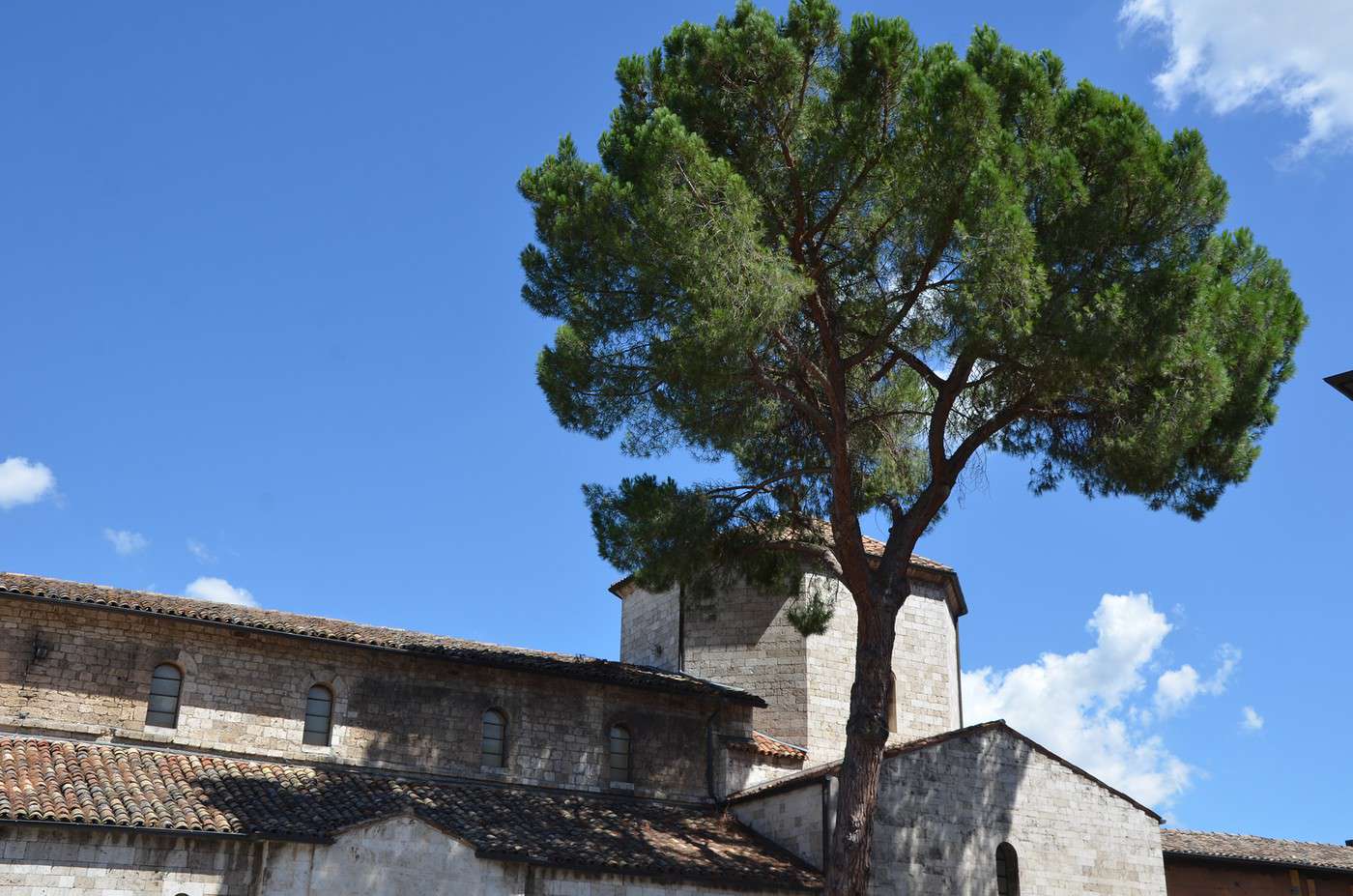
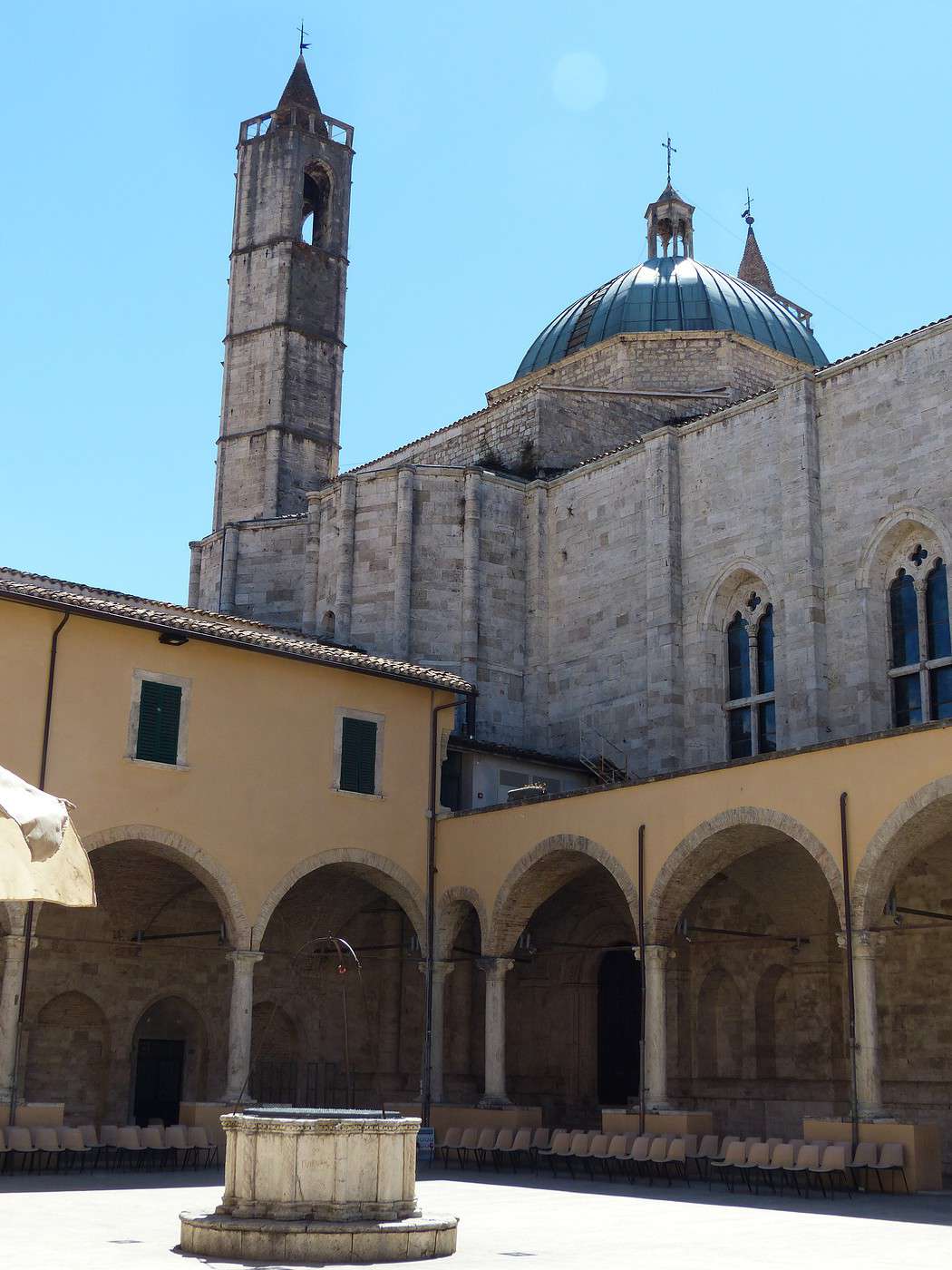
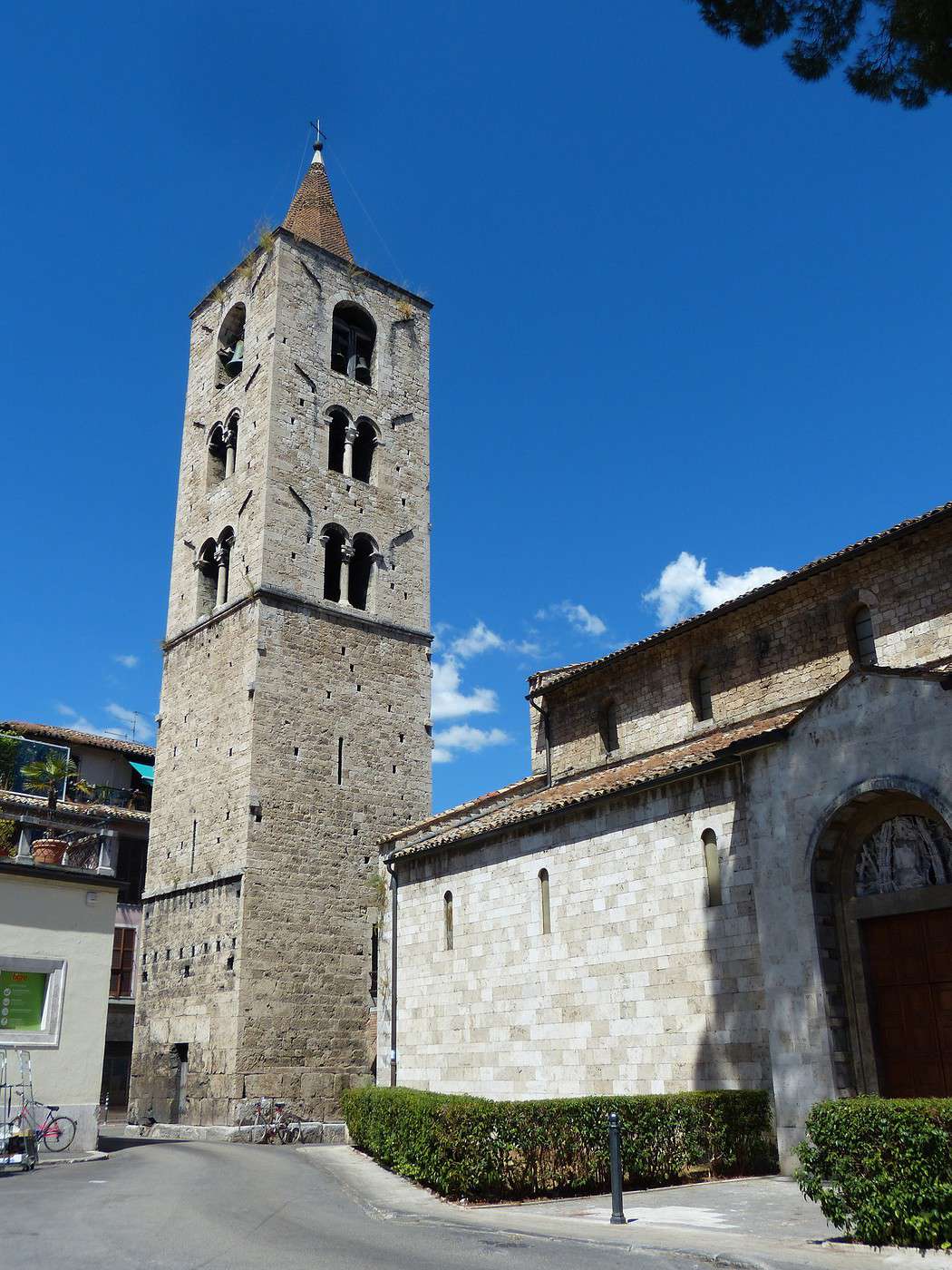
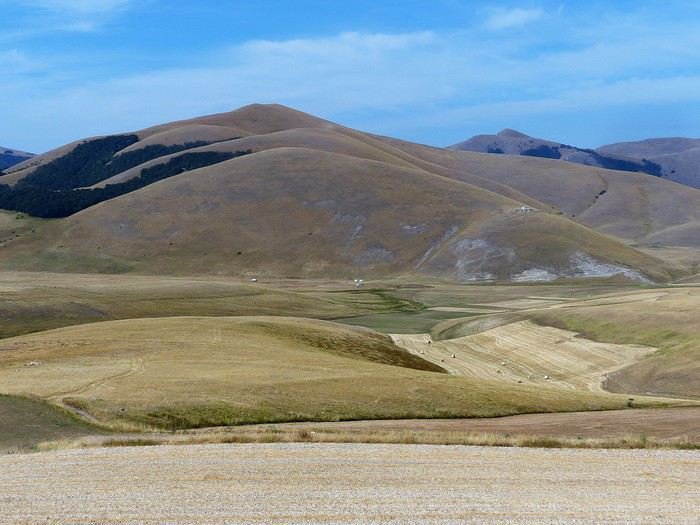
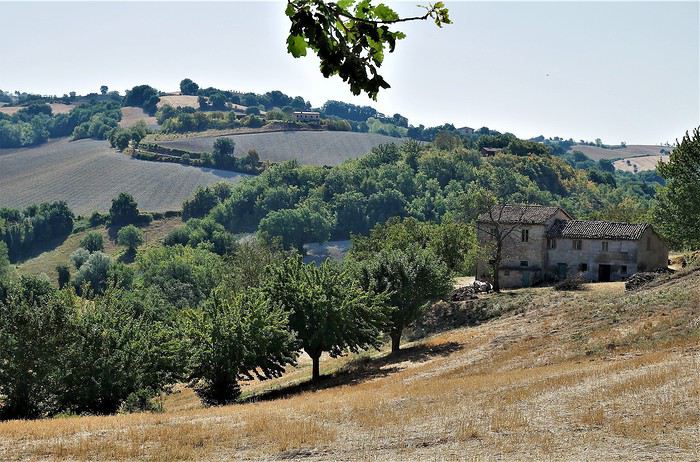
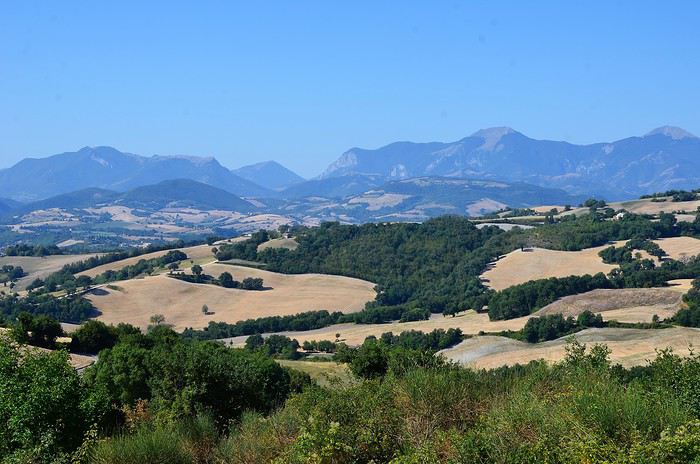
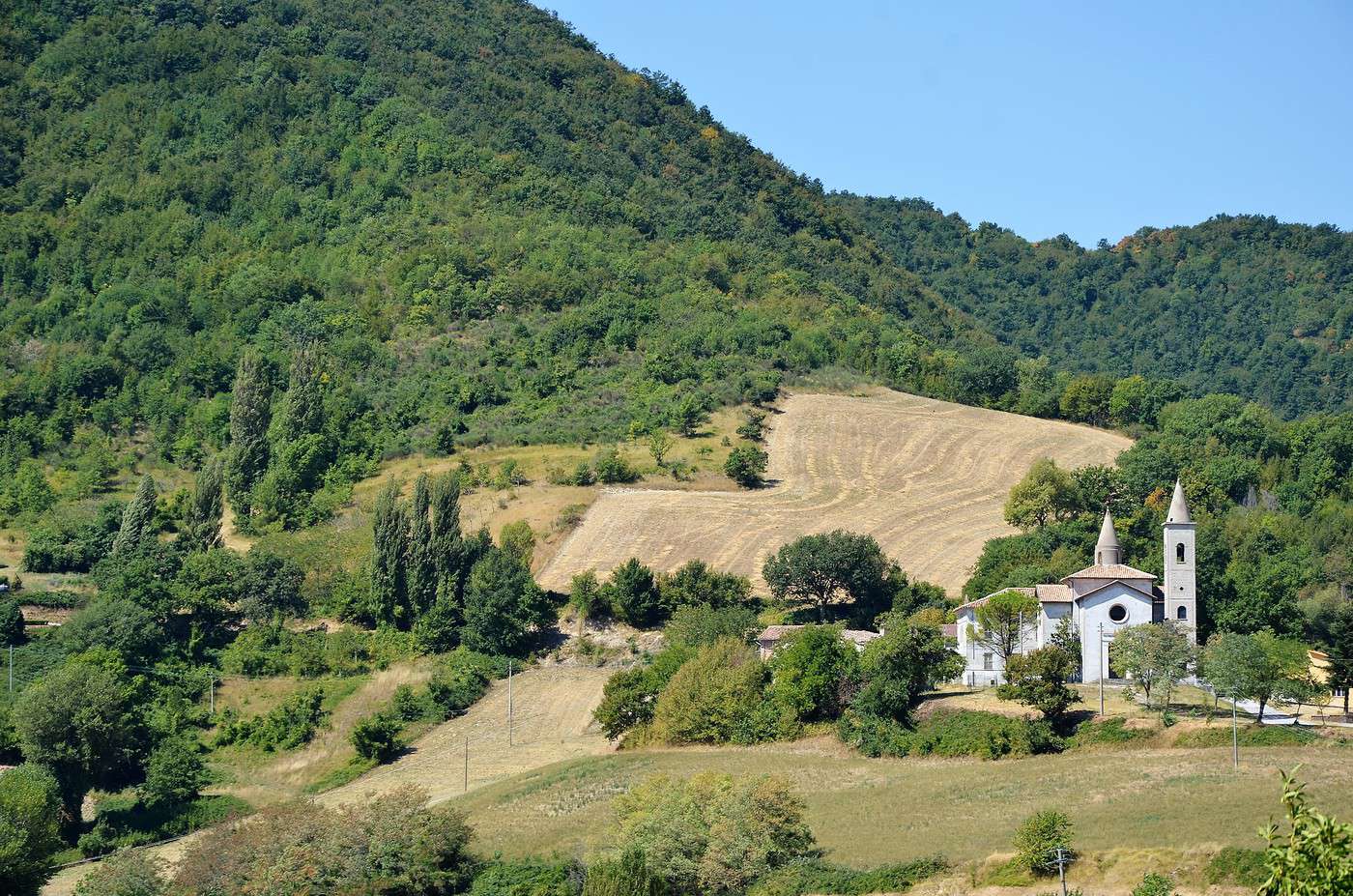
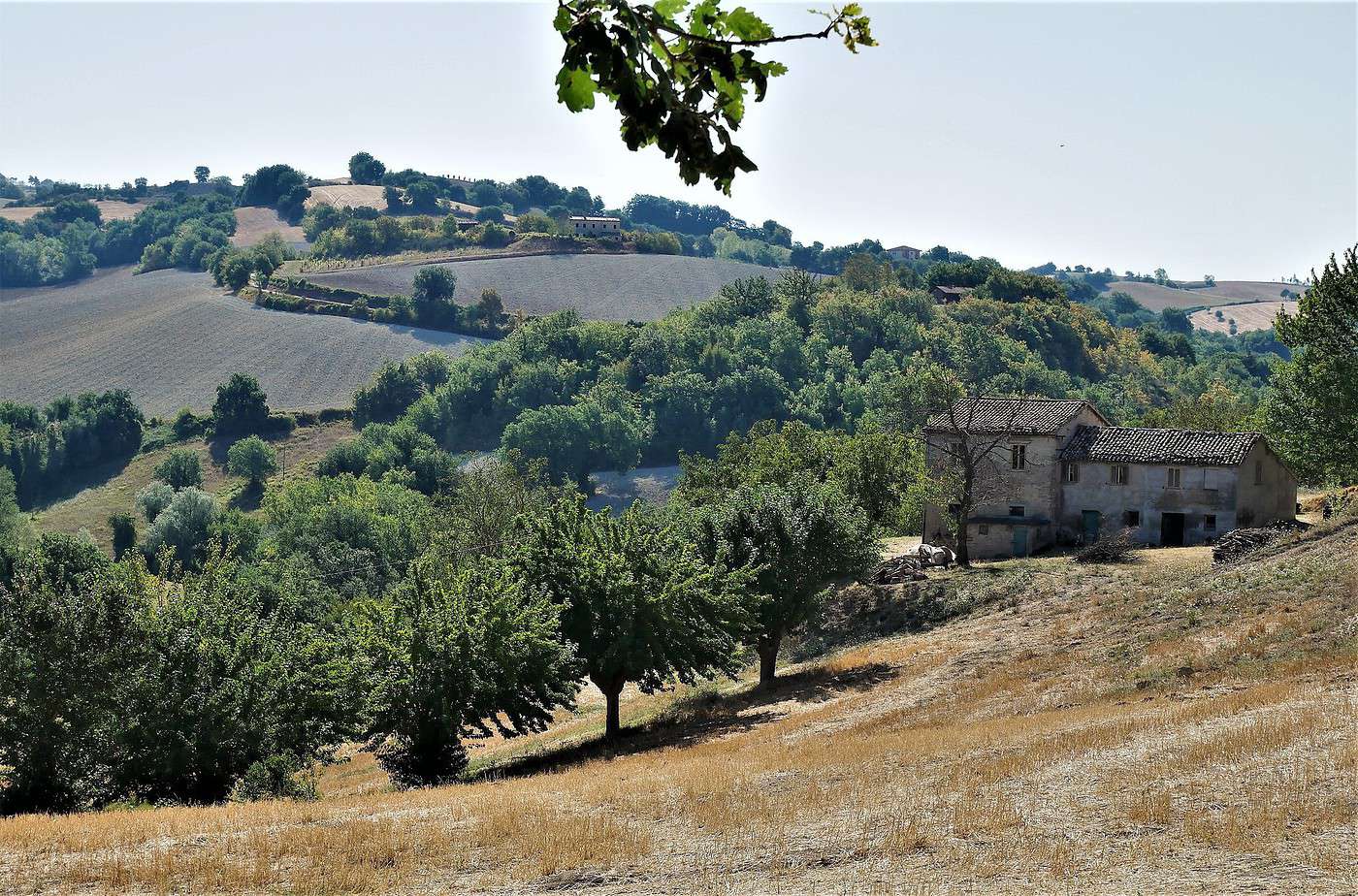
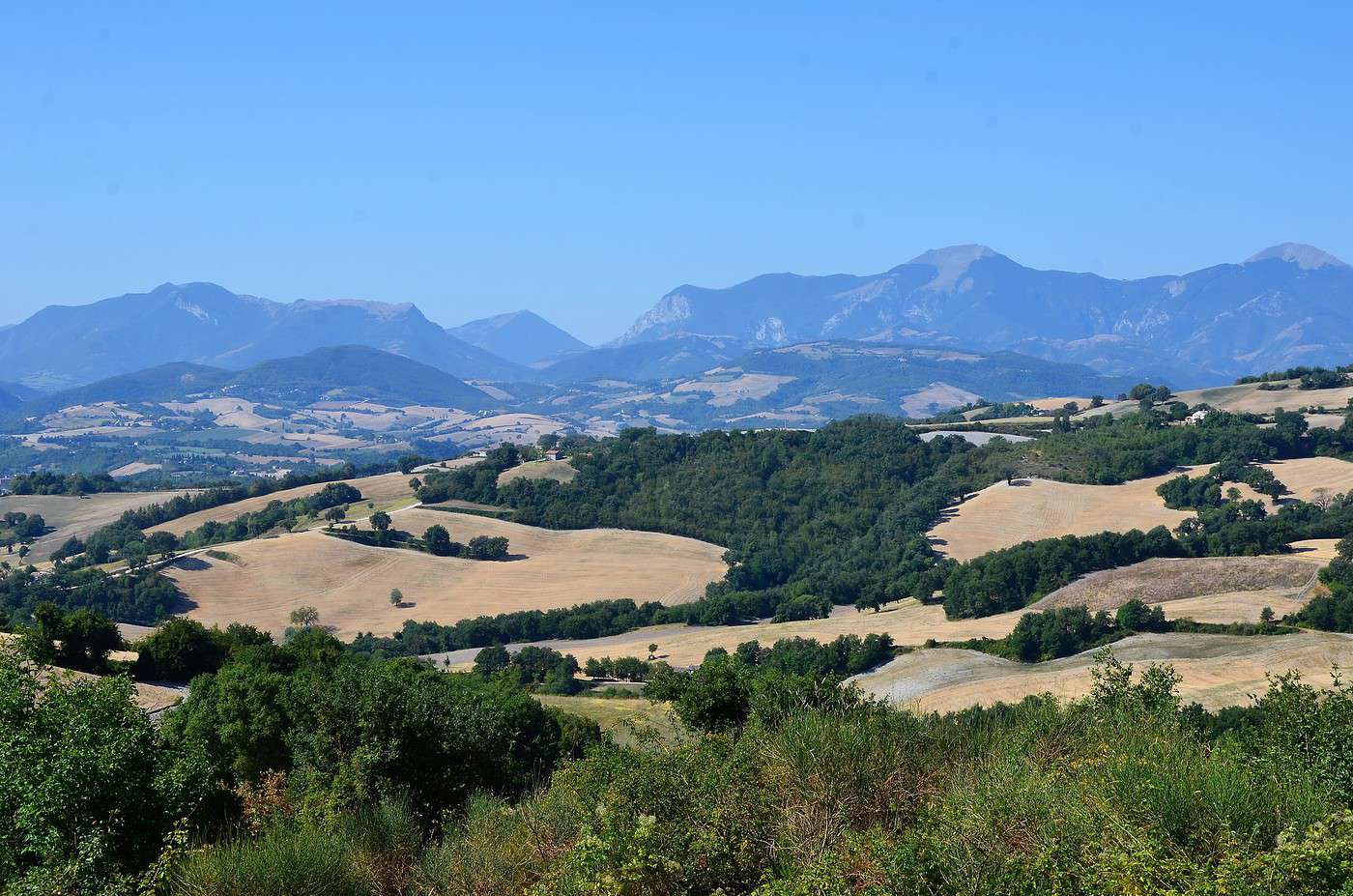
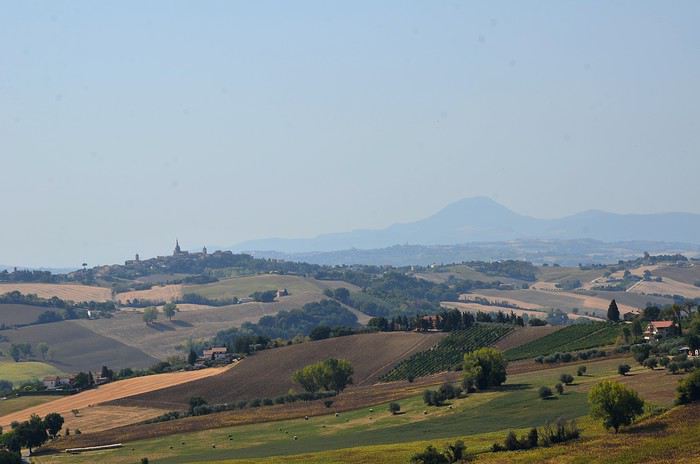
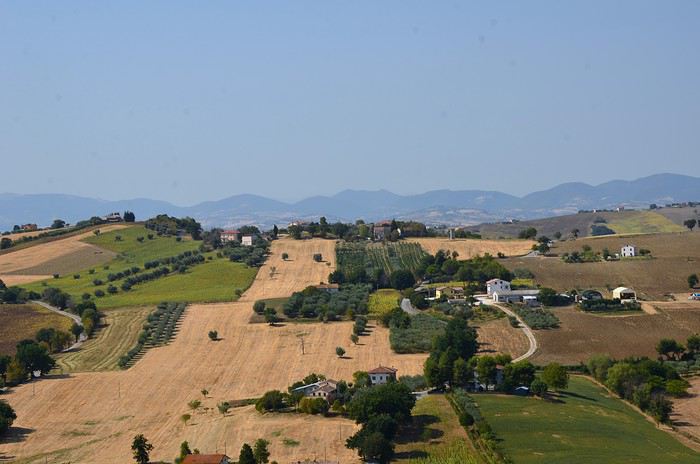
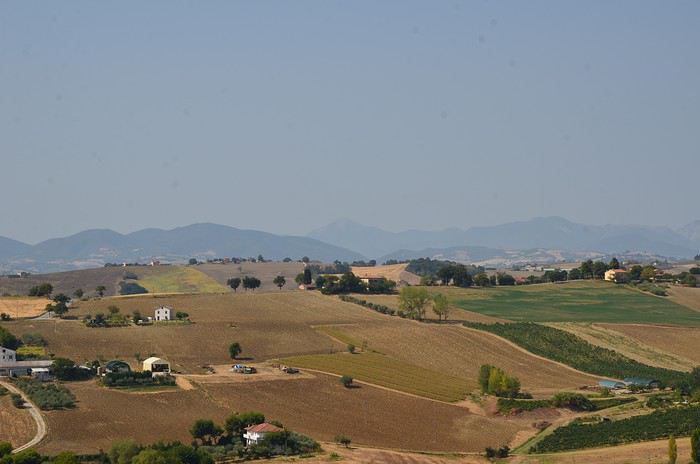
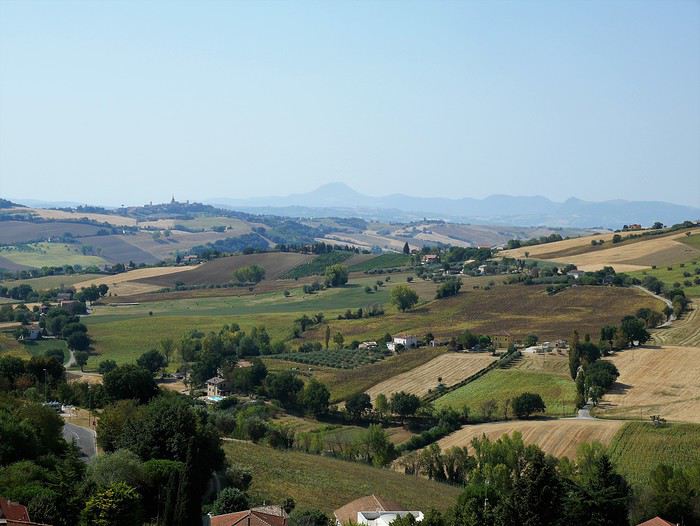
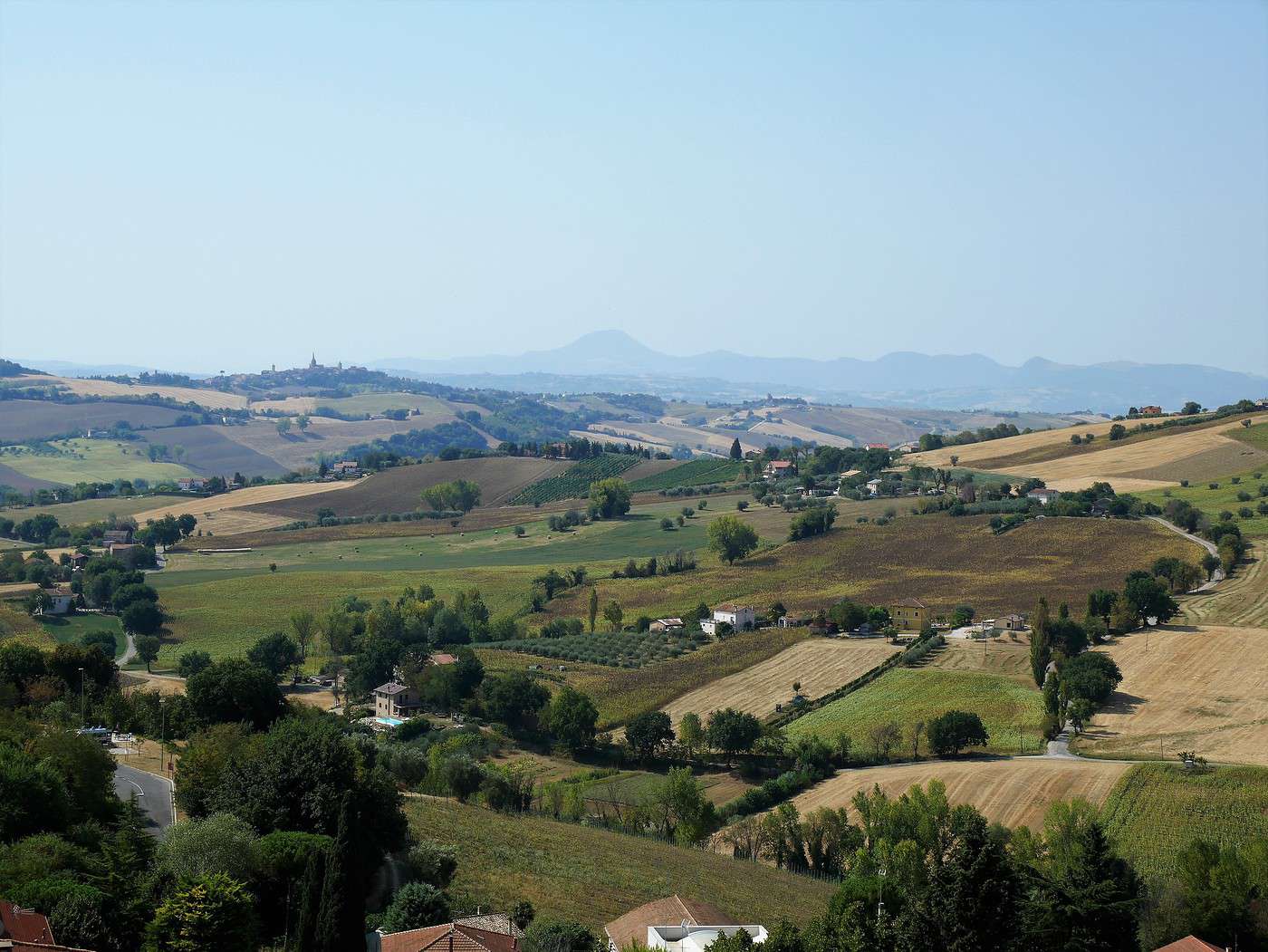
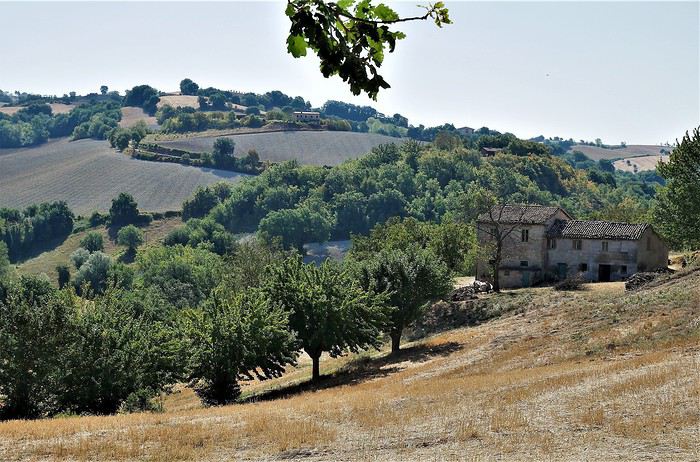
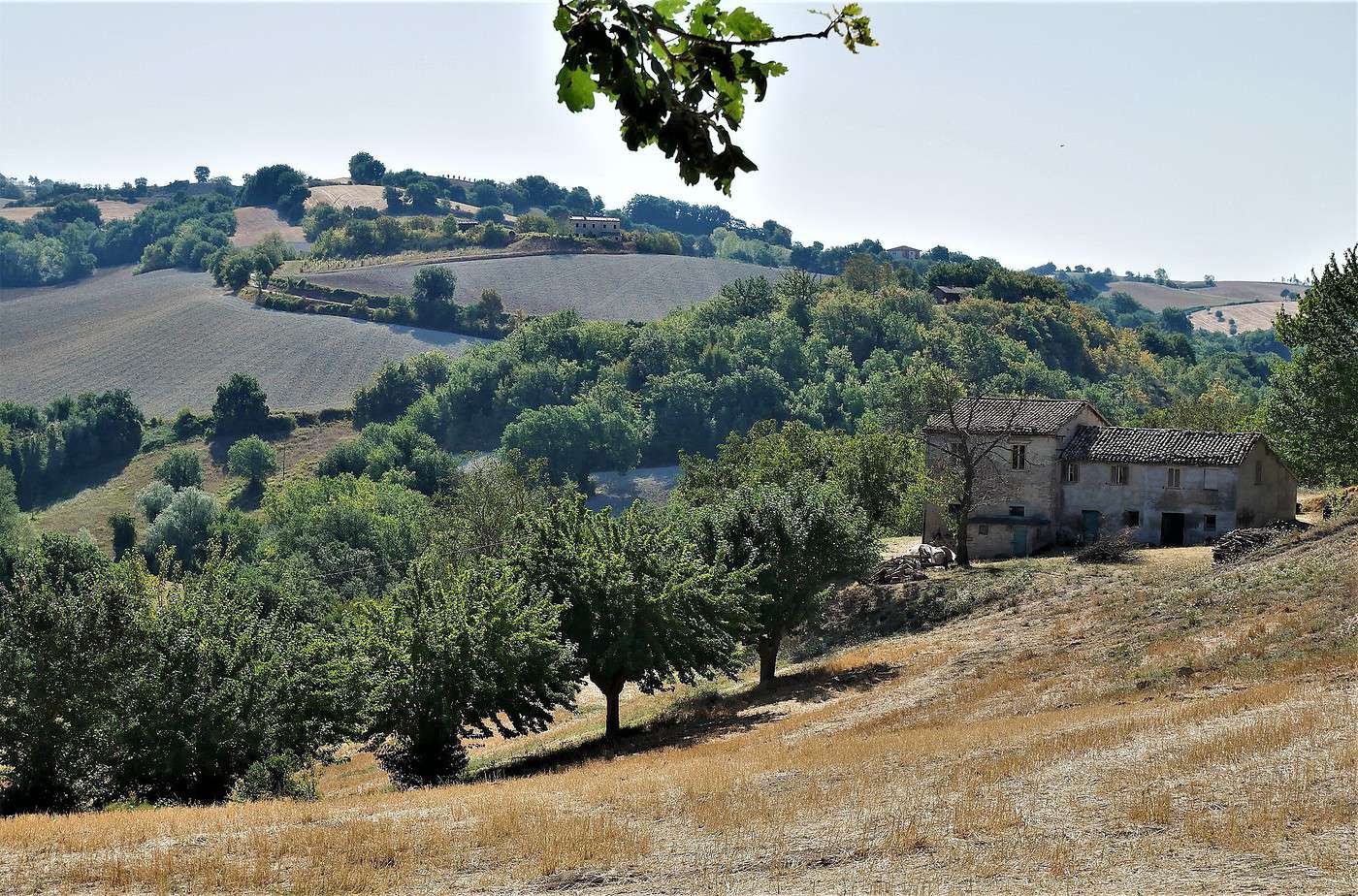
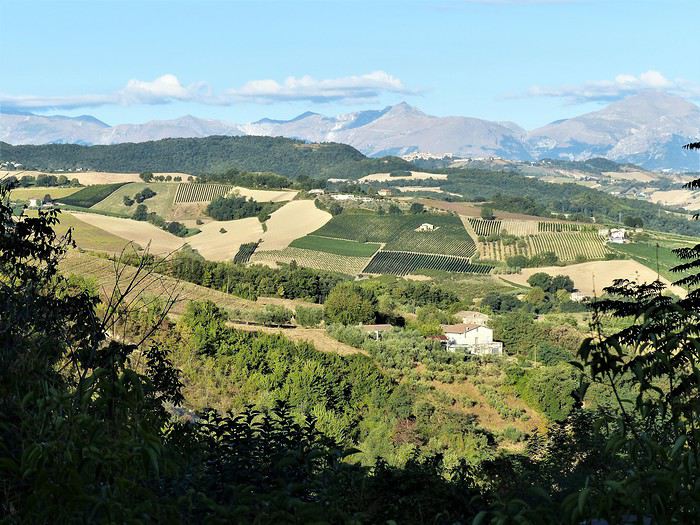
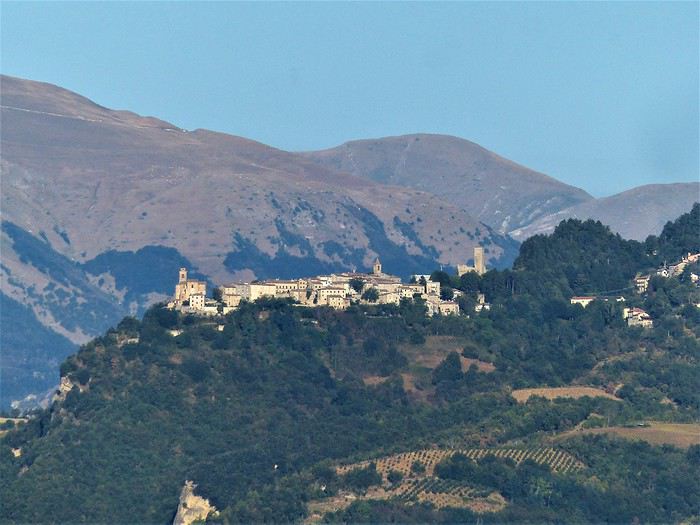
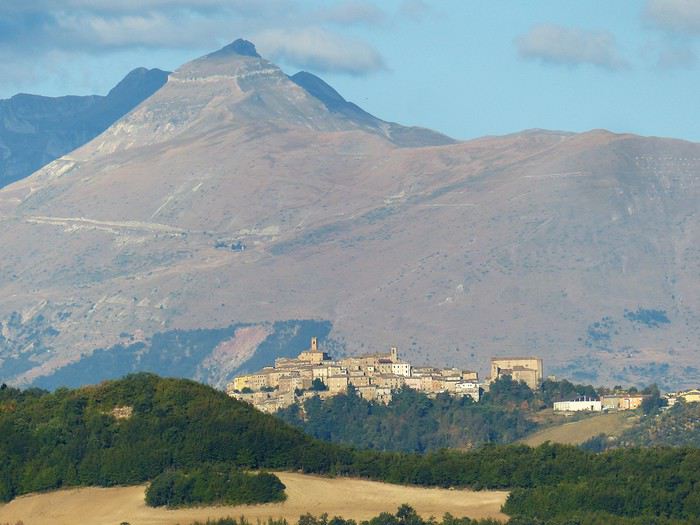
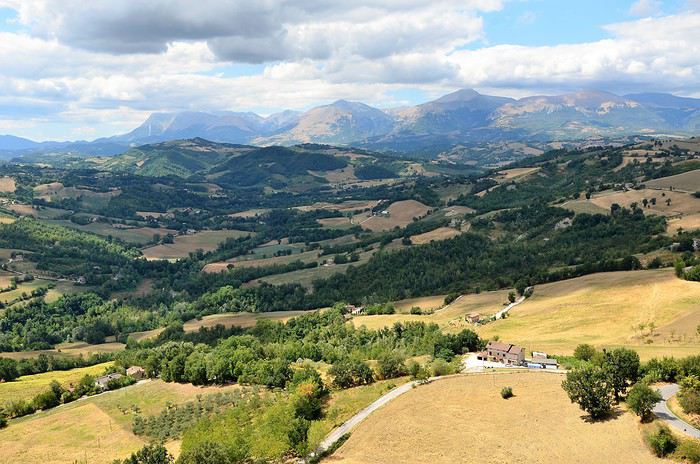
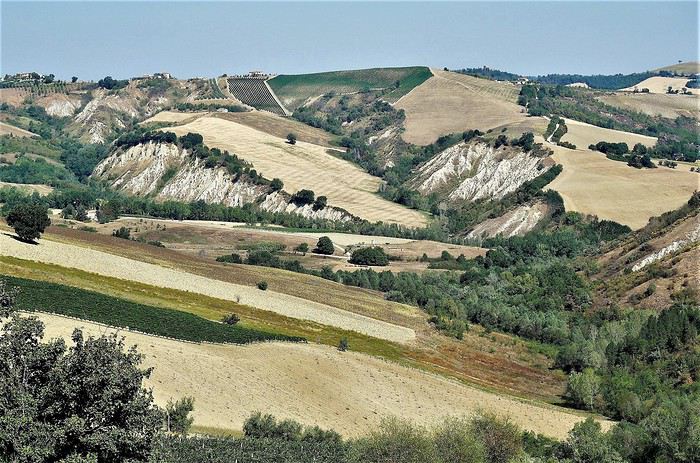
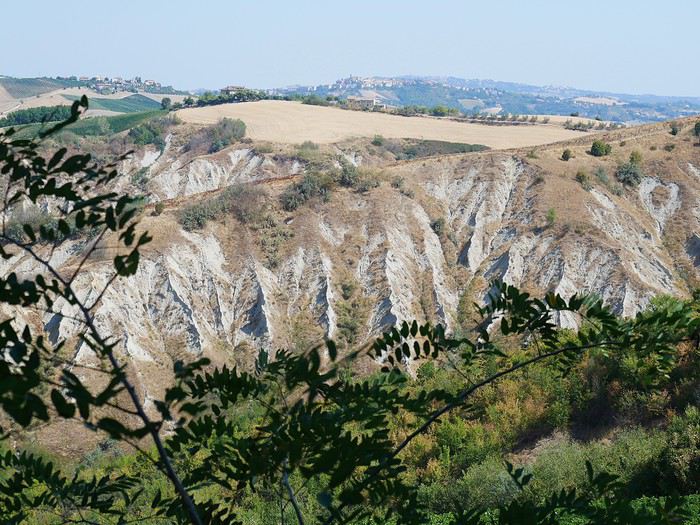
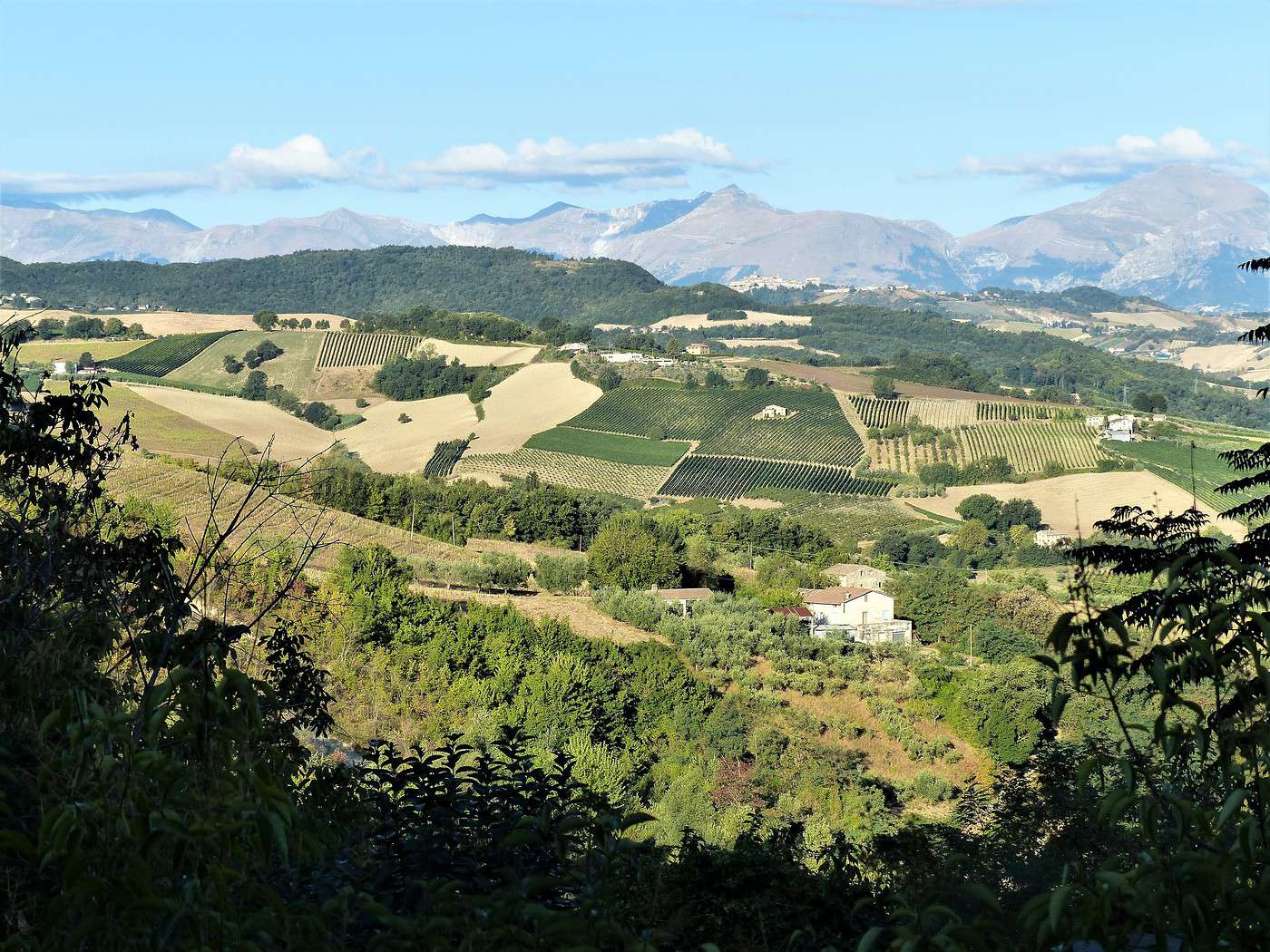
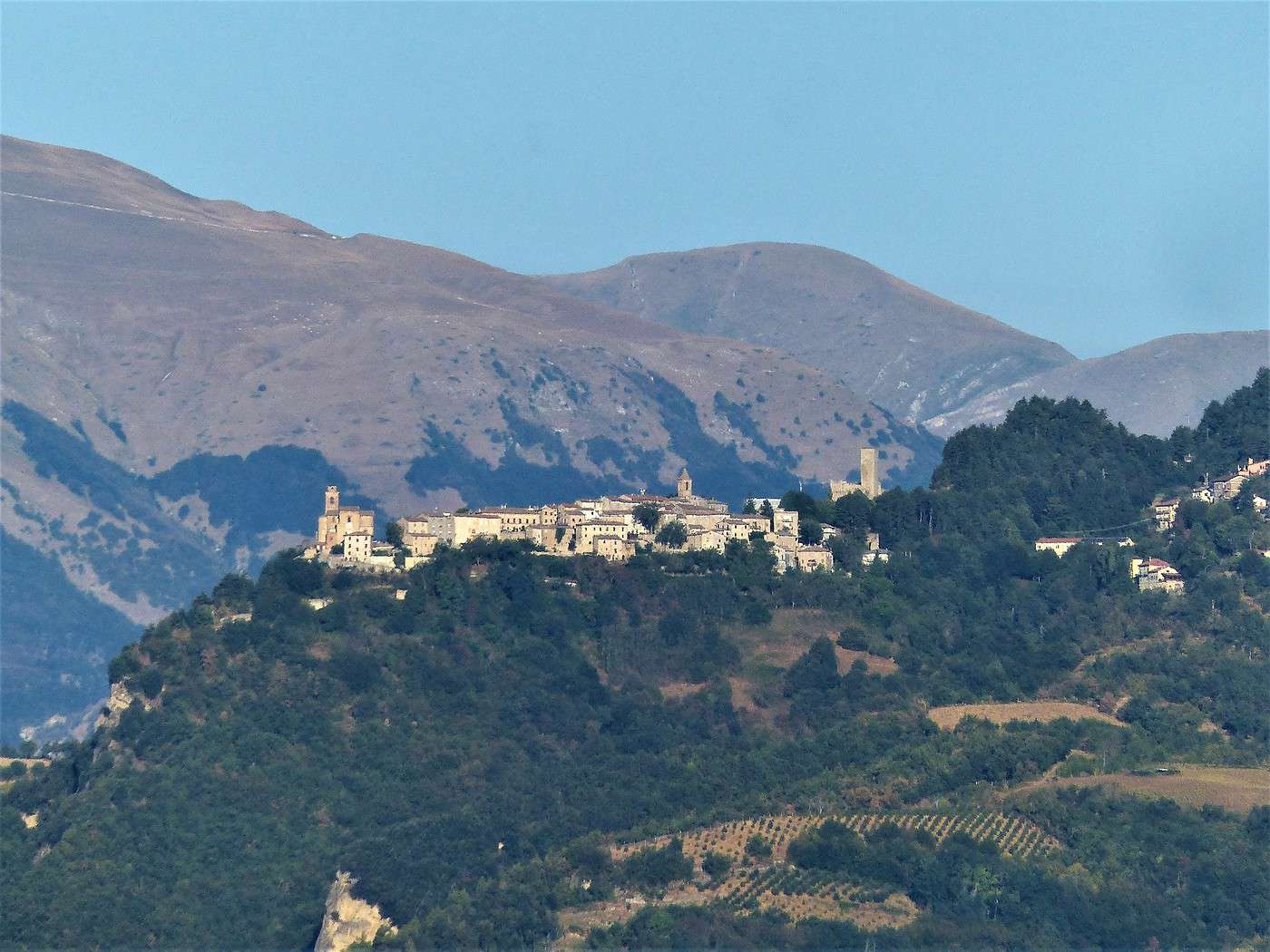
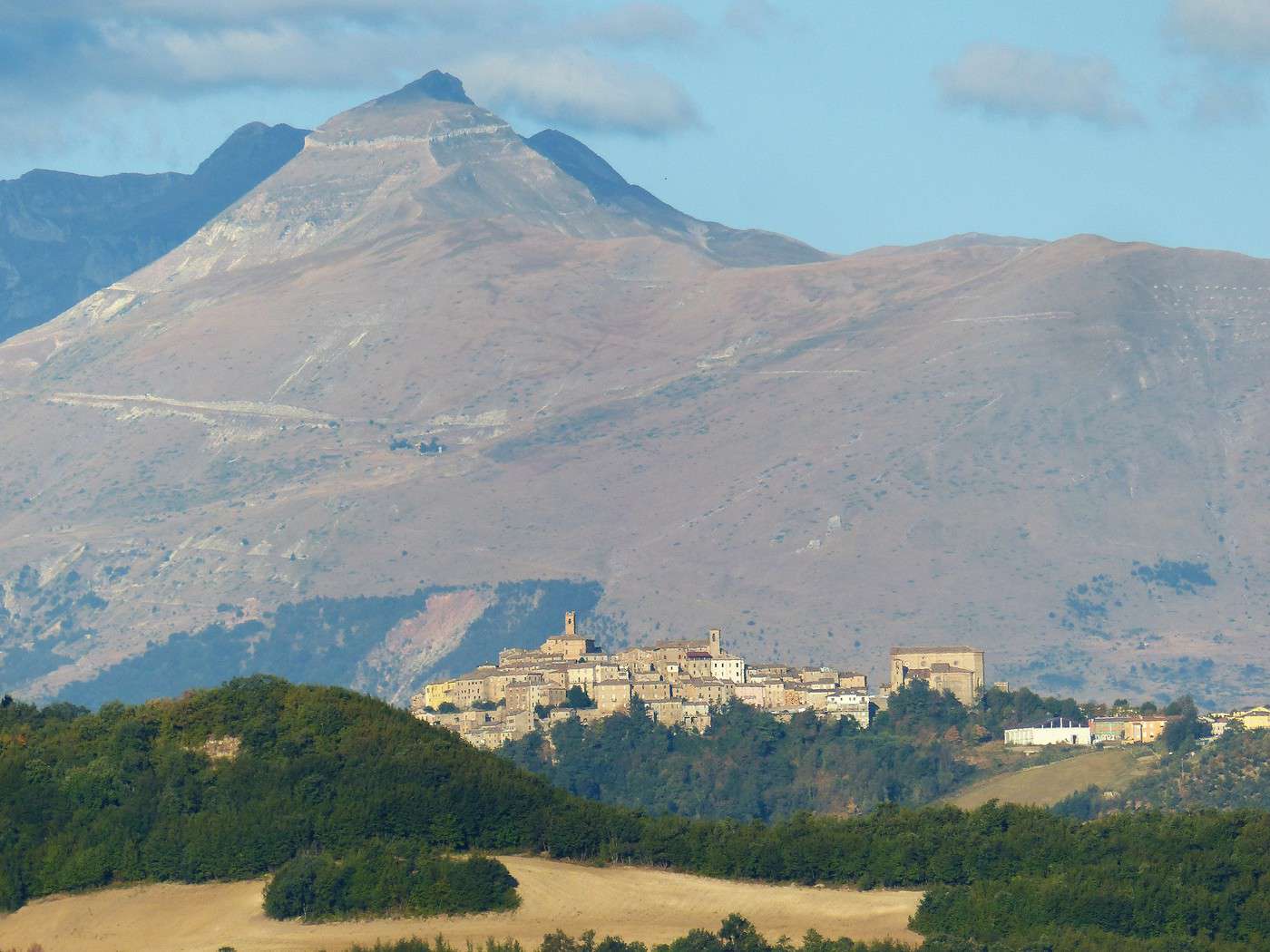
Yet it’s a beautiful region, bordered to the east by the Adriatic Sea and to the west by the Apennine Mountains, with thousands of hills in between—many topped with charming little villages. A very rural area, quite affordable, starting to showcase its heritage, and not yet overrun by tourists... so what are you waiting for?
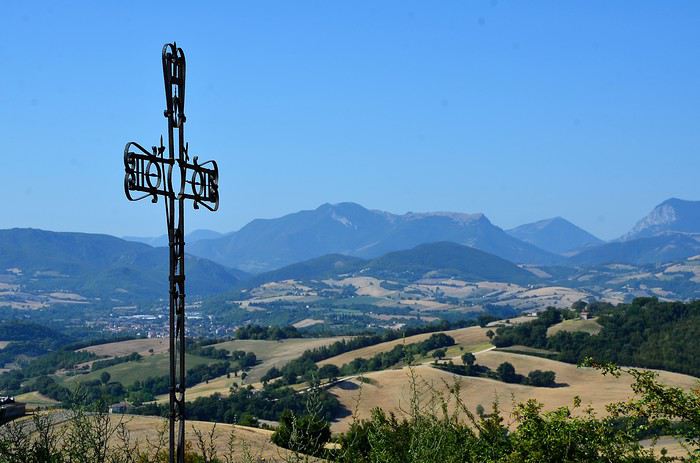
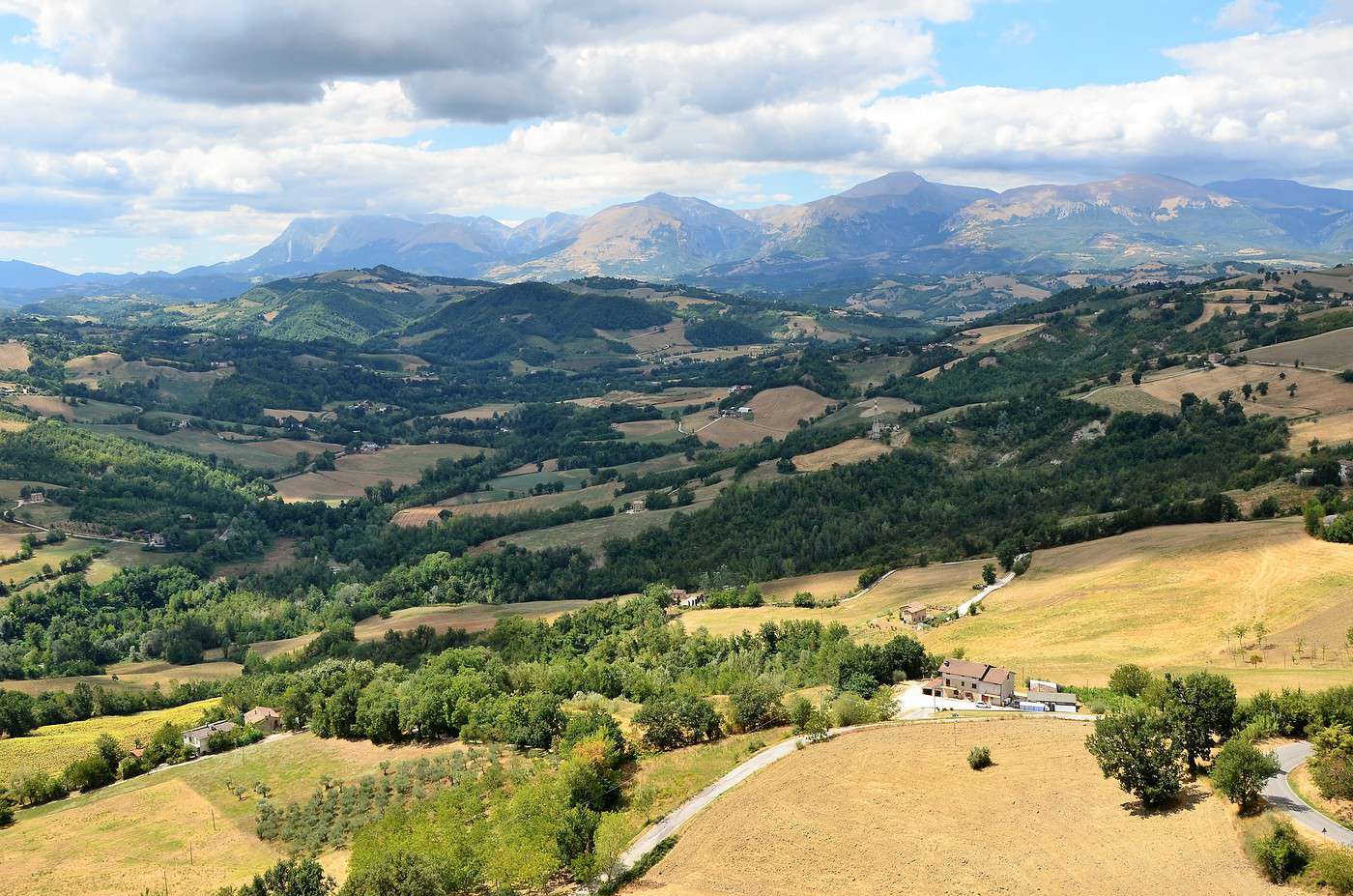
The distances look short, but the roads are long: aside from the fairly fast routes running from the hinterland down to the coast, following the paths of small rivers that rise in the Apennines and flow into the Adriatic, all the other roads—especially the cross-country ones—wind and twist. They reveal stunning landscapes at every turn but also force you to adjust your sense of time. We stayed in two different spots, each about 30 or 40 km from the coast—first in the north of Le Marche, near Fossombrone, at Isola di Fano, and then in the south, at Montalto delle Marche.
Since this region is still a bit "under the radar," I had some trouble finding information while planning the trip... So this travel journal aims to introduce you to the region through photos and share a few tips along the way.
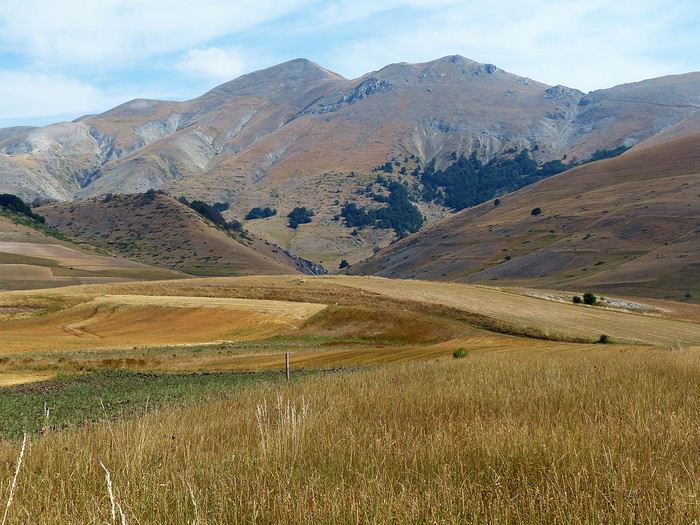
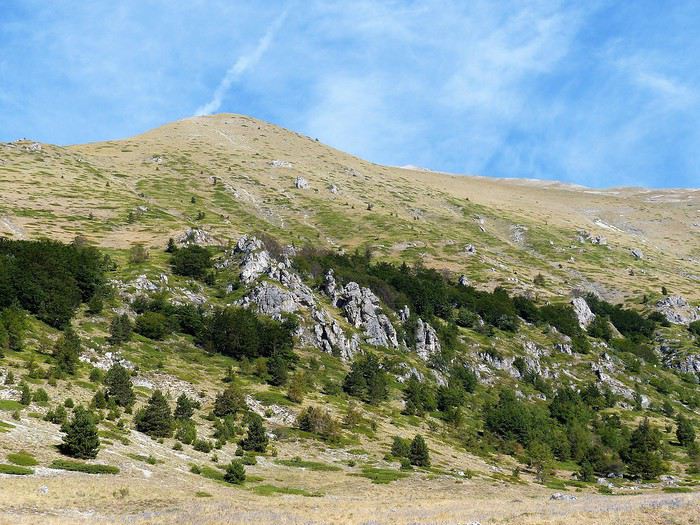
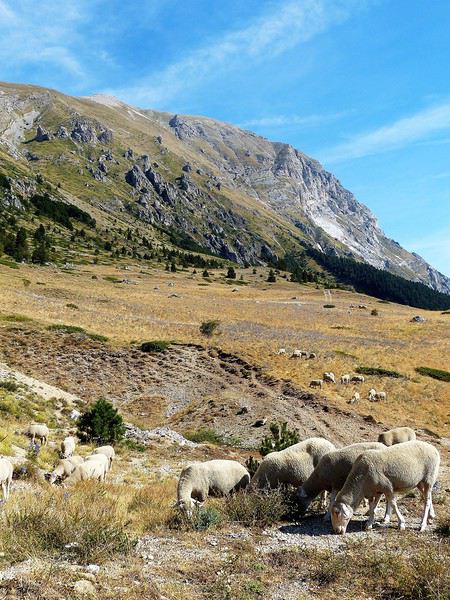
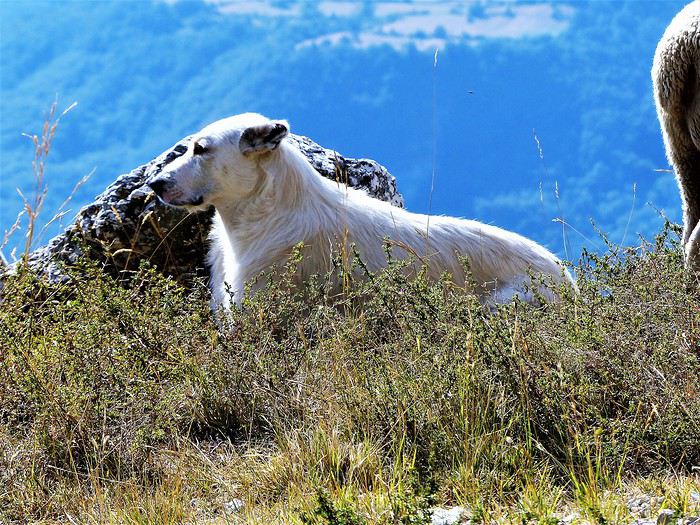
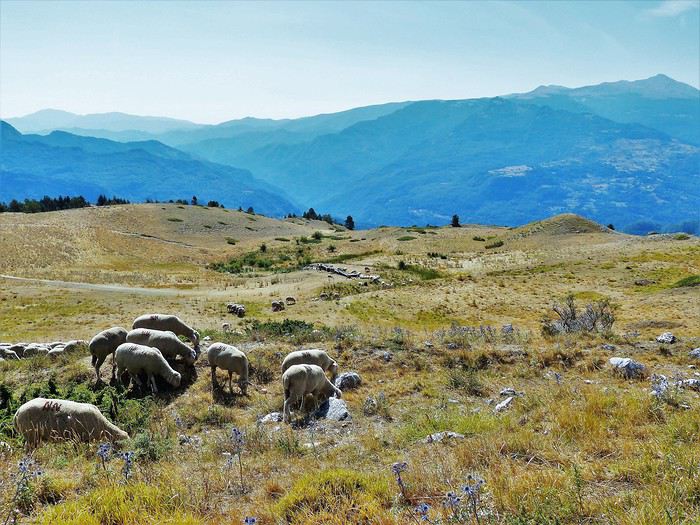
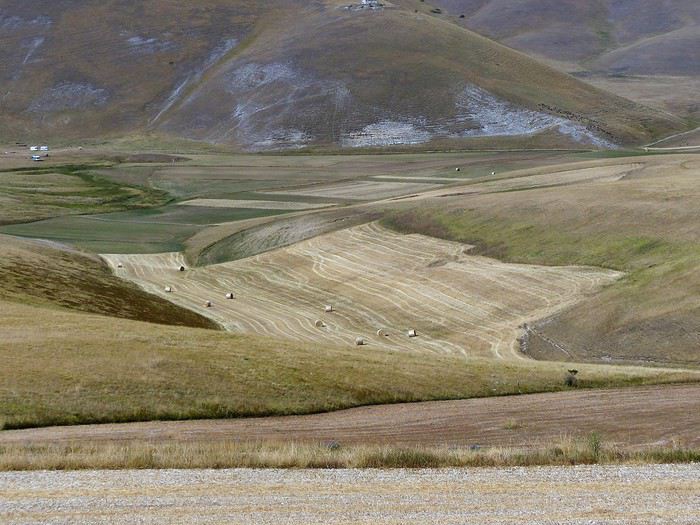
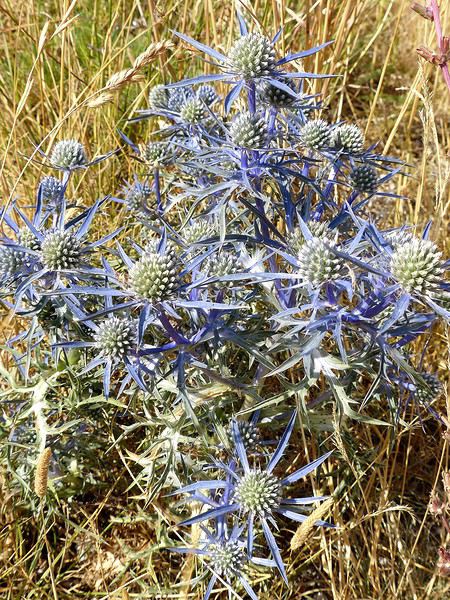
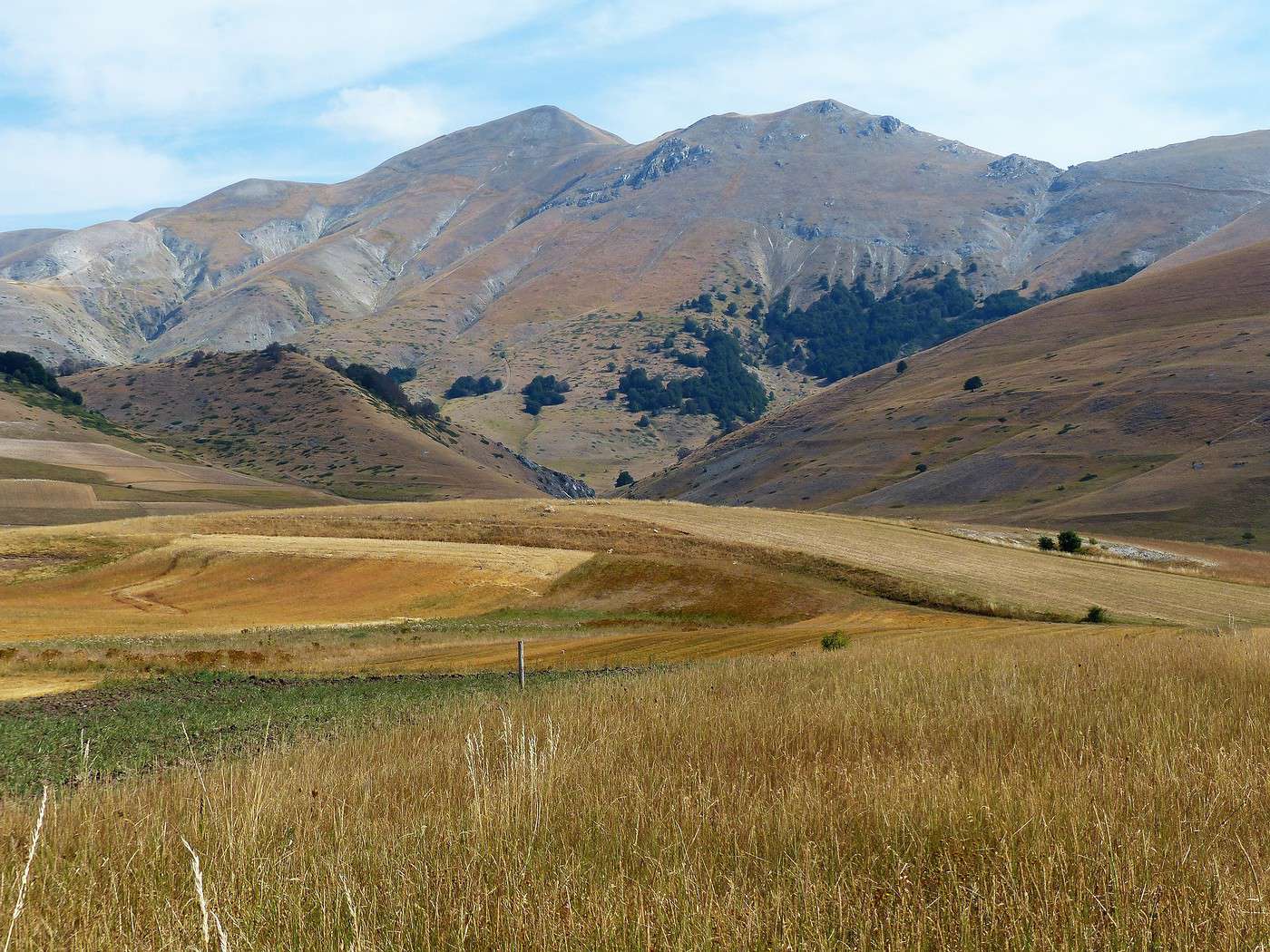
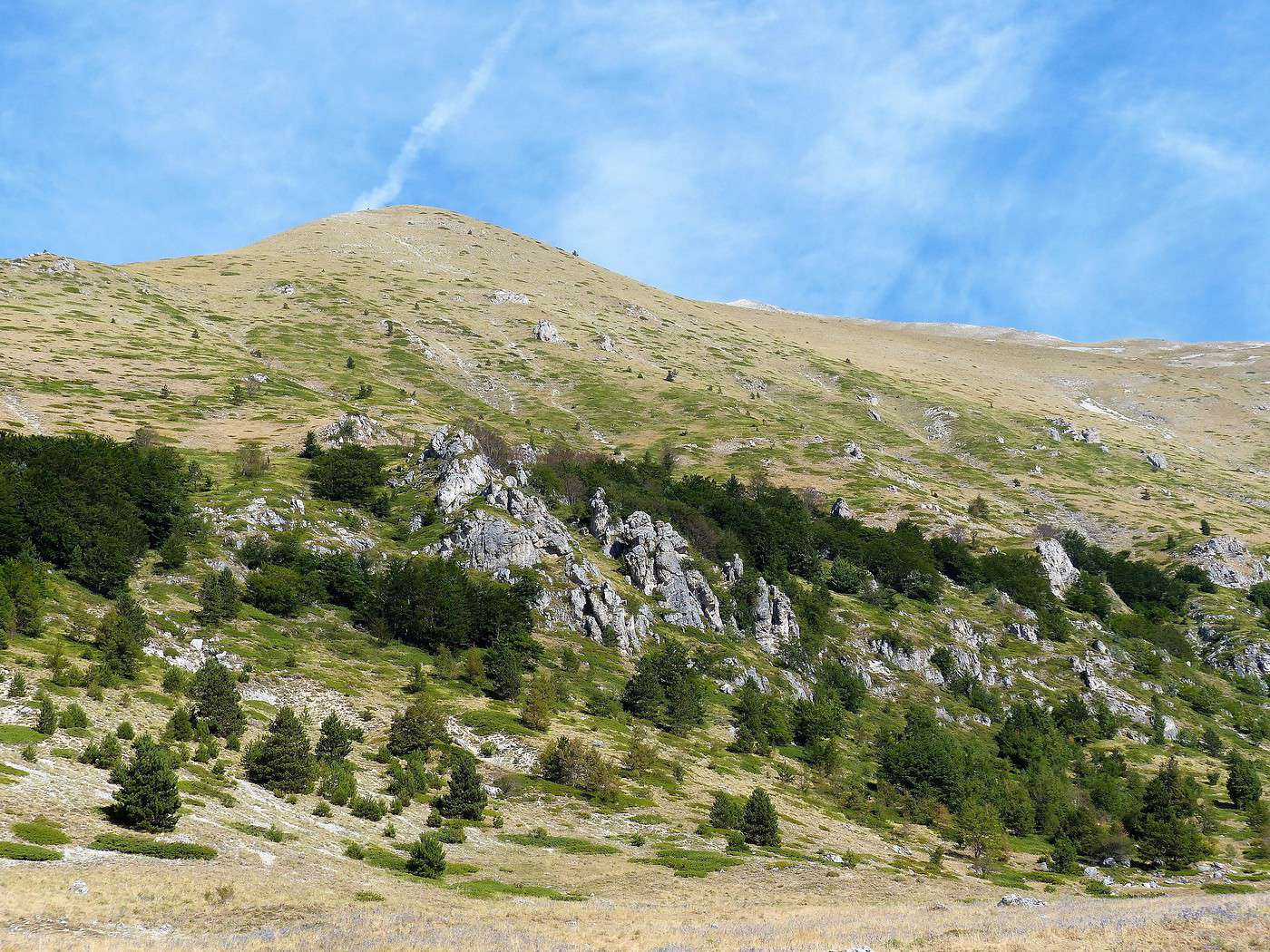
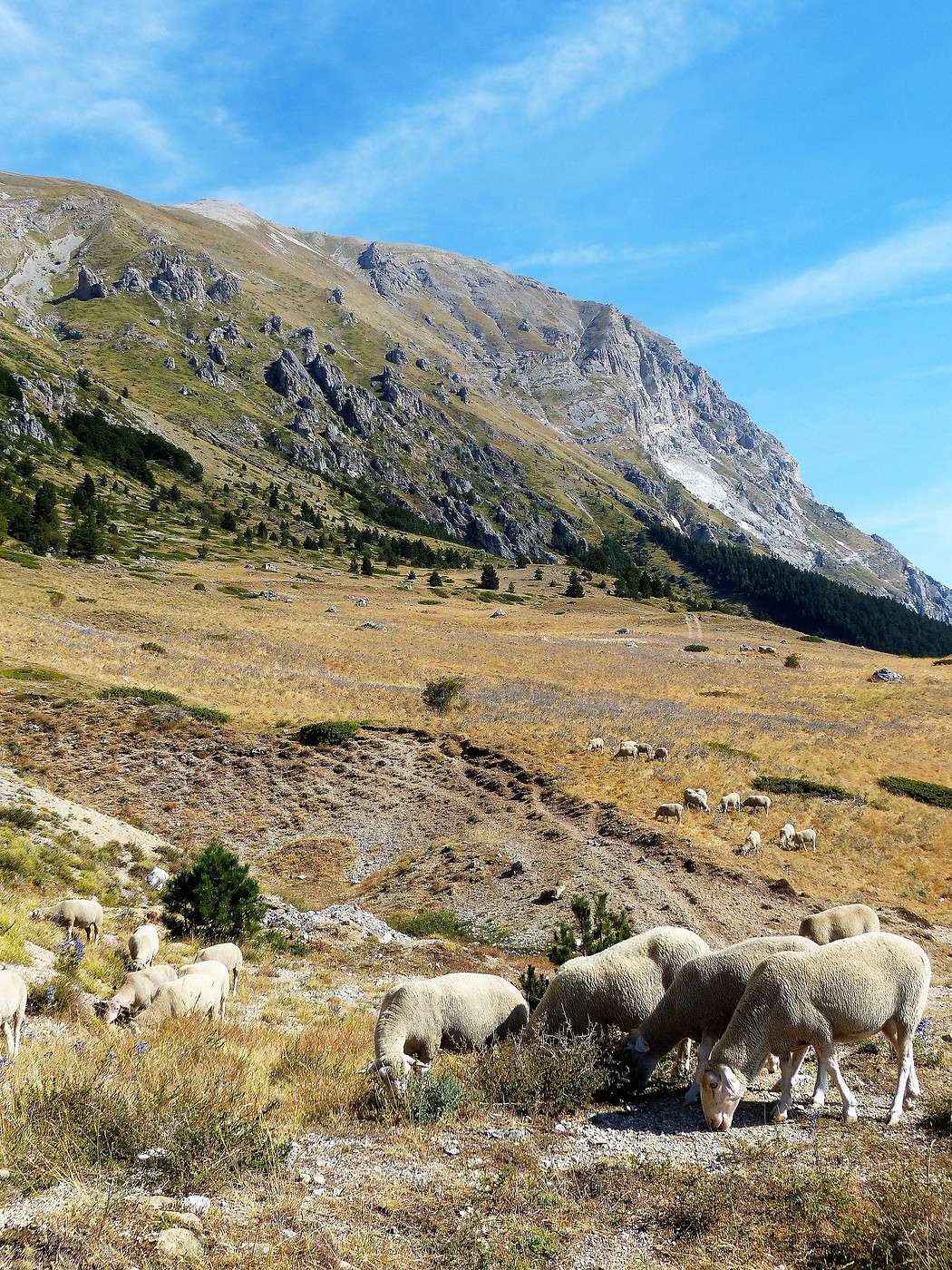
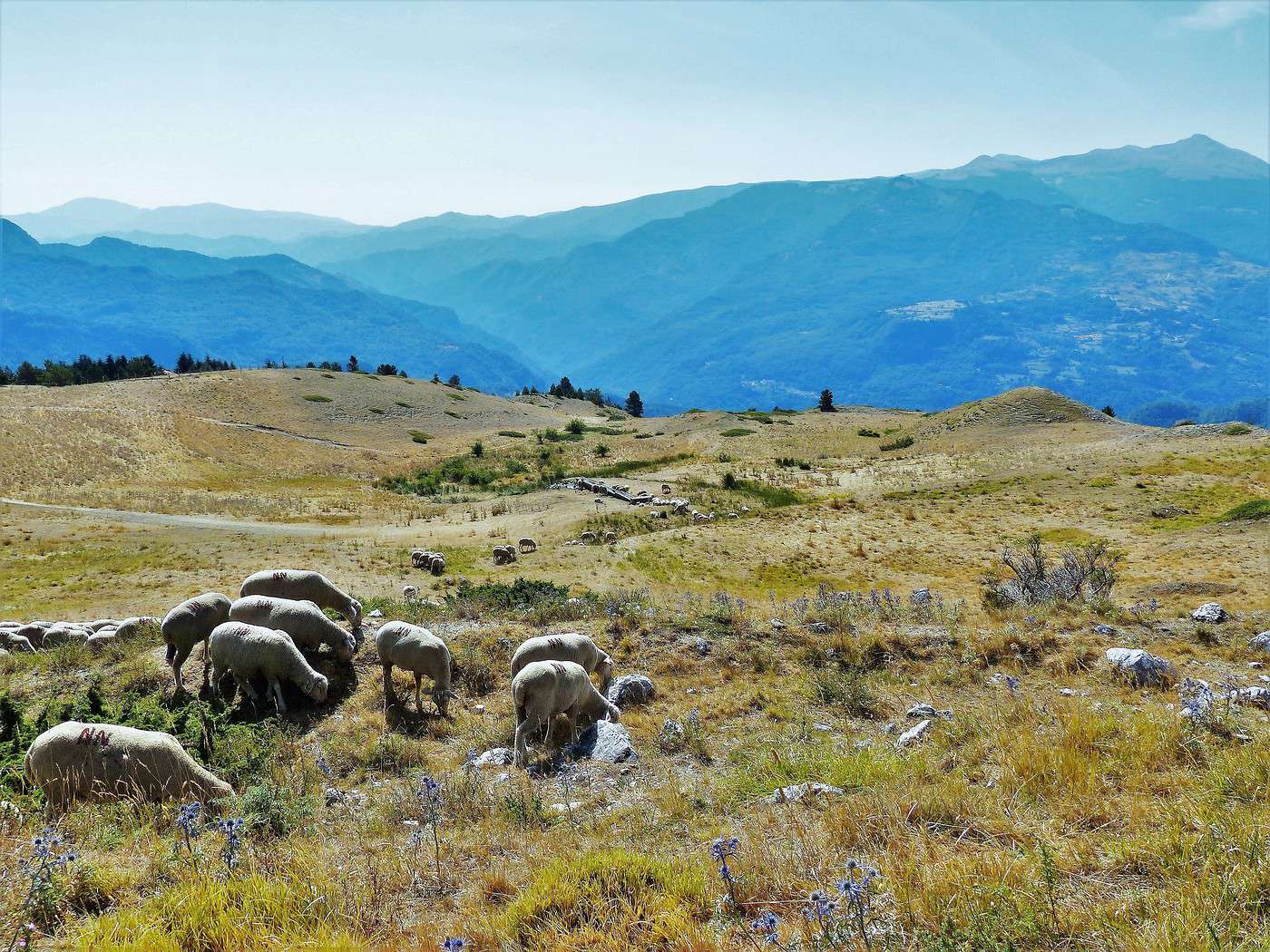
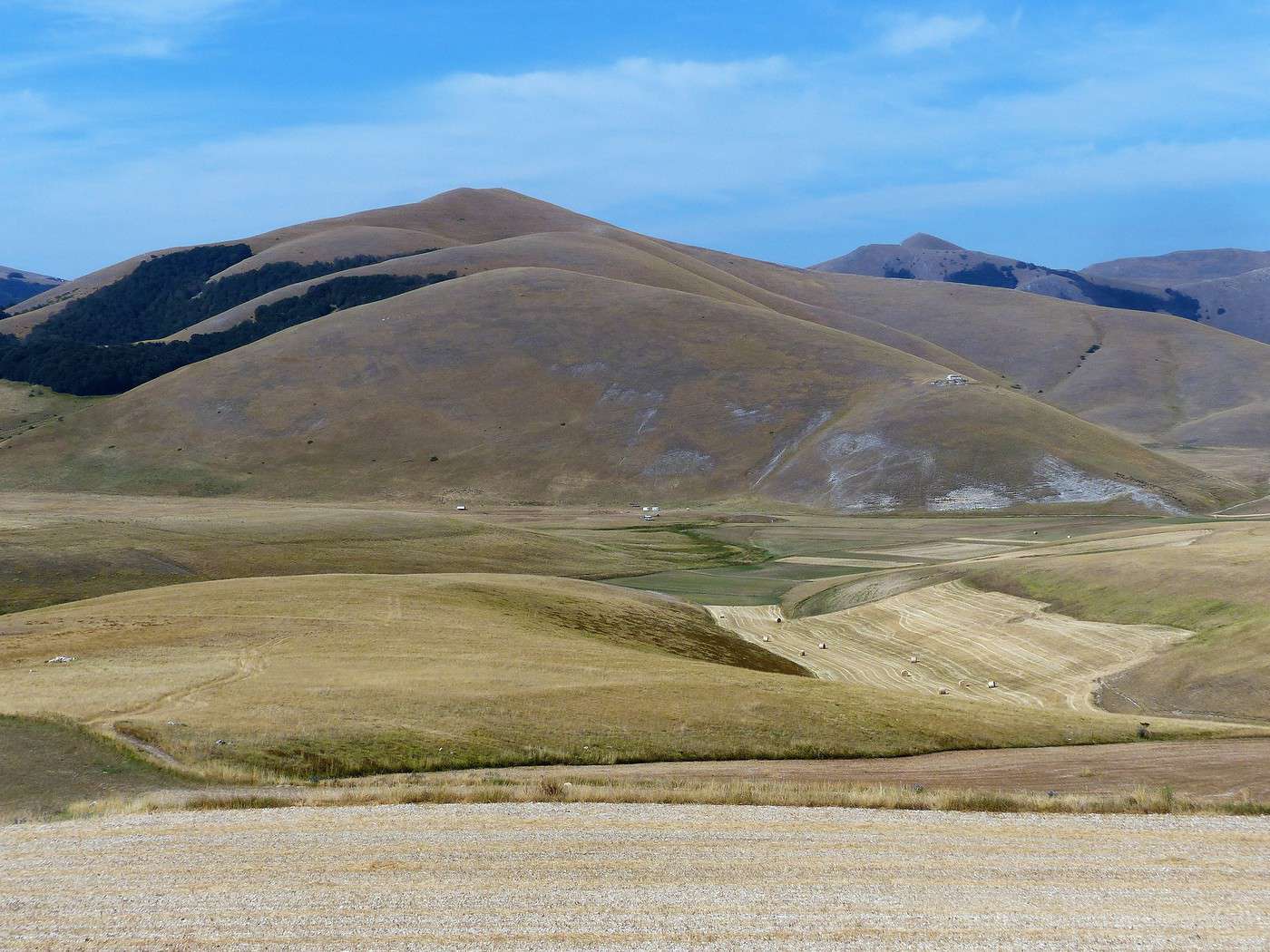
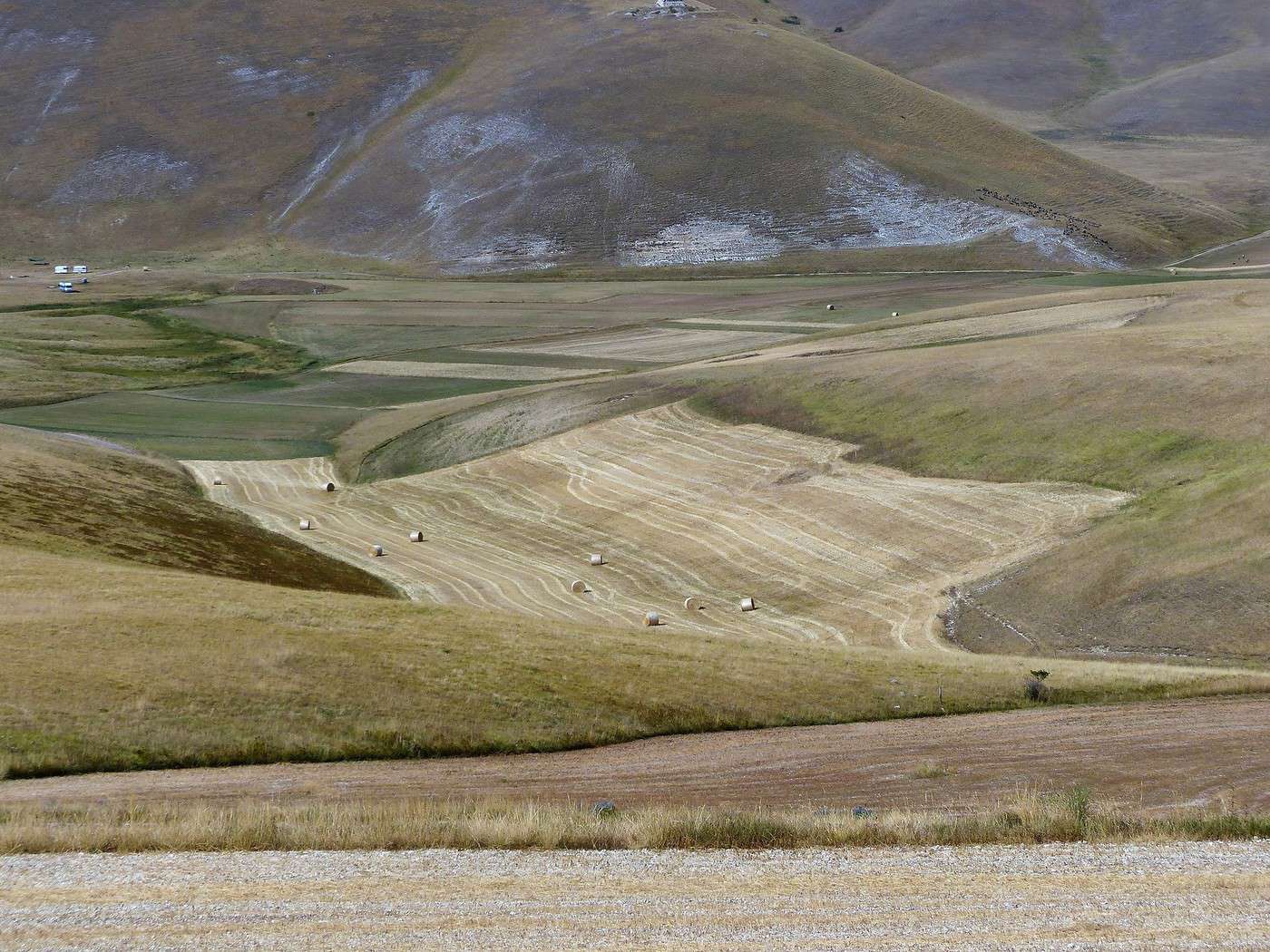
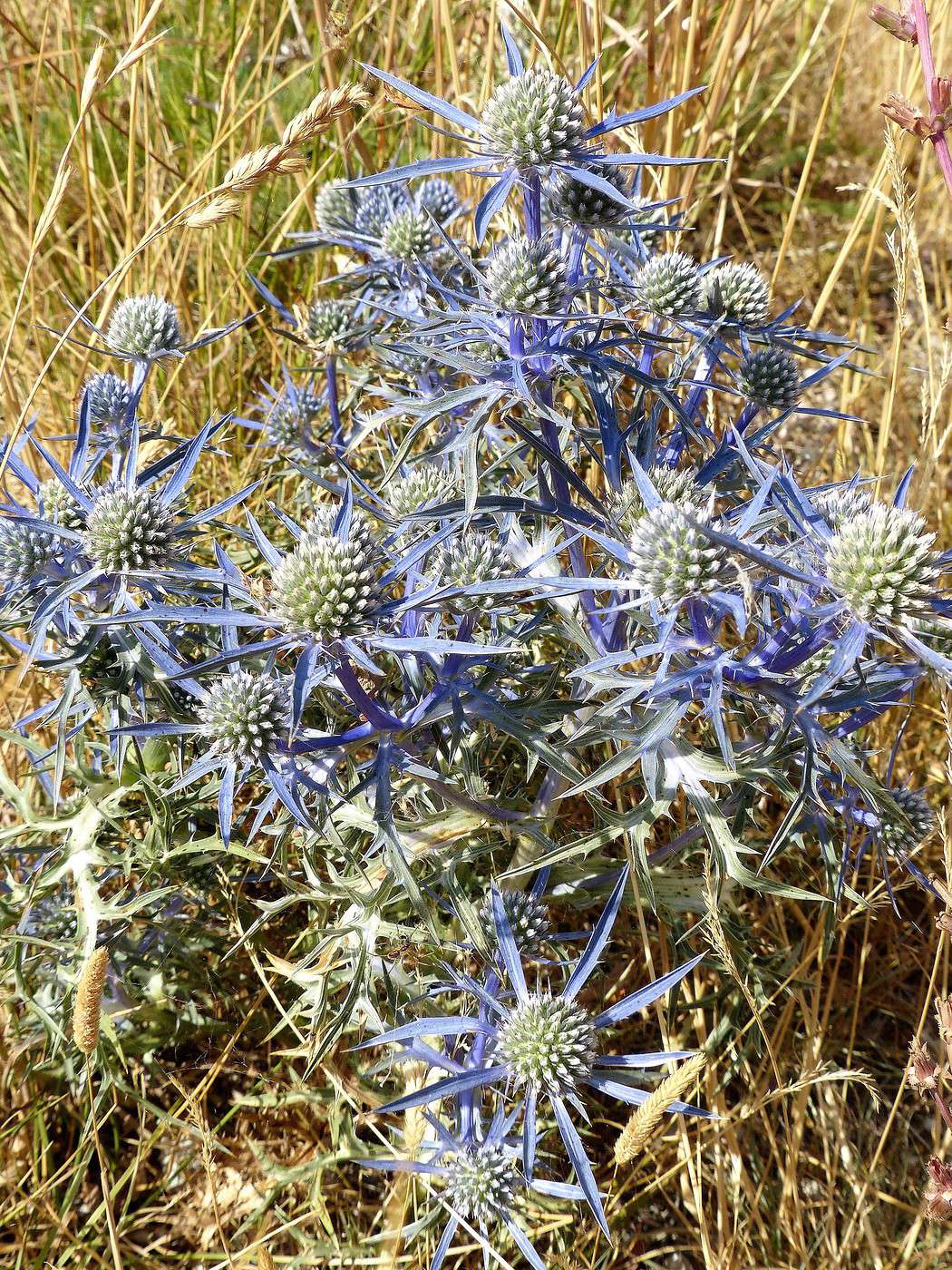
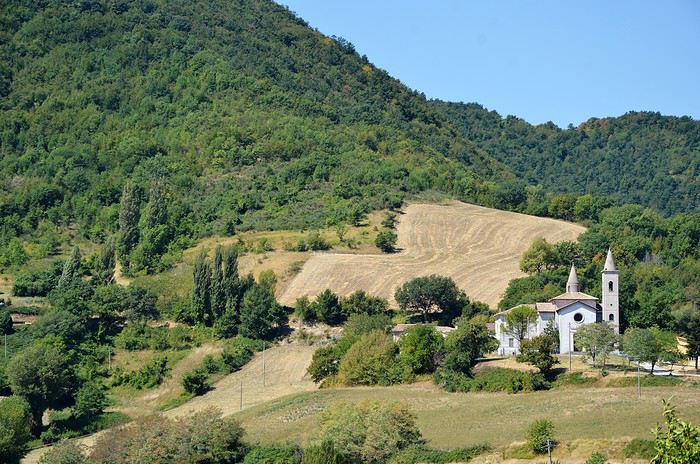
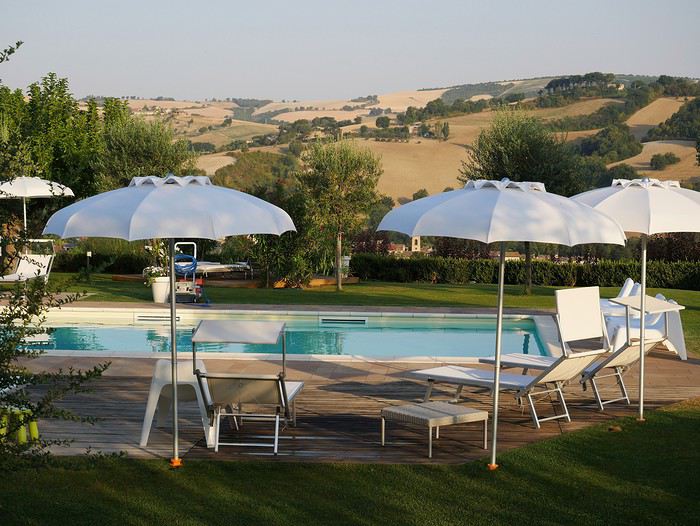
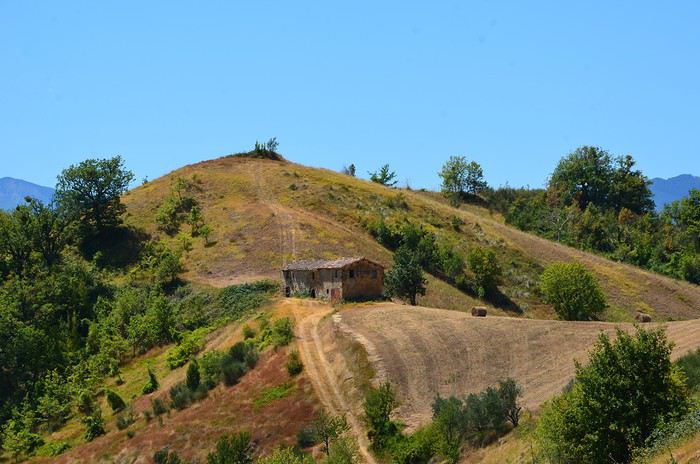
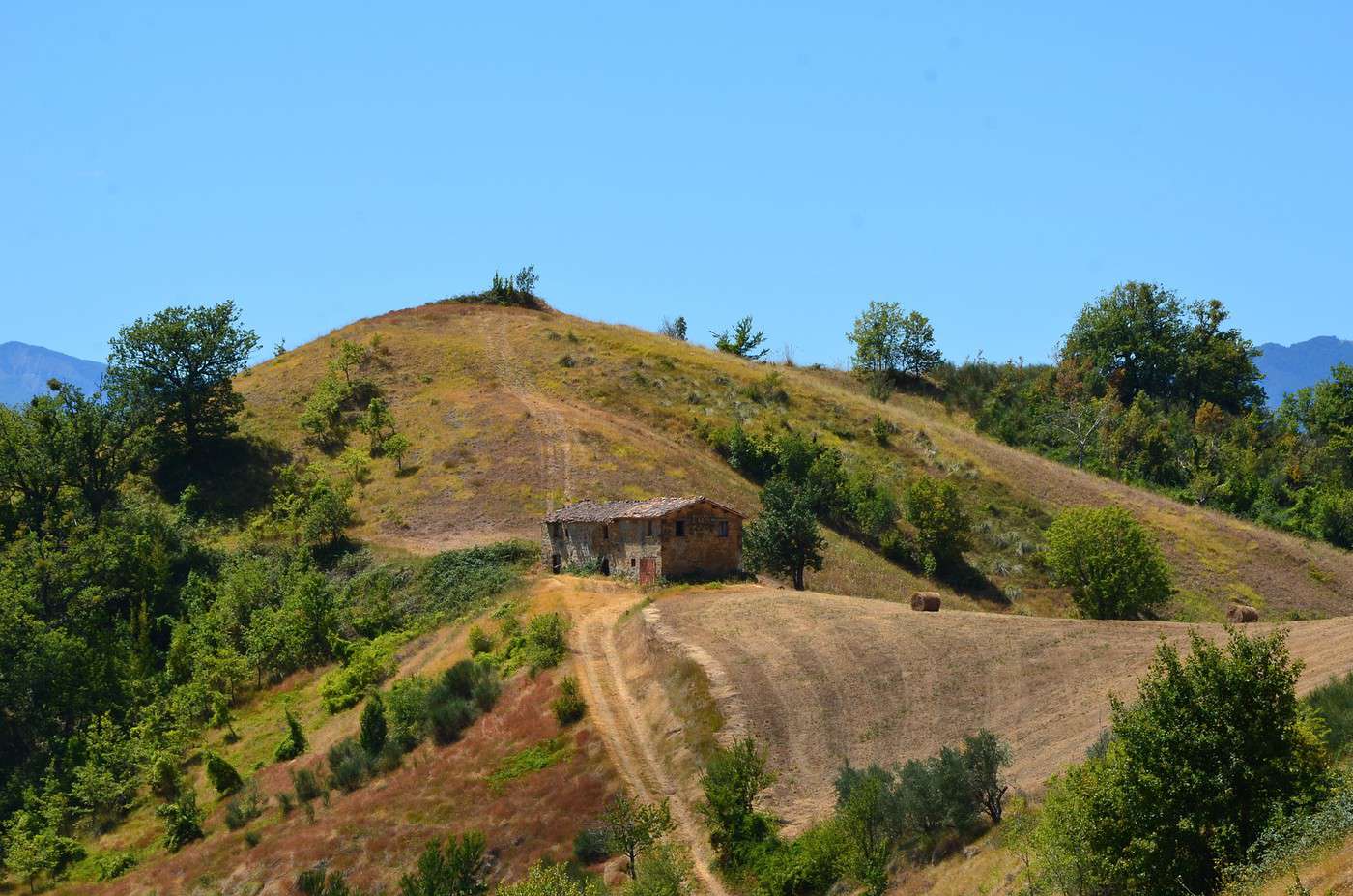
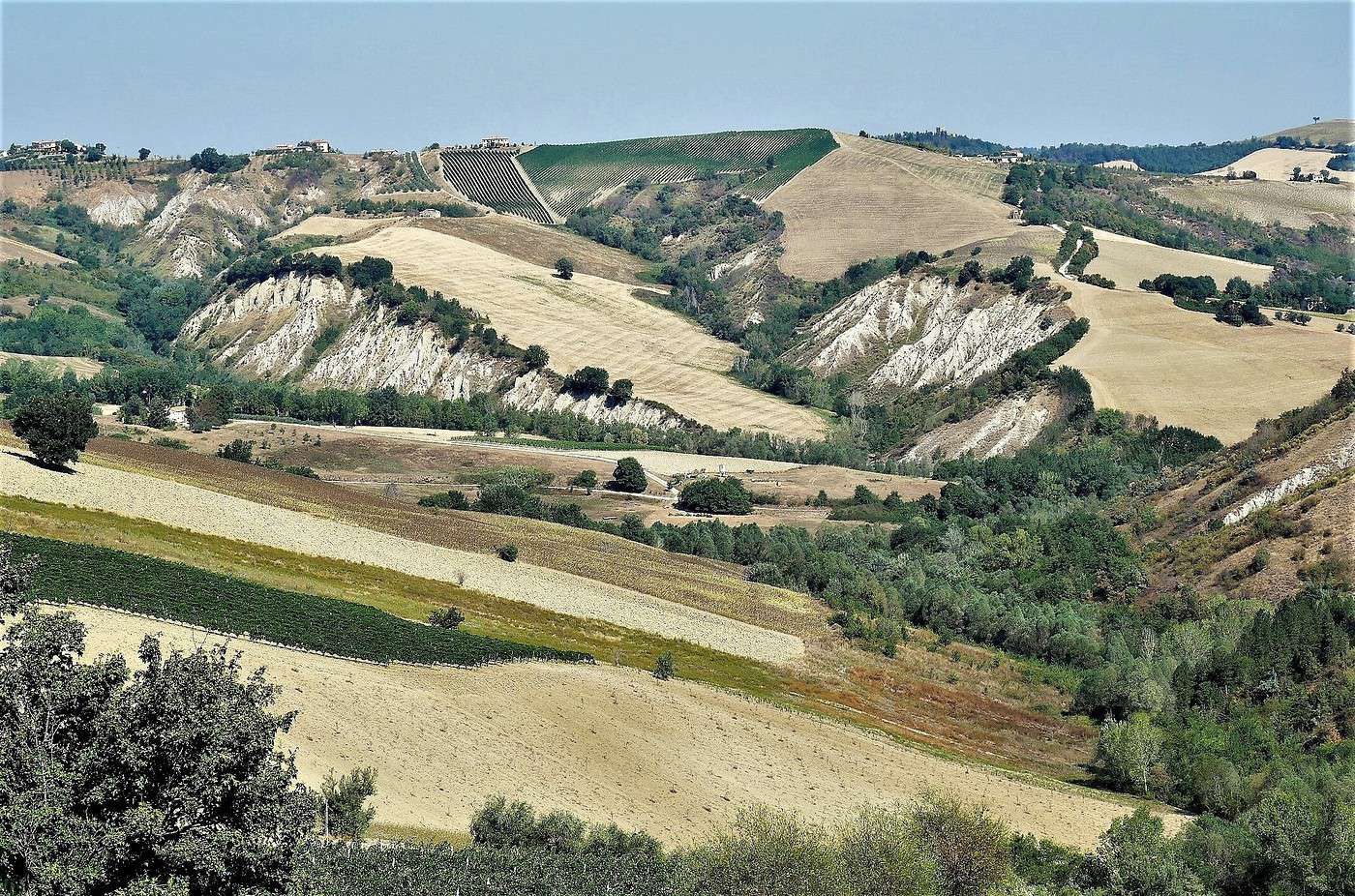
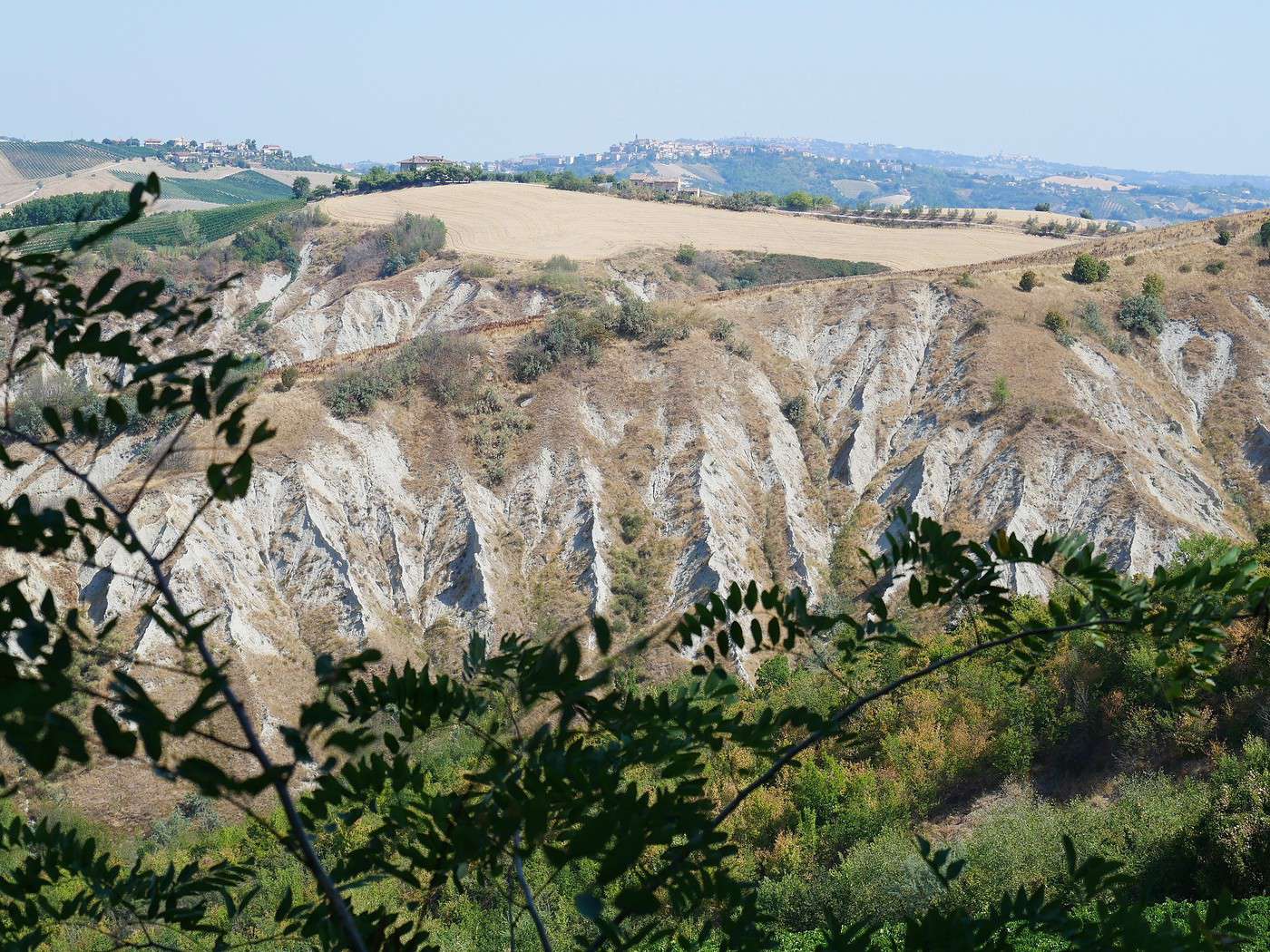
First up, some views of the landscapes!
More to come in the next post!
Le Marche? Where’s that?
That’s what we hear more than 9 times out of 10... This region is actually little-known, or at least only its Adriatic coastline, just below Rimini, rings a bell.Yet it’s a beautiful region, bordered to the east by the Adriatic Sea and to the west by the Apennine Mountains, with thousands of hills in between—many topped with charming little villages. A very rural area, quite affordable, starting to showcase its heritage, and not yet overrun by tourists... so what are you waiting for?
The distances look short, but the roads are long: aside from the fairly fast routes running from the hinterland down to the coast, following the paths of small rivers that rise in the Apennines and flow into the Adriatic, all the other roads—especially the cross-country ones—wind and twist. They reveal stunning landscapes at every turn but also force you to adjust your sense of time. We stayed in two different spots, each about 30 or 40 km from the coast—first in the north of Le Marche, near Fossombrone, at Isola di Fano, and then in the south, at Montalto delle Marche.
Since this region is still a bit "under the radar," I had some trouble finding information while planning the trip... So this travel journal aims to introduce you to the region through photos and share a few tips along the way.
First up, some views of the landscapes!
More to come in the next post!
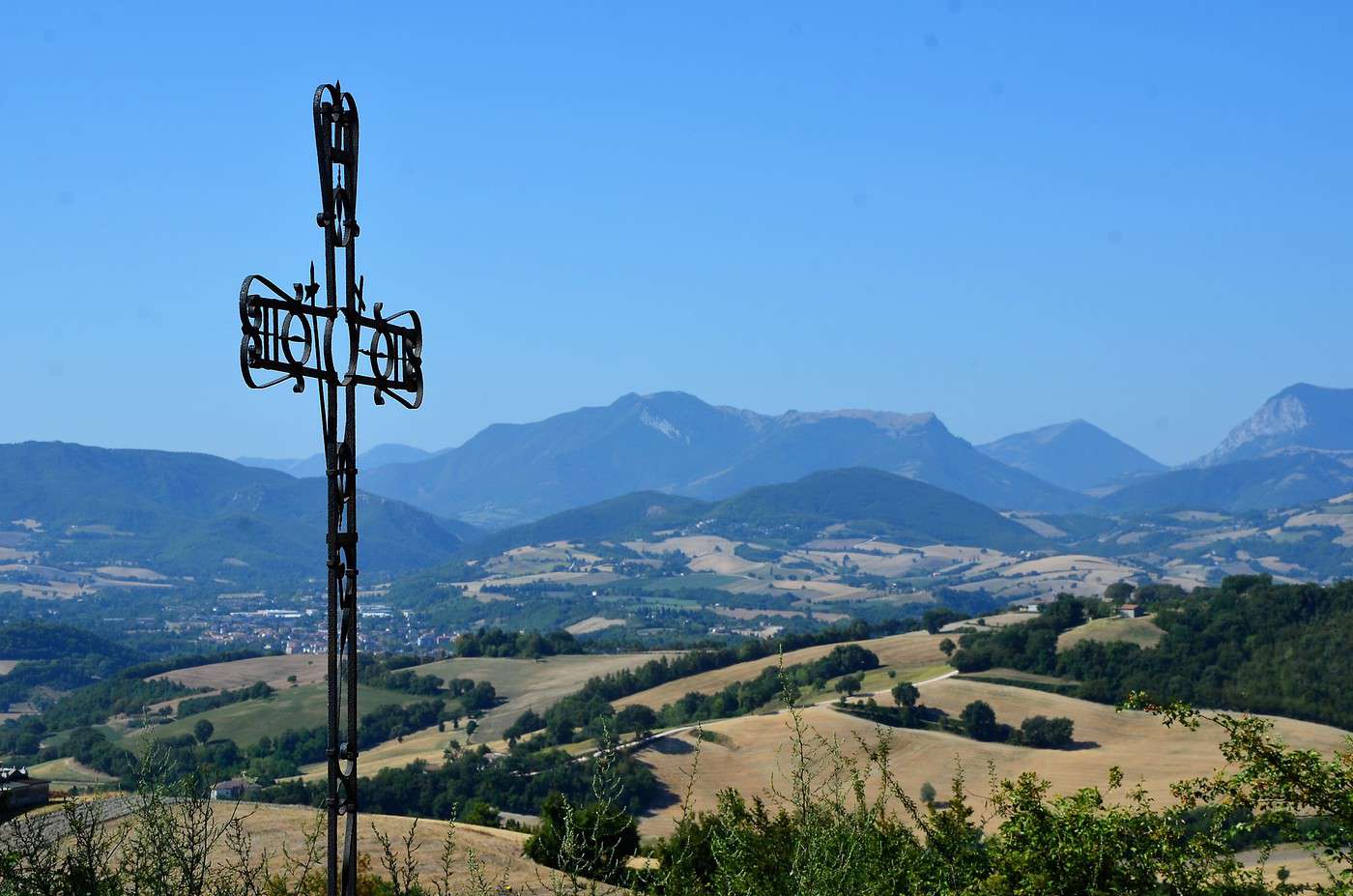
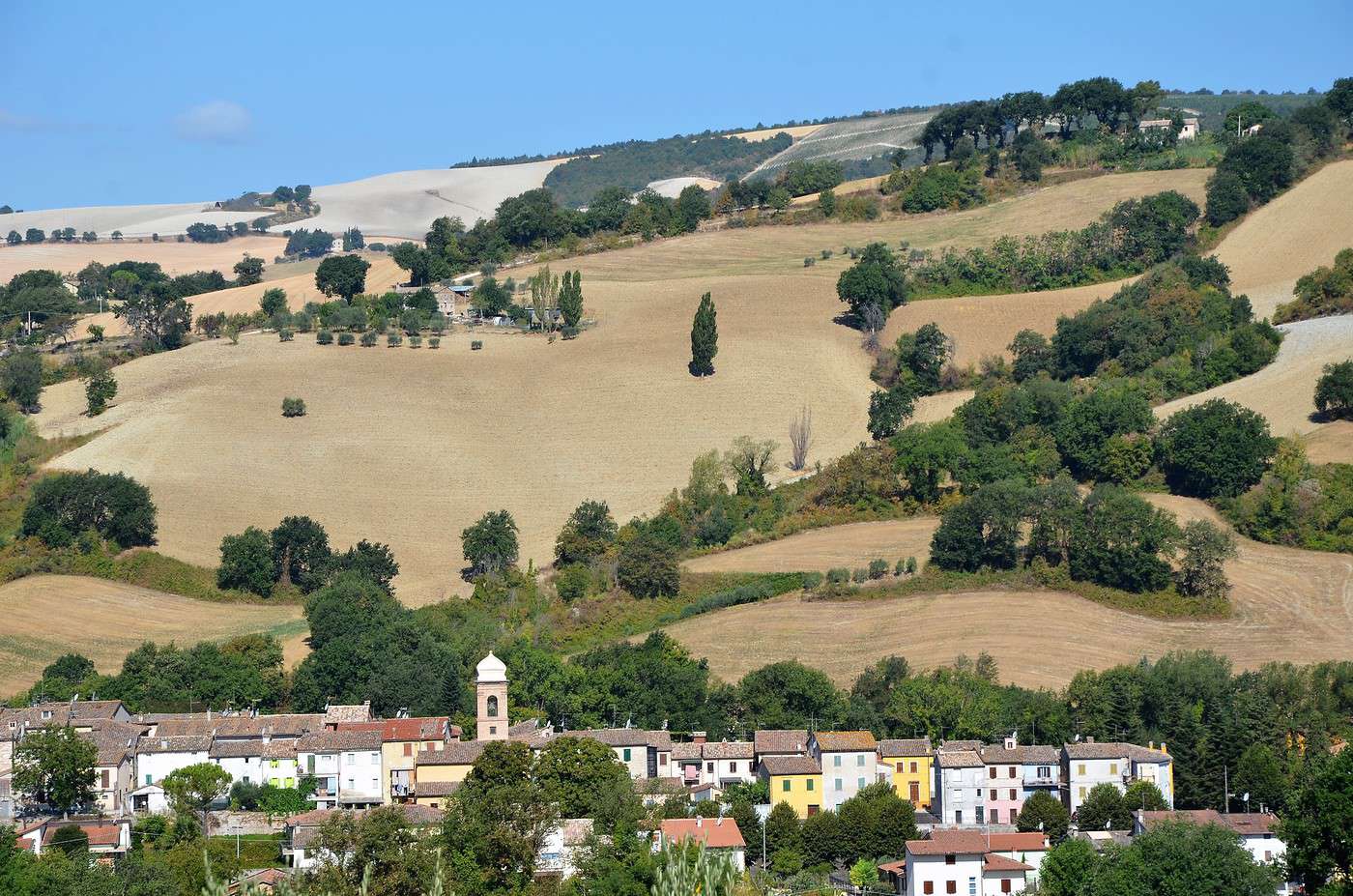
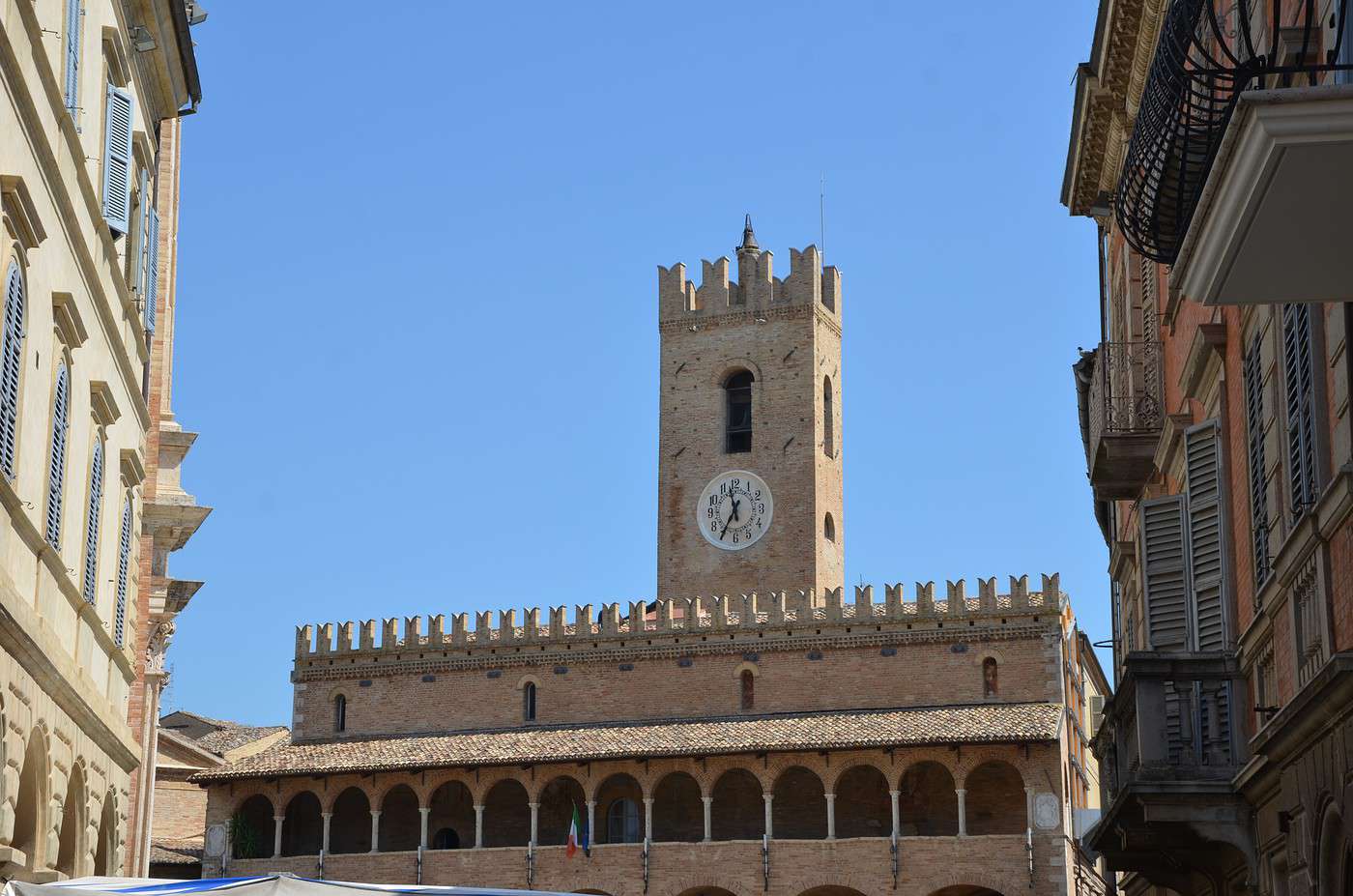
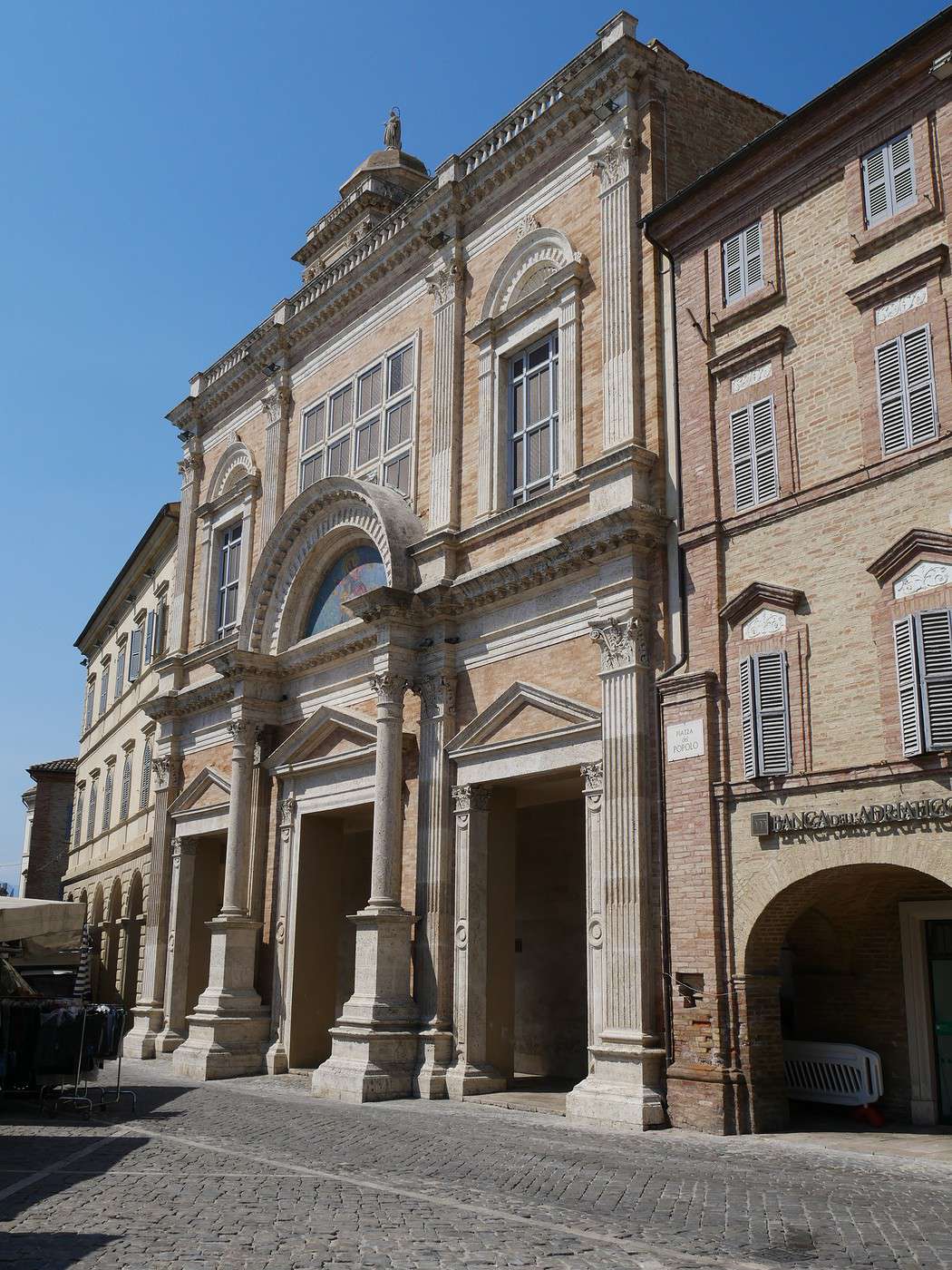
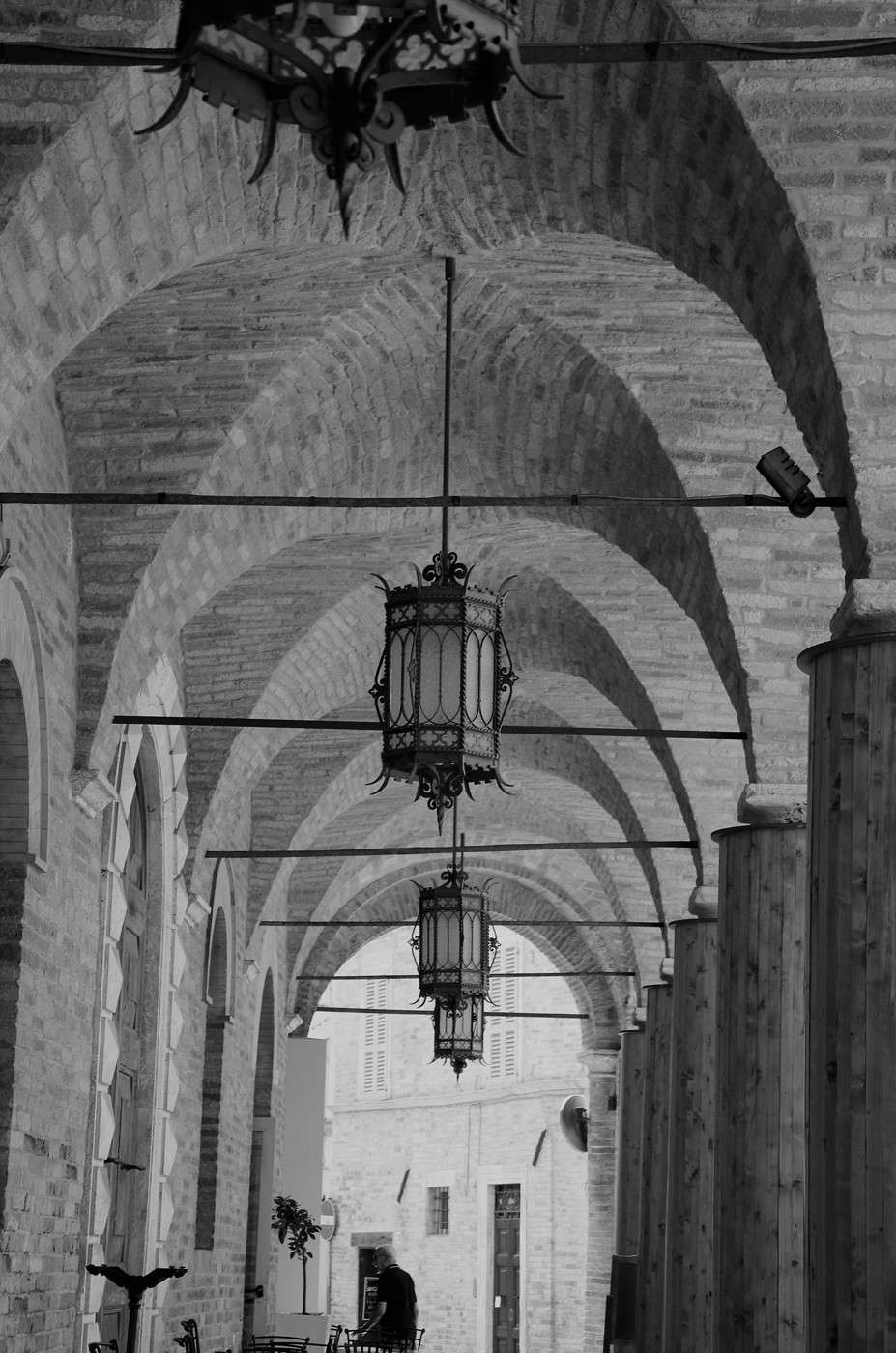
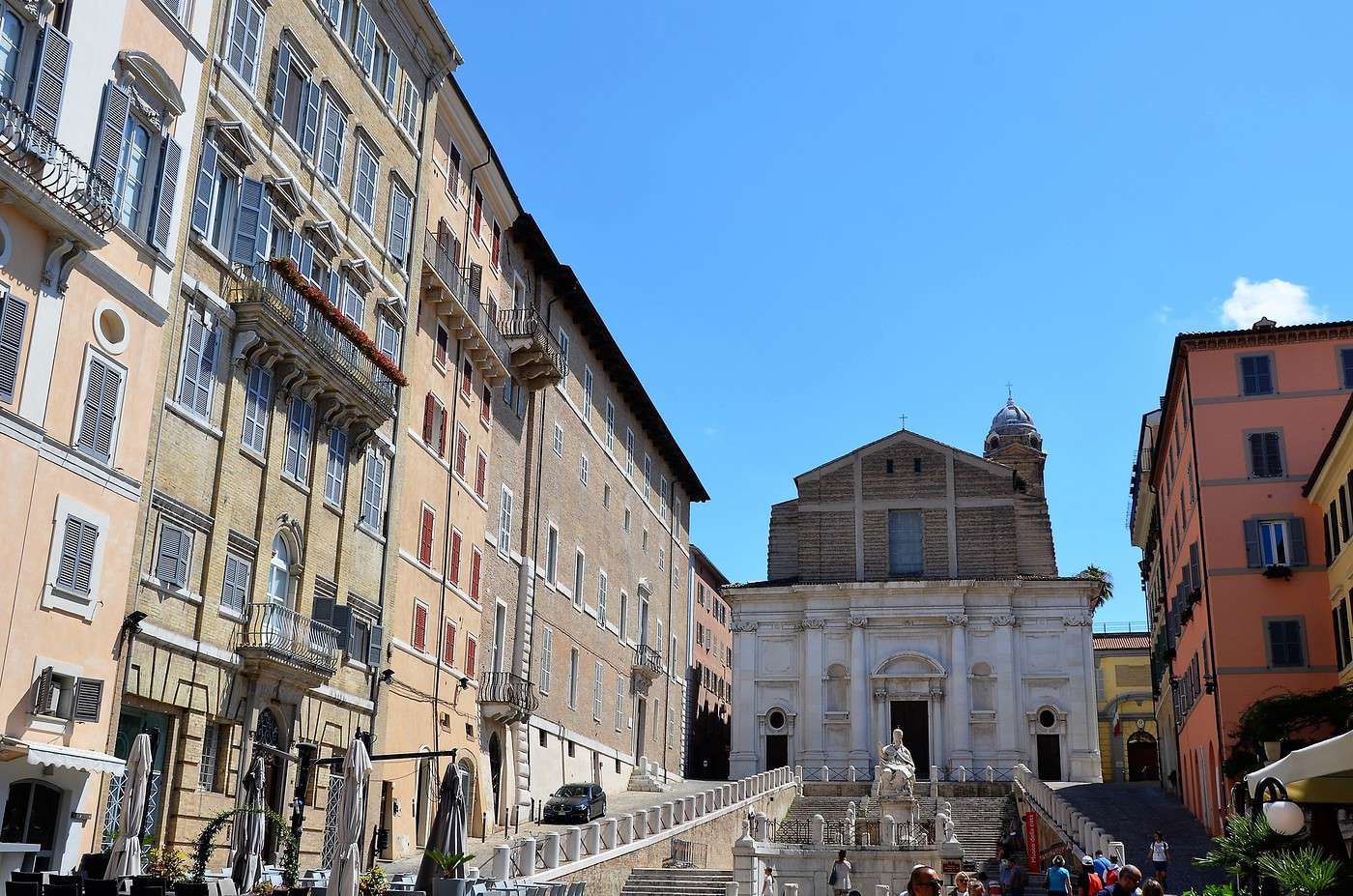
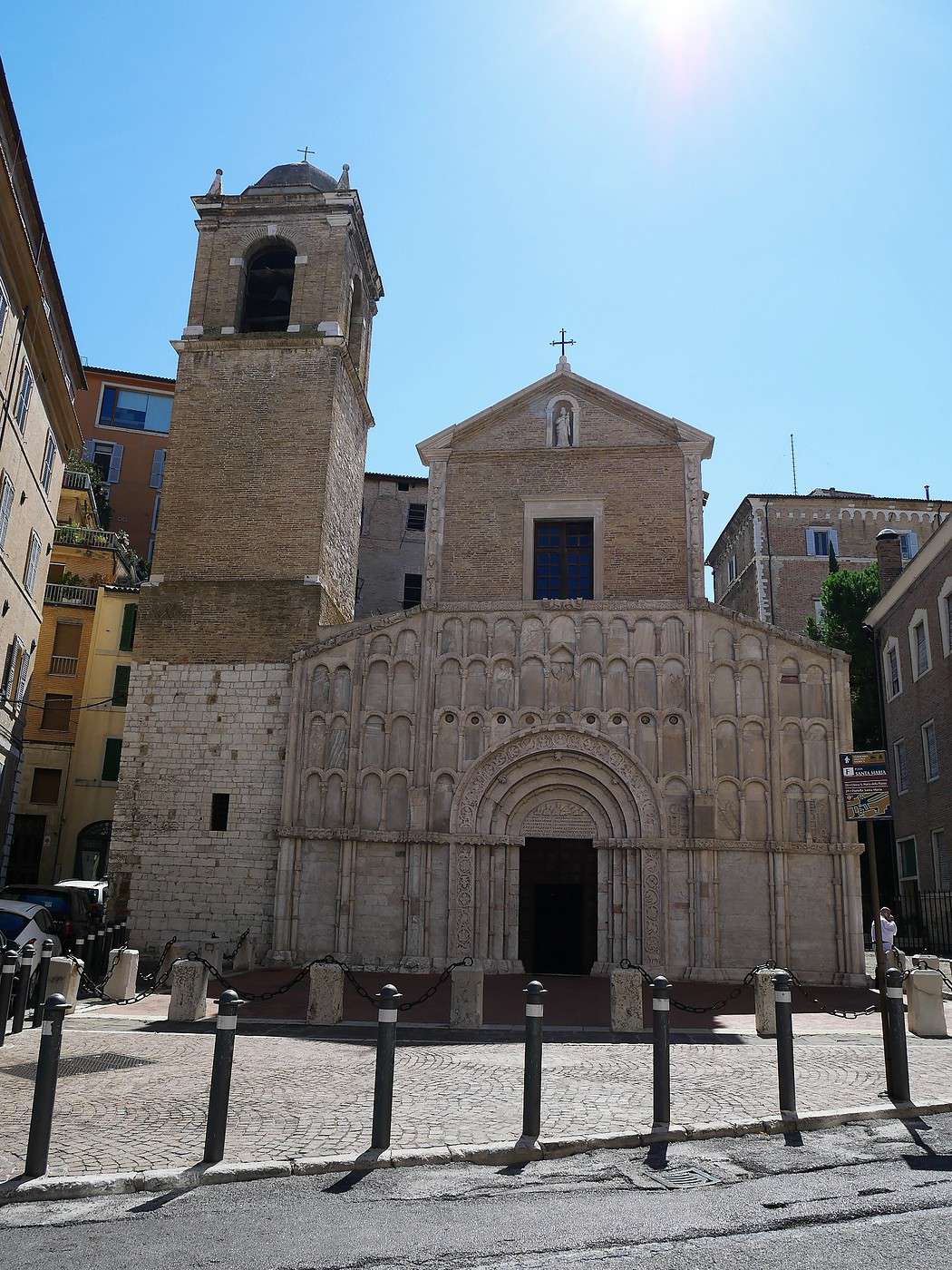
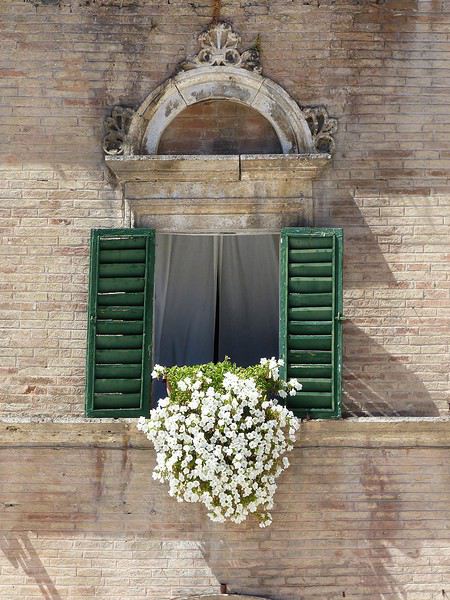
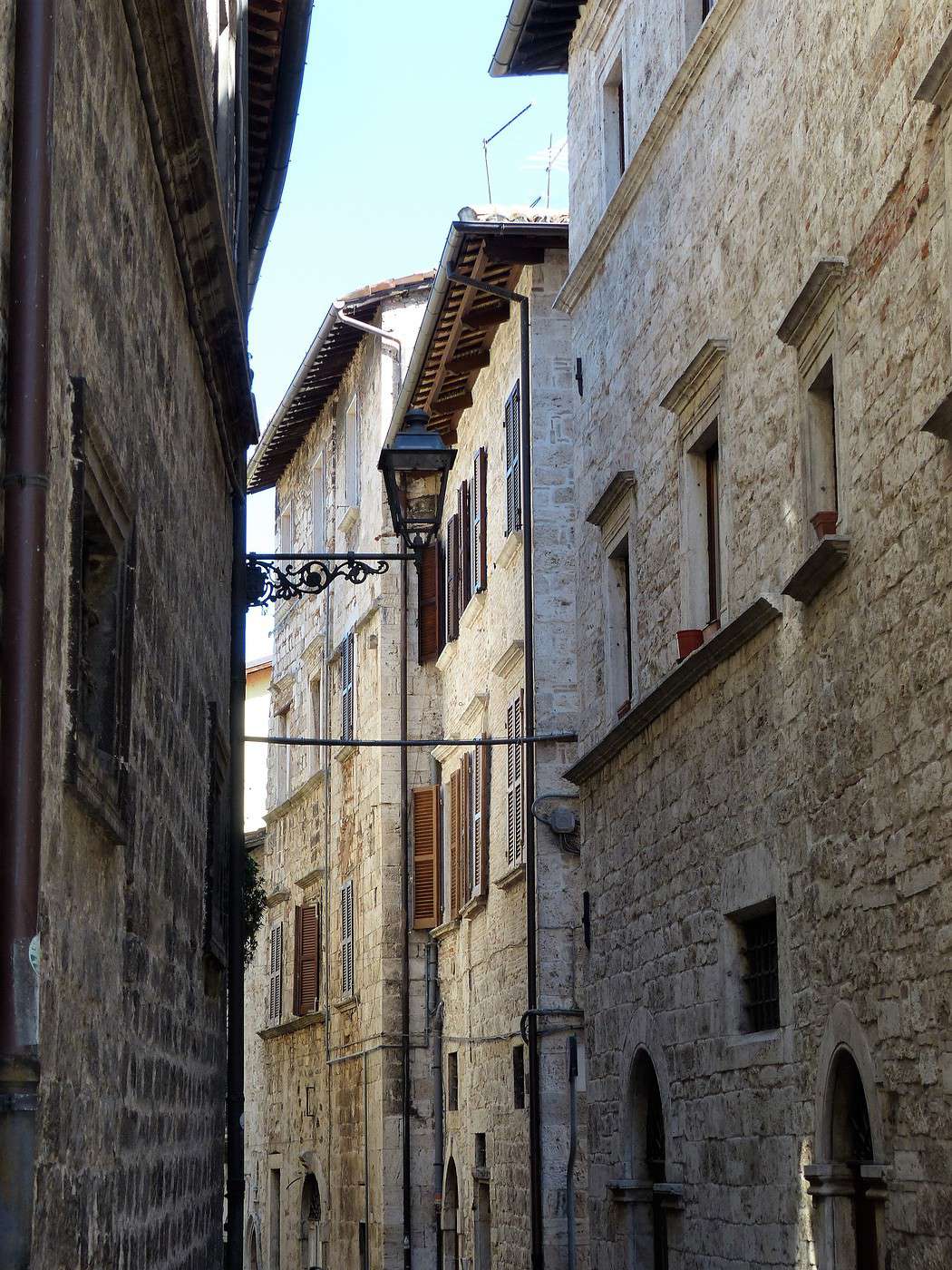
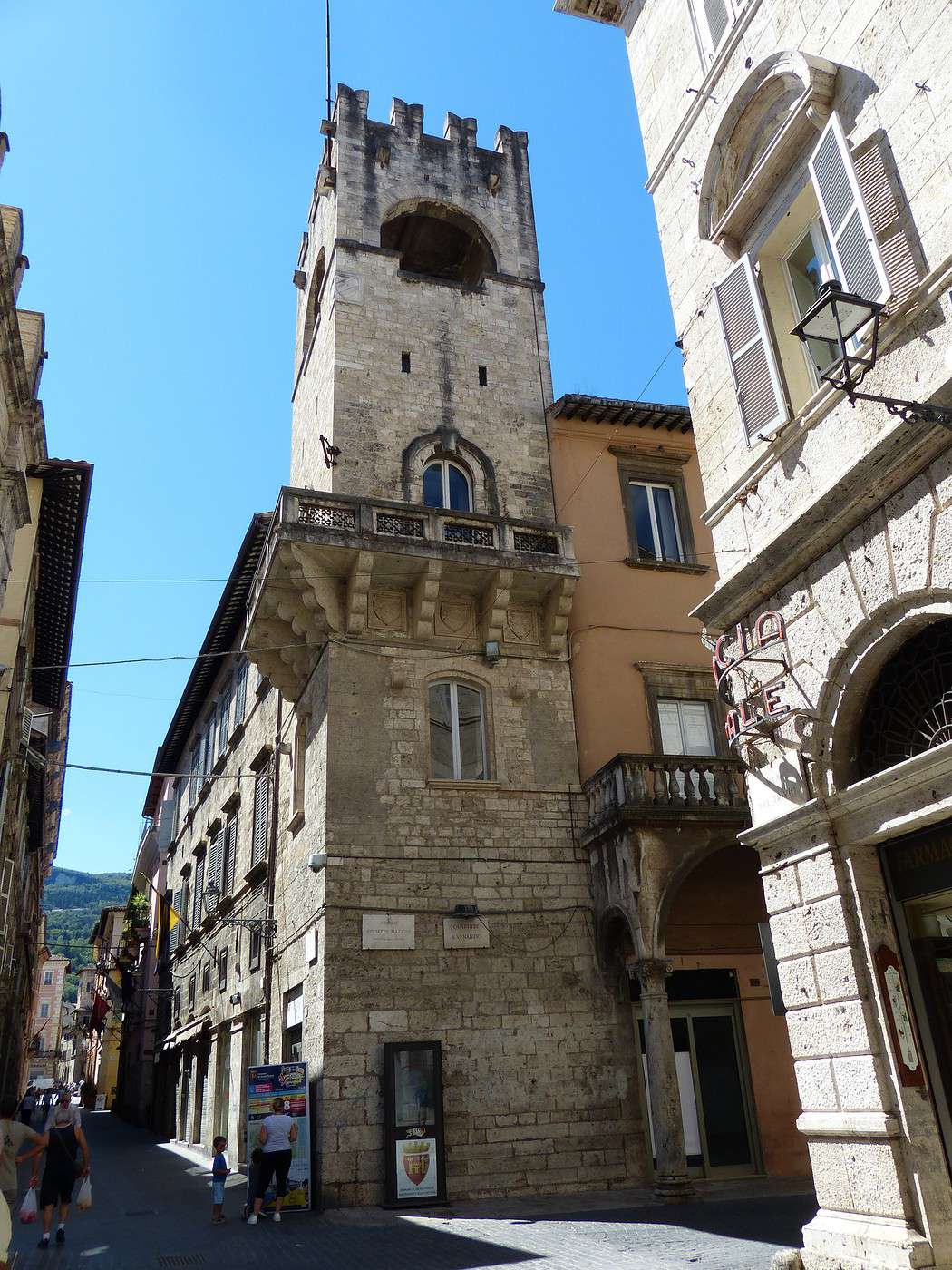
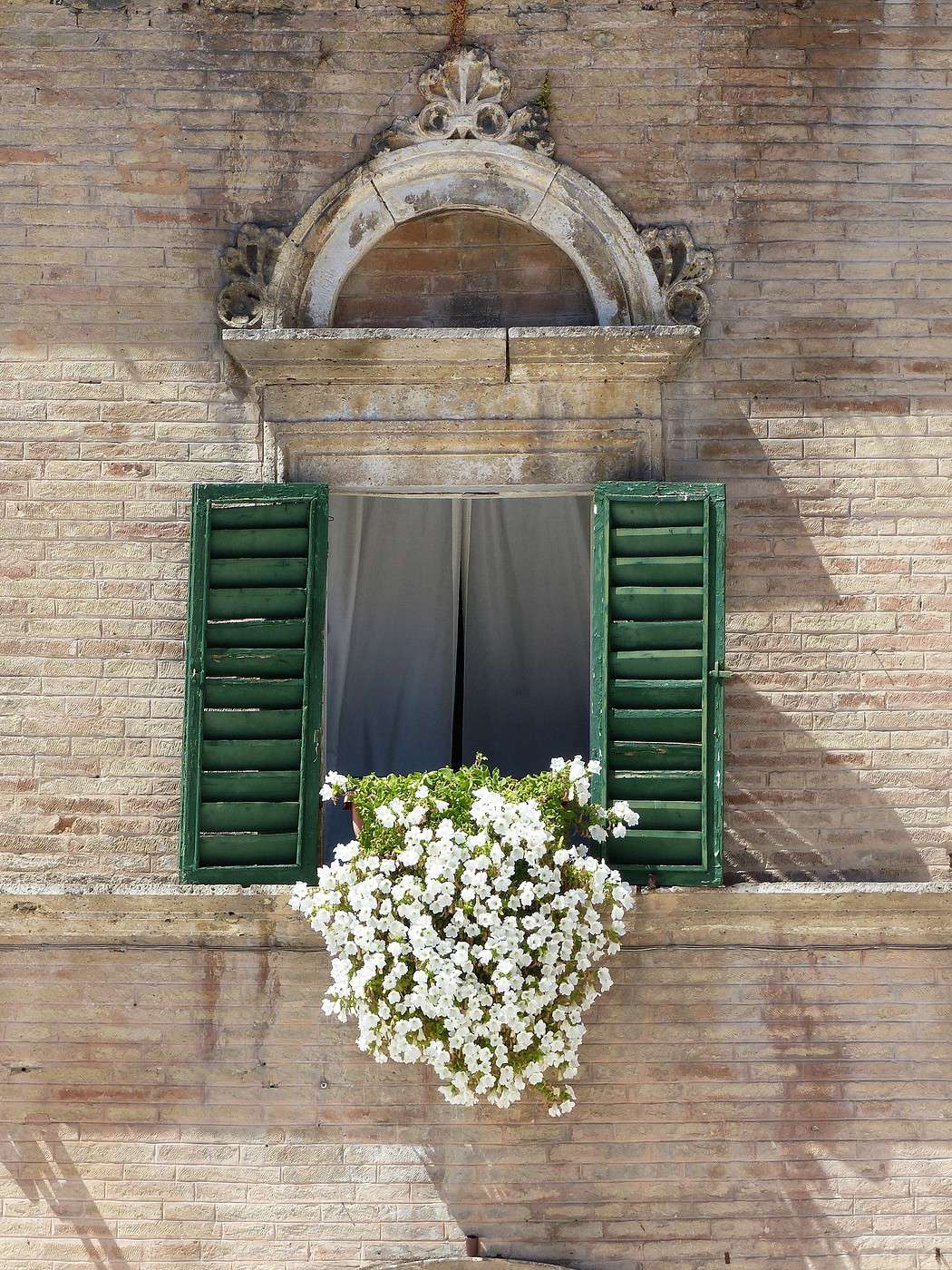
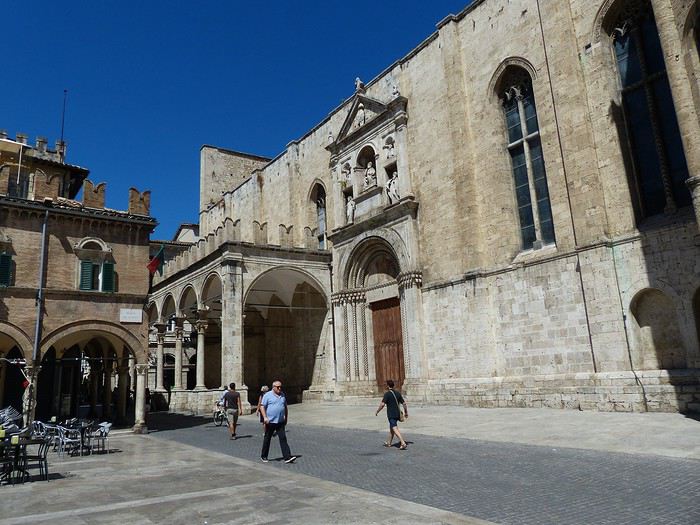
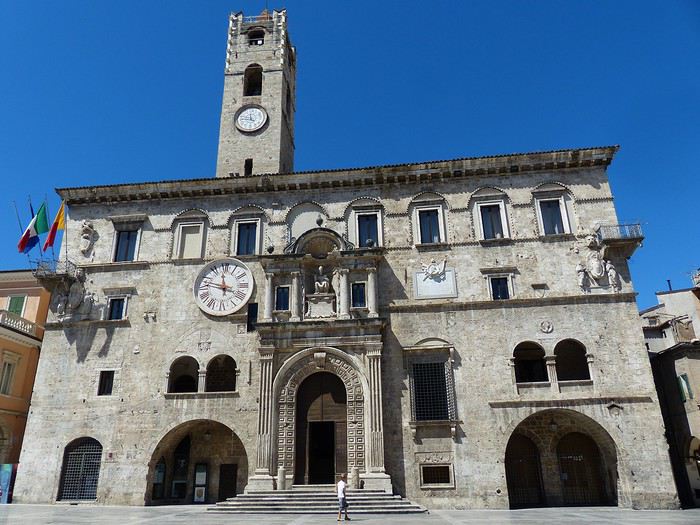
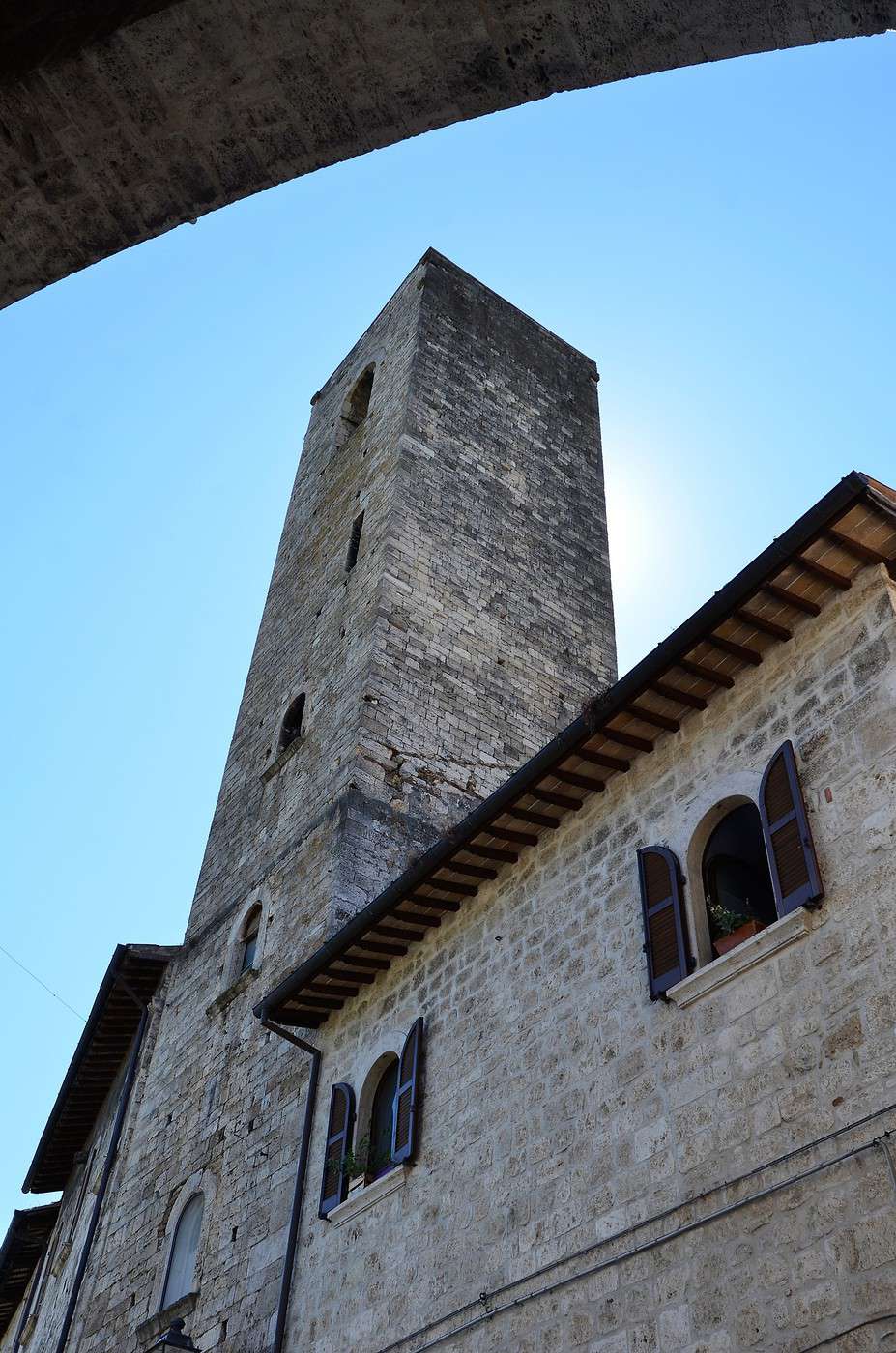
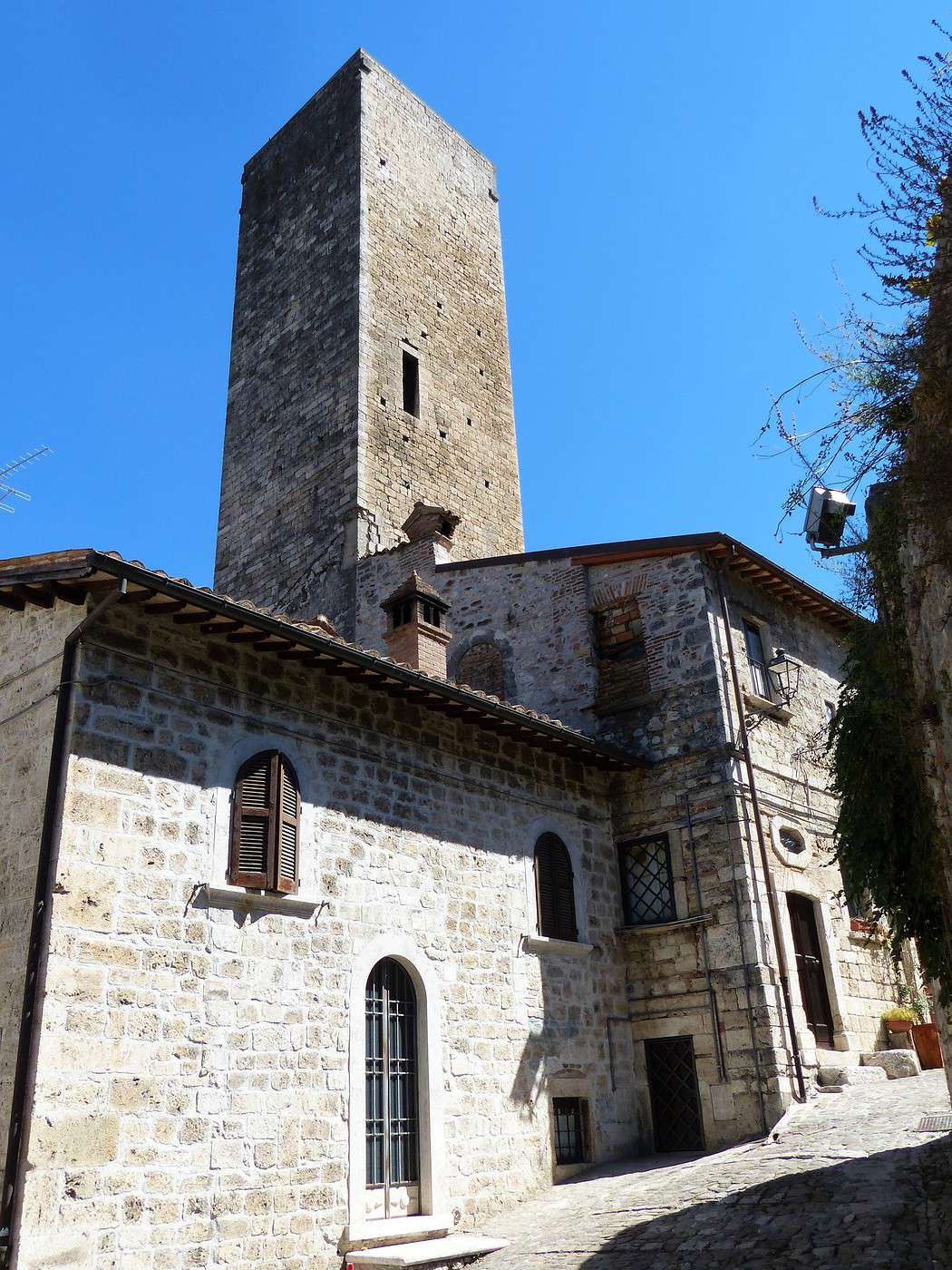
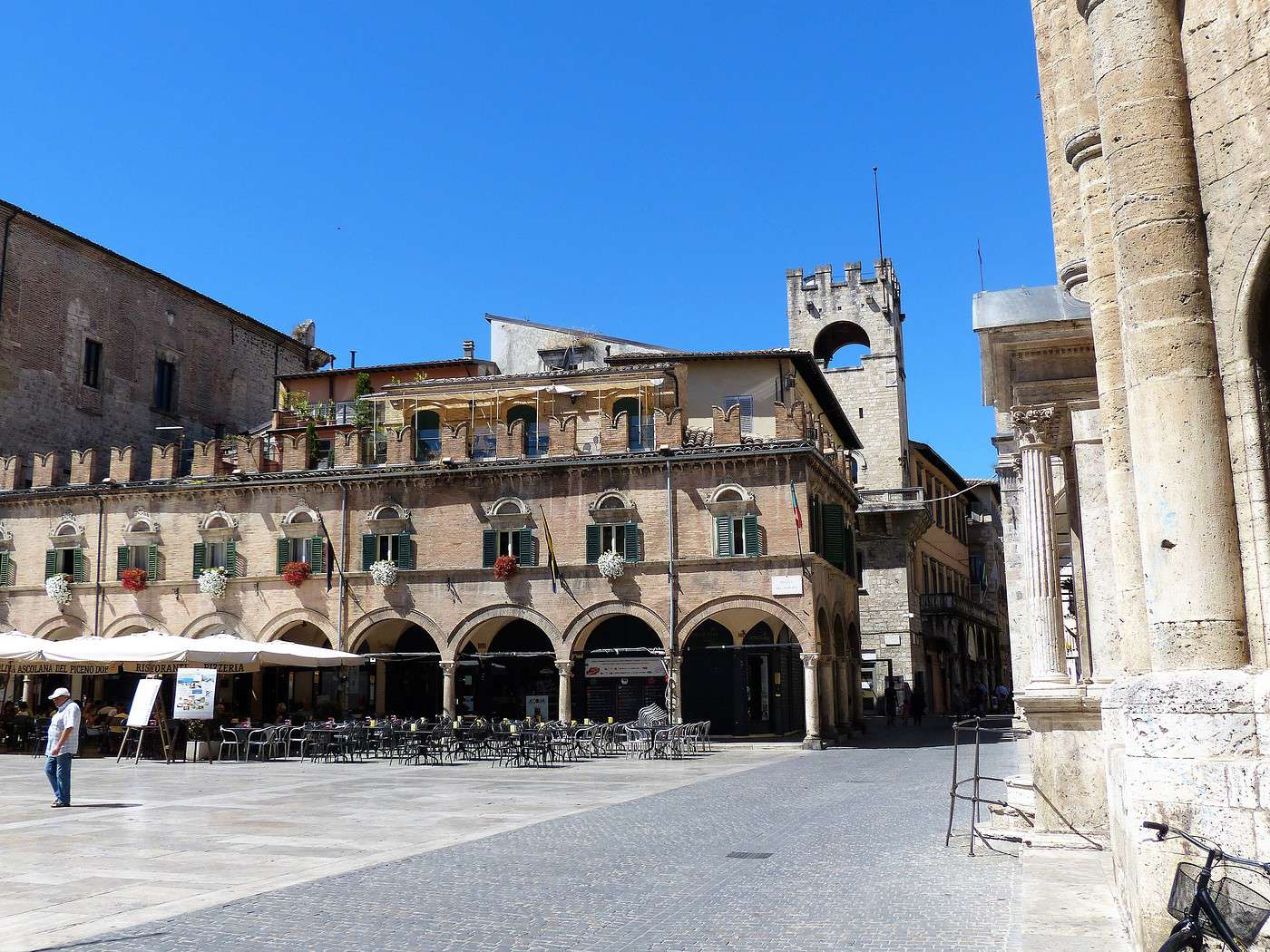
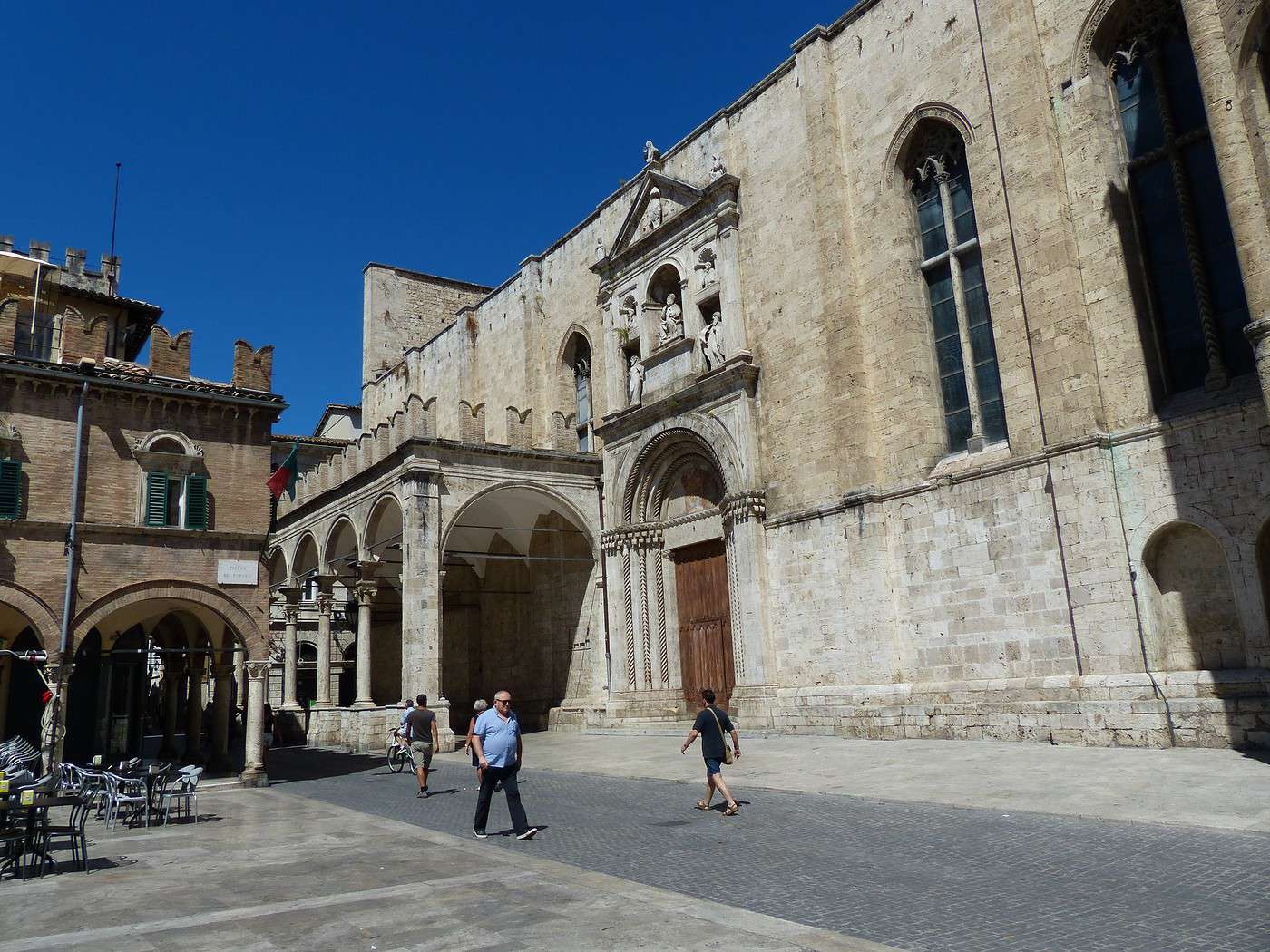
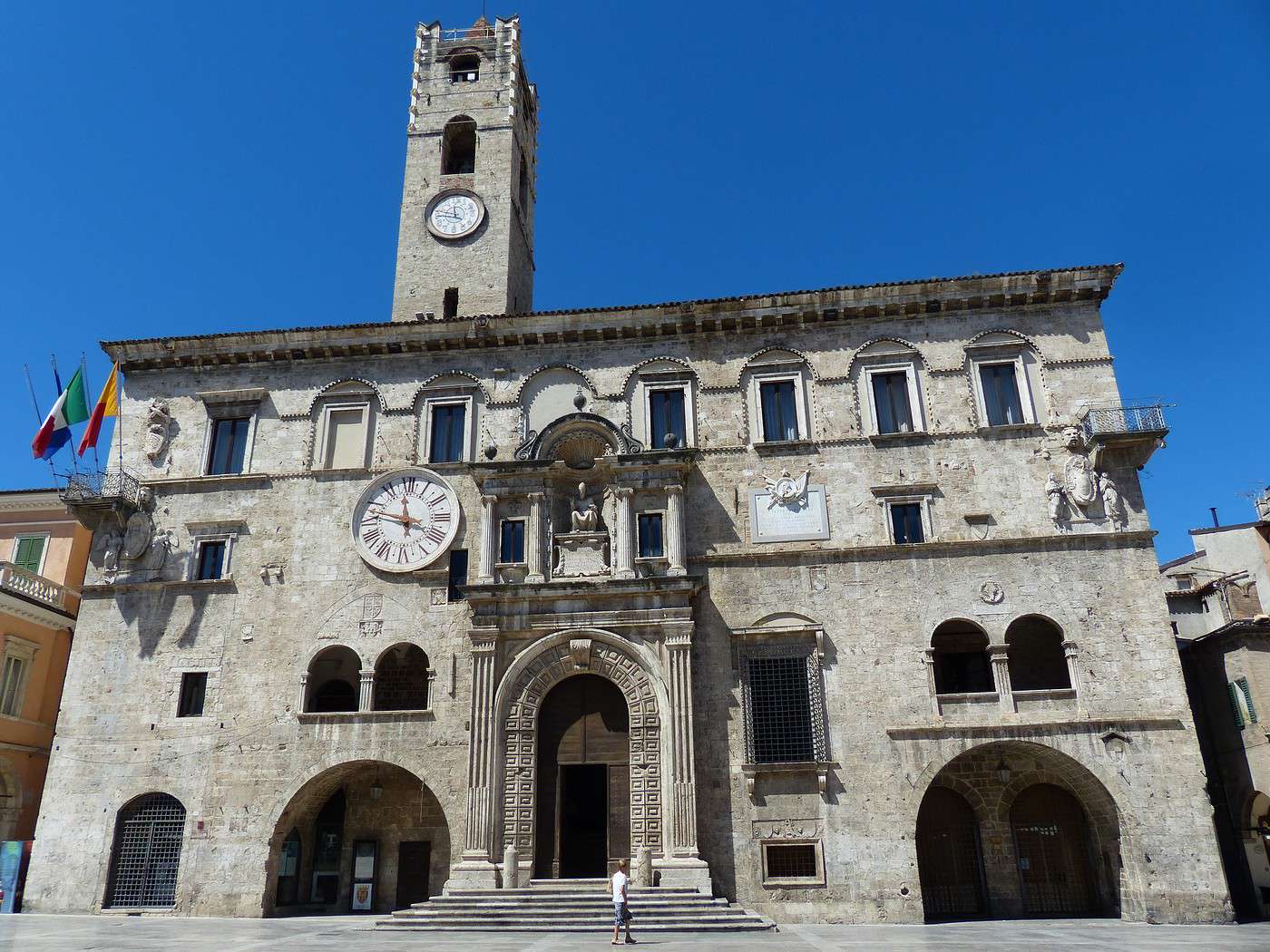
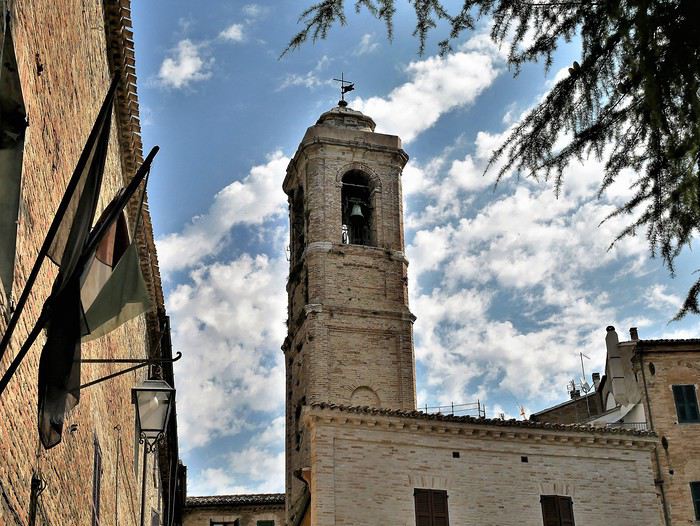
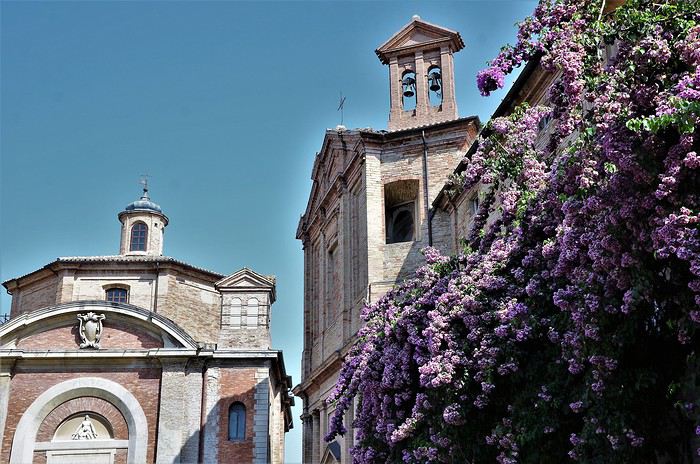
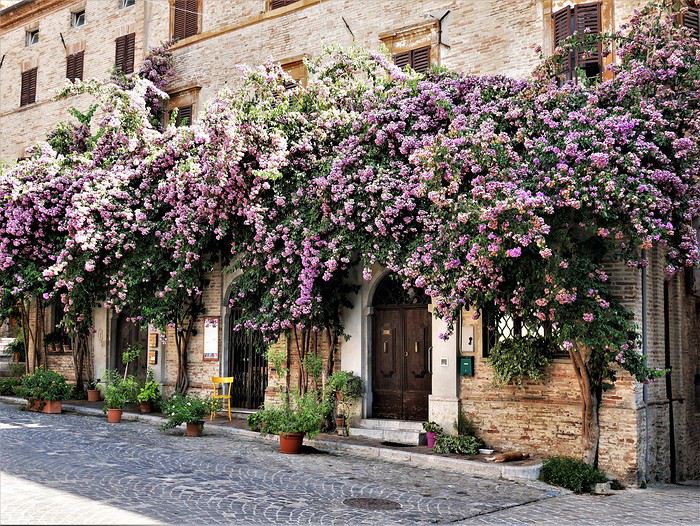
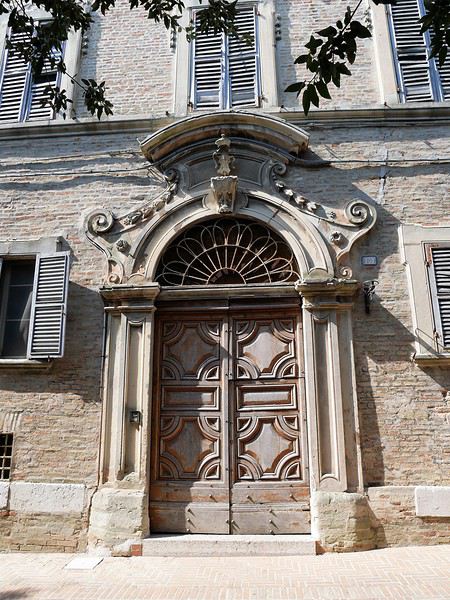
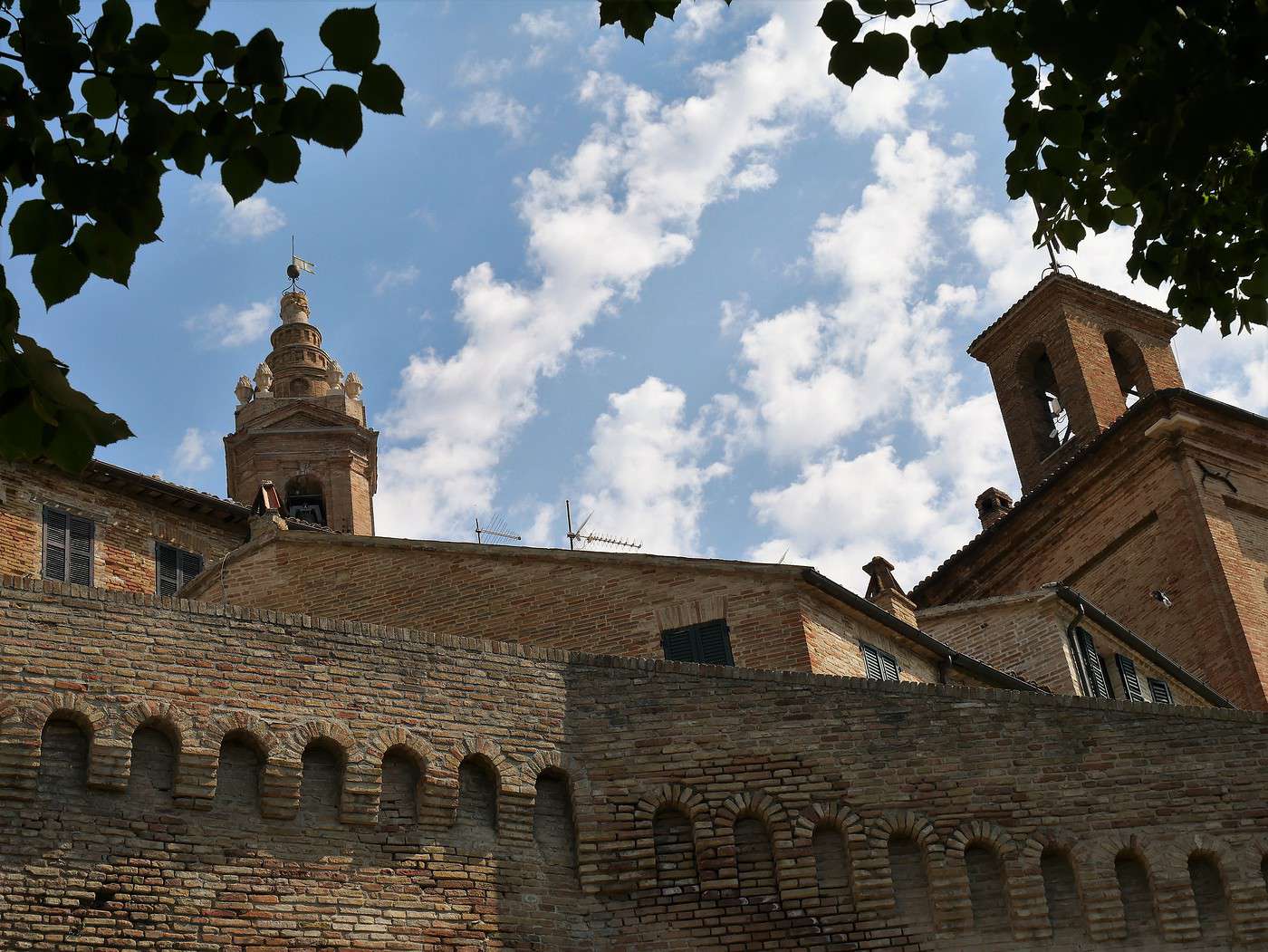
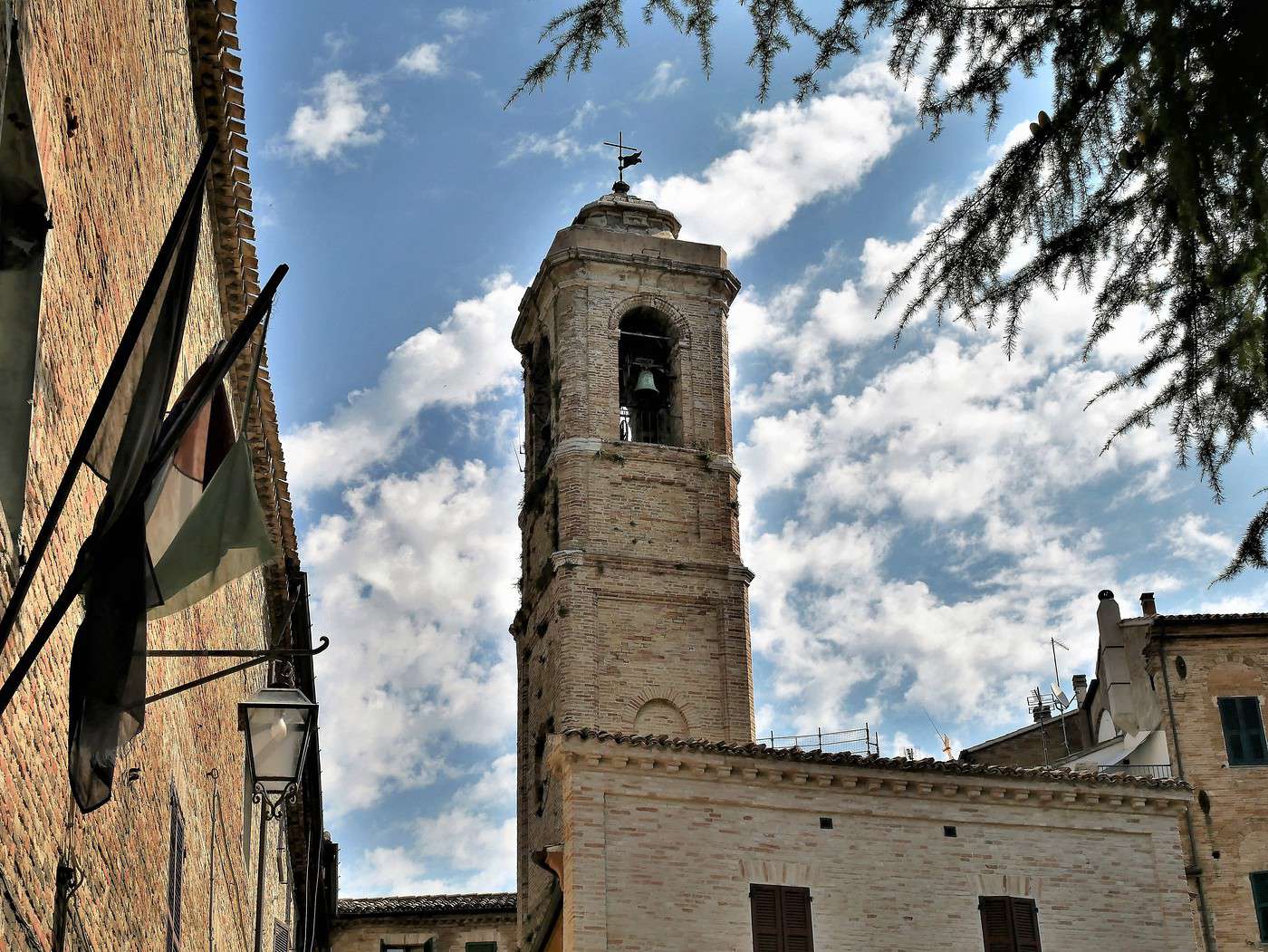
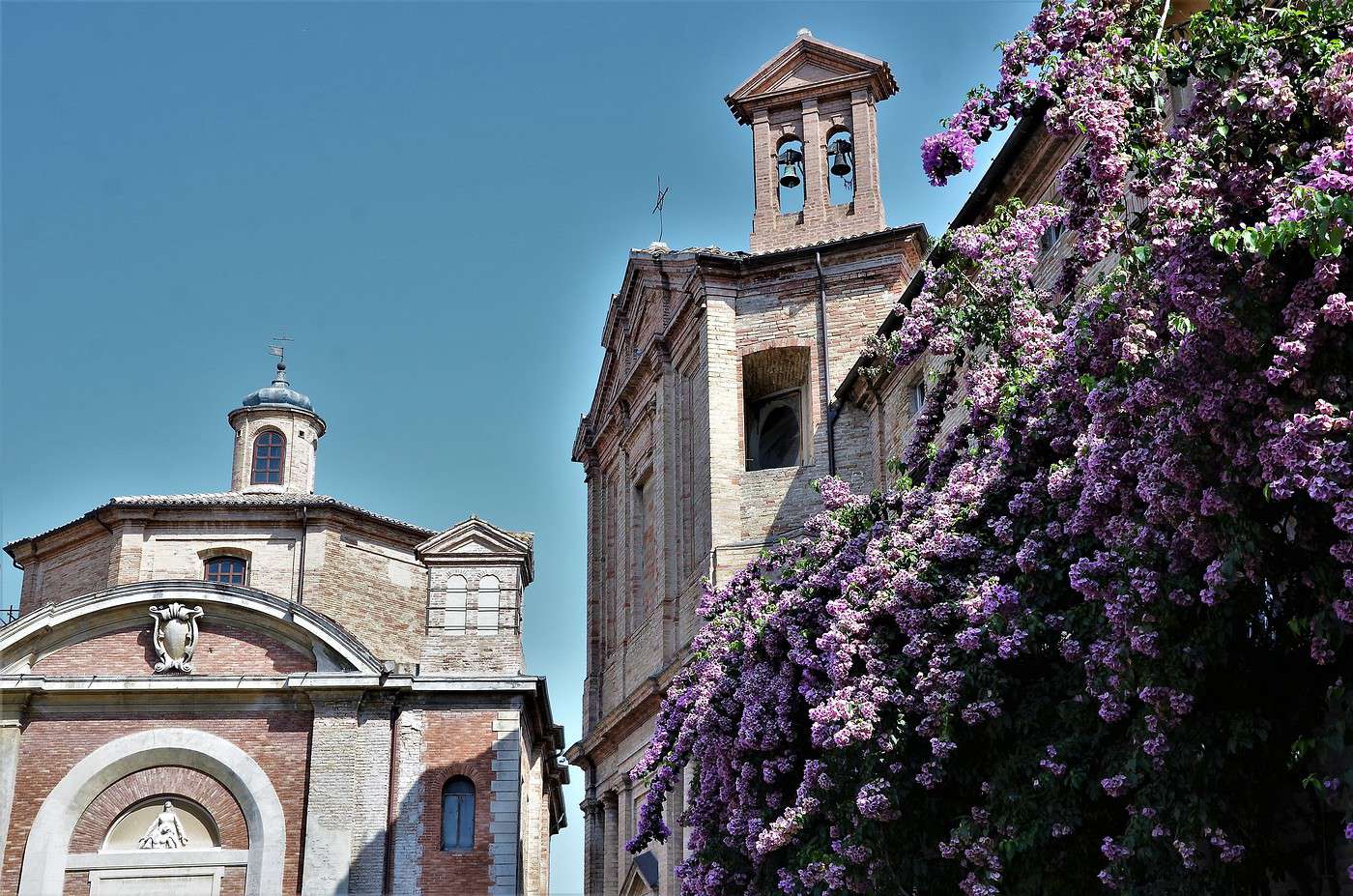
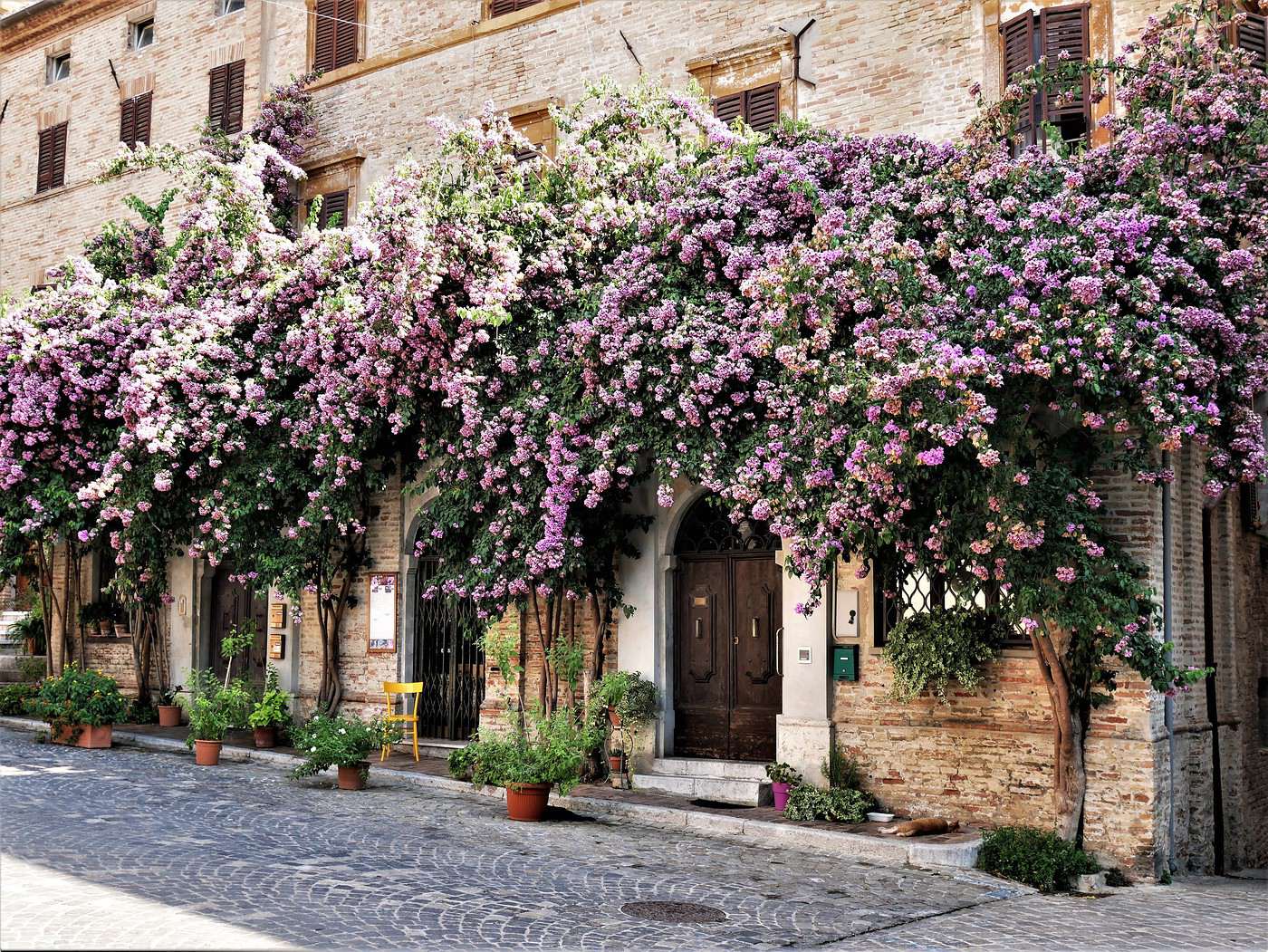
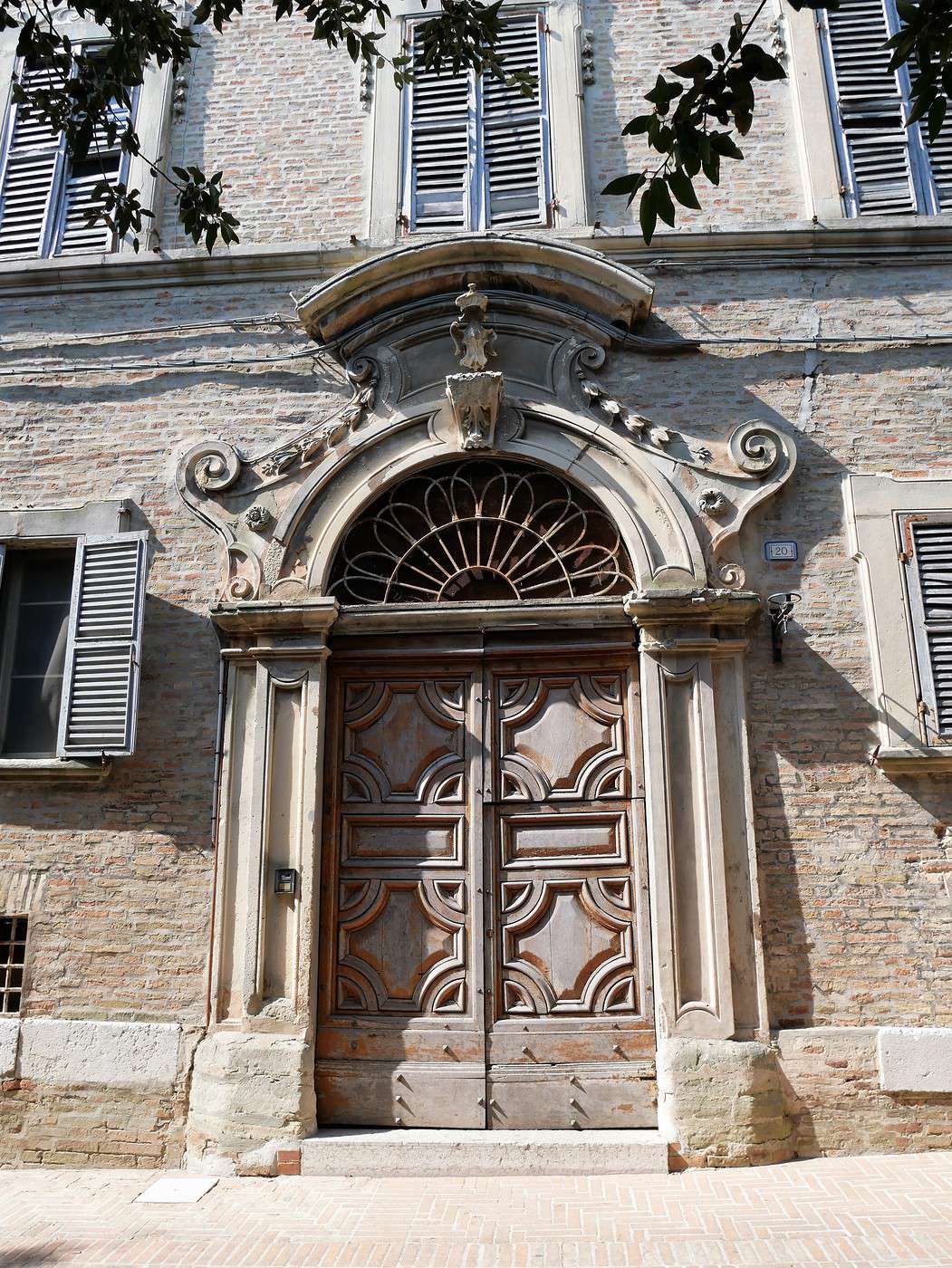
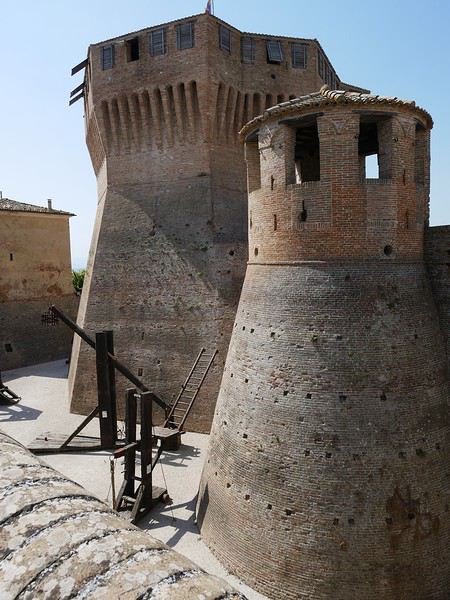
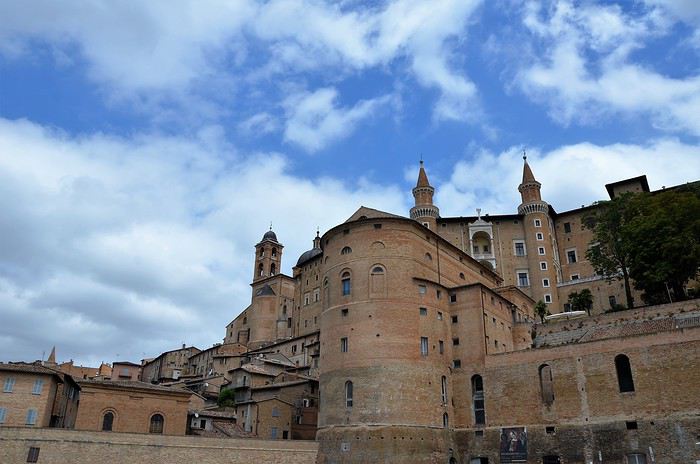
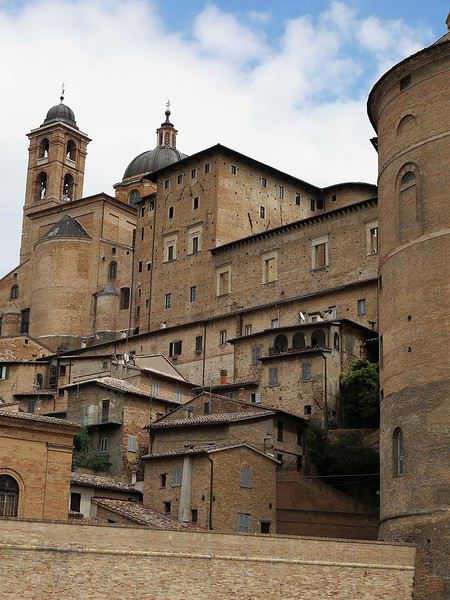
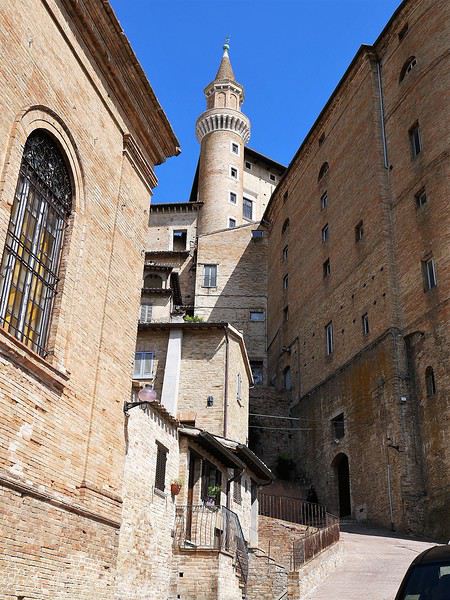
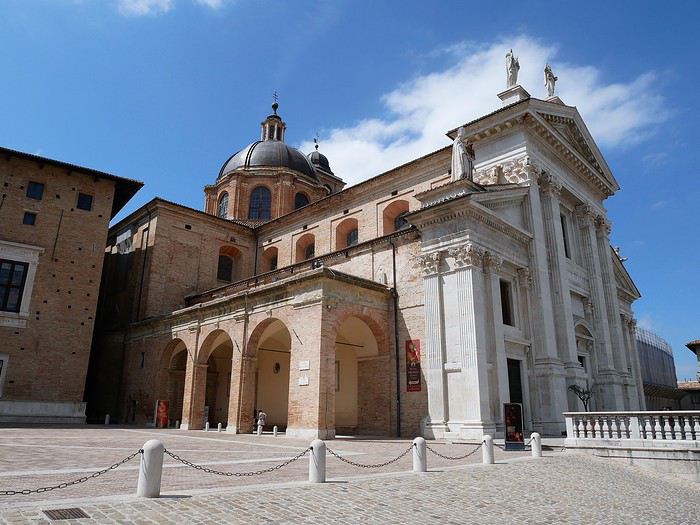
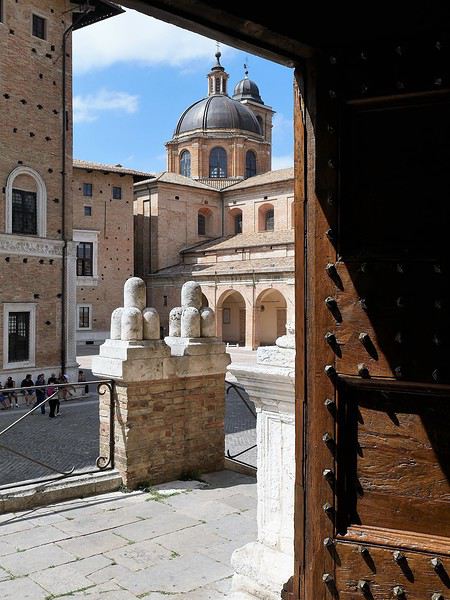
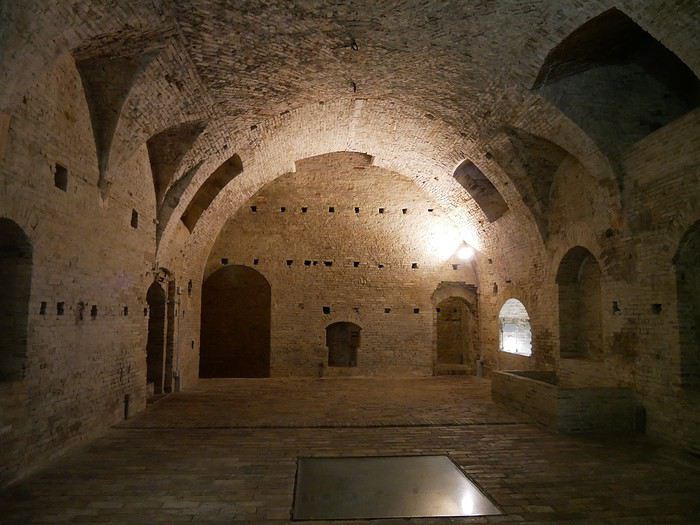
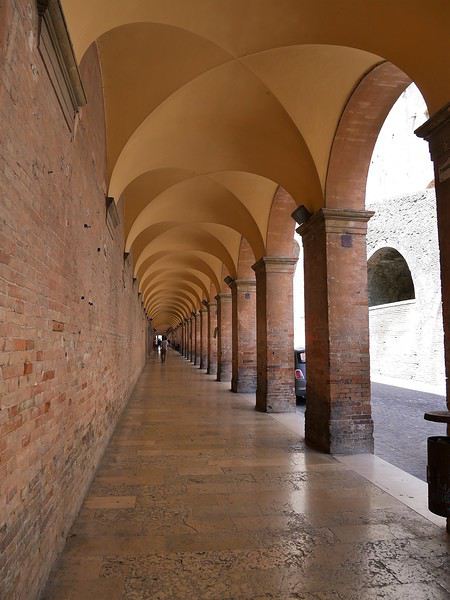
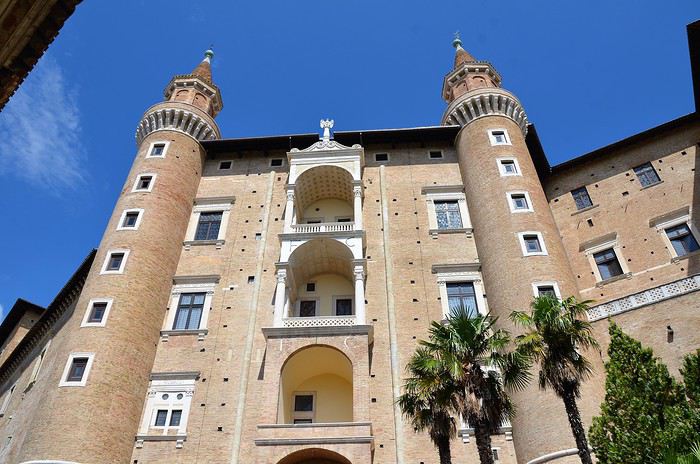
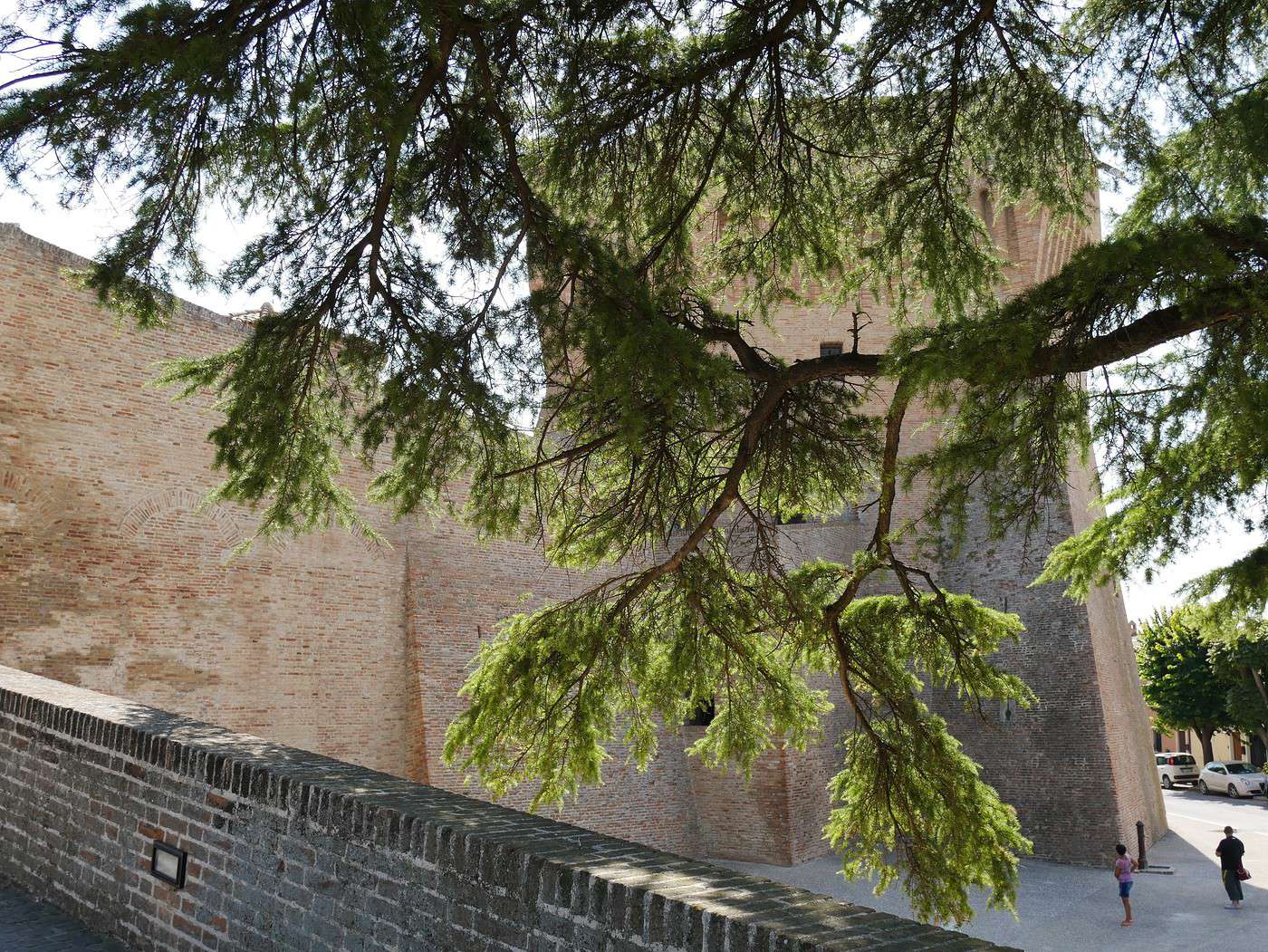
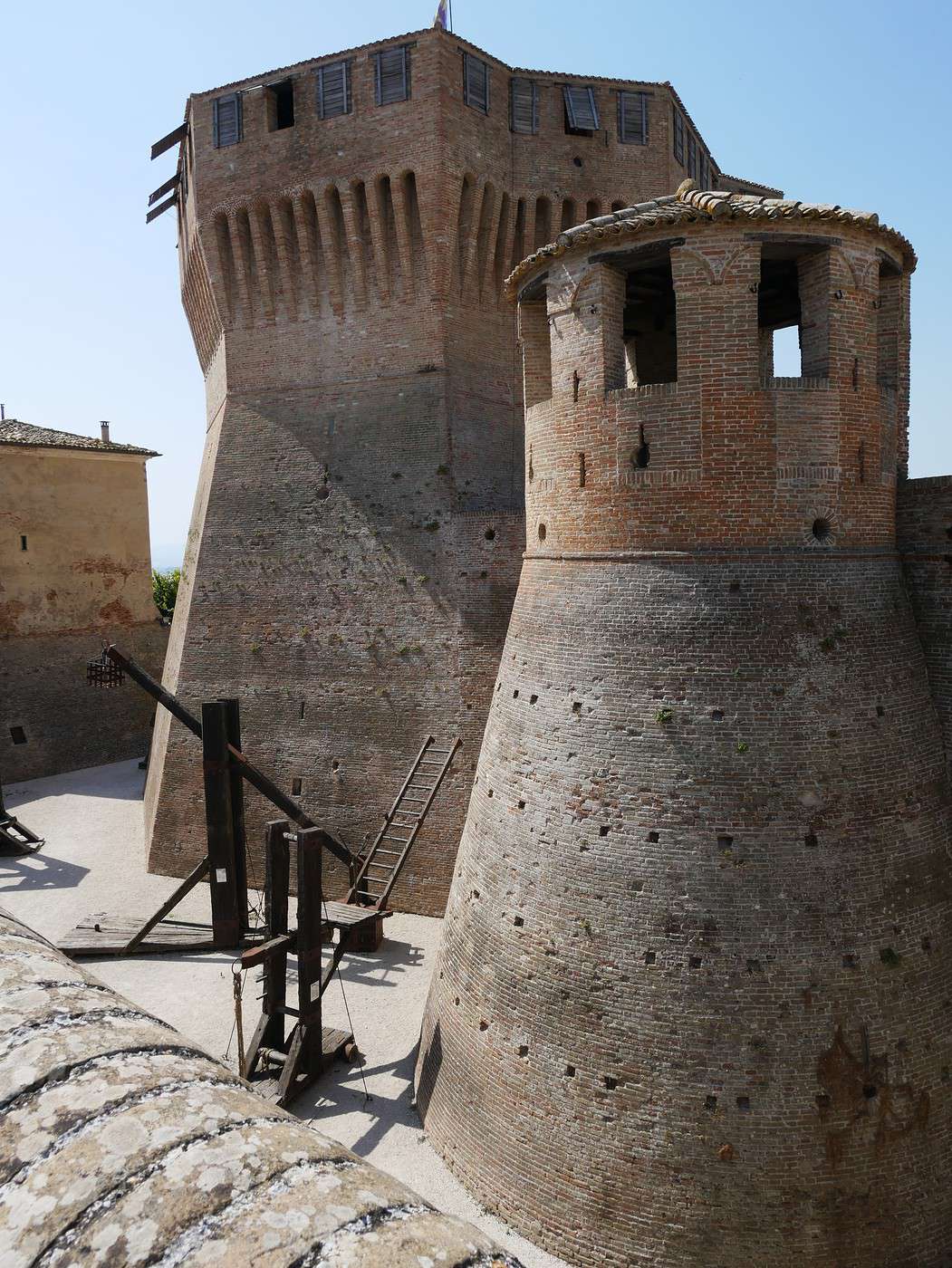
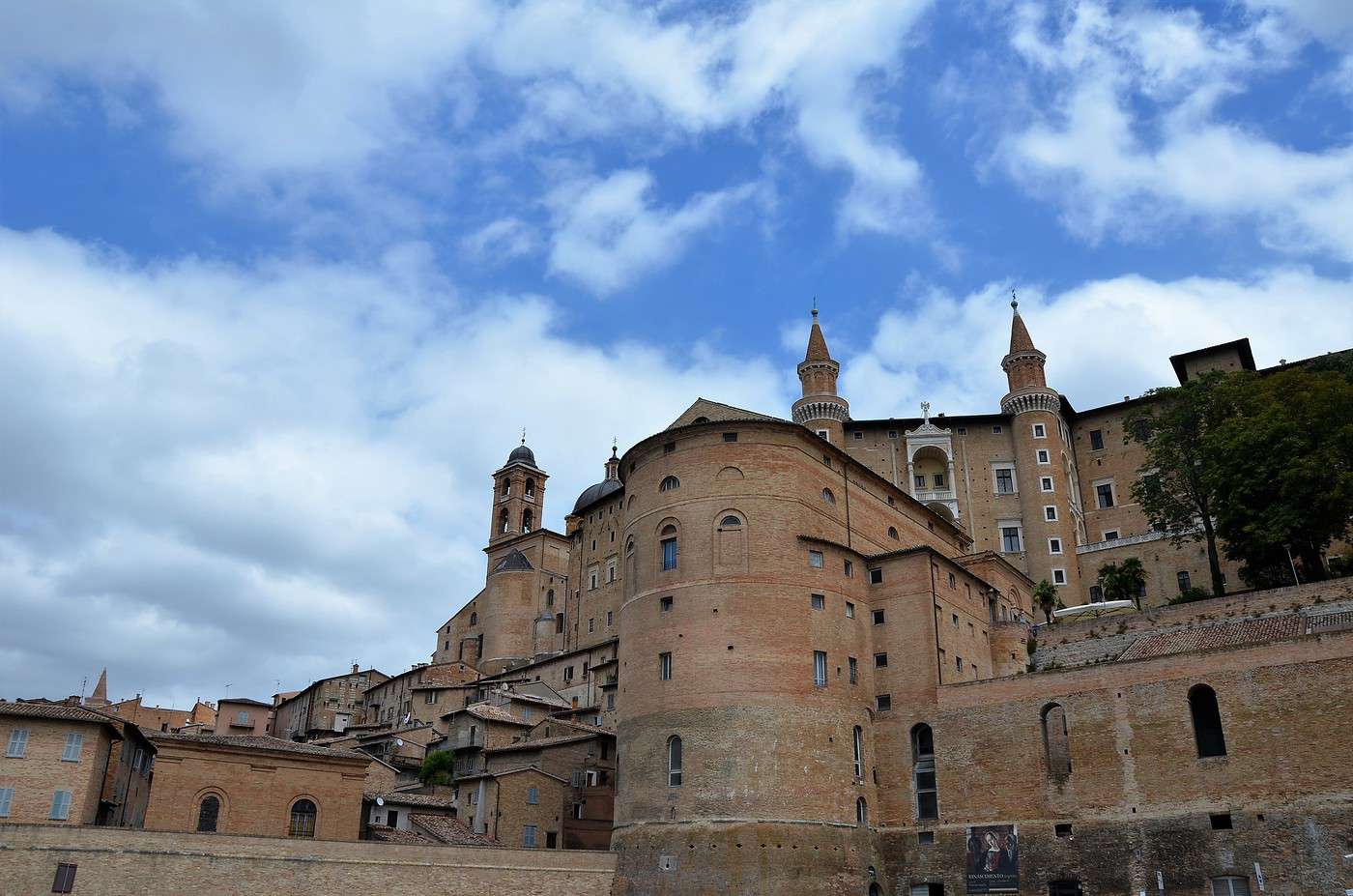
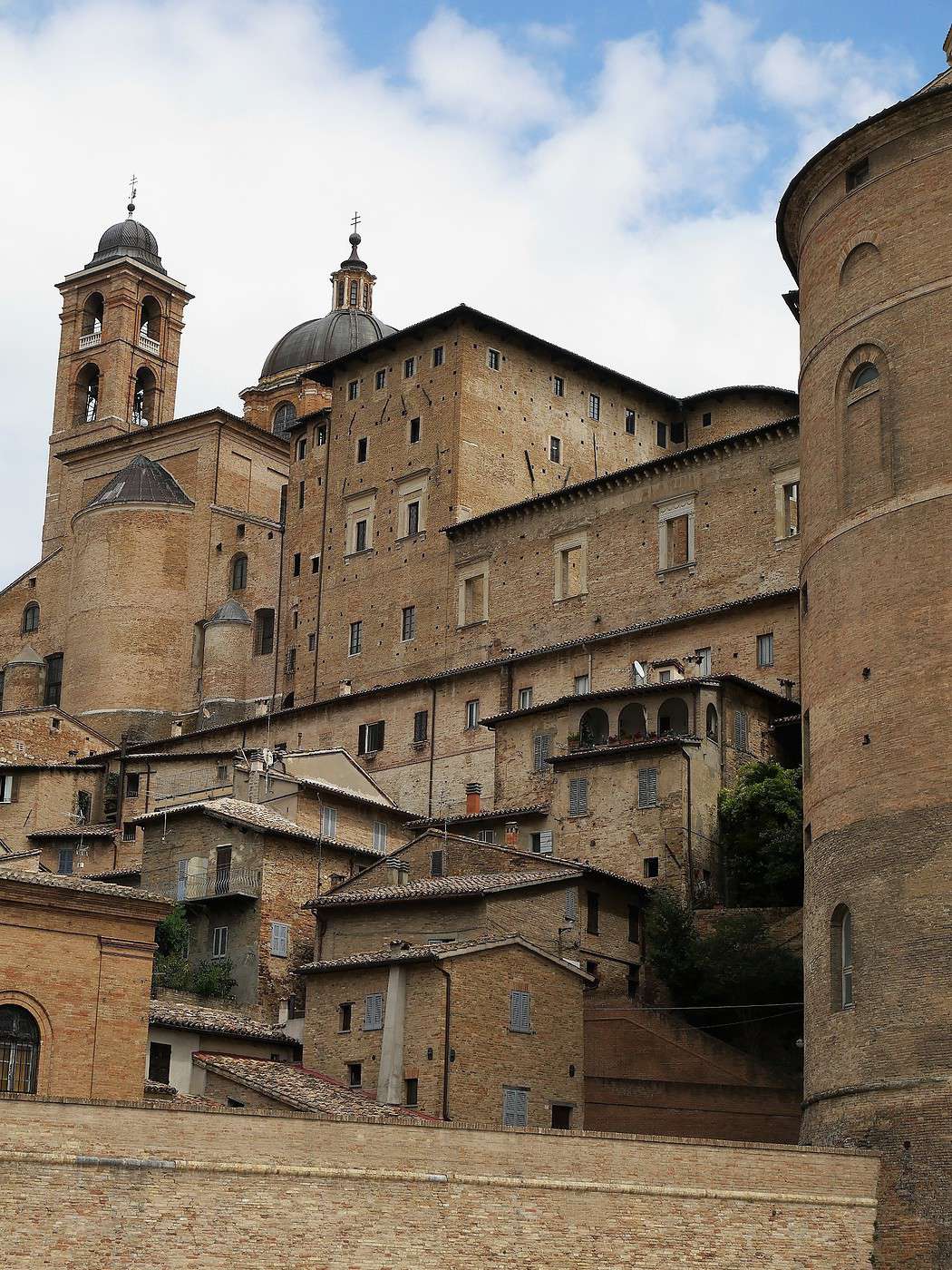
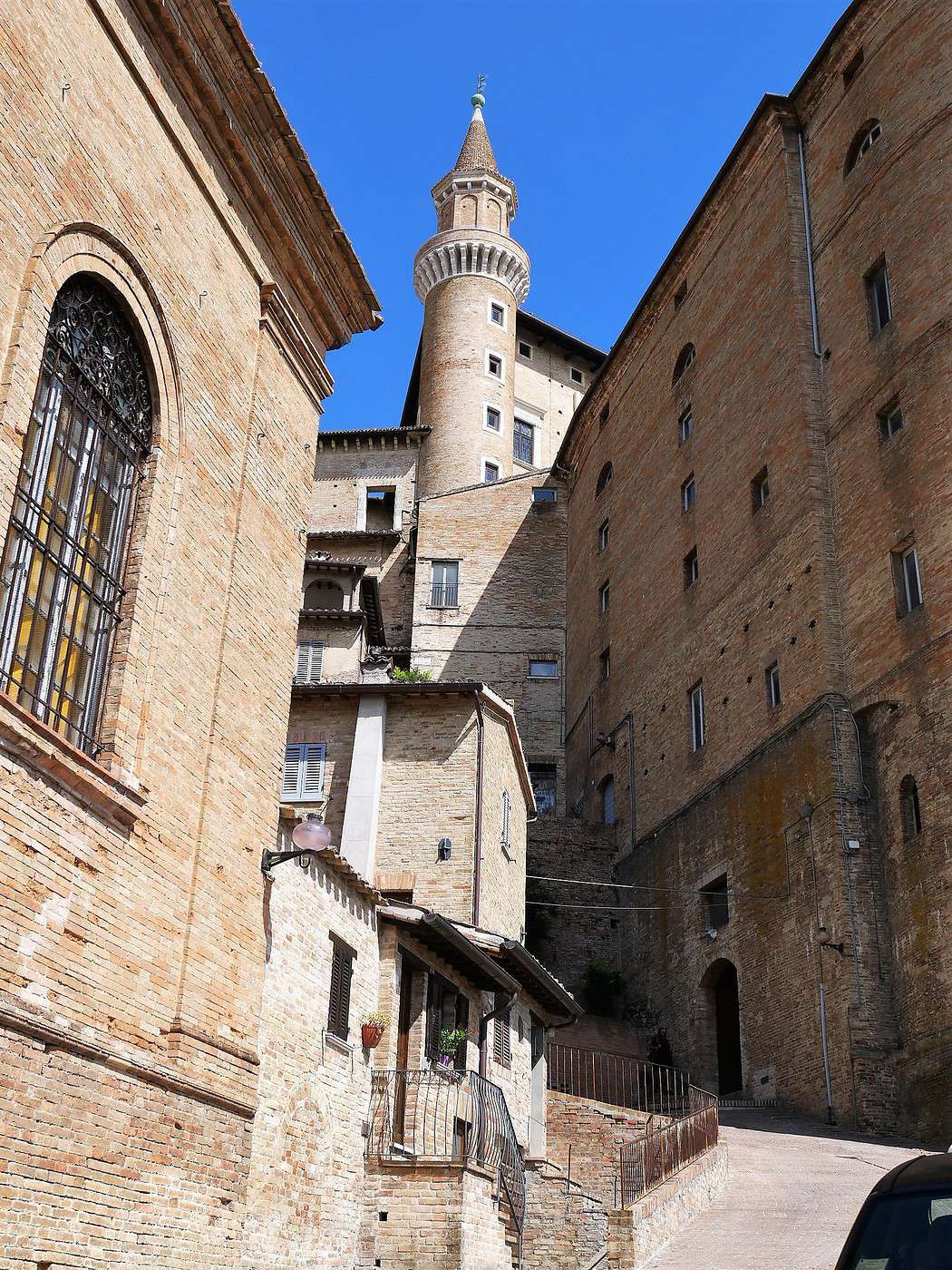
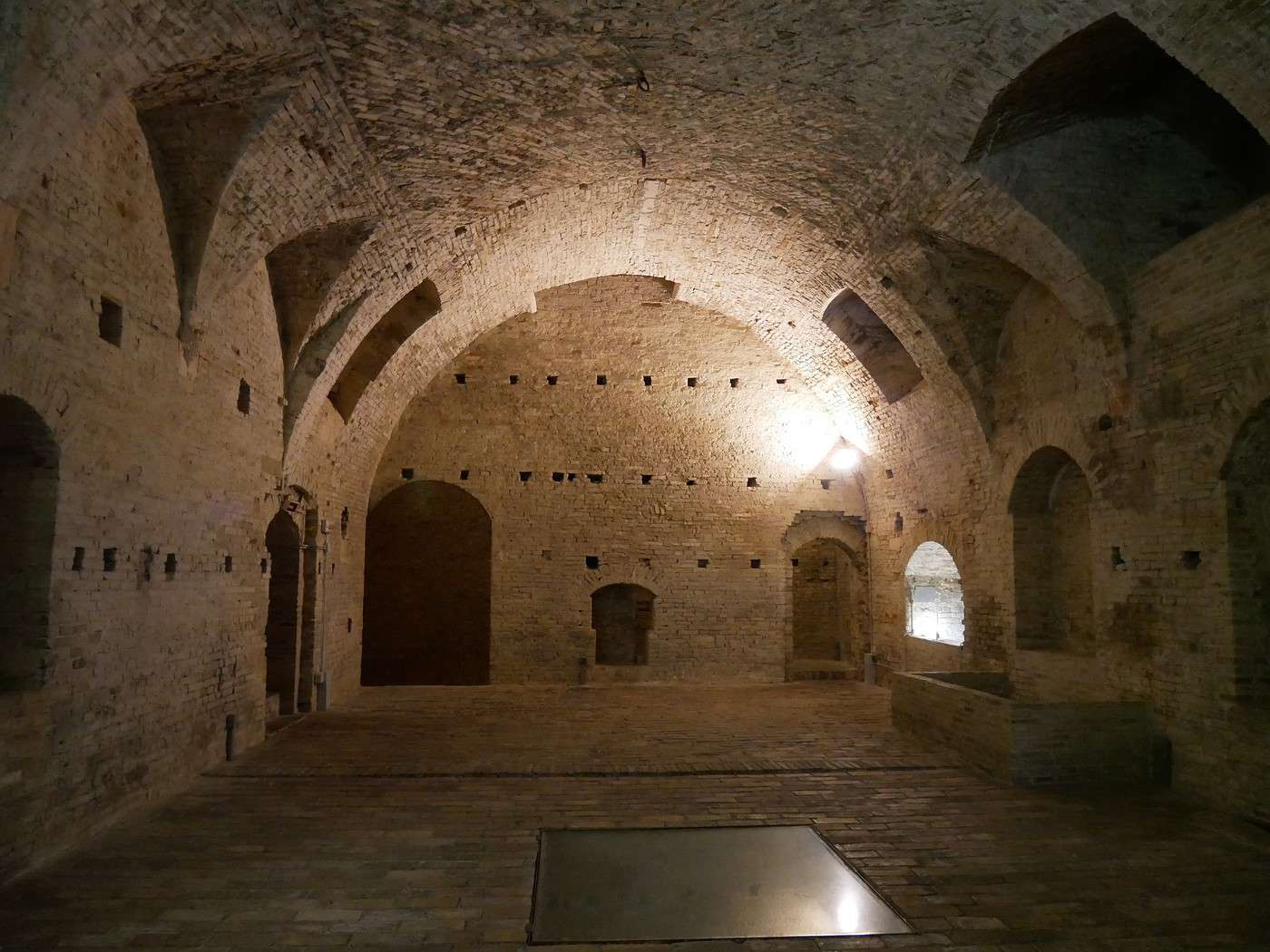
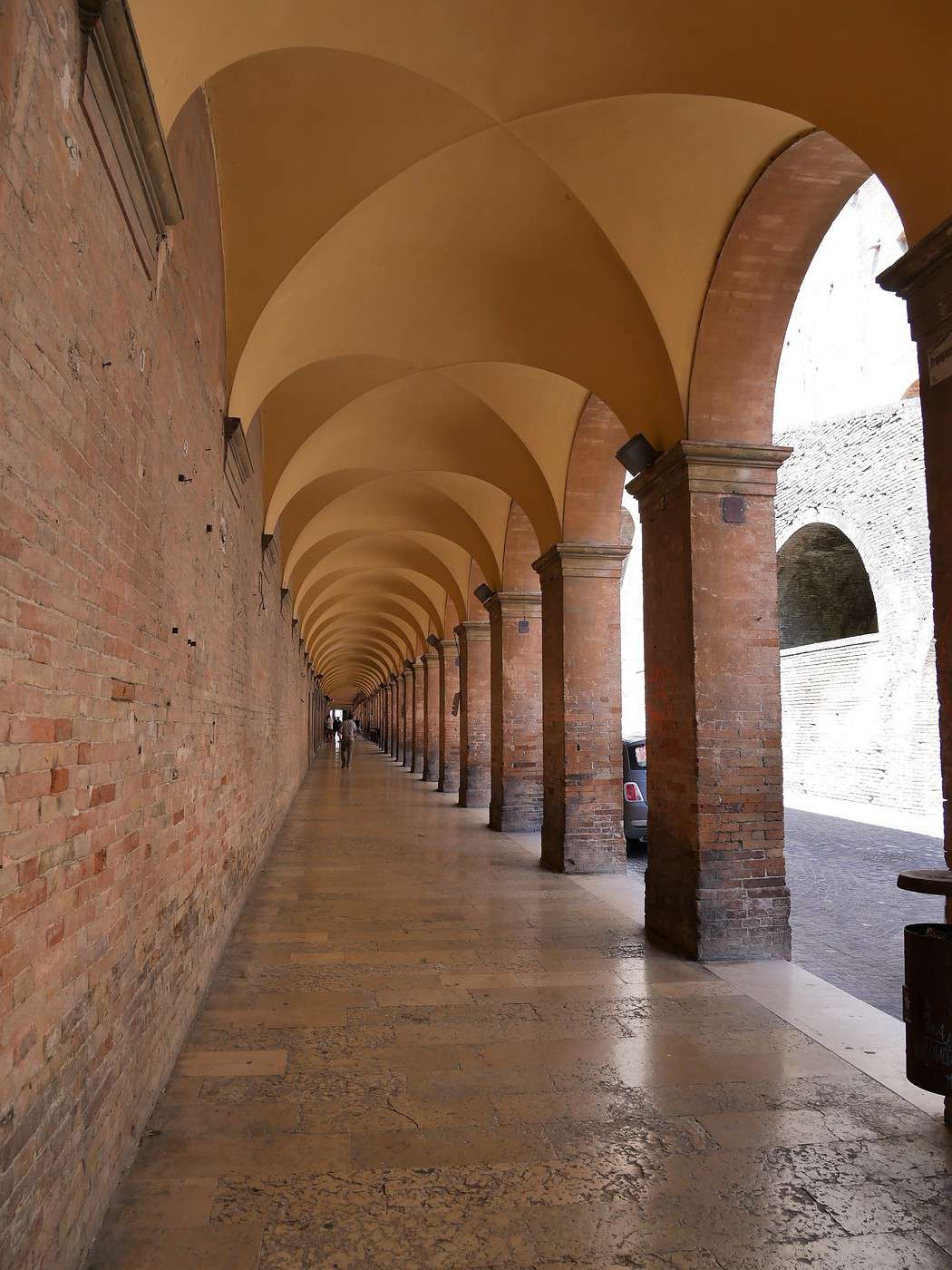
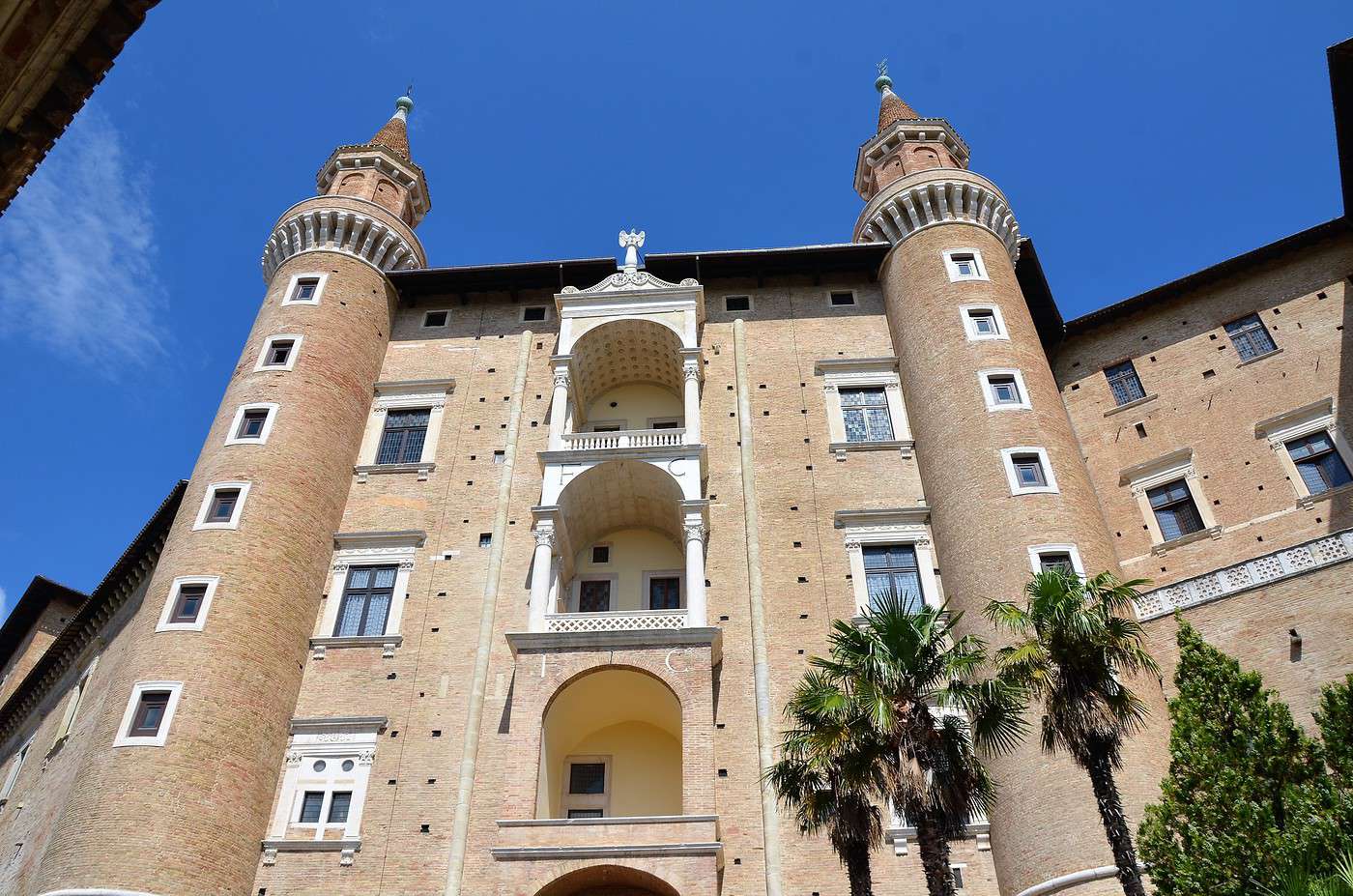
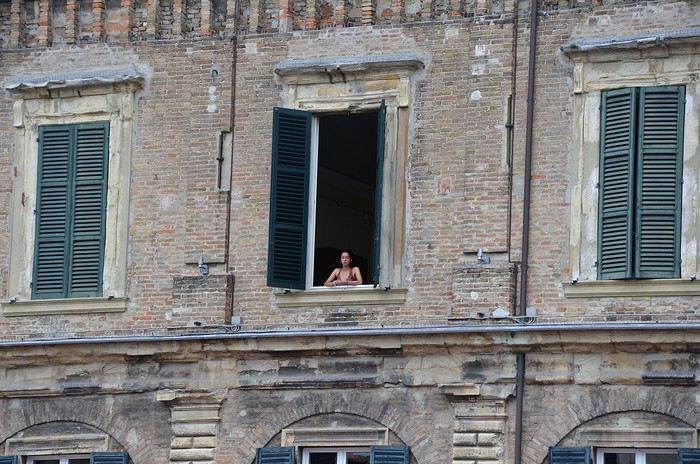
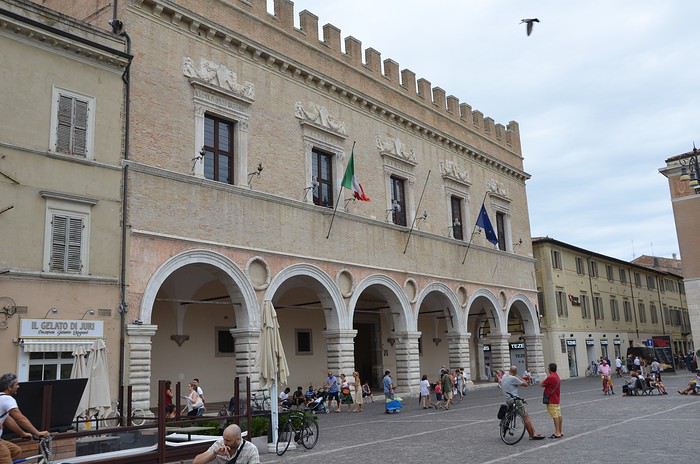
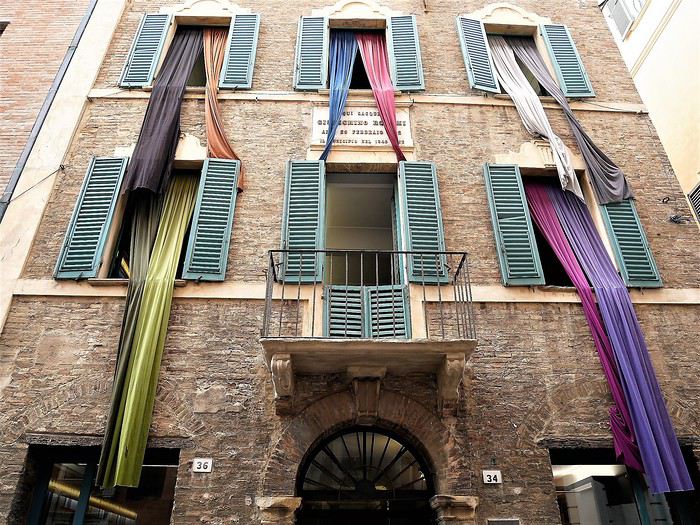
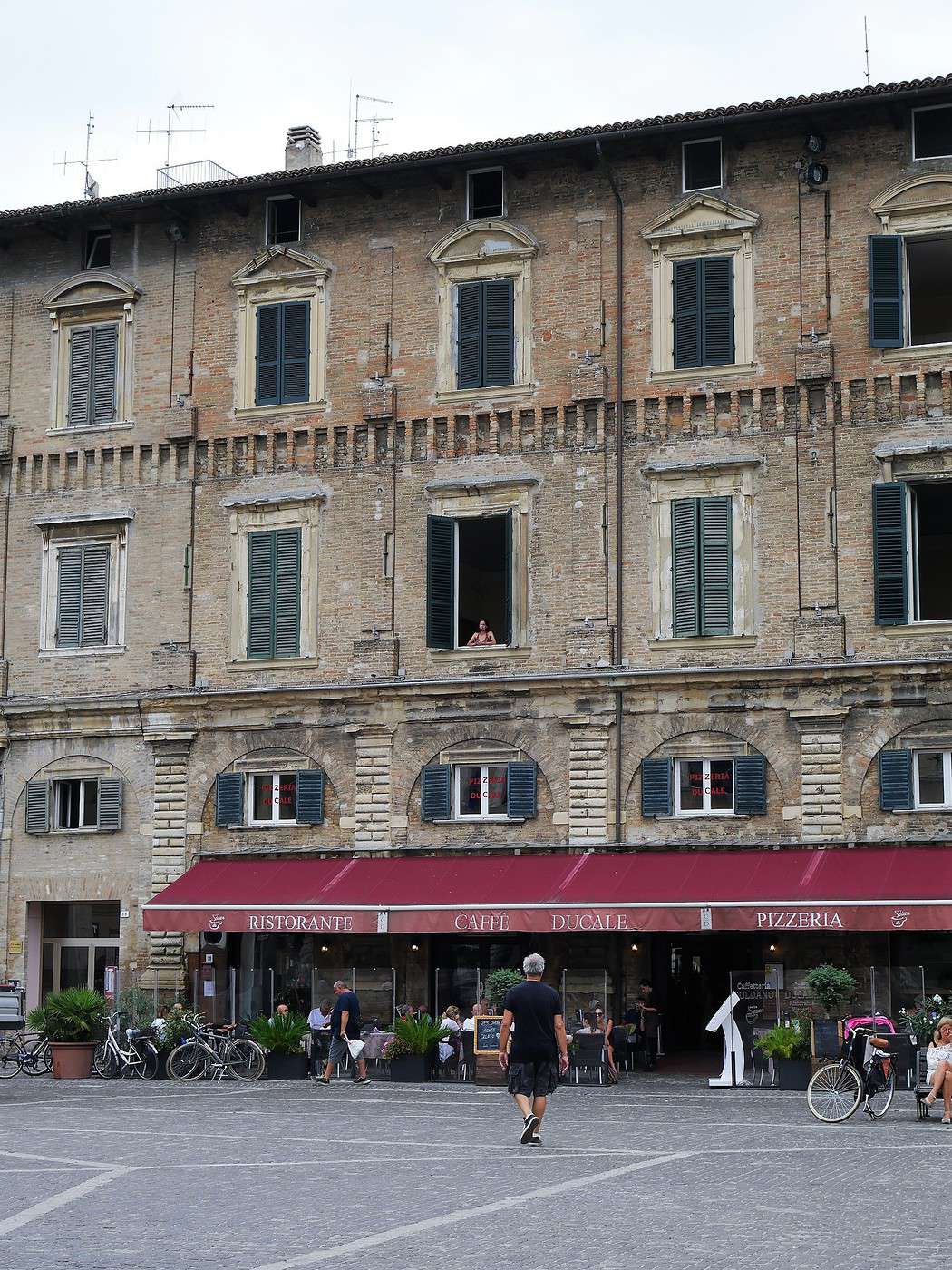
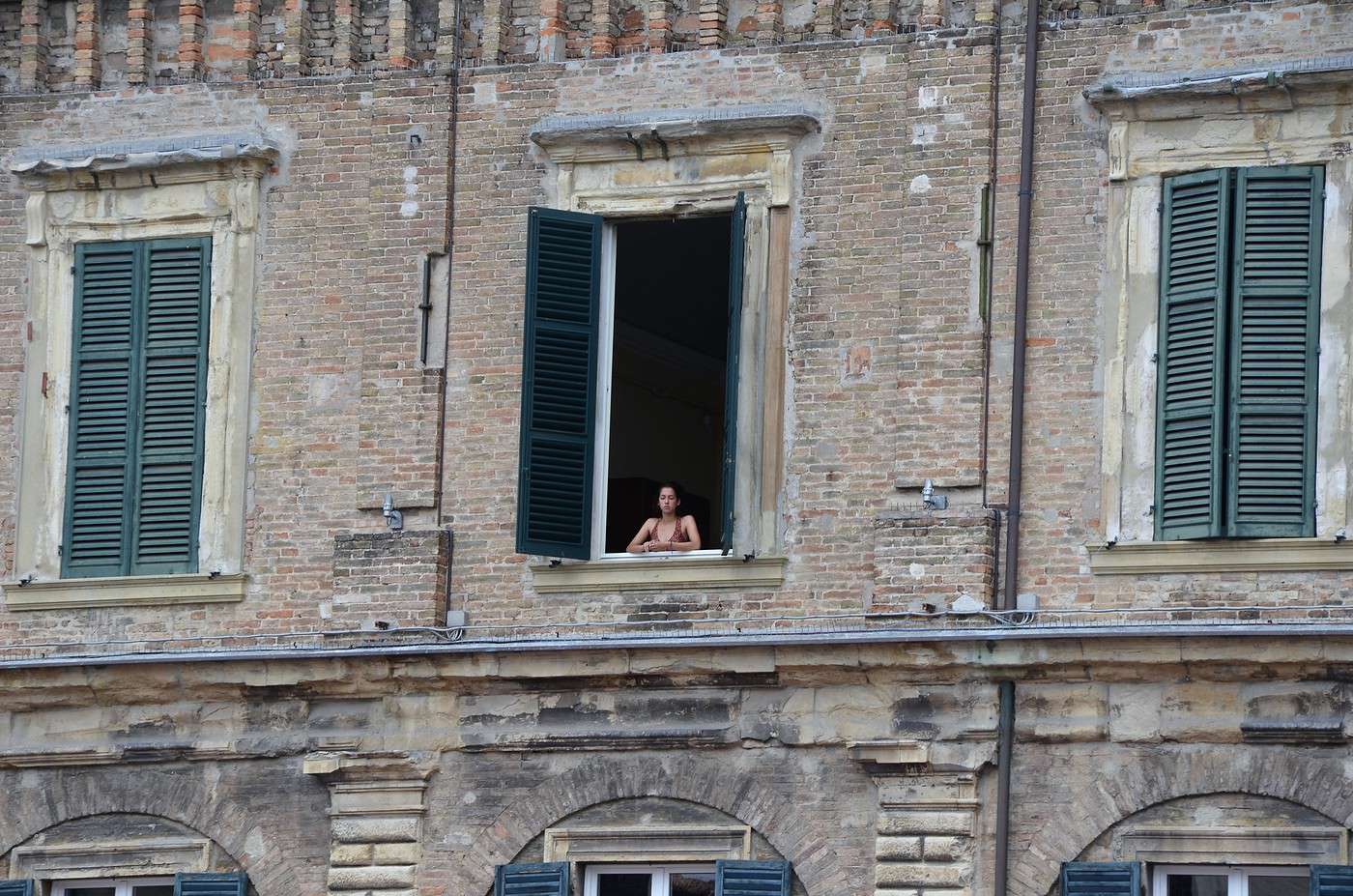
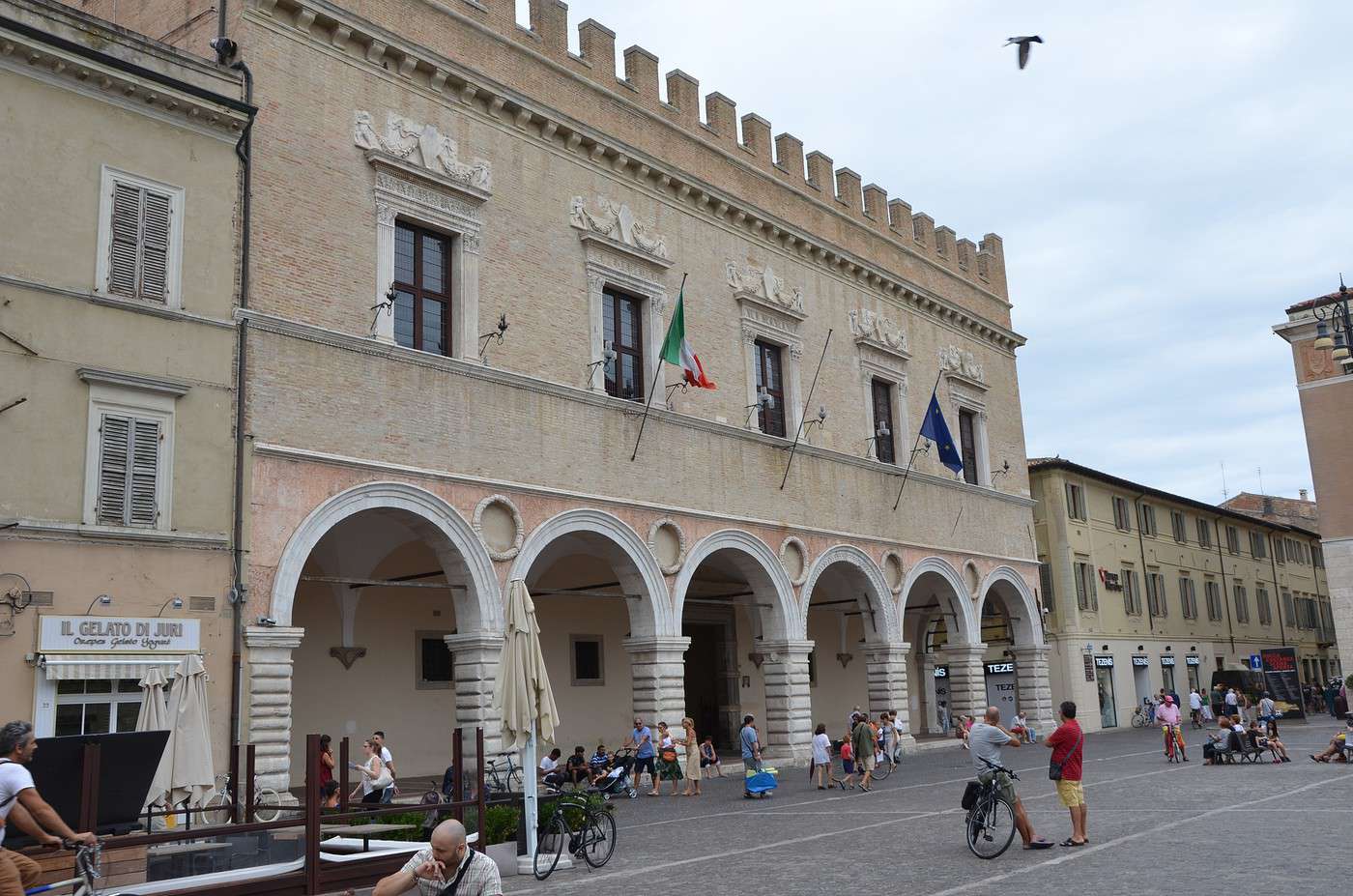
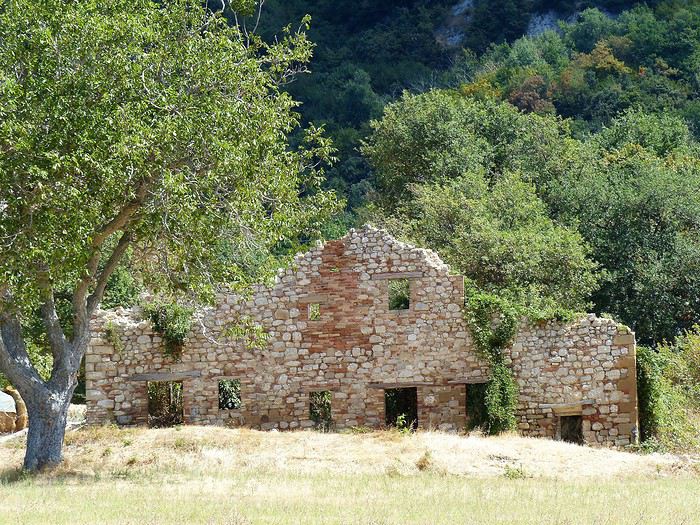
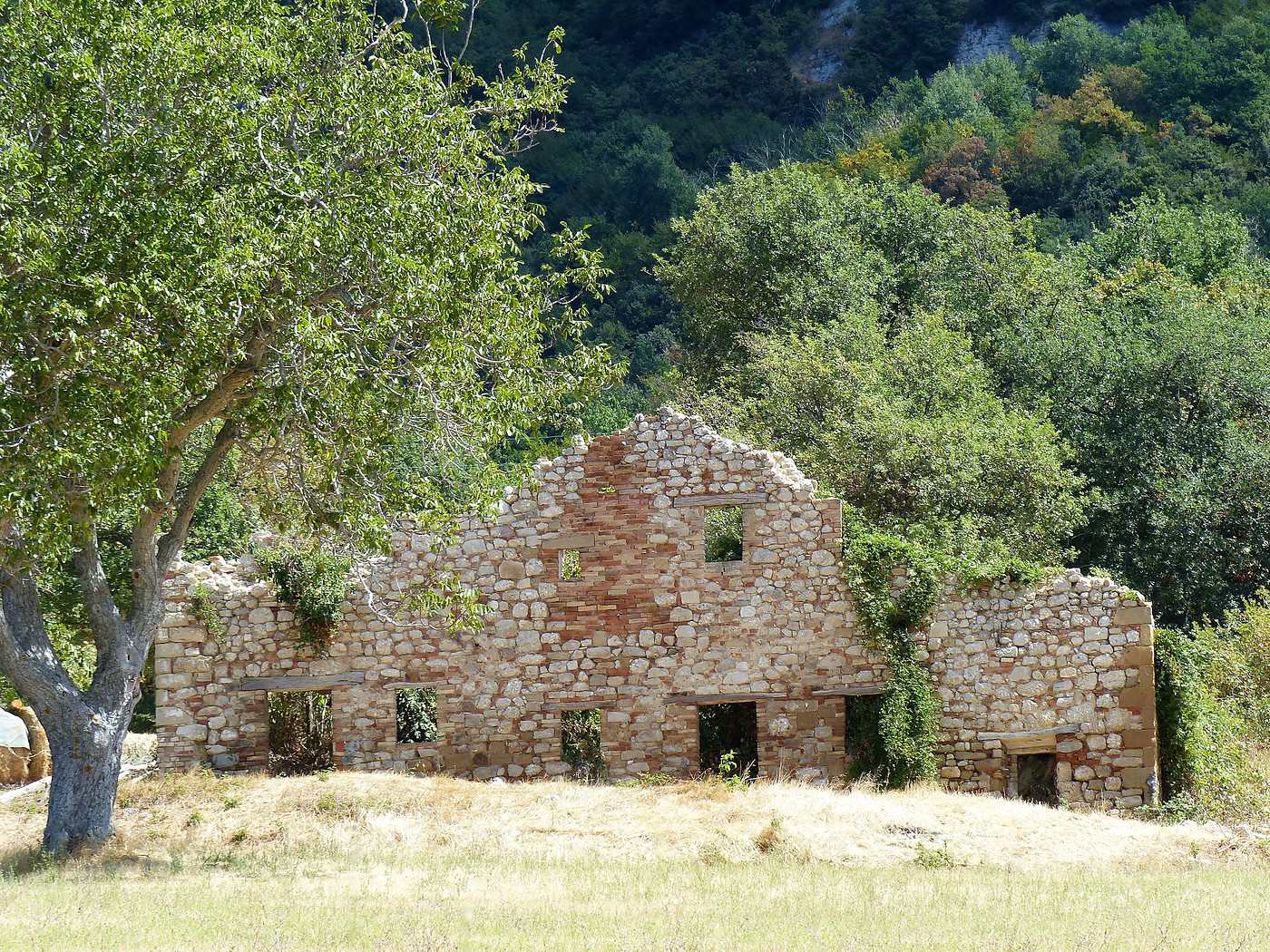
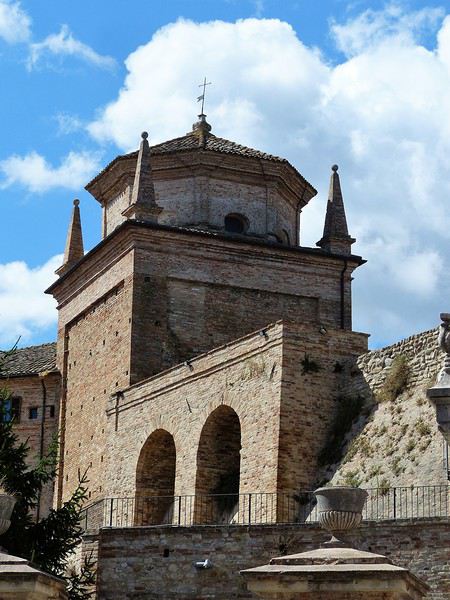
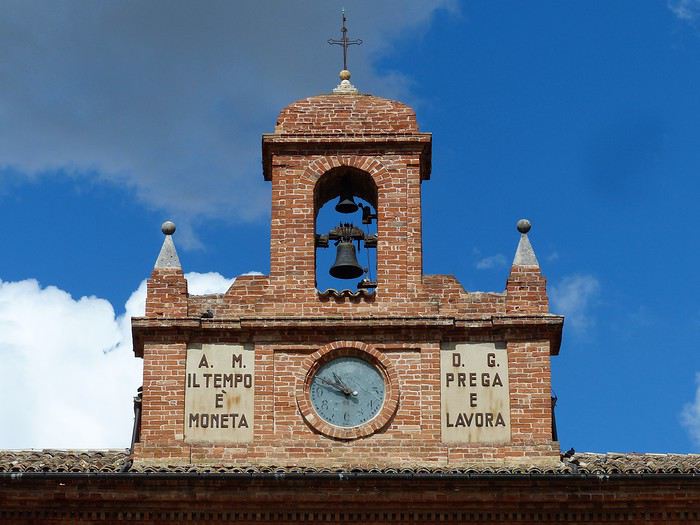
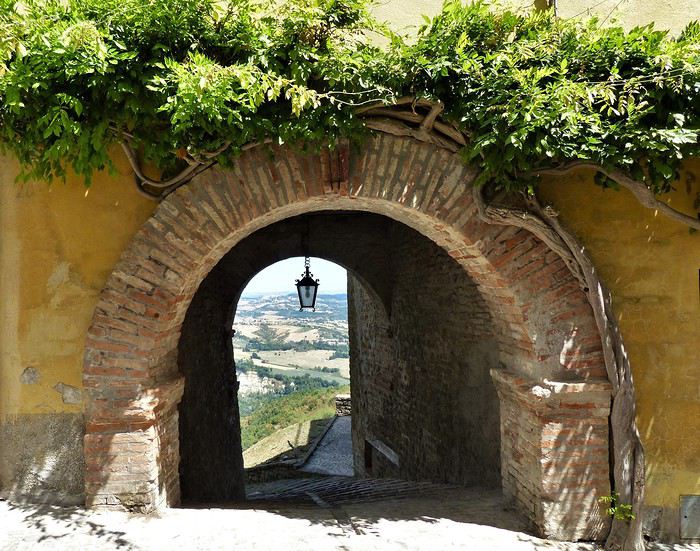
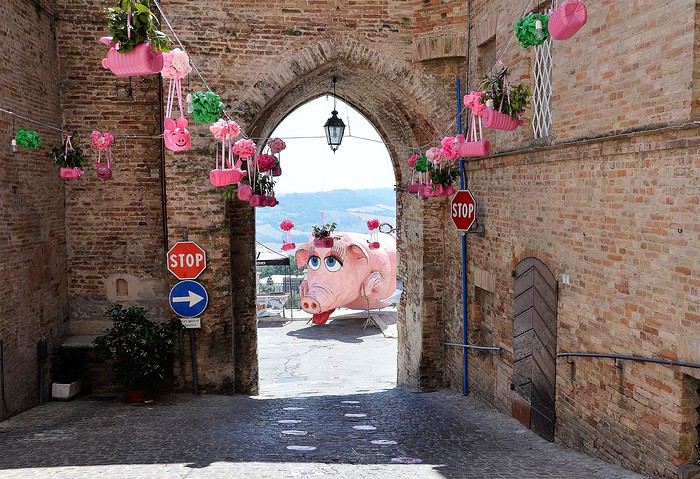
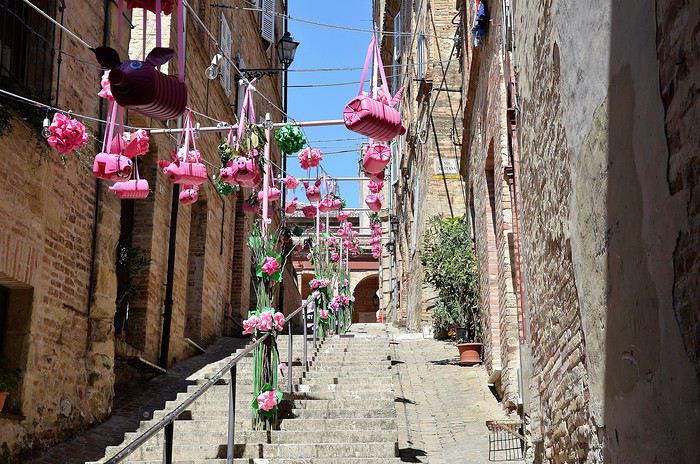
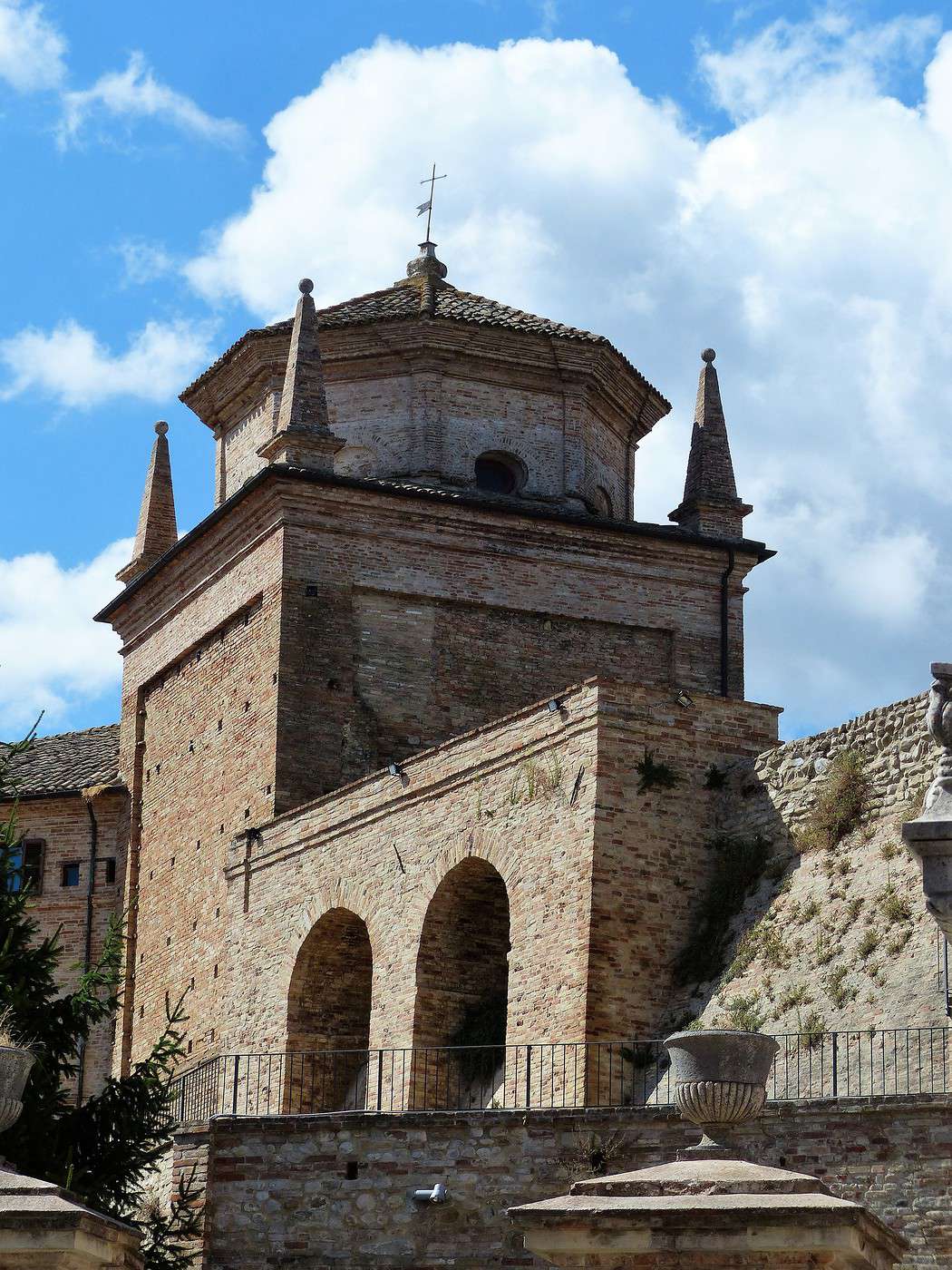
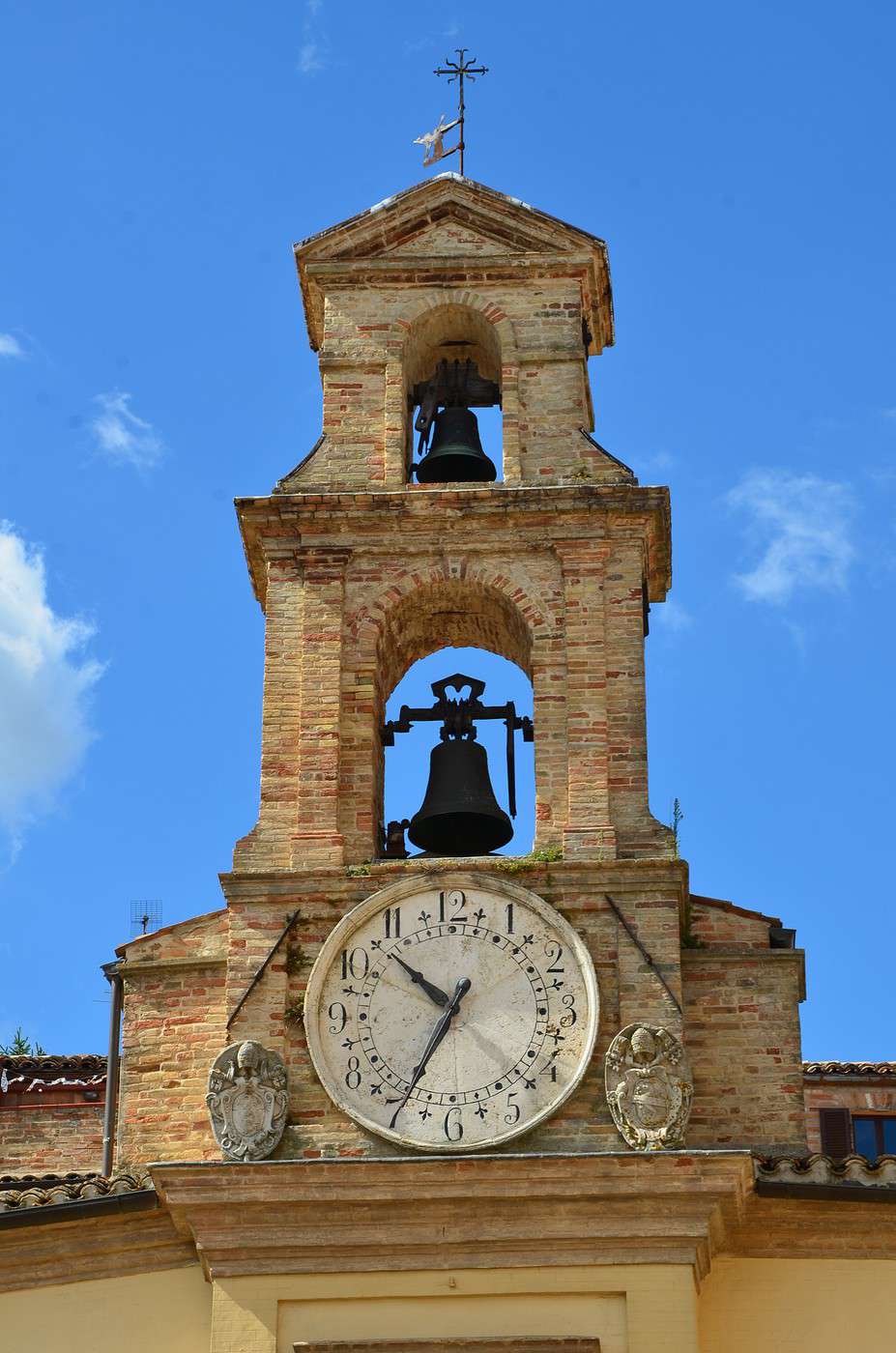
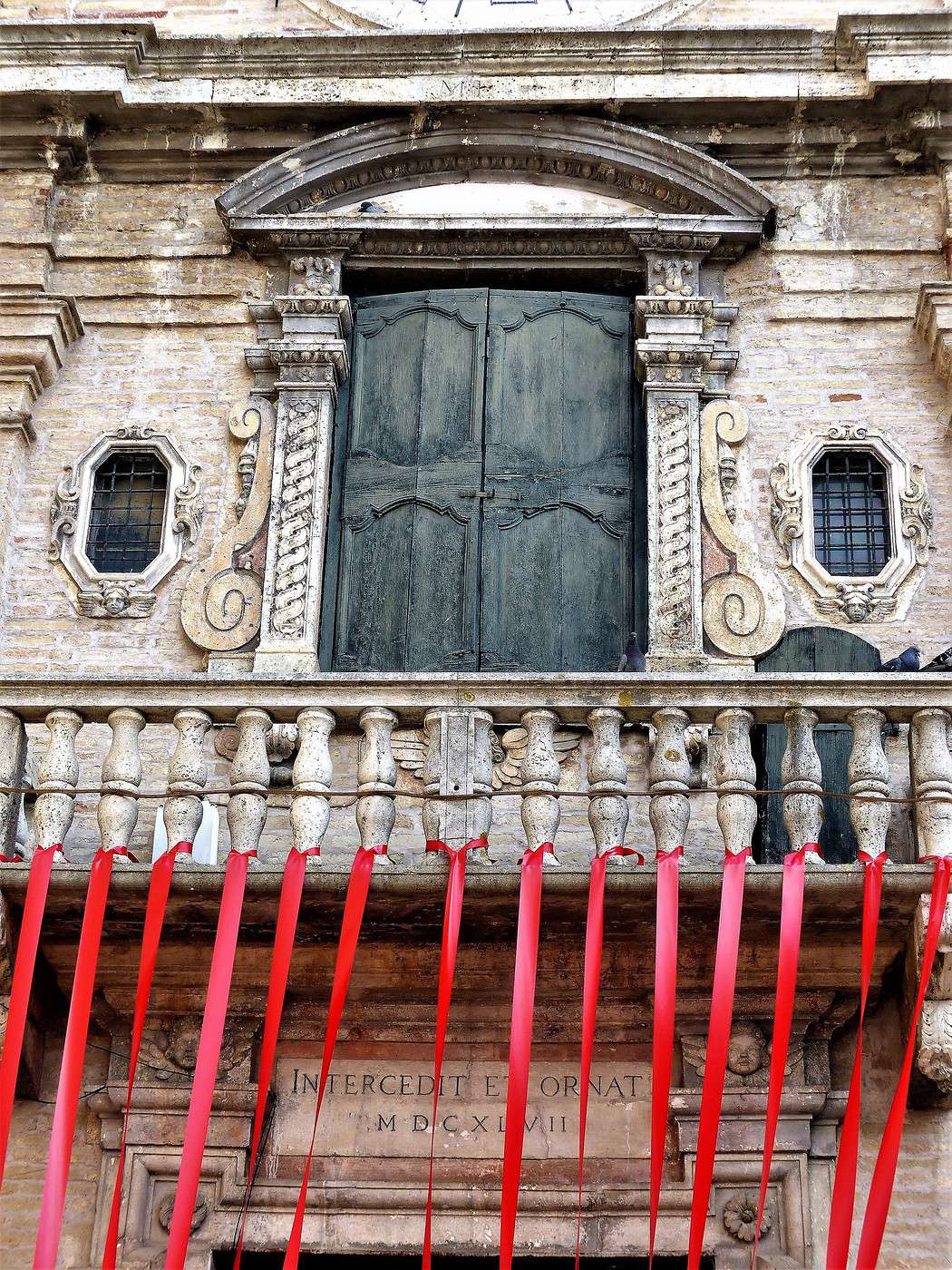
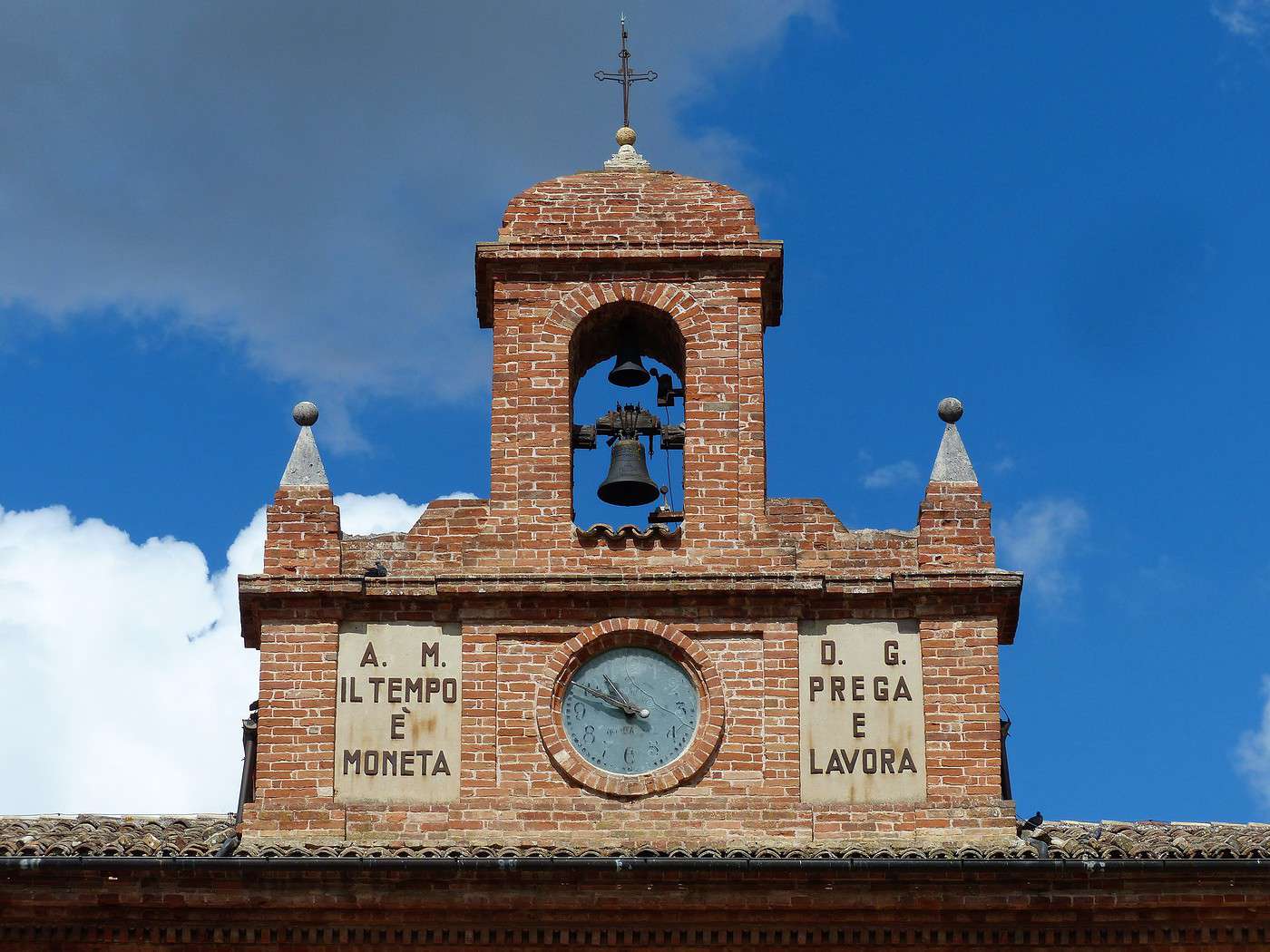
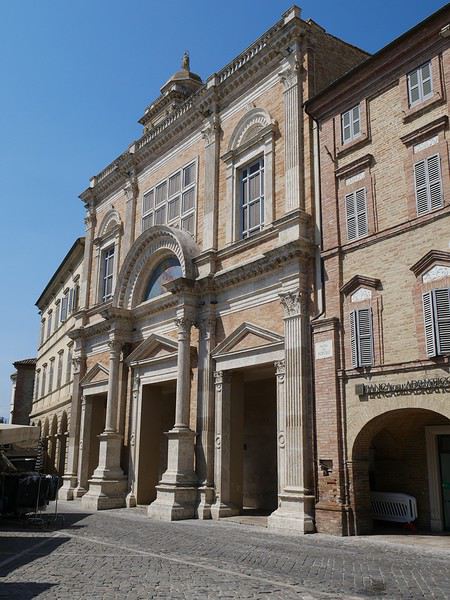
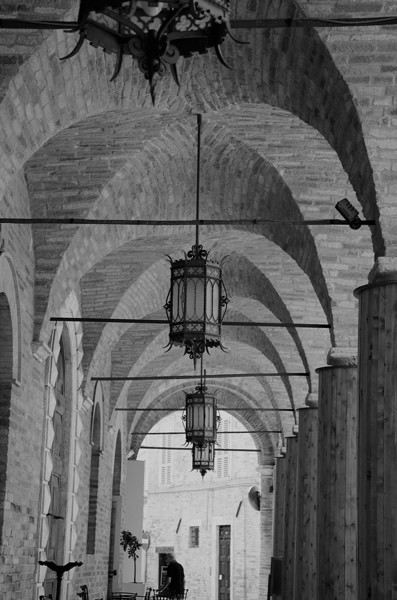
 By the way... this earth is also used to make bricks, and most buildings are made of a light, almost blond brick, as you’ll see in the upcoming photos.
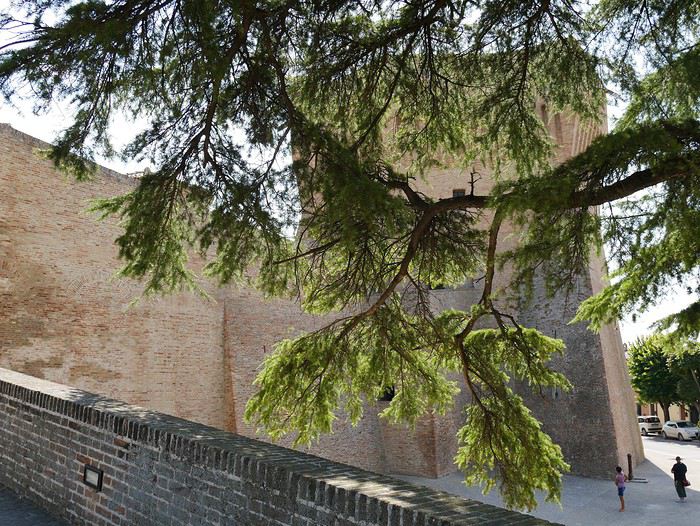
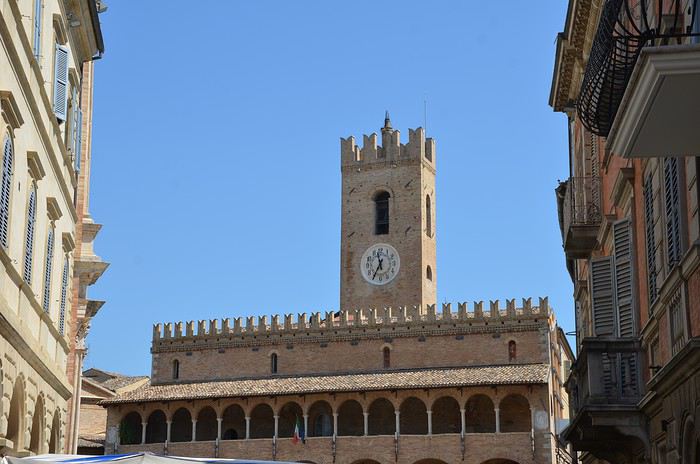
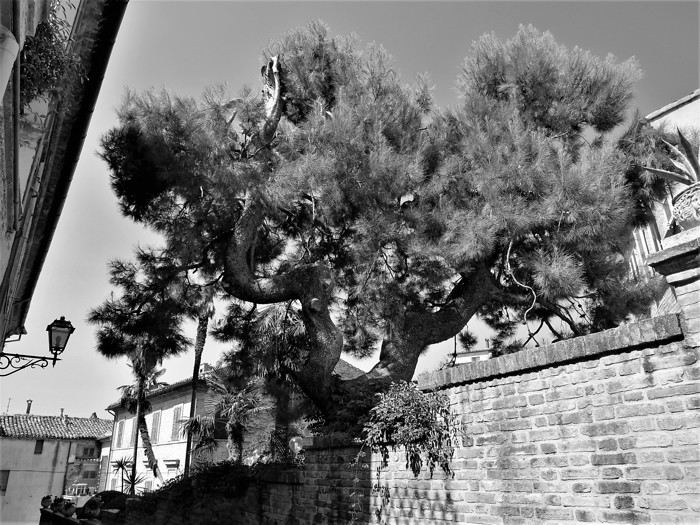
Many villages are surrounded by well-preserved brick walls. Coastal towns like Pesaro or Senigallia also retain parts of their fortifications and often feature a small brick fort where the old port used to be (I say "used to" because few of these coastal towns have kept their original ports).
By the way... this earth is also used to make bricks, and most buildings are made of a light, almost blond brick, as you’ll see in the upcoming photos.
Many villages are surrounded by well-preserved brick walls. Coastal towns like Pesaro or Senigallia also retain parts of their fortifications and often feature a small brick fort where the old port used to be (I say "used to" because few of these coastal towns have kept their original ports).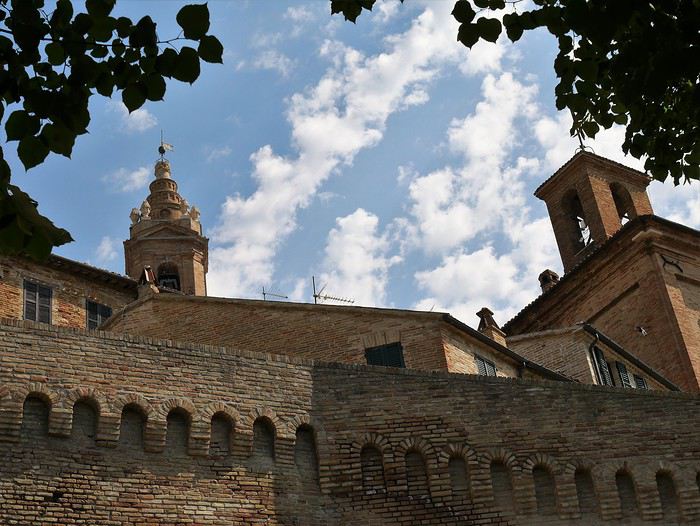
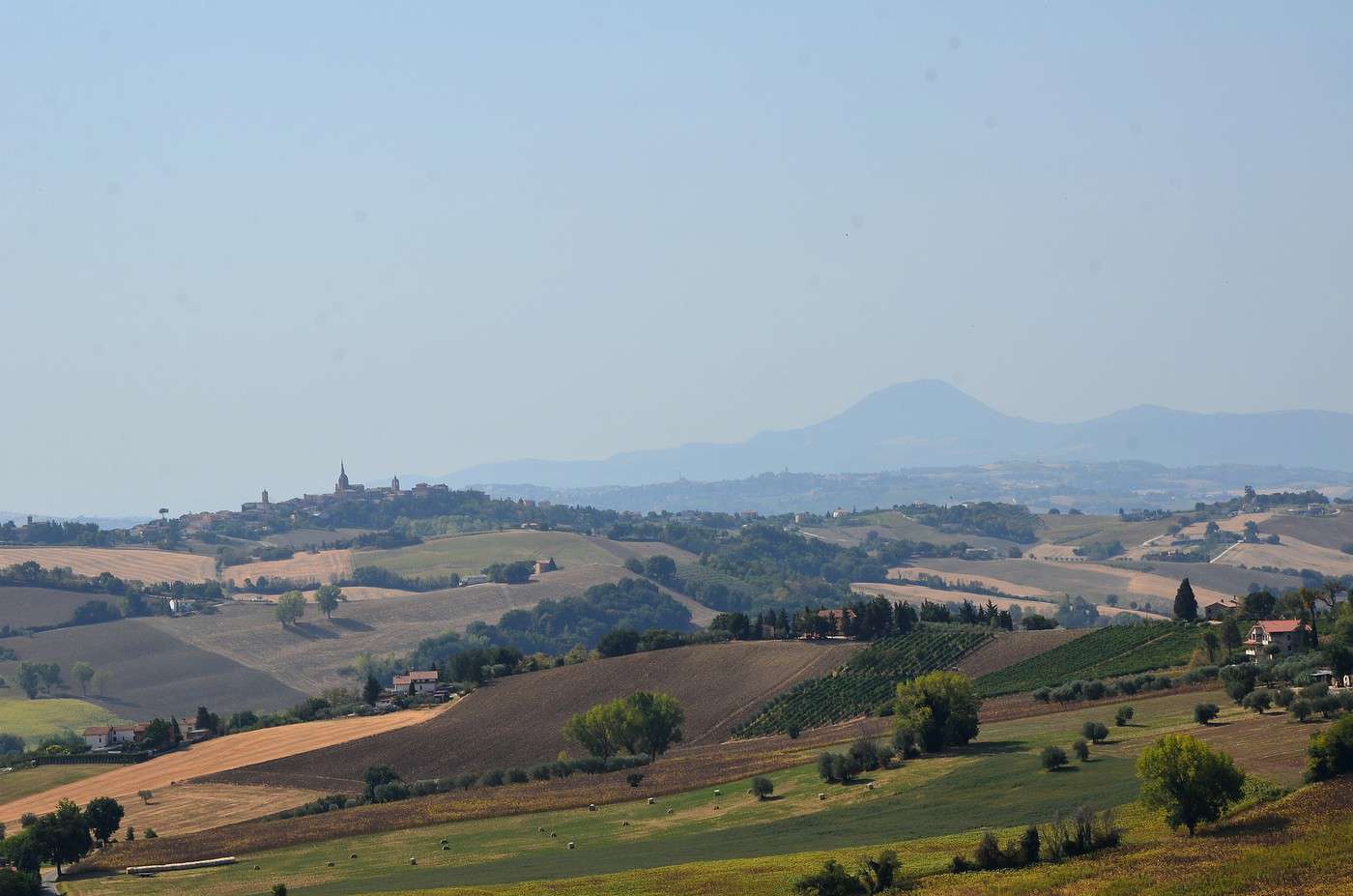
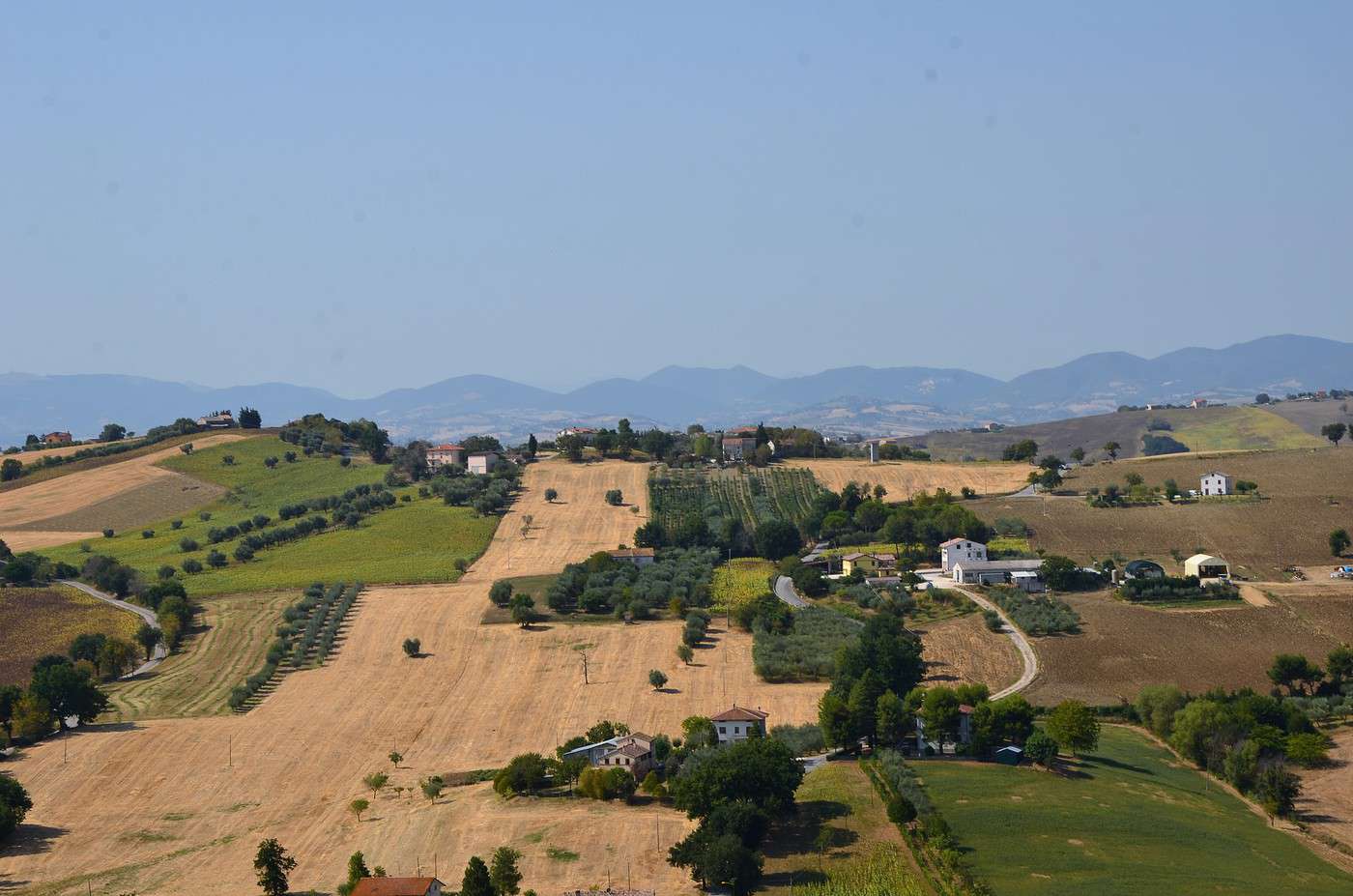
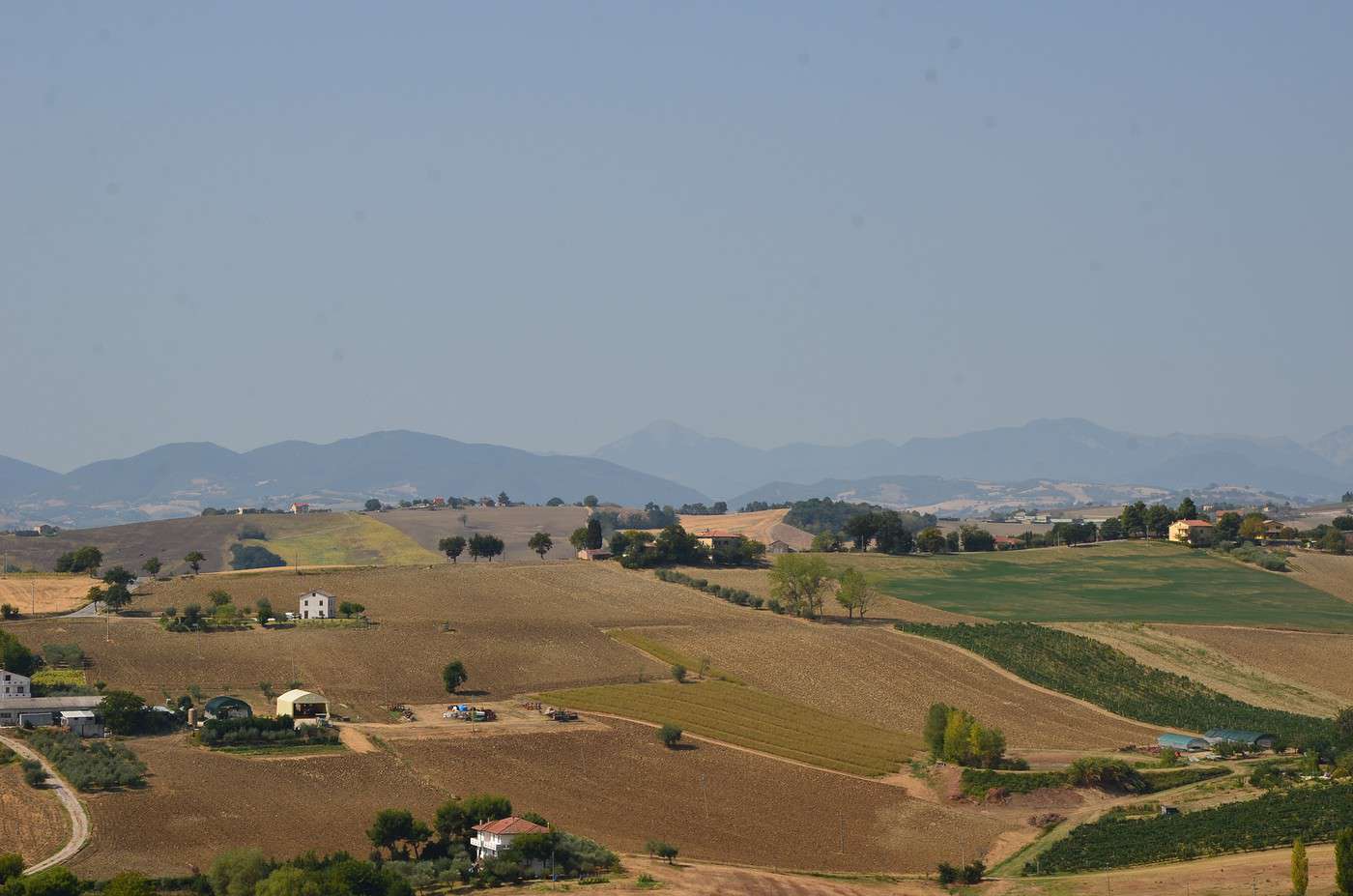
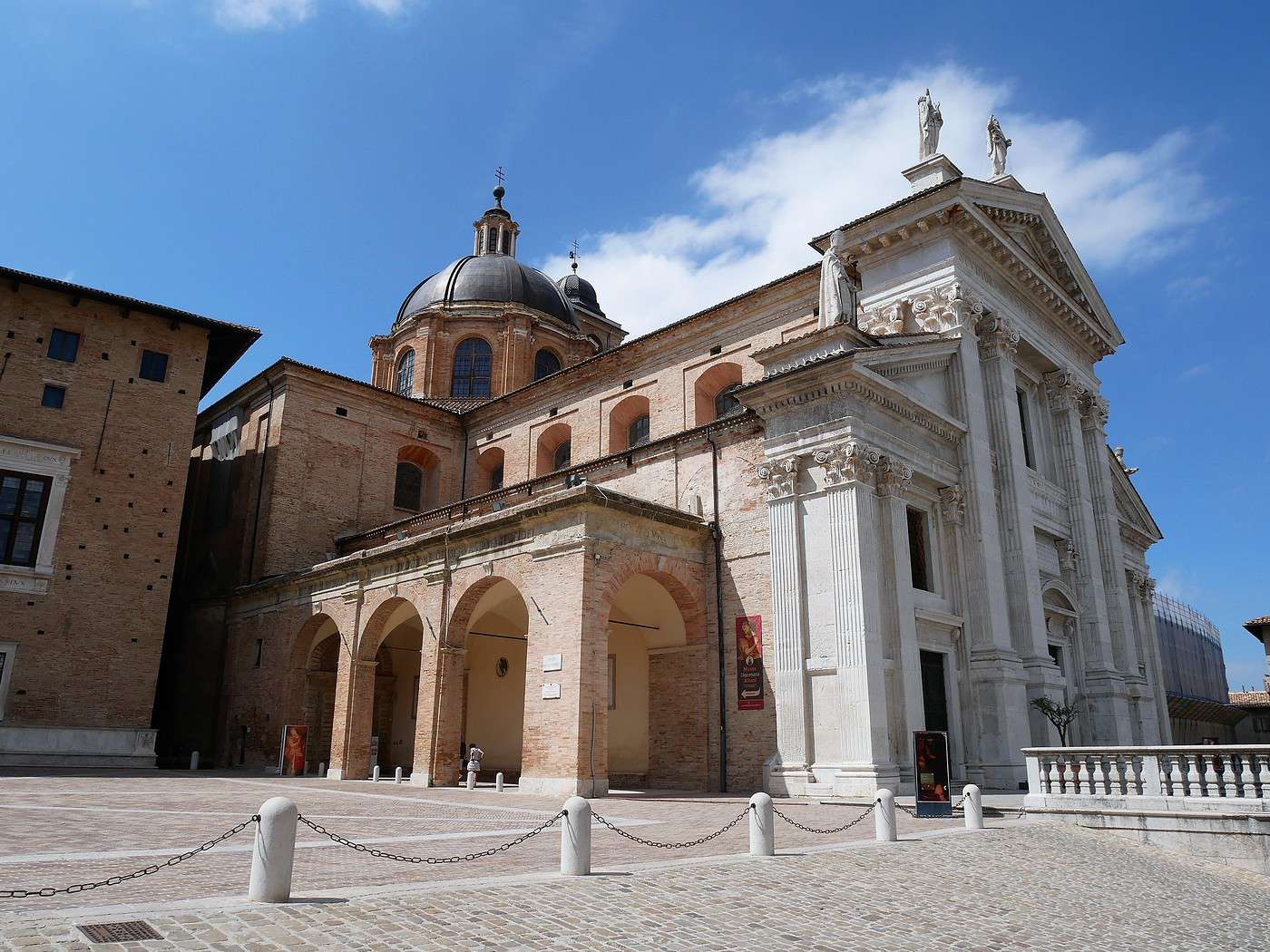
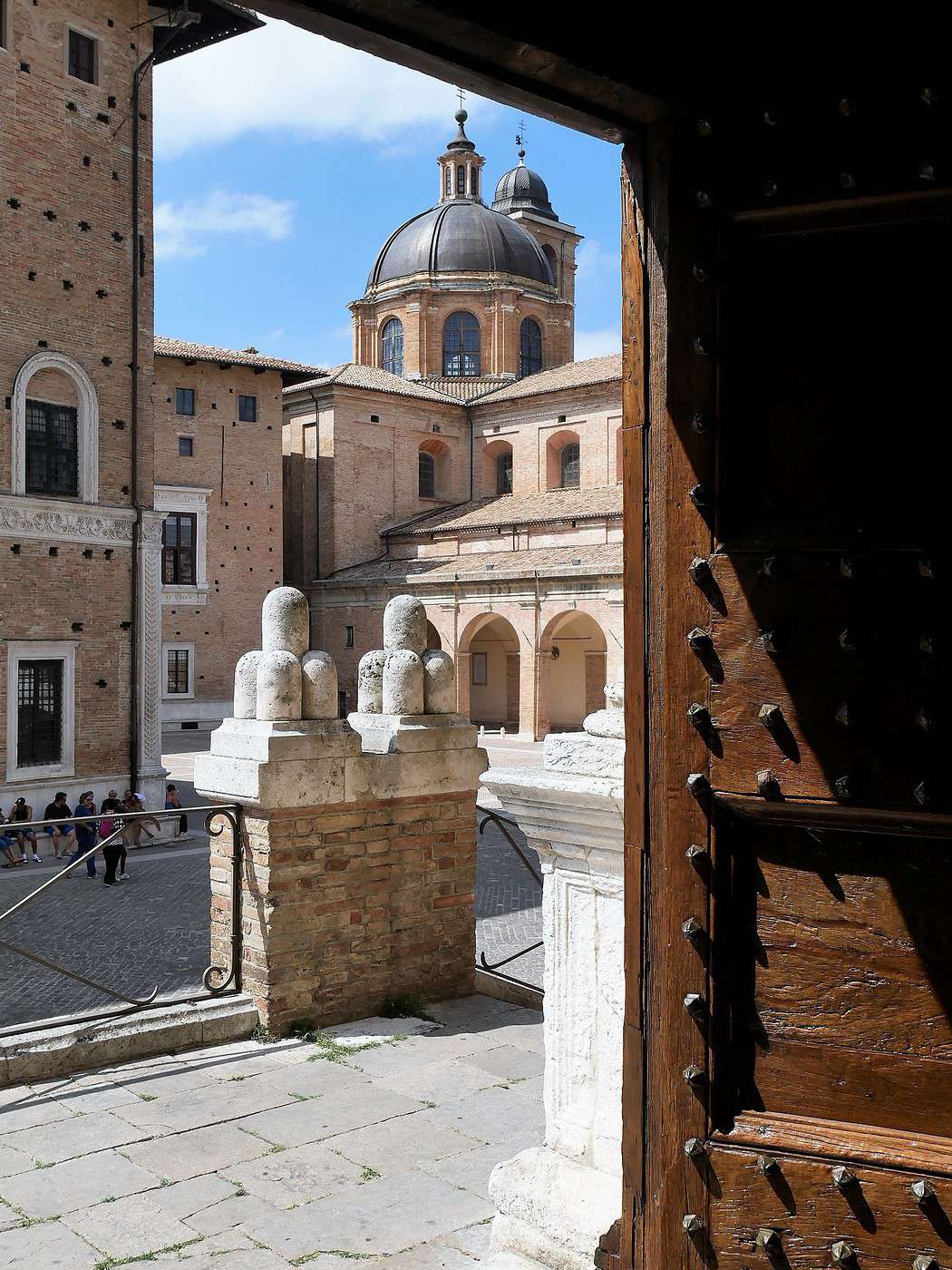
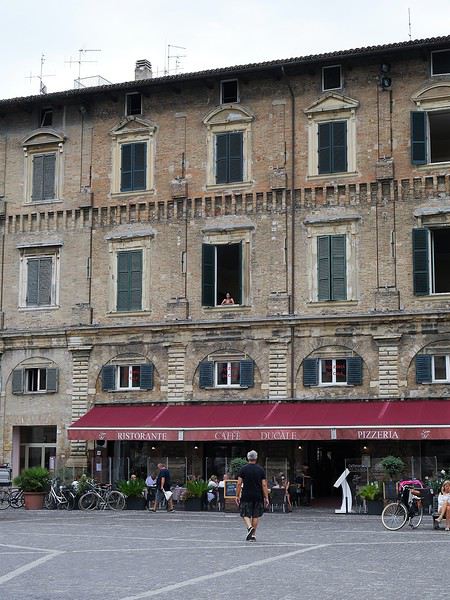
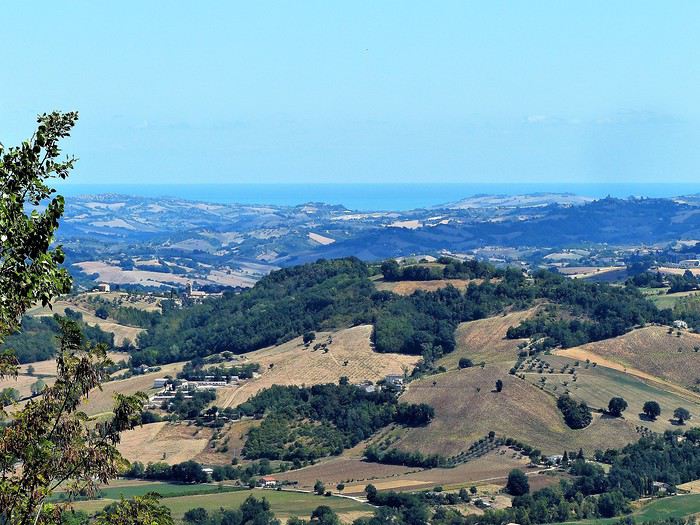
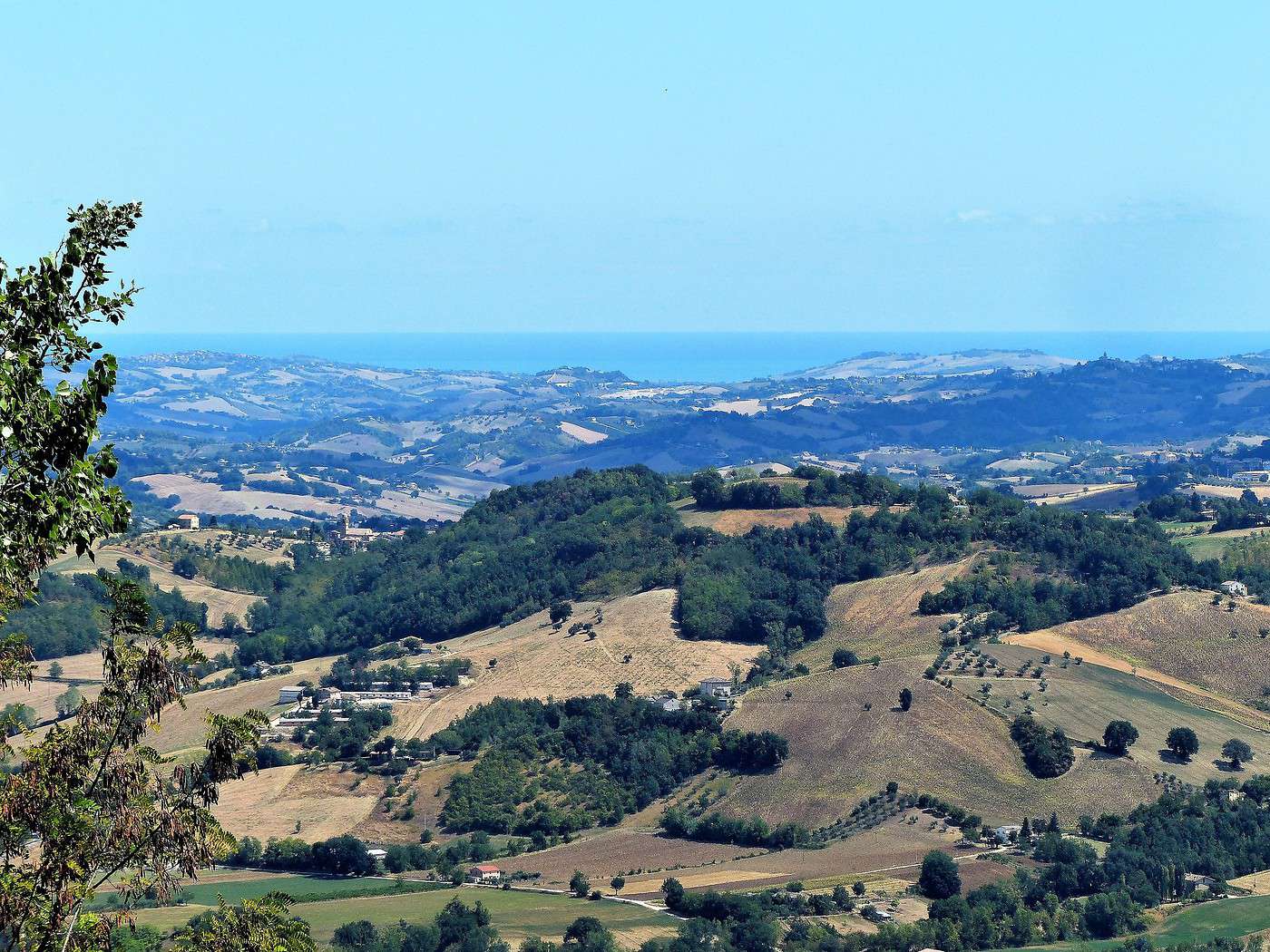
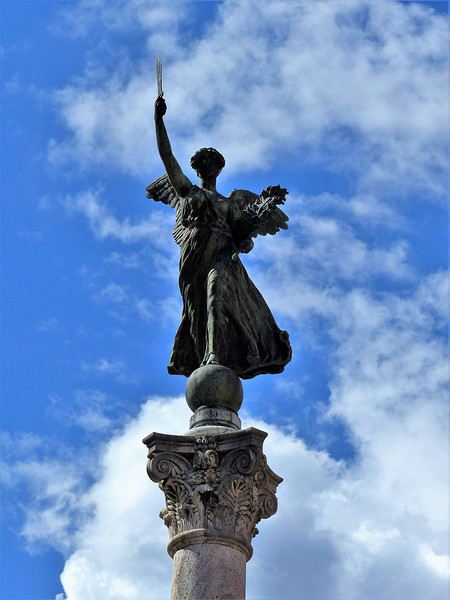
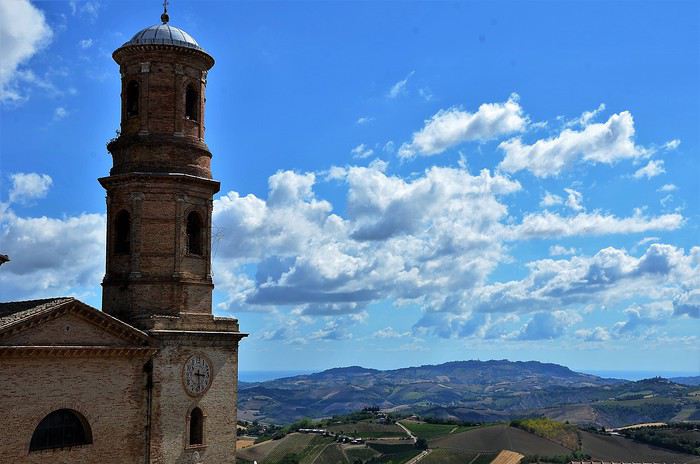
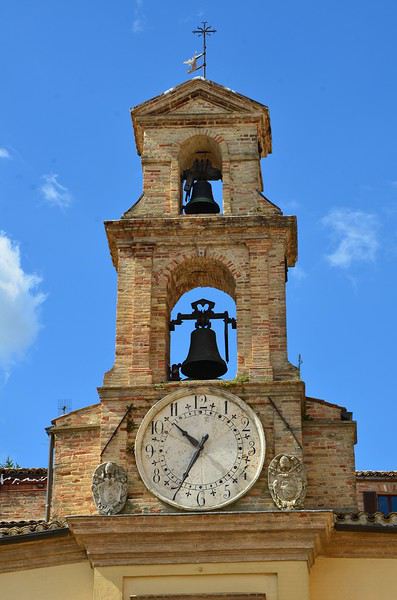
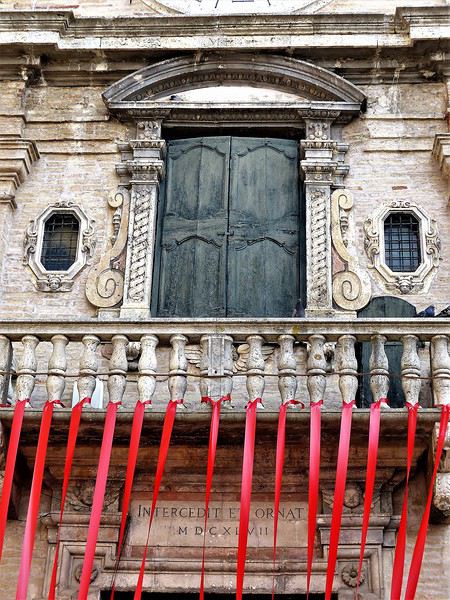
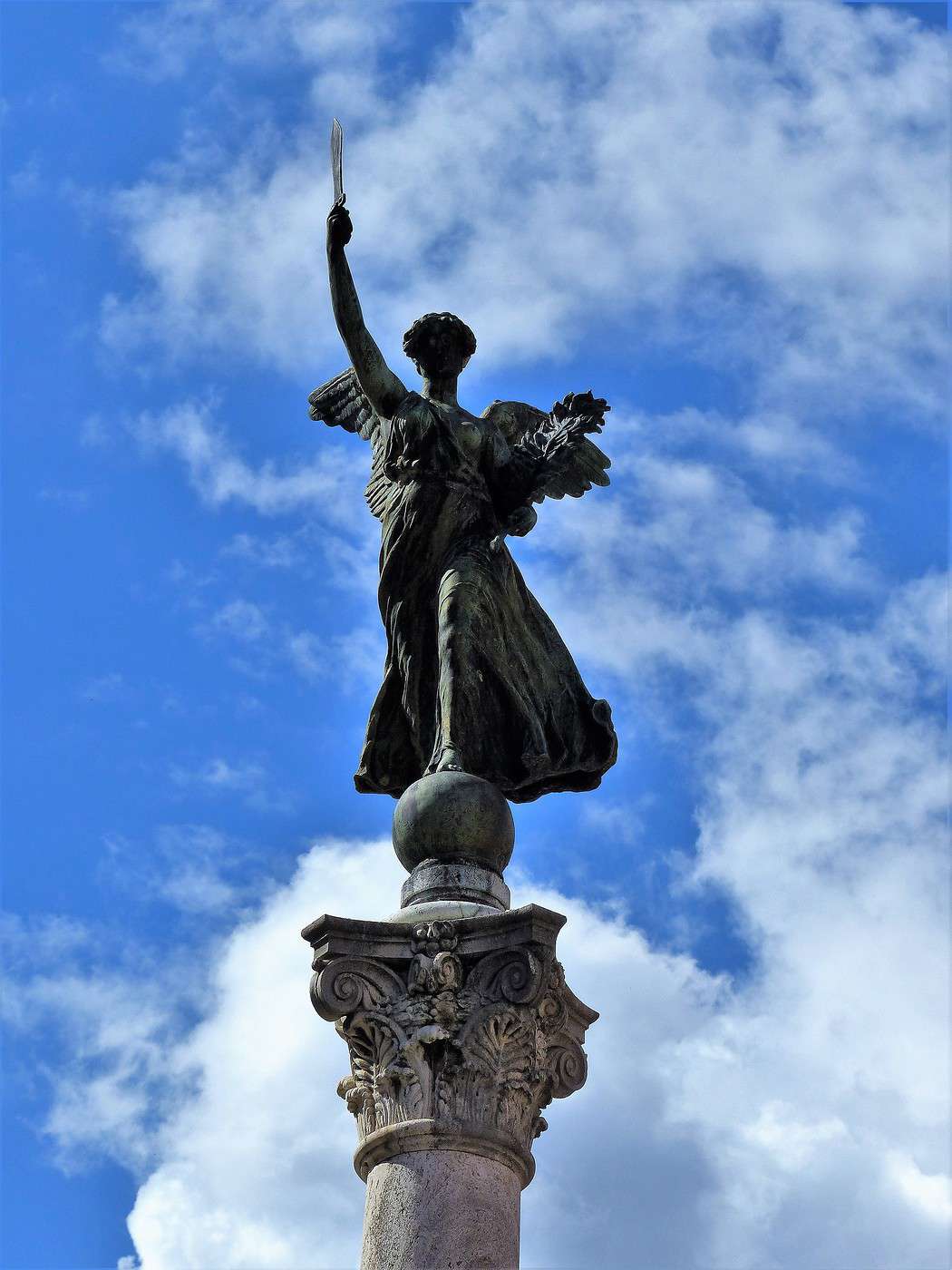
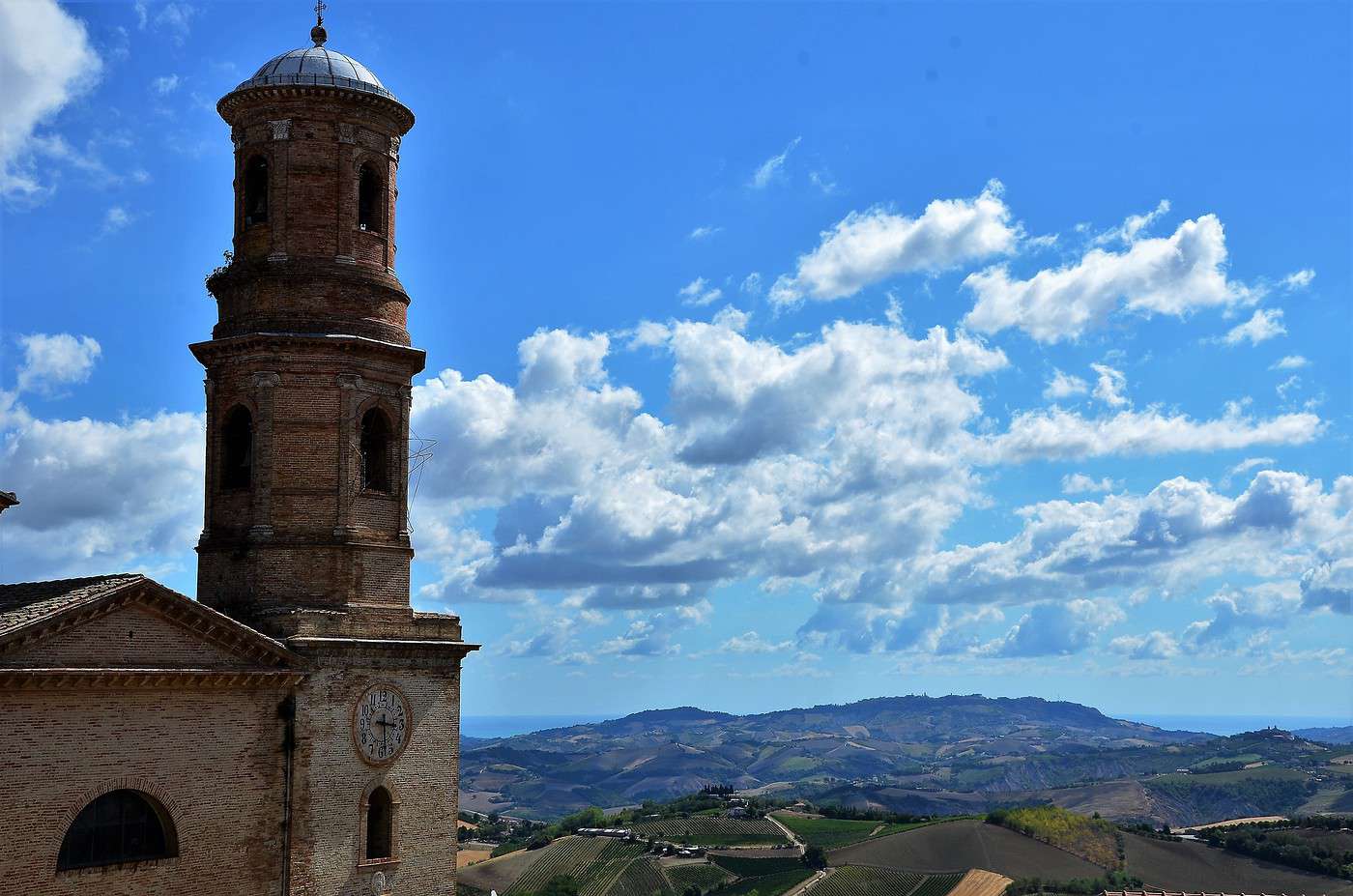
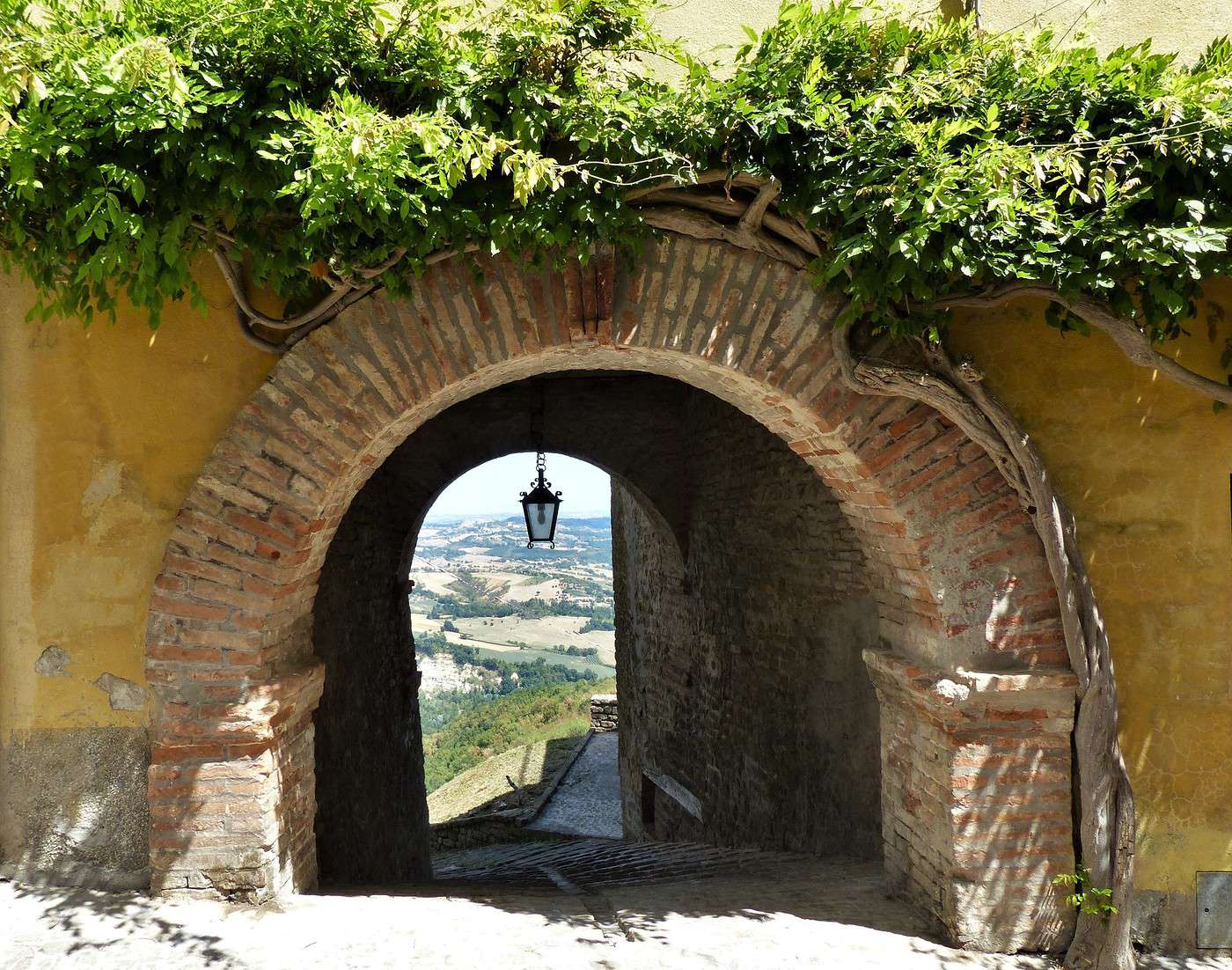





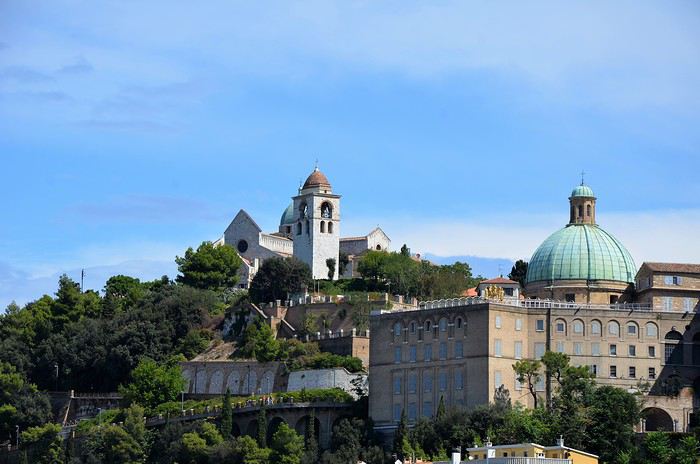
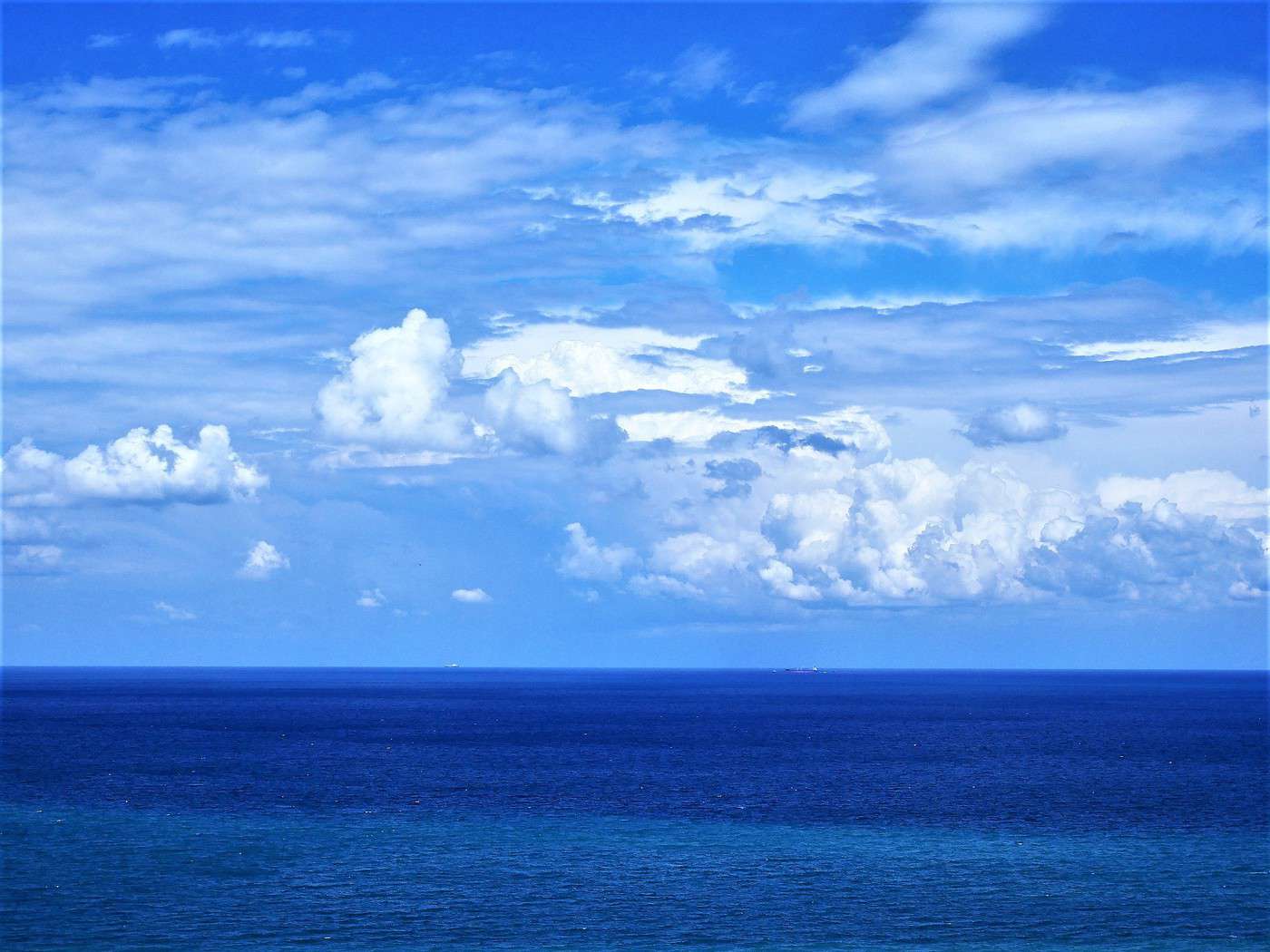
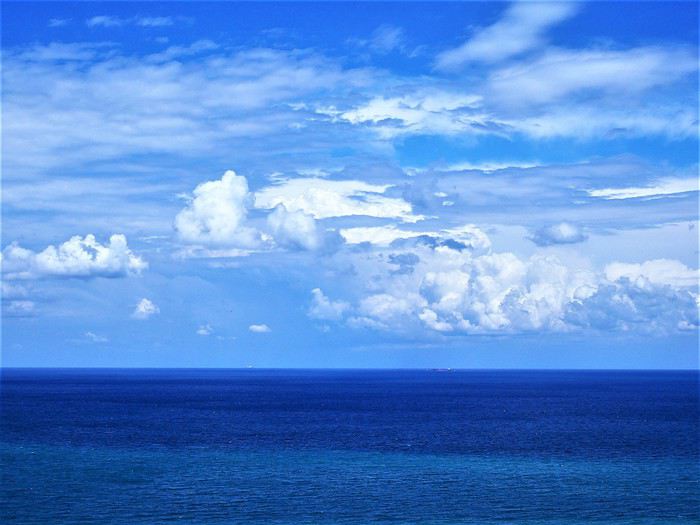 The Adriatic Sea, seen from the Duomo square (at the top of the hill).