Back to the discussion

in Entre deux voyages › Carnets de voyage

An Off-the-Beaten-Path Destination? Cape Verde!

Discussion started by Lhorizon on 2018-10-12

55 replies

This thread has been translated into English.


An Off-the-Beaten-Path Destination? Cape Verde!

Lhorizon · 2018-10-12


It’s been a month and a half since our family returned from Cape Verde, and I’ve finally found the time to write this travel journal about this beautiful yet little-known destination.

Cape Verde is a small volcanic archipelago made up of ten isolated islands in the middle of the Atlantic Ocean. At the crossroads of maritime routes between three continents—Africa, the Americas, and Europe—its name is tied to the history of slavery.

But today, this little piece of Africa with Creole influences has a lot to offer travelers craving a change of scenery and adventures off the beaten path.

We visited three of these ten lovely islands rising from the ocean: Maio, the wild and authentic island; Fogo, the volcanic one; and Santiago, the cosmopolitan hub.

MAIO: THE SMALL, WILD, AND AUTHENTIC ISLAND

To travel between the neighboring islands of Santiago, where we landed from France, and Maio, the first stop on our trip, there are two options: plane or boat. To avoid the risk of the boat being canceled due to rough seas—and to save time—we chose to fly. The flight takes just fifteen minutes, while the boat ride lasts three hours. Since our stay was only fifteen days, saving that half-day was a big deal.

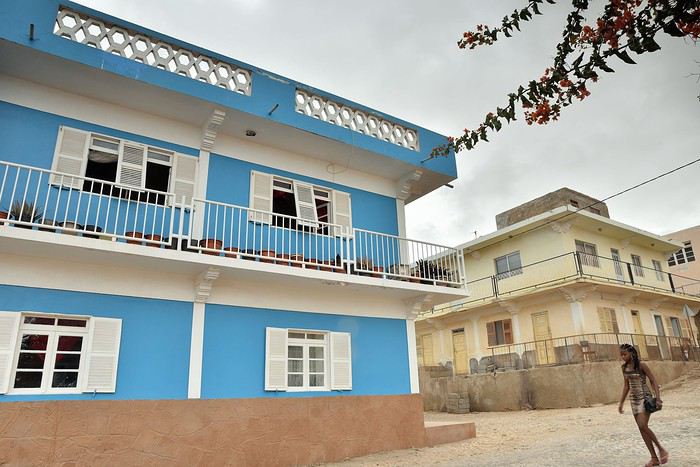
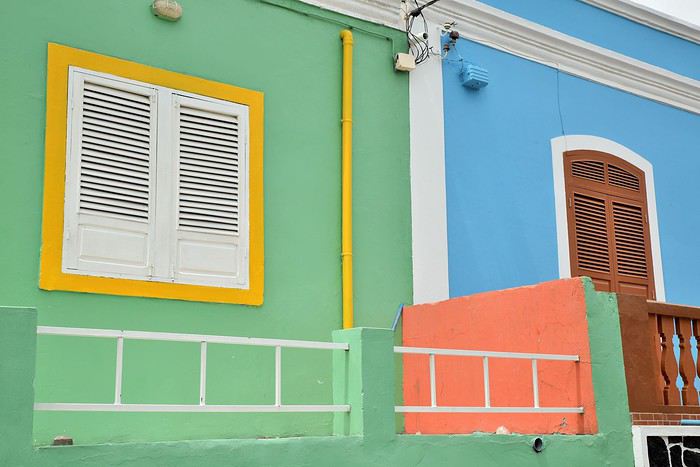
The colorful houses of Vila de Maio

Our first day on the island didn’t let us see the sun. It’s mid-August, the very start of the rainy season—which should really be called the cloudy season. This “rainy” period has nothing to do with what happens in other parts of the world, like Southeast Asia, where the monsoon can be devastating. Here, locals hadn’t seen a drop of rain in nearly a year, and for them, it’s a tragedy. That’s why the ground is so dry and the vegetation so sparse.

As a result, fruits and vegetables are scarce, and livestock are suffering so much that some farmers are forced to cull their herds. Ironically, back in France, we’d just come out of a miserable winter with nearly five months of nonstop gray skies and frequent rain, especially in some regions. Is our climate out of whack?...

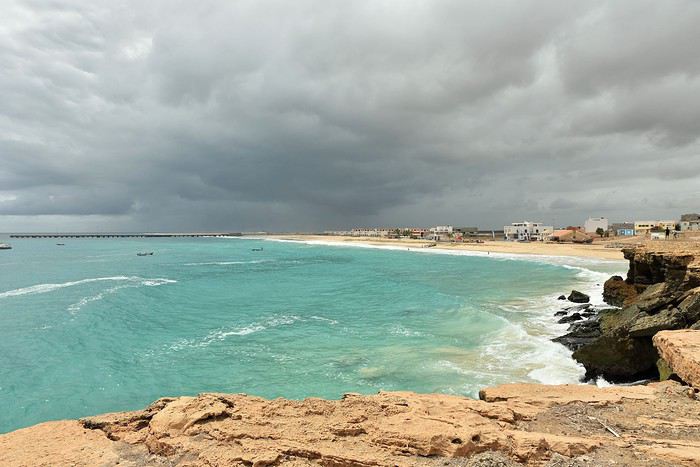
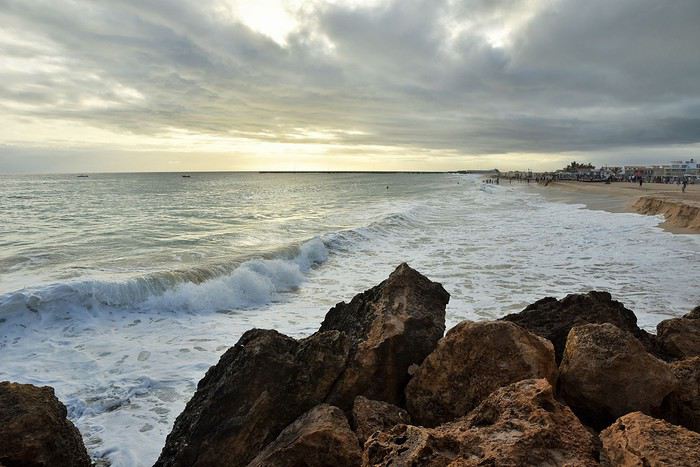
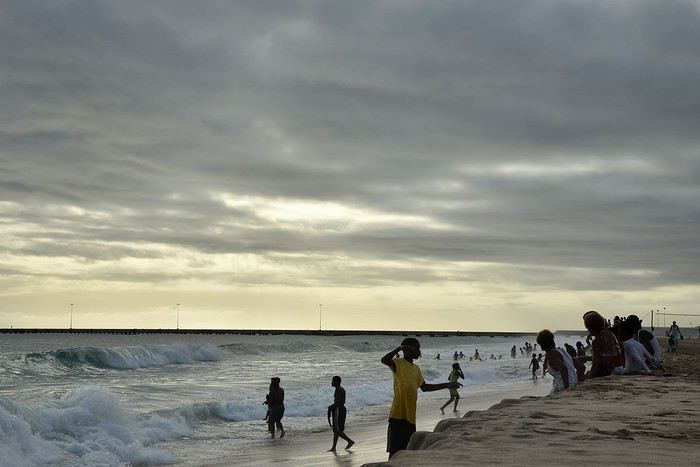
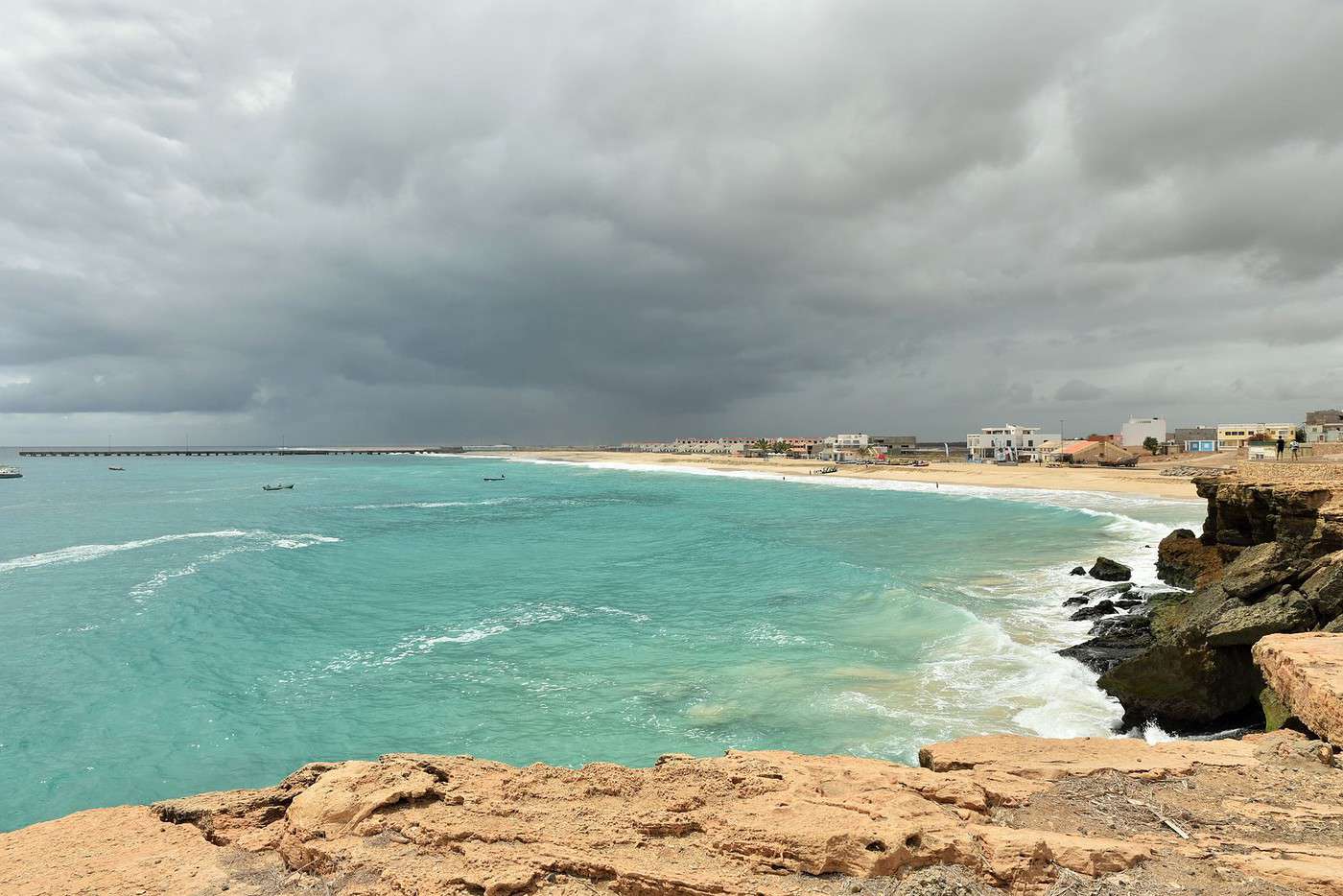
The beach bordering the village of Vila de Maio

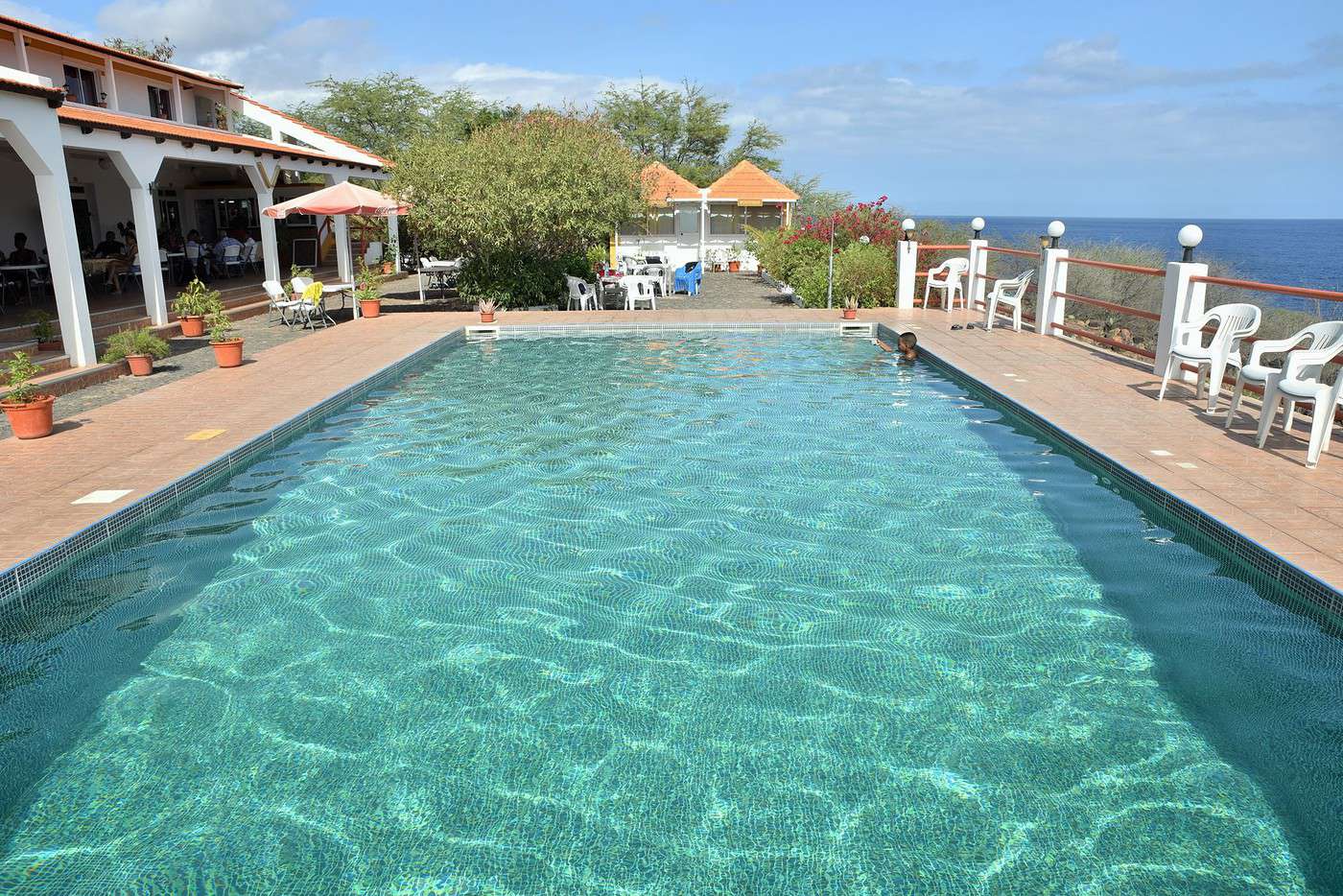
We stayed a week on Maio. We were lodged at Stella Maris Village, a small residence at the edge of Vila. A shared pool, perched on a small cliff, overlooks the deep blue sea.

Sunset at Stella Maris Village

The cliff isn’t very high, but it offers a nice view of the surroundings.


From the residence, it’s just a ten-minute walk through the village to reach the beach.

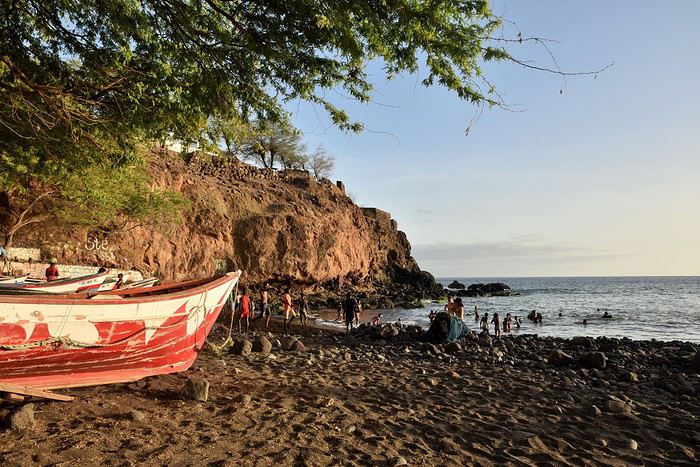
> The beach and the fishermen

We didn’t choose Maio just for its calm, wild, and authentic vibe. It was also so Victor and Arthur, our two sons, could earn their Level 1 scuba certification in Cape Verde’s beautiful waters, known for their abundant marine life but still relatively untouched by divers—for now...

On the first day, we met Bernard, who runs AAA Maio Plongée, to plan the five dives needed for their certification.

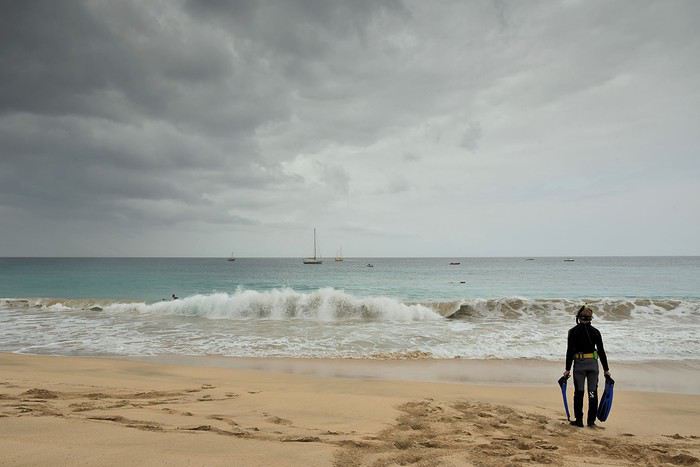
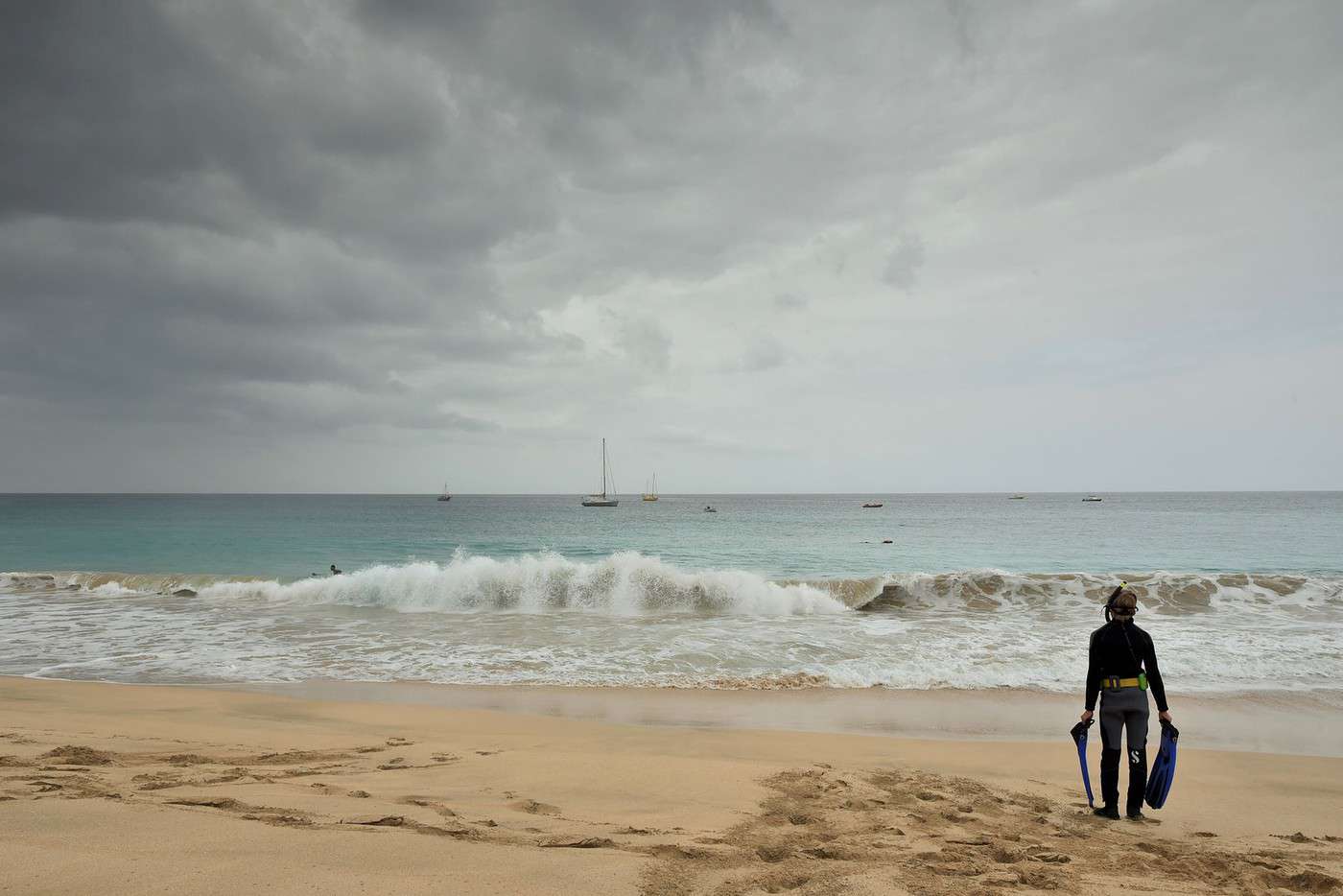
The dive sites are accessible by boat, but to reach it, you have to cross the surf. The waves vary in strength, and while they were gentle for our first snorkeling trip, getting past them with scuba tanks on our backs was a bit more of a workout for the later dives.


Snorkeling trip: this time, the waves were gentle...

The week of diving with Bernard went perfectly, in Cape Verde’s surprisingly fish-rich waters. On the morning of the last dive, while checking the sea to cross the surf safely, we even spotted a pod of dolphins swimming across the bay in the distance. Always a magical moment...

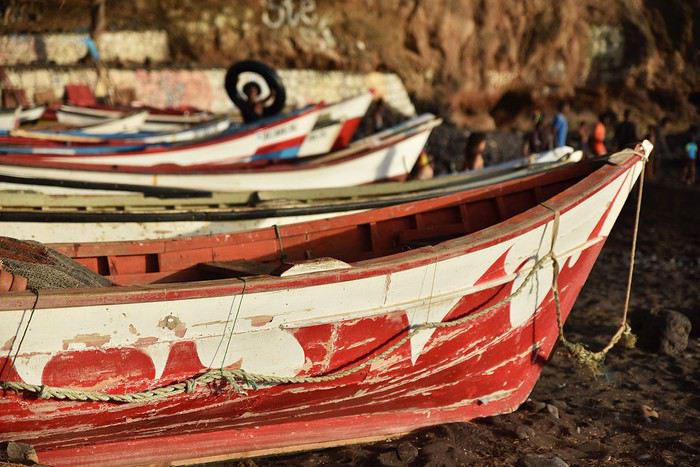
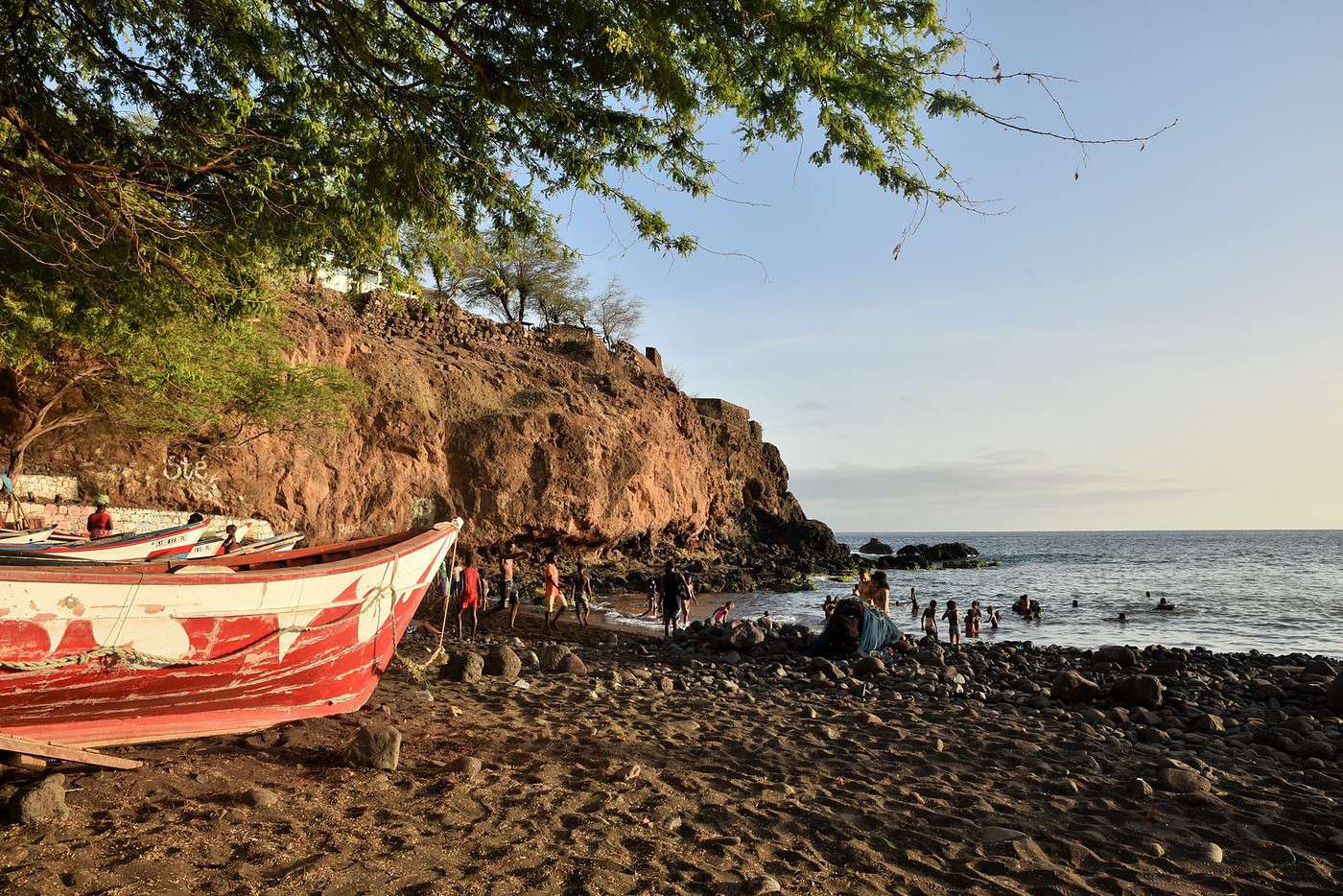
In a week, the beach at Vila, where the dive club is located, was the liveliest spot we saw on the whole island. All day long, fishing boats returned loaded with fish of all sizes.

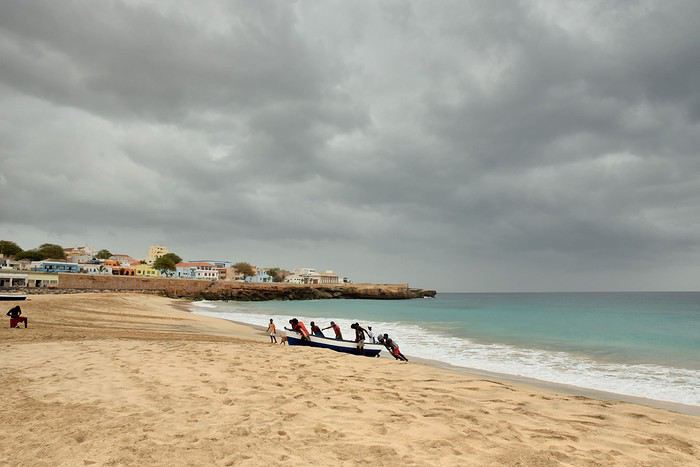
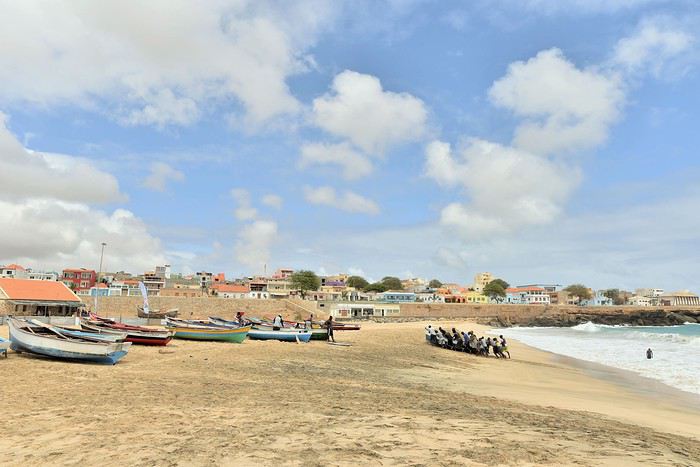
Return from fishing

Here, fishermen have a strong sense of solidarity because they can’t pull their boats out of the water alone, especially when the waves are rough.

So, all day long, whenever a boat comes in, the fishermen on the beach rush to help drag it ashore and secure it higher up on the sand, away from the sea.


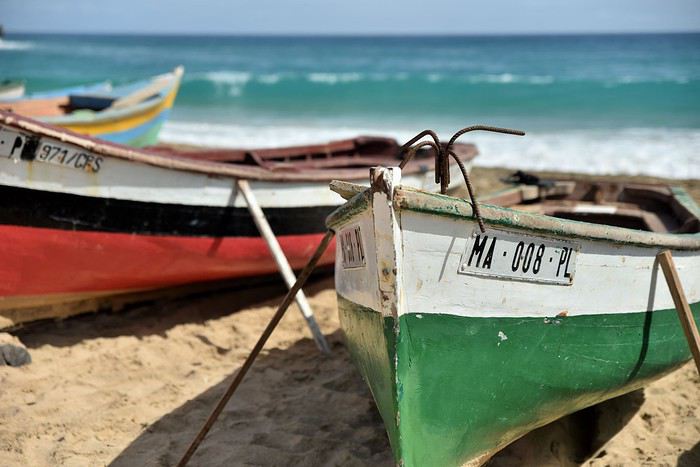
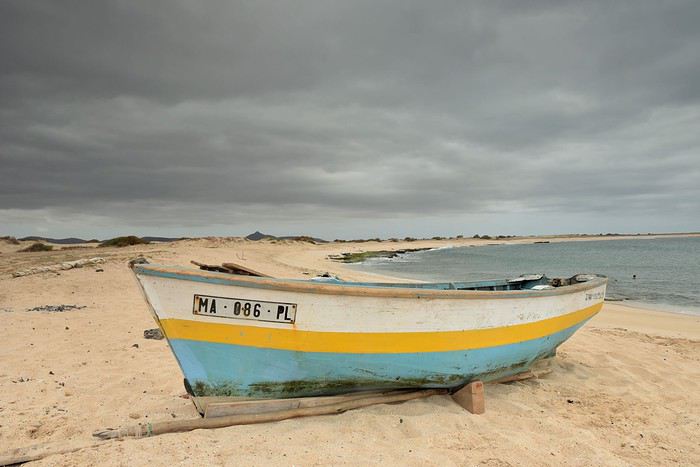
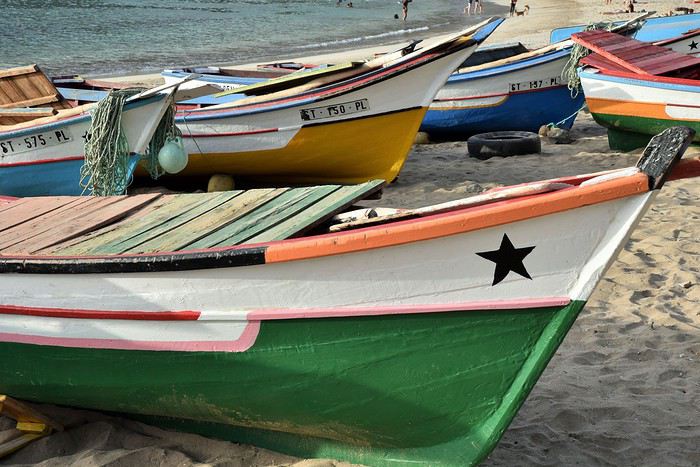
The sight of these colorful fishing boats on the beach is something we saw everywhere in Cape Verde.


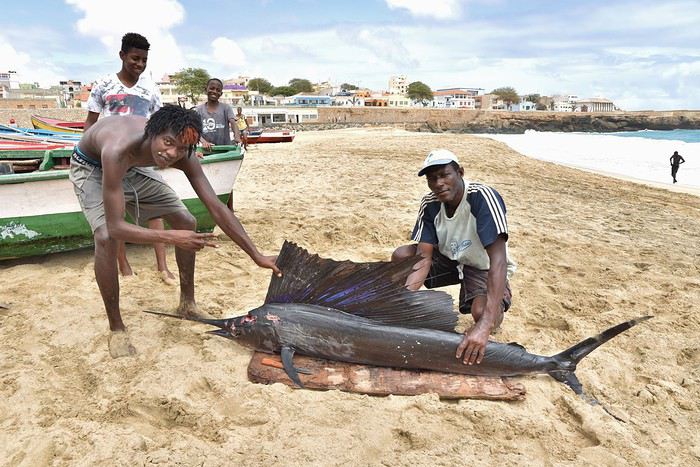
Sometimes, the fishermen bring back impressive catches. Instead of carrying the fish by hand to a proper spot, they clean them right on the beach.


Sailfish

But every evening during our stay, this beach also hosted Maio’s annual soccer tournament. Residents from villages across the island gathered here at the end of the day to compete, including a few women’s teams.

Players were cheered on by hundreds of spectators—which is a lot for a small island with barely 8,000 inhabitants.


The beach doubled as a stadium: sand replaced grass, and the fishermen’s colorful boats served as seats and bleachers. The celebration had a laid-back vibe, with loudspeakers blasting music and the smell of grilled fish in the air.


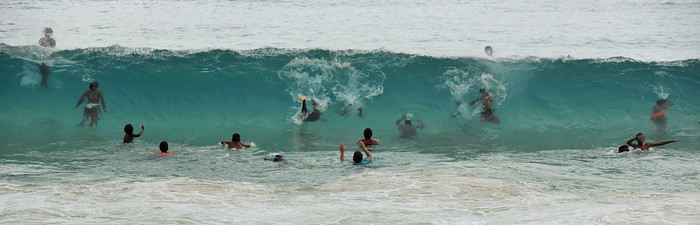
Meanwhile, kids splashed around in the sea, which could sometimes be dangerous. The waves could be strong, but the currents were the real concern.


An off-the-beaten-path destination? Cape Verde!

Lhorizon · 2018-10-12

Read on...

> The "capital": Vila de Maio and its inhabitants

During our week in Maio, not a single day went by without us heading to that beach. Yet, as pleasant as it is, there are fortunately other places to discover on the island. Starting with its main town: Vila de Maio.


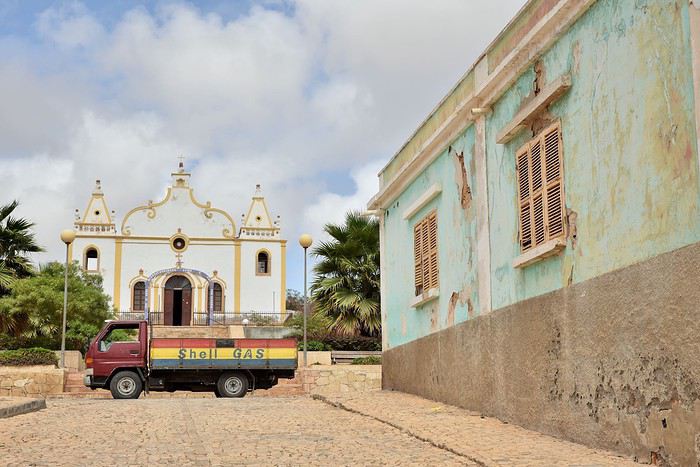
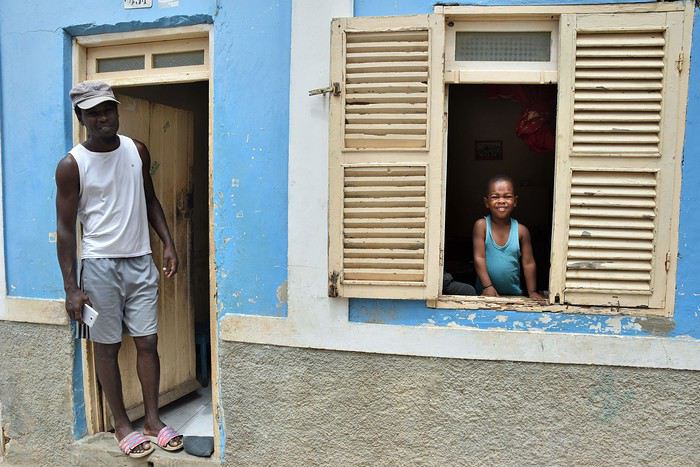
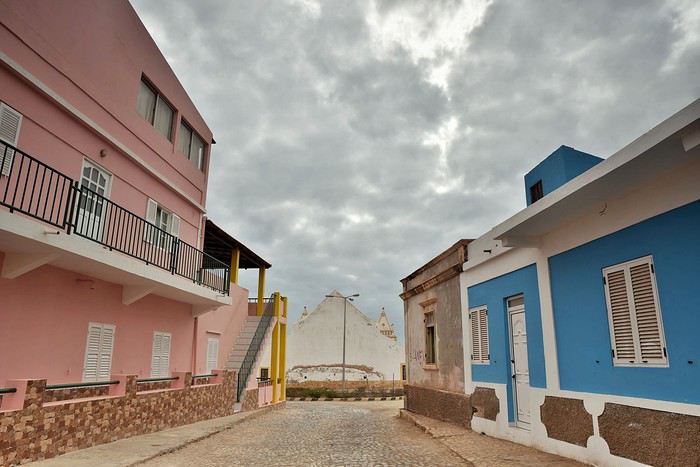
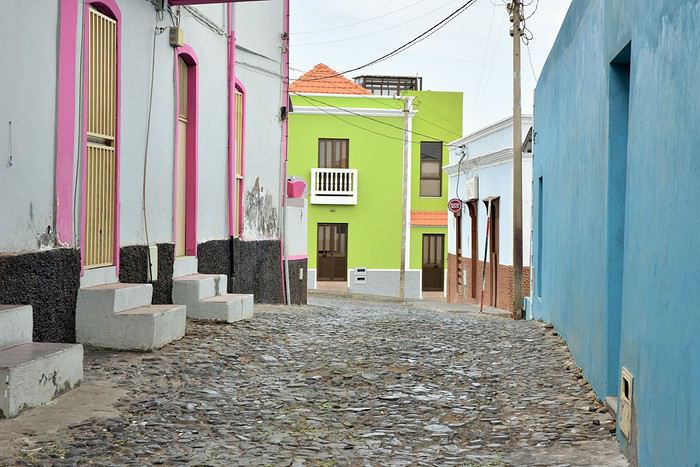
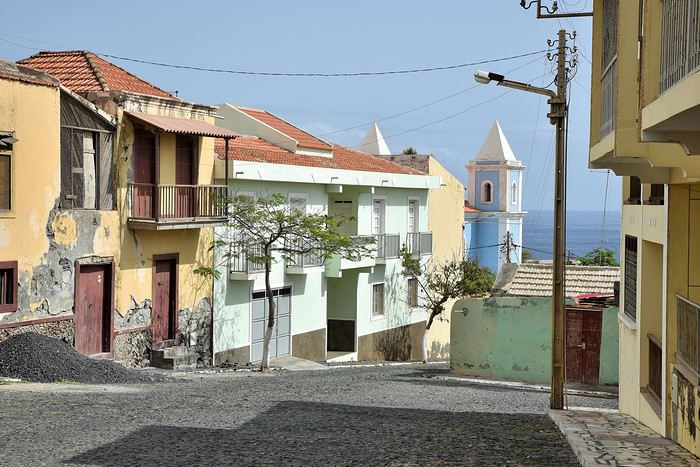
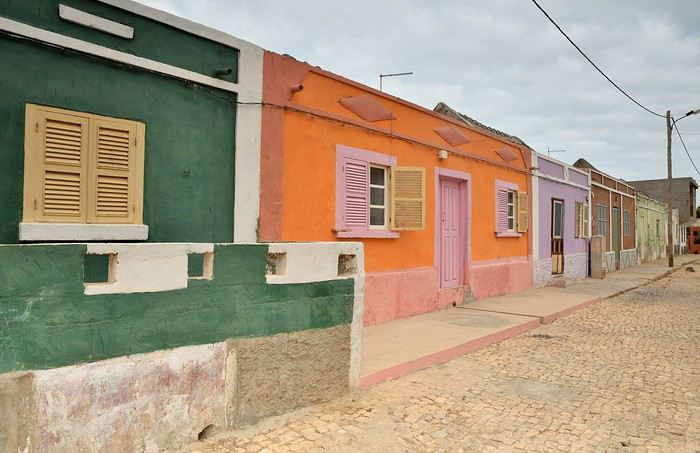
In Maio, just like almost everywhere in Cape Verde, the houses share something in common with the fishing boats: they’re cheerful and colorful.


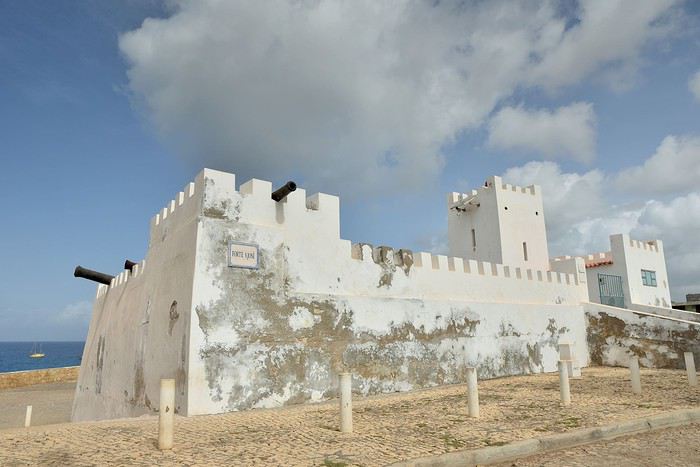
Overlooking the sea, the small Fort San José and its old cannons remind us that two or three hundred years ago, it was vital to fight against the pirates who sailed these waters.


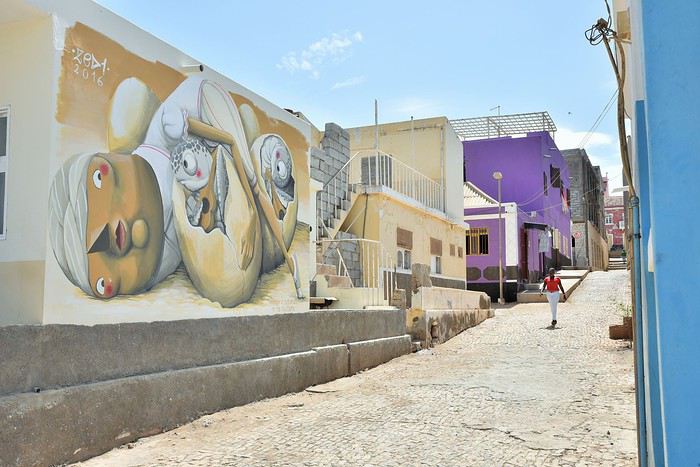
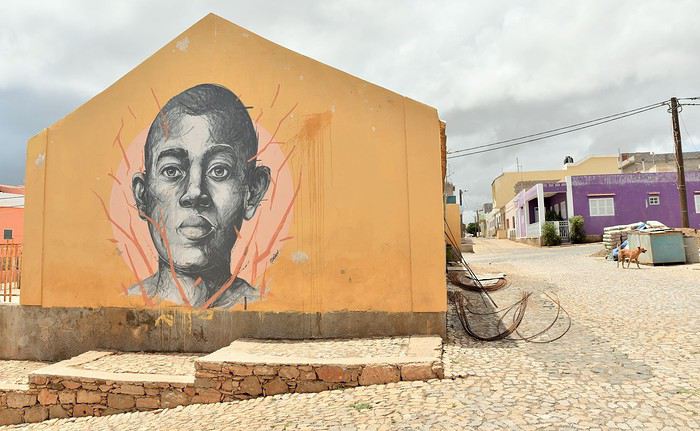
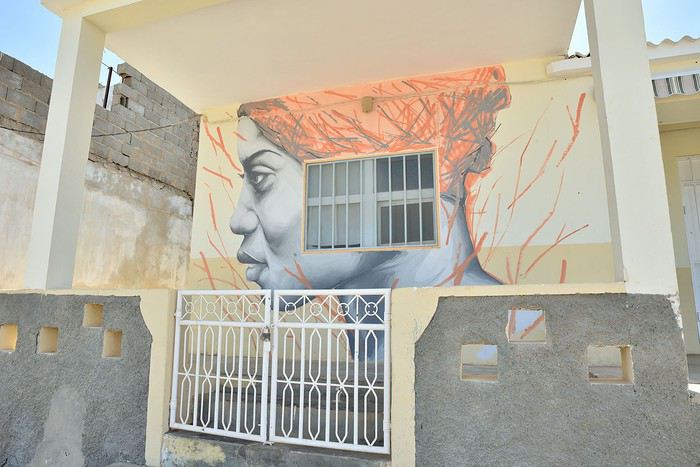
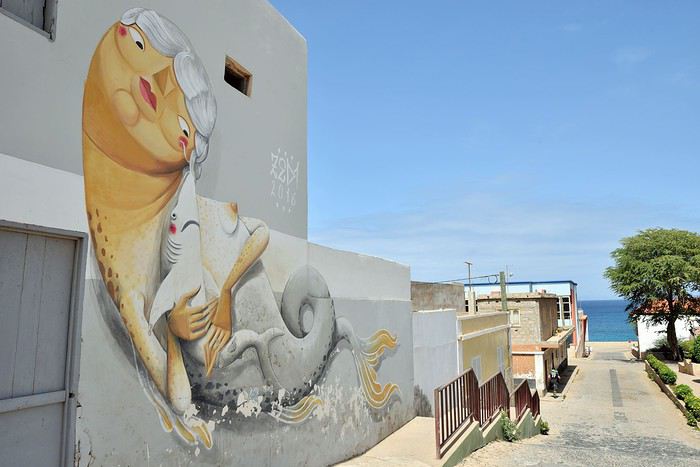
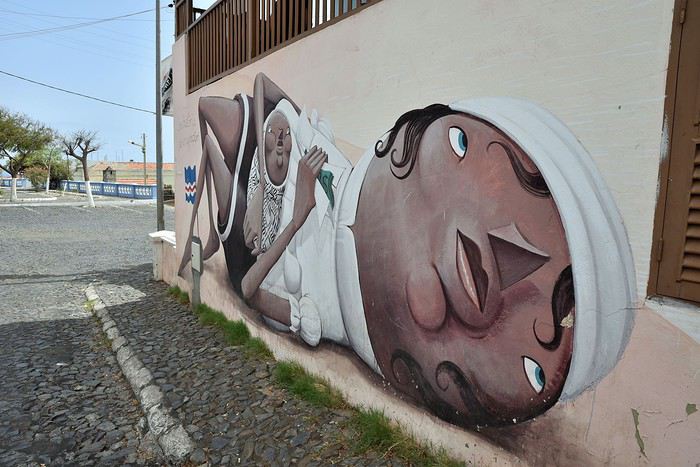
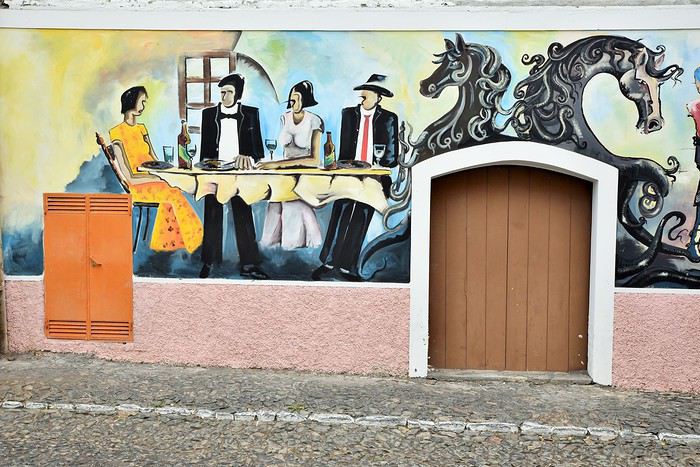
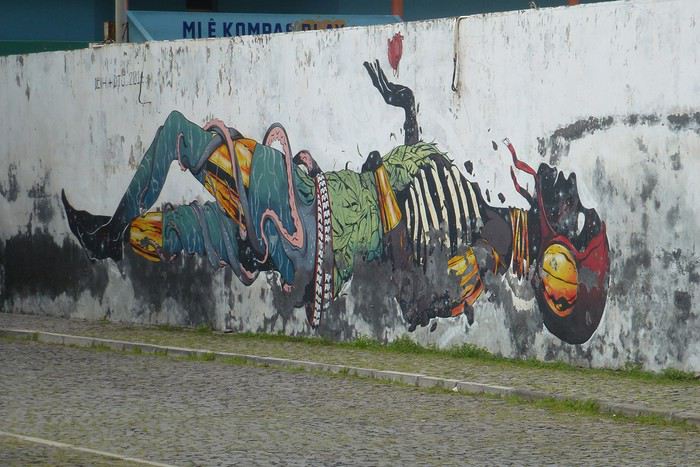
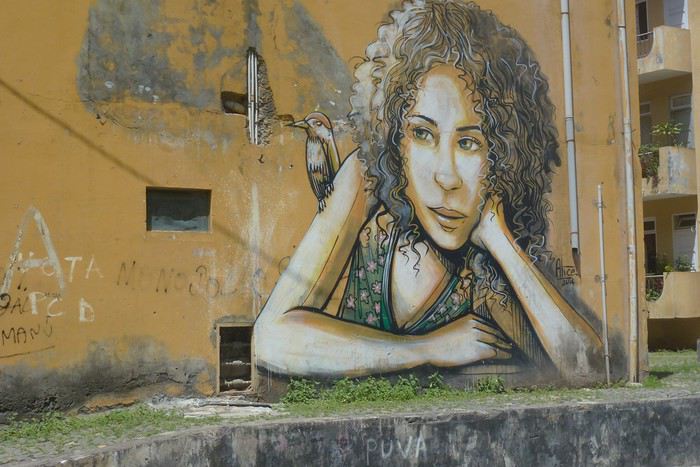
Times change, and so does the decor! Today, some houses are tagged by artists (see the recap at the end of the article).


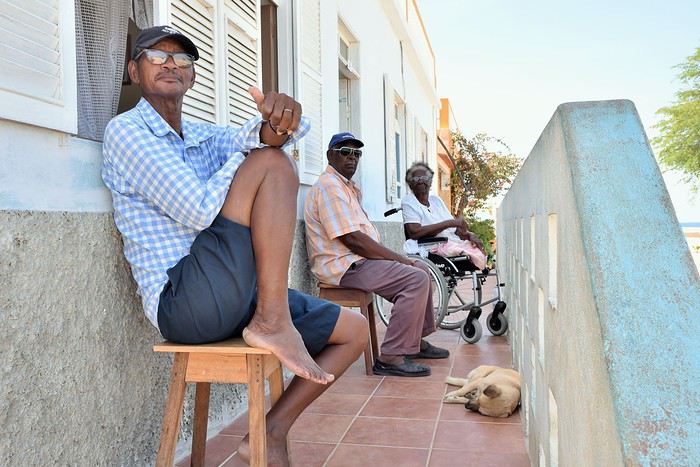
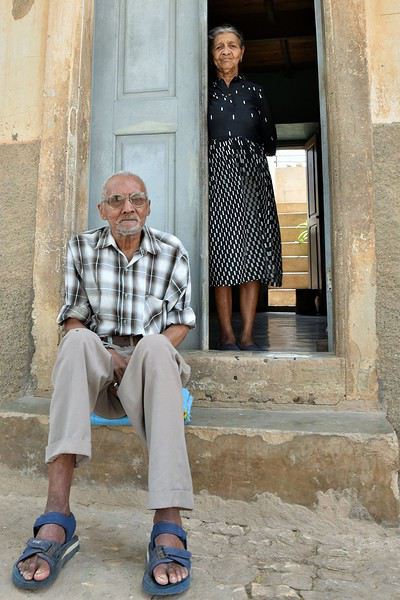
Vila has barely 3,000 inhabitants, and when you stroll through its streets, you quickly get the feeling that everyone knows everyone.


That’s why we greet every local we pass in Portuguese, the local language. In return, it’s rare for them not to reward us with a big smile.


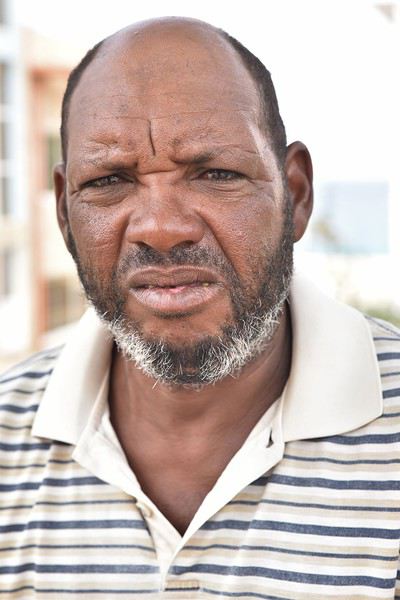
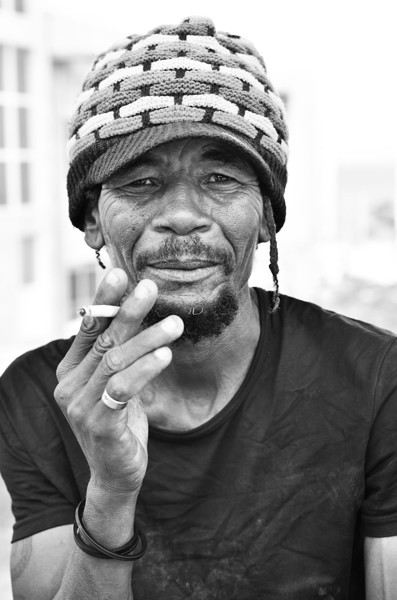
They don’t seem to pay much attention to us, but as soon as we greet them and try to start a conversation, they always respond with great kindness. For someone like me who loves chatting with the people I meet while traveling—and then taking their photo when they agree—this island is pure bliss.


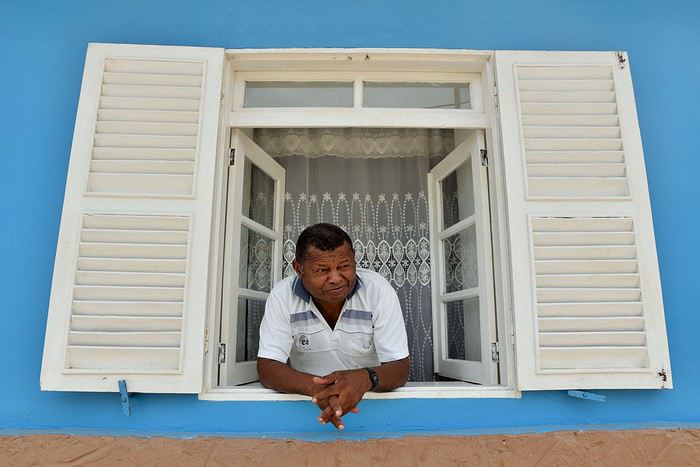
One morning, while wandering through the colorful streets, I greet a man who’s calmly enjoying the breeze at his window. He replies in English and immediately strikes up a conversation. His name is Mario, and he proudly tells me he’s visited many far-off countries like Sweden, Russia, and even Canada. Now retired, he spent his entire career as a long-haul sailor, which took him all over the globe. This well-traveled Cape Verdean is friendly and open, and I’ll thoroughly enjoy chatting with him almost every day, since I’ll run into him regularly in Vila’s streets.

Mario, retired long-haul sailor

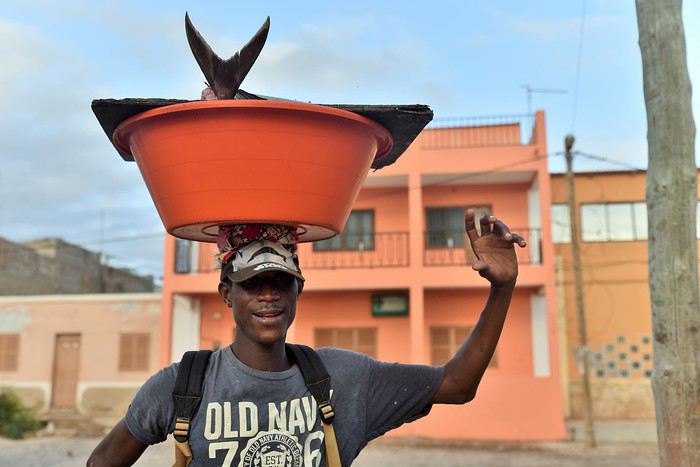
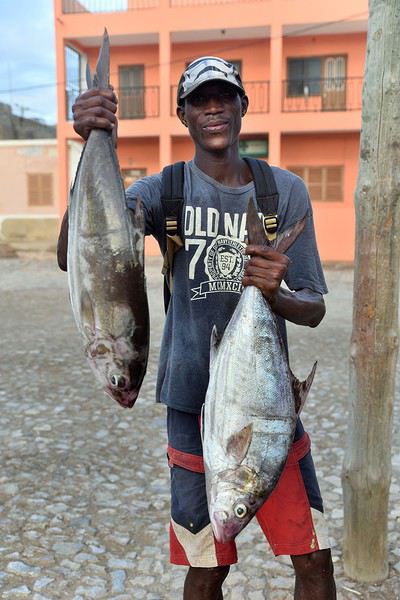
The day after this encounter, while turning another corner, I get reeled in by a fisherman named Manuel: he’s spotted my camera and asks me to take his picture.

Manuel

Cheerful and theatrical, he dares a few dance steps with the day’s catch balanced precariously on his head, nearly dropping everything several times. Then he proudly shows off the beautiful dorado he’s caught in front of my lens.


Then Manuel leaves as suddenly as he arrived, humming quietly, his basin of dorado more or less balanced on his head...


I head off too, and as I wander through the streets and meet people, I capture the places and the locals.

Isandra and her mischievous eye

Kalao

Branco

When I take portraits of the locals, the best moment is always when I show them the photos I’ve taken. And with Sandra, Kalao, and Branco, as always, the comments fly and so do the bursts of laughter. Isandra gives me her email address so I can send her the three photos, which I’ll actually do once I’m back in France.

An off-the-beaten-path destination? Cape Verde!

Lhorizon · 2018-10-12

Continued...

> Sea turtle nesting

Cape Verde is one of those places in the world where every year, sea turtles come to lay their eggs. And this spot isn’t just any place—despite being tiny, this country is the third most important nesting site in the entire Atlantic for these peaceful reptiles.

To witness this nighttime spectacle, we reached out to the Maio Biodiversity Foundation, whose mission includes protecting marine turtles.

It was Dennis, a young member of the foundation, who took us out at dusk to a beach on the island where turtles usually come ashore. A French couple we met in Vila had been here three days earlier—they’d seen six turtles laying eggs! We were full of hope, especially since the window seemed long: the outing would last four hours.

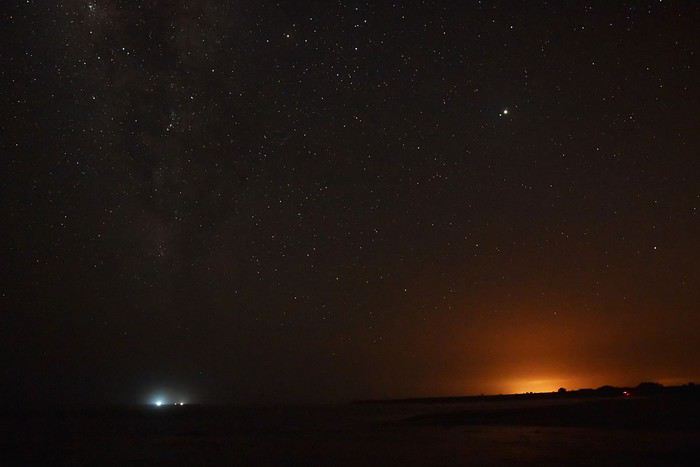
And yet, we spent a very long time without spotting a single turtle on the horizon, even though we kept scanning the dark sea. The only show nature put on for us was the starry sky above our heads.


To pass the time, Dennis shared tons of info about turtles. For example, he explained that one of the most surprising things about these animals is their ability to return to the exact beach where they were born to lay their eggs, despite traveling thousands of kilometers across the oceans in the meantime. You’d think turtles invented GPS long before humans did...

After nearly three hours of waiting, a foundation member signaled us with a red headlamp from at least two hundred meters away: that meant they’d spotted a turtle about to lay eggs.

Why a red light? Simply because if a turtle sees a white light, it’ll turn right back around. Red light, however, doesn’t disturb them.

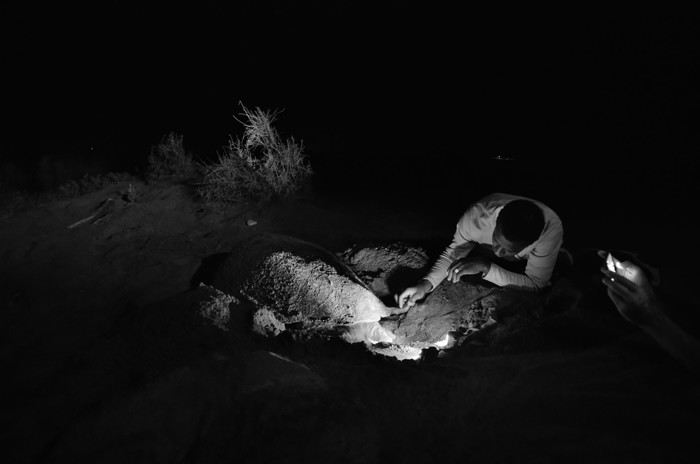
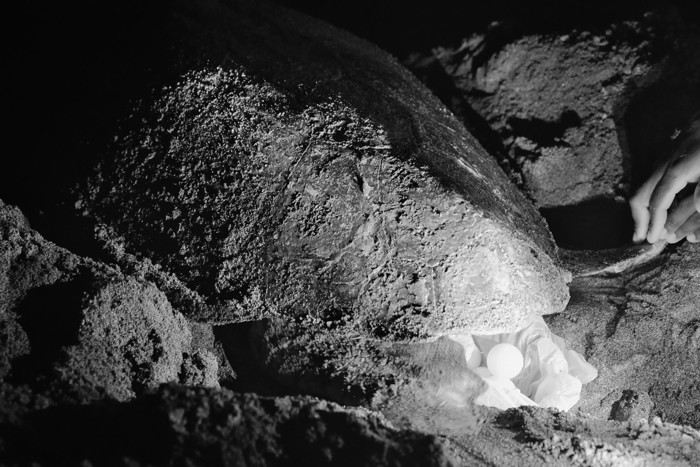
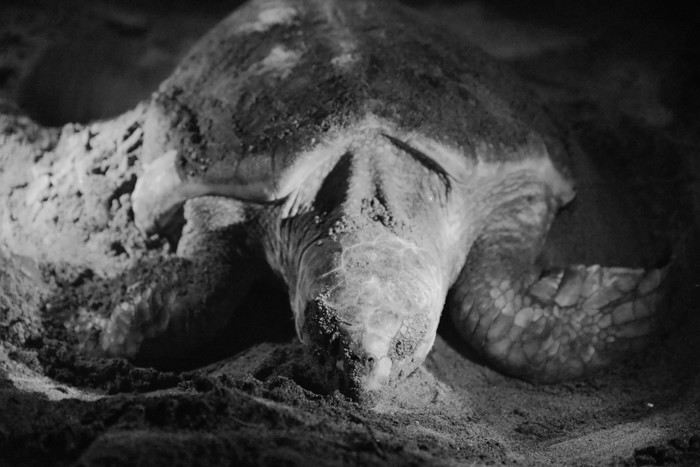
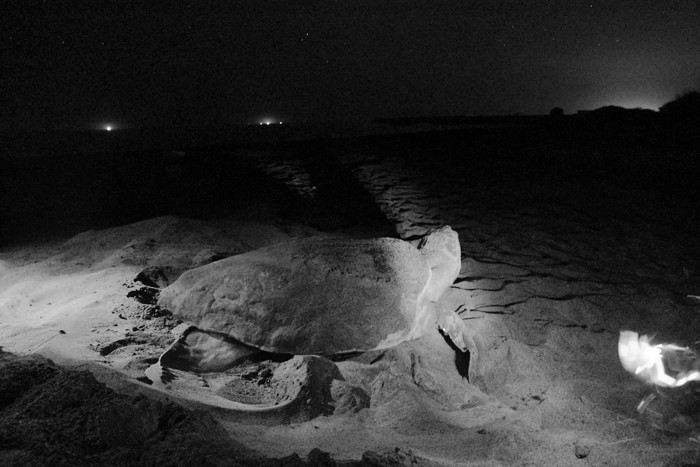
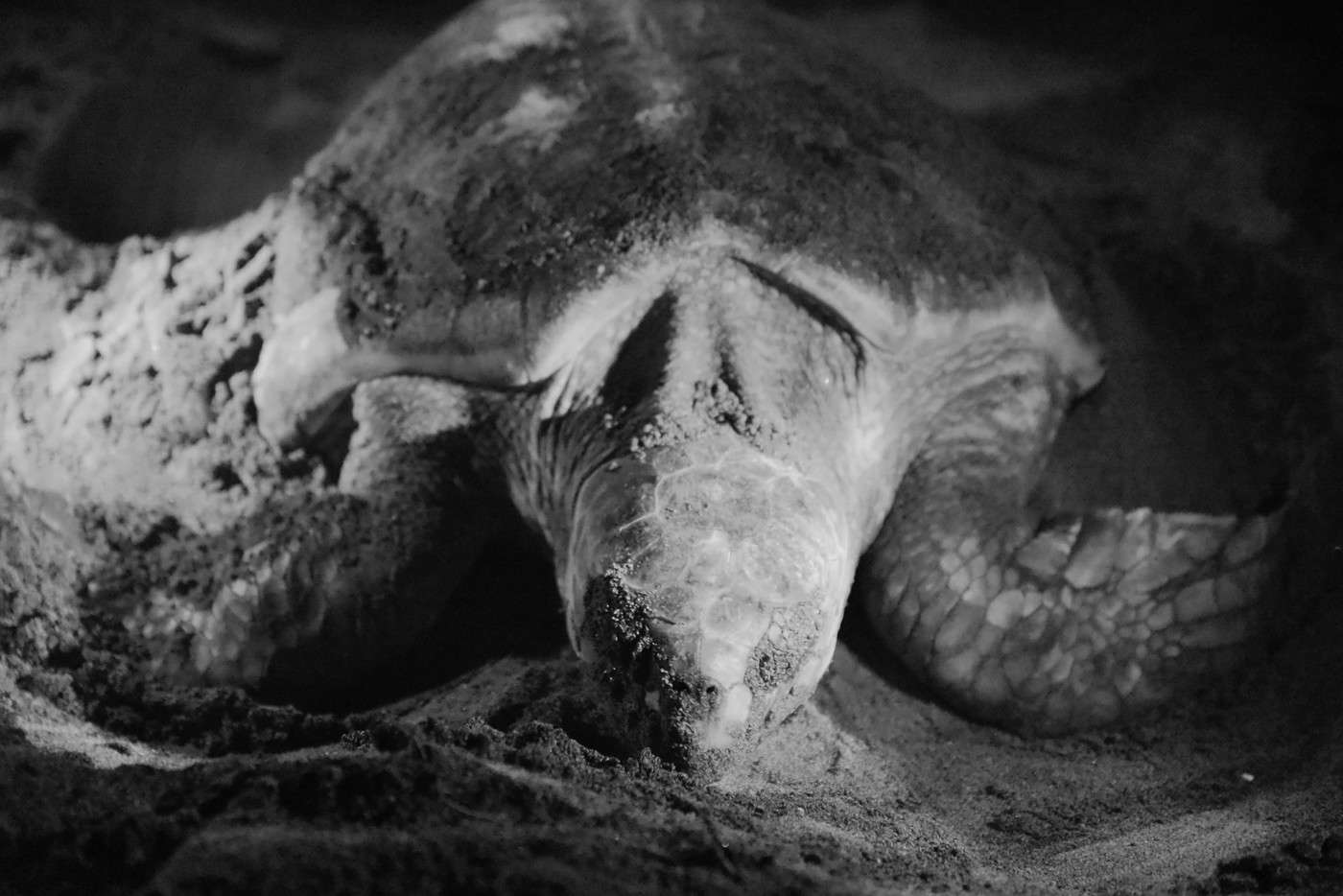
When we reached the turtle, she’d already started her work. The contrast was striking between this large, clumsy animal and the incredibly delicate way she dug: the turtle scooped sand with precision, using her flipper like a shovel!

N.B. Red light means red photos, so weird-looking ones—that’s why I’m showing them in black and white here. It’s not artistic black-and-white photography, just a practical choice!


A Maio Biodiversity Foundation member observing a turtle digging

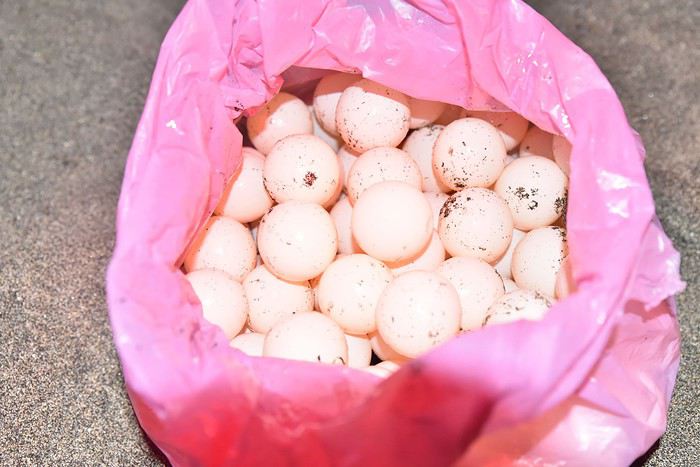
As soon as the turtle seemed to have finished her hole, a foundation member placed an open plastic bag inside it. That’s where the turtle would lay her eggs—not directly in the sand.

The goal was to collect the eggs (60 to 80 on average per nest) and move them to what’s called a nursery: another hole in the sand, but this one dug by foundation members. This hole would be protected from natural predators (crabs, rats, stray dogs, even birds) and human carelessness.

The nursery’s purpose is to give the eggs the best conditions so as many baby turtles as possible hatch and survive.


For now, we still had to stay behind the turtle so as not to disturb her: during egg-laying, even red light shouldn’t shine directly on the animal’s face. So we’d see her head later...

When the laying was done, foundation members quickly measured the length of her shell. Verdict: 90 centimeters—without even counting her head!

Then they hurried to collect the bag of eggs because the soon-to-be mom, guided by instinct, had already started covering the hole! She didn’t know it was empty, but we watched her fill it in anyway—it was important to let her complete her instinctive process from start to finish. The eggs would be counted later.


Filling in the empty hole seemed to take a lot of effort. We were just centimeters away and could hear her breathing clearly. Once she’d finished, she headed back to the sea—pretty quickly, considering her size and aquatic nature.

Back to the sea

Once she’d disappeared into her natural element, it was time to count the eggs, which looked exactly like ping-pong balls—just stickier. And it turned out our friend hadn’t been lazy: she’d laid a whopping 101 eggs!

Nesting results: 101 eggs!

> Deserted beaches and wild dunes

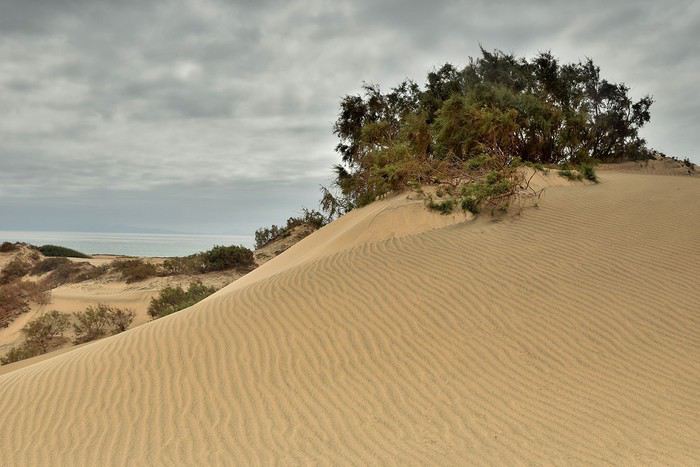
Maio is also famous for its deserted beaches and wild dunes, so we decided to see what these typical island landscapes looked like. To do that, we headed to Morinho, a small village in the northwest of Maio. We’d thought about going by quad, but since we hadn’t bothered to bring our driver’s licenses from France, we had to call a taxi instead.

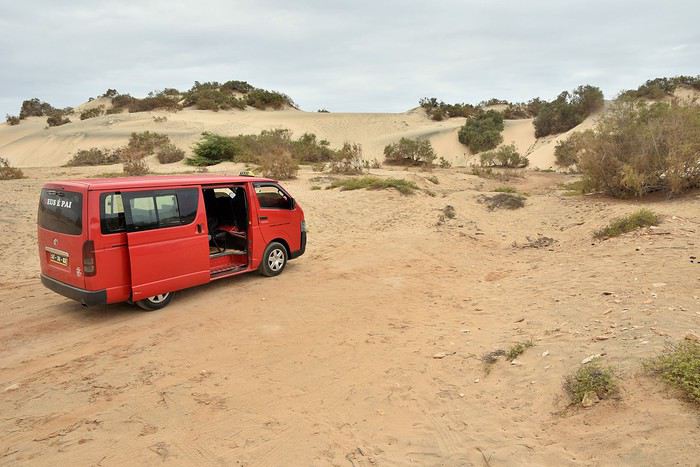
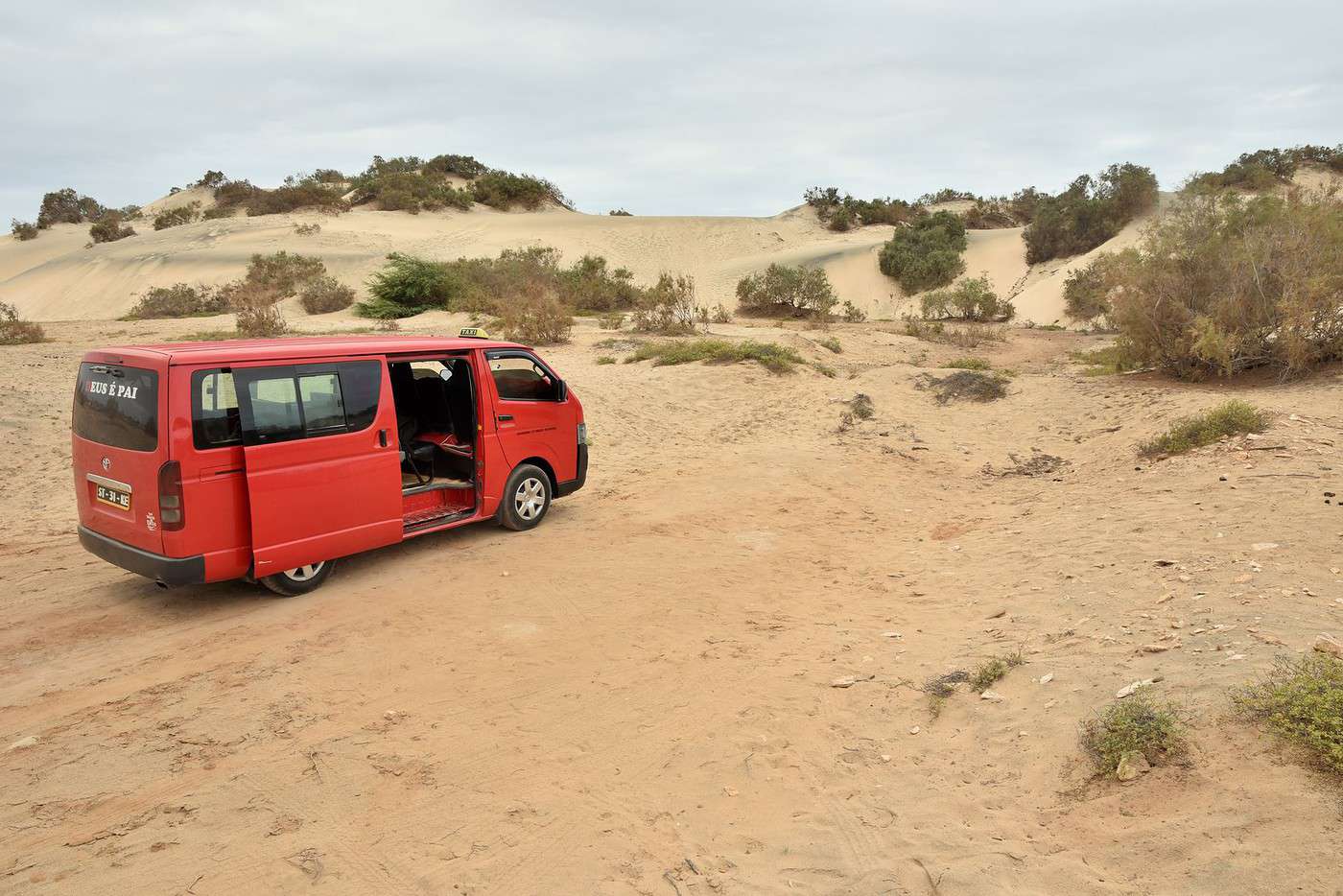
That’s how we met Neal, a young Cape Verdean who drove us in his bright red van to the foot of the dunes.


From there, we had a fifteen-minute hike through the dunes. The ups and downs kept coming while the sun... well, it was nowhere to be seen.


At the end of this little walk, we found a beautiful, wild, and completely deserted beach.


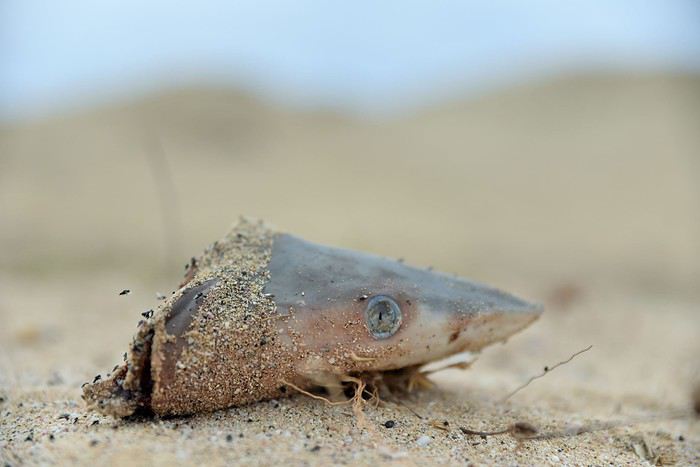
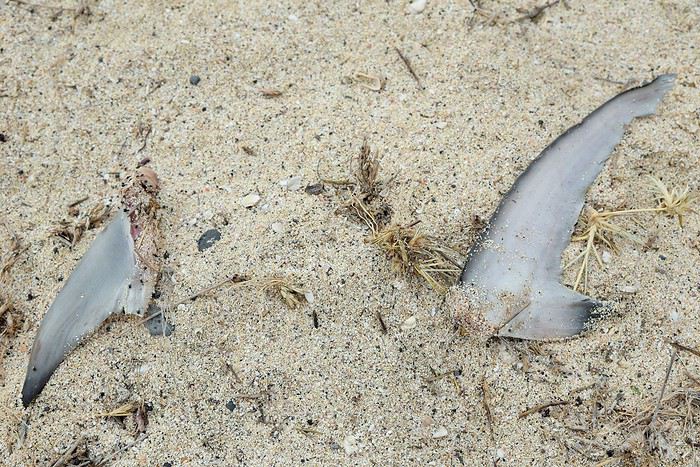
Around the only fishing boat decorating the shore, some fish remains had been left—but not just any fish: two juvenile sharks. What stood out compared to fishing practices in many other countries was that here, they discarded the shark fins and ate pretty much the rest. Elsewhere, sharks are overfished specifically for their fins, which fetch a high price, and the rest of the shark is often thrown back into the water—still alive—to suffer. The Cape Verdean way reassured us: here, fishermen only took what they’d eat.


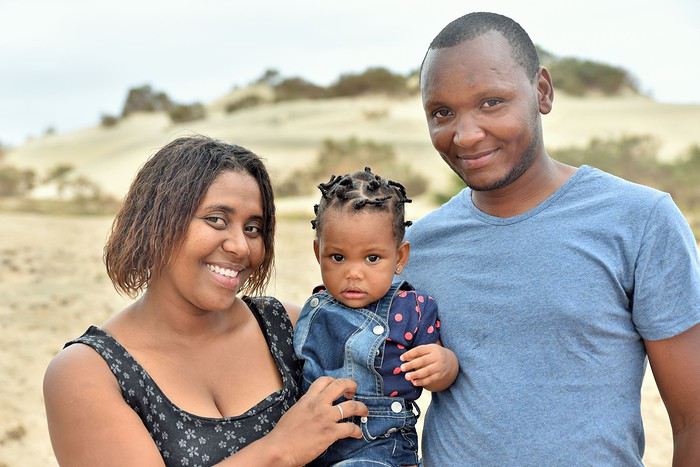
After a quick swim alone in the warm water, we left the beach to meet Neal again. He was waiting at the foot of the dunes with his wife and their little girl, Nilsa, who’d joined him.

Little Nilsa and her parents

That evening, we ran into them at a small beachside shack in Vila: it was in this cozy little restaurant that they’d spend part of the escudos they’d earned that afternoon with us. As for us, it would be our last night on Maio, a place we’d remember fondly.

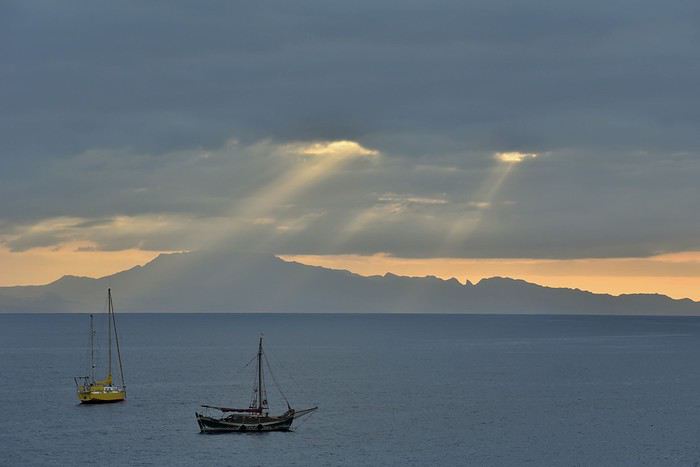
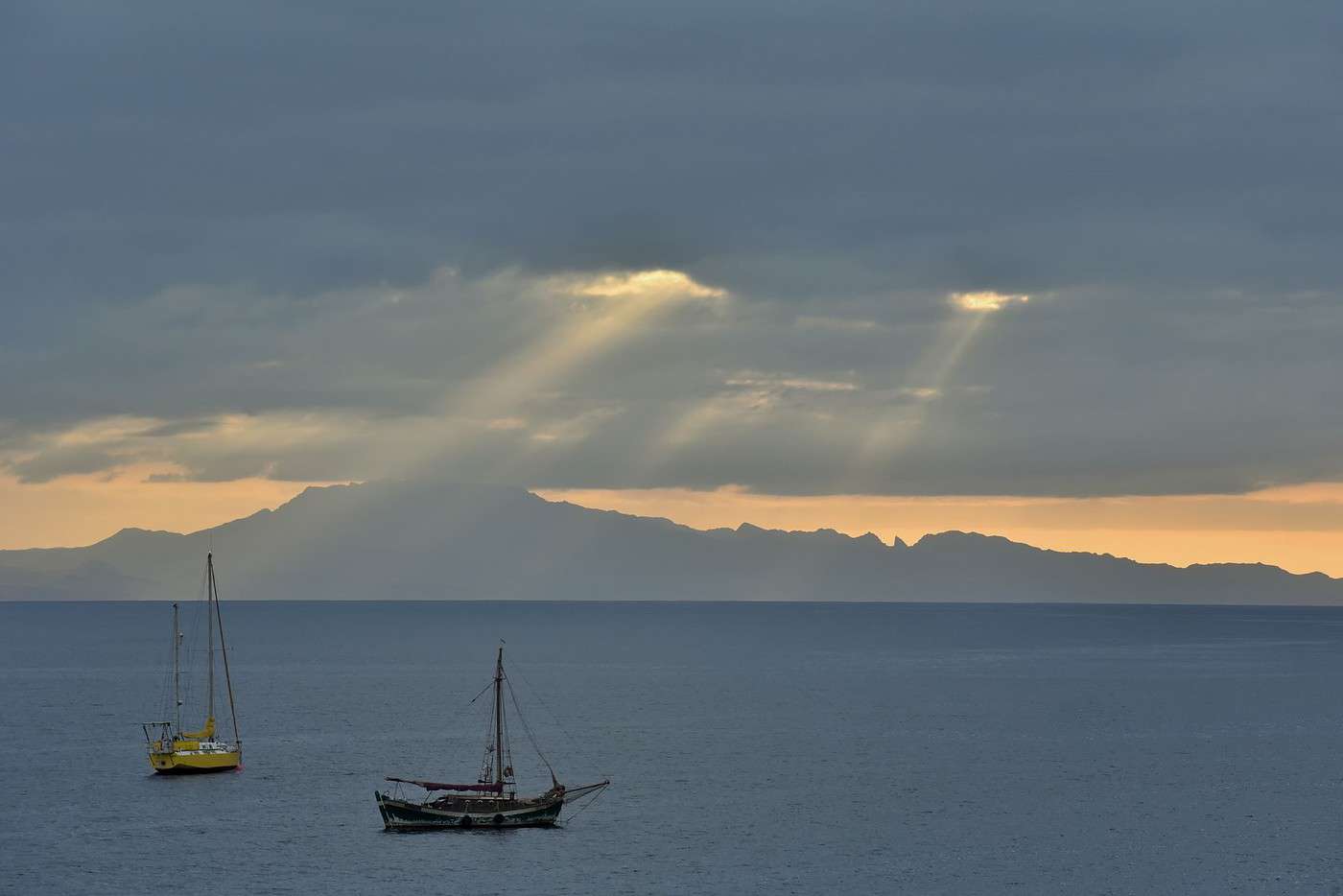
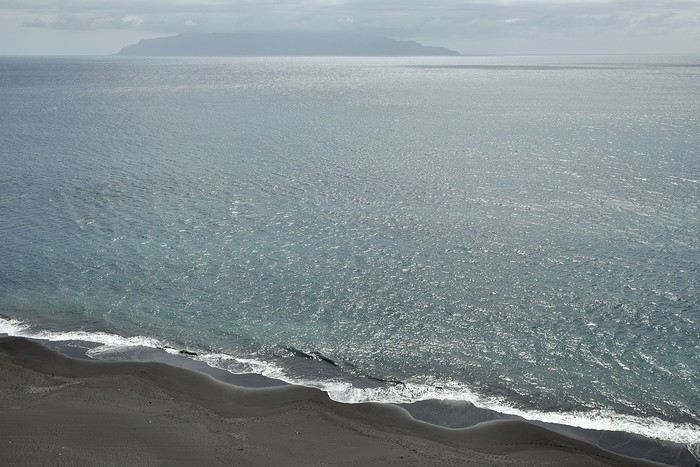
The island of Santiago seen from Maio

That’s it for Maio. Before moving on to the small island of Fogo and its volcano—which erupted in 2014, swallowing the villages thriving on its slopes with little foreign attention—here’s a short video of the most beautiful spots we were lucky enough to discover in Cape Verde. https://youtu.be/pm3boTbNGmI

An off-the-beaten-path destination? Cape Verde!

Ptitortue · 2018-10-13

aaahhh! Cool!! Finally a travel journal about Maio Island to keep mine company! Thanks a bunch+++ It brings back such good memories! Saudade! Maio is one of my top 3 favorite spots in Cape Verde out of the 10 islands, along with Santo Antão and Fogo. Even though I also love São Nicolau and Brava. But wild Maio enchanted me!

So, you’ll have to go back to Cape Verde for your next trip to explore the Barlavento islands!

An off-the-beaten-path destination? Cape Verde!

Lhorizon · 2018-10-13

Hi Marie,

aaahhh! That brings back such good memories! Saudade!

😉

aaahhh! Wild Maio enchanted me!

I have to admit, we feel the same way—Cape Verde in general, really. Maio isn’t just beautiful and peaceful; the people there are genuinely lovely too. And to top it off, there were almost no tourists in August. It’s such a change from those much more popular spots where you’re constantly bumping into crowds.

Well then, you’ll have to go back to Cape Verde for your next trip to explore the Barlavento islands!!

I don’t know if we’ll ever return, but if we do, it’ll be a real pleasure. It’s such an underrated destination that’s absolutely worth it.

An off-the-beaten-path destination? Cape Verde!

Ptitortue · 2018-10-13

No matter the month, Maio is almost tourist-free. The only thing that "spoils" it a bit is all the construction by real estate companies (mostly Italian) building like crazy... for no reason, with no clients... huge houses that stay empty. It's a shame. But Maio is magical despite everything! I hope you get a chance to return to Cape Verde and explore Santo Antão, São Nicolau, and... it's so different from what you've already seen! Have a great weekend! Marie

An off-the-beaten-path destination? Cape Verde!

Lhorizon · 2018-10-13

I hope you get a chance to return to Cape Verde and discover Santo Antão, São Nicolau, and... it's so different from what you've already seen!

Thanks Marie, it’s making my mouth water!

Tomorrow, I’ll post about Fogo and its volcano. Speaking of volcanoes, I’ve been lucky enough to see them on all five continents, but I have to say, this one—with its recent history and the 2014 eruption that swallowed everything—really blew me away. It’s now in my top 3!

By the way, I think it just disappeared from Ptitortue’s profile picture, didn’t it? 😉

An off-the-beaten-path destination? Cape Verde!

Ptitortue · 2018-10-13

Nice one! Yeah, I changed my photo! ;o) The new one is from Santo Antão... but in the more arid and volcanic part of the island.

An off-the-beaten-path destination? Cape Verde!

Annachris · 2018-10-14

Thanks for your travel journal and those amazing photos—you’ve really made me want to go with my kids and my husband, all of us divers and wildlife lovers!

An off-the-beaten-path destination? Cape Verde!

Ptitortue · 2018-10-14

small clarification: there’s quite a bit of marine wildlife and some birds. However, don’t expect any wild land animals—there are only domestic animals (goats, cows, sheep, chickens, dogs, etc.).

An off-the-beaten-path destination? Cape Verde!

Lhorizon · 2018-10-14

Thanks Anna, that’s cool. Okay, I’ll continue then...

To be continued...

FOGO: THE VOLCANO ISLAND

Rising 2,829 meters above sea level, Pico do Fogo ("Peak of Fire") is the highest point in Cape Verde and the country’s only active volcano.

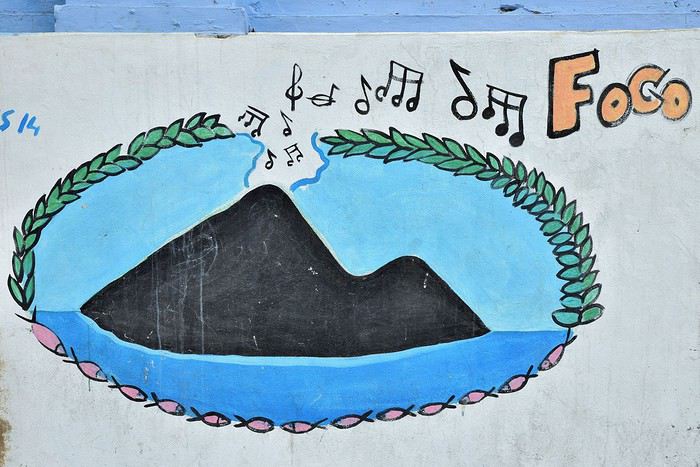
Expressive graffiti (São Filipe)

Our stay on Fogo will unfold in two parts: first, we’ll spend three days in what feels like another planet—exploring the surreal landscapes of the caldera—before wrapping up with a visit to São Filipe, the island’s main town.

Graffiti (São Filipe)

> Living inside an active volcano!

What makes Pico do Fogo famous is that it’s one of the few active volcanoes in the world that’s still inhabited.

- The 2014 eruption

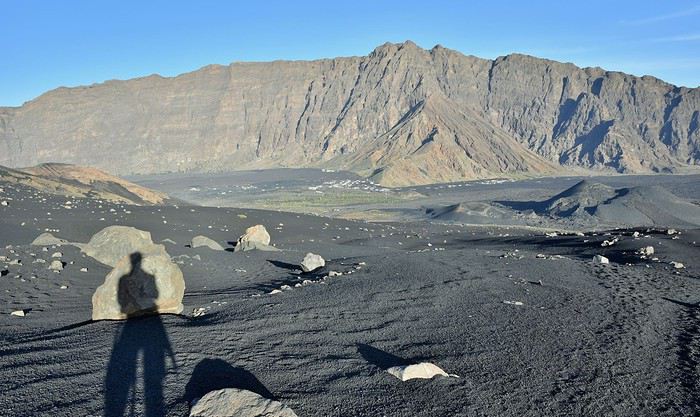
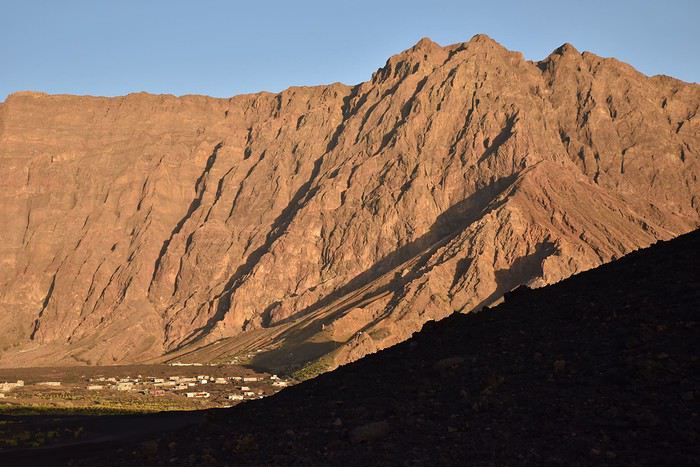
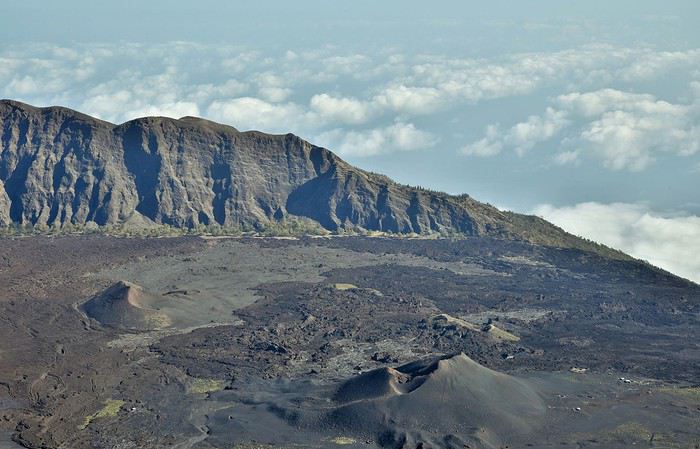
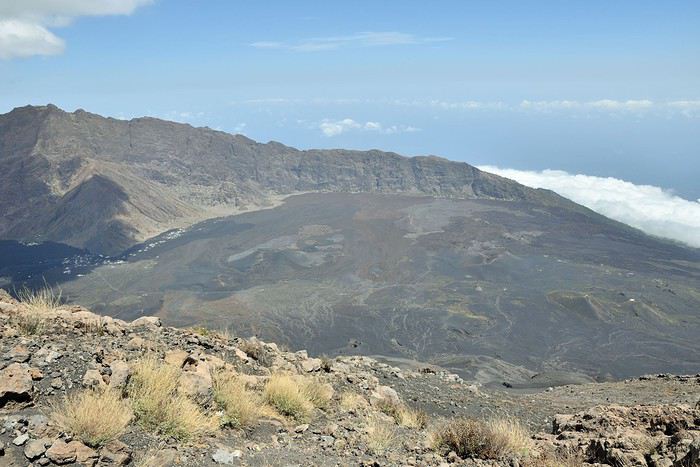
Inside this nine-kilometer-wide caldera, where craters have sprouted like mushrooms over time and eruptions, about a thousand people lived until November 23, 2014.

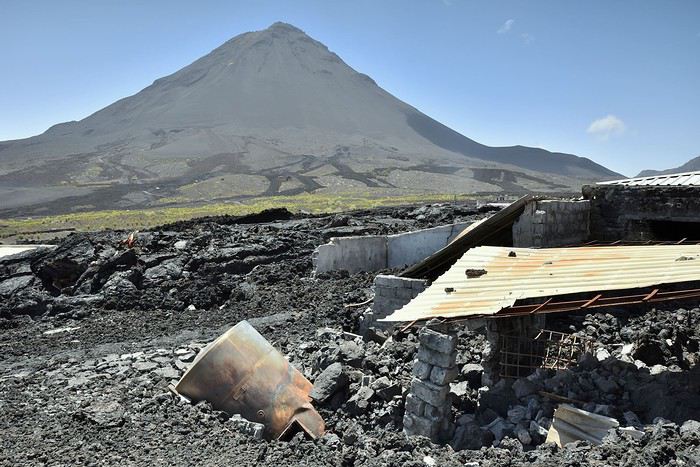
That day, the volcano erupted. Lava spread across much of the caldera over the following days and weeks, slowly but surely swallowing every home in its path. Though there were no casualties—thanks to a timely evacuation—the small hamlets there were nearly wiped off the map.

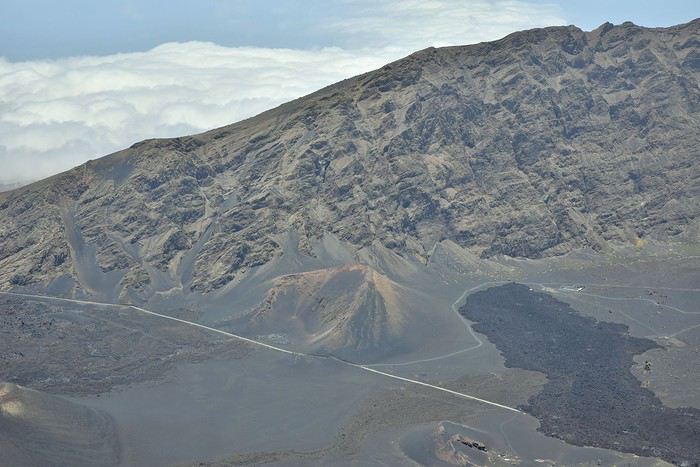
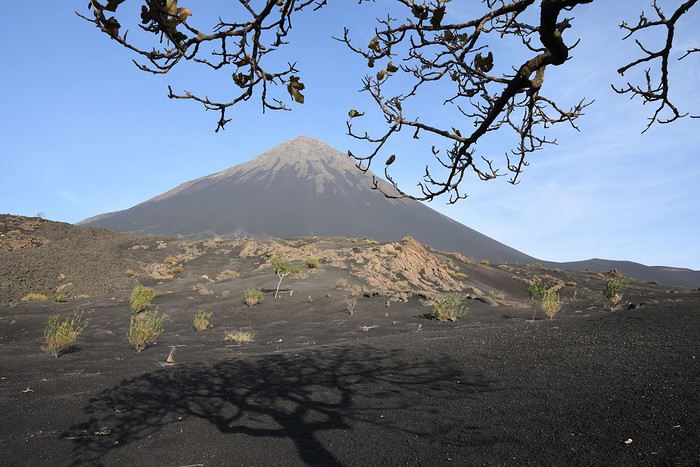
Photo: Pico do Fogo between two eruptions—the devastating 2014 one and the next to come...

But let’s start from the beginning. To reach the crater from São Filipe, you take an *aluguer* (a shared minibus taxi). Since its daily schedule didn’t align with our flight’s arrival, we had to take a "private" taxi, arranged by José, who runs a guesthouse in the heart of the caldera, right at the foot of the Grand Pico, the main crater. We shared the ride with Leïla, a Moroccan traveler we quickly bonded with and spent the next three days exploring alongside.

First, we drove for an hour on a winding road, climbing from sea-level São Filipe up to the caldera, perched at around 2,000 meters. There, we entered the vast crater via a poorly maintained paved road.

But soon after entering the caldera, the road was cut off by a three- or four-meter-high lava flow. We had to take a detour—a secondary track carved out in the weeks following the eruption.

Photo: Arrival in the caldera, seen from the Grand Pico—the white line is the road blocked by lava; the gray one is the detour track.

The landscape was both lunar and mesmerizing, so much so that we barely noticed the 45-minute drive to the village. The place is called Chã das Caldeiras. In theory, that’s the caldera’s name, but in practice, it’s what everyone calls the village—or rather, the hamlets rebuilt at the bottom of the caldera.

When we arrived at *Pensão Casa José Doce*, where we’d be lucky enough to spend three unforgettable days and nights, we were greeted by Carole. French, she’s also José’s wife, the Cape Verdean owner of the place.

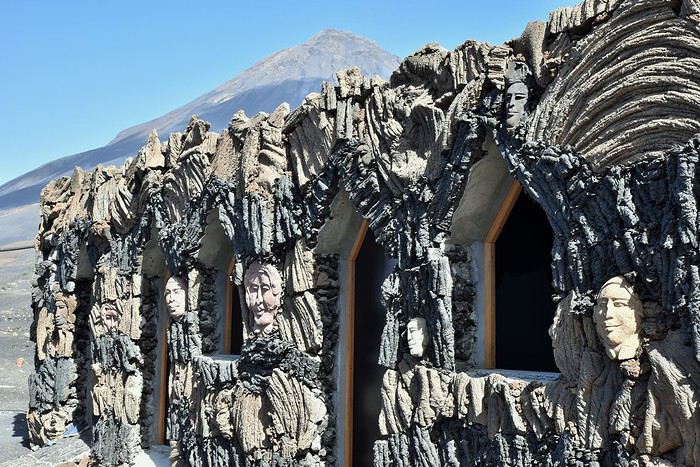
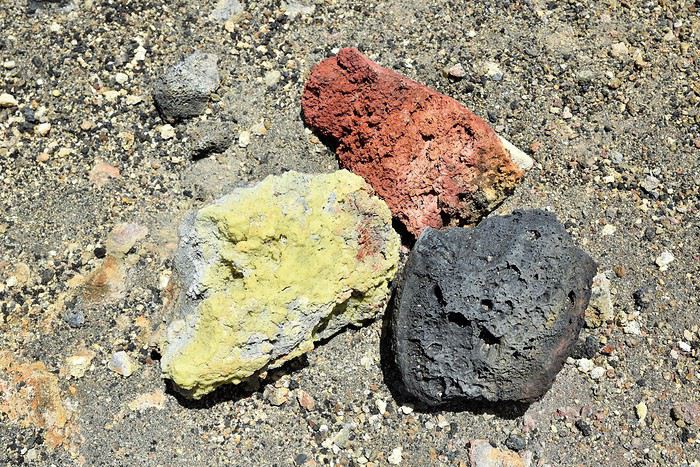
For the guesthouse’s construction and decor, they didn’t have to look far: volcanic rocks and hardened lava pieces were used, their colors varying depending on the eruption’s date.


Photo: *Pensão Casa José Doce*—the guesthouse at the foot of the volcano.

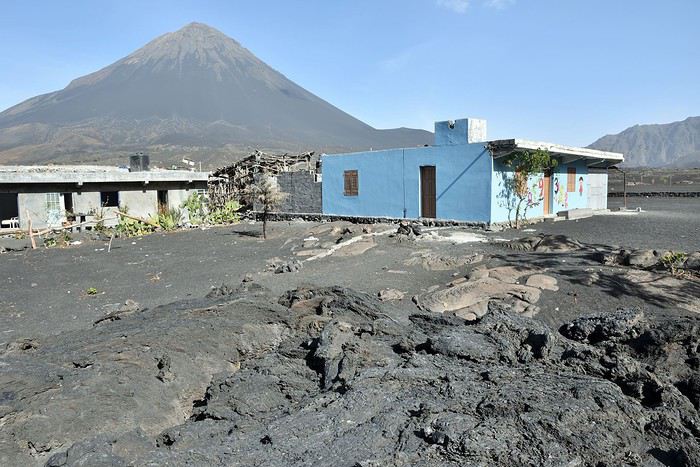
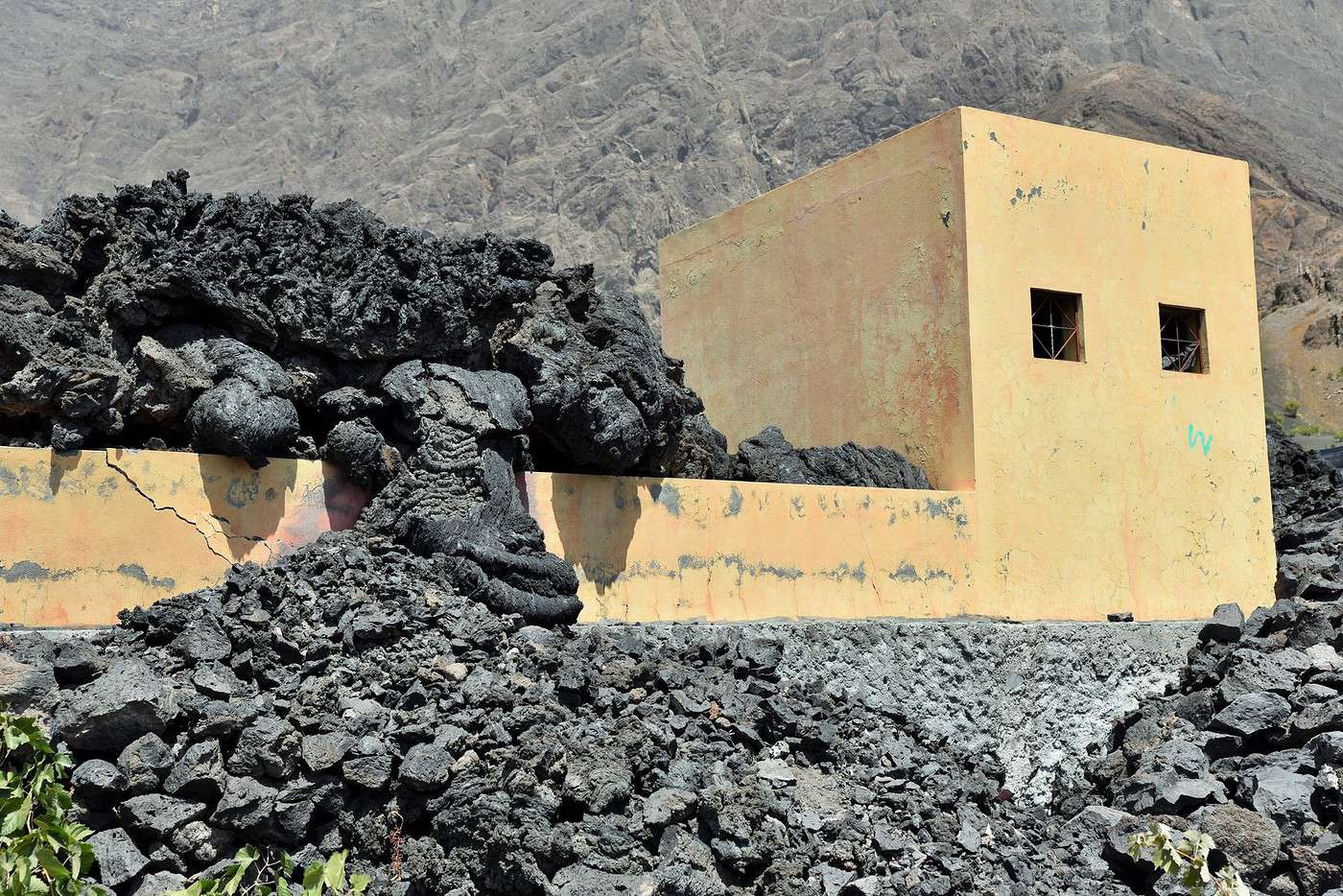
In 2014, José was incredibly lucky: out of the 22 guesthouses in the crater at the time, his was one of only two that weren’t buried under lava. It stopped just ten meters from his walls.


Photo: In 2014, the lava (foreground) stopped ten meters from José’s guesthouse (the gray building on the left).

José explained that during the two-and-a-half months the 2014 eruption lasted, residents had to live temporarily in São Filipe and couldn’t return to the crater. They scoured satellite images online, trying to see if their homes had been swallowed. The waiting—and above all, the helplessness they felt in the face of nature’s fury—was unbearable.


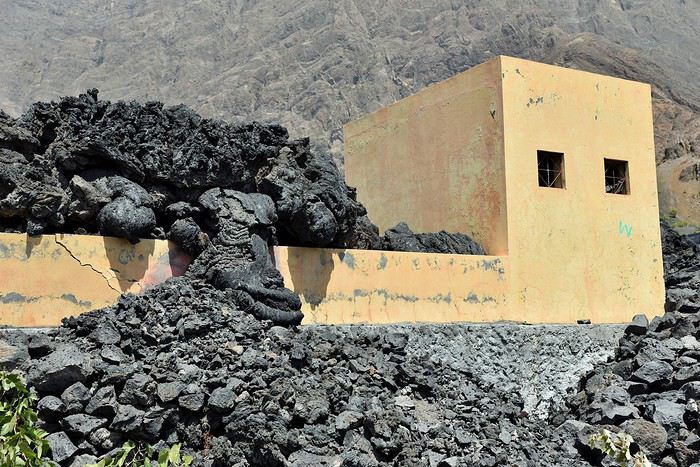
Sometimes, the lava would stop just meters from a house and stall. People thought their home was saved. But a few days later, it would inexorably resume its advance, devouring everything in its path.


Here, the landscape is one of total desolation. Yet after the eruption, the inhabitants of this surreal place, armed with extraordinary courage, decided to return and rebuild everything. Without any help, because the authorities consider that in case of another eruption...

José then shared how he feels: he was born here, grew up here, has always lived here, and there’s no way he’d let himself be uprooted. Everyone here thinks the same. So these people, who’d been forced from their homes by nature, decided to rebuild everything. Through patience, perseverance, and sheer hard work, they pulled off the impossible. Alone. Without help.


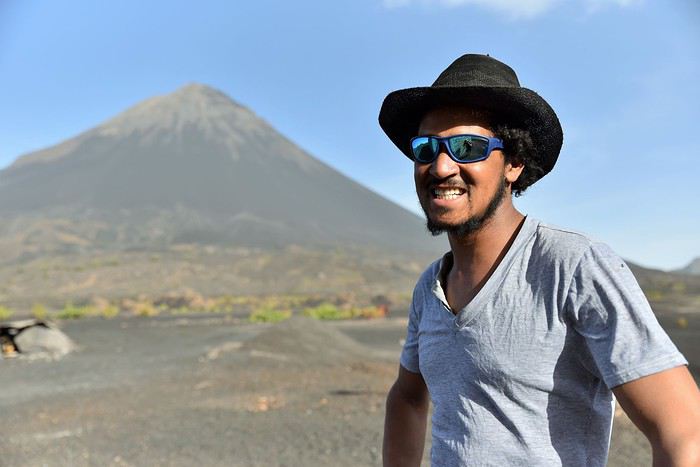
José

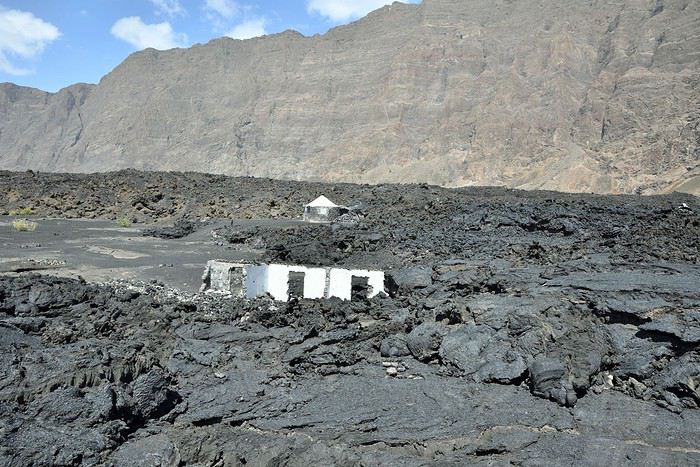
José couldn’t stop telling us the story of his village—his story. He went on to explain that the church had also been submerged by the lava flow. Here’s all that’s left of it.


Photo: In the foreground, the engulfed church; on the left, the top of its pediment.

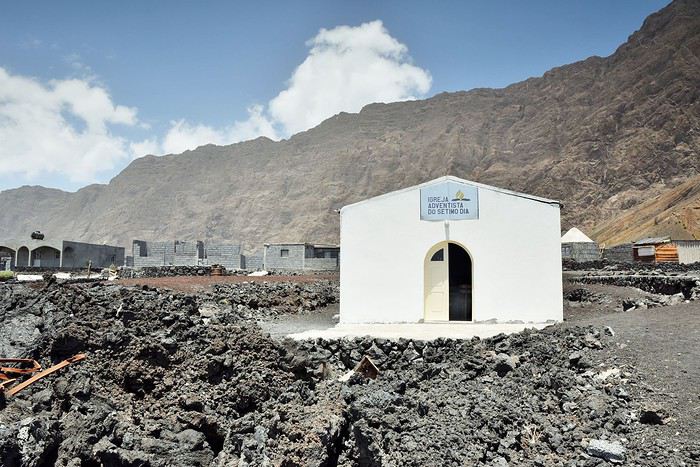
Since then, a small Adventist church has been rebuilt on the lava, at the foot of the caldera’s walls.


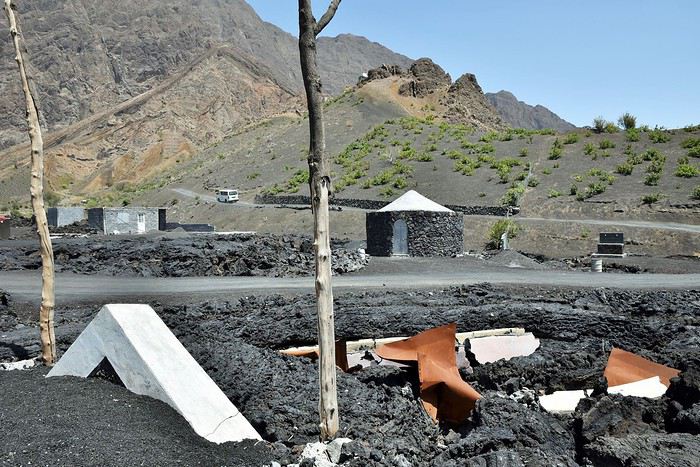
A little further on, the wine cooperative suffered the same fate as the church.


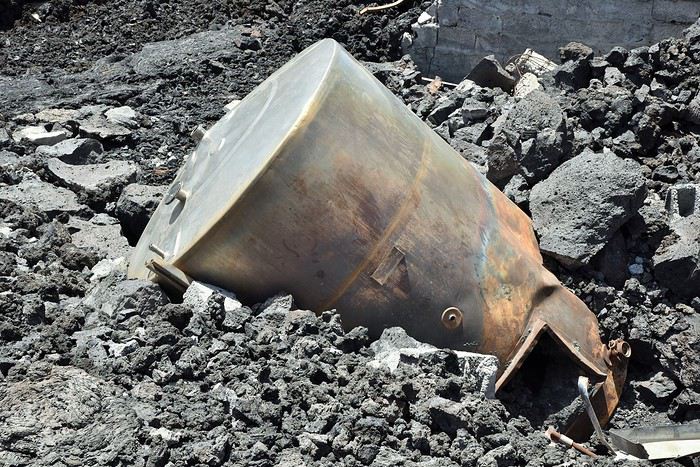
When José told me he’d seen the wine burn, I struggled to picture the scene. But standing in front of the disaster’s remnants, I suddenly understood much better what happened here.


Photo: A wine vat carried away by the lava.

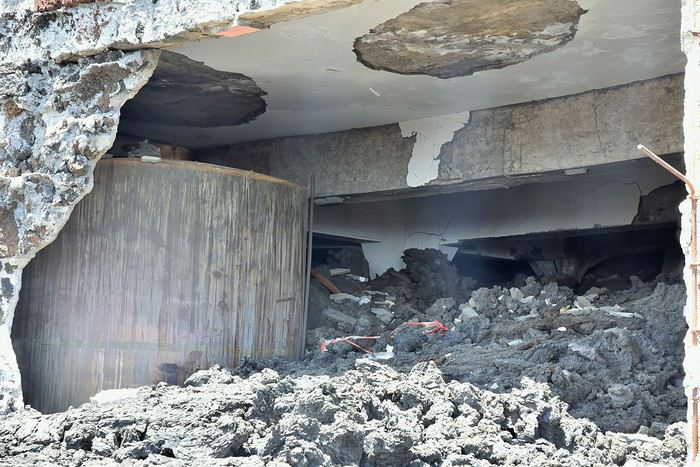
As for the cellar, there’s not much left of it either.

Photo: The cellar’s interior was completely devastated by the lava.

In 2014, no Western country covered this eruption or its impact on the locals. Except for Portugal, which still has ties to its former Cape Verdean colony. The silence was baffling to us after seeing this wasteland—and to some volcanologists, who called it "the forgotten eruption."

If this story feels eye-opening, such adversity hasn’t embittered the people here. They see rebuilding everything as normal.


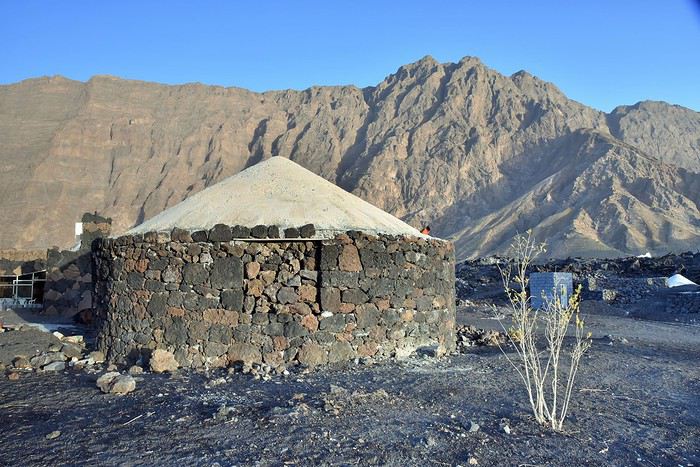
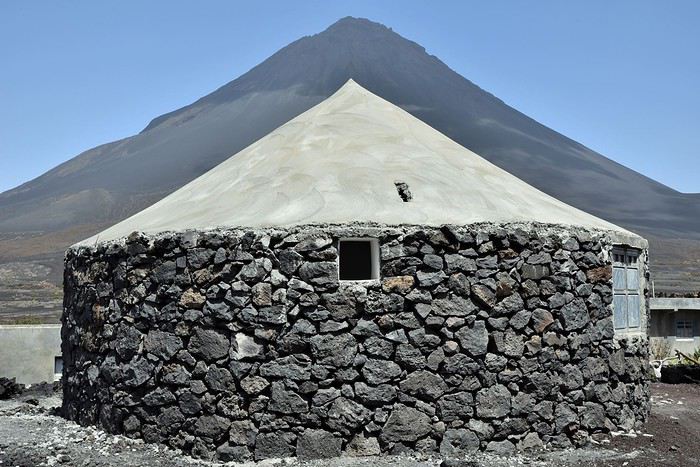
What’s more, the reconstruction followed local traditions. You can see many typical circular houses, built with stones spewed by the volcano, which even inspired the roofs’ shape.

Photo: Chã das Caldeiras—a traditional house.

Today, life has returned to normal, though the uniqueness of this place makes daily life challenging, as Carole explained. For example, there’s no running water: it has to be delivered by truck and stored in tanks so you can still take a shower.

There’s barely any electricity either: a few solar panels only heat shower water or recharge cameras for passing travelers. At night, candles are the only light.

Also, to get supplies, you have to leave the crater and shop in São Filipe—not exactly a quick trip to the corner store, but a three- or four-hour round trip.

Still, the locals have adapted. They know their volcanic soil is surprisingly fertile for plants, vegetables, and fruit trees. It might seem odd, but everything grows here—and grows well.


Photo: A pomegranate tree at the foot of the volcano.

Pomegranates, quinces, figs, mangoes, potatoes, beans, etc.—fruits and vegetables thrive here. So do coffee and, of course, grapes, since the volcano’s specialty is *Manecom*, the famous local wine.

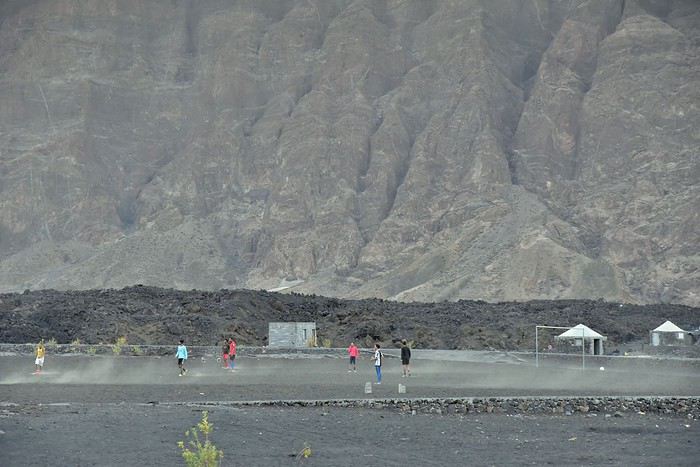
Our first evening in this incredible place was approaching. The sun wasn’t quite ready to set, but as it dipped, it quickly cast the caldera’s interior into shadow beneath its towering walls. A few locals were enjoying the last light of day, playing soccer in the volcanic dust next to the latest lava flow.


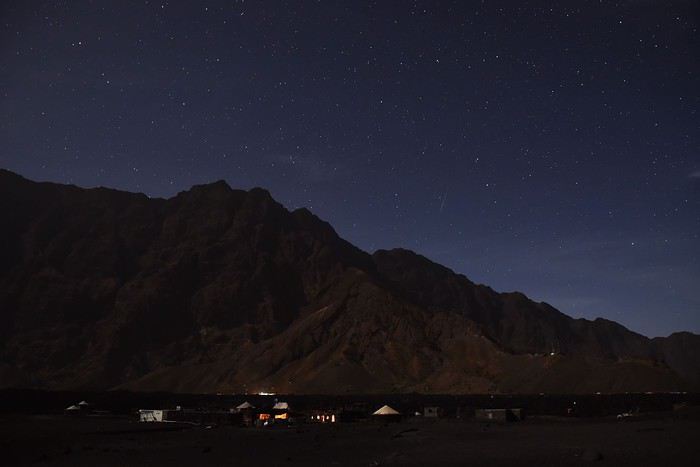
After a day of emotional stories and visits, it was time for us to turn in—especially since we’d be climbing the Grand Pico at dawn, a notoriously strenuous hike. Still, I couldn’t resist capturing the place at night before going to bed.

The caldera’s walls.


To be continued: The Grand Pico ascent...

An off-the-beaten-path destination? Cape Verde!

Ptitortue · 2018-10-14

Since I already knew Cape Verde and Fogo and had friends there before 2014, I managed to follow the updated news every day on Facebook or Cape Verdean TV. Otherwise, here in Europe, we didn’t hear much about it... though it did make a quick appearance on the France 2 news, but only once and about two weeks after the eruption.

PS: Your photos are amazing! Thanks for sharing!

An off-the-beaten-path destination? Cape Verde!

Annachris · 2018-10-14

Thanks Marie for this clarification 🙂 We’re marine wildlife enthusiasts, and witnessing turtle nesting would be an amazing experience for us—especially if it’s done with respect for the animals. We’d already be thrilled 😏

An off-the-beaten-path destination? Cape Verde!

Ptitortue · 2018-10-14

hehehe! For the turtles, you’ll want to aim between July and September, roughly. On every island where nesting happens, there are associations that protect them and organize visits in a respectful setting.

An off-the-beaten-path destination? Cape Verde!

Rouquine38 · 2018-10-14

Hi, I’m really happy to follow this travel journal. We spent a week in Cape Verde last winter, and we were left with an amazing impression of Fogo. We didn’t make it to Maio due to lack of time, but your photos make me want to go check it out. Looking forward to the Grand Pico ascent 😉. Isabelle

An off-the-beaten-path destination? Cape Verde!

Lhorizon · 2018-10-14

- The ascent of Grand Pico and descent via Petit Pico

To make everything clear, let’s start with a brief description of the places:

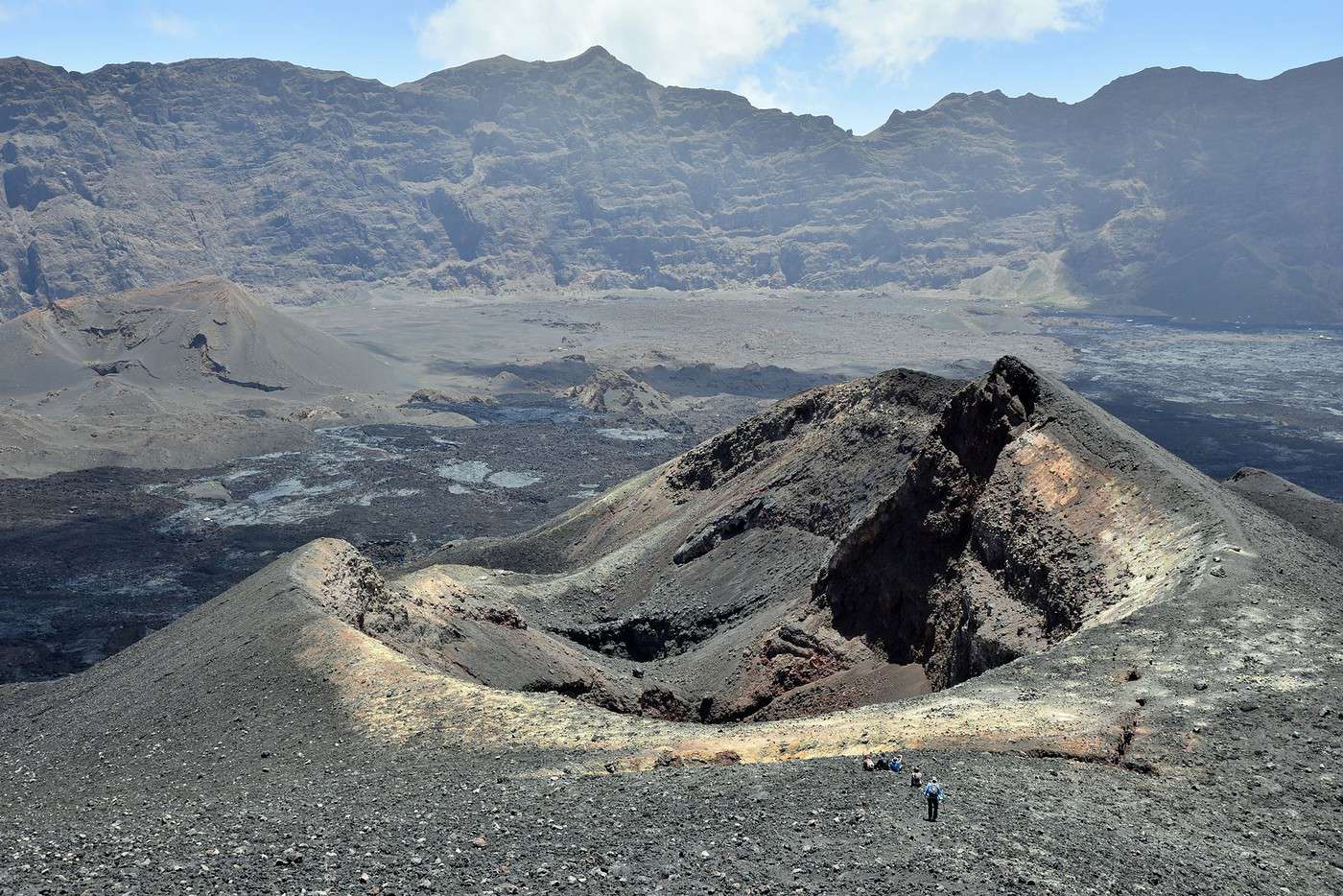
The caldera: It resembles a vast volcanic crater but isn’t one. During a mega-eruption tens of thousands of years ago, the magma chamber beneath the volcano emptied, causing a gigantic collapse—this is how the caldera was born. Its diameter is nine kilometers. At the bottom of this vast circular depression, lava spreads during each eruption, and this is also where the inhabitants of Chã das Caldeiras live. The interior of the caldera is dotted with numerous craters, including Grand Pico and Petit Pico. Grand Pico: This is the famous volcanic cone whose summit reaches 2,829 meters, the highest point in Cape Verde. Eruptions occurred at its summit until 1769. Petit Pico: Located on one of Grand Pico’s flanks, this is the crater from which the devastating 2014 eruption occurred. The other craters: Eruptions after 1769 took place from the flanks of Grand Pico, forming several craters of relatively modest sizes.


The classic ascent of Grand Pico takes an average of six to seven hours. Once at the top, you descend on the other side, allowing you to discover Petit Pico, which is truly worth the detour. To get a guide, just ask José the day before.

Theoretically, the departure is at 6:00 AM, but for us, it was 6:20! Meaning we started in the dim light. Our guide is Dony, also a resident of the caldera—a true local, just like José. He’s always in a good mood and laughs a lot, which is really nice. Finally, Leïla, whom we met the day before in the car that brought us here from São Filipe, joins our group.

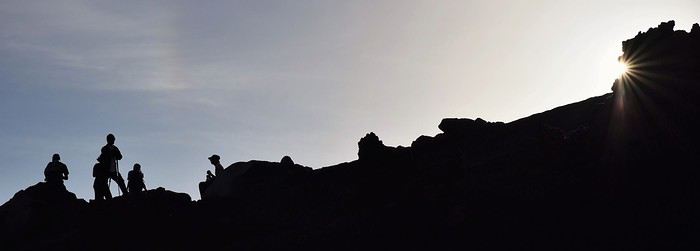
So, we set off as a group of six, and after twenty minutes of fairly easy walking (since the incline is gentle so far), the rising sun suddenly warms the colors of the caldera behind us.


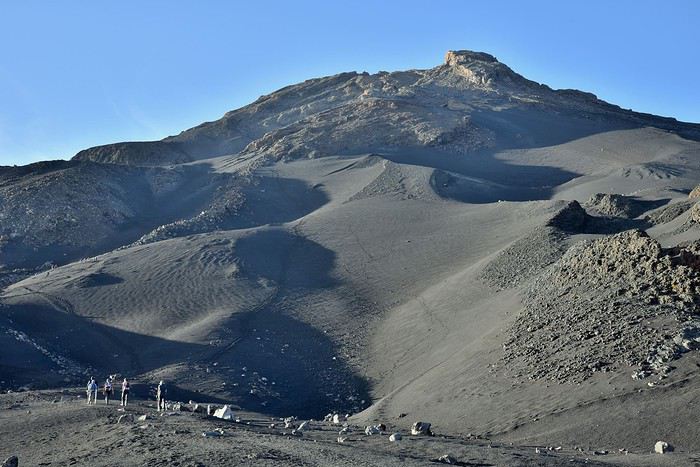
As for the volcano, it stands majestically before us. The few hikers we spot far ahead on the slopes seem tiny, even though they’re nowhere near the top. It quickly becomes clear that the summit is much farther away than it appears. And even though the sun is still low, it’s already starting to get hot.


Photo: Our little team tackling the volcano

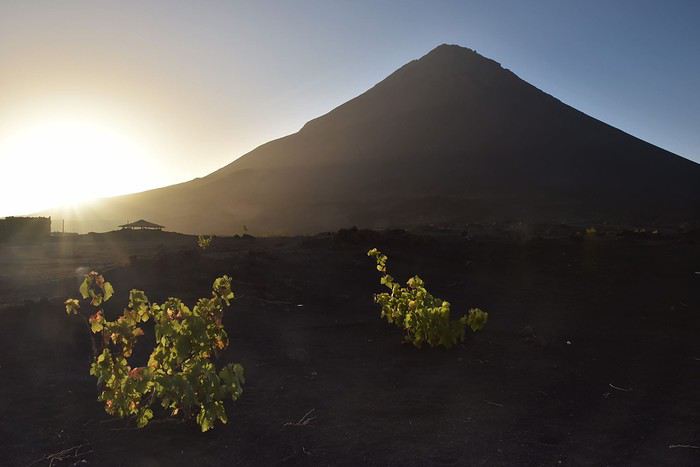
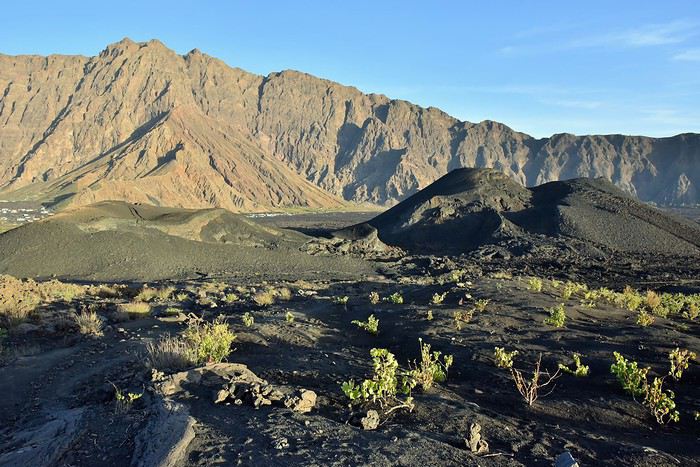
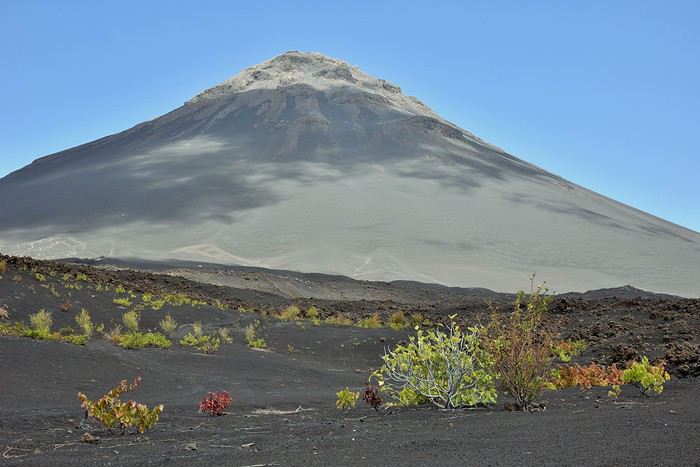
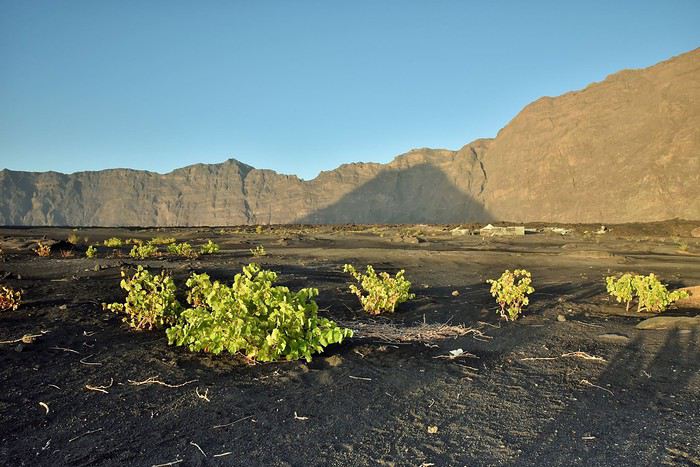
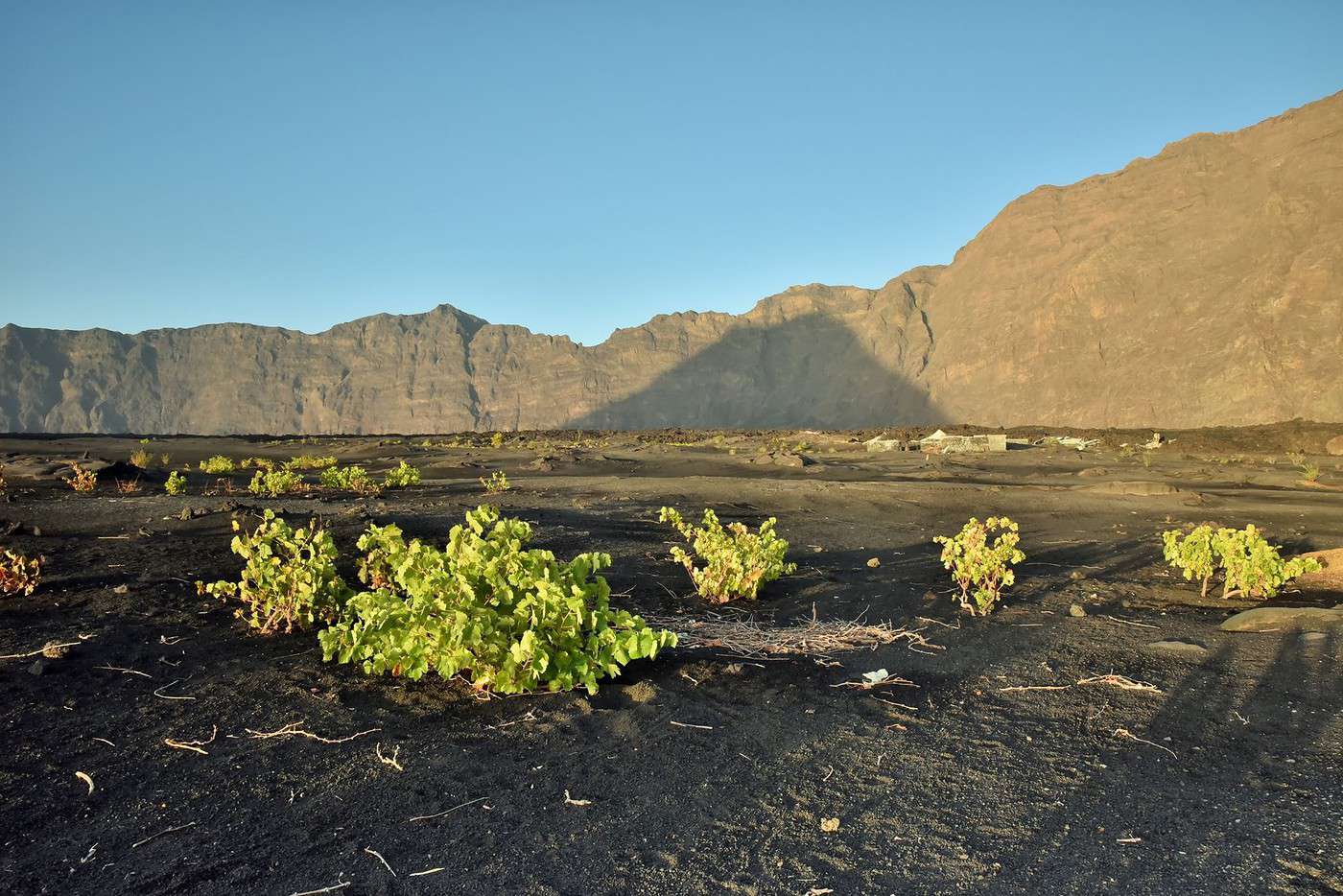
We leave behind the last vines used to make the famous Manecom, sometimes nicknamed "lava wine." This means that for the harvest, the villagers-winegrowers still have quite a trek to come and pick the grapes here.


Photo: A few vines amid the craters

Then we dive into the heart of the matter, finding ourselves in the middle of endless lunar landscapes.


The blazing sun forces us to take a few breaks, during which we try not to waste our water supply.


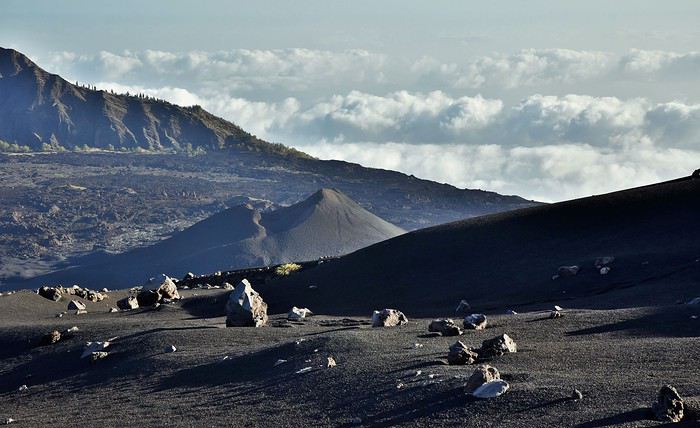
Below us, we spot several craters, each responsible for eruptions of varying importance since the 18th century. Behind them, the caldera’s walls mark its boundaries, and beyond, a sea of clouds stretches endlessly over the ocean.


After four hours of climbing, we finally reach the summit. 2,928 meters above sea level: here, we’re geographically at the country’s highest point, but this volcano also marks the highlight of our trip in terms of landscapes and emotions.

We had warned Dony before departure that we wanted to take our time to stop for photos and "rest breaks." Very attentive, he perfectly adapted to our pace.

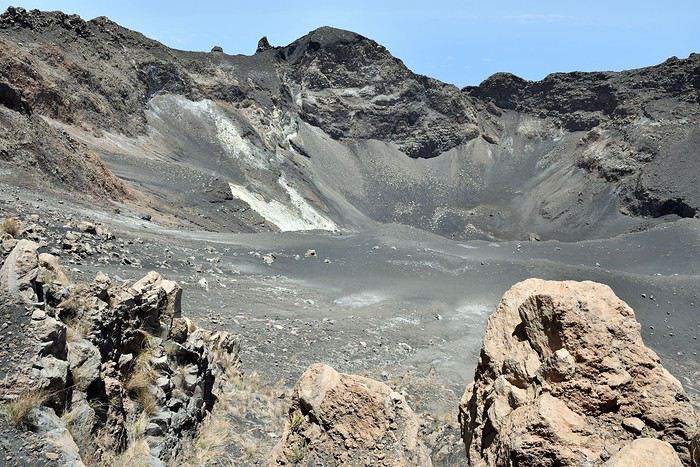
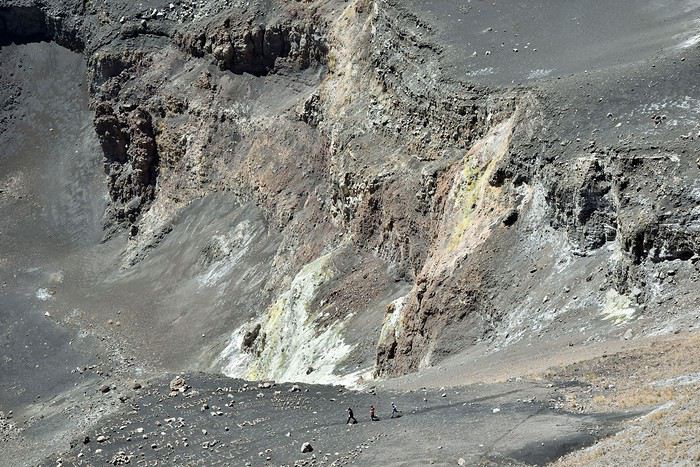
We take a long break on the small summit ridge, which offers two different views. On one side, the crater of Grand Pico.

Photo: Inside the Grand Pico crater

On the other side, the view of the caldera and its contents: houses, craters, lava flows...


Dony then suggests descending to the bottom of the crater. My wife Marie, Leïla, and I aren’t too keen and prefer to stay and admire the landscape, unlike Victor and Arthur, our sons, who don’t seem tired at all. So Dony takes them a few hundred meters lower, into a breathtaking setting.


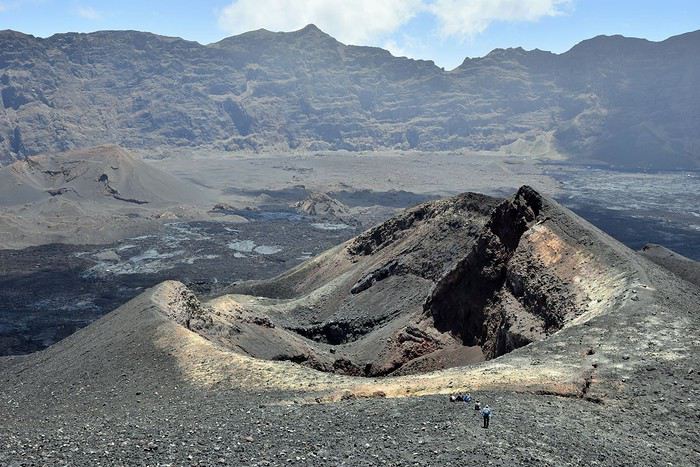
When we look at Petit Pico from the start of this memorable descent, it seems so close that we think we’ll reach it in just a couple of minutes. In reality, it takes us twenty—even though we run the whole way.


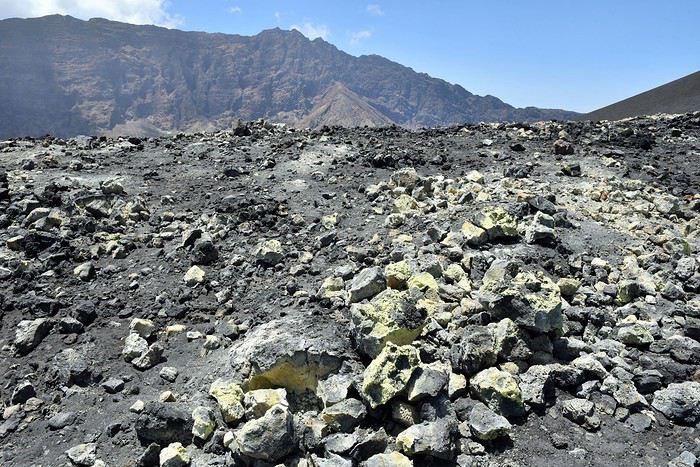
This crater lives up to its name—it’s tiny compared to its big brother we just came from. And yet, it was this Petit Pico that devastated everything below in 2014–2015.

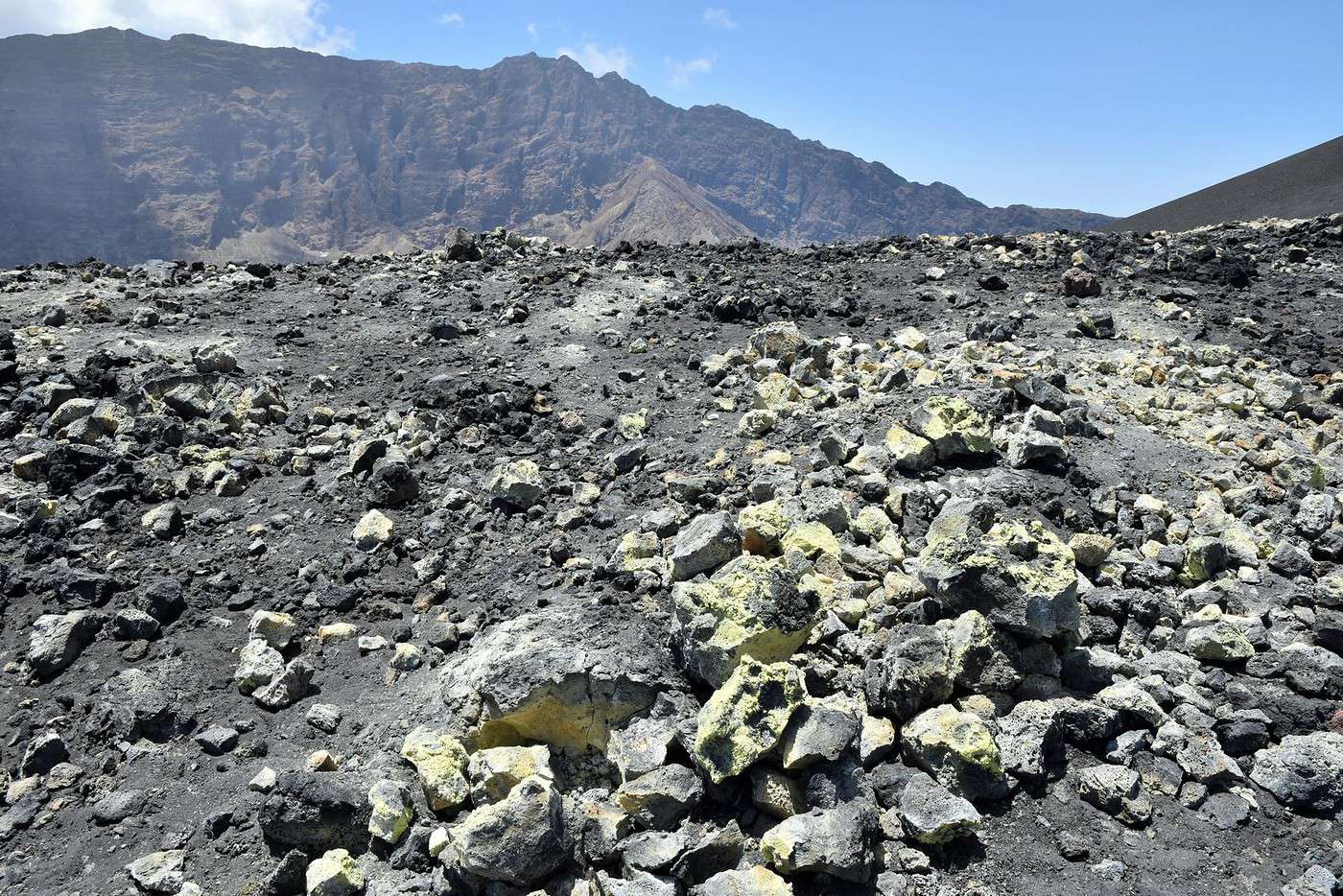
Photo: Sulfur deposits around Petit Pico

A little lower down, we reunite with vegetation. We’re dying of heat, and the grapes Dony lets us taste—picked from the vines around us—are pure bliss. Some are ripe and juicy, others older and dried out, but they all do us a world of good.

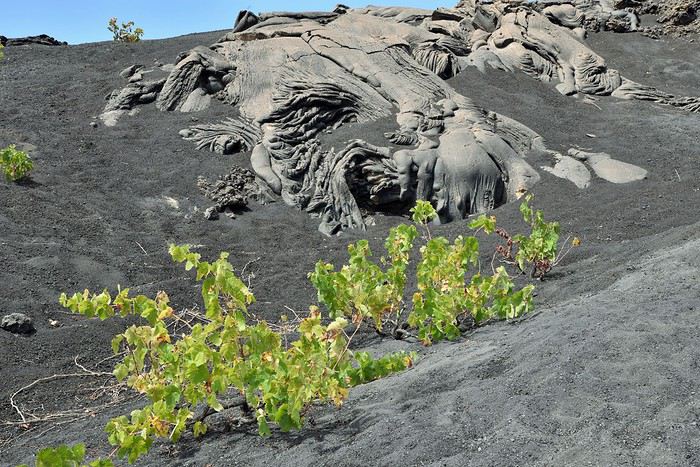
Near these first vines, the old lava flows take on tortured shapes.


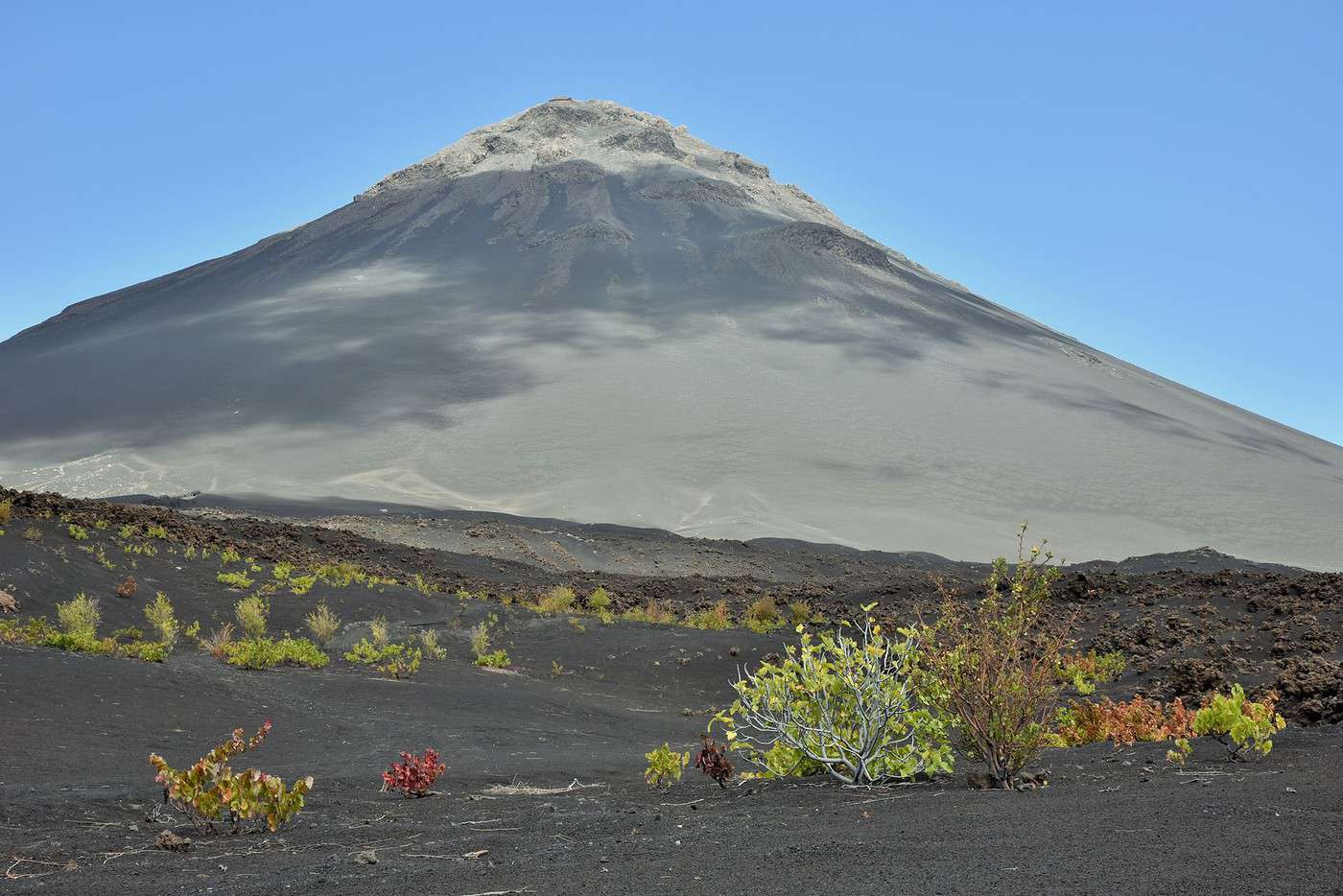
Just before reaching the guesthouse, we take one last look at the sleeping giant (for now) that we spent most of the day climbing and descending.


In total, it took us eight hours instead of the average six to seven. Back at José’s, we rush for the fridge’s cold drinks before heading to the shower. Then I go to add to my collection of images before the restorative evening meal.


Since there’s no electricity at the guesthouse, we light candles in the evening. The amazing consequence is that it creates an extremely warm atmosphere during meals shared with other travelers. Each of the three dinners we had there was particularly convivial with everyone we met. Even our son Arthur, at just twelve years old, told us how much he loved and felt that special vibe.

We spend our last night in this magical place, and the next morning, I take advantage of the early light to capture my final images before leaving.

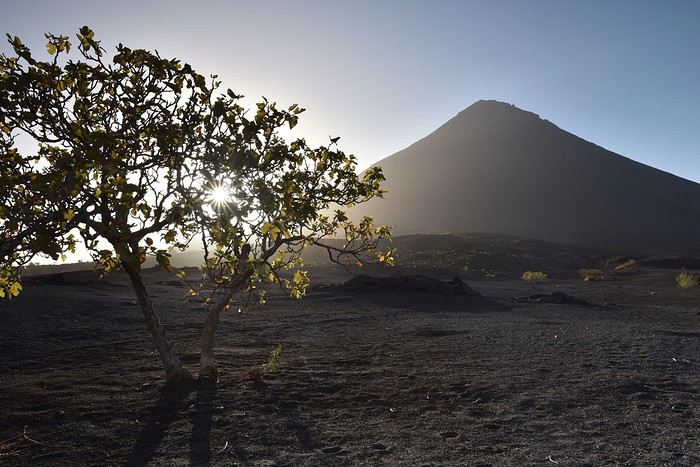
A fig tree thriving in volcanic soil The volcano’s shadow looms over the caldera

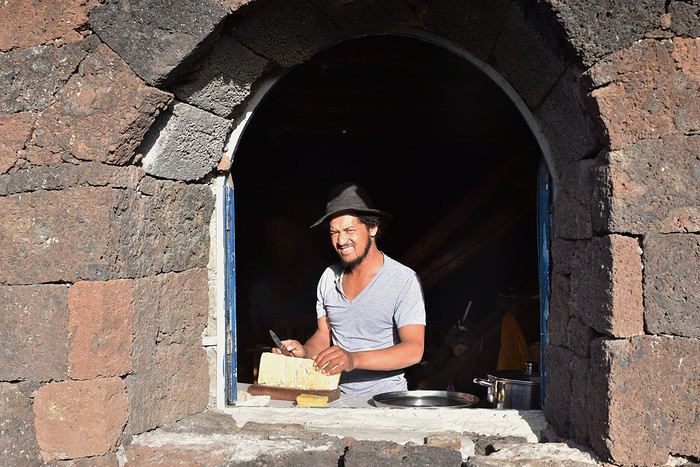
José preparing breakfast bread

Then comes the time to leave this unique place, as well as Carole, José, and Dony, thanks to whom we’ve just lived unforgettable moments. We thank them warmly, and just like on the way here, we have to take a private taxi since it’s Sunday and there are no *aluguers* that day. Off to Fogo’s main town: São Filipe.

For those interested who haven’t seen it yet, here’s a short video (3 min) I already posted a few days ago in VF’s "travel photos and videos" section, which sums up this (too) brief stay in Chã das Caldeiras... https://youtu.be/ZoEGJQljBQ4

An off-the-beaten-path destination? Cape Verde!

Lhorizon · 2018-10-14

Hi Isabelle,

I’m happy to help bring back some great memories!

I only have a few posts left: São Filipe at the foot of Pico, then our brief stop in Santiago, and finally some practical info for anyone who might be interested...

An off-the-beaten-path destination? Cape Verde!

Xeta · 2018-10-15

Hi there! 🙂 Thanks for this lovely travel journal! So, you're into volcanoes, huh? 😉 Well done, your story is a delight once again, and your photos are stunning. The light is so often gorgeous!

An off-the-beaten-path destination? Cape Verde!

Lhorizon · 2018-10-16

Hi Anne, thanks! Yeah, I admit, volcanoes fascinate me, and Pico didn’t disappoint! See you soon.

An off-the-beaten-path destination? Cape Verde!

Lhorizon · 2018-10-16

> São Filipe

With a population of 8,000, São Filipe is the main town on Fogo. It’s best known for its famous "sobrados," the grand houses where the Portuguese lived during the colonial era. Here, like almost everywhere in Cape Verde, the streets are full of color.


As we stroll through these charming streets toward the sea, we stumble upon the Presidio garden by chance. While it’s nothing extraordinary, it does offer two perks: it overlooks a beautiful black-sand beach and provides a view of Brava Island, 25 kilometers away.


Photo: São Filipe’s volcanic beach facing the small island of Brava

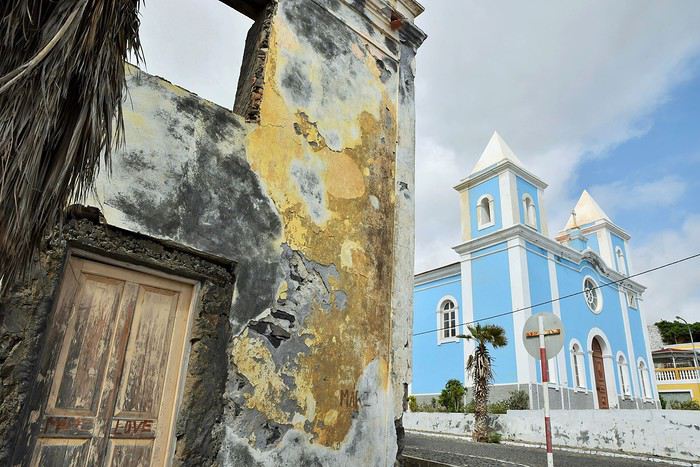
We decide to check out the beach. On the way, following the coastline more or less, we spot a small, colorful church.

Our Lady of the Conception Church

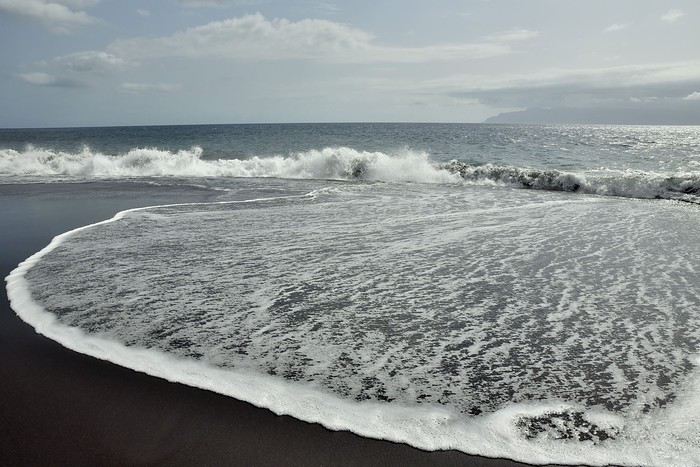
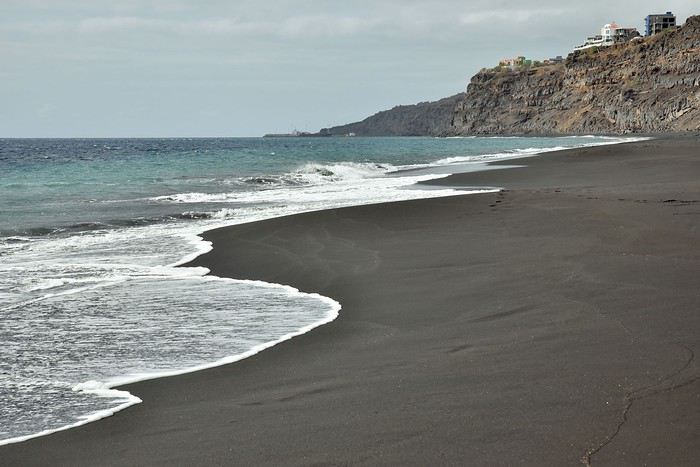
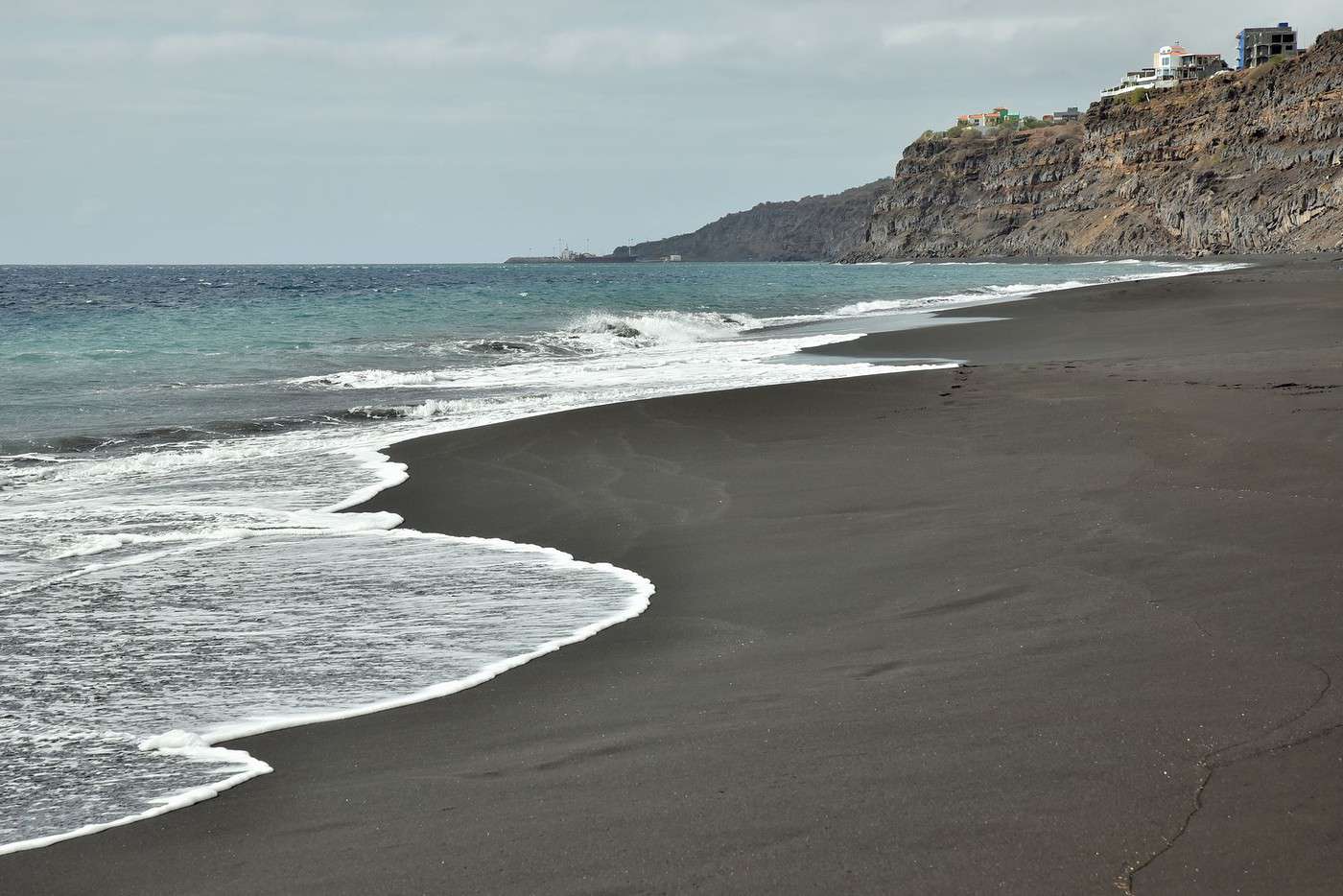
A little further on, we find the long staircase that leads us down to the famous black-sand beach, which clearly reveals its volcanic origins.


Apparently, swimming here is very dangerous due to strong currents. We were even warned that every year, drownings are reported. Sure enough, despite the heat and a strong urge to cool off in the water, the beach and sea are deserted.

Photo: São Filipe perched on the cliff, facing the ocean

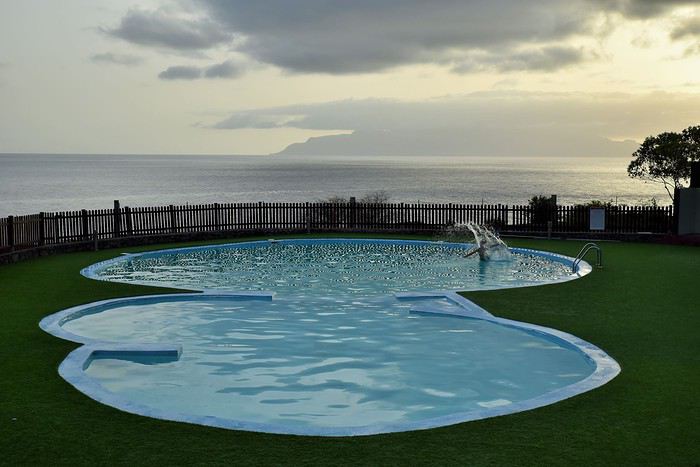
We end the day at a hotel with a pool. It’s a bit pricey compared to the average here, but we’d planned to relax after three amazing but exhausting days hiking in the caldera and on the slopes of Pico do Fogo.

Photo: The pool at Casas do Sol hotel

The next day, we’ll fly to Santiago Island, two days before our return flight to France. We’d have preferred to visit another island, but we always leave a little buffer when traveling between islands—just in case something unexpected happens. If there’s any issue causing inter-island flights to be canceled, we won’t be affected and won’t miss our flight back to France since we’ll already be on Santiago.

An off-the-beaten-path destination? Cape Verde!

Lhorizon · 2018-10-16

SANTIAGO, THE COSMOPOLITAN ISLAND

This island is both the largest and the most populated in the archipelago. We’ll quickly visit two of the most renowned spots on the island: the charming towns of Cidade Velha and Tarrafal.

> Cidade Velha, the country’s former capital

Cidade Velha is located just half an hour by car from Praia Airport. We arrive in the late afternoon, just as the sunset light is at its most beautiful.


We spend the evening on a lovely beach lined with a few restaurants, particularly pleasant and very popular with locals.


In 2009, Cidade Velha became the first site in the country to be inscribed by UNESCO as a World Heritage Site.


It’s far from the first impression the city gives today when seen from its pretty beach, but Cidade Velha was once an important maritime crossroads in the slave trade between Africa and the Americas.


And speaking of that, once night falls, we pass by the famous pilhourino (pillory): this is where rebellious slaves were tied to be publicly tortured, often to death. When we saw it, we didn’t yet know what it represented, and it was only afterward that we learned its history! Looking back, we found the contrast striking between the completely innocuous appearance of this small post and the horror it symbolizes.

We won’t have time to see more in this historically rich city that’s really worth a visit. The next morning, we have to cancel the tour we’d planned because I got a bit mixed up with our schedule, and we end up having to leave in a hurry for our next stop...

As we leave the city, we pass by the remains of the vast building where slaves were packed before their departure for the Americas, in ships where conditions were inhumane.

> Tarrafal, the seaside town in the northwest

It’s in Tarrafal, located nearly two hours by car from the capital, that we’ll spend our last two days in Cape Verde.


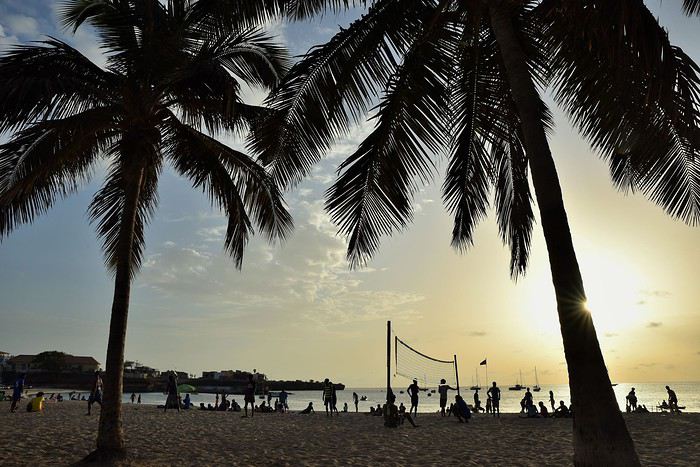
We stay at a small hotel right in town, the Tarrafal's Meeting Point. It’s located a hundred meters from a colorful market and a five-minute walk from a lovely beach lined with coconut trees.


The spot is sheltered, so the sea is calm, and with no waves, we can snorkel peacefully among the rocks at the end of the beach. While not exceptional, the place is quite pretty and has plenty of fish right from the shore.


The end of our stay is slightly spoiled by a little mishap: on the second day, Victor wakes up with a fever of nearly 41°C! We treat him with our travel medical kit, including a broad-spectrum antibiotic that’s come in handy before when we were far from civilization in more or less isolated places. Since then, we never leave home without it on our trips. Everything will return to normal for him after a short stay at the hospital.


Conclusion: Regarding Santiago, we only scratched the surface, as this island is full of places to discover and hikes to do. Maybe next time on another trip to this country that charmed us...

An off-the-beaten-path destination? Cape Verde!

Lhorizon · 2018-10-16

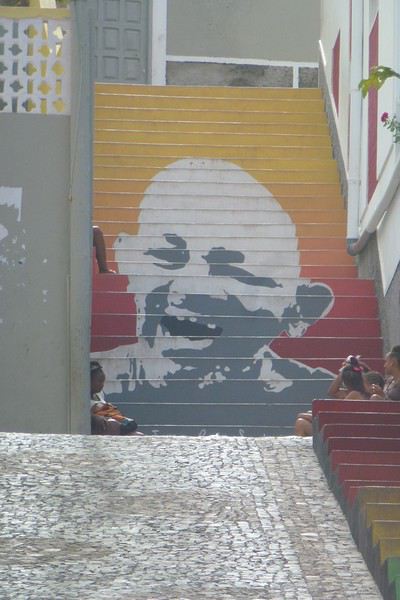
STREET ART IN CAPE VERDE

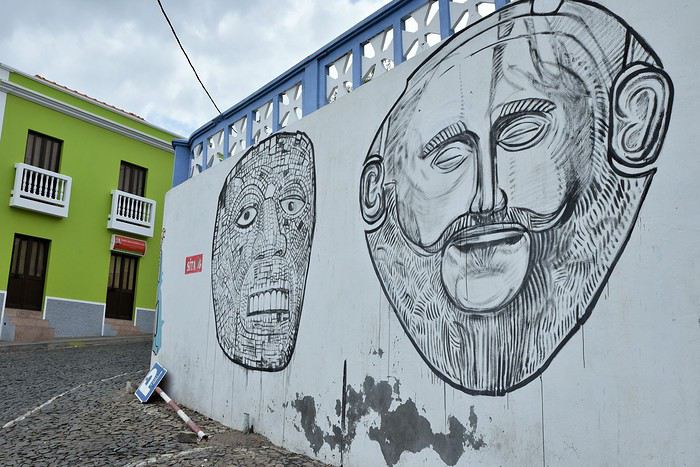
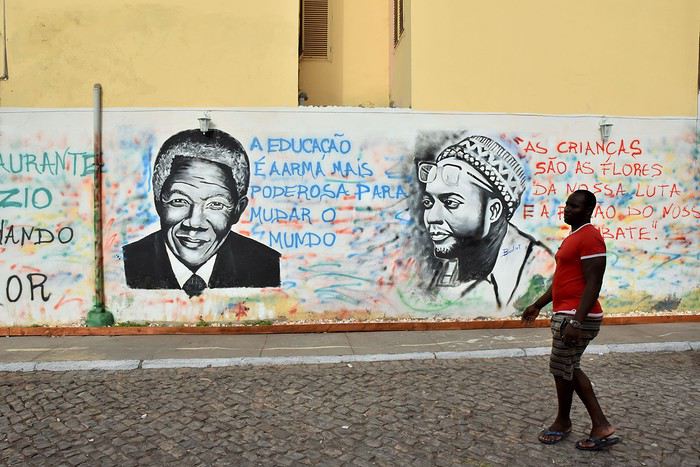
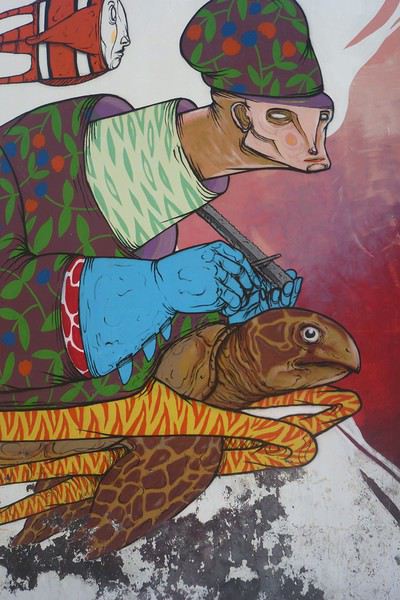
Before diving into the practical info, a quick note about something we found everywhere we went in Cape Verde: artistic graffiti on the walls of many homes. Here’s a little sampler.

> Maio


> Fogo


> Santiago


"Education is a powerful weapon to change the world" - Nelson Mandela

An off-the-beaten-path destination? Cape Verde!

Ptitortue · 2018-10-16

And for the last graffiti in Santiago, the text on the right is also interesting and historical: "Children are the flowers of our struggle and the reason for our fight"; Amílcar Cabral

Amílcar Cabral, a hero of independence; he was the founder of PAIGC, the African Party for the Independence of Guinea and Cape Verde, a then-clandestine organization of which he was the secretary-general. He was assassinated by the Portuguese political police before seeing the independence of these two countries. He’s a major figure in Cape Verde, whose fight for independence marked the country’s history.

An off-the-beaten-path destination? Cape Verde!

Rouquine38 · 2018-10-16

Thanks for those street art photos—it’s weird, I don’t remember seeing any, but it’s really beautiful. Looks like we’ll have to check out Maio next time. Much to our regret, we didn’t get to visit São Filipe because we had to cut our stay on Fogo short due to transportation issues caused by the dry haze. Your feedback confirms my thought that this little town is worth stopping by.

An off-the-beaten-path destination? Cape Verde!

Ptitortue · 2018-10-16

Well, Isabelle, were you wearing sunglasses that were too dark? hehe!! And here are a few more examples from Santo Antão:


And even on the staircase steps!


An off-the-beaten-path destination? Cape Verde!

Ptitortue · 2018-10-16

and I’ll say it again: your photos are amazing! They really capture the colors of Cape Verde—whether it’s the nature, the sky, the sea, the boats, or the people and their warmth. Bravo! It’s so lovely to see!

An off-the-beaten-path destination? Cape Verde!

Xeta · 2018-10-16

And I’ll say it again: your photos are amazing! They really capture the colors of Cape Verde—whether it’s the nature, the sky, the sea, the boats, or the people and their warmth. Bravo! So inspiring!

Lhorizon is on fire 🔥 Marie, if you haven’t already, I highly recommend diving into our friend’s travel journal on Indonesia—it’s a treat for both the words and the photos!!

An off-the-beaten-path destination? Cape Verde!

Rouquine38 · 2018-10-17

Oh well Isabelle, were you wearing sunglasses that were too dark? haha!!

Or maybe it was the dry haze that kept me from seeing them 😂😂😂 On the other hand, we didn’t go to Santo Antão or Maio :p

An off-the-beaten-path destination? Cape Verde!

Ptitortue · 2018-10-17

Or maybe it was the dry haze that kept me from seeing them 😂😂😂 We didn’t go to Santo Antão or Maio either :P

Hahaha!! Yeah, the *bruma seca* is a great excuse!! And just so you know, the graffiti in the photos isn’t just from Santo Antão and Maio—it’s also from Fogo and Santiago, where you went, right???? ;o) But no worries: your eyes must’ve been wide open to see everything else around, and that’s great too! And look on the bright side: you’ll *have* to go back to Cape Verde just for that!! Not the worst punishment, right??😎

An off-the-beaten-path destination? Cape Verde!

Lhorizon · 2018-10-17

A big thank you, Marie, for translating the quote and the author's name, which I was missing. Thanks also for helping promote Cape Verdean graffiti artists with your beautiful photos. And finally, thanks for all the compliments! 😊

An off-the-beaten-path destination? Cape Verde!

Lhorizon · 2018-10-17

Anne, thanks—but you’re gonna make me blush. If I ever need a salesperson, I’ll DM you 😉 And I haven’t forgotten your amazing travel journal on the northern lights, which makes me want to go see that incredible phenomenon.

An off-the-beaten-path destination? Cape Verde!

Joyita · 2018-10-17

What a splendid story and such beautiful photos!!! Cape Verde has been on my list for a while—it really makes me want to go. I’m considering it with the kids (12 and 9 years old), maybe in 2019. My husband and I are also divers, and our son really enjoyed the intro dives he did (Corsica, Mexico, Sri Lanka).

How much time do you need for a "comfortable" trip without feeling like you’re missing everything? How many islands should you visit ideally? I’ve heard Santo Antão is amazing for hiking. What’s the best season to go? Carnival sounds incredible, apparently. How do you choose accommodations that are authentic but still comfortable?

All your tips are welcome! Thanks again

An off-the-beaten-path destination? Cape Verde!

Ptitortue · 2018-10-17

Good evening, We'll see what Lhorizon thinks and their opinion. Personally, I think 3 weeks is great. But if you have more time, then it's even better!! hahah!! Might as well make the most of it and visit more islands or fewer but more thoroughly, in more depth!! ;o) It's up to you! Because they're all so different!! Since Lhorizon fell under their spell, Maio and Fogo are among my top 3 favorites, with the third being Santo Antão! Yes, it's paradise for hiking, the landscapes are spectacular, and it's one of the greenest and most authentic islands in Cape Verde! I also really loved São Nicolau, but it's harder to access. In 3 weeks, I think you can visit 4-5 islands without rushing too much. In 2 weeks, I'd say 3 max. The Carnival in Mindelo or São Nicolau is fun. But it's crowded, and you need to book as far in advance as possible. In 2019, it'll be in early March. For accommodations, if you still want a bit of comfort but something local, there are tons of small family-run guesthouses everywhere that are a great alternative. That's what comes to mind following your questions. Now, I'll let Lhorizon speak! After all, it's their travel journal, right!! What am I even doing here!! 😉😛 Good night, everyone

An off-the-beaten-path destination? Cape Verde!

Lhorizon · 2018-10-18

Hi Joy,

Splendid story and what beautiful photos!!!

Thanks so much—but just wait until you get there: it’s a truly stunning archipelago, with lovely, photogenic people!

How long do you need for a "comfortable" stay without feeling like you’re missing everything? How many islands should you visit ideally? I’ve heard Santo Antão is amazing for hiking. What’s the best season to go? Carnival sounds incredible. How do you choose accommodations that are authentic but still comfortable?

Ptitortue knows Cape Verde well and regularly gives great advice on VF, so her reply to you is an excellent starting point for planning your trip.

Personally, I think Maio can be explored pretty quickly—3-4 days is enough. But you can also settle in and take your time, which is what we did. It was actually nice not to rush around for once!

Same for Fogo: we spent 3 days and 3 nights in the caldera, and besides the hike to the summit of Grand Pico (plan a full day for it), we took time to wander around the caldera, chat with locals, and so on. It flew by! Then there’s São Filipe, plus the descent from Chã to Mosteiros, which we didn’t do but is well-regarded.

We’re also divers (my husband and I), and our son really enjoyed the intro dives he’s done (Corsica, Mexico, Sri Lanka).

On Maio, there are some great fish-filled spots, even in shallow water, where Bernard and Catherine run fantastic intro dives and full dives.

Apparently, Sal also has some stunning dive sites, like Choclassa. We hesitated but ultimately skipped it because Sal is a bit of a tourist trap. But for diving alone, it might be worth it.

I’ll post our practical tips as soon as I get a minute (!)—hopefully tonight. Hope it helps...

An Off-the-Beaten-Path Destination? Cape Verde!

Lhorizon · 2018-10-18

PRACTICAL INFO

> Domestic Flights

We took two round-trip inter-island flights with Binter:

Praia (Santiago) - Vila (Maio): 68 € per person. Praia (Santiago) - São Filipe (Fogo): 92 € per person.

The fares include a 20 kg checked baggage allowance per person. Time period: August. N.B. For Maio, the fare is high for a flight that barely lasts fifteen minutes. Warning: These flights are offered online by numerous more or less well-known merchant sites (Travelgenio, etc.). Reading travelers' forums had discouraged us from using some of them, which seem to be blacklisted for scamming many travelers (deceptive practices of some sites). We therefore booked directly with the Cape Verdean airline that operates these flights, Binter. Good to know: Some travelers we met in Cape Verde told us they couldn’t book their tickets through Binter’s website. We ourselves had difficulties before our trip because the bank transaction initially couldn’t be validated. This is because the site sends a purchase confirmation code to the phone number you provided. So, you must either include the country’s phone code when entering your number on Binter’s site during booking, or make the reservation directly on Binter’s French site, where the phone number is automatically registered as a French number (10 digits for a mobile), and you’ll receive the confirmation code properly.

> On Maio Island

- Accommodation

Stella Maris Village: Apartment for 4 people in a well-located residence in Vila. Beautiful view, pool overlooking the sea, clean lodging, etc. Pure happiness.
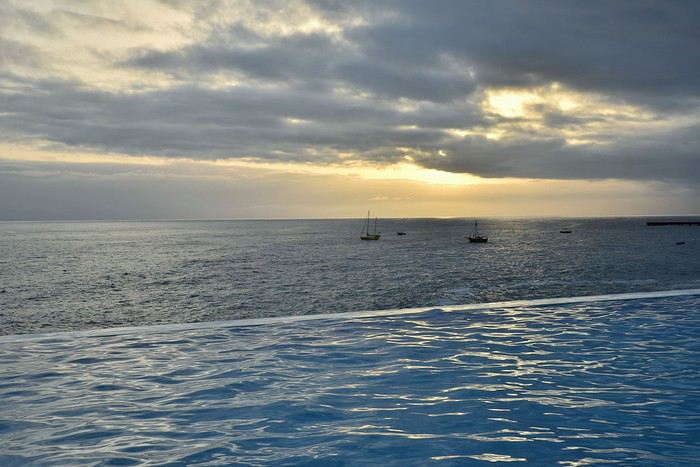


In Maryse the owner’s absence, Detlev, a German, came to pick us up at the airport and took us to the apartment after giving us a little guided tour of Vila de Maio. We had excellent contact with him. For us, for a week on the island, transportation was free (on arrival and departure).
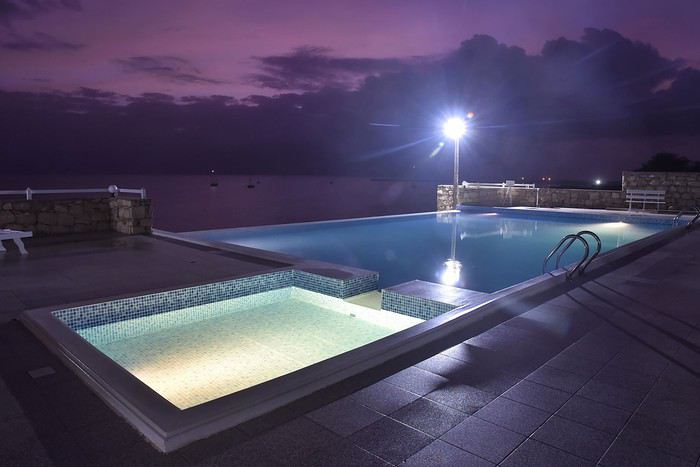


- Dining

Tasuef, at Natalia’s (in Vila): Our go-to spot! Only for those who love local family-style cooking. This little restaurant is located right next to Vila’s main church, in a Jamaican-colored container! It has a small shaded terrace but is closed on Sundays. Price: Around 5 € (500 to 550 CVE) for a main dish and a drink: chicken or fresh fish just caught and grilled; sides: fries and/or rice and/or vegetables. For the Cachupa (Cape Verdean specialty: stew made with black beans and corn, sometimes with fish, meat, or vegetables), it’s best to order it from Natalia the same morning. Lastly, a small note: We didn’t have any stomach issues even though we ate there almost every day.
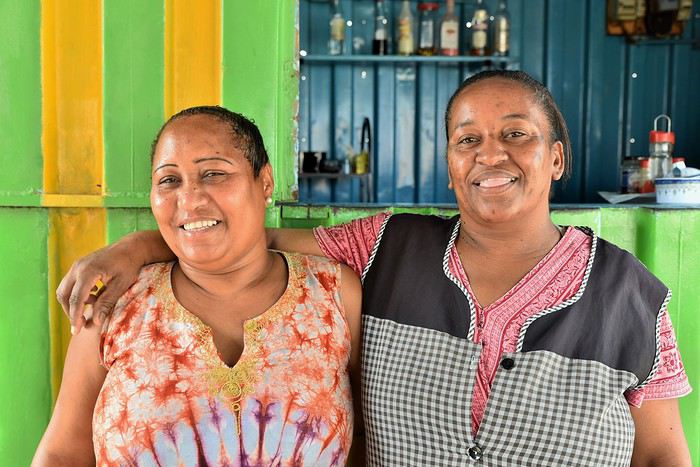
Natalia and Dulce

Bar Tropikal (in Vila): A little beach shack on Vila’s beach. The pizzas are a bit heavy but decent. Price: Around 8 to 9 € for a dish (pizza, tartare, etc.) and a drink. Bar Tropical.

Big Game (in Vila): Italian restaurant on the avenue along the beach. Price: Around 4 to 7 € for a pizza (500 to 800 CVE). Activities: Big Game offers all sorts of activities (deep-sea fishing, etc.) Big Game.

Strella (in Vila): Restaurant located right next to Fort San José, by the sea. Everyone knows it because it offers free Wi-Fi, which explains why there are always a few people typing on their phones a few meters from the restaurant! Price: Around 8 € for a dish (grilled fish or meat, with rice and mixed vegetables) and a drink.

A Caminhada (in Morro): This restaurant is located at the entrance of Morro, a small village a few kilometers north of Vila and the airport. It’s hard to say it’s the best restaurant on the island since we didn’t try them all, but this place is an excellent spot. The mahi-mahi is absolutely amazing. The owners, a Belgian couple Bernard and Valérie (not Catherine as mentioned in Petit Futé), are Africa lovers. They entrusted the restaurant’s management to the welcoming Louisette. This Cape Verdean works with a young waitress, Lucie, who had her moment of fame in Cape Verdean music thanks to a popular TV show. Bernard and Valérie also rent rooms and apartments and organize many activities: hikes, etc. A great address. Their website: A Caminhada. Price: I only noted the price of the mahi-mahi, which has an exceptional quality-to-price ratio: around 6 € (700 CVE) with homemade fries (not frozen like almost everywhere else), rice, and vegetables.

- Grocery Stores

There are two small grocery stores for shopping near Stella Maris Village (down toward Vila Beach): Mini Mercado Kulor Kafé, run by French people, and another one nearby, across from the fortune-teller Casa Benfica.

- Quad Rental

You can explore the island by quad. With almost no car traffic on Maio, quads can be very enjoyable for visiting the island. We went through Marco Pompeo (tel: 928.60.85). You can also contact him through the Stella Maris Village caretaker. Price: 40 € for a full day of quad rental (4,400 CVE), with options for two- or three-day packages, but not half-day. Don’t forget your driver’s license, unlike us! You can rent without one, but the police often check, apparently...

- Transport - Excursions

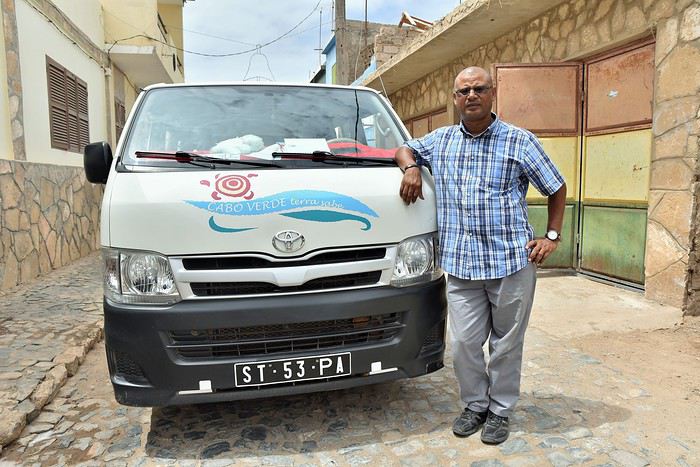
Benvindo (tel: 995.97.13): This taxi driver handles all excursion requests on the island. You can also contact him through the Stella Maris Village caretaker.


- Scuba Diving

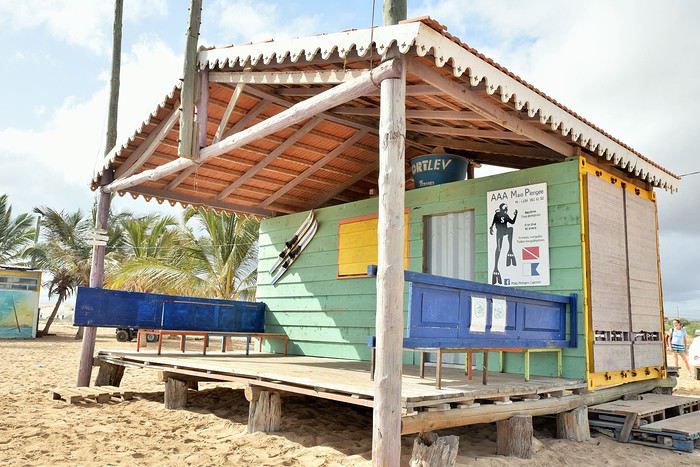
The club: AAA Maio Diving. Located on Vila’s lovely beach, it’s run by a French couple, Bernard and Catherine, with whom we really hit it off. We planned everything with Catherine via email a few weeks before our stay in Maio. Once there, Bernard took excellent care of our two teens to help them earn their Level 1 certification. The training seemed high-quality. Contact info: AAA Maio Diving. Tel: +238 951 81 02. Email: maio.plongee@capvert-plongee.com. Address: Bitxe Rotxa, Cidade do Porto Ingles, Ilha do Maio, Cabo Verde. Prices: 65 € for a discovery dive, 36 to 40 € per dive (the rate decreases with the number of dives), 350 € for the Level 1 certification, which includes 5 dives over 5 days, theory, equipment, etc.


- Turtle Watching

To witness turtle nesting, we contacted the Maio Biodiversity Foundation (their website is under construction, but I’m posting the link for when it’s ready; in the meantime: info@fmb-maio.org). Run by volunteers, it works for environmental protection on the island, species conservation, sustainable development, community well-being, etc.

The nighttime outing runs from 8 PM to midnight. You reach the nesting site by 4x4. You drive eight kilometers on a road from Vila before turning onto a small path leading to the turtle beach. From there, it’s just a few hundred meters to walk under the stars. Our visit in mid-August roughly marked the end of the nesting season, but there are outings on other themes throughout the year. Price: Around 50 € for four people (5,500 CVE).

> On Fogo Island

- Chã das Caldeiras

* Accommodation

Pensão Casa José Doce: José’s guesthouse is located in the caldera, at the foot of active craters and in the middle of lava flows that devastated the village in 2014. The place is both one of the most fascinating and one of the most otherworldly you can find. The guesthouse is clean, and José and Carole’s welcome is very warm. You can book in advance through most major online booking platforms: Booking, Airbnb, Tripadvisor...

-Contact info - Facebook page: Pensão Casa José Doce. Email: pensao.jose.carole@hotmail.com - Tel: +238 952 70 93.

-Note: As mentioned in the article above, living conditions in this surreal place are also otherworldly, especially since there’s no electricity or running water. Even though a few solar panels and water tanks provide the bare minimum for daily life, if you’re not too attached to comfort and don’t mind using a candle instead of a light switch occasionally, you’ll find this place simply enchanting.

-Price: From 23 € per night for a double room, breakfast included. You usually have to add the cost of meals, around 9 € at José’s (1,000 CVE), since dining options elsewhere in the caldera are rare. Note: Payment is in cash, which you must bring before your stay in the caldera since you can’t get any there.

-Climbing Grand Pico: Just ask José to find a guide the day before the hike. Price: Around 18 € per person (2,000 CVE) for groups of four or more (for up to three people, a flat rate of 54 € total (6,000 CVE) applies, but you can usually team up with other travelers on-site to complete the group).

-Climb duration: 6 to 7 hours on average - Distance: Around 15 km - Elevation gain: About 1,000 meters up and 1,000 meters down - Max altitude: 2,928 meters (in reality, you don’t quite reach the top, you pass a few meters below). The guide: Ask for Dony! All the guides seemed nice, but ours, Dony, was really great! Plus, he speaks some French.

-Good to know: During the descent, you run on pozzolana and many small volcanic rock fragments get into your shoes. Abrasive with friction, they cause many small unpleasant scratches, especially in the dust. So, bring high socks and ideally, tuck your pants into them. Not very stylish, sure, but much less painful...

* Getting to Chã das Caldeiras from São Filipe

There are two options: the aluguer (a very affordable shared taxi) and a private taxi. We had to take the latter twice: on the way because the daily aluguer had already left when our plane landed, and on the way back because there’s no aluguer on Sundays! Private taxi price: Around 60 to 65 € (7,000 CVE), to be split among travelers.

* Flying to Fogo from Santiago

Just a quick note: On the flight from Santiago, try to get a seat on the right side of the plane (and on the left on the way back) because when you approach the island, the view of the volcano in the distance rising above the clouds and dominating the sea is worth the detour.

- São Filipe

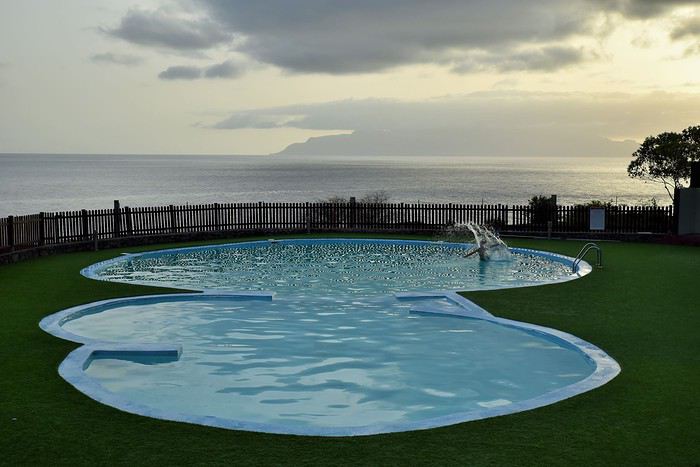
* Accommodation Casas do Sol: This hotel is located on the cliff overlooking the ocean, facing Brava Island, a few minutes from downtown by car or twenty minutes on foot. Lovely pool facing the sea. Price: Around 63 € for a small apartment for four people (7,000 CVE), breakfast included.


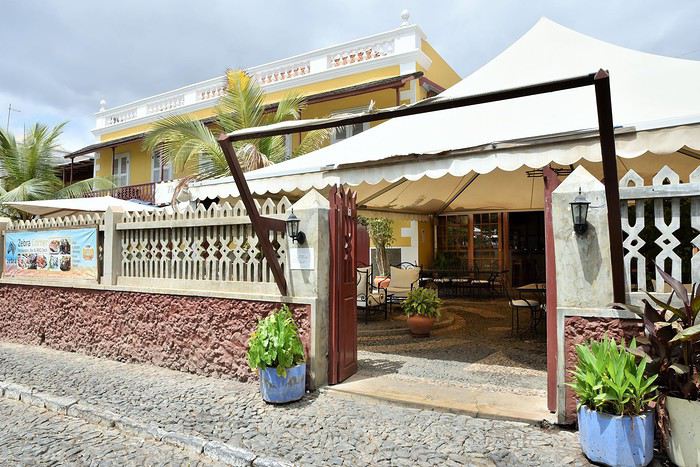
Zebra Corner (hotel): We only ate there, didn’t stay overnight. For reference, here’s the room price: Around 80 € for two people (9,000 CVE). The setting is beautiful since it’s a sobrado (an old colonial-era master’s house) with a small pool. However, travelers’ reviews online are very mixed: Zebra Corner.

* Dining

Zebra Corner (restaurant): This charming hotel also serves as a restaurant, but at prices much more in line with what’s typical in Cape Verde than the hotel’s rates. The setting is very pleasant, the staff generally welcoming, and the food quite good. Prices: 4 to 6 € for a pizza.


> On Santiago Island

- Accommodations

1/ Morabeza Kriol Hostel (in Praia): Booked from France, we ended up not at the hostel itself but in a small annex about a hundred meters away. The reason: There was a water shortage across Santiago Island, and we were given the choice between this annex, where showers were fed by water tanks, and the main hostel, where there was supposedly no water left. As a result, we got a very basic little room with dozens of dead ants in the two top bunks. Shared showers (but individual), friendly staff, noisy environment. N.B. The staff stayed until 2 AM to welcome us after our late arrival from France. -Price: Around 27 € for the small room for four people (3,000 CVE), breakfast not included.

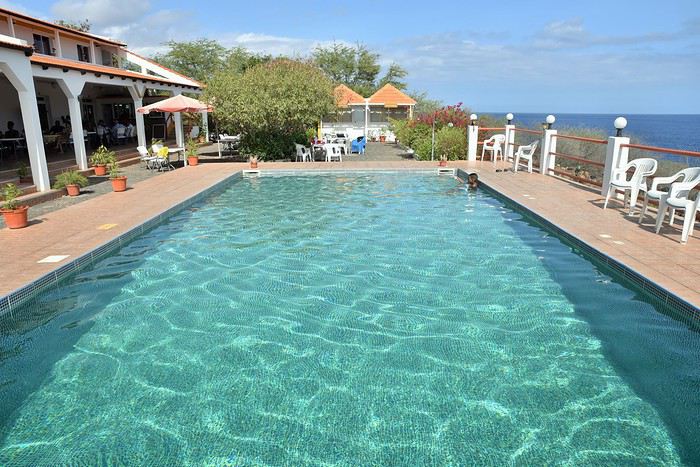
2/ Por do Sol (in Cidade Velha): Excellent hotel in the country’s former capital, rich in history. With a beautiful pool overlooking the ocean and a great welcome, this place is well worth the price. A great spot. > Price: Around 32-33 € for a double room (3,590 CVE), breakfast not included.


3/ Tarrafal's Meeting Point (in Tarrafal): Another excellent spot. This small hostel-style hotel is clean, with rooms with or without private bathrooms, a washing machine, and a shared kitchen. It’s very well located in the city center but not noisy, close to a small local market and a five-minute walk from a lovely beach. You can book (in advance) a shuttle from the airport.

Above all, the owner, Kaida, was exceptionally kind to us: When our son Victor had a high fever (nearly 41°C), she spent a good two hours driving us back and forth to the hospital in her personal car, going to fetch a doctor, and bringing everyone back, all while sacrificing much of her afternoon. Not to mention she acted as an interpreter with the medical staff. We didn’t ask her for anything except the address of a doctor, but she took care of us as if we were family. Judging by other travelers’ reviews on booking sites, we’re not the only ones who have fond memories of this place and Kaida’s kindness. Tarrafal's Meeting Point (Booking) -Price: We paid around 20 € per double room per night, with shared bathrooms (2,220 CVE), breakfast not included. Prices start at 16 € for a double room. -Contact info: Rua dos Correios (if coming by taxi, specify: between CV Telecom and Farmácia Tarrafal) in Tarrafal. Tel: +238 931 67 63. - Dining

Restaurant Buzio (in Tarrafal): Seems to be very popular in Tarrafal. Local cuisine but also "international" dishes (pizzas, etc.). Very warm welcome. Live background music every evening by local artists. In a word: a must-visit. -Prices: Around 5 € for most dishes (400 to 600 CVE). For example: a burger with fries and vegetables = barely 4 € (400 CVE). Excellent value for money. -Contact info: Rua Macaco Raiz Do Chao, 7110 Tarrafal. Restaurant Buzio.

THANKS to everyone who followed this travel journal so far, and happy travels to all those heading there...
An off-the-beaten-path destination? Cape Verde!

Ptitortue · 2018-10-18

Hi there,

yes, the question of how long to spend in Cape Verde and/or on each island really comes down to personal choice—how much time you have, how you like to travel, your budget, and so on. You *can* do Fogo in 3-4 days and see the highlights, get a feel for the vibe, but I spent three and a half weeks split between Brava, Fogo, and a bit of Santiago because I travel on foot (not always easy with kids, I get that) and I love taking my time. I spent 10 days on São Nicolau and a week on Maio for the same reason (you can check out my travel journals, though my photos aren’t nearly as nice as Lhorizon’s!!). But honestly, unless you *really* want to take it slow, you can see Maio pretty quickly.
The "issue" is that it’s an archipelago, and inter-island travel takes time (and money). If the connections aren’t regular (sometimes only 2-3 times a week), it forces you to plan your time on each island carefully.

Just a quick tip that can save you time and money: with TAP, there’s a Multi-city option that lets you, for example, land on one island but depart on an international flight from another. So you could arrive in São Vicente, head to Santo Antão, then take a domestic flight from São Vicente to Praia to visit Fogo (and maybe Maio if you have time), and fly out directly from Praia. If you’ve got three weeks, that lets you do a nice loop and get a taste of some very different islands.

That’s all! ;O)

An off-the-beaten-path destination? Cape Verde!

Ptitortue · 2018-10-19

Hi, Regarding Binter, that’s really strange... I’ve bought dozens of tickets on their site without ever running into any issues, and I’ve never had to provide a code received by phone or anything like that. Never. Just last week, I booked a ticket without any problem. It’s weird. Or maybe it’s because we trust Swiss credit cards less?! Hahahahah!! 😎 Anyway, if needed, I use their site directly: https://www.bintercanarias.com/fre

But I’ve also used the Cape Verde one several times without any issues.

Thanks for all the other practical info and addresses, too. It’s great for ideas. And I’m one of those who’s been following the travel journal so far!🙂

An off-the-beaten-path destination? Cape Verde!

Joyita · 2018-10-19

Thanks Lhorizon and Ptitortue for all your tips—you clearly know this place inside out!

We probably won’t have 3 weeks, unless we travel in the summer, since we’re tied to school holidays 😕.

Seeing turtles is something I’d *love* to do—you were lucky (or just really patient?). I couldn’t make it happen in Sri Lanka, and I’ve been dreaming of doing it on a Costa Rica trip, but no luck yet! So the best (and only?) season is August-September?

Have a great day

An off-the-beaten-path destination? Cape Verde!

Ptitortue · 2018-10-19

Hi Joy! Yes, I know it well—I’ve been to all the islands and visit several times a year! Yes, the turtle nesting season is roughly between June and September, with nesting happening more at the start of the season and hatching a bit later, of course! It takes about 60 days if I remember correctly between nesting and hatching (I was lucky enough to see it in Boa Vista in early October). So if you’re set on it, this would be perfect for you since it’s right during school holidays, and you could take 3 weeks! ;o))))

But just to clarify—while July/August is the right time for turtles (and the beach), it’s not necessarily the best for everything else, especially hiking (it’s *very* hot and humid). It’s the dry season, so nature is super arid and not at all green like it is between October and March, especially on Santo Antão. It’s still pretty, but it’s not the same. But hey, like in life, you’ve got to make choices! ;O)

If you’re only going for 2 weeks (which I think is the minimum), then max 3 islands. So roughly, either do like Lhorizon and visit the 3 southern islands (Sotavento) or the northern islands (Barlavento) + 1 beach island for the turtles. Doing both Sotavento and Barlavento gets complicated... or you’d have to do Fogo, Santiago (quick stop), São Vicente (quick stop), and Santo Antão. But that means skipping Maio or another beach island. I once saw turtles nesting in Tarrafal on Santo Antão, but it’s more hit-or-miss, and there aren’t associations like elsewhere that organize protected outings. There you go!

An off-the-beaten-path destination? Cape Verde!

Lhorizon · 2018-10-19

No segue needed, Marie—or anyone else, of course—since you were able to identify Amílcar Cabral and translate it for us (thanks again!), do you happen to know the name of the 3rd person tagged on that same wall in Tarrafal (in photo #21, not #22)?... 😮

An off-the-beaten-path destination? Cape Verde!

Ptitortue · 2018-10-20

Hello, I think she’s a woman and that it’s Bibinha Cabral (and it also seems to me that’s what’s written above the tag), originally from Tarrafal on Santiago. A great *batukadeira* (Batuku dancer/singer) from the early 1900s.

A photo here: expressodasilhas.cv/...al-bida-y-obra/58487

There you go!! Anything else?! ;O)))

An off-the-beaten-path destination? Cape Verde!

Lhorizon · 2018-10-21

There we go!! Anything else?! ;O)))

No thanks, the service has been perfect so far 😏 The photo in your link is telling—it’s definitely the one! Thanks for the info.

An off-the-beaten-path destination? Cape Verde!

Ptitortue · 2018-10-21

With pleasure!!!😎

An off-the-beaten-path destination? Cape Verde!

Casaamarela · 2018-10-28

Hello, Thank you for your lovely report on the island of Maio... It’s so nice to read you and see all those we love—they’re so many! I’m leaving on November 4th until December 20th for Maio, and I’ll try to show them your report; I’m sure they’ll be happy. For the turtles, I’ll visit the association and show them. The taxis... well, everyone. We’re on the island of Maio, where we built two villas next to Stella Maris. I think the people you mentioned were staying with us. See you soon—it was a real pleasure... Best regards, Patricia

An off-the-beaten-path destination? Cape Verde!

Bluequark · 2018-10-28

Hi there,

Once again, I loved your travel journal... and your trip. Cape Verde really appeals to me. Thanks for everything.

An off-the-beaten-path destination? Cape Verde!

Lhorizon · 2018-10-28

Hi Patricia, Thanks for the compliments. It’s a great idea to show their photo to the locals in Maio—I really enjoyed meeting them. I sent young Isandra her photo as promised, but I’m not sure if she received it since I haven’t heard back. If you run into her... As for Mario, Branco, and a few others, you’ll often find them around the charming, colorful streets of Vila...

An off-the-beaten-path destination? Cape Verde!

Casaamarela · 2018-10-28

Good evening! I won’t miss it—I can have your first name or last name? Sending photos can be tricky sometimes because there are no mailboxes and no mail carriers, so you sometimes have to let them know they’ve got mail. Anyway, thanks for capturing that Cape Verdean spirit in just a short week! Best regards

An off-the-beaten-path destination? Cape Verde!

Lhorizon · 2018-10-28

Can I have your first name or last name?

I didn’t give them my name, and they probably won’t remember my first name. But since it’s only been two months and there were barely any tourists around, it’s totally possible they’ll remember a guy walking the streets and beach of Vila with his camera on a tripod, chatting easily with everyone—that was me 😏

Sending photos can be tricky since there are no mailboxes or mail carriers, so sometimes you have to let them know they have mail

True, but I sent the photo to Isandra by email—she’d handwritten her @ddress, but I’m not sure I read it right...

An off-the-beaten-path destination? Cape Verde!

Lhorizon · 2018-10-28

Hi Bluequark, Thanks for this nice new feedback! If you're eyeing Cape Verde, even better—it's a great destination but still under the radar, so you can enjoy it without the crowds. Even though there are more people at other times of the year, the tourist pressure is always low.

An off-the-beaten-path destination? Cape Verde!

Brigitte71 · 2018-11-01

Hi, I just stumbled upon your post when I saw "Cape Verde"—it immediately caught my attention. It’s one of the places we’ve visited in recent years, and we loved it.

I felt like I was right back there in your photos of Maio and Santiago, especially Tarrafal. We spent a month split between Maio and Santiago (15 days on each island) in August, and we often felt like we were the only non-locals, especially on Maio.

Your photos are gorgeous! We take tons of them in every country we visit, but we rarely photograph people, even when we interact with them😕

We were lucky enough to witness the first rain in a year just days before leaving Santiago—it was a celebration for everyone, such a beautiful moment.

Even though I ended up spending a few days in the hospital’s infectious and tropical diseases ward after returning (caught two viruses there), it still makes me want to go back.

Thanks

VoyageForum — the largest community of French-speaking travellers.