Under Ghana, "the beach..."
Hi fellow travelers,
After the "pleasant surprise" of Burkina Faso last year, the urge to continue exploring West Africa hasn’t left me, especially Ghana.
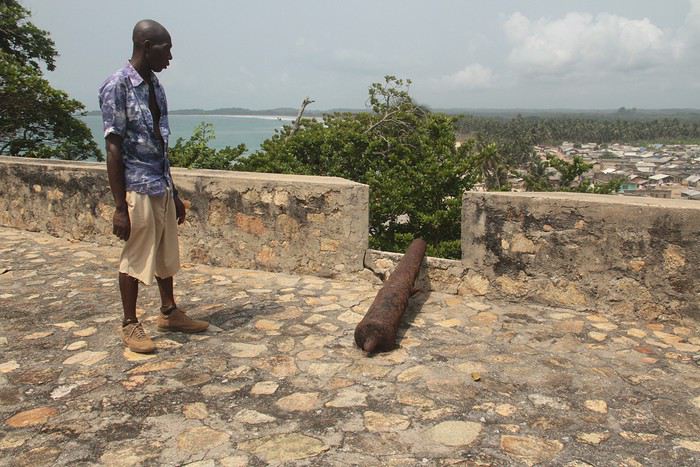
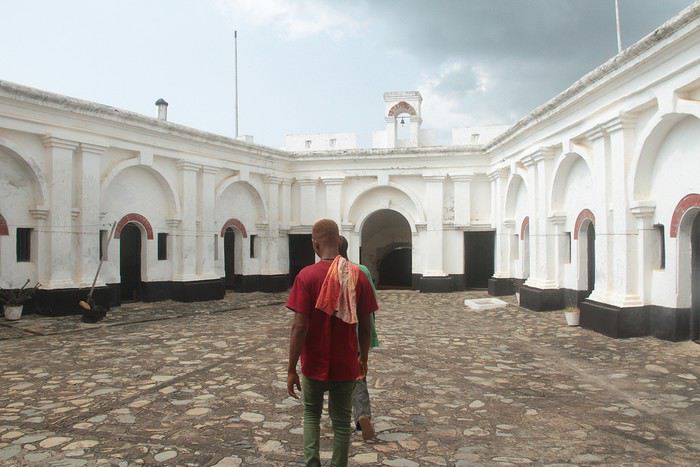
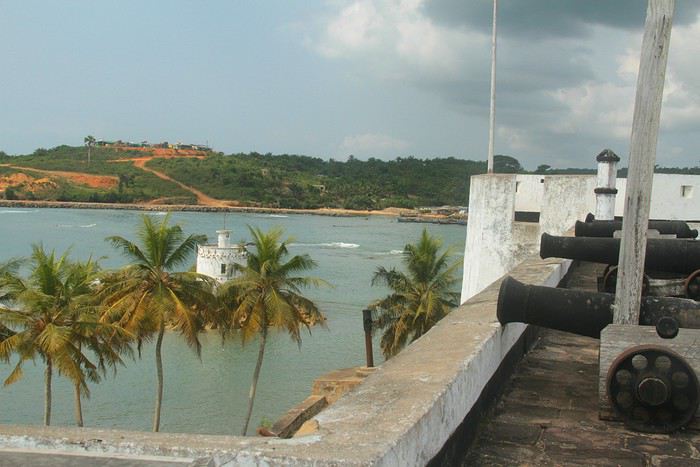
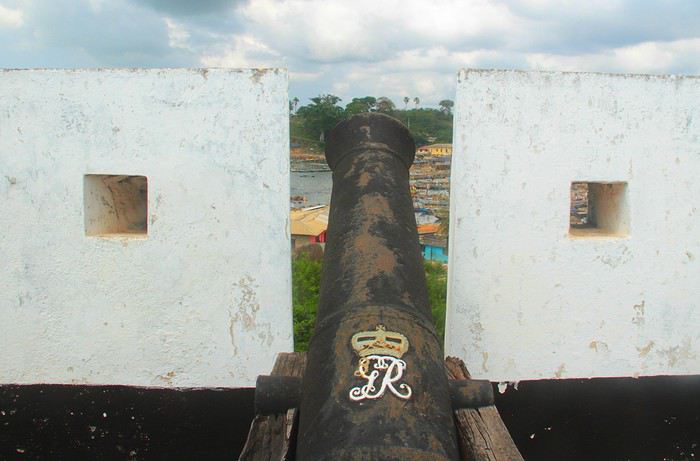
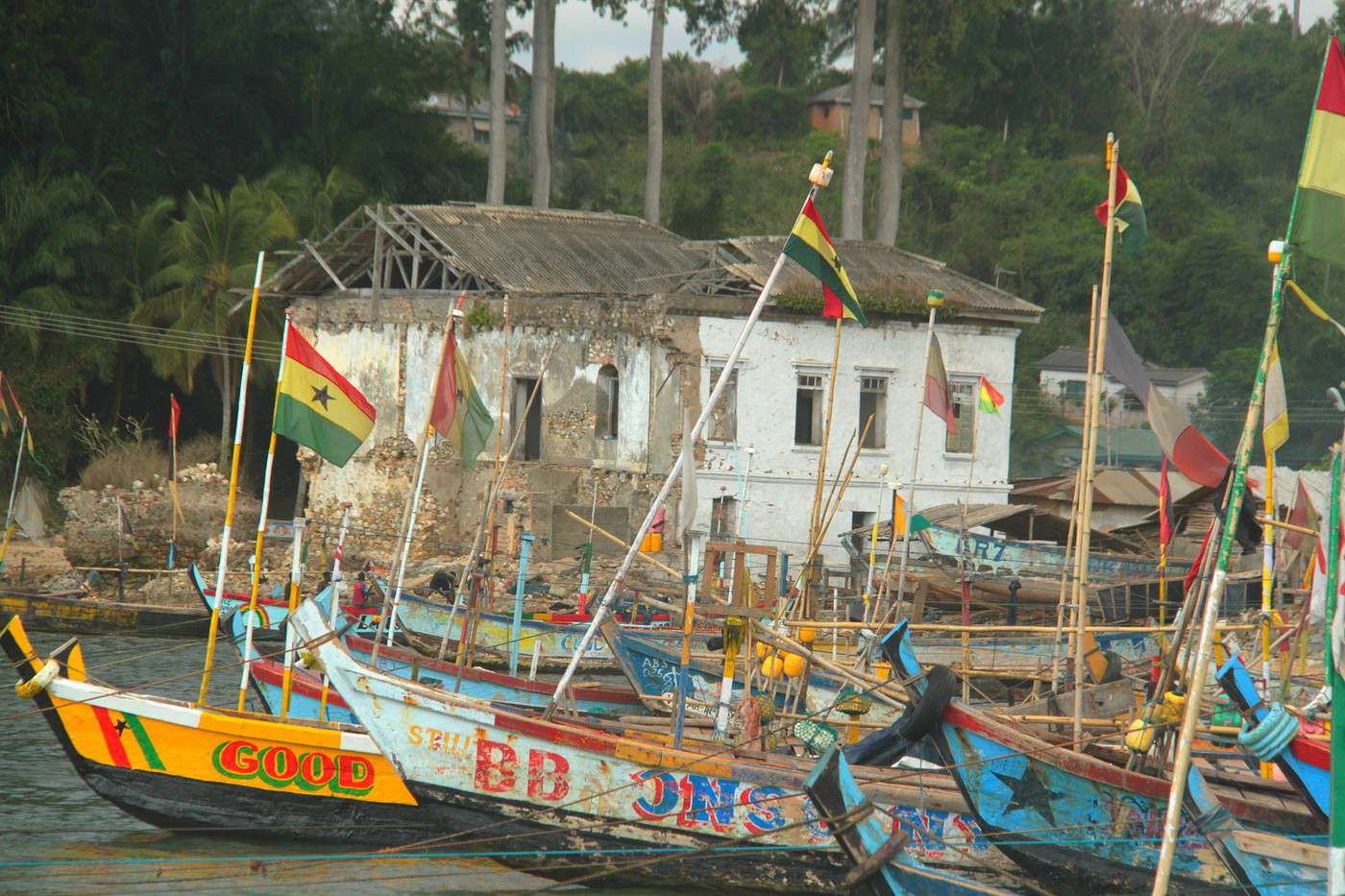
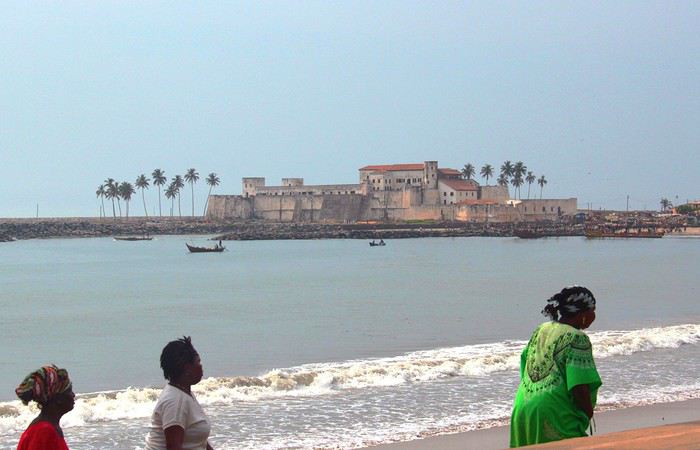
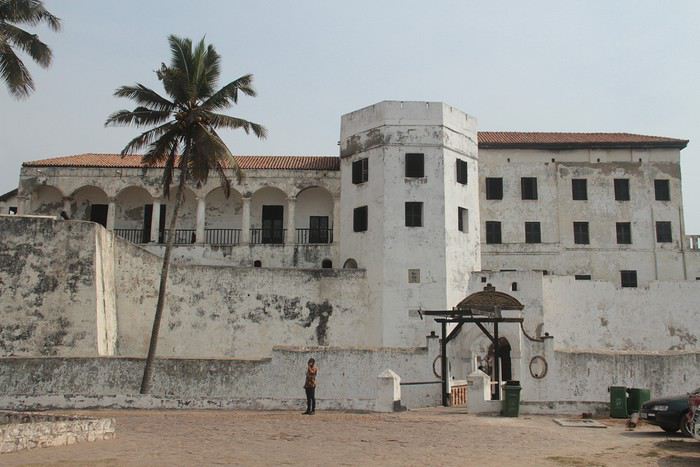
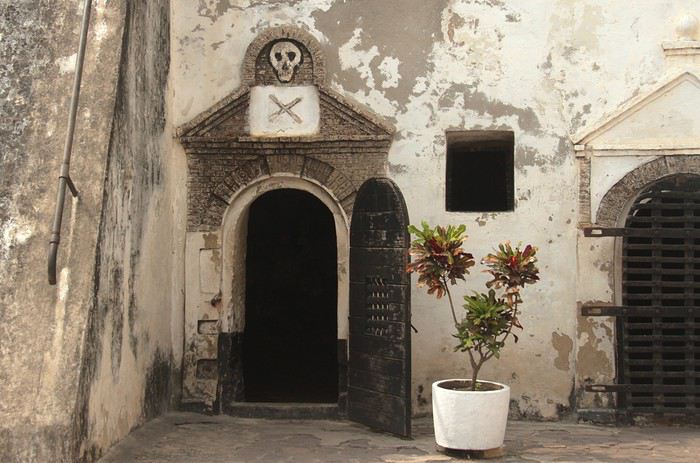
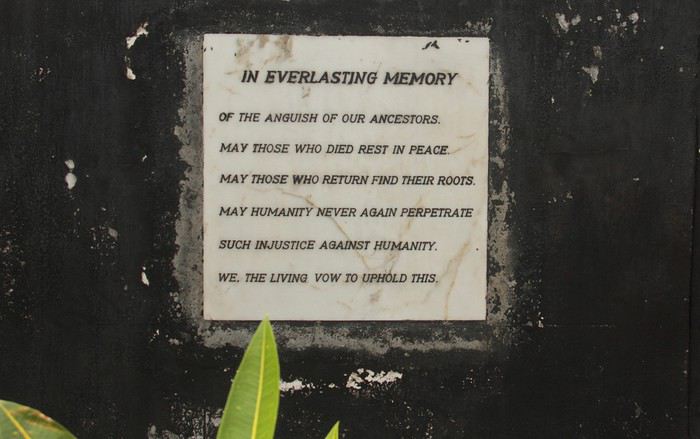
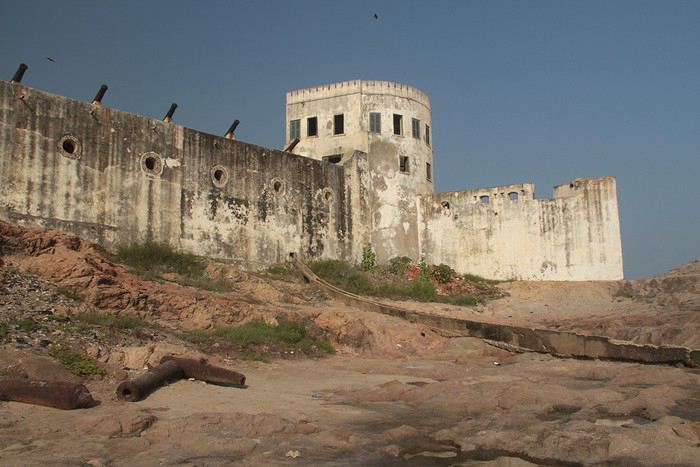
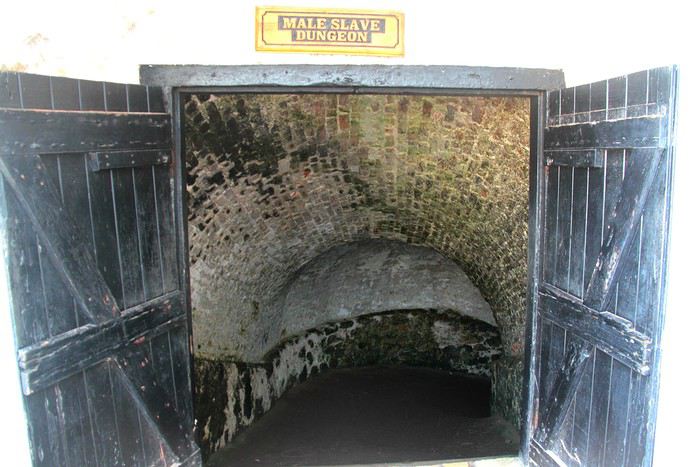
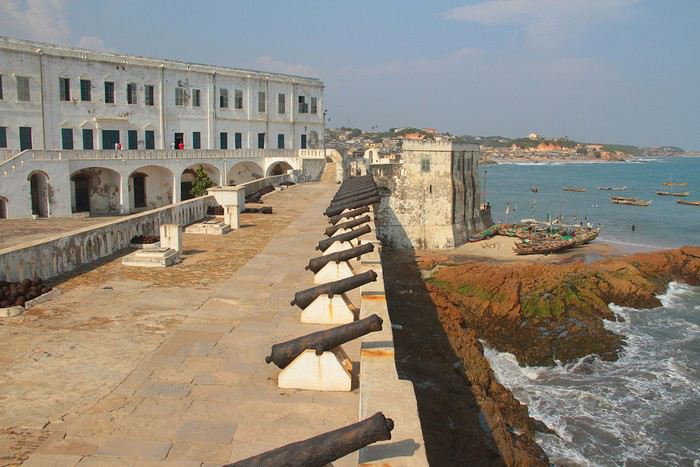
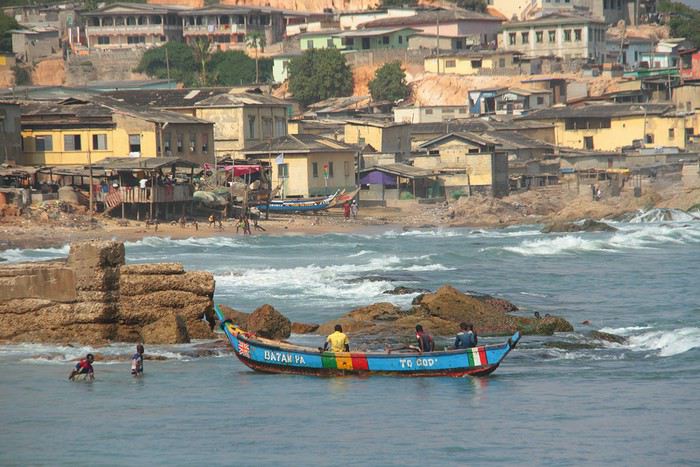
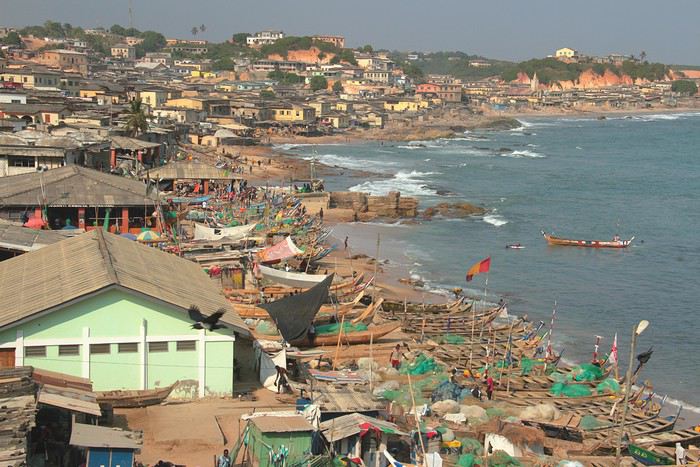
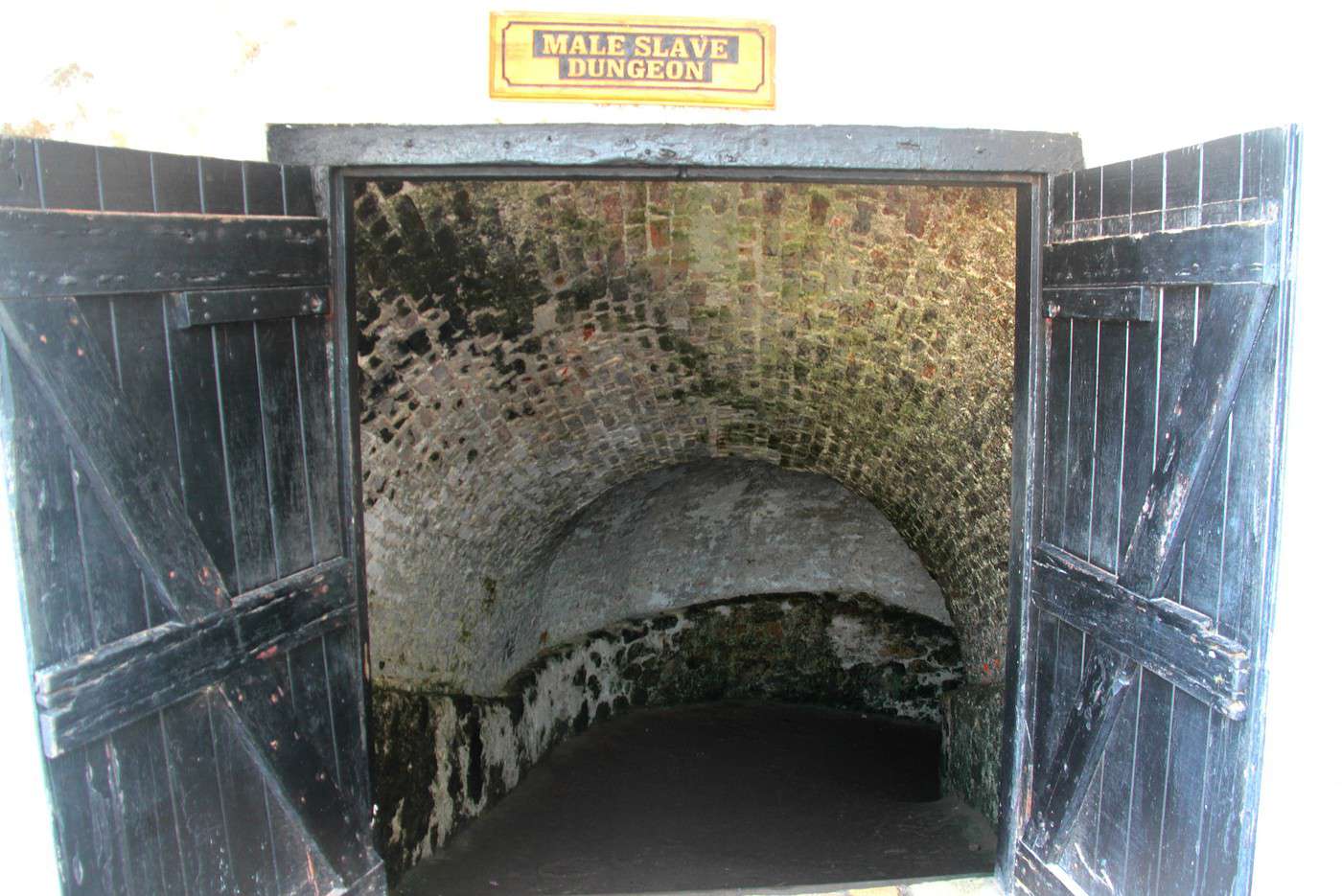
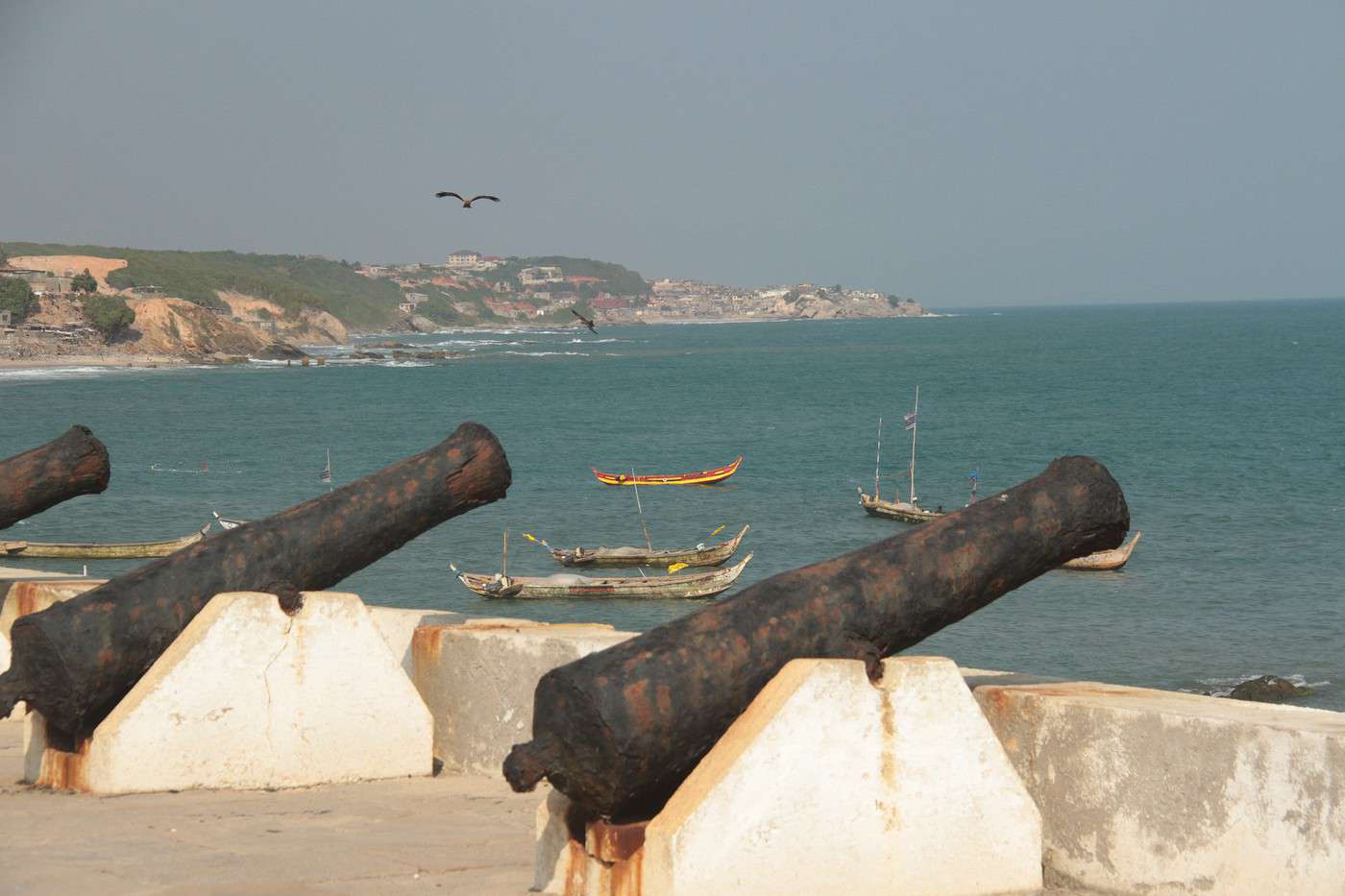
To my mind, this country had two standout features: an English-speaking culture and a coastline (the Gold Coast) where forts and castles built in the 17th and 18th centuries still stand—grim reminders of the transatlantic slave trade.
Despite questions from friends and family like, "Wait, you’re going to Ghana?", "What for?", "Where’s that even?", "Aren’t you scared?", "There aren’t any tourists there!", a few months before departure, I made up my mind. I booked a Paris-Accra ticket via Lisbon on TAP, the Portuguese airline (477 USD), to enjoy a 5-day stopover in the Portuguese capital on the way back. Meanwhile, my travel buddy flew direct from Paris to Accra on Air France.
Good thing he did! He spent the first two days wandering the hot, dusty streets of the capital alone, while TAP (the Portuguese airline) stranded me—along with about 140 other passengers from the Lisbon-Accra flight—in a hotel in Lomé (Togo) due to "serious technical problems" with the plane!!!!!
Well, that was a great start!!!!!
Fortunately, that was the only hiccup in an otherwise eye-opening trip to a country that deserves more attention from French-speaking travelers. Others (especially Germans and Dutch, for historical reasons—we’ll get into that later) are already well aware, as are many Ghanaians living abroad in Europe, the US, and Canada.
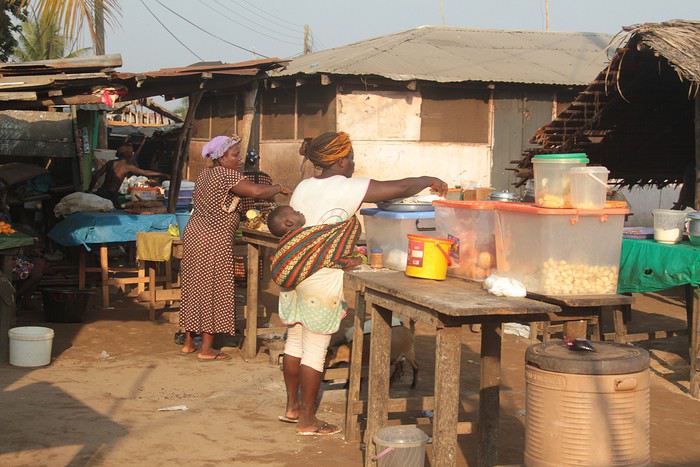
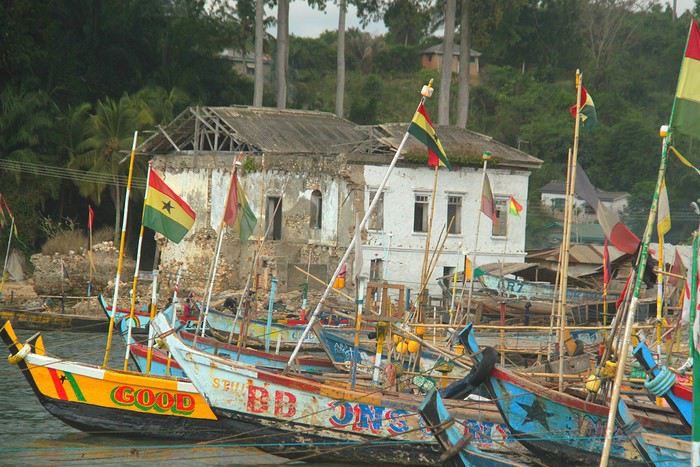
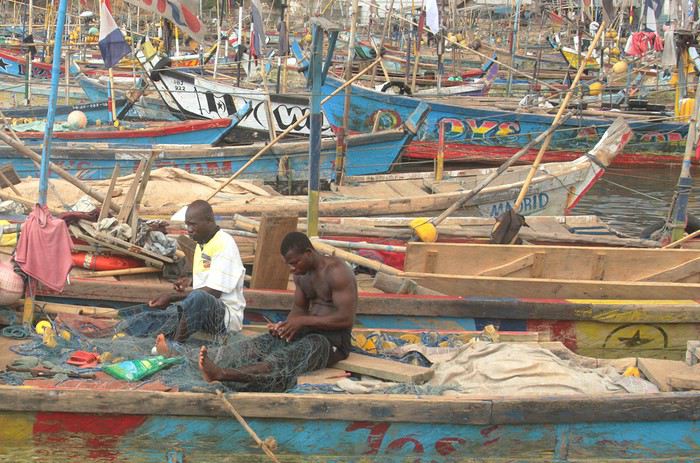
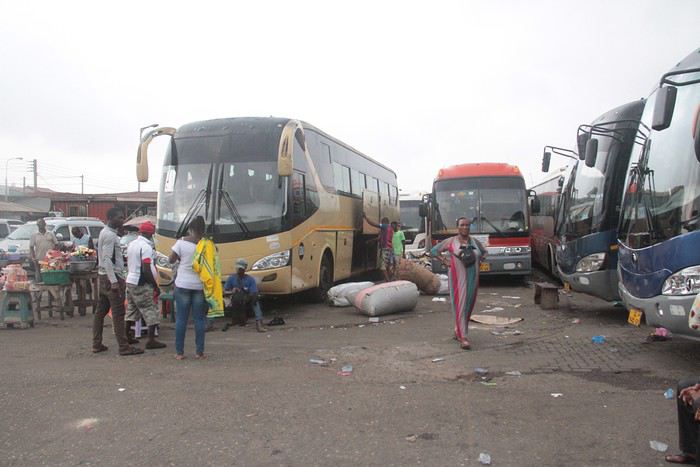
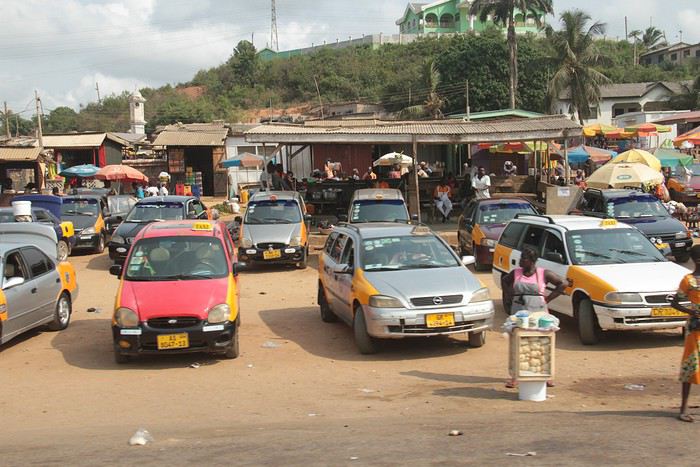
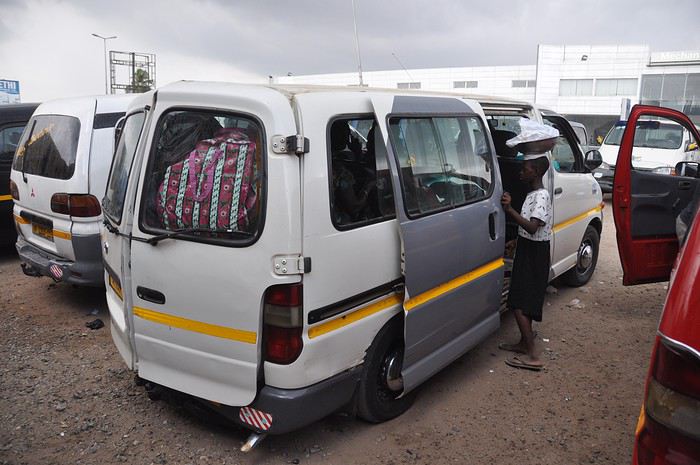
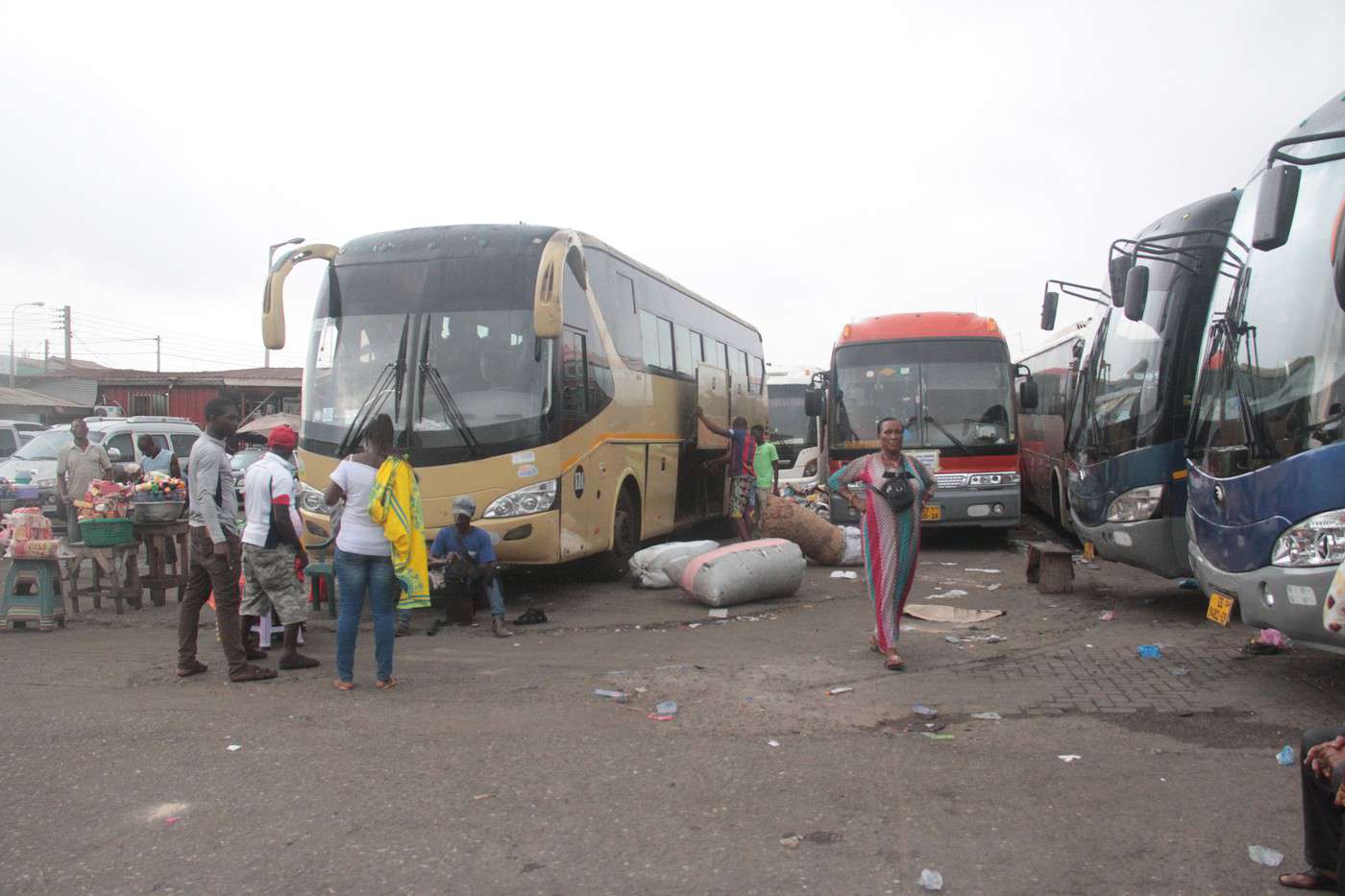
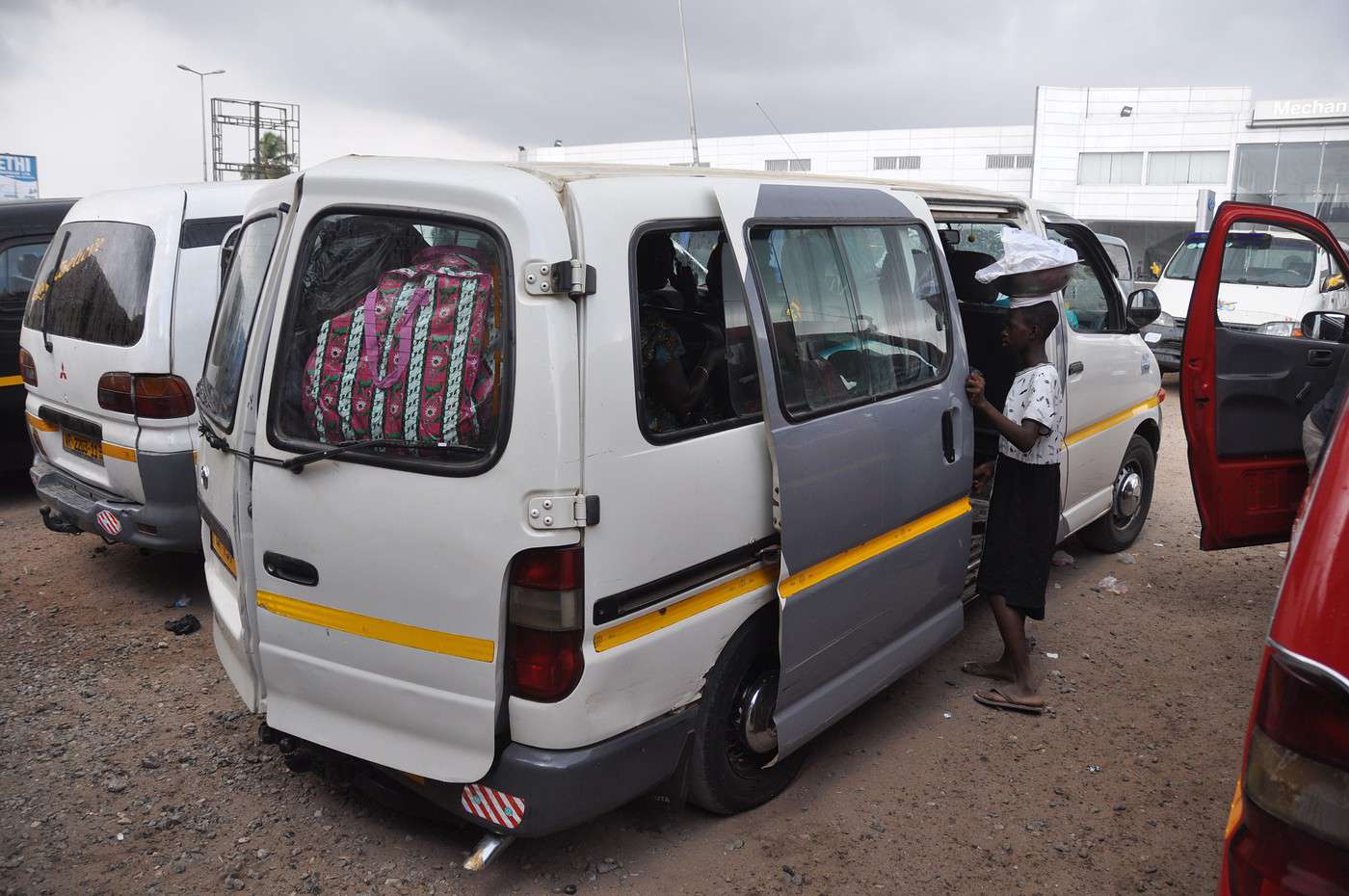
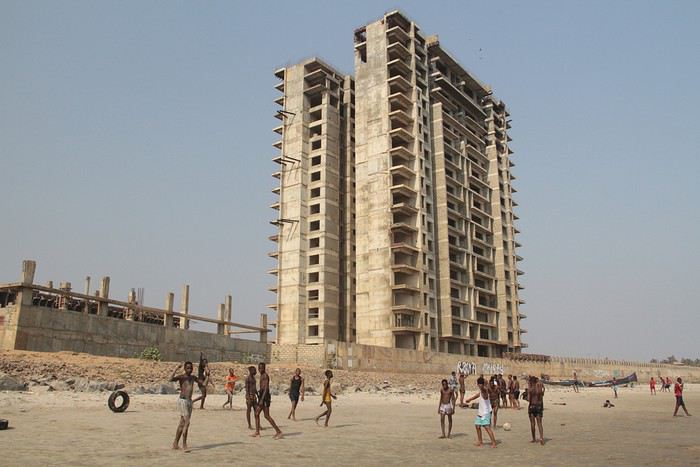
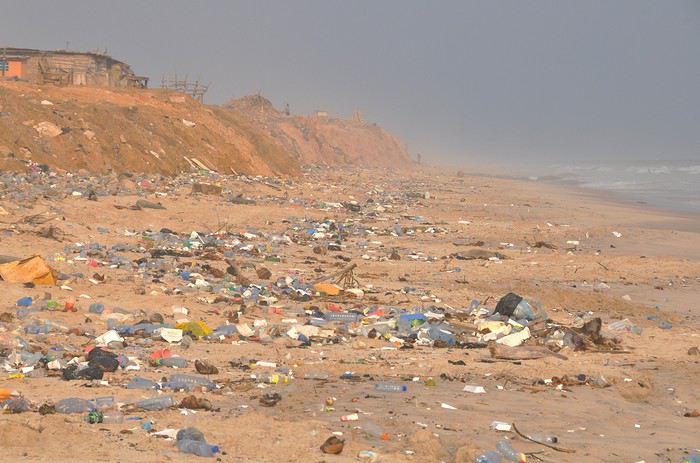
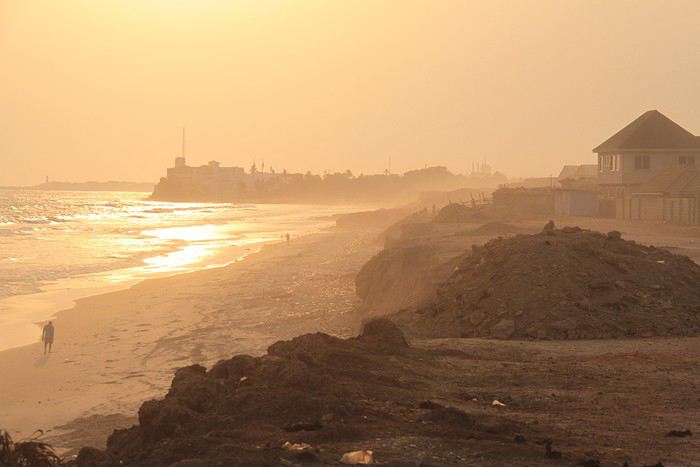
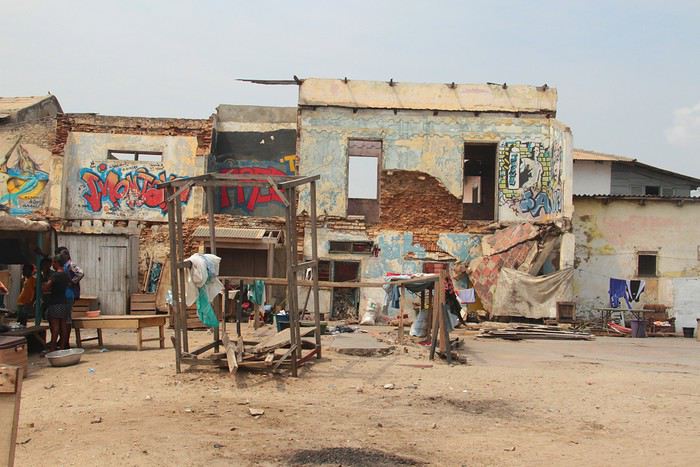
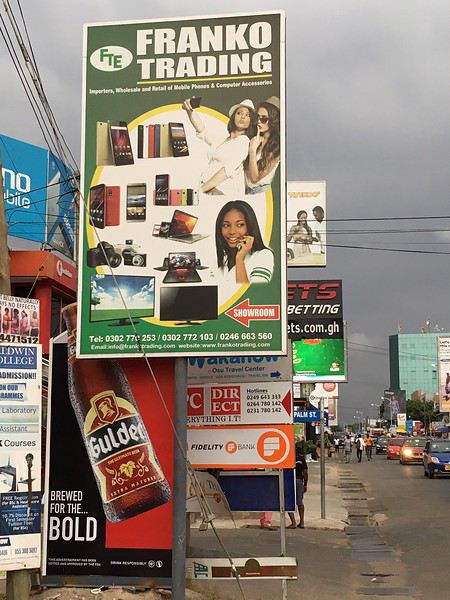
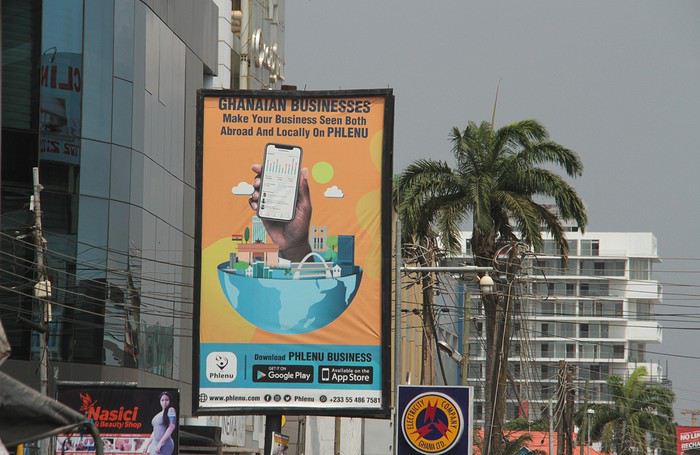
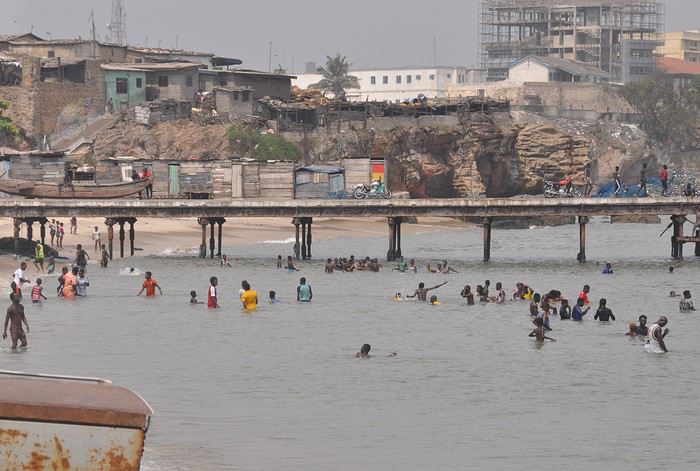
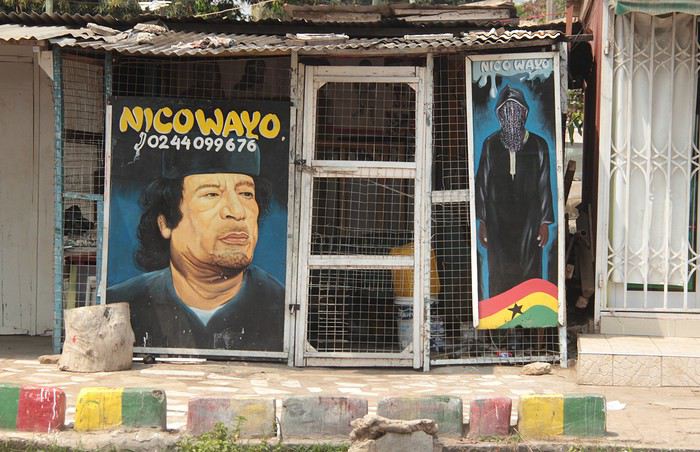
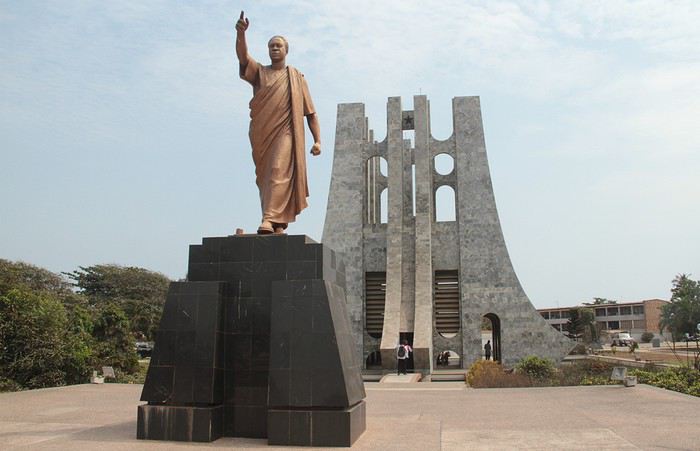
Let’s start with the least appealing part of the trip: Accra and its 2.5 million inhabitants, which only deserves a (very) quick visit. Here’s the proof in photos—I’ll spare you the gloomiest ones...
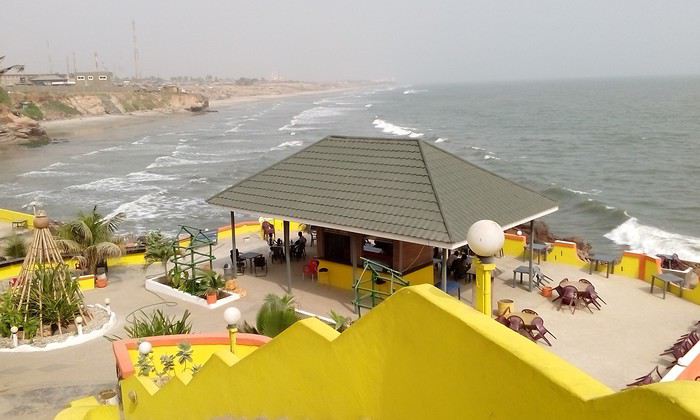
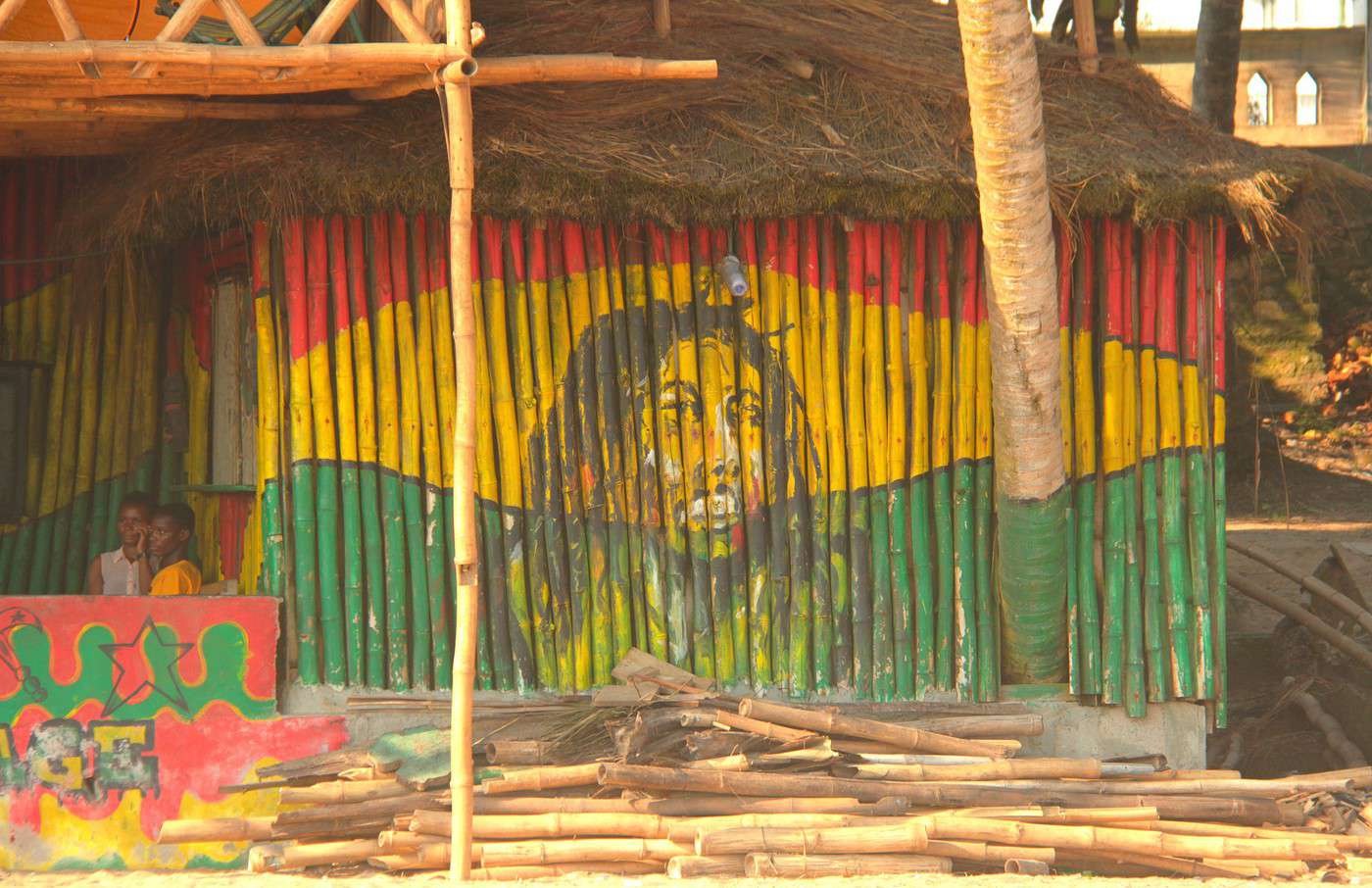
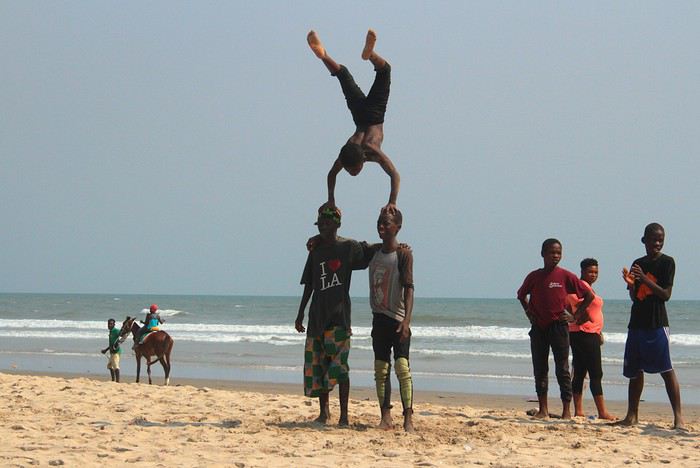
Waterfront at Labadi Beach 1.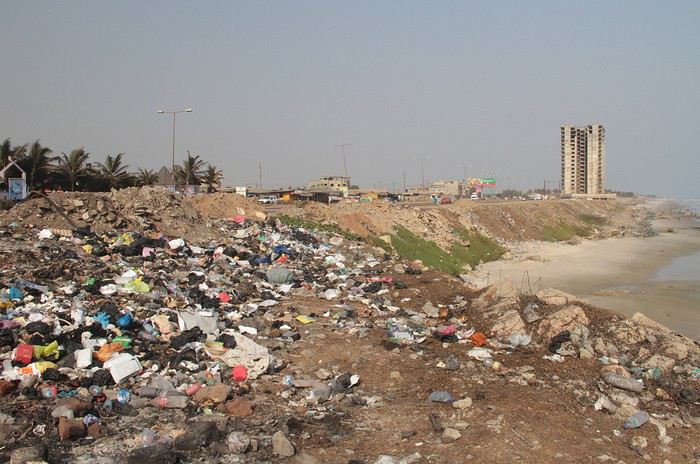 2.
2.
3.
4.
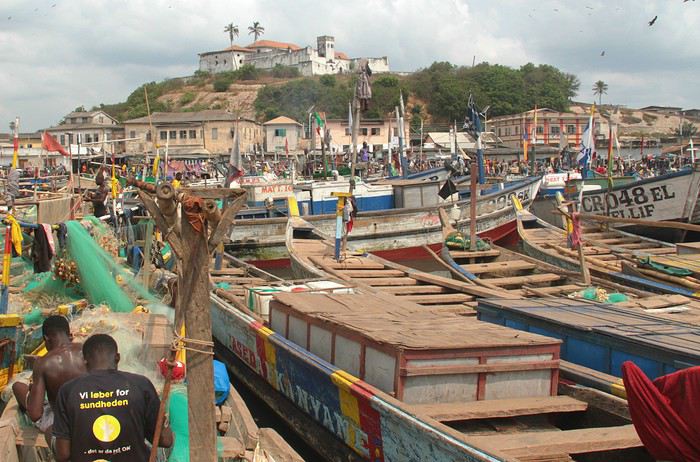
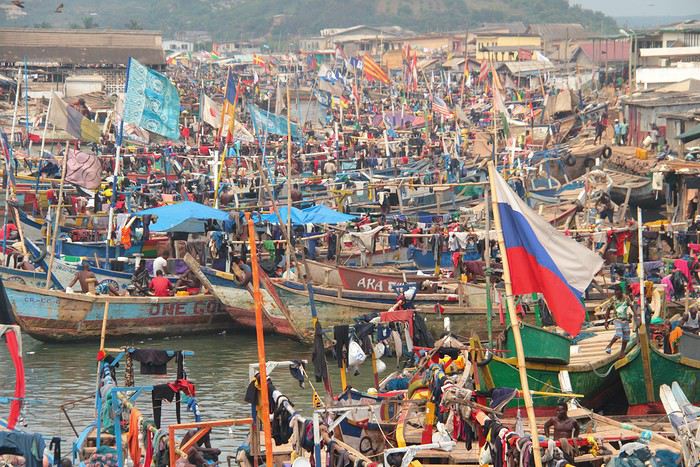
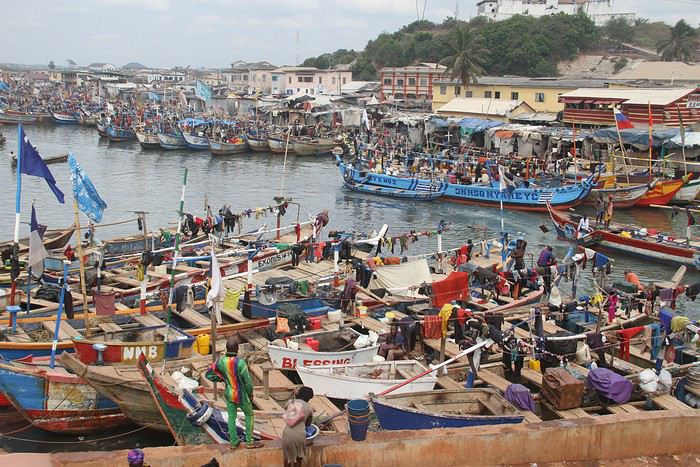
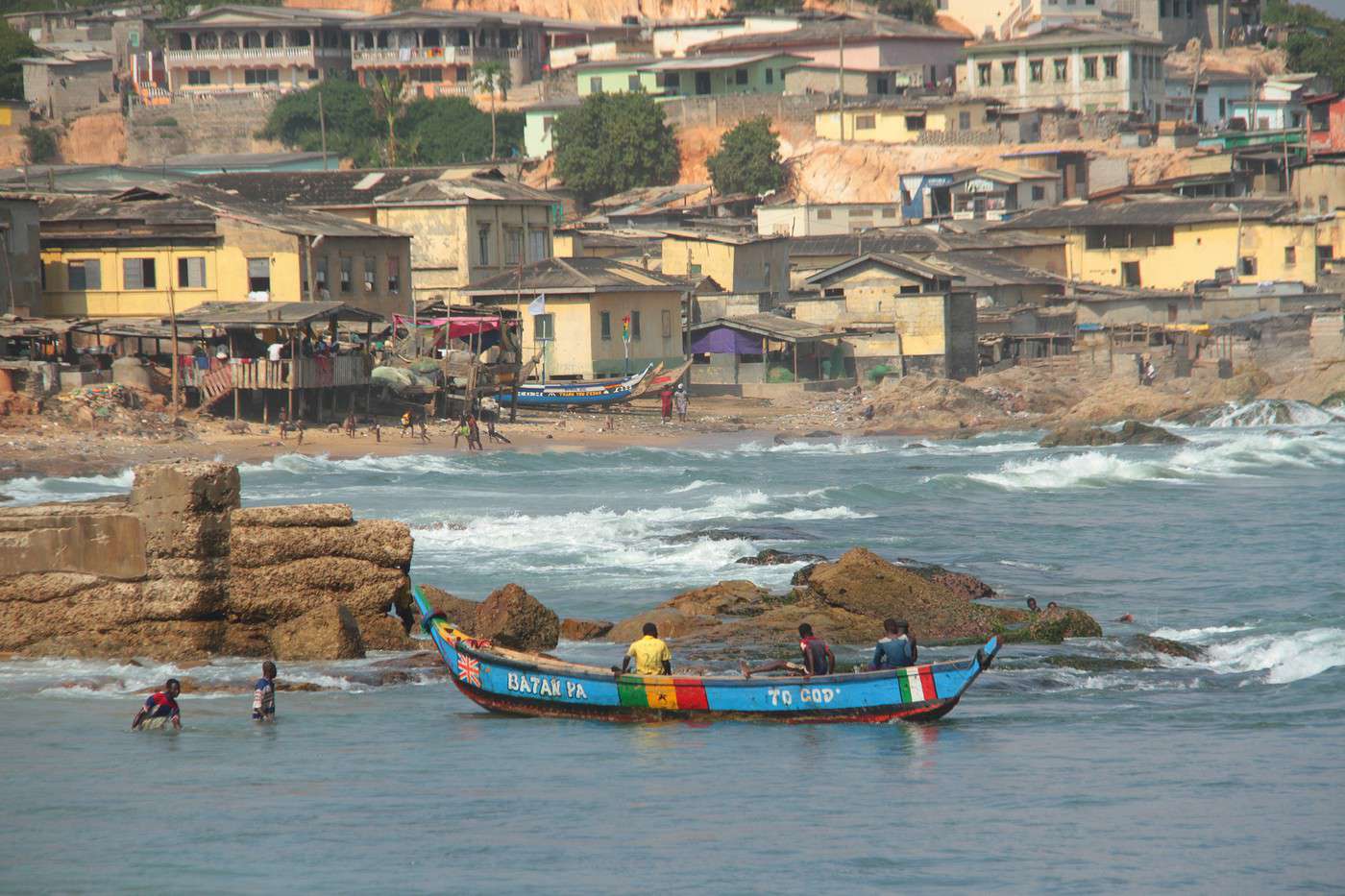
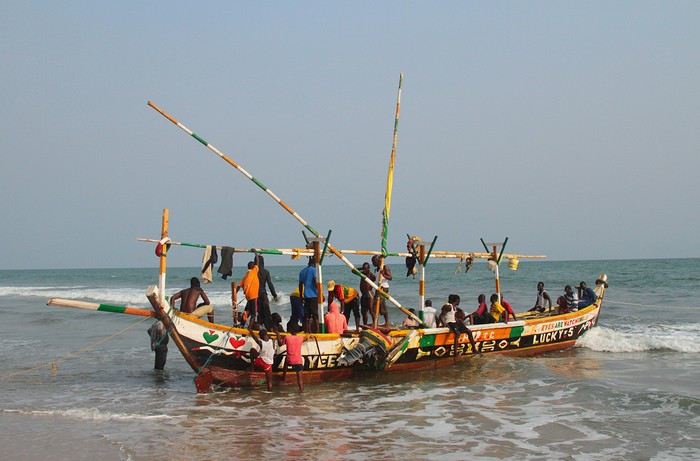
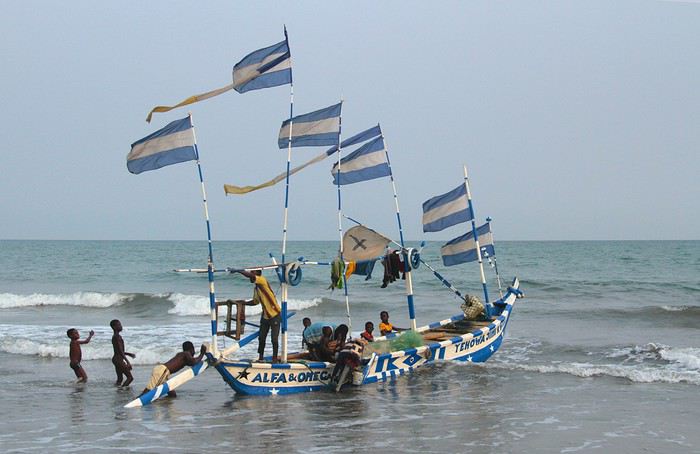
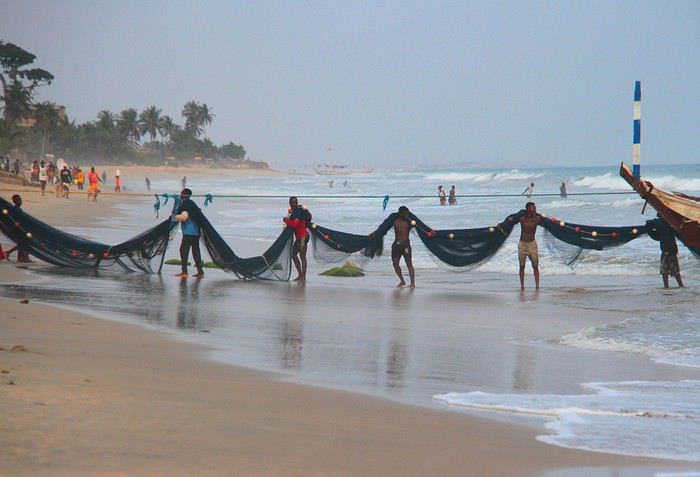
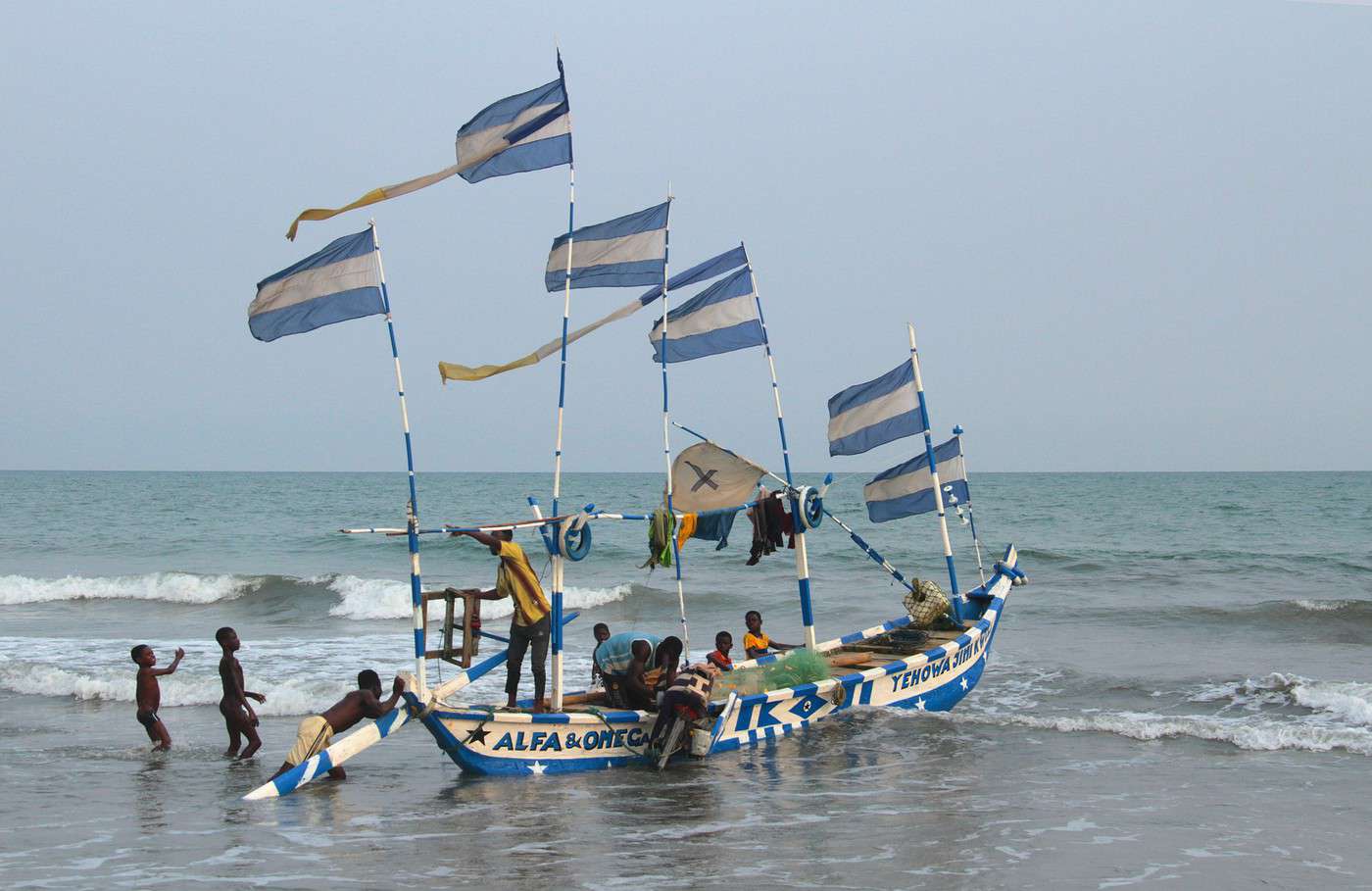
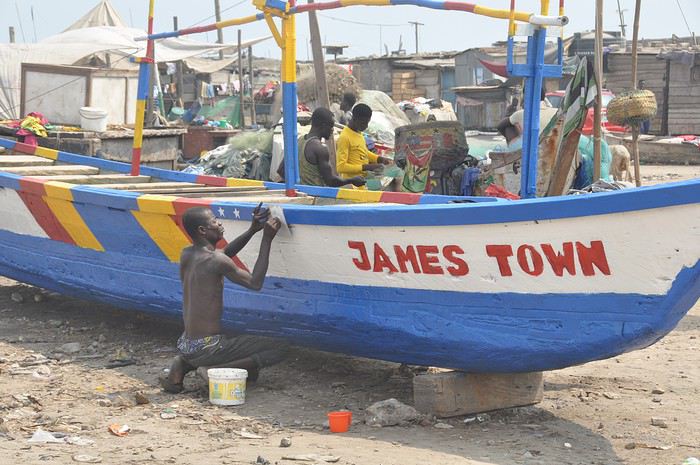
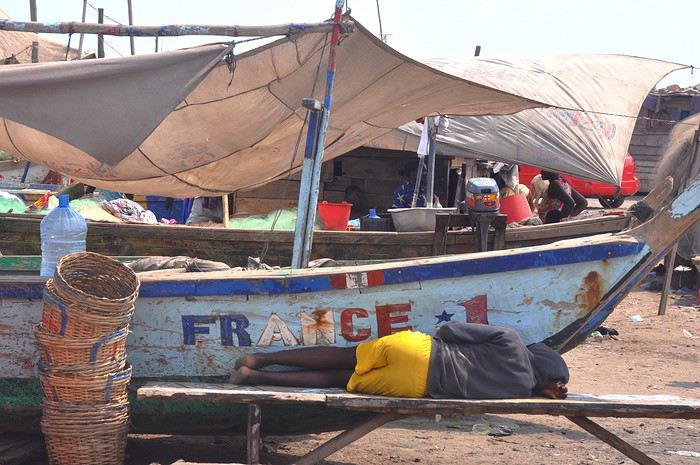
5. Jamestown, Accra’s "port"
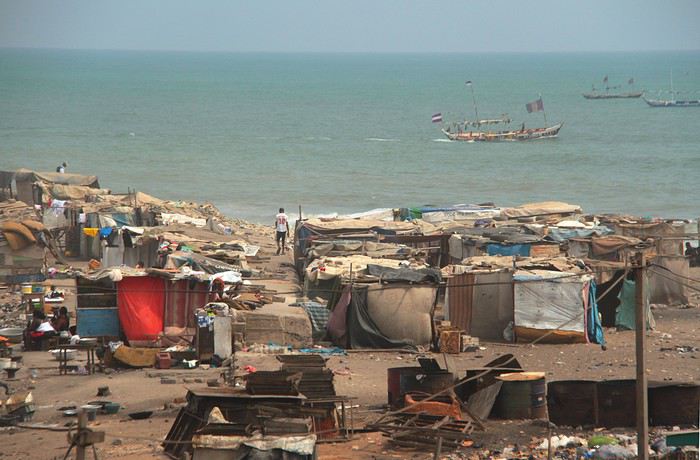
Super tankers can’t unload in Ghana—the nearest and most important port is in Lomé, Togo (built by the Germans during colonization).
6.
7.
To my mind, this country had two standout features: an English-speaking culture and a coastline (the Gold Coast) where forts and castles built in the 17th and 18th centuries still stand—grim reminders of the transatlantic slave trade.
Despite questions from friends and family like, "Wait, you’re going to Ghana?", "What for?", "Where’s that even?", "Aren’t you scared?", "There aren’t any tourists there!", a few months before departure, I made up my mind. I booked a Paris-Accra ticket via Lisbon on TAP, the Portuguese airline (477 USD), to enjoy a 5-day stopover in the Portuguese capital on the way back. Meanwhile, my travel buddy flew direct from Paris to Accra on Air France.
Good thing he did! He spent the first two days wandering the hot, dusty streets of the capital alone, while TAP (the Portuguese airline) stranded me—along with about 140 other passengers from the Lisbon-Accra flight—in a hotel in Lomé (Togo) due to "serious technical problems" with the plane!!!!!
Well, that was a great start!!!!!
Fortunately, that was the only hiccup in an otherwise eye-opening trip to a country that deserves more attention from French-speaking travelers. Others (especially Germans and Dutch, for historical reasons—we’ll get into that later) are already well aware, as are many Ghanaians living abroad in Europe, the US, and Canada.
Let’s start with the least appealing part of the trip: Accra and its 2.5 million inhabitants, which only deserves a (very) quick visit. Here’s the proof in photos—I’ll spare you the gloomiest ones...
Waterfront at Labadi Beach 1.
2.
3.
4.
5. Jamestown, Accra’s "port"
Super tankers can’t unload in Ghana—the nearest and most important port is in Lomé, Togo (built by the Germans during colonization).
6.
7.




 19.
19.


 23.
23. 24.
24. 25.
25.