Hi there,
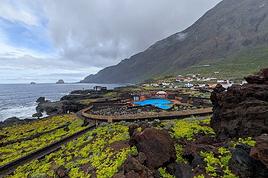
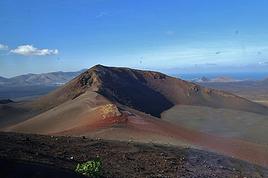
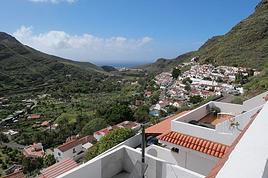
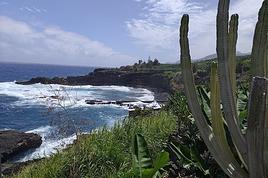
I’m planning a trip from Gran Canaria to El Hierro to Tenerife at the end of winter.
My current dilemma is where to book accommodations on Gran Canaria.
We’re planning to stay 7 nights on the island, and our goal is to hike, drive along small roads, discover a few villages, and admire some beaches (just for the views, not for swimming!).
Since the island is quite rugged, the journeys can be long even if the distances are short. I’d like to avoid driving 2 hours every morning and evening to reach the area we want to explore...
I’m thinking of splitting the 7 nights into 4 somewhere and 3 elsewhere.
But where? It seems the center and the northwest might be the best options.
Any advice, given that I’m mainly looking for peace and quiet, a beautiful view, a secluded spot, or a quiet village?
Thanks! :)
2,760 similar discussions in English
Need your advice—this is a bit urgent! 😅
I’m leaving in 1 month for 7 months in South America (mainly Argentina, with a quick stop in Chile and Bolivia). I still haven’t decided on: 👉 Travel insurance. 👉 The best bank card for abroad.
I’m a bit behind schedule and would really love your feedback: 👉 Which insurance do you recommend (reliability in case of trouble)? 👉 Which bank do you use while traveling to avoid fees (mainly in Argentina)? Boursorama? 👉 Any idea about fees with Western Union?
For now, I’m planning to bring as much cash as possible to avoid fees and exchange money locally. My bank (La Poste) gave me a Visa Premier for insurance/repatriation, but after reading the terms, I see it’s limited to 180 consecutive days—so 6 months, not 7.
Thanks in advance for your tips—it’ll help me make a decision quickly! :)
Hi everyone,
In a month, I’m heading to Greenland with Rivages du Monde.
My question is: which airport do we fly out of to get to Iceland—Orly or Roissy?
Thanks to anyone who’s already traveled with this tour operator for this destination and can let me know.
Have a great day
We visited the northern/northeast part of Oman, the most touristy area, last February over 11 days there. It’s a great time to go because the temperatures are pleasant and there aren’t too many tourists, even though the country is only just starting to develop its image. 11 days was enough for us to see the essentials, but you can always extend your stay depending on what you want.
2 days in Muscat, 2 days in the desert—we would’ve happily stayed longer—2 days in the mountains, 3 days in the wadis, and the rest for the cities, villages, and the coast.
Oman offers stunning landscapes and a genuinely warm welcome. We always felt safe, never experienced any malicious looks or gestures.
As usual for our trips, we chose to organize everything ourselves but with a guide to better explore and soak up the local culture.
The point of my post isn’t to recount our journey but to encourage and reassure anyone considering this destination.
If I can be of help, I’m happy to answer your questions based on what I know.
Hi there,
During our Thailand trip, we're planning to arrive in Bangkok and then head up to Chiang Mai. So far, so good.
But after that, we'd like to go to the islands—either Krabi or Koh Samui.
However, the flights listed on 12go.asia seem complicated, with a layover of about 1 hour in Bangkok where we'd have to collect our luggage and check in for the second flight. That feels way too tight.
So, I'd love to hear about your experiences with this route and any tips you might have. Thanks everyone!
So, I'd love to hear about your experiences with this route and any tips you might have. Thanks everyone!
Hello,
We’re leaving in November 2025 for a stay of more than 60 days in Khao Lak and need to apply for a 30-day extension on-site to be allowed to stay nearly 90 days. Should we declare the flight ticket dates (November 13, 2025, to February 9, 2026) directly on the electronic form (if it’s applied from May 1st) before leaving, at the risk of being denied entry (over 60 days), or declare 60 days and quickly apply for a 30-day extension once there? Are flight tickets checked upon arrival (Phuket) or earlier on the electronic entry request? I remember that the arrival check is quite "serious" and after 18 hours of travel, you’re pretty impressionable! Thanks for your help, Best, Bruno.
We’re leaving in November 2025 for a stay of more than 60 days in Khao Lak and need to apply for a 30-day extension on-site to be allowed to stay nearly 90 days. Should we declare the flight ticket dates (November 13, 2025, to February 9, 2026) directly on the electronic form (if it’s applied from May 1st) before leaving, at the risk of being denied entry (over 60 days), or declare 60 days and quickly apply for a 30-day extension once there? Are flight tickets checked upon arrival (Phuket) or earlier on the electronic entry request? I remember that the arrival check is quite "serious" and after 18 hours of travel, you’re pretty impressionable! Thanks for your help, Best, Bruno.
Hi everyone,
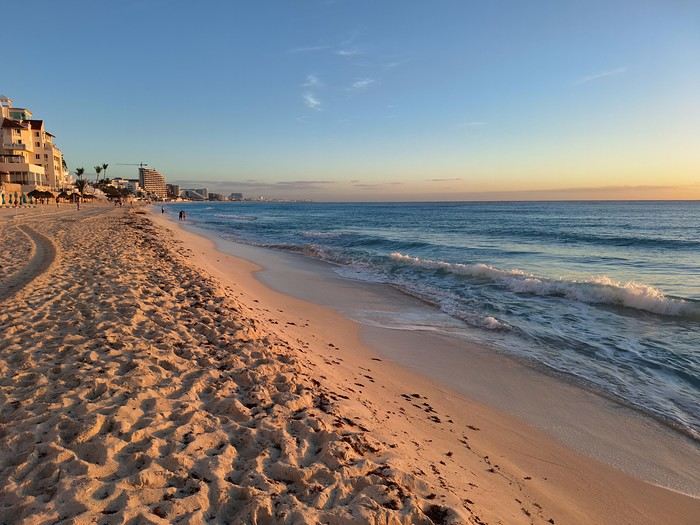
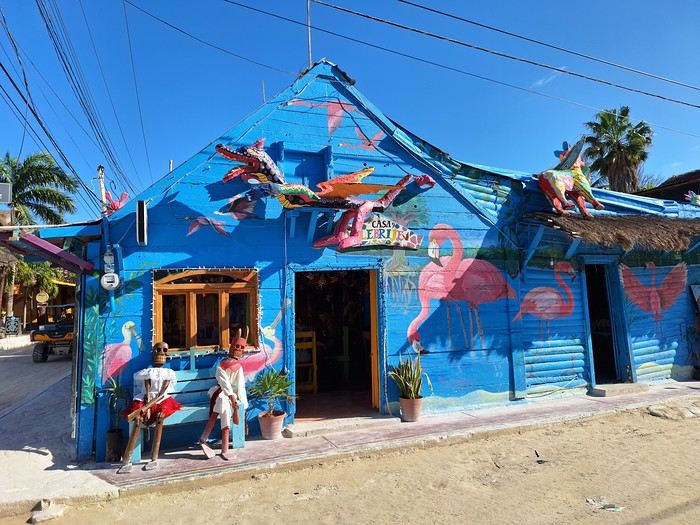
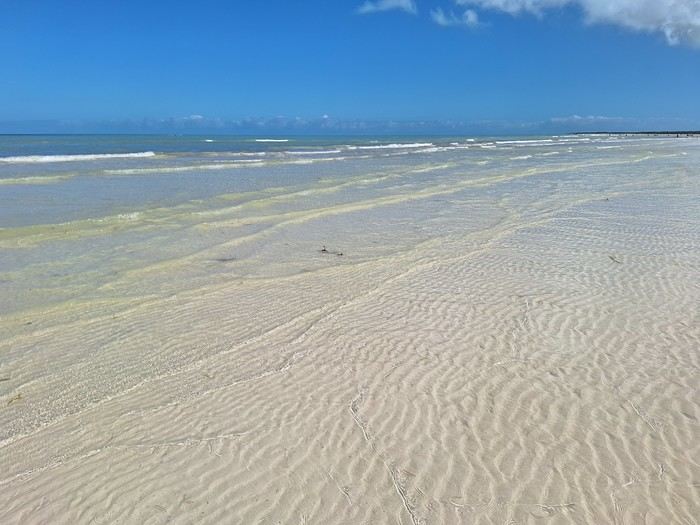
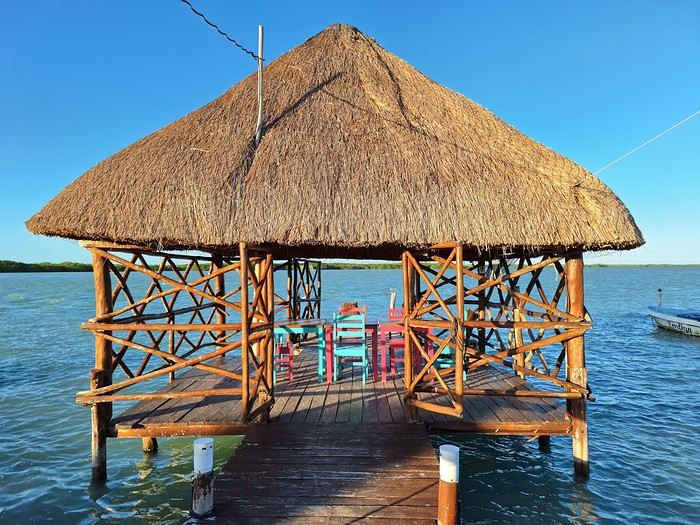
In late February to early March 2025, we were lucky enough to spend about ten days in Mexico—heading to Cancún. We then embarked on a 9-day road trip to explore the Yucatán Peninsula! Since planning a trip isn’t always easy, we’re sharing our original itinerary (different from the "classic" loop) and our feedback on the places we visited.
With a few photos to illustrate each day, we hope to wow you 🙂! Here’s our loop itinerary starting from Cancún (a packed schedule, but it let us see so much): Day 1 - Cancún’s beach and Holbox Island
×768 214 KB
Day 2 - Holbox Island and the fishing village of Río Lagartos
6 KB
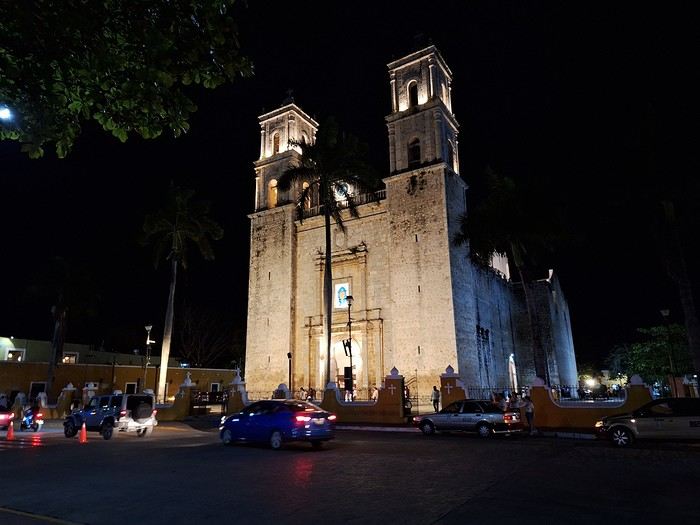
Day 3 - The Río Lagartos nature reserve, Las Coloradas salt flats, the Ek'Balam Mayan site, the church of Uayma, and the colonial city of Valladolid
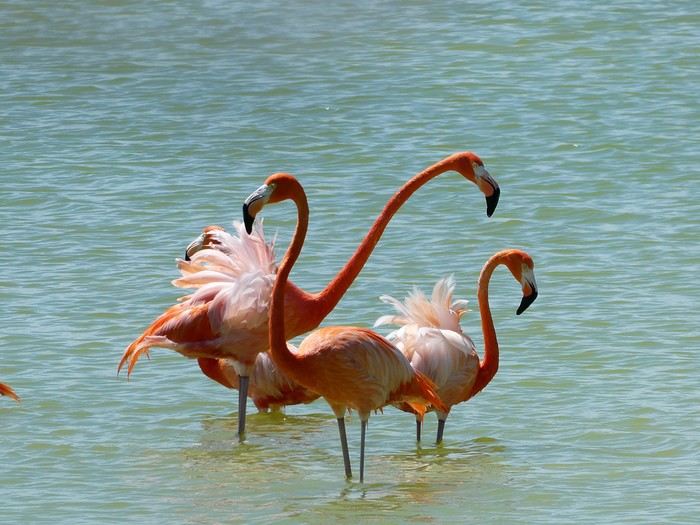
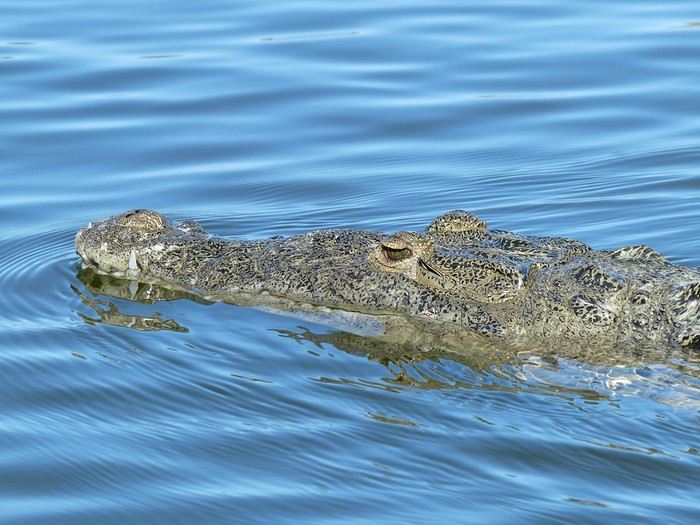
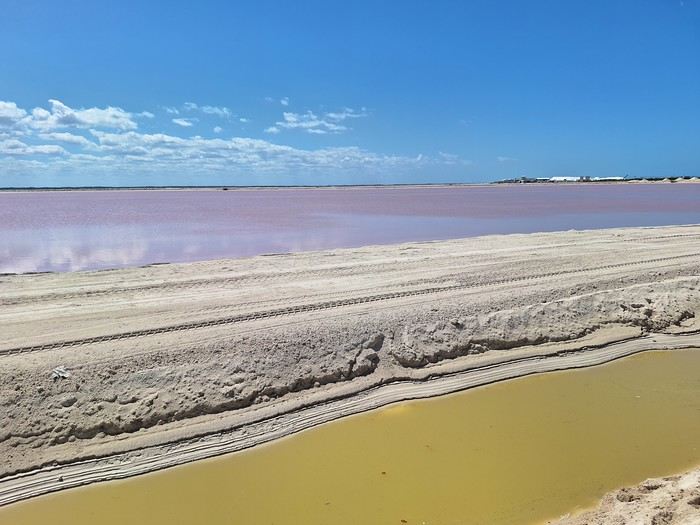
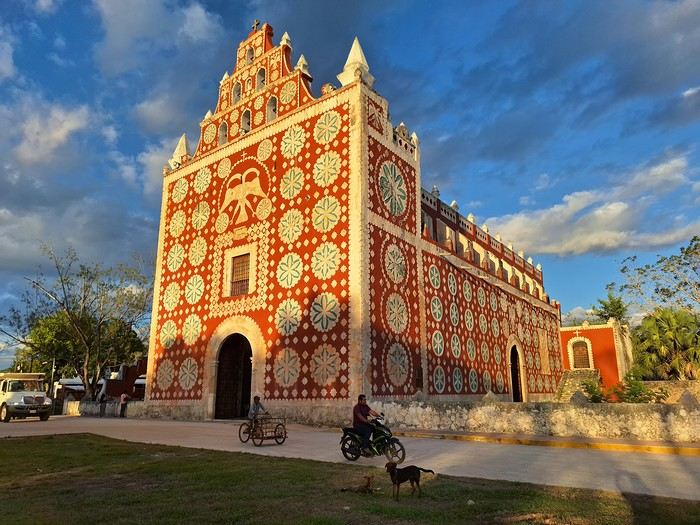
With a few photos to illustrate each day, we hope to wow you 🙂! Here’s our loop itinerary starting from Cancún (a packed schedule, but it let us see so much): Day 1 - Cancún’s beach and Holbox Island
×768 214 KB
Day 2 - Holbox Island and the fishing village of Río Lagartos
6 KB
Day 3 - The Río Lagartos nature reserve, Las Coloradas salt flats, the Ek'Balam Mayan site, the church of Uayma, and the colonial city of Valladolid
Hi there,
I’m planning a trip to Laos in November 2025.
I’m not really sure what to visit.
I’ve heard there are local festivals around that time.
Open to any suggestions for planning my trip.
There’ll be 4 or 5 of us.
Best,
Hi,
I’m planning to travel from April 12 to 24, 2025, for my first solo trip.
I’m torn between two destinations: Thailand or Vietnam. Which one would you recommend? Thanks so much for your advice!
Hi everyone, after a stay in the South and one in the North, I’m planning a mini road trip in Corsica (Bastia-Bastia) in June to explore places I haven’t seen yet. Since we’re heading to the mountains later this year, we’ve deliberately skipped the Corsican mountains. Could you share your thoughts and, most importantly, suggest things to see? We love nature, reasonable hikes, peaceful spots, and small villages. No cities. No boat excursions (yes, that includes Piana and Scandola). We already know the area between Bastia and Calvi.
June 7 Flight arrival in Bastia and night at the hotel
June 8 Drive to Calvi (beach and/or fortress) Meal at Les Boucaniers restaurant Night in Calvi
June 9 Walk from Calvi fortress to Alga beach Charcuterie platter at A Casetta Calvi Night in Calvi
June 10 Drive from Calvi to Piana Buvette du col de la Croix and visit the orientation table Chemin des muletiers (Muleteers’ Path) Or Sentier de la source des roches bleues (Blue Rocks Spring Trail) counterclockwise Or (less scenic) Tête du chien (Dog’s Head, starting at the parking lot) Dinner at Épicerie Castellani in Piana Night in Piana
June 11 Drive from Piana to Propriano Arone beach and meal at Le Café de la plage Drive along the coast, stopping wherever we like Night in Propriano
June 12 Hike starting from Campomoro in the Jardin du Vent (Wind Garden), and visit the Genoese tower of Campomoro Meal in Campomoro: restaurant Chez Pierre Paul U spuntinu Night in Propriano
June 13 Around Propriano (avoid Capu Laurosu beach—sewage treatment plant...) Night in Propriano
June 14 Drive from Propriano to Bastia airport Meal at L’Éternisula in Zonza Aiguilles de Bavella (Hole of the Bomb) Night at the same hotel as arrival
June 15 Departure
Hi everyone, we need your advice to avoid being denied boarding at Paris CDG.
We’re planning a one-month trip to China, which matches the 30-day visa on arrival, but with a return ticket from Vietnam. For example, we’d arrive in Chengdu, then travel via Lao Cai to Vietnam, and fly back to Paris CDG from Hanoi 45 days later. Do you think this could be an issue at boarding?
Second option: arrive in Chengdu (*30-day visa duration*), then fly from Kunming to Hanoi 45 days later (Vietnam visa duration), and return to Paris CDG from Hanoi. Thanks for your input!
Hi there,
I’ll be traveling to Peru in August 2025. Unfortunately, I only have 12 days to visit this amazing country. I’m torn between doing a fast-paced trip where I see every sight but don’t really soak it all in, or going for a lighter itinerary that lets me enjoy the moment more.
Right now, I’ve narrowed it down to three options and I’d love to hear your thoughts on which one to pick.
Option 1 August 14, 2025 Flight Canada – Lima Visit Lima Stay in Lima August 15, 2025 Flight Lima – Cusco Visit Cusco Stay in Cusco August 16, 2025 Visit Humantay Lake Stay in Cusco August 17, 2025 Visit Sacred Valley Stay in Ollantaytambo August 18, 2025 Visit Machu Picchu Stay in Ollantaytambo August 19, 2025 Visit Sacred Valley Stay in Cusco August 20, 2025 Visit Rainbow Mountains Stay in Cusco August 21, 2025 Flight Cusco – Lima Bus Lima to Huacachina Stay in Huacachina August 22, 2025 Visit Huacachina Stay in Huacachina August 23, 2025 Visit Paracas Stay in Huacachina August 24, 2025 Bus Huacachina – Lima Visit Lima Stay in Lima August 25, 2025 Flight Lima – Canada
Option 2 August 14, 2025 Flight Canada – Lima Bus Lima – Huacachina Stay in Huacachina August 15, 2025 Visit Huacachina Bus Huacachina – Arequipa Overnight bus August 16, 2025 Visit Arequipa Stay in Arequipa August 17, 2025 Colca Canyon Transfer Arequipa – Puno Stay in Puno August 18, 2025 Visit Lake Titicaca Bus Puno – Cusco (7:00 AM) Overnight bus August 19, 2025 Visit Humantay Lake Stay in Cusco August 20, 2025 Visit Sacred Valley Stay in Ollantaytambo August 21, 2025 Visit Machu Picchu Stay in Ollantaytambo August 22, 2025 Visit Sacred Valley Stay in Cusco August 23, 2025 Visit Rainbow Mountains Stay in Cusco August 24, 2025 Flight Cusco – Lima Visit Lima Stay in Lima August 25, 2025 Flight Lima – Canada
Option 3 August 14, 2025 Flight Canada – Lima Bus Lima – Huacachina Stay in Huacachina August 15, 2025 Visit Huacachina Stay in Huacachina August 16, 2025 Visit Paracas Stay in Paracas August 17, 2025 Bus Paracas – Lima Flight Lima – Cusco Stay in Cusco August 18, 2025 Visit Cusco Stay in Cusco August 19, 2025 Visit Humantay Lake Stay in Cusco August 20, 2025 Visit Sacred Valley Stay in Ollantaytambo August 21, 2025 Visit Machu Picchu Stay in Ollantaytambo August 22, 2025 Visit Sacred Valley Stay in Cusco August 23, 2025 Visit Rainbow Mountains Stay in Cusco August 24, 2025 Flight Cusco – Lima Visit Lima Stay in Lima August 25, 2025 Flight Lima – Canada
My husband has a disability following a stroke. He walks with a cane and gets tired easily. Do you think we could travel to Armenia? Are Yerevan and the museums accessible for people with reduced mobility? Is the Geghard Monastery accessible? Thanks.
Hi everyone,
We traveled between Christmas and New Year’s to visit our son in San Francisco. We’d already seen the parks during a 2008 vacation but hadn’t had time to drive Highway 1 between San Francisco and Los Angeles, so we decided to do it this time. At this time of year, the days are short—it gets dark by 5 PM, which limits sightseeing time. Weather-wise, we had temperatures between 11°C and 20°C (52°F and 68°F) during the week, so it was pretty pleasant. There was a bit of rain one day and some gray skies or fog in the mornings. Financially, California is *very* expensive! Prices listed don’t include tax or tips. Taxes are automatically added to restaurant bills or supermarket receipts, but *you* add the tip. Americans always leave a tip, no matter if they’re happy with the service or not (except at self-service places). The absolute minimum is 15%, but 20% is more common. Here’s how it works: First, the server brings the bill with the tax already added, then takes your card and the bill. They come back after charging your card, leaving you a new bill and a pen. You write down the tip (tips) you want to leave, add it up, and sign. You leave the paper and pen on the table and go. In some restaurants, the server brings the card reader to your table, and there are preset tip percentages to choose from. On your bank statement, the total amount (including tax) shows up as “pending.” A few days later, the transaction is finalized with the tip included. The 9-hour time difference isn’t trivial, especially as we get older 😉. Keep it in mind when planning—don’t overdo it in the first few days.
Here’s our itinerary: 12/25/2024: Flight from Lyon (7 AM) to San Francisco (11:50 AM): 1-hour layover in Amsterdam—way too tight. The airport is huge, and flights to the U.S. are at the far end. You also have to go through customs. We had to run! Luckily, there’s a special line for tight connections, and our flight was delayed! Reunited with our son and walked to the Painted Ladies (Victorian houses) and then through Alamo Square. Return trip via Waymo—a driverless Uber. Surprising, but the ride was super smooth, and we felt safe.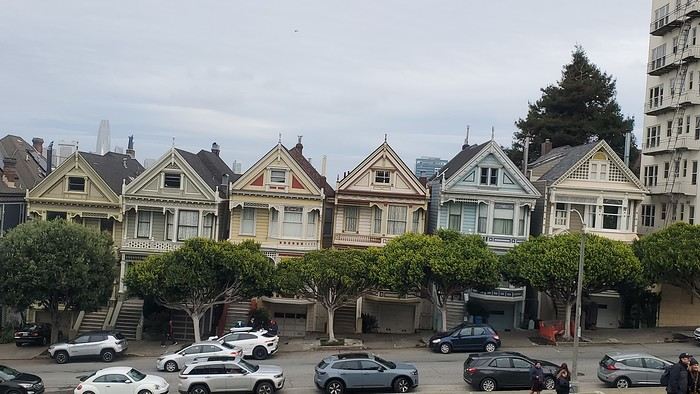
12/26/2024: San Francisco Walking tour of the city: Lombard Street, Pier 39 (sea lions), Coit Tower via the Filbert Steps (great view of the city), Chinatown, and Union Square (ice rink and Christmas tree).
12/27/2024: Monterey It took us about 2.5 hours to drive straight from SF to Monterey (to save time, we skipped the start of Highway 1). The goal for this stop was visiting the aquarium. It’s in an old sardine cannery, and there’s an interesting room showing the machinery and explaining the process. The aquarium features all the local fish and plant species, plus a stunning jellyfish exhibit. We spent about 2.5 hours there. Entry is pricey at $65, and it was packed when we went. For parking, you can use meters or day lots. The cheapest we found was $25 for the day, with in-and-out privileges. We saw some closer lots charging $80, so it’s worth shopping around before parking and walking a bit more. Afterward, we stopped by the Monarch Butterfly Sanctuary—a small, free park where these butterflies land, along with some wild deer. We ended the day at Lover’s Point, a park with an ocean view and surfers. That evening, we tried clam chowder in a sourdough bread bowl. Stayed overnight in Monterey.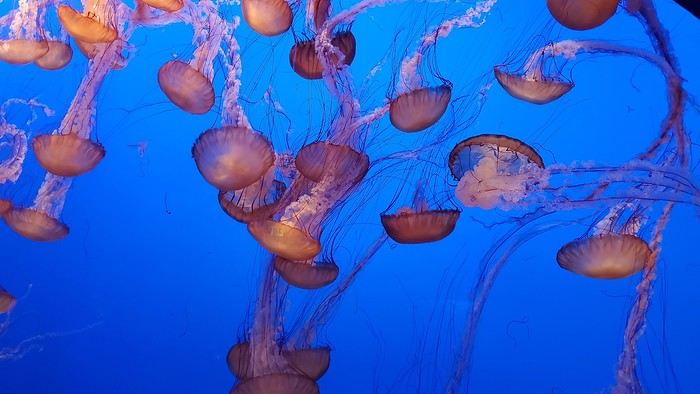
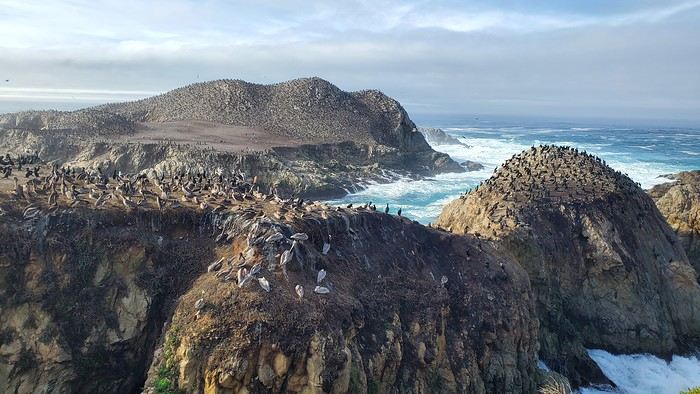
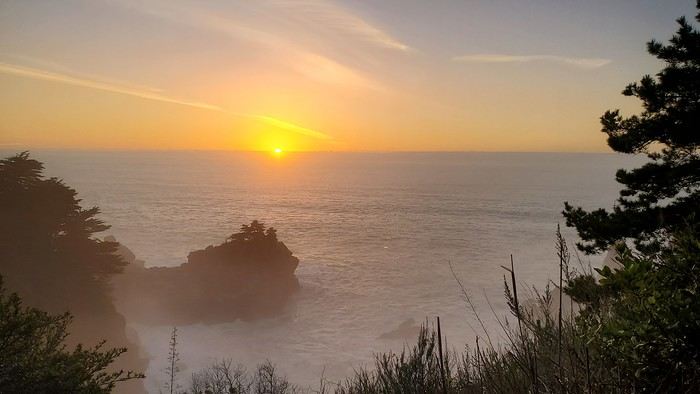
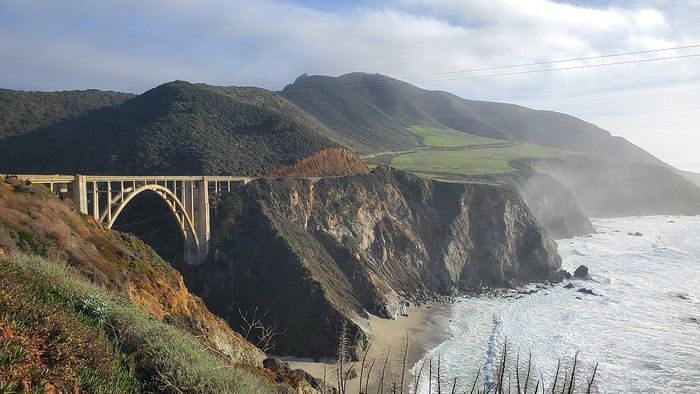
12/28/2024: Big Sur Parks The Big Sur area has many state parks. Entry is $10 per car for the day (valid for any number of parks visited that same day). Pro tip: If you park outside and walk in, you don’t pay. We chose to visit Point Lobos Reserve. We hiked the trails along the ocean. Two must-do (short and easy) trails: “Sea Lion Point,” where massive waves crash onto the rocks, and “Bird Island Lookout,” where you can see thousands of pelicans and cormorants on the rocks, plus a few elephant seals. It’s truly stunning. We spent about 3 hours there. After driving along Garrapata State Park and crossing the famous Bixby Bridge, we went to Pfeiffer Big Sur State Park to do the short Valley View Trail + Pfeiffer Falls hike. It was nice being among the redwoods, but the waterfall was underwhelming. Maybe it’s more impressive in the summer when the river is flowing better. We ended the day at McWay Falls, a waterfall that flows directly into the ocean—super photogenic, especially at sunset. Returned to Monterey for the night.
12/29/2024: Drive to Morro Bay Highway 1 is currently closed near Gorda, so we had to take the inland route from Monterey, adding extra miles. It was raining, so we skipped the planned stop at Carmel-by-the-Sea. Instead, we detoured to Mission San Antonio de Padua, the 3rd mission (out of 21) built by the Spanish in 1773 to evangelize the region. It’s less famous than others, so there were fewer people, and it felt more “authentic” (free to visit). With fog adding to the rain, we headed straight to Morro Bay, our stop for the day, instead of continuing up Highway 1 to San Simeon. Took a short evening walk to Morro Rock—saw a few otters in the harbor. Stayed overnight in Morro Bay.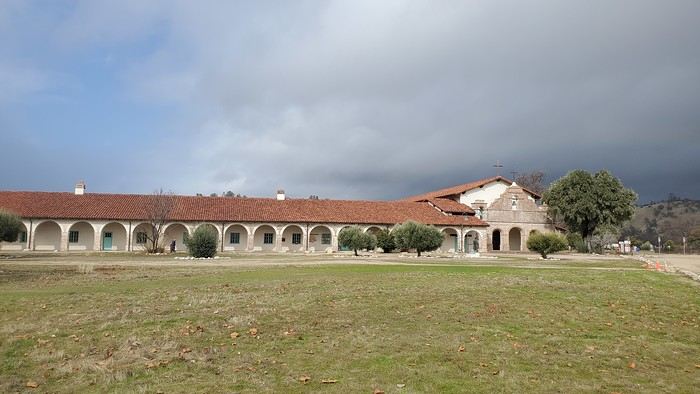
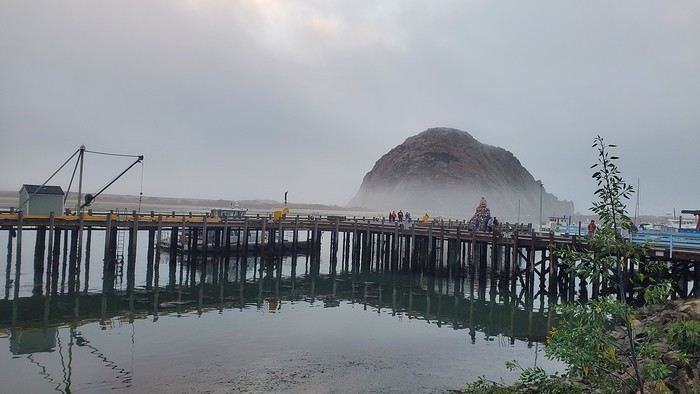
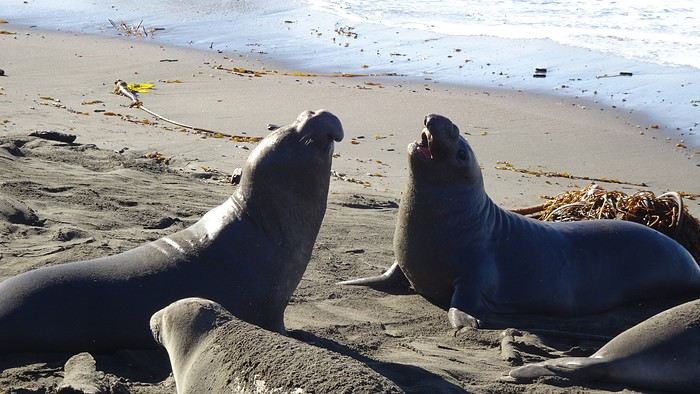
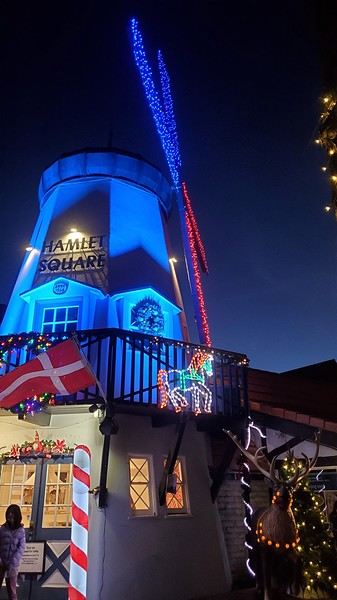
12/30/2024: Elephant Seals at Piedras Blancas The sun came back! We took a quick walk on the pier to see the otters in daylight, then drove back up Highway 1 to Piedras Blancas (near San Simeon), a famous spot for elephant seals. It’s birthing season, so there were lots of pups, plus males fighting for the females’ attention—what a show! We couldn’t get enough. We walked to the Piedras Blancas Lighthouse, with a few viewpoints of beaches where elephant seals were lounging (though far fewer than at the beach near the parking lot). We continued to Santa Barbara, our stop for the day. Stopped in San Luis Obispo for lunch and a quick city tour (Bubblegum Alley, the theater facade, and the mission). Since it was getting late, we skipped Los Alamos and went straight to Solvang, a charming Danish-style town (windmills, typical Danish houses) with lots of holiday lights (it’s their Julefest). Stayed overnight in Santa Barbara.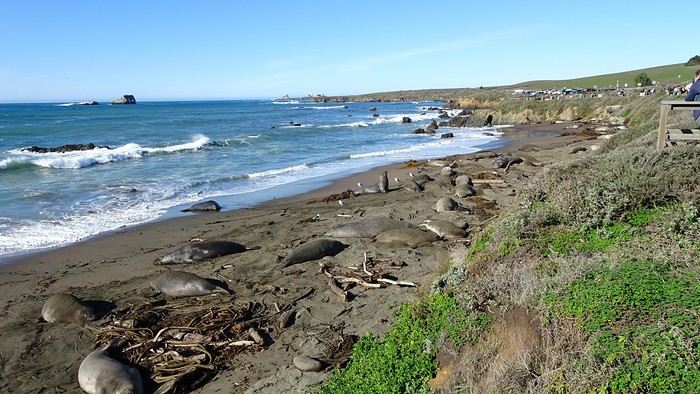
We traveled between Christmas and New Year’s to visit our son in San Francisco. We’d already seen the parks during a 2008 vacation but hadn’t had time to drive Highway 1 between San Francisco and Los Angeles, so we decided to do it this time. At this time of year, the days are short—it gets dark by 5 PM, which limits sightseeing time. Weather-wise, we had temperatures between 11°C and 20°C (52°F and 68°F) during the week, so it was pretty pleasant. There was a bit of rain one day and some gray skies or fog in the mornings. Financially, California is *very* expensive! Prices listed don’t include tax or tips. Taxes are automatically added to restaurant bills or supermarket receipts, but *you* add the tip. Americans always leave a tip, no matter if they’re happy with the service or not (except at self-service places). The absolute minimum is 15%, but 20% is more common. Here’s how it works: First, the server brings the bill with the tax already added, then takes your card and the bill. They come back after charging your card, leaving you a new bill and a pen. You write down the tip (tips) you want to leave, add it up, and sign. You leave the paper and pen on the table and go. In some restaurants, the server brings the card reader to your table, and there are preset tip percentages to choose from. On your bank statement, the total amount (including tax) shows up as “pending.” A few days later, the transaction is finalized with the tip included. The 9-hour time difference isn’t trivial, especially as we get older 😉. Keep it in mind when planning—don’t overdo it in the first few days.
Here’s our itinerary: 12/25/2024: Flight from Lyon (7 AM) to San Francisco (11:50 AM): 1-hour layover in Amsterdam—way too tight. The airport is huge, and flights to the U.S. are at the far end. You also have to go through customs. We had to run! Luckily, there’s a special line for tight connections, and our flight was delayed! Reunited with our son and walked to the Painted Ladies (Victorian houses) and then through Alamo Square. Return trip via Waymo—a driverless Uber. Surprising, but the ride was super smooth, and we felt safe.
12/26/2024: San Francisco Walking tour of the city: Lombard Street, Pier 39 (sea lions), Coit Tower via the Filbert Steps (great view of the city), Chinatown, and Union Square (ice rink and Christmas tree).
12/27/2024: Monterey It took us about 2.5 hours to drive straight from SF to Monterey (to save time, we skipped the start of Highway 1). The goal for this stop was visiting the aquarium. It’s in an old sardine cannery, and there’s an interesting room showing the machinery and explaining the process. The aquarium features all the local fish and plant species, plus a stunning jellyfish exhibit. We spent about 2.5 hours there. Entry is pricey at $65, and it was packed when we went. For parking, you can use meters or day lots. The cheapest we found was $25 for the day, with in-and-out privileges. We saw some closer lots charging $80, so it’s worth shopping around before parking and walking a bit more. Afterward, we stopped by the Monarch Butterfly Sanctuary—a small, free park where these butterflies land, along with some wild deer. We ended the day at Lover’s Point, a park with an ocean view and surfers. That evening, we tried clam chowder in a sourdough bread bowl. Stayed overnight in Monterey.
12/28/2024: Big Sur Parks The Big Sur area has many state parks. Entry is $10 per car for the day (valid for any number of parks visited that same day). Pro tip: If you park outside and walk in, you don’t pay. We chose to visit Point Lobos Reserve. We hiked the trails along the ocean. Two must-do (short and easy) trails: “Sea Lion Point,” where massive waves crash onto the rocks, and “Bird Island Lookout,” where you can see thousands of pelicans and cormorants on the rocks, plus a few elephant seals. It’s truly stunning. We spent about 3 hours there. After driving along Garrapata State Park and crossing the famous Bixby Bridge, we went to Pfeiffer Big Sur State Park to do the short Valley View Trail + Pfeiffer Falls hike. It was nice being among the redwoods, but the waterfall was underwhelming. Maybe it’s more impressive in the summer when the river is flowing better. We ended the day at McWay Falls, a waterfall that flows directly into the ocean—super photogenic, especially at sunset. Returned to Monterey for the night.
12/29/2024: Drive to Morro Bay Highway 1 is currently closed near Gorda, so we had to take the inland route from Monterey, adding extra miles. It was raining, so we skipped the planned stop at Carmel-by-the-Sea. Instead, we detoured to Mission San Antonio de Padua, the 3rd mission (out of 21) built by the Spanish in 1773 to evangelize the region. It’s less famous than others, so there were fewer people, and it felt more “authentic” (free to visit). With fog adding to the rain, we headed straight to Morro Bay, our stop for the day, instead of continuing up Highway 1 to San Simeon. Took a short evening walk to Morro Rock—saw a few otters in the harbor. Stayed overnight in Morro Bay.
12/30/2024: Elephant Seals at Piedras Blancas The sun came back! We took a quick walk on the pier to see the otters in daylight, then drove back up Highway 1 to Piedras Blancas (near San Simeon), a famous spot for elephant seals. It’s birthing season, so there were lots of pups, plus males fighting for the females’ attention—what a show! We couldn’t get enough. We walked to the Piedras Blancas Lighthouse, with a few viewpoints of beaches where elephant seals were lounging (though far fewer than at the beach near the parking lot). We continued to Santa Barbara, our stop for the day. Stopped in San Luis Obispo for lunch and a quick city tour (Bubblegum Alley, the theater facade, and the mission). Since it was getting late, we skipped Los Alamos and went straight to Solvang, a charming Danish-style town (windmills, typical Danish houses) with lots of holiday lights (it’s their Julefest). Stayed overnight in Santa Barbara.
Hi everyone,
We’ve made up our minds—this summer, we’re heading back to the USA. Our last trip to the American West was in 2017. Back then, I planned my itinerary with help from this forum, and it was perfect.
I’ve drawn inspiration from a few travel journals and some really interesting websites to sketch out a rough route.
I’d love to hear your thoughts on this itinerary.
Let me know if I’ve missed any cool stops along the way or if some things seem unnecessary.
My husband and I love hiking, nature, and photography, but we’re not into museums and aren’t big fans of cities.
We’ve sorted our ESTA, checked out hotels, and already booked some with cancellation options. All that’s left is the flight tickets and renting a vehicle.
If you’ve got any tips or great deals, we’d love to hear them. Thanks to anyone who takes the time to share their thoughts!
USA ITINERARY, DENVER/DENVER LOOP, YELLOWSTONE 2025
DAY 1: FLIGHT FROM MARSEILLE, ARRIVAL IN DENVER Arrival in Denver / pick up rental vehicle /
Estes Park, Rocky Mountain (note: a permit is required)
DAY 2: ESTES PARK / ROCKY MOUNTAIN
Rocky Mountain
DAY 3: ROCKY MOUNTAIN / CHEYENNE / FORT LARAMIE / CUSTER
Cheyenne (giant boots, The Wranglers store) Fort Laramie Custer and its Bison statues, Wyoming State Museum (free) Custer State Park
DAY 4: CUSTER, BADLANDS NATIONAL PARK
Crazy Horse Memorial Mount Rushmore Rapid City (Chapel in the Hills, Presidents’ statues) – hometown of Calamity Jane and Wild Bill Badlands National Park
DAY 5: BADLANDS NATIONAL PARK
Badlands National Park Wall Drugstore (Wall Drug)
DAY 6: WALL / SHERIDAN
Devil’s Tower (1 hour) Buffalo, quick stop Deadwood, an old gold rush town with a well-restored downtown
DAY 7: SHERIDAN / COOKE CITY
Bighorn National Forest Bighorn National Recreation Area (secret arch to find) Chief Joseph Highway, stop at Indian Summit Cody, hometown of Buffalo Bill
DAY 8: COOKE CITY / YELLOWSTONE
Roosevelt Mammoth Hot Springs Norris Basin Lake Village
DAY 9: YELLOWSTONE
Canyon Village South and North Rim Mud Volcano Lake Village
DAY 10: YELLOWSTONE
Lake Village Madison via Norris Basin, Porcelain Basin Old Faithful, Firehole, Midway Basin
DAY 11: YELLOWSTONE
Old Faithful
DAY 12: YELLOWSTONE
Old Faithful West Basin
DAY 13: YELLOWSTONE / GRAND TETON
Grand Teton via the West on Teton Park Road
DAY 14: MORAN / MANILA
Grand Teton via the East route Pilot Butte (wild horses, pronghorns) Rock Springs Red Canyon (visitor center, well-maintained loop)
DAY 15: MANILA / VERNAL
Rock Springs Flaming Gorge National Recreation Area Dinosaur National Monument
DAY 16: VERNAL
Dinosaur National Monument
DAY 17: VERNAL / GRAND JUNCTION
Fantasy Canyon (2 hours) Colorado National Monument West entrance
DAY 18: GRAND JUNCTION / MONTROSE
Colorado National Monument East entrance Black Canyon of the Gunnison Crested Butte (lovely spot)
DAY 19: MONTROSE / ALAMOSA
Black Canyon of the Gunnison (3 hours) Great Sand Dunes National Park
DAY 20: ALAMOSA / COLORADO SPRINGS
Great Sand Dunes National Park Paint Mines Interpretive Park (2 hours) Garden of the Gods in downtown Colorado Springs
DAY 21: COLORADO SPRINGS / SILVERTHORNE OR DENVER
Bass Pro Shop (outdoor gear store) Outlets in Silverthorne or visit Denver
DAY 22: SILVERTHORNE OR DENVER
Wash the vehicle / fill up with gas
Flight departure at 4:30 PM (tentative)
DAY 23: ARRIVAL HOME Arrival in Marseille at 11:15 AM (tentative), then back home
DAY 24: BACK TO WORK!!!
Hi there!
In August, I’m planning a flight with a layover between Las Vegas and Pointe-à-Pitre. Departure from Las Vegas at 11:50 PM – Arrival in Miami at 7:50 AM Layover from 7:50 AM to 9:55 AM Departure from Miami at 9:55 AM, arrival in PTP at 1:10 PM
I’m a bit stressed about the 2h05 layover. What do you think? Is that enough time?
Thanks for your replies! Marc
PAKSE AND THE BOLAVENS PLATEAU
Bolavens (or "Bolovens" – "the region of the Lavens," an old tribe).
PAKSE
A sleepy town, but packed with backpackers in transit between Laos and Cambodia. The streets are numbered, but since there are no signs, you just have to figure it out (rumor has it the signs have been planned for years; luckily, the center isn’t big). Tons of small hotels, including the well-known Sabaidy 2 on Street 20, a big bazaar catering to all budgets, from dark dorms with shared bathrooms to real rooms with terraces or balconies. Since it’s so popular, booking ahead is recommended. My favorite: the Sala Champa, pricier but with two large terraces, one with a bar, and especially a terrace restaurant I consider the best in Pakse (try the divine steamed fish with lemongrass + Lao Gold beer, a rare delight; ask for room 100, with a big terrace). More upscale, the lovely Résidence Sisouk, run by the very classy and French-speaking Mme Sisouk, from the wealthy Lao Sisouk family, the country’s top coffee producer and one of those francophone families you encounter here and there around the world, where class and culture reign – and perfect French. Delicious pastries and, of course, extraordinary coffee tastings. Similar prices at the Pakse Hotel, run by French owners and famous for its rooftop bar-restaurant (great view!).
Tons of restaurants besides those at Sala Champa and Pakse Hotel: from Dao Lin and Sabaidee at the corner of Street 20 and 13, to a decent Indian place (Hassan) and a nice, cheap spot, the Lao Restaurant & Bar, where you can enjoy Lao cuisine for just a few kips, both also on Street 20. You can feast on grilled fish at the countless riverside stalls along the Mekong.
Pakse is home to the famous Yves, a Belgian married to a Lao woman, Noy, who opened the travel agency Miss Noy. He’ll go out of his way to help tourists; he’s incredible, the real tourism office for the region, with maps, endless advice, and every weekday at 6 PM, a full-blown lecture on the Bolavens and the 4000 Islands. A bunch of young travelers listen intently to his explanations about the whole area (he hands out a well-made photocopied map). He also rents bikes and has an internet café with computers that, miraculously, work perfectly. He’s so popular that in high season, you need to book a motorbike 2-3 days in advance (but if he’s out – and he has 40 – he’ll find one for you).
THE BOLAVENS PLATEAU
Plateaus just aren’t my thing – flat-lands! There are some relatively high peaks in the middle, but they’re only accessible by trekking. You can do a small loop from Pakse-Tad Lo-Thateng-Pakson-Pakse, or a big one from Tad Lo to Sekong, then head south to join the Paksong-Pakse road. Starting in the north, the Phu Xam waterfalls are okay (interesting local minority village-museum to the right of the parking lot, and a terrace restaurant above the small falls). Well, they’re on the way, so you might as well see them! After that, a boring road leads to the Tad Lo waterfalls, with tons of small hotels. I chose the big blue house by the river at the right corner of the bridge, the Sipaseth GH, with cute little bungalows in the garden, 4 rooms with balconies overlooking the river, and great food on the terrace facing the falls. **Avoid at all costs**: the Saisee GH, once nice with its little stilt houses by the falls, but now a monument to filth, indifference, and rudeness (confirmed by several people, unanimous on the issue). Luckily, the lovely Tad Lo Lodge, with its bungalows by the falls and gourmet restaurant right above them – not cheap at all – finally built small houses in the woods on the other side for $25.
The next morning, I’d had enough of plateaus, so I took a small loop heading south from Tad Lo to Thateng, and there, a wonder 5 km south of town: the Sinouk Resort. It’s like stepping into *Gone with the Wind* or the Chevalier de Leyritz’s Martinique. In the middle of the Sisouk family’s 34-hectare coffee plantation, a huge garden with three large colonial-style houses: one by the river and pond with a suite + 3 luxury rooms + a small, cozy one for $40 (that’s where I stayed), one with 4 superior rooms for $60, and a very large one overlooking everything with 6 luxury rooms ($60) + 2 huge suites for $90. Of course, it’s all decorated with antique furniture, local knick-knacks, and antiques; there’s a pool, a beautiful restaurant with two terraces, one overlooking a large pond and one by its edge. The food and service are impeccable, and the coffee: from espresso with whipped cream to green tea or wild honey cappuccino… too bad it keeps you up, or you’d sip it all evening (and morning, and afternoon, and in between). In short, a dream!
Back to Pakse via Paksong (what a dump!) and the Tad Fane waterfalls, those are spectacular – twin sisters plunging 200 meters. You can hike down to swim at the bottom (1-hour jungle trek round trip). Across the way, the nice Tad Fane Resort (small houses and a big terrace-restaurant facing the falls).
I think I missed the Katamkok waterfalls, but I don’t believe it – all these falls can’t compare to Ban Gioc Falls in northern Vietnam!!!
CHAMPASAK AND THE 4000 ISLANDS
CHAMPASAK
Even sleepier than Pakse! To avoid the ferry, cross the new Mekong bridge in Pakse, and after about 10 km, turn left at the big "Phaphinoy" sign (the first village in town). When you arrive, turn at the "River Resort" sign. A sumptuous resort on the Mekong, developed with American capital – pure luxury (they even have their own rice field and vegetable garden for the restaurant). Continuing on, you’ll come across the very pleasant Anouxa GH, where I had dinner and stayed. Small bungalows facing the river, garden rooms, and two large wooden houses with huge family rooms + a big terrace on the Mekong, and the food is great! They rent bikes and motorbikes. Further to the right, the pricey Inthira Hotel, which I found uninteresting since it’s on the road instead of by the Mekong. There’s also a Folie Lodge on Don Daeng Island, which I didn’t visit (the word "Folie" is justified: crazy prices, up to $200 and more).
A few nice wats and, of course, Wat Phou, Laos’ most important archaeological site, 10 km south of Champassak in the plains and on the mountainside (the stairs are a killer!). Watch out for the scorching heat, and it closes at 4:30 PM. It’s not Angkor Wat, but it’s still worth the detour. Plan for 2 hours. Entry is 50,000 kips + 5,000 to park your motorbike.
KHIET NGON
To continue south to the 4000 Islands, you have to take the "ferry" (actually fun little things – two canoes joined by a platform; better not mess up when loading your motorbike!). Once on the other side, turn left, and you’ll hit National Road 13 (Pakse-Siphandone, the 4000 Islands), the most boring road I’ve ever been on, like Phnom Penh-Siem Reap – flat and nothing to see. BUT there’s a real gem worth checking out: Kiet Ngon. At Km 48, take the laterite road toward Attapeu (big sign: "Attapeu 155 km") and eat red dust for 8 km (toll: 20,000 kips), then turn right (signposted) onto a good track. You enter the beautiful Xe Pian National Park, where you can still find wild elephants, leopards, and tigers. You arrive at the entrance of the small village of Ban Khiet Ngon. On your right, a small concrete building with 4 decent, cheap rooms (60,000 kips), facing an old wooden house that serves as the tourism office and its "elephant parking" garden. This village is where you can go on an elephant ride (20,000 kips) to the top of Phou Asa, one of the most unusual places I’ve ever seen. You climb through the jungle and emerge onto a flat slate summit, completely bare – it really feels like the Moon! In the distance, an astonishing site built to commemorate a victory by Lao nationalists over Siamese invaders in the 19th century (so the site isn’t 1,000 years old, as the locals claim). A vast archaeological site with an enclosure 180 m by 50 m, marked by 2-meter-high walls and columns made of slate stacked without mortar. At the back, a ruined temple and a tower. Beautiful views of the whole region. Popular with tourists arriving by minibus from Pakse. The elephant rides in a line aren’t my thing, so they tell you it’s forbidden to ride a motorbike, but I did it anyway without any issues – except for the unhappy looks from the mahouts (turn right at the village entrance, sign for "Phou Asa").
If you’ve got the funds, follow the signs for "Kingfisher Lodge" and arrive at Laos’ first ecolodge, developed by a Lao-Italian family. Lovely stilt houses (750,000 kips with breakfast) and 2 bungalows with just fans (250,000 kips). A small two-story wooden building with a restaurant and a terrace by a pond – the bonus: in the evening, wild elephants and buffalo come to drink with you. Booking ahead is recommended since it’s popular with groups from Pakse.
Paper guides also mention the more remote village of Ban Papho, deep in the jungle. There used to be elephant rides, but they’ve stopped. However, there are great treks in the national park (check with the Green Discovery agency in Pakse, which specializes in treks all over Laos).
THE 4000 ISLANDS
You continue on the mind-numbing Road 13 from Pakse and arrive at a brand-new bridge leading to Don Khong Island, where there’s nothing to see except two wats, so if you skip it, you’re not missing much. Next, the Nakasang sign, a small port with mini-ferries crossing the Mekong to Don Det Island. A celebrity, that one – one of those trashy spots for young people who think you can only have fun if you’re wasted on alcohol and drugs. A small street along the river, lined with guesthouses, restaurants, and bars – total chaos! Plus, there’s nothing to see on the island. So, take a tuk-tuk from the jetty, cross the dump, and arrive in a little paradise: Don Khone Island. I planned to stay 2 days but had to be dragged away after 6. A small main village with a dirt road, tons of guesthouses and great restaurants, and lots of beautiful things to see.
For lodging on Don Khone, it’s usually wooden bungalows with river-view terraces. Options range from the elegant and pricey Sala Done Hotel to Somphamit, Pan’s, Pakha GH, and many others. I found my haven away from everything: the little Phonvilay, 3 small bamboo buildings with 2 simple rooms each, terraces above a branch of the Mekong, and a big plus – a small path just to the right that goes down the riverbank, so 3-4 nice swims a day. All for 60,000 kips. To get there, turn right at the end of the bridge until you reach the wat, then take the small path to the river on the right of the wat’s wall.
For food, you’re spoiled for choice. I had all my dinners at the Cordon Bleu of the Fleur du Mékong. I don’t know how she does it, but even the simplest dishes have something extra. She’s famous for her curry (more like a mild stew) of duck or chicken with potatoes and sweet potatoes – a hearty treat. Go for the chicken; Asian ducks are all skin and bones. Her grilled fish is divine!
The island has quite a history: the Mekong upstream is over a kilometer wide (it’s said to reach 14 km during high water) and "falls" onto a rocky barrier. It splits into countless small branches, flowing wherever there’s a crack – hence the 4000 Islands and the impressive rapids. The French discovered this while trying to navigate the Mekong from Saigon to Luang Prabang and China – and bam, impassable! So they built a narrow-gauge railway starting from the south of the island, bypassing the rapids, and ending at the north of Don Det Island. You can see two rusted locomotives, discovered in the jungle in 1990 by a French explorer: one in the southern extension of the bridge and the other in Ban Hang Khone village at the southern tip of the island, both with large English signs and fascinating old photos explaining the whole history of the railway, abandoned when Road 13 was built along the 4000 Islands (the rails were removed, and the railway track is now an excellent trail).
Somphamit Rapids (Li Phi)
Locals call them Li Phi, meaning "the abyss of evil spirits" (the "phi" that Lao people still believe in), because they think the falls and rapids trap spirits, to the point that no one would ever swim there. It’s very dramatic. Entry fee: 35,000 kips. Small beach and a big restaurant with a terrace and thatched-roof tables.
Khon Pa Sai Rapids
A completely different kind, just as spectacular, and less crowded. Turn left at the bridge exit and go to the northern end of the island (Ban Khon Nua village), then continue south until you see a big yellow sign "Khon Pa Sai Waterfalls" pointing to a small path on the left. You arrive at a small suspension bridge with a corner restaurant and terrace where the food is great (I had most of my lunches there). Cross the bridge and follow the path to a spectacular site of falls and rapids. In the middle, you’ll see unique structures – gigantic fish traps over 10 meters long. During high water, each trap can catch up to 500 kg of fish (yes, five hundred) per day.
Ban Hang Khone
This is the "French port" at the southern tip of the island, where the Mekong, after its rapids, spreads out for kilometers – a real inland sea. This is where you can see the famous Irrawaddy dolphins in the morning or late afternoon (boat excursions). To get there, take the trail that was the old railway track, or continue south on the path past the Khon Pa Sai falls (but not by motorbike – the bridge is out). A huge concrete terrace, part of the old port facilities, with a magnificent panoramic view of the Mekong stretching into the distance. Just before, a small path leads to a big beach (with restaurants).
If you go back to Road 13 (or take a pirogue from Don Khone), further south are the Pha Peng Falls, Asia’s highest river falls (15 m). I didn’t go, but they’re said to be spectacular.
Hello everyone,
My husband and I are planning a trip to Thailand from January 2 to 10. Departure from Brussels on January 1 – arriving in Bangkok at 6:00 AM on January 2. Departure from Bangkok on January 11 at 2:00 AM, arriving in Brussels at 1:25 PM the same day. For professional and personal reasons, we can’t extend the trip.
I don’t plan on just lounging on a beach in Phuket, so with 9 days on the ground, I know it’s short... But having done this before in Hong Kong and Shanghai, I know it’s doable, refreshing, and enjoyable. We did it with the kids and included a 2- or 3-day stay at Disneyland in each city. Basically, we spent 5-6 days in each city.
Anyway, I’m reaching out because I’ve heard and read so many conflicting opinions that my head is spinning.
Following the saying, "don’t bite off more than you can chew," I’m assuming I should keep it simple. So I’m torn between just Bangkok or Bangkok and Chiang Mai.
If I go with the second option, I’m debating whether to head straight to Chiang Mai on the day we arrive (but given the flight times, we’d lose pretty much the whole day) or spend two days in Bangkok first, then go to Chiang Mai for 3-4 days, and return to Bangkok.
Thanks for your advice!
Hello,
My wife and I are planning a 15-day trip to Cambodia. Could you share some itinerary ideas with us? Thanks
Hi there,
Here’s a quick summary of six trips across Southern Africa, covering South Africa, Namibia, Botswana, Zimbabwe, and more. I traveled for a total of 23 months, over 100,000 km, and crossed 9 countries from South Africa to Tanzania. To do this, I bought an old Land Cruiser—a 1989 BJ 75 with a long chassis and a 3.4L turbo engine—which I converted into a bush camper set up for self-sufficiency in Africa: dual fuel tanks (235 L total) plus 2 x 20-liter jerry cans of diesel, 2 spare tires, a compressor, a toolbox with repair gear, a 50-liter water tank plus 2 x 30-liter and 2 x 10-liter jerry cans, a roof tent, multiple storage boxes, a sturdy roof rack, and even a paramotor. I also packed a first-aid kit and shipped the camper to South Africa by freight. My son joined me for part of the journey.
Key countries and highlights: South Africa in every direction, including its wildlife parks; in Namibia, the classics like Etosha, Fish River, Sossusvlei, Kaudum, but especially Damaraland and Kaokoland; in Botswana, a full loop of the Okavango, crossing the Makgadikgadi Pan, Moremi Park, the Linyanti River; and a tour of Zimbabwe with its national parks. During the last trip in 2020, due to COVID, we found refuge on a 250 km² Namibian farm with its own wildlife reserve. While crossing Damaraland and Kaokoland, we were completely self-sufficient, with supplies for over a month and 130 L of water.
In South Africa and Namibia, one issue that surprised us was the fences stretching for millions of kilometers along the tracks. Namibia is one and a half times the size of France but has a population of only about 2.5 million, mostly concentrated in a dozen small towns of 10,000 to 50,000 people—except for the capital, Windhoek (296,000). Paradoxically, compared to France, the space for freedom is extremely limited. Everything is private and requires payment. Even the Namib Desert is fenced... and you need a permit just to pick up a rock! For someone used to wild camping, it can get frustrating. Sometimes we ignored the rules, but the best solution is to ask a farmer (a real one, like a sheep or cattle rancher—not the ones with 3-meter electrified fences, which are lodges or private reserves) if you can camp on their land.
To truly enjoy freedom in Namibia, you need to venture into the northwest, along the Skeleton Coast, in Damaraland and Kaokoland. However, it’s essential to know your vehicle inside out, be a good mechanic, bring spare parts, and plan for potential breakdowns. Take care of your ride because a major issue out there can be a matter of survival. My motto: "Don’t break down, don’t break down, don’t break down..." Safari pros only venture into this region with two 4x4s. In Messum Crater, we met a couple waiting for rescue (thanks to a satellite device from their rental company) after their driveshaft broke. Keep in mind that in these areas, you’ll cover about 80 km in 8 hours.
Here are some of the issues we faced: a broken rear suspension leaf, several broken bolts on the front leaf springs, the spare tire mount breaking multiple times (replaced on the spot), a cracked water radiator in 1998 causing overheating and a seized valve stem in its guide, plus a bent rocker arm (field repair, valve adjustment, damaged head gasket, daily radiator refills, and a scratched cylinder—engine fully rebuilt upon return). Five roof rack mounts broke and were repaired at a technical high school in South Africa. The battery mount also broke (fixed with a steel plate found on the trail). The fuel filter clogged several times (changed or cleaned on the spot). A huge impact on the windshield from a piece of coal falling from a power plant supply truck (temporary repair with Araldite). The brake master cylinder failed in Marienfluss (repaired, seals replaced in Tsumeb). Multiple flat tires from acacia thorns. The rear door latch broke (homemade aluminum rod repair in Franschhoek). The voltmeter and ammeter failed (repaired on the spot). During the freight trip, despite locking the doors and having a partition between the front and back, someone managed to get in through the small side window, forced open the locks on two accessible storage boxes, and stole my tools (replaced later). A ball joint on the paramotor frame came loose mid-flight, damaging the wing and propeller (propeller shipped from France, homemade repair).
Health issues on the way to Tanzania: a painful sciatica and many sleepless nights (cortisone injection in Dodoma).
Kaokoland, Namibia—the northwest region: https://youtu.be/DzGepFsrnZs
Damaraland: https://youtu.be/DITQj8NvLZ4
Botswana: https://youtu.be/TEvDG0S62hg
Kaudom and Mohembo Parks: https://youtu.be/wq_Yf7jNLhw
I'm looking for the best option to visit the Alhambra and Nasrid Palaces (guided tour + tickets), because there are so many choices and I'm overwhelmed trying to pick one that's good value for money and won't rip me off. Thanks! Sandrine
CORSICA From September 24, 2024 to October 9, 2024
Thank you, thank you, thank you for reactivating my favorite forum, which has given me so many ideas for my trips since... 2008—it’s been ages, as they say!
So, to celebrate its return, I’m sharing this little travel journal from our latest road trip, not too long ago, since it was Corsica in the autumn.
Autumn is the ideal season to visit Corsica: fewer tourists, perfect temperatures around 25°C, and, most importantly, less stress on the roads. You can feel it everywhere. Servers and shopkeepers are more relaxed and have time to chat (yes, Corsicans do talk... but not all of them!)
09/24 Arrival in Erbalunga Whether you're from northern France or Belgium, like us, the easiest way to reach the Isle of Beauty is by flying from Lille-Lesquin Airport. Volotea offers two destinations: Bastia and Ajaccio. Be careful, though—while the ticket prices are attractive, the airline makes up for it with baggage fees. A 25kg suitcase for 212 €—that really drives up the cost of transportation! For us, it’ll be Bastia. After this short flight and an arrival that lets you clearly see the east coast of Cap Corse, we’re welcomed by our friend Jean-Claude, who’s kindly hosting us for a few days. We met this Corsican and his wife during our four-year stay in French Guiana, and I have to say, he completely changed my opinion of Corsicans and even made me want to visit his island. The house, clinging to the rock above the sea, is stunning and offers a breathtaking view of the island of Elba. I’d always heard of Elba but must admit I wouldn’t have known where to place it before. We’ll stay here for five nights, long enough to explore the north of the island.
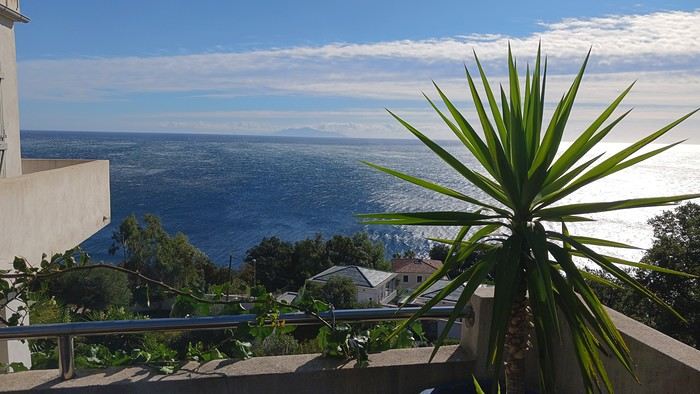
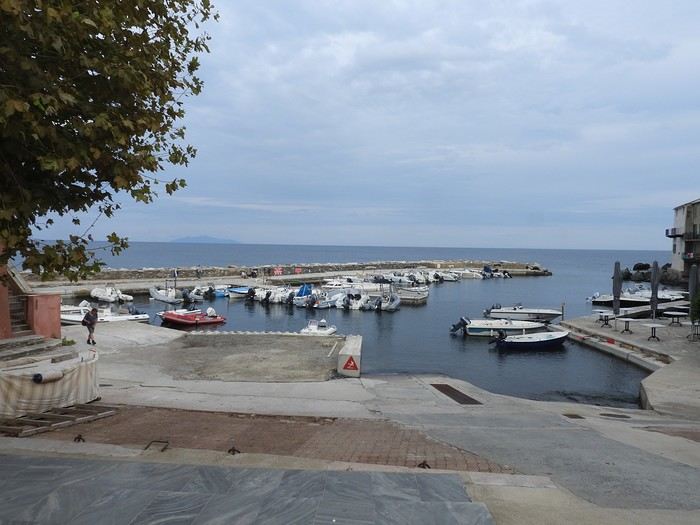
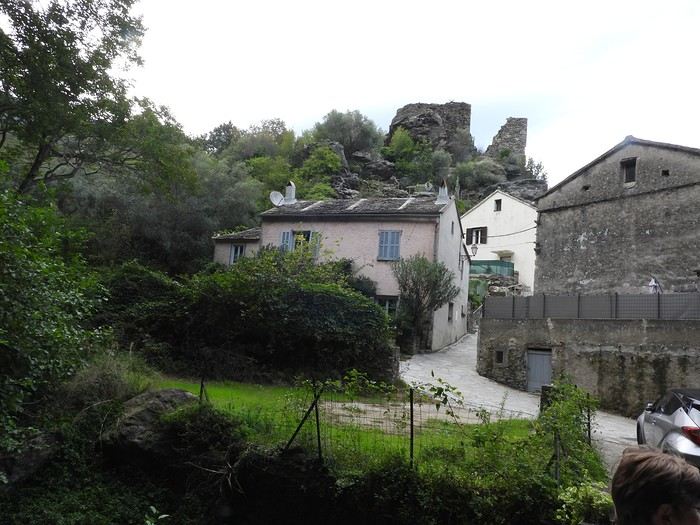
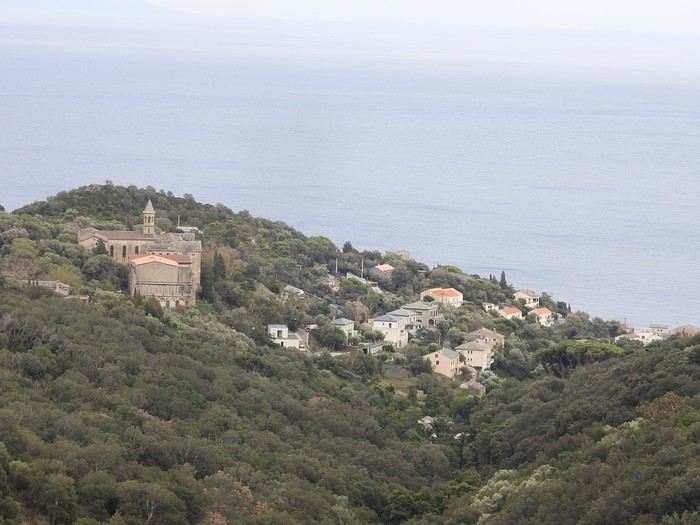
Since we’ve just arrived, Jean-Claude wants to show us his village, ERLALUNGA, a quiet little port, and the small village of CASTELLO above it, where he spent a lot of time in his childhood...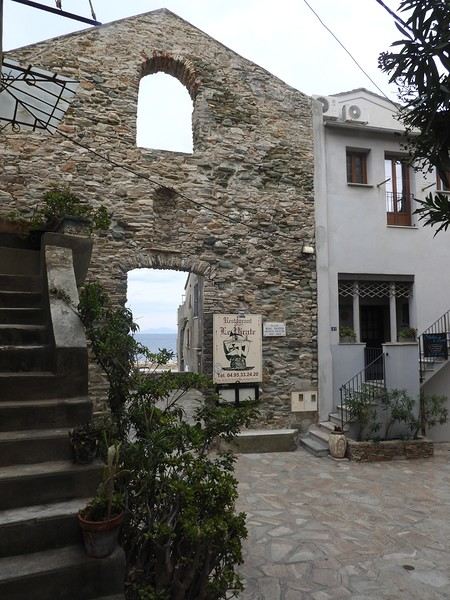

09/24 Arrival in Erbalunga Whether you're from northern France or Belgium, like us, the easiest way to reach the Isle of Beauty is by flying from Lille-Lesquin Airport. Volotea offers two destinations: Bastia and Ajaccio. Be careful, though—while the ticket prices are attractive, the airline makes up for it with baggage fees. A 25kg suitcase for 212 €—that really drives up the cost of transportation! For us, it’ll be Bastia. After this short flight and an arrival that lets you clearly see the east coast of Cap Corse, we’re welcomed by our friend Jean-Claude, who’s kindly hosting us for a few days. We met this Corsican and his wife during our four-year stay in French Guiana, and I have to say, he completely changed my opinion of Corsicans and even made me want to visit his island. The house, clinging to the rock above the sea, is stunning and offers a breathtaking view of the island of Elba. I’d always heard of Elba but must admit I wouldn’t have known where to place it before. We’ll stay here for five nights, long enough to explore the north of the island.
Since we’ve just arrived, Jean-Claude wants to show us his village, ERLALUNGA, a quiet little port, and the small village of CASTELLO above it, where he spent a lot of time in his childhood...
Hi everyone,
I’m so glad VOYAGE FORUM is back up—it’s such a lifesaver for us travelers!!
Next May, I’ll be going on a cruise on the COSTA DELIZIOSA with stopovers in SPLIT, DUBROVNIK, KOTOR, CORFU, KATAKOLON, and BARI.
Since the forum closed during COVID, all the discussions stopped at the same time. So, I’d love to hear from anyone who’s done this cruise to share some tips about the stopovers.
Thanks in advance for your help!
Hi,
I'd love to know where we can observe wildlife, birds, and nature in Colombia... Like going on a hike without a guide, immersing ourselves in the forest, far from tourist spots. I want to avoid places that are specially set up, since you usually don’t see much there.
Thanks in advance!
Bernard
Hi everyone,
I know my post might sound a bit repetitive with the questions asked regularly on this forum, but I’m feeling a little lost and thought I’d still ask for your help.
Here’s my situation:
I’m traveling to Thailand with my wife and 12-year-old son during the February 2025 school holidays. We’ll be spending 12 nights in the country.
So far, I only have our flight tickets to and from Phuket.
Now, I need to plan an itinerary that lets us discover beautiful places and the culture of this country.
I’d like to stay by the sea, with stunning fine-sand beaches and breathtaking landscapes in areas that aren’t too urban, but also be able to see some beautiful monuments, typical villages, and wildlife not too far away. That said, I don’t want to be lost deep in the jungle either—I’d like a bit of atmosphere in the evenings (no nightclubs, but rather nice bars with music).
I’ve done some research and here’s a first draft of what I might do:
Spend my first 3 nights in the suburbs of Phuket to explore the city and the province more broadly, Then head to Ko Yao Noi for 2 nights to discover the charms of Phang Nga Bay, Next, fly from Krabi to spend 4 nights on Koh Samui (maybe with a little excursion to Ko Pha Ngan?), Then fly back to Krabi to reach Koh Phi Phi for 2 nights, Finally, return to the Phuket area for my last night in Thailand to be close for my flight the next day.
The idea is to explore several places without having to pack and unpack every day, and to avoid spending hours on transport every day. What do you think? Do the places seem relevant? If so, does the number of nights seem appropriate? Thanks in advance for your help, Best regards, Lionel
Hi everyone, I’m restarting my travel reports with my 2023 trip that took me from Costa Rica to Suriname over a month and a half.
First stop: Costa Rica. I arrived in late September in San José, a city I know well and never linger in. As soon as I got off the early-morning flight, I headed to the domestic airport—just a 5-minute walk away—to catch a 45-minute flight to Puerto Limón on the Caribbean coast. The 40-minute flight in a small Cessna was fun, especially since we landed on a tiny airstrip right by the sea—it felt like landing on the beach, which immediately set the mood. Plus, I wasn’t keen on enduring the 4–5-hour bus ride to Cahuita, especially since large sections of the road were under renovation. In Cahuita (where I’ve been going every year since 2015), I stayed at Kenaki Lodge on Playa Grande. It’s a great lodge, about a 45-minute walk from Cahuita’s center, but you’re just 50 meters from the beach and usually have it all to yourself. The lodge is run by Béa, a Frenchwoman, and depending on the season, you can help release baby turtles on the beach. The room was 55 €, very spacious, and you can use the outdoor kitchen. I’d recommend it for anyone looking for peace and quiet and a private beach.
After 5 days there, I flew to Cartagena but didn’t stay overnight. Instead, I headed straight to Rincón del Mar, a 3-hour bus ride from CTG. I’d mostly heard about it from a friend who lives there and runs El Ché, a beachfront restaurant. Rincón del Mar is a tiny seaside village, very peaceful, with a pretty nice beach. There are lots of small hotels and restaurants, and it’s a spot that’s likely to grow quickly in the coming years. Note: there’s no ATM there, so you’ll need to withdraw cash in San Onofre, about 30 minutes away by moto-taxi. The round trip costs around 25,000 COP. That’s also where you catch the bus to Cartagena. For accommodations, rooms were roughly 70,000–90,000 COP, with a so-so value for the price. As for things to do, I’d recommend the tour that takes you to watch the sunset in front of Bird Island, followed by a swim in a lagoon with bioluminescent plankton. The excursion (if I remember correctly) cost around 90,000 COP.
After a week in Rincón del Mar, I headed back to Cartagena and decided to fly to Yopal to visit the Río Meta. In Yopal, you’ll need to go to the bus terminal (10 minutes by taxi from the airport). From there, I took a bus to Orocué (50,000 COP) for about a 4-hour trip—it felt endless because the road was in terrible condition. Orocué is a tiny town on the banks of the Río Meta, but it has all the essentials (hotels, restaurants, ATMs). It’s lovely to stroll along the river at sunset. There are a few small bars, the area is very natural, the sunsets are stunning, and when there are distant storms, it’s just breathtaking. For lodging, I stayed at Hotel Brisas de San Miguel. It wasn’t bad—fan-cooled room for 70,000 COP. There were quite a few mosquitoes. I spent 3 days in Orocué. If you want to swim, head to the bridge (the only one), Cano San Miguel, and on the right, there’s a swimming spot. With the heat, it’s a great way to cool off.
From Orocué, I took a fast *lancha* (boat) up the Río Meta to Puerto Carreño, in the Vichada department at the far end of Colombia. This brings you to the majestic Orinoco River, right across from Venezuela. The boat ride is long—10 hours—and costs about 60 €. We left around 6 AM, with a few stops for bathroom breaks and meals along the way. But you *must* book your spot 1–2 days in advance. To do that, go to the small square above the dock—there’s a "navigation office" there. The trip was long but enjoyable. I never get tired of river journeys.
I was happy to finally arrive in Puerto Carreño, a small border town with Venezuela. No surprise that half the population was Venezuelan. In Puerto Carreño, I stayed at Hotel Delfines del Orinoco. The room was 80,000 COP, decent, with A/C, and the best part was the pool. I spent 2 nights there. One thing you *must* do—morning and evening—is hike to the top of Cerro de la Bandera (the *cerros* are huge rock formations typical of the Orinoco region, and there are many in the area). From the summit, you get amazing 360° views of the savanna and jungle. Sunrise is especially incredible. The trail is well-marked—from downtown Puerto Carreño, it takes about 20 minutes.
Next, I spent 3 nights at Rancho Barú. About an hour by boat from Puerto Carreño, you get off at Casuarito, and someone from the lodge picks you up by motorcycle for a 30-minute ride. The ranch is in the middle of the savanna, with a river/rapids beach just a 5-minute walk away. You can also fish—bites come quickly. For the lodge, one night (room or hammock) with shared bathrooms, three meals included, one excursion, plus the round-trip motorcycle ride costs 245,000 COP. An extra night without an excursion is around 100,000 COP, but you need to let the lodge know in advance so they can prepare enough food—there’s absolutely nothing for miles around.
After those 3 great days at the ranch, I took a canoe to cross into Venezuela, since Casuarito is right across from Puerto Ayacucho. The crossing costs 10,000 COP, but I got shaken down by Venezuelan immigration, who invented a violation and made me pay $40 USD. Puerto Ayacucho didn’t inspire me much. The city felt sketchy, with many hotels closed. Dealing with currency exchange was the hardest part—you *must* bring cash (USD or Colombian pesos), know the exchange rate, and find someone with enough money to exchange with you. It took me at least 2 hours. I stayed in a decent hotel downtown for $20 USD a night, but I’ll admit that going out at night—even in Puerto Ayacucho—felt pretty dodgy. All the buildings have bars on the windows, and there weren’t many people outside. I didn’t linger and found my plans to continue south too complicated. The next day, I took a bus across the country to the Brazilian border at Santa Elena de Uairén. The trip took a day and a night, with countless military checkpoints where they made everyone get off, unload all the luggage, etc. Not exactly a fun ride.
Photos: - 2 sunrises near the Orocué dock - Storm over the savanna at Rancho Barú - View of the savanna and Orinoco near Casuarito - Photo taken during the Río Meta boat trip
After several months of delay, Madagascar has just launched an electronic entry visa for the island, available online. It allows tourists to stay for 30 (35 €), 60 (40 €), or 90 days (50 €).
Read more...
Hi everyone,
The idea of visiting Japan goes back a year now. I remember because I was looking for cheap flights to Europe from Paris. Surprisingly, the round-trip to Japan with Air China was just as affordable—if not cheaper—than many European destinations.
So, the tickets were booked. Three seats (including one for a 12-year-old), ten days over Easter 2018, AirBnB accommodation. Of course, in ten days, you visit without *really* visiting—you only scratch the surface. Just the classics: Kyoto, temples, moonlit rivers; the Shinkansen; and Tokyo, gardens, wandering, high-tech, and... maids.
I have to admit, we don’t know much about the country, and the thought of how we’d manage is a constant source of worry. What if this trip reveals my inability to open up to other cultures?
We board the first Air China flight with that question on our minds.
Hi everyone,
On August 15th, we’ll be flying from São Paulo to Salvador de Bahia (which airline should we choose?) to spend about ten days there. Since we haven’t had a vacation in two years, we’d like to avoid spending too much time on the road and instead discover some picturesque spots that aren’t too crowded with tourists... Any tips? We’re already planning to spend 2-3 days in Salvador, and then what? I think two other nearby destinations where we could wander around would be ideal: Praia do Forte, Itaparica, Loreto de São Paulo, Cachoeira, or any other must-see places?
Thanks for your help
Hello,
Departure is getting closer (September 4th), and the itinerary is now more or less set.
In two and a half months, I plan to cover:
TRUJILLO-HUARAZ - CERRO DE PASCO - HUANCAYO - AYACUCHO - CUSCO - LA PAZ Bus: LA PAZ - PUTRE Then: PUTRE - COLCHANE - UYUNI - SAN PEDRO DE ATACAMA
If I'm a bit short on time, which part of the route would you skip? Northern Chile or between Cerro de Pasco and Cusco?
If, on the other hand, I’m ahead of schedule, I might consider going from San Pedro to Salta.
That’s it—thanks for your wise advice!
Vincent