Results for "Pierre+Paul+|+6+>+177"
33288 results found.
Que faire, que voir à Marrakech? English translation pending
Bonjour !
Que faire, que voir à Marrakech ?
Recherche des idées de visites et de lieux authentiques....
Que faire, que voir à Marrakech ?
Recherche des idées de visites et de lieux authentiques....
Traveler Reviews and Recommendations for Taiwan
Hi,
My departure is coming up soon—two months backpacking in Taiwan, so much to discover! I’d love to hear about your travel experiences.
My main interests are meeting people, understanding how things work, hiking, and nature in general. I’ve also done a lot of reading about Taiwan’s complex situation. I do stone sculpture. I also want to visit Orchid Island for its history. Marie
My main interests are meeting people, understanding how things work, hiking, and nature in general. I’ve also done a lot of reading about Taiwan’s complex situation. I do stone sculpture. I also want to visit Orchid Island for its history. Marie
Retiring in Réunion: where to settle?
Hi! I’m 76 and have traveled a lot in my life, and now I’m looking to settle in Réunion.
I’ve seen a retirement community in Saint-Pierre (Ravine des Cabris) and a residence called Village d’Or in Sainte-Clotilde. I have a feeling that living in Saint-Joseph might be better. I’ve submitted both applications and would love your thoughts—also if you know of any friendly small residences for rent, or if you have experience living there.
My pension is 1,460 €.
Thanks so much for your help! Looking forward to hearing from you—warm regards to everyone
I’ve seen a retirement community in Saint-Pierre (Ravine des Cabris) and a residence called Village d’Or in Sainte-Clotilde. I have a feeling that living in Saint-Joseph might be better. I’ve submitted both applications and would love your thoughts—also if you know of any friendly small residences for rent, or if you have experience living there.
My pension is 1,460 €.
Thanks so much for your help! Looking forward to hearing from you—warm regards to everyone
Travel companions for Sri Lanka January–March 2027
Hello,
Don’t stay in the cold and damp! I’m looking for one or more people (men or women, travel companions) to spend a few weeks in South India and Sri Lanka from late January to early March.
I’m Jean Pierre, 75 years old, and I manage just fine when traveling. Phone: 0389812641 Cheers, Jean Pierre
I’m Jean Pierre, 75 years old, and I manage just fine when traveling. Phone: 0389812641 Cheers, Jean Pierre
July 2026 Photo Contest Theme: Bridges of the World
The theme for this July’s photo contest is:
Bridges of the World
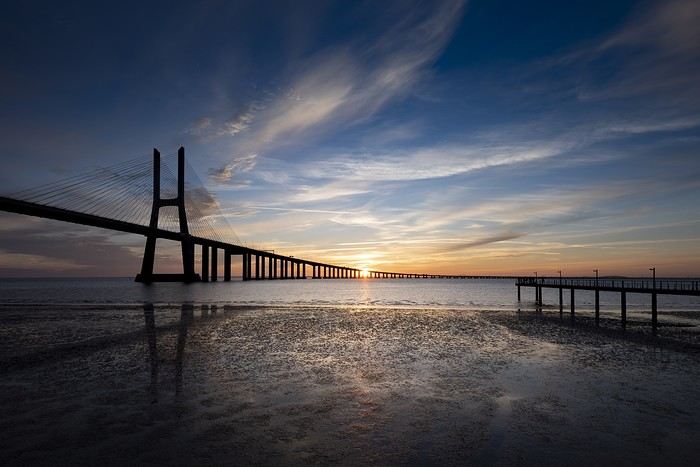 Vasco da Gama Bridge in Lisbon
Here’s the definition of a bridge: “A structure, typically made of stone, wood, or metal, that spans a depression or obstacle (such as a transportation route or waterway) by connecting the two sides or crossing over the obstacle.”
Viaducts, aqueducts, and footbridges will all be accepted.
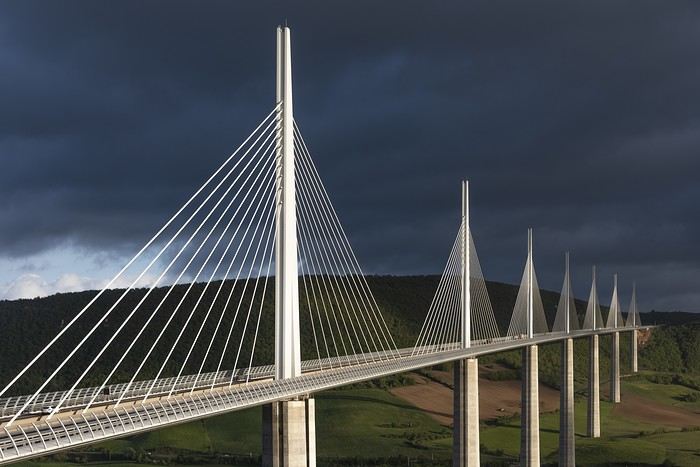 Millau Viaduct
To allow for as many original photos as possible, the bridge can be photographed from the side, below, or above—the main thing is that it’s the focal point of the image.
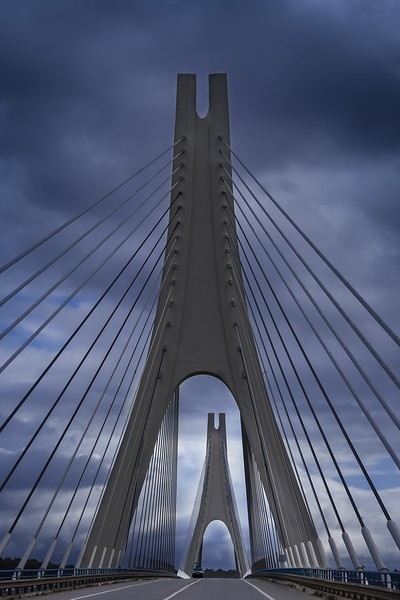 Bridge in the Algarve
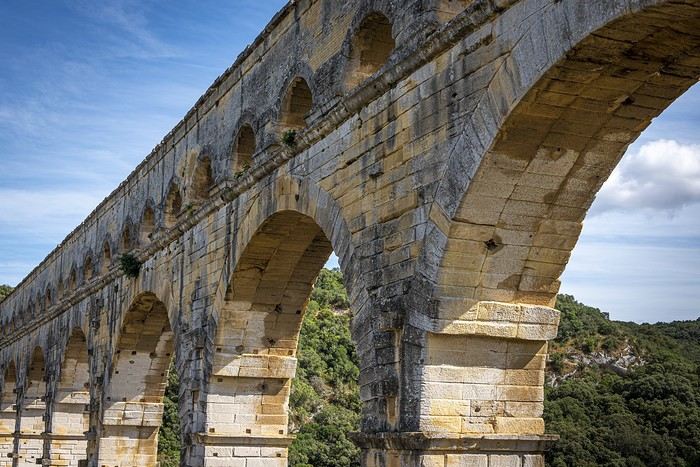 Pont du Gard from below
Details are also welcome, as long as you can still recognize it’s a bridge 😊
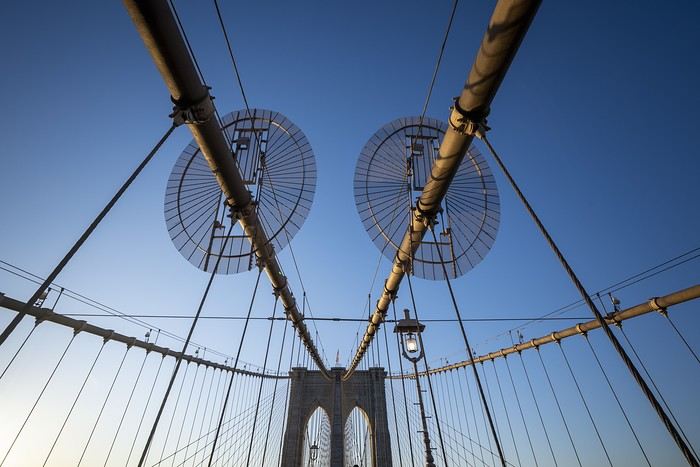 Brooklyn Bridge
Practical details:
Participation: Each VF member can submit up to 3 photos, until Sunday, 26/07 at 11:59 PM Paris time. Each photo must be posted in a separate message, with its number (1, 2, or 3). Don’t forget to add a little explanation (comment, location, etc.).
Voting: Each VF member can vote for the 3 photos they consider the best, based on their own criteria and the theme.
Voting will take place from Monday, 27/07 to Friday, 31/07 at 11:59 PM Paris time.
Selected photos should be listed in order of preference: - 1st photo: 3 points - 2nd photo: 2 points - 3rd photo: 1 point
The winner is the photographer whose photo receives the most points.
Results will be announced on 01/08. In case of a tie, the number of first-place votes will decide. The winner will have the honor of organizing August 2026’s contest.
Photos that have already been nominated (1st, 2nd, or 3rd place) in another contest are not eligible to participate in this one.
This thread is exclusively for contest submissions. Any discussions or comments should be posted in the following thread: Here
Vasco da Gama Bridge in LisbonHere’s the definition of a bridge: “A structure, typically made of stone, wood, or metal, that spans a depression or obstacle (such as a transportation route or waterway) by connecting the two sides or crossing over the obstacle.”
Viaducts, aqueducts, and footbridges will all be accepted.
Millau ViaductTo allow for as many original photos as possible, the bridge can be photographed from the side, below, or above—the main thing is that it’s the focal point of the image.
Bridge in the Algarve
Pont du Gard from belowDetails are also welcome, as long as you can still recognize it’s a bridge 😊
Brooklyn BridgePractical details:
Participation: Each VF member can submit up to 3 photos, until Sunday, 26/07 at 11:59 PM Paris time. Each photo must be posted in a separate message, with its number (1, 2, or 3). Don’t forget to add a little explanation (comment, location, etc.).
Voting: Each VF member can vote for the 3 photos they consider the best, based on their own criteria and the theme.
Voting will take place from Monday, 27/07 to Friday, 31/07 at 11:59 PM Paris time.
Selected photos should be listed in order of preference: - 1st photo: 3 points - 2nd photo: 2 points - 3rd photo: 1 point
The winner is the photographer whose photo receives the most points.
Results will be announced on 01/08. In case of a tie, the number of first-place votes will decide. The winner will have the honor of organizing August 2026’s contest.
Photos that have already been nominated (1st, 2nd, or 3rd place) in another contest are not eligible to participate in this one.
This thread is exclusively for contest submissions. Any discussions or comments should be posted in the following thread: Here
Looking for a 4x4 trail in Picos de Europa, Spain
Hi there,
I’m looking for the start of a trail in the Picos de Europa in Spain that I used over 30 years ago in a 4x4.
It began by passing under a house, and there was a café nearby.
I know it’s not much to go on, but that’s all I’ve got. The fact that the trail started by going under a house isn’t exactly common!
If anyone has any ideas, I’d really appreciate it.
Thanks in advance
I’m looking for the start of a trail in the Picos de Europa in Spain that I used over 30 years ago in a 4x4.
It began by passing under a house, and there was a café nearby.
I know it’s not much to go on, but that’s all I’ve got. The fact that the trail started by going under a house isn’t exactly common!
If anyone has any ideas, I’d really appreciate it.
Thanks in advance
What short hikes can I do around Karakol?
Hi there,
I’m looking for half-day hikes near Karakol (not Jety-Oguz, since I’ll be heading there separately—max 30 minutes’ drive to the trailhead).
I can find longer treks, but nothing for a short outing!
So, if you’ve got any ideas...
Thanks! :)
I’m looking for half-day hikes near Karakol (not Jety-Oguz, since I’ll be heading there separately—max 30 minutes’ drive to the trailhead).
I can find longer treks, but nothing for a short outing!
So, if you’ve got any ideas...
Thanks! :)
Travel Companions for South America
hi, my wife and I are planning a trip to South America for a year or more, depending on our mood. We’ll be leaving from either Cayenne or Montevideo, depending on the departure date.
We’re planning to travel around the whole continent and have plenty of experience traveling by 4x4.
If anyone’s interested in joining us for the whole trip or just part of it, leave us a message and we’ll get back to you. Possible departure at the end of 2027.
We’re planning to travel around the whole continent and have plenty of experience traveling by 4x4.
If anyone’s interested in joining us for the whole trip or just part of it, leave us a message and we’ll get back to you. Possible departure at the end of 2027.
Rome: Feedback on my 7-day itinerary
Hello,
We’re heading to Rome from 21/09, arriving in the early afternoon, and returning on 28/09, leaving in the morning. We’ve already booked our flight tickets and our accommodation in the city center: Via Ezio.
I’d love to get your feedback on our itinerary and if there are any visits we should book right now:
Monday 21 afternoon:
Largo di Torre Argentina: a sacred spot for cats.
Tuesday 22:
The Vatican: Vatican Museums and Sistine Chapel in the morning. Afternoon: St. Peter’s Basilica, the dome, and if possible, the necropolis.
Wednesday 23:
Morning: Colosseum, Roman Forum, and Palatine Hill. Afternoon: Trastevere neighborhood and the Monumento a Garibaldi.
Thursday 24:
Piazza Navona, Church of St. Louis of the French, the Pantheon, Campo de’ Fiori, Piazza Venezia, Piazza Santa Maria Maggiore, Trevi Fountain.
Friday 25:
Villa Borghese, Piazza del Popolo, Spanish Steps, Quirinale, Piazza della Repubblica, and Santa Maria degli Angeli.
Saturday 26:
Aventine and Testaccio neighborhoods, the Capuchin Crypt.
Sunday 27:
Ostia.
Monday 28:
Departure.
Are any days too packed, or should we add more visits?
Thanks for your input and help!
Cheers!
Anne
Uzbekistan/Kazakhstan border crossing
Hi, are there any travelers who’ve recently crossed the border between Karakalpakstan (Uzbekistan) and Beineu in Kazakhstan?
It was closed for a while.
Thanks for any info!
Booking visits in Rome: which providers to choose?
Hi everyone,
I’m heading back to Rome soon, but this time we’re bringing our teens. Instead of wandering the streets like I usually love doing in this city, we’ll be hitting the "must-see" sights with them: the Colosseum and the Vatican.
And that’s where it gets tricky—apparently, we need to book everything in advance. We’re getting lost among all the offers, official sites, GetYourGuide and the like, packages, with prices ranging from one to three times as much and different tour options...
Could you share your booking experiences for: - Colosseum visit, including the underground level - St. Peter’s Basilica, including the dome - Vatican Museums
Thanks! 🙂
I’m heading back to Rome soon, but this time we’re bringing our teens. Instead of wandering the streets like I usually love doing in this city, we’ll be hitting the "must-see" sights with them: the Colosseum and the Vatican.
And that’s where it gets tricky—apparently, we need to book everything in advance. We’re getting lost among all the offers, official sites, GetYourGuide and the like, packages, with prices ranging from one to three times as much and different tour options...
Could you share your booking experiences for: - Colosseum visit, including the underground level - St. Peter’s Basilica, including the dome - Vatican Museums
Thanks! 🙂
Where to go with the family in summer 2026: Madeira or Guadeloupe?
Hi there,
We’re a family of five (our kids are 6, 15, and 19) and we’d love to go somewhere warm with our feet in the water during the first two weeks of August 2026. We’d also like to do some cultural visits and a bit of hiking. We were thinking of Guadeloupe—I know it’s not the ideal time of year, but we don’t have much flexibility. Is it really a bad idea, or can we still enjoy it despite the weather?
Another option for us would be Madeira, which seems more reliable weather-wise, but it sounds like the beaches are less accessible and not as nice.
We haven’t really looked elsewhere because everything else (except the Canary Islands, Balearics, or Corsica) seems way too expensive. But if you’ve got any recommendations, don’t hesitate—we’re just starting to look into it.
Thanks so much,
Pierre
We’re a family of five (our kids are 6, 15, and 19) and we’d love to go somewhere warm with our feet in the water during the first two weeks of August 2026. We’d also like to do some cultural visits and a bit of hiking. We were thinking of Guadeloupe—I know it’s not the ideal time of year, but we don’t have much flexibility. Is it really a bad idea, or can we still enjoy it despite the weather?
Another option for us would be Madeira, which seems more reliable weather-wise, but it sounds like the beaches are less accessible and not as nice.
We haven’t really looked elsewhere because everything else (except the Canary Islands, Balearics, or Corsica) seems way too expensive. But if you’ve got any recommendations, don’t hesitate—we’re just starting to look into it.
Thanks so much,
Pierre
Info on the Cederberg
Hello
Now that the Kruger part is (almost) wrapped up, I’m looking at the "Cape region" section.
The idea of spending 2 days (well, more like 2 nights and 1.5 days) in the Cederberg is really tempting 😎.
I’ve reread the posts about it—more or less (actually, more less than more)—and I still have quite a few questions: - Where’s the best area to stay? Initially, I was looking at Kagga Kama, but I’m not sure if it’s worth the cost (or the trip, for that matter), or maybe Mount Ceder? Or somewhere else (without driving 6 or 8 hours from CT 😉)? The plan is to get there in a sedan (if possible), see some beautiful landscapes, and do one or two hikes (nothing too tough 😛). - I read that you need a permit to hike there... where do you buy it? (At the entrance, like in Kruger? 🤪) - Is October a good time for the weather (theoretically...)?
Now that the Kruger part is (almost) wrapped up, I’m looking at the "Cape region" section.
The idea of spending 2 days (well, more like 2 nights and 1.5 days) in the Cederberg is really tempting 😎.
I’ve reread the posts about it—more or less (actually, more less than more)—and I still have quite a few questions: - Where’s the best area to stay? Initially, I was looking at Kagga Kama, but I’m not sure if it’s worth the cost (or the trip, for that matter), or maybe Mount Ceder? Or somewhere else (without driving 6 or 8 hours from CT 😉)? The plan is to get there in a sedan (if possible), see some beautiful landscapes, and do one or two hikes (nothing too tough 😛). - I read that you need a permit to hike there... where do you buy it? (At the entrance, like in Kruger? 🤪) - Is October a good time for the weather (theoretically...)?
Itinérance Festival 2026 – April 24–26, 2026
Itinérance Festival in Cornimont, Vosges, will return from April 24 to 26, 2026. The success of the 2025 edition confirmed the desire to continue the adventure.
Dedicated to human-powered travel, this year’s festival will feature a smaller but highly complementary lineup of speakers. A single guest may discuss bike or foot journeys, long-distance trekking across major European or remote mountain ranges, or even mountaineering. The sea will also be a key theme.
Most speakers are travel writers, and storytelling will take center stage—especially with Pierre Herant, a sought-after author among publishers. Among the standout topics, resilience in the face of illness will be explored through Alexandra Husta’s epic cycling journeys. Extreme travel will also be highlighted, driven by Blandine Dupuis’s physical and moral commitment. Hugo Faivre is biking across France to meet bears in the Pyrenees. Luc Devors will delve into the bonds formed with companions during demanding projects, while Julien Humbert will discuss the challenges of leaving home and being away for years. Sailors Gilles Jaulet will share his sailing experiences, and Guy Lecointre will recount his solo sea-kayak expedition to Cape Horn with total autonomy. All speakers will also share their solo travel experiences.
A special family session on Friday afternoon will let kids ask questions and chat freely with the speakers. Photographic exhibitions will round out the program, including one on Vosges mountain wildlife by a Cornimont native, whose close connection with wild animals is striking.
True to the 2025 edition, sunrise hikes will return on Saturday, April 25, and Sunday, April 26, to the town’s high points. These unique moments will combine landscape discovery—guided by a local expert—with readings from works by attending travel writers.
Cornimont’s town hall will provide its spacious polyactivity center, and admission will remain free, as in 2025. The association Cook’ Events Services, led by Nadège Perrier, will run the bar and catering, with proceeds supporting initiatives for people with disabilities.
Whether scaling rock faces, thriving on trails, hitting the road, or sailing the seas, the festival’s celebration of travel reminds us that age is never a barrier to exploring our world.
Dedicated to human-powered travel, this year’s festival will feature a smaller but highly complementary lineup of speakers. A single guest may discuss bike or foot journeys, long-distance trekking across major European or remote mountain ranges, or even mountaineering. The sea will also be a key theme.
Most speakers are travel writers, and storytelling will take center stage—especially with Pierre Herant, a sought-after author among publishers. Among the standout topics, resilience in the face of illness will be explored through Alexandra Husta’s epic cycling journeys. Extreme travel will also be highlighted, driven by Blandine Dupuis’s physical and moral commitment. Hugo Faivre is biking across France to meet bears in the Pyrenees. Luc Devors will delve into the bonds formed with companions during demanding projects, while Julien Humbert will discuss the challenges of leaving home and being away for years. Sailors Gilles Jaulet will share his sailing experiences, and Guy Lecointre will recount his solo sea-kayak expedition to Cape Horn with total autonomy. All speakers will also share their solo travel experiences.
A special family session on Friday afternoon will let kids ask questions and chat freely with the speakers. Photographic exhibitions will round out the program, including one on Vosges mountain wildlife by a Cornimont native, whose close connection with wild animals is striking.
True to the 2025 edition, sunrise hikes will return on Saturday, April 25, and Sunday, April 26, to the town’s high points. These unique moments will combine landscape discovery—guided by a local expert—with readings from works by attending travel writers.
Cornimont’s town hall will provide its spacious polyactivity center, and admission will remain free, as in 2025. The association Cook’ Events Services, led by Nadège Perrier, will run the bar and catering, with proceeds supporting initiatives for people with disabilities.
Whether scaling rock faces, thriving on trails, hitting the road, or sailing the seas, the festival’s celebration of travel reminds us that age is never a barrier to exploring our world.
Condition of the Djalalabad-Kazarman track
Hello,
New year, new questions...😛
Since the Chinese highway isn’t finished yet (opening postponed year after year), I’m wondering what condition this track is in come June?
I’m a bit worried that the snowmelt might completely soak the track—or even that the snow might still be clinging to the mountainside near the pass...
Thanks 🙂
New year, new questions...😛
Since the Chinese highway isn’t finished yet (opening postponed year after year), I’m wondering what condition this track is in come June?
I’m a bit worried that the snowmelt might completely soak the track—or even that the snow might still be clinging to the mountainside near the pass...
Thanks 🙂
Kerala as Seen by AI: Pretty, Hollow, and Desperately Standard
Why a local expert will never give you the same trip
Type “Kerala trip 15 days” into a search engine, or ask an AI for advice.
Here’s what you’ll get:
“Day 1: Cochin. Day 3: Munnar. Day 6: Thekkady. Day 9: Backwaters. Day 11: Beach.”
A perfectly polished itinerary, calibrated, with no wrong notes.
And completely interchangeable: whether you’re Pierre, Marie, or a group of 40 people, it’s the same copy-paste.
Smooth, safe, marketable... and devoid of meaning.
That’s what we call automated travel.
It “works,” yes.
But it doesn’t resonate.
Kerala from a brochure: when the dream becomes a product Munnar, Periyar, Alleppey, Marari... Exotic names lined up like on a TV show. Buses drop you off, photos follow one after another, the backwaters suffocate under engines and waste. Even Ayurveda is sold à la carte—“60-minute massage” instead of “a path to healing.” This is consumed Kerala, the one that promises “authenticity” but destroys what it claims to admire. And it’s not the travelers’ fault. It’s the system’s fault: cloned, standardized offers, disconnected from the ground.
What if? What if, instead of following the well-trodden paths, we dared to open another map of Kerala? A Kerala that’s quieter, greener, more human. Villages in the hills of Wayanad, tea plantations where leaves are still hand-picked, families who cook Ayurveda daily, markets where no one thinks of “Instagram.” There’s also Vagamon, Munroe Island, Athirappally, and so many others. This Kerala isn’t found in brochures or in the automated responses of forums or AIs. It’s discovered in slowness, in exchange, in connection.
I used to plan my trips to India myself, searching for authentic experiences. Then I realized that sometimes, you need to be accompanied—not to be guided, but to be introduced. Because a good local expert doesn’t impose an itinerary: they open doors. So I decided to become that travel facilitator—the one I was looking for. Because the India I’ve lived in daily for 25 years, I don’t want to reduce it to an AI. I’m Véro. And I’m available if you’d like to ask me questions. Photo credit: Frédéric Soltan
Kerala from a brochure: when the dream becomes a product Munnar, Periyar, Alleppey, Marari... Exotic names lined up like on a TV show. Buses drop you off, photos follow one after another, the backwaters suffocate under engines and waste. Even Ayurveda is sold à la carte—“60-minute massage” instead of “a path to healing.” This is consumed Kerala, the one that promises “authenticity” but destroys what it claims to admire. And it’s not the travelers’ fault. It’s the system’s fault: cloned, standardized offers, disconnected from the ground.
What if? What if, instead of following the well-trodden paths, we dared to open another map of Kerala? A Kerala that’s quieter, greener, more human. Villages in the hills of Wayanad, tea plantations where leaves are still hand-picked, families who cook Ayurveda daily, markets where no one thinks of “Instagram.” There’s also Vagamon, Munroe Island, Athirappally, and so many others. This Kerala isn’t found in brochures or in the automated responses of forums or AIs. It’s discovered in slowness, in exchange, in connection.
I used to plan my trips to India myself, searching for authentic experiences. Then I realized that sometimes, you need to be accompanied—not to be guided, but to be introduced. Because a good local expert doesn’t impose an itinerary: they open doors. So I decided to become that travel facilitator—the one I was looking for. Because the India I’ve lived in daily for 25 years, I don’t want to reduce it to an AI. I’m Véro. And I’m available if you’d like to ask me questions. Photo credit: Frédéric Soltan
Buying hiking shoes
Hi there,
I go on mountain hikes lasting about ten days with a backpack that doesn’t exceed 11 kg. I’d like to switch to a different category of shoes now. Up until now, I’ve been using semi-rigid leather mid-height models, but I’ve had major after-sales service issues with them. They’ve been sent back for repairs three times—5 months, then 6 months of waiting—because the toe cap came unstuck. It just doesn’t hold up.
I’m thinking of switching to mid-height or even low-cut models. But I’m wondering if this change comes with any risks. Also, which category would be best suited: trail shoes, approach shoes, or mid-height? Thanks in advance for your insights!
I go on mountain hikes lasting about ten days with a backpack that doesn’t exceed 11 kg. I’d like to switch to a different category of shoes now. Up until now, I’ve been using semi-rigid leather mid-height models, but I’ve had major after-sales service issues with them. They’ve been sent back for repairs three times—5 months, then 6 months of waiting—because the toe cap came unstuck. It just doesn’t hold up.
I’m thinking of switching to mid-height or even low-cut models. But I’m wondering if this change comes with any risks. Also, which category would be best suited: trail shoes, approach shoes, or mid-height? Thanks in advance for your insights!
Desert itinerary: Uzbekistan & Mangystau
Hi there,
After a long absence, I’m back on this forum where I used to post under the username NealMorse (mostly about off-the-beaten-path spots in the American West...).
I’m planning a trip to Uzbekistan—details still up in the air (8–10 days)—but I’d love to combine it with a stop in Kazakhstan at Mangystau (5–7 days).
One of my main reasons for traveling is to seek out and photograph deserts, especially dramatic landscapes. Mangystau fits the bill perfectly!
Has anyone here got any tips for this trip, especially how to connect the two countries? Thanks in advance
I’m planning a trip to Uzbekistan—details still up in the air (8–10 days)—but I’d love to combine it with a stop in Kazakhstan at Mangystau (5–7 days).
One of my main reasons for traveling is to seek out and photograph deserts, especially dramatic landscapes. Mangystau fits the bill perfectly!
Has anyone here got any tips for this trip, especially how to connect the two countries? Thanks in advance
Thailand and TDAC: How does it work?
Hello to all the Thailand regulars.
I’ve been to Thailand several times, but it was about 20 years ago…
There’s a new system in place now, it seems.
TDAC – Thailand Digital Arrival Card.
Before arriving, I apply for a TDAC, okay. If during my stay I cross the border to spend a few days in Malaysia and then re-enter Thailand, do I need to submit a new TDAC application? Do I use the same TDAC as when I first entered the country?
Or do I initially have to pay for a Thai multi-entry visa?
Thanks in advance for your insights—I can’t find the answer online.
Pierre
I’ve been to Thailand several times, but it was about 20 years ago…
There’s a new system in place now, it seems.
TDAC – Thailand Digital Arrival Card.
Before arriving, I apply for a TDAC, okay. If during my stay I cross the border to spend a few days in Malaysia and then re-enter Thailand, do I need to submit a new TDAC application? Do I use the same TDAC as when I first entered the country?
Or do I initially have to pay for a Thai multi-entry visa?
Thanks in advance for your insights—I can’t find the answer online.
Pierre
Holiday in Brittany: Pink Granite Coast and Cornwall
We were invited to a friend’s wedding in this beautiful part of Brittany, so we took the opportunity to spend a few days there—first on the Pink Granite Coast and then in Cornwall.
Our friends, who are from the Trégor region, had found us a really nice little gîte in Tonquédec, just a stone’s throw from the coast. It was the perfect base for exploring the area’s iconic sites. We stayed in a lovely little house that combined authenticity, comfort, elegance, and tranquility.
Our first trip to the coast was to Ploumanac’h, a small village we discovered thanks to Stéphane Bern’s show. It’s an adorable little fishing port where we parked the car before continuing on foot along the sea. It’s charming—more than that, it’s magical!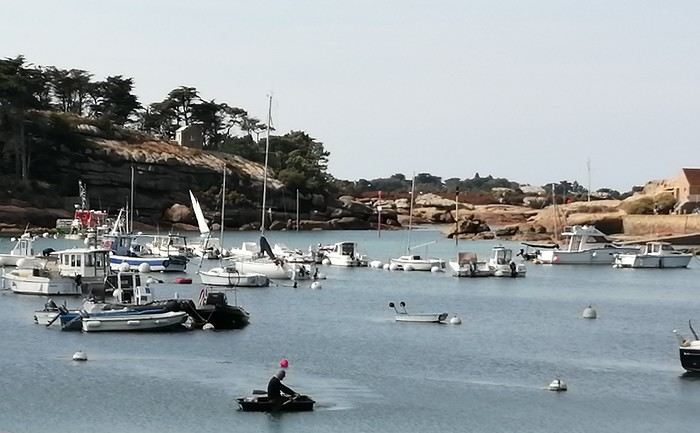
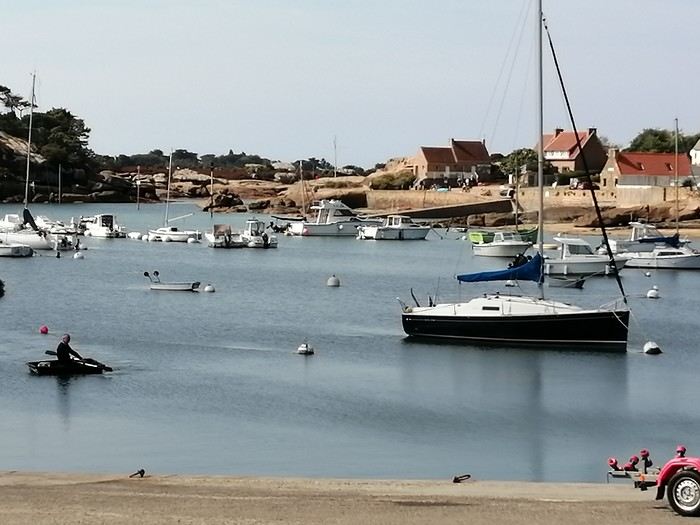
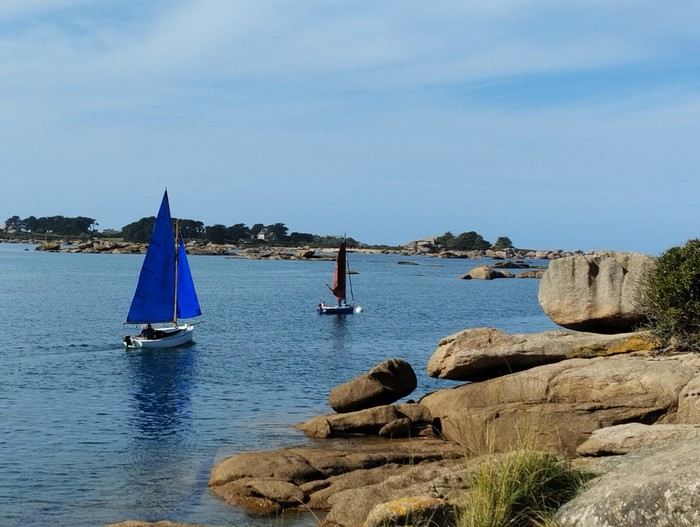
Our first walk, our first hike along the coastal path, and our first photos of these massive rocks bathed in light.
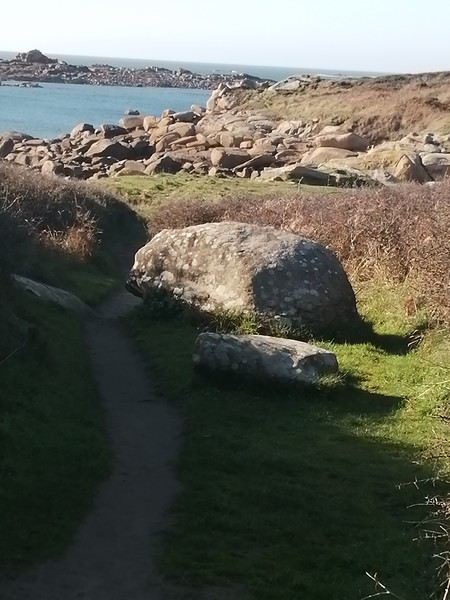
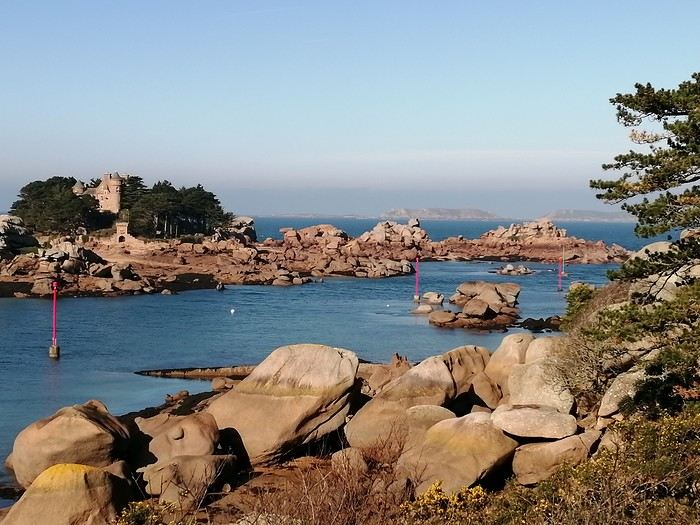
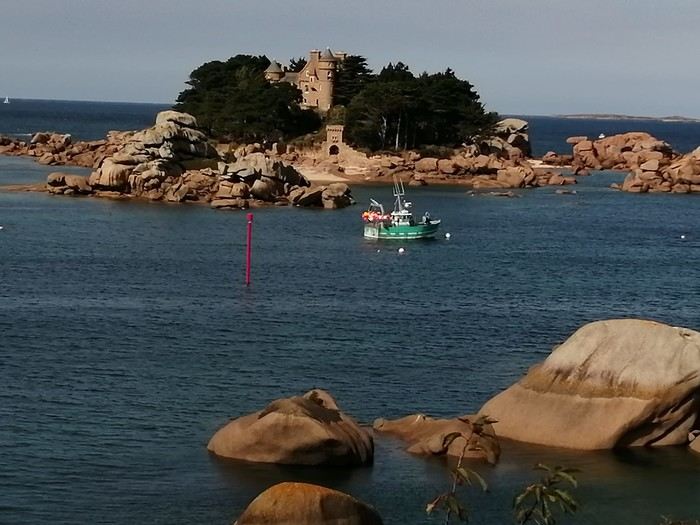
The views change with every turn, and so do the surprises—especially the view of the Château de Costaérès.
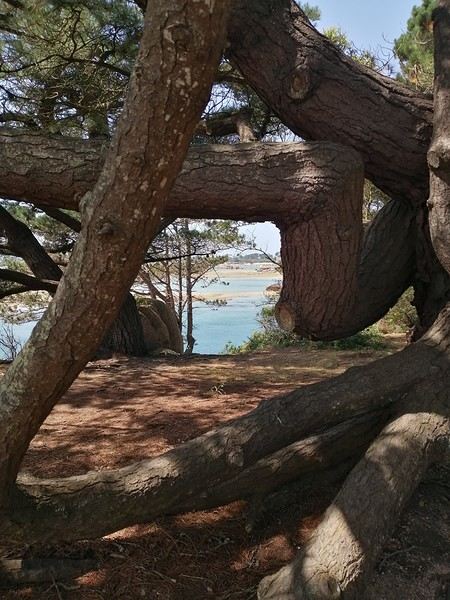
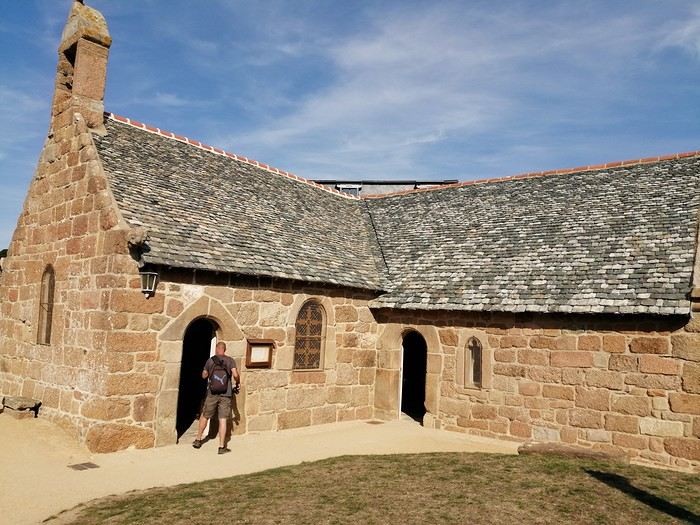
 The path through the woods leads us to the Chapel of Saint Guirec, which overlooks the beach.
This pretty little beach is famous for its oratory, which sits in the middle of the sand and houses the statue of St. Guirec. In the past, young women hoping to marry within the year would often pray to him—they’d stick a needle into his nose! Today, the statue is made of stone, but back then, it was wooden, which must’ve made it easier.
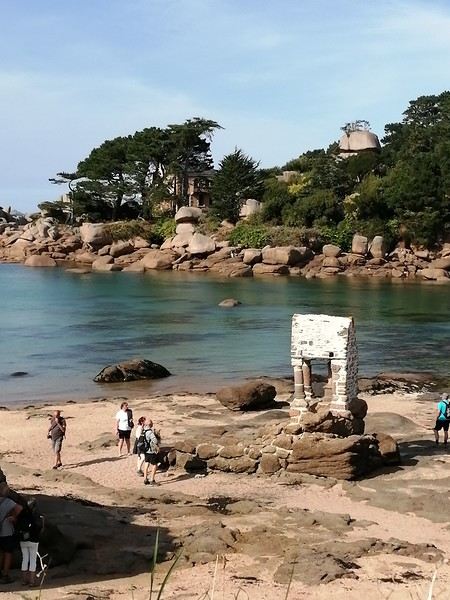
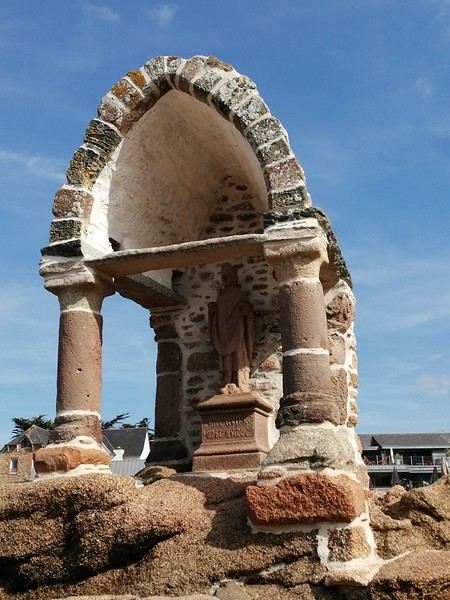
It’s really charming, well-sheltered, and the water is crystal clear. We noticed that everywhere we went!
Our first trip to the coast was to Ploumanac’h, a small village we discovered thanks to Stéphane Bern’s show. It’s an adorable little fishing port where we parked the car before continuing on foot along the sea. It’s charming—more than that, it’s magical!
Our first walk, our first hike along the coastal path, and our first photos of these massive rocks bathed in light.
The views change with every turn, and so do the surprises—especially the view of the Château de Costaérès.
The path through the woods leads us to the Chapel of Saint Guirec, which overlooks the beach.This pretty little beach is famous for its oratory, which sits in the middle of the sand and houses the statue of St. Guirec. In the past, young women hoping to marry within the year would often pray to him—they’d stick a needle into his nose! Today, the statue is made of stone, but back then, it was wooden, which must’ve made it easier.
It’s really charming, well-sheltered, and the water is crystal clear. We noticed that everywhere we went!
One-day itinerary in Zagreb
Hi everyone.
With the kids getting older, I’ve finally decided to head somewhere a bit more exotic than our usual (and wonderful) Brittany. We’ve chosen to visit Austria and Slovenia, with a little detour through Zagreb. We’ll be spending a day there, and I’d love to make sure we don’t miss anything. Here’s my little plan—let me know what you think!
- Parking between Ridnjack Park and Zagreb Cathedral - Quick stroll through Dolac Market - Visit Kamenita Vrata (Stone Gate) - Saint Catherine’s Church - Head to Lotrščak Tower: at noon for the cannon firing. - Walk through Grič Tunnel - Head down to Ban Jelačić Square - Then visit Zrinjevac Park (its monuments and beautiful facades) - Head back north to see St. Mark’s Church - Tkalčićeva Street (pedestrian street) and Opatovina Park
There we go... I’ve definitely forgotten a ton of things... What do you think? Thanks!
Stéphane.
With the kids getting older, I’ve finally decided to head somewhere a bit more exotic than our usual (and wonderful) Brittany. We’ve chosen to visit Austria and Slovenia, with a little detour through Zagreb. We’ll be spending a day there, and I’d love to make sure we don’t miss anything. Here’s my little plan—let me know what you think!
- Parking between Ridnjack Park and Zagreb Cathedral - Quick stroll through Dolac Market - Visit Kamenita Vrata (Stone Gate) - Saint Catherine’s Church - Head to Lotrščak Tower: at noon for the cannon firing. - Walk through Grič Tunnel - Head down to Ban Jelačić Square - Then visit Zrinjevac Park (its monuments and beautiful facades) - Head back north to see St. Mark’s Church - Tkalčićeva Street (pedestrian street) and Opatovina Park
There we go... I’ve definitely forgotten a ton of things... What do you think? Thanks!
Stéphane.
Is it still possible to travel in Ecuador?
Hi everyone, is it still possible to travel in Ecuador outside the Amazon region? If so, do you have a reliable agency to recommend? All your recent experiences from the past few months would be greatly appreciated. Thanks so much
Route from Calvi to Sagone without the Piana calanques
hi there, we're heading to Corsica for 3 weeks in early June and we'll be arriving in Calvi. Then we plan to head down to Sagone—what route should we take? We're a bit nervous about going through the Piana calanques because of the narrow roads. Thanks for your tips!
Hertz Agency in Hotels in Los Angeles
Hi there,
I need to book an SUV in Los Angeles for about 5 weeks, and for various reasons, it’ll be with Hertz. Traditionally, I pick up the vehicle at the airport agency, which I reach by shuttle.
But I’ve noticed that the rate drops by about a third if I pick up the vehicle either at the Marriott hotel at the airport or at the nearby Westin hotel (both hotels are also accessible by shuttle and have a Hertz agency). The selection is probably smaller, and most importantly, I don’t know if these off-site agencies are reliable.
What do you think? Has anyone here had the chance to test them? Thanks in advance!
J-Pierre 3.14
I need to book an SUV in Los Angeles for about 5 weeks, and for various reasons, it’ll be with Hertz. Traditionally, I pick up the vehicle at the airport agency, which I reach by shuttle.
But I’ve noticed that the rate drops by about a third if I pick up the vehicle either at the Marriott hotel at the airport or at the nearby Westin hotel (both hotels are also accessible by shuttle and have a Hertz agency). The selection is probably smaller, and most importantly, I don’t know if these off-site agencies are reliable.
What do you think? Has anyone here had the chance to test them? Thanks in advance!
J-Pierre 3.14
Algeria Visa from Quebec
Hi,
Has anyone had recent experience applying for a tourist visa to Algeria from Quebec, specifically at the consulate in Montreal?
How long does it take? The consulate’s website says 2 to 3 weeks. Is that accurate?
Is it possible to apply by mail? A travel agency told me it’s unrealistic.
What’s the maximum number of days you’ve been granted?
Thanks,
Pierre Racine
Has anyone had recent experience applying for a tourist visa to Algeria from Quebec, specifically at the consulate in Montreal?
How long does it take? The consulate’s website says 2 to 3 weeks. Is that accurate?
Is it possible to apply by mail? A travel agency told me it’s unrealistic.
What’s the maximum number of days you’ve been granted?
Thanks,
Pierre Racine
Climbing Haut-Folin via the southern route, in stages
Hello everyone,
I’m so happy to share my climb with you, and if it inspires you to take it on, then it’ll be a success. Sometimes I’ll use the local language because I think it’s essential to connect with the people we meet along the way.
This adventure took place last year, just before winter, right after summer, and smack in the middle of autumn. That really sets the time of year. After climbing Mont-Beuvray—a story I shared here ages ago—I decided to tackle a much more adventurous peak: the summit of Haut-Folin, which rises to 901 m, and that’s no small feat, let’s be honest. It’s located in the Bois du Roi massif. Up there, you often brush against the clouds, which seem to take a mischievous pleasure in wrapping around you.
I’m going fully self-sufficient—no porters, no guide, no cook. I’m just treating myself to a very short approach flight. The flight is early in the morning on a small plane, the *Spirit of St Bernadette*, and it’s perfect. I’ll enjoy watching it deliver mail in the mountains. The pilot will drop me off at the hamlet of *La Pierre en Eau*, near Anost, a small village at the foot of this forest-covered giant.
Physical condition I’m now really seasoned for such an expedition because I’ve trained every day by walking to the village grocery store—round trip, in all weather, that’s 2.1 km. The 451 m elevation gain won’t be a problem for me. .../...
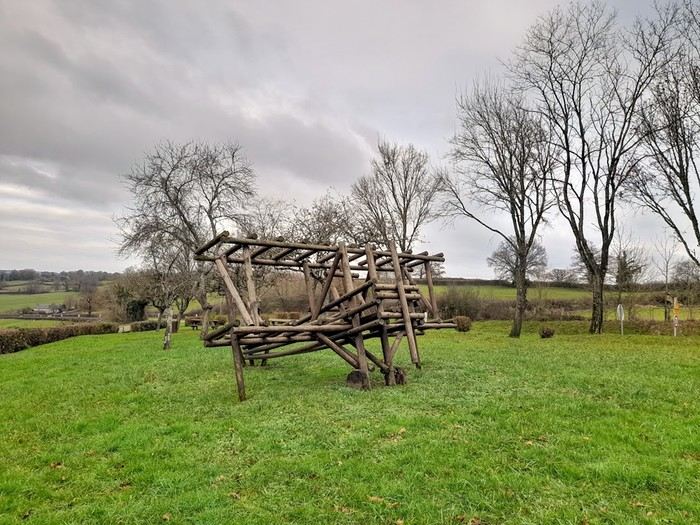
I’m so happy to share my climb with you, and if it inspires you to take it on, then it’ll be a success. Sometimes I’ll use the local language because I think it’s essential to connect with the people we meet along the way.
This adventure took place last year, just before winter, right after summer, and smack in the middle of autumn. That really sets the time of year. After climbing Mont-Beuvray—a story I shared here ages ago—I decided to tackle a much more adventurous peak: the summit of Haut-Folin, which rises to 901 m, and that’s no small feat, let’s be honest. It’s located in the Bois du Roi massif. Up there, you often brush against the clouds, which seem to take a mischievous pleasure in wrapping around you.
I’m going fully self-sufficient—no porters, no guide, no cook. I’m just treating myself to a very short approach flight. The flight is early in the morning on a small plane, the *Spirit of St Bernadette*, and it’s perfect. I’ll enjoy watching it deliver mail in the mountains. The pilot will drop me off at the hamlet of *La Pierre en Eau*, near Anost, a small village at the foot of this forest-covered giant.
Physical condition I’m now really seasoned for such an expedition because I’ve trained every day by walking to the village grocery store—round trip, in all weather, that’s 2.1 km. The 451 m elevation gain won’t be a problem for me. .../...
Authentic Greece: Immersion in the Hellenic Soul
Beyond Athens' iconic sites and Santorini's popular beaches, Greece reveals its hidden treasures to those who dare venture off the beaten path. FairMoove travel agency offers eco-responsible stays in Greece for an authentic experience at the heart of Hellenic traditions.
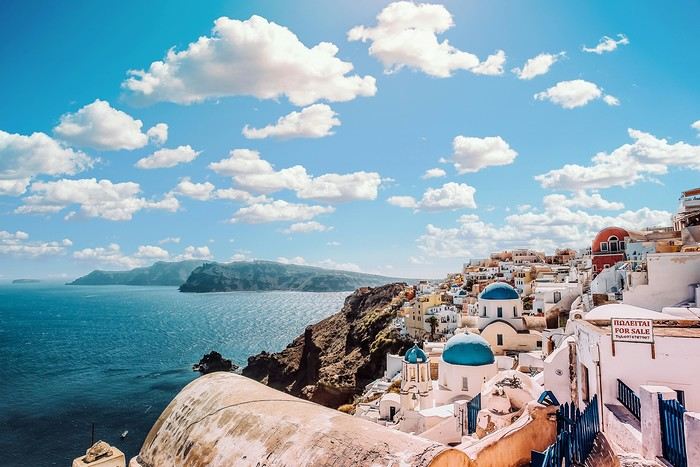
Authentic Peloponnese: A Land of Living Traditions
The Peloponnese peninsula is home to traditional villages where time seems to have stood still. In Dimitsana, perched in the Arcadian mountains, locals keep centuries-old traditions alive in their craft workshops. The cobbled streets echo with the sound of traditional looms, where artisans still create textiles using age-old methods.
In the Mani region, ancient stone towers tell the story of an untamed land. Local families welcome you into their traditional homes to share their culinary art: olive oil preparation, olive bread making, and dolmades crafted according to recipes passed down through generations. The Unknown Islands: Preserved Jewels of the Aegean Sea
Far from Mykonos' hustle and bustle, Ikaria island reveals its longevity secrets. This blue island, known for its inhabitants' exceptional lifespan, invites you to discover a unique way of life. Join the panigiria, traditional festivals where the entire community gathers to dance, sing, and share local dishes prepared in large communal ovens.
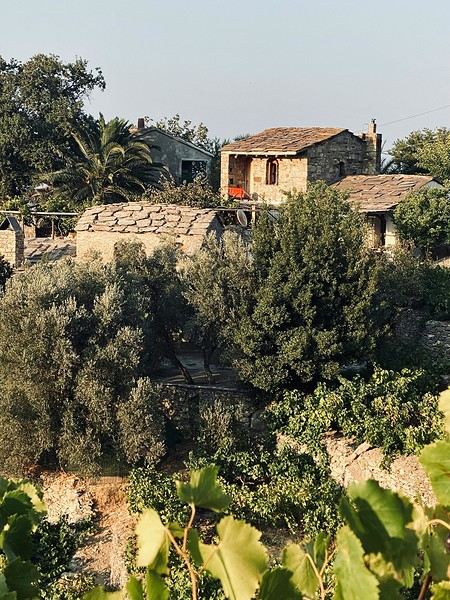
On Lemnos island, fishermen introduce you to their traditional sustainable fishing techniques. The ancient salt pans, still in operation, bear witness to ancestral know-how. In family-run tavernas by the harbor, taste thallasomelo, a unique sea honey produced by bees foraging on wild thyme from coastal cliffs. Greek Macedonia: A Living Heritage
In the northern mountains, the villages of Zagoria preserve their characteristic stone architecture. Eighteenth-century arched bridges still span deep gorges, showcasing a unique construction art. Locals invite you to discover medicinal herb gathering and traditional herbal tea preparation, knowledge passed down through generations.
In Nymfaio, a village perched at 1,350 meters altitude, ecotourism initiatives help preserve the natural habitat of brown bears. Traditional stone guesthouses offer an ideal base for exploring the region and observing wildlife in its natural environment. Agritourism and Authentic Rural Life
Traditional farms in Thessaly open their doors to travelers eager to discover sustainable agriculture. Participate in the autumn olive harvest, traditional feta cheese making, or the cultivation of aromatic herbs that flavor Greek cuisine. These experiences not only support the local economy but also help preserve ancestral farming practices.
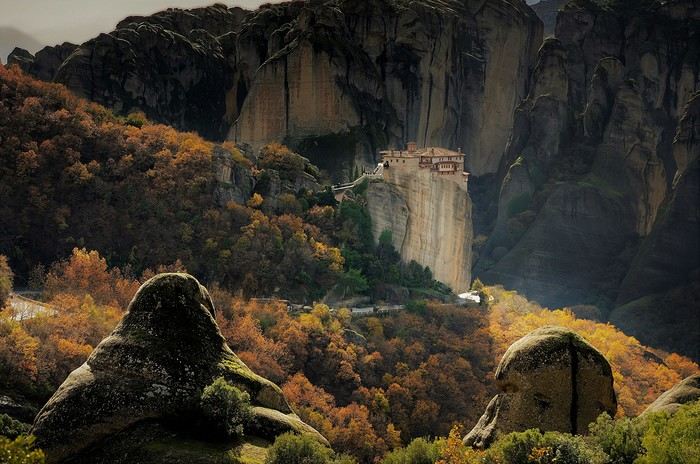
Traditional Festivals and Local Celebrations
The Greek calendar is marked by authentic celebrations that vary by region. In Pelion, the Goat Carnival transforms villages into living theater stages, where pagan traditions blend with Christian folklore. On Syros, the rebetiko festival lets you discover this UNESCO-listed music in its original context. Sustainable Initiatives and Heritage Preservation
Many Greek communities are committed to sustainable tourism projects. On Thirassia, Santorini's lesser-known neighbor, a traditional troglodyte house rehabilitation project allows visitors to stay in authentic dwellings while contributing to architectural heritage preservation. Supporting Local Communities
Women's cooperatives, particularly active in rural areas, offer traditional craft workshops. In Arnaia, Chalkidiki, learn to weave on traditional looms or prepare preserves using age-old methods. These initiatives help women maintain economic independence while preserving local traditions.
For more responsible tourism, many accommodations adopt eco-friendly practices. Using local products, sustainable water management, and solar energy production are among the initiatives that help preserve places' authenticity while respecting the environment.
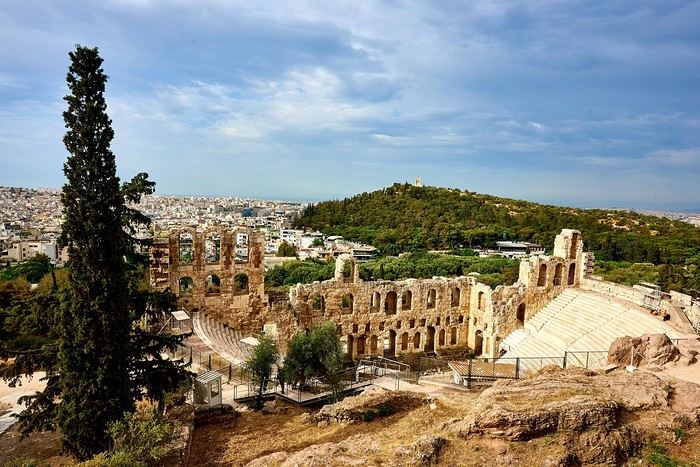
Tips for an Authentic Trip
To discover the real Greece, choose off-season stays from October to April. Milder temperatures and fewer crowds allow for more authentic encounters with locals. Opt for small family-run guesthouses and host tables that offer true immersion in local culture.
Greece's regions thus invite you to discover another facet of this millennia-old country, far from tourist clichés. Each village, each island, each mountain holds authentic treasures waiting to be discovered by travelers who respect traditions and the environment.
Authentic Peloponnese: A Land of Living Traditions
The Peloponnese peninsula is home to traditional villages where time seems to have stood still. In Dimitsana, perched in the Arcadian mountains, locals keep centuries-old traditions alive in their craft workshops. The cobbled streets echo with the sound of traditional looms, where artisans still create textiles using age-old methods.
In the Mani region, ancient stone towers tell the story of an untamed land. Local families welcome you into their traditional homes to share their culinary art: olive oil preparation, olive bread making, and dolmades crafted according to recipes passed down through generations. The Unknown Islands: Preserved Jewels of the Aegean Sea
Far from Mykonos' hustle and bustle, Ikaria island reveals its longevity secrets. This blue island, known for its inhabitants' exceptional lifespan, invites you to discover a unique way of life. Join the panigiria, traditional festivals where the entire community gathers to dance, sing, and share local dishes prepared in large communal ovens.
On Lemnos island, fishermen introduce you to their traditional sustainable fishing techniques. The ancient salt pans, still in operation, bear witness to ancestral know-how. In family-run tavernas by the harbor, taste thallasomelo, a unique sea honey produced by bees foraging on wild thyme from coastal cliffs. Greek Macedonia: A Living Heritage
In the northern mountains, the villages of Zagoria preserve their characteristic stone architecture. Eighteenth-century arched bridges still span deep gorges, showcasing a unique construction art. Locals invite you to discover medicinal herb gathering and traditional herbal tea preparation, knowledge passed down through generations.
In Nymfaio, a village perched at 1,350 meters altitude, ecotourism initiatives help preserve the natural habitat of brown bears. Traditional stone guesthouses offer an ideal base for exploring the region and observing wildlife in its natural environment. Agritourism and Authentic Rural Life
Traditional farms in Thessaly open their doors to travelers eager to discover sustainable agriculture. Participate in the autumn olive harvest, traditional feta cheese making, or the cultivation of aromatic herbs that flavor Greek cuisine. These experiences not only support the local economy but also help preserve ancestral farming practices.
Traditional Festivals and Local Celebrations
The Greek calendar is marked by authentic celebrations that vary by region. In Pelion, the Goat Carnival transforms villages into living theater stages, where pagan traditions blend with Christian folklore. On Syros, the rebetiko festival lets you discover this UNESCO-listed music in its original context. Sustainable Initiatives and Heritage Preservation
Many Greek communities are committed to sustainable tourism projects. On Thirassia, Santorini's lesser-known neighbor, a traditional troglodyte house rehabilitation project allows visitors to stay in authentic dwellings while contributing to architectural heritage preservation. Supporting Local Communities
Women's cooperatives, particularly active in rural areas, offer traditional craft workshops. In Arnaia, Chalkidiki, learn to weave on traditional looms or prepare preserves using age-old methods. These initiatives help women maintain economic independence while preserving local traditions.
For more responsible tourism, many accommodations adopt eco-friendly practices. Using local products, sustainable water management, and solar energy production are among the initiatives that help preserve places' authenticity while respecting the environment.
Tips for an Authentic Trip
To discover the real Greece, choose off-season stays from October to April. Milder temperatures and fewer crowds allow for more authentic encounters with locals. Opt for small family-run guesthouses and host tables that offer true immersion in local culture.
Greece's regions thus invite you to discover another facet of this millennia-old country, far from tourist clichés. Each village, each island, each mountain holds authentic treasures waiting to be discovered by travelers who respect traditions and the environment.
Saharan Loops 4x4 Tour (Morocco): Your Opinions
Hello,
We’re about to book the Saharan Loops 4x4 tour with Fram for April.
I’d love to hear your thoughts on this trip.
Thanks in advance!
Best regards,
Michel
Trip to Crete: renting a car and other questions
Hello,
We’re planning to spend a week in Crete soon. We’ve read that renting a car is a must. We’ll be landing in Heraklion.
We’re used to traveling modestly, hiking, and wandering around in rather bucolic spots.
We’d love to hear any tips or experiences that might match our travel style.
Thanks in advance!
Françoise and Jean-Pierre
Buying a Buddha Statue in Thailand
Hello,
I’m Buddhist by conviction. Even though I don’t practice anymore, I have a Buddhist altar at home that’s becoming increasingly ecumenical—just like in India, it includes Ganesha, the Holy Family, a Virgin of Lourdes, several Shivas, Tara, Avalokiteshvara, and more...
I was hoping to buy a beautiful wooden, stone, or metal Buddha statue in Thailand. On top of that, I wanted to have my statue "blessed." But then I heard it’s forbidden to take any statue or representation of Buddha out of the country... What’s the reality in practice?
Have any of you brought back a Buddha statue or other representation in your luggage? Did you make the mandatory declaration?
Thanks