Results for "Forêt+Oléron+|+127"
85964 results found.
Cycling in Poland: Which regions are worth seeing and are there bike paths?
Good evening,
We go on a cycling trip abroad every year for about twenty days. Obviously, we prefer small roads to discover a country. Is it possible to explore Poland mainly by taking small roads?
Apart from the beautiful cities (Kraków, Warsaw, etc.), are there any regions worth discovering by bike?
Thanks in advance for your replies.
Jean-lucbergot
Registering your mobile phone in Chile
Hi there, I’ll be in Chile in 15 days, and I just found out I need to register my mobile phone on the multibanda site. Can I do this before I leave, or do I have to wait until I’m in Chile? Thanks for your help!
Beaches and villages to see between Nice and Marseille
Hi,
What would be the best villages and beaches to visit between Nice and Marseille in 4 days?
Vancouver to Toronto by train
Hi! I arrive in Vancouver on August 24, 2025, and I’m staying until Friday, August 29, 2025—the day I take *The Canadian* train to Toronto.
I’m exploring several things in Vancouver, including whale watching—if you’ve got any great tips, don’t hesitate! Thanks!
I’m exploring several things in Vancouver, including whale watching—if you’ve got any great tips, don’t hesitate! Thanks!
Motorcycle trip in the Middle Atlas (Morocco)
Hey there, fellow riders,
I’m really keen on a motorcycle trip to Morocco, specifically the Middle Atlas. Does anyone have any info or tips on this idea? Planning to go in September or October...
Looking forward to hearing from you!
Christine
Your tips for things to visit during a one-month trip to Martinique
Hi fellow travelers,
We're heading to Martinique for a month from mid-January to mid-February.
Our plan is to explore the island by staying in three different spots for 10 days each, on both sides of the island...
Could you share some great tips on where to stay for an authentic experience and what we absolutely must see?!
Thanks for your help! Voyamie.
Thanks for your help! Voyamie.
Come discover the Gaspésie with me
Introduction
In this travel journal, you’ll find a list of all the activities we did during our road trip through the Gaspésie.
Videos are embedded throughout the summary. Just click on the image to start the video.
To jump to a specific post, here are the relevant links:
Gaspé - Forillon National Park - Interpretation Center Gaspé - Forillon National Park - Mont-Saint-Alban Trail Gaspé - Forillon National Park - La Chute Trail Gaspé - Forillon National Park - Les Graves Trail Percé - Rivière-aux-Émeraudes Waterfall Percé - Bonaventure Island National Park Percé - Hike at the Foot of Percé Rock Percé Geopark - Suspended Glass Platform Percé Geopark - Magic Forest Loop Percé Geopark - Belvedere Trails Percé Geopark - Springs and Les Pieds Croches Trails Percé Geopark - Crevasse Trail Percé Geopark - Grande Coupe Trail Percé Geopark - Grotto Path Bonaventure - Le Malin de la Rivière Bonaventure Maria - Grand Sault Waterfall Carleton-sur-Mer - Les Saults Waterfall - Éperlan Trail Matapédia - Two Rivers Belvedere Saint-Alexis-de-Matapédia - Dream Horizon Belvedere Saint-André-de-Restigouche - Heart of the Plateaus Belvedere Saint-André-de-Restigouche - Picot Waterfalls Saint-Alexis-de-Matapédia - Robitaille Stream Waterfalls Trail Saint-Alexandre-des-Lacs - Philomène Waterfall Saint-Ulric - Ti-Mé Waterfall
In this travel journal, you’ll find a list of all the activities we did during our road trip through the Gaspésie.
Videos are embedded throughout the summary. Just click on the image to start the video.
To jump to a specific post, here are the relevant links:
Gaspé - Forillon National Park - Interpretation Center Gaspé - Forillon National Park - Mont-Saint-Alban Trail Gaspé - Forillon National Park - La Chute Trail Gaspé - Forillon National Park - Les Graves Trail Percé - Rivière-aux-Émeraudes Waterfall Percé - Bonaventure Island National Park Percé - Hike at the Foot of Percé Rock Percé Geopark - Suspended Glass Platform Percé Geopark - Magic Forest Loop Percé Geopark - Belvedere Trails Percé Geopark - Springs and Les Pieds Croches Trails Percé Geopark - Crevasse Trail Percé Geopark - Grande Coupe Trail Percé Geopark - Grotto Path Bonaventure - Le Malin de la Rivière Bonaventure Maria - Grand Sault Waterfall Carleton-sur-Mer - Les Saults Waterfall - Éperlan Trail Matapédia - Two Rivers Belvedere Saint-Alexis-de-Matapédia - Dream Horizon Belvedere Saint-André-de-Restigouche - Heart of the Plateaus Belvedere Saint-André-de-Restigouche - Picot Waterfalls Saint-Alexis-de-Matapédia - Robitaille Stream Waterfalls Trail Saint-Alexandre-des-Lacs - Philomène Waterfall Saint-Ulric - Ti-Mé Waterfall
Travel advice for Ipoh
Hi,
I’m planning a trip at the end of October/beginning of November to meet up with friends in Penang. My itinerary includes 2 days in Singapore, 2 days in Kuala Lumpur, 2 nights in Malacca, 2 days in Penang, and 4 days in Bali. Originally, I had planned a side trip from Ipoh (1 night) to pass through Cameron Highlands and especially to see Mossy Forest. But I just realized it’s not Taman Negara. So now I’m not sure if I should just cancel this excursion or still go to Mossy Forest. Is Ipoh worth it, Cameron Highlands (knowing I’ve already visited tea plantations in Sri Lanka), and the primary forest? Thanks for your help
I’m planning a trip at the end of October/beginning of November to meet up with friends in Penang. My itinerary includes 2 days in Singapore, 2 days in Kuala Lumpur, 2 nights in Malacca, 2 days in Penang, and 4 days in Bali. Originally, I had planned a side trip from Ipoh (1 night) to pass through Cameron Highlands and especially to see Mossy Forest. But I just realized it’s not Taman Negara. So now I’m not sure if I should just cancel this excursion or still go to Mossy Forest. Is Ipoh worth it, Cameron Highlands (knowing I’ve already visited tea plantations in Sri Lanka), and the primary forest? Thanks for your help
Bialowieza from Warsaw (WAW)
Hi there,
When landing in Warsaw (WAW) in the middle of the day, is it possible to reach Bialowieza by public transport before nightfall? Or is it better to spend the night in Warsaw or Bialystok?
In August, is it easy to find accommodation/homestays in Bialowieza without booking in advance? What about the other parks in the area?
Thanks in advance! 🙂
When landing in Warsaw (WAW) in the middle of the day, is it possible to reach Bialowieza by public transport before nightfall? Or is it better to spend the night in Warsaw or Bialystok?
In August, is it easy to find accommodation/homestays in Bialowieza without booking in advance? What about the other parks in the area?
Thanks in advance! 🙂
Meghalaya: A Very Rainy Week
Friday, April 18
Night in Guwahati
Before leaving the guesthouse, I drop off a small bag that I’ll pick up when I return.
I take a tuk-tuk at 7:40 AM to get to the sumo departure point for Shillong, the capital of Meghalaya.
My bag is loaded onto the roof, my seat is assigned, and we have to wait for the car to fill up.
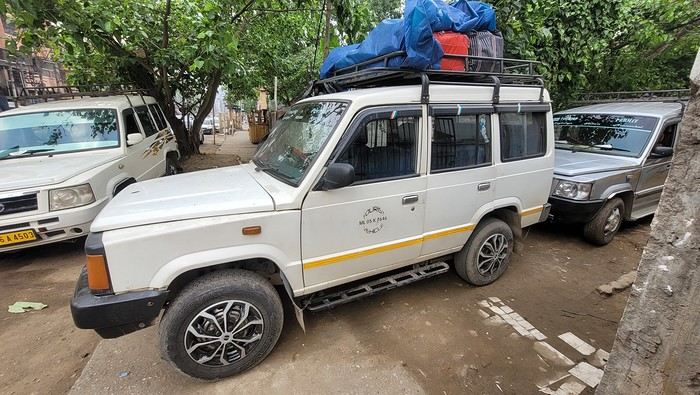
While waiting, I watch the street come to life. I have fun photographing the different modes of transport passing by.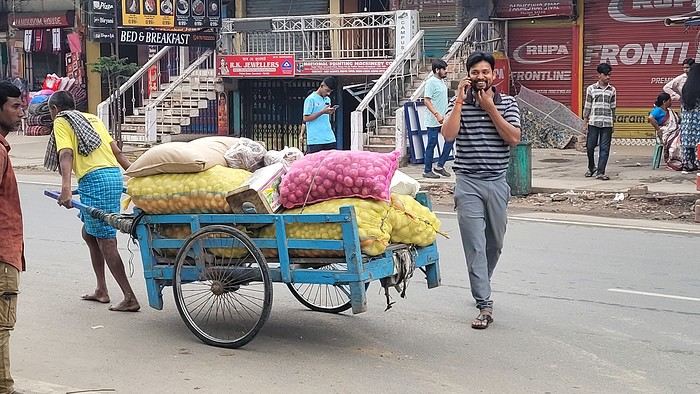
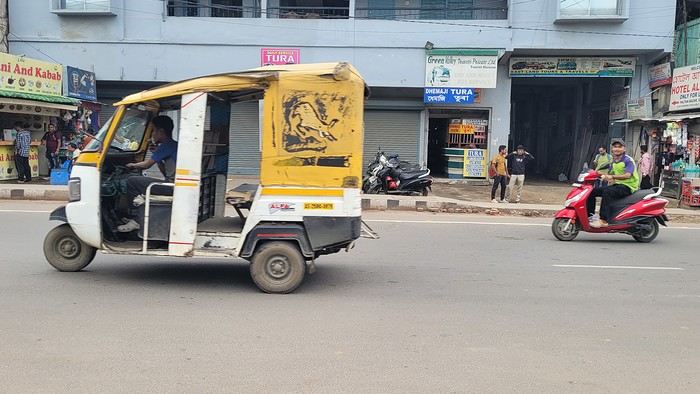
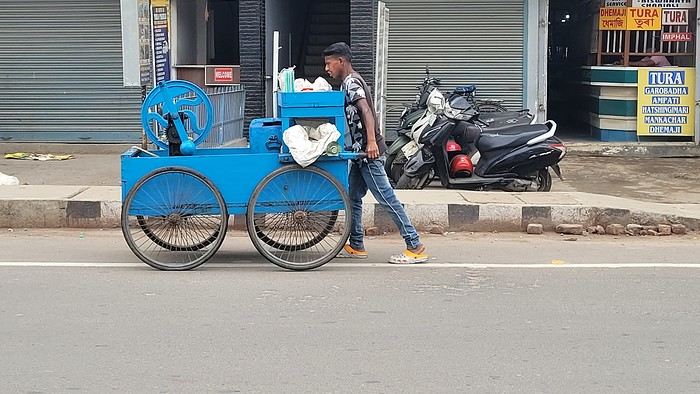
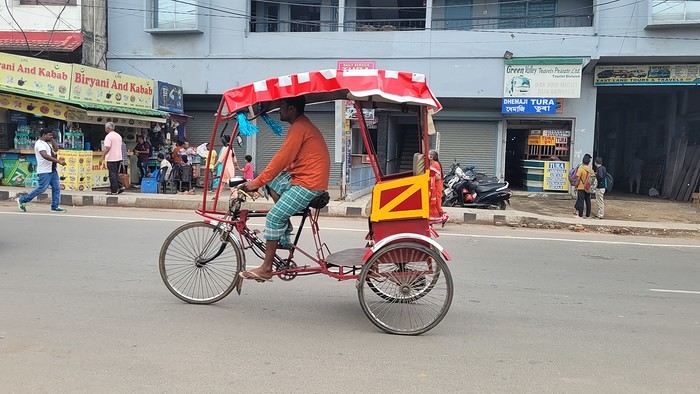
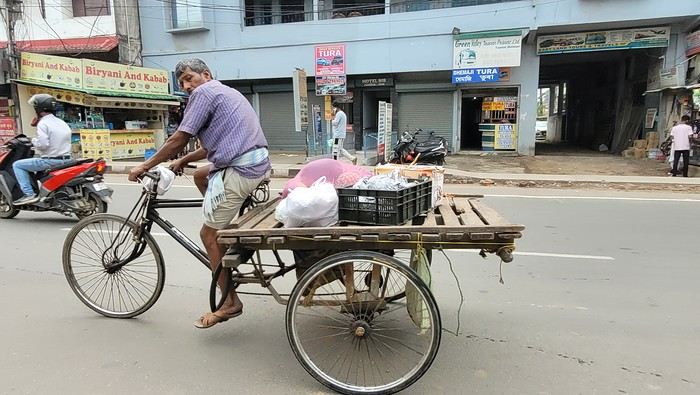
Time passes faster when you’re occupied. We leave at 8:20 AM, and the driver does door-to-door service along the way. We make our first stop for 25 minutes at 9:10 AM, then another for breakfast at 10:10 AM. The scenery is very different from Assam and Nagaland. We drive alongside a pine forest and a large lake. There are beautiful viewpoints, but the driver isn’t stopping for sightseeing, so I have to settle for looking through the car windows.
We finally arrive in Shillong at 11:45 AM. The driver stops in the middle of nowhere, so I have to walk up the street to find a taxi. I flag one down, and he agrees to take me to my new guesthouse, the Rockski Boutique Bed & Breakfast. No sooner do I arrive than a storm with a heavy downpour welcomes me. When I arrived in Guwahati at the end of October, I’d booked a guide with a car for this week. There’s no public transport to get from village to village, so I had to take a car to visit. The tourism manager, Sachin, sent me a message to let me know that the driver, Welbis, will pick me up tomorrow morning at 8 AM. The temperature is much cooler here—only 19°C. At 2:30 PM, the rain stops, and I take the opportunity to explore the city. I start with the cathedral. Today is Good Friday, so I’m going to see how it’s celebrated here. Meghalaya is a Catholic state. The cathedral isn’t far from the guesthouse—it’s huge and all blue.
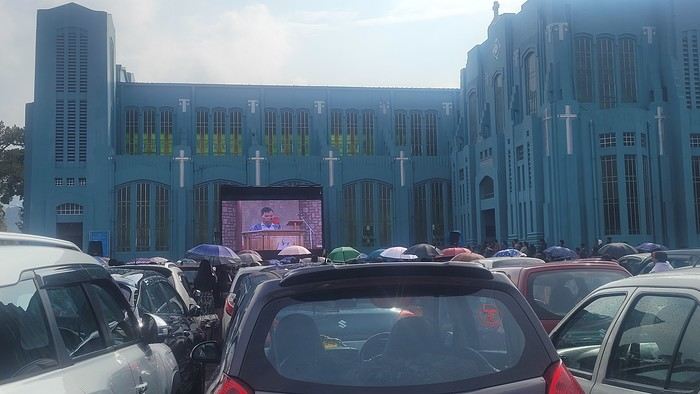
I arrive during mass, and it’s impossible to enter—the faithful are numerous outside in the parking lot. Giant screens broadcast the ceremony.

While waiting, I watch the street come to life. I have fun photographing the different modes of transport passing by.
Time passes faster when you’re occupied. We leave at 8:20 AM, and the driver does door-to-door service along the way. We make our first stop for 25 minutes at 9:10 AM, then another for breakfast at 10:10 AM. The scenery is very different from Assam and Nagaland. We drive alongside a pine forest and a large lake. There are beautiful viewpoints, but the driver isn’t stopping for sightseeing, so I have to settle for looking through the car windows.
We finally arrive in Shillong at 11:45 AM. The driver stops in the middle of nowhere, so I have to walk up the street to find a taxi. I flag one down, and he agrees to take me to my new guesthouse, the Rockski Boutique Bed & Breakfast. No sooner do I arrive than a storm with a heavy downpour welcomes me. When I arrived in Guwahati at the end of October, I’d booked a guide with a car for this week. There’s no public transport to get from village to village, so I had to take a car to visit. The tourism manager, Sachin, sent me a message to let me know that the driver, Welbis, will pick me up tomorrow morning at 8 AM. The temperature is much cooler here—only 19°C. At 2:30 PM, the rain stops, and I take the opportunity to explore the city. I start with the cathedral. Today is Good Friday, so I’m going to see how it’s celebrated here. Meghalaya is a Catholic state. The cathedral isn’t far from the guesthouse—it’s huge and all blue.
I arrive during mass, and it’s impossible to enter—the faithful are numerous outside in the parking lot. Giant screens broadcast the ceremony.
Borneo/Kalimantan/Sulawesi
Hi there, fellow travelers,
My mom and I are heading to Indonesia on July 11, 2025, for a month. We’ll spend 15 days in Borneo (Kalimantan) and 15 days in Sulawesi. We’re traveling with backpacks and really want to meet locals and experience their culture. We have a layover in Singapore before flying to Borneo, but we’re not sure yet which part of the island we’d like to land in.
I’m looking for the most up-to-date info possible because our research results are pretty confusing. Initially, we wanted to focus on the Indonesian side of the island, but we’re finding way more info on the Malaysian side (better tourist infrastructure). We’re feeling a bit lost...
Our priority is a 4-5 day trek max. We also want to connect with an English-speaking guide to explore Borneo’s primary forest and its wildlife. Ideally, we’d like to venture into the island’s center. But we might not have the time (given the lack of infrastructure and long distances—we don’t have 15 days just for a trek) or the physical stamina to get there. Still, we’d love to get off the beaten path and avoid pricey, touristy excursions. From our research, we’ve come across 3-day, 2-night trips on longboats or 4x4s (e.g., orangutans in Tanjung Puting) for 400 to 500 €. But that’s way out of our budget, and we think it’s too expensive. We get that as tourists with higher incomes than locals, we should pay more—but there’s a limit, especially compared to the cost of living in Indonesia. We want to avoid tour operators and crowds of tourists. Our goal is to see what’s left of Borneo’s preserved and wild tropical forest and observe animals in their natural habitat. If we don’t see any during a trek, oh well—we’ll take our chances.
On the Malaysian side, there’s Danum Valley, and on the Indonesian side, places like Gunung Palung, Betung Kerihun, and Kayan Mentarang...
What do you think?
Does anyone have any tips?
Has anyone here met indigenous communities on the island?
Does anyone know a friendly local guide?
We’d love any extra info on Borneo and Sulawesi! ;)
Take care!
My mom and I are heading to Indonesia on July 11, 2025, for a month. We’ll spend 15 days in Borneo (Kalimantan) and 15 days in Sulawesi. We’re traveling with backpacks and really want to meet locals and experience their culture. We have a layover in Singapore before flying to Borneo, but we’re not sure yet which part of the island we’d like to land in.
I’m looking for the most up-to-date info possible because our research results are pretty confusing. Initially, we wanted to focus on the Indonesian side of the island, but we’re finding way more info on the Malaysian side (better tourist infrastructure). We’re feeling a bit lost...
Our priority is a 4-5 day trek max. We also want to connect with an English-speaking guide to explore Borneo’s primary forest and its wildlife. Ideally, we’d like to venture into the island’s center. But we might not have the time (given the lack of infrastructure and long distances—we don’t have 15 days just for a trek) or the physical stamina to get there. Still, we’d love to get off the beaten path and avoid pricey, touristy excursions. From our research, we’ve come across 3-day, 2-night trips on longboats or 4x4s (e.g., orangutans in Tanjung Puting) for 400 to 500 €. But that’s way out of our budget, and we think it’s too expensive. We get that as tourists with higher incomes than locals, we should pay more—but there’s a limit, especially compared to the cost of living in Indonesia. We want to avoid tour operators and crowds of tourists. Our goal is to see what’s left of Borneo’s preserved and wild tropical forest and observe animals in their natural habitat. If we don’t see any during a trek, oh well—we’ll take our chances.
On the Malaysian side, there’s Danum Valley, and on the Indonesian side, places like Gunung Palung, Betung Kerihun, and Kayan Mentarang...
What do you think?
Does anyone have any tips?
Has anyone here met indigenous communities on the island?
Does anyone know a friendly local guide?
We’d love any extra info on Borneo and Sulawesi! ;)
Take care!
Your thoughts on my Zanzibar itinerary prep?
Hi there, I’m planning our trip for February 2026. I’ve done my homework, but I’d still love your insights in case I’ve missed anything.
Arrival in Stone Town – 1 night
Jambiani – 6 nights. Activities with a guide: Mnemba, Safari Blue Mangrove, Nakupenda sandbank, etc. Without a guide, we’re thinking of renting bikes on the beach, visiting Maalum Cave, Jozani Forest ??? (no strong opinions), N’tende ??? What do you think? Quad biking?
Nungwi – 3 nights, mostly chilling and a sunset boat ride.
Last day: on the way to the airport, visit Stone Town and a spice farm.
For Jambiani, I was considering Garden Beach Bungalow. Any other accommodation recommendations?
Thanks a million for your feedback...
Arrival in Stone Town – 1 night
Jambiani – 6 nights. Activities with a guide: Mnemba, Safari Blue Mangrove, Nakupenda sandbank, etc. Without a guide, we’re thinking of renting bikes on the beach, visiting Maalum Cave, Jozani Forest ??? (no strong opinions), N’tende ??? What do you think? Quad biking?
Nungwi – 3 nights, mostly chilling and a sunset boat ride.
Last day: on the way to the airport, visit Stone Town and a spice farm.
For Jambiani, I was considering Garden Beach Bungalow. Any other accommodation recommendations?
Thanks a million for your feedback...
Boat ride on the bayou
We're heading to the US in October and planning to take a boat ride on the bayou. We don’t want to fall into tourist traps with big boats—we’d prefer a more intimate experience. I can manage in French, but I know that’s not always possible. My English isn’t great.
We’re torn between: - Annie Miller's in Houma - Zam's Swamp or Torres Cajun in Thibodaux - Cajun Style in Marrero
Unless you have another spot to recommend. Thanks in advance for your help!
We’re torn between: - Annie Miller's in Houma - Zam's Swamp or Torres Cajun in Thibodaux - Cajun Style in Marrero
Unless you have another spot to recommend. Thanks in advance for your help!
Safety and mosquitoes in Brazil
Hi there,
I’m heading to Brazil soon—Rio, Iguazu, Paraty, Ilha Grande.
Two things are worrying me: - Mosquitoes and the nasty diseases they carry: are there a lot of mosquitoes and risks in these areas in May? - Safety: what’s the current situation in the tourist areas I mentioned?
Thanks for any info!
Virginie
I’m heading to Brazil soon—Rio, Iguazu, Paraty, Ilha Grande.
Two things are worrying me: - Mosquitoes and the nasty diseases they carry: are there a lot of mosquitoes and risks in these areas in May? - Safety: what’s the current situation in the tourist areas I mentioned?
Thanks for any info!
Virginie
Tips for a 10-day Corsica itinerary with kids
Hi everyone,
We’re heading to Corsica for 10 days from April 26 to May 5 as a family with two boys aged 8 and 12. We’ll arrive in Calvi and stay for 7 nights in the hills above L’Île-Rousse. Then we’ll have 2 nights left (accommodation not yet booked) before flying out from Ajaccio.
Of course, we’d like to explore and do a few hikes that are kid-friendly.
Some of the places we’ve shortlisted: - the towns of L’Île-Rousse, Calvi, Saint-Florent, and Corte - the villages of Balagne - the Agriates Desert (Ostriconi beach by car, and Lotu by boat with a hike to Saleccia) - Restonica Gorge - a boat trip to Piana and Scandola
For the last part of the trip, I’m really unsure about: - where to stay? - what to visit? I’d thought about staying near Ajaccio and visiting the Sanguinaires Islands and doing a few hikes along the coast, but I’d also spotted some great options inland around Evisa, like the Aitone Forest, for example.
We’ll return the rental car on May 3 at 10 AM in Monticello and fly out from Ajaccio on May 5 at 7:40 PM.
We’ve rented a car for the whole 10 days.
I’ll admit I’m posting this out of convenience because I’ve been *terrible* at planning this trip and could really use your advice—especially about distances and what’s doable without rushing or spending all our time in the car.
Thanks in advance! Have a great day.
Virginie
We’re heading to Corsica for 10 days from April 26 to May 5 as a family with two boys aged 8 and 12. We’ll arrive in Calvi and stay for 7 nights in the hills above L’Île-Rousse. Then we’ll have 2 nights left (accommodation not yet booked) before flying out from Ajaccio.
Of course, we’d like to explore and do a few hikes that are kid-friendly.
Some of the places we’ve shortlisted: - the towns of L’Île-Rousse, Calvi, Saint-Florent, and Corte - the villages of Balagne - the Agriates Desert (Ostriconi beach by car, and Lotu by boat with a hike to Saleccia) - Restonica Gorge - a boat trip to Piana and Scandola
For the last part of the trip, I’m really unsure about: - where to stay? - what to visit? I’d thought about staying near Ajaccio and visiting the Sanguinaires Islands and doing a few hikes along the coast, but I’d also spotted some great options inland around Evisa, like the Aitone Forest, for example.
We’ll return the rental car on May 3 at 10 AM in Monticello and fly out from Ajaccio on May 5 at 7:40 PM.
We’ve rented a car for the whole 10 days.
I’ll admit I’m posting this out of convenience because I’ve been *terrible* at planning this trip and could really use your advice—especially about distances and what’s doable without rushing or spending all our time in the car.
Thanks in advance! Have a great day.
Virginie
AI, the Holy Grail of Travel and Travel Journals?
Three of our grandchildren came to spend the last weekend of the holidays at our house.
With her driver’s license just in hand, the oldest took her sister and a cousin along.
I was talking about VoyageForum, and the conversation turned to AI, which finds writing travel journals a breeze—churning out amazing ads for this or that country and even nudging tourists to visit one place over another.
Jules: "It’s crazy, you can plan and organize everything, then just add your photos and the AI’s text, and boom—you’ve got something great." Héloïse: "What a cheat for yourself and for others." (She’s so wise!) Gaïané: "Ugh, no more surprises. It even picks the restaurants—so lame."
I had this idea to stay on the theme of travel journals:
I found an excerpt from a book (I’ll let you guess the title and author—of course, the kids figured it out in two seconds with their phones), then I wrote my own version, and finally, the AI generated its own using a few keywords.
Here they are:
"We walked at dusk through the thick, dark forest. Sometimes, a clearing would reveal a dreamlike landscape. A magical world, far from humans. A world of frozen waterfalls, stiff fir trees, and sharp peaks slicing through the blinding whiteness of the air.
We gazed, dazzled, at the spectacle, imagining we’d left the human world behind and joined that of the spirits."
"For days, we walked through the half-darkness of dense, untouched forests, then suddenly, a clearing would unveil landscapes you only see in dreams. Sharp peaks piercing the sky, icy torrents, giant waterfalls—an entire fantastical world, blindingly white, rising above the dark line traced by the giant fir trees. We stared at this extraordinary sight, speechless, awestruck, ready to believe we’d reached the limits of the human world and stood at the threshold of the spirits’ realm."
"We walked through the mountain, wild and unyielding, its sharp peaks tearing the sky like honed blades. Giant waterfalls roared and foamed, as if the earth’s hidden forces were pouring out. Higher still, the blinding whiteness belonged to the world of spirits—capricious beings whispering to lost travelers. Faced with this silent vastness, we felt tiny, uninvited guests meditating on the invisible that dwells in these forbidden peaks."
And, amazingly, they unanimously agreed that the author’s excerpt was a thousand times more poetic. Héloïse, my history buff, said: "Nothing replaces the real travel experience." Jules said: "Yeah, but it does the job. Even if the excerpt is cool." And our oldest added: "It makes you want to go there—not at all like the other two versions. Sorry, Mamido."
And then, miracle—Jules asks: "Do you have the book? Can I borrow it?"
I’m so relieved—young people aren’t completely devoured by technology yet. And the forum will keep its charm and usefulness for a long time. Phew!
You agree, right?
Jules: "It’s crazy, you can plan and organize everything, then just add your photos and the AI’s text, and boom—you’ve got something great." Héloïse: "What a cheat for yourself and for others." (She’s so wise!) Gaïané: "Ugh, no more surprises. It even picks the restaurants—so lame."
I had this idea to stay on the theme of travel journals:
I found an excerpt from a book (I’ll let you guess the title and author—of course, the kids figured it out in two seconds with their phones), then I wrote my own version, and finally, the AI generated its own using a few keywords.
Here they are:
"We walked at dusk through the thick, dark forest. Sometimes, a clearing would reveal a dreamlike landscape. A magical world, far from humans. A world of frozen waterfalls, stiff fir trees, and sharp peaks slicing through the blinding whiteness of the air.
We gazed, dazzled, at the spectacle, imagining we’d left the human world behind and joined that of the spirits."
"For days, we walked through the half-darkness of dense, untouched forests, then suddenly, a clearing would unveil landscapes you only see in dreams. Sharp peaks piercing the sky, icy torrents, giant waterfalls—an entire fantastical world, blindingly white, rising above the dark line traced by the giant fir trees. We stared at this extraordinary sight, speechless, awestruck, ready to believe we’d reached the limits of the human world and stood at the threshold of the spirits’ realm."
"We walked through the mountain, wild and unyielding, its sharp peaks tearing the sky like honed blades. Giant waterfalls roared and foamed, as if the earth’s hidden forces were pouring out. Higher still, the blinding whiteness belonged to the world of spirits—capricious beings whispering to lost travelers. Faced with this silent vastness, we felt tiny, uninvited guests meditating on the invisible that dwells in these forbidden peaks."
And, amazingly, they unanimously agreed that the author’s excerpt was a thousand times more poetic. Héloïse, my history buff, said: "Nothing replaces the real travel experience." Jules said: "Yeah, but it does the job. Even if the excerpt is cool." And our oldest added: "It makes you want to go there—not at all like the other two versions. Sorry, Mamido."
And then, miracle—Jules asks: "Do you have the book? Can I borrow it?"
I’m so relieved—young people aren’t completely devoured by technology yet. And the forum will keep its charm and usefulness for a long time. Phew!
You agree, right?
Solo traveler: Discovering Argentina differently
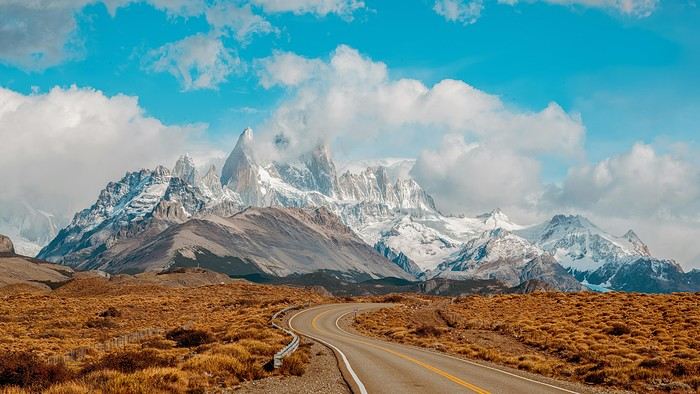
If you dream of an extraordinary adventure, you’ve come to the right place! Argentina, this land at the end of the world, offers a unique change of scenery and the perfect opportunity to travel solo. With its spectacular landscapes, stretching from the ends of Tierra del Fuego to the high Andean plateaus, this vast country captivates both nature lovers and those passionate about authentic encounters. Here, the notions of borders and distance fade away: the glaciers of Patagonia, the Iguazu Falls in the heart of the tropical forest, wild steppes, and Andean villages nestled in colorful valleys. In Argentina, you quickly forget the passing of time, as the human experience and the beauty of the places leave their mark on every moment.
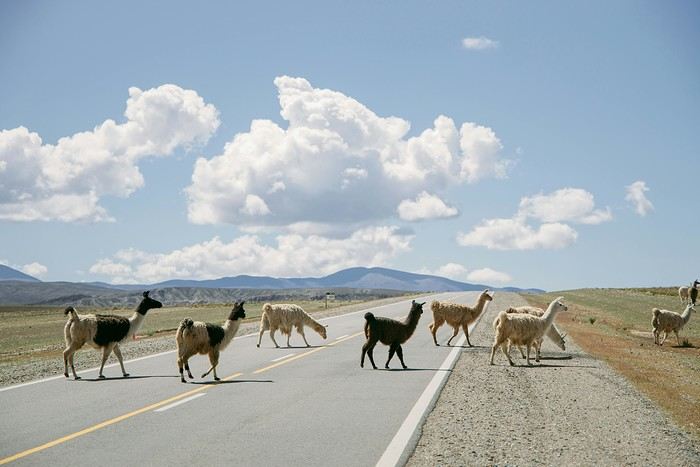
The perfect place to escape mass tourism
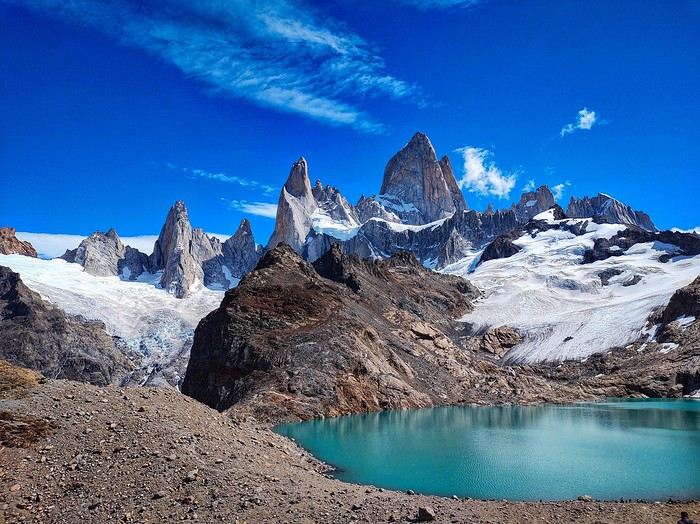
When traveling solo, there’s nothing like Argentina to get off the beaten path and avoid the crowds. Of course, some iconic spots like the Perito Moreno Glacier in El Calafate or Tierra del Fuego National Park in Ushuaia attract travelers from all over the world. However, the country’s vastness offers plenty of opportunities to find yourself almost alone in nature. A sunrise over the Andes, an afternoon riding with gauchos in the pampa, or a hike deep in Patagonia—these suspended moments happen far from the crowds.
A country ideal for connecting with local communities
One of Argentina’s strengths is the warmth of its people. Deeply attached to their traditions and genuinely curious about visitors, Argentinians have a knack for breaking down barriers, whether linguistic or cultural. You might find yourself chatting in Spanish over a mate (the local herbal tea), joining an impromptu barbecue, or even trying a few tango steps in a milonga. Simply showing interest in their culture and history is often enough to start a conversation. With Argentinians’ innate sense of hospitality, you never feel alone, even as a solo traveler.
Meeting local communities: a unique human adventure
Traveling solo in Argentina also means encountering its diverse communities. Staying with a local family or in an estancia (an Argentine ranch) lets you dive into the daily lives of families who often live self-sufficiently. In the Northwest, for example, you can share the life of an Andean community and learn to cook delicious local specialties. In Bariloche, some stays even include discovering a Mapuche community, offering a chance to better understand their relationship with the land and the importance of their ancestral traditions.
Diverse experiences for an unforgettable trip
Argentina is a true playground for outdoor enthusiasts: hikes in the steppes, sailing on the Beagle Channel in Tierra del Fuego, whale watching in Puerto Madryn (from June to December), or exploring the Iguazu jungle to encounter its wildlife and flora. And just when you think you’ve seen it all, Argentina still has surprises in store. In the Salta region, the Quebrada de Humahuaca reveals mountains with seven colors that tell the geological history of the Andes. It’s a feast for the eyes!
Why not join a small group with Tierra Latina?
Traveling alone doesn’t mean you can’t share parts of your journey with other enthusiasts. That’s what Tierra Latina offers: small-group tours (between 2 and 12 people), designed to balance the freedom of traveling in a small group with the camaraderie of exchanges between travelers. Each itinerary is crafted to alternate highlights (like visiting must-sees: Buenos Aires, Ushuaia, Perito Moreno…) with more intimate moments, far from mass tourism.
The focus is on authentic encounters and respect for local communities—that’s Tierra Latina’s signature. For example, in northwestern Argentina, Tierra Latina offers the chance to spend time in an Andean community to learn about traditional dish preparation during a cooking workshop. It’s an opportunity to exchange recipes and knowledge passed down through generations. The goal: to go beyond simple sightseeing and experience true moments of sharing.
In a small group, you quickly feel like part of a family of travelers, all united by the beauty of the landscapes. You also benefit from French-speaking guides who share their tips and anecdotes while leaving plenty of free time to explore at your own pace. Whether you’re traveling solo, as a couple, or with friends, you’ll find the perfect balance between independence and the comfort of being surrounded.
Human connections at the heart of the journey
At Tierra Latina, the goal is to put people at the center of the experience. Accommodations are chosen for their authentic character, often tested and approved by the team itself. Whether you’re staying with an Andean family in a small village in the Quebrada de Humahuaca or in an estancia in the heart of the Patagonian steppe, you’ll take part in local life and contribute to the economy of these sometimes isolated regions.
This responsible approach to travel helps minimize environmental impact while maintaining a privileged connection with those who make Argentina so rich: its people. You’ll leave with intense memories, marked by moments of sharing that are hard to replicate elsewhere. So, ready to pack your bags? Follow the guide and fly off to this fascinating country—you’ll only want one thing: to come back!
The perfect place to escape mass tourism
When traveling solo, there’s nothing like Argentina to get off the beaten path and avoid the crowds. Of course, some iconic spots like the Perito Moreno Glacier in El Calafate or Tierra del Fuego National Park in Ushuaia attract travelers from all over the world. However, the country’s vastness offers plenty of opportunities to find yourself almost alone in nature. A sunrise over the Andes, an afternoon riding with gauchos in the pampa, or a hike deep in Patagonia—these suspended moments happen far from the crowds.
A country ideal for connecting with local communities
One of Argentina’s strengths is the warmth of its people. Deeply attached to their traditions and genuinely curious about visitors, Argentinians have a knack for breaking down barriers, whether linguistic or cultural. You might find yourself chatting in Spanish over a mate (the local herbal tea), joining an impromptu barbecue, or even trying a few tango steps in a milonga. Simply showing interest in their culture and history is often enough to start a conversation. With Argentinians’ innate sense of hospitality, you never feel alone, even as a solo traveler.
Meeting local communities: a unique human adventure
Traveling solo in Argentina also means encountering its diverse communities. Staying with a local family or in an estancia (an Argentine ranch) lets you dive into the daily lives of families who often live self-sufficiently. In the Northwest, for example, you can share the life of an Andean community and learn to cook delicious local specialties. In Bariloche, some stays even include discovering a Mapuche community, offering a chance to better understand their relationship with the land and the importance of their ancestral traditions.
Diverse experiences for an unforgettable trip
Argentina is a true playground for outdoor enthusiasts: hikes in the steppes, sailing on the Beagle Channel in Tierra del Fuego, whale watching in Puerto Madryn (from June to December), or exploring the Iguazu jungle to encounter its wildlife and flora. And just when you think you’ve seen it all, Argentina still has surprises in store. In the Salta region, the Quebrada de Humahuaca reveals mountains with seven colors that tell the geological history of the Andes. It’s a feast for the eyes!
Why not join a small group with Tierra Latina?
Traveling alone doesn’t mean you can’t share parts of your journey with other enthusiasts. That’s what Tierra Latina offers: small-group tours (between 2 and 12 people), designed to balance the freedom of traveling in a small group with the camaraderie of exchanges between travelers. Each itinerary is crafted to alternate highlights (like visiting must-sees: Buenos Aires, Ushuaia, Perito Moreno…) with more intimate moments, far from mass tourism.
The focus is on authentic encounters and respect for local communities—that’s Tierra Latina’s signature. For example, in northwestern Argentina, Tierra Latina offers the chance to spend time in an Andean community to learn about traditional dish preparation during a cooking workshop. It’s an opportunity to exchange recipes and knowledge passed down through generations. The goal: to go beyond simple sightseeing and experience true moments of sharing.
In a small group, you quickly feel like part of a family of travelers, all united by the beauty of the landscapes. You also benefit from French-speaking guides who share their tips and anecdotes while leaving plenty of free time to explore at your own pace. Whether you’re traveling solo, as a couple, or with friends, you’ll find the perfect balance between independence and the comfort of being surrounded.
Human connections at the heart of the journey
At Tierra Latina, the goal is to put people at the center of the experience. Accommodations are chosen for their authentic character, often tested and approved by the team itself. Whether you’re staying with an Andean family in a small village in the Quebrada de Humahuaca or in an estancia in the heart of the Patagonian steppe, you’ll take part in local life and contribute to the economy of these sometimes isolated regions.
This responsible approach to travel helps minimize environmental impact while maintaining a privileged connection with those who make Argentina so rich: its people. You’ll leave with intense memories, marked by moments of sharing that are hard to replicate elsewhere. So, ready to pack your bags? Follow the guide and fly off to this fascinating country—you’ll only want one thing: to come back!
Where to stay for summer vacation in the Jura?
Hello,
I’m starting to plan my summer vacation.
I’ve decided on the Jura.
I’m looking for a pleasant place to stay for three weeks.
My criteria are a pretty little village, easy hiking opportunities with beautiful viewpoints (around Lake Vouglans or elsewhere), and nice swimming spots.
For info, I’ll be traveling with my wife (no kids).
Thanks for your help—I’m really curious and interested in any tips or advice you can share.
Have a great day,
Thierry
Elephant sanctuary in Thailand
Hi everyone, despite my many trips to Thailand, I’ve never been to an elephant retirement center. This summer, I’m traveling with friends who’d like to spend a few hours with elephants. Obviously, we’re looking for an ethical center (if such a thing exists in Thailand) where the elephants enjoy a peaceful retirement,
near Chiang Mai or in Samui if possible. Thanks for your help!
Recap of 6 weeks in Sumatra April-May 2024
Sumatra at a leisurely pace, from mid-April to the end of May—pure bliss!
Outbound/inbound flight to Kuala Lumpur to reach Medan, then our stops: Medan - Berastaggi - Toba / Ambarita - Ketambe - Pulau Nias / Teluk Dalam - Bukittinggi - Harau Valley - Padang / Rimba.
A journey shaped by the ethnic groups: the Bataks around Berastaggi and Toba, the Ono Niha on Nias Island, and the Minangkabaus starting from Bukittinggi. Christians in the north and Muslims in a matrilineal society at the end of the trip. Rare animals in their natural habitat, orangutans in the canopy and hawksbill turtles within snorkeling distance.
Though Sumatra isn’t a hotspot for Western tourists, it’s incredibly easy to explore Indonesia’s largest island.
Since there were four of us and the journeys are very long (avg. 30 km/h), we opted for taxis between regions and rented scooters on-site; 3 days trekking in the primary forest of Gunung Leuser and guesthouses for accommodation the rest of the time, meals at local warungs.
As I struggled to find info on Nias Island before our trip (thanks to Filemich for reassuring me about this stop), I’ll focus on this destination!
We took an overnight ferry (https://www.wjl-line.com) from Sibolga to Teluk Dalam, in a 4-person cabin, and stayed at Taman Baloho Indah guesthouse, a bit outside the town and by the Indian Ocean—I highly recommend it. You can reach Erwin, the owner (a name from Dutch colonization), via WhatsApp at +62 812 6074 2874. He rents scooters and can also take you fishing if you ask, then you get to enjoy the fish cooked by his wife.
Thanks to our guide Nitra (WhatsApp: +62 822 1383 9300), a young woman passionate about her history, we explored the east coast to visit a megalithic site, then crisscrossed the island’s interior for several days, from village to village, all still very traditional. She lives in Bawomataluo, the most famous of them. She was our gateway to her world, its rituals, and customs. We spent a week on the island—absolute heaven!
Don’t hesitate to ask me about places, accommodations, or contacts for taxis or guides from our long stay—I’d be happy to answer!
Trip to the Amazon
Hi everyone,
I’m planning to spend about a week in the Amazon in April or May—the dates aren’t set yet—flying in and out of Manaus.
I’d love to hear about the must-see spots in Manaus besides the theater and the Amazon Museum.
After that, I’d like to take a boat trip on the Amazon or the Rio Negro to escape the city and find some peace for a 3- or 4-day trek in the forest.
I also saw that the town of Presidente Figueiredo is worth visiting for all the waterfalls nearby.
If you’ve been to Manaus and have any recommendations, I’d love to hear them.
Have a great day, everyone.
What to do in half a day in Singapore?
I’ll be in Singapore for half a day and one evening in March. What do you recommend I see? I was thinking of Garden by the Bay, Cloud Forest, Flower Dome, the OCBC Skyway, and an evening show: Garden Rhapsody and Spectra. End the evening at "Ce La Vi". Does this itinerary seem doable? Any advice is welcome. Thanks
Eco-lodges: the new hipster trend
Hi there, I’m currently on Isla Fuerte in the Colombian Caribbean. I ended up here kind of by chance, and I stumbled upon one of the very few hotels that accepts credit cards and has branded itself as an "eco-lodge."
At first, I thought the idea of "environmentally friendly" hotels wasn’t too bad... but now it’s become a full-blown trend, and the clientele at these places almost always fits the same profile: thirty-something, eco-conscious, vegan or vegetarian, working remotely or at least glued to their laptop, morning yoga classes, mate at aperitif, and meditation at the end of the day.
Personally, after visiting a few, I’ve found that everything about them feels fake. I’ve even seen "meditation sessions" with music playing, even though the hotel was in the middle of a forest with all the natural sounds around. There’s also a lot to say about their so-called eco-friendly products in the bathrooms.
The rooms, terraces, etc.—where people used to sit, read, or chat—are now called "social spaces" or co-working zones...
I’m not holding back with these hotels, but my take is that eco-hipsterism is really taking off in the hospitality industry.
What do you fellow travelers think?
At first, I thought the idea of "environmentally friendly" hotels wasn’t too bad... but now it’s become a full-blown trend, and the clientele at these places almost always fits the same profile: thirty-something, eco-conscious, vegan or vegetarian, working remotely or at least glued to their laptop, morning yoga classes, mate at aperitif, and meditation at the end of the day.
Personally, after visiting a few, I’ve found that everything about them feels fake. I’ve even seen "meditation sessions" with music playing, even though the hotel was in the middle of a forest with all the natural sounds around. There’s also a lot to say about their so-called eco-friendly products in the bathrooms.
The rooms, terraces, etc.—where people used to sit, read, or chat—are now called "social spaces" or co-working zones...
I’m not holding back with these hotels, but my take is that eco-hipsterism is really taking off in the hospitality industry.
What do you fellow travelers think?
Your motorhome experiences in Corsica
Thanks for sharing your experiences and tips for a trip to Corsica in May-June 2025.
Best regards,
Bordeaux - Biarritz - San Sebastian à pied English translation pending
Bonjour,
Dans deux semaines, nous souhaiterions partir randonner de Bordeaux à San Sebastian. Je préfère passer par ce site avant de me lancer ds l'achat de guides...et les infos, pas évidentes à trouver sur internet pour cette portion du trajet.
Bref... je souhaiterais savoir quel est le chemin le plus chouette de Bordeaux à Biarritz, car il existe plusieurs itinéraires. Quel niveau de difficulté? Durée?
En vous remerciant par avance
Dans deux semaines, nous souhaiterions partir randonner de Bordeaux à San Sebastian. Je préfère passer par ce site avant de me lancer ds l'achat de guides...et les infos, pas évidentes à trouver sur internet pour cette portion du trajet.
Bref... je souhaiterais savoir quel est le chemin le plus chouette de Bordeaux à Biarritz, car il existe plusieurs itinéraires. Quel niveau de difficulté? Durée?
En vous remerciant par avance
Le GR54 (tour du massif des Écrins) au mois d'octobre English translation pending
Salut à tous, je viens de me prendre un billet de train pour Briançon pour le 29 septembre, pensez vous qu'il sera encore temps de faire le GR54 (Tour du massif des Écrins), et quelles températures dois-je prévoir de rencontrer ?
Vos plus belles randos à la journée dans le Jura English translation pending
Bonjour,
Je cherche 2 randos dans le jura que je ne connais pas pour faire 2 randos à la journée.
J'aimerais savoir quelles sont les plus belles randos du jura à la journée. On randonne beaucoup donc plutôt des randos de 10-15 km.
Quel est le coin à privilégier en particulier?
Merci de votre aide précieuse.
Quoi faire en Suisse en famille English translation pending
Bonjour,
Je cherche LES destinations en Suisse à faire absolument en famille, on est très paysage si possible des glissades d'eau de quoi du genre.
Je prendrais tous vos conseils et après on choisira ce qui nous corresponds. Merci beaucoup :)
Pour le moment on a ça, est-ce qu'il y en a qui sont à déconseiller ou alors d'autres à rajouter ? : Lac Léman-Lausanne Le lac de Thoune Le lac de Brienz Interlaken entre lac de thoune et brienz 40francs pour prendre le funiculaire (10 minutes de montée)Les Gorges de l'Aar Chillon-Le château de Chillon-Région lémanique
Lauterbrunnen Le lac des Quatre-Cantons (Bourbaki, Grotte aux fées, St-Maurice) lucerne Neuhausen am Rheinfall-Les chutes du Rhin Harder Kulm Annecy Le lac de Zoug Le lac Léman et les Bains des Pâquis Neuchâtel Fafleralp-Région du Valais Lac de Cauma-Région des Grisons Val Verzasca Montreux-promenade de Suisse-Lac Léman Lugano (cerné par les montagnes) Berne: Blausee (lac de montagnes 800m altitude, entouré de forêt alimenté sources souterraines, bleu et vert profond, eau transparente) Le creux du Van Maison cailler-chocolaterie Suisse en Gruyère Fribourg et Lac de la Gruyère Massif du Jura Château de Gruyères Zurich Fondue Savoyarde Gorges du Dailley (coeur du Valais) Tine de Conflens Zoo et piscine des Marécottes
Je cherche LES destinations en Suisse à faire absolument en famille, on est très paysage si possible des glissades d'eau de quoi du genre.
Je prendrais tous vos conseils et après on choisira ce qui nous corresponds. Merci beaucoup :)
Pour le moment on a ça, est-ce qu'il y en a qui sont à déconseiller ou alors d'autres à rajouter ? : Lac Léman-Lausanne Le lac de Thoune Le lac de Brienz Interlaken entre lac de thoune et brienz 40francs pour prendre le funiculaire (10 minutes de montée)Les Gorges de l'Aar Chillon-Le château de Chillon-Région lémanique
Lauterbrunnen Le lac des Quatre-Cantons (Bourbaki, Grotte aux fées, St-Maurice) lucerne Neuhausen am Rheinfall-Les chutes du Rhin Harder Kulm Annecy Le lac de Zoug Le lac Léman et les Bains des Pâquis Neuchâtel Fafleralp-Région du Valais Lac de Cauma-Région des Grisons Val Verzasca Montreux-promenade de Suisse-Lac Léman Lugano (cerné par les montagnes) Berne: Blausee (lac de montagnes 800m altitude, entouré de forêt alimenté sources souterraines, bleu et vert profond, eau transparente) Le creux du Van Maison cailler-chocolaterie Suisse en Gruyère Fribourg et Lac de la Gruyère Massif du Jura Château de Gruyères Zurich Fondue Savoyarde Gorges du Dailley (coeur du Valais) Tine de Conflens Zoo et piscine des Marécottes
Découvrir la plus belle ville médiévale d'Italie English translation pending
C'était le 7ème jour du sentier Via Francigena lorsque nous avons parcouru environ 15 km de Gambassi Terme jusqu'à la ville de San Gimignano.
Regardez la vidéo complète ici: https://youtu.be/S593lhhHpRI N'oubliez pas de cliquer sur les sous-titres français dans la vidéo.
Nous avons eu une autre nuit tranquille dans les champs toscans entre les vignes et la seule chose que nous avons entendue était les bruits de cerfs de la petite forêt la plus proche. Mais ils ne nous ont pas vraiment approchés et nous ne les avons pas vus de près.
Nous avions notre délicieuse avoine pour le petit déjeuner et étions bons pour commencer la piste. Nous savions que ça allait être une journée plus courte car nous voulions nous arrêter au camping le plus proche - d'abord nous nous sommes rencontrés dans plusieurs jours et c'était à 15kms.
Le soleil nous frappait la tête à partir du petit matin et nous étions super chauds en faisant la première montée de la journée. Dans l'ensemble, nous avons vu que le relief commençait à être plus vallonné et que les montagnes semblaient plus hautes, donc il pourrait être plus difficile de marcher dans les prochains jours.
Toute la journée, nous avons continué à profiter de la vue sur les magnifiques champs de Toscane avec de nombreux vignobles et oliviers et de jolies maisons au sommet des collines.
La première partie du sentier montait principalement en montée et se trouvait sur une route de terre battue calme. Mais la seconde moitié se rapprochant de San Gimignano, elle a recommencé à emprunter une route pavée avec peu ou pas d'ombre. Et ces parties que nous détestions le plus - le mélange de temps chaud, pas d'ombre, en montée et la route automobile était toujours en train de tuer pour nous.
Sur le chemin, il y avait beaucoup de randonneurs en randonnée le deuxième jour, mais nous ne savions pas vraiment s'ils faisaient un long chemin ou juste plusieurs jours de randonnée.
En nous rapprochant de San Gimignano, nous avons vu l'image inhabituelle du vieux village. C'était toutes des couleurs sablonneuses faites de roche et avait plusieurs hautes tours autour d'elle. Lorsque nous nous sommes rapprochés et que nous y sommes entrés, nous avons réalisé que c'était probablement une ville médiévale fortifiée à l'époque avec une paroi rocheuse entourant tout le village. Ensuite, sur Internet, nous avons appris que ce village était l'une des villes médiévales les mieux conservées de toute l'Italie et peut-être même de l'Europe. Et les tours qui étaient une spécialité de ce village ont été construites par les riches à l'époque et c'était une sorte de compétition entre eux. Probablement à cause de cela, les rues du village étaient très fréquentées par les touristes et les guides touristiques et il était plein de boutiques de souvenirs et de galeries d'art. Nous n'aimions pas le fait qu'il y ait tellement de monde, donc probablement le visiter hors de la haute saison serait une meilleure idée.
Nous avons vu qu'il y avait un supermarché près du village, alors nous nous sommes dirigés là-bas pour acheter des pizzas et des glaces pour prendre une collation. Nous avons fait une belle pause à l'ombre dans le parc local en mangeant les délices de l'Italie puis nous sommes sortis en direction du camping.
Le camping était situé à 2 kms de la ville et tout était en descente, donc il était facile de s'y rendre heureusement. Nous étions heureux d'avoir eu une courte journée aujourd'hui car la chaleur était absolument mortelle et presque sans vent c'était des conditions super extrêmes.
Nous sommes donc arrivés au camping qui bien sûr n'était pas bon marché du tout, comme chaque endroit en haute saison. Mais au moins, il était bien situé sur le flanc de la colline, un peu loin de la route automobile et avait des endroits aplatis spéciaux pour les tentes. Également à proximité, il y avait une piscine, un court de tennis, un terrain de football et une aire de pique-nique avec aire de jeux. Mais cela ne nous intéressait pas vraiment. Nous voulions juste nous reposer un peu plus d'heures que d'habitude la nuit. Et nous avons pensé que c'était assez injuste pour les routards et toutes les personnes qui ne veulent pas ou ne veulent pas utiliser ces installations, mais elles sont toujours incluses dans le prix.
Nous avons donc eu un très bon repos là-bas sur un emplacement isolé sous le chêne en mangeant de la pastèque et des cerises et en nous relaxant juste en position horizontale. Ce fut une belle journée facile pour nous et nous étions excités par les prochains jours et nous espérions qu'ils seraient beaux et pas très chauds.
Quelle est votre vieille ville ou village préféré?
Regardez la vidéo complète ici: https://youtu.be/S593lhhHpRI N'oubliez pas de cliquer sur les sous-titres français dans la vidéo.
Nous avons eu une autre nuit tranquille dans les champs toscans entre les vignes et la seule chose que nous avons entendue était les bruits de cerfs de la petite forêt la plus proche. Mais ils ne nous ont pas vraiment approchés et nous ne les avons pas vus de près.
Nous avions notre délicieuse avoine pour le petit déjeuner et étions bons pour commencer la piste. Nous savions que ça allait être une journée plus courte car nous voulions nous arrêter au camping le plus proche - d'abord nous nous sommes rencontrés dans plusieurs jours et c'était à 15kms.
Le soleil nous frappait la tête à partir du petit matin et nous étions super chauds en faisant la première montée de la journée. Dans l'ensemble, nous avons vu que le relief commençait à être plus vallonné et que les montagnes semblaient plus hautes, donc il pourrait être plus difficile de marcher dans les prochains jours.
Toute la journée, nous avons continué à profiter de la vue sur les magnifiques champs de Toscane avec de nombreux vignobles et oliviers et de jolies maisons au sommet des collines.
La première partie du sentier montait principalement en montée et se trouvait sur une route de terre battue calme. Mais la seconde moitié se rapprochant de San Gimignano, elle a recommencé à emprunter une route pavée avec peu ou pas d'ombre. Et ces parties que nous détestions le plus - le mélange de temps chaud, pas d'ombre, en montée et la route automobile était toujours en train de tuer pour nous.
Sur le chemin, il y avait beaucoup de randonneurs en randonnée le deuxième jour, mais nous ne savions pas vraiment s'ils faisaient un long chemin ou juste plusieurs jours de randonnée.
En nous rapprochant de San Gimignano, nous avons vu l'image inhabituelle du vieux village. C'était toutes des couleurs sablonneuses faites de roche et avait plusieurs hautes tours autour d'elle. Lorsque nous nous sommes rapprochés et que nous y sommes entrés, nous avons réalisé que c'était probablement une ville médiévale fortifiée à l'époque avec une paroi rocheuse entourant tout le village. Ensuite, sur Internet, nous avons appris que ce village était l'une des villes médiévales les mieux conservées de toute l'Italie et peut-être même de l'Europe. Et les tours qui étaient une spécialité de ce village ont été construites par les riches à l'époque et c'était une sorte de compétition entre eux. Probablement à cause de cela, les rues du village étaient très fréquentées par les touristes et les guides touristiques et il était plein de boutiques de souvenirs et de galeries d'art. Nous n'aimions pas le fait qu'il y ait tellement de monde, donc probablement le visiter hors de la haute saison serait une meilleure idée.
Nous avons vu qu'il y avait un supermarché près du village, alors nous nous sommes dirigés là-bas pour acheter des pizzas et des glaces pour prendre une collation. Nous avons fait une belle pause à l'ombre dans le parc local en mangeant les délices de l'Italie puis nous sommes sortis en direction du camping.
Le camping était situé à 2 kms de la ville et tout était en descente, donc il était facile de s'y rendre heureusement. Nous étions heureux d'avoir eu une courte journée aujourd'hui car la chaleur était absolument mortelle et presque sans vent c'était des conditions super extrêmes.
Nous sommes donc arrivés au camping qui bien sûr n'était pas bon marché du tout, comme chaque endroit en haute saison. Mais au moins, il était bien situé sur le flanc de la colline, un peu loin de la route automobile et avait des endroits aplatis spéciaux pour les tentes. Également à proximité, il y avait une piscine, un court de tennis, un terrain de football et une aire de pique-nique avec aire de jeux. Mais cela ne nous intéressait pas vraiment. Nous voulions juste nous reposer un peu plus d'heures que d'habitude la nuit. Et nous avons pensé que c'était assez injuste pour les routards et toutes les personnes qui ne veulent pas ou ne veulent pas utiliser ces installations, mais elles sont toujours incluses dans le prix.
Nous avons donc eu un très bon repos là-bas sur un emplacement isolé sous le chêne en mangeant de la pastèque et des cerises et en nous relaxant juste en position horizontale. Ce fut une belle journée facile pour nous et nous étions excités par les prochains jours et nous espérions qu'ils seraient beaux et pas très chauds.
Quelle est votre vieille ville ou village préféré?
Il est grand temps de rallumer les étoiles! English translation pending
Bonjour à tous
Le Vietnam pays magique multiculturel aux paysages diversifiés et époustouflants. Voilà ce que je vous invite à partager sans aborder s'il vous plaît ce qui aujourd'hui empêche la planète de vivre... Essayons d'être constructifs et positivons! Il est grand temps de rallumer les étoiles!
Pour commencer avec légèreté: La médecine des Dao, le bain aux herbes. C'est un moment délicieux après une journée de marche et de visites rien de tel pour vous requinquer! Ce bain est très souvent proposé aux touristes dans le nord, spécialité de l'ethnie Dao il est "accommodé" dans plusieurs maisons d'hôtes et hôtels aux besoins des touristes.
Traditionnellement les recettes sont destinées à chaque cas et en fonction de la pathologie: femmes enceintes ou qui viennent d'accoucher, nouveau-nés, malades, vieillards…les herbes seront donc choisies en fonction des besoins et du type de médication (orale, en bain, en emplâtre...). C'est dès l'aube que les femmes, les hommes, les chamanes iront cueillir ces plantes, racines et écorces dans la forêt, le tout sera combiné à un régime adapté (on ne mange pas de tout..) et souvent suivi d'un massage spécifique.
Nous en avons testé plusieurs à plusieurs endroits mais celui de la chamane Dao d'un petit village au nord de Muong Lay restera sans doute le plus authentique et le plus insolite.. On nous prend en main dès notre arrivée dans la maison de la chamane. Elle y vit avec sa fille et son gendre... Maison, je devrai plus dire assemblage de planches et de tôles et quand on connaît les rigueurs de l'hivers on peut rêver mieux. La pièce principale est bourrée de pots en tout genre remplis de décoctions plus ou moins troubles...ces sont les médications à avaler, beurk.. Il y a aussi de gros sacs (plastique) d'herbes, de racines, d'écorces, un vrai magasin d'herboriste (l'ordre et la propreté en moins) sans oublier bien sur l'hôtel des ancêtres. Derrière des rideaux, les couches des habitants, nous ne dormirons pas là, ouf.. Puis attenantes, les deux salles des bains avec 2 baquets chacune et entre les deux sous une pergola un énorme foyer construit en ciment surmonté d'une aussi énorme bassine où l'eau et les herbes "cuisent" jusqu'à parfois 12 heures...c'est là que l'on fait aussi cuire la soupe des cochons... Le feu est alimenté de poupée de maïs et de bois. C'est dans ces baquets que nous tromperont plus ou moins longtemps...le temps de "cuisson" est décidé par la chamane en fonction de chacun, jamais plus de 30 mm...et les herbes qui seront rajoutée dans les baquets seront aussi choisies en fonction de chaque "malade". C'est très très chaud, il faut vraiment se faire violence pour entrer là dedans et c'est sans compter qu'une fois immergés la dame ajoute de l'eau chaude bien sur...ouille. Une fois "les touristes bien cuits" on nous sort de là, inutile de préciser que nous ressemblons plus à des homards qu'à des visages pâles... Après cuisson, nous serons conduits ensuite vers le silo à grains, où une pièce spéciale massage à été aménagée à son top, on l'atteint via une échelle de bois...au sol deux couches. Ici commence le moment le plus douloureux de tous les massages faits au Vietnam par le gendre et la fille de la maison.. Pas de douces caresses, non, non, mais un pétrissage et un battage en bonne et due forme suivis de torsion, j'ai cru ma dernière heure arrivée... Pour clore la séance nous dînerons chez la chamane d'un souper spécial, la couleur des mets est importante, nous ne mangerons que du blanc et du vert....des légumes et des herbes inconnues de nous et un peu de poulet bouilli, élastique à souhait, sans doute celui que nous avons croisé sur le chemin en arrivant et des petits poissons frits (très bons). C'est sans conteste le meilleur soin reçu au Vietnam si l'on fait abstraction de la propreté des lieux, des serviettes (surtout apporter les siennes) et des moments douloureux.
Le Vietnam pays magique multiculturel aux paysages diversifiés et époustouflants. Voilà ce que je vous invite à partager sans aborder s'il vous plaît ce qui aujourd'hui empêche la planète de vivre... Essayons d'être constructifs et positivons! Il est grand temps de rallumer les étoiles!
Pour commencer avec légèreté: La médecine des Dao, le bain aux herbes. C'est un moment délicieux après une journée de marche et de visites rien de tel pour vous requinquer! Ce bain est très souvent proposé aux touristes dans le nord, spécialité de l'ethnie Dao il est "accommodé" dans plusieurs maisons d'hôtes et hôtels aux besoins des touristes.
Traditionnellement les recettes sont destinées à chaque cas et en fonction de la pathologie: femmes enceintes ou qui viennent d'accoucher, nouveau-nés, malades, vieillards…les herbes seront donc choisies en fonction des besoins et du type de médication (orale, en bain, en emplâtre...). C'est dès l'aube que les femmes, les hommes, les chamanes iront cueillir ces plantes, racines et écorces dans la forêt, le tout sera combiné à un régime adapté (on ne mange pas de tout..) et souvent suivi d'un massage spécifique.
Nous en avons testé plusieurs à plusieurs endroits mais celui de la chamane Dao d'un petit village au nord de Muong Lay restera sans doute le plus authentique et le plus insolite.. On nous prend en main dès notre arrivée dans la maison de la chamane. Elle y vit avec sa fille et son gendre... Maison, je devrai plus dire assemblage de planches et de tôles et quand on connaît les rigueurs de l'hivers on peut rêver mieux. La pièce principale est bourrée de pots en tout genre remplis de décoctions plus ou moins troubles...ces sont les médications à avaler, beurk.. Il y a aussi de gros sacs (plastique) d'herbes, de racines, d'écorces, un vrai magasin d'herboriste (l'ordre et la propreté en moins) sans oublier bien sur l'hôtel des ancêtres. Derrière des rideaux, les couches des habitants, nous ne dormirons pas là, ouf.. Puis attenantes, les deux salles des bains avec 2 baquets chacune et entre les deux sous une pergola un énorme foyer construit en ciment surmonté d'une aussi énorme bassine où l'eau et les herbes "cuisent" jusqu'à parfois 12 heures...c'est là que l'on fait aussi cuire la soupe des cochons... Le feu est alimenté de poupée de maïs et de bois. C'est dans ces baquets que nous tromperont plus ou moins longtemps...le temps de "cuisson" est décidé par la chamane en fonction de chacun, jamais plus de 30 mm...et les herbes qui seront rajoutée dans les baquets seront aussi choisies en fonction de chaque "malade". C'est très très chaud, il faut vraiment se faire violence pour entrer là dedans et c'est sans compter qu'une fois immergés la dame ajoute de l'eau chaude bien sur...ouille. Une fois "les touristes bien cuits" on nous sort de là, inutile de préciser que nous ressemblons plus à des homards qu'à des visages pâles... Après cuisson, nous serons conduits ensuite vers le silo à grains, où une pièce spéciale massage à été aménagée à son top, on l'atteint via une échelle de bois...au sol deux couches. Ici commence le moment le plus douloureux de tous les massages faits au Vietnam par le gendre et la fille de la maison.. Pas de douces caresses, non, non, mais un pétrissage et un battage en bonne et due forme suivis de torsion, j'ai cru ma dernière heure arrivée... Pour clore la séance nous dînerons chez la chamane d'un souper spécial, la couleur des mets est importante, nous ne mangerons que du blanc et du vert....des légumes et des herbes inconnues de nous et un peu de poulet bouilli, élastique à souhait, sans doute celui que nous avons croisé sur le chemin en arrivant et des petits poissons frits (très bons). C'est sans conteste le meilleur soin reçu au Vietnam si l'on fait abstraction de la propreté des lieux, des serviettes (surtout apporter les siennes) et des moments douloureux.