Results for "Pierre+Loti+ou+Eyup+|+123+>+233"
33289 results found.
Thailand and TDAC: How does it work?
Hello to all the Thailand regulars.
I’ve been to Thailand several times, but it was about 20 years ago…
There’s a new system in place now, it seems.
TDAC – Thailand Digital Arrival Card.
Before arriving, I apply for a TDAC, okay. If during my stay I cross the border to spend a few days in Malaysia and then re-enter Thailand, do I need to submit a new TDAC application? Do I use the same TDAC as when I first entered the country?
Or do I initially have to pay for a Thai multi-entry visa?
Thanks in advance for your insights—I can’t find the answer online.
Pierre
I’ve been to Thailand several times, but it was about 20 years ago…
There’s a new system in place now, it seems.
TDAC – Thailand Digital Arrival Card.
Before arriving, I apply for a TDAC, okay. If during my stay I cross the border to spend a few days in Malaysia and then re-enter Thailand, do I need to submit a new TDAC application? Do I use the same TDAC as when I first entered the country?
Or do I initially have to pay for a Thai multi-entry visa?
Thanks in advance for your insights—I can’t find the answer online.
Pierre
Holiday in Brittany: Pink Granite Coast and Cornwall
We were invited to a friend’s wedding in this beautiful part of Brittany, so we took the opportunity to spend a few days there—first on the Pink Granite Coast and then in Cornwall.
Our friends, who are from the Trégor region, had found us a really nice little gîte in Tonquédec, just a stone’s throw from the coast. It was the perfect base for exploring the area’s iconic sites. We stayed in a lovely little house that combined authenticity, comfort, elegance, and tranquility.
Our first trip to the coast was to Ploumanac’h, a small village we discovered thanks to Stéphane Bern’s show. It’s an adorable little fishing port where we parked the car before continuing on foot along the sea. It’s charming—more than that, it’s magical!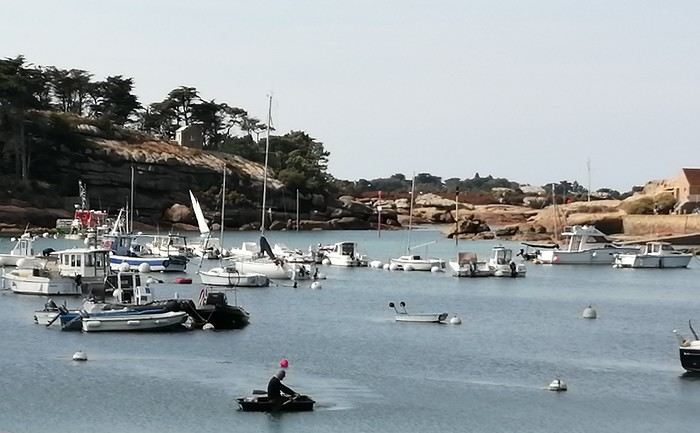
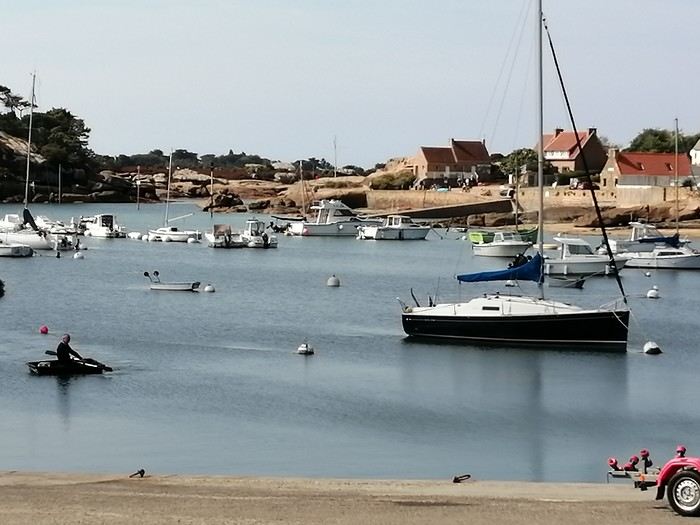
Our first walk, our first hike along the coastal path, and our first photos of these massive rocks bathed in light.
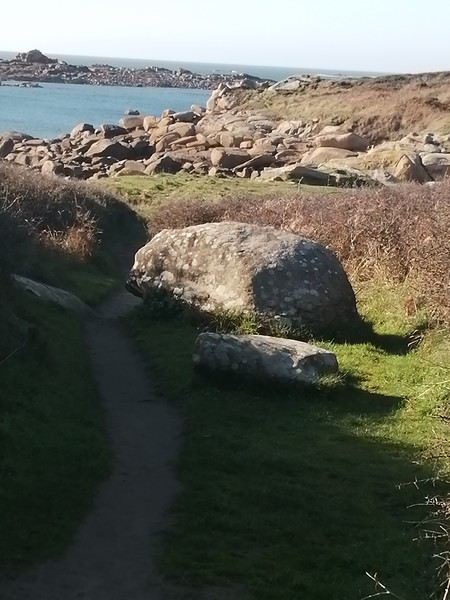
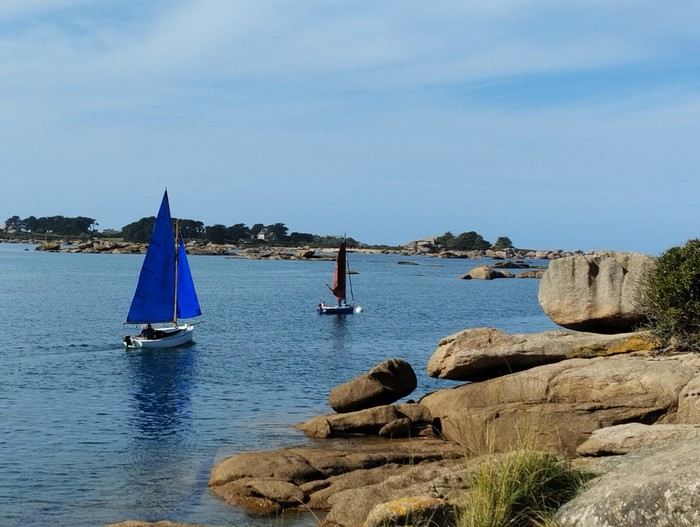
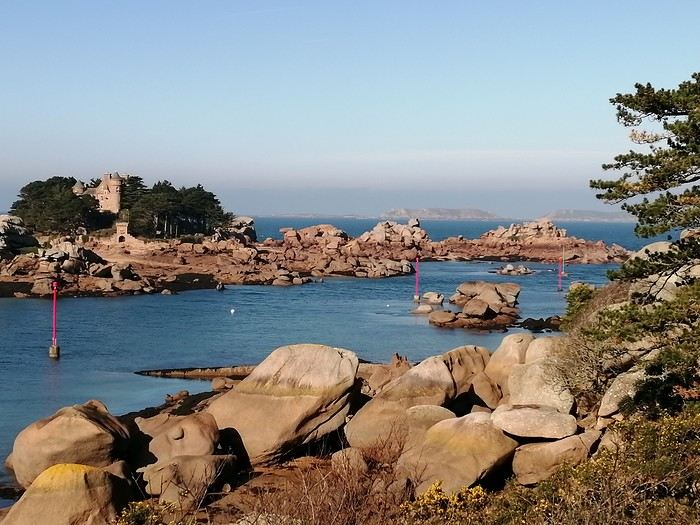
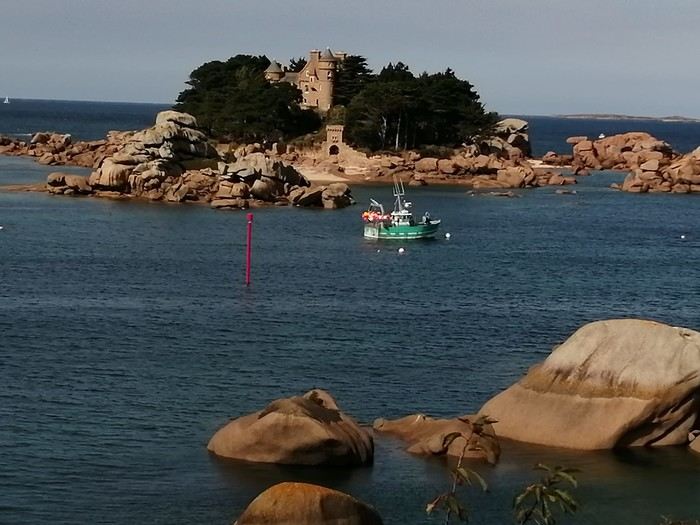
The views change with every turn, and so do the surprises—especially the view of the Château de Costaérès.
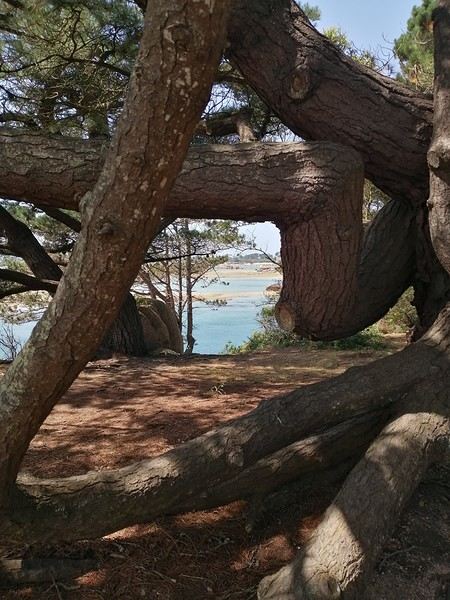
 The path through the woods leads us to the Chapel of Saint Guirec, which overlooks the beach.
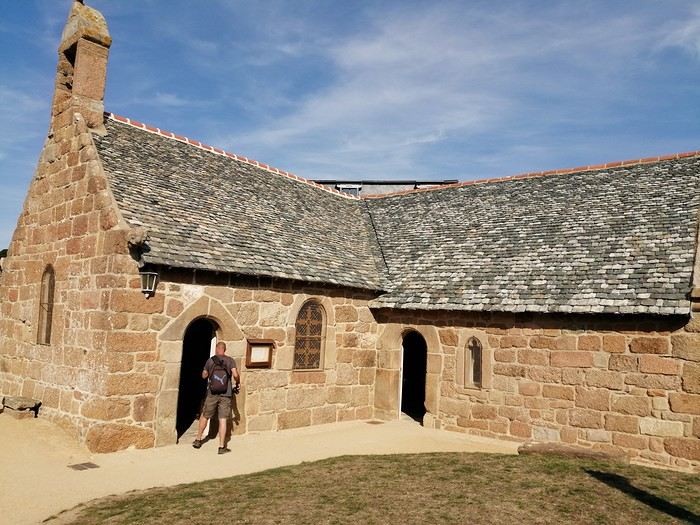
This pretty little beach is famous for its oratory, which sits in the middle of the sand and houses the statue of St. Guirec. In the past, young women hoping to marry within the year would often pray to him—they’d stick a needle into his nose! Today, the statue is made of stone, but back then, it was wooden, which must’ve made it easier.
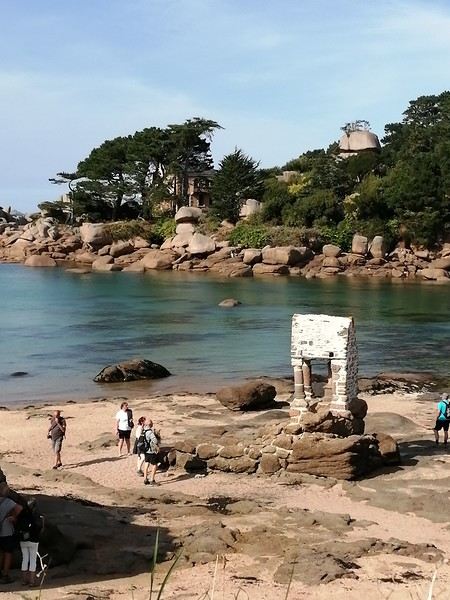
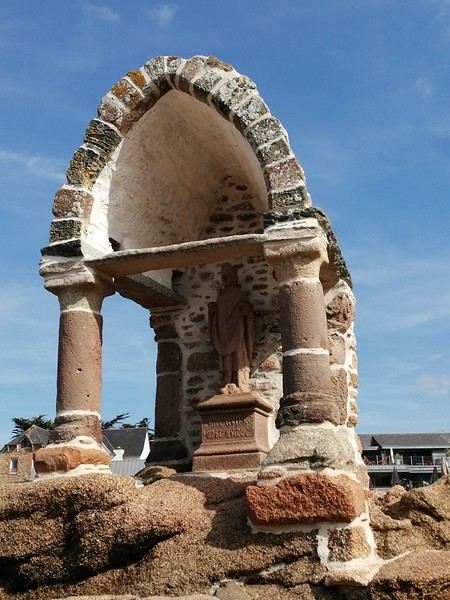
It’s really charming, well-sheltered, and the water is crystal clear. We noticed that everywhere we went!
Our first trip to the coast was to Ploumanac’h, a small village we discovered thanks to Stéphane Bern’s show. It’s an adorable little fishing port where we parked the car before continuing on foot along the sea. It’s charming—more than that, it’s magical!
Our first walk, our first hike along the coastal path, and our first photos of these massive rocks bathed in light.
The views change with every turn, and so do the surprises—especially the view of the Château de Costaérès.
The path through the woods leads us to the Chapel of Saint Guirec, which overlooks the beach.This pretty little beach is famous for its oratory, which sits in the middle of the sand and houses the statue of St. Guirec. In the past, young women hoping to marry within the year would often pray to him—they’d stick a needle into his nose! Today, the statue is made of stone, but back then, it was wooden, which must’ve made it easier.
It’s really charming, well-sheltered, and the water is crystal clear. We noticed that everywhere we went!
One-day itinerary in Zagreb
Hi everyone.
With the kids getting older, I’ve finally decided to head somewhere a bit more exotic than our usual (and wonderful) Brittany. We’ve chosen to visit Austria and Slovenia, with a little detour through Zagreb. We’ll be spending a day there, and I’d love to make sure we don’t miss anything. Here’s my little plan—let me know what you think!
- Parking between Ridnjack Park and Zagreb Cathedral - Quick stroll through Dolac Market - Visit Kamenita Vrata (Stone Gate) - Saint Catherine’s Church - Head to Lotrščak Tower: at noon for the cannon firing. - Walk through Grič Tunnel - Head down to Ban Jelačić Square - Then visit Zrinjevac Park (its monuments and beautiful facades) - Head back north to see St. Mark’s Church - Tkalčićeva Street (pedestrian street) and Opatovina Park
There we go... I’ve definitely forgotten a ton of things... What do you think? Thanks!
Stéphane.
With the kids getting older, I’ve finally decided to head somewhere a bit more exotic than our usual (and wonderful) Brittany. We’ve chosen to visit Austria and Slovenia, with a little detour through Zagreb. We’ll be spending a day there, and I’d love to make sure we don’t miss anything. Here’s my little plan—let me know what you think!
- Parking between Ridnjack Park and Zagreb Cathedral - Quick stroll through Dolac Market - Visit Kamenita Vrata (Stone Gate) - Saint Catherine’s Church - Head to Lotrščak Tower: at noon for the cannon firing. - Walk through Grič Tunnel - Head down to Ban Jelačić Square - Then visit Zrinjevac Park (its monuments and beautiful facades) - Head back north to see St. Mark’s Church - Tkalčićeva Street (pedestrian street) and Opatovina Park
There we go... I’ve definitely forgotten a ton of things... What do you think? Thanks!
Stéphane.
Is it still possible to travel in Ecuador?
Hi everyone, is it still possible to travel in Ecuador outside the Amazon region? If so, do you have a reliable agency to recommend? All your recent experiences from the past few months would be greatly appreciated. Thanks so much
Route from Calvi to Sagone without the Piana calanques
hi there, we're heading to Corsica for 3 weeks in early June and we'll be arriving in Calvi. Then we plan to head down to Sagone—what route should we take? We're a bit nervous about going through the Piana calanques because of the narrow roads. Thanks for your tips!
Hertz Agency in Hotels in Los Angeles
Hi there,
I need to book an SUV in Los Angeles for about 5 weeks, and for various reasons, it’ll be with Hertz. Traditionally, I pick up the vehicle at the airport agency, which I reach by shuttle.
But I’ve noticed that the rate drops by about a third if I pick up the vehicle either at the Marriott hotel at the airport or at the nearby Westin hotel (both hotels are also accessible by shuttle and have a Hertz agency). The selection is probably smaller, and most importantly, I don’t know if these off-site agencies are reliable.
What do you think? Has anyone here had the chance to test them? Thanks in advance!
J-Pierre 3.14
I need to book an SUV in Los Angeles for about 5 weeks, and for various reasons, it’ll be with Hertz. Traditionally, I pick up the vehicle at the airport agency, which I reach by shuttle.
But I’ve noticed that the rate drops by about a third if I pick up the vehicle either at the Marriott hotel at the airport or at the nearby Westin hotel (both hotels are also accessible by shuttle and have a Hertz agency). The selection is probably smaller, and most importantly, I don’t know if these off-site agencies are reliable.
What do you think? Has anyone here had the chance to test them? Thanks in advance!
J-Pierre 3.14
Algeria Visa from Quebec
Hi,
Has anyone had recent experience applying for a tourist visa to Algeria from Quebec, specifically at the consulate in Montreal?
How long does it take? The consulate’s website says 2 to 3 weeks. Is that accurate?
Is it possible to apply by mail? A travel agency told me it’s unrealistic.
What’s the maximum number of days you’ve been granted?
Thanks,
Pierre Racine
Has anyone had recent experience applying for a tourist visa to Algeria from Quebec, specifically at the consulate in Montreal?
How long does it take? The consulate’s website says 2 to 3 weeks. Is that accurate?
Is it possible to apply by mail? A travel agency told me it’s unrealistic.
What’s the maximum number of days you’ve been granted?
Thanks,
Pierre Racine
Climbing Haut-Folin via the southern route, in stages
Hello everyone,
I’m so happy to share my climb with you, and if it inspires you to take it on, then it’ll be a success. Sometimes I’ll use the local language because I think it’s essential to connect with the people we meet along the way.
This adventure took place last year, just before winter, right after summer, and smack in the middle of autumn. That really sets the time of year. After climbing Mont-Beuvray—a story I shared here ages ago—I decided to tackle a much more adventurous peak: the summit of Haut-Folin, which rises to 901 m, and that’s no small feat, let’s be honest. It’s located in the Bois du Roi massif. Up there, you often brush against the clouds, which seem to take a mischievous pleasure in wrapping around you.
I’m going fully self-sufficient—no porters, no guide, no cook. I’m just treating myself to a very short approach flight. The flight is early in the morning on a small plane, the *Spirit of St Bernadette*, and it’s perfect. I’ll enjoy watching it deliver mail in the mountains. The pilot will drop me off at the hamlet of *La Pierre en Eau*, near Anost, a small village at the foot of this forest-covered giant.
Physical condition I’m now really seasoned for such an expedition because I’ve trained every day by walking to the village grocery store—round trip, in all weather, that’s 2.1 km. The 451 m elevation gain won’t be a problem for me. .../...
I’m so happy to share my climb with you, and if it inspires you to take it on, then it’ll be a success. Sometimes I’ll use the local language because I think it’s essential to connect with the people we meet along the way.
This adventure took place last year, just before winter, right after summer, and smack in the middle of autumn. That really sets the time of year. After climbing Mont-Beuvray—a story I shared here ages ago—I decided to tackle a much more adventurous peak: the summit of Haut-Folin, which rises to 901 m, and that’s no small feat, let’s be honest. It’s located in the Bois du Roi massif. Up there, you often brush against the clouds, which seem to take a mischievous pleasure in wrapping around you.
I’m going fully self-sufficient—no porters, no guide, no cook. I’m just treating myself to a very short approach flight. The flight is early in the morning on a small plane, the *Spirit of St Bernadette*, and it’s perfect. I’ll enjoy watching it deliver mail in the mountains. The pilot will drop me off at the hamlet of *La Pierre en Eau*, near Anost, a small village at the foot of this forest-covered giant.
Physical condition I’m now really seasoned for such an expedition because I’ve trained every day by walking to the village grocery store—round trip, in all weather, that’s 2.1 km. The 451 m elevation gain won’t be a problem for me. .../...
Authentic Greece: Immersion in the Hellenic Soul
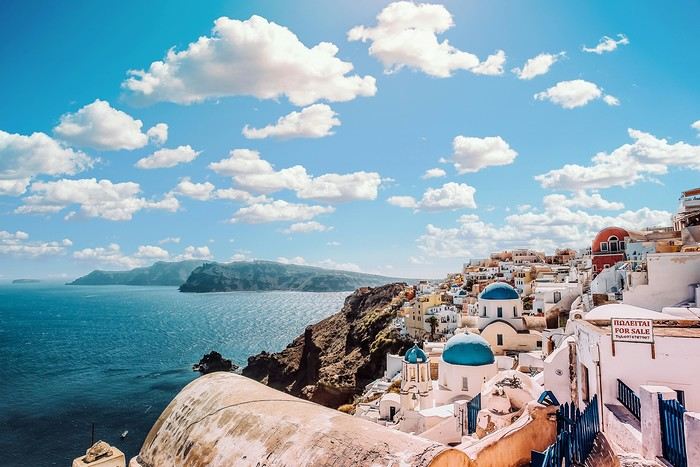
Beyond Athens' iconic sites and Santorini's popular beaches, Greece reveals its hidden treasures to those who dare venture off the beaten path. FairMoove travel agency offers eco-responsible stays in Greece for an authentic experience at the heart of Hellenic traditions.
Authentic Peloponnese: A Land of Living Traditions
The Peloponnese peninsula is home to traditional villages where time seems to have stood still. In Dimitsana, perched in the Arcadian mountains, locals keep centuries-old traditions alive in their craft workshops. The cobbled streets echo with the sound of traditional looms, where artisans still create textiles using age-old methods.
In the Mani region, ancient stone towers tell the story of an untamed land. Local families welcome you into their traditional homes to share their culinary art: olive oil preparation, olive bread making, and dolmades crafted according to recipes passed down through generations. The Unknown Islands: Preserved Jewels of the Aegean Sea
Far from Mykonos' hustle and bustle, Ikaria island reveals its longevity secrets. This blue island, known for its inhabitants' exceptional lifespan, invites you to discover a unique way of life. Join the panigiria, traditional festivals where the entire community gathers to dance, sing, and share local dishes prepared in large communal ovens.
On Lemnos island, fishermen introduce you to their traditional sustainable fishing techniques. The ancient salt pans, still in operation, bear witness to ancestral know-how. In family-run tavernas by the harbor, taste thallasomelo, a unique sea honey produced by bees foraging on wild thyme from coastal cliffs. Greek Macedonia: A Living Heritage
In the northern mountains, the villages of Zagoria preserve their characteristic stone architecture. Eighteenth-century arched bridges still span deep gorges, showcasing a unique construction art. Locals invite you to discover medicinal herb gathering and traditional herbal tea preparation, knowledge passed down through generations.
In Nymfaio, a village perched at 1,350 meters altitude, ecotourism initiatives help preserve the natural habitat of brown bears. Traditional stone guesthouses offer an ideal base for exploring the region and observing wildlife in its natural environment. Agritourism and Authentic Rural Life
Traditional farms in Thessaly open their doors to travelers eager to discover sustainable agriculture. Participate in the autumn olive harvest, traditional feta cheese making, or the cultivation of aromatic herbs that flavor Greek cuisine. These experiences not only support the local economy but also help preserve ancestral farming practices.
Traditional Festivals and Local Celebrations
The Greek calendar is marked by authentic celebrations that vary by region. In Pelion, the Goat Carnival transforms villages into living theater stages, where pagan traditions blend with Christian folklore. On Syros, the rebetiko festival lets you discover this UNESCO-listed music in its original context. Sustainable Initiatives and Heritage Preservation
Many Greek communities are committed to sustainable tourism projects. On Thirassia, Santorini's lesser-known neighbor, a traditional troglodyte house rehabilitation project allows visitors to stay in authentic dwellings while contributing to architectural heritage preservation. Supporting Local Communities
Women's cooperatives, particularly active in rural areas, offer traditional craft workshops. In Arnaia, Chalkidiki, learn to weave on traditional looms or prepare preserves using age-old methods. These initiatives help women maintain economic independence while preserving local traditions.
For more responsible tourism, many accommodations adopt eco-friendly practices. Using local products, sustainable water management, and solar energy production are among the initiatives that help preserve places' authenticity while respecting the environment.
Tips for an Authentic Trip
To discover the real Greece, choose off-season stays from October to April. Milder temperatures and fewer crowds allow for more authentic encounters with locals. Opt for small family-run guesthouses and host tables that offer true immersion in local culture.
Greece's regions thus invite you to discover another facet of this millennia-old country, far from tourist clichés. Each village, each island, each mountain holds authentic treasures waiting to be discovered by travelers who respect traditions and the environment.
Authentic Peloponnese: A Land of Living Traditions
The Peloponnese peninsula is home to traditional villages where time seems to have stood still. In Dimitsana, perched in the Arcadian mountains, locals keep centuries-old traditions alive in their craft workshops. The cobbled streets echo with the sound of traditional looms, where artisans still create textiles using age-old methods.
In the Mani region, ancient stone towers tell the story of an untamed land. Local families welcome you into their traditional homes to share their culinary art: olive oil preparation, olive bread making, and dolmades crafted according to recipes passed down through generations. The Unknown Islands: Preserved Jewels of the Aegean Sea
Far from Mykonos' hustle and bustle, Ikaria island reveals its longevity secrets. This blue island, known for its inhabitants' exceptional lifespan, invites you to discover a unique way of life. Join the panigiria, traditional festivals where the entire community gathers to dance, sing, and share local dishes prepared in large communal ovens.
On Lemnos island, fishermen introduce you to their traditional sustainable fishing techniques. The ancient salt pans, still in operation, bear witness to ancestral know-how. In family-run tavernas by the harbor, taste thallasomelo, a unique sea honey produced by bees foraging on wild thyme from coastal cliffs. Greek Macedonia: A Living Heritage
In the northern mountains, the villages of Zagoria preserve their characteristic stone architecture. Eighteenth-century arched bridges still span deep gorges, showcasing a unique construction art. Locals invite you to discover medicinal herb gathering and traditional herbal tea preparation, knowledge passed down through generations.
In Nymfaio, a village perched at 1,350 meters altitude, ecotourism initiatives help preserve the natural habitat of brown bears. Traditional stone guesthouses offer an ideal base for exploring the region and observing wildlife in its natural environment. Agritourism and Authentic Rural Life
Traditional farms in Thessaly open their doors to travelers eager to discover sustainable agriculture. Participate in the autumn olive harvest, traditional feta cheese making, or the cultivation of aromatic herbs that flavor Greek cuisine. These experiences not only support the local economy but also help preserve ancestral farming practices.
Traditional Festivals and Local Celebrations
The Greek calendar is marked by authentic celebrations that vary by region. In Pelion, the Goat Carnival transforms villages into living theater stages, where pagan traditions blend with Christian folklore. On Syros, the rebetiko festival lets you discover this UNESCO-listed music in its original context. Sustainable Initiatives and Heritage Preservation
Many Greek communities are committed to sustainable tourism projects. On Thirassia, Santorini's lesser-known neighbor, a traditional troglodyte house rehabilitation project allows visitors to stay in authentic dwellings while contributing to architectural heritage preservation. Supporting Local Communities
Women's cooperatives, particularly active in rural areas, offer traditional craft workshops. In Arnaia, Chalkidiki, learn to weave on traditional looms or prepare preserves using age-old methods. These initiatives help women maintain economic independence while preserving local traditions.
For more responsible tourism, many accommodations adopt eco-friendly practices. Using local products, sustainable water management, and solar energy production are among the initiatives that help preserve places' authenticity while respecting the environment.
Tips for an Authentic Trip
To discover the real Greece, choose off-season stays from October to April. Milder temperatures and fewer crowds allow for more authentic encounters with locals. Opt for small family-run guesthouses and host tables that offer true immersion in local culture.
Greece's regions thus invite you to discover another facet of this millennia-old country, far from tourist clichés. Each village, each island, each mountain holds authentic treasures waiting to be discovered by travelers who respect traditions and the environment.
Saharan Loops 4x4 Tour (Morocco): Your Opinions
Hello,
We’re about to book the Saharan Loops 4x4 tour with Fram for April.
I’d love to hear your thoughts on this trip.
Thanks in advance!
Best regards,
Michel
Trip to Crete: renting a car and other questions
Hello,
We’re planning to spend a week in Crete soon. We’ve read that renting a car is a must. We’ll be landing in Heraklion.
We’re used to traveling modestly, hiking, and wandering around in rather bucolic spots.
We’d love to hear any tips or experiences that might match our travel style.
Thanks in advance!
Françoise and Jean-Pierre
Buying a Buddha Statue in Thailand
Hello,
I’m Buddhist by conviction. Even though I don’t practice anymore, I have a Buddhist altar at home that’s becoming increasingly ecumenical—just like in India, it includes Ganesha, the Holy Family, a Virgin of Lourdes, several Shivas, Tara, Avalokiteshvara, and more...
I was hoping to buy a beautiful wooden, stone, or metal Buddha statue in Thailand. On top of that, I wanted to have my statue "blessed." But then I heard it’s forbidden to take any statue or representation of Buddha out of the country... What’s the reality in practice?
Have any of you brought back a Buddha statue or other representation in your luggage? Did you make the mandatory declaration?
Thanks
What’s your definition of a nature destination?
Hi,
I’m starting this thread after a digression that began in the India section and continued in a travel journal about Kerala.
The original topic was whether India is—or isn’t—a nature destination.
I’ll let you all discuss and share your own definition of a nature destination. 🙂
I’m starting this thread after a digression that began in the India section and continued in a travel journal about Kerala.
The original topic was whether India is—or isn’t—a nature destination.
I’ll let you all discuss and share your own definition of a nature destination. 🙂
Is it possible to travel to Iraqi Kurdistan?
Hello... nothing new for several
years now...
Can you go there independently from the rest of the country? Any recent experiences, either in Kurdistan or the rest of Iraq?
Thanks a lot
Eastern Crete in September 2024
Travel journal in Eastern Crete from September 8th to 29th, 2024
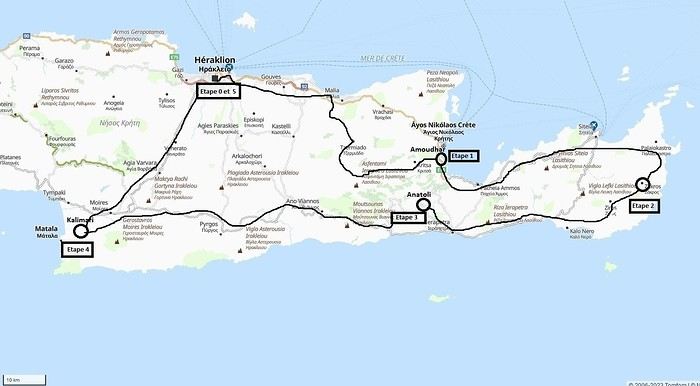 Our 21-day itinerary
Sunday, 08/09: Once again—and this is the eighth time—we’re setting off, the four of us: Patrick, Michelle, Jacques, and Monique, for the Greek islands. This time, we’ve chosen Crete. No need to wake up at 3 or 4 a.m. to reach Basel-Mulhouse Airport at dawn to catch the first flight to Greece at 6 a.m.! Given the prohibitive prices charged by EasyJet, we found flights that were half the price from Zurich Airport, which is accessible in 3 hours by train from Colmar. Pierre-Paul drives all four of us to Colmar train station, where we take the train to Basel and then, 20 minutes later, the direct train to Zurich Airport. After wandering around the airport, we go for a coffee at 6 € each! We’re in Switzerland, after all. The other dining areas all have vending machines for selecting and paying for meals—soon, there won’t be anyone left to serve you! After a short wait, we take off at 7:45 p.m. (20 minutes late) in an Aegean Airbus A321. Free in-flight meal service isn’t bad either! We land in Heraklion around 11:15 p.m. We pick up our rental car (a red Seat Ibiza) at the airport and head straight to our apartment, located 2 km from the city center. Thanks to the GPS, we find it quickly. It’s a beautiful, fully renovated apartment with all the comforts and well-equipped. On the table, there’s wine, bottles of water, jam, coffee, etc. Given the late hour, we won’t stay up long.
Monday, 09/09: To enhance our breakfast, Michelle and Monique set off to find a bakery nearby. They return with croissants and donuts—yum... Then we head to the west coast. The highway follows the coastline, but we prefer taking the old road to Malia, our first stop. We visit the major archaeological site of this Minoan city under the hot sun. The site covers a vast area, but the ruins aren’t very evocative except for a few beautiful amphorae scattered around. The explanations in a small house at the entrance are interesting and help us better understand the organization of the ancient city with its different districts. From there, we head toward the nearby mountains to see the thousand-year-old plane tree in the village of Krasi. We take the opportunity to enjoy an excellent lunch of moussaka and delicious gemista at the Krassopsychia taverna in the village center. Pleasant surprise: the prices are still reasonable, with a bill of 70 € for four, including wine and water. The friendly tradition of complimentary dessert and glasses of raki continues—great! We’ve set the bar high right away! Let’s hope the rest lives up to it! On the way back toward the Lassithi Plateau, we stop at the Kardiotisa Monastery perched high on the mountain to enjoy a magnificent view of the entire region. Just a little further, we arrive at the Lassithi Plateau: the presence of small windmills used to pump water from the ground is the typical feature of this plateau. We complete a full loop around the plateau, passing by numerous orchards and vegetable gardens that occupy the entire space. At the end of the plateau, we once again cross mountain passes via winding roads that bring us near Agios Nikolaos. Our apartment is located about ten kilometers further south in Amoudhara. The owner, who was notified, waits for us and shows us her superb apartment, whose large terrace overlooks the entire Mirabello Bay. She then gives us valuable information about the different beaches in the area. Dinner will be frugal, given our hearty lunch in Krasi!
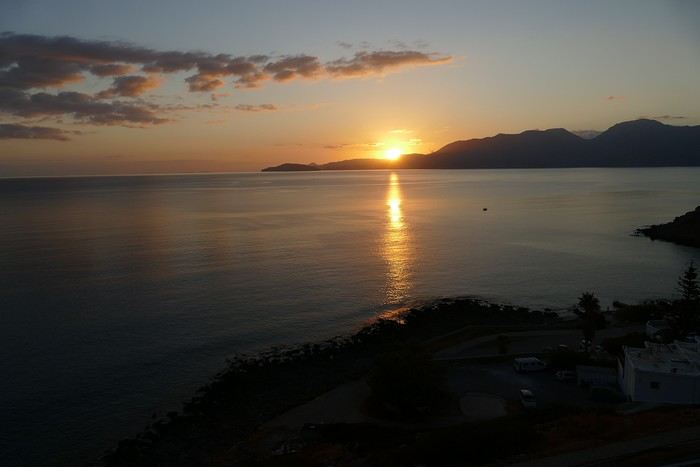 Sunset over Mirabello Bay
Tuesday, 10/09: A bit of a gray sky when we wake up around 8 a.m., but the sun will soon triumph over the scattered clouds. For our first swim, we opt for Voulisma Beach, even though our host warned us it was a bit “crowdy.” That’s understandable given the beautiful emerald color of the sea and the lovely curve of the beach. To avoid the big crowds, we move toward the eastern part of the beach, accessible via a steep staircase. The water is very warm, and this first dip is very pleasant. Before returning to the apartment, we stop at the bakery to buy spinach pies, essential ingredients to accompany our Greek salad for lunch. Of course, everything will be washed down with ouzo, which will remain our favorite drink for the next three weeks—but in moderation!!! A nap is in order after all that effort. In the late afternoon, we drive to Agios Nikolaos, the main seaside resort in Crete. We’re not too enthusiastic about visiting this mass-tourism resort, but the center of Agios, concentrated around the small inner harbor, is pleasant to see despite the plethora of shops and restaurants. We dine a little outside the harbor in the shaded courtyard of the Avli taverna: the oven-baked lamb, squid with spinach, and cuttlefish ink orzo pasta are all highly appreciated. We still stay under a 75 € bill for four.
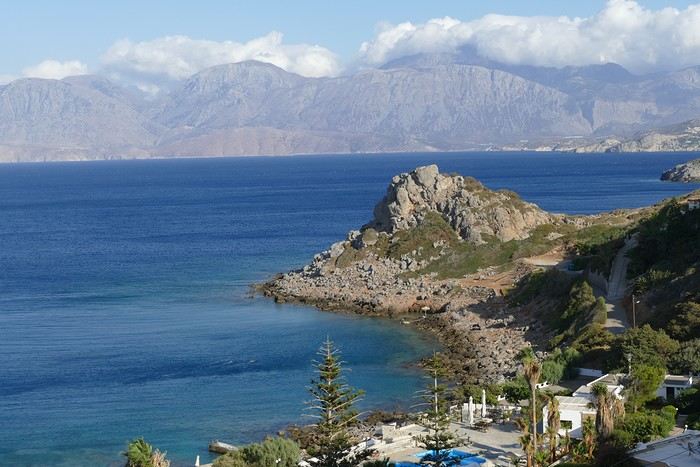 Mirabello Bay seen from our terrace
Wednesday, 11/09: At 8 a.m., the terrace is already bathed in sunlight, and it’s already quite hot. The small parasol barely gives us enough shade, but we’re not complaining! For our second swim, we head to a tiny beach recommended by our host, just 3 minutes by car from our place. The path leading to it is very discreet, and we don’t find it right away! It’s a small sandy cove with a few welcome tamarisk trees for shade. When we arrive, there are two swimmers, and there won’t be more than five or six in the morning. After lunch and a nap, we head to the beautiful village of Kritsa, just a few kilometers away. It’s too late to visit the beautiful church of Kera Panagia, which is already closed. We settle for the exterior, which is worth a look. The weather is clouding over, and big clouds are gathering. Upon arriving in Kritsa, a heavy shower forces us to take shelter in the Platanos taverna in the village center, and since it’s nearly 7 p.m., we decide to stay and dine there. Good choice—excellent meze: croquettes and stuffed zucchini flowers, gigantes beans, grilled tomatoes and feta, and pancetta as the main dish. The rain stops just as we decide to head back.
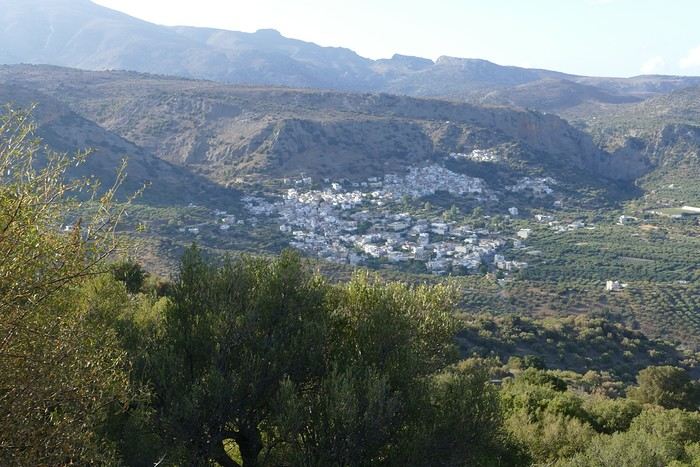 Village of Kritsa
Thursday, 12/09: Our terrace faces east, so we get to watch the sunrise around 7 a.m.—it’s truly a beautiful sight we never tire of. Around 9 a.m., we head to the village of Plaka, where boats depart for the island of Spinalonga, located north of Agios Nikolaos. We board the first boat, which sets sail at 10 a.m., and we’re not alone—the boat is practically full. After 10 minutes, we land on the island at the same time as several other boats from Elounda or Agios. Needless to say, there are already quite a few people walking through the streets of the leper village. The visit remains interesting and moving as we read the explanatory panels recounting the island’s history under Byzantine and then Turkish rule, followed by its transformation into a leper colony. As soon as we climb toward the top of the island via more or less maintained paths, there’s almost no one left. The 360° view from up there is stunning.
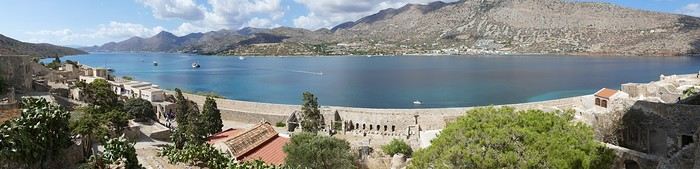
Spinalonga Island
The heat is now unbearable, and we can’t wait to get back home to have lunch on our terrace and rest. In the late afternoon, we go grocery shopping at the AB supermarket at the entrance of Agios. We had spotted another nice restaurant in our guide, but unfortunately, there’s a different one at the indicated location that doesn’t inspire us. So, we return to the Avli taverna for another dinner just as good as the first.
Friday, 13/09: We repeat yesterday’s successful program: a swim in our little cove, lunch on the terrace, a nap, and then, in the late afternoon, we discover another nearby village, Kroustas, nestled in the olive groves near Kritsa. Much less touristy than Kritsa, it’s mostly inhabited by locals, especially the elderly who are enjoying the cool air on their chairs—if you can call it cool given the still-high temperatures in the late afternoon! We then return to visit Kritsa, which we hadn’t been able to explore due to the rain. Dinner at a taverna in the village center at a very reasonable price.
Saturday, 14/09: Today, we move to our new base further east. We start with a high viewpoint at the Faneromeni Monastery, which overlooks Mirabello Bay. The monastery itself is of little interest as it’s under renovation with excessive concrete work. We continue to the village of Kavoussi to see another exceptional tree after a few kilometers on a dusty, bumpy track. It’s an olive tree said to be about 3,200 years old—impressive, and the countryside is very beautiful. It’s time to find a place for lunch. We find one in the charming little port of Mohlos, where a few tavernas surround a very nice small beach. Our choice falls on the Bogazzi taverna, where we enjoy fried fish. To reach our new base in Zakros, we still have to drive through the mountains before reaching Sitia, Paleokastro, and finally Zakros. The region is beautiful, with olive groves and rows of wind turbines taking advantage of the strong wind near the northern tip of the island. In Zakros, we’re greeted by our very friendly host. Here too, we have all the comforts and a beautiful terrace overlooking the village. The apartment has reversible air conditioners, but the overly simple instructions leave us puzzled. Thinking we’ve set it correctly, we realize a little too late that it’s blowing hot air over 30°C! After numerous attempts and testing several confusing programs, we finally succeed! Dinner on our new terrace.
Sunday, 15/09: This morning, we get up early to hike in the “Gorge of the Dead” while it’s still cool. The sky is blue as usual! We park in the nearest parking lot and start our descent via a beautiful path winding through the olive groves. A little further on, the landscape opens up, and the path, now a stony trail, begins the descent to the dry riverbed. On either side of the riverbed rise beautiful reddish cliffs.
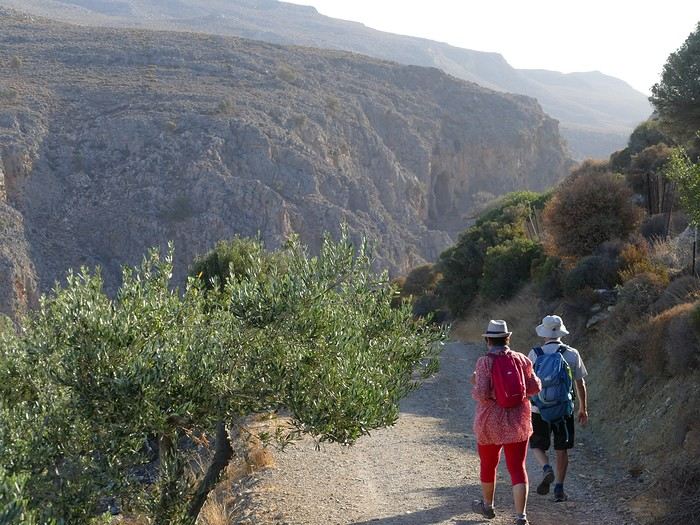
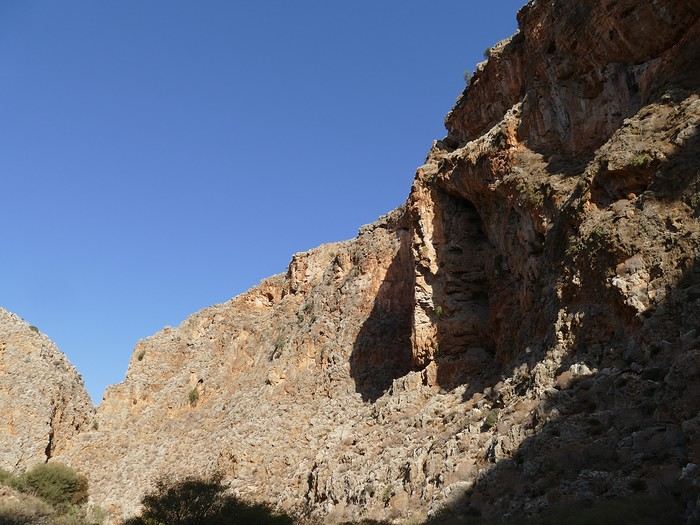
Gorge of the Dead
The trail winds its way through this narrow gorge with difficulty. It was in the many caves visible halfway up the slope that the Minoans buried their dead, hence the name “Gorge of the Dead.” The gorge opens onto a beautiful small pebble beach. A swim is welcome after this hike that made us sweat. The hike took us 1 hour and 25 minutes, and a little less on the way back. Meanwhile, Monique did some shopping and prepared an excellent lunch. In the late afternoon, we go down to dine at Platanakis, a taverna in the small village of Kato Zakros.
Monday, 16/09: This morning, we explore the northern part of the east coast near Palekastro. We start with a dip at the beautiful Hionia Beach near Palekastro. The water is still just as nice, but a light breeze is blowing—not enough to spoil our fun! Seeing all the wind turbines lining the ridges, it’s no surprise.
 Grocery shopping in Palekastro and return to Zakros. A little rain in the late afternoon and an excellent dinner at Iannis Mitsakakis’ Taverna in Adravastis. These are the kind of small tavernas we love—unpretentious, a few tables on a terrace, a warm welcome, a short menu guaranteeing freshness, tasty dishes prepared by the server’s mom, and a light bill. What more could you ask for!
Tuesday, 17/09: We head back toward Palekastro to do some shopping, but it’s also the road to the Toplou Monastery. There, we see a collection of magnificent icons dating from the 15th to the 20th century. We can also admire drawings of Orthodox religious architecture. We continue toward the Mavros Akrotiri headland to enjoy the view of the sea and rocky capes. On the way back to our place, we make a small detour to see the famous Vai palm grove. Meh... As for Vai Beach, it’s filled with paid umbrellas and sunbeds, and there are so many people that we flee. Plus, having to pay for parking is another reason to snub this trendy beach. We prefer our Hionia Beach, which we already appreciated the other day. In the late afternoon, Pat and I start the trail that begins at Kato Zakros Beach heading south. The poorly marked path crosses a plateau of sharp limestone. The paint and cairn markings are no longer very visible, and with dusk approaching, we turn back toward Kato Zakros. Dinner at the Platanakis taverna—less good than last time.
Wednesday, 18/09: To avoid the scorching sun, Pat, Mimi, and I get up earlier than usual to hike the Hohlakies Gorge. At this early hour, the sky is quite cloudy, and it’s drizzling. When we arrive in the village of Hohlakies, we park in front of a small chapel, the start of the hike. The sky is now completely clear. The trail starts among the olive groves, then after passing through a gate, we descend into the gorge filled with large rocks. We’re alone in the world, and the landscape is magnificent. A few wild goats clinging to the cliff watch us from above. After 1 hour and 15 minutes, we emerge onto the wonderful Karoumès Beach. A pleasant swim, then back to civilization! A walk in the late afternoon in Zakros to discover the beautiful springs route. Dinner in Adravastis.
Thursday, 19/09: Another move: Before heading to our next stop, we make a detour to see the beautiful Keratokampos Beach and can’t resist a swim in the still-warm, clear water. We continue our journey via Ziros, then reach the south coast and have lunch at the Stephi taverna in Ferma—excellent meal! The south coast is quite urbanized and has much less charm than the east coast we’ve just left! The numerous plastic greenhouses are partly to blame. We stop for groceries in Ierapetra. Around 3 p.m., we arrive at our destination in the small perched village of Anatoli. Our lodging is at the top of the village, and from the path leading to it, we have a magnificent view of the coastal plain, unfortunately overloaded with plastic greenhouses. It reminds us of the landscapes of El Ejido in Andalusia.
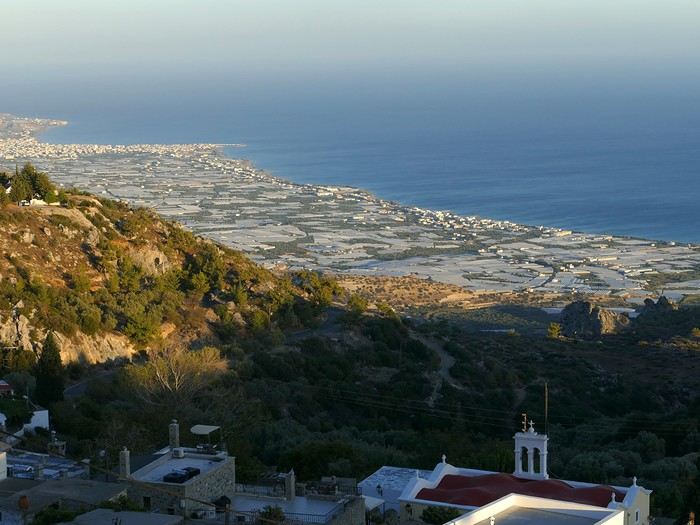 View of the Ierapetra coast from Anatoli
Friday, 20/09: A walk and discovery of the hamlet of Anatoli. There are few services—a tiny grocery store, a taverna, and that’s it. Fortunately, the traveling baker arrives and honks. We take the opportunity to buy fresh bread. Leaving the village, we take a path that should lead us to the hamlet of Drygies. The landscape is beautiful. We walk through a lovely pine forest before arriving at the hamlet. The path continues to a taverna that’s closed today, with a superb terrace overlooking the coast. Luckily, the owner arrives and informs us that the taverna will be open next Sunday and that we can enjoy barbecued meat. Noted! We head back to Anatoli via the small paved road with, fortunately, very limited traffic. Lunch on our terrace, then a dip in our private pool! The water is noticeably cooler than at the beach. Dinner at the village taverna: there’s only one menu—meze starters, souvlaki, water, wine, and bread—all for 35 €! We think we’re dreaming—was there a mistake? No.
Saturday, 21/09: We discover the beach of the village of Myrtos, a small seaside resort that’s quite touristy but on a human scale. We swim in the western part of the beach, and once again, we’re alone in the water. The best part: warm water and tamarisk trees for welcome shade. There’s even a shower to rinse off! In the late afternoon, Pat and I decide to go for a hike in the Selakano pine forest. To get there, we take a narrow, winding, and poorly paved road after the village of Christos. Plus, at this altitude, we encounter clouds clinging to the mountain, so it’s drizzling, and visibility is reduced. We decide to turn back and return to Anatoli. As compensation, we take the path that passes in front of the lodging and leads us to the Timios Stavros chapel, which crowns the summit of the nearby mountain. We arrive at the summit just in time for the sunset at 7 p.m. Breathtaking 360° panorama and magnificent colors!
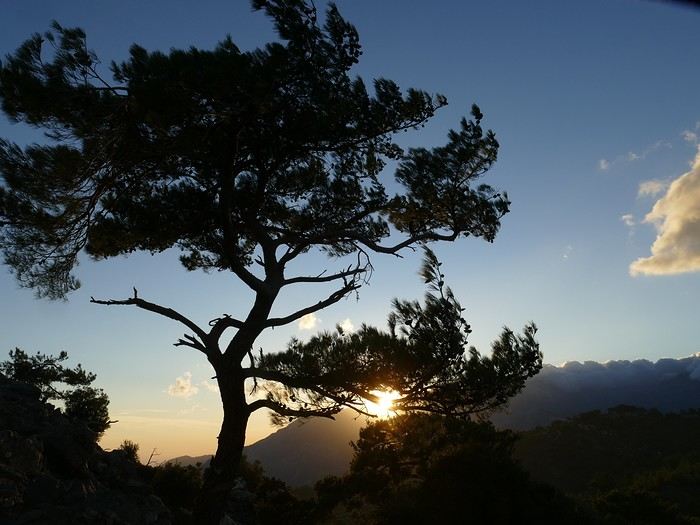 Sunset from Anatoli
Sunday, 22/09: This morning, Pat, Mimi, and I go for a hike in the Sarakina Gorge, located about 12 km from Anatoli via a beautiful road winding through irrigated olive groves. We park in the small parking lot before the trail. At the start, the path follows a levada (small irrigation canal) and quickly enters a very narrow gorge flanked by high cliffs. The riverbed is cluttered with huge rocks blocking the passage. No matter—in the technical sections, ropes or ladders allow us to overcome these obstacles with a bit of skill. You can imagine how quickly the riverbed must rise during a storm, given the narrowness of the gorge!
We progress slowly through this magnificent and impressive rocky chaos. At the exit of the gorge, we take another return path that partly follows the paved road. Back in Anatoli, we go to lunch at the Drygies taverna. We sit at the edge of the terrace under a huge tree that covers almost the entire terrace and order grilled lamb dishes prepared according to the ancient “antikristo” method.
Monday, 23/09: Departure for our last stop before Heraklion. We thought about swimming at Tertsa Beach, but it turns out to be less pleasant than expected, with pebbles and an uneven rocky plateau. So, we return to Myrtos Beach, which we know well and suits us perfectly. We head west, leaving the coast a bit. Around 3:30 p.m., we arrive at our destination in the village of Kamilari, near the famous Matala spot. We’ve rented a beautiful, modern, well-equipped apartment with a lovely shaded terrace. The owner is very friendly and explains everything necessary for a good stay. We explore the quite touristy village with its few tavernas, all full of tourists, mostly Germans.
Tuesday, 24/09: Visit to the village of Sivas, well restored thanks to the Germans, who have invested a lot here. We take the opportunity to scout out “friendly” tavernas, then go for a swim at Kalamaki Beach. Apart from a small sandy access, you have to enter the water via a chaotic limestone plateau—proof of this is that Monique trips slightly when entering the water. A group of very unfriendly German women blocks the sandy passage and doesn’t hesitate to push swimmers they deem too close. Back home, lunch, and a nap. In the late afternoon, we drive to visit the nearby Phaistos site. We benefit from very beautiful lighting. From the elevated site, we overlook the Messara Plain with a beautiful view of the olive grove checkerboards highlighted by the late afternoon sun. The site itself is quite vast, but to appreciate it, it’s better to read the explanatory panels placed throughout the different quarters. At this hour, the site is almost empty, and the beautiful light adds charm to the visit.
Wednesday, 25/09: Departure for the village of Matala, which doesn’t interest us in itself, having been there during the “hippie” era in 1976. However, going to Red Beach, only accessible by taking a path overlooking this area, appeals to us much more. We park in the large parking lot just outside the village and start our climb, which brings us to a pass from where we can admire this beautiful red-sand beach framed by beautiful cliffs plunging into the sea. The weather is magnificent, and at this early hour, there aren’t many people yet. We swim in the free part located near the cliff on the right when arriving at the beach. The sea is like glass, warm, and without a single ripple—a real treat! After half an hour, we turn back, and now there are many people rushing on this path, not at all made for feet in sandals or flip-flops, yet many vacationers venture out like this! Matala lives up to its image—a trendy place, full of shops, bars, and restaurants. You could be in any seaside resort with a standard global urbanism, lacking particular charm. Back home. In the late afternoon, a walk through the olive groves surrounding Kamilari, then dinner at Evangelina’s, who runs the Minoan Parassies taverna in the middle of the olive groves. Evangelina is quite a character: we came to reserve a table for 8 p.m. when it was only 7 p.m., but since we lingered near her restaurant, she prepares a table for us and urges us to sit down! And there she takes our order, and a little later, the meze arrive, followed by the main dishes. We finish this good dinner with several generous glasses of raki, accompanied by Evangelina’s encouragements, repeating “poya poya bravo bravo” in a loop. We’re in great shape too, by the way! We return in the middle of the night, on foot, fortunately, with the path vaguely lit by our phones...
Thursday, 26/09: This morning, we discover a new beach, Kommos Beach, not far from Kamilari either. It’s a long sandy beach, a small part of which is dedicated to paid umbrellas and sunbeds, and the rest is free. We spot a tamarisk tree to take shelter from the still-hot sun, and once again, we enjoy clear, warm water. The few swimmers spread out easily over nearly 500 meters of beach. In the late afternoon, Pat and I go to admire the sunset from the hill near our lodging. The hill, covered with olive trees, is threatened by a planned housing development of large cubic villas—trends dictate. Concrete never stops...
Friday, 27/09: We thought about leaving the car at the Odiyitria Monastery, the end of the paved road, but since the track descending to the cave remains drivable, we park 3 km further at the junction of the track leading to Kali Limenes Beach. We still have to walk for half an hour on a less drivable track, and then we’re at the entrance of the Farango Gorge. It’s a beautiful, easy hike since we follow the dry pebble riverbed. Before arriving at the beach, there’s a very beautiful small chapel sheltered under a large cliff, beautifully lit at this early hour.
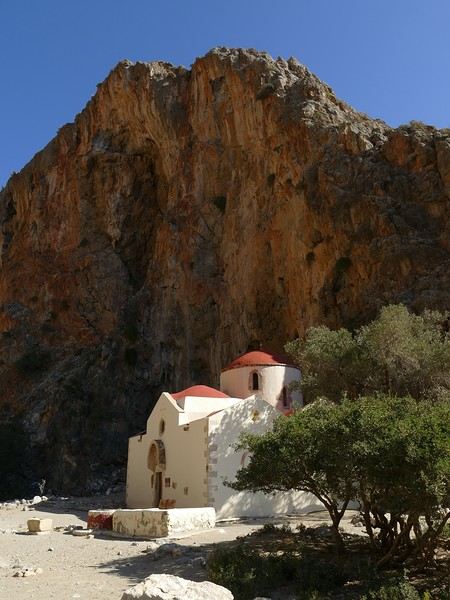
Agio Farango Chapel
A few climbers are scaling the cliff, and about ten swimmers are enjoying the sea. Return to the car under the hot sun. In the late afternoon, we all return to visit the interesting Odiyitria Monastery. Last swim at Kommos Beach and an excellent dinner at the Sigelakis taverna in Sivas.
Saturday, 28/09: There’s an end-of-vacation atmosphere... We pack our bags and head north. A short stop to see the village of Vorri, and a little over an hour later, we arrive in the big city of Heraklion. Since it’s too early to check into the apartment, we park in the city center to visit the famous archaeological museum. It’s indeed a must-see highlight of our stay in Crete. All four of us are amazed by the quantity and quality of the objects presented from the Minoan civilization. After more than 2 hours, we come out without having seen everything, but we’re a bit overwhelmed by all these wonders. Lunch at a nice little taverna very close to the Titus Church. We go to take possession of our apartment—the same as on the way there, still just as satisfying. In the late afternoon, I go alone for a walk in the historic district of the city, passing by the Morosini Fountain, which is bustling with people—some seated at café terraces, others standing and chatting. There’s a lively atmosphere here. A little further on are the Venetian loggia and the Agios Titos Church. I walk down to the old Venetian port to stroll along the jetty and admire the fortifications under beautiful late-afternoon lighting, then return to the apartment. Dinner near our place at Kiriakis, a “chic” restaurant but with very reasonable prices and excellent cuisine.
Sunday, 29/09: Wake-up at 3:30 a.m., quick coffee, and drive to the nearby airport. We leave the car in the parking lot. Already a lot of people at this early hour. Since we don’t have checked luggage, we go straight to security, which goes fairly quickly, then it’s waiting time and takeoff on time in an Airbus A321 for a 45-minute flight to Athens. We take off again in another Airbus A321 with a 50-minute delay to arrive in Zurich at 11:10 a.m. local time. Then we have to take the train to Basel and then the one to Colmar. With fewer Sunday services, we won’t arrive in Colmar until around 4 p.m.
Conclusion All four of us returned very satisfied with this stay in Crete for several reasons: - We found superb beaches with clear, warm water and often very few vacationers. - The few hikes we did were magnificent, especially those where the trails went through gorges leading to deserted beaches. - We greatly appreciated Cretan gastronomy—there were so few disappointments that we can count them on one hand. - All the accommodations we booked turned out to be superb, with the icing on the cake being the very friendly welcome from our hosts. - Generally, contacts with Cretans were always very warm despite the language barrier—we speak a little Greek. - We also appreciated the diversity of landscapes in this eastern part of Crete, with plateaus and mountains with splendid rugged reliefs.
Note: The photo album is available by clicking on this link: https://photos.app.goo.gl/hfdjQndA5eXkL5k7 Captions are only visible per photo by clicking on the circled “i” in the top right. Budget: approximately 3,300 € per couple for 21 days, including train and flights Budget details per couple: - Flight Zurich-Heraklion: 440 € - Trains Colmar-Basel-Zurich round trip for 4: 442.40 € (221 € per couple) - Accommodation: 2,431 € / 21 = 115.80 € per night for 4 (1,216 € per couple) - Car rental for 21 days: 684 € + 145 € fuel (1,150 km) (414 € per couple) - Restaurants, food, etc.: 1,009 €
Our 21-day itinerarySunday, 08/09: Once again—and this is the eighth time—we’re setting off, the four of us: Patrick, Michelle, Jacques, and Monique, for the Greek islands. This time, we’ve chosen Crete. No need to wake up at 3 or 4 a.m. to reach Basel-Mulhouse Airport at dawn to catch the first flight to Greece at 6 a.m.! Given the prohibitive prices charged by EasyJet, we found flights that were half the price from Zurich Airport, which is accessible in 3 hours by train from Colmar. Pierre-Paul drives all four of us to Colmar train station, where we take the train to Basel and then, 20 minutes later, the direct train to Zurich Airport. After wandering around the airport, we go for a coffee at 6 € each! We’re in Switzerland, after all. The other dining areas all have vending machines for selecting and paying for meals—soon, there won’t be anyone left to serve you! After a short wait, we take off at 7:45 p.m. (20 minutes late) in an Aegean Airbus A321. Free in-flight meal service isn’t bad either! We land in Heraklion around 11:15 p.m. We pick up our rental car (a red Seat Ibiza) at the airport and head straight to our apartment, located 2 km from the city center. Thanks to the GPS, we find it quickly. It’s a beautiful, fully renovated apartment with all the comforts and well-equipped. On the table, there’s wine, bottles of water, jam, coffee, etc. Given the late hour, we won’t stay up long.
Monday, 09/09: To enhance our breakfast, Michelle and Monique set off to find a bakery nearby. They return with croissants and donuts—yum... Then we head to the west coast. The highway follows the coastline, but we prefer taking the old road to Malia, our first stop. We visit the major archaeological site of this Minoan city under the hot sun. The site covers a vast area, but the ruins aren’t very evocative except for a few beautiful amphorae scattered around. The explanations in a small house at the entrance are interesting and help us better understand the organization of the ancient city with its different districts. From there, we head toward the nearby mountains to see the thousand-year-old plane tree in the village of Krasi. We take the opportunity to enjoy an excellent lunch of moussaka and delicious gemista at the Krassopsychia taverna in the village center. Pleasant surprise: the prices are still reasonable, with a bill of 70 € for four, including wine and water. The friendly tradition of complimentary dessert and glasses of raki continues—great! We’ve set the bar high right away! Let’s hope the rest lives up to it! On the way back toward the Lassithi Plateau, we stop at the Kardiotisa Monastery perched high on the mountain to enjoy a magnificent view of the entire region. Just a little further, we arrive at the Lassithi Plateau: the presence of small windmills used to pump water from the ground is the typical feature of this plateau. We complete a full loop around the plateau, passing by numerous orchards and vegetable gardens that occupy the entire space. At the end of the plateau, we once again cross mountain passes via winding roads that bring us near Agios Nikolaos. Our apartment is located about ten kilometers further south in Amoudhara. The owner, who was notified, waits for us and shows us her superb apartment, whose large terrace overlooks the entire Mirabello Bay. She then gives us valuable information about the different beaches in the area. Dinner will be frugal, given our hearty lunch in Krasi!
Sunset over Mirabello BayTuesday, 10/09: A bit of a gray sky when we wake up around 8 a.m., but the sun will soon triumph over the scattered clouds. For our first swim, we opt for Voulisma Beach, even though our host warned us it was a bit “crowdy.” That’s understandable given the beautiful emerald color of the sea and the lovely curve of the beach. To avoid the big crowds, we move toward the eastern part of the beach, accessible via a steep staircase. The water is very warm, and this first dip is very pleasant. Before returning to the apartment, we stop at the bakery to buy spinach pies, essential ingredients to accompany our Greek salad for lunch. Of course, everything will be washed down with ouzo, which will remain our favorite drink for the next three weeks—but in moderation!!! A nap is in order after all that effort. In the late afternoon, we drive to Agios Nikolaos, the main seaside resort in Crete. We’re not too enthusiastic about visiting this mass-tourism resort, but the center of Agios, concentrated around the small inner harbor, is pleasant to see despite the plethora of shops and restaurants. We dine a little outside the harbor in the shaded courtyard of the Avli taverna: the oven-baked lamb, squid with spinach, and cuttlefish ink orzo pasta are all highly appreciated. We still stay under a 75 € bill for four.
Mirabello Bay seen from our terraceWednesday, 11/09: At 8 a.m., the terrace is already bathed in sunlight, and it’s already quite hot. The small parasol barely gives us enough shade, but we’re not complaining! For our second swim, we head to a tiny beach recommended by our host, just 3 minutes by car from our place. The path leading to it is very discreet, and we don’t find it right away! It’s a small sandy cove with a few welcome tamarisk trees for shade. When we arrive, there are two swimmers, and there won’t be more than five or six in the morning. After lunch and a nap, we head to the beautiful village of Kritsa, just a few kilometers away. It’s too late to visit the beautiful church of Kera Panagia, which is already closed. We settle for the exterior, which is worth a look. The weather is clouding over, and big clouds are gathering. Upon arriving in Kritsa, a heavy shower forces us to take shelter in the Platanos taverna in the village center, and since it’s nearly 7 p.m., we decide to stay and dine there. Good choice—excellent meze: croquettes and stuffed zucchini flowers, gigantes beans, grilled tomatoes and feta, and pancetta as the main dish. The rain stops just as we decide to head back.
Village of KritsaThursday, 12/09: Our terrace faces east, so we get to watch the sunrise around 7 a.m.—it’s truly a beautiful sight we never tire of. Around 9 a.m., we head to the village of Plaka, where boats depart for the island of Spinalonga, located north of Agios Nikolaos. We board the first boat, which sets sail at 10 a.m., and we’re not alone—the boat is practically full. After 10 minutes, we land on the island at the same time as several other boats from Elounda or Agios. Needless to say, there are already quite a few people walking through the streets of the leper village. The visit remains interesting and moving as we read the explanatory panels recounting the island’s history under Byzantine and then Turkish rule, followed by its transformation into a leper colony. As soon as we climb toward the top of the island via more or less maintained paths, there’s almost no one left. The 360° view from up there is stunning.
Spinalonga Island
The heat is now unbearable, and we can’t wait to get back home to have lunch on our terrace and rest. In the late afternoon, we go grocery shopping at the AB supermarket at the entrance of Agios. We had spotted another nice restaurant in our guide, but unfortunately, there’s a different one at the indicated location that doesn’t inspire us. So, we return to the Avli taverna for another dinner just as good as the first.
Friday, 13/09: We repeat yesterday’s successful program: a swim in our little cove, lunch on the terrace, a nap, and then, in the late afternoon, we discover another nearby village, Kroustas, nestled in the olive groves near Kritsa. Much less touristy than Kritsa, it’s mostly inhabited by locals, especially the elderly who are enjoying the cool air on their chairs—if you can call it cool given the still-high temperatures in the late afternoon! We then return to visit Kritsa, which we hadn’t been able to explore due to the rain. Dinner at a taverna in the village center at a very reasonable price.
Saturday, 14/09: Today, we move to our new base further east. We start with a high viewpoint at the Faneromeni Monastery, which overlooks Mirabello Bay. The monastery itself is of little interest as it’s under renovation with excessive concrete work. We continue to the village of Kavoussi to see another exceptional tree after a few kilometers on a dusty, bumpy track. It’s an olive tree said to be about 3,200 years old—impressive, and the countryside is very beautiful. It’s time to find a place for lunch. We find one in the charming little port of Mohlos, where a few tavernas surround a very nice small beach. Our choice falls on the Bogazzi taverna, where we enjoy fried fish. To reach our new base in Zakros, we still have to drive through the mountains before reaching Sitia, Paleokastro, and finally Zakros. The region is beautiful, with olive groves and rows of wind turbines taking advantage of the strong wind near the northern tip of the island. In Zakros, we’re greeted by our very friendly host. Here too, we have all the comforts and a beautiful terrace overlooking the village. The apartment has reversible air conditioners, but the overly simple instructions leave us puzzled. Thinking we’ve set it correctly, we realize a little too late that it’s blowing hot air over 30°C! After numerous attempts and testing several confusing programs, we finally succeed! Dinner on our new terrace.
Sunday, 15/09: This morning, we get up early to hike in the “Gorge of the Dead” while it’s still cool. The sky is blue as usual! We park in the nearest parking lot and start our descent via a beautiful path winding through the olive groves. A little further on, the landscape opens up, and the path, now a stony trail, begins the descent to the dry riverbed. On either side of the riverbed rise beautiful reddish cliffs.
Gorge of the Dead
The trail winds its way through this narrow gorge with difficulty. It was in the many caves visible halfway up the slope that the Minoans buried their dead, hence the name “Gorge of the Dead.” The gorge opens onto a beautiful small pebble beach. A swim is welcome after this hike that made us sweat. The hike took us 1 hour and 25 minutes, and a little less on the way back. Meanwhile, Monique did some shopping and prepared an excellent lunch. In the late afternoon, we go down to dine at Platanakis, a taverna in the small village of Kato Zakros.
Monday, 16/09: This morning, we explore the northern part of the east coast near Palekastro. We start with a dip at the beautiful Hionia Beach near Palekastro. The water is still just as nice, but a light breeze is blowing—not enough to spoil our fun! Seeing all the wind turbines lining the ridges, it’s no surprise.
Grocery shopping in Palekastro and return to Zakros. A little rain in the late afternoon and an excellent dinner at Iannis Mitsakakis’ Taverna in Adravastis. These are the kind of small tavernas we love—unpretentious, a few tables on a terrace, a warm welcome, a short menu guaranteeing freshness, tasty dishes prepared by the server’s mom, and a light bill. What more could you ask for!Tuesday, 17/09: We head back toward Palekastro to do some shopping, but it’s also the road to the Toplou Monastery. There, we see a collection of magnificent icons dating from the 15th to the 20th century. We can also admire drawings of Orthodox religious architecture. We continue toward the Mavros Akrotiri headland to enjoy the view of the sea and rocky capes. On the way back to our place, we make a small detour to see the famous Vai palm grove. Meh... As for Vai Beach, it’s filled with paid umbrellas and sunbeds, and there are so many people that we flee. Plus, having to pay for parking is another reason to snub this trendy beach. We prefer our Hionia Beach, which we already appreciated the other day. In the late afternoon, Pat and I start the trail that begins at Kato Zakros Beach heading south. The poorly marked path crosses a plateau of sharp limestone. The paint and cairn markings are no longer very visible, and with dusk approaching, we turn back toward Kato Zakros. Dinner at the Platanakis taverna—less good than last time.
Wednesday, 18/09: To avoid the scorching sun, Pat, Mimi, and I get up earlier than usual to hike the Hohlakies Gorge. At this early hour, the sky is quite cloudy, and it’s drizzling. When we arrive in the village of Hohlakies, we park in front of a small chapel, the start of the hike. The sky is now completely clear. The trail starts among the olive groves, then after passing through a gate, we descend into the gorge filled with large rocks. We’re alone in the world, and the landscape is magnificent. A few wild goats clinging to the cliff watch us from above. After 1 hour and 15 minutes, we emerge onto the wonderful Karoumès Beach. A pleasant swim, then back to civilization! A walk in the late afternoon in Zakros to discover the beautiful springs route. Dinner in Adravastis.
Thursday, 19/09: Another move: Before heading to our next stop, we make a detour to see the beautiful Keratokampos Beach and can’t resist a swim in the still-warm, clear water. We continue our journey via Ziros, then reach the south coast and have lunch at the Stephi taverna in Ferma—excellent meal! The south coast is quite urbanized and has much less charm than the east coast we’ve just left! The numerous plastic greenhouses are partly to blame. We stop for groceries in Ierapetra. Around 3 p.m., we arrive at our destination in the small perched village of Anatoli. Our lodging is at the top of the village, and from the path leading to it, we have a magnificent view of the coastal plain, unfortunately overloaded with plastic greenhouses. It reminds us of the landscapes of El Ejido in Andalusia.
View of the Ierapetra coast from AnatoliFriday, 20/09: A walk and discovery of the hamlet of Anatoli. There are few services—a tiny grocery store, a taverna, and that’s it. Fortunately, the traveling baker arrives and honks. We take the opportunity to buy fresh bread. Leaving the village, we take a path that should lead us to the hamlet of Drygies. The landscape is beautiful. We walk through a lovely pine forest before arriving at the hamlet. The path continues to a taverna that’s closed today, with a superb terrace overlooking the coast. Luckily, the owner arrives and informs us that the taverna will be open next Sunday and that we can enjoy barbecued meat. Noted! We head back to Anatoli via the small paved road with, fortunately, very limited traffic. Lunch on our terrace, then a dip in our private pool! The water is noticeably cooler than at the beach. Dinner at the village taverna: there’s only one menu—meze starters, souvlaki, water, wine, and bread—all for 35 €! We think we’re dreaming—was there a mistake? No.
Saturday, 21/09: We discover the beach of the village of Myrtos, a small seaside resort that’s quite touristy but on a human scale. We swim in the western part of the beach, and once again, we’re alone in the water. The best part: warm water and tamarisk trees for welcome shade. There’s even a shower to rinse off! In the late afternoon, Pat and I decide to go for a hike in the Selakano pine forest. To get there, we take a narrow, winding, and poorly paved road after the village of Christos. Plus, at this altitude, we encounter clouds clinging to the mountain, so it’s drizzling, and visibility is reduced. We decide to turn back and return to Anatoli. As compensation, we take the path that passes in front of the lodging and leads us to the Timios Stavros chapel, which crowns the summit of the nearby mountain. We arrive at the summit just in time for the sunset at 7 p.m. Breathtaking 360° panorama and magnificent colors!
Sunset from AnatoliSunday, 22/09: This morning, Pat, Mimi, and I go for a hike in the Sarakina Gorge, located about 12 km from Anatoli via a beautiful road winding through irrigated olive groves. We park in the small parking lot before the trail. At the start, the path follows a levada (small irrigation canal) and quickly enters a very narrow gorge flanked by high cliffs. The riverbed is cluttered with huge rocks blocking the passage. No matter—in the technical sections, ropes or ladders allow us to overcome these obstacles with a bit of skill. You can imagine how quickly the riverbed must rise during a storm, given the narrowness of the gorge!
We progress slowly through this magnificent and impressive rocky chaos. At the exit of the gorge, we take another return path that partly follows the paved road. Back in Anatoli, we go to lunch at the Drygies taverna. We sit at the edge of the terrace under a huge tree that covers almost the entire terrace and order grilled lamb dishes prepared according to the ancient “antikristo” method.
Monday, 23/09: Departure for our last stop before Heraklion. We thought about swimming at Tertsa Beach, but it turns out to be less pleasant than expected, with pebbles and an uneven rocky plateau. So, we return to Myrtos Beach, which we know well and suits us perfectly. We head west, leaving the coast a bit. Around 3:30 p.m., we arrive at our destination in the village of Kamilari, near the famous Matala spot. We’ve rented a beautiful, modern, well-equipped apartment with a lovely shaded terrace. The owner is very friendly and explains everything necessary for a good stay. We explore the quite touristy village with its few tavernas, all full of tourists, mostly Germans.
Tuesday, 24/09: Visit to the village of Sivas, well restored thanks to the Germans, who have invested a lot here. We take the opportunity to scout out “friendly” tavernas, then go for a swim at Kalamaki Beach. Apart from a small sandy access, you have to enter the water via a chaotic limestone plateau—proof of this is that Monique trips slightly when entering the water. A group of very unfriendly German women blocks the sandy passage and doesn’t hesitate to push swimmers they deem too close. Back home, lunch, and a nap. In the late afternoon, we drive to visit the nearby Phaistos site. We benefit from very beautiful lighting. From the elevated site, we overlook the Messara Plain with a beautiful view of the olive grove checkerboards highlighted by the late afternoon sun. The site itself is quite vast, but to appreciate it, it’s better to read the explanatory panels placed throughout the different quarters. At this hour, the site is almost empty, and the beautiful light adds charm to the visit.
Wednesday, 25/09: Departure for the village of Matala, which doesn’t interest us in itself, having been there during the “hippie” era in 1976. However, going to Red Beach, only accessible by taking a path overlooking this area, appeals to us much more. We park in the large parking lot just outside the village and start our climb, which brings us to a pass from where we can admire this beautiful red-sand beach framed by beautiful cliffs plunging into the sea. The weather is magnificent, and at this early hour, there aren’t many people yet. We swim in the free part located near the cliff on the right when arriving at the beach. The sea is like glass, warm, and without a single ripple—a real treat! After half an hour, we turn back, and now there are many people rushing on this path, not at all made for feet in sandals or flip-flops, yet many vacationers venture out like this! Matala lives up to its image—a trendy place, full of shops, bars, and restaurants. You could be in any seaside resort with a standard global urbanism, lacking particular charm. Back home. In the late afternoon, a walk through the olive groves surrounding Kamilari, then dinner at Evangelina’s, who runs the Minoan Parassies taverna in the middle of the olive groves. Evangelina is quite a character: we came to reserve a table for 8 p.m. when it was only 7 p.m., but since we lingered near her restaurant, she prepares a table for us and urges us to sit down! And there she takes our order, and a little later, the meze arrive, followed by the main dishes. We finish this good dinner with several generous glasses of raki, accompanied by Evangelina’s encouragements, repeating “poya poya bravo bravo” in a loop. We’re in great shape too, by the way! We return in the middle of the night, on foot, fortunately, with the path vaguely lit by our phones...
Thursday, 26/09: This morning, we discover a new beach, Kommos Beach, not far from Kamilari either. It’s a long sandy beach, a small part of which is dedicated to paid umbrellas and sunbeds, and the rest is free. We spot a tamarisk tree to take shelter from the still-hot sun, and once again, we enjoy clear, warm water. The few swimmers spread out easily over nearly 500 meters of beach. In the late afternoon, Pat and I go to admire the sunset from the hill near our lodging. The hill, covered with olive trees, is threatened by a planned housing development of large cubic villas—trends dictate. Concrete never stops...
Friday, 27/09: We thought about leaving the car at the Odiyitria Monastery, the end of the paved road, but since the track descending to the cave remains drivable, we park 3 km further at the junction of the track leading to Kali Limenes Beach. We still have to walk for half an hour on a less drivable track, and then we’re at the entrance of the Farango Gorge. It’s a beautiful, easy hike since we follow the dry pebble riverbed. Before arriving at the beach, there’s a very beautiful small chapel sheltered under a large cliff, beautifully lit at this early hour.
Agio Farango Chapel
A few climbers are scaling the cliff, and about ten swimmers are enjoying the sea. Return to the car under the hot sun. In the late afternoon, we all return to visit the interesting Odiyitria Monastery. Last swim at Kommos Beach and an excellent dinner at the Sigelakis taverna in Sivas.
Saturday, 28/09: There’s an end-of-vacation atmosphere... We pack our bags and head north. A short stop to see the village of Vorri, and a little over an hour later, we arrive in the big city of Heraklion. Since it’s too early to check into the apartment, we park in the city center to visit the famous archaeological museum. It’s indeed a must-see highlight of our stay in Crete. All four of us are amazed by the quantity and quality of the objects presented from the Minoan civilization. After more than 2 hours, we come out without having seen everything, but we’re a bit overwhelmed by all these wonders. Lunch at a nice little taverna very close to the Titus Church. We go to take possession of our apartment—the same as on the way there, still just as satisfying. In the late afternoon, I go alone for a walk in the historic district of the city, passing by the Morosini Fountain, which is bustling with people—some seated at café terraces, others standing and chatting. There’s a lively atmosphere here. A little further on are the Venetian loggia and the Agios Titos Church. I walk down to the old Venetian port to stroll along the jetty and admire the fortifications under beautiful late-afternoon lighting, then return to the apartment. Dinner near our place at Kiriakis, a “chic” restaurant but with very reasonable prices and excellent cuisine.
Sunday, 29/09: Wake-up at 3:30 a.m., quick coffee, and drive to the nearby airport. We leave the car in the parking lot. Already a lot of people at this early hour. Since we don’t have checked luggage, we go straight to security, which goes fairly quickly, then it’s waiting time and takeoff on time in an Airbus A321 for a 45-minute flight to Athens. We take off again in another Airbus A321 with a 50-minute delay to arrive in Zurich at 11:10 a.m. local time. Then we have to take the train to Basel and then the one to Colmar. With fewer Sunday services, we won’t arrive in Colmar until around 4 p.m.
Conclusion All four of us returned very satisfied with this stay in Crete for several reasons: - We found superb beaches with clear, warm water and often very few vacationers. - The few hikes we did were magnificent, especially those where the trails went through gorges leading to deserted beaches. - We greatly appreciated Cretan gastronomy—there were so few disappointments that we can count them on one hand. - All the accommodations we booked turned out to be superb, with the icing on the cake being the very friendly welcome from our hosts. - Generally, contacts with Cretans were always very warm despite the language barrier—we speak a little Greek. - We also appreciated the diversity of landscapes in this eastern part of Crete, with plateaus and mountains with splendid rugged reliefs.
Note: The photo album is available by clicking on this link: https://photos.app.goo.gl/hfdjQndA5eXkL5k7 Captions are only visible per photo by clicking on the circled “i” in the top right. Budget: approximately 3,300 € per couple for 21 days, including train and flights Budget details per couple: - Flight Zurich-Heraklion: 440 € - Trains Colmar-Basel-Zurich round trip for 4: 442.40 € (221 € per couple) - Accommodation: 2,431 € / 21 = 115.80 € per night for 4 (1,216 € per couple) - Car rental for 21 days: 684 € + 145 € fuel (1,150 km) (414 € per couple) - Restaurants, food, etc.: 1,009 €
Tuscany in Our Sights
Our trip to Puglia left a bitter taste—between the trash, privatized beaches, and relentless heat.
But on our way home, a short stop in Tuscany reconciled us with Italy.
This new summer, we’ve decided to add this beautiful region to our itinerary!
As usual for relatively nearby destinations, we’ll be driving via the Col de la Lombarde on the way there and Mont Cenis Pass on the way back.
A chance to kill two birds with one stone: one trip, multiple landscapes crossed.
For our Tuscan stay, we’ve chosen a house tucked away in the Chianti vineyards.
Peace and quiet, barely disturbed by the occasional wild boar or deer!
You’ve probably gathered that we won’t be sightseeing fanatics, even if classics like Siena, Florence, San Gimignano, Pisa, and the Abbey of Saint Michael of the Cluse are on the agenda.
You can find the details of our journey beyond the Alps here.
Happy reading!
And if you have any questions or comments, don’t hesitate!
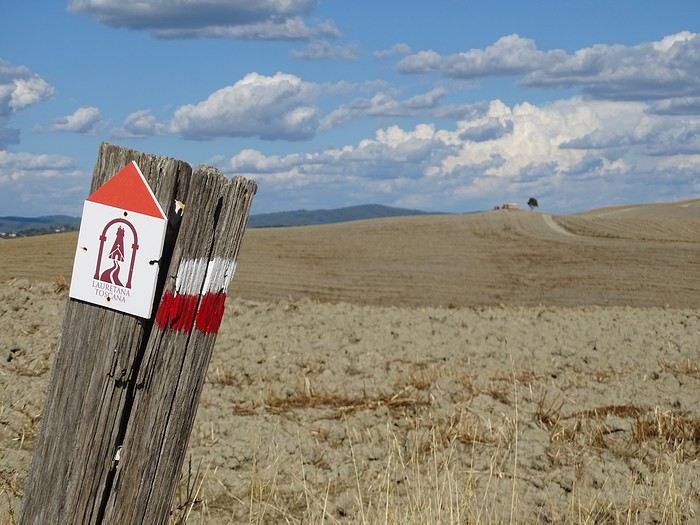
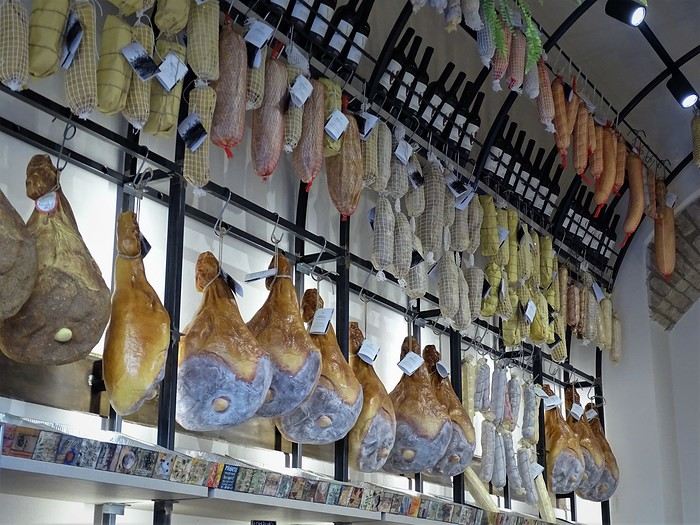
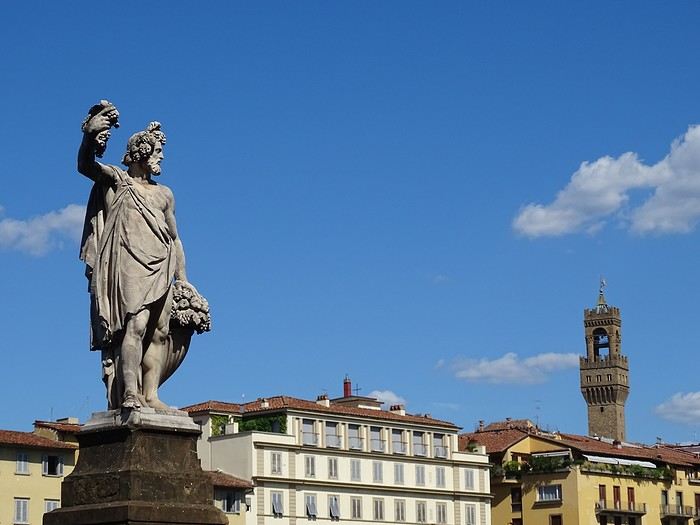
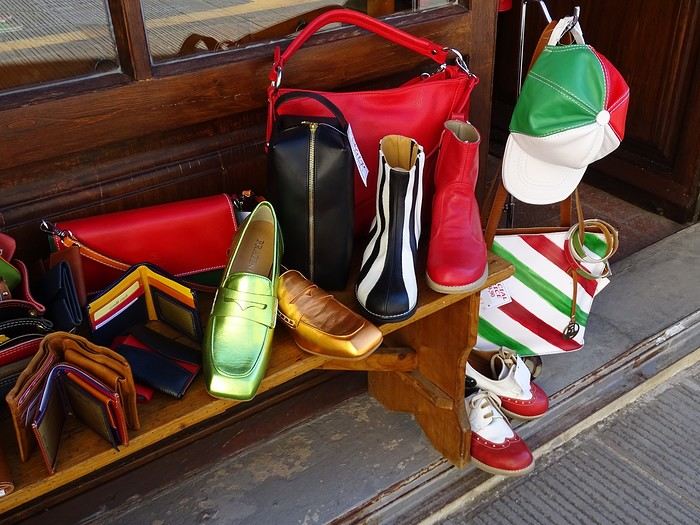
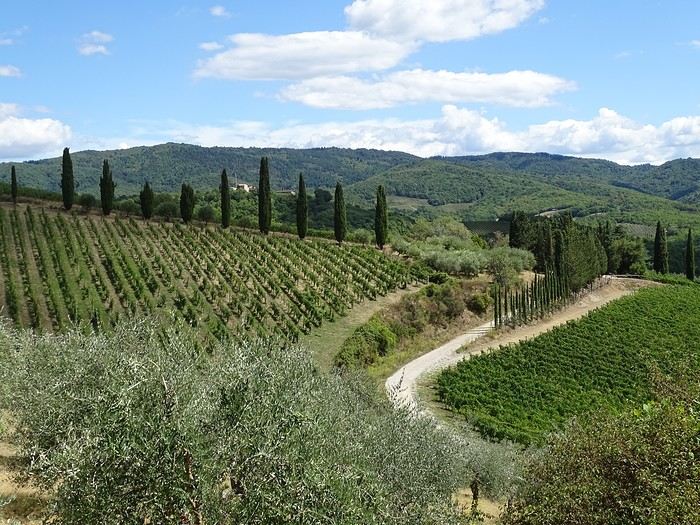
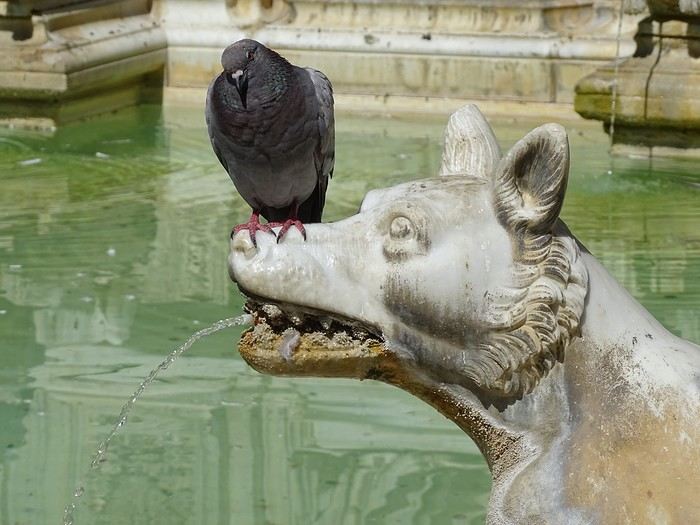
But on our way home, a short stop in Tuscany reconciled us with Italy.
This new summer, we’ve decided to add this beautiful region to our itinerary!
As usual for relatively nearby destinations, we’ll be driving via the Col de la Lombarde on the way there and Mont Cenis Pass on the way back.
A chance to kill two birds with one stone: one trip, multiple landscapes crossed.
For our Tuscan stay, we’ve chosen a house tucked away in the Chianti vineyards.
Peace and quiet, barely disturbed by the occasional wild boar or deer!
You’ve probably gathered that we won’t be sightseeing fanatics, even if classics like Siena, Florence, San Gimignano, Pisa, and the Abbey of Saint Michael of the Cluse are on the agenda.
You can find the details of our journey beyond the Alps here.
Happy reading!
And if you have any questions or comments, don’t hesitate!
Volcanic Réunion
A November trip, 15 days of vacation.
What if we finally headed to Réunion Island for that trip canceled by the COVID wave?
A car, 5 stops, and a craving for nature...
The details of our southern adventures are here.
Happy reading!
And if you have any questions or comments, don’t hesitate!
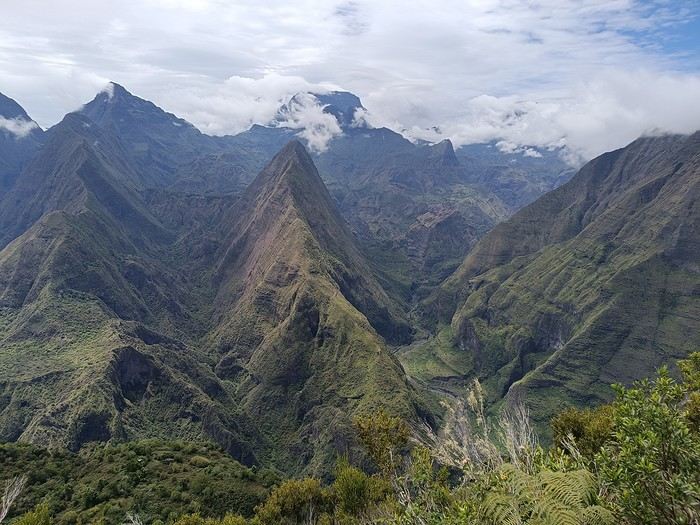
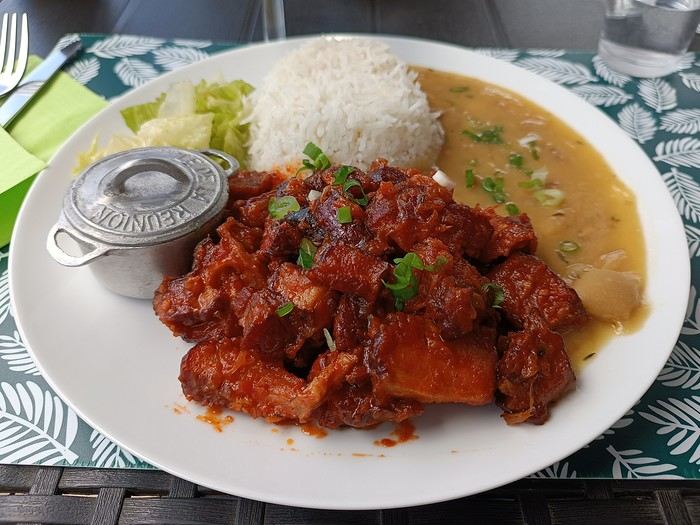

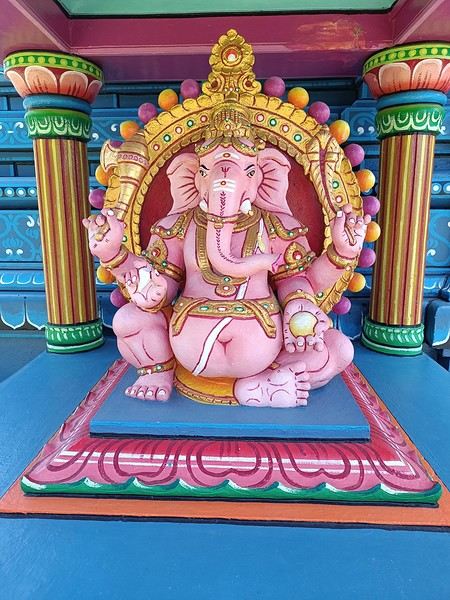
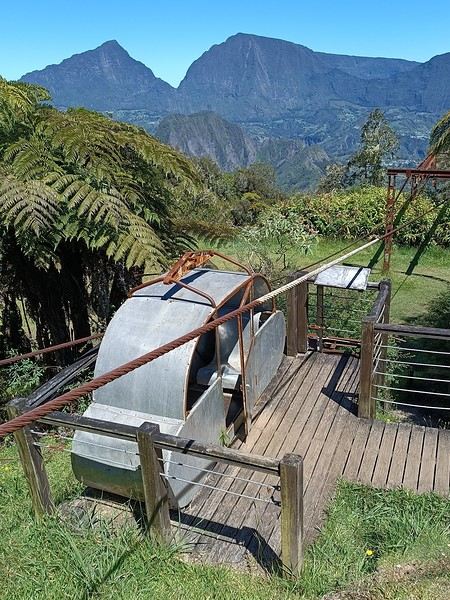
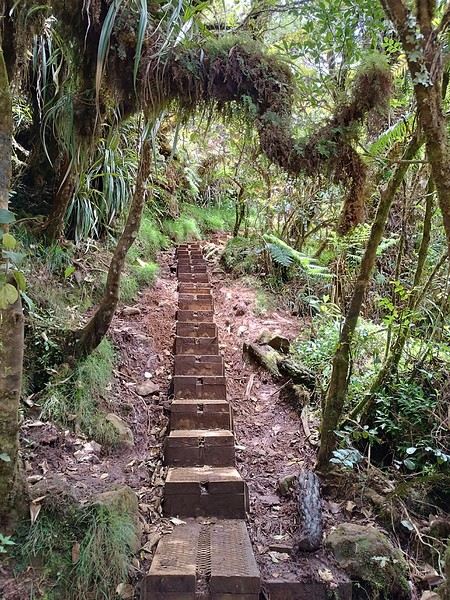
What if we finally headed to Réunion Island for that trip canceled by the COVID wave?
A car, 5 stops, and a craving for nature...
The details of our southern adventures are here.
Happy reading!
And if you have any questions or comments, don’t hesitate!
Moving to Quebec
Hello,
We’re planning to move to Quebec.
Could you share any tips or advice to help us prepare for our arrival?
Work...
Thanks
We’re planning to move to Quebec.
Could you share any tips or advice to help us prepare for our arrival?
Work...
Thanks
Three weeks in Quebec at the start of summer 2018, on a "semi-organized" trip
I’ve been putting off posting my Quebec travel experience for a long time. Two years later, I’ve finally decided to share it. The memories are still vivid. I hope this gives you the urge to visit this beautiful region, which I literally fell in love with.
We’re traveling as four adults: my brother Guy, my sister-in-law Martine, my friend Pascal, and myself (Christian).
We entrusted the flight, hotel, and car reservations to the travel agency Amplitudes in Toulouse. Planning the day-to-day activities was up to us. We scheduled a few must-see visits, but for the rest, we’d figure it out on the spot.
Our itinerary: Quebec City / Rimouski / Carleton-sur-Mer / Percé / Sainte-Anne-des-Monts / Matane / Tadoussac / Sainte-Rose-du-Nord / Chambord / Saint-Alexis-des-Monts / Montreal
06/25 Here we are at Roissy Charles de Gaulle for the usual pre-flight formalities. Everything goes smoothly and quickly. The hardest part is waiting for takeoff. After an uneventful flight on an Air Canada Boeing 777-300ER, we land at Montréal-Pierre Elliott Trudeau Airport (YUL) in the early afternoon.

At customs, a surprise—no grumpy officer, but a smiling customs agent who jokingly asks me to name three tourist spots in Quebec, or else he won’t let me in. I pass the test easily and enter Quebec!
We head to the Alamo counter at Trudeau Airport to pick up our car: a Ford Escape with only 300 kilometers on the odometer.
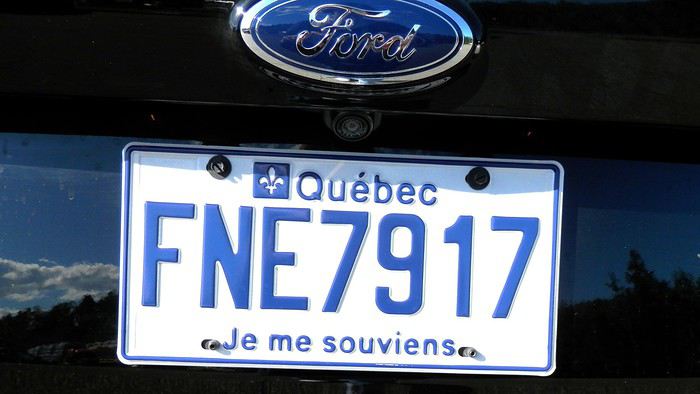
We decided to head straight to Quebec City, saving Montreal for the end of the trip. Pascal takes the wheel and gets on the Trans-Canada Highway E20 for a 255 km drive, taking about 2 hours and 45 minutes. With the time difference, we’re already feeling hungry, so we stop for our first poutine at a highway restaurant.

When we arrive in Quebec City, we go straight to the Clarendon Hotel, located right in the heart of Old Quebec. We’ll be staying there for three nights. Tonight, no restaurant—just a short walk around the hotel before bed. We discover a square with pretty colored water fountains near the city hall.
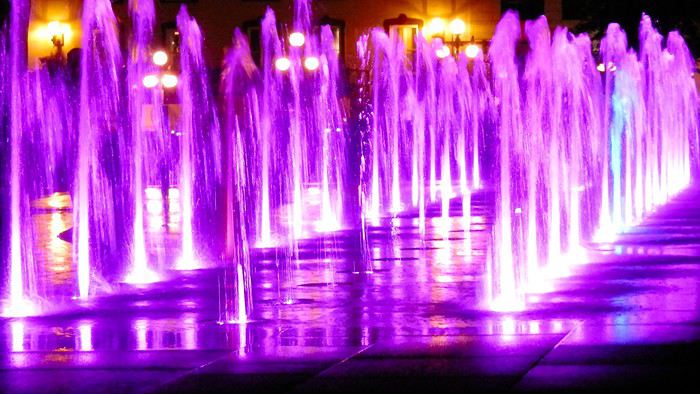 It’s only 9 PM, but our body clocks say it’s 3 AM.
We’re traveling as four adults: my brother Guy, my sister-in-law Martine, my friend Pascal, and myself (Christian).
We entrusted the flight, hotel, and car reservations to the travel agency Amplitudes in Toulouse. Planning the day-to-day activities was up to us. We scheduled a few must-see visits, but for the rest, we’d figure it out on the spot.
Our itinerary: Quebec City / Rimouski / Carleton-sur-Mer / Percé / Sainte-Anne-des-Monts / Matane / Tadoussac / Sainte-Rose-du-Nord / Chambord / Saint-Alexis-des-Monts / Montreal
06/25 Here we are at Roissy Charles de Gaulle for the usual pre-flight formalities. Everything goes smoothly and quickly. The hardest part is waiting for takeoff. After an uneventful flight on an Air Canada Boeing 777-300ER, we land at Montréal-Pierre Elliott Trudeau Airport (YUL) in the early afternoon.
At customs, a surprise—no grumpy officer, but a smiling customs agent who jokingly asks me to name three tourist spots in Quebec, or else he won’t let me in. I pass the test easily and enter Quebec!
We head to the Alamo counter at Trudeau Airport to pick up our car: a Ford Escape with only 300 kilometers on the odometer.
We decided to head straight to Quebec City, saving Montreal for the end of the trip. Pascal takes the wheel and gets on the Trans-Canada Highway E20 for a 255 km drive, taking about 2 hours and 45 minutes. With the time difference, we’re already feeling hungry, so we stop for our first poutine at a highway restaurant.
When we arrive in Quebec City, we go straight to the Clarendon Hotel, located right in the heart of Old Quebec. We’ll be staying there for three nights. Tonight, no restaurant—just a short walk around the hotel before bed. We discover a square with pretty colored water fountains near the city hall.
It’s only 9 PM, but our body clocks say it’s 3 AM.Cécile découvre Amsterdam, les Pays-Bas et... Metz English translation pending
et hop ! une nouvelle capitale européenne et ses alentours pour Cécile ....
Brel et Béart ont chanté cette charmante ville qui lui tardait de découvrir.. grâce à un CE généreux qui rend accessibles les Adagio Hôtel d'Europe...
11h de route ce dimanche de de retour de vacances... arrivée tardive et nocturne sur place donc dodo le 1er soir
La météo est mouvant mais que rien ne nous arrête... direction Utrecht..
1er choc: des vélos partout !!!! donc vitesse réduite ce qui permet de découvrir des bâtiments insolites

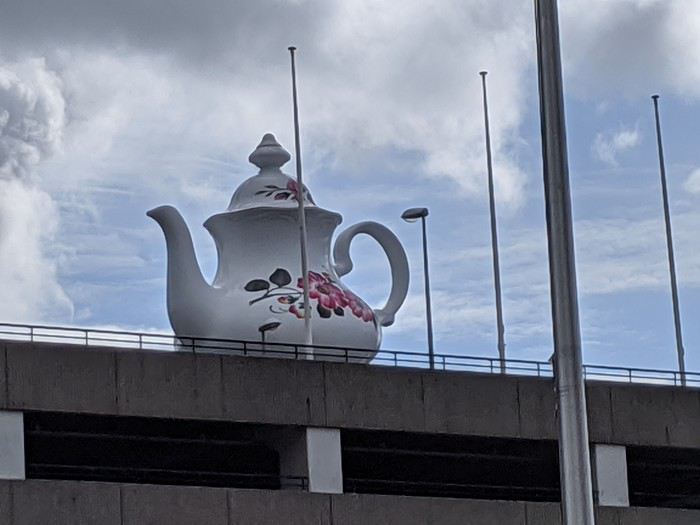
Utrecht centre ses canaux, l'Oudegracht

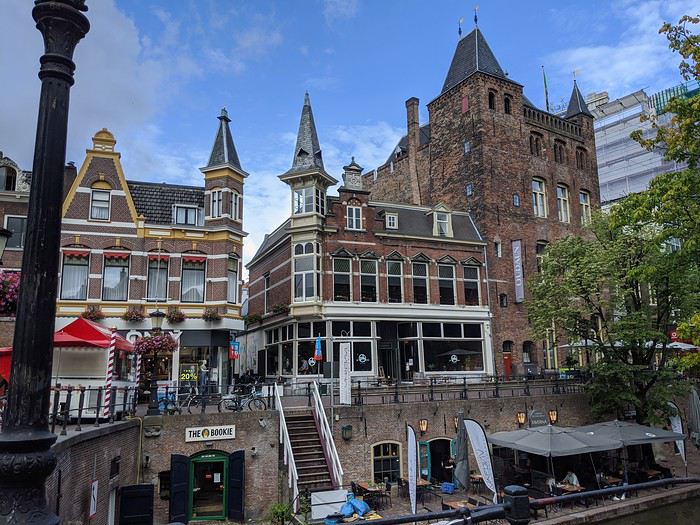
les touristes n ont pas encore envahi les bars des quais
Même le ramassage des poubelles se fait par péniche!
Pas de chance les 465 marches du Dom sont impossibles d accès
Brel et Béart ont chanté cette charmante ville qui lui tardait de découvrir.. grâce à un CE généreux qui rend accessibles les Adagio Hôtel d'Europe...
11h de route ce dimanche de de retour de vacances... arrivée tardive et nocturne sur place donc dodo le 1er soir
La météo est mouvant mais que rien ne nous arrête... direction Utrecht..
1er choc: des vélos partout !!!! donc vitesse réduite ce qui permet de découvrir des bâtiments insolites
Utrecht centre ses canaux, l'Oudegracht
les touristes n ont pas encore envahi les bars des quais
Même le ramassage des poubelles se fait par péniche!
Pas de chance les 465 marches du Dom sont impossibles d accès
Prêt Pino Hase pour essai ou balade de quelques jours (à vélo) English translation pending
Bonjour à tous,
Nous avons acheté un Pino de chez Hase (tandem semi-couché) en septembre 2018 pour aller parcourir l'Asie du Sud-Est, et avant notre achat, nous avons eu beaucoup de mal à en trouver un à essayer dans le Nord de la France.
Aussi, nous serions heureux de mettre le notre à disposition (à proximité d'Arras (62) ou de Lille (59)) si vous souhaitez tester avant d'en acheter un, ou simplement partir un week-end en amoureux, quelques jours ou une semaine à la découverte de la région sur ce drôle de vélo.
N'hésitez pas à nous contacter si ça vous intéresse, toutes les infos (et notre aventure en Asie) sont sur notre site lespignonsvoyageurs.weebly.com
Au plaisir de le partager avec vous, Lucie & Pierre
Nous avons acheté un Pino de chez Hase (tandem semi-couché) en septembre 2018 pour aller parcourir l'Asie du Sud-Est, et avant notre achat, nous avons eu beaucoup de mal à en trouver un à essayer dans le Nord de la France.
Aussi, nous serions heureux de mettre le notre à disposition (à proximité d'Arras (62) ou de Lille (59)) si vous souhaitez tester avant d'en acheter un, ou simplement partir un week-end en amoureux, quelques jours ou une semaine à la découverte de la région sur ce drôle de vélo.
N'hésitez pas à nous contacter si ça vous intéresse, toutes les infos (et notre aventure en Asie) sont sur notre site lespignonsvoyageurs.weebly.com
Au plaisir de le partager avec vous, Lucie & Pierre
Quand réserver son vol pour un voyage Grèce et Monténégro (ou Croatie)? English translation pending
Bonjour,
Mi octobre je souhaiterais partir avec la famille en Grèce et au Monténégro ( ou Croatie). Je ne sais pas s’il vaut mieux réserver les billets d’avion maintenant ou bien attendre quelques semaines avant pour être sûr que le vol s’effectuera bien. Si je réserve les vols maintenant j’ai peur qu’à cause du coronavirus on doivent déplacer le voyage sachant que l’an prochaine ce sera compliqué pour nous.
Si j’attend au dernier moment j’ai peur que le prix des billets soit cher.
Qu’en pensez vous ?
Merci par avance
Randonnée/balade sur deux jours près de Grenoble English translation pending
Bonjour,
Avec mon ami nous aimerions faire de la randonnée autour de Grenoble. Nous avons trouvé le lien suivant:https://www.altituderando.com/Traversee-des-hauts-plateaux-de-Chartreuse
qui permet de faire les hauts plateaux de Chartreuse en bivouac. On a pas trop l'habitude de faire de la randonnée, j'aimerais avoir un avis extérieur la dessus, ou si vous avez des idées de boucle à faire près de Grenoble.
Merci,
Cordialement
Mélanie
Avec mon ami nous aimerions faire de la randonnée autour de Grenoble. Nous avons trouvé le lien suivant:https://www.altituderando.com/Traversee-des-hauts-plateaux-de-Chartreuse
qui permet de faire les hauts plateaux de Chartreuse en bivouac. On a pas trop l'habitude de faire de la randonnée, j'aimerais avoir un avis extérieur la dessus, ou si vous avez des idées de boucle à faire près de Grenoble.
Merci,
Cordialement
Mélanie
Safari dans les parcs de Tanzanie avec tour-opérateur English translation pending
Bonjour,
Nous envisageons un safari en 2021 et nous envisageons, avec l'aide d'un TO, de visiter les parcs suivants :
Tarangire (2 jours),
Las Manyara (1 jour),
N'gorongoro (1 jour),
Serengeti (4 jours).
Nos questions sont les suivantes entre autre : Quid du lac Natron : intérêts, nombre de jours, faut-il marcher ? Nous aimerions assister au passage de la rivière Mara : juin ou juillet ??
Merci par avance
Jean Pierre
Nos questions sont les suivantes entre autre : Quid du lac Natron : intérêts, nombre de jours, faut-il marcher ? Nous aimerions assister au passage de la rivière Mara : juin ou juillet ??
Merci par avance
Jean Pierre
Cumuls d'avoirs suite annulation MSC English translation pending
Bonjour,
Je me pose des questions sur les avoirs qui sont envoyés par MSC.
MSC précise que "les avoirs émis ont une valeur émise correspondant au paiement reçu par MSC".
Nous avons reçu un avoir de 600 € correspondant à l’acompte que nous avons payé pour la première croisière qui a été annulée par MSC.
Si nous réservons une deuxième croisière en payant un acompte de 100 € après déduction de l'avoir de 600 € et que cette deuxième croisière est également annulée par MSC, on reçoit bien un deuxième avoir d'une valeur 700 € ?
MSC a au total reçu 700 € (600+100), c'est donc bien 700 € le deuxième avoir ? Merci.
Pierre
Je me pose des questions sur les avoirs qui sont envoyés par MSC.
MSC précise que "les avoirs émis ont une valeur émise correspondant au paiement reçu par MSC".
Nous avons reçu un avoir de 600 € correspondant à l’acompte que nous avons payé pour la première croisière qui a été annulée par MSC.
Si nous réservons une deuxième croisière en payant un acompte de 100 € après déduction de l'avoir de 600 € et que cette deuxième croisière est également annulée par MSC, on reçoit bien un deuxième avoir d'une valeur 700 € ?
MSC a au total reçu 700 € (600+100), c'est donc bien 700 € le deuxième avoir ? Merci.
Pierre
Croisière en Islande, escales, visites et excursions English translation pending
bonjour nous prévoyons une croisire en islande au départ d'Amsterdam, ensuiteLerwick , Seyðisfjörður , Akureyri,
Isafjord , Grundafjord , Reykjavik, Kirkwall , Invergordon , Bremerhaven
si vous avez déla fait cette croisière ou fait escale dans ces ports pouvez vous me dire qu'elle sont les excursions a faire impérativement , et s'il y a moyen de faire des visites par ses propres moyen , le bateau vous dépose t'il près du centre ?y a t-il des bus hop on hop off?Merci pour vos réponses
Retour Amsterdam-Dunkerque en train avec vélos English translation pending
Bonjour à tous, nous projetons de partir 15 jours à deux avec une petite fille de 3ans, de Dunkerque à Amsterdam en vélo, en laissant notre voiture à Dunkerque, seulement voilà pour le retour il semblerait que ce soit compliqué. Soit énormément de changement et en plus les vélos sont apparemment pas les bienvenus. Avez vous une idée ?
Où randonner en Grèce continentale en famille? English translation pending
Bonjour,
J'aimerais savoir quels sont les meilleurs endroits pour randonner en Grèce continentale ? Nous avons deux enfants de 8 et 10 ans qui marchent bien, nous souhaiterions effectuer des randonnées en montagne de quelques heures dans des jolis coins. Merci 🙂
J'aimerais savoir quels sont les meilleurs endroits pour randonner en Grèce continentale ? Nous avons deux enfants de 8 et 10 ans qui marchent bien, nous souhaiterions effectuer des randonnées en montagne de quelques heures dans des jolis coins. Merci 🙂
Avoir MSC suite à une annulation croisière par MSC English translation pending
Bonjour à tous,
En juillet 2019, nous avons réservé une cabine à bord du MSC PRECIOZA pour une croisière de 15 jours au départ et à l'arrivée du Havre.
Il semblerait (même si ce n'est pas encore totalement confirmé) que cette croisière soit annulée car MSC aurait annulé toutes ses croisières en Europe du Nord du 1er août au 18 octobre 2020.
Nous avons payé en juillet 2019 une avance et nous aurions dû payé d'ici quelques jours le solde.
Cette croisière étant annulée par MSC, nous avons donc droit à un avoir ainsi que d'un crédit de bord suite à la "politique de compensation".
Pour "profiter" de l'avoir MSC ainsi que du crédit de bord, faut t-il payé le solde, (c'est à dire la totalité de la croisière) ou si nous ne payons pas le solde, l'avoir correspondra uniquement à l'avance payée ? Est-ce que, ne pas payer le solde sera considéré comme une annulation de notre part ? Merci.
MSC précise que "l'avoir correspondra à la totalité des sommes versées". Il ne précise pas qu'il faut payer la totalité de la croisière pour en avoir droit.
Pierre
En juillet 2019, nous avons réservé une cabine à bord du MSC PRECIOZA pour une croisière de 15 jours au départ et à l'arrivée du Havre.
Il semblerait (même si ce n'est pas encore totalement confirmé) que cette croisière soit annulée car MSC aurait annulé toutes ses croisières en Europe du Nord du 1er août au 18 octobre 2020.
Nous avons payé en juillet 2019 une avance et nous aurions dû payé d'ici quelques jours le solde.
Cette croisière étant annulée par MSC, nous avons donc droit à un avoir ainsi que d'un crédit de bord suite à la "politique de compensation".
Pour "profiter" de l'avoir MSC ainsi que du crédit de bord, faut t-il payé le solde, (c'est à dire la totalité de la croisière) ou si nous ne payons pas le solde, l'avoir correspondra uniquement à l'avance payée ? Est-ce que, ne pas payer le solde sera considéré comme une annulation de notre part ? Merci.
MSC précise que "l'avoir correspondra à la totalité des sommes versées". Il ne précise pas qu'il faut payer la totalité de la croisière pour en avoir droit.
Pierre
Croisière MSC Preziosa du 1er au 15 septembre 2020, disparue! English translation pending
Bonjour à tous !
Nous avions réservé avant le confinement une cabine pour la croisière à bord du MSC PRECIOZA du 1er au 15 septembre au départ et à l'arrivée du Havre.
Bien sur, il y a peu de chances pour que nous fassions cette croisière à cause du Covid 19 (bien que pour l'instant les croisières MSC soient annulées jusqu'au 31 juillet) mais j'ai remarqué que depuis quelques jours cette croisière avait "disparue !".
Elle n'apparaît plus sur le site internet MSC ainsi que sur les sites de ventes spécialisés (CROISILAND, ....).
Sur notre espace personnel MSC, il y a encore des informations (numéro de réservation et numéro de la cabine par exemple) mais certaines informations ont également disparues (l'itinéraire par exemple) et on ne peux plus faire des pré-réservations (excursions, boissons, ...).
Avant d'appeler notre conseiller, l'un d'entre vous sait-il pourquoi cette croisière a été retirée du catalogue MSC ? A t-elle été annulée ? Un problème en particulier ? Merci.
Pierre
Nous avions réservé avant le confinement une cabine pour la croisière à bord du MSC PRECIOZA du 1er au 15 septembre au départ et à l'arrivée du Havre.
Bien sur, il y a peu de chances pour que nous fassions cette croisière à cause du Covid 19 (bien que pour l'instant les croisières MSC soient annulées jusqu'au 31 juillet) mais j'ai remarqué que depuis quelques jours cette croisière avait "disparue !".
Elle n'apparaît plus sur le site internet MSC ainsi que sur les sites de ventes spécialisés (CROISILAND, ....).
Sur notre espace personnel MSC, il y a encore des informations (numéro de réservation et numéro de la cabine par exemple) mais certaines informations ont également disparues (l'itinéraire par exemple) et on ne peux plus faire des pré-réservations (excursions, boissons, ...).
Avant d'appeler notre conseiller, l'un d'entre vous sait-il pourquoi cette croisière a été retirée du catalogue MSC ? A t-elle été annulée ? Un problème en particulier ? Merci.
Pierre