last edited Aug 27, 2020
Customs and Etiquette in Asia
Location Map of Destinations
 Destinations
Open the interactive map
Destinations
Open the interactive map
China and the Far East
When it comes to traditions and customs, the Far East as well as China will reveal a few surprises for the Western traveller, though not all countries share the same practices or constraints.
China
Many etiquette rules apply for visitors in China. As in many Asian countries, certain customs must be respected, particularly regarding people (age, social rank, etc.). Smiling, politeness, punctuality, modesty—and a certain curiosity about foreign things—are deeply embedded in social interactions, which generally require calm and patience. Unique to China are the concepts of "saving face" and not always saying what one thinks but rather what the other person wants to hear, which influence conversations. Some topics are taboo, such as sexuality, Tibet, dissent, politics in general, and other sensitive subjects.
Japan and Korea
These two countries, and to some extent Taiwan, present a dual identity to visitors—a blend of modernity and tradition. While dress codes and conversation topics may not pose major issues, core Asian values like politeness, respect, and modesty remain strong. Added to this are a certain rigor and numerous traditions governing everything from home life to greetings, hygiene, and meals.
Southeast Asia
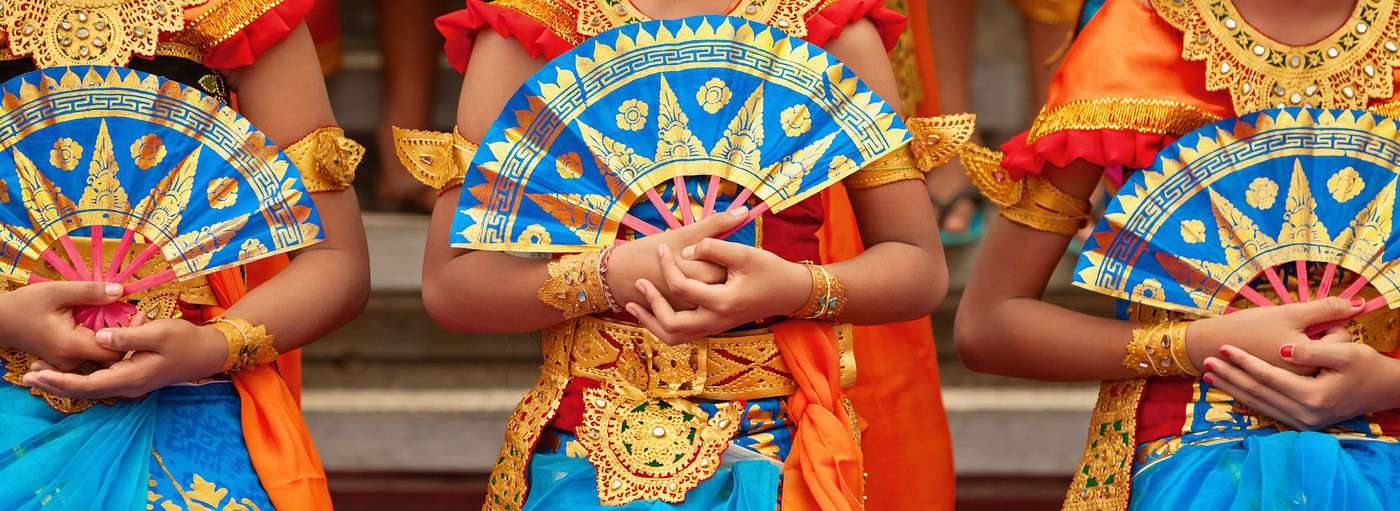
Like the rest of the continent, Southeast Asia has a culture quite distinct from ours.
Beyond religion (Buddhism, Islam, etc.), hospitality, smiling, politeness, and modesty form the foundation of local culture and etiquette. In short, even minor excesses in dress or behavior are generally frowned upon. Gestures also carry particular meaning in Southeast Asia, and physical contact between individuals (or even simply touching someone’s head, pointing with a finger or foot) is often unwelcome, especially between genders.
As for conversation topics, they tend to be highly consensual—losing face during a discussion is considered one of the worst outcomes. Political issues and other sensitive subjects (prostitution, religion, royal families, etc.) are strictly off-limits. Many topics are taboo due to fear or tradition, which, in a way, suits local governments just fine.