last edited Jan 6, 2020
Regions of India
Contributionsversion #2created Jan 6, 2020Latest contributions in this guideContributors to this guide
North India/Himalayas
States and territories: Chandigarh, Jammu and Kashmir, Himachal Pradesh, Punjab, Uttarakhand.
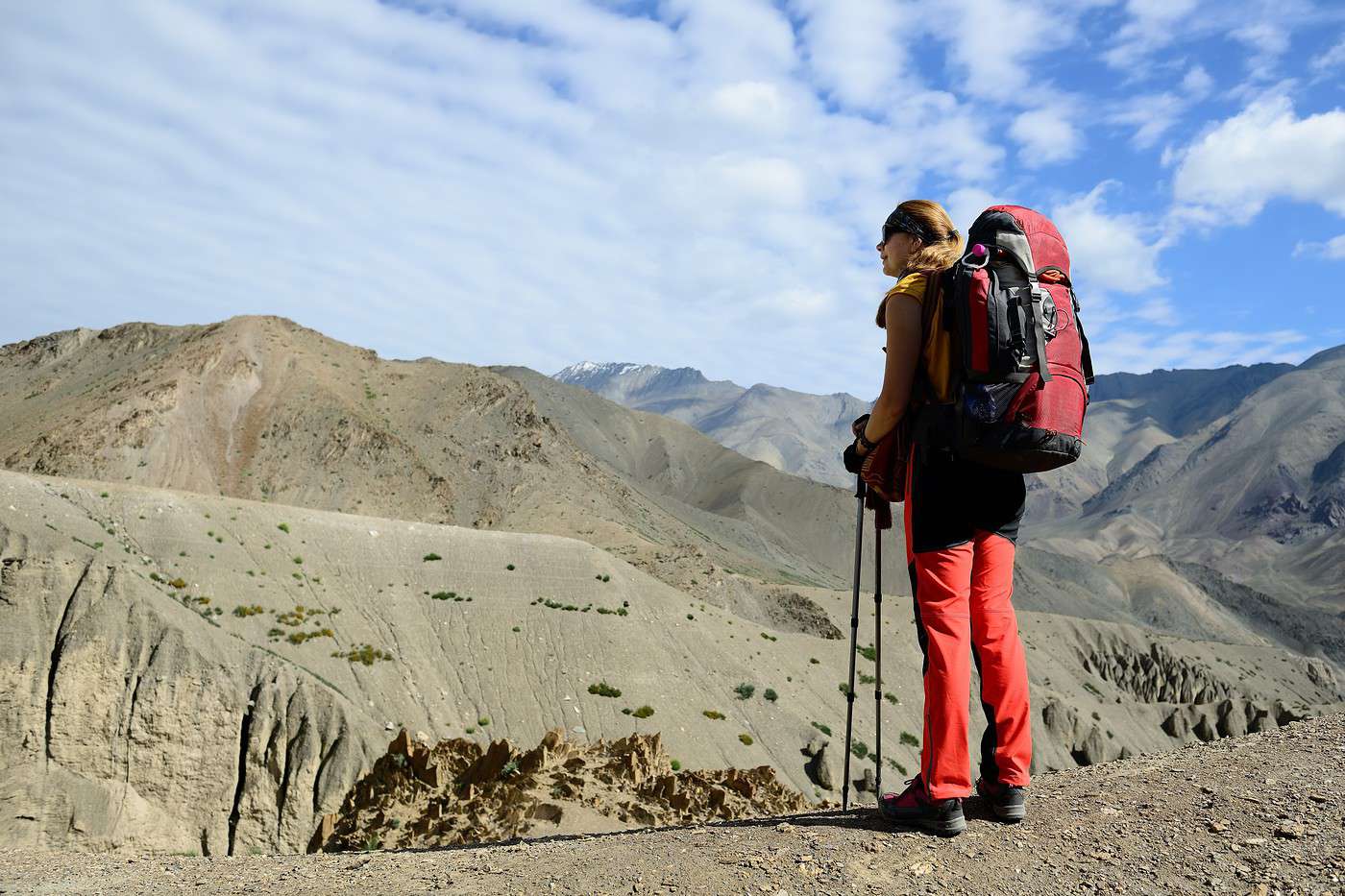
Nestled in the heart of the Himalayas, this is the most interesting part of the country for trekking and mountain enthusiasts, with renowned regions like Ladakh, Lahaul and Spiti, or Zanskar. Culturally, this part of the territory is also quite distinct from the rest of India. While Hinduism is well represented, with holy cities like Haridwar or the pilgrimage of Chota Char Dham, Islam, Sikhism (with its capital Amritsar), and especially Buddhism (Tibet is nearby) are also well represented, with numerous Himalayan monasteries and Dharamsala, the residence of the Dalai Lama.
West India
States and territories: Delhi, Gujarat, Haryana, Rajasthan, plus former Portuguese territories (Daman, Diu, Dadra and Nagar Haveli).
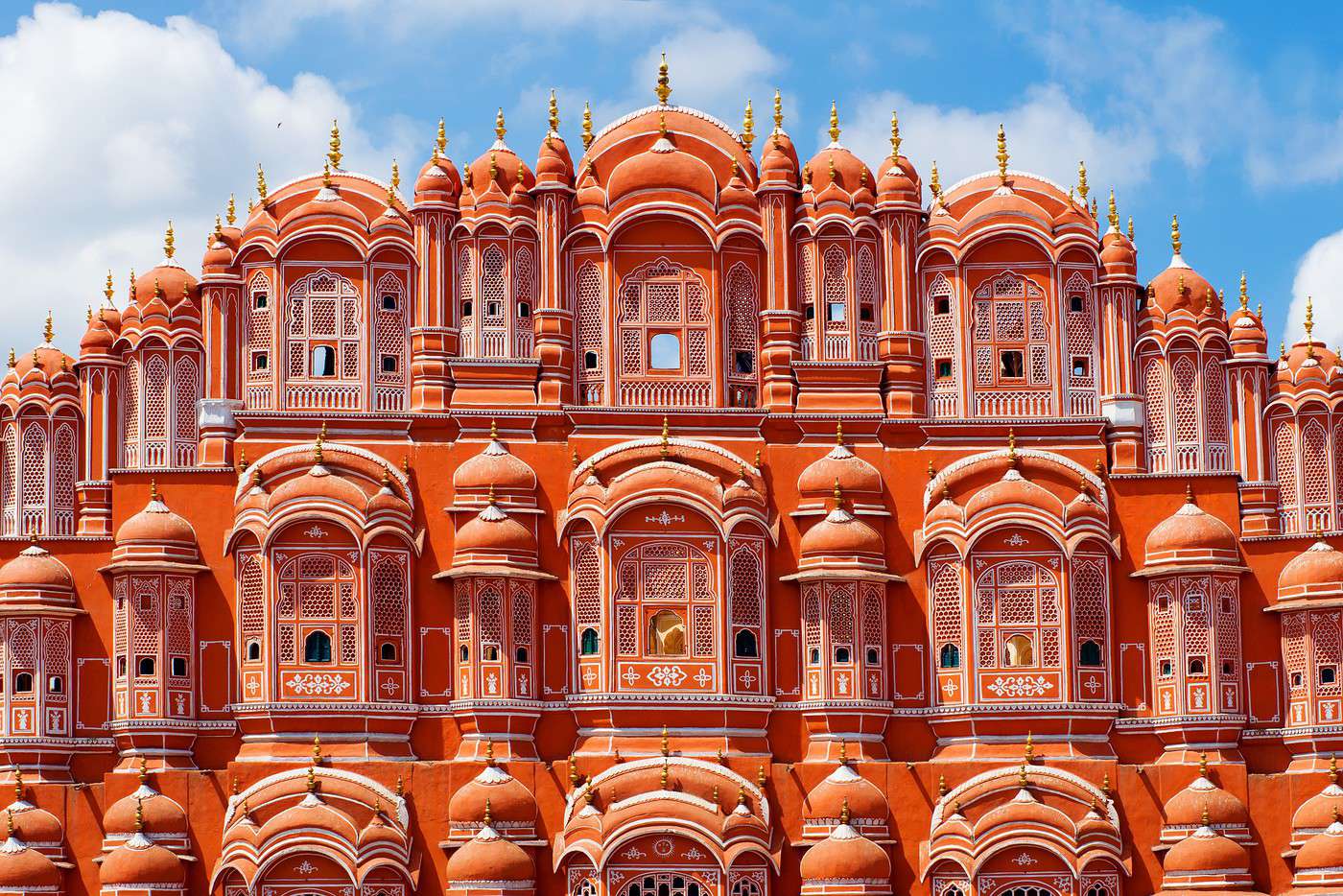
With Rajasthan and the city of Delhi, the main gateway to the country, West India remains the most tourist-heavy region. This is no surprise given the cultural and historical richness of Rajasthan and its magnificent cities like Jaipur, Jaisalmer, Jodhpur, Pushkar, and Udaipur, with their temples, palaces, and fortresses. Less visited but still interesting are the Portuguese remnants in the territory of Diu, Palitana and its Jain temples in Gujarat, as well as the Thar Desert and Rann of Kutch, which will appeal to adventure lovers or those simply looking for camel treks against a backdrop of dunes.
Central India
States and territories: Madhya Pradesh, Maharashtra, Uttar Pradesh.
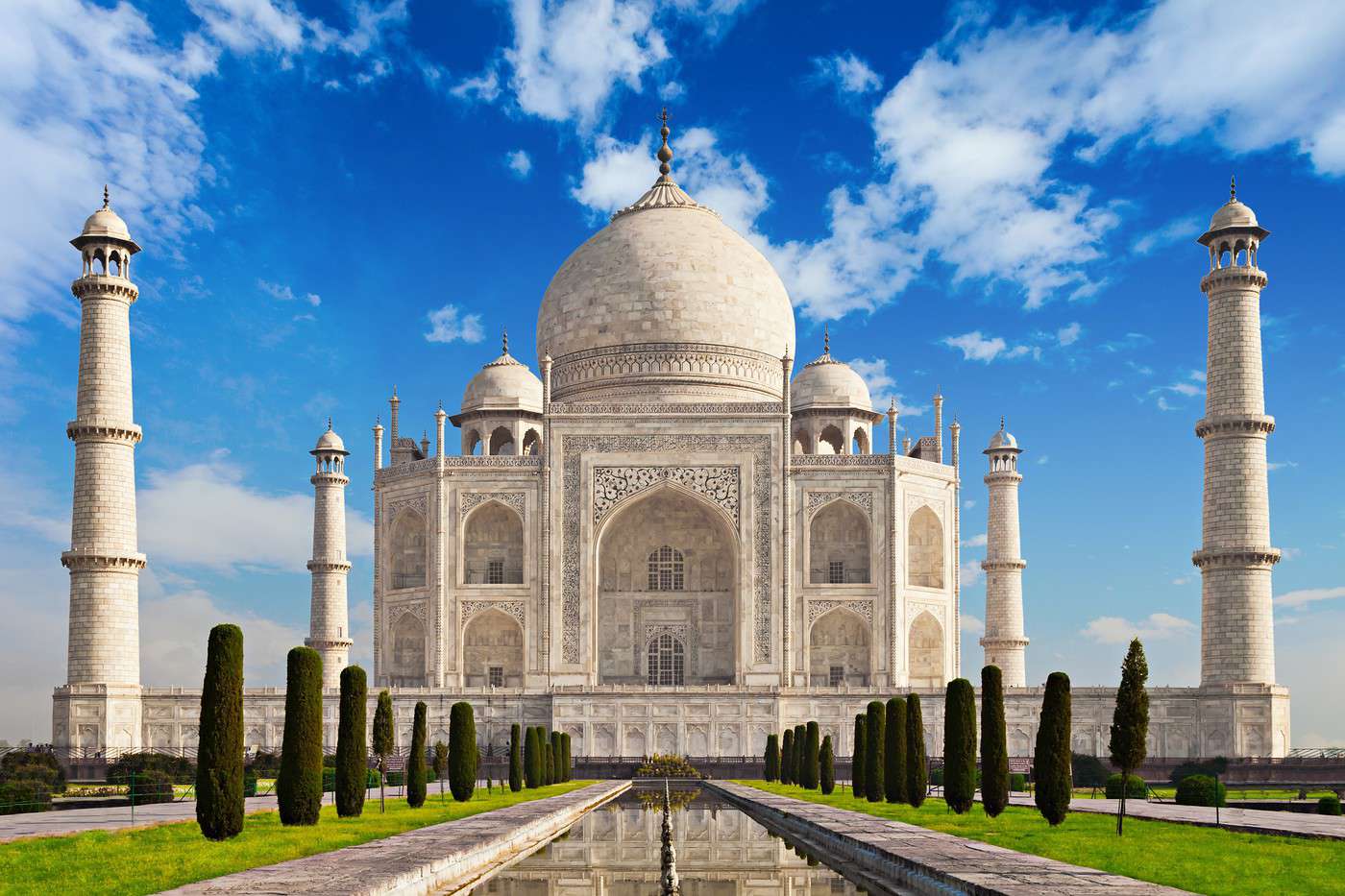
This part of India, stretching from the Nepalese border to the vast Mumbai and the Arabian Sea, is rich in history and religion. Beyond the latter, you’ll discover some "gems" like Agra and its famous Taj Mahal, Varanasi (Varanasi) with its ghats, the former Mughal city of Fatehpur Sikri, the stunning temples of Khajuraho, and the sculpted cave networks of Ajanta and Ellora. However, while the region is home to the largest tiger population across various reserves, its nature and landscapes are less "spectacular" than elsewhere—just a pretty coastline below Mumbai and the mountains of the Western Ghats, with a few hill stations and opportunities for outdoor activities.
East India
States and territories: Bihar, West Bengal, Chhattisgarh, Jharkhand, Odisha, Sikkim, and the 7 small northeastern states (Arunachal Pradesh, Assam, Manipur, Meghalaya, Mizoram, Nagaland, Tripura).
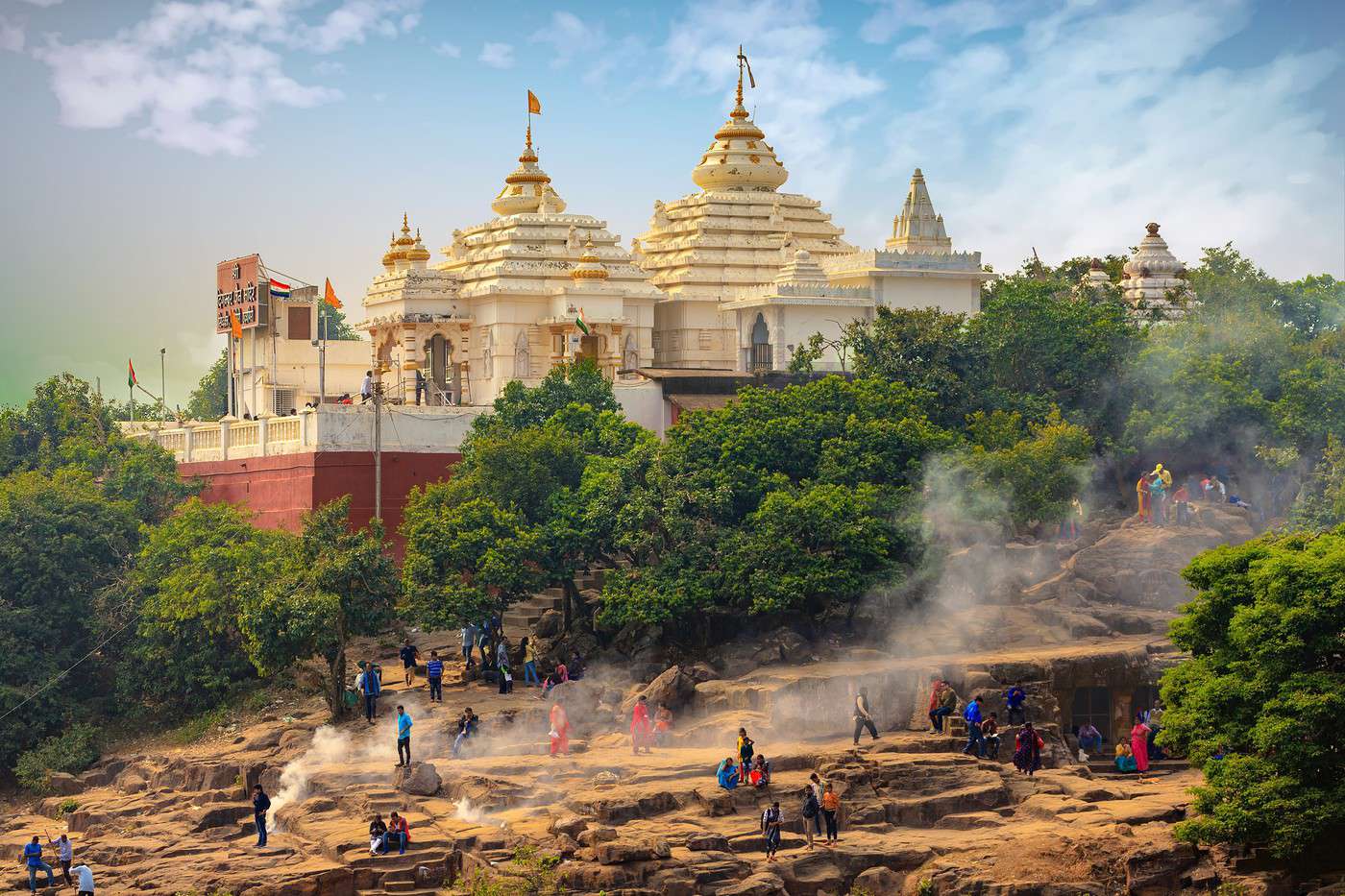
This isn’t the most tourist-friendly part of the country, nor the easiest to travel, and it doesn’t have the best reputation for safety. Nevertheless, East India offers a different side of the country, off the beaten path, especially as you venture into the small northeastern states bordering Myanmar. The highlights include beautiful Himalayan landscapes, trekking opportunities (particularly in Sikkim), several national parks and nature reserves, and unique local cultures and traditions in certain states (like Nagaland) that you won’t find anywhere else.
South India
States and territories: Andhra Pradesh and the islands, Goa, Karnataka, Kerala, Pondicherry, Tamil Nadu, Telangana.
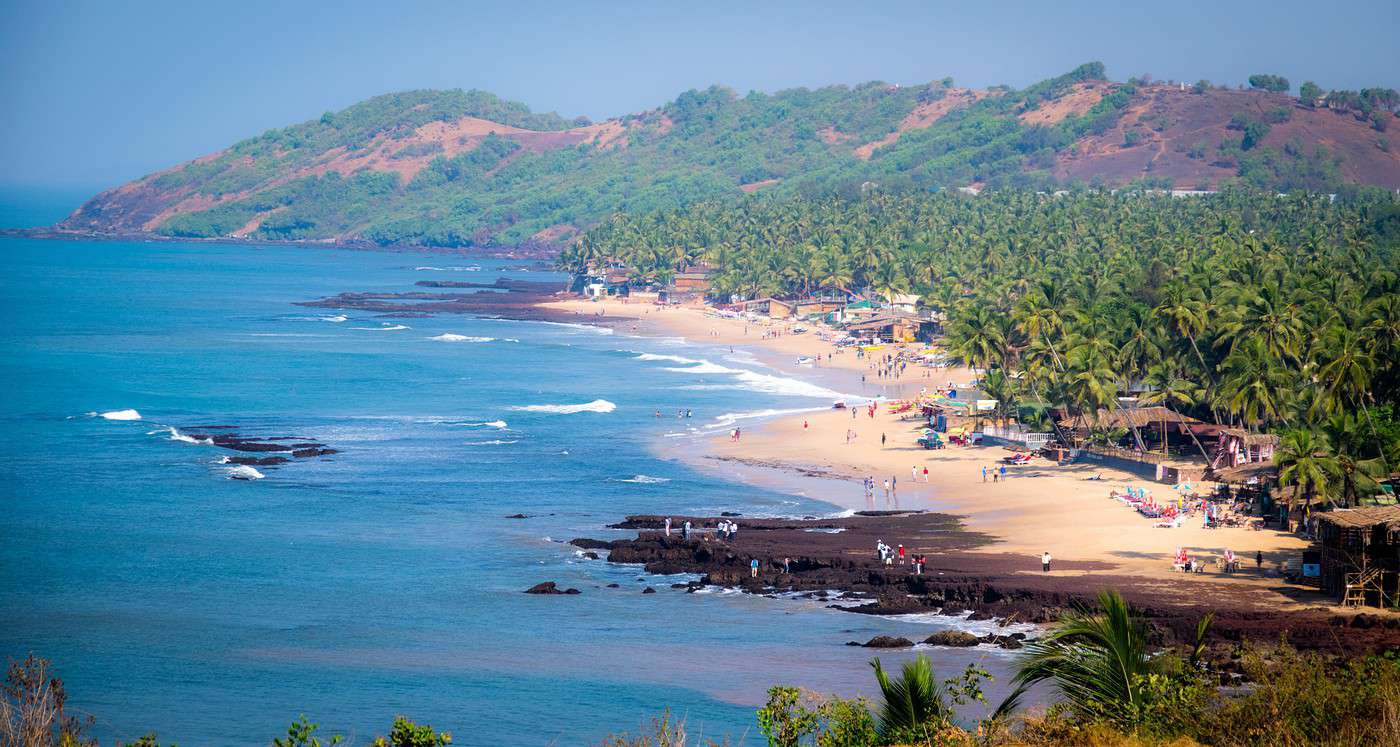
Rich in tourist attractions, this part of the country offers a great mix of nature, culture, and even relaxation with the many beaches along the Tamil Nadu coast or the western shoreline (Goa being the most famous). Culturally, this is the heart of "temple India" and ancient ruins: Hampi (one of the most beautiful sites), Badami, the Chola Temples, Kanchipuram, Madurai, and many others. As for nature, landscapes, and activities, beyond the famous Backwaters of Kerala, the Western Ghats mountain range—though not grand—is worth a visit, as are the islands, particularly Andaman, for its underwater exploration.