last edited Aug 26, 2020
Altitude Sickness
Acute Mountain Sickness (AMS)
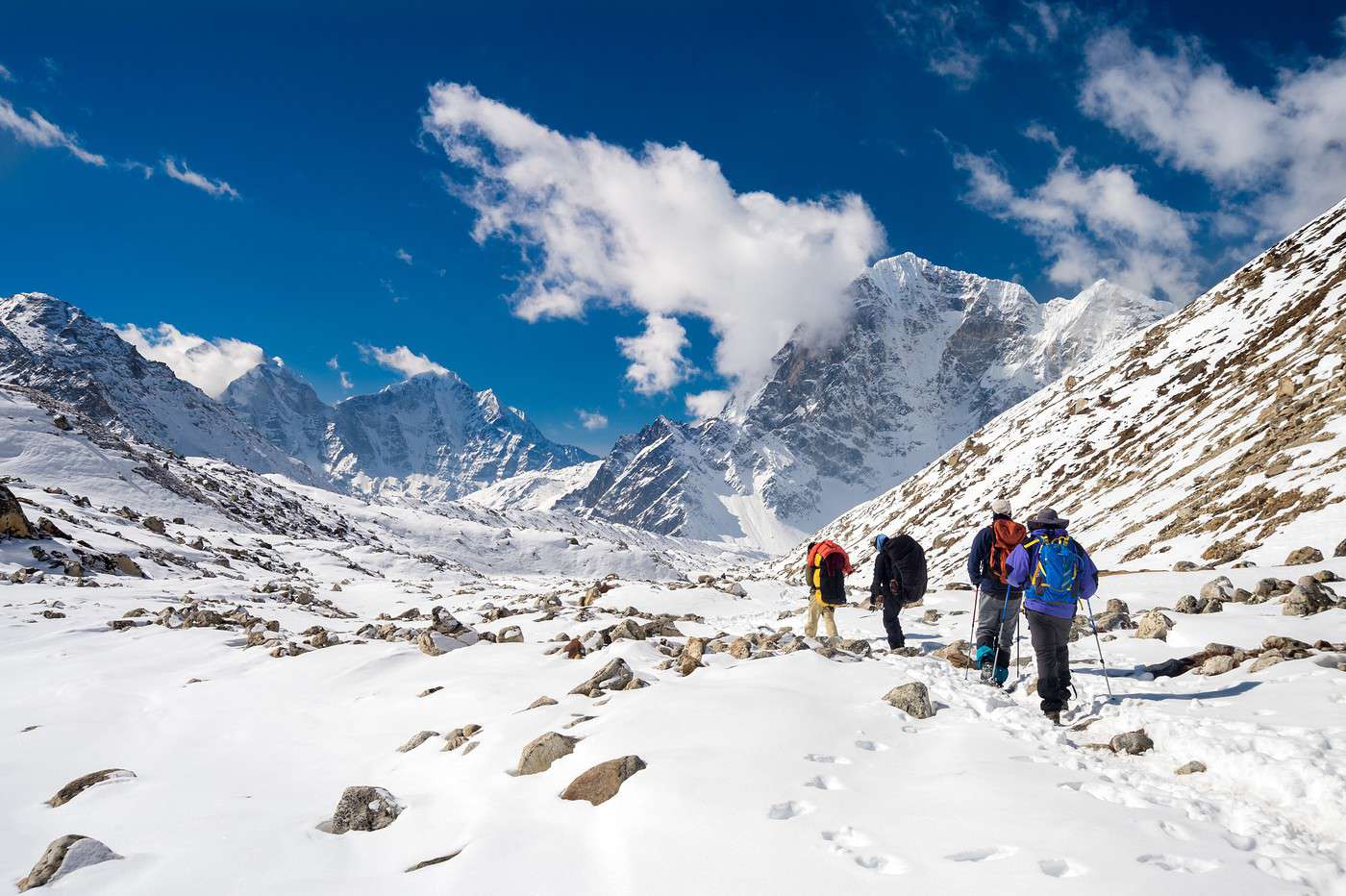
Trekking and even simple stays at high altitude (Andes, Himalayas, etc.) expose you to acute mountain sickness. This condition is characterised by headaches, insomnia, nausea and loss of appetite. Typically, the affected person also has difficulty breathing (first during exertion, then at rest), and may even notice a decrease in urine output.
The onset of these symptoms means a pathological process is already underway. Complications of altitude sickness can ultimately lead to death from pulmonary or cerebral oedema. Without going into detail, treatment of these complications involves oxygen therapy (bottled oxygen, portable hyperbaric chamber) and various medications, with the person necessarily descending to below 2,500 m in altitude.
Severity Scale
A simple system (known as the Astruc severity scale) helps assess the severity of the situation and take appropriate measures. Each symptom is assigned a "score", with the total determining the person's condition.
Symptoms 1: = 1 point per sign.
- Headaches
- Insomnia
- Nausea, loss of appetite
- Dizziness
Symptoms 2: = 2 points per sign.
- Headaches not relieved by aspirin
- Vomiting
Symptoms 3: = 3 points per sign.
- Shortness of breath at rest
- Unusual fatigue
- Reduced urine output.
Scores
1 to 3 points: This indicates mild altitude sickness. You can continue ascending, but do not exceed a 300 m elevation gain between two consecutive nights.
4 to 6 points: This is moderate acute mountain sickness. Rest for 24 hours at the same altitude, avoid strenuous exertion, take aspirin for headaches, and drink plenty of fluids.
Over 6 points: In this case, descend immediately and complete your acclimatisation at a lower altitude.
Preventing Altitude Sickness
Contraindications
Prevention is first based on respecting contraindications for high-altitude stays.
Absolute
Absolute contraindications include: coronary heart disease, heart failure and severe high blood pressure, certain blood disorders, thromboembolic diseases, and a history of acute mountain sickness.
Relative
Relative contraindications include: stabilised cardiovascular or bronchopulmonary diseases, well-controlled insulin-dependent diabetes, gastroduodenal ulcers, epilepsy, retinopathies, psychiatric disorders, and pregnancy. Extreme ages are also discouraged: no altitude above 1,800 m before age 2, and no altitude above 3,000 m before age 12 or after 65.
Precautions
For those fit for high-altitude stays, depending on the destination, it may be advisable to consult a mountain medicine specialist beforehand. It’s also important to prepare physically, technically, and logistically.
On site, avoid ascending too quickly or too high without respecting "stages". From around 1,700 m, limit your daily ascent to a maximum of 700 m, and above 3,500 m, 400 m is sufficient.
Finally, it’s best to be familiar with the symptoms of acute mountain sickness so you can attribute any discomfort to poor altitude adaptation and act accordingly.