last edited Aug 28, 2020
Practical Hotels
Location
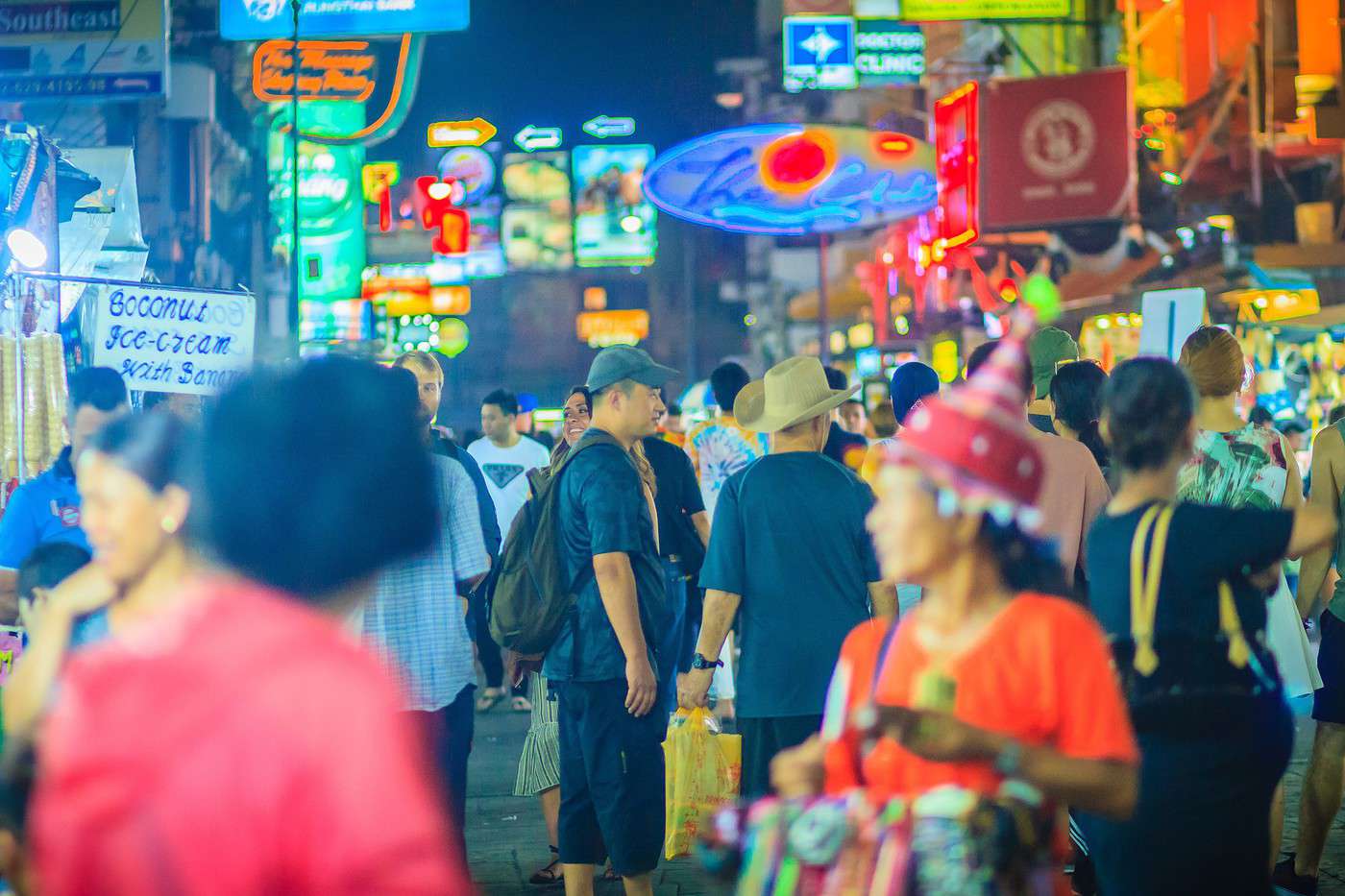
Watch the location
Beyond the category, the location is also a key factor when choosing a hotel. Depending on whether the establishment is in the city centre, on the outskirts, in the countryside, by a motorway, or by the sea, you won’t necessarily find the same things or the same prices (or extra costs), even within the same range of establishments.
In the city
Logically, this is what you’ll want to prioritise when visiting a city, especially if you don’t have a vehicle.
Of course, for the same category, city hotels are generally more expensive than others. Quite often, due to high demand, services and facilities may be more limited, room sizes smaller (to "maximise" space), and the welcome not always top-notch. Add to that the fact that if the area is touristy and/or noisy, you might not always get a good night’s sleep.
Pros and cons
The main advantage of staying in the (city) centre is, of course, being close to the action and things to see. The downside is that the price or value for money isn’t always great, especially if you have a vehicle and the hotel has no parking. Also, high demand for certain hotels or at certain times means you’ll need to book in advance.
City outskirts
You’ll find both independent establishments and, increasingly, chain hotels/motels like Formule 1. While the latter are well-known and sought after by travellers (especially those with cars) for their prices, the same isn’t true for traditional independent hotels.
Indeed, searches for accommodation usually focus on a city (or a hotel chain) but rarely on its suburbs. Yet, there are plenty of hotels of all standards there, which, being less in demand, often offer better rates and value compared to city hotels, sometimes with better peace and quiet and service too.
Pros and cons
The main advantage is often better prices than city-centre addresses, even if it’s true that chain establishments don’t always offer the most pleasant surroundings or that some outskirts aren’t exactly appealing. On the other hand, being less central, they sometimes require having a vehicle or at least considering the available public transport and its costs.
In short, they’re still good opportunities, but for non-driving travellers, a bit of prior research is needed to avoid the savings on the night’s price being swallowed up by transport costs (price, duration).
Tourist areas, seaside resorts
A bit like cities: the more crowded it is and the closer you get to, say, the attraction or the sea, the worse the value for money usually becomes. This is also where you’re most likely to encounter scams and rip-offs, especially in high season. So unless you’re not budget-conscious or have fallen in love with a place, it might be better to move a little further away from the tourist zone. Here too, it’s best to book in season, especially for the best spots.
Pros and cons
Sure, there’s the convenience and pleasure of being at the heart of the action, but also the price that comes with it or the disappointment between what you imagined and the reality. Plus, in the busiest areas, everything is geared towards visitors, so you often end up with a very artificial setting and atmosphere, far from what you’ll find elsewhere in the country. This applies just as much to "tourists" as to "backpackers".
Outside urban areas
This mainly concerns those travelling with their own vehicle, either because they’ve chosen to stay a little further from the sights to sleep or because they’re making a long transition between two places to visit (like in the USA, for example).
In any case, you’ll find plenty of opportunities for an overnight stay, from local hotels to motorway motels. However, since these places aren’t usually listed in guides, you’ll have to look for them yourself. In the end, you can often find decent, or even very good, value for money, as long as there’s a bit of competition.
The only thing to know about prices is that motorway hotels/motels are generally more expensive than their competitors just a little further away, off the motorway.
Pros and cons
Staying outside urban/tourist areas can be interesting in many ways if you’re self-sufficient in terms of transport. Of course, limited demand offers the hope of good rates, but some may feel a bit frustrated at being far from the place they want to explore.
The "tourist perimeter"
Depending on the city, this is the district or street that attracts tourists and concentrates many services and facilities primarily for visitors, along with the prices to match.
Hotels, bars, restaurants, shops, cybercafés, taxis, etc.—the rates can easily blow your budget over time. Without necessarily wanting to avoid these places entirely (they can be fun too), those looking to save money will often find the same things nearby (sometimes just a few metres away in parallel streets) at lower prices.
About prices
For more details on price ranges by destination (and types of establishments), see the country guide.
Some observations
Just like airfares, hotel prices obviously vary by season, with high season being by far the most expensive.
Similarly, the law of supply and demand drives prices up. So beyond the time of year, the location of the establishments plays an important role.
At the same quality level, whether an establishment caters more to locals or international visitors will affect prices; in the latter case, they’re likely to be higher.
Beyond just the price, it’s worth looking at the value for money too. Sometimes, for just a little more, you’ll get significantly better quality (services and facilities) that’s worth it.
Keep in mind that each country has its own star-rating criteria. So a four-star hotel abroad might sometimes be the equivalent of a two- or three-star in France. And in any case, stars usually just correspond to the facilities/standards that are supposed to be present, not their quality or how well they’re maintained.
In all cases, watch out for extra costs (transport to the hotel, parking fees, mandatory meals, etc.).
Finally, discount coupons, special offers, advance bookings (especially online), negotiations, and haggling are all factors that can affect the final price.
Saving money
When it comes to rates, you can now get a first idea online by checking hotel websites or looking at comparison sites.
In some European countries (including France) and especially in the USA, many chains offer reduced rates on weekends or, conversely, during the week. It’s worth taking advantage of these, as well as collecting discount coupons found in free publications (or even online), like in the United States. Also, online, you can sometimes find preferential rates only available on the web.
If you’re staying for a while, try negotiating a price. And in some countries, haggle even for just one night.
If you don’t mind, ask (in small establishments) if they have dormitories, which are more economical.
Have an idea of the price beforehand and/or check the displayed prices before committing. And if the rate you’re offered is higher, ask why.
If you’re alone, you can try sharing your room with someone else (wait in front of the hotel).
Some establishments listed in guides (like the Routard or Lonely Planet) sometimes tend to raise their prices compared to unlisted competitors. So you’re not always obliged to stick to what’s in the guides.
Finally, beware of intermediaries (taxis, guides, etc.) who want to take you to a hotel. Not only can they take you wherever they want, but they usually get a commission that’ll be added to your bill.
Peak tourist periods
Summer holidays, Christmas, long weekends—these are all periods to avoid if you want to save money, both for transport and once you’re there for accommodation. Not to mention the crowds in some places.
However, while you should consider our traditional holiday periods or high-demand times, don’t forget those that might exist locally in the countries you’re visiting, like the southern hemisphere summer.
In short, it’s best to travel outside peak periods, or even shift your dates by a few days, to avoid crowds and the price hikes that usually come with them.
Travelling in low season is a solution that allows for certain savings, but it also has the downside of seeing many things closed and not always having the best weather. So for many destinations, mid-season remains ideal in every way (prices, crowds, climate...).
Choosing your room
You’ve found the right hotel—now it’s up to you to find the right room, or at least the one that best suits the night you want to have.
A few checks
Generally speaking, a nice room during the day isn’t necessarily so at night, especially if you’re hoping for peace and quiet. So if possible, visit before paying, especially in budget establishments. Test the bathroom, shower, hot water, check the condition of the towels, bedding, and mattress, see if the TV, air conditioning, or fan work (if available), make sure the door and windows close properly, and also check for any critters in the corners and whether the mosquito nets (if any) are intact. If there’s a problem, don’t hesitate to point it out, ask to see another room, or negotiate the price. Everything should be sorted beforehand, because once you’re settled, it’ll be harder.
Things to consider
To avoid being disturbed by hotel noise, avoid rooms near the lift, bar, restaurant, or kitchens (plus the smells), those close to reception (late arrivals and early departures), and for early sleepers, those near the TV room, bar, terrace, courtyard, or garden where insomniac guests often gather.
If you’re a light sleeper, don’t choose a room facing a busy or lively street, and check for curtains or shutters if you don’t want to be woken by daylight.
Also, don’t hesitate to ask (when you check in, not at midnight after returning from the restaurant) to change the bedding, turn up the heating, lower the air conditioning, or get a fan for the night if needed. And of course, don’t forget to ask about curfew times and how to get back in after it, unless you want to knock on the door for ages. In short, be proactive if you want a good night’s sleep.
Finally, if you’re travelling solo and want to share your room to save money (or meet people), the easiest way, after choosing your room, is to wait at reception for another solo traveller to arrive and suggest sharing (you can also leave a message to that effect at the desk).
A few handy tips to bring
These little items are always useful for the most "budget" establishments.