last edited Mar 11, 2026
Health and Safety in Thailand
Location Map of Thailand
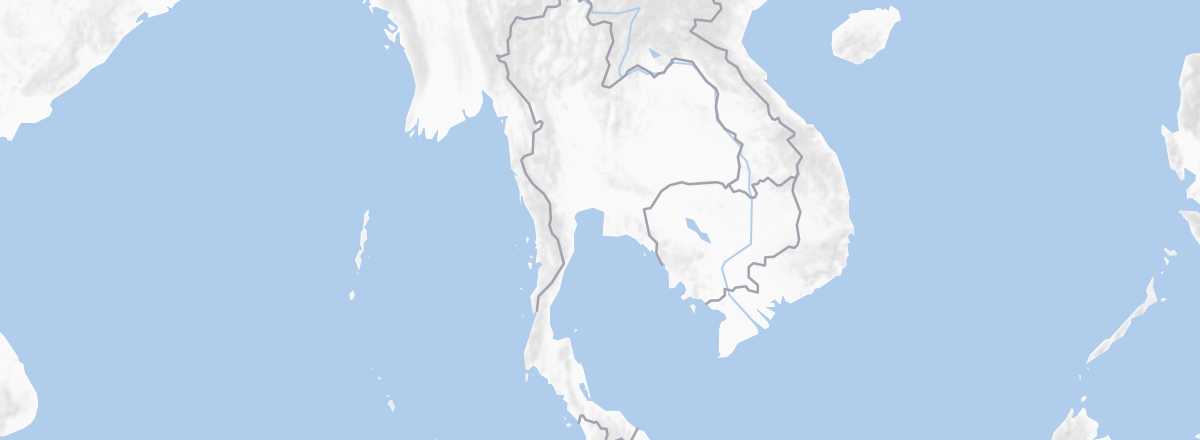 Thailand
Open the interactive map
Thailand
Open the interactive map
Official Recommendations
In France, both for individuals and professionals, the "travel advice" from the Ministry of Foreign Affairs regarding precautions for each country has legal value. A similar online travel advice system exists in several countries:
Health
Diseases
Thailand is one of those countries where a minimum of health precautions is necessary, especially if you venture outside tourist areas, though there’s no need to "panic".
As in many places, mosquitoes are the primary concern. Dengue, Zika, and chikungunya are still present. Malaria has nearly disappeared, except in some forested border areas. Since all these diseases come from mosquito bites, it’s essential to protect yourself with repellents and appropriate clothing, particularly in the evening.
While no vaccines are officially required to enter the country, staying up to date is still advisable. For those staying in rural areas, especially off the beaten path, some authorities recommend a rabies vaccine, as the disease is endemic here.
Hygiene
As always, good personal and especially food hygiene is necessary if you’re not used to "eating local". Avoid tap water, which isn’t potable, and dishes or foods that don’t seem fresh, particularly in markets or street food settings. This helps prevent *turista*, the well-known traveler’s diarrhea that occasionally strikes.
Healthcare Facilities on Site
Thailand is a leader in medical tourism, meaning it has a top-tier private hospital sector in many fields—though costs can be high, even if many procedures are more affordable than in Western countries.
For more routine needs or issues, the capital and tourist areas, starting with Phuket, are well-equipped. Elsewhere, public clinics and services can handle basics but may require evacuation to other parts of the country for serious conditions. In all cases, comprehensive travel insurance is highly recommended.
Safety
Crime and Delinquency
Thailand remains a relatively safe destination in terms of crime, though basic vigilance is necessary, especially in the capital and tourist areas. These areas are also where scams and other issues—sometimes not even caused by Thais—can occur if you’re not careful.
Local Laws
Beyond crime, Thailand’s strict laws on certain matters require attention, even for tourists. Some may seem "surprising" to visitors but can result in fines or worse if not respected. This includes the ban on e-cigarettes, respect for the "image of the King" (including on banknotes) and the royal family, representations of Buddha, and penalties for petty theft.
In another category, Thailand has some of the harshest drug laws. Trafficking can lead to severe sentences, including the death penalty.
Sociopolitical Risks and Terrorism
With recurring political tensions, separatist movements in the far south, and an occasionally unstable border with Myanmar, Thailand, like other countries, requires some vigilance. Stay informed about the current situation in the areas you plan to visit.
Then there’s the relationship with the neighboring Cambodia. The two countries frequently clash over a decades-old border dispute, leading to exchanges of fire and population displacements. Avoid the border zone entirely during these times.
Climate, Nature, and Animals
Beyond seismic risks and tsunamis (like in 2004), the rainy season is the main concern. Its timing varies by region but can cause severe flooding and road closures. Additionally, pollution is a regular issue in cities like Chiang Mai, Chiang Rai, and especially Bangkok.
As for animals, while dangers are minimal, stay alert around stray dogs (which may carry diseases), aggressive monkeys in tourist areas, jellyfish with potentially deadly stings, and even wild elephants that aren’t always friendly.
French Consulates on Site
If you encounter problems while traveling abroad, your country’s consular services can assist. Note that if you’re an EU citizen and your country isn’t represented, you can contact any other EU member state’s consulate.
- Consulate General: 35 Charoenkrung soi 36, Bangrak, 10500 Bangkok. Tel.: +66 28 44 70 05.