last edited Aug 26, 2020
Getting Around Australia
Location Map of Australia
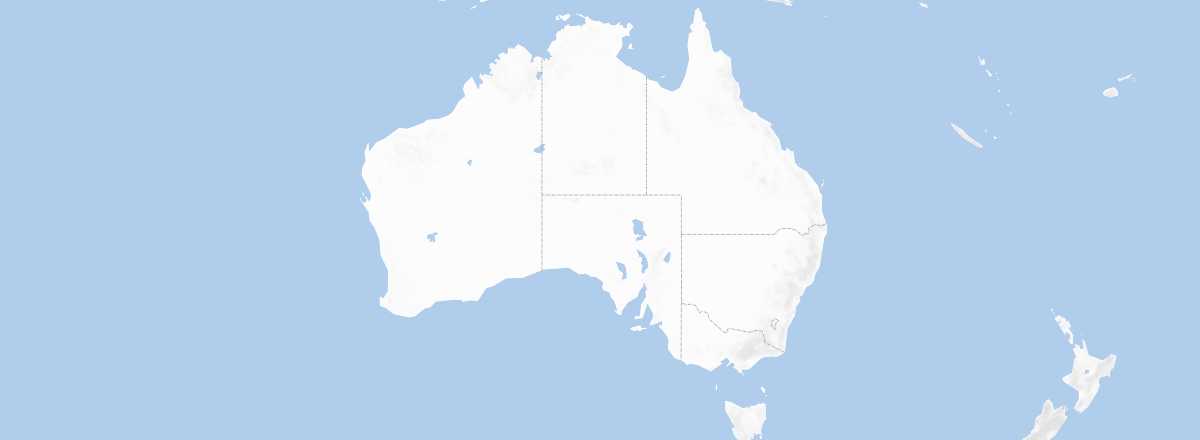 Australia
Open the interactive map
Australia
Open the interactive map
Road Network, Traffic
Car, Campervan
Rental
Purchase
Bus
Major Companies
Two Wheels
Motorcycle
Bicycle
Hitchhiking
Hitchhiking in Australia isn’t too difficult overall, though it’s not always risk-free. First, pay attention to where you get dropped off and prefer petrol stations. Additionally, in some areas, there’s very little traffic (stick to main roads), no shade, and water can quickly become scarce. Hitchhiking is theoretically officially banned in the state of Queensland.
In short, it may not be the ideal option (especially for women travellers), and those who enjoy it would do better to look for a ride share with other travellers or locals.
Carpooling
Trains
Boats
Domestic Flights
In Towns
Taxis
Other Means
Metro, tram and bus:
By bicycle:
On foot:
What to Choose for Getting Around?
There’s no one-size-fits-all answer, as it depends on the length of your stay and the regions you want to visit. But don’t forget that distances in Australia are often enormous. So, flying remains the best option for those who want to explore the whole country or save time, at least for travelling between major cities.
Otherwise, renting or—if you’re staying a long time—buying a car or campervan can be very worthwhile, especially for groups. Obviously, this mode of transport offers the most freedom, particularly if you want to venture off the beaten track.
For solo travellers, bus passes will be the most economical option, even if some areas (especially national parks) are poorly served by public transport.
Distances Between Cities
Distances (km) between the main cities and tourist spots in the country:
| Adelai. | Alice | Brisbane | Broome | Cairns | Canber. | Darwin | Melb. | Mt Isa | Perth | Sydney | |
|---|---|---|---|---|---|---|---|---|---|---|---|
| Adelaide | |||||||||||
| Alice Springs | |||||||||||
| Brisbane | |||||||||||
| Broome | |||||||||||
| Cairns | |||||||||||
| Canberra | |||||||||||
| Darwin | |||||||||||
| Melbourne | |||||||||||
| Mount Isa | |||||||||||
| Perth | |||||||||||
| Sydney |