last edited Aug 27, 2020
Trains in Africa
Location Map of Destinations
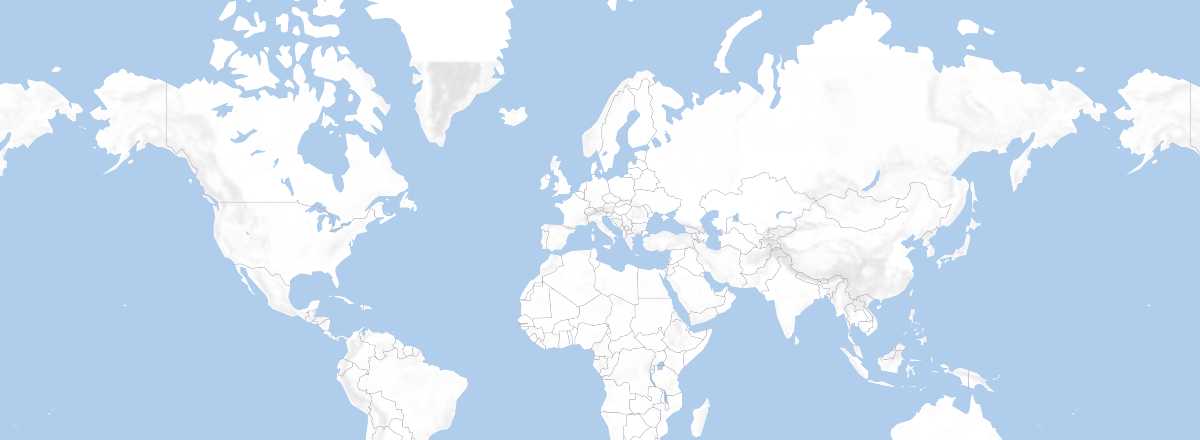 Destinations
Open the interactive map
Destinations
Open the interactive map
Rail Networks in Africa
Most of Africa’s rail networks were built by former colonial powers, primarily for commercial purposes, especially to connect inland areas to ports. Today, in some regions, rail has nearly disappeared in favor of faster transport like airplanes or roads. In many countries, the state of the tracks and equipment remains quite outdated. Some routes also tend to alternate between opening and closing.
African trains are often very (very) slow, crowded, and somewhat folkloric. One advantage, however, is that the price per kilometer remains generally very affordable.
North Africa
Compared to the rest of the continent, North Africa—particularly Morocco, Algeria, and Tunisia—has the best rail network.
Egypt
Egypt has a fairly good rail network, with trains running mainly along the Nile Valley from Alexandria to Aswan (around fifteen hours of travel). Four classes are usually offered at economical rates (excluding sleepers); for Cairo to Aswan, expect to pay around ten euros for a second-class ticket. In short, the train remains a good means of transport for long distances.
Morocco
ONCF trains are comfortable, easy to use, reliable, and economical, though the network is limited to the coast.
Mauritania
There is a train line (the "mineral train") between Nouâdhibou (on the coast) and Zouérat (the mines), with a stop in Choum. It is the longest, heaviest, and slowest train in the world. Departure from Choum at 6:00 PM, arrival in Nouâdhibou at 6:00 AM—12 hours for 400 km! The journey is grueling, and it gets cold at night. The fare between Zouérat and Nouâdhibou is around 10 €. Traveling in the ore wagons is free.
Tunisia
The SNCFT operates 2,000 kilometers of rail lines along the coast or toward Tozeur. The train is slightly more expensive than the bus but remains a very good alternative, even if it is a bit slow. For those who truly prefer trains in Tunisia, there is a pass option ("Carte Bleue") allowing unlimited travel on the network for 7, 15, or 21 days.
Also worth noting is the "RER" (TGM) departing from Tunis, a convenient and economical commuter train serving tourist sites north of the capital (Carthage, Sidi Bou Saïd, etc.).
Rest of Africa
West and Central Africa
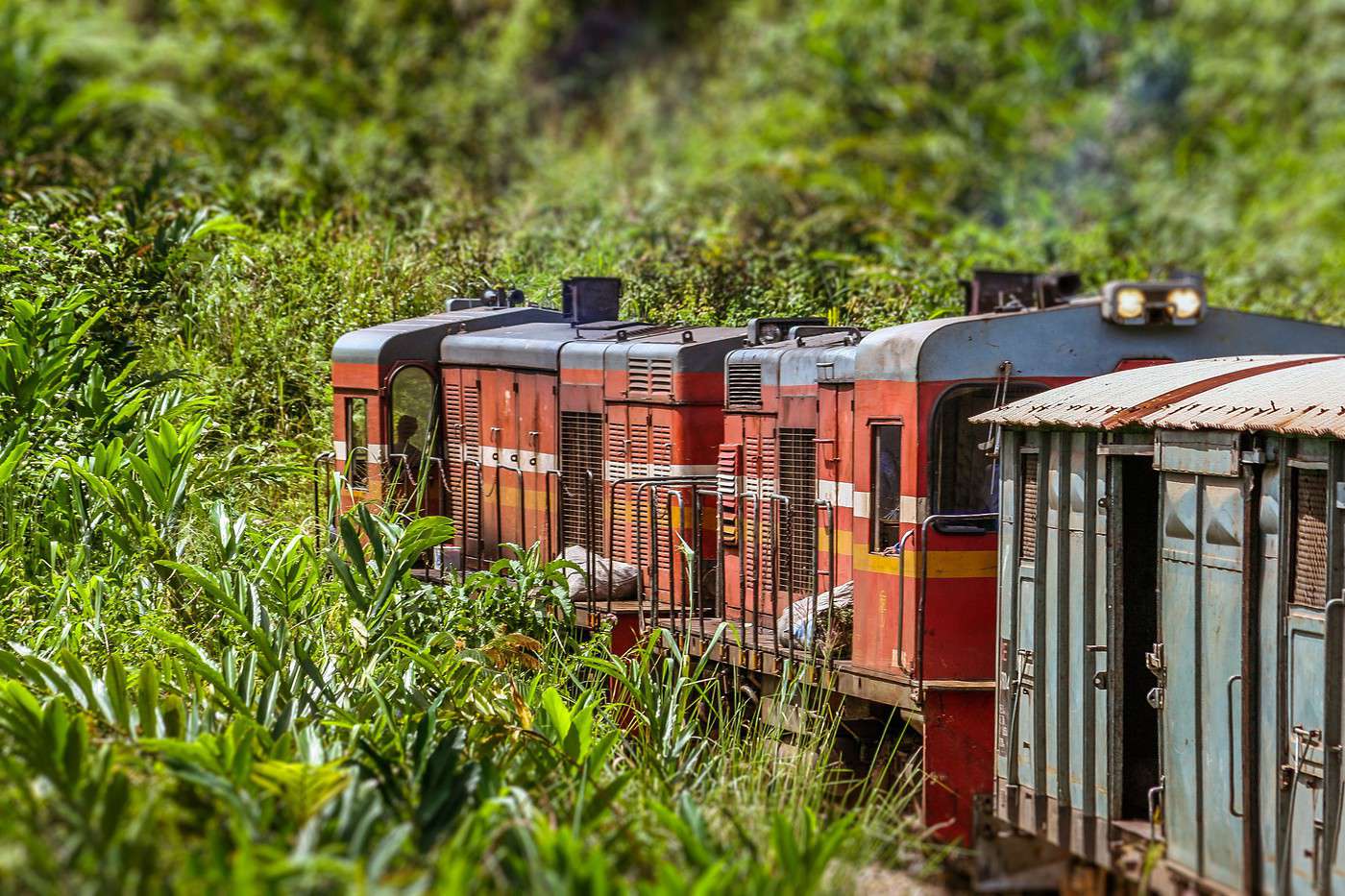
In West and Central Africa, you’ll find a few more or less operational lines, such as Dakar–Bamako, Abidjan–Ouagadougou, as well as some connections in Ghana, Guinea, Togo, Benin, Nigeria, Cameroon, Gabon, Congo.
East Africa
There are somewhat unreliable trains in East Africa, like those in Sudan or the Djibouti–Addis Ababa line, as well as a few routes in Kenya, Tanzania, and Eritrea.
Southern Africa
South Africa has the most developed rail network on the continent, with over 20,000 km of tracks. There are connections between major cities and links to neighboring countries. There are also some luxury or tourist trains, like the Blue Train from Pretoria to Cape Town.
Generally, you’ll also find more or less functional lines in Namibia, Angola, Zimbabwe, Malawi, Mozambique, and Zambia.
Madagascar
In the Indian Ocean, only Madagascar has rail lines. However, trains in Madagascar should not be seen as a fast mode of transport but rather as a way to discover stunning landscapes, isolated villages, and remote areas. Recommended: the Fianarantsoa–Manakara route with the FCE. Other lines: Antananarivo–Antsirabe and Antananarivo–Ambatondrazaka via Moramanga.
Information about trains should always be verified on-site, as the condition of the tracks and locomotives, the climate, and frequent line openings and closures can disrupt service.