last edited Aug 27, 2020
Trains in the Americas and the Pacific
North American Rail Networks
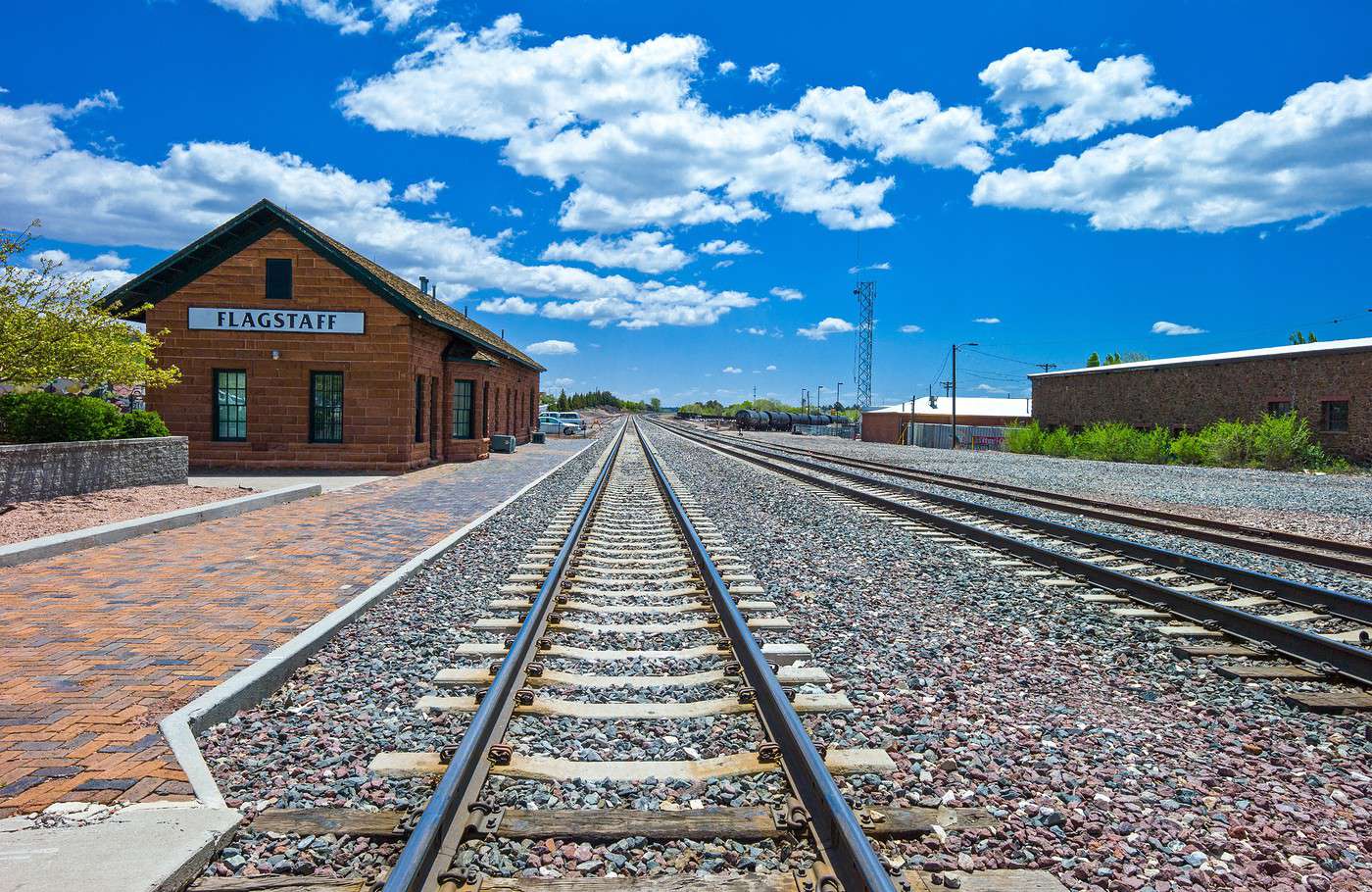
Travelling by train in Canada and the United States is broadly similar to what you might experience in Europe in terms of services and "challenges." However, the rail network is far less developed than on this side of the Atlantic.
Canada
In Canada, around 20,000 kilometres of track connect the major cities and extend into the United States. The network is primarily oriented east-west, with a few lines branching northward into the (vast) northern regions.
United States
The U.S. boasts the world’s largest rail network, with over 220,000 kilometres of track. Despite this, frequencies on many lines are quite low, with unusual schedules to adapt to, slow trains, and a network that bypasses many states or tourist destinations.
Generally, the system encircles the country along coasts and borders, with an east-west transversal in the middle and a Chicago–New Orleans line. With a few additional connections, it’s still a viable option for exploring the country.
In terms of comfort, there’s no issue—the American trains (Amtrak) are luxurious. The trade-off is cost: train travel is pricier than buses and sometimes even flights for certain routes. To cut expenses, consider one of the Amtrak Rail Pass options. Note that there are also a few tourist trains.
In Alaska, a main line connects Fairbanks to the coast via Anchorage.
Discounts
Both Canada and the U.S. offer rail passes. Be aware that most of these must be purchased outside the region.
- "Pass Canada": Two options for Canada (Canrailpass) or Quebec/Ontario (Corridorpass).
- "USA Rail Passes": For the U.S. as a whole or California alone, with validities of 15, 30, or 45 days.
Central American Rail Networks
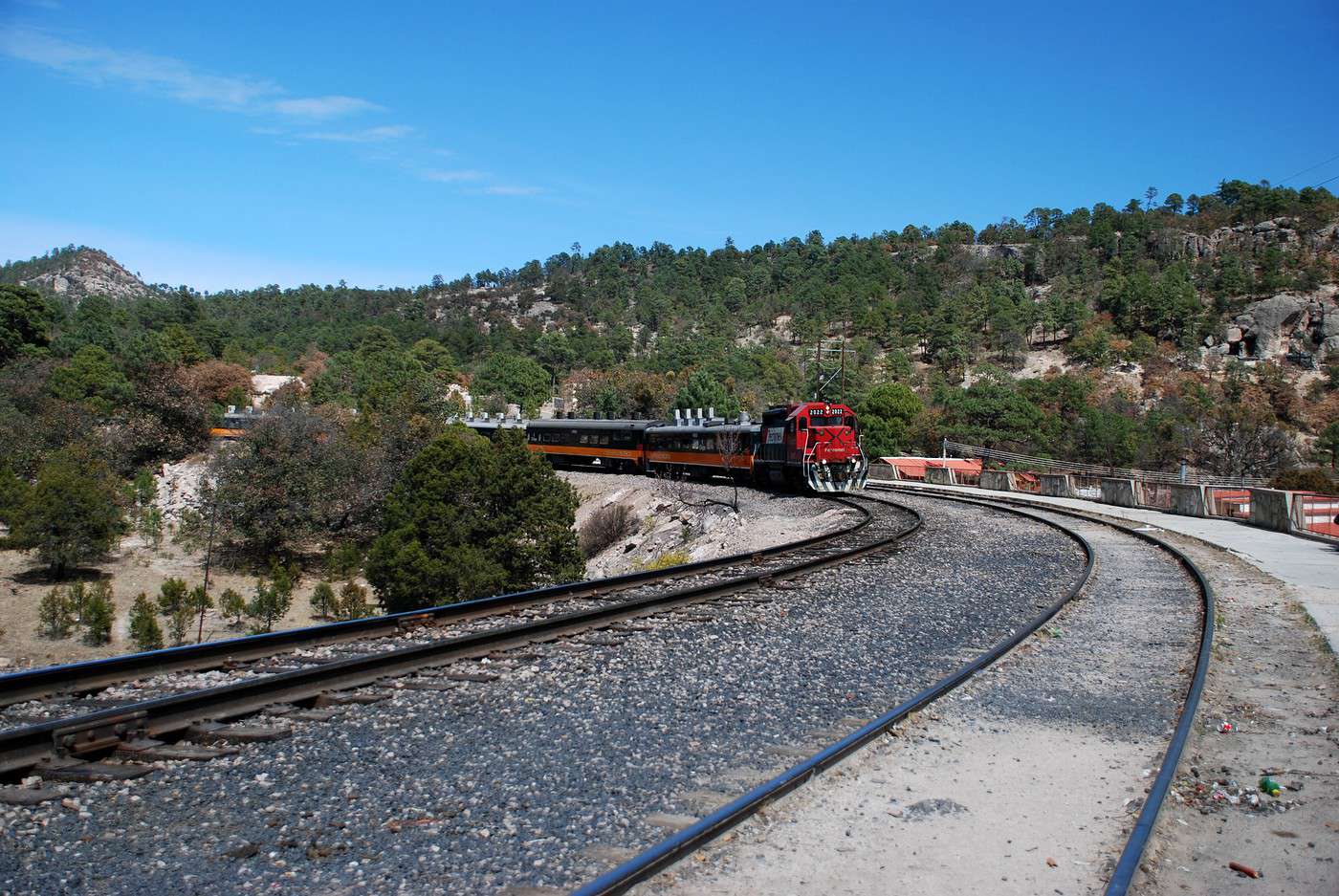
Outside of a tiny line in El Salvador and a few small "tourist trains" (notably in Panama along the Canal), Mexico is the last country in Central America with a public rail network.
Mexico
Don’t miss the tourist line "Chihuahua al Pacifico," which spans 650 kilometres through the Sierra Madre, offering stunning canyon, desert, and high-altitude landscapes. Otherwise, the public network is largely in disrepair, now limited to just one other passenger line departing from Guadalajara.
Caribbean Rail Networks
In the Caribbean, trains connect the two ends of Cuba. Elsewhere, only tourist lines exist in Jamaica and St. Kitts.
Cuba
Cuba’s rail network links the island’s two extremes, from Havana to Santiago, via major central cities (including a Havana–Pinar del Río segment). Generally, trains are slow, moderately comfortable (though some, like the "Tren Francés," are more upscale), often crowded, and prone to delays. Still, they offer a unique experience and plenty of opportunities for encounters.
Prices, as always, differ for foreigners but remain affordable and cheaper than buses. Budget at least around twenty euros for a one-way trip across the island.
South American Rail Networks
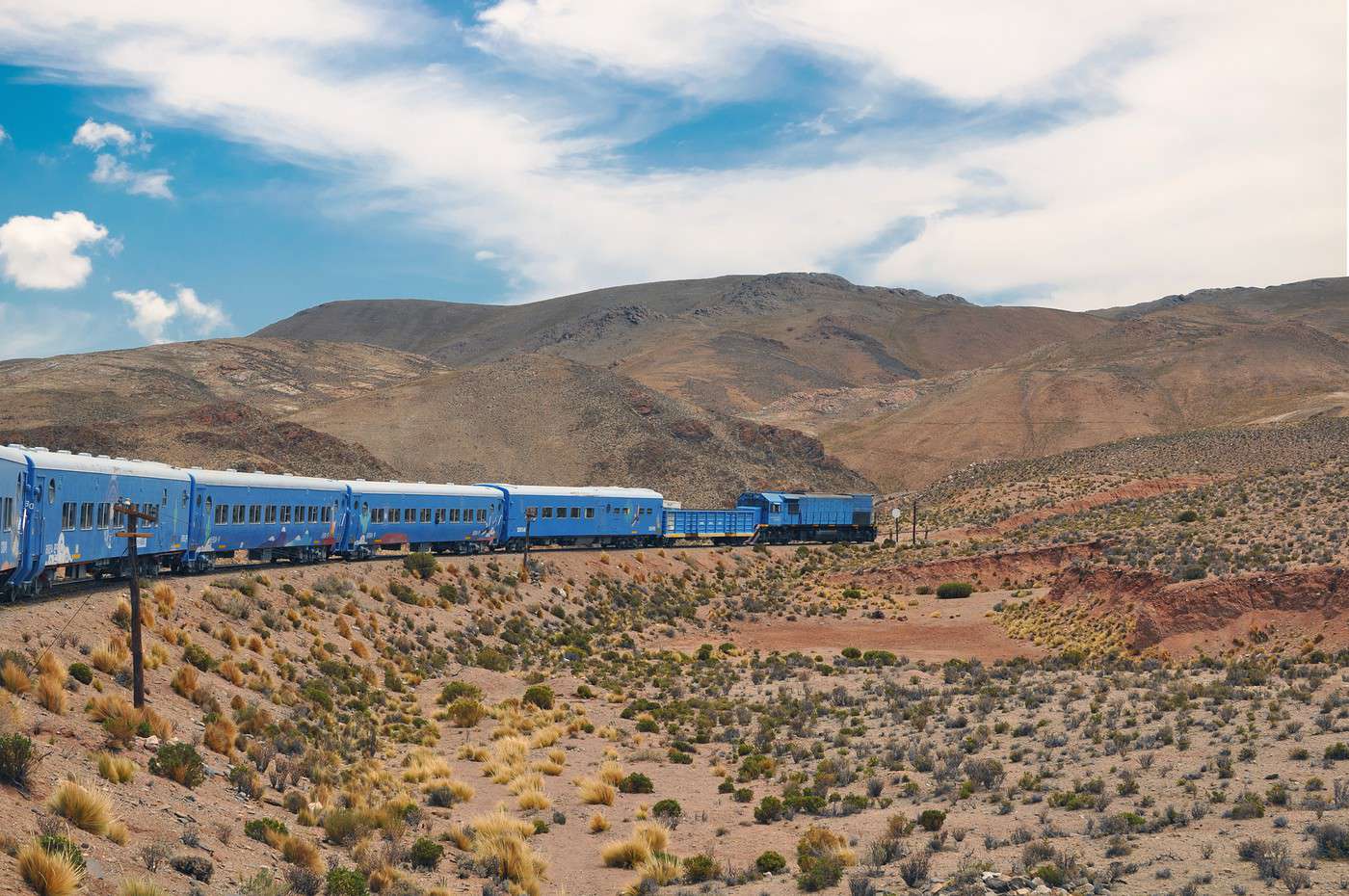
In South America, you’ll find two types of networks:
1) The southern Atlantic network, covering Brazil and neighbouring countries like Argentina, focused around major urban areas.
2) The famous Andean trains of Peru, Ecuador, and Bolivia, far more folkloric, offering breathtaking landscapes. This is where you’ll find the world’s highest trains. However, even here, railways are slowly falling into disuse. A few trains still operate in Chile.
Pacific Rail Networks
Modern, comfortable trains operate in Australia and New Zealand, with fare discounts available (note that most passes must be purchased outside the region). Beyond these two countries, no other trains exist in the Pacific.
Australia
Australia’s rail network is excellent but limited to the east and south coasts, with a complete line from Adelaide to Darwin crossing the country north to south.
Beyond offering remarkable journeys and renowned trains like the Indian Pacific (4,000 kilometres from Sydney to Perth over 64 hours, traversing stunning landscapes and the world’s longest straight stretch of 478 kilometres through the Nullarbor Desert), the Overland (Melbourne–Adelaide), or the Ghan (Adelaide–Alice Springs–Darwin), Australian trains remain a "secondary" transport option for many travellers. Additionally, despite some passes, it’s relatively expensive and best booked in advance during peak season.
Passes
Several passes (Rail Passes Australia) are available for Australian railways, covering the entire country or specific regions. Notably, some passes are valid for up to six months, ideal for long stays.
New Zealand
Three lines operate in the country: Auckland–Wellington and connections from Christchurch on the South Island. Train travel in New Zealand is relatively expensive. However, two spectacular scenic lines are worth the detour: the Tranz Alpine and the Taieri Gorge Railway.
Passes
As in Australia, discounts or passes are available for train travel in New Zealand, including the Scenic Rail Pass.