last edited Apr 11, 2026
Money, Budget, and Shopping for Great Britain
Location Map of Great Britain
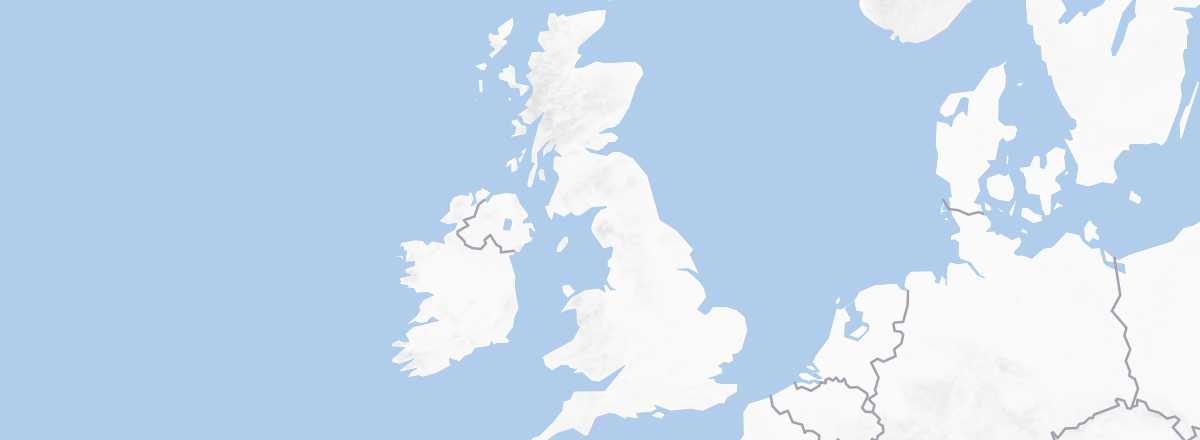 Great Britain
Open the interactive map
Great Britain
Open the interactive map
Money
Currency
- Currency: Pound sterling (100 pence).
- Banknotes: £5, £10, £20, and £50.
- Coins: 1p, 2p, 5p, 10p, 20p, and 50p + £1 and £2.
- Exchange:
The pound sterling is the world's oldest currency still in circulation, dating back roughly to the 12th century. Officially, it is legal tender only in England and Wales, as Scotland, Northern Ireland, and various territories (Jersey, Gibraltar, etc.) issue their own versions of the pound, though sterling still circulates there at parity.
Note: While the Bank of England no longer issues £100 notes, you may still encounter them in circulation from the Bank of Scotland or Northern Ireland.
Exchange
Major currencies can be exchanged without issue at exchange bureaus or banks offering this service. You can also easily withdraw cash from the many ATMs, which are generally easy to find.
Which currency to bring
Bring the currency from your home country—euros, Swiss francs, Canadian dollars, etc.—as everything can be exchanged without difficulty. You can also easily order pounds from your bank before departure, though this doesn’t necessarily mean you’ll get a better exchange rate than locally.
Payment methods
While cash is still accepted in the UK, contactless payments by card or smartphone now surpass it. This is true everywhere and for everything, including small amounts, to the point that in some places like London buses, cash is no longer accepted. The only downside is the commission your bank may charge per transaction, which can add up. That said, some banks, particularly online ones, don’t charge fees, so check with yours.
Upon return
If you don’t plan to return to the country, you can easily exchange any remaining pounds. However, as always, it’s best to avoid ending your trip with excess local currency to exchange later.
Budget
As in other countries like France, your budget will depend on your destination, whether it’s the capital or elsewhere. If you’re staying primarily in London, your budget will clearly be at least 50% higher than for travel elsewhere in the country. For two people, this means budgeting around 70 €–80 per day in one case and 100 €–120 in the other—without excess.
What can be expensive
- London overall.
- Entry fees to attractions, often overpriced. The exception is national museums, which are free.
- Last-minute train tickets (and even then...).
- Pubs... in the long run.
What can be affordable
- Transportation to get there, whether by plane, train, or even ferry.
- Traveling in winter, unlike the rest of the year when prices rise.
- Booking trains, visits, and even some restaurants in advance to reduce costs.
- Buses vs. trains.
- Food from fast-food chains, Indian or Chinese takeaways, or supermarkets. Incidentally, a morning "English breakfast" can often let you skip lunch.
- Sometimes the exchange rate between the euro and the pound.
Price range (average for a trip to London vs. the rest of the country)
- Shared dormitory, hostel, or budget hotel room: 30 €–40 to 80 €–100.
- Double room in a hotel, B&B, or Airbnb: 100 € to 150 € for a mid-range option.
- Snacks or basic meals: around 10 €.
- Meals at a restaurant or pub: at least 25 €–30.
- "Budget" car rental: 35 €–45 for a small car, with significant increases in summer.
- Bus: relatively cheap due to competition, around 5 € per 100 km.
- Train: one of the most expensive in Europe. Expect roughly four times the bus price.
- Taxi: around 3 €–4 per km depending on the city. Ubers are cheaper.
- Public transport: around 2 € per ticket on average, with various options depending on the city and sometimes a daily cap, like in London where you pay nothing more for the rest of the day.
Tipping
While not at the level of the United States, the UK is a country where tipping (or "tipping") is common but not mandatory. Unless it’s already included in the bill ("Service Charge Included"), leave 10–12% at restaurants, round up the fare in taxis, and in hotels, £1 or £2 for staff is always appreciated. The only exception: pubs, where tipping isn’t traditional.
Shopping and souvenirs
Beyond the ever-present "royal family merchandise," which offers a wide range of typical souvenirs, you can also bring back tea, biscuits, marmalade, chutneys, and other local products. Don’t forget good whiskies if you’re passing through Scotland. Otherwise, there are also woollens, tweeds, and other items to discover while shopping.