last edited Aug 26, 2020
Diving and Snorkeling
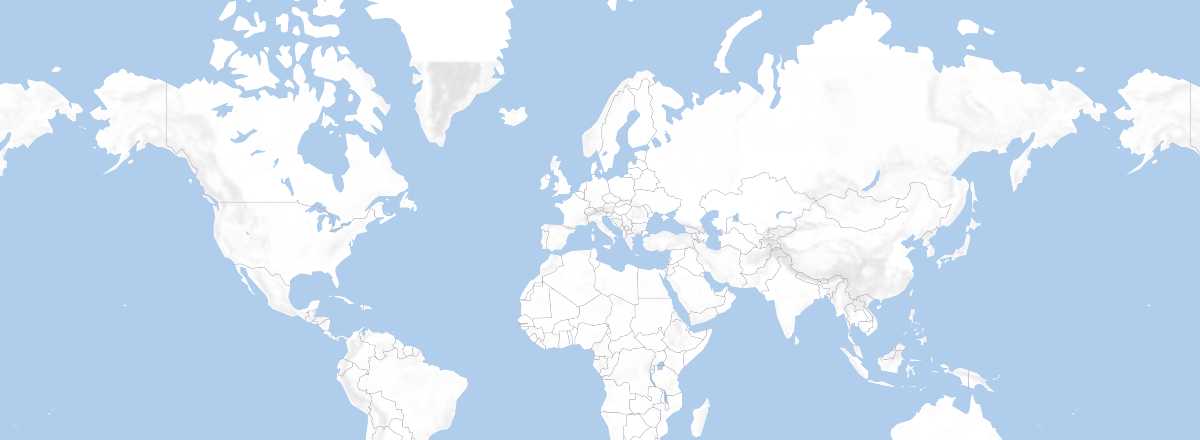
Location Map of Destinations
 Destinations
Open the interactive map
Destinations
Open the interactive map
Differences Between Diving and Snorkeling
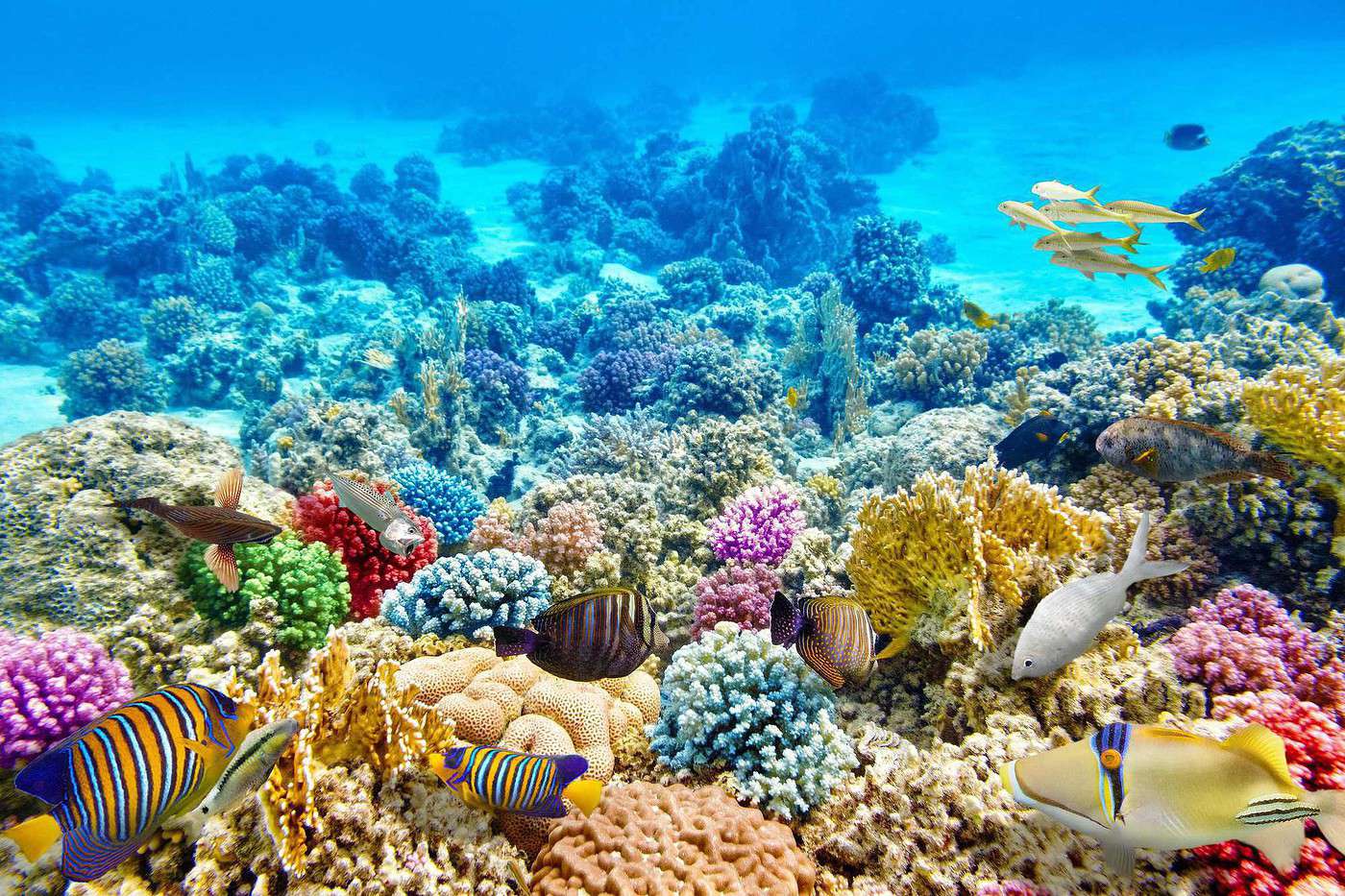
Whether it’s descending fully equipped several meters underwater or swimming on the surface with just a mask and snorkel, travel offers plenty of opportunities to discover the underwater world.
For the record, diving and snorkeling are actually two different things. Scuba diving involves equipment that allows you to descend and stay underwater at depth with full autonomy. In contrast, snorkeling—also called "free diving" or "underwater hiking"—only lets you stay at the surface with a mask, snorkel, and optionally fins as your only gear.
While diving requires some skill and supervision, snorkeling is accessible to almost everyone.
Diving
Conditions for Diving
Whether on vacation or otherwise, diving isn’t something you improvise—it requires at least being in good health. That’s why a medical certificate of fitness is always required when earning certifications. More generally, it’s a good idea to consult your doctor regularly if you dive frequently or have had health issues in the past.
Practically speaking, when diving, it’s important not to be fatigued. A hearty breakfast or meal is also essential to avoid energy crashes underwater. Alcohol and stimulants, on the other hand, should be avoided.
Finally, especially for beginners, a short restorative nap between dives can be helpful.
Getting Started
The Try Dive
The first step for anyone starting diving is the "try dive." For most people, this is their first real contact with the underwater world. It should take place one-on-one with an instructor. The try dive usually lasts between 30 and 45 minutes, with divers exploring depths of around 4 to 6 meters—enough to discover plenty in many locations.
Before diving, the instructor explains essential gestures for underwater communication and how to equalize ear pressure to avoid pain during descent.
The try dive is a crucial step for the aspiring diver. Depending on how it goes, it can determine whether the person will want to continue diving. So, it’s best to stack the odds in your favor by choosing reputable centers—and, for those starting abroad, francophone ones. This isn’t a minor detail: for a first experience, feeling confident and understanding the instructor’s instructions is key.
Next Steps
After the try dive, you can start doing short supervised dives. But for more freedom and opportunities, you’ll need to earn certifications. These are diplomas based on both technical and physical knowledge, allowing you to do moderately challenging dives and descend to around 15 meters in clear water—anywhere in the world’s seas.
To begin, you can earn Level 1 from the French Federation of Underwater Sports (FFESSM) or the PADI, which serves as the global standard. FFESSM training involves 6 hours in the sea or pool plus 2 hours of theory. PADI requires around ten dives and five theory sessions, with the advantage that the certification is recognized worldwide. In both cases, a medical certificate of fitness is required.
Equipment
Diving gear is expensive and not easy to transport by plane if you plan to dive far from home. But in France and elsewhere, all diving clubs have equipment they rent to clients. At most, buying a mask and fins might be useful, even for beginners.
Dive Centers Abroad
For you to expand: How and by what criteria should you choose a center when traveling?
Getting Your PADI While Traveling
For you to expand: The PADI (Professional Association of Diving Instructors) is essentially the certification for divers. Many travelers take advantage of their trips abroad to earn it.
World Dive Spots
For you to expand: The best diving spots by country or region.
Snorkeling
Conditions for Snorkeling
Unlike scuba diving, snorkeling doesn’t involve many constraints. Since the goal is to stay at the surface, you won’t need special equipment, training, or particular physical condition. Just knowing how to swim can be helpful—though in many places where fish and coral are abundant just a few meters from shore, you can snorkel where you can stand.
The big advantage? Snorkeling is easy to start, and you can quickly enjoy discovering underwater life.
Organizing Yourself or Using a Provider?
Depending on the location and your preferences, you can organize the activity yourself or use a provider.
Organizing Yourself
Some beach areas are rich in underwater fauna and flora and don’t require going far offshore. So, if you just want to have a good time or try it out, you can simply rent or buy a mask, snorkel, and optionally fins to start exploring.
Using a Provider
On the other hand, some (or the best) snorkeling spots may require boat transport. In that case, a provider is necessary—either just for transport or for the entire experience.
For you to expand: How and by what criteria should you choose a provider?
Where to Snorkel?
For you to expand: The best snorkeling spots by country or region.