last edited Dec 11, 2019
Travel Scams
Location Map of Destinations
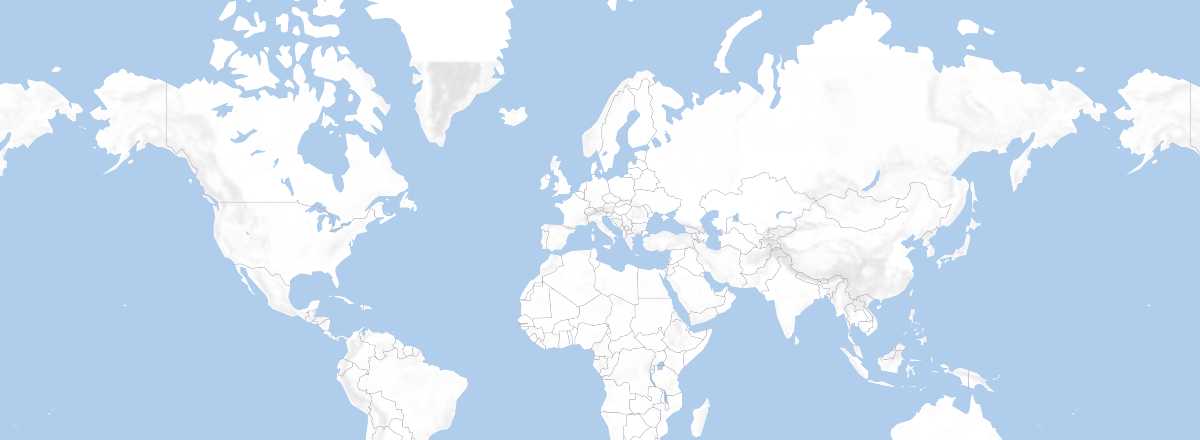 Destinations
Open the interactive map
Destinations
Open the interactive map
Scammers and Victims
Who hasn’t fallen victim to a small scam or trick while travelling? No matter the country (and especially if it’s a tourist hotspot), these little annoyances do exist—though most of these "scams" usually aren’t serious (even if sometimes...). Whether organised or simply opportunistic, some people will always try to take advantage of travellers.
Who Are the Scammers?
It depends on whether the scam is organised (buying jewellery, drugs, etc.) or opportunistic (giving incorrect change, stealing items from your belongings, etc.). In the latter case, it could be anyone—someone who simply seizes an opportunity—while organised scams are usually carried out by repeat offenders. That said, don’t assume only locals are to blame: you’ll find foreigners and even other travellers doing the same.
Who Are the Victims?
While locals can also be targeted, travellers are often the easiest and most obvious prey. Lack of bearings, language barriers, fatigue, flaunting wealth—all these make tourists prime candidates for scams.
Avoiding them entirely isn’t always easy, even over a lifetime of travel. But a little common sense—hiding your wealth and money, not looking like a "just-arrived tourist," and steering clear of dodgy deals—will always reduce the risks. And of course, staying informed and understanding your surroundings helps too.
Recourse
For you to expand: What attitude should you adopt, and what recourse do you have after being scammed?
Common Scams
Incorrect change; theft in hotel rooms or transport; buying fake jewellery, gemstones, or antiques; money lending scams; credit card fraud; touts; drug-related scams; marriage or "romantic encounter" scams.
Incorrect Change
This is the most common scam worldwide, and often you don’t even notice it. Restaurants, bars, shops, taxis, tolls—anywhere you pay in cash and receive change that isn’t quite what it should be...
The scam is rarely organised. It’s usually just people taking advantage of the fact that few bother to count their change (even at home) or that many travellers struggle with unfamiliar currencies.
The only defence is to always count your change in front of the person—so they can witness any mistake. And if there *is* a mistake, no need to make a scene over what’s usually a small amount.
Theft in Hotel Rooms or Transport
Another classic—though more theft than scam. Beyond break-ins or premeditated crimes, items or money can "disappear" from your hotel room or luggage in transit. Often, the culprit is hotel staff or transport employees.
Chances of recovering anything—or even proving the theft—are slim. If the loss is significant, you might try claiming on your insurance after filing a police report.
That said, victims often share some blame. When travelling, it’s best to keep valuables with you (in transit) and use hotel safes where available—or at least avoid leaving things in plain sight that might represent months of local wages. In short, a little caution goes a long way...
Buying Fake Jewellery, Gemstones, or Antiques
Scams common in Southeast Asia, Turkey, and Africa.
Money Lending Scams
Found in Europe but especially in tourist hotspots. These scams rely on either a budding friendship or a situation where the victim can imagine themselves in the scammer’s shoes. Scammers are often skilled at spinning stories and putting on an act.
In Europe
The most common scenario happens in train stations. Someone approaches you claiming they need to catch a train soon but are short a few euros for their ticket (with excuses like "my card isn’t working" or "I forgot it").
Elsewhere
Things get more varied. You might meet a Westerner—someone on a round-the-world trip—who needs money because their transfer hasn’t arrived or their friend is sick or in jail. Often, the scammer targets their own compatriots to build trust, especially if they provide a fake address back home.
Another case: meeting a local who invites you to visit their family, friends, or their cousin’s shop. Eventually, they’ll ask for financial help for any number of reasons. There’s also the "romantic encounter" angle—either to be supported long-term or, worse, to lead to marriage.
Credit Card Scams
Mostly through card cloning. Overall, this is rarer than other scams because it’s more complex.
Touts
From South America to Asia via Africa, these commissioned middlemen will charge you extra for purchases or services.
Drug-Related Scams
Unlike other scams, anything involving drugs can have serious consequences, including the death penalty in some countries. At best, you’ll end up with something far from what you expected in quantity or quality. At worst, you’ll be robbed during the transaction—with little recourse to complain to the police.
Another common scenario: the dealer is working with the police. Either it’s a sting operation to catch users/dealers, or it’s a setup to extort the buyer ("pay up, and we’ll forget this ever happened").
More serious are cases where a traveller, trying to help someone, is given a bag or gift to deliver—only to find it contains drugs, with all the risks that entails if caught or reported.
Marriage or "Romantic Encounter" Scams
Countless travellers—especially women—have been trapped during their holidays by "love" or marriage scams, where the sole aim is to extract as much money as possible or even gain citizenship.
This is a well-honed technique in Cuba, North Africa, Senegal/Gambia, Thailand, and even French Guiana (with Brazilian scammers).
Travel Scams by Country
A few examples reported by travellers in popular destinations.
Cuba: buying "fake" cigars; "romantic encounter" scams; premium-rate calls to Cuba (especially from Canada); touts; currency scams.
Egypt: "scam" with visas via tour operators; touts; "mandatory tips"; extra entry fees and compulsory guides.
France: train ticket scams; fake deaf-mute collectors.
India: taxi currency scams; dealers working with police (Goa); the "stain" scam; buying fake jewellery and gemstones.
Indonesia (Bali): exchange scams and counterfeit bills.
Morocco: "romantic encounter" scams; "credit card problems"; fake guides; "hitchhiker-touts"; petrol pump scams (meter not reset); touts.
Mexico: police scam-rackets; fake police; credit card cloning; petrol pump scams (meter not reset).
Dominican Republic: credit card cloning; "super tourist service" scams.
Senegal: border-crossing "help" scams (vehicles only); touts; "romantic encounter" scams.
Thailand: police scam-rackets; buying fake jewellery and gemstones; "generous Westerner in need" scams; "sleeping drug" scams; "super tourist service" scams; "romantic encounter" scams.
Tunisia: "romantic encounter" scams; touts.
Turkey: buying fake/low-quality jewellery.