last edited Aug 19, 2020
Geography and Environment of Tanzania
Location Map of Tanzania
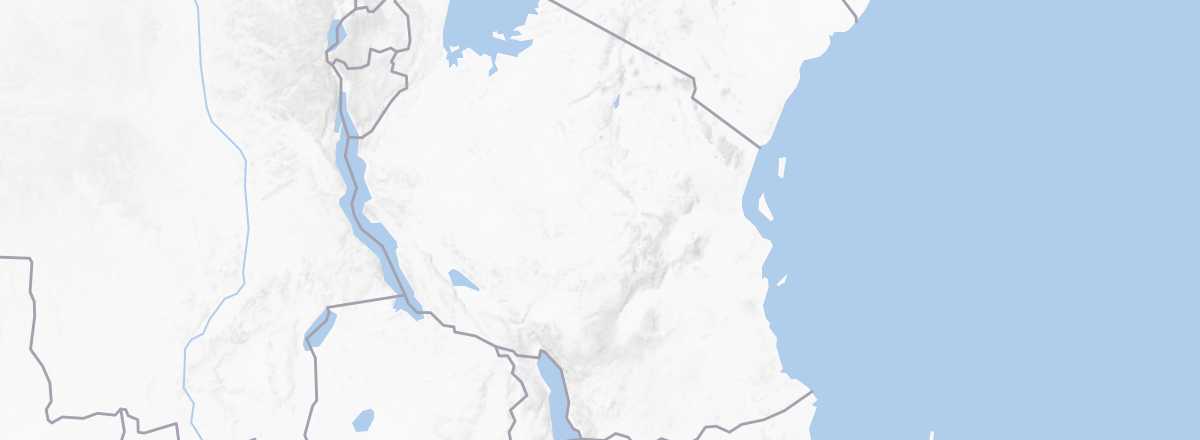 Tanzania
Open the interactive map
Tanzania
Open the interactive map
Country Overview
Natural Zones
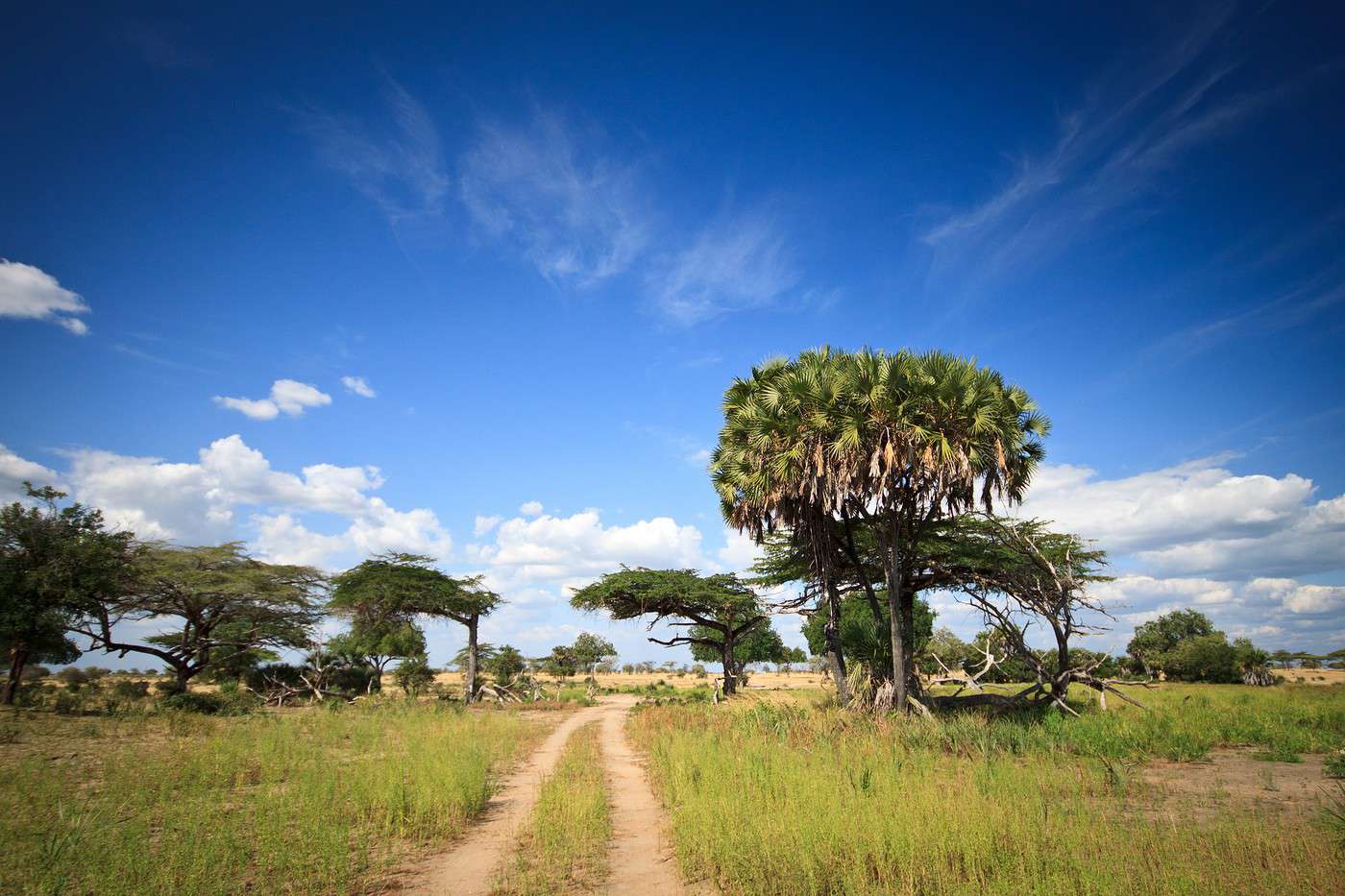
Tanzania has 16 national parks covering 42,000 km². They are one of the country’s main tourist attractions, if not the primary one, thanks to their unique and easily visible wildlife. The Tanzania National Parks Authority is responsible for managing these sites.
Among the most popular parks and natural sites for visitors:
- Ngorongoro Conservation Area: A savannah and plateau area bordering the Serengeti, with the Ngorongoro Crater at its center. The entire region is a UNESCO World Heritage Site and is highly visited for its landscapes, wildlife (the "Big Five"), a few archaeological sites, and the Maasai people who live there.
- Kilimanjaro: Africa’s highest peak at 5,892 m. It is located in the UNESCO-listed national park of the same name. A must-visit for altitude trekking enthusiasts. The park itself is home to elephants, monkeys, buffaloes, antelopes, birds, and more.
- Lake Natron: A salt lake on the Kenyan border. It serves as a habitat for a large population of flamingos.
- Mafia: A stunning island below Zanzibar, spared from mass tourism. It offers beautiful beaches and marine life ideal for diving, protected within the Mafia Island Marine Park.
- Arusha National Park: Near the city of the same name. The area is best known for Mount Meru. In terms of wildlife, it is home to elephants, leopards, giraffes, buffaloes, monkeys, and birds.
- Gombe National Park: Located on the shores of Lake Tanganyika near Kigoma, it is one of the country’s smallest parks. It is renowned for its large chimpanzee population and birdlife. Hiking is possible here.
- Rubondo Island National Park: A small park on a forested island in Lake Victoria. It is known for its birds but also hosts monkeys, hippos, elephants, and crocodiles.
- Katavi National Park: Near Lake Tanganyika, this is an isolated park (encompassing several reserves) partly made up of marshes where many crocodiles and hippos live. Elephants, buffaloes, and birds can also be seen here.
- Lake Manyara National Park: This small site bordering Tarangire is home to the famous African "Big Five" (lion, leopard, elephant, rhinoceros, and buffalo), as well as many monkeys and birds.
- Mikumi National Park: Bordering Selous, this savannah is home to a significant amount of wildlife, including lions, hippos, elephants, and buffaloes.
- Mahale Mountains National Park: A beautiful, remote, and hard-to-access mountainous area on the shores of Lake Tanganyika. Besides the scenery, it is known for hosting the country’s largest chimpanzee population.
- Udzungwa Mountains National Park: Just next to the Selous Reserve, this stunning forested site is home to many monkeys, hippos, crocodiles, and birds. Hiking (including canoeing) is possible among the mountains, valleys, and tall waterfalls.
- Ruaha National Park: Near the Great Lakes, this vast park, which actually includes several reserves, remains relatively unvisited. However, it offers very rich wildlife, particularly elephants and birds.
- Saadani National Park: A small coastal park facing Zanzibar. In this unique setting, you can find a significant amount of wildlife, including elephants, antelopes, wildebeest, buffaloes, lions, leopards, crocodiles, and many bird species.
- Serengeti National Park: Africa’s second-largest wildlife park, extending from Kenya’s Masai Mara. It is a UNESCO World Heritage Site. Here, you can find all of Africa’s wildlife, especially during migration season, in a savannah landscape where Maasai communities also live.
- Tarangire National Park: Extending from Lake Manyara, this savannah park filled with countless baobabs is home to significant wildlife, especially during the dry season.
- Selous Reserve: Located in the south of the country, between the coast and Lake Malawi, it is Africa’s largest reserve. It is a UNESCO World Heritage Site and boasts very rich wildlife (elephants, rhinoceroses, cheetahs, crocodiles, etc.), which can be explored on safaris by 4x4, boat (on the Rufiji River), or on foot.
Wildlife and Flora
Wildlife
Tanzania is undeniably a major refuge for millions of wild animals, which can be observed in many of the country’s national parks. The animals benefit from the abundant natural resources available in the region.
The country is home to dozens of mammal species, including the lion, leopard, elephant, black rhinoceros, and buffalo, which make up the famous "Big Five." There are also around a hundred species of snakes, various reptiles, thousands of insects, and an uncountable number of fish. Bird species are just as numerous, with over a thousand recorded, including the Udzungwa forest partridge (a bird typical of Tanzania), flamingos, bee-eaters, and more.
Flora
The flora varies by region and altitude. On the central plateau, below 1,500 meters, you can find baobabs, wild fig trees, umbrella acacias, sausage trees, and many euphorbias. In the savannah region, Kitulo Plateau National Park is home to magnificent flora, including hundreds of vascular plants and around forty species of orchids. In mountainous areas, several species of African violets can be found. Near the summit of Kilimanjaro, you can observe clematis, St. John’s wort, and giant lobelias.