last edited Mar 29, 2026
Things to Do in Tanzania
Location Map of Tanzania
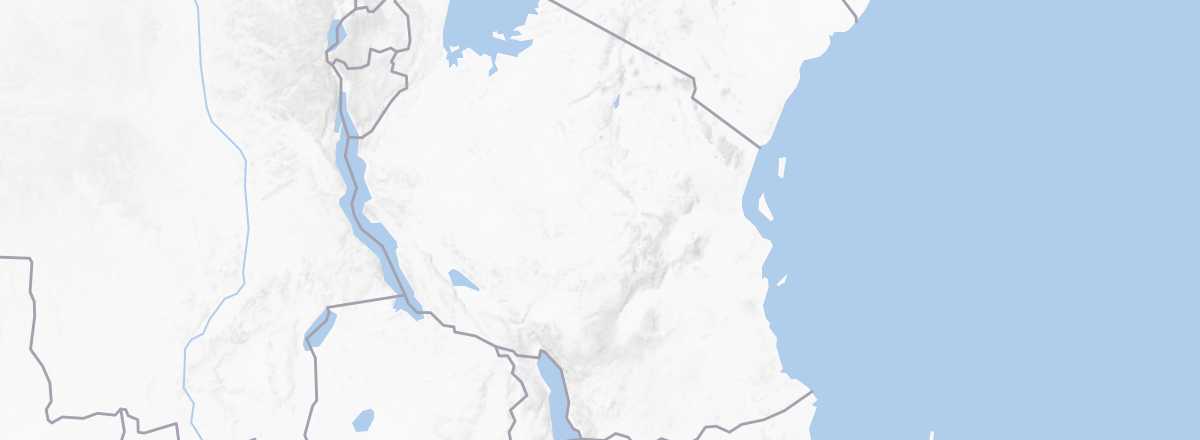 Tanzania
Open the interactive map
Tanzania
Open the interactive map
Beaches and Beach Resorts
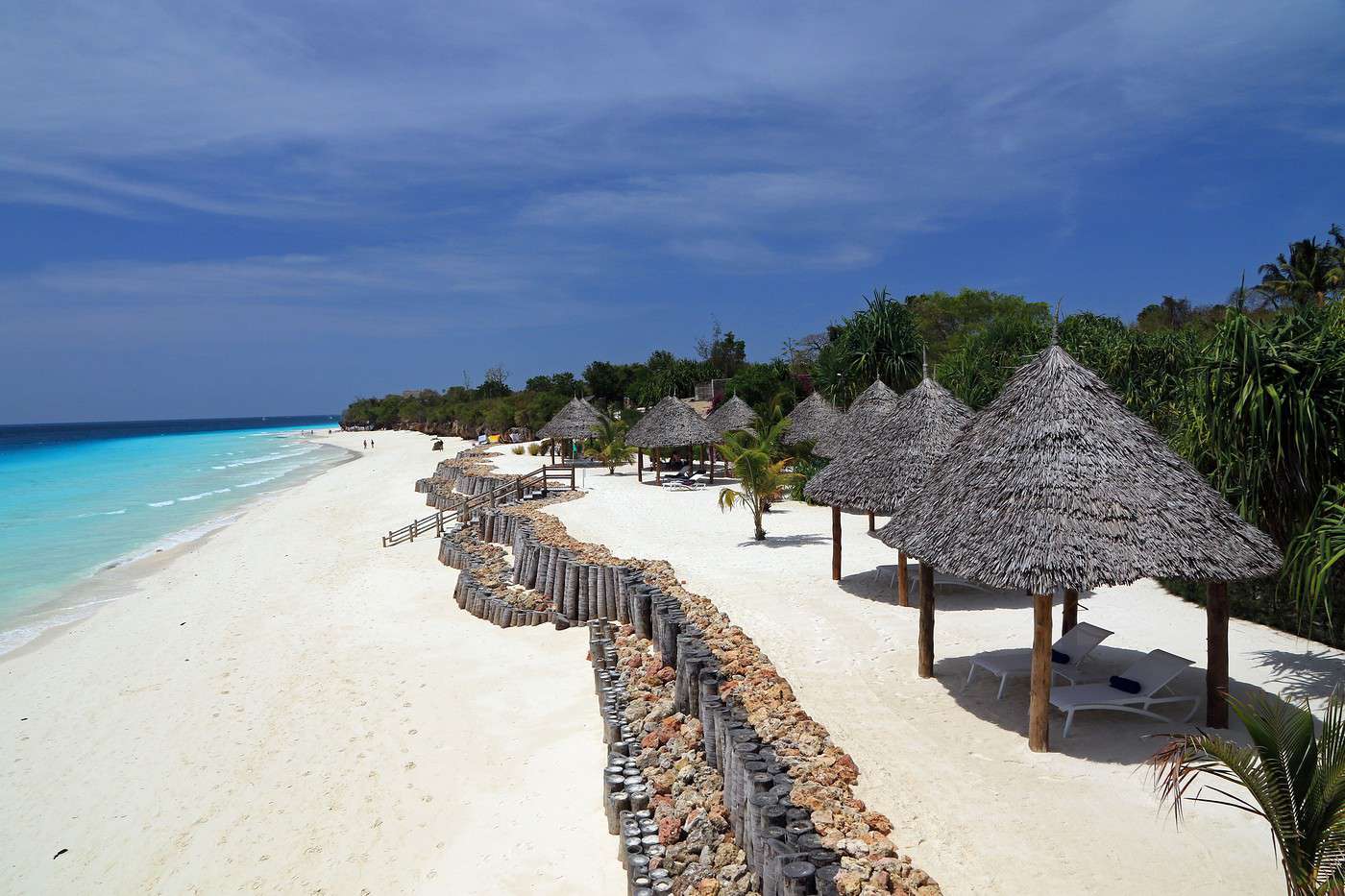
While Tanzania is most often associated with safaris, its coastline along the Indian Ocean, particularly around Dar es Salaam, boasts magnificent stretches of pristine coral sand. These beaches are also less crowded, offering greater privacy. The white-sand beaches of Zanzibar are among the most beautiful in the world, featuring a coral reef with exceptional marine life and diverse underwater fauna. Unsurprisingly, this is where the country’s all-inclusive hotel complexes and beach resorts are located.
For the record, there are also a few beaches along the shores of Lake Tanganyika in the west of the country.
Diving
Zanzibar, the island of Pemba, and the Mnemba Atoll offer several diving sites in crystal-clear waters, with colorful reefs and a multitude of tropical fish. However, Mafia has the most to offer. Pristine and untouched by mass tourism, its stunning beaches and marine life are protected within the Mafia Island Marine Park.
While the islands are the best diving spots in the country, diving is also possible on the mainland, such as along the coast near Mtwara, not far from the Mozambique border.
Other Water Activities
Swimming with dolphins: A unique experience with excursions available from the village of Kizimkazi in Zanzibar.
Deep-sea fishing: Opportunities for big-game fishing exist, particularly around Zanzibar and Pemba Island. Yellowfin tuna (August to November), marlin (December to February), dorado, and swordfish (March to April) are among the species found in these waters.
Water sports: Zanzibar’s beach resorts offer sea kayaking, waterskiing, jet-skiing, and kitesurfing.
Thalassotherapy and Wellness
As is often the case in tourist areas, several hotels in Zanzibar and elsewhere offer thalassotherapy stays, massages, manicures, beauty treatments, hot tubs, spas, and more.
Hiking
Climbing Kilimanjaro
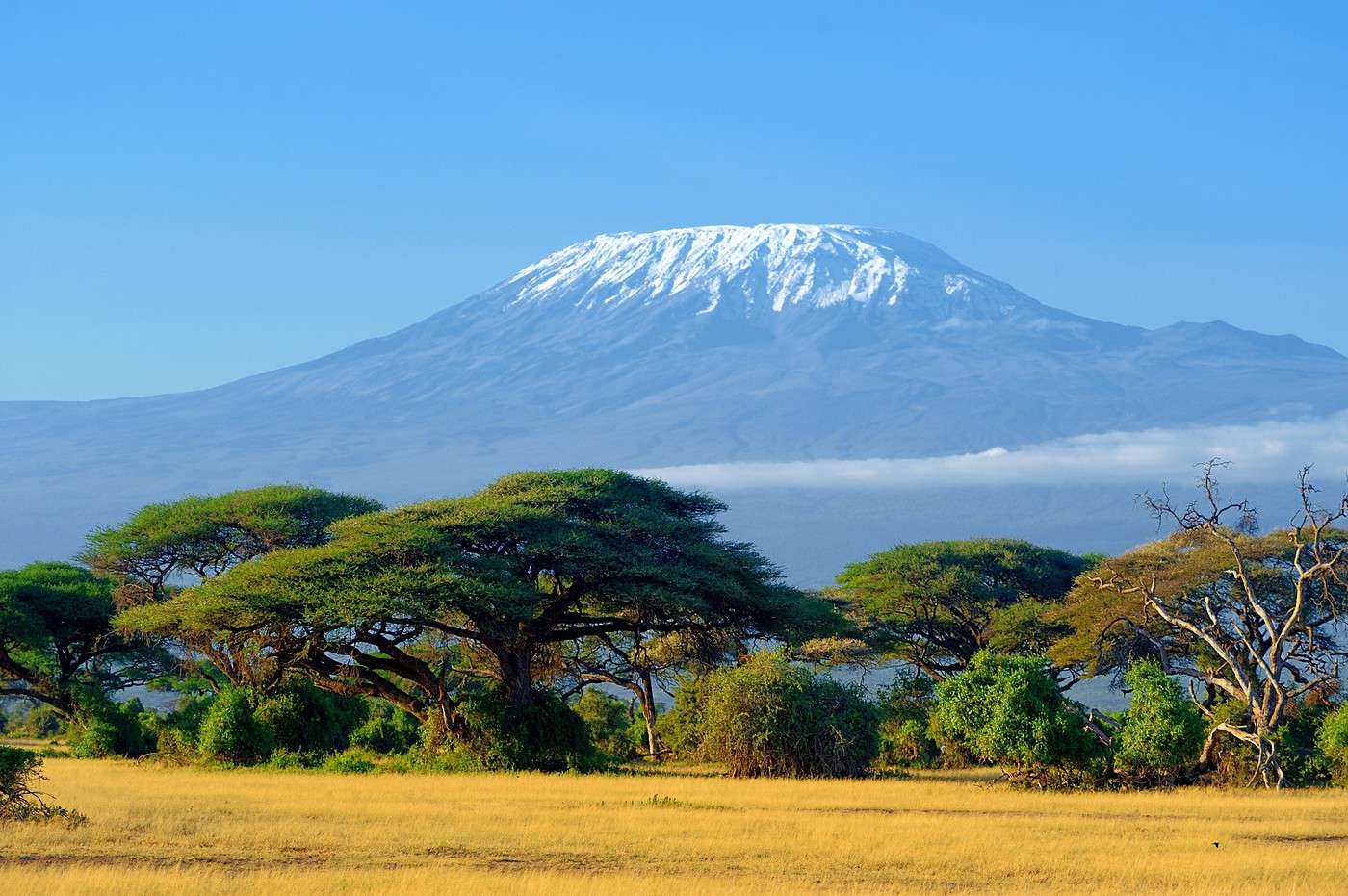
This is the ultimate mountain and high-altitude trek in Africa, and even one of the experiences every trekking enthusiast dreams of accomplishing. What’s more, the hike to the summit of Africa’s roof isn’t particularly difficult or technical. Any motivated hiker in good physical condition can attempt it, though it’s true that out of the 15,000 to 20,000 people who try each year, nearly half don’t make it. While the technical aspect isn’t overly complex, Kilimanjaro still stands at 5,892 meters—posing the biggest challenge of the adventure.
Other Hiking Trails
Beyond Kilimanjaro, which isn’t necessarily within everyone’s reach—at least when it comes to reaching the summit—there are plenty of other trekking opportunities.
You can hike in several parks and reserves, including the UNESCO-listed Selous, accompanied by a guide. The Uluguru Mountains, the Udzungwa Mountains, and the Usambara Mountains are also popular trekking spots. Less famous than Kilimanjaro, Mount Meru (4,565 meters) is an extinct volcano overlooking Arusha. It’s Africa’s fourth-highest peak and a classic high-altitude trek, reachable in 3 or 4 days of hiking.
Cycling
Bike touring and mountain biking are possible in Tanzania. However, there are a few key points to consider before setting off. First, main roads are unsafe due to hazardous traffic, unlike secondary routes. Generally, assess distances carefully and ride in the early morning or late afternoon to avoid the heat. Bring water, food, and repair kits for punctures or other issues. Note that cycling is prohibited in national parks and reserves.
Several local and international agencies specialize in multi-day cycling tours. It may be worth gathering information from them before departure.
Horseback Riding
A unique experience, with specialized providers offering horseback safaris, particularly in the Kilimanjaro region. Some rides are tailored to the rider’s experience level, while others require advanced skills.
Outdoor and Adventure Sports
Hunting
Tanzania has an excellent reputation for organizing hunting safaris. The Selous, Rungwa, and Kilwa reserves are the main areas where hunting is permitted. The season runs legally from July 1st to December 31st, with certain periods being more favorable than others. Hunting is regulated to protect wildlife, and there are rules to prevent the extinction of certain species. Animals like rhinos and giraffes cannot be hunted under penalty of civil or criminal prosecution.
The total cost of a hunting safari can range from 12,000 to 35,000 €. Additionally, a shooting fee, varying by species, is charged for each animal taken. Strict regulations govern trophy exports, so it’s best to check in advance regarding both their exit from Tanzania and entry into your home country.
Whitewater Sports
In Tanzania, rafting is possible on the Rufiji River, which flows through Selous Reserve, where you can spot hippos, among other wildlife. Generally, the rapids are beginner-friendly, except for one section classified as Class III.
Golf
Several golf courses are located across the country, offering 9- or 18-hole courses. Notable locations include Dar es Salaam, at the foot of Kilimanjaro, Iringa, and Zanzibar. Needless to say, the settings are exceptional.
Other Activities
Climbing and mountaineering: While Kilimanjaro is a high summit, it doesn’t offer much for climbers. However, the Mawenzi and Kibo massifs have routes and vertical walls for climbing, provided you obtain prior authorization and sign a liability waiver.
Paragliding: This activity is still underdeveloped in Tanzania, but it’s possible in certain areas like the Usambara Mountains, the Rift Valley, and several hills around Mount Meru. However, flying over national parks is strictly prohibited. Additionally, you must ask permission from local villagers and explain your plans, including your intended landing spot.
Cultural Life and Activities
Cultural tourism has gradually developed in Tanzania. It’s possible to meet local communities, such as the "famous" Maasai, to learn more about their traditions, culture, and village life. Some may find the experience a bit staged, but it’s a matter of personal preference.
Beyond these encounters, Tanzania also boasts built heritage from different eras, styles, and origins. Pemba Island, and especially Zanzibar, offer various historical sites and stunning architecture, which has earned the archipelago’s capital a UNESCO World Heritage designation for its old Stone Town quarters. On the mainland, numerous remnants of the German colonial period are still visible, though often in varying states of preservation. There’s also much older heritage, like Kondoa and its prehistoric rock art sites, nestled in nearly 200 UNESCO-listed caves.
Nightlife and Going Out
The best options are primarily in Dar es Salaam, with some in Arusha and more in Zanzibar, though nightlife isn’t particularly extensive in any of these places.