last edited Aug 19, 2020
History of Namibia
History of Namibia
Key Dates
- 1500 BC: The San, the region's first inhabitants, are displaced by the Khoikhoi, who are themselves later replaced by Bantu-speaking peoples (Ovambos, Hereros, etc.). These groups would go on to form the majority of Namibia's population.
- 1486: Portuguese navigator Diogo Cão becomes the first European to land in the region (at Cape Cross). Its inhospitable and desert landscape deterred European interest until the late 18th century, when the first explorers arrived.
- 1793: The Dutch of the Cape Colony are the first to claim the Walvis Bay region on behalf of the Dutch crown. A few years later, with the British annexation of the Cape, the area came under British control.
- Early 19th century: The first missionaries, notably German, arrive, followed around 1820 by the Oorlam ("colonial Hottentots") from the Cape. They settle in the heart of the territory (Windhoek) and impose their rule, clashing with the Herero and Nama tribes until defeated by them in 1870.
- Late 19th century: Arrival of Boer settlers from South Africa, who establish Afrikaans as one of the country's languages.
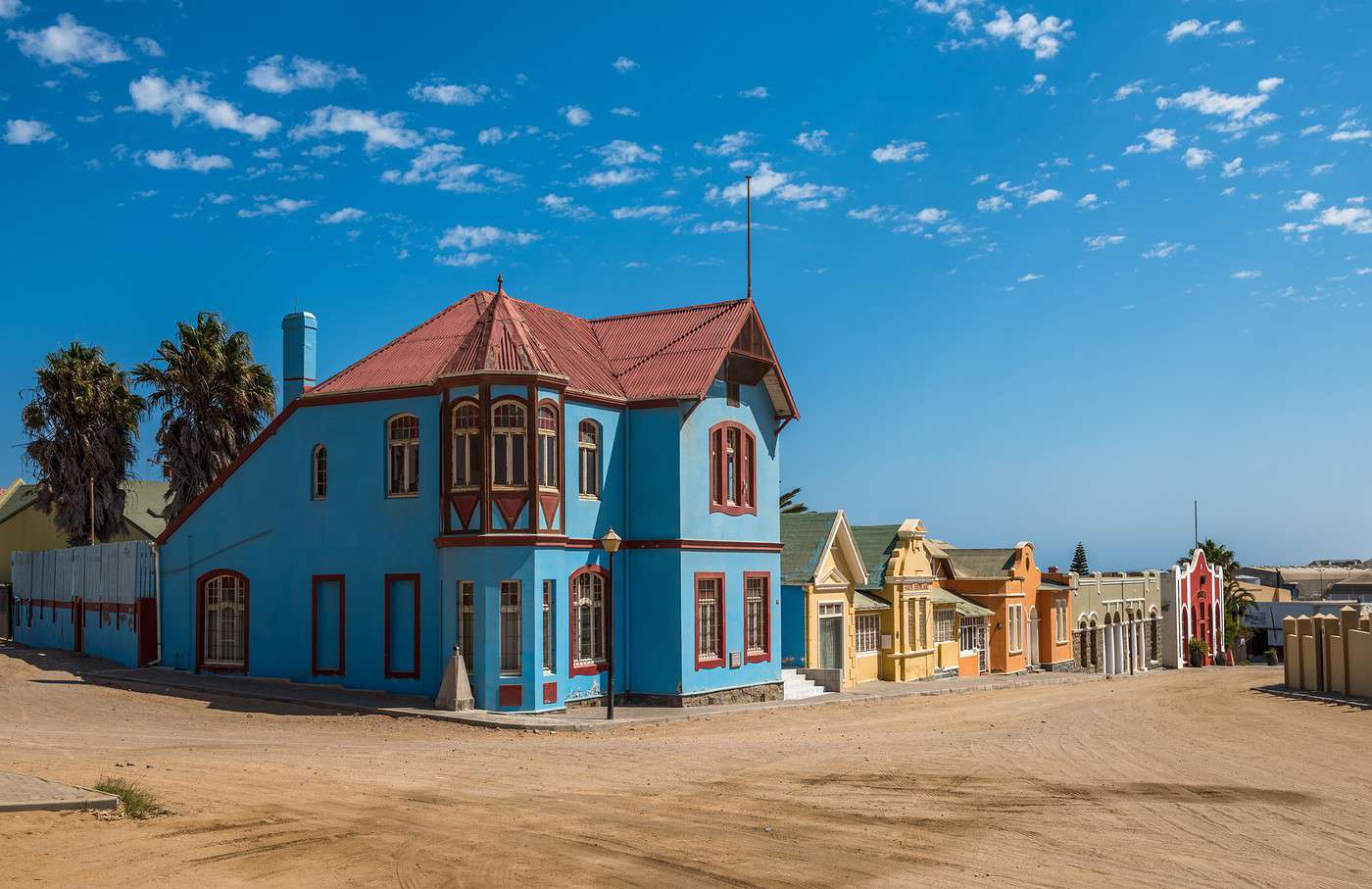
- 1884: Germans settle in the territory, which becomes the German South-West Africa protectorate. Until World War I, they develop the country along the lines of their homeland, aided by German colonists.
- 1904: Uprising of the Herero and Nama, followed by harsh German repression that claims tens of thousands of lives.
- 1914-19: South Africans, aided by Portuguese from Angola, seize German South-West Africa. With the Treaty of Versailles in 1919, defeated Germany relinquishes all its colonies.
- 1920-45: In 1920, the League of Nations (predecessor to the UN) places South-West Africa under South African mandate. New South African settlers arrive, and segregationist laws against indigenous populations intensify. Many consider the territory a province of South Africa.
- 1945-50: While South Africa annexes South-West Africa despite UN opposition (1949), the first organized indigenous movements emerge, denouncing South African administration.
- 1960s: Confrontations between indigenous movements—sometimes rival—and authorities multiply as South Africa seeks to divide the region into a white-only area and various "homelands" for Black populations.
- 1966: South-West Africa theoretically comes under UN control but remains under South African authority. Anti-government guerrilla warfare begins.
- 1968: The UN officially renames the territory Namibia. Two years later, its Security Council declares South Africa's presence in Namibia illegal.
- 1970s: Armed rebellion led by the SWAPO intensifies. By the end of the decade, prospects for independence—more or less accepted by all parties—emerge, along with the repeal of some discriminatory laws.
- 1985: Following international negotiations that span the decade leading to independence, Namibia establishes an interim government and assembly.
- 1990: Namibia officially gains independence, except for the enclave of Walvis Bay, which remains under South African control until 1994. The SWAPO-led armed struggle ends, and its leader, Sam Nujoma, is elected President of the Republic. He remains in office until 2005.
- 2005: Hifikepunye Pohamba succeeds Nujoma as head of state (remaining until 2015), with the country still dominated by SWAPO.
- 2015: Elected by a large majority in the first round, Hage Geingob becomes Namibia's third president. The country remains governed by the same party since independence, despite persistent inequalities and a severe HIV/AIDS crisis.