last edited Aug 19, 2020
Geography and Environment of Kenya
Country Overview
Natural Zones
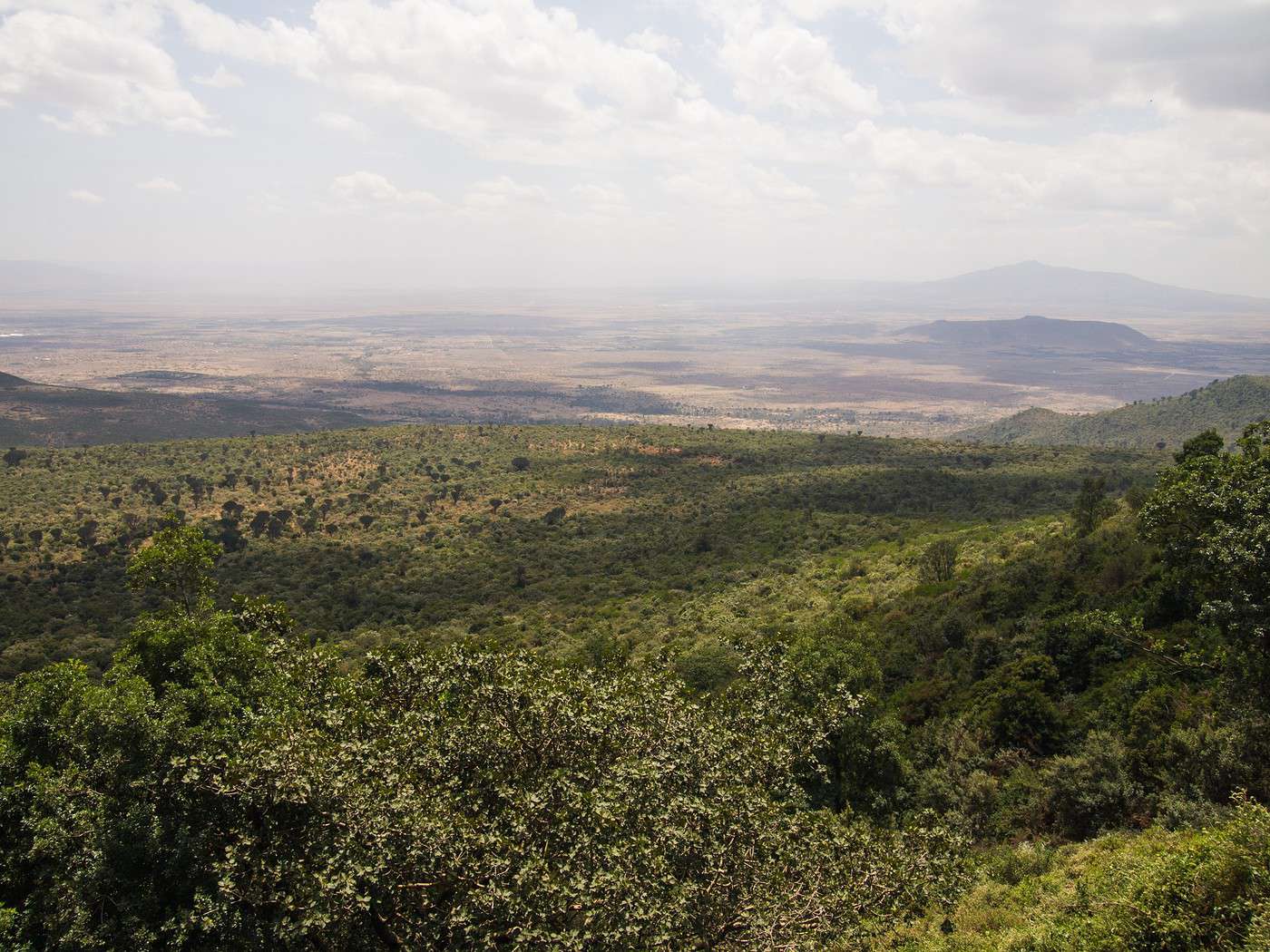
Kenya is home to over 60 national parks and reserves, several of which are UNESCO World Heritage Sites (Mount Kenya, Lake Turkana National Parks). Together, they cover 8% of the country, or over 45,000 km². These sites, with their unique and easily visible wildlife, have traditionally been (along with the coast) the main tourist draw of the country. However, for security reasons, those in the northern part of the country or its northern coast are not recommended or require at least checking the current situation beforehand.
The Kenya Wildlife Service is responsible for managing the reserves and national parks (except for the Masai Mara). Among the most popular spots for visitors:
The Interior
- Cherangani Hills: a small mountainous range in western Kenya, ideal for hiking.
- Lake Baringo: this lake near Bogoria is home to hippos, crocodiles, and flamingos. Boat trips are available.
- Lake Bogoria: at the heart of the country, this lake, like others in the region, is a habitat for flamingos. Of volcanic origin, it also features geysers and hot springs.
- Lake Magadi: the southernmost of the Rift Valley lakes, near Tanzania. Many birds nest here in quite scenic landscapes.
- Lake Naivasha: about a hundred kilometers northwest of Nairobi. This high-altitude lake, also a national park, is known for its birds and hippos. Nearby, the small Hell's Gate National Park offers a greater variety of animals and opportunities for hiking and camping.
- Lake Nakuru: this Rift Valley lake hosts over a million flamingos, as well as other animals like lions, rhinos, hippos, and zebras, living along its shores, which are part of a national park.
- Lake Victoria: straddling Tanzania, Kenya, and Uganda, this is the largest lake in Africa and a major communication route.
- Mount Elgon: this extinct volcano on the Ugandan border, a national park in both countries, offers beautiful landscapes of cliffs, caves, and rivers, perfect for hiking. You may encounter elephants, buffalo, or antelopes.
- Mount Kenya: Kenya’s highest peak (5,199 m), located in the center of the country. A national park and UNESCO site, it offers stunning landscapes and excellent trekking or mountaineering opportunities. Around it, several villages of different ethnic groups with still-vibrant traditions (Maasai, Kikuyu).
- Aberdare National Park: this large high-altitude park in the Rift Valley, with its beautiful waterfalls, is north of Nairobi. It is home to many African species, including lions, leopards, elephants, buffalo, rhinos, and birds. Local hiking is possible.
- Amboseli National Park: this site on the Tanzanian border, with views of Kilimanjaro, is one of the best places to see the famous "Big Five" (lion, leopard, elephant, rhino, and buffalo). It is the second most visited park in the country after the Masai Mara. Several Maasai villages are located within its boundaries.
- Marsabit National Park: a small park on the road to Ethiopia, near the town of the same name. It is known for its zebras and birds, though the full range of local wildlife can be observed.
- Meru National Park: this swampy area in central Kenya is rarely visited but is home to the "Big Five."
- Nairobi National Park: located just outside the capital, this site is home to a wide variety of animals (lions, rhinos, hippos, zebras, giraffes, birds). Worth a visit if you won’t have the chance to explore other parks in the country.
- Tsavo East and West National Parks: these two contiguous parks form one of Kenya’s largest reserves. Here, you can discover most African species in beautiful landscapes. It is typically visited by those staying only in Mombasa on the coast.
- Lake Turkana National Parks: north of the Great Rift Valley, on the Ethiopian border, the site includes Lake Turkana and its islands, plus the small Sibiloi National Park. The whole area is a UNESCO site. You can hike here and see many birds, crocodiles, hippos, giraffes, lions, and more.
- Masai Mara National Reserve: shared with Tanzania, where it is called Serengeti, this world-famous park is the most visited in Kenya. It is home to all of Africa’s wildlife, especially during migration season, in a savanna landscape where Maasai communities also live.
- Samburu National Reserve: in the center of the country, this reserve is adjacent to Buffalo Springs and Shaba National Parks, forming a vast territory for the diverse wildlife found here.
- Great Rift Valley: this very long geological fault of volcanic origin runs through all of Kenya, forming the basis for several lakes (about ten of which are UNESCO sites), some of the deepest in the world, and various peaks like Mount Kenya.
The Coast
- Kisite-Mpunguti Marine National Park: a wildlife-rich marine park on the Tanzanian border.
- Watamu Marine National Park: this marine park, near the small beach resort village of Watamu, is considered one of the best diving spots in the region.
- Shimba Hills National Reserve: southwest of Mombasa, not far from the sea. The reserve is home to several hundred elephants.
Wildlife and Flora
Local flora varies by location. On the coast, you’ll find palm trees and mangroves. In the southern plains, baobabs and acacias grow. Temperate forests and bamboo cover the mountainous regions.
In the savanna, particularly within national parks and reserves, you can observe all of Africa’s wild animals: lions, elephants, giraffes, rhinos, and more. Several bird species are also abundant around the lakes. Primates and reptiles can also be found here.