last edited Aug 27, 2020
Going on a Cruise
What is a Cruise?
While many people associate cruises with large ocean liners, they also include smaller boats sailing on rivers, sailboats traveling between islands, and even certain ferry routes (Patagonia, Scandinavia, etc.).
In simple terms, a cruise is a multi-day voyage in a cabin on a set itinerary, typically all-inclusive, and usually featuring tourist stops along the way.
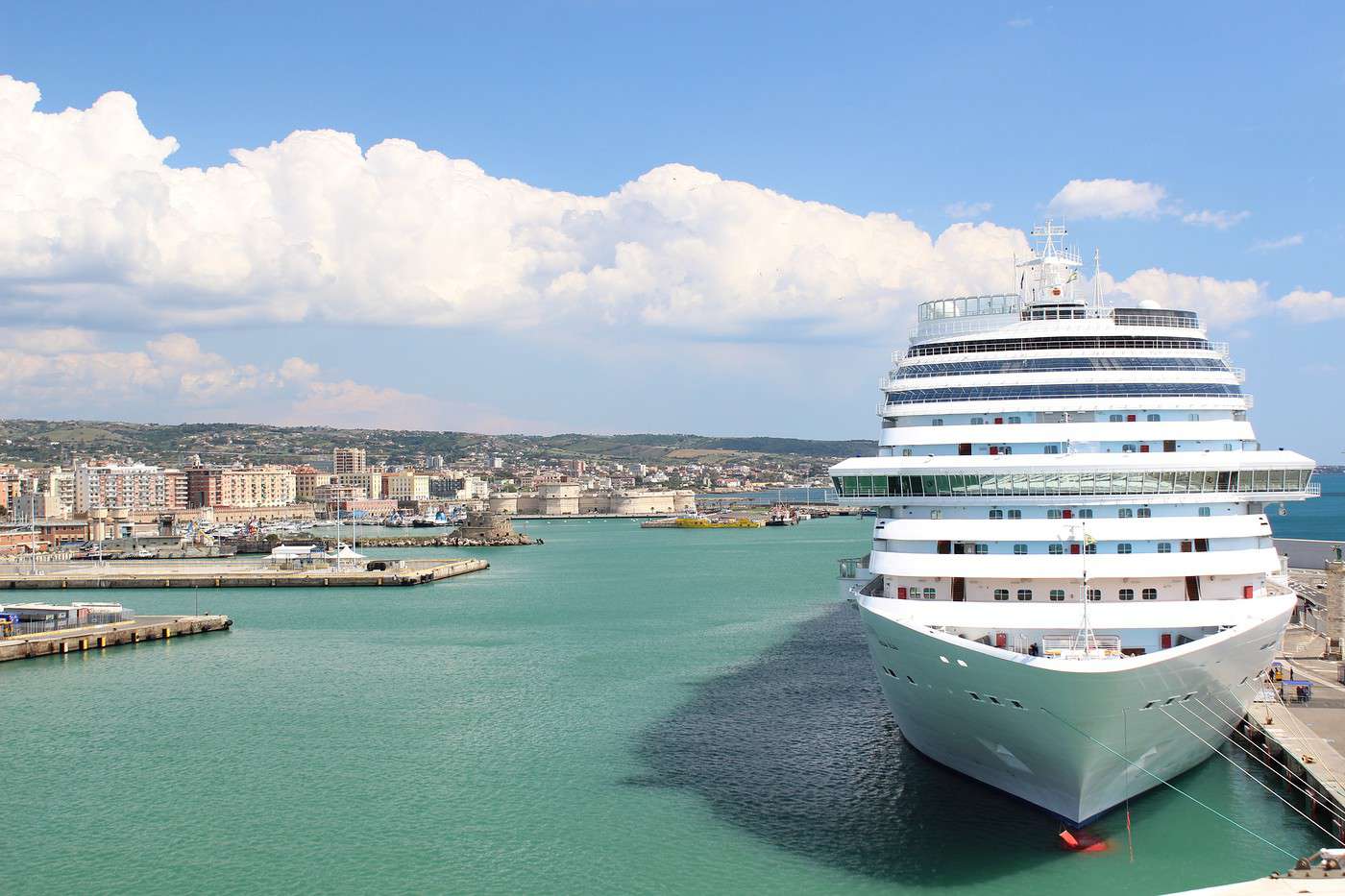
A Growing Market
The cruise market has more than tripled in 10 years. In 2017, over 24.7 million people took a cruise worldwide, with nearly half in the Caribbean/Americas region and over 7 million in Europe. Across all companies, there are around 500 cruise ships globally.
In recent years, the French have also grown fond of cruises. In 2017, 574,000 French travelers enjoyed them, though still fewer than Germans or Brits (nearly 2 million each) and Italians (900,000). They lag far behind Americans, who remain the world’s top cruise consumers with over 11 million enthusiasts—nearly one in two cruisers.
Generally, the French prefer the Mediterranean (69%), followed by the Caribbean (14%), Nordic cruises (9%), and transatlantic crossings (2%). In terms of duration, 56% opt for week-long cruises, 21% for 8- to 12-day trips, 18% for weekend getaways, and 5% for voyages lasting over 13 days.
Marseille is France’s leading cruise port, welcoming 1.5 million cruisers and around 500 ships in 2015—far ahead of Ajaccio, Villefranche-sur-Mer, Toulon, Cannes, and Le Havre, which handle around 250,000–300,000 passengers annually and fewer than 200 ship movements.