last edited Aug 28, 2020
All-Inclusive Travel
Holidays for Where and for What?
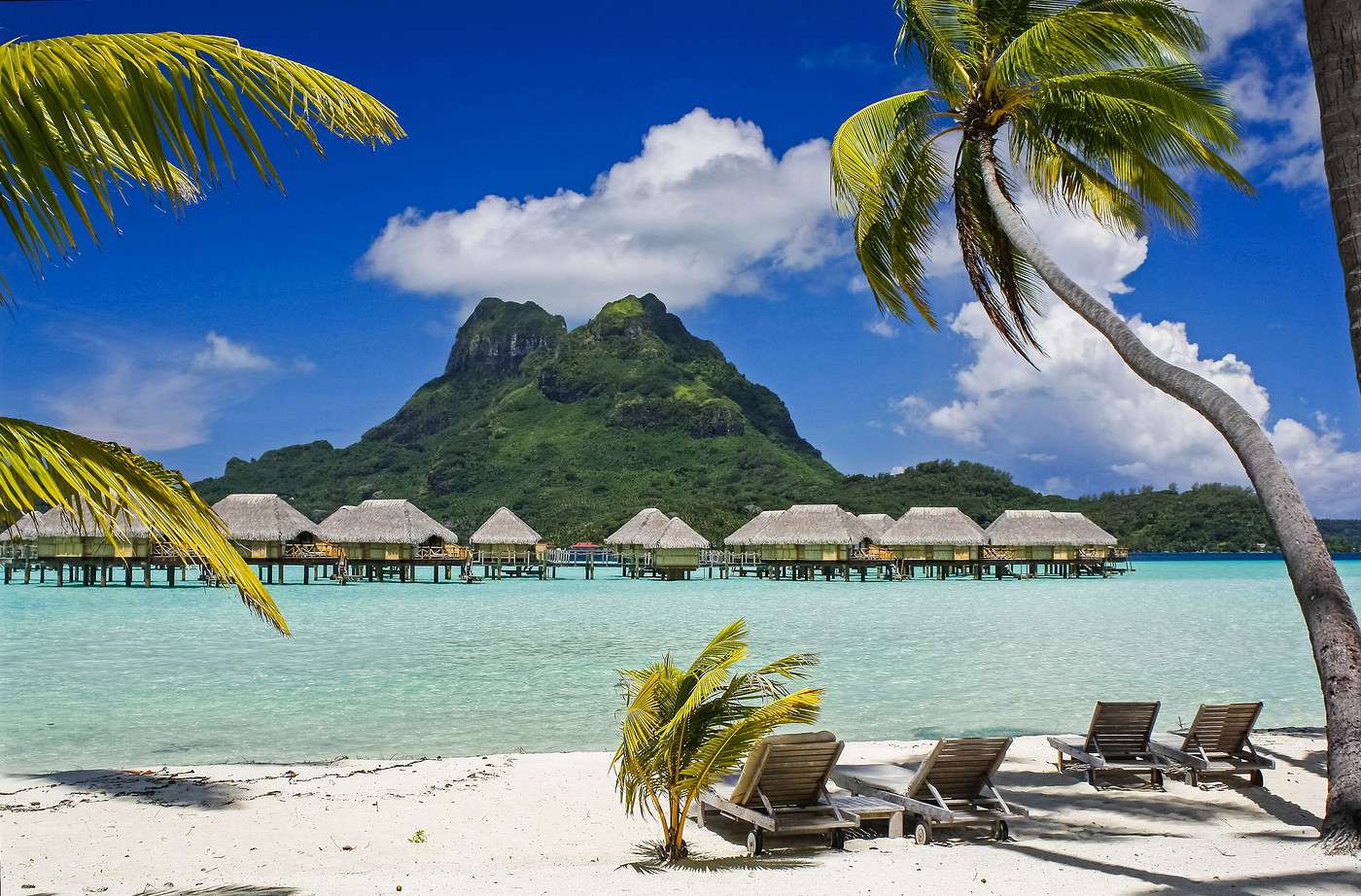
Unlike a tour, which involves several moves and hotels within a destination, an all-inclusive stay means a fixed accommodation from which optional excursions or activities are offered. Similarly, a stay can be an individual service, unlike a tour, which implies a "group" aspect.
In terms of duration, stays rarely exceed two weeks. Most often, they last a week, or even just a weekend or long weekend for certain destinations.
Note that in terms of terminology, stays are often also called "All-Inclusive" or sometimes "All-inclusive".
Destinations
Unlike tours, stay locations are often limited to the most "touristy" spots (especially by the sea), both worldwide and within a country.
For French travellers, the most commonly offered destinations are: the Mediterranean Basin, Cuba, Santo Domingo, the French West Indies, the Cancun region (Mexico), Thailand, the Canary Islands, Mauritius and the Seychelles, Senegal, and Polynesia.
Content
In all cases, a stay includes the flight and accommodation in a double room in 3- or 4-star hotels or holiday clubs, with airport transfers, often half-board (excluding drinks), and sometimes travel insurance (mandatory) and air taxes. Everything else, especially excursions, is at the participants' expense.
Tour Operators and Documentation
Many tour operators offer stays, which are resold by countless travel agencies across France. So, in the end, there’s no problem finding someone to contact. As for documentation, for stays as for everything else, paper documentation is increasingly rare, replaced by virtual resources on the tour operators' websites.
The Benefits of the Formula
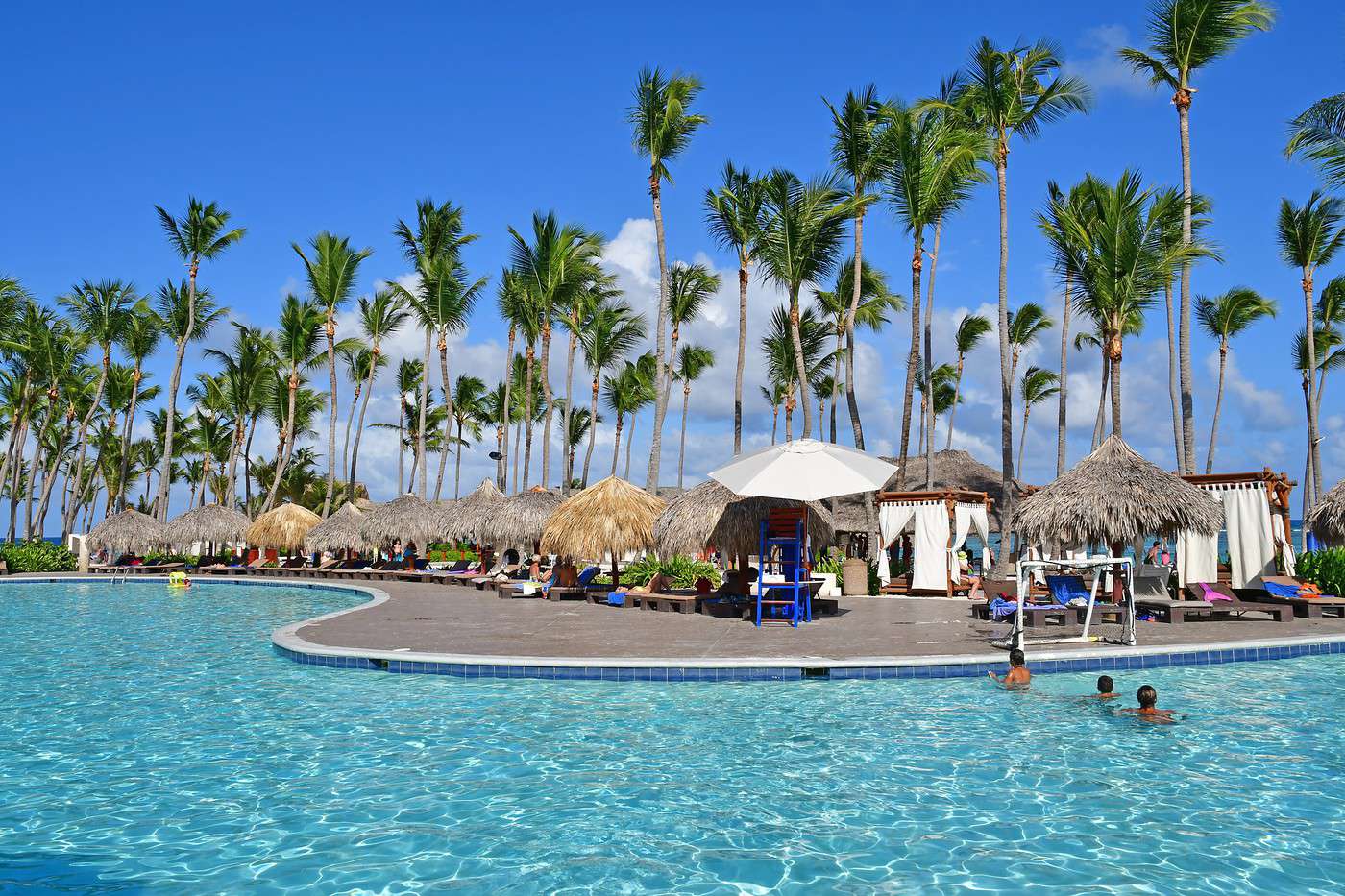
Price
Undeniably, the rates offered for "All-Inclusive" stays are attractive, even in high season. In fact, it’s quite common for the first offers of a stay to be priced almost identically to, or even lower than, a simple flight-only ticket to the same destination at the same time. Not to mention some offers that include an extra week for just 1 €!
Why Such Prices?
So, it’s fair to wonder why tour operators offer such low prices for this type of service. Clearly, their margins on flights and accommodation are minimal, if not non-existent. However, this isn’t the case for everything else...
First, you should know that tour operators own, hold shares in, or receive a percentage or fixed fee for everything offered directly or indirectly by the establishments hosting their clients. And, generally speaking, anything not included in the base price of a stay is expensive—very expensive!
Drinks and other "gourmet extras" are often priced at European rates. The same goes for paid activities, especially some sports, within the hotel. As for excursions and other external services, they can easily cost ten times what you’d pay on your own. So, nothing like "local rates".
Moreover, these establishments offer everything a visitor might need or want during their stay (bars, restaurants, nightclubs, shops, and all kinds of services), which, in a way, is understandable.
Finally, payments aren’t made directly but via rechargeable electronic cards or bracelets, whose primary purpose is to "dematerialise" money and make spending easier.
The "Content"
In terms of content, "All-Inclusive" stays are primarily aimed at those who want a holiday by the sea, in the sun, and in a pleasant setting, rather than truly discovering a country. There are options at both extremes: "party" or, conversely, "total relaxation". So, it’s best to know that upfront.
It’s also a formula where, in terms of organisation, everything is taken care of, including entertainment. Without being as extreme as "Les Bronzés", the system can quickly become a bit overwhelming—or even more—for some people.
So...?
An "All-Inclusive" stay can be either a great deal or a financial pitfall, depending on the person. As mentioned earlier, while the initial price paid is never really high, the final bill at the end of the stay can turn out to be quite steep due to the cost of various extras and add-ons. That said, once you know this, it’s up to each person to decide and act accordingly—though the goal isn’t to come back frustrated.
For the Independent Traveller?
Paradoxically, this formula can be of great interest to the independent traveller, at least financially, for short stays in "mainstream" destinations.
Indeed, as mentioned, it’s quite easy to find stay offers at the same price as, or even cheaper than, a flight-only ticket to the destination. So, it’s worth taking advantage of this, even if it means limiting the "stay" aspect to a minimum to explore the region on your own afterwards.
Things to Know Anyway
In principle, there’s no problem. Legally (including in the tour operator’s contract), nothing obliges you to stay within the framework of the package. However, there’s no need to inform the provider of your choice, either on-site or even before departure or when purchasing the stay. Even if legally they can’t do anything, it’s best to keep things simple...
In terms of location, choose a stay near a city or site you want to visit (especially if it’s for several days). This way, you’ll make the most of your accommodation.
To avoid unpleasant financial surprises, also choose your stay location near a town or public transport line. Some hotels are completely isolated, and the only way to get out (aside from organised excursions) is by taxi, which often charge exorbitant rates (sometimes even scams!).
Don’t leave the package as soon as you arrive at the airport or right after checking into your room. The tour operator may need to give you important information, especially about your return flight. They may have scheduled a briefing on your first morning or afternoon.
Return at least the day before your departure to avoid any unpleasant surprises if there have been changes to your return flight.
Lastly, keep in mind that, logically, the insurance taken out with the tour operator for the service they sold you no longer applies once you choose to organise things on your own.