Que voir en Éthiopie ?
Pour préparer votre futur voyage, un aperçu des principaux sites et lieux à visiter dans le pays (carte).
1- Villes et patrimoine culturelAdama : pas très loin d'Addis Abeba, la ville appelée aussi Nazret est appréciée des habitants de la capitale qui y viennent pour profiter des balades dans les montagnes environnantes.Addis Abeba : située en altitude, la capitale éthiopienne a d'abord une vocation commerciale et politique au niveau africain. Elle n'en possède pas moins quelques beaux édifices, monuments et musées.Aksum : au nord, près de l'Érythrée, cette ville à la riche histoire passée est aussi un centre religieux orthodoxe. Elle abrite un site archéologique exceptionnel classé à l'UNESCO témoin du Royaume d'Aksoum. Tout autour de la ville d'autres petits vestiges de cette civilisation antique.Ambo : à l'ouest de la capitale, Ambo est un bon point de départ pour découvrir les environs avec les Monts Wenchi et leur lac-cratère ainsi que les cascades de Guder et Huluka.Ankober : un gros village perché à plus de 2 600 m avec un ancien fort et une vieille église.Bahir Dar : cette agréable ville du nord, en bordure du lac Tana, est une bonne base pour découvrir ce lac avec ses églises et monastères ainsi que les chutes du Nil Bleu.Dire Dawa : c'est la seconde ville du pays, sur la route de la Somalie, et la grande cité ferroviaire de l'Ethiopie. Selon les époques et l'état de la ligne c'est à partir de là que fonctionne le chemin de fer Addis Abeba - Djibouti.Gondar : l'ancienne cité royale du nord abrite les vestiges de palais impériaux avec leurs fortifications classés UNESCO, de même que plusieurs églises et monastères, ainsi que divers bâtiments coloniaux de l'époque italienne. Dans quelques villages alentours, il y a des vestiges de la présence des Juifs falashas dont près de 120 000 ont émigré en Israël. Harar : cette ville sainte de l'Islam est une cité fortifiée qui accueillit Raimbaud (musée) et Henry de Monfreid en son temps. Elle est classée au patrimoine de l'UNESCO pour son centre ancien. Une autre attraction touristique de la vieille ville est constituée par le repas journalier des hyènes tachetées.Jimma : grande ville du sud-ouest, dans la région des plantations de café et d'épices, avec quelques vieux édifices.Jinka : c'est généralement la ville qui sert de base à la découverte de la Vallée de l'Omo et du parc du Mago. Key Afer : village sur la route Turmi - Jinka dans lequel se déroule un marché hebdomadaire où se retrouvent les différentes ethnies (Hamer, Bana, Ari) de la région.Konso : cette bourgade (et les villages voisins), au coeur du pays Konso, est classée à l'UNESCO pour la culture traditionnelle de ses habitants. On peut y voir nombre de sculptures, petits sites funéraires et des fossiles.Lalibela : ville sainte et de pèlerinage pour les chrétiens orthodoxes, Lalibela est connue pour ses (11) églises creusées dans le roc qui lui valent d'être inscrite à l'UNESCO.Mekele : c'est la capitale animée de la province du Tigré, au nord de l'Éthiopie. Elle peut servir de base pour randonner dans les environs ou découvrir les petites églises de la région.Monastère de Debre Damo : à côté de la ville d'Aksoum, ce monastère qui est le plus ancien du pays n'est accessible qu'à l'aide de cordes et est interdit aux femmes.Soder : une bourgade d'altitude pas très loin d'Addis Abeba et appréciée des gens de la capitale pour ses sources chaudes.Tiya : cette ville au sud d'Addis est connue pour son site archéologique classé à l'UNESCO qui comprend un alignement de stèles dressées vieilles d'une dizaine de siècles. On peut voir nombre d'autres stèles dans ses environs.Wando Genet : station d'altitude entourée de forêts avec des sources chaudes. On y vient pour les paysages, les oiseaux et la randonnée.Yeha : c'est dans ce village du Tigré qu'on peut voir les vestiges du plus ancien monument (une tour) d'Éthiopie. Le bourg abrite également un monastère orthodoxe.2- Patrimoine naturelCascades de Sor : plusieurs cascades des environs de Metu, dans l'ouest du pays.Chutes du Nil Bleu : de belles chutes d'une cinquantaine de mètres proches de la ville de Bahir Dar. On peut faire du raft un peu plus loin sur le cours du fleuve.Désert du Danakil : à cheval sur Djibouti, l'Érythrée et le nord-est de l'Éthiopie, le Danakil est une zone aride et inhospitalière. Elle abrite cependant une petite faune et est l'endroit où vivent les populations Afars.Grottes de Sof Omar : ce sont les plus grandes grottes d'Éthiopie, dans les Monts Balé.Lac Awasa : petit lac de la Vallée du Rift sur lequel on peut faire des balades en bateau ou observer les oiseaux.Lac Hayk : au nord d'Addis Abeba, ce petit lac abrite sur une île le monastère d'Istifanos.Lac Langano : c'est un des principaux lacs de la Vallée du Rift qui s'étend au sud de la capitale jusque bien au delà de la frontière soudanaise. Le Langano est très apprécié pour ses possibilités de baignades car dépourvu de risques au niveau bilharziose et crocodiles. On peut y voir par contre nombre d'oiseaux, singes et hippopotames.Lac Tana : c'est le plus grand lac d'Éthiopie et la source du Nil Bleu. Il est connu pour ses îles qui abritent plusieurs églises ou monastères orthodoxes. Outre la visite des îles, on peut également faire de petites balades en bateau au départ de Bahir Dar.Lac Ziway : un autre lac d'altitude du Rift avec sur une de ses îles (Tullo Gudo) un monastère. Nombre d'oiseaux et hippopotames vivent dans ce lac.Parc national d'Abijatta-Shalla : à environ 200 km d'Addis Abeba, ce parc avec ses trois lacs, ses sources chaudes et ses flamants rose attire son lot de visiteurs.Parc national d'Awash : un petit parc à l'est de la capitale inscrit à l'UNESCO. Il offre des paysages variés de savane, volcasn, canyons, des sources chaudes et nombre d'espèces d'antilopes, des hyènes et des oiseaux.Parc national de Gambela : accessible depuis la ville du même nom, ce parc de savane face au Soudan possède une faune importante comprenant notamment des lions, éléphants, hippopotames, crocodiles, buffles, singes, oiseaux, etc.Parc national de Mago : ce parc de savane des bord de l'Omo est une zone reculée, lieu d'habitat de populations (Mursi, Suri...) aux traditions toujours bien présentes. Le Mago abrite également une faune assez importante avec des oiseaux, reptiles, crocodiles, hippos, girafes, éléphants...Parc national du Mont Balé : au coeur du pays, une belle zone naturelle avec des sommets à plus de 4 000 m et une faune assez riche (loups, singes, oiseaux...). On y fait de superbes randonnées.Parc national de Nechisar : petit parc en bordure des lacs Abaya et Chamo, dans la partie sud du pays. On peut y voir nombre d'animaux : oiseaux, antilopes, crocodiles...Parc national de l'Omo : à la frontière soudanaise, ce parc contiguë de celui de Mago a été classé à l'UNESCO suite à la découverte d'ossements vieux de 200 000 ans. Mais l'Omo est aussi une zone des plus reculées où vivent des populations (Mursi, Suri...) aux traditions vivaces et une faune assez riche. On peut aussi faire du raft sur la rivière Omo.Parc national du Simien : situé dans le nord de l'Éthiopie, le parc très montagneux est inscrit à l'UNESCO. Avec ses sommets à plus de 4 000 m, il offre de superbes paysages et des possibilités de treks.Parc national de Yangudi Rassa : entre Addis et Djibouti un vaste parc avec des gazelles, des zèbres, des ânes sauvages et quelques autres espèces.Réserve de Yabelo : cette zone naturelle du sud accueille nombre d'espèces d'oiseaux.3- Le plus apprécié...
Aksum; Chutes du Nil Bleu ; Gondar; Harar; Lac Tana; Lalibela; Parc national d'Awash; Parc national de Gambela; Parc national de Mago; Parc national du Mont Balé; Parc national de l'Omo; Parc national du Simien.
Ces fiches, si elles sont amenées à présenter des destinations très différentes... ne gagneraient-elles pas à s'étoffer d'un chapitre exhaustif, rigoureux détaillant des informations objectives : formalités administratives (visa, validité du passeport...), obligations sanitaires, monnaie, autres ?
La série "Que voir en..." que nous mettons progressivement en ligne pour diverses régions/pays fait partie du projet plus conséquent de guides collaboratifs qui intégrera les points que vous citez ainsi que bien d'autres. Simplement ces guides demandent encore de la programmation et une certaine mise en forme qui vont au delà de ce que permet actuellement VF.
Donc, en attendant, ce qu'on propose est ce type de liste "brute" et simplifiée qui permet de donner une première idée des lieux à voir sur une destination.
En complément au texte , j'ai posté quelques photos géolocalisées (627 ) sur le pays:http://www.panoramio.com/user/2279867/tags/P-Ethiopie-%20Ethiopia
cela permet de se faire une idée plus précise des sites et des lieux caractéristiques d'Ethiopie. Il me reste à visiter le Nord Est (Tigray et Danakhil )
Bonne préparation d'un circuit dans ce merveilleux pays dont on revient enchanté.
Merci Michel de ce topo très sympa sur l'Ethiopie , pays peu connu et pourtant merveilleux
Je me permets de relever quelques petites erreurs que je vous fais remonter ....
Jinka n'est pas vraiment la ville de base de la vallée de l' Omo ; c'est plutot le petit village hammer de Turmi , bien mieux placé au coeur de cette région - Jinka serait plutot la porte vers le parc du Mago et les tribus Mursi , les plus désagréables des tribus du sud ...
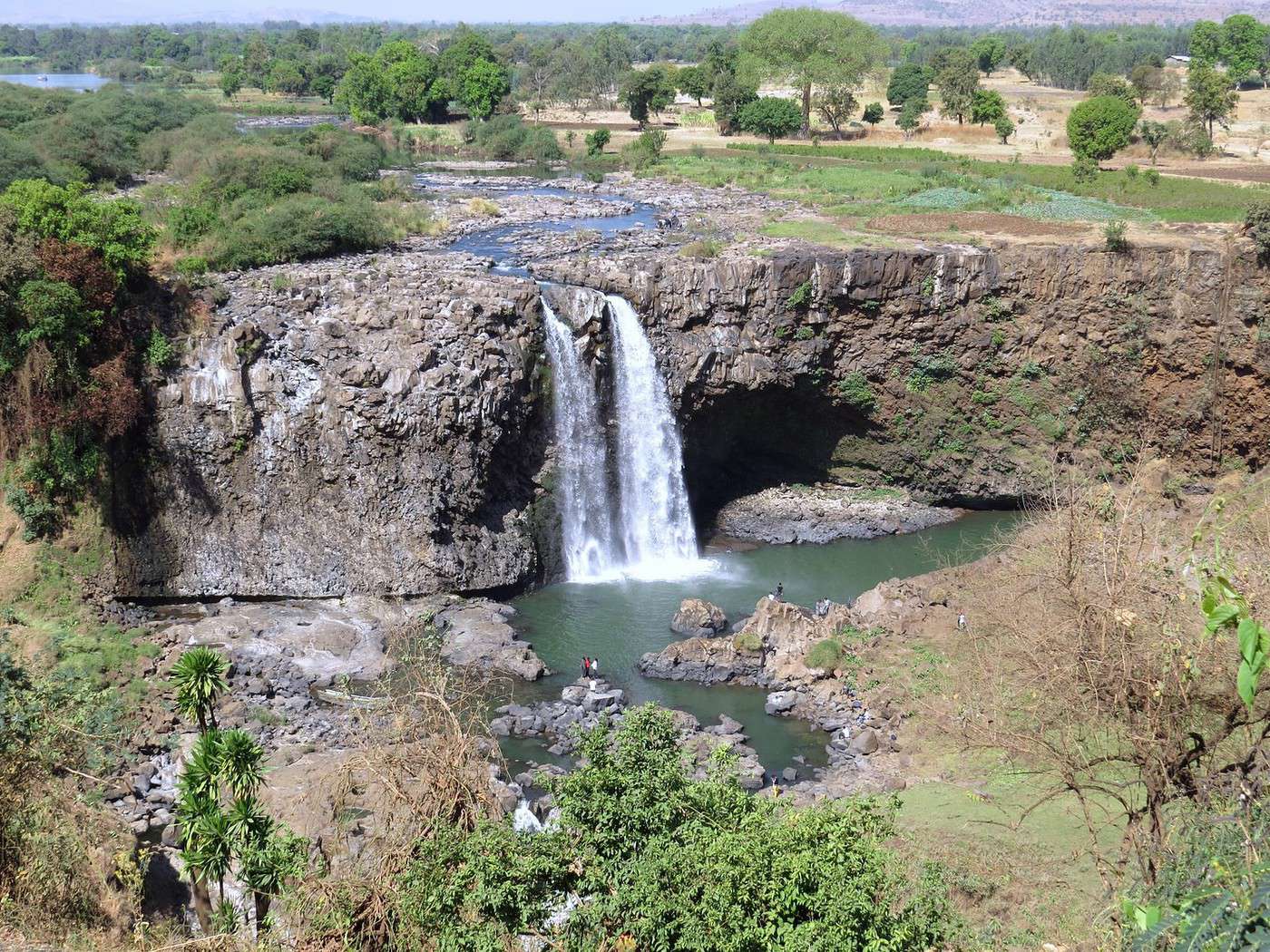
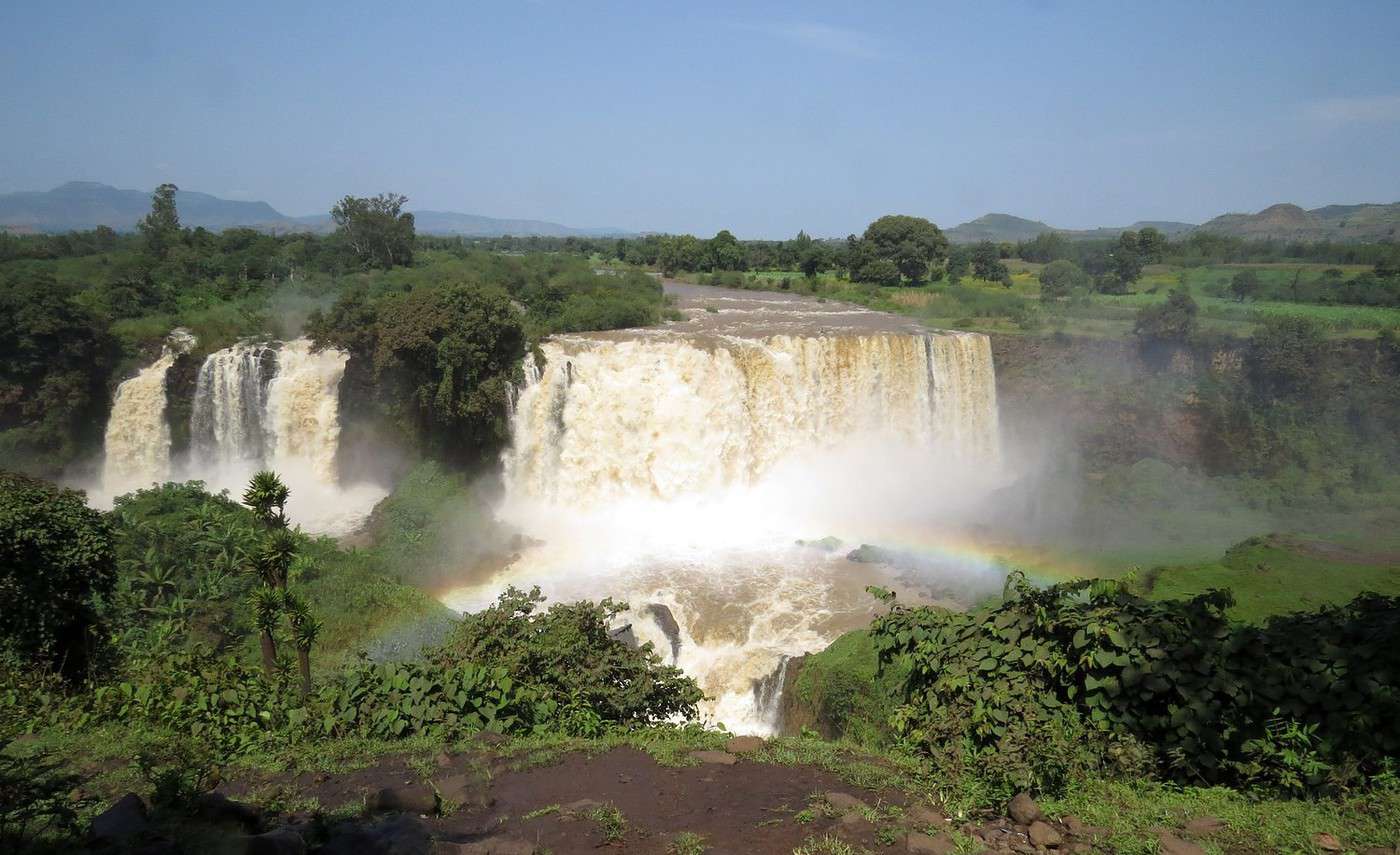
Chutes du nil bleu : belles dans le cadre oui sans hésiter , belles dans leur ampleur oui à condition de les voir en saison des pluies exclusivement de juillet à fin septembre et aussi si le barrage ne capte pas toute l eau - ceci dit c' est un tres bel endroit mais suivant la saison ne pas s attendre à une cataracte impressionante par son débit ...
Lac Tana : ce n'est pas la source du nil bleu mais son émmissaire - le lac Tana n'a pas loin de 60 rivières et torrents qui s'y jetent et l' un d'entre eux appelé le "petit abai " qui nait dans les montagnes de l 'Agaumeder bien avant Bahir Dar aux environs du petit village de Kosober , sur la route d'Addis , est la vraie source du nil bleu - c' est un endroit sacré pour l église orthodoxe d Ethiopie et dans les prairies d' altitude verte comme la Normandie , ils baptisent les enfants avec l'eau de la source du nil bleu
Michel,
En complément de ton texte:
DebréZeit :
voir le lac Bishoftu , agréable villégiature tout près de la route Addis- Nazret
Addis Abeba:
monter sur la colline d'Entoto, panorama à 4000 m sur la ville d'Addis.
visiter le "palais " de Ménélik II, l'empereur qui créa Addis et en fit sa capitale à la fin du XIX ème siècle.
Ainsi que l'église sainte Marie.
Dans Addis, faire un tour au Mercato, le plus grand marché d'Afrique (mais faire très attention aux vols)
visiter les musées -National et d'ethnographie; ce dernier est installé dans le palais d'Hailé Sélassié
L'ambassade de France installée dans un immense parc est la plus grande du monde. A l'origine située dans un quartier verdoyant et vallonné, elle est, de nos jours, entourée de bidonvilles.
Axum:
un champ de stèles datant du début de l'ère chrétienne. il est posé sur des tombes d'anciens rois axoumites. Le site fait partie du patrimoine mondial de l'Humanité.
l'église Notre Dame de Sion qui contiendrait l'Arche d'Alliance ramené par Ménélik I er, le fils de la reine de Saba et du roi Salomon.
2 musées présentent l'histoire de la ville par les objets retrouvés dans les fouilles et celles des rois qui ont gouverné la ville au cours de l'histoire par des vêtements, diadèmes, armes et ouvrages religieux.
Bahir Dar:
Point de départ pour la visite des monastères orthodoxes installées sur des îles et presqu'île du lac Tana.
L'excursion aux chutes du Nil Bleu permet de se rendre compte de l'activité agricole traditionnelle de la campagne éthiopienne.
Dire Dawa:
la grande cité ferroviaire de l'Ethiopie. Actuellement, extrémité de la ligne provenant de Djibouti. Les travaux en direction d'Addis ont été abandonnés vers Awash et les rails sont déposés à proximité d'Addis.
De nombreuses caravanes de chameaux en partent en direction des territoires Afars.
Porte d'accès à Harar, la 4 ème ville la plus sainte de l'islam.
Gondar:
Première capitale de l'Ethiopie au XVII ème siècle. il reste des vestiges des palais érigés en particulier par Fasiladès et ses successeurs. Le complexe royal comporte plus de 7 palais construits entre le XVII et le XVIII ème siècle. Ce sont les plus grandes constructions anciennes en dur de l'Afrique subsaharienne.
A voir également l'église Debré Bihran Sélassié et les bains de Fasilidès où ont lieu des cérémonies religieuses lors de la fête de Timkat
Dans quelques villages alentour, il y a des vestiges de la présence des Juifs falashas dont près de 120000 ont émigré en Israel.
Harar:
4ème ville sainte de l'islam. La partie ancienne, patrimoine mondial de l'Humanité est appelée Jugol et est entourée de murailles établies au XVI ème siècle. Plus de 110 sanctuaires et mosquées sont implantés dans cette partie ancienne où a vécu A.Raimbaud à la fin du XIX ème siècle. Un musée lui rend hommage. Un autre centre d'intérêt est la maison du Ras Makonnen , le père d'Hailé sélassié, le dernier empereur d'Ethiopie. elle a été transformée en musée ethnographique.
Une autre attraction touristique de la vieille ville est constituée par le repas journalier des hyènes tachetées, à la nuit tombée. C'est le souvenir de leur utilité en tant qu'éboueurs de la ville au cours du passé qui maintient cette tradition.
Harar est la ville où l'usage du qat est particulièrement développé en Ethiopie. Son marché principal a lieu a Auday, un village situé entre Dire Dawa et Harar.
Suite
Entoto est à 3200 m d'altitude et non 4000m .Addis est à 2300M
Jimma:
Port d'accès au sud ouest éthiopien et au parc national de l' Omo (rive occidentale de l'omo): A une journée de voiture d'Addis par une route goudronnée. Ensuite c'est de la piste vers le Sud en direction de Mizan Teferi . sur la route N°7 possibilité à bonga de rejoindre Soddo par la route Waka Issara qui franchit l'Omo sur le dernier pont avant son embouchure sur le lac Turkana.
En véhicule, toute visite du parc national de l'Omo implique de remonter au minimum à Bonga pour rejoindre Jinka afin de voir les autres tribus du Sud éthiopien. Durant l'été, la route menant à ce parc est souvent coupée par des inondations. A Bonga, possibilité de rejoindre le parc de l'Omo sans passer à Mizan Teferi mais par Tum. Il y a aussi, dans ce cas, des passages de rivières non équipées de pont d'où le risque de faire demi-tour en fonction du temps. Le 4 X4 est nécessaire dès lors que l'on descend au sud de Jimma.
Très beaux paysages de montagnes verdoyantes au sud de Jimma d'où il est possible de rejoindre Soddo: la piste réalisée par des Italiens étaient en excellent état en juillet 2012. Cette route rejoint la Waka Issara avant de franchir l'Omo à la hauteur de gorges magnifiques.
Jinka:
Porte d'entrée au parc national de Mago dans lequel vit la tribu des Mursis dont les femmes portent un plateau labial. Dans le parc il est possible de trouver des antilopes (dik-diks en particulier). Un petit musée ethnologique situé sur une colline dominant la ville présente les rites et croyances des peuples de la région. Lors du marché très étendu du samedi, il est possible de croiser des Mursis venant vendre et échanger leur production essentiellement des animaux (vaches, chèvres).
Les Aris , peuple vivant au nord de Jinka y vendent leur production de qat.
Konso:
Les rites et la manière ancestrale de vivre des habitants ont permis de classer la région au patrimoine mondial de l'humanité. Un musée présentant les différentes coutumes du peuple Konso a été ouvert en 2012. Les rites funéraires des rois de Konso sont encore présents dans la colline surmontant le village et qui cache le palais du roi qui y réside toujours. L'actuel est le quatorzième d'une dynastie qui règne sur la région depuis plus de 2 siècles. Son pouvoir est essentiellement juridique et religieux auprès des populations des environs qui vivent dans des villages entourées de murs de pierre afin de se protéger contre d'éventuelles incursions de tribus ennemies.
Key Afer:
Village sur la route Turmi- Jinka dans lequel se déroule un marché hebdomadaire (le samedi ) où se retrouve les différentes ethnies (Hamer, Bana, Ari) de la région. Hamer et Bana sont très difficiles à reconnaître en raison de coutumes vestimentaires très voisines.
Bonjour,
Il est possible que je me trompe mais il me semble bien que le marché de Key Afer se tient le jeudi.
Le samedi, il y a des marchés à Dimeka (grand marché de la semaine), Jinka, Weito, Mali (45 Km de Key Afer) et Erbore.
Bonjour,
En arrivant en Ethiopie, nous avons l'intention de ne pas rester à Addis et de reprendre directement un transport pour se poser un jour ou deux. Mon idée première était le lac Ziway mais je lis votre intervention sur le lac Ishoftu qui est beaucoup plus prés de la capitale. Le bradt décrit abondamment la région. Du coup j'hésite... Connaissez vous Ziway? Certains déconseillent, l'accueil n'y est pas toujours sympa. Avez vous un conseil?
Ce sera nos premiers pas en Ethiopie, on compte y voyager plusieurs semaines rejoindre Harar et le nord ensuite en transport locaux. Ce ne semble pas si facile donc autant commencer du bon pied!
Merci pour vos interventions sur VF
Anne
Effectivement les chutes du Nil Bleu sont peu impressionnantes en février, revues en septembre cela correspond un peu plus à des chutes... (ci-joint photos prises en février et septembre 2014).
Amicalement
Les Arboré sont pas mal pour être désagréables!!!
-Le Erta Alé: magnifique volcan qui se mérite. En activité permanente- A voir de jour et de nuit.
-Le Dallol: et ses sulfatares- les caravanes de sel
-Le lac Afrera: pour ses marais salants
- Assayta: ville afar aux confins de Djibouti: un magnifique marché
-les chutes de l'Awash et le parc où elles sont situées. Les sources chaudes de Filhoua
-Le massif du Gheralta et ses églises
franck,
tu es toujours en Namibie?
Si tu t'intéresses à l'Ethiopie, voilà un site très complet: http://www.toiquiviensdethiopie.com/ qui
donne beaucoup de renseignements sur le pays.
Je rentre d' Ethiopie avec des images sublimes de coins difficiles d'accès qui nécessitent une logistique complète: guides+police+ armée. En voyageant à 4, nous étions entourés d'une dizaine de personnes en particulier pour gravir le Erta Alé
Afrique de l'Est et Australe › Éthiopie · 4 replies
Je aprs pour le boulot un semaine en Ethiopie, du côté de Mékélé. Au retour, j'ai une journée "off" à Addis. qu'y-a-t'il à y voir en 1 journée? Peut-on…
Afrique de l'Est et Australe › Éthiopie · 2 replies
J'attéris jeudi matin à 6h35 à Addis-Abbéba, direction l'hôtel pour déposer mon sac. Ensuite, je visite en solo avec mon guide local les principaux points…
Question: we’re doing a 3-week trip in Namibia, including 5 days for Victoria Falls.
I’ve booked one night in Brandberg, and then I have some questions.
I was thinking of spending 2 nights in Palmwag, then heading to Etosha for one night in Okaukuejo and then 2 nights in Halali.
Alternatively, from Brandberg, I could book a night near Galton Gate and then enter Etosha.
I’m not really sure about the distances, especially with a 4x4.
Same for the return trip: Halali to Windhoek seems long. Maybe it’d be smart to break it up on the way back? (We have 2 days to get back if needed.) If so, where?
Jambo! I organized my trip through this kind of group, so I thought I’d share my experience here. We traveled as a group of four, including two kids aged 9 and 11. After requesting around twenty quotes, I decided to book the safari portion with MAKING MEMORIES IN AFRICA. Ally responded quickly and listened to all my requests—unlike other agencies—such as having a French-speaking guide, the order of park visits (Tarangire, Manyara, Serengeti, then Ngorongoro), and a mix of budget hotels and camping to keep costs down. There were still four agencies in the running, and price was the deciding factor. Even though they were the cheapest, I felt better taken care of than with others. For example, all meals were prepared by a Maasai chef, Louis, who accompanied us throughout the trip, while some others ate meals out of cardboard boxes. Samuel, our guide, explained so many things and answered all our questions. José drove us safely the whole way. Everything was done with great cheer!
At the end of the stay, Ally came to meet us and gave us t-shirts with the agency’s logo—we loved that they took the time to hear our feedback in person. In short, I highly recommend them +++, especially since it’s a local agency that also supports a charity for women and children.
For Zanzibar, I organized everything myself. I hesitated for a long time but eventually booked all four nights at the same place. We don’t like crowds, so I initially considered Jambiani but ended up choosing EVERGREEN BUNGALOWS in Bwejuu. We took their first airport-to-hotel transfer since we arrived at night, and it felt safer. Great value for money, in our opinion. Just be aware that it’s quite isolated—perfect for relaxing and going on excursions. There were very few beach vendors, unlike what I’d read about Zanzibar. We lived with our feet in the sand from morning to night, with a small basin of water outside our room to rinse off. Such a lovely spot!
I had asked for some excursion prices before leaving but ended up booking on-site. Not at our hotel, but at a nearby restaurant that was cheaper. After some thought, since we were based in Bwejuu, I wanted to do Blue Lagoon and Pungume (both departing from the south of Zanzibar).
Blue Lagoon: About 3 hours total, with snorkeling on a small reef full of fish (coral wasn’t great) and a stop at a spot with tons of starfish, plus local snacks, fruit, and drinks.
Pungume: An amazing day with a 50% chance of seeing dolphins (we missed them), a visit to the mangroves, then snorkeling at a spot with some nice coral and, of course, fish. We ended with a fantastic grill (tuna, shrimp, squid, lobster, and fries) on a sandbank in the shade.
Finally, before heading to Stone Town, we visited Paje Cave, which is much less known than Maalum. It’s smaller, but we saw bats, went for a swim, and fed the chickens and rabbits (great for the kids). To finish, we explored Stone Town on our own and had dinner at Forodhani Market.
For flights, we flew with Turkish Airlines from Barcelona to Kilimanjaro and back from Zanzibar—no issues there. However, I don’t recommend the Kilimanjaro-Zanzibar leg with Precision Air. Our luggage didn’t arrive, and according to the hotel, this happens often. We only got it back a day and a half later.
I’m planning a potential trip to Namibia for a classic circuit in April 2027.
I’m surprised by how expensive the accommodations inside the parks are—really steep! Is it possible to stay outside the parks but still close enough to enjoy the game drives?
Do you have any recommendations for more reasonably priced lodging? I’m okay with spending 200 to 250 € per night.
No camping—the friend I’m traveling with absolutely refuses 😉, but maybe upgraded tents would work.
March or May 2027.
Around 15 days in the Western Cape,
then 15 days in the southern KNP.
Arrival either in PE or George.
The pros know I’m somewhat familiar with the area... that I don’t camp... that my accommodations can be simple and remote, self-catering but with basic comforts... that I’m looking for spots that are a bit off the beaten path... in a relaxed mode...
From George:
Late arrival... need some rest... Herolds Bay from George to the N1.
Tsitsikamma is catching my eye (Storms River)... with or without a stop in Knysna.
Question:
What’s the current condition of the pass from Knysna to Uniondale? R339.
And while I’m at it, the condition of the R340.
Tsitsikamma, Knysna, and my questions still apply if arriving in PE.
Is the Swartberg still closed?
Any recommendations for accommodation in Prince Albert?
If I cross the escarpment, I’ll continue via Anysberg NR, Touwsrivier... any thoughts?
From there... Tankwa Karoo or Mount Cedar (or both).
Then heading back down to the coast... the highlands of Hermanus or Kogelberg NR (any opinions on the latter?).
Or,
A more classic route along the coast...
If I arrive (fairly late) in PE... any ideas for accommodation in that little area?
Given that Nyathi Camp is winking at me...
(For context... a while back, I stayed at Riverbend (same Addo sector, private concession)... and I visited the ruins of that abandoned lodge at the time, which has clearly been renovated since... located in a very quiet part of Addo...).
Any feedback from the pros?
Well, that’s about it...
I’m open to any other tips or advice!
I’m reaching out with a question about which park to choose for a 3-day safari in Kenya.
After 20 days in Uganda, I’m meeting up with my dad for a 3-day safari (that works for him). We’ll be meeting in Nairobi and have a full day to travel to a park (preferably the farthest from Nairobi to avoid crowds?) and spend 4 nights there before heading back to the capital for our flight to France.
I’d love to hear your recommendations since I’ve read so many great tips on this forum.
Hi there,
I’m considering camping in Nyungwe Park with my family (2 adults, 2 kids) at Uwinka campsite. Problem: the park rents the tent but without any gear (mattresses, blankets). We don’t have a car. Is it possible to rent or buy mattresses and blankets near the park, please?
Thanks for your help
Hi, I'm looking for information on the road conditions in Moremi. We're leaving in 15 days, and from what I've heard, the roads are pretty tough to drive on. Any advice?
Thanks
At the end of July, we’re heading to Namibia with a group of five for a three-week road trip and visit to the national parks.
We’ve read conflicting info about buying entry tickets—either online (where?) or at the gate when we arrive?
I’d love to hear your thoughts on the agencies you used to plan your trip to Uganda.
There’s the whole issue of gorilla permits, which need to be booked in advance and involve a significant financial commitment. That’s where I’m at with my trip planning. Between checking lutb.go.ug/ and reading online reviews, it’s hard to move forward with confidence.
I contacted the French Embassy, but they don’t provide any recommendations. I almost booked with an agency that had a really bad review from February specifically about the permit process.
How did you go about choosing your agency? Given the large sum involved, I’m this close to booking through a travel agency in France for this part.
From what I understand, no matter which agency books the permit, you’re ultimately guided by professionals trained for gorilla trekking based on the permit itself? I’m assuming that’s how it works.
Thanks for your feedback, and I’m really happy to see the forum’s new energy—it’s been super helpful to me in the past.
We’re heading to Uganda next summer for three weeks with our two kids, who’ll be 7 and 9 years old.
We’ve been to Southern Africa before but not East Africa, and after a trip to South Africa two years ago, the kids wanted to return to Africa, while we wanted to explore a new region while staying independent... Uganda’s been catching our eye for a while, and with Rwandair offering relatively attractive prices, we’re going for it!
We’ll be traveling in a 4x4 (self-drive) with roof tents. I don’t have any 4x4 driving experience, so it’ll be a first for me, but we’ll manage 😉 No great apes for us—kids need to be 15, and we don’t want to do that experience without them.
I don’t usually ask the forum much for trip planning, but this time, I’d love your thoughts and advice!
First question: Karamoja or not? At first glance, if we want to add it to a "classic" loop in the southwest, it doesn’t seem realistic—too packed, too much driving. We could consider doing the full loop via Kidepo and then heading down to Murchison, but I’m worried the trip might feel less varied and less kid-friendly. That said, the region looks stunning, and I’m struggling to accept not going at all... What do you think?
If we skip Karamoja, we’d do a loop: Murchison/Fort Portal/QENP/Bunyonyi/Mburo, which seems pretty comprehensive and would let us take our time, which is nice. A few random questions:
- How much time should we plan for the Fort Portal area? I was thinking at least 3 days to visit Bigodi Swamp, walk around the craters, and maybe do a community walk (any thoughts on that?).
- Between Murchison Falls and the Fort Portal area, is it worth breaking up the drive? I spotted Lake Albert Safari Lodge on the shores of Lake Albert—it’s not too expensive and looks nice.
- I’d love to do some easy walks/hikes at the foot of the Rwenzori Mountains, ideally without a guide, but it doesn’t seem straightforward. Do you know if it’s possible to do nice walks independently? I’ve read about hikes in the hills near Kilembe but nothing very specific. Maybe staying somewhere at the foot of the mountains, like Ruboni Community Camp, would allow that.
- Lake Mutanda looks really cool, and so does Lake Bunyonyi... Ideally, I’d like to see both, but won’t that feel repetitive? Is Lake Mutanda worth the detour?
Last practical question, since we don’t have experience with this: for the car with kids, would you recommend two tents (a bit more space) or a four-person tent?
I’ll stop here—already a lot of questions...
Thanks in advance for your feedback, and looking forward to exchanging ideas!
Gabriel
We’re planning our second trip to South Africa in July 2026. In 2023, we did a loop from Joburg, Golden Gate, Drakensberg, Hluhluwe, St Lucia, Eswatini, Kruger, Blyde River Canyon, and back to Joburg.
This time, we’d like to go to Cape Town and do a road trip to Port Elizabeth, then fly back to Joburg to return to Kruger. At this stage of my planning, here’s what it could look like:
D1 to D4: Cape Town and Cape of Good Hope (Table Mountain, Lion’s Head, Waterfront, Bo-Kaap, Boulders, Cape Point, Chapman’s Peak Drive). I’ve spotted a few places to stay between Camps Bay and Hout Bay (3 nights).
D5 and D6: Either Karoo NP or Hermanus and De Hoop. Any opinions to tip the scales? I’ll admit I’m already leaning toward Karoo (the "wild" vibe of the landscapes and wildlife encounters appeal to me much more than the seaside, which feels less exotic). If we go for Karoo, where should we stay? Inside the park or in Beaufort West? I’ve seen good reviews for Ko-ka Tsara Bush Camp, but maybe it’s better to stay in the Sanparks cottages to make the most of the park? (2 nights)
Option B is to do Stellenbosch (though vineyards aren’t great in winter) and/or the Whale Route—Betty’s Bay, Hermanus, De Hoop (2 nights near Gansbaai).
D7 and D8: Klein Karoo, Oudtshoorn. Staying at De Cango Guest Farm (2 nights).
D9 and D10: Knysna, Robberg Nature Reserve, Tsitsikamma (2 nights in Plettenberg Bay and 1 night in PE).
D11: Flight from Port Elizabeth to Joburg at 7 AM and drive to Marloth Park.
For Kruger, I’ve booked 2 nights in Marloth Park, 1 night in Skukuza, 2 nights in Satara, and 1 night in Talamati, which we loved. I’ll book the last night in Graskop later since we want to revisit the Blyde Canyon area.
I’d love all the feedback you can give on my itinerary, especially for days 5 and 6.
If you have recommendations for accommodations for 4 people, I’d appreciate those too.
Thanks! 🙂
We’re a family of four (two daughters aged 18 and 21) and we’re planning a three-week trip to Tanzania. Zanzibar would be our main base, but we’d also like to do a safari on the mainland.
Could you share any tips on:
- the ideal length for such a safari, the best place to go during this period (and easily accessible by flight from Zanzibar)
- your recommendations for the most suitable type of stay for a family like ours
- reliable local agencies with reasonable prices that could help us with this plan
Hi everyone, I’m here to get some advice on visiting KRUGER Park.
From what I’ve gathered through my reading, I understand there are two ways to visit the park:
- Independently with your own vehicle
=> Do you drive all day?
- By booking with a professional
=> Safari early in the morning and late in the afternoon. But what do you do in between?
When it comes to accommodations, the options are:
- Booking in one of the park’s camps, where the lodging is basic but functional
- Booking in a private reserve, which is more comfortable but prohibitively expensive
- Booking outside the park, which means entering the park every morning. But if you want to stay for 3 days, that doesn’t seem practical to me.
Do you have any advice for accommodations?
To be honest, I’m really struggling to understand how it all works...
Thanks to everyone for your help.
Bidule 27
Hey everyone!
Heading to Namibia in a few days and I just read that the entry fees for all parks in Namibia have skyrocketed. Increases between 86 and 100%, and this has been in effect since April 1st (no joke). Have any of you heard about this, and if so, do you know if it’s actually being enforced?
For example, the fee for Etosha has gone from 150 NAD to 280 NAD per day per person.
Thanks in advance!
I’m really interested in traveling to South Africa in September 2020. My question is whether I should go on an organized tour or plan my own itinerary. Organized trips are pretty expensive $$$$, but the security aspect reassures me. I’d love to hear your thoughts on safety in South Africa and whether it’s easy to arrange activities like visiting vineyards, Cape Town, and going on a safari on our own. Which is better in terms of cost—booking an organized trip or doing it ourselves? It’s definitely less exciting to follow a group for 10 days. We’re a couple in our 50s who love nature.
😊🦁
We’re heading out in April 2027 with our 4x4 to explore part of Southern Africa. Right now we’re researching all these beautiful countries and deciding where to ship our vehicle. We’re from Le Havre—has anyone here already shipped from that port to South Africa or East Africa?
As for all these countries, is wild camping allowed, tolerated, easy, or difficult?
We’ve already visited a few, but you can read just about anything online, so getting tips from real independent travelers is way better :)
We’re all ears for any hacks, experiences, or spots you’d recommend.
See you on the road with Doddy
Hi,
I’m starting to plan a great trip for the last three weeks of January 2027 (my first time in South Africa).
After spending a few hours (!) browsing this forum, here’s a rough first draft of my itinerary:
D0 Arrival at JNB
D1, D2 Blyde River Canyon
D3, D4, D5, D6, D7: Kruger
D8, D9, D10: St Lucia and surrounding area
D11, D12, D13, D14: Drakensberg + Lesotho
D15 A very long driving day to the south (hope the AC doesn’t break down!)
D16, D17, D18, D19 southwest coast (so far I’ve noted Oudtshoorn, Robberg Nature Reserve, Wilderness NP, De Hoop Reserve, and a bit of the wine route)
D20, D21 Cape Town (peninsula and a bit of the city) + domestic flight and return flight (departure from JNB at 11 PM)
A few questions before refining this:
- Do you see any major issues with this itinerary?
- We don’t have a choice on dates, and personally, I prefer green landscapes to desert ones anyway, but do you really see far fewer animals in January than in the dry season? Five days in Kruger should give us enough time to spot plenty of different animals despite the tall grass, right? As for the heat, we’re from Réunion, so we’re relatively used to it, even though I know it’s not the same type of heat.
- Can I trust the distances and driving times given by Google Maps?
- Picking up the vehicle in Johannesburg and dropping it off in Cape Town: how much might that cost us? I’m thinking it probably won’t be worse (in terms of time or money, since there are five of us—2 adults + 3 kids) than going back to Joburg after Lesotho, taking a flight to Cape Town, and renting another vehicle... but maybe I’m wrong.
- Finally, wouldn’t it be better to focus on just one of the two regions (either the northeast or Cape Town and the south coast)? If it were up to me, I’d stick to the first part and extend a few stops... but not everyone agrees! And we’re thinking that since it’ll be really hot, a second part of the trip that’s a bit """cooler""" would be welcome.
I imagine many of you have been captivated by the Masai Mara park and/or your safari experience with Tony Crocetta/Melting Pot Safari. Still, I’d like to share my perspective.
First, I’m an avid traveler, especially in love with Africa, which my partner and I have explored a bit (Zambia, South Africa, Botswana, Kenya, Zimbabwe, Namibia...).
That said, I want to express my deep disappointment with both the Masai Mara and Tony Crocetta’s camp, Melting Pot Safari, where we stayed last year.
First, about the park: it’s stunning, no doubt. But what a highly touristy place! I can’t find the words to describe the horror of being among 30 4x4 vehicles lined up in front of a lioness hunt, let alone encircling her right after her kill while her prey is still alive in her jaws... no respect for wildlife. The same goes for surrounding a young leopard playing with its small prey, a moment when I counted over 50 vehicles, most with their engines running... sickening. I turned away, both my gaze and my camera. What a disaster to see this natural wonder of Africa turned into a tourist hotspot.
Yes, I loved this place on Earth, but no, I won’t "promote" it anywhere or to anyone.
Next, I also wanted to share my dissatisfaction with Tony Crocetta’s famous camp, Melting Pot Safari: where to begin? We booked a private vehicle for four with two friends, and I have no complaints about the vehicle itself (though it obviously came at a cost). The windows and the vehicle weren’t very photo-friendly, but let’s move on.
The trip between the sisters’ guesthouse (which was fine) and the camp went smoothly, except we arrived a bit too late. Result: "We’ll leave for the safari an hour later today because the driver has to respect his rest hours." Perfect—with park formalities, we only spent about an hour in the park that evening. The safari got off to a great start...
During our 12-day stay, we saw some amazing things. Tony wasn’t at the camp—I don’t know what the atmosphere is like when he’s there, but it was rather cold during our trip. Sylvie, his wife, barely looked at us, never asking how our day, night, or game drive went (I think she spoke to us once during the stay, plus the day we arrived, of course). We felt invisible... (if I were mean, I’d say the money had already been deposited into Melting Pot’s bank account.)
The evening meals, if I may say so, were a joke: not enough dessert (aside from fruit, but the few elaborate desserts—like 10 for 18 guests) for everyone, barely enough meat or sides. If you were unlucky like us and ended up with a group of 15 people who decided to skip the starter, you’d better hurry to get your main course, or there might not be any left—and no refills... We always ate our fill, but sometimes we had to serve ourselves in advance.
Finally, I want to correct something about the quality of the meals: seriously, this buffet was really mediocre and far from the culinary standards I’d read about in my pre-trip research (see their Facebook page).
Anyway, let’s move past the food—after all, the avocados were sublime, and we’re not there primarily to eat.
About the tent: the river views were beautiful, and the beds were very comfortable. No running water, individual showers outside the tent, and dry toilets—but it’s Africa, so we weren’t shocked. However, I’m disappointed that for this "modest" price, I wasn’t warned there’d be no soap (and no, I don’t travel with my own soap—and for the price, a little bar in the tent wouldn’t be a luxury). But let’s move on—the hippo views were fantastic. Oh, and to preserve the Masai Mara’s water (which makes sense) and for hygiene reasons, underwear isn’t washed by the camp staff—fair enough. But then what’s that little sign next to the bed? Oh right, for a hefty sum, underwear suddenly becomes "washable"...
Finally, my biggest gripe is about the essential part: the game drives. In France, they sell you a dream with a "photo safari" (what’s the difference, really? A room with a few more electrical outlets?). They promise guides especially suited for photography (not a given, sorry) and vehicles that can get close to animals and go off-road... but here’s the catch: the guides are bound by park laws and hounded by rangers looking to fine rule-breakers. Result: as soon as a white ranger vehicle is spotted, we have to abandon our spot for a wild chase through the grass. Fun once... The next day, we learned that another group’s guide got caught and had to pay $100 for breaking the rules—a sum he casually asked the travelers in his vehicle to cover... because of course, Melting Pot lures tourists with dreams, the poor rangers try to get close, all while breaking park laws... and they break those laws for Crocetta’s company, which, of course, won’t dip into its profits to pay the fines. Basically, it’s "keep the clients happy, but don’t get fined—or the fines are on you or you’ll have to ask the clients directly." Nice boss! Anyway, there were long discussions about this last year, especially among the guests in the fined vehicle. My partner and I found these practices unacceptable, and we were deeply disappointed by this attitude.
I know many people adore this park and/or this company—maybe you were luckier... or maybe you’re less demanding than we are when it comes to respecting rules, nature, and clients. But after traveling through much of southern Africa, I can tell you we personally came back frustrated from this experience and aren’t eager to return... You’ve been warned.
Here’s my feedback after a recent trip to Ethiopia, organized with a local guide.
Despite a signed quote, months of prep exchanges (over eight months!), and phone calls right up to departure day, the guide didn’t honor the commitments we’d agreed on.
Haile Haftu FANUAILE, manager of the agency www.charmethiopiantours.com—who we’d organized everything with—didn’t meet us as promised when we arrived in Addis Ababa. Without any warning, he sent a different guide to accompany us for the entire trip (with a flimsy excuse).
Several parts of the signed quote weren’t respected:
– Services included in the quote but not provided on-site (meals, water),
– Hotels we’d chosen, booked, and paid for were swapped for lower-category places,
– Visits were canceled because the timing wasn’t calculated properly,
– One stop on the itinerary was dropped without any reason or explanation.
We’d paid a deposit for domestic flights, with a promise to refund any overpayment. A month after returning, 150 € per person (there were three of us) still hasn’t been refunded.
I’m sharing this to warn fellow travelers about the importance of solid guarantees to ensure contracts are actually honored. Double-check everything before committing!
Wishing everyone safe and smooth travel prep—Ethiopia is an incredible country!
---
Hello,
Feedback following a recent trip to Ethiopia, organized with a local guide.
Despite a signed quote, numerous preparatory exchanges over eight months, and phone calls right up until the day of departure, the guide did not fulfill his commitments.
Haile Haftu FANUAILE, manager of the agency www.charmethiopiantours.com with whom we had organized everything, did not meet us as agreed upon our arrival in Addis Ababa; without warning us, he sent another guide in his place to accompany us throughout the trip (with a bogus excuse).
Several points in the signed quote were not honored:
– services included in the quote but not provided on site (meals, water),
– hotels chosen, booked, and paid for, replaced by lower-category establishments,
– visits canceled due to lack of time, which had not been calculated correctly,
– one stop on the itinerary canceled without reason or explanation.
A deposit had been paid for the booking of domestic flights, with a commitment to refund the overpayment.
To date, one month after our return, 150 € per person (there were three of us) has still not been refunded.
This testimony is intended to alert travelers to the importance of solid guarantees for contracts that are actually honored, so that everyone can be extra vigilant before committing.
Good luck with your travel preparations, everyone.
Ethiopia is an extraordinary country!
Hello,
With so many agencies out there, we're feeling a bit lost. Could you please share your experience—like recommending your agency if you were happy with them—and tell us why, and if possible, what budget we should expect? Feel free to send it in a private message :)
We’re just the two of us, and ideally, we’d like to go in a 4x4 alone or with another couple, or in a very small group.
Hi there,
I’ve reached out to a few agencies for a week-long family safari next summer before heading to Zanzibar.
So far, the itinerary looks like this:
Day 1: Late arrival at JRO and overnight in Arusha
Day 2: Drive to Tarangire, park visit, and overnight in Tarangire
Day 3: Tarangire, drive to and overnight in Karatu
Day 4: Ngorongoro and overnight in Ngorongoro
Day 5: Drive to Serengeti and safari in Seronera
Day 6: Serengeti and overnight near Lobo
Day 7: Serengeti and overnight in Seronera
Day 8: Flight from Seronera to Zanzibar
On paper, it covers "everything," but maybe there’s a bit too much time lost on the road... Any alternatives?
To simplify (and cut costs), I was thinking:
Day 1: Late arrival at JRO and overnight in Arusha
Day 2: Arusha National Park with a walking safari and meeting the Maasai (?)
Day 3: Drive to Tarangire, park visit, and overnight in Tarangire
Day 4: Full day in Tarangire
Day 5: Tarangire, drive to and overnight in Karatu
Day 6: Ngorongoro and overnight in Ngorongoro
Day 7: Morning in Manyara or Natron and drive to JRO
Day 8: Flight to Zanzibar
Your thoughts and recommendations are welcome...
Thanks
We have the opportunity to spend about ten days somewhere for Christmas, and I’m really tempted by Zanzibar. I’ve been dreaming for a long time about the Spice Island, Stone Town, diving...
Which hotels could you recommend? Not a big "resort"—we’re more into "boutique hotels" or even an Airbnb house. Somewhere quiet (we’re not party animals).
I’m thinking of staying the first few nights in Stone Town and then moving to a beach, preferably one where we can swim regardless of the tides, without ending up in seaweed and mud at low tide.
I’m a bit lost with all the beaches because apparently, the north is very crowded, the south is very windy, and the east has some good and some not-so-good spots, with big tides or not... HELP! 🤪
I’d like to limit myself to a maximum of 2 different places to stay over the 10 days.
I’m reaching out because I don’t understand how Volcanoes National Park works.
I looked at booking for the gorillas, but there’s just the price listed, and the same goes for the Diane Fossey tomb.
So I contacted a hotel in Kinigi, and they told me that for the gorillas, you need a car to get to the park headquarters, and then once you know your group, you need to get from the headquarters to the trekking start point?? Do you confirm this? Is that really how it works? They say the hotel has a driver and it would cost 100 DOLLARS!!
I just found out that on top of the permit, there are other fees??? Uhh…
Are there other options, knowing I don’t want to rent a 4x4 since I’m traveling alone?
And if I don’t get the gorilla permit but just want to visit the Diane Fossey tomb, is it the same issue? From Kinigi, do you need a 4x4? How far is the tomb from the headquarters? Is it a hike you can do alone OR DO YOU NEED A GUIDE, ON FOOT? By car??
If someone could explain everything to me… and is the DF Foundation different??
If I decide to go through an agency, is it possible in Musanze (which would save me trips) or is it mandatory to go through Kigali?
Thanks so much for your help…
Best regards
I’m in the middle of planning a road trip in Southern Africa, and I’m specifically working on the itinerary—especially the distances.
I’ve got the time, but I’m struggling with the transfer days (so much driving just to end up spending the whole day on the road). That’s why I’m trying to analyze travel times, even if it means adding extra stops.
My highlights in Zimbabwe would be:
- Hwange
- Victoria Falls (and maybe Matusadona)
- Mana Pools
- Harare
- Gonarezhou
- Great Zimbabwe
But the distances and travel times seem huge (over 4 hours each time), and I don’t see how to make the drives more chill or shorten them—even if it means adding stops (but which ones?) between each leg.
Would anyone be able to estimate the travel time between these highlights and maybe suggest some nice stops to take breaks?
I’ve been to Rwanda twice before, in November 1991 and December 1993, mostly for solidarity work.
I’m looking into going back this November or December for three weeks, but I’m a bit hesitant when I see the tourist offerings—it’s so far from how I like to travel...
I travel solo using public transport and stay in places like guesthouses (GH), or accommodations run by cooperatives, associations, or religious groups. I love villages, markets, hikes, and local crafts.
So far, my searches for these kinds of lodging options haven’t turned up much.
For now, I’m considering visiting (in no particular order):
Butare: Kibeho, Bisesero, Nyanza
Ngenda
Akagera, Kibungo, Lake Muazi
Dian Fossey’s tomb (with the possibility of seeing gorillas)
Kibuye??? Is the political situation stable there? Or Cyangugu?
So here are my first questions:
-Is French still widely spoken?
-Are there lists of the types of accommodations I mentioned above, or places to find that info?
-Is what I’m planning doable using public transport? From the towns, are moto-taxis still available to get to villages, sites, and—most importantly—back?
-Is it possible to go hiking solo?
-Which are the best markets and what days are they held?
I know that’s a lot of questions already, and I really appreciate any relevant answers you can share.
Looking forward to exchanging more!
I’m planning my next trip in September, and after two self-drive trips to Botswana last year, I’d love to explore Kruger. Since I’m used to camping, I’m thinking of renting an equipped van from Kitted Africa (a small Suzuki van—thanks Safari Expert!) to sleep in a tent and occasionally in a hut.
Here’s my provisional itinerary, and I’d love to hear your thoughts if you don’t mind.
I’ve got 13 nights to plan in Kruger. The rental company is based in Nelspruit.
Entering from the south:
14-15-16.09: 3 nights at Crocodile Bridge or Lower Sabie
17-18-19.09: 3 nights at Skukuza
20-21.09: 2 nights at Satara
22-23-24.09: 3 nights at Olifants
25-26.09: 2 nights at Tamboti or Talamati
Exiting the park on 27.09 via Orpen Gate, then heading to Blyde River Canyon for a night in a hotel or elsewhere.
28.09: Return to Nelspruit, drop off the van, and stay in a hotel.
29.09 (midday): Airlink flight to Johannesburg, then an evening return flight to GVA.
What do you think? Too many nights here, not enough there?
I’ll be traveling solo, I love driving, and I enjoy settling in the middle of nature to listen, observe, and take photos (Botswana was perfect for that).
Thanks in advance!
Nicole
Photo: Baines Baobab, Botswana, April 2025
I’d like to return to Africa and stay in a lodge where I can see animals—not necessarily the Big Five—without needing any transport once I arrive at the lodge, and at a price under $250 per day for two people with full board. The week-long stay is planned for late June into early July. I’m looking for suggestions. Thanks in advance!
Hi, I’d like to travel to Ethiopia as a solo 60-year-old woman, backpacking style, between December 2025 and January 2026.
I’m wondering about the current state of the country: unrest, safety concerns, etc.
Government websites advise against going, saying it’s too dangerous.
But I’m skeptical—they tend to be overly cautious.
So I’m looking for reliable information, though I’m not sure where to find it.
Thanks in advance!
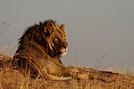




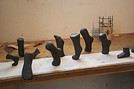

 -marché d'Assayta
 -sources chaudes de Filhoua
 -le Erta Alé au soleil levant
 -les sulfatares du Dallol
 Dans le Dallol

 -Sur les bords du lac Afrera
 -Le volcan Erta Alé en ébullition permanente