Good evening,
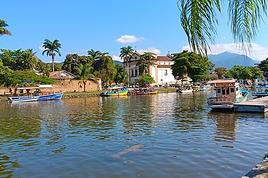
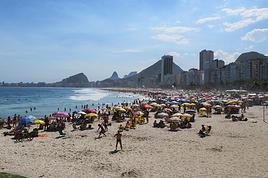
We're leaving from January 26 to February 7 with our two kids, aged 23 and 27. I'm hoping to visit Iguazu, Rio, Ilha Grande, or Cabo Frio. I have a few questions.
- Should we visit Rio with a guide, considering we want to explore favelas and hike to reach the main sites? And how many days should we plan for it?
- How many days for Ilha Grande, and is the weather favorable during this period? Is it a must-see?
- What do you think of Cabo Frio?
In terms of organization, is it better to visit Iguazu at the beginning, middle, or end of our stay, departing from São Paulo or Rio? We haven’t bought our flight tickets yet, so I can arrange to arrive or depart from Rio/São Paulo.
Thanks so much for sharing your experiences and opinions!
Hi everyone,
My husband and I are planning to explore Ecuador in the coming year, and to make the most of the trip, we’d like to do it with a rental car. We already have a rough idea of the route we’d take, and I’m reaching out to the community to help us refine this journey. Here’s the plan:
Day 1: Flight to Quito
Days 2 and 3: Exploring Quito
Days 4 and 5: Picking up the rental car and driving to Otavalo and Laguna Cuicocha
Day 6: Drive to Papallacta via Cayambe to enjoy the hot springs in the evening
Days 7 and 8: Drive to Lasso via Malachi – Excursions in Cotopaxi National Park. Laguna Limpiopungo
Days 9 and 10: Laguna Quilotoa
Day 11: Drive to Baños via Latacunga/Ambato to enjoy the hot springs in Baños
Days 12 and 13: Hiking in the Chimborazo Reserve
Day 14: Hiking in Sangay National Park
Day 15: Drive to Guamote to arrive by late afternoon
Day 16: Guamote market in the morning. Drive to Cañar in the afternoon
Day 17: Guided tour of Ingapirca, then drive to Cuenca
Day 18: Visit Cajas National Park early in the morning
Day 19: Exploring Cuenca
Day 20: Returning the rental car and flight to Quito or driving back to Quito (depending on cost)
Day 21: Relaxing in Quito
Day 22: Flight back to France
We won’t be doing any ascents—just hikes in the parks (we’re walkers, but we’re feeling our age and prefer to take it easy now!).
We’d love to hear your thoughts, critiques, or advice... Thanks in advance. Looking forward to reading your replies! martine
We won’t be doing any ascents—just hikes in the parks (we’re walkers, but we’re feeling our age and prefer to take it easy now!).
We’d love to hear your thoughts, critiques, or advice... Thanks in advance. Looking forward to reading your replies! martine
Hi,
I’d like to meet a Mapuche community in the Lake District during my upcoming trip to Chile. I’ve been given several offers, but the prices are way too high (nearly 1100 € for 2 days/3 nights). Even though the advertised program sounds interesting, I’m hoping there are other ways to connect with a Mapuche community.
I’m open to any ideas on the topic!
Best,
Jamet JC
We’re a group of 6 friends with an average age of 70, all mobile, and we’re planning a trip to Peru in September/October 2026. Below is an idea of what we’re looking for: a French-speaking guide, accommodation in 3-star hotels or homestays with comfort.
Duration: 16 to 20 days on-site.
Visit the main sites with immersion in the culture and way of life.
Which francophone agency in Peru would you recommend? Thanks
Hi everyone! So happy to be back on this forum—it’s packed with such useful info! 🙂 My husband and I are planning a 2.5-week self-drive trip to Colombia at the end of the year, including some domestic flights. My first question is: is it possible, easy, and safe to do a road trip in Colombia?
Below is our draft itinerary (with questions at each stop):
29/11: France → Colombia. Overnight in Bogotá. 30/11: Exploring Bogotá: La Candelaria and Montserrate. 01/12: Gold Museum (closed on Mondays). Drive to Zipaquirá (1.5 hrs) to visit the Salt Cathedral. Then drive to Villa de Leyva (3 hrs). Explore the town. Overnight in Villa de Leyva. 02/12: Return to Bogotá via Laguna de Guatavita (5 hrs). Is it worth the detour? Overnight in Bogotá. 03/12: Flight to Pereira. Drive to Salento. Overnight in Salento. 04/12: Cocora Valley (hike among the wax palms) followed by a drive around the area. Are there any waterfalls or other sights nearby? 05/12: Visit a coffee finca—any recommendations? Then explore the surroundings: Filandia, Manizales, waterfalls? Hot springs? Which ones? 06/12: Flight to Medellín. 07/12: Exploring Medellín: Centro, Plaza Botero, Comuna 13. How do you visit Comuna 13? Is it easy to get around Medellín? Metro? Buses? 08/12: Drive to Guatapé (2 hrs). Visit the town, stroll around the lake, then El Peñol. Overnight in Guatapé. 09/12: Return to Medellín. 10/12: Flight to Santa Marta. Drive to a hotel near Tayrona Park. 11/12: Tayrona—El Zaino entrance. 12/12: Tayrona—Palangana entrance, then Bahia Concha and Santa Marta. What do you think? 13/12: Drive to Minca (45 mins). Can we reach the village by car? Pozo Azul and Marinka waterfalls. Overnight in Minca (or back in Tayrona?). 14/12: Drive to Puerto Nao (5 hrs). Stop in Ciénaga on the way + boat tour in Nueva Venecia and/or Buena Vista? Not enough time? Overnight in Puerto Nao. 15/12: Exploring Cartagena: Centro, Getsemaní, the walls + La Boquilla if we have time. 16/12: La Boquilla (is it really worth it?) if we didn’t have time yesterday, then back to the beach. 17/12: Return to France.
So, what do you think? Is this doable, or should we tweak it? Thanks in advance for your invaluable feedback and tips! 🙂
Below is our draft itinerary (with questions at each stop):
29/11: France → Colombia. Overnight in Bogotá. 30/11: Exploring Bogotá: La Candelaria and Montserrate. 01/12: Gold Museum (closed on Mondays). Drive to Zipaquirá (1.5 hrs) to visit the Salt Cathedral. Then drive to Villa de Leyva (3 hrs). Explore the town. Overnight in Villa de Leyva. 02/12: Return to Bogotá via Laguna de Guatavita (5 hrs). Is it worth the detour? Overnight in Bogotá. 03/12: Flight to Pereira. Drive to Salento. Overnight in Salento. 04/12: Cocora Valley (hike among the wax palms) followed by a drive around the area. Are there any waterfalls or other sights nearby? 05/12: Visit a coffee finca—any recommendations? Then explore the surroundings: Filandia, Manizales, waterfalls? Hot springs? Which ones? 06/12: Flight to Medellín. 07/12: Exploring Medellín: Centro, Plaza Botero, Comuna 13. How do you visit Comuna 13? Is it easy to get around Medellín? Metro? Buses? 08/12: Drive to Guatapé (2 hrs). Visit the town, stroll around the lake, then El Peñol. Overnight in Guatapé. 09/12: Return to Medellín. 10/12: Flight to Santa Marta. Drive to a hotel near Tayrona Park. 11/12: Tayrona—El Zaino entrance. 12/12: Tayrona—Palangana entrance, then Bahia Concha and Santa Marta. What do you think? 13/12: Drive to Minca (45 mins). Can we reach the village by car? Pozo Azul and Marinka waterfalls. Overnight in Minca (or back in Tayrona?). 14/12: Drive to Puerto Nao (5 hrs). Stop in Ciénaga on the way + boat tour in Nueva Venecia and/or Buena Vista? Not enough time? Overnight in Puerto Nao. 15/12: Exploring Cartagena: Centro, Getsemaní, the walls + La Boquilla if we have time. 16/12: La Boquilla (is it really worth it?) if we didn’t have time yesterday, then back to the beach. 17/12: Return to France.
So, what do you think? Is this doable, or should we tweak it? Thanks in advance for your invaluable feedback and tips! 🙂
Hi there,
We’ll be staying in Salta in September and plan to take the "Tren a las Nubes."
Should we book from France, or will it be possible to buy our tickets on the day of departure? Will the price be different?
We’re hesitating between the bus-train option from Salta (long trip) or just taking the train from San Antonio de los Cobres, which would mean renting a car to get there.
What do you recommend?
Thanks for your great tips!
hi,
I was planning to go to Réunion and stay in half-board accommodation with non-professionals, but it seems that’s not really the custom there—or maybe my budget isn’t big enough.
So, since I’ve already traveled around Ecuador and Peru, I’m now looking at Argentina, especially for its mountains (like the ones in Réunion that tempted me, even though—frustratingly—I could only admire them from below).
I plan to get around by bus and don’t know in advance where I’ll sleep, so I won’t book ahead. If I like a place, I might stay for several days.
I know that in Chile, it’s easy to find half-board accommodation, but what about in Argentina?
I’d like to stay with locals in half-board without it being a professional setup. I’m not sure if this is common practice there. It’s up to me to find someone willing to host me. What do you think? What would be a fair price (keeping in mind that 40 to 50 € is the max I can spend on accommodation, breakfast, and dinner)?
Looking forward to your feedback.
Best regards,
I was planning to go to Réunion and stay in half-board accommodation with non-professionals, but it seems that’s not really the custom there—or maybe my budget isn’t big enough.
So, since I’ve already traveled around Ecuador and Peru, I’m now looking at Argentina, especially for its mountains (like the ones in Réunion that tempted me, even though—frustratingly—I could only admire them from below).
I plan to get around by bus and don’t know in advance where I’ll sleep, so I won’t book ahead. If I like a place, I might stay for several days.
I know that in Chile, it’s easy to find half-board accommodation, but what about in Argentina?
I’d like to stay with locals in half-board without it being a professional setup. I’m not sure if this is common practice there. It’s up to me to find someone willing to host me. What do you think? What would be a fair price (keeping in mind that 40 to 50 € is the max I can spend on accommodation, breakfast, and dinner)?
Looking forward to your feedback.
Best regards,
Hi there,
We’re planning a month-long (or longer) trip to Colombia next February.
We’re thinking of getting around by bus or taxi.
For part of the trip, we’ve decided to start in Bogotá, then head to Villa de Leyva, then Barichara and the Chicamocha Canyon, and finally arrive in Bucaramanga to catch a flight to Medellín. If bus routes aren’t available,
is it easy to find taxis in the villages or at hotels?
Thanks for your tips!
Hi there,
I’m planning a 3-week trip to Patagonia and Chile at the end of March. I’m looking for a pretty chill itinerary that isn’t too tiring for health reasons, but still a nice trip...
To avoid spending three weeks in the somewhat chilly Patagonia, we’re planning to head up to Valparaíso and the Atacama Desert. Here’s the itinerary:
Arrival in Buenos Aires
Flight to El Calafate (4 nights)
Bus to Puerto Natales (1 night)
Torres del Paine (4 nights)
Santiago (1 night) (flight from Puerto Natales)
Valparaíso (4 nights)
San Pedro de Atacama (5 nights)
Santiago (1 night) then flight to Paris
I’m wondering whether it’s worth going all the way to Ushuaia. Sure, it’s a legendary destination, but is it as impressive as El Calafate and Torres del Paine?
The other option would be to cut one night from Torres del Paine, Valparaíso, and San Pedro, and spend 3 nights in Ushuaia instead.
Also, I’m a bit confused about whether an international driver’s permit is required to drive in Argentina and Chile. I’ve applied for one, but the processing times are really long, and I probably won’t have it before I leave...
Thanks for your feedback,
Marc
Hi there,
I’ll be traveling to Peru in August 2025. Unfortunately, I only have 12 days to visit this amazing country. I’m torn between doing a fast-paced trip where I see every sight but don’t really soak it all in, or going for a lighter itinerary that lets me enjoy the moment more.
Right now, I’ve narrowed it down to three options and I’d love to hear your thoughts on which one to pick.
Option 1 August 14, 2025 Flight Canada – Lima Visit Lima Stay in Lima August 15, 2025 Flight Lima – Cusco Visit Cusco Stay in Cusco August 16, 2025 Visit Humantay Lake Stay in Cusco August 17, 2025 Visit Sacred Valley Stay in Ollantaytambo August 18, 2025 Visit Machu Picchu Stay in Ollantaytambo August 19, 2025 Visit Sacred Valley Stay in Cusco August 20, 2025 Visit Rainbow Mountains Stay in Cusco August 21, 2025 Flight Cusco – Lima Bus Lima to Huacachina Stay in Huacachina August 22, 2025 Visit Huacachina Stay in Huacachina August 23, 2025 Visit Paracas Stay in Huacachina August 24, 2025 Bus Huacachina – Lima Visit Lima Stay in Lima August 25, 2025 Flight Lima – Canada
Option 2 August 14, 2025 Flight Canada – Lima Bus Lima – Huacachina Stay in Huacachina August 15, 2025 Visit Huacachina Bus Huacachina – Arequipa Overnight bus August 16, 2025 Visit Arequipa Stay in Arequipa August 17, 2025 Colca Canyon Transfer Arequipa – Puno Stay in Puno August 18, 2025 Visit Lake Titicaca Bus Puno – Cusco (7:00 AM) Overnight bus August 19, 2025 Visit Humantay Lake Stay in Cusco August 20, 2025 Visit Sacred Valley Stay in Ollantaytambo August 21, 2025 Visit Machu Picchu Stay in Ollantaytambo August 22, 2025 Visit Sacred Valley Stay in Cusco August 23, 2025 Visit Rainbow Mountains Stay in Cusco August 24, 2025 Flight Cusco – Lima Visit Lima Stay in Lima August 25, 2025 Flight Lima – Canada
Option 3 August 14, 2025 Flight Canada – Lima Bus Lima – Huacachina Stay in Huacachina August 15, 2025 Visit Huacachina Stay in Huacachina August 16, 2025 Visit Paracas Stay in Paracas August 17, 2025 Bus Paracas – Lima Flight Lima – Cusco Stay in Cusco August 18, 2025 Visit Cusco Stay in Cusco August 19, 2025 Visit Humantay Lake Stay in Cusco August 20, 2025 Visit Sacred Valley Stay in Ollantaytambo August 21, 2025 Visit Machu Picchu Stay in Ollantaytambo August 22, 2025 Visit Sacred Valley Stay in Cusco August 23, 2025 Visit Rainbow Mountains Stay in Cusco August 24, 2025 Flight Cusco – Lima Visit Lima Stay in Lima August 25, 2025 Flight Lima – Canada
I’ll be traveling to Peru in August 2025. Unfortunately, I only have 12 days to visit this amazing country. I’m torn between doing a fast-paced trip where I see every sight but don’t really soak it all in, or going for a lighter itinerary that lets me enjoy the moment more.
Right now, I’ve narrowed it down to three options and I’d love to hear your thoughts on which one to pick.
Option 1 August 14, 2025 Flight Canada – Lima Visit Lima Stay in Lima August 15, 2025 Flight Lima – Cusco Visit Cusco Stay in Cusco August 16, 2025 Visit Humantay Lake Stay in Cusco August 17, 2025 Visit Sacred Valley Stay in Ollantaytambo August 18, 2025 Visit Machu Picchu Stay in Ollantaytambo August 19, 2025 Visit Sacred Valley Stay in Cusco August 20, 2025 Visit Rainbow Mountains Stay in Cusco August 21, 2025 Flight Cusco – Lima Bus Lima to Huacachina Stay in Huacachina August 22, 2025 Visit Huacachina Stay in Huacachina August 23, 2025 Visit Paracas Stay in Huacachina August 24, 2025 Bus Huacachina – Lima Visit Lima Stay in Lima August 25, 2025 Flight Lima – Canada
Option 2 August 14, 2025 Flight Canada – Lima Bus Lima – Huacachina Stay in Huacachina August 15, 2025 Visit Huacachina Bus Huacachina – Arequipa Overnight bus August 16, 2025 Visit Arequipa Stay in Arequipa August 17, 2025 Colca Canyon Transfer Arequipa – Puno Stay in Puno August 18, 2025 Visit Lake Titicaca Bus Puno – Cusco (7:00 AM) Overnight bus August 19, 2025 Visit Humantay Lake Stay in Cusco August 20, 2025 Visit Sacred Valley Stay in Ollantaytambo August 21, 2025 Visit Machu Picchu Stay in Ollantaytambo August 22, 2025 Visit Sacred Valley Stay in Cusco August 23, 2025 Visit Rainbow Mountains Stay in Cusco August 24, 2025 Flight Cusco – Lima Visit Lima Stay in Lima August 25, 2025 Flight Lima – Canada
Option 3 August 14, 2025 Flight Canada – Lima Bus Lima – Huacachina Stay in Huacachina August 15, 2025 Visit Huacachina Stay in Huacachina August 16, 2025 Visit Paracas Stay in Paracas August 17, 2025 Bus Paracas – Lima Flight Lima – Cusco Stay in Cusco August 18, 2025 Visit Cusco Stay in Cusco August 19, 2025 Visit Humantay Lake Stay in Cusco August 20, 2025 Visit Sacred Valley Stay in Ollantaytambo August 21, 2025 Visit Machu Picchu Stay in Ollantaytambo August 22, 2025 Visit Sacred Valley Stay in Cusco August 23, 2025 Visit Rainbow Mountains Stay in Cusco August 24, 2025 Flight Cusco – Lima Visit Lima Stay in Lima August 25, 2025 Flight Lima – Canada
Good evening,
We’d love to go in November to enjoy some beautiful beaches for about two weeks, preferably around Bahia, as November/December seems like a great time.
We’ve already traveled to Brazil several times and know the south of Rio as well as the region between São Luís and Fortaleza, and Chapada Diamantina...
What advice would you give us: the south with Itaparica, Morro de São Paulo, Boipeba, Barra Grande—or all four? Or maybe the north?
Thanks in advance for your help
Hi everyone, it’s been a while since I last posted!
First time in South America for me, my wife, and our 7-year-old son. I’ve put together this itinerary and would love to hear your thoughts:
Bogotá 28/07 – 30/07: Arrival. Which neighborhood and outings would you recommend? Flight to
2 Filandia 30/07 – 03/08: (255 €). Waterfalls and horseback riding, Cocora Valley, Hiking, Nearby villages. Flight to 3 Tayrona 03/08 – 07/08: Hotel La Casablanca
Hike with Tierra Nevada and the Kogui village (any feedback?). Return by inner tube for the little one. Short night hike. Second hike to La Piscina, etc., return by 🐎.
4 Cartagena 07/08 – 10/08: Air-conditioned bus. Staying in Getsemaní? Mangroves & the Castle, exploring the city.
5 Bogotá 10/08 – 12/08
Feel free to share your feedback! Have a great day!
Seb
First time in South America for me, my wife, and our 7-year-old son. I’ve put together this itinerary and would love to hear your thoughts:
Bogotá 28/07 – 30/07: Arrival. Which neighborhood and outings would you recommend? Flight to
2 Filandia 30/07 – 03/08: (255 €). Waterfalls and horseback riding, Cocora Valley, Hiking, Nearby villages. Flight to 3 Tayrona 03/08 – 07/08: Hotel La Casablanca
Hike with Tierra Nevada and the Kogui village (any feedback?). Return by inner tube for the little one. Short night hike. Second hike to La Piscina, etc., return by 🐎.
4 Cartagena 07/08 – 10/08: Air-conditioned bus. Staying in Getsemaní? Mangroves & the Castle, exploring the city.
5 Bogotá 10/08 – 12/08
Feel free to share your feedback! Have a great day!
Seb
Hi everyone,
With a friend, we’re planning a big trip to South America from January to mid-April 2026.
Our planned itinerary:
Argentina Chile Brazil (for Rio’s Carnival) Peru Then heading to Costa Rica to wrap up the trip.
We don’t have a precise route yet, but here are the key stops we’d absolutely love to include:
Iguazu Falls (Foz de Iguaçu) Patagonia (especially the Perito Moreno Glacier) Atacama Desert Rio Carnival Machu Picchu
This is our first time taking a trip of this scale, and we’d love some advice from more experienced travelers. To narrow it down, here are the main things we’re worried about:
1. Travel agency
For a trip this big, do you think a travel agency is helpful, or is it better to organize everything ourselves? If so, which ones would you recommend for a tight budget? We were considering G Adventures for parts of the trip. Any feedback on them?
2. Practical tips and money
For luggage, would you recommend a small rolling suitcase or a big backpack?
About payments: Is it easy to pay by card, or is cash the way to go? If cash is king, how do you manage your budget—do you use services like Western Union for transfers? Currency exchange: Is it easy to exchange money on the spot? Which places are best for that? For costs, what’s a reasonable monthly budget for average travelers?
3. Accommodation
Is it easy to find hotels/hostels on the fly, or is it better to book a few days/weeks in advance (especially in high season)?
4. Transportation
Same question for buses: Can you buy tickets the same day, or should you book a few days/weeks (or even months) ahead for certain routes? Any recommendations for reliable companies between these countries and within them?
5. Phone service
How do you handle mobile networks, especially when crossing borders? Do you need a SIM card per country? Are there plans that cover multiple countries? Are eSIMs available? What’s the best way to set it up? Thanks in advance for your tips and experiences! We’re all ears for any great tips, hacks, or pitfalls to avoid.
Argentina Chile Brazil (for Rio’s Carnival) Peru Then heading to Costa Rica to wrap up the trip.
We don’t have a precise route yet, but here are the key stops we’d absolutely love to include:
Iguazu Falls (Foz de Iguaçu) Patagonia (especially the Perito Moreno Glacier) Atacama Desert Rio Carnival Machu Picchu
This is our first time taking a trip of this scale, and we’d love some advice from more experienced travelers. To narrow it down, here are the main things we’re worried about:
1. Travel agency
For a trip this big, do you think a travel agency is helpful, or is it better to organize everything ourselves? If so, which ones would you recommend for a tight budget? We were considering G Adventures for parts of the trip. Any feedback on them?
2. Practical tips and money
For luggage, would you recommend a small rolling suitcase or a big backpack?
About payments: Is it easy to pay by card, or is cash the way to go? If cash is king, how do you manage your budget—do you use services like Western Union for transfers? Currency exchange: Is it easy to exchange money on the spot? Which places are best for that? For costs, what’s a reasonable monthly budget for average travelers?
3. Accommodation
Is it easy to find hotels/hostels on the fly, or is it better to book a few days/weeks in advance (especially in high season)?
4. Transportation
Same question for buses: Can you buy tickets the same day, or should you book a few days/weeks (or even months) ahead for certain routes? Any recommendations for reliable companies between these countries and within them?
5. Phone service
How do you handle mobile networks, especially when crossing borders? Do you need a SIM card per country? Are there plans that cover multiple countries? Are eSIMs available? What’s the best way to set it up? Thanks in advance for your tips and experiences! We’re all ears for any great tips, hacks, or pitfalls to avoid.
Hello,
After putting off my trip to Chile (and Argentina) for several years (protests plus Covid 19/20/21...), I’d love to know what the average cost is now for a journey from north to south? (Public transport and "ordinary" hotels) If you have any recent info, thanks for taking the time to reply...
😉 Best regards,
Cruzo.
After putting off my trip to Chile (and Argentina) for several years (protests plus Covid 19/20/21...), I’d love to know what the average cost is now for a journey from north to south? (Public transport and "ordinary" hotels) If you have any recent info, thanks for taking the time to reply...
😉 Best regards,
Cruzo.
Hi everyone,
We’re making a family dream come true: spending a month in Brazil from July 19 to August 20. We’ll land in Rio and spend 6 days there (we’ve finalized a home exchange for a lovely apartment in the Copacabana neighborhood). After that, we’re heading to Minas Gerais by rental car for 11 days (Tiradentes, Ouro Preto, and the Inhotim Institute), then the Costa Verde, and finally 2 days in São Paulo.
We’ll be traveling with our three kids, ages 17, 14, and 9, who are real travelers and good hikers. Goes hand in hand, right? 😄
For now, we’ve planned to visit Ilha Grande (4 days) and then Paraty and its surroundings (3 days). What do you think? Ilha Grande appealed to us for its hikes and beaches, but couldn’t we do that along Paraty’s coast? I’ve read mixed reviews about Ilha Grande...
Thanks for your tips, opinions, and anything else! !
We’re making a family dream come true: spending a month in Brazil from July 19 to August 20. We’ll land in Rio and spend 6 days there (we’ve finalized a home exchange for a lovely apartment in the Copacabana neighborhood). After that, we’re heading to Minas Gerais by rental car for 11 days (Tiradentes, Ouro Preto, and the Inhotim Institute), then the Costa Verde, and finally 2 days in São Paulo.
We’ll be traveling with our three kids, ages 17, 14, and 9, who are real travelers and good hikers. Goes hand in hand, right? 😄
For now, we’ve planned to visit Ilha Grande (4 days) and then Paraty and its surroundings (3 days). What do you think? Ilha Grande appealed to us for its hikes and beaches, but couldn’t we do that along Paraty’s coast? I’ve read mixed reviews about Ilha Grande...
Thanks for your tips, opinions, and anything else! !
Hi everyone,
We're planning a trip to Chile to visit the Atacama Desert and then head toward Putre, Lauca, Salar de Surire, etc.
Which would be the better time to go, April or November?
Is an SUV enough?
Looking forward to your tips!
Hi everyone,
Next April, I’m planning a trip (the 1st) to Brazil. I’ll have 12 days there (not counting the 13th day for the return). I’ll arrive on 22/04 in the early evening in Rio de Janeiro. The return flight is from São Paulo on 04/05 in the afternoon. I know 12 days is very little for such a big country, which is why I’ll focus on a relatively small area: the southeast (though "small" is relative!). I’ve started mapping out the main stops for my trip, which would be: - Rio de Janeiro: 4 to 5 days? - Ilha Grande and maybe Paraty: 2 to 3 days - Iguazu Falls: Brazilian and Argentinian sides: 2 days - São Paulo: 1 to 2 days
What do you think? Is this reasonable? There are about 250/260 km between Rio and Paraty. I’d like to make the trip by rental car. What do you think? A car is definitely much more practical and faster than the bus. 12/13 days is short—I can’t afford to lose too much time in transit. To get to Ilha Grande, I understand there’s a ferry that shuttles between the mainland and the island. From which city can you take the ferry? Mangaratiba? Conceição de Jacareí? Angra dos Reis? If I arrive by rental car, where can I park it? I think cars are banned on the island, right? That’s where I’m at with my planning. So many questions! 😕 A big thank you to anyone who takes the time to read my post and shares their valuable tips! 🙂
Next April, I’m planning a trip (the 1st) to Brazil. I’ll have 12 days there (not counting the 13th day for the return). I’ll arrive on 22/04 in the early evening in Rio de Janeiro. The return flight is from São Paulo on 04/05 in the afternoon. I know 12 days is very little for such a big country, which is why I’ll focus on a relatively small area: the southeast (though "small" is relative!). I’ve started mapping out the main stops for my trip, which would be: - Rio de Janeiro: 4 to 5 days? - Ilha Grande and maybe Paraty: 2 to 3 days - Iguazu Falls: Brazilian and Argentinian sides: 2 days - São Paulo: 1 to 2 days
What do you think? Is this reasonable? There are about 250/260 km between Rio and Paraty. I’d like to make the trip by rental car. What do you think? A car is definitely much more practical and faster than the bus. 12/13 days is short—I can’t afford to lose too much time in transit. To get to Ilha Grande, I understand there’s a ferry that shuttles between the mainland and the island. From which city can you take the ferry? Mangaratiba? Conceição de Jacareí? Angra dos Reis? If I arrive by rental car, where can I park it? I think cars are banned on the island, right? That’s where I’m at with my planning. So many questions! 😕 A big thank you to anyone who takes the time to read my post and shares their valuable tips! 🙂
Hi everyone, I’m restarting my travel reports with my 2023 trip that took me from Costa Rica to Suriname over a month and a half.
First stop: Costa Rica. I arrived in late September in San José, a city I know well and never linger in. As soon as I got off the early-morning flight, I headed to the domestic airport—just a 5-minute walk away—to catch a 45-minute flight to Puerto Limón on the Caribbean coast. The 40-minute flight in a small Cessna was fun, especially since we landed on a tiny airstrip right by the sea—it felt like landing on the beach, which immediately set the mood. Plus, I wasn’t keen on enduring the 4–5-hour bus ride to Cahuita, especially since large sections of the road were under renovation. In Cahuita (where I’ve been going every year since 2015), I stayed at Kenaki Lodge on Playa Grande. It’s a great lodge, about a 45-minute walk from Cahuita’s center, but you’re just 50 meters from the beach and usually have it all to yourself. The lodge is run by Béa, a Frenchwoman, and depending on the season, you can help release baby turtles on the beach. The room was 55 €, very spacious, and you can use the outdoor kitchen. I’d recommend it for anyone looking for peace and quiet and a private beach.
After 5 days there, I flew to Cartagena but didn’t stay overnight. Instead, I headed straight to Rincón del Mar, a 3-hour bus ride from CTG. I’d mostly heard about it from a friend who lives there and runs El Ché, a beachfront restaurant. Rincón del Mar is a tiny seaside village, very peaceful, with a pretty nice beach. There are lots of small hotels and restaurants, and it’s a spot that’s likely to grow quickly in the coming years. Note: there’s no ATM there, so you’ll need to withdraw cash in San Onofre, about 30 minutes away by moto-taxi. The round trip costs around 25,000 COP. That’s also where you catch the bus to Cartagena. For accommodations, rooms were roughly 70,000–90,000 COP, with a so-so value for the price. As for things to do, I’d recommend the tour that takes you to watch the sunset in front of Bird Island, followed by a swim in a lagoon with bioluminescent plankton. The excursion (if I remember correctly) cost around 90,000 COP.
After a week in Rincón del Mar, I headed back to Cartagena and decided to fly to Yopal to visit the Río Meta. In Yopal, you’ll need to go to the bus terminal (10 minutes by taxi from the airport). From there, I took a bus to Orocué (50,000 COP) for about a 4-hour trip—it felt endless because the road was in terrible condition. Orocué is a tiny town on the banks of the Río Meta, but it has all the essentials (hotels, restaurants, ATMs). It’s lovely to stroll along the river at sunset. There are a few small bars, the area is very natural, the sunsets are stunning, and when there are distant storms, it’s just breathtaking. For lodging, I stayed at Hotel Brisas de San Miguel. It wasn’t bad—fan-cooled room for 70,000 COP. There were quite a few mosquitoes. I spent 3 days in Orocué. If you want to swim, head to the bridge (the only one), Cano San Miguel, and on the right, there’s a swimming spot. With the heat, it’s a great way to cool off.
From Orocué, I took a fast *lancha* (boat) up the Río Meta to Puerto Carreño, in the Vichada department at the far end of Colombia. This brings you to the majestic Orinoco River, right across from Venezuela. The boat ride is long—10 hours—and costs about 60 €. We left around 6 AM, with a few stops for bathroom breaks and meals along the way. But you *must* book your spot 1–2 days in advance. To do that, go to the small square above the dock—there’s a "navigation office" there. The trip was long but enjoyable. I never get tired of river journeys.
I was happy to finally arrive in Puerto Carreño, a small border town with Venezuela. No surprise that half the population was Venezuelan. In Puerto Carreño, I stayed at Hotel Delfines del Orinoco. The room was 80,000 COP, decent, with A/C, and the best part was the pool. I spent 2 nights there. One thing you *must* do—morning and evening—is hike to the top of Cerro de la Bandera (the *cerros* are huge rock formations typical of the Orinoco region, and there are many in the area). From the summit, you get amazing 360° views of the savanna and jungle. Sunrise is especially incredible. The trail is well-marked—from downtown Puerto Carreño, it takes about 20 minutes.
Next, I spent 3 nights at Rancho Barú. About an hour by boat from Puerto Carreño, you get off at Casuarito, and someone from the lodge picks you up by motorcycle for a 30-minute ride. The ranch is in the middle of the savanna, with a river/rapids beach just a 5-minute walk away. You can also fish—bites come quickly. For the lodge, one night (room or hammock) with shared bathrooms, three meals included, one excursion, plus the round-trip motorcycle ride costs 245,000 COP. An extra night without an excursion is around 100,000 COP, but you need to let the lodge know in advance so they can prepare enough food—there’s absolutely nothing for miles around.
After those 3 great days at the ranch, I took a canoe to cross into Venezuela, since Casuarito is right across from Puerto Ayacucho. The crossing costs 10,000 COP, but I got shaken down by Venezuelan immigration, who invented a violation and made me pay $40 USD. Puerto Ayacucho didn’t inspire me much. The city felt sketchy, with many hotels closed. Dealing with currency exchange was the hardest part—you *must* bring cash (USD or Colombian pesos), know the exchange rate, and find someone with enough money to exchange with you. It took me at least 2 hours. I stayed in a decent hotel downtown for $20 USD a night, but I’ll admit that going out at night—even in Puerto Ayacucho—felt pretty dodgy. All the buildings have bars on the windows, and there weren’t many people outside. I didn’t linger and found my plans to continue south too complicated. The next day, I took a bus across the country to the Brazilian border at Santa Elena de Uairén. The trip took a day and a night, with countless military checkpoints where they made everyone get off, unload all the luggage, etc. Not exactly a fun ride.
Photos: - 2 sunrises near the Orocué dock - Storm over the savanna at Rancho Barú - View of the savanna and Orinoco near Casuarito - Photo taken during the Río Meta boat trip
First stop: Costa Rica. I arrived in late September in San José, a city I know well and never linger in. As soon as I got off the early-morning flight, I headed to the domestic airport—just a 5-minute walk away—to catch a 45-minute flight to Puerto Limón on the Caribbean coast. The 40-minute flight in a small Cessna was fun, especially since we landed on a tiny airstrip right by the sea—it felt like landing on the beach, which immediately set the mood. Plus, I wasn’t keen on enduring the 4–5-hour bus ride to Cahuita, especially since large sections of the road were under renovation. In Cahuita (where I’ve been going every year since 2015), I stayed at Kenaki Lodge on Playa Grande. It’s a great lodge, about a 45-minute walk from Cahuita’s center, but you’re just 50 meters from the beach and usually have it all to yourself. The lodge is run by Béa, a Frenchwoman, and depending on the season, you can help release baby turtles on the beach. The room was 55 €, very spacious, and you can use the outdoor kitchen. I’d recommend it for anyone looking for peace and quiet and a private beach.
After 5 days there, I flew to Cartagena but didn’t stay overnight. Instead, I headed straight to Rincón del Mar, a 3-hour bus ride from CTG. I’d mostly heard about it from a friend who lives there and runs El Ché, a beachfront restaurant. Rincón del Mar is a tiny seaside village, very peaceful, with a pretty nice beach. There are lots of small hotels and restaurants, and it’s a spot that’s likely to grow quickly in the coming years. Note: there’s no ATM there, so you’ll need to withdraw cash in San Onofre, about 30 minutes away by moto-taxi. The round trip costs around 25,000 COP. That’s also where you catch the bus to Cartagena. For accommodations, rooms were roughly 70,000–90,000 COP, with a so-so value for the price. As for things to do, I’d recommend the tour that takes you to watch the sunset in front of Bird Island, followed by a swim in a lagoon with bioluminescent plankton. The excursion (if I remember correctly) cost around 90,000 COP.
After a week in Rincón del Mar, I headed back to Cartagena and decided to fly to Yopal to visit the Río Meta. In Yopal, you’ll need to go to the bus terminal (10 minutes by taxi from the airport). From there, I took a bus to Orocué (50,000 COP) for about a 4-hour trip—it felt endless because the road was in terrible condition. Orocué is a tiny town on the banks of the Río Meta, but it has all the essentials (hotels, restaurants, ATMs). It’s lovely to stroll along the river at sunset. There are a few small bars, the area is very natural, the sunsets are stunning, and when there are distant storms, it’s just breathtaking. For lodging, I stayed at Hotel Brisas de San Miguel. It wasn’t bad—fan-cooled room for 70,000 COP. There were quite a few mosquitoes. I spent 3 days in Orocué. If you want to swim, head to the bridge (the only one), Cano San Miguel, and on the right, there’s a swimming spot. With the heat, it’s a great way to cool off.
From Orocué, I took a fast *lancha* (boat) up the Río Meta to Puerto Carreño, in the Vichada department at the far end of Colombia. This brings you to the majestic Orinoco River, right across from Venezuela. The boat ride is long—10 hours—and costs about 60 €. We left around 6 AM, with a few stops for bathroom breaks and meals along the way. But you *must* book your spot 1–2 days in advance. To do that, go to the small square above the dock—there’s a "navigation office" there. The trip was long but enjoyable. I never get tired of river journeys.
I was happy to finally arrive in Puerto Carreño, a small border town with Venezuela. No surprise that half the population was Venezuelan. In Puerto Carreño, I stayed at Hotel Delfines del Orinoco. The room was 80,000 COP, decent, with A/C, and the best part was the pool. I spent 2 nights there. One thing you *must* do—morning and evening—is hike to the top of Cerro de la Bandera (the *cerros* are huge rock formations typical of the Orinoco region, and there are many in the area). From the summit, you get amazing 360° views of the savanna and jungle. Sunrise is especially incredible. The trail is well-marked—from downtown Puerto Carreño, it takes about 20 minutes.
Next, I spent 3 nights at Rancho Barú. About an hour by boat from Puerto Carreño, you get off at Casuarito, and someone from the lodge picks you up by motorcycle for a 30-minute ride. The ranch is in the middle of the savanna, with a river/rapids beach just a 5-minute walk away. You can also fish—bites come quickly. For the lodge, one night (room or hammock) with shared bathrooms, three meals included, one excursion, plus the round-trip motorcycle ride costs 245,000 COP. An extra night without an excursion is around 100,000 COP, but you need to let the lodge know in advance so they can prepare enough food—there’s absolutely nothing for miles around.
After those 3 great days at the ranch, I took a canoe to cross into Venezuela, since Casuarito is right across from Puerto Ayacucho. The crossing costs 10,000 COP, but I got shaken down by Venezuelan immigration, who invented a violation and made me pay $40 USD. Puerto Ayacucho didn’t inspire me much. The city felt sketchy, with many hotels closed. Dealing with currency exchange was the hardest part—you *must* bring cash (USD or Colombian pesos), know the exchange rate, and find someone with enough money to exchange with you. It took me at least 2 hours. I stayed in a decent hotel downtown for $20 USD a night, but I’ll admit that going out at night—even in Puerto Ayacucho—felt pretty dodgy. All the buildings have bars on the windows, and there weren’t many people outside. I didn’t linger and found my plans to continue south too complicated. The next day, I took a bus across the country to the Brazilian border at Santa Elena de Uairén. The trip took a day and a night, with countless military checkpoints where they made everyone get off, unload all the luggage, etc. Not exactly a fun ride.
Photos: - 2 sunrises near the Orocué dock - Storm over the savanna at Rancho Barú - View of the savanna and Orinoco near Casuarito - Photo taken during the Río Meta boat trip
Hi there,
I’m planning a road trip in a rental car in Paraguay. During this trip, I’d also like to cross the border to visit Iguazu Falls (both the Argentine and Brazilian sides), which are just a few kilometers from the Paraguayan border. The issue is that rental car agencies don’t allow crossing borders.
So my question is: is it easy, possible, and safe to leave the rental car for 2 or 3 days in Paraguay and cross the border from Ciudad del Este? What’s the best way to get around (bus, taxi)?
Thanks for your help
Hi everyone, French travelers in Chile—what credit cards do you use for your various car rentals in the country? I’m traveling in September and was planning to switch my regular debit card (a VISA PREMIER in deferred debit mode) for the deposit guarantee.
My rentals are with Figal in Punta Arenas, Econautos in Arica, and Chilean Rent a Car in Temuco, and all of them want the deposit on a credit card. For me, deferred debit *should* work, but I’ve read comments saying the opposite.
How’s it actually working on the ground with these rental companies right now? Will a deferred debit card work, or not at all?
In France, banks don’t issue credit cards, right—or am I mistaken?
Thanks for your help!
My rentals are with Figal in Punta Arenas, Econautos in Arica, and Chilean Rent a Car in Temuco, and all of them want the deposit on a credit card. For me, deferred debit *should* work, but I’ve read comments saying the opposite.
How’s it actually working on the ground with these rental companies right now? Will a deferred debit card work, or not at all?
In France, banks don’t issue credit cards, right—or am I mistaken?
Thanks for your help!
Hi everyone,
I just got back from a trip to Colombia and wanted to share my experience with you—maybe it’ll help some of you out.
I met a French guy living in Bogota who offers airport transfer services, so you can arrive with total peace of mind and confidence.
He’s really friendly, punctual, and can even drive you around for your sightseeing trips in Bogota.
He’s just starting out, and I promised I’d mention him, so here it is!
Have a great day.
I’m heading to Argentina for a month in September. Any tips on exchanging money? Can you still exchange currency on the street like before the political events?
Thanks for your great tips
Hi,
I read on a blog that for long overnight trips, there’s a "cama" category and even "cama VIP". I’m planning a Santa Marta/Bucaramanga route, but I can’t find this option on the bus company websites. Has anyone already done this route, and under what conditions? Thanks for your feedback!
Here’s what a lot of you are looking for: the full lineup for the Salvador da Bahia Carnival 2026:
Salvador Carnival 2026 Schedule
(turn on your Goggol auto-translate 😁)
Tropical greetings from Salvador,
@ivanbahiaguide
Loyal member of the French-Speaking Brazil Forums for over 15 years now 😆🇧🇷
Salvador Carnival 2026 Schedule
(turn on your Goggol auto-translate 😁)
Tropical greetings from Salvador,
@ivanbahiaguide
Loyal member of the French-Speaking Brazil Forums for over 15 years now 😆🇧🇷
Hi there,
I’m about to fulfill a dream that includes a trip to Patagonia between October and December 2026. I’ll be traveling solo.
My plan: - Take a boat from Puerto Montt to Puerto Natales (4-5 days) - Torres del Paine National Park (2-3 days) - Bus from Puerto Natales to Ushuaïa (1-2 days) - Exploring around Ushuaïa (3-4 days) - Cruise from Ushuaïa to Punta Arenas (Oct 31 - Nov 4) - Rent a vehicle and head back up to Puerto Montt by around December 10, which is about 35 days total, via Los Glaciares, El Chaltén, Patagonia NP, Caleta Tortel, Villa O’Higgins, Puerto Río Tranquilo, Bahía Exploradores, Cerro Castillo NP, Coyhaique, Queulat NP, Chaitén, Pumalín NP, and Hornopirén NP.
My goal is to enjoy nature and do some hiking.
I’ll be in Torres del Paine around October 20—is the weather manageable for day hikes at that time?
30-35 days from Punta Arenas to Puerto Montt? That’s about 3,600 km. Is this timeframe doable to enjoy the scenery without rushing? If I arrive in the north earlier, it’s no big deal—I’ll just explore more spots above Puerto Montt.
Now, about the vehicle... I’m torn between a car + tent (regular car with a tent on top) and a small van. Is this enough for the Carretera Austral or unpaved roads? Or would a 4x4 be better? I’m not an experienced 4x4 driver—I’ve only driven occasionally to give the main driver a break on easy sections. A van is tempting for the comfort. Are there any rental options for slightly modified cars or ones where you can sleep, like a Kangoo?
Thanks in advance for your thoughts on my itinerary and advice on the vehicle!
I’m about to fulfill a dream that includes a trip to Patagonia between October and December 2026. I’ll be traveling solo.
My plan: - Take a boat from Puerto Montt to Puerto Natales (4-5 days) - Torres del Paine National Park (2-3 days) - Bus from Puerto Natales to Ushuaïa (1-2 days) - Exploring around Ushuaïa (3-4 days) - Cruise from Ushuaïa to Punta Arenas (Oct 31 - Nov 4) - Rent a vehicle and head back up to Puerto Montt by around December 10, which is about 35 days total, via Los Glaciares, El Chaltén, Patagonia NP, Caleta Tortel, Villa O’Higgins, Puerto Río Tranquilo, Bahía Exploradores, Cerro Castillo NP, Coyhaique, Queulat NP, Chaitén, Pumalín NP, and Hornopirén NP.
My goal is to enjoy nature and do some hiking.
I’ll be in Torres del Paine around October 20—is the weather manageable for day hikes at that time?
30-35 days from Punta Arenas to Puerto Montt? That’s about 3,600 km. Is this timeframe doable to enjoy the scenery without rushing? If I arrive in the north earlier, it’s no big deal—I’ll just explore more spots above Puerto Montt.
Now, about the vehicle... I’m torn between a car + tent (regular car with a tent on top) and a small van. Is this enough for the Carretera Austral or unpaved roads? Or would a 4x4 be better? I’m not an experienced 4x4 driver—I’ve only driven occasionally to give the main driver a break on easy sections. A van is tempting for the comfort. Are there any rental options for slightly modified cars or ones where you can sleep, like a Kangoo?
Thanks in advance for your thoughts on my itinerary and advice on the vehicle!
Hi, I’ve booked a cruise on the Stella Australis for early February 2026. Departure from Punta Arenas, arrival in Ushuaia in 5 days with 4 nights on board, and stops (zodiac landings).
Has anyone already done this cruise or hung out… way down there? What I’m wondering is what kind of clothes to bring, since I’ll need to gear up. Thanks in advance for your tips.
Xabi.
Hi everyone,
Our travel plans to Brazil in October are moving forward. Now we're looking for the best way to put it all together. Starting from Montpellier, probably connecting through CDG, arriving in Salvador de Bahia, stopping in Belo Horizonte, then a flight to Rio, and the return trip. How can we manage to finalize such a circular flight? Thanks in advance for your tips.
Best,
Serge
Hi everyone!
My partner and I are heading to Argentina for a 3-week trip at the end of January, and we’d love to know which of these options is best:
- Exchanging euros to pesos directly once we’re there
- Exchanging euros to USD here in France and bringing the USD to swap for pesos as soon as we arrive in Argentina, since we’ve seen a lot of advice about bringing USD.
Another question: how much cash should we bring for 3 weeks in Argentina?
Thanks so much for your help! Looking forward to your tips! Yannick
Another question: how much cash should we bring for 3 weeks in Argentina?
Thanks so much for your help! Looking forward to your tips! Yannick
Hi there,
I’m sharing a link to the online site for all gas stations in Chile.
It can be really useful because it shows not only their locations but also the current prices per liter. The site is run by Chile’s National Energy Commission.
https://www.bencinaenlinea.cl/
This info is especially important for those traveling through remote and isolated areas like the high plateaus of the far north, the Austral Highway, Patagonia, and Tierra del Fuego.
Have a great trip and stay safe out there!
Thierry
I’m sharing a link to the online site for all gas stations in Chile.
It can be really useful because it shows not only their locations but also the current prices per liter. The site is run by Chile’s National Energy Commission.
https://www.bencinaenlinea.cl/
This info is especially important for those traveling through remote and isolated areas like the high plateaus of the far north, the Austral Highway, Patagonia, and Tierra del Fuego.
Have a great trip and stay safe out there!
Thierry
Hi,
During an upcoming trip to Peru, we’ll have one day to explore around Arequipa (excluding Colca Canyon) with a car and driver.
We’ve got a few options:
- Toro Muerto petroglyphs and dinosaur footprints at Querulpa
- Ruta del Sillar and Quebrada de Culebrillas
What do you think? Any recommendations?
Thanks in advance! Larri
What do you think? Any recommendations?
Thanks in advance! Larri