Hi everyone,
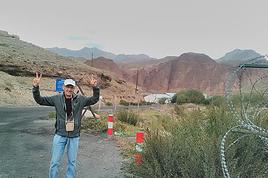
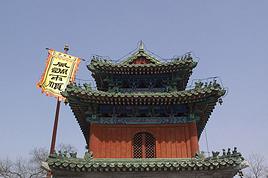
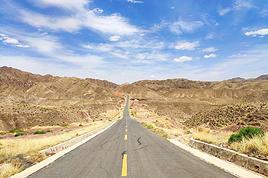
This trip report covers a journey along the Silk Road in China (see detailed description below) undertaken in October 2025. The goal isn’t to recount the trip but to provide information that might help those who want to take a similar journey. Much of the information is valid for any trip to China.
Who we are: a retired couple, aged 63 and 65 (age gives discounts on entry to various sites and museums in China, which is why I won’t list prices here—I don’t know them, but you can easily find them online). We’re used to traveling independently. We speak English, which is the only foreign language spoken in China, though by very few people. I speak and read a little Chinese, which helped, but you can easily get by without it (without any English at all, I think it would be more difficult).
Period: We arrived just after "Golden Week," when all of China is on vacation, and after the summer, when schools are out, so we encountered very few tourists (99.99% of whom were Chinese). Our experience with booking visits in advance (which we didn’t need to do) isn’t representative for those who want to travel in the summer! The October-November period was perfect for our trip—it wasn’t too hot or too cold (one day of snow on the Tibetan Plateau), though it was only a few degrees on the Tibetan part, with altitudes between 2,000 and 3,000 meters. The trees were beautifully colored.
General remarks: Everyone we dealt with was very kind and perfectly honest. If you order a meal without really understanding what to do and the person modifies your order, trust them—the result is what you need. If a taxi driver signals that they’ll wait for you to finish your visit and pick you up afterward, trust them. It means there aren’t many taxis where you are, and it’ll be more convenient. For prices at street vendors, we always found the right ballpark, and sometimes they even added a little extra to please us. A taxi driver treated us to lunch, and an employee drove us back to the hotel after a visit because there were no taxis. If you struggle to buy a ticket online because there’s no counter, someone will come to help. People even spontaneously ask if everything’s okay and if you need anything.
Everywhere we went was very clean, including restrooms (trains, stations, hotels, museums, tourist sites) and streets. The old stereotypes about this no longer apply.
The trip can be challenging for those who have difficulty walking. The distances to cover on foot in stations, to access sites, and within the sites themselves can sometimes be really long.
We used the Lonely Planet guide in English (published at the end of August 2025) a little for preparation, but mostly relied on the internet.
Before leaving: No visa is needed for French citizens for stays under 30 days. You get a stamp on your passport upon arrival and departure, and the formalities themselves are very quick in both directions (excluding any potential queues). Just a photo and fingerprints upon arrival, and welcome to China’s facial recognition system.
Money: All your payments (see below) will go through your Visa card—there will be hundreds, including many payments of 20 cents to a few euros. So, you need an international option that allows unlimited card transactions. Since cash is rarely needed, the allowed number of ATM withdrawals can be low. We made 3 withdrawals totaling 800 € for a month and could have managed with just 2. The exchange rate charged on our Visa card was 12 € for 100 RMB (yuan).
Install the following apps on your smartphone before leaving (otherwise, you’ll only have access to the Chinese versions, if available):
- Alipay, which is used to pay everywhere in China (details below). You need to link it to your credit card, then provide proof of identity by uploading a passport photo and completing a facial recognition session. Alipay gives access to Didi (China’s Uber), public transport (metro/bus), and can also translate phrases.
- WeChat (Weixin in Chinese, pronounced *weishin*), which is also used for payments but also replaces WhatsApp. Unfortunately, to activate your account, you need someone who already has WeChat to sponsor you (preferably a Chinese person). We asked someone at our first accommodations to do this—no problem. By sharing your WeChat number with accommodations, they can send you messages that are automatically translated, and you can communicate with people thanks to the translation (translation to French is very poor; it’s much better in English, but unfortunately, WeChat detects your phone’s language). Alipay and WeChat are accepted almost everywhere, but some places only accept WeChat.
- Amap, the international version of Baidu Maps, which replaces Google Maps (not at all up-to-date in China). The English names of hotels often have little to do with the Chinese names except for a phonetic resemblance. To find them on Amap, it’s best to copy the Chinese name found on your Trip reservation under "show address in Chinese."
- A VPN. We had CyberGhost, which didn’t work, but according to other travelers, NordVPN and Windscribe do. Without a VPN, you can’t access Google services, on WhatsApp you can send and receive text but not photos, and you can’t send or receive emails on Gmail addresses. We managed without a VPN by using Firefox as a browser and Bing as a search engine.
- Trip, for booking trains and accommodations, and buying some tickets. It’s the equivalent of Booking for accommodations, but Booking has very few listings in China, while Trip has hundreds in every city. Most hotels and trains are exchangeable and refundable until the day before, with no or minimal fees.
You don’t need contactless (NFC) payment on your phone. Either you scan a barcode and enter the amount to pay, or you display a barcode, and they scan it with a scanner, and the amount is deducted directly.
Upon arrival:
- Buy a Chinese SIM card: 100 RMB for 300 GB of data and several hours of talk time (we didn’t use it). Set the Chinese number as a reference on Alipay, WeChat, and Amap.
- Find someone to sponsor you on WeChat.
Transportation:
- **Plane**: China Eastern, Paris-Canton then Canton-Urumqi on the way out, and Xian-Canton then Canton-Paris on the way back. International flights were smooth, but the schedules for the two domestic flights were changed. It was fine on the way out because we had some leeway, but on the way back, we were notified the morning of that our flight was canceled and replaced with one that didn’t allow for the connection. We called and changed to an earlier flight (I think we were lucky to find available seats).
- **Train**: Most long distances were covered by high-speed trains (called D or G in China) at 240 or 300 km/h. Second class is perfect—just as comfortable and clean as our TGVs. The only advantage of first class is the wider seats for larger people, but the downside is that seats are often booked in advance and thus less available. You can book trains long in advance on Trip, but they only go on sale in China 15 days before departure, so that’s when you’ll know if you have a ticket. Initially, we booked first class, but there were no seats available on the day, so we ended up booking everything in second class, which was perfect. There’s no paper ticket—if you’ve bought one, you go to the station, show your passport, and enter. You do the same to access the platform 15 minutes before the train, and that’s it. Our train was canceled twice, but no problem—we went to the ticket counter, got a refund, and were offered a replacement. It didn’t delay us by more than an hour (maybe it would be harder in peak season). For prices, check Trip.com, but it’s significantly cheaper than in France.
- **Bus**: We took the bus between Xining and Tongren, Tongren to Xiahe, and Hezuo to Lanzhou—about 3 hours each time for 200 km, 6 € per person, and departures were right on time.
- **Taxi**: For trips between the station and hotel, or hotel and visits. If you take a Didi via the Alipay app, you activate your location, enter your destination, and it offers several taxis. You accept, and you get the car’s license plate and its real-time position on the map. When you get in, the driver often asks for the last four digits of your phone number to confirm. Otherwise, you go to the taxi stand outside the station. The price per kilometer is around 20 cents, so for a 30 km trip from the station to the hotel, you’ll pay about 6 €. We never tried to save more by taking local buses, but since the metro in Xian costs 25 cents per trip, it’s probably in the same ballpark. Amap provides public transport routes like Google Maps.
- **Driver**: We hired a taxi/driver for the day several times for sightseeing. Prices ranged from 350 to 1,000 RMB (the most expensive was arranged through the Sofitel Xining concierge) for trips ranging from a few hours to a full day, sometimes covering over 300 km (see the detailed trip description).
Accommodations:
All booked in advance on Trip, but several were changed during the trip. Off-season, there were no issues. We mostly stayed in upscale places, but in China, that means 50 to 60 € per night in the most central or convenient neighborhood. Note: Almost all hotels have a 5/5 rating on Trip, but it seems the Chinese avoid giving lower ratings to be polite. So, you have to read the comments to realize that in France, we might have given a 2 or 3!
Food:
At the table, you’re served hot water or a hot infusion, presumably made with purified water. We never got sick from drinking it, but don’t drink tap water. Purified or mineral water is easy to find.
In restaurants, you can manage by pointing to the dish you want from another diner, on the wall where there are photos, or on the menu with pictures. The food in the region isn’t often spicy, and people usually ask or signal before adding the red spicy sauce, so you should be able to handle it if you don’t like chili at all.
The "fake old quarters" in several cities are great places to find all kinds of restaurants (see detailed trip below).
Like Google Maps, Amap can show you nearby restaurants.
Shopping:
For dried fruits, buy them in Turfan—you won’t find the same variety and quality even in Xian. Generally, if you like something, buy it. If you wait, you might not find it outside the region where you are.
In Xian, there’s a "Tea City" where you can find all kinds of tea (from cheap to very expensive).
The trip in more detail:
I won’t dwell on the beauty or interest of the sites here since that’s a matter of personal taste. However, I will do so for lesser-known places to give an idea to those who might be interested.
For many sites, there are shuttles (sometimes not included in the ticket price but costing around 1 €) that take you to the interesting spots. We always took them—it saves you from walking past countless shops or along uninteresting paths.
- **Urumqi**: We spent only one night there, arriving in the middle of the afternoon and leaving the next morning. We stayed at the Dana Hotel in the bazaar. Given the size of the city, it’s a good option because I don’t think there are many other interesting places. The bazaar is brand new and not at all "typical" (Turfan’s bazaar is infinitely more interesting), but the dining area is very nice.
- **Turfan**: Stayed at the New Dap Hostel, which was great. The neighborhood is nice, not far from the city, and easy to find food. The museum is closed until 2026 (Amap provides museum hours and closures). We took a day trip (for the two of us) with a driver to the Bezeklik Caves, Flaming Mountains, the abandoned city of Gaochang, the Tuyuk Village Museum, and the Emin Minaret for 500 RMB from 9 AM to 8 PM (arranged by the hostel). The landscape during the excursion was quite fabulous. We also visited the Karez Museum and the abandoned city of Jiaohe on our own the next day. At this time of year, the sun sets around 6 PM, and there’s often haze after 5 PM, so for Jiaohe, for example, which takes about 3 hours to visit, it’s best to be there by 1 or 2 PM at the latest.
The Dahua Market area is perfect for dried fruits (including the famous grapes), and you can eat there among locals in their traditional costumes. Next to it, there are buildings full of shops selling made-in-China items—it kept us busy for a good half-day, if not more.
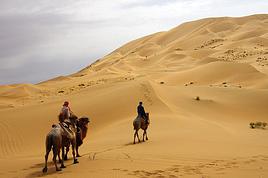
- **Dunhuang**: Stayed in a guesthouse near the dunes—the city center isn’t far but seems quite artificial. Visited the dunes, with a ticket valid for 3 days. Lots of Chinese tourists—very typical and interesting from an ethnological perspective 😊. We got up early one morning to climb the highest dune, just beyond the one everyone goes to. It’s a bit long and tiring, but the view is worth it. Visited the Mogao Caves, buying the ticket on-site (no chance in season without booking in advance). We met two other French people and got a French-speaking guide (by pretending not to understand English). It was really worth it—a group of 4 instead of 20, and they took their time (2 hours) for the visit. We took a day trip to the Yulin Caves (2.5 hours by road and 160 km one way) with a driver for 350 RMB. We liked it a lot, but if the Mogao Caves are enough for you, it’s not very different.
- **Jiayuguan**: Stayed in a city-center hotel. Visited the Wei and Jin tombs (actually just one)—that’s where we were told the taxi should wait to take us back to the city. We went down into a crypt with lots of decorated bricks from the 3rd century. We really liked it, but it’s not as spectacular as the fort if you’re not a fan. Visited the Jiayuguan Fort and, with the same ticket, climbed a small section of the Great Wall 10 km away. Plan at least 3 good hours for all this—there’s plenty to see.
- **Zhangye**: Stayed at The Silk Road Travelers Hostel, rustic but very nice and organizes excursions. Visited the Danxia (colored mountains)—just as spectacular as the photos. You can easily spend 3 hours there, so plan to finish before sunset to avoid the haze (you can always stay longer for the sunset if the weather’s nice). The next day, visited the Mati Si Temple in the cliff. The 10,000 Buddha Caves are under renovation, but the setting and the main temple are well worth the visit (the paths through the cliff tunnels must be hellish in peak season). You can probably organize these two excursions yourself by asking any taxi driver. Also visited the Giant Buddha Temple in the city center—really worth it.
- **Xining**: Stayed in a city-center hotel. Visited the Tibetan Medicine Museum to see the world’s largest thangka (1 km long), made over 40 years by renowned artists. It’s absolutely magnificent, on par with the virtuosity (but over 1 km) of the thangkas painted by famous artists in Xiahe (see below). Hired a female taxi driver for the day to visit Kumbum Monastery (Ta’er Si in Chinese) and the Danxia area in Guide, 50 km beyond the monastery. It’s less spectacular than Zhangye’s Danxia, but we really liked it (including the journey’s landscape). The next day, visited the old Ming-era Qutan Monastery—no visitors, with beautiful murals (half under renovation). Accessible by train to Haidong or Ledu, then a taxi. Xining’s mosque is of no interest, but there’s a pedestrian street with food stalls nearby that’s very nice.
- **Tongren**: Stayed near the main monastery. Visited Longwu Monastery (several hours), with lots of nice shops along the street leading to it. Then visited Wutun Monastery, which is less lively but beautiful and close to thangka workshops. You can go in and watch the painters at work. For a thangka made by a renowned artist, count about a year of work for 1 m² and around 10,000 €.
- **Xiahe**: Stayed in a city-center hotel. Visited Labrang Monastery—very nice but not as much as Tongren’s because many halls were closed. I think it’s better to go in season and take an English-guided tour (but it’s still worth the trip, even off-season).
- **Langmusi**: Took a taxi, but you can also take a bus (though very early in the morning and longer). Particularly beautiful for us because we woke up to bright sunshine and 5 cm of snow everywhere. Visited the two temples (really nice) and did the classic hike in the gorges starting at the Fairy Cave. For those interested, we continued along the canyon path, and after the meadow where marmots are clearly visible in summer, we climbed toward a pass on the left at 3,800 meters. The view of Langmusi and, above all, the vast grasslands and distant mountains was fabulous (3 hours round trip from the temple). You could probably reach the 4,000-meter summit by continuing up the valley instead of turning left, but according to guides, it’s better to count 7 hours round trip (no technical difficulty). You can leave Langmusi by bus, but off-season, you first have to take a taxi to a stop outside the city and wait for the bus. We didn’t try and took a taxi to Hezuo instead.
Note on this region: A high-speed train is under construction from Xining to Langmusi and beyond (never seen such an impressive construction site!). When it’s operational (in one or two years, I think), access to the area will be revolutionized, and perhaps some of the charm will be lost.
- **Hezuo**: Stopped on the way from Langmusi to Lanzhou. Visited the Milarepa Pagoda, entirely destroyed during the Cultural Revolution and since rebuilt. We liked it since we were passing through, but it doesn’t necessarily justify a long detour.
- **Lanzhou**: Reached by one of the many buses from Hezuo. Stayed in the "fake old quarter," which is extremely pleasant, especially in the evening with restaurants, groups of Chinese women dancing to loud music, etc. Visited Bingling Si with a driver, 120 km away—the landscape and site are absolutely magnificent, with no one around at our time of year. Visited the Gansu Museum (where the famous Flying Horse is, but it’s a replica). We bought the ticket on entry, but in season, you probably need to book in advance.
- **Yinchuan**: Stayed in the city center. A city we discovered by chance in the Lonely Planet—worth it if you have time. On the way, we stopped for a few hours in Zhongwei, where there’s an incredible Taoist temple (I’ll let you be surprised). Visited the Western Xia tombs—we took the short option, which visits Tomb 3. We think the others are similar but less impressive. The surrounding landscape and site are quite spectacular. Visited the film sets (really fun if you like Chinese movies), the short but interesting Ningxia Museum, and finally the modern art museum. The architecture is avant-garde, and there are some beautiful works (we like it, but it’s far from the center—hire a driver who waits, or you might have to wait for an employee to offer a ride back).
- **Tianshui**: Stayed in the suburbs, but you should find a hotel near the "fake old quarter" between the Fu Xi Temples and the Taoist temple—it’s a very nice area, and the two temples (especially the Taoist one) are within walking distance. Visited the Maijishan Caves—the ticket includes the shuttle to get there. Took a taxi from Lanzhou for about 10 € in 45 minutes. We found these caves fabulous.
- **Xi’an**: Stayed 500 meters from the Bell Tower at Hantang Inn—very convenient. We’d been before, so we didn’t revisit the Terracotta Army. The calligraphy district is worth it, as is the Muslim Quarter, though it’s very touristy. The area indicated on the Lonely Planet’s walking tour near the old fruit and vegetable market isn’t very interesting. To buy tea, you can go to the Northwest International Tea City, with dozens of shops. We chose one at random, tasted, and bought various teas. There’s everything from cheap to extremely expensive, but you can find reasonable prices even in seemingly luxurious shops. Along the street north of this area, there are large stores with tons of Chinese goods selling dishes, wedding items, etc. We spent hours there. In the city center, there are only malls with more or less international brands.
- **Longmen Grottoes**: Visited as a round trip by high-speed train from Xian—1 hour 15 minutes to Longmen’s high-speed train station, and the site entrance is 15 minutes by taxi.
We didn’t go to Mount Hua Shan, but there’s a high-speed train station nearby, and there were people on the train who were clearly going there. So, you can probably do this excursion in a day from Xian as well.
Conclusion:
We hope this report makes you want to go or helps you if you’re already planning to. If you have questions that you can’t find the answer to by searching properly online and we can answer, don’t hesitate.
Hi there,
We just got back from a 2-week trip to China as a couple, and before we left, the budget was the hardest thing to picture concretely. We found plenty of info on visas, apps, transport, and itineraries, but way fewer detailed breakdowns of what you *actually* spend on the ground.
So, we took the time to share our real budget for 14 days. In our case, we spent around 1,800 € per person, with a big chunk of that going toward round-trip flights at about 600 € per person. We were also pretty surprised by how affordable China can be once you’re there—transport is often cheap, and a lot of everyday expenses stay reasonable.
The trickiest part, in the end, was figuring out how to pay while you’re there, since it’s not always obvious if you’re not prepared. But once everything’s set up and you get the hang of it, it’s really smooth.
If this can help other travelers get a better idea before they go, we’ve broken it all down here:
https://aventures-sans-mesaventure.com/budget-2-semaines-de-voyage-en-chine/
Happy travels and enjoy your adventure! Hélia
Happy travels and enjoy your adventure! Hélia
Hi,
My friend and I are heading to Japan from March 25 to April 15, 2026.
Do you have any tips or places that really charmed you?
We’d love to spend time with locals.
Thanks.
Jasssmine
Hi there,
A few friends and I are planning our trip to Japan for next autumn. This will be my first time traveling, which is why we’ve decided to go for a big trip of at least 2 months, maybe even 3.
So far, we’ve estimated the budget to be between 7,000 and 10,000 € per person for the stay. I’m not sure if that’s too high or too low, considering we’ll be moving around a lot.
Here’s a summary of the route we’d like to take:
First, we definitely want to visit the classics like Tokyo, Kyoto, etc. Then head toward Mount Fuji with Fujiyoshida and the surrounding area. We’d also like to visit some less touristy, more authentic spots like the Wakayama region. We’d like to check out some mountain or countryside villages like Shirakawa-go for a few hikes. We’re still debating whether to visit Miyajima and Hiroshima since we’re not sure we’ll have enough time. And we sadly had to cut Hokkaido from our list for the same reason.
I won’t go into every detail since we’ve mapped out over twenty places, but those are the main highlights.
As for our travel style:
We want to take our time. Not try to cram in as much as possible without any breaks or enjoyment. Most of the time, we’ll be staying in Airbnbs and youth hostels. For food, we’ll mix it up between restaurants, pre-made meals, and cooking our own. For transportation, we’re considering renting a car to reach villages in the countryside. (I’m a bit nervous about the road rules over there.) For activities, one or two a day seems reasonable. (Both free and paid ones.) But I have no idea how much souvenirs might cost. I’ve often read on forums that it’s between 200 and 600 €?
My questions:
So, that’s the plan. We’re not sure yet if we’ll go for two or three months. It’ll mostly come down to money. We want to be mindful of our budget but still treat ourselves—no regrets about missing out on an activity or restaurant we really wanted to try.
Do you have any advice or suggestions for us? What do you think of our itinerary? For flight tickets, I’m estimating between 650 and 900 € for a round trip. Does that sound about right? But I have no idea which airline to choose?
Thanks so much to anyone who replies—I’d really appreciate it!
A few friends and I are planning our trip to Japan for next autumn. This will be my first time traveling, which is why we’ve decided to go for a big trip of at least 2 months, maybe even 3.
So far, we’ve estimated the budget to be between 7,000 and 10,000 € per person for the stay. I’m not sure if that’s too high or too low, considering we’ll be moving around a lot.
Here’s a summary of the route we’d like to take:
First, we definitely want to visit the classics like Tokyo, Kyoto, etc. Then head toward Mount Fuji with Fujiyoshida and the surrounding area. We’d also like to visit some less touristy, more authentic spots like the Wakayama region. We’d like to check out some mountain or countryside villages like Shirakawa-go for a few hikes. We’re still debating whether to visit Miyajima and Hiroshima since we’re not sure we’ll have enough time. And we sadly had to cut Hokkaido from our list for the same reason.
I won’t go into every detail since we’ve mapped out over twenty places, but those are the main highlights.
As for our travel style:
We want to take our time. Not try to cram in as much as possible without any breaks or enjoyment. Most of the time, we’ll be staying in Airbnbs and youth hostels. For food, we’ll mix it up between restaurants, pre-made meals, and cooking our own. For transportation, we’re considering renting a car to reach villages in the countryside. (I’m a bit nervous about the road rules over there.) For activities, one or two a day seems reasonable. (Both free and paid ones.) But I have no idea how much souvenirs might cost. I’ve often read on forums that it’s between 200 and 600 €?
My questions:
So, that’s the plan. We’re not sure yet if we’ll go for two or three months. It’ll mostly come down to money. We want to be mindful of our budget but still treat ourselves—no regrets about missing out on an activity or restaurant we really wanted to try.
Do you have any advice or suggestions for us? What do you think of our itinerary? For flight tickets, I’m estimating between 650 and 900 € for a round trip. Does that sound about right? But I have no idea which airline to choose?
Thanks so much to anyone who replies—I’d really appreciate it!
hi everyone
I’m planning a trip to Japan from May 11 to 26 with Air China.
I’ll be taking Ouigo from Lyon for both the outbound and return trips to get to Roissy CDG.
For the outbound TGV from Lyon, I’ll arrive at Roissy with plenty of time—at least 6 or 7 hours before my 8:30 PM flight (Paris to Beijing, then Beijing to Tokyo). For the return on May 26, I was wondering what time you’d recommend booking my train to Lyon, given that I’ll land at CDG at 7:30 AM (flight from Tokyo). I was thinking of booking a train leaving at 11:00 AM from the SNCF station at CDG to Lyon Saint-Exupéry—does that seem too tight based on your experience?
This is my first time traveling this far with a layover in Beijing, and I’m not familiar with Roissy CDG Airport at all.
Thanks for your advice!
I’m planning a trip to Japan from May 11 to 26 with Air China.
I’ll be taking Ouigo from Lyon for both the outbound and return trips to get to Roissy CDG.
For the outbound TGV from Lyon, I’ll arrive at Roissy with plenty of time—at least 6 or 7 hours before my 8:30 PM flight (Paris to Beijing, then Beijing to Tokyo). For the return on May 26, I was wondering what time you’d recommend booking my train to Lyon, given that I’ll land at CDG at 7:30 AM (flight from Tokyo). I was thinking of booking a train leaving at 11:00 AM from the SNCF station at CDG to Lyon Saint-Exupéry—does that seem too tight based on your experience?
This is my first time traveling this far with a layover in Beijing, and I’m not familiar with Roissy CDG Airport at all.
Thanks for your advice!
Hi there,
Having already visited some of the "classic" spots during my first trip to Japan in 2006, I’d like to show my partner some slightly lesser-known places (all relative, of course!) for our trip planned in November 2025, while still keeping a few of the country’s "must-sees."
Here’s the rough itinerary I’ve sketched out so far:
- Day 1: Arrival in Tokyo – Night in Tokyo - Day 2: Depart for Kamakura – Night in Kamakura or return to Tokyo - Day 3: Depart for Matsumoto – Visit the castle – Night in Matsumoto - Day 4: Matsumoto – Narai – Tsumago – Night in Tsumago - Day 5: Tsumago – Magome (hike) – Night in Magome - Days 6, 7, 8, 9: Depart for Kyoto – Sightseeing – Nights in Kyoto - Day 10: Depart for Kinosaki Onsen – Night in Kinosaki - Day 11: Explore the area around Kinosaki (Takeno? Izushi?) – Night in Kinosaki - Day 12: Depart for Himeji – Visit the castle – Night in Himeji or Hiroshima - Day 13: Miyajima Island – Night in Hiroshima - Day 14: Depart for Onomichi – Night in Onomichi - Day 15: Bike day to Ikuchi Jima / return by ferry – Night in Onomichi - Day 16: Depart for Tomo-no-Ura then Kurashiki – Night in Kurashiki - Day 17: Depart for Okayama – Visit the garden – Night in Okayama - Day 18: Kibi Plain bike ride – Night in Okayama - Day 19: ??? - Days 20, 21, 22: Tokyo – Nights in Tokyo
I’m struggling a bit to gauge how long the travel times will be, despite my online research, so I’d love to hear your thoughts and advice on this itinerary.
Thanks so much in advance for your feedback!
Having already visited some of the "classic" spots during my first trip to Japan in 2006, I’d like to show my partner some slightly lesser-known places (all relative, of course!) for our trip planned in November 2025, while still keeping a few of the country’s "must-sees."
Here’s the rough itinerary I’ve sketched out so far:
- Day 1: Arrival in Tokyo – Night in Tokyo - Day 2: Depart for Kamakura – Night in Kamakura or return to Tokyo - Day 3: Depart for Matsumoto – Visit the castle – Night in Matsumoto - Day 4: Matsumoto – Narai – Tsumago – Night in Tsumago - Day 5: Tsumago – Magome (hike) – Night in Magome - Days 6, 7, 8, 9: Depart for Kyoto – Sightseeing – Nights in Kyoto - Day 10: Depart for Kinosaki Onsen – Night in Kinosaki - Day 11: Explore the area around Kinosaki (Takeno? Izushi?) – Night in Kinosaki - Day 12: Depart for Himeji – Visit the castle – Night in Himeji or Hiroshima - Day 13: Miyajima Island – Night in Hiroshima - Day 14: Depart for Onomichi – Night in Onomichi - Day 15: Bike day to Ikuchi Jima / return by ferry – Night in Onomichi - Day 16: Depart for Tomo-no-Ura then Kurashiki – Night in Kurashiki - Day 17: Depart for Okayama – Visit the garden – Night in Okayama - Day 18: Kibi Plain bike ride – Night in Okayama - Day 19: ??? - Days 20, 21, 22: Tokyo – Nights in Tokyo
I’m struggling a bit to gauge how long the travel times will be, despite my online research, so I’d love to hear your thoughts and advice on this itinerary.
Thanks so much in advance for your feedback!
Hi,
Over the past few months, I’ve been noticing more and more reports about safety issues in Tokyo and Osaka targeting tourists. I knew the local population didn’t want tourists—or at least a lot fewer—under the previous prime minister’s policies. Right now, some friends are in Tokyo—four guys traveling together—and this is what happened to them: a Japanese guy approached them in Akihabara with a map, pretending to ask for directions. Then, eight others came from behind, beat them up, stole their phones, and 30,000 yen. They ran off, and all this happened around 6:00 PM.
They went to the *koban* (police station), but the police just laughed at them. Luckily, two of the phones had trackers, which they mentioned to the police, but the cops didn’t do anything. So, they called the French embassy. The next day, they had a meeting with an embassy delegate at the police station, but nothing happened for 24 hours. Then, two days later, they were summoned back to the police station, and to their shock, the police offered them a deal: they’d get their phones and the 30,000 yen back if they withdrew their complaint. In the end, they got their phones back (one with a cracked screen) and the 30,000 yen without withdrawing their complaint.
Before leaving their hotel for Osaka, they received a letter saying they could be banned from the country for three years. When they arrived in Osaka, their ATM withdrawals with their card were limited to 20,000 yen. They asked the Japanese postal agent why, and the response was, "You’re flagged in the deportable travelers registry." Their hotel canceled their reservation, and the embassy is now taking over by involving the justice system. (more below)
They went to the *koban* (police station), but the police just laughed at them. Luckily, two of the phones had trackers, which they mentioned to the police, but the cops didn’t do anything. So, they called the French embassy. The next day, they had a meeting with an embassy delegate at the police station, but nothing happened for 24 hours. Then, two days later, they were summoned back to the police station, and to their shock, the police offered them a deal: they’d get their phones and the 30,000 yen back if they withdrew their complaint. In the end, they got their phones back (one with a cracked screen) and the 30,000 yen without withdrawing their complaint.
Before leaving their hotel for Osaka, they received a letter saying they could be banned from the country for three years. When they arrived in Osaka, their ATM withdrawals with their card were limited to 20,000 yen. They asked the Japanese postal agent why, and the response was, "You’re flagged in the deportable travelers registry." Their hotel canceled their reservation, and the embassy is now taking over by involving the justice system. (more below)
I'm planning a 19-day itinerary in Japan this summer.
For a first trip, Kyoto seems like a must. For the rest, I'm torn between:
- Matsumoto, Takayama, Kanazawa for 5 to 6 days
- Kyoto 4 days
- Nara 2 days
- Koyasan 1 day
- Hakone/Mount Fuji 2 to 3 days
- Tokyo 3 days
Or dedicating the first 6 days to Kyushu.
Maybe there’s less traditional Japan in Kyushu compared to the Japanese Alps? Maybe Kyushu is less crowded? Thanks for your thoughts!
Or dedicating the first 6 days to Kyushu.
Maybe there’s less traditional Japan in Kyushu compared to the Japanese Alps? Maybe Kyushu is less crowded? Thanks for your thoughts!
Hi there,
Barely back from my trip (autumn 2025) and I already want to go again!
I’ve already done a 3-week stay (Tokyo-Kamakura-Nikko-Japanese Alps-Kyoto-Osaka-Koyasan-Nara).
So this time, a different trip: Day 1: departure Day 2: arrive in Osaka (stroll around the center in the afternoon) Day 3: day trip to Minoh Falls + Katsuo-ji Temple Day 4: Universal Studios. 1h20 train in the evening to Okayama Day 5: visit Okayama (Korakuen Gardens and the castle), then a 25-minute train to Kurashiki (evening stroll) Day 6: 45-minute bus to Fukuyama (day trip to Tomo no Ura). 20-minute train in the evening to Onomichi Day 7: electric bike excursion on the Shimanami Kaido (70 km round trip), return to Onomichi in the evening Day 8: stroll around the heights of Onomichi. In the afternoon, 1h20 train to Takehara Day 9: stroll in Takehara. In the afternoon, train to Hiroshima Day 10: day trip to Miyajima Day 11: explore Hiroshima, then train to Kyoto Day 12: Kyoto (Kinkaku-ji and Ryoan-ji area in the morning). Bus to Takao/Togano in the afternoon Day 13: Kyoto (northeast area—Shugakuin Imperial Villa and nearby temples in the morning), relaxed return to Gion in the afternoon via less crowded neighborhoods/temples Day 14: day trip to Uji Day 15: Kyoto (northern Arashiyama area in the morning). Train to Nakatsugawa in the afternoon Day 16: Day 1 of the Nakasendo Trail to Nagiso Day 17: Day 2 to Kiso Fukushima Day 18: Day 3 to Matsumoto (with train from Narai-juku) Day 19: train to Tokyo Day 20: Tokyo (still figuring this out). I’ve seen Shinjuku, Shibuya, and Asakusa. Day 21: return flight Day 22: arrival
Yes, there are a lot of short transports, but that doesn’t bother me.
Any thoughts? Thanks, Patrick
So this time, a different trip: Day 1: departure Day 2: arrive in Osaka (stroll around the center in the afternoon) Day 3: day trip to Minoh Falls + Katsuo-ji Temple Day 4: Universal Studios. 1h20 train in the evening to Okayama Day 5: visit Okayama (Korakuen Gardens and the castle), then a 25-minute train to Kurashiki (evening stroll) Day 6: 45-minute bus to Fukuyama (day trip to Tomo no Ura). 20-minute train in the evening to Onomichi Day 7: electric bike excursion on the Shimanami Kaido (70 km round trip), return to Onomichi in the evening Day 8: stroll around the heights of Onomichi. In the afternoon, 1h20 train to Takehara Day 9: stroll in Takehara. In the afternoon, train to Hiroshima Day 10: day trip to Miyajima Day 11: explore Hiroshima, then train to Kyoto Day 12: Kyoto (Kinkaku-ji and Ryoan-ji area in the morning). Bus to Takao/Togano in the afternoon Day 13: Kyoto (northeast area—Shugakuin Imperial Villa and nearby temples in the morning), relaxed return to Gion in the afternoon via less crowded neighborhoods/temples Day 14: day trip to Uji Day 15: Kyoto (northern Arashiyama area in the morning). Train to Nakatsugawa in the afternoon Day 16: Day 1 of the Nakasendo Trail to Nagiso Day 17: Day 2 to Kiso Fukushima Day 18: Day 3 to Matsumoto (with train from Narai-juku) Day 19: train to Tokyo Day 20: Tokyo (still figuring this out). I’ve seen Shinjuku, Shibuya, and Asakusa. Day 21: return flight Day 22: arrival
Yes, there are a lot of short transports, but that doesn’t bother me.
Any thoughts? Thanks, Patrick
Hi there,
We’re thinking of spending 3 weeks in Asia this fall to visit some of the major capitals on this vast continent. We’d like to get a (very rough) sense of just how fast Asia is moving compared to what we see in the West (we’re from Quebec). For now, our very preliminary list includes Tokyo, Hong Kong, and Singapore. There are obviously plenty of other options—Seoul, Shanghai, etc.
What do you think? Thanks in advance!
We’re thinking of spending 3 weeks in Asia this fall to visit some of the major capitals on this vast continent. We’d like to get a (very rough) sense of just how fast Asia is moving compared to what we see in the West (we’re from Quebec). For now, our very preliminary list includes Tokyo, Hong Kong, and Singapore. There are obviously plenty of other options—Seoul, Shanghai, etc.
What do you think? Thanks in advance!
Hi there,
We’re heading to southern Japan for 15 days with the family in August.
We just checked the train tickets.
What a nasty shock!
Any tips for traveling on a budget?
Thanks
Hi there,
I’m looking for someone who could help me organize a trip to Japan for my niece and her son. I’ve seen that French-speaking guides are expensive, and the same goes for going through a tour operator.
Airline, local transportation, hotels, etc.
Thanks for your replies!
Betsyl
hi there
we’re planning a 4-week trip in March—
have any of you been to one of these three regions in March? Any feedback on weather, prices, or other tips?
We’re used to renting a scooter in Asia to explore for 3 or 4 days at a time— is it possible to rent a scooter in these regions?
Thanks so much for your advice!
philippe
We’re used to renting a scooter in Asia to explore for 3 or 4 days at a time— is it possible to rent a scooter in these regions?
Thanks so much for your advice!
philippe
Hi there!
I’m heading to Hanoi next week and we’ve got a 16-hour layover in Shanghai. Is it worth leaving the airport? We’re Belgian, so no visa required.
Thanks! !
I’m heading to Hanoi next week and we’ve got a 16-hour layover in Shanghai. Is it worth leaving the airport? We’re Belgian, so no visa required.
Thanks! !
Hello everyone, dear community members,
After several trips to Tokyo and the surrounding areas, as well as Osaka Bay, we’re heading to Northern Kyushu for a week in mid-October (we’ll be in China the other week). We’re a couple with two kids, aged 7 and 9. We’ll arrive at Saga Airport and plan to stay there for a few days to explore Arita, Imari, Karatsu, Hirado, and Dazaifu. We’re thinking Saga isn’t too touristy, so it might be a good choice to find accommodation for 3 or 4 days there and immerse ourselves in a typical Japanese city in the evenings with fewer tourists. 1) Is this a good idea?
My second question is: 2) What are the best neighborhoods in Saga where I can find accommodation (preferably an Airbnb) with free parking but still close to the city center, please? 3) Would you recommend Fukuoka instead?
4) Here’s my first draft of the itinerary:
Saga Airport (we leave straight away) → Beppu Onsen (2-hour drive, we stay one night + Mount Yufu) → Kurokawa Onsen (we stay one night + Mount Kuju) → we pass by Mount Aso (just a drive-around and short walk) → then we go to Suizenji Jojuen in Kumamoto (park in a paid parking lot nearby) → return to Saga in the evening, where we stay this time. Stay in Saga for 3 or 4 nights in an Airbnb with convenient parking in the city center, not too far out, and explore the surrounding areas (Imari, Arita, Karatsu, Hirado, Dazaifu...).
Saga to Nagasaki (minimum 2 nights, ideally 3). Then return to Saga. 5) Same question: where to stay in Nagasaki in accommodation where we can park the car for free and be near or easily accessible to the city center? 6) For all these places, what do you recommend doing with the kids?
Thanks so much to everyone!
After several trips to Tokyo and the surrounding areas, as well as Osaka Bay, we’re heading to Northern Kyushu for a week in mid-October (we’ll be in China the other week). We’re a couple with two kids, aged 7 and 9. We’ll arrive at Saga Airport and plan to stay there for a few days to explore Arita, Imari, Karatsu, Hirado, and Dazaifu. We’re thinking Saga isn’t too touristy, so it might be a good choice to find accommodation for 3 or 4 days there and immerse ourselves in a typical Japanese city in the evenings with fewer tourists. 1) Is this a good idea?
My second question is: 2) What are the best neighborhoods in Saga where I can find accommodation (preferably an Airbnb) with free parking but still close to the city center, please? 3) Would you recommend Fukuoka instead?
4) Here’s my first draft of the itinerary:
Saga Airport (we leave straight away) → Beppu Onsen (2-hour drive, we stay one night + Mount Yufu) → Kurokawa Onsen (we stay one night + Mount Kuju) → we pass by Mount Aso (just a drive-around and short walk) → then we go to Suizenji Jojuen in Kumamoto (park in a paid parking lot nearby) → return to Saga in the evening, where we stay this time. Stay in Saga for 3 or 4 nights in an Airbnb with convenient parking in the city center, not too far out, and explore the surrounding areas (Imari, Arita, Karatsu, Hirado, Dazaifu...).
Saga to Nagasaki (minimum 2 nights, ideally 3). Then return to Saga. 5) Same question: where to stay in Nagasaki in accommodation where we can park the car for free and be near or easily accessible to the city center? 6) For all these places, what do you recommend doing with the kids?
Thanks so much to everyone!
Hi there,
I’ve got a few questions about Kyoto for our trip in early November (we’re staying 5 days):
1) Is it worth spending a day in Kurama/Kibune from Kyoto? Has anyone tried the onsen in Kurama?
2) Visiting Fushimi Inari for sunset and wandering around in the evening—good idea?
3) Going to the Gion Corner show in Kyoto?
4) Skipping the more touristy temples in Kyoto (Golden Temple, Silver Temple) to see less crowded ones like Shinshogokuraku-ji and Tofuku-ji?
5) Any recommendations for a kaiseki dinner (under 10,000 yen)?
Thanks!
Hi there,
I’m planning a trip to Japan with my three grown-up kids, who aren’t exactly keen on rushing from one place to another with heavy luggage. I’ve tried to balance things so we can see as much as possible while still giving them time to enjoy the evenings.
Here’s what I’ve come up with:
- Arrival in Tokyo on May 17
- Staying in Tokyo from May 17 to 22, exploring the city,
with a day trip to Nikko (round trip in one day): is it worth it, considering it’s a 2-hour train ride each way?
- Sending our big suitcases directly to Osaka
- Traveling to Kamakura on May 23: 1 night (with small luggage)
- Traveling to Hakone on May 24: 1 night (with small luggage)
- Heading to Osaka on May 25: staying from May 25 to June 2 in Osaka, where we’ll pick up our big suitcases
Day trips from Osaka:
- Kyoto: 2 days (round trip in one day)
- Nara: 1 day (round trip in one day)
My son would prefer to stay in Osaka for all 8 days, but I’m wondering if it’s a good idea to spend at least one night in Kyoto. What do you think?
- Leaving for Himeji on June 3: is it possible to leave both big and small luggage in a coin locker to visit the castle, or is it better to do a round trip from Osaka?
- Traveling to Hiroshima: 3 nights from June 3 to 5:
- Hiroshima: 1 day
- Miyajima: 1 day
- Okayama and Kurashiki: 1 day: is it better to do a round trip from Hiroshima and return to Tokyo from there, or spend the night of June 5 in Okayama and head to Tokyo from there?
- Back to Tokyo from June 6 to 9, with departure on the morning of June 9.
Since I’ve never been to Japan, I’ve tried to focus on the most interesting spots. Are there any places I’ve missed that you think we should add, or others that might not be as worthwhile?
About the luggage: is it a hassle to forward it to Kamakura, Hakone, and Kyoto? How much do coin lockers usually cost?
My son says the JR Pass isn’t worth it—what’s your take?
For accommodations, we’re leaning toward mid-range hotels with good value rather than apartments. Any great tips?
I know I’m asking a lot of questions—I really appreciate anyone who can point me in the right direction.
Thanks in advance!
Hi,
Just so you know, when you take the JR from the airport to central Tokyo, the company has introduced a baggage fee of 900 yen (5.50 €) per person for foreigners. There’s a dedicated line for this, and you’re directed by a JR agent.
If you take the Keisei network from Narita, there’s no fee for now.
As a reminder, the JR Pass has tripled in price since October 2023. It’s not essential if you’re staying less than 3 weeks—consider the bus instead, which is much cheaper. Sure, it takes longer, but it’s budget-friendly.
Since October 1, 2024, agents have been handing out flyers to tourists at airport arrivals with recommendations about theft in hotels. Over the past few months, there’s been a rise in stolen phones, laptops, and other electronics from rooms. The advice is to lock everything in a suitcase with a key or code when you’re not around to avoid issues. Japan’s economy isn’t doing well right now, and some locals are struggling financially, blaming tourists for rising prices. Of course, the current exchange rate is great for us—165 yen to the euro lets us eat ramen for next to nothing—but inflation has hit them hard.
Since October 1, 2024, agents have been handing out flyers to tourists at airport arrivals with recommendations about theft in hotels. Over the past few months, there’s been a rise in stolen phones, laptops, and other electronics from rooms. The advice is to lock everything in a suitcase with a key or code when you’re not around to avoid issues. Japan’s economy isn’t doing well right now, and some locals are struggling financially, blaming tourists for rising prices. Of course, the current exchange rate is great for us—165 yen to the euro lets us eat ramen for next to nothing—but inflation has hit them hard.
Hello everyone,
I’m reaching out to you because I’m planning our next big trip (Japan is really tempting us for the autumn!) and I have to admit, I’m feeling a bit overwhelmed.
My husband and I have always loved traveling, and at 75, we have no intention of stopping... But I find that everything’s getting so complicated. I try to be "modern" by booking online, but as soon as there’s a problem, we hit a wall.
A friend nearly missed her departure last year because of a visa issue that wasn’t explained properly on a website... and no one to call for help, just automated messages.
It makes me a little nervous to be alone in front of a screen so far away, especially since at our age, we like knowing there’s real support if our health takes a turn while we’re there.
Anyway, I’m tired of seeing my file passed from one person to another without ever having the same contact... Do you know of any small, trustworthy agencies or people who still work the "old-fashioned" way and really look after their clients? I love my independence, but I need a real face behind my project.
Thanks in advance for your advice, and I look forward to reading your replies, Catherine
I’m reaching out to you because I’m planning our next big trip (Japan is really tempting us for the autumn!) and I have to admit, I’m feeling a bit overwhelmed.
My husband and I have always loved traveling, and at 75, we have no intention of stopping... But I find that everything’s getting so complicated. I try to be "modern" by booking online, but as soon as there’s a problem, we hit a wall.
A friend nearly missed her departure last year because of a visa issue that wasn’t explained properly on a website... and no one to call for help, just automated messages.
It makes me a little nervous to be alone in front of a screen so far away, especially since at our age, we like knowing there’s real support if our health takes a turn while we’re there.
Anyway, I’m tired of seeing my file passed from one person to another without ever having the same contact... Do you know of any small, trustworthy agencies or people who still work the "old-fashioned" way and really look after their clients? I love my independence, but I need a real face behind my project.
Thanks in advance for your advice, and I look forward to reading your replies, Catherine
Hi there,
I’m planning a trip to Japan in April/May.
I’ll start my journey in Tokyo for 3 to 4 days.
I’d love your advice on accommodation, transportation, an itinerary, and whether a guide would be useful.
I’m traveling solo and could use a little reassurance.
Before I forget... how do payments work?
Thanks for your help, Petra
Thanks for your help, Petra
hi everyone, and first of all, I wish you all a happy new year and good health!
This coming October or November, we’re planning our first trip to Japan. The only downside is we’ll only have two weeks off.
For this first visit, I’m thinking of sticking to the Kyoto and Osaka area… saving Tokyo for another trip. Do you think that’s a good choice for a first-time visit?
I’ve put together a little itinerary below to get some feedback from those in the know. I’m only counting the days we’re actually there, not travel days.
Day 1: Kyoto Ginkaku-ji – Philosopher’s Path with stops at a few shrines temples Eikan-dō and Nanzen-ji visit to the Samurai Ninja Museum in the late afternoon
Day 2: Kyoto Fushimi Inari (allow 4 hours for the hike through the park) visit to Sanjūsangen-dō temple Shōseien garden participate in a tea ceremony
Day 3: Kyoto Kiyomizu-dera temple stroll through the historic district up to Kennin-ji temple visit Kennin-ji temple Yasaka-jinja shrine and Gion district in the late afternoon return to the hotel via Pontochō Street
Day 4: Kyoto visit Kinkaku-ji and Nijō Castle visit the Imperial Palace gardens end the day in the shopping streets (Shibkyogoku and Teramachi, among others)
Day 5: Kyoto Arashiyama area Togetsukyo Bridge, walk along the river, visit the Bamboo Forest explore the area up to Otagi Nenbutsu-ji temple
Day 6: Kyoto hike from Kibune to Kurama
Day 7: Kyoto day trip to Nara (full day)
Day 8: stroll around Kyoto before heading to Osaka
Day 9: Osaka Katsuo-ji temple, then head to Minoh Falls and hike back via the Minoh Trail end the day in the Osaka Castle area
Day 10: Osaka Himeji Castle and an afternoon in Osaka
Day 11: Osaka Osaka and return to the airport in the late afternoon for the flight home
Do you think this itinerary is doable? Are some days too relaxed or too packed? I was thinking of adding a trip to Lake Biwa and Uji, but in that case, I’d have to cut some things. Are those places worth dropping some of the planned spots? And if so, which ones would you recommend cutting or shortening?
Thanks in advance—I’m all ears for both positive and negative feedback! stephane
This coming October or November, we’re planning our first trip to Japan. The only downside is we’ll only have two weeks off.
For this first visit, I’m thinking of sticking to the Kyoto and Osaka area… saving Tokyo for another trip. Do you think that’s a good choice for a first-time visit?
I’ve put together a little itinerary below to get some feedback from those in the know. I’m only counting the days we’re actually there, not travel days.
Day 1: Kyoto Ginkaku-ji – Philosopher’s Path with stops at a few shrines temples Eikan-dō and Nanzen-ji visit to the Samurai Ninja Museum in the late afternoon
Day 2: Kyoto Fushimi Inari (allow 4 hours for the hike through the park) visit to Sanjūsangen-dō temple Shōseien garden participate in a tea ceremony
Day 3: Kyoto Kiyomizu-dera temple stroll through the historic district up to Kennin-ji temple visit Kennin-ji temple Yasaka-jinja shrine and Gion district in the late afternoon return to the hotel via Pontochō Street
Day 4: Kyoto visit Kinkaku-ji and Nijō Castle visit the Imperial Palace gardens end the day in the shopping streets (Shibkyogoku and Teramachi, among others)
Day 5: Kyoto Arashiyama area Togetsukyo Bridge, walk along the river, visit the Bamboo Forest explore the area up to Otagi Nenbutsu-ji temple
Day 6: Kyoto hike from Kibune to Kurama
Day 7: Kyoto day trip to Nara (full day)
Day 8: stroll around Kyoto before heading to Osaka
Day 9: Osaka Katsuo-ji temple, then head to Minoh Falls and hike back via the Minoh Trail end the day in the Osaka Castle area
Day 10: Osaka Himeji Castle and an afternoon in Osaka
Day 11: Osaka Osaka and return to the airport in the late afternoon for the flight home
Do you think this itinerary is doable? Are some days too relaxed or too packed? I was thinking of adding a trip to Lake Biwa and Uji, but in that case, I’d have to cut some things. Are those places worth dropping some of the planned spots? And if so, which ones would you recommend cutting or shortening?
Thanks in advance—I’m all ears for both positive and negative feedback! stephane
Hi there,
The info I found on the forum is a bit outdated, so I’m asking again!
1) What budget should I plan for 15 days, given that hotels with breakfast, transfers, and transport are already paid for? I know it depends on the person, but I’d love a rough idea. For meals, we’re thinking simple street food or small local restaurants.
2) I’ve heard that credit cards (we each have a Revolut + 1 Visa Premier) aren’t widely used and that it’s better to have cash. Can you confirm?
3) Are foreign credit cards still not accepted at bank ATMs? Still 7-Eleven or the Post Office? And what about American Express?
Thanks in advance, Best regards
The info I found on the forum is a bit outdated, so I’m asking again!
1) What budget should I plan for 15 days, given that hotels with breakfast, transfers, and transport are already paid for? I know it depends on the person, but I’d love a rough idea. For meals, we’re thinking simple street food or small local restaurants.
2) I’ve heard that credit cards (we each have a Revolut + 1 Visa Premier) aren’t widely used and that it’s better to have cash. Can you confirm?
3) Are foreign credit cards still not accepted at bank ATMs? Still 7-Eleven or the Post Office? And what about American Express?
Thanks in advance, Best regards
Hi everyone
I’m currently planning my trip to China for next August.
I’m starting from scratch, so I’m counting on your advice and firsthand experiences!
For now, I only know that I’ll arrive in China via Beijing, Shanghai, or Hong Kong and leave 15 days later from another one of these three cities.
In between, I’d love to explore a mountainous and natural region in the countryside.
The Guilin area really appeals to me with its spectacular landscapes.
I still have tons of questions:
- What can you do during this often humid season?
- Is it better to go through a local agency or organize everything yourself?
- What itineraries would you recommend?
Anyway, everything’s still up in the air, and I can’t wait to read your opinions, suggestions, and great tips to help me build this trip!
Hi there,
My partner is running the Tokyo Marathon on March 1st, 2026. So we’re planning a 3-week trip to Japan to include this event! We’ll likely be traveling from February 21st to March 14th.
Our current idea is to visit: 1) Kyoto 2) Tokyo 3) The Five Lakes region (e.g., Mt. Odake, Mitsutogeyama, Lake Kawaguchi, Lake Sai, Mt. Ryugatake, Myōjinyama...) 4) Kyushu (for example: Mt. Kujū, Mt. Aso, Eboshi-dake, Mt. Karakuni, Kirishima Mountains, Takachihonomine....)
We found a flight that would let us arrive in Osaka and depart from Kutakyushu. We really want to soak up Japanese culture but don’t want to spend all our time just in cities. Museums, exhibits, etc., aren’t really our thing, and we’d like to include some hikes.
1) Do you think this itinerary is realistic for 3 weeks? 2) In Kyushu, we’d like to rent a car—do you think it’d also be a good idea to rent one for the Five Lakes region? 3) I’d love to stay in a temple to take part in monks’ rituals. Any tips on that?
Anyway, this is just a very rough first draft, and before diving in completely, I’d love to get some initial feedback, your thoughts, and your critiques ;) Thanks in advance! :)
My partner is running the Tokyo Marathon on March 1st, 2026. So we’re planning a 3-week trip to Japan to include this event! We’ll likely be traveling from February 21st to March 14th.
Our current idea is to visit: 1) Kyoto 2) Tokyo 3) The Five Lakes region (e.g., Mt. Odake, Mitsutogeyama, Lake Kawaguchi, Lake Sai, Mt. Ryugatake, Myōjinyama...) 4) Kyushu (for example: Mt. Kujū, Mt. Aso, Eboshi-dake, Mt. Karakuni, Kirishima Mountains, Takachihonomine....)
We found a flight that would let us arrive in Osaka and depart from Kutakyushu. We really want to soak up Japanese culture but don’t want to spend all our time just in cities. Museums, exhibits, etc., aren’t really our thing, and we’d like to include some hikes.
1) Do you think this itinerary is realistic for 3 weeks? 2) In Kyushu, we’d like to rent a car—do you think it’d also be a good idea to rent one for the Five Lakes region? 3) I’d love to stay in a temple to take part in monks’ rituals. Any tips on that?
Anyway, this is just a very rough first draft, and before diving in completely, I’d love to get some initial feedback, your thoughts, and your critiques ;) Thanks in advance! :)
Hi there,
A quick recap of our 19-day trip to China – classic itinerary, half-family: dad and 13-year-old son, August 2025.
Arrived in Shanghai, the idea was to explore the city in the evening to help with jet lag. Day 1: Maglev (50 CNY), then metro to the hotel, night cruise on the Huangpu River, admiring the skyline. Day 2: Yuyuan Garden (meh), Lujiazui district, sunset from the top of Jinmao Tower, stroll along the Bund, admiring the skyline. Day 3: Chaos at the Shanghai Museum – should’ve booked in advance. Backup plan: Longhua Temple (nice), Tianzi Fang district (great). Day 4: Aquarium (okay), Pearl Tower, Fake Market (top), then flight to Guilin. Taxi from Guilin to Yangshuo (400 CNY arranged by the hotel). Verdict: Maybe one day too many. Late mornings (jet lag) kept us from visiting the water town. Day 5: Yangshuo – scooter ride (40 CNY) along the Yulong River. Day 6: Early Didi (30 min) to the top of Xiang Gong Shan (ideally for sunrise). Then a walk through the countryside to the Li River, crossing by boat (10 CNY) to Xingping. You can shorten the walk by flagging down a mini-shuttle that shuttles Chinese tourists in the opposite direction. Explored Xingping, scooter ride, 20 CNY viewpoint, sunset from Laozhai Hill, back to Yangshuo. Day 7: Scooter ride to spots we missed on Day 5. Verdict: It’s stunning. Might be worth staying in Guilin the first night and booking a cruise to Yangshuo the next day on the Li River. Day 8: Bus (4/5h, 100 CNY) to Longji/Dazhai. Hotel in Tianzhouzai – I think it’s better to stay in Ping’an, it’s more typical. Dazhai is generally overdeveloped. Day 9: Full-day hike from Dazhai to Ping’an, then bus back to Dazhai. Super nice walk, only crossed paths with 4 people. Day 10: Walk around the top of Dazhai, but the trails are poorly maintained – no loop possible. Verdict: Gorgeous, probably one day too many, but the area is very rainy, so it’s good to have a buffer. Day 11: Private taxi (4/5h, 200 €) to Fenghuang. Explored the town in the evening – really nice. Day 12: Short visit to Fenghuang during the day, then train to Zhangjiajie and Wulingyuan. Hotel pool. Day 13: Early start: Zhangjiajie Park via Wulingyuan entrance, Route A (starting with the cable car). Fabulous. If I did it again, I’d take Route B to get early access to the section near the giant elevator. Day 14: Early start: Zhangjiajie Park via the south entrance – superb. Day 15: Wulingyuan Grand Canyon, glass bridge – nice but not essential. Day 16: Tianmen Mountain in the afternoon. You can leave your luggage at the entrance. Routes A and B sell out quickly. Note that Route C no longer uses buses to the top – there’s a brand-new cable car instead, which I think is actually better than A and B. Really nice, worth doing. Evening flight to Beijing. Verdict: The canyon could be done the same morning as Tianmen Mountain, or even skipped. Day 17: Visited the Forbidden City (book a week in advance!), missed the entry slot for Tiananmen Square (book in advance!) due to security checks. Visited the Lama Temple. Stayed in a hutong. Day 18: Great Wall at Mutianyu. Private taxi (100 € round trip – probably overpaid) to arrive before 7 AM. Then back to Beijing, Temple of Heaven, and finally the modest skyline from the mall at Guomao metro station. Day 19: Fake markets (pointless – they’re stripped of their usual goods compared to Shanghai’s), Summer Palace, then Wangfujing Street. Headed to the airport. Verdict: 3 days is too short for Beijing.
Overall impressions: Highlights: Incredible places (cities and landscapes), often vast and fascinating, a total change of scenery. Very easy and smooth to travel despite the clear language barrier. Excellent food, very affordable, very few scams. Lowlights: Intense heat and humidity in August, *way* too many tourists (99.9% Chinese), a real circus that makes the trip exhausting. Walking is tiring in the long run (even though we’re very active) because it’s all on stone paths and stairs. To avoid crowds, you’d need to wake up early every day – tough with kids, especially with jet lag.
Logistics: - Buses and private taxis arranged last-minute through hotels. - Didi is widely available everywhere, plentiful, and cheap. - Flights and trains booked on Trip.com a month in advance (fills up fast). - Hotels on Booking and Trip.com. Only the one in Yangshuo was booked well in advance – hotel capacity is huge everywhere. - Apps: Didi, Alipay, WeChat, Maps.me, Google Translate. Free 35 GB data plan, SIM card from the airport.
A quick recap of our 19-day trip to China – classic itinerary, half-family: dad and 13-year-old son, August 2025.
Arrived in Shanghai, the idea was to explore the city in the evening to help with jet lag. Day 1: Maglev (50 CNY), then metro to the hotel, night cruise on the Huangpu River, admiring the skyline. Day 2: Yuyuan Garden (meh), Lujiazui district, sunset from the top of Jinmao Tower, stroll along the Bund, admiring the skyline. Day 3: Chaos at the Shanghai Museum – should’ve booked in advance. Backup plan: Longhua Temple (nice), Tianzi Fang district (great). Day 4: Aquarium (okay), Pearl Tower, Fake Market (top), then flight to Guilin. Taxi from Guilin to Yangshuo (400 CNY arranged by the hotel). Verdict: Maybe one day too many. Late mornings (jet lag) kept us from visiting the water town. Day 5: Yangshuo – scooter ride (40 CNY) along the Yulong River. Day 6: Early Didi (30 min) to the top of Xiang Gong Shan (ideally for sunrise). Then a walk through the countryside to the Li River, crossing by boat (10 CNY) to Xingping. You can shorten the walk by flagging down a mini-shuttle that shuttles Chinese tourists in the opposite direction. Explored Xingping, scooter ride, 20 CNY viewpoint, sunset from Laozhai Hill, back to Yangshuo. Day 7: Scooter ride to spots we missed on Day 5. Verdict: It’s stunning. Might be worth staying in Guilin the first night and booking a cruise to Yangshuo the next day on the Li River. Day 8: Bus (4/5h, 100 CNY) to Longji/Dazhai. Hotel in Tianzhouzai – I think it’s better to stay in Ping’an, it’s more typical. Dazhai is generally overdeveloped. Day 9: Full-day hike from Dazhai to Ping’an, then bus back to Dazhai. Super nice walk, only crossed paths with 4 people. Day 10: Walk around the top of Dazhai, but the trails are poorly maintained – no loop possible. Verdict: Gorgeous, probably one day too many, but the area is very rainy, so it’s good to have a buffer. Day 11: Private taxi (4/5h, 200 €) to Fenghuang. Explored the town in the evening – really nice. Day 12: Short visit to Fenghuang during the day, then train to Zhangjiajie and Wulingyuan. Hotel pool. Day 13: Early start: Zhangjiajie Park via Wulingyuan entrance, Route A (starting with the cable car). Fabulous. If I did it again, I’d take Route B to get early access to the section near the giant elevator. Day 14: Early start: Zhangjiajie Park via the south entrance – superb. Day 15: Wulingyuan Grand Canyon, glass bridge – nice but not essential. Day 16: Tianmen Mountain in the afternoon. You can leave your luggage at the entrance. Routes A and B sell out quickly. Note that Route C no longer uses buses to the top – there’s a brand-new cable car instead, which I think is actually better than A and B. Really nice, worth doing. Evening flight to Beijing. Verdict: The canyon could be done the same morning as Tianmen Mountain, or even skipped. Day 17: Visited the Forbidden City (book a week in advance!), missed the entry slot for Tiananmen Square (book in advance!) due to security checks. Visited the Lama Temple. Stayed in a hutong. Day 18: Great Wall at Mutianyu. Private taxi (100 € round trip – probably overpaid) to arrive before 7 AM. Then back to Beijing, Temple of Heaven, and finally the modest skyline from the mall at Guomao metro station. Day 19: Fake markets (pointless – they’re stripped of their usual goods compared to Shanghai’s), Summer Palace, then Wangfujing Street. Headed to the airport. Verdict: 3 days is too short for Beijing.
Overall impressions: Highlights: Incredible places (cities and landscapes), often vast and fascinating, a total change of scenery. Very easy and smooth to travel despite the clear language barrier. Excellent food, very affordable, very few scams. Lowlights: Intense heat and humidity in August, *way* too many tourists (99.9% Chinese), a real circus that makes the trip exhausting. Walking is tiring in the long run (even though we’re very active) because it’s all on stone paths and stairs. To avoid crowds, you’d need to wake up early every day – tough with kids, especially with jet lag.
Logistics: - Buses and private taxis arranged last-minute through hotels. - Didi is widely available everywhere, plentiful, and cheap. - Flights and trains booked on Trip.com a month in advance (fills up fast). - Hotels on Booking and Trip.com. Only the one in Yangshuo was booked well in advance – hotel capacity is huge everywhere. - Apps: Didi, Alipay, WeChat, Maps.me, Google Translate. Free 35 GB data plan, SIM card from the airport.
Hi everyone,
We're currently planning our itinerary for this summer (late July - August) in China. Our travel style is more backpacker-oriented—we're used to traveling in Latin America, booking things just 3 days in advance. Could you share your thoughts on this route?
We’re particularly wondering about: - Yangshuo (which seems very touristy) → Xingping instead? The park Bajiaozhai? - How to get around and find accommodation in the small Miao and Dong villages? - Should we book trains and hotels in advance for late July and early August?
Thanks so much!
28-Jul Monday Kunming: Bamboo Temple Dian Chi Lake Kunming 29-Jul Tuesday Visit the city center Lake bike tour Dali Dali 30-Jul Wednesday Three Pagodas / Cangshan Mountain Dali Dali 31-Jul Thursday Transport to Shaxi - visit 1 - Dali Old Town Coach Station (大理古城客运站) 2 - Arrive Jianchuan Coach Station 3 - Local green or yellow minibuses to Shaxi Dali → Jianchuan → Shaxi Shaxi 01-Aug Friday Quick visit Shaxi → Lijiang Shaxi Shaxi 02-Aug Saturday Quick visit Shaxi → Lijiang Shaxi Lijiang 03-Aug Sunday Tiger Leaping Gorge trek 04-Aug Monday Tiger Leaping Gorge Qiatou Lijiang / Dali 05-Aug Tuesday Dali → Kunming → Kaili Full-day transport Kaili 06-Aug Wednesday Langde Miao Village - Xijiang Miao Village Kaili 07-Aug Thursday Visit village Kaili 08-Aug Friday Visit village Zhaoxing 09-Aug Saturday AM: Train to Guilin - PM: Elephant Trunk Hill / night barbecue Zhaoxing → Guilin (1h) Guilin 10-Aug Sunday Bajiaozhai (Park / hike) Ziyuan 11-Aug Monday Bajiaozhai (Park / hike) Ziyuan 12-Aug Tuesday Yangshuo Yangshuo 13-Aug Wednesday Yangshuo Yangshuo 14-Aug Thursday Yangshuo Yangshuo 15-Aug Friday Guilin → HK (3.5h) Guilin → HK (3.5h) 16-Aug Saturday Hong Kong
We're currently planning our itinerary for this summer (late July - August) in China. Our travel style is more backpacker-oriented—we're used to traveling in Latin America, booking things just 3 days in advance. Could you share your thoughts on this route?
We’re particularly wondering about: - Yangshuo (which seems very touristy) → Xingping instead? The park Bajiaozhai? - How to get around and find accommodation in the small Miao and Dong villages? - Should we book trains and hotels in advance for late July and early August?
Thanks so much!
28-Jul Monday Kunming: Bamboo Temple Dian Chi Lake Kunming 29-Jul Tuesday Visit the city center Lake bike tour Dali Dali 30-Jul Wednesday Three Pagodas / Cangshan Mountain Dali Dali 31-Jul Thursday Transport to Shaxi - visit 1 - Dali Old Town Coach Station (大理古城客运站) 2 - Arrive Jianchuan Coach Station 3 - Local green or yellow minibuses to Shaxi Dali → Jianchuan → Shaxi Shaxi 01-Aug Friday Quick visit Shaxi → Lijiang Shaxi Shaxi 02-Aug Saturday Quick visit Shaxi → Lijiang Shaxi Lijiang 03-Aug Sunday Tiger Leaping Gorge trek 04-Aug Monday Tiger Leaping Gorge Qiatou Lijiang / Dali 05-Aug Tuesday Dali → Kunming → Kaili Full-day transport Kaili 06-Aug Wednesday Langde Miao Village - Xijiang Miao Village Kaili 07-Aug Thursday Visit village Kaili 08-Aug Friday Visit village Zhaoxing 09-Aug Saturday AM: Train to Guilin - PM: Elephant Trunk Hill / night barbecue Zhaoxing → Guilin (1h) Guilin 10-Aug Sunday Bajiaozhai (Park / hike) Ziyuan 11-Aug Monday Bajiaozhai (Park / hike) Ziyuan 12-Aug Tuesday Yangshuo Yangshuo 13-Aug Wednesday Yangshuo Yangshuo 14-Aug Thursday Yangshuo Yangshuo 15-Aug Friday Guilin → HK (3.5h) Guilin → HK (3.5h) 16-Aug Saturday Hong Kong
Hi there,
For our second trip to Japan, we’ll be spending 22 full days in Kyushu. 😎 Here’s our draft itinerary:
1 - FUKUOKA 2 - FUKUOKA 3 - FUKUOKA 4 - FUKUOKA / SASEBO / OJIKA 5 - OJIKA 6 - OJIKA / SASEBO / NAGASAKI 7 - NAGASAKI 8 - NAGASAKI 9 - NAGASAKI / KUMAMOTO +++ car rental +++ 10 - KUMAMOTO / ASO 11 - ASO 12 - ASO / KUROKAWA ONSEN 13 - KUROKAWA ONSEN / KUMAMOTO +++ end of car rental +++ 14 - KUMAMOTO / KAGOSHIMA 15 - IBUSUKI / CHIRAN 16 - SAKURAJIMA (car?) 17 - KAGOSHIMA / YAKUSHIMA 18 - YAKUSHIMA (car?) 19 - YAKUSHIMA (car?) 20 - YAKUSHIMA / KAGOSHIMA 21 - ??? 22 - FUKUOKA
We’ve deliberately skipped the eastern part (from Beppu to Miyazaki…)
We still have a few questions about our itinerary:
Car: For most of our travel, we plan to take the train or bus, except in the Aso region where we’ll rent a car. We’re wondering about Sakurajima and Yakushima: is a car necessary there?
Ojika: Would one night be enough?
Yakushima: Are two full days (plus two half-days) sufficient?
If we keep the schedule as is, we have one extra day to fit in somewhere—any suggestions?
Thanks for your help! 🙂
For our second trip to Japan, we’ll be spending 22 full days in Kyushu. 😎 Here’s our draft itinerary:
1 - FUKUOKA 2 - FUKUOKA 3 - FUKUOKA 4 - FUKUOKA / SASEBO / OJIKA 5 - OJIKA 6 - OJIKA / SASEBO / NAGASAKI 7 - NAGASAKI 8 - NAGASAKI 9 - NAGASAKI / KUMAMOTO +++ car rental +++ 10 - KUMAMOTO / ASO 11 - ASO 12 - ASO / KUROKAWA ONSEN 13 - KUROKAWA ONSEN / KUMAMOTO +++ end of car rental +++ 14 - KUMAMOTO / KAGOSHIMA 15 - IBUSUKI / CHIRAN 16 - SAKURAJIMA (car?) 17 - KAGOSHIMA / YAKUSHIMA 18 - YAKUSHIMA (car?) 19 - YAKUSHIMA (car?) 20 - YAKUSHIMA / KAGOSHIMA 21 - ??? 22 - FUKUOKA
We’ve deliberately skipped the eastern part (from Beppu to Miyazaki…)
We still have a few questions about our itinerary:
Car: For most of our travel, we plan to take the train or bus, except in the Aso region where we’ll rent a car. We’re wondering about Sakurajima and Yakushima: is a car necessary there?
Ojika: Would one night be enough?
Yakushima: Are two full days (plus two half-days) sufficient?
If we keep the schedule as is, we have one extra day to fit in somewhere—any suggestions?
Thanks for your help! 🙂
Hi there,
I’m planning a backpacking trip to China at the end of April, and I’ve got two key questions.
1. Money: where to exchange it?
My usual approach is to carry cash for the whole trip, so the question is: where can I get a decent rate? Airport, exchange bureau, bank, hotel, or jewelry store? The answer varies a lot depending on the country. What’s the best option for China? Extra detail: I might arrive on a Saturday.
2. Booking hotels day-by-day: how to do it?
Until 2022, I’d just show up at places I’d spotted and negotiate. Now, I bring a smartphone and use Booking or Agoda, but these sites now require an OTP sent by email to log in, and I won’t have access to my ProtonMail account in China (even with a VPN, it’s uncertain).
Can anyone tell me how to handle this? Worst case, by setting up a dedicated email account that works in China—but with which provider? Or maybe using a different booking platform?
Thanks.
Hello,
What a joy to be back on this forum that I’ve browsed for so many years :-)!
I’m heading to Japan with my partner in November 2025. This will be my second trip there and his first.
I was planning to go from Tokyo to Matsumoto, which I haven’t visited before, and from there, check out Shirahone Onsen and then hike from Magome to Tsumago. However, after reading several travel journals, I’ve realized that the village of Shirakawa-go and its surroundings look amazing. Back in 2006, I visited Takayama, which I loved, but I don’t want to stay there again.
To visit the places mentioned above (Shirahone Onsen, Shirakawa-go, Magome, and Tsumago), I’m thinking that a car might be more convenient than public transport, especially for getting from Shirakawa-go to Magome. Could you confirm if that’s the case? If so, is it easy to rent a car for a few days to do a loop starting from Matsumoto?
Thanks in advance for your valuable tips.
Have a great evening
What a joy to be back on this forum that I’ve browsed for so many years :-)!
I’m heading to Japan with my partner in November 2025. This will be my second trip there and his first.
I was planning to go from Tokyo to Matsumoto, which I haven’t visited before, and from there, check out Shirahone Onsen and then hike from Magome to Tsumago. However, after reading several travel journals, I’ve realized that the village of Shirakawa-go and its surroundings look amazing. Back in 2006, I visited Takayama, which I loved, but I don’t want to stay there again.
To visit the places mentioned above (Shirahone Onsen, Shirakawa-go, Magome, and Tsumago), I’m thinking that a car might be more convenient than public transport, especially for getting from Shirakawa-go to Magome. Could you confirm if that’s the case? If so, is it easy to rent a car for a few days to do a loop starting from Matsumoto?
Thanks in advance for your valuable tips.
Have a great evening
Hi there,
We’re planning a trip to China from May 5th to June 3rd, 2025.
We’re traveling independently using local transport—this will be our third trip to China since the 15-day visa exemption and our first since the 30-day visa exemption in 2025. We’ve drafted an itinerary and would love to hear your thoughts on the destinations and the length of our stops. We’re also looking for hotel recommendations.
Day 1: Montpellier to Beijing with Air France, Beijing – 6 days, including a trip to the Great Wall at Badaling, Beijing to Datong, Datong – 2 days, Datong to Pingyao, Pingyao – 2 days, Pingyao to Xi’an, Xi’an – 3 days, Xi’an to Chengdu, Chengdu – 2 days, Chengdu to Chongqing, Chongqing – 2 days, Chongqing to Changsha, Changsha to Zhangjiajie – 2 days, Changsha to Shanghai, Shanghai – 2 days (we’ve already been to Shanghai in May 2024). Shanghai to Montpellier.
Thanks for your feedback and tips! Alod
We’re traveling independently using local transport—this will be our third trip to China since the 15-day visa exemption and our first since the 30-day visa exemption in 2025. We’ve drafted an itinerary and would love to hear your thoughts on the destinations and the length of our stops. We’re also looking for hotel recommendations.
Day 1: Montpellier to Beijing with Air France, Beijing – 6 days, including a trip to the Great Wall at Badaling, Beijing to Datong, Datong – 2 days, Datong to Pingyao, Pingyao – 2 days, Pingyao to Xi’an, Xi’an – 3 days, Xi’an to Chengdu, Chengdu – 2 days, Chengdu to Chongqing, Chongqing – 2 days, Chongqing to Changsha, Changsha to Zhangjiajie – 2 days, Changsha to Shanghai, Shanghai – 2 days (we’ve already been to Shanghai in May 2024). Shanghai to Montpellier.
Thanks for your feedback and tips! Alod