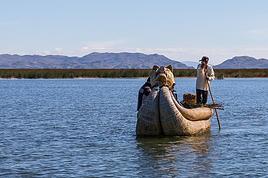
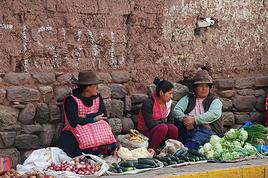
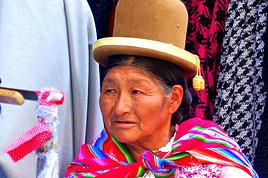
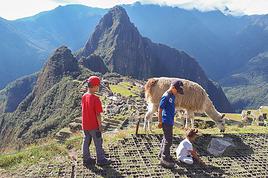
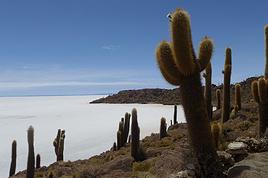
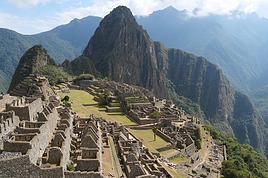
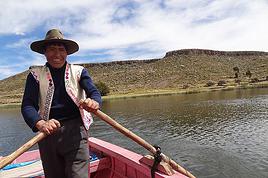
A few friends and I are planning to explore the northern shore of Lake Titicaca, making stops using local buses or collectivos. The route starts in Huancane, passes through places like Moho and Conima (on the Peruvian side), then crosses the border and continues into Bolivia via spots like Escoma, Ancoraines, Achacachi, and Huarina. I can’t find any info on transportation between these towns. It also seems there are no listed hotels or other types of accommodations.
Personally, I’ve already visited several places on the southern shore of the lake.
Questions: Is this less touristy route along the northern shore—compared to the southern route via Unguyo and Copacabana—worth it? Are there buses that cover the northern shore in both Peru and Bolivia? What accommodations do you know of along this route? Alternatively, is it possible to rent a car in Puno to circle the entire lake, and which reliable agencies would you recommend? Thanks for your suggestions! 😉
Hi everyone,
We're planning a trip to Chile to visit the Atacama Desert and then head toward Putre, Lauca, Salar de Surire, etc.
Which would be the better time to go, April or November?
Is an SUV enough?
Looking forward to your tips!
hi everyone, I just got back from 3 weeks in Paraguay. If you'd like any info, feel free to ask!
Hi everyone! So happy to be back on this forum—it’s packed with such useful info! 🙂 My husband and I are planning a 2.5-week self-drive trip to Colombia at the end of the year, including some domestic flights. My first question is: is it possible, easy, and safe to do a road trip in Colombia?
Below is our draft itinerary (with questions at each stop):
29/11: France → Colombia. Overnight in Bogotá. 30/11: Exploring Bogotá: La Candelaria and Montserrate. 01/12: Gold Museum (closed on Mondays). Drive to Zipaquirá (1.5 hrs) to visit the Salt Cathedral. Then drive to Villa de Leyva (3 hrs). Explore the town. Overnight in Villa de Leyva. 02/12: Return to Bogotá via Laguna de Guatavita (5 hrs). Is it worth the detour? Overnight in Bogotá. 03/12: Flight to Pereira. Drive to Salento. Overnight in Salento. 04/12: Cocora Valley (hike among the wax palms) followed by a drive around the area. Are there any waterfalls or other sights nearby? 05/12: Visit a coffee finca—any recommendations? Then explore the surroundings: Filandia, Manizales, waterfalls? Hot springs? Which ones? 06/12: Flight to Medellín. 07/12: Exploring Medellín: Centro, Plaza Botero, Comuna 13. How do you visit Comuna 13? Is it easy to get around Medellín? Metro? Buses? 08/12: Drive to Guatapé (2 hrs). Visit the town, stroll around the lake, then El Peñol. Overnight in Guatapé. 09/12: Return to Medellín. 10/12: Flight to Santa Marta. Drive to a hotel near Tayrona Park. 11/12: Tayrona—El Zaino entrance. 12/12: Tayrona—Palangana entrance, then Bahia Concha and Santa Marta. What do you think? 13/12: Drive to Minca (45 mins). Can we reach the village by car? Pozo Azul and Marinka waterfalls. Overnight in Minca (or back in Tayrona?). 14/12: Drive to Puerto Nao (5 hrs). Stop in Ciénaga on the way + boat tour in Nueva Venecia and/or Buena Vista? Not enough time? Overnight in Puerto Nao. 15/12: Exploring Cartagena: Centro, Getsemaní, the walls + La Boquilla if we have time. 16/12: La Boquilla (is it really worth it?) if we didn’t have time yesterday, then back to the beach. 17/12: Return to France.
So, what do you think? Is this doable, or should we tweak it? Thanks in advance for your invaluable feedback and tips! 🙂
Below is our draft itinerary (with questions at each stop):
29/11: France → Colombia. Overnight in Bogotá. 30/11: Exploring Bogotá: La Candelaria and Montserrate. 01/12: Gold Museum (closed on Mondays). Drive to Zipaquirá (1.5 hrs) to visit the Salt Cathedral. Then drive to Villa de Leyva (3 hrs). Explore the town. Overnight in Villa de Leyva. 02/12: Return to Bogotá via Laguna de Guatavita (5 hrs). Is it worth the detour? Overnight in Bogotá. 03/12: Flight to Pereira. Drive to Salento. Overnight in Salento. 04/12: Cocora Valley (hike among the wax palms) followed by a drive around the area. Are there any waterfalls or other sights nearby? 05/12: Visit a coffee finca—any recommendations? Then explore the surroundings: Filandia, Manizales, waterfalls? Hot springs? Which ones? 06/12: Flight to Medellín. 07/12: Exploring Medellín: Centro, Plaza Botero, Comuna 13. How do you visit Comuna 13? Is it easy to get around Medellín? Metro? Buses? 08/12: Drive to Guatapé (2 hrs). Visit the town, stroll around the lake, then El Peñol. Overnight in Guatapé. 09/12: Return to Medellín. 10/12: Flight to Santa Marta. Drive to a hotel near Tayrona Park. 11/12: Tayrona—El Zaino entrance. 12/12: Tayrona—Palangana entrance, then Bahia Concha and Santa Marta. What do you think? 13/12: Drive to Minca (45 mins). Can we reach the village by car? Pozo Azul and Marinka waterfalls. Overnight in Minca (or back in Tayrona?). 14/12: Drive to Puerto Nao (5 hrs). Stop in Ciénaga on the way + boat tour in Nueva Venecia and/or Buena Vista? Not enough time? Overnight in Puerto Nao. 15/12: Exploring Cartagena: Centro, Getsemaní, the walls + La Boquilla if we have time. 16/12: La Boquilla (is it really worth it?) if we didn’t have time yesterday, then back to the beach. 17/12: Return to France.
So, what do you think? Is this doable, or should we tweak it? Thanks in advance for your invaluable feedback and tips! 🙂
hi everyone, I’m just back from a 5-week trip to Argentina’s Northwest and San Pedro de Atacama in Chile. This was my second visit to the area—20 years apart—and my third trip to Argentina overall.
still just as stunning!
this time I explored the El Peñón and Antofagasta de la Sierra region in Catamarca province; I can’t recommend it enough.
the road from Cafayate is good—easy in a Renault Logan—and once you’re there you’ve got 4x4 excursions and hikes.
way fewer tourists than around Salta, and the landscapes are totally different.
happy travels!
Hi everyone,
Our travel plans to Brazil in October are moving forward. Now we're looking for the best way to put it all together. Starting from Montpellier, probably connecting through CDG, arriving in Salvador de Bahia, stopping in Belo Horizonte, then a flight to Rio, and the return trip. How can we manage to finalize such a circular flight? Thanks in advance for your tips.
Best,
Serge
Hi everyone!
I’m planning the trip of my dreams for next November—Chile! I’d love to get your thoughts on my potential itinerary. I know it’s a big investment in terms of both time and money, so every bit of feedback, suggestion, or info helps immensely. Thank you in advance!!
1-Flight to Santiago
2-Explore Santiago
3-Explore Santiago
4-Bus from STG to Valpo (2h) + visit Valparaíso + night in Viña
5-Visit Valparaíso + bus back to STG (2h)
6-Flight to Calama + bus to San Pedro + explore and acclimate in San Pedro + car rental in the afternoon (+Chaxa?)
7-(Very early) Valle del Arcoíris + Laguna Cejar + Valle de la Luna
8-Laguna Miñiques & Miscanti + Salar de Talar + Laguna Tuyajto
9-Geysers El Tatio early in the morning + Cañón de Guatín + return car
10-Excursion to Salar de Uyuni
11-Excursion to Salar de Uyuni
12-Excursion to Salar de Uyuni
13-Excursion to Salar de Uyuni + return to San Pedro for the night
14-Bus to Calama + flight Calama-La Serena + explore La Serena
15-Excursion to Reserva Pingüino + bonus time (sunset at Playa Tongoy or elsewhere...)
16-Rent a car in Pisco Elqui & Vicuña + Observatory
17-Return car in La Serena + flight Santiago & Puerto Montt (4h)
18-Rent a 4x2 car + drive to Temuco (4h)
19-Reserva Nacional Malalcahuello + hike + night in Temuco
20-Parque Nacional Conguillío then drive and night in Pucón
21-Villarrica Volcano
22-Parque Huerquehue
23-Activities on-site
24-Drive to Valdivia + explore and night there
25-Drive to Puerto Varas (via Frutillar, etc.) + activities on-site
26-Salto Las Cascadas + Parque Nacional Vicente Pérez Rosales (Salto del Petrohué) + Canoeing/Rafting?
27-Drive to Parque Alerce Andino (round trip 3h) + hike Sendero Sargazo?
28-Drive to Castro + explore Chiloé and night in Castro
29-Explore Chiloé
30-Explore Chiloé + return to Puerto Varas
31-Drive to Cochamó (1h30) + drive to Hornopirén (2h30)
32-Ferry to Caleta Gonzalo + drive to Chaitén (1h20)
33-Parque Nacional Pumalín, night in Chaitén
34-Drive to Puyuhuapi + Sendero Ventisquero Yelcho?
35-Ventisquero Colgante + drive to Coyhaique
36-Drive to Villa Cerro Castillo
37-Hike Cerro Castillo
38-Drive to Puerto Río Tranquilo
39-Excursion to Glaciar Exploradores
40-Mármol Cathedral + lake activities
41-Drive to Cochrane
42-Parque Patagonia
43-Drive to Chile Chico
44-Ferry Chile Chico-Ibañez + drive to Coyhaique + drop off car
45-Flight to Punta Arenas (1h30) + explore the city
46-Rent a car + drive to Puerto Natales
47-Drive to Torres del Paine in the morning + hike to the base of the towers (return to Puerto Natales for the night)
48-Torres del Paine hike 2 (return to Puerto Natales for the night)
49-Torres del Paine hike 3 (return to Puerto Natales for the night)
50-Drive to Punta Arenas
51-Flight Punta Arenas-Santiago + flight Santiago-Buenos Aires (2h)
52-Explore Buenos Aires
53-Explore Buenos Aires
54-Explore Buenos Aires
55-Flight back to France
I’m planning the trip of my dreams for next November—Chile! I’d love to get your thoughts on my potential itinerary. I know it’s a big investment in terms of both time and money, so every bit of feedback, suggestion, or info helps immensely. Thank you in advance!!
1-Flight to Santiago
2-Explore Santiago
3-Explore Santiago
4-Bus from STG to Valpo (2h) + visit Valparaíso + night in Viña
5-Visit Valparaíso + bus back to STG (2h)
6-Flight to Calama + bus to San Pedro + explore and acclimate in San Pedro + car rental in the afternoon (+Chaxa?)
7-(Very early) Valle del Arcoíris + Laguna Cejar + Valle de la Luna
8-Laguna Miñiques & Miscanti + Salar de Talar + Laguna Tuyajto
9-Geysers El Tatio early in the morning + Cañón de Guatín + return car
10-Excursion to Salar de Uyuni
11-Excursion to Salar de Uyuni
12-Excursion to Salar de Uyuni
13-Excursion to Salar de Uyuni + return to San Pedro for the night
14-Bus to Calama + flight Calama-La Serena + explore La Serena
15-Excursion to Reserva Pingüino + bonus time (sunset at Playa Tongoy or elsewhere...)
16-Rent a car in Pisco Elqui & Vicuña + Observatory
17-Return car in La Serena + flight Santiago & Puerto Montt (4h)
18-Rent a 4x2 car + drive to Temuco (4h)
19-Reserva Nacional Malalcahuello + hike + night in Temuco
20-Parque Nacional Conguillío then drive and night in Pucón
21-Villarrica Volcano
22-Parque Huerquehue
23-Activities on-site
24-Drive to Valdivia + explore and night there
25-Drive to Puerto Varas (via Frutillar, etc.) + activities on-site
26-Salto Las Cascadas + Parque Nacional Vicente Pérez Rosales (Salto del Petrohué) + Canoeing/Rafting?
27-Drive to Parque Alerce Andino (round trip 3h) + hike Sendero Sargazo?
28-Drive to Castro + explore Chiloé and night in Castro
29-Explore Chiloé
30-Explore Chiloé + return to Puerto Varas
31-Drive to Cochamó (1h30) + drive to Hornopirén (2h30)
32-Ferry to Caleta Gonzalo + drive to Chaitén (1h20)
33-Parque Nacional Pumalín, night in Chaitén
34-Drive to Puyuhuapi + Sendero Ventisquero Yelcho?
35-Ventisquero Colgante + drive to Coyhaique
36-Drive to Villa Cerro Castillo
37-Hike Cerro Castillo
38-Drive to Puerto Río Tranquilo
39-Excursion to Glaciar Exploradores
40-Mármol Cathedral + lake activities
41-Drive to Cochrane
42-Parque Patagonia
43-Drive to Chile Chico
44-Ferry Chile Chico-Ibañez + drive to Coyhaique + drop off car
45-Flight to Punta Arenas (1h30) + explore the city
46-Rent a car + drive to Puerto Natales
47-Drive to Torres del Paine in the morning + hike to the base of the towers (return to Puerto Natales for the night)
48-Torres del Paine hike 2 (return to Puerto Natales for the night)
49-Torres del Paine hike 3 (return to Puerto Natales for the night)
50-Drive to Punta Arenas
51-Flight Punta Arenas-Santiago + flight Santiago-Buenos Aires (2h)
52-Explore Buenos Aires
53-Explore Buenos Aires
54-Explore Buenos Aires
55-Flight back to France
We’re a group of 6 friends with an average age of 70, all mobile, and we’re planning a trip to Peru in September/October 2026. Below is an idea of what we’re looking for: a French-speaking guide, accommodation in 3-star hotels or homestays with comfort.
Duration: 16 to 20 days on-site.
Visit the main sites with immersion in the culture and way of life.
Which francophone agency in Peru would you recommend? Thanks
Hi everyone, I’m restarting my travel reports with my 2023 trip that took me from Costa Rica to Suriname over a month and a half.
First stop: Costa Rica. I arrived in late September in San José, a city I know well and never linger in. As soon as I got off the early-morning flight, I headed to the domestic airport—just a 5-minute walk away—to catch a 45-minute flight to Puerto Limón on the Caribbean coast. The 40-minute flight in a small Cessna was fun, especially since we landed on a tiny airstrip right by the sea—it felt like landing on the beach, which immediately set the mood. Plus, I wasn’t keen on enduring the 4–5-hour bus ride to Cahuita, especially since large sections of the road were under renovation. In Cahuita (where I’ve been going every year since 2015), I stayed at Kenaki Lodge on Playa Grande. It’s a great lodge, about a 45-minute walk from Cahuita’s center, but you’re just 50 meters from the beach and usually have it all to yourself. The lodge is run by Béa, a Frenchwoman, and depending on the season, you can help release baby turtles on the beach. The room was 55 €, very spacious, and you can use the outdoor kitchen. I’d recommend it for anyone looking for peace and quiet and a private beach.
After 5 days there, I flew to Cartagena but didn’t stay overnight. Instead, I headed straight to Rincón del Mar, a 3-hour bus ride from CTG. I’d mostly heard about it from a friend who lives there and runs El Ché, a beachfront restaurant. Rincón del Mar is a tiny seaside village, very peaceful, with a pretty nice beach. There are lots of small hotels and restaurants, and it’s a spot that’s likely to grow quickly in the coming years. Note: there’s no ATM there, so you’ll need to withdraw cash in San Onofre, about 30 minutes away by moto-taxi. The round trip costs around 25,000 COP. That’s also where you catch the bus to Cartagena. For accommodations, rooms were roughly 70,000–90,000 COP, with a so-so value for the price. As for things to do, I’d recommend the tour that takes you to watch the sunset in front of Bird Island, followed by a swim in a lagoon with bioluminescent plankton. The excursion (if I remember correctly) cost around 90,000 COP.
After a week in Rincón del Mar, I headed back to Cartagena and decided to fly to Yopal to visit the Río Meta. In Yopal, you’ll need to go to the bus terminal (10 minutes by taxi from the airport). From there, I took a bus to Orocué (50,000 COP) for about a 4-hour trip—it felt endless because the road was in terrible condition. Orocué is a tiny town on the banks of the Río Meta, but it has all the essentials (hotels, restaurants, ATMs). It’s lovely to stroll along the river at sunset. There are a few small bars, the area is very natural, the sunsets are stunning, and when there are distant storms, it’s just breathtaking. For lodging, I stayed at Hotel Brisas de San Miguel. It wasn’t bad—fan-cooled room for 70,000 COP. There were quite a few mosquitoes. I spent 3 days in Orocué. If you want to swim, head to the bridge (the only one), Cano San Miguel, and on the right, there’s a swimming spot. With the heat, it’s a great way to cool off.
From Orocué, I took a fast *lancha* (boat) up the Río Meta to Puerto Carreño, in the Vichada department at the far end of Colombia. This brings you to the majestic Orinoco River, right across from Venezuela. The boat ride is long—10 hours—and costs about 60 €. We left around 6 AM, with a few stops for bathroom breaks and meals along the way. But you *must* book your spot 1–2 days in advance. To do that, go to the small square above the dock—there’s a "navigation office" there. The trip was long but enjoyable. I never get tired of river journeys.
I was happy to finally arrive in Puerto Carreño, a small border town with Venezuela. No surprise that half the population was Venezuelan. In Puerto Carreño, I stayed at Hotel Delfines del Orinoco. The room was 80,000 COP, decent, with A/C, and the best part was the pool. I spent 2 nights there. One thing you *must* do—morning and evening—is hike to the top of Cerro de la Bandera (the *cerros* are huge rock formations typical of the Orinoco region, and there are many in the area). From the summit, you get amazing 360° views of the savanna and jungle. Sunrise is especially incredible. The trail is well-marked—from downtown Puerto Carreño, it takes about 20 minutes.
Next, I spent 3 nights at Rancho Barú. About an hour by boat from Puerto Carreño, you get off at Casuarito, and someone from the lodge picks you up by motorcycle for a 30-minute ride. The ranch is in the middle of the savanna, with a river/rapids beach just a 5-minute walk away. You can also fish—bites come quickly. For the lodge, one night (room or hammock) with shared bathrooms, three meals included, one excursion, plus the round-trip motorcycle ride costs 245,000 COP. An extra night without an excursion is around 100,000 COP, but you need to let the lodge know in advance so they can prepare enough food—there’s absolutely nothing for miles around.
After those 3 great days at the ranch, I took a canoe to cross into Venezuela, since Casuarito is right across from Puerto Ayacucho. The crossing costs 10,000 COP, but I got shaken down by Venezuelan immigration, who invented a violation and made me pay $40 USD. Puerto Ayacucho didn’t inspire me much. The city felt sketchy, with many hotels closed. Dealing with currency exchange was the hardest part—you *must* bring cash (USD or Colombian pesos), know the exchange rate, and find someone with enough money to exchange with you. It took me at least 2 hours. I stayed in a decent hotel downtown for $20 USD a night, but I’ll admit that going out at night—even in Puerto Ayacucho—felt pretty dodgy. All the buildings have bars on the windows, and there weren’t many people outside. I didn’t linger and found my plans to continue south too complicated. The next day, I took a bus across the country to the Brazilian border at Santa Elena de Uairén. The trip took a day and a night, with countless military checkpoints where they made everyone get off, unload all the luggage, etc. Not exactly a fun ride.
Photos: - 2 sunrises near the Orocué dock - Storm over the savanna at Rancho Barú - View of the savanna and Orinoco near Casuarito - Photo taken during the Río Meta boat trip
First stop: Costa Rica. I arrived in late September in San José, a city I know well and never linger in. As soon as I got off the early-morning flight, I headed to the domestic airport—just a 5-minute walk away—to catch a 45-minute flight to Puerto Limón on the Caribbean coast. The 40-minute flight in a small Cessna was fun, especially since we landed on a tiny airstrip right by the sea—it felt like landing on the beach, which immediately set the mood. Plus, I wasn’t keen on enduring the 4–5-hour bus ride to Cahuita, especially since large sections of the road were under renovation. In Cahuita (where I’ve been going every year since 2015), I stayed at Kenaki Lodge on Playa Grande. It’s a great lodge, about a 45-minute walk from Cahuita’s center, but you’re just 50 meters from the beach and usually have it all to yourself. The lodge is run by Béa, a Frenchwoman, and depending on the season, you can help release baby turtles on the beach. The room was 55 €, very spacious, and you can use the outdoor kitchen. I’d recommend it for anyone looking for peace and quiet and a private beach.
After 5 days there, I flew to Cartagena but didn’t stay overnight. Instead, I headed straight to Rincón del Mar, a 3-hour bus ride from CTG. I’d mostly heard about it from a friend who lives there and runs El Ché, a beachfront restaurant. Rincón del Mar is a tiny seaside village, very peaceful, with a pretty nice beach. There are lots of small hotels and restaurants, and it’s a spot that’s likely to grow quickly in the coming years. Note: there’s no ATM there, so you’ll need to withdraw cash in San Onofre, about 30 minutes away by moto-taxi. The round trip costs around 25,000 COP. That’s also where you catch the bus to Cartagena. For accommodations, rooms were roughly 70,000–90,000 COP, with a so-so value for the price. As for things to do, I’d recommend the tour that takes you to watch the sunset in front of Bird Island, followed by a swim in a lagoon with bioluminescent plankton. The excursion (if I remember correctly) cost around 90,000 COP.
After a week in Rincón del Mar, I headed back to Cartagena and decided to fly to Yopal to visit the Río Meta. In Yopal, you’ll need to go to the bus terminal (10 minutes by taxi from the airport). From there, I took a bus to Orocué (50,000 COP) for about a 4-hour trip—it felt endless because the road was in terrible condition. Orocué is a tiny town on the banks of the Río Meta, but it has all the essentials (hotels, restaurants, ATMs). It’s lovely to stroll along the river at sunset. There are a few small bars, the area is very natural, the sunsets are stunning, and when there are distant storms, it’s just breathtaking. For lodging, I stayed at Hotel Brisas de San Miguel. It wasn’t bad—fan-cooled room for 70,000 COP. There were quite a few mosquitoes. I spent 3 days in Orocué. If you want to swim, head to the bridge (the only one), Cano San Miguel, and on the right, there’s a swimming spot. With the heat, it’s a great way to cool off.
From Orocué, I took a fast *lancha* (boat) up the Río Meta to Puerto Carreño, in the Vichada department at the far end of Colombia. This brings you to the majestic Orinoco River, right across from Venezuela. The boat ride is long—10 hours—and costs about 60 €. We left around 6 AM, with a few stops for bathroom breaks and meals along the way. But you *must* book your spot 1–2 days in advance. To do that, go to the small square above the dock—there’s a "navigation office" there. The trip was long but enjoyable. I never get tired of river journeys.
I was happy to finally arrive in Puerto Carreño, a small border town with Venezuela. No surprise that half the population was Venezuelan. In Puerto Carreño, I stayed at Hotel Delfines del Orinoco. The room was 80,000 COP, decent, with A/C, and the best part was the pool. I spent 2 nights there. One thing you *must* do—morning and evening—is hike to the top of Cerro de la Bandera (the *cerros* are huge rock formations typical of the Orinoco region, and there are many in the area). From the summit, you get amazing 360° views of the savanna and jungle. Sunrise is especially incredible. The trail is well-marked—from downtown Puerto Carreño, it takes about 20 minutes.
Next, I spent 3 nights at Rancho Barú. About an hour by boat from Puerto Carreño, you get off at Casuarito, and someone from the lodge picks you up by motorcycle for a 30-minute ride. The ranch is in the middle of the savanna, with a river/rapids beach just a 5-minute walk away. You can also fish—bites come quickly. For the lodge, one night (room or hammock) with shared bathrooms, three meals included, one excursion, plus the round-trip motorcycle ride costs 245,000 COP. An extra night without an excursion is around 100,000 COP, but you need to let the lodge know in advance so they can prepare enough food—there’s absolutely nothing for miles around.
After those 3 great days at the ranch, I took a canoe to cross into Venezuela, since Casuarito is right across from Puerto Ayacucho. The crossing costs 10,000 COP, but I got shaken down by Venezuelan immigration, who invented a violation and made me pay $40 USD. Puerto Ayacucho didn’t inspire me much. The city felt sketchy, with many hotels closed. Dealing with currency exchange was the hardest part—you *must* bring cash (USD or Colombian pesos), know the exchange rate, and find someone with enough money to exchange with you. It took me at least 2 hours. I stayed in a decent hotel downtown for $20 USD a night, but I’ll admit that going out at night—even in Puerto Ayacucho—felt pretty dodgy. All the buildings have bars on the windows, and there weren’t many people outside. I didn’t linger and found my plans to continue south too complicated. The next day, I took a bus across the country to the Brazilian border at Santa Elena de Uairén. The trip took a day and a night, with countless military checkpoints where they made everyone get off, unload all the luggage, etc. Not exactly a fun ride.
Photos: - 2 sunrises near the Orocué dock - Storm over the savanna at Rancho Barú - View of the savanna and Orinoco near Casuarito - Photo taken during the Río Meta boat trip
Hi there,
I’ll be traveling to Peru in August 2025. Unfortunately, I only have 12 days to visit this amazing country. I’m torn between doing a fast-paced trip where I see every sight but don’t really soak it all in, or going for a lighter itinerary that lets me enjoy the moment more.
Right now, I’ve narrowed it down to three options and I’d love to hear your thoughts on which one to pick.
Option 1 August 14, 2025 Flight Canada – Lima Visit Lima Stay in Lima August 15, 2025 Flight Lima – Cusco Visit Cusco Stay in Cusco August 16, 2025 Visit Humantay Lake Stay in Cusco August 17, 2025 Visit Sacred Valley Stay in Ollantaytambo August 18, 2025 Visit Machu Picchu Stay in Ollantaytambo August 19, 2025 Visit Sacred Valley Stay in Cusco August 20, 2025 Visit Rainbow Mountains Stay in Cusco August 21, 2025 Flight Cusco – Lima Bus Lima to Huacachina Stay in Huacachina August 22, 2025 Visit Huacachina Stay in Huacachina August 23, 2025 Visit Paracas Stay in Huacachina August 24, 2025 Bus Huacachina – Lima Visit Lima Stay in Lima August 25, 2025 Flight Lima – Canada
Option 2 August 14, 2025 Flight Canada – Lima Bus Lima – Huacachina Stay in Huacachina August 15, 2025 Visit Huacachina Bus Huacachina – Arequipa Overnight bus August 16, 2025 Visit Arequipa Stay in Arequipa August 17, 2025 Colca Canyon Transfer Arequipa – Puno Stay in Puno August 18, 2025 Visit Lake Titicaca Bus Puno – Cusco (7:00 AM) Overnight bus August 19, 2025 Visit Humantay Lake Stay in Cusco August 20, 2025 Visit Sacred Valley Stay in Ollantaytambo August 21, 2025 Visit Machu Picchu Stay in Ollantaytambo August 22, 2025 Visit Sacred Valley Stay in Cusco August 23, 2025 Visit Rainbow Mountains Stay in Cusco August 24, 2025 Flight Cusco – Lima Visit Lima Stay in Lima August 25, 2025 Flight Lima – Canada
Option 3 August 14, 2025 Flight Canada – Lima Bus Lima – Huacachina Stay in Huacachina August 15, 2025 Visit Huacachina Stay in Huacachina August 16, 2025 Visit Paracas Stay in Paracas August 17, 2025 Bus Paracas – Lima Flight Lima – Cusco Stay in Cusco August 18, 2025 Visit Cusco Stay in Cusco August 19, 2025 Visit Humantay Lake Stay in Cusco August 20, 2025 Visit Sacred Valley Stay in Ollantaytambo August 21, 2025 Visit Machu Picchu Stay in Ollantaytambo August 22, 2025 Visit Sacred Valley Stay in Cusco August 23, 2025 Visit Rainbow Mountains Stay in Cusco August 24, 2025 Flight Cusco – Lima Visit Lima Stay in Lima August 25, 2025 Flight Lima – Canada
I’ll be traveling to Peru in August 2025. Unfortunately, I only have 12 days to visit this amazing country. I’m torn between doing a fast-paced trip where I see every sight but don’t really soak it all in, or going for a lighter itinerary that lets me enjoy the moment more.
Right now, I’ve narrowed it down to three options and I’d love to hear your thoughts on which one to pick.
Option 1 August 14, 2025 Flight Canada – Lima Visit Lima Stay in Lima August 15, 2025 Flight Lima – Cusco Visit Cusco Stay in Cusco August 16, 2025 Visit Humantay Lake Stay in Cusco August 17, 2025 Visit Sacred Valley Stay in Ollantaytambo August 18, 2025 Visit Machu Picchu Stay in Ollantaytambo August 19, 2025 Visit Sacred Valley Stay in Cusco August 20, 2025 Visit Rainbow Mountains Stay in Cusco August 21, 2025 Flight Cusco – Lima Bus Lima to Huacachina Stay in Huacachina August 22, 2025 Visit Huacachina Stay in Huacachina August 23, 2025 Visit Paracas Stay in Huacachina August 24, 2025 Bus Huacachina – Lima Visit Lima Stay in Lima August 25, 2025 Flight Lima – Canada
Option 2 August 14, 2025 Flight Canada – Lima Bus Lima – Huacachina Stay in Huacachina August 15, 2025 Visit Huacachina Bus Huacachina – Arequipa Overnight bus August 16, 2025 Visit Arequipa Stay in Arequipa August 17, 2025 Colca Canyon Transfer Arequipa – Puno Stay in Puno August 18, 2025 Visit Lake Titicaca Bus Puno – Cusco (7:00 AM) Overnight bus August 19, 2025 Visit Humantay Lake Stay in Cusco August 20, 2025 Visit Sacred Valley Stay in Ollantaytambo August 21, 2025 Visit Machu Picchu Stay in Ollantaytambo August 22, 2025 Visit Sacred Valley Stay in Cusco August 23, 2025 Visit Rainbow Mountains Stay in Cusco August 24, 2025 Flight Cusco – Lima Visit Lima Stay in Lima August 25, 2025 Flight Lima – Canada
Option 3 August 14, 2025 Flight Canada – Lima Bus Lima – Huacachina Stay in Huacachina August 15, 2025 Visit Huacachina Stay in Huacachina August 16, 2025 Visit Paracas Stay in Paracas August 17, 2025 Bus Paracas – Lima Flight Lima – Cusco Stay in Cusco August 18, 2025 Visit Cusco Stay in Cusco August 19, 2025 Visit Humantay Lake Stay in Cusco August 20, 2025 Visit Sacred Valley Stay in Ollantaytambo August 21, 2025 Visit Machu Picchu Stay in Ollantaytambo August 22, 2025 Visit Sacred Valley Stay in Cusco August 23, 2025 Visit Rainbow Mountains Stay in Cusco August 24, 2025 Flight Cusco – Lima Visit Lima Stay in Lima August 25, 2025 Flight Lima – Canada
Hi everyone,
I’m planning to spend about a week in the Amazon in April or May—the dates aren’t set yet—flying in and out of Manaus.
I’d love to hear about the must-see spots in Manaus besides the theater and the Amazon Museum.
After that, I’d like to take a boat trip on the Amazon or the Rio Negro to escape the city and find some peace for a 3- or 4-day trek in the forest.
I also saw that the town of Presidente Figueiredo is worth visiting for all the waterfalls nearby.
If you’ve been to Manaus and have any recommendations, I’d love to hear them.
Have a great day, everyone.
Hello everyone, we’re finishing a cruise from Marseille to Valparaiso on the morning of December 23, and we’re flying out of Santiago on the 27th around noon.
What do you recommend we visit in such a short time, and how?
Do you also have any tips for accommodation? We were thinking of spending 2 days in Valparaiso and 2 days in Santiago.
And what about transportation between the two cities?
A little detail: We’re an older couple, 80 and 81 years old! We still walk well, but we’re not polyglots. Luckily, we’ll have Google Translate and an eSIM card!
This trip is kind of our 60th wedding anniversary.
Thanks to everyone.
Mado and Maurice.
Hi everyone,
We’re making a family dream come true: spending a month in Brazil from July 19 to August 20. We’ll land in Rio and spend 6 days there (we’ve finalized a home exchange for a lovely apartment in the Copacabana neighborhood). After that, we’re heading to Minas Gerais by rental car for 11 days (Tiradentes, Ouro Preto, and the Inhotim Institute), then the Costa Verde, and finally 2 days in São Paulo.
We’ll be traveling with our three kids, ages 17, 14, and 9, who are real travelers and good hikers. Goes hand in hand, right? 😄
For now, we’ve planned to visit Ilha Grande (4 days) and then Paraty and its surroundings (3 days). What do you think? Ilha Grande appealed to us for its hikes and beaches, but couldn’t we do that along Paraty’s coast? I’ve read mixed reviews about Ilha Grande...
Thanks for your tips, opinions, and anything else! !
We’re making a family dream come true: spending a month in Brazil from July 19 to August 20. We’ll land in Rio and spend 6 days there (we’ve finalized a home exchange for a lovely apartment in the Copacabana neighborhood). After that, we’re heading to Minas Gerais by rental car for 11 days (Tiradentes, Ouro Preto, and the Inhotim Institute), then the Costa Verde, and finally 2 days in São Paulo.
We’ll be traveling with our three kids, ages 17, 14, and 9, who are real travelers and good hikers. Goes hand in hand, right? 😄
For now, we’ve planned to visit Ilha Grande (4 days) and then Paraty and its surroundings (3 days). What do you think? Ilha Grande appealed to us for its hikes and beaches, but couldn’t we do that along Paraty’s coast? I’ve read mixed reviews about Ilha Grande...
Thanks for your tips, opinions, and anything else! !
Hi everyone, it’s been a while since I last posted!
First time in South America for me, my wife, and our 7-year-old son. I’ve put together this itinerary and would love to hear your thoughts:
Bogotá 28/07 – 30/07: Arrival. Which neighborhood and outings would you recommend? Flight to
2 Filandia 30/07 – 03/08: (255 €). Waterfalls and horseback riding, Cocora Valley, Hiking, Nearby villages. Flight to 3 Tayrona 03/08 – 07/08: Hotel La Casablanca
Hike with Tierra Nevada and the Kogui village (any feedback?). Return by inner tube for the little one. Short night hike. Second hike to La Piscina, etc., return by 🐎.
4 Cartagena 07/08 – 10/08: Air-conditioned bus. Staying in Getsemaní? Mangroves & the Castle, exploring the city.
5 Bogotá 10/08 – 12/08
Feel free to share your feedback! Have a great day!
Seb
First time in South America for me, my wife, and our 7-year-old son. I’ve put together this itinerary and would love to hear your thoughts:
Bogotá 28/07 – 30/07: Arrival. Which neighborhood and outings would you recommend? Flight to
2 Filandia 30/07 – 03/08: (255 €). Waterfalls and horseback riding, Cocora Valley, Hiking, Nearby villages. Flight to 3 Tayrona 03/08 – 07/08: Hotel La Casablanca
Hike with Tierra Nevada and the Kogui village (any feedback?). Return by inner tube for the little one. Short night hike. Second hike to La Piscina, etc., return by 🐎.
4 Cartagena 07/08 – 10/08: Air-conditioned bus. Staying in Getsemaní? Mangroves & the Castle, exploring the city.
5 Bogotá 10/08 – 12/08
Feel free to share your feedback! Have a great day!
Seb
Hello,
We’re thinking about our next destination for June 2026, and northern Brazil seems like a great option for that time of year.
We were considering a 15-day trip from Fortaleza to São Luís (or the other way around), but I’m worried it might not offer enough variety in terms of sights and landscapes. We were thinking of doing a trek in Lençóis Park, visiting Jericoacoara, the Parnaíba Delta, etc.).
The other option would be to take a domestic flight and add the Salvador de Bahia region and Chapada Diamantina, but that would require about 3 weeks.
Do you think exploring the coast between Fortaleza and São Luís is enough for a trip if we don’t kitesurf? Or is it better to combine this part of the country with another region (Salvador? The Amazon?)?
Thanks in advance for your advice.
Have a great day
We’re thinking about our next destination for June 2026, and northern Brazil seems like a great option for that time of year.
We were considering a 15-day trip from Fortaleza to São Luís (or the other way around), but I’m worried it might not offer enough variety in terms of sights and landscapes. We were thinking of doing a trek in Lençóis Park, visiting Jericoacoara, the Parnaíba Delta, etc.).
The other option would be to take a domestic flight and add the Salvador de Bahia region and Chapada Diamantina, but that would require about 3 weeks.
Do you think exploring the coast between Fortaleza and São Luís is enough for a trip if we don’t kitesurf? Or is it better to combine this part of the country with another region (Salvador? The Amazon?)?
Thanks in advance for your advice.
Have a great day
Hi everyone,
My husband and I are planning to explore Ecuador in the coming year, and to make the most of the trip, we’d like to do it with a rental car. We already have a rough idea of the route we’d take, and I’m reaching out to the community to help us refine this journey. Here’s the plan:
Day 1: Flight to Quito
Days 2 and 3: Exploring Quito
Days 4 and 5: Picking up the rental car and driving to Otavalo and Laguna Cuicocha
Day 6: Drive to Papallacta via Cayambe to enjoy the hot springs in the evening
Days 7 and 8: Drive to Lasso via Malachi – Excursions in Cotopaxi National Park. Laguna Limpiopungo
Days 9 and 10: Laguna Quilotoa
Day 11: Drive to Baños via Latacunga/Ambato to enjoy the hot springs in Baños
Days 12 and 13: Hiking in the Chimborazo Reserve
Day 14: Hiking in Sangay National Park
Day 15: Drive to Guamote to arrive by late afternoon
Day 16: Guamote market in the morning. Drive to Cañar in the afternoon
Day 17: Guided tour of Ingapirca, then drive to Cuenca
Day 18: Visit Cajas National Park early in the morning
Day 19: Exploring Cuenca
Day 20: Returning the rental car and flight to Quito or driving back to Quito (depending on cost)
Day 21: Relaxing in Quito
Day 22: Flight back to France
We won’t be doing any ascents—just hikes in the parks (we’re walkers, but we’re feeling our age and prefer to take it easy now!).
We’d love to hear your thoughts, critiques, or advice... Thanks in advance. Looking forward to reading your replies! martine
We won’t be doing any ascents—just hikes in the parks (we’re walkers, but we’re feeling our age and prefer to take it easy now!).
We’d love to hear your thoughts, critiques, or advice... Thanks in advance. Looking forward to reading your replies! martine
Hi there,
I’m planning a trip to Brazil in October and decided to go through an agency to organize our itinerary. I asked two agencies to put together a circuit with transfers, hotels, organized visits, and one domestic flight. I don’t speak Spanish or Portuguese. 6 nights in Rio 3 nights on Ilha Grande 3 nights in Paraty Domestic flight to Salvador for 3 nights 3 nights in Morro de São Paulo 1 night in Salvador before flying back to France. For this itinerary, I’m going with Tourlane, but I’m still waiting on the second quote from Comptoir des Voyages. I’d love to hear your thoughts on the itinerary and especially on these agencies—thanks for any feedback! 😊
I’m planning a trip to Brazil in October and decided to go through an agency to organize our itinerary. I asked two agencies to put together a circuit with transfers, hotels, organized visits, and one domestic flight. I don’t speak Spanish or Portuguese. 6 nights in Rio 3 nights on Ilha Grande 3 nights in Paraty Domestic flight to Salvador for 3 nights 3 nights in Morro de São Paulo 1 night in Salvador before flying back to France. For this itinerary, I’m going with Tourlane, but I’m still waiting on the second quote from Comptoir des Voyages. I’d love to hear your thoughts on the itinerary and especially on these agencies—thanks for any feedback! 😊
Hi everyone,
I’m planning a trip to Argentina in February. I’ll be starting from Buenos Aires and want to do a loop that goes through Salta and Mendoza before returning to Buenos Aires. I’m still undecided on the direction: • Buenos Aires → Mendoza → Salta → Buenos Aires or • Buenos Aires → Salta → Mendoza → Buenos Aires.
I plan to explore each region, alternating between buses and a rental car.
In your opinion, which direction makes more sense for this itinerary (climate, roads, logistics, etc.)?
Thanks in advance for your tips! !
I’m planning a trip to Argentina in February. I’ll be starting from Buenos Aires and want to do a loop that goes through Salta and Mendoza before returning to Buenos Aires. I’m still undecided on the direction: • Buenos Aires → Mendoza → Salta → Buenos Aires or • Buenos Aires → Salta → Mendoza → Buenos Aires.
I plan to explore each region, alternating between buses and a rental car.
In your opinion, which direction makes more sense for this itinerary (climate, roads, logistics, etc.)?
Thanks in advance for your tips! !
hi,
We’re planning a trip to Brazil in March 2026, just the two of us, for 10 days without using an agency. Rio, the falls, and Bahia too. How can we get around there? Train? Car rental? Plane? Are the roads easy to drive on? Is Rio safe to explore on our own? We’d love any travel journals with ideas for places to see, as well as books to help us plan the whole trip. Thanks in advance for all your tips! See you soon, cheers
We’re planning a trip to Brazil in March 2026, just the two of us, for 10 days without using an agency. Rio, the falls, and Bahia too. How can we get around there? Train? Car rental? Plane? Are the roads easy to drive on? Is Rio safe to explore on our own? We’d love any travel journals with ideas for places to see, as well as books to help us plan the whole trip. Thanks in advance for all your tips! See you soon, cheers
Hi everyone, here’s a little trip report from San José del Guaviare, in the Guaviare department of Colombia.
First, the journey: an overnight bus from Bogotá. The bus terminal is a 20-minute taxi ride from the airport (30,000 COP). The bus company that goes down to San José is Flota Macarena, located in sector 2 of the terminal. The bus terminal is big, with plenty of places to eat and lots of little shops. The bus seats are pretty small but manageable—comfortable enough. We left at 10:30 PM and arrived around 7:00 AM the next morning.
First thing to note: the center of San José, right by the river, is really dirty, noisy, and not very pleasant. We stayed at Hotel Malecon, by the river, where the Malecon promenade is supposed to be the nice spot to walk along the river. Well, no—it’s completely abandoned, with trash everywhere. The hotel itself is in what we nicknamed the "scrap metal district," since that’s pretty much all you see—scrap yards and garages. Not exactly pleasant and kind of sketchy at first glance. A room with AC and a balcony at Hotel Malecon costs 120,000 COP per night. For one night, it was fine since we hadn’t booked anything in advance. After that, we moved to an Airbnb in the neighborhood with the soccer stadium—a really nice and quiet area. The little tip here is that there’s a pool behind the stadium—8,000 COP to swim, and there’s a bar right across the street. Honestly, it’s great to have a place to cool off because it was *really* hot in San José.
Now, let’s talk about the main attraction here: the natural sites. We visited Puerta de Orión (free entry, but the guide—mandatory—costs 10,000 COP per person), the natural pools (15,000 COP entry), Balneario La Lindosa (5,000 COP to swim), and Las Delicias waterfall (10,000 COP)—that last one was our favorite. The sites are really cool, and I’d definitely recommend visiting them. It’s pure nature out there.
For accommodations, a lot of places are located outside San José, near the tourist sites. At first, we wanted to stay out there, but without a car, it’s a real hassle. So if you’re not driving, stick to San José.
Getting to all these sites by taxi costs around 30,000 COP one way, except for Las Delicias waterfall, which is farther away—70,000 COP one way. Taxis within the urban area of San José cost 6,000 COP. The bus from San José to Villavicencio with Flota Macarena costs 78,000 COP and takes between 5 and 6 hours.
To wrap up, our 5 days in San José were really great. We were pleasantly surprised by how friendly the people there are—it really stands out.
So if you’re looking for a spot that’s still off the mass-tourism radar, come here! It’s nice, and there are plenty of other sites we didn’t get to see.
First, the journey: an overnight bus from Bogotá. The bus terminal is a 20-minute taxi ride from the airport (30,000 COP). The bus company that goes down to San José is Flota Macarena, located in sector 2 of the terminal. The bus terminal is big, with plenty of places to eat and lots of little shops. The bus seats are pretty small but manageable—comfortable enough. We left at 10:30 PM and arrived around 7:00 AM the next morning.
First thing to note: the center of San José, right by the river, is really dirty, noisy, and not very pleasant. We stayed at Hotel Malecon, by the river, where the Malecon promenade is supposed to be the nice spot to walk along the river. Well, no—it’s completely abandoned, with trash everywhere. The hotel itself is in what we nicknamed the "scrap metal district," since that’s pretty much all you see—scrap yards and garages. Not exactly pleasant and kind of sketchy at first glance. A room with AC and a balcony at Hotel Malecon costs 120,000 COP per night. For one night, it was fine since we hadn’t booked anything in advance. After that, we moved to an Airbnb in the neighborhood with the soccer stadium—a really nice and quiet area. The little tip here is that there’s a pool behind the stadium—8,000 COP to swim, and there’s a bar right across the street. Honestly, it’s great to have a place to cool off because it was *really* hot in San José.
Now, let’s talk about the main attraction here: the natural sites. We visited Puerta de Orión (free entry, but the guide—mandatory—costs 10,000 COP per person), the natural pools (15,000 COP entry), Balneario La Lindosa (5,000 COP to swim), and Las Delicias waterfall (10,000 COP)—that last one was our favorite. The sites are really cool, and I’d definitely recommend visiting them. It’s pure nature out there.
For accommodations, a lot of places are located outside San José, near the tourist sites. At first, we wanted to stay out there, but without a car, it’s a real hassle. So if you’re not driving, stick to San José.
Getting to all these sites by taxi costs around 30,000 COP one way, except for Las Delicias waterfall, which is farther away—70,000 COP one way. Taxis within the urban area of San José cost 6,000 COP. The bus from San José to Villavicencio with Flota Macarena costs 78,000 COP and takes between 5 and 6 hours.
To wrap up, our 5 days in San José were really great. We were pleasantly surprised by how friendly the people there are—it really stands out.
So if you’re looking for a spot that’s still off the mass-tourism radar, come here! It’s nice, and there are plenty of other sites we didn’t get to see.
Hello,
For our trip in September 2025 from mid-September to early October (3 weeks), we’ve planned 8 days in San Pedro, then a transit night in Santiago, 8 days in Chilean Patagonia, and 3 days for Santiago/Valparaíso before heading back. Is it possible to easily explore with a rental car from a lodge based in Puerto Natales, including visiting Torres del Paine National Park? Or does that mean too much driving in a day, or would it be better to plan an overnight stay in the park or nearby?
We applied for our international driver’s permit in January 2025 for September, hoping to get it in time—I checked the forum about this. Regarding the car rental, do we really need a credit card (not debit) in the main driver’s name for the deposit?
How far in advance should we book entry tickets to the national parks for this period?
Best regards,
Odile
For our trip in September 2025 from mid-September to early October (3 weeks), we’ve planned 8 days in San Pedro, then a transit night in Santiago, 8 days in Chilean Patagonia, and 3 days for Santiago/Valparaíso before heading back. Is it possible to easily explore with a rental car from a lodge based in Puerto Natales, including visiting Torres del Paine National Park? Or does that mean too much driving in a day, or would it be better to plan an overnight stay in the park or nearby?
We applied for our international driver’s permit in January 2025 for September, hoping to get it in time—I checked the forum about this. Regarding the car rental, do we really need a credit card (not debit) in the main driver’s name for the deposit?
How far in advance should we book entry tickets to the national parks for this period?
Best regards,
Odile
Hi there,
We’re spending 3 weeks in Brazil, arriving in São Paulo—a couple plus a teen—and we’ll have a rental car.
We especially love nature: hiking, wildlife watching, birds, etc.
We’re planning to wrap up with a week around Paraty and Ilha Grande.
We’re not really into visiting big cities like São Paulo or Rio unless you think we’d be missing out big time.
So we’ve got 2 weeks to explore the south/southwest region of São Paulo. What do you recommend? National parks? Off-the-beaten-path nature spots? Iguazu Falls?
Thanks in advance for all your tips!
So we’ve got 2 weeks to explore the south/southwest region of São Paulo. What do you recommend? National parks? Off-the-beaten-path nature spots? Iguazu Falls?
Thanks in advance for all your tips!
Hi everyone,
After a lot of hesitation due to the season, I finally booked my tickets to Lima from June 30 to March 11—I’ll be crossing my fingers for the weather!
We’re planning the classic southern loop with a rental car, either the whole thing or part of it.
I’ve got a ton of questions:
Is it possible to drive to the Salinas y Aguada Blanca Reserve with our own vehicle?
Is the road to Cusco (the 34 E) in good condition?
Is it better to return via Andahuaylas, Pampachiri, Nazca? Or through Ayacucho toward Paracas?
I’m also hesitating about heading to the Cordillera Blanca and pushing on to Trujillo and Chan Chan because of the weather. The other option would be to spend a week or 10 days in northern Chile, which I think is amazing...
So, if you’ve got any tips or suggestions?
So, if you’ve got any tips or suggestions?
Good evening,
We're leaving from January 26 to February 7 with our two kids, aged 23 and 27. I'm hoping to visit Iguazu, Rio, Ilha Grande, or Cabo Frio. I have a few questions.
- Should we visit Rio with a guide, considering we want to explore favelas and hike to reach the main sites? And how many days should we plan for it?
- How many days for Ilha Grande, and is the weather favorable during this period? Is it a must-see?
- What do you think of Cabo Frio?
In terms of organization, is it better to visit Iguazu at the beginning, middle, or end of our stay, departing from São Paulo or Rio? We haven’t bought our flight tickets yet, so I can arrange to arrive or depart from Rio/São Paulo.
Thanks so much for sharing your experiences and opinions!
Hi there,
Not wanting to go through a traditional travel agency—often based in France and only offering "items pulled from an internet catalog"—I’ve decided to plan this trip to Chile on my own this year, in March-April.
However, I’m overwhelmed by the number of options online.
I’ll be staying in San Pedro de Atacama for 4 nights. I’d love to explore San Pedro de Atacama and its surroundings.
Since I won’t have a vehicle, I’ll likely need to rely on group transfers. What do you recommend as must-see places and activities? And most importantly, which trustworthy providers should I turn to?
Thanks in advance!
Jamet JC
Hi,
we’re planning a round trip from San Pedro de Atacama, Chile, to Salta, Argentina, in two months. On the way there, we’ll take the northern route via Susques, Route 27, then 52. But for the return, we were thinking of taking the southern route via San Antonio de los Cobres, Route 51, then 23. Is it similar to the northern route in terms of road surface? How busy is it, and are there gas stations? Basically, should we be worried about doing it in an SUV that’s supposedly 4x4 but has regular road tires and no second spare wheel, obviously...
I’ve seen that we can stop over in San Antonio de los Cobres.
Thanks for your feedback.
Raf.
We’re just back from a 2-week tour of the Northeast; we booked our flight tickets ourselves and landed in Fortaleza. From there, we used an agency to handle our circuit all the way to São Luís. It was an incredible adventure—flawless organization, no hiccups, and landscapes that felt like another planet. We rarely use agencies, but we don’t regret it at all. Given all the 4x4s, buggies, and boats we took, it would’ve been impossible to do it on our own, at least for the full route we covered. Our wishes were respected, the accommodations matched our requests, and we had a fantastic French-speaking guide for the last 5 days. If you’d like more details, just ask!
Hi everyone,
With a friend, we’re planning a big trip to South America from January to mid-April 2026.
Our planned itinerary:
Argentina Chile Brazil (for Rio’s Carnival) Peru Then heading to Costa Rica to wrap up the trip.
We don’t have a precise route yet, but here are the key stops we’d absolutely love to include:
Iguazu Falls (Foz de Iguaçu) Patagonia (especially the Perito Moreno Glacier) Atacama Desert Rio Carnival Machu Picchu
This is our first time taking a trip of this scale, and we’d love some advice from more experienced travelers. To narrow it down, here are the main things we’re worried about:
1. Travel agency
For a trip this big, do you think a travel agency is helpful, or is it better to organize everything ourselves? If so, which ones would you recommend for a tight budget? We were considering G Adventures for parts of the trip. Any feedback on them?
2. Practical tips and money
For luggage, would you recommend a small rolling suitcase or a big backpack?
About payments: Is it easy to pay by card, or is cash the way to go? If cash is king, how do you manage your budget—do you use services like Western Union for transfers? Currency exchange: Is it easy to exchange money on the spot? Which places are best for that? For costs, what’s a reasonable monthly budget for average travelers?
3. Accommodation
Is it easy to find hotels/hostels on the fly, or is it better to book a few days/weeks in advance (especially in high season)?
4. Transportation
Same question for buses: Can you buy tickets the same day, or should you book a few days/weeks (or even months) ahead for certain routes? Any recommendations for reliable companies between these countries and within them?
5. Phone service
How do you handle mobile networks, especially when crossing borders? Do you need a SIM card per country? Are there plans that cover multiple countries? Are eSIMs available? What’s the best way to set it up? Thanks in advance for your tips and experiences! We’re all ears for any great tips, hacks, or pitfalls to avoid.
Argentina Chile Brazil (for Rio’s Carnival) Peru Then heading to Costa Rica to wrap up the trip.
We don’t have a precise route yet, but here are the key stops we’d absolutely love to include:
Iguazu Falls (Foz de Iguaçu) Patagonia (especially the Perito Moreno Glacier) Atacama Desert Rio Carnival Machu Picchu
This is our first time taking a trip of this scale, and we’d love some advice from more experienced travelers. To narrow it down, here are the main things we’re worried about:
1. Travel agency
For a trip this big, do you think a travel agency is helpful, or is it better to organize everything ourselves? If so, which ones would you recommend for a tight budget? We were considering G Adventures for parts of the trip. Any feedback on them?
2. Practical tips and money
For luggage, would you recommend a small rolling suitcase or a big backpack?
About payments: Is it easy to pay by card, or is cash the way to go? If cash is king, how do you manage your budget—do you use services like Western Union for transfers? Currency exchange: Is it easy to exchange money on the spot? Which places are best for that? For costs, what’s a reasonable monthly budget for average travelers?
3. Accommodation
Is it easy to find hotels/hostels on the fly, or is it better to book a few days/weeks in advance (especially in high season)?
4. Transportation
Same question for buses: Can you buy tickets the same day, or should you book a few days/weeks (or even months) ahead for certain routes? Any recommendations for reliable companies between these countries and within them?
5. Phone service
How do you handle mobile networks, especially when crossing borders? Do you need a SIM card per country? Are there plans that cover multiple countries? Are eSIMs available? What’s the best way to set it up? Thanks in advance for your tips and experiences! We’re all ears for any great tips, hacks, or pitfalls to avoid.
Hello everyone!
July 5, 2025: Argentina Update
As I do every month, here’s an overview of the situation in Argentina—useful if you’re planning to visit in the coming weeks!
Vibe, economy, general situation, tips for tourists, and more...
Latest news for anyone thinking of visiting Argentina this year:
- Mixed outlook
- Current economic and social situation in Argentina
- Our friend Cristina
- What’s new for tourists?
What’s new? The parallel exchange rate and the official BNA rate are almost the same—just 2% higher for the parallel rate, which won’t really change your trip! Pay as much as possible in cash—discounts are still common at bars, restaurants, and even hotels. Even if it’s not advertised, always ask! You can still withdraw cash via Western Union, as before. Paying with a Visa or other card is still possible, and the CCL rate is even above the parallel rate today, meaning +3% compared to the official rate. However, you won’t get discounts when paying by card.
As always, **do not** withdraw money from ATMs—the fees in Argentina are still outrageous. Also, don’t forget that winter break in Argentina starts today, Friday, July 4, in 10 provinces for two weeks, until Sunday, July 20. On Friday, July 11, it begins in 9 more provinces until Sunday, July 27, and finally, in the last 4 provinces (including Buenos Aires and the city of Buenos Aires—the most populated), it runs from Friday, July 18, until Sunday, August 3. In short: 3 zones, each with two weeks off, stretching over 4 weeks total.
In previous years, I’d have warned you: “Be careful if you’re traveling, as buses, flights, and often accommodations are at high occupancy.” But this year, poorer and middle-class Argentines aren’t traveling because “No hay plata,” and those who can afford it are heading to Brazil, Chile, or even Miami for cheaper parties and shopping—Brazil can be twice as affordable! So, in Argentina, the top destinations for these staggered winter breaks are Bariloche (first place), followed by Ushuaia, San Martín de los Andes, and Villa La Angostura. Mendoza comes in fifth, then El Calafate, and finally Salta and Córdoba. As you can see, wealthy Argentines travel in winter to see snow—it’s chic to be cold and go skiing! Bariloche is the most expensive, while Córdoba is the cheapest. Same services, for example, a flight plus 7 days plus a hotel in the same category: Bariloche is 2.5 to 3 times pricier than Córdoba or even the sierras of Córdoba. Yet, there’s plenty of availability. Most people don’t have the money (and you might say Patagonian winter destinations aren’t exactly middle-class friendly either), but with fewer Brazilians or Chileans taking advantage of “cheap” Argentina, space is freed up. Brazilians alone used to make up 50% of Argentina’s international tourism—so there are suddenly fewer people on flights and in hotels! For these destinations, hoteliers are hoping for (at best) a 70% occupancy rate, though 50% would already make them happy. Why? 1- Lack of foreign tourists, 2- The middle class preferring to visit the old aunt in Posadas (to show family loyalty and spend as little as possible),
3- The wealthy opting for Bariloche, Punta Cana, Búzios, or Miami, which drastically lowers domestic occupancy rates and increases the outflow of USD abroad. +66% of Argentine tourists traveled abroad in the first five months of 2025. Six million Argentines vacationed abroad between January 1 and May 1, 2025.
To read the full article, check it out here: https://www.petitherge.com/2025/07/05-juillet-2025-situation-de-l-argentine.html
What’s new? The parallel exchange rate and the official BNA rate are almost the same—just 2% higher for the parallel rate, which won’t really change your trip! Pay as much as possible in cash—discounts are still common at bars, restaurants, and even hotels. Even if it’s not advertised, always ask! You can still withdraw cash via Western Union, as before. Paying with a Visa or other card is still possible, and the CCL rate is even above the parallel rate today, meaning +3% compared to the official rate. However, you won’t get discounts when paying by card.
As always, **do not** withdraw money from ATMs—the fees in Argentina are still outrageous. Also, don’t forget that winter break in Argentina starts today, Friday, July 4, in 10 provinces for two weeks, until Sunday, July 20. On Friday, July 11, it begins in 9 more provinces until Sunday, July 27, and finally, in the last 4 provinces (including Buenos Aires and the city of Buenos Aires—the most populated), it runs from Friday, July 18, until Sunday, August 3. In short: 3 zones, each with two weeks off, stretching over 4 weeks total.
In previous years, I’d have warned you: “Be careful if you’re traveling, as buses, flights, and often accommodations are at high occupancy.” But this year, poorer and middle-class Argentines aren’t traveling because “No hay plata,” and those who can afford it are heading to Brazil, Chile, or even Miami for cheaper parties and shopping—Brazil can be twice as affordable! So, in Argentina, the top destinations for these staggered winter breaks are Bariloche (first place), followed by Ushuaia, San Martín de los Andes, and Villa La Angostura. Mendoza comes in fifth, then El Calafate, and finally Salta and Córdoba. As you can see, wealthy Argentines travel in winter to see snow—it’s chic to be cold and go skiing! Bariloche is the most expensive, while Córdoba is the cheapest. Same services, for example, a flight plus 7 days plus a hotel in the same category: Bariloche is 2.5 to 3 times pricier than Córdoba or even the sierras of Córdoba. Yet, there’s plenty of availability. Most people don’t have the money (and you might say Patagonian winter destinations aren’t exactly middle-class friendly either), but with fewer Brazilians or Chileans taking advantage of “cheap” Argentina, space is freed up. Brazilians alone used to make up 50% of Argentina’s international tourism—so there are suddenly fewer people on flights and in hotels! For these destinations, hoteliers are hoping for (at best) a 70% occupancy rate, though 50% would already make them happy. Why? 1- Lack of foreign tourists, 2- The middle class preferring to visit the old aunt in Posadas (to show family loyalty and spend as little as possible),
3- The wealthy opting for Bariloche, Punta Cana, Búzios, or Miami, which drastically lowers domestic occupancy rates and increases the outflow of USD abroad. +66% of Argentine tourists traveled abroad in the first five months of 2025. Six million Argentines vacationed abroad between January 1 and May 1, 2025.
To read the full article, check it out here: https://www.petitherge.com/2025/07/05-juillet-2025-situation-de-l-argentine.html
Hi everyone,
I’d love to get your thoughts on the itinerary we’re planning for this summer (August) with our three older teens. We’ve booked our round-trip flight from Lyon to Rio. Originally, we were thinking of heading down to Paraty / Ilha Grande... but after checking, the water temperature seems a bit too cool, so we’d prefer to go to Bahia state for a bit more warmth. Our interests: discovering the people and cities, enjoying the beach and relaxation, a few short hikes, etc.
What do you think of this itinerary? Too much time lost in transit?
Day Stop J1 Flight J2 Early morning arrival in Rio J3 Rio J4 Rio J5 Rio J6 Flight to Foz do Iguaçu J7 Foz do Iguaçu J8 Foz do Iguaçu J9 Flight to Salvador J10 Salvador J11 Salvador J12 Ilha de Tinharé: Morro de São Paulo J13 Ilha de Tinharé: Morro de São Paulo J14 Ilha de Tinharé: Morro de São Paulo J15 Ilha de Boipeba J16 Ilha de Boipeba J17 Ilha de Boipeba J18 Ilha de Boipeba to Salvador J19 Salvador to Rio J20 Flight J21 Arrival in France Thanks so much for your help!!!! Flo
I’d love to get your thoughts on the itinerary we’re planning for this summer (August) with our three older teens. We’ve booked our round-trip flight from Lyon to Rio. Originally, we were thinking of heading down to Paraty / Ilha Grande... but after checking, the water temperature seems a bit too cool, so we’d prefer to go to Bahia state for a bit more warmth. Our interests: discovering the people and cities, enjoying the beach and relaxation, a few short hikes, etc.
What do you think of this itinerary? Too much time lost in transit?
Day Stop J1 Flight J2 Early morning arrival in Rio J3 Rio J4 Rio J5 Rio J6 Flight to Foz do Iguaçu J7 Foz do Iguaçu J8 Foz do Iguaçu J9 Flight to Salvador J10 Salvador J11 Salvador J12 Ilha de Tinharé: Morro de São Paulo J13 Ilha de Tinharé: Morro de São Paulo J14 Ilha de Tinharé: Morro de São Paulo J15 Ilha de Boipeba J16 Ilha de Boipeba J17 Ilha de Boipeba J18 Ilha de Boipeba to Salvador J19 Salvador to Rio J20 Flight J21 Arrival in France Thanks so much for your help!!!! Flo