Hi everyone,
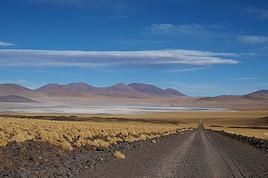
We're planning a trip to Chile to visit the Atacama Desert and then head toward Putre, Lauca, Salar de Surire, etc.
Which would be the better time to go, April or November?
Is an SUV enough?
Looking forward to your tips!
Hello,
I’ve planned a 3.5-week trip to Chile in February/March 2025, with the goal of driving the Carretera Austral from Puerto Montt to Caleta Tortel in a rented 4x4. The itinerary is set, accommodations are booked, and the 4x4 is reserved. We could still tweak things a bit, but it’s getting harder to find available lodging in some spots.
Here’s the planned route: - 1 night in Puerto Montt on arrival day - 2 nights in Castro (Chiloé Island) - 2 nights near Ensenada - 1 night in Horniporén - 1 night in Chaitén - 3 nights in Puyuhuapi - 2 nights in Coyhaique - 3 nights between Puerto Bertrand and Cochrane - 2 nights in Caleta Tortel - 3 nights in Puerto Guadal - 1 night in Chile Chico (to take the ferry across the lake) - 1 night in Villa Cerro Castillo before flying out from Balmaceda
I have a few questions about the activities we’d like to do:
The **Marble Caves**: I’d love an option that lets us "go inside" them. From what I’ve read, this depends on the water level, wind, and type of boat. Any tips or advice? We’d like to do an **excursion to see condors**. We were thinking of doing this while in Coyhaique (we’re staying 2 nights). Has anyone done this? With which agency? We’re spending 3 nights between Puerto Bertrand and Cochrane. The idea is to **explore the vast Patagonia Park and its wildlife**. But I’m not sure where to start. Any recommendations for day hikes or itineraries? I read somewhere that you can do a day trip with a guide that includes a boat ride on Lake Cochrane, but I can’t find the booking info. An agency for **glacier exploration** (we were thinking of **Lake Leones Glacier**). I contacted Ruta León but haven’t heard back. Any agencies to recommend?
Thanks so much! Pascale
I’ve planned a 3.5-week trip to Chile in February/March 2025, with the goal of driving the Carretera Austral from Puerto Montt to Caleta Tortel in a rented 4x4. The itinerary is set, accommodations are booked, and the 4x4 is reserved. We could still tweak things a bit, but it’s getting harder to find available lodging in some spots.
Here’s the planned route: - 1 night in Puerto Montt on arrival day - 2 nights in Castro (Chiloé Island) - 2 nights near Ensenada - 1 night in Horniporén - 1 night in Chaitén - 3 nights in Puyuhuapi - 2 nights in Coyhaique - 3 nights between Puerto Bertrand and Cochrane - 2 nights in Caleta Tortel - 3 nights in Puerto Guadal - 1 night in Chile Chico (to take the ferry across the lake) - 1 night in Villa Cerro Castillo before flying out from Balmaceda
I have a few questions about the activities we’d like to do:
The **Marble Caves**: I’d love an option that lets us "go inside" them. From what I’ve read, this depends on the water level, wind, and type of boat. Any tips or advice? We’d like to do an **excursion to see condors**. We were thinking of doing this while in Coyhaique (we’re staying 2 nights). Has anyone done this? With which agency? We’re spending 3 nights between Puerto Bertrand and Cochrane. The idea is to **explore the vast Patagonia Park and its wildlife**. But I’m not sure where to start. Any recommendations for day hikes or itineraries? I read somewhere that you can do a day trip with a guide that includes a boat ride on Lake Cochrane, but I can’t find the booking info. An agency for **glacier exploration** (we were thinking of **Lake Leones Glacier**). I contacted Ruta León but haven’t heard back. Any agencies to recommend?
Thanks so much! Pascale
Hi there,
I’m planning a trip to Colombia this summer. I’ve been reading a lot about safety in Colombia—everything and its opposite.
For those of you who know Colombia, currently, would you say it’s a country where you can travel safely? I don’t plan on going to narco or paramilitary zones. What about the political situation? I’m traveling as a couple, without any tour organization.
I just signed up and I’m still figuring out how this forum works—I didn’t know where to look for answers.
Thanks.
Hello, I’m currently in Belém (Brazil) and I’m planning to take a boat to Manaus (I’ll first go to Santarém in 3 days).
I’d love to get some info and contacts in Manaus for hiking, canoe trips, and more. Thanks a bunch!
Hello everyone!
July 5, 2025: Argentina Update
As I do every month, here’s an overview of the situation in Argentina—useful if you’re planning to visit in the coming weeks!
Vibe, economy, general situation, tips for tourists, and more...
Latest news for anyone thinking of visiting Argentina this year:
- Mixed outlook
- Current economic and social situation in Argentina
- Our friend Cristina
- What’s new for tourists?
What’s new? The parallel exchange rate and the official BNA rate are almost the same—just 2% higher for the parallel rate, which won’t really change your trip! Pay as much as possible in cash—discounts are still common at bars, restaurants, and even hotels. Even if it’s not advertised, always ask! You can still withdraw cash via Western Union, as before. Paying with a Visa or other card is still possible, and the CCL rate is even above the parallel rate today, meaning +3% compared to the official rate. However, you won’t get discounts when paying by card.
As always, **do not** withdraw money from ATMs—the fees in Argentina are still outrageous. Also, don’t forget that winter break in Argentina starts today, Friday, July 4, in 10 provinces for two weeks, until Sunday, July 20. On Friday, July 11, it begins in 9 more provinces until Sunday, July 27, and finally, in the last 4 provinces (including Buenos Aires and the city of Buenos Aires—the most populated), it runs from Friday, July 18, until Sunday, August 3. In short: 3 zones, each with two weeks off, stretching over 4 weeks total.
In previous years, I’d have warned you: “Be careful if you’re traveling, as buses, flights, and often accommodations are at high occupancy.” But this year, poorer and middle-class Argentines aren’t traveling because “No hay plata,” and those who can afford it are heading to Brazil, Chile, or even Miami for cheaper parties and shopping—Brazil can be twice as affordable! So, in Argentina, the top destinations for these staggered winter breaks are Bariloche (first place), followed by Ushuaia, San Martín de los Andes, and Villa La Angostura. Mendoza comes in fifth, then El Calafate, and finally Salta and Córdoba. As you can see, wealthy Argentines travel in winter to see snow—it’s chic to be cold and go skiing! Bariloche is the most expensive, while Córdoba is the cheapest. Same services, for example, a flight plus 7 days plus a hotel in the same category: Bariloche is 2.5 to 3 times pricier than Córdoba or even the sierras of Córdoba. Yet, there’s plenty of availability. Most people don’t have the money (and you might say Patagonian winter destinations aren’t exactly middle-class friendly either), but with fewer Brazilians or Chileans taking advantage of “cheap” Argentina, space is freed up. Brazilians alone used to make up 50% of Argentina’s international tourism—so there are suddenly fewer people on flights and in hotels! For these destinations, hoteliers are hoping for (at best) a 70% occupancy rate, though 50% would already make them happy. Why? 1- Lack of foreign tourists, 2- The middle class preferring to visit the old aunt in Posadas (to show family loyalty and spend as little as possible),
3- The wealthy opting for Bariloche, Punta Cana, Búzios, or Miami, which drastically lowers domestic occupancy rates and increases the outflow of USD abroad. +66% of Argentine tourists traveled abroad in the first five months of 2025. Six million Argentines vacationed abroad between January 1 and May 1, 2025.
To read the full article, check it out here: https://www.petitherge.com/2025/07/05-juillet-2025-situation-de-l-argentine.html
What’s new? The parallel exchange rate and the official BNA rate are almost the same—just 2% higher for the parallel rate, which won’t really change your trip! Pay as much as possible in cash—discounts are still common at bars, restaurants, and even hotels. Even if it’s not advertised, always ask! You can still withdraw cash via Western Union, as before. Paying with a Visa or other card is still possible, and the CCL rate is even above the parallel rate today, meaning +3% compared to the official rate. However, you won’t get discounts when paying by card.
As always, **do not** withdraw money from ATMs—the fees in Argentina are still outrageous. Also, don’t forget that winter break in Argentina starts today, Friday, July 4, in 10 provinces for two weeks, until Sunday, July 20. On Friday, July 11, it begins in 9 more provinces until Sunday, July 27, and finally, in the last 4 provinces (including Buenos Aires and the city of Buenos Aires—the most populated), it runs from Friday, July 18, until Sunday, August 3. In short: 3 zones, each with two weeks off, stretching over 4 weeks total.
In previous years, I’d have warned you: “Be careful if you’re traveling, as buses, flights, and often accommodations are at high occupancy.” But this year, poorer and middle-class Argentines aren’t traveling because “No hay plata,” and those who can afford it are heading to Brazil, Chile, or even Miami for cheaper parties and shopping—Brazil can be twice as affordable! So, in Argentina, the top destinations for these staggered winter breaks are Bariloche (first place), followed by Ushuaia, San Martín de los Andes, and Villa La Angostura. Mendoza comes in fifth, then El Calafate, and finally Salta and Córdoba. As you can see, wealthy Argentines travel in winter to see snow—it’s chic to be cold and go skiing! Bariloche is the most expensive, while Córdoba is the cheapest. Same services, for example, a flight plus 7 days plus a hotel in the same category: Bariloche is 2.5 to 3 times pricier than Córdoba or even the sierras of Córdoba. Yet, there’s plenty of availability. Most people don’t have the money (and you might say Patagonian winter destinations aren’t exactly middle-class friendly either), but with fewer Brazilians or Chileans taking advantage of “cheap” Argentina, space is freed up. Brazilians alone used to make up 50% of Argentina’s international tourism—so there are suddenly fewer people on flights and in hotels! For these destinations, hoteliers are hoping for (at best) a 70% occupancy rate, though 50% would already make them happy. Why? 1- Lack of foreign tourists, 2- The middle class preferring to visit the old aunt in Posadas (to show family loyalty and spend as little as possible),
3- The wealthy opting for Bariloche, Punta Cana, Búzios, or Miami, which drastically lowers domestic occupancy rates and increases the outflow of USD abroad. +66% of Argentine tourists traveled abroad in the first five months of 2025. Six million Argentines vacationed abroad between January 1 and May 1, 2025.
To read the full article, check it out here: https://www.petitherge.com/2025/07/05-juillet-2025-situation-de-l-argentine.html
Hi there,
I’m reposting this because the two replies to my question were really nice, but one was from someone who traveled to Colombia five years ago, and the other from someone who’s never been. Plus, my question got buried in a completely off-topic discussion.
To clarify, I’d love **RECENT** info on safety in Colombia right now.
So, here it is again.
I’m planning a trip to Colombia this summer. I’ve read a lot about safety there—everything and its opposite. You, Colombia experts, after your recent return from Colombia, would you say it’s a country where you can travel safely today? We don’t plan to visit narco or paramilitary zones. What about the current political situation? We’re traveling as a couple, without a tour. Thanks for your replies.
I’m planning a trip to Colombia this summer. I’ve read a lot about safety there—everything and its opposite. You, Colombia experts, after your recent return from Colombia, would you say it’s a country where you can travel safely today? We don’t plan to visit narco or paramilitary zones. What about the current political situation? We’re traveling as a couple, without a tour. Thanks for your replies.
Hi there,
We’re spending 3 weeks in Brazil, arriving in São Paulo—a couple plus a teen—and we’ll have a rental car.
We especially love nature: hiking, wildlife watching, birds, etc.
We’re planning to wrap up with a week around Paraty and Ilha Grande.
We’re not really into visiting big cities like São Paulo or Rio unless you think we’d be missing out big time.
So we’ve got 2 weeks to explore the south/southwest region of São Paulo. What do you recommend? National parks? Off-the-beaten-path nature spots? Iguazu Falls?
Thanks in advance for all your tips!
So we’ve got 2 weeks to explore the south/southwest region of São Paulo. What do you recommend? National parks? Off-the-beaten-path nature spots? Iguazu Falls?
Thanks in advance for all your tips!
Hi there, we’ll have 15 days total, which means 13 days of travel on the ground. We’re planning to visit Brazil during the second half of July. I’m not naive enough to think we can see a huge chunk of Brazil in such a short time, so I’m focusing on a specific area to make it relaxed and enjoyable.
We’re flying out of Madrid. I was thinking of spending 3 or 4 days in Rio, 3 days in Iguazu (I initially thought one day would be enough, but I’ve read it’s highly recommended to visit the Argentine side as well), 3 or 4 days on Ilha Grande, and 3 days in Paraty. I’m not entirely sure about Ilha Grande in July, but I’m looking for a place to unwind and enjoy the sea (if the water’s good then).
I’ve noticed a lot of people fly into Madrid and return from São Paulo (or vice versa). What’s the advantage of that? It doesn’t seem problematic (based on Google Maps, though I’m no expert) to navigate from Rio. Is there a more efficient order for visits to minimize travel time?
As you can tell, I’m just starting to plan, but I’ll need to book the international flights soon. I’ll probably have more questions for those of you who are patient enough to help! ;)
Thanks!!
We’re flying out of Madrid. I was thinking of spending 3 or 4 days in Rio, 3 days in Iguazu (I initially thought one day would be enough, but I’ve read it’s highly recommended to visit the Argentine side as well), 3 or 4 days on Ilha Grande, and 3 days in Paraty. I’m not entirely sure about Ilha Grande in July, but I’m looking for a place to unwind and enjoy the sea (if the water’s good then).
I’ve noticed a lot of people fly into Madrid and return from São Paulo (or vice versa). What’s the advantage of that? It doesn’t seem problematic (based on Google Maps, though I’m no expert) to navigate from Rio. Is there a more efficient order for visits to minimize travel time?
As you can tell, I’m just starting to plan, but I’ll need to book the international flights soon. I’ll probably have more questions for those of you who are patient enough to help! ;)
Thanks!!
Hi everyone, I know arachnophobes will get why I’m asking this: is it reasonable to hope to travel for a month in this country without running into a tarantula? And a follow-up question—since I’m traveling with a friend who’s terrified of seeing a snake—do you often come across reptiles?
Thanks in advance for your answers!
Hi there,
Could you let me know if this itinerary is doable:
14/09: Arrival in BA at 9:45 PM
15/09 to 16/09: BA
17/09: Flight to Iguazu early in the morning + visit the falls on the Brazilian side
18/09: Visit the falls on the Argentine side
19/09: Flight to Salta + visit Salta
20/09 to 25/09: Northern + Southern Loop in 6 full days (rental car)
26/09 to 28/09: Tolar Grande 3 days (with an agency)
29/09: Flight to Puerto Madryn (arrival in the evening)
30/09: Valdes Peninsula
01/10: Valdes Peninsula + Punta Tombo + overnight bus to Bariloche
02/10 to 07/10: 6 days to see Bariloche and the surrounding area by car (what are the must-sees?)
08/10: Flight to BA
09/10: Flight to Paris at 2:40 PM
Hi everyone, here’s a little trip report from San José del Guaviare, in the Guaviare department of Colombia.
First, the journey: an overnight bus from Bogotá. The bus terminal is a 20-minute taxi ride from the airport (30,000 COP). The bus company that goes down to San José is Flota Macarena, located in sector 2 of the terminal. The bus terminal is big, with plenty of places to eat and lots of little shops. The bus seats are pretty small but manageable—comfortable enough. We left at 10:30 PM and arrived around 7:00 AM the next morning.
First thing to note: the center of San José, right by the river, is really dirty, noisy, and not very pleasant. We stayed at Hotel Malecon, by the river, where the Malecon promenade is supposed to be the nice spot to walk along the river. Well, no—it’s completely abandoned, with trash everywhere. The hotel itself is in what we nicknamed the "scrap metal district," since that’s pretty much all you see—scrap yards and garages. Not exactly pleasant and kind of sketchy at first glance. A room with AC and a balcony at Hotel Malecon costs 120,000 COP per night. For one night, it was fine since we hadn’t booked anything in advance. After that, we moved to an Airbnb in the neighborhood with the soccer stadium—a really nice and quiet area. The little tip here is that there’s a pool behind the stadium—8,000 COP to swim, and there’s a bar right across the street. Honestly, it’s great to have a place to cool off because it was *really* hot in San José.
Now, let’s talk about the main attraction here: the natural sites. We visited Puerta de Orión (free entry, but the guide—mandatory—costs 10,000 COP per person), the natural pools (15,000 COP entry), Balneario La Lindosa (5,000 COP to swim), and Las Delicias waterfall (10,000 COP)—that last one was our favorite. The sites are really cool, and I’d definitely recommend visiting them. It’s pure nature out there.
For accommodations, a lot of places are located outside San José, near the tourist sites. At first, we wanted to stay out there, but without a car, it’s a real hassle. So if you’re not driving, stick to San José.
Getting to all these sites by taxi costs around 30,000 COP one way, except for Las Delicias waterfall, which is farther away—70,000 COP one way. Taxis within the urban area of San José cost 6,000 COP. The bus from San José to Villavicencio with Flota Macarena costs 78,000 COP and takes between 5 and 6 hours.
To wrap up, our 5 days in San José were really great. We were pleasantly surprised by how friendly the people there are—it really stands out.
So if you’re looking for a spot that’s still off the mass-tourism radar, come here! It’s nice, and there are plenty of other sites we didn’t get to see.
First, the journey: an overnight bus from Bogotá. The bus terminal is a 20-minute taxi ride from the airport (30,000 COP). The bus company that goes down to San José is Flota Macarena, located in sector 2 of the terminal. The bus terminal is big, with plenty of places to eat and lots of little shops. The bus seats are pretty small but manageable—comfortable enough. We left at 10:30 PM and arrived around 7:00 AM the next morning.
First thing to note: the center of San José, right by the river, is really dirty, noisy, and not very pleasant. We stayed at Hotel Malecon, by the river, where the Malecon promenade is supposed to be the nice spot to walk along the river. Well, no—it’s completely abandoned, with trash everywhere. The hotel itself is in what we nicknamed the "scrap metal district," since that’s pretty much all you see—scrap yards and garages. Not exactly pleasant and kind of sketchy at first glance. A room with AC and a balcony at Hotel Malecon costs 120,000 COP per night. For one night, it was fine since we hadn’t booked anything in advance. After that, we moved to an Airbnb in the neighborhood with the soccer stadium—a really nice and quiet area. The little tip here is that there’s a pool behind the stadium—8,000 COP to swim, and there’s a bar right across the street. Honestly, it’s great to have a place to cool off because it was *really* hot in San José.
Now, let’s talk about the main attraction here: the natural sites. We visited Puerta de Orión (free entry, but the guide—mandatory—costs 10,000 COP per person), the natural pools (15,000 COP entry), Balneario La Lindosa (5,000 COP to swim), and Las Delicias waterfall (10,000 COP)—that last one was our favorite. The sites are really cool, and I’d definitely recommend visiting them. It’s pure nature out there.
For accommodations, a lot of places are located outside San José, near the tourist sites. At first, we wanted to stay out there, but without a car, it’s a real hassle. So if you’re not driving, stick to San José.
Getting to all these sites by taxi costs around 30,000 COP one way, except for Las Delicias waterfall, which is farther away—70,000 COP one way. Taxis within the urban area of San José cost 6,000 COP. The bus from San José to Villavicencio with Flota Macarena costs 78,000 COP and takes between 5 and 6 hours.
To wrap up, our 5 days in San José were really great. We were pleasantly surprised by how friendly the people there are—it really stands out.
So if you’re looking for a spot that’s still off the mass-tourism radar, come here! It’s nice, and there are plenty of other sites we didn’t get to see.
Hi everyone,
Next April, I’m planning a trip (the 1st) to Brazil. I’ll have 12 days there (not counting the 13th day for the return). I’ll arrive on 22/04 in the early evening in Rio de Janeiro. The return flight is from São Paulo on 04/05 in the afternoon. I know 12 days is very little for such a big country, which is why I’ll focus on a relatively small area: the southeast (though "small" is relative!). I’ve started mapping out the main stops for my trip, which would be: - Rio de Janeiro: 4 to 5 days? - Ilha Grande and maybe Paraty: 2 to 3 days - Iguazu Falls: Brazilian and Argentinian sides: 2 days - São Paulo: 1 to 2 days
What do you think? Is this reasonable? There are about 250/260 km between Rio and Paraty. I’d like to make the trip by rental car. What do you think? A car is definitely much more practical and faster than the bus. 12/13 days is short—I can’t afford to lose too much time in transit. To get to Ilha Grande, I understand there’s a ferry that shuttles between the mainland and the island. From which city can you take the ferry? Mangaratiba? Conceição de Jacareí? Angra dos Reis? If I arrive by rental car, where can I park it? I think cars are banned on the island, right? That’s where I’m at with my planning. So many questions! 😕 A big thank you to anyone who takes the time to read my post and shares their valuable tips! 🙂
Next April, I’m planning a trip (the 1st) to Brazil. I’ll have 12 days there (not counting the 13th day for the return). I’ll arrive on 22/04 in the early evening in Rio de Janeiro. The return flight is from São Paulo on 04/05 in the afternoon. I know 12 days is very little for such a big country, which is why I’ll focus on a relatively small area: the southeast (though "small" is relative!). I’ve started mapping out the main stops for my trip, which would be: - Rio de Janeiro: 4 to 5 days? - Ilha Grande and maybe Paraty: 2 to 3 days - Iguazu Falls: Brazilian and Argentinian sides: 2 days - São Paulo: 1 to 2 days
What do you think? Is this reasonable? There are about 250/260 km between Rio and Paraty. I’d like to make the trip by rental car. What do you think? A car is definitely much more practical and faster than the bus. 12/13 days is short—I can’t afford to lose too much time in transit. To get to Ilha Grande, I understand there’s a ferry that shuttles between the mainland and the island. From which city can you take the ferry? Mangaratiba? Conceição de Jacareí? Angra dos Reis? If I arrive by rental car, where can I park it? I think cars are banned on the island, right? That’s where I’m at with my planning. So many questions! 😕 A big thank you to anyone who takes the time to read my post and shares their valuable tips! 🙂
Hi everyone,
My husband and I are planning to explore Ecuador in the coming year, and to make the most of the trip, we’d like to do it with a rental car. We already have a rough idea of the route we’d take, and I’m reaching out to the community to help us refine this journey. Here’s the plan:
Day 1: Flight to Quito
Days 2 and 3: Exploring Quito
Days 4 and 5: Picking up the rental car and driving to Otavalo and Laguna Cuicocha
Day 6: Drive to Papallacta via Cayambe to enjoy the hot springs in the evening
Days 7 and 8: Drive to Lasso via Malachi – Excursions in Cotopaxi National Park. Laguna Limpiopungo
Days 9 and 10: Laguna Quilotoa
Day 11: Drive to Baños via Latacunga/Ambato to enjoy the hot springs in Baños
Days 12 and 13: Hiking in the Chimborazo Reserve
Day 14: Hiking in Sangay National Park
Day 15: Drive to Guamote to arrive by late afternoon
Day 16: Guamote market in the morning. Drive to Cañar in the afternoon
Day 17: Guided tour of Ingapirca, then drive to Cuenca
Day 18: Visit Cajas National Park early in the morning
Day 19: Exploring Cuenca
Day 20: Returning the rental car and flight to Quito or driving back to Quito (depending on cost)
Day 21: Relaxing in Quito
Day 22: Flight back to France
We won’t be doing any ascents—just hikes in the parks (we’re walkers, but we’re feeling our age and prefer to take it easy now!).
We’d love to hear your thoughts, critiques, or advice... Thanks in advance. Looking forward to reading your replies! martine
We won’t be doing any ascents—just hikes in the parks (we’re walkers, but we’re feeling our age and prefer to take it easy now!).
We’d love to hear your thoughts, critiques, or advice... Thanks in advance. Looking forward to reading your replies! martine
Hi everyone, I’m restarting my travel reports with my 2023 trip that took me from Costa Rica to Suriname over a month and a half.
First stop: Costa Rica. I arrived in late September in San José, a city I know well and never linger in. As soon as I got off the early-morning flight, I headed to the domestic airport—just a 5-minute walk away—to catch a 45-minute flight to Puerto Limón on the Caribbean coast. The 40-minute flight in a small Cessna was fun, especially since we landed on a tiny airstrip right by the sea—it felt like landing on the beach, which immediately set the mood. Plus, I wasn’t keen on enduring the 4–5-hour bus ride to Cahuita, especially since large sections of the road were under renovation. In Cahuita (where I’ve been going every year since 2015), I stayed at Kenaki Lodge on Playa Grande. It’s a great lodge, about a 45-minute walk from Cahuita’s center, but you’re just 50 meters from the beach and usually have it all to yourself. The lodge is run by Béa, a Frenchwoman, and depending on the season, you can help release baby turtles on the beach. The room was 55 €, very spacious, and you can use the outdoor kitchen. I’d recommend it for anyone looking for peace and quiet and a private beach.
After 5 days there, I flew to Cartagena but didn’t stay overnight. Instead, I headed straight to Rincón del Mar, a 3-hour bus ride from CTG. I’d mostly heard about it from a friend who lives there and runs El Ché, a beachfront restaurant. Rincón del Mar is a tiny seaside village, very peaceful, with a pretty nice beach. There are lots of small hotels and restaurants, and it’s a spot that’s likely to grow quickly in the coming years. Note: there’s no ATM there, so you’ll need to withdraw cash in San Onofre, about 30 minutes away by moto-taxi. The round trip costs around 25,000 COP. That’s also where you catch the bus to Cartagena. For accommodations, rooms were roughly 70,000–90,000 COP, with a so-so value for the price. As for things to do, I’d recommend the tour that takes you to watch the sunset in front of Bird Island, followed by a swim in a lagoon with bioluminescent plankton. The excursion (if I remember correctly) cost around 90,000 COP.
After a week in Rincón del Mar, I headed back to Cartagena and decided to fly to Yopal to visit the Río Meta. In Yopal, you’ll need to go to the bus terminal (10 minutes by taxi from the airport). From there, I took a bus to Orocué (50,000 COP) for about a 4-hour trip—it felt endless because the road was in terrible condition. Orocué is a tiny town on the banks of the Río Meta, but it has all the essentials (hotels, restaurants, ATMs). It’s lovely to stroll along the river at sunset. There are a few small bars, the area is very natural, the sunsets are stunning, and when there are distant storms, it’s just breathtaking. For lodging, I stayed at Hotel Brisas de San Miguel. It wasn’t bad—fan-cooled room for 70,000 COP. There were quite a few mosquitoes. I spent 3 days in Orocué. If you want to swim, head to the bridge (the only one), Cano San Miguel, and on the right, there’s a swimming spot. With the heat, it’s a great way to cool off.
From Orocué, I took a fast *lancha* (boat) up the Río Meta to Puerto Carreño, in the Vichada department at the far end of Colombia. This brings you to the majestic Orinoco River, right across from Venezuela. The boat ride is long—10 hours—and costs about 60 €. We left around 6 AM, with a few stops for bathroom breaks and meals along the way. But you *must* book your spot 1–2 days in advance. To do that, go to the small square above the dock—there’s a "navigation office" there. The trip was long but enjoyable. I never get tired of river journeys.
I was happy to finally arrive in Puerto Carreño, a small border town with Venezuela. No surprise that half the population was Venezuelan. In Puerto Carreño, I stayed at Hotel Delfines del Orinoco. The room was 80,000 COP, decent, with A/C, and the best part was the pool. I spent 2 nights there. One thing you *must* do—morning and evening—is hike to the top of Cerro de la Bandera (the *cerros* are huge rock formations typical of the Orinoco region, and there are many in the area). From the summit, you get amazing 360° views of the savanna and jungle. Sunrise is especially incredible. The trail is well-marked—from downtown Puerto Carreño, it takes about 20 minutes.
Next, I spent 3 nights at Rancho Barú. About an hour by boat from Puerto Carreño, you get off at Casuarito, and someone from the lodge picks you up by motorcycle for a 30-minute ride. The ranch is in the middle of the savanna, with a river/rapids beach just a 5-minute walk away. You can also fish—bites come quickly. For the lodge, one night (room or hammock) with shared bathrooms, three meals included, one excursion, plus the round-trip motorcycle ride costs 245,000 COP. An extra night without an excursion is around 100,000 COP, but you need to let the lodge know in advance so they can prepare enough food—there’s absolutely nothing for miles around.
After those 3 great days at the ranch, I took a canoe to cross into Venezuela, since Casuarito is right across from Puerto Ayacucho. The crossing costs 10,000 COP, but I got shaken down by Venezuelan immigration, who invented a violation and made me pay $40 USD. Puerto Ayacucho didn’t inspire me much. The city felt sketchy, with many hotels closed. Dealing with currency exchange was the hardest part—you *must* bring cash (USD or Colombian pesos), know the exchange rate, and find someone with enough money to exchange with you. It took me at least 2 hours. I stayed in a decent hotel downtown for $20 USD a night, but I’ll admit that going out at night—even in Puerto Ayacucho—felt pretty dodgy. All the buildings have bars on the windows, and there weren’t many people outside. I didn’t linger and found my plans to continue south too complicated. The next day, I took a bus across the country to the Brazilian border at Santa Elena de Uairén. The trip took a day and a night, with countless military checkpoints where they made everyone get off, unload all the luggage, etc. Not exactly a fun ride.
Photos: - 2 sunrises near the Orocué dock - Storm over the savanna at Rancho Barú - View of the savanna and Orinoco near Casuarito - Photo taken during the Río Meta boat trip
First stop: Costa Rica. I arrived in late September in San José, a city I know well and never linger in. As soon as I got off the early-morning flight, I headed to the domestic airport—just a 5-minute walk away—to catch a 45-minute flight to Puerto Limón on the Caribbean coast. The 40-minute flight in a small Cessna was fun, especially since we landed on a tiny airstrip right by the sea—it felt like landing on the beach, which immediately set the mood. Plus, I wasn’t keen on enduring the 4–5-hour bus ride to Cahuita, especially since large sections of the road were under renovation. In Cahuita (where I’ve been going every year since 2015), I stayed at Kenaki Lodge on Playa Grande. It’s a great lodge, about a 45-minute walk from Cahuita’s center, but you’re just 50 meters from the beach and usually have it all to yourself. The lodge is run by Béa, a Frenchwoman, and depending on the season, you can help release baby turtles on the beach. The room was 55 €, very spacious, and you can use the outdoor kitchen. I’d recommend it for anyone looking for peace and quiet and a private beach.
After 5 days there, I flew to Cartagena but didn’t stay overnight. Instead, I headed straight to Rincón del Mar, a 3-hour bus ride from CTG. I’d mostly heard about it from a friend who lives there and runs El Ché, a beachfront restaurant. Rincón del Mar is a tiny seaside village, very peaceful, with a pretty nice beach. There are lots of small hotels and restaurants, and it’s a spot that’s likely to grow quickly in the coming years. Note: there’s no ATM there, so you’ll need to withdraw cash in San Onofre, about 30 minutes away by moto-taxi. The round trip costs around 25,000 COP. That’s also where you catch the bus to Cartagena. For accommodations, rooms were roughly 70,000–90,000 COP, with a so-so value for the price. As for things to do, I’d recommend the tour that takes you to watch the sunset in front of Bird Island, followed by a swim in a lagoon with bioluminescent plankton. The excursion (if I remember correctly) cost around 90,000 COP.
After a week in Rincón del Mar, I headed back to Cartagena and decided to fly to Yopal to visit the Río Meta. In Yopal, you’ll need to go to the bus terminal (10 minutes by taxi from the airport). From there, I took a bus to Orocué (50,000 COP) for about a 4-hour trip—it felt endless because the road was in terrible condition. Orocué is a tiny town on the banks of the Río Meta, but it has all the essentials (hotels, restaurants, ATMs). It’s lovely to stroll along the river at sunset. There are a few small bars, the area is very natural, the sunsets are stunning, and when there are distant storms, it’s just breathtaking. For lodging, I stayed at Hotel Brisas de San Miguel. It wasn’t bad—fan-cooled room for 70,000 COP. There were quite a few mosquitoes. I spent 3 days in Orocué. If you want to swim, head to the bridge (the only one), Cano San Miguel, and on the right, there’s a swimming spot. With the heat, it’s a great way to cool off.
From Orocué, I took a fast *lancha* (boat) up the Río Meta to Puerto Carreño, in the Vichada department at the far end of Colombia. This brings you to the majestic Orinoco River, right across from Venezuela. The boat ride is long—10 hours—and costs about 60 €. We left around 6 AM, with a few stops for bathroom breaks and meals along the way. But you *must* book your spot 1–2 days in advance. To do that, go to the small square above the dock—there’s a "navigation office" there. The trip was long but enjoyable. I never get tired of river journeys.
I was happy to finally arrive in Puerto Carreño, a small border town with Venezuela. No surprise that half the population was Venezuelan. In Puerto Carreño, I stayed at Hotel Delfines del Orinoco. The room was 80,000 COP, decent, with A/C, and the best part was the pool. I spent 2 nights there. One thing you *must* do—morning and evening—is hike to the top of Cerro de la Bandera (the *cerros* are huge rock formations typical of the Orinoco region, and there are many in the area). From the summit, you get amazing 360° views of the savanna and jungle. Sunrise is especially incredible. The trail is well-marked—from downtown Puerto Carreño, it takes about 20 minutes.
Next, I spent 3 nights at Rancho Barú. About an hour by boat from Puerto Carreño, you get off at Casuarito, and someone from the lodge picks you up by motorcycle for a 30-minute ride. The ranch is in the middle of the savanna, with a river/rapids beach just a 5-minute walk away. You can also fish—bites come quickly. For the lodge, one night (room or hammock) with shared bathrooms, three meals included, one excursion, plus the round-trip motorcycle ride costs 245,000 COP. An extra night without an excursion is around 100,000 COP, but you need to let the lodge know in advance so they can prepare enough food—there’s absolutely nothing for miles around.
After those 3 great days at the ranch, I took a canoe to cross into Venezuela, since Casuarito is right across from Puerto Ayacucho. The crossing costs 10,000 COP, but I got shaken down by Venezuelan immigration, who invented a violation and made me pay $40 USD. Puerto Ayacucho didn’t inspire me much. The city felt sketchy, with many hotels closed. Dealing with currency exchange was the hardest part—you *must* bring cash (USD or Colombian pesos), know the exchange rate, and find someone with enough money to exchange with you. It took me at least 2 hours. I stayed in a decent hotel downtown for $20 USD a night, but I’ll admit that going out at night—even in Puerto Ayacucho—felt pretty dodgy. All the buildings have bars on the windows, and there weren’t many people outside. I didn’t linger and found my plans to continue south too complicated. The next day, I took a bus across the country to the Brazilian border at Santa Elena de Uairén. The trip took a day and a night, with countless military checkpoints where they made everyone get off, unload all the luggage, etc. Not exactly a fun ride.
Photos: - 2 sunrises near the Orocué dock - Storm over the savanna at Rancho Barú - View of the savanna and Orinoco near Casuarito - Photo taken during the Río Meta boat trip
Hi,
We’re heading to Mexico this summer and thinking of visiting Palenque. How much time should we allocate there? We plan to spend a day exploring the archaeological site. We’d also love to see some waterfalls—like Agua Azul, Misol-Ha, and Roberto Barrios Falls. Are these spots far from Palenque?
In the summer, is it possible to swim? I’ve read that the water can get pretty muddy due to frequent rains this time of year.
Any other excursion or hiking suggestions? Thanks
In the summer, is it possible to swim? I’ve read that the water can get pretty muddy due to frequent rains this time of year.
Any other excursion or hiking suggestions? Thanks
Hi there,
We’ll be in Argentina for 24 days starting mid-September 2025. I’m not sure where to go for this time of year—is Patagonia doable? Iguazu without a doubt, Salta, Peninsula Valdes to see the wildlife? Can we see penguins at that time? We love hiking, thanks for your tips!
Hi everyone.
We’re heading to Brazil at the end of August for a month as a couple.
Could anyone help us find accommodation and particularly interesting spots along this legendary route?
We’ll be renting a car and plan to make 2 or 3 stops, but we prefer exploring on foot or by boat once we’re there.
I know that lodging is particularly expensive there and that access to nature is usually on private properties, but our budget is limited and comfort isn’t our priority.
Thanks for your replies.
Fred
Good evening,
We’d love to go in November to enjoy some beautiful beaches for about two weeks, preferably around Bahia, as November/December seems like a great time.
We’ve already traveled to Brazil several times and know the south of Rio as well as the region between São Luís and Fortaleza, and Chapada Diamantina...
What advice would you give us: the south with Itaparica, Morro de São Paulo, Boipeba, Barra Grande—or all four? Or maybe the north?
Thanks in advance for your help
hi everyone, I’m just back from a 5-week trip to Argentina’s Northwest and San Pedro de Atacama in Chile. This was my second visit to the area—20 years apart—and my third trip to Argentina overall.
still just as stunning!
this time I explored the El Peñón and Antofagasta de la Sierra region in Catamarca province; I can’t recommend it enough.
the road from Cafayate is good—easy in a Renault Logan—and once you’re there you’ve got 4x4 excursions and hikes.
way fewer tourists than around Salta, and the landscapes are totally different.
happy travels!
Hello,
We’re thinking about our next destination for June 2026, and northern Brazil seems like a great option for that time of year.
We were considering a 15-day trip from Fortaleza to São Luís (or the other way around), but I’m worried it might not offer enough variety in terms of sights and landscapes. We were thinking of doing a trek in Lençóis Park, visiting Jericoacoara, the Parnaíba Delta, etc.).
The other option would be to take a domestic flight and add the Salvador de Bahia region and Chapada Diamantina, but that would require about 3 weeks.
Do you think exploring the coast between Fortaleza and São Luís is enough for a trip if we don’t kitesurf? Or is it better to combine this part of the country with another region (Salvador? The Amazon?)?
Thanks in advance for your advice.
Have a great day
We’re thinking about our next destination for June 2026, and northern Brazil seems like a great option for that time of year.
We were considering a 15-day trip from Fortaleza to São Luís (or the other way around), but I’m worried it might not offer enough variety in terms of sights and landscapes. We were thinking of doing a trek in Lençóis Park, visiting Jericoacoara, the Parnaíba Delta, etc.).
The other option would be to take a domestic flight and add the Salvador de Bahia region and Chapada Diamantina, but that would require about 3 weeks.
Do you think exploring the coast between Fortaleza and São Luís is enough for a trip if we don’t kitesurf? Or is it better to combine this part of the country with another region (Salvador? The Amazon?)?
Thanks in advance for your advice.
Have a great day
Hello everyone, we’re finishing a cruise from Marseille to Valparaiso on the morning of December 23, and we’re flying out of Santiago on the 27th around noon.
What do you recommend we visit in such a short time, and how?
Do you also have any tips for accommodation? We were thinking of spending 2 days in Valparaiso and 2 days in Santiago.
And what about transportation between the two cities?
A little detail: We’re an older couple, 80 and 81 years old! We still walk well, but we’re not polyglots. Luckily, we’ll have Google Translate and an eSIM card!
This trip is kind of our 60th wedding anniversary.
Thanks to everyone.
Mado and Maurice.
Hello everyone,
I'm just starting to plan a two-week trip I'd like to take with my wife in early May.
This trip would include the Atacama Desert, which I was lucky enough to visit alone once and would love to experience again with her.
But I'd like to add one or two other places to visit, keeping in mind that we're much more into nature than cities.
I was thinking about part of adjacent Bolivia... but since we'll have already seen quite a few stunning high-altitude lakes around Atacama, what would be some interesting and very different spots?
We would have loved to include Peru as well, but it might be tricky to combine in just two weeks.
I'll go through the many posts on this forum, but if any of you have some tempting ideas for this time of year (late April - early May), I'm all ears.
Thanks! :)
Hi there,
We’ll be staying in Salta in September and plan to take the "Tren a las Nubes."
Should we book from France, or will it be possible to buy our tickets on the day of departure? Will the price be different?
We’re hesitating between the bus-train option from Salta (long trip) or just taking the train from San Antonio de los Cobres, which would mean renting a car to get there.
What do you recommend?
Thanks for your great tips!
Hi there,
I’m planning a trip to Brazil in October and decided to go through an agency to organize our itinerary. I asked two agencies to put together a circuit with transfers, hotels, organized visits, and one domestic flight. I don’t speak Spanish or Portuguese. 6 nights in Rio 3 nights on Ilha Grande 3 nights in Paraty Domestic flight to Salvador for 3 nights 3 nights in Morro de São Paulo 1 night in Salvador before flying back to France. For this itinerary, I’m going with Tourlane, but I’m still waiting on the second quote from Comptoir des Voyages. I’d love to hear your thoughts on the itinerary and especially on these agencies—thanks for any feedback! 😊
I’m planning a trip to Brazil in October and decided to go through an agency to organize our itinerary. I asked two agencies to put together a circuit with transfers, hotels, organized visits, and one domestic flight. I don’t speak Spanish or Portuguese. 6 nights in Rio 3 nights on Ilha Grande 3 nights in Paraty Domestic flight to Salvador for 3 nights 3 nights in Morro de São Paulo 1 night in Salvador before flying back to France. For this itinerary, I’m going with Tourlane, but I’m still waiting on the second quote from Comptoir des Voyages. I’d love to hear your thoughts on the itinerary and especially on these agencies—thanks for any feedback! 😊
Hi there,
I’m planning a road trip in a rental car in Paraguay. During this trip, I’d also like to cross the border to visit Iguazu Falls (both the Argentine and Brazilian sides), which are just a few kilometers from the Paraguayan border. The issue is that rental car agencies don’t allow crossing borders.
So my question is: is it easy, possible, and safe to leave the rental car for 2 or 3 days in Paraguay and cross the border from Ciudad del Este? What’s the best way to get around (bus, taxi)?
Thanks for your help
Hi there,
I’m desperately looking for info on the schedules and routes of (shared) boats to visit the islands of Lake Titicaca.
From what I’ve found, there’s a *combi* (bus) that leaves from Puno to go to Llachon. Where do you catch it? What are the schedules and frequency? Does it take about 1 hour?
Then in Llachon, you can take a boat to Amantani (45 min). Same question—where do you check for frequency and schedule? After that, from Amantani, boats go to Taquile and then Uros. Do you have enough time to visit the islands between two boats? Frequency and schedule?
The goal is to do this tour independently (no agency) over 2 days. Thanks for any tips you might have!
Then in Llachon, you can take a boat to Amantani (45 min). Same question—where do you check for frequency and schedule? After that, from Amantani, boats go to Taquile and then Uros. Do you have enough time to visit the islands between two boats? Frequency and schedule?
The goal is to do this tour independently (no agency) over 2 days. Thanks for any tips you might have!
A few friends and I are planning to explore the northern shore of Lake Titicaca, making stops using local buses or collectivos. The route starts in Huancane, passes through places like Moho and Conima (on the Peruvian side), then crosses the border and continues into Bolivia via spots like Escoma, Ancoraines, Achacachi, and Huarina. I can’t find any info on transportation between these towns. It also seems there are no listed hotels or other types of accommodations.
Personally, I’ve already visited several places on the southern shore of the lake.
Questions: Is this less touristy route along the northern shore—compared to the southern route via Unguyo and Copacabana—worth it? Are there buses that cover the northern shore in both Peru and Bolivia? What accommodations do you know of along this route? Alternatively, is it possible to rent a car in Puno to circle the entire lake, and which reliable agencies would you recommend? Thanks for your suggestions! 😉
Personally, I’ve already visited several places on the southern shore of the lake.
Questions: Is this less touristy route along the northern shore—compared to the southern route via Unguyo and Copacabana—worth it? Are there buses that cover the northern shore in both Peru and Bolivia? What accommodations do you know of along this route? Alternatively, is it possible to rent a car in Puno to circle the entire lake, and which reliable agencies would you recommend? Thanks for your suggestions! 😉
Hi,
I’m planning a trip to Argentina with friends for 21 days.
Could you tell me which places are worth spending more time in—or not—since the country is so big?
I visited Colombia in January 2016 and I’m heading back from August 6th to 17th with the same airline to see how things have changed. Starting August 18th, I’ll continue with independent exploration. I prefer slow travel and enjoying places at my own pace.
Any tips—especially for getting around or must-see spots—are welcome!
Thu Aug 06. Fly Montreal to Bogotá 20:55-04:05+1 Air Canada Fri Aug 07. Bogotá Sat Aug 08. Bogotá Sun Aug 09. Bogotá Mon Aug 10. Fly Bogotá to Medellín Tue Aug 11. Medellín - Explore Guatapé Wed Aug 12. Comuna 8 & Hill of Values - PM Fly to Pereira Thu Aug 13. Montenegro Fri Aug 14. Salento - Cocora Valley Sat Aug 15. Fly to Cartagena Sun Aug 16. Explore Cartagena Mon Aug 17. Explore Cartagena Tue Aug 18. Fly Cartagena to Cali 12:20-14:55 Latam Wed Aug 19. Cali Thu Aug 20. Cali Fri Aug 21. Cali Sat Aug 22. Bus Cali to Popayán 09:00-13:00 Sun Aug 23. Popayán Mon Aug 24. Popayán Tue Aug 25. Popayán - Day trip to Silvia (Market Day) Wed Aug 26. Overland Popayán to Tierradentro by public transportation 4h, 100km Thu Aug 27. Tierradentro Fri Aug 28. Tierradentro Sat Aug 29. Overland Tierradentro to Garzón via La Plata Sun Aug 30. Bus Garzón to San Agustín 10:30-13:00 Mon Aug 31. San Agustín Tue Sep 01. San Agustín Wed Sep 02. San Agustín Thu Sep 03. San Agustín Fri Sep 04. Overland San Agustín to Tatacoa Desert via Neiva Sat Sep 05. Tatacoa Desert Sun Sep 06. Fly to Bogotá via Neiva 16:00-17:00 Latam Mon Sep 07. Bogotá Tue Sep 08. Fly Bogotá to Montreal 09:00-16:30 Air Canada
Thu Aug 06. Fly Montreal to Bogotá 20:55-04:05+1 Air Canada Fri Aug 07. Bogotá Sat Aug 08. Bogotá Sun Aug 09. Bogotá Mon Aug 10. Fly Bogotá to Medellín Tue Aug 11. Medellín - Explore Guatapé Wed Aug 12. Comuna 8 & Hill of Values - PM Fly to Pereira Thu Aug 13. Montenegro Fri Aug 14. Salento - Cocora Valley Sat Aug 15. Fly to Cartagena Sun Aug 16. Explore Cartagena Mon Aug 17. Explore Cartagena Tue Aug 18. Fly Cartagena to Cali 12:20-14:55 Latam Wed Aug 19. Cali Thu Aug 20. Cali Fri Aug 21. Cali Sat Aug 22. Bus Cali to Popayán 09:00-13:00 Sun Aug 23. Popayán Mon Aug 24. Popayán Tue Aug 25. Popayán - Day trip to Silvia (Market Day) Wed Aug 26. Overland Popayán to Tierradentro by public transportation 4h, 100km Thu Aug 27. Tierradentro Fri Aug 28. Tierradentro Sat Aug 29. Overland Tierradentro to Garzón via La Plata Sun Aug 30. Bus Garzón to San Agustín 10:30-13:00 Mon Aug 31. San Agustín Tue Sep 01. San Agustín Wed Sep 02. San Agustín Thu Sep 03. San Agustín Fri Sep 04. Overland San Agustín to Tatacoa Desert via Neiva Sat Sep 05. Tatacoa Desert Sun Sep 06. Fly to Bogotá via Neiva 16:00-17:00 Latam Mon Sep 07. Bogotá Tue Sep 08. Fly Bogotá to Montreal 09:00-16:30 Air Canada
Hello,
I’ll be in ARICA in northern Chile at the end of May 2026 and want to get to TACNA. Are there taxis, buses, or collectivos that run the border crossing route?
After that, bus to AREQUIPA (Peru): any bus company you’d recommend?
I’ll be in ARICA in northern Chile at the end of May 2026 and want to get to TACNA. Are there taxis, buses, or collectivos that run the border crossing route?
After that, bus to AREQUIPA (Peru): any bus company you’d recommend?