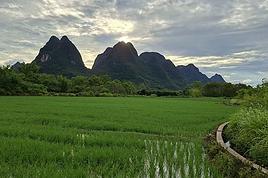
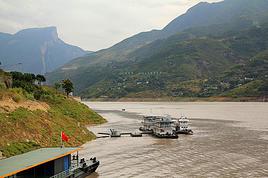
Je ne prétend pas élaborer un récit lyrique de notre voyage car nous ne sommes que de misérables amateurs en matière chinoise et que d'autres auront des choses bien plus intéressantes à raconter. En fait, même si cela n'apporte rien de nouveau (et pour certains une sacrée perte de temps), certaines personnes habituées du forum nous ont réellement aidés à nous faire une idée, à choisir aussi où aller. Donc, avec reconnaissance, voici le modeste exposé de A à Z.
Contexte : je, qui ne suis jamais sorti de l'Europe, retrouve ma femme allemande expatriée aux Philippines pour une année dans des conditions de vie précaires, une sécurité instable et un isolement souvent pesant. Un confort minimum est requis. Jeunes mariés, le voyage en Chine nous offre une 2nde lune de miel. Nous ne partons pas visiter la Chine : nous nous retrouvons en Chine. Donc, contexte particulier, comportement particulier.
Achat des billets Paris-Shanghai 600€ : http://www.prixdesvols.com (très bon comparateur)
Achat de guide de voyage : Le petit Futé 14€ : un bouquin ridicule fait pour les touristes qui veulent bien manger et bien visiter dans les "grands z'endroits"Le Guide du Routard 15€ : basique, fade, ne vaut ni son coût ni son achat mais donne une image générale de la Chine (ou du moins des lieux évoqués) et quelques informations intéressantesLe Guide bleu de la Chine du Sud-ouest 23€ : surtout orienté sur les arts et l'architecture, très bon pour les cartes des villes et villages avec distances, très mauvais sur l'intérêt que présentent certaines destinations.Le Chinois de poche, Assimil évasion 7€ : des phrases toutes faites pour des situations bien spécifiques (hôtel, gare, restaurant) très utiles mais qui ne valent pas grand chose en dehors du contexte ; nickel pour le langage des mains (notamment compter) et les dates.Le Guide de conversation Routard 6€ : excellent, agencé tel un dictionnaire, un mot est retranscrit en caractère chinois puis utilisé dans une phrase spécifique en chinois, en piyin et en prononciation "française". Ce petit bouquin est vraiment utile pour celui ou celle qui ne comprend rien à rien à cette langue. Après, vu la « simplicité » avec laquelle on peut construire les phrases chinoises, on peut jouer avec les mots. Mais c’est un guide pour touristes donc des mots comme « parents » en sont absents.
Sites à consulter : http://www.maps-of-china.net/index.html : pour des cartes détaillées de la Chinehttp://www.4panda.com/...Festival%20in%202004 : pour se donner une idée du nombre de festivals sur l'annéehttp://en.yxgz.cn/festival/index.asp : sur le Guizhou et les festivalshttp://www.passplanet.com/chine/index.htm : un peu dépassé mais excellente source d'informations pour se décider sursa destinationhttp://www.passplanet.com/Essay/index.htm : à lire l'essai 1, 2 milliards de martiens de Benoït Saint Girons ; drôle, très bien écrit, peut-être un peu vieilli, et malgré une opinion prononcée sur les 35h, une excellente approche de la culture chinoise, une lecture en ligne vraiment passionnante et enrichissante.http://www.denali-sud.com : sur plusieurs provinces chinoises (rubrique terres lointaines-chine)
Shanghai : 4 jours
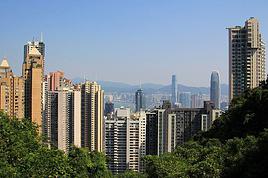
C'est la Chine de demain, pas celle d'aujourd'hui. Très impressionnant.
Pour sortir : http://www.smartshanghai.com/index.phphttp://www.culture.sh.cn/englishPour dormir : Koala international youth hostel : de 90 à 130Y, est de la ville zone 1, proche Nanjing Lu, Métro 1http://www.beehome-hostel.com : de 40 à 140Y, excentrée rive droite, dans la nouvelle ville Pudong, Métro 2 Dongchang Luhttp://www.asset-hotel.com : de 260 à 680Y, sud-ouest zone 1, Wanping Lu, proche Métro 4 Shanghai Stadium (vive la Junior suite !)A faire : Marcher beaucoup pour juste découvrir un peu (bien pour les néophytes) et se perdreLes cafés jazzy de Fuxing Lu (à préférer à ceux de Hengshan Lu, Métro 1) http://www.jzclub.cn (très cher)Rentrer gratos assister à un match de l'équipe de foot locale, Hongku Lu Métro 4 (sinon 40Y pas plus)
"Visiter" les centres commerciaux pour comprendre que le mode de vie du Chinois de demain est sensiblement le même que le nôtreConfondre la gare du Nord et la gare du Sud pour passer pour un abrutiA éviter : La place du Peuple, Métros 1 et 2, sans intérêt sauf pour les étudiants en langue qui veulent "pratiquer leur anglais" dans une Tea celebrationNanjing Lu, Métro 2, horrible rue de Béthune à Lille ou rue du Gros Horloge à Rouen, commerciale et oppressanteLe Bund, Métro 2 Nanjing Lu, bête comme pas possible pour les touristes à la recherche d'une pose avec la tour TV en arrière-planLa "vieille ville", aussi vieille que notre vie conjugale sans oublier le Yuyuan gardenMétro : de 30 à 60Y selon la destination
Taxi : 11Y la petite course, de Shanghai indoor Stadium (sud-ouest) à Hongku Lu (nord-est) soit la diagonale pour 40Y
Guiyang : 6 jours
C'est la Chine d'aujourd'hui. Moderne, grouillante de peuple, forte influence des campagnes. Une ville extraordinaire, ma préférée.
Liaison ferroviaire depuis Shanghai : 28h avec le K111, de 270 à 520Y (1ère classe oblige)
http://www.travelchinaguide.com/china-trains
Conseil : avant de débarquer en ville, si vous savez déjà dans quel hôtel descendre, trouvez quelqu'un dans le train pour vous transcrire le nom de la rue en caractère chinois
Pour dormir : Jinqiao Hotel, Ruijin Zhong Lu, rive gauche proche de tout, 220Y négociés 200 : trop cher, hôtel à prostitution, chambre vétuste mais okMayflower Hotel, Jichang Lu, rive droite proche de la gare, 150Y : pireA faire : Se rendre au Hebin Park pendant la mâtinée avec ses raquettes de badminton et de participer à la joie de vivre ambiante en dansant la valse aux côtés des autres couples : une aventure irréaliste (sous le soleil en plus)"Visiter" le Wall Mart enterré sous la place du Peuple en face de la statue de Mao, et réaliser à quel point les marchandises à bas prix ont et auront de plus en plus de conséquences désastreuses pour la société chinoise et pour les paysans en particulierEtre chaleureusement interpellé par les habitants un peu surpris, ne jamais être pris pour un touriste à plumerPrendre un vrai café chez Soi Café dans Fushui Lu (un peu en retrait de la rue, presque à hauteur de Zhongshan Lu)Assister à la navigation du bambou sur la rivière à l'aide d'une perche... et de rire avec la foule quand l'un tombe à l'eauA éviter : Chercher pendant une heure le CITS indiqué dans le Guide bleu (l'adresse est correcte mais le bâtiment est situé dans une courée, proche de la Bank of China, puis au fond à droite, entrez dans le bâtiment gardé et monter jusqu'au 7e étage : impossible à trouver mais possibilité de créer un attroupement de locaux envieux de t'aider mais n'y connaissant rien, bien marrant quand même)Faire une ballade romantique le long de la rivière Nanming infamante et odoranteSe rendre au Pavillon de l'Eminence littéraire, inintéressant et seul endroit de la ville où acheter des ballons Mickey vertsEtre malade comme un chien pour avoir mangé dans la rue un aliment nageant dans une huile douteuseMarcher sur les calligraphies peintes à l'eau sur les trottoirsTaxi : 10Y quelle que soit la course
Ronjiang-Congjiang-Zhaoxing-Sanjiang : 4 jours
Au départ de Guiyang, la gare routière se situe dans Zunyi Lu, proche de la gare, ne pas confondre avec l'autre gare dans Yanan Lu à l'est.
C'est la Chine d'hier, arriérée mais entièrement électrifiée avec eau courante pour Ronjiang : départ 9h30 80Y pour un paysage magique, assis à gauche dans le bus, 2h d'autoroute jusqu'à Kaili avant de prendre 6h de virages montagneux (éviter toute collation non assumée)Sortant de la gare routière, tourner à gauche pour un hôtel confortable de 90 à 180Y (gigantesque chambre avec sanitaires délabrés)Une petite ville agréable et haute en couleurs, pas aussi moche que décrite2. pour Congjiang : départ 11h30 40Y pour un paysage fabuleux, assis à droite dans le bus, 3h de routes parsemées de villages, ponts et tours fantastiquesCongjiang est au cœur du pays Dong, magnifique mais inaccessible pour ceux qui ne parlent pas la langueUn marché local haut en couleurs3. pour Zhaoxing : départ presque toutes les 2h 15Y pour 1h30 de routeUn village détestable horriblement touristique, des prix excessivement élevés, et la mauvaise surprise de constater qu'un seul bus à 8h dessert Sanjiang (et de le constater le lendemain à 9h)Une guesthouse en face de l'arrêt de bus : 60Y mais prenez pas au-dessus de 35 sinon allez ailleurs (mariage improbable wc et douche/tuyau et literie pourrie) mais pour être honnête, l'hôtesse est adorable, nous demandait d'aider son fils pour ses leçons d'anglais et nous cuisinait des plats pour bien moins chers que les restaurants "locaux", on vit chez elle et on partage la bière avec ses clients chinois eux. Cet hôtel est l'un de mes meilleurs souvenirs.Des touristes occidentaux qui vous ignorent car vous leur gâchez "l'authenticité" de leur aventure exotique, et regretter de n'avoir pas suivi plus attentivement les conseils de certains de Voyage forumMalgré tout, les alentours sont fabuleux pour les randonnées dans les rizières, des villages les parsemant. Donc une étape controversée.4. pour Guilin via Sanjiang : départ 8h 50Y pour 4h de route en constructionpour cause de pluie, déprime et départ immédiat pour Guilin : départ 12h21, 60Y pour 3h de voie expresse en bus moderne (en regrettant un peu Sanjiang qui avait l'air vraiment intéressante)
Pour dormir : http://www.guilin-hostel.com : Backpackers inn, proche de l'hypercentre touristiquehttp://www.yhaguilin.com : Flowers international youth hostel, presque en face de la gareJin Gui Hotel : Zhishan Lu (remonter la Zhongshan Lu vers le nord, 2e rue à droite), 160Y (après négociation) pour une chambre grand confort, personnel non anglophoneA faire : Abandonner l'idée d'aller à Yangshuo, étant donné que tout le monde veut s'y rendre pour l'authenticitéSe rendre dans une école élémentaire et se faire faire une visite guidée de l'établissement par les enfants (qui a 11 ans parlent très bien anglais) ; d'assister à leurs cours d'anglais et à leurs séances de danses dans la cour de récréation ; de repartir avec le cœur rempli de bonheur et avec 4 nouveaux correspondantsTenter d'enseigner les règles de la manille dans une maison de thé excentrée à des locaux qui veulent ensuite t'apprendre leur propre jeu de cartes, et reprendre du thé en se disant que personne n'a compris ce que l'autre expliquaitSe perdre dans les faubourgs de la rive gaucheSe faire un bowling pour 10Y au centre moyenâgeux de la Qixing Lu (proche croisement Lijiang Lu)D'assister au concert live de jeunes artistes de la ville dans un pub proche de Lijun Lu (situé en direction de Ronghu Bei Lu avant le pont, à l'ouest de la ville)A éviter : Renoncer aux attractions touristiques par principe, parce qu'il pleutSe faire anarquer par les rabatteurs qui t'invitent au Théâtre des minorités pour un show qui y est diffusé chaque soir, 150Y pour 1h (idem pour les boutiques de thé avec anglophones confirmés)Visiter le centre-ville salement touristiqueLa Colline en trompe d'éléphantTaxi : 7Y comme base
Shanghai : 5 jours
Liaison ferroviaire depuis Guilin : 460Y (1ère classe) pour 21h de train K1980
Taxi jusqu'à l'aéroport PuDong au départ de Shanghai indoor Stadium : 140Y pour 45mns
Conclusion : La Chine est le futur, je vais me mettre au chinoisLes informations datant de plus de 5 ans sont déjà pour la plupart obsolètes (club drum'n'bass en 2004 fermé en 2007)Quelle propreté ! Mes stéréotypes en ont pris un coup.J'aurais bien aimé me rendre dans un cinéma et dans un cimetière. Et puis un match de ping-pong !
L'authentique Chine n'est pas celle des villages traditionnels, cette authenticité-là, regrettée par certains, relève du folklore (je crois), la vraie Chine, c'est les progrès de l'industrialisation et une modernité indéniable hors occident (encore que)Ayant été invité au restaurant, je pourrai enfin dire qu'il y a des arêtes dans le serpentJe retournerai en Chine avec plaisir, c'est un pays merveilleux, une société non aseptisée, première fois hors de l’Europe, fantastique.Encore une fois, merci pour les conseils directs et indirects récoltés sur ce forum : grand merci à Guera de Paris, Suisiya de Bretagne et Ragamuffin de Belgique. Je vous invite à lire leurs postes si jamais vous cherchez des informations.
Nous avons eu la même impression sur Shanghai. Il faut éviter ce qui justement symbolise la ville.
MAIS d'un autre coté, il est impossible de voir Shanghai sans marcher sur la rue de Nankin et sans prendre la photo de la tour télé depuis le Bund 😛
Et puis à Shanghai il n'y a pas beaucoup d'autres choses à faire finalement 😇
Possibilité donc d'effectuer le trajet Zhaoxing-Guilin en une journée (7h). Le départ est approximativement à 8h30 mais il faut absolument être à l'arrêt de bus pour 7h45. Une fois arrivé à Sanjiang, ne pas descendre à la 1ère gare routière (station locale, arrêt de 3mns) mais à la 2nde pour gagner ensuite Guilin.
Au juste, si le temps est pluvieux, Zhaoxing ne présente aucun intérêt. Par ailleurs, mieux vaut faire le plein de victuailles avant d'y arriver car tout est excessivement cher.
J ai un billet AR paris Shanghai acheté sur expedia pour un vol AF Expedia me donne comme info de reconfirmer le vol de retour je n'avais jamais fait cela…
J'imagine qu'il n'y a pas de probleme a ne pas prendre un AR (est ce toujours beaucoup plus cher?) mais je voudrais un conseil sur les cies vers lesquelles je…
Mon agence de voyage me propose: un aller Bruxelles Péking le 10 octobre 2007 un retour Shangai Bruxelles le 10 décembre 2007 avec Austria Airlines pour 823…
J'ai acheté des billets d'avion Paris/Shanghai du 15 au 27 avril. Nous voulons en profiter pour aller à Hong Kong quelques jours, par exemple du 18 au 24 ou 25…
Me voila donc de retour de shanghai pour l'expo, et bien je dois dire qu'ils sont forts les chinois, question organisation c'est parfait le metro c'est un…
We’re arriving as a group of three in Tokyo on Saturday, October 17th, then heading straight to Kyoto by direct train.
On Sunday and Monday, we’ll explore Kyoto, and in the evening, we’ll take a train to Osaka to spend the night.
On Tuesday, we’ll pick up a rental car at Itami Airport for a 6-day/5-night road trip around Shikoku:
- 2 nights in the Iya Valley
- Thursday morning, we’ll head to Matsuyama for 2 nights.
- Saturday, we’ll visit Mima (town, a few temples + overnight stay) and return on Sunday to drop off the car in Osaka.
We’ll leave very early on Monday the 26th by plane for Aomori in northern Honshu, where we’ll pick up another rental car at the airport for a 5-day/4-night trip:
- Day 1: Tsugaru Peninsula (Takayam Inari, Cape Tappi, Kanita); overnight in Kanita
- Day 2: Ferry transfer to the Mutsu Peninsula (cliffs, Lake Usori); overnight in Shimofuro
- Day 3: Head to the Hakkoda Mountains and onsens galore; overnight TBD
- Day 4: Return the car in Aomori by noon and explore the city before taking the train to Tokyo in the evening
We’ll spend Friday night in Tokyo, wander around on Saturday, and head home on Sunday.
Thoughts on the road feasibility of this trip? We’ll be there right in the middle of Koyo season, so it’ll be busy...
I know it’s a lot of driving, but there are two of us who can take turns. We’re not afraid of driving, even in the mountains and on the left side! Just wondering, are we going to be rushing, or is this manageable? AI says it’s all good, but it’s not the one driving...
Any tips for booking accommodations in the Iya Valley? Not many places have email addresses or websites (I know Booking.com exists, but not all listings are on there... and given the season, I think it’s better to book ahead!). Same question applies for northern Honshu.
For the rental car, I’m thinking of going with Alamo since at least it’s in French and straightforward, but are there any direct rental companies with user-friendly websites (Toyota Rentacar, ugh... 🏴☠️)?
Another question: With so many trains, is it even necessary to book them in advance? Can we just go to the ticket counter and grab seats on the spot?
For paying for the rental car, do we need a credit or debit card?
I’m looking for advice from seasoned travelers about a roughly one-month trip to Japan.
From late October to late November 2026.
We often travel in Southeast Asia but have never been to Japan.
Based on what I’ve read, I’d love to hear your thoughts on:
- Is traveling day-to-day, without booking hotels or trains in advance, possible in Japan?
(I’ve read many travel journals and blogs that say everything was booked way in advance… but that’s not how we usually travel.)
- Will the Japan Rail Pass be worth it for us?
(According to an old simulator, I’m looking at around 400 € for trains compared to 570 € for the JRP.)
Here’s our rough itinerary (which may change):
- Arrival Osaka: 3 nights with Nara
- Hiroshima and Miyajima Island: 3 nights
- Kurashiki or Naoshima: 2 nights
- Himeji: 1 night
- Kyoto: 4 nights
- Kanazawa: 2 nights
- Takayama and Shirakawa-go: 3 nights
- Around Mount Fuji: 3 nights
- Tokyo with Nikko: 6 nights (no theme parks)
Departure from Tokyo
Hi,
My departure is coming up soon—two months backpacking in Taiwan, so much to discover! I’d love to hear about your travel experiences.
My main interests are meeting people, understanding how things work, hiking, and nature in general. I’ve also done a lot of reading about Taiwan’s complex situation.
I do stone sculpture.
I also want to visit Orchid Island for its history.
Marie
Voici quelques conseils suite à notre voyage de 6 semaines (été 2026) en Chine, Vietnam & Cambodge. Nous sommes partis à 4 avec deux enfants de 15 et 12 ans.
J'espère que ces quelques notes aideront d'autres voyageurs.
CHINE
Général
Il faut télécharger et préparer des applis :
- Alipay et Wechat pour payer (je n'ai jamais retiré un seul billet de tout le séjour)
- Didi pour les taxis
- Amap = Maps chinois (qui marche très bien, surtout les métros)
- une application de traduction (on avait Papago mais elle racontait des choses bizarres parfois)
- Google Lens pour traduire des menus ou pancartes est très pratique.
- helloride pour les vélos
- Gemini et ChatGPT pour tout : comprendre le quotidien, améliorer les visites, demander la météo, trouver certaines choses.
- Homeexchange si vous voulez baisser un peu le coût du voyage (peu d'annonces en Asie sauf dans les grandes villes, souvent des expatriés)
- Trip.com est très utile voire indispensable pour les trains, les vols intérieurs et les hôtels. Comme sur Booking.com, plus on achète chez eux, plus on a d'avantages. Donc je vous invite même à regarder l'achat de vos billets d'avion sur ce site, même si c'est un peu plus cher. Néanmoins, l'achat des billets train est compliqué car (1) cela n'ouvre que 15 jours avant, et (2) c'est pris d'assaut. Trip ne fait que vous promettre d'acheter dès l'ouverture mais il n'y arrive pas toujours. C'est stressant et peut obliger à modifier des étapes, surtout si vous visez un wagon-lit et qu'il n'y a au final plus de places. Attention aux noms des gares il y a souvent plusieurs gares par ville dont une TGV à l'extérieur.
Pour Internet, on avait pris le forfait Asie chez Holafly. Il a toujours marché mais ça semblait tellement plus lent que l'internet chinois. J'ai regretté de ne pas avoir acheté une carte SIM chinoise. Car quand on n'a pas d'internet en chine tout est TRÈS compliqué (argent, transport ...)
Pour le pare-feu on avait ExpressVPN, pas toujours efficace. Un peu déçu. Demandez à ChatGPT des conseils avec capture d'écran pour améliorer les paramètres.
Comme on n'avait qu'une seule carte SIM avec internet on n'a jamais pu louer des vélos en libre-service. Si c'était à refaire je prendrais une carte SIM par personne, même pour les enfants car les distances en ville sont grandes, voire immenses. On a beaucoup, beaucoup marché. De même, prendre le bus n'est pas évident avec un seul accès internet. Il vaut mieux avoir un téléphone par personne avec internet.
Réserver le plus possible vos visites à l'avance, c'est souvent complet.
Attention aux batteries externes : s'il n'y a pas écrit explicitement "3C", ils vont vous la confisquer. Même s'il y a un petit logo avec un avion.
Shanghai
Le soir, il y avait tellement de monde dans les rues pour accéder au Bund depuis le métro que la police était présente en force et bloquait les rues. Il faut arriver tôt. Nous sommes passés par le haut, au nord.
Suzhou
Attention, 2 gares (comme souvent en chine) et celle du TGV est à 45-50 min de la vieille ville.
Tellement de monde au jardin de l'humble administrateur, nous vous déconseillons cette visite. Ça fait une journée marathon depuis Shanghai (depuis notre hôtel jusqu'au jardin de Suzhou, on a presque mis 4h).
Pekin
Cité interdite : n'y allez pas, je sais c'est dommage mais il y a trop de monde. Je n'ai pas réussi à acheter les billets sur le site officiel à cause des passeports des enfants. On a pris du coup une visite guidée, seul moyen d'entrer (car les places partent vite). Visite très décevante à la fois en raison du guide pas terrible, mais surtout de la foule immense. Il faudra faire beaucoup la queue pour entrer et voir certains lieux. Vous serez beaucoup contrôlés, donc choisissez bien ce que vous mettrez dans vos sacs.
Muraille de chine à Mutyanu : Beaucoup de monde. 2h de bus et pourtant, à notre arrivée (matinale), des gens redescendaient déjà ! Je crois vraiment que la meilleure solution est de laisser vos gros bagages à Pékin et d'aller dormir près de la muraille. Ainsi vous en profiterez un peu plus seuls. Le transport : descendre au métro Tianmen Square et chercher les bus avec des guides officiels portant des gilets jaune-vert fluo. Inutile d'acheter les billets avant sur internet ; ils m'ont fait annuler les miens pour en reprendre. Quand le bus est plein, il part et un autre se remplit. Attention sur place le téléphérique et le télécabine sont des remontées distinctes et indépendantes. Si vous voulez monter à gauche et redescendre à droite il faudra des billets différents. Sachez que la queue interminable pour faire la descente en luge nous a dissuadés.
Petit conseil baignade incroyable à Pékin : sur la rive nord du lac Houhai, il est possible de se baigner en passant la barrière. On l'a fait 2 fois avec une petite dizaine de personnes. Génial, donc prenez un maillot.
Désert de Shapotou
Génial, évidemment il fait très chaud l'après midi. On avait pris la tente, et non un bungalow climatisé, dans laquelle il est impossible de passer l'après midi. On a stagné dans le restaurant.
Les activités payantes sont amusantes sauf les chameaux qui font peine à voir. C'est la soirée et le coucher de soleil qui valent le coup. La déception reste de ne pas pouvoir s'aventurer loin et seul dans le désert, ils ne proposent de louer un 4x4 par exemple.
On avait réservé chez "The desert camping hotel of the proprietress of Shapotou". Ils sont adorables.
Zhongwei
Temple de Gaomiao et son Souterrain : c'est rigolo et court, on y voit des peintures loufoques des enfers bouddhistes.
Xi'an
Armée des soldats de terre cuite : on y est allés en Didi car à 4, le prix d'une voiture peut vite rejoindre le prix de 4 places dans une navette. Sur place, beaucoup de monde, c'est la cohue pour voir correctement.
On a fait les salles dans l'ordre 3, 2 puis 1, ce qui reste un bon choix.
Hua Shan mountains : partis en Didi avant le soleil pour arriver dès l'ouverture des guichets (7h je crois). Nous étions sidérés de voir autant de personnes déjà en train de redescendre.
45 min de bus pour atteindre le téléphérique ouest, puis 15 min d'ascension.
On a fait les pics ouest, sud, est, central, puis nord (dans cet ordre) avant de rentrer par l'autre téléphérique (le billet peut se prendre en haut). Une très belle journée.
En ville, passez voir le
Chengdu
Centre de recherche sur les pandas : comme pour les hua Shan, on calcule pour arriver à l'ouverture des guichets. Déjà énormément de monde, et ça avance très vite pour voir les gros pandas avant leur sieste. Il faut se faire déposer à l'entrée ouest (et non sud) sinon vous allez devoir tout traverser à pieds et en montée.
La visite du Giant Bouddha de Leshan est intéressante. Le trajet est un peu long néanmoins (métro puis train puis bus de ville puis navette dans le site). Nous n'avons pas choisi la version bateau mais à pieds. Au final, on ne reste que quelques minutes aux pieds du fameux Bouddha mais c'est une belle journée.
Conseil hôtel : Panda Enjoy Home Hotel Apartments (Chengdu East Railway Station Dongda Road Branch). La vue est démente et le quartier hyper pratique, sympa. 646 CNY pour 2 nuits
Baignade : la piscine municipale est une expérience intéressante, mais n'espérez pas nager car personne ne le fait. Tout le monde barbote en ayant pied. Les horaires sont un peu bizarres avec une pause en fin d'après-midi.
Kunming
La piste cyclable le long du lac Dian est jolie et souvent bien protégée des voitures. Mais comme partout en chine, il y a énormément de monde. Peu de conseils pour vos visites car le marché aux fleurs est un marché de gros, pas très intéressant au final. Quant au musée des minorités, il a fermé devant nous.
Tous les grands centres commerciaux sont de bons lieux pour vos achats.
Dali
On croyait pouvoir faire le tour du lac en 2 jours en moto. C'est doublement faux. Tout d'abord le "bord" du lac est bloqué à la circulation, et se voit réservé aux vélos (ou des sortes de mini-bus touristiques). Il reste donc la grande route d'où on ne voit jamais le lac, avec tous les camions et les voitures. Les 120 km comme ça n'auraient aucun sens selon nous. Les rizières autour sont bien mais nettement moins qu'ailleurs, donc ça ne mérite pas d'aller à Dali pour ça.
Quant à la vieille ville, tout restaurée, c'est assez joli mais il y a des milliers et milliers de personnes, surtout le soir.
Hekou (frontière avec le Vietnam)
Train confortable depuis Kunming. Sur le parking un bus (pas très bien indiqué mais il y a des Didi au pire) vous emmènera en 15-20 min à la frontière. Peu d'attente aux 2 postes frontière. Amusant de constater sur le pont les 2 lampadaires proches du trait marquant la frontière : celui chinois est neuf, moderne, avec une caméra de surveillance (évidemment), alors que celui vietnamien est vieux et un peu rouillé.
VIETNAM
Généralités :
- il faut l'appli Grab pour les taxis
- très déçu par 12Go, qui n'affiche pas tous les bus, qui ne met jamais en relation avec la compagnie, et refuse tout remboursement. Essayer plutôt direct des compagnies comme FUTA bus.
- le paiement par CB est souvent accepté (supermarché et magasins modernes), sinon il faut de l'espèce
Lao Cai
2km entre la frontière et la gare.
Le bus couchette vers Hanoï avec la compagnie Sao Viet est bien organisée, ça va.
Hanoï
Mausolée d'Ho Chi Minh ferme très tôt (10h30 je crois).
Musée des femmes : très bien, pas très long
Temple de la littérature : très beau, assez rapide
C'est à Hanoï que vous devriez faire vos achats de souvenirs, vêtement et contrefaçons car les prix sont corrects et les vendeurs plus sympas qu'ailleurs. On recommande Cho Dong Xuan.
Tu Long Bay
Partis 2 jours 1 nuit (donc en réalité 24h sur le bateau) avec l'agence Parfum d'automne (francophone) qui nous a mis sur un bateau de chez Cycad Cruise. Coût 300€ par personne, c'est cher mais c'était génial, super luxe, et les repas-buffet délicieux. On ne regrette pas cet effort budgétaire. Seul regret, il n'y a aucune baignade dans la baie (mais il y a une piscine sur le bateau). Pour se baigner il faut prendre 3 jours 2 nuits et aller dans un secteur qui n'est pas protégé par le parc maritime.
Phong Nha
Si vous n'avez pas fait les montagnes du nord par manque de temps ou pour des raisons météo (comme nous), Phong Nha est une belle étape pour se balader en moto. C'est très beau, surtout les montagnes à l'ouest de la ville, vers les grottes.
Il y a deux (petites) baignades au Botanic Garden qui est une balade agréable de 45 min sans pause.
Conseil hôtel : sunbeam village (très gentils, piscine, petit déjeuner au bord du fleuve, location de moto)
Da Nang
Conseil hôtel : Meridians by Hsuite, car vous aurez une plage presque pour vous. Il faudra néanmoins marcher 15-20 min pour aller dans la zone hyper-touristique si vous voulez louer des planches de surf par exemple (150 à 200k DNG de l'heure).
La plage est belle et l'eau est à 30°C, c'est une bonne halte sur un long voyage, d'autant que tous les transports passent par Da Nang.
Hoi An
À 45 min de Da Nang, donc se fait bien à la journée, d'autant que la ville n'est pas si grande et qu'il y fait très chaud.
Cours de cuisine : MS Hanh cooking class, super (seule la visite du marché est un peu inutile). On déconseille le tour en "basket boat", un peu tristounet sur une grosse mare marron guidés par des personnes bien âgées.
Ho Chi Minh ville
Le marché de Ben thanh est un enfer : les prix de départ sont exorbitants et les vendeurs agressifs. N'y allez pas.
Le musée de la guerre peut être vraiment dur pour les enfants.
Can tho
Ville à éviter. Ne faites pas notre erreur d'y aller pour espérer voir le marché flottant.
Chau doc
A priori pas de Grab dans la ville, mais des taxis normaux.
1 journée sur place peut suffire en allant tôt voir la forêt, et la montagne en fin d'après-midi.
250k / pers la forêt et ses canaux (à 45 min en moto)
Le coucher de soleil au Victoria Nui Sam peut être magnifique si les nuages sont sympas.
Resto pas cher et bon : Quan Nem Nuong Sau Hiep
Conseil hôtel : Homestay Khoa (2 250 000 DNG pour 3 nuits), hôtesse adorable et pleine de conseils, chambres propres.
Le speedboat vers le Cambodge est plus confortable qu'un bus . À réserver sur Hangchau quelques jours avant, paiement en espèces le jour J (1,640,000đ)
CAMBODGE
Généralités :
- Difficultés avec l'appli "bakong touristes", il a fallu aller dans une grande banque pour mettre de l'argent sur l'appli. Ensuite on s'en est peu servi.
Phnom Penh
Selon nous, 1 jour et demi peut suffire si vous voulez accorder plus de temps ailleurs.
Les marchés ferment tôt vers 18h, mais sont moins intéressants qu'à Hanoï par exemple.
Le Palais royal fait une pause de 11 à 14h, mais pas grand monde l'après midi
Siem Reap
Trajet avec la compagnie Capitol, le bus est simple, sommaire mais pas cher. Départ 10h15, durée 7h
Prix entrée Angkor : 62 USD par personne pour le pass 3 jours. Les tickets sont à retirer à Angkor Entreprise.
Location de deux motos 125cc : 2 fois 10 USD, et comptez 7 USD pour l'essence
En vélo, j'ai mis 25min pour rejoindre les bassins d'Angkor Wat. La location d'un vélo simple de ville était à 1 dollar de l'heure.
Petit circuit fait en moto (à l'envers) : on a mis 7h en s'arrêtant partout
Grand tour, fait en tuktuk : seulement 5 temples, fait en 4h30
Si vous voulez voir plein de singes, ils sont regroupés à l'ouest du Bayon.
Pour les temples, nous demandions à chaque arrêt à Gemini (IA) de nous indiquer des détails susceptibles d'intéresser des enfants (qui peuvent se lasser de la redondance des temples). Il vous donnera des détails rigolos, des particularités à chercher, c'est appréciable pour les plus jeunes.
Conseil hôtel : the five senses, tenu par un français Bruno, qui connaît le Cambodge parfaitement et organise des tours.
Conseil resto : Wild (que des rouleaux de printemps, mais hyper variés dans leur contenu. C'est délicieux et pas cher)
Attention 1h de route jusqu'à l'aéroport, à 50km de la ville
Conseil spectacle : the Phare Circus
I booked my trip from May 5 to 26, 2027. I’m starting to plan my itinerary and look for hotels (I know it’s early!). While I’ve found some in Seoul and Busan, I’m noticing that elsewhere—like Yeosu—most hotels aren’t available (on Booking.com, for example, almost all are unavailable). AI tells me not to worry because hotels in South Korea only open bookings 6 months in advance, so it’s normal to see most of them unavailable on booking sites.
Could you confirm this for me and, of course, reassure me (!)? Thanks so much.
philippe
We’re back from a one-month trip to China and wanted to share our itinerary. Hopefully, this can give future travelers some ideas for exploring this beautiful country.
Beijing → Temple of Heaven / Forbidden City
Jinshanling → Great Wall
Zhangjiajie → Tianmen Mountain and Heaven’s Gate
Wulingyuan → Avatar Mountains / sandstone pillars
Fenghuang → riverside houses
Ping’an → terraced rice fields
Tiantouzhai → village / rice terraces
Yangshuo → Li River / karst mountains
Shanghai → skyline with the Oriental Pearl Tower
Our travel journal is available on our travel journal, written day by day. You’ll find lots of photos and some travel tips there.
I’m starting to look at neighborhoods in Seoul, and I’m leaning toward staying in a hotel in Insa-Dong—I’ve spotted one really close to Unhyeongung.
Is this a good area—nice and convenient for exploring the city?
Otherwise, I’ve also found another hotel in Yongsan-Gu, right near the station of the same name. Is that station useful for getting around Seoul?
Since I’ll be in South Korea for nearly two months, I plan to spend at least a week in Seoul to recover from jet lag (it takes me a while to adjust...). So, I’d love a neighborhood that’s pleasant and a hotel not too far from a subway station.
I could really use your help to finalize our trip to Japan.
We’re heading there for three weeks with my partner, starting November 10th. Our plan was to visit Tokyo, Kyoto, and a few stops in between (nothing too original so far…).
However, we’re more into nature and hiking, so even though we do want to explore Tokyo and Kyoto, we’d like to maximize nature stops between the two. Initially, we’d considered places like Kamikochi, but I understand it’s not accessible this late in the season.
Hi there,
I’d like to do this cycling route over 2 or 3 days. I’m struggling to figure out and find a (good) bike rental that lets me start in Onomichi and drop off in Imabari. Can anyone help with great tips for rentals and accommodations along the route? How do I get back to Onomichi afterward?
Next year, we’re celebrating 20 years of marriage (and travel 🙂), and we’re looking for something new, pretty legendary, and something the teens will enjoy too.
The family council has settled on Japan for now. And it’d have to be a summer trip—no choice there.
The catch: I keep reading that August isn’t the right season for southern Japan. It’s hot, humid, and there’s a risk of typhoons… Okay, but what does that *actually* mean in practice? Are there any travelers who’ve been there during this time? Is it *that* unbearable?
We’re pretty familiar with Southeast Asia—last year, we dealt with scorching heat in Vietnam and insane humidity, plus a typhoon we experienced from a distance, and visiting Angkor in the blazing sun. Is it worse than that?
I’m back with my detailed itinerary for 20 days in South Korea—it’s my first trip to the country. Our idea is to experience a more rural and cultural Korea. Here’s the rough plan: Seoul for 4 nights at the start and 1 night at the end, Gurye for 4 nights, Suncheon for 4 nights, Namhae for 4 nights, and Gyeongju for 2 nights. The goal is to pick a base and explore the surrounding areas. What do you think of this itinerary? Anything you’d change?
thanks
hi everyone, we're heading out for a 12-day trek in the Japanese Alps. We're bringing freeze-dried meals like we always do. We just found out that importing meat is banned, even freeze-dried. Is that true? We already bought them. They're commercially made freeze-dried meals. Online, it's not specified that they have to be "commercially made" because you can make your own freeze-dried food. And since we've heard they're really strict in Japan, can anyone confirm this for us? thanks
I haven’t found what I’m looking for despite my searches!
For a 15-day trip next spring, I’d like to buy a card (preferably an eSIM, but a physical SIM is fine too) that also lets me make calls in the country (to contact a hotel, a tourist spot, etc.).
You can easily find options just for data, but I haven’t come across any that include calls, texts, or even MMS.
Could you recommend something?
hi there
I’m planning a trip in September—here’s my rough itinerary. What do you think? Is it easy to rent a car to get around between my stops? Thanks so much!
Philippe
StopNightsFull daysSeoul44Gurye (Jirisan)43Suncheon43Namhae43Gyeongju21Seoul1—
Hi,
July 2026: I’m writing to you from Dali.
First, I got scammed on Booking—AI-retouched photos. No tourists at this hotel (Yishanju Designer Hotel), and the reality was horrible: dirty, with a disgusting breakfast. It’s better to use Trip.com here.
Next, the old town was an infernal cacophony, packed with tourists who shoved past without a care. Some vendors harassed you to buy things. All the stalls sold the same cheap plastic junk or other uninteresting stuff. The beautiful scenery was ruined by vendors lining 100% of the alleys. Impossible to walk, crushing heat, nothing good to eat except fresh fruit. Horrible experience.
Day 2: We went to Cangshan Mountain by cable car—the ride was short and nothing spectacular. We were at 2,600 m.
My plan was to see Erhai Lake. Unfortunately, I followed the advice of an AI chatbot: take the boat at Langkan Dock. The Didi dropped us off in the nearest area, which was full of charming little alleys but packed with Chinese tourists. The three-wheeled yellow cabs zoomed through the narrow streets, forcing you to hug the walls, on top of the scooters and other pedestrians to deal with. Crossing the neighborhood was hellish and suffocating. Once out, we hit the "corniche," which was also packed with Chinese tourists. The lake’s edge was all pebbles, and everyone was standing around taking photos. I was with my 5-year-old son. I would’ve liked to sit down and let him play with stones by the water, but it was clear we didn’t belong. They were even shoving each other for a shot! There were no boats in sight. In short, we’d had enough, and there was nothing interesting there either.
On the way back, we had to cross that maze again under the scorching sun. My son was braver than me—I even had a little dizzy spell from all the chaos. Add to that Dali’s altitude (2,200 m), so altitude insomnia, fatigue, and vulnerability during the day...
The restaurants weren’t inviting—the staff served sticky rice in a little bucket. The dishes were wrapped, and you had to figure it out yourself. After that, they ignored you completely, even if you were the only tourist.
On the 3rd day, it was time to leave for Shaxi. I hope to see beautiful villages. But honestly, I’m exhausted by this atmosphere where everything is complicated, communication is never smooth, noise is everywhere, and the behavior of some Chinese people is abusive...
Silver lining: not a drop of rain in 4 days and blue skies.
I couldn’t visit the villages in southern Yunnan because of rain and storms there...
But I was expecting to see a few more tourists.
We’re planning a 17-day trip to South Korea in October 2026 with my husband and our daughters, who’ll be 9 years old.
I’d love to get your thoughts on our draft itinerary.
First, some key details:
1/ Jeju Island is a must for us. I’ve personally dreamed of going there for years after reading a novel about it.
2/ Our girls are used to road-trip style travel since they were born, so this kind of trip won’t be an issue for them.
3/ We plan to travel by train, except on Jeju where we’ll rent a car (we already have an international driver’s permit).
Itinerary:
Seoul: 1 arrival day at 10 AM + 4 full days
Gyeongju: 2 days
Busan: 3 days
Jeju: 4 days
Seoul: 2 days
Hi there,
My girlfriend (23) and I (24) are heading to Japan for the first time from October 20th to November 6th. Here’s our itinerary:
6 nights in Tokyo
1 night in Hakone (ryokan already booked)
4 nights in Kyoto (hotel already booked)
2 nights in Osaka
4 nights back in Tokyo
I’d like to book hotels for Tokyo (both stays) and Osaka, but I’ve gotten so many different recommendations.
I’ve read that Shinjuku is the place to be for its huge hub, accessibility, and things to do, but I’ve also heard about Shibuya, Asakusa, and Ueno.
I’ve looked at hotels, and first off, I’m surprised by the prices compared to what I’ve seen on forums (I guess inflation’s hit here too… and maybe I’m late to the booking game?). I’m feeling a bit overwhelmed with all the options.
For our first stay in Tokyo, I’d prefer a hotel (not a residence or Airbnb) since we’ll be arriving at night, and it’s our first time in Japan. It’d be great to have a place with a reception, staff who speak at least a little English, and can give us some guidance. For the second stay, we could consider other options if it’s better.
Budget-wise, we can go up to 150–180 € per night, but if we can save some money to spend elsewhere, that’d be amazing!
I’m open to all recommendations, hotel suggestions, or any other tips for Tokyo (first stay), Osaka, and Tokyo (second stay).
Hi there,
I’m getting ready for a classic tourist trip to China in May 2026.
The "Terres Lointaines" itinerary looks good to me, and the price is interesting.
Has anyone traveled with them before? Any feedback?
Is there a better option?
Thanks so much for sharing your experiences on this!
Michel
I just booked my hotel in Seoul—it’ll be near Unhyeongung, on Samil-Daero 30-Gil—and I’m wondering if there’s public transport from the airport to this address (bus or subway)? If not, what’s the taxi fare? I read it’s around 50 or 60 €.
I’m traveling to Japan with a young adult with autism (ASD) from July 28 to August 8, following a pretty classic route: Osaka, Hiroshima, Kyoto, and Tokyo. I’m looking for a schedule of the most spectacular fireworks displays during that time. So far, the dates for the major *hanabi* events aren’t available online yet. If anyone has them, I’d really appreciate it if you could share!
We’ll be doing a self-drive trip using public transport in May 2026.
On Day 6, we’ll arrive in Hakone by train from Tokyo in late morning. We’ll spend the night in Hakone before heading to Kyoto.
The main goal of this stop is clearly the view (no hiking) of Mount Fuji, not so much exploring Hakone, where the sights seem limited.
I’ve read on the forum that the view is great from Gotemba, but it also takes a good hour by bus to get there. And, apart from that view, there’s nothing else to see in Gotemba!
So, I’m not sure what to choose. Any thoughts? Or alternatives to suggest?
Maybe some spots in Hakone or Gotemba for a great view?
Hi everyone, I’m Julien!
This summer, from late June to late July, I’m planning a one-month solo trip to Japan—my first time!
I’d love to hear your thoughts and advice on the itinerary I’ve put together to explore this amazing country.
Here are the routes I’m considering:
**Option 1: More mountain and nature-focused**
Tokyo: 8 nights, with day trips to Nikko and maybe the Izu Peninsula
Kawaguchiko (Lake Kawaguchi/Mt. Fuji): 1 night. The place looks stunning, but I’m worried Mt. Fuji might not be visible due to the weather
Kyoto: 6–7 nights (including a trip to Nara)
Osaka: 1–2 nights, where I’d like to drop off my things to make the Kumano Kodo easier
Kumano Kodo: 3 nights—an experience I haven’t seen much elsewhere, but I thought it sounded really interesting
Hiroshima: 2 nights
Miyajima: 1 night
Takayama: 3 days
Kanazawa: 3 days (From what I understand, the Osaka–Takayama–Kanazawa–Tokyo route is convenient for transport)
Tokyo: 1 night (return)
**Option 2: More varied but a bit vague in parts**
Tokyo: 8 nights
Kyoto: 7 nights (+ Nara)
Osaka: 2 nights
Kobe + Himeji: just passing through—I’m not sure if it’s worth a night
Naoshima: 1 night—still pretty unclear for me
Takamatsu: 2 nights. An interesting city, but I’m not sure how long to stay
Shimanami Kaido: biking from Imabari to Onomichi, then heading to Hiroshima
Hiroshima: 2 nights
Miyajima: 1 night
Kyushu road trip (Aso + onsens + Fukuoka): 5 nights (also pretty vague—I could fly from Fukuoka back to Tokyo)
Tokyo: 1 night
**Option 3: More balanced/simplified**
Tokyo: 8 nights
Kawaguchiko: 1 night
Kyoto: 7 nights (+ Nara)
Osaka: 2 nights
Koya-san: 1 night
Kumano Kodo: 3 nights
Takayama: 3 nights
Kanazawa: 3 nights
Tokyo: 1 night
A few key points:
I haven’t made any reservations yet, except for the flight tickets.
I know my plans are too packed and will need to be adjusted.
I’m specifically looking for advice on which stops to cut or shorten.
Hello everyone,
Like Cedric13600, I’ve booked a flight ticket for 30 days / 29 nights in September 2026, from Beijing to Shanghai. We’re a couple in our sixties who love independent road trips.
I’d like to draw inspiration from the following private itinerary suggested by a travel agency:
Day 1: Arrival in Beijing
Day 2 to 4: Beijing
Day 5: Datong
Day 6 & 7: Pingyao
Day 8 to 10: Xi'an
Day 11: Luoyang
Day 12: Dengfeng
flight
Day 13 & 14: Chongqing
flight
Day 15 & 16: Lijiang
Day 17: Dali
Day 18: Kunming
Day 19: Jianshui
Day 20 & 21: Yuanyang
Day 22: Travel via Guilin
Day 23 & 24: Yangshuo
Day 25: Guilin
Day 26 & 27: Zhangjiajie
flight
Day 28 & 29: Shanghai
Day 30: Departure from Shanghai
But to do this itinerary independently:
1. This schedule seems very ambitious to me—what do you think?
2. If it’s too packed, what would you remove as a priority?
Thanks so much in advance for your help.