Stopovers, onboard atmosphere, cabins, dining... A look back at the criteria that make all the difference when choosing a Mediterranean cruise.
When planning a first cruise—or even a fifth—the choice of operator is often the last criterion considered, after dates, budget, and stopovers. That’s a mistake. The operator determines the onboard atmosphere, how unexpected situations are handled, the quality of dining, and the level of entertainment. Two cruises on the same itinerary can feel like completely different experiences.
Here’s what I took away after comparing several options this autumn in the western Mediterranean.
The stopover question: quantity vs. depth
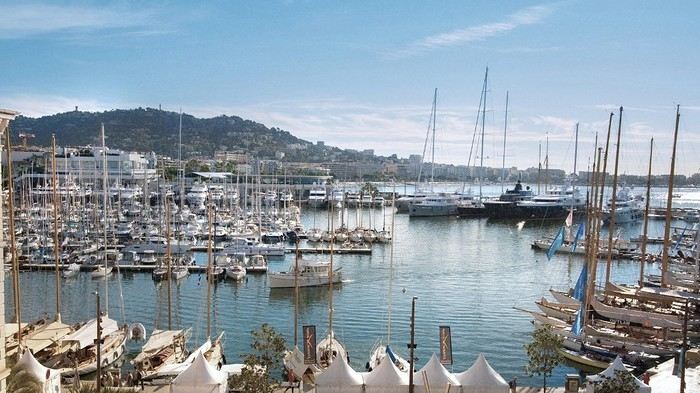
Many "large-scale" cruises pack six to eight stopovers into seven days. It looks appealing on paper. In practice, you spend two hours in each port—just enough time for a photo and a coffee. If you really want to explore a city—Barcelona, Valencia, Palermo—it’s better to choose an itinerary with fewer stopovers but full half-days docked.
Operators whose ships stay in port until the evening let you experience the city in a way that’s more than just a bus tour. It’s a criterion worth checking systematically before booking.
How onboard atmosphere really makes a difference
A cruise also means a lot of time at sea. The quality of onboard programming—shows, workshops, relaxation spaces—determines whether you experience those hours as a pleasant break or just waiting around.
I tested two approaches here. The first, very minimalist, suits travelers looking for absolute peace and quiet. The second, with lively entertainment and a mixed international crowd, created a much more vibrant atmosphere. If you’re traveling solo or as a couple and want to meet people, this is a key factor.
This is where I took the time to explore Costa Cruises, whose reputation for onboard atmosphere and passenger diversity comes up regularly in forums. Their positioning is clearly geared toward travelers who want the cruise itself to be a destination, not just a way to get from one stopover to the next.
Cabin: the classic mistake to avoid
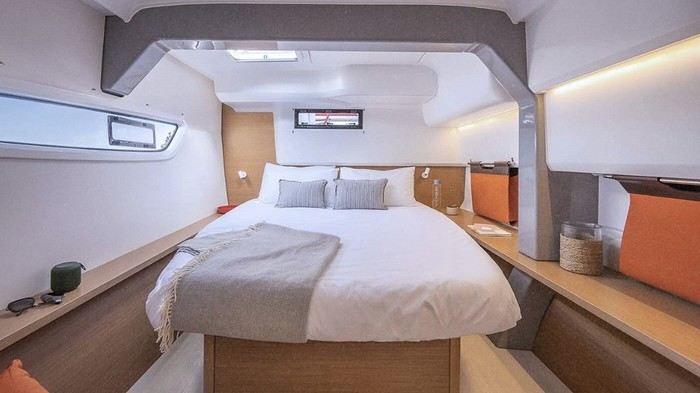
Opting for the cheapest interior cabin to "save money" can make sense for a short cruise or if you plan to spend little time in the room. But over 7 to 10 days, the lack of natural light takes a toll. The value for money of outside cabins with a porthole is often better than it seems, especially if you book early or take advantage of the early-bird windows most operators offer.
Note: "Guarantee" cabins (where you let the operator assign your location) sometimes give access to higher categories at a reduced price. It’s a gamble if you’re sensitive to engine noise, but worth it if you’re flexible.
Dining: an underestimated criterion
The all-inclusive formula is misleading. Most cruises include the buffet and main dining room. Specialty restaurants—often the best onboard—are charged as extras. Budget 15 to 30 € per person per evening if you plan to visit them several times.
Some operators offer dining packages at a discounted rate upon embarkation. It’s worth checking, as long as you verify which establishments are included.
What I’d do differently next time
Book excursions directly rather than through the operator. Prices are usually 30 to 40% lower, groups are smaller, and guides are often more passionate. Forums like this one are the best resource for finding reliable local providers port by port.
Double-check the actual departure port—some cruises "departing from Barcelona" actually leave from Tarragona or a terminal far from the city center. A small logistical detail with a real impact on the trip.
Article based on personal experience. Pricing and programs may vary by season.
Original post
MyAtlas Group
VoyageForum.com · MyAtlas.com