Hello,
AI, social media, YouTube, etc... In an era where information is easily accessible with one click, we’d love to learn more about your travel experiences and how we can improve Voyage Forum for you.
For those who’d be willing to spare 15 minutes, we’ve prepared a few open-ended questions online. You can write your answers or record them verbally—whichever you prefer.
Here’s the link—it’s completely anonymous: https://interview.voyageforum.com/
There are no right or wrong answers. What we’re interested in is your honest feedback and personal experiences.
Thanks for helping us shape the future of Voyage Forum!
Sponsored features
Articles de voyage commandités par les partenaires de VoyageForum.
Showing 1–20 of 20 discussions.
A trip often gets complicated because of small details: a passport about to expire, a low bank limit, or documents that aren’t accessible offline. A checklist a few days before departure helps eliminate most avoidable risks.
1. Check passport, visa, and entry requirements Passport validity requirements vary by destination, as do visa or electronic authorization rules. Service-Public.fr recommends planning ahead for ID renewals. Before booking anything non-refundable, verify the country’s requirements and those of any layovers.
2. Consult official destination information France Diplomatie’s Travel Advice provides country-by-country security information, entry conditions, health recommendations, and recent alerts. Checking before departure—and again closer to the trip—helps avoid outdated information.
3. Register for Fil d’Ariane for short stays For tourist or business trips under six months, Fil d’Ariane lets you receive security alerts in case of major events in your destination country. The service is free. It doesn’t replace insurance or geolocation services but is a simple way to stay reachable during a crisis.
4. Plan multiple payment methods A blocked or lost card can quickly strand a traveler. Two separate payment methods, a small cash reserve, and verified withdrawal limits reduce this risk. Also, save emergency contact numbers before departure.
5. Know how to activate your medical coverage Before leaving, travelers should identify coverage suited to their trip and understand how to use it: who to contact, which documents to keep, which expenses require approval, and how to request reimbursement. This practical info is often more useful when a problem arises than just a list of limits.
6. Keep documents in duplicate Passports, tickets, certificates, prescriptions, and reservations should be stored as secure digital copies—and mostly offline. Avoid keeping all originals and copies in the same place.
7. Download essentials before takeoff Offline maps, tickets, your first accommodation address, booking confirmations, and emergency contacts can all be downloaded before departure. This habit is still useful even with an international plan—a dead battery, no signal, or a finicky local connection can make a document inaccessible at the worst time.
A short checklist for peace of mind The goal isn’t to plan everything but to secure the things that are hard to fix once abroad. Documents, official info, payments, medical coverage, and offline access form a simple foundation. The rest of the trip can stay unpredictable—in the best way.
Verified sources: France Diplomatie – Travel Advice | France Diplomatie – Fil d’Ariane | Service-Public.fr – Travel Documents
1. Check passport, visa, and entry requirements Passport validity requirements vary by destination, as do visa or electronic authorization rules. Service-Public.fr recommends planning ahead for ID renewals. Before booking anything non-refundable, verify the country’s requirements and those of any layovers.
2. Consult official destination information France Diplomatie’s Travel Advice provides country-by-country security information, entry conditions, health recommendations, and recent alerts. Checking before departure—and again closer to the trip—helps avoid outdated information.
3. Register for Fil d’Ariane for short stays For tourist or business trips under six months, Fil d’Ariane lets you receive security alerts in case of major events in your destination country. The service is free. It doesn’t replace insurance or geolocation services but is a simple way to stay reachable during a crisis.
4. Plan multiple payment methods A blocked or lost card can quickly strand a traveler. Two separate payment methods, a small cash reserve, and verified withdrawal limits reduce this risk. Also, save emergency contact numbers before departure.
5. Know how to activate your medical coverage Before leaving, travelers should identify coverage suited to their trip and understand how to use it: who to contact, which documents to keep, which expenses require approval, and how to request reimbursement. This practical info is often more useful when a problem arises than just a list of limits.
6. Keep documents in duplicate Passports, tickets, certificates, prescriptions, and reservations should be stored as secure digital copies—and mostly offline. Avoid keeping all originals and copies in the same place.
7. Download essentials before takeoff Offline maps, tickets, your first accommodation address, booking confirmations, and emergency contacts can all be downloaded before departure. This habit is still useful even with an international plan—a dead battery, no signal, or a finicky local connection can make a document inaccessible at the worst time.
A short checklist for peace of mind The goal isn’t to plan everything but to secure the things that are hard to fix once abroad. Documents, official info, payments, medical coverage, and offline access form a simple foundation. The rest of the trip can stay unpredictable—in the best way.
Verified sources: France Diplomatie – Travel Advice | France Diplomatie – Fil d’Ariane | Service-Public.fr – Travel Documents
Booking a flight and accommodation is often the first step in planning a trip abroad. However, thorough preparation isn’t just about these reservations. Administrative formalities, health, safety, and anticipating the unexpected are all aspects worth considering before departure to minimize hassles and fully enjoy your stay.
Researching entry requirements for the country Before any trip abroad, it’s essential to check the entry conditions for the destination. Passport validity, visa requirements, potential health regulations, and permitted length of stay can vary from one country to another. In some places, an international driver’s permit may also be required.
It’s best to handle these administrative formalities as early as possible, as some documents or authorizations may take several weeks or even months to process. Doing these checks ahead of time helps avoid last-minute surprises and lets you approach your trip with greater peace of mind.
Planning for health considerations before traveling Preparing for an international trip also means thinking about health. Depending on the destination, certain vaccinations may be recommended or mandatory. It’s also a good idea to pack your usual medications, assemble a travel first-aid kit, and research the quality of local medical facilities.
Medical costs can add up quickly in some countries, so it’s useful to assess your travel insurance needs and verify your coverage for medical expenses during the trip to ensure you have protection tailored to your stay.
Preparing for the unexpected Taking out travel insurance is one of the recommended steps before departure. Even with careful planning, unexpected events can disrupt a trip: health issues, hospitalization, lost luggage, or trip cancellations. Before purchasing, it’s important to compare travel insurance policies carefully: the coverage offered, reimbursement limits, exclusions, and assistance services. A good travel insurance policy (also called international travel insurance or overseas travel insurance) will cover various types of unforeseen events based on the traveler’s needs.
Thinking about the little details that make travel easier Other simple precautions can also contribute to a successful trip: • Informing your bank of your travel plans; • Bringing multiple payment methods; • Keeping digital copies of important documents; • Saving emergency contacts; • Checking your mobile plan’s international usage. These small checks, combined with the right travel insurance, often help you travel with greater peace of mind.
Conclusion A trip abroad isn’t just about booking transportation and accommodation. Anticipating administrative formalities, health considerations, and potential unexpected events well before departure is a key part of planning. Taking the time to assess your travel insurance needs is part of this preparation and helps you fully enjoy your trip, no matter the destination.
Luko by Allianz Direct is the next-generation online insurance: 100% digital, fast, and transparent. A subsidiary of Europe’s leading insurer, Luko by Allianz Direct simplifies every step—from signing up to claims—to offer straightforward, clear travel insurance without the jargon. Luko by Allianz Direct provides international travel insurance with comprehensive coverage, including repatriation and medical expenses for over 150 countries.
Researching entry requirements for the country Before any trip abroad, it’s essential to check the entry conditions for the destination. Passport validity, visa requirements, potential health regulations, and permitted length of stay can vary from one country to another. In some places, an international driver’s permit may also be required.
It’s best to handle these administrative formalities as early as possible, as some documents or authorizations may take several weeks or even months to process. Doing these checks ahead of time helps avoid last-minute surprises and lets you approach your trip with greater peace of mind.
Planning for health considerations before traveling Preparing for an international trip also means thinking about health. Depending on the destination, certain vaccinations may be recommended or mandatory. It’s also a good idea to pack your usual medications, assemble a travel first-aid kit, and research the quality of local medical facilities.
Medical costs can add up quickly in some countries, so it’s useful to assess your travel insurance needs and verify your coverage for medical expenses during the trip to ensure you have protection tailored to your stay.
Preparing for the unexpected Taking out travel insurance is one of the recommended steps before departure. Even with careful planning, unexpected events can disrupt a trip: health issues, hospitalization, lost luggage, or trip cancellations. Before purchasing, it’s important to compare travel insurance policies carefully: the coverage offered, reimbursement limits, exclusions, and assistance services. A good travel insurance policy (also called international travel insurance or overseas travel insurance) will cover various types of unforeseen events based on the traveler’s needs.
Thinking about the little details that make travel easier Other simple precautions can also contribute to a successful trip: • Informing your bank of your travel plans; • Bringing multiple payment methods; • Keeping digital copies of important documents; • Saving emergency contacts; • Checking your mobile plan’s international usage. These small checks, combined with the right travel insurance, often help you travel with greater peace of mind.
Conclusion A trip abroad isn’t just about booking transportation and accommodation. Anticipating administrative formalities, health considerations, and potential unexpected events well before departure is a key part of planning. Taking the time to assess your travel insurance needs is part of this preparation and helps you fully enjoy your trip, no matter the destination.
Luko by Allianz Direct is the next-generation online insurance: 100% digital, fast, and transparent. A subsidiary of Europe’s leading insurer, Luko by Allianz Direct simplifies every step—from signing up to claims—to offer straightforward, clear travel insurance without the jargon. Luko by Allianz Direct provides international travel insurance with comprehensive coverage, including repatriation and medical expenses for over 150 countries.
When planning a trek in Scotland, the Norwegian fjords, or the Icelandic highlands, we often spend hours searching for the best jacket. It’s a logical reflex, but once you’re out there, you quickly realize that your upper body isn’t everything. In these countries where humidity is ever-present, waterproof hiking pants often become the piece that makes the real difference between a great day of walking and a nightmare.
If you’re preparing for a trip to a destination with unpredictable weather, here’s why you should take a closer look at what’s covering your legs.
The reality of the terrain: rain doesn’t just come from the sky
In Iceland or Patagonia, rain rarely falls straight down. With the wind, it comes at you sideways and always finds its way in where you least expect it. Even with an excellent jacket, water runs off and soaks your regular hiking pants in minutes. Once the fabric is waterlogged, your legs get cold fast. Unlike your torso, which is often protected by multiple layers, your legs are in direct contact with moisture. In Scotland, for example, even if it stops raining, walking through heather or tall grass is enough to soak you up to your knees. On a multi-day trek, this constant dampness quickly becomes an extra source of fatigue: the wet clothing weighs you down, causes chafing, and drops your body temperature as soon as you slow down. Without effective protection, you spend the day in heavy, cold clothing that drains your energy.
The specific demands of protective pants
Waterproof pants need to meet very particular challenges to stay effective throughout a day of trekking.
Mechanical pressure: Whether kneeling to set up your tent or sitting on a damp rock for a break, you put direct pressure on the fabric. That’s when the quality of the membrane becomes crucial: it must prevent water from seeping through the fibers even under your body weight.
Managing effort: Your legs are the engine of a hiker and generate constant heat. If the pants aren’t breathable, sweat gets trapped inside. The real risk? A sudden chill: as soon as you take a break, that moisture cools your muscles and leaves you shivering in minutes.
Abrasion resistance: Between repeated steps, contact with rocks, or pushing through brush, the fabric faces constant wear and tear. It needs to be tough enough not to fray at the first encounter with vegetation.
A good trekking pant must combine waterproofing, breathability, and durability to stay reliable throughout your journey.
Overpants vs. waterproof pants: the comparison
It’s a big debate among hikers: should you go for a layer you add over your regular pants or a model designed to handle everything, built to resist rain? Each option has its fans, and the choice depends on the type of route and climate you’ll face.
1. Overpants: the flexibility card This is the most common solution for hikers heading out in summer or regions where showers are occasional and brief.
The pros:
Modularity: You only pull them out when needed. The rest of the time, you hike in lightweight pants.
Weight: Once rolled up, they take up very little space in your pack.
The cons:
The hassle: Stopping in the rain to put them on is rarely fun. Without full-length side zips, you’ll have to take off your shoes, which is a real pain on wet terrain.
Comfort: You often get that "double-layer" feeling, which slightly limits your freedom of movement.
2. Waterproof pants: the all-terrain armor This is the preferred option for destinations where humidity and wind are nearly constant.
The pros:
Simplicity: You put them on in the morning and don’t have to think about them again.
Windproof effect: The membrane effectively blocks the wind, helping maintain body heat without necessarily wearing thermal leggings.
Ergonomics: The cut is more precise and generally better suited for long-distance hiking without chafing.
The cons:
Overheating: If the sun comes out, the heat can build up fast. That’s why the breathability of the membrane becomes an absolutely key factor when choosing waterproof pants.
Technical expertise: the Cimalp option For those looking for reliable, durable gear, Cimalp is regularly cited as a benchmark in the world of technical hiking and long-distance trekking. The brand uses high-performance membranes like Ultrashell®, which combines total waterproofing at 20,000 mm (Schmerber) with record-breaking moisture vapor transfer (80,000 MVP). This combination keeps you protected from rain while effectively wicking away sweat during long days of hiking—a crucial point for endurance. If you’re looking to choose your waterproof hiking pants wisely, prioritize models that have proven themselves in the field, with sealed seams, breathable membranes, and strategic reinforcements in high-wear areas. That’s the guarantee of gear that will last multiple seasons, even in demanding environments.
The small details that make all the difference
Before you head out, check these key elements on your gear:
Breathability (MVP): The higher the number, the more efficiently water vapor escapes, and the less you’ll feel like you’re in a sauna.
Leg openings: A good pair of pants should have adjustable gaiters to prevent water from seeping in over the top of your shoes.
Ethics: Opt for PFC-free water-repellent treatments to minimize your impact on the wild, natural environments you’re exploring.
When traveling, we often say there’s no such thing as bad weather—just bad clothing and unsuitable gear.
This is especially true for your lower body. A well-chosen pair of waterproof pants lets you keep moving even when the weather turns unpredictable. They don’t just keep you dry—they preserve your energy and comfort throughout your trek. For your next trip to the damp lands of the North, don’t overlook this essential piece. It’s often what makes the difference between enduring the weather and fully enjoying the journey.
The reality of the terrain: rain doesn’t just come from the sky
In Iceland or Patagonia, rain rarely falls straight down. With the wind, it comes at you sideways and always finds its way in where you least expect it. Even with an excellent jacket, water runs off and soaks your regular hiking pants in minutes. Once the fabric is waterlogged, your legs get cold fast. Unlike your torso, which is often protected by multiple layers, your legs are in direct contact with moisture. In Scotland, for example, even if it stops raining, walking through heather or tall grass is enough to soak you up to your knees. On a multi-day trek, this constant dampness quickly becomes an extra source of fatigue: the wet clothing weighs you down, causes chafing, and drops your body temperature as soon as you slow down. Without effective protection, you spend the day in heavy, cold clothing that drains your energy.
The specific demands of protective pants
Waterproof pants need to meet very particular challenges to stay effective throughout a day of trekking.
Mechanical pressure: Whether kneeling to set up your tent or sitting on a damp rock for a break, you put direct pressure on the fabric. That’s when the quality of the membrane becomes crucial: it must prevent water from seeping through the fibers even under your body weight.
Managing effort: Your legs are the engine of a hiker and generate constant heat. If the pants aren’t breathable, sweat gets trapped inside. The real risk? A sudden chill: as soon as you take a break, that moisture cools your muscles and leaves you shivering in minutes.
Abrasion resistance: Between repeated steps, contact with rocks, or pushing through brush, the fabric faces constant wear and tear. It needs to be tough enough not to fray at the first encounter with vegetation.
A good trekking pant must combine waterproofing, breathability, and durability to stay reliable throughout your journey.
Overpants vs. waterproof pants: the comparison
It’s a big debate among hikers: should you go for a layer you add over your regular pants or a model designed to handle everything, built to resist rain? Each option has its fans, and the choice depends on the type of route and climate you’ll face.
1. Overpants: the flexibility card This is the most common solution for hikers heading out in summer or regions where showers are occasional and brief.
The pros:
Modularity: You only pull them out when needed. The rest of the time, you hike in lightweight pants.
Weight: Once rolled up, they take up very little space in your pack.
The cons:
The hassle: Stopping in the rain to put them on is rarely fun. Without full-length side zips, you’ll have to take off your shoes, which is a real pain on wet terrain.
Comfort: You often get that "double-layer" feeling, which slightly limits your freedom of movement.
2. Waterproof pants: the all-terrain armor This is the preferred option for destinations where humidity and wind are nearly constant.
The pros:
Simplicity: You put them on in the morning and don’t have to think about them again.
Windproof effect: The membrane effectively blocks the wind, helping maintain body heat without necessarily wearing thermal leggings.
Ergonomics: The cut is more precise and generally better suited for long-distance hiking without chafing.
The cons:
Overheating: If the sun comes out, the heat can build up fast. That’s why the breathability of the membrane becomes an absolutely key factor when choosing waterproof pants.
Technical expertise: the Cimalp option For those looking for reliable, durable gear, Cimalp is regularly cited as a benchmark in the world of technical hiking and long-distance trekking. The brand uses high-performance membranes like Ultrashell®, which combines total waterproofing at 20,000 mm (Schmerber) with record-breaking moisture vapor transfer (80,000 MVP). This combination keeps you protected from rain while effectively wicking away sweat during long days of hiking—a crucial point for endurance. If you’re looking to choose your waterproof hiking pants wisely, prioritize models that have proven themselves in the field, with sealed seams, breathable membranes, and strategic reinforcements in high-wear areas. That’s the guarantee of gear that will last multiple seasons, even in demanding environments.
The small details that make all the difference
Before you head out, check these key elements on your gear:
Breathability (MVP): The higher the number, the more efficiently water vapor escapes, and the less you’ll feel like you’re in a sauna.
Leg openings: A good pair of pants should have adjustable gaiters to prevent water from seeping in over the top of your shoes.
Ethics: Opt for PFC-free water-repellent treatments to minimize your impact on the wild, natural environments you’re exploring.
When traveling, we often say there’s no such thing as bad weather—just bad clothing and unsuitable gear.
This is especially true for your lower body. A well-chosen pair of waterproof pants lets you keep moving even when the weather turns unpredictable. They don’t just keep you dry—they preserve your energy and comfort throughout your trek. For your next trip to the damp lands of the North, don’t overlook this essential piece. It’s often what makes the difference between enduring the weather and fully enjoying the journey.
Stopovers, onboard atmosphere, cabins, dining... A look back at the criteria that make all the difference when choosing a Mediterranean cruise.
When planning a first cruise—or even a fifth—the choice of operator is often the last criterion considered, after dates, budget, and stopovers. That’s a mistake. The operator determines the onboard atmosphere, how unexpected situations are handled, the quality of dining, and the level of entertainment. Two cruises on the same itinerary can feel like completely different experiences.
Here’s what I took away after comparing several options this autumn in the western Mediterranean.
The stopover question: quantity vs. depth
Many "large-scale" cruises pack six to eight stopovers into seven days. It looks appealing on paper. In practice, you spend two hours in each port—just enough time for a photo and a coffee. If you really want to explore a city—Barcelona, Valencia, Palermo—it’s better to choose an itinerary with fewer stopovers but full half-days docked.
Operators whose ships stay in port until the evening let you experience the city in a way that’s more than just a bus tour. It’s a criterion worth checking systematically before booking.
How onboard atmosphere really makes a difference
A cruise also means a lot of time at sea. The quality of onboard programming—shows, workshops, relaxation spaces—determines whether you experience those hours as a pleasant break or just waiting around.
I tested two approaches here. The first, very minimalist, suits travelers looking for absolute peace and quiet. The second, with lively entertainment and a mixed international crowd, created a much more vibrant atmosphere. If you’re traveling solo or as a couple and want to meet people, this is a key factor.
This is where I took the time to explore Costa Cruises, whose reputation for onboard atmosphere and passenger diversity comes up regularly in forums. Their positioning is clearly geared toward travelers who want the cruise itself to be a destination, not just a way to get from one stopover to the next.
Cabin: the classic mistake to avoid
Opting for the cheapest interior cabin to "save money" can make sense for a short cruise or if you plan to spend little time in the room. But over 7 to 10 days, the lack of natural light takes a toll. The value for money of outside cabins with a porthole is often better than it seems, especially if you book early or take advantage of the early-bird windows most operators offer.
Note: "Guarantee" cabins (where you let the operator assign your location) sometimes give access to higher categories at a reduced price. It’s a gamble if you’re sensitive to engine noise, but worth it if you’re flexible.
Dining: an underestimated criterion
The all-inclusive formula is misleading. Most cruises include the buffet and main dining room. Specialty restaurants—often the best onboard—are charged as extras. Budget 15 to 30 € per person per evening if you plan to visit them several times.
Some operators offer dining packages at a discounted rate upon embarkation. It’s worth checking, as long as you verify which establishments are included.
What I’d do differently next time
Book excursions directly rather than through the operator. Prices are usually 30 to 40% lower, groups are smaller, and guides are often more passionate. Forums like this one are the best resource for finding reliable local providers port by port.
Double-check the actual departure port—some cruises "departing from Barcelona" actually leave from Tarragona or a terminal far from the city center. A small logistical detail with a real impact on the trip.
Article based on personal experience. Pricing and programs may vary by season.
When planning a first cruise—or even a fifth—the choice of operator is often the last criterion considered, after dates, budget, and stopovers. That’s a mistake. The operator determines the onboard atmosphere, how unexpected situations are handled, the quality of dining, and the level of entertainment. Two cruises on the same itinerary can feel like completely different experiences.
Here’s what I took away after comparing several options this autumn in the western Mediterranean.
The stopover question: quantity vs. depth
Many "large-scale" cruises pack six to eight stopovers into seven days. It looks appealing on paper. In practice, you spend two hours in each port—just enough time for a photo and a coffee. If you really want to explore a city—Barcelona, Valencia, Palermo—it’s better to choose an itinerary with fewer stopovers but full half-days docked.
Operators whose ships stay in port until the evening let you experience the city in a way that’s more than just a bus tour. It’s a criterion worth checking systematically before booking.
How onboard atmosphere really makes a difference
A cruise also means a lot of time at sea. The quality of onboard programming—shows, workshops, relaxation spaces—determines whether you experience those hours as a pleasant break or just waiting around.
I tested two approaches here. The first, very minimalist, suits travelers looking for absolute peace and quiet. The second, with lively entertainment and a mixed international crowd, created a much more vibrant atmosphere. If you’re traveling solo or as a couple and want to meet people, this is a key factor.
This is where I took the time to explore Costa Cruises, whose reputation for onboard atmosphere and passenger diversity comes up regularly in forums. Their positioning is clearly geared toward travelers who want the cruise itself to be a destination, not just a way to get from one stopover to the next.
Cabin: the classic mistake to avoid
Opting for the cheapest interior cabin to "save money" can make sense for a short cruise or if you plan to spend little time in the room. But over 7 to 10 days, the lack of natural light takes a toll. The value for money of outside cabins with a porthole is often better than it seems, especially if you book early or take advantage of the early-bird windows most operators offer.
Note: "Guarantee" cabins (where you let the operator assign your location) sometimes give access to higher categories at a reduced price. It’s a gamble if you’re sensitive to engine noise, but worth it if you’re flexible.
Dining: an underestimated criterion
The all-inclusive formula is misleading. Most cruises include the buffet and main dining room. Specialty restaurants—often the best onboard—are charged as extras. Budget 15 to 30 € per person per evening if you plan to visit them several times.
Some operators offer dining packages at a discounted rate upon embarkation. It’s worth checking, as long as you verify which establishments are included.
What I’d do differently next time
Book excursions directly rather than through the operator. Prices are usually 30 to 40% lower, groups are smaller, and guides are often more passionate. Forums like this one are the best resource for finding reliable local providers port by port.
Double-check the actual departure port—some cruises "departing from Barcelona" actually leave from Tarragona or a terminal far from the city center. A small logistical detail with a real impact on the trip.
Article based on personal experience. Pricing and programs may vary by season.
There’s a region in the United States that stands apart—deeply American yet surprisingly familiar. A destination where landscapes seem to pulse with the rhythm of water, where music naturally weaves into daily life, and where every day feels like you’re living something new:
Welcome to Louisiana!
Located in the southern U.S., bordering the Gulf of Mexico and carved by the legendary Mississippi River, Louisiana is a land of contrasts and cultural blends. Shaped by its history with France, Spain, and Creole and Cajun traditions, it now offers a unique travel experience—far from the clichés you might expect.
While New Orleans, jazz, and Mardi Gras are part of its identity, Louisiana today reveals itself in a different light: as a destination deeply rooted in nature, exploration, and freedom.
And that’s exactly what makes it such an appealing trip idea, especially for those seeking a different kind of road trip—one that’s accessible and packed with experiences.
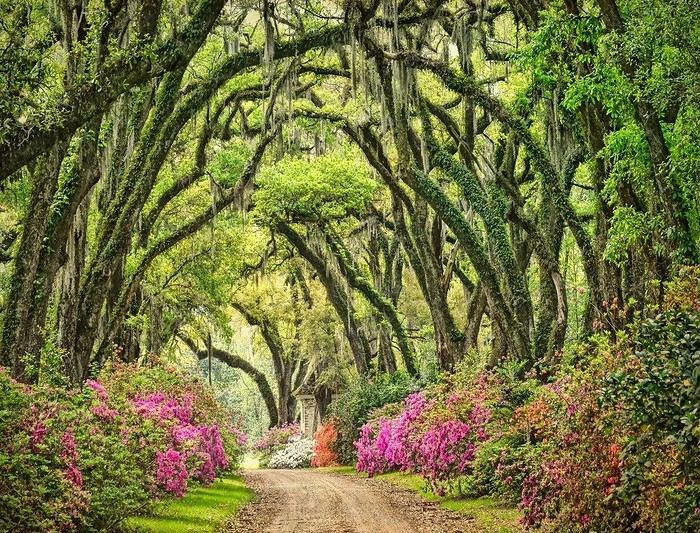
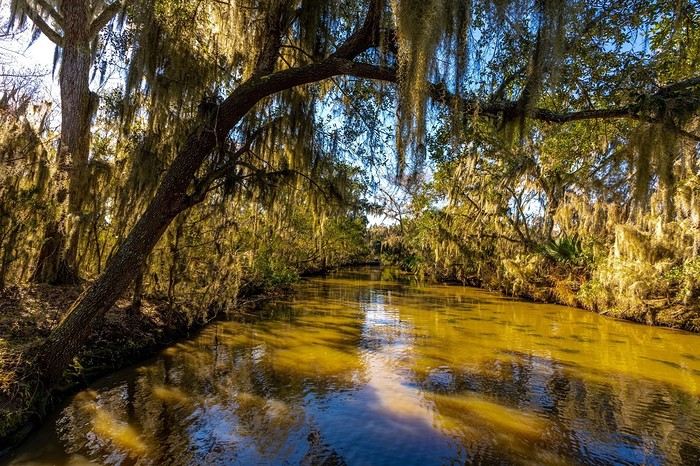
The journey quickly takes on a new dimension. As soon as you leave the urban centers, the scenery shifts. The roads grow quieter, the vegetation denser, and water appears everywhere—in every form. It’s in the bayous where the experience truly comes alive. Paddling gently by kayak on Lake Martin, gliding between centuries-old cypress trees near Breaux Bridge, observing wildlife in an almost surreal silence... Here, nature isn’t just something you look at—it’s something you *live*. You slow down, observe, and soak it all in. And this immersion isn’t complicated or reserved for experts. That’s the beauty of Louisiana: it offers accessible outdoor adventures without constraints, yet deeply immersive ones. A little farther north of New Orleans, the Tammany Trace offers another way to explore the region. By bike, on this repurposed rail trail, you ride through forests and small towns at a relaxed pace—perfect for enjoying the scenery without effort.
In Kisatchie National Forest, hiking trails reveal a lesser-known side of Louisiana—almost unexpected. Gentle hills, deep forests, and a peaceful atmosphere create a striking contrast to the state’s usual image. And always, that sense of ease. Nothing feels complicated; everything flows naturally.
But what truly makes Louisiana unique is its ability to seamlessly blend nature and culture—never pitting one against the other. After a morning in the swamps, you might find yourself in Lafayette, seated in front of a Cajun music group. After a day on the road, you could end the evening in a jazz club in New Orleans. Here, the transitions feel smooth, natural, almost effortless. Culture isn’t just something you visit—it’s an atmosphere. French influences, still very present in certain names, traditions, and expressions, give the trip a warm, familiar feel. Encounters are easy, conversations authentic, and every stop seems to tell a different story. Music, of course, is everywhere. Jazz, blues, zydeco—so many styles that accompany your journey and give it a unique rhythm. You don’t just *visit* Louisiana; you *feel* it.
Exploring Louisiana by road trip also means enjoying an especially fluid itinerary. Distances are always manageable, the roads easy, and the stops flow without excessive fatigue. You move from one environment to another effortlessly: from the river to the swamps, from the city to nature, from lively cultural moments to more contemplative ones. This fluidity changes everything. It lets you take your time, stop, and truly *live* each place without feeling like you’re rushing from one point to the next. And that’s often where the best memories are made.
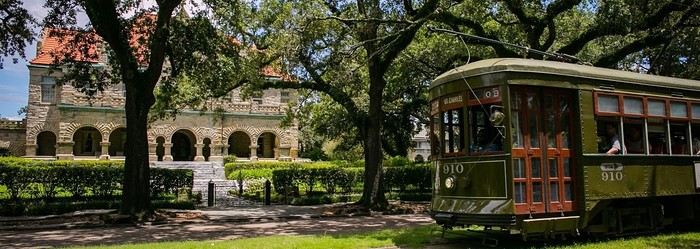
Unlike some more demanding destinations, Louisiana can be explored in summer—if you adjust your pace. But it’s really from September onward that the destination shines. Temperatures become milder, the light softer, and the overall vibe more serene. October, in particular, offers the perfect balance of climate, crowds, and experience quality. It’s an ideal time to fully enjoy outdoor activities without constraints, in especially pleasant conditions. Good news: there’s still time! Whether for summer 2026 or the late season, opportunities are still open. The best, most fluid, and balanced itineraries are built in advance. Because not all Louisiana trips are the same. It’s easy to replicate a classic route focused on a few major stops. But a more modern approach means rethinking the experience as a whole: fully integrating the outdoors, balancing cultural highlights with nature moments, and setting a pace that truly suits the traveler. That’s the vision that turns a simple itinerary into a real experience. A more immersive, natural, and cohesive Louisiana. One that isn’t just *visited* but *lived* to the fullest.

You’ve probably gathered by now—we’re huge fans of Louisiana! It naturally stands out as a unique destination in the American landscape. Accessible yet exotic, rich without being complicated, cultural without feeling rigid, natural without being extreme. A destination that appeals to a wide audience precisely because it doesn’t cater to just one type of traveler. And perhaps that’s its greatest strength in our eyes: offering everyone the chance to find their own rhythm, their own discoveries, their own emotions. So whether it’s for this summer or to fully enjoy the gentle autumn season, Louisiana is waiting to welcome you and leave you amazed. Like a living, balanced, and deeply inspiring destination. And maybe... your next trip.
Want more information about Louisiana? Contact *Partir aux États-Unis* for advice and exclusive rates for Voyage Forum members: click here.
And that’s exactly what makes it such an appealing trip idea, especially for those seeking a different kind of road trip—one that’s accessible and packed with experiences.
The journey quickly takes on a new dimension. As soon as you leave the urban centers, the scenery shifts. The roads grow quieter, the vegetation denser, and water appears everywhere—in every form. It’s in the bayous where the experience truly comes alive. Paddling gently by kayak on Lake Martin, gliding between centuries-old cypress trees near Breaux Bridge, observing wildlife in an almost surreal silence... Here, nature isn’t just something you look at—it’s something you *live*. You slow down, observe, and soak it all in. And this immersion isn’t complicated or reserved for experts. That’s the beauty of Louisiana: it offers accessible outdoor adventures without constraints, yet deeply immersive ones. A little farther north of New Orleans, the Tammany Trace offers another way to explore the region. By bike, on this repurposed rail trail, you ride through forests and small towns at a relaxed pace—perfect for enjoying the scenery without effort.
In Kisatchie National Forest, hiking trails reveal a lesser-known side of Louisiana—almost unexpected. Gentle hills, deep forests, and a peaceful atmosphere create a striking contrast to the state’s usual image. And always, that sense of ease. Nothing feels complicated; everything flows naturally.
But what truly makes Louisiana unique is its ability to seamlessly blend nature and culture—never pitting one against the other. After a morning in the swamps, you might find yourself in Lafayette, seated in front of a Cajun music group. After a day on the road, you could end the evening in a jazz club in New Orleans. Here, the transitions feel smooth, natural, almost effortless. Culture isn’t just something you visit—it’s an atmosphere. French influences, still very present in certain names, traditions, and expressions, give the trip a warm, familiar feel. Encounters are easy, conversations authentic, and every stop seems to tell a different story. Music, of course, is everywhere. Jazz, blues, zydeco—so many styles that accompany your journey and give it a unique rhythm. You don’t just *visit* Louisiana; you *feel* it.
Exploring Louisiana by road trip also means enjoying an especially fluid itinerary. Distances are always manageable, the roads easy, and the stops flow without excessive fatigue. You move from one environment to another effortlessly: from the river to the swamps, from the city to nature, from lively cultural moments to more contemplative ones. This fluidity changes everything. It lets you take your time, stop, and truly *live* each place without feeling like you’re rushing from one point to the next. And that’s often where the best memories are made.
Unlike some more demanding destinations, Louisiana can be explored in summer—if you adjust your pace. But it’s really from September onward that the destination shines. Temperatures become milder, the light softer, and the overall vibe more serene. October, in particular, offers the perfect balance of climate, crowds, and experience quality. It’s an ideal time to fully enjoy outdoor activities without constraints, in especially pleasant conditions. Good news: there’s still time! Whether for summer 2026 or the late season, opportunities are still open. The best, most fluid, and balanced itineraries are built in advance. Because not all Louisiana trips are the same. It’s easy to replicate a classic route focused on a few major stops. But a more modern approach means rethinking the experience as a whole: fully integrating the outdoors, balancing cultural highlights with nature moments, and setting a pace that truly suits the traveler. That’s the vision that turns a simple itinerary into a real experience. A more immersive, natural, and cohesive Louisiana. One that isn’t just *visited* but *lived* to the fullest.
You’ve probably gathered by now—we’re huge fans of Louisiana! It naturally stands out as a unique destination in the American landscape. Accessible yet exotic, rich without being complicated, cultural without feeling rigid, natural without being extreme. A destination that appeals to a wide audience precisely because it doesn’t cater to just one type of traveler. And perhaps that’s its greatest strength in our eyes: offering everyone the chance to find their own rhythm, their own discoveries, their own emotions. So whether it’s for this summer or to fully enjoy the gentle autumn season, Louisiana is waiting to welcome you and leave you amazed. Like a living, balanced, and deeply inspiring destination. And maybe... your next trip.
Want more information about Louisiana? Contact *Partir aux États-Unis* for advice and exclusive rates for Voyage Forum members: click here.
Discover everything you can do during a three-week road trip between Sydney and Cairns on Australia’s east coast. All the steps for a memorable journey.
3-week road trip between Sydney and Cairns: itinerary tips A three-week stay in Australia is the perfect amount of time to explore part of the country. Just a part, because the territory is so vast that you could spend months there without seeing it all. For a first trip to this Oceanic country, the route between Sydney and Cairns is a classic. It offers a glimpse of what makes so many travelers dream, with legendary beaches, vibrant cities, tropical forests, paradise islands, and the unmissable Great Barrier Reef. This route along the East Coast alternates between natural landscapes and urban atmosphere, scenic roads, and relaxing days. Here’s a realistic itinerary designed for three weeks, with balanced stops and time to enjoy without feeling rushed.
Days 1 to 3 – Sydney, first steps in Australia Even before setting foot on Australian soil, travelers must have a valid passport and a visa. Australia doesn’t mess around with entry formalities, so it’s best to take care of this in advance. To apply for a tourist visa, the site aus-visa.org guides travelers step by step. Once this formality is sorted, it’s time to focus on the most exciting part: the trip itself. Arriving in Sydney is often a memorable step. You discover one of Australia’s most iconic cities and immediately feel far from Europe. The first few days are for adjusting to the time difference while exploring the city’s landmarks. There’s the Opera House, of course, but also the Harbour Bridge, which dominates the bay and gives Sydney its instantly recognizable silhouette. During these three days in Sydney, you can head to Circular Quay to take a ferry to Manly, just for the pleasure of crossing the bay and admiring the city from the water. You can also walk along Bondi Beach or lay out your towel, depending on the time of year. The coastal walk between Bondi and Coogee offers a spectacular view of the Australian coast. Of course, you won’t want to miss strolling through The Rocks district to soak up the buzz of the capital of New South Wales.
Days 4 to 6 – From Sydney to Byron Bay, the road trip begins The road trip kicks off heading north. The Pacific Highway unfolds its kilometers between the ocean and eucalyptus forests. You quickly realize that driving in Australia is a unique experience. Sure, the distances are long, but the landscapes make every stretch enjoyable. A first stop in Port Macquarie or Coffs Harbour lets you rest while discovering wild beaches. Then comes Byron Bay, the beach town often described as Australia’s surfing and alternative lifestyle capital. After Sydney, the vibe slows down. You wake up early to watch the sunrise near the lighthouse, then spend your days swimming, trying surfing, and exploring the tropical hinterland. You can also hike in nearby national parks to discover hidden waterfalls in the heart of wild landscapes. You might plan to spend one night in Byron Bay before hitting the road again, but it’s so nice that you end up staying for three days.
Days 7 to 9 – Gold Coast and Sunshine Coast, between modernity and nature Heading toward the Gold Coast, the contrast is striking again. Here, skyscrapers line the beach, and you stroll along wide avenues. The vibe is more urban. Surfers Paradise is another ideal stop for surfing. You can also enjoy a lively nightlife. Those who prefer tranquility can relax in Burleigh Heads, known for its beautiful beach and more local atmosphere. The hinterland also holds surprises. The lush forests of Springbrook National Park and its waterfalls remind you that Australia’s nature is everywhere, even near big cities. As you head up to the Sunshine Coast, we recommend stopping in Noosa to discover its elegant houses, peaceful beaches, and national park bordering the ocean. The coastal trails reveal exceptional marine landscapes. The locals’ hospitality is also remarkable.
Days 10 to 12 – Fraser Island, adventure on sand Get ready for a magical moment! From Hervey Bay, you board a ferry to Fraser Island—or K’gari—the world’s largest sand island. Once there, you drive a 4x4 on the beach and discover raw, almost surreal landscapes. Lake McKenzie, with its impressively clear water and dazzling white sand, remains one of the trip’s most memorable highlights. You swim, walk barefoot, observe dingoes from a distance, and feel a rare sense of isolation. It’s as if you’re far from civilization. After two intense days, you hit the road north again. The distances get longer, but the excitement grows as you approach the Whitsundays.
Days 13 to 15 – The Whitsundays, a giant postcard Airlie Beach is the gateway to the Whitsundays, a group of islands 55 km off the coast of Queensland. The water turns turquoise, lush green islands emerge on the horizon, and the sand at Whitehaven Beach looks too white to be real. What to do in the archipelago? Well, snorkel for hours over the coral, swim in secluded coves, and spend peaceful evenings watching the sunset. For those who love discovering hidden spots, head to Cedar Creek Falls for a picnic and a refreshing swim. These days at sea often rank among travelers’ favorite moments. You’ll understand why once you’re there.
Days 16 to 18 – Mission Beach, the tropical break After the magical moments in the Whitsundays, Mission Beach offers a quieter pause. Here, you enjoy a long palm-fringed beach and an almost intimate atmosphere. It’s the perfect spot between Sydney and Cairns to take time to do nothing. That means walking along the water at sunrise, then exploring the surroundings between tropical forest and isolated backroads. Thrill-seekers, however, can skydive over the beach. It’s a uniquely Australian experience that offers plenty of wow moments. This stop marks the entry into North Queensland’s tropical region, where many more wonders await travelers.
Days 19 to 21 – Cairns, the Great Barrier Reef, and the ancient rainforest Cairns is a city in Australia that’s loved for its lively markets, cafés, and beautiful beaches. It’s also the gateway to one of the world’s natural jewels: the Great Barrier Reef. A boat excursion lets you dive or snorkel over colorful reefs. Seeing the coral and fish in this crystal-clear water leaves a lasting impression. But you’ll also discover another wonder with the poetic name of Daintree Rainforest. It’s one of the oldest tropical forests on the planet. Walking under its dense canopy lets you feel the power of nature preserved in its original state. At Cape Tribulation, the forest meets the ocean in a spectacular setting. This end of the trip is packed with emotion.
Traveling from Sydney to Cairns in three weeks means exploring a contrasting and exotic Australia. You start in a dynamic metropolis, cross endless beaches, sail between paradise islands, and finish in an ancient tropical forest. Often, as soon as you’re back, you’re already thinking about returning.
3-week road trip between Sydney and Cairns: itinerary tips A three-week stay in Australia is the perfect amount of time to explore part of the country. Just a part, because the territory is so vast that you could spend months there without seeing it all. For a first trip to this Oceanic country, the route between Sydney and Cairns is a classic. It offers a glimpse of what makes so many travelers dream, with legendary beaches, vibrant cities, tropical forests, paradise islands, and the unmissable Great Barrier Reef. This route along the East Coast alternates between natural landscapes and urban atmosphere, scenic roads, and relaxing days. Here’s a realistic itinerary designed for three weeks, with balanced stops and time to enjoy without feeling rushed.
Days 1 to 3 – Sydney, first steps in Australia Even before setting foot on Australian soil, travelers must have a valid passport and a visa. Australia doesn’t mess around with entry formalities, so it’s best to take care of this in advance. To apply for a tourist visa, the site aus-visa.org guides travelers step by step. Once this formality is sorted, it’s time to focus on the most exciting part: the trip itself. Arriving in Sydney is often a memorable step. You discover one of Australia’s most iconic cities and immediately feel far from Europe. The first few days are for adjusting to the time difference while exploring the city’s landmarks. There’s the Opera House, of course, but also the Harbour Bridge, which dominates the bay and gives Sydney its instantly recognizable silhouette. During these three days in Sydney, you can head to Circular Quay to take a ferry to Manly, just for the pleasure of crossing the bay and admiring the city from the water. You can also walk along Bondi Beach or lay out your towel, depending on the time of year. The coastal walk between Bondi and Coogee offers a spectacular view of the Australian coast. Of course, you won’t want to miss strolling through The Rocks district to soak up the buzz of the capital of New South Wales.
Days 4 to 6 – From Sydney to Byron Bay, the road trip begins The road trip kicks off heading north. The Pacific Highway unfolds its kilometers between the ocean and eucalyptus forests. You quickly realize that driving in Australia is a unique experience. Sure, the distances are long, but the landscapes make every stretch enjoyable. A first stop in Port Macquarie or Coffs Harbour lets you rest while discovering wild beaches. Then comes Byron Bay, the beach town often described as Australia’s surfing and alternative lifestyle capital. After Sydney, the vibe slows down. You wake up early to watch the sunrise near the lighthouse, then spend your days swimming, trying surfing, and exploring the tropical hinterland. You can also hike in nearby national parks to discover hidden waterfalls in the heart of wild landscapes. You might plan to spend one night in Byron Bay before hitting the road again, but it’s so nice that you end up staying for three days.
Days 7 to 9 – Gold Coast and Sunshine Coast, between modernity and nature Heading toward the Gold Coast, the contrast is striking again. Here, skyscrapers line the beach, and you stroll along wide avenues. The vibe is more urban. Surfers Paradise is another ideal stop for surfing. You can also enjoy a lively nightlife. Those who prefer tranquility can relax in Burleigh Heads, known for its beautiful beach and more local atmosphere. The hinterland also holds surprises. The lush forests of Springbrook National Park and its waterfalls remind you that Australia’s nature is everywhere, even near big cities. As you head up to the Sunshine Coast, we recommend stopping in Noosa to discover its elegant houses, peaceful beaches, and national park bordering the ocean. The coastal trails reveal exceptional marine landscapes. The locals’ hospitality is also remarkable.
Days 10 to 12 – Fraser Island, adventure on sand Get ready for a magical moment! From Hervey Bay, you board a ferry to Fraser Island—or K’gari—the world’s largest sand island. Once there, you drive a 4x4 on the beach and discover raw, almost surreal landscapes. Lake McKenzie, with its impressively clear water and dazzling white sand, remains one of the trip’s most memorable highlights. You swim, walk barefoot, observe dingoes from a distance, and feel a rare sense of isolation. It’s as if you’re far from civilization. After two intense days, you hit the road north again. The distances get longer, but the excitement grows as you approach the Whitsundays.
Days 13 to 15 – The Whitsundays, a giant postcard Airlie Beach is the gateway to the Whitsundays, a group of islands 55 km off the coast of Queensland. The water turns turquoise, lush green islands emerge on the horizon, and the sand at Whitehaven Beach looks too white to be real. What to do in the archipelago? Well, snorkel for hours over the coral, swim in secluded coves, and spend peaceful evenings watching the sunset. For those who love discovering hidden spots, head to Cedar Creek Falls for a picnic and a refreshing swim. These days at sea often rank among travelers’ favorite moments. You’ll understand why once you’re there.
Days 16 to 18 – Mission Beach, the tropical break After the magical moments in the Whitsundays, Mission Beach offers a quieter pause. Here, you enjoy a long palm-fringed beach and an almost intimate atmosphere. It’s the perfect spot between Sydney and Cairns to take time to do nothing. That means walking along the water at sunrise, then exploring the surroundings between tropical forest and isolated backroads. Thrill-seekers, however, can skydive over the beach. It’s a uniquely Australian experience that offers plenty of wow moments. This stop marks the entry into North Queensland’s tropical region, where many more wonders await travelers.
Days 19 to 21 – Cairns, the Great Barrier Reef, and the ancient rainforest Cairns is a city in Australia that’s loved for its lively markets, cafés, and beautiful beaches. It’s also the gateway to one of the world’s natural jewels: the Great Barrier Reef. A boat excursion lets you dive or snorkel over colorful reefs. Seeing the coral and fish in this crystal-clear water leaves a lasting impression. But you’ll also discover another wonder with the poetic name of Daintree Rainforest. It’s one of the oldest tropical forests on the planet. Walking under its dense canopy lets you feel the power of nature preserved in its original state. At Cape Tribulation, the forest meets the ocean in a spectacular setting. This end of the trip is packed with emotion.
Traveling from Sydney to Cairns in three weeks means exploring a contrasting and exotic Australia. You start in a dynamic metropolis, cross endless beaches, sail between paradise islands, and finish in an ancient tropical forest. Often, as soon as you’re back, you’re already thinking about returning.
In 2026, traveling becomes a choice. While the same destinations are buckling under mass tourism, there are still preserved alternatives, often just a few hours away from the beaten path. This guide doesn’t ban any countries but suggests different practices and destinations that still breathe.
Here are 8 experiences to reinvent for better travel this year.
1. Tanzania: Swap the jeep safari for a walking safari The classic: Setting off to see the "Big Five" and the vast savanna from a 4x4. Why rethink this: You don’t go to see wild animals just to end up in a traffic jam of Toyota Land Cruisers. The noise of engines and exhaust fumes stress the wildlife. Some observation points look like parking lots. The alternative: A walking safari in the Ngorongoro Highlands or the Serengeti, accompanied by Maasai guides. On foot, your senses sharpen: it’s an immersion that a car window blocks.
Practical tip: Opt for mobile bush camps rather than fixed lodges. Look into walking safaris that include bivouacs.
2. India: Skip Kerala’s houseboats for kayaking on secret lagoons The classic: Cruising the famous Backwaters in a houseboat. Why rethink this: Houseboats pollute and destroy the fragile ecosystem of the lagoons. Overcrowding in Alleppey drains the experience of its magic. Not to mention the noise of the engines. The alternative: Munroe Island or Valiyaparamba by canoe or kayak. These northern lagoons remain preserved. You can organize trips with local fishermen, spend a day with families from the area, and sleep in the heart of biodiversity instead of floating resorts.
Good to know: The famous Kettuvallams (houseboats) aren’t that old. Originally, they were rice transport barges. It was only in the 1990s that someone had the idea to add rooms. Authenticity is sometimes a marketing invention!
3. Portugal: Forget Lisbon and the Algarve for the Alentejo The classic: The charm of Lisbon’s azulejos and the golden beaches of the Algarve. Why rethink this: Lisbon is suffocating under Airbnbs, and the Algarve has become a forest of umbrellas and tourist complexes. The Portuguese soul is fading under mass tourism. The alternative: The Alentejo region, between Lisbon and the Algarve. Stay in a *Herdade* (traditional farm), taste amphora wine, and explore wild beaches where cliffs replace concrete. This is Portugal at a slower pace—the one with white villages and endless plains.
Good to know: The Alentejo is the world’s largest cork producer. Cork oaks are harvested only once every 9 years. It’s a region that sets its own rhythm, slow and respectful of nature.
4. Indonesia: Less Bali, more Sulawesi, Java, or Lombok The classic: Spirituality, rice terraces, and Bali’s beaches. Why rethink this: Between water shortages, "spiritual" traffic jams in Ubud, and beaches turned into clubs, Bali needs a break. The island is suffocating. The alternative: Sulawesi for the ancestral rites of the Toraja people, Java for the lunar volcanoes of the East and lost temples, or Lombok for a quieter version of Bali. You’ll rediscover Indonesia’s wild origins.
Good to know: Bali is the only predominantly Hindu island in the world’s largest Muslim country. Exploring Java or Sulawesi reveals a cultural diversity that Bali’s tourist bubble often overshadows.
5. South Korea: Shorten Seoul for Gyeongju and Suncheon Bay The classic: Futuristic modernity and K-Culture in Seoul. Why rethink this: Seoul is experiencing the "Kyoto effect." Historic neighborhoods like Bukchon are closing streets to protect residents’ privacy from the influx of tourists in rented hanboks. The alternative: Gyeongju and Suncheon Bay in the authentic south. Between Gyeongju’s millennia-old temples (the ancient capital) and Suncheon’s biosphere reserve, you’ll discover the real Korea—without the lines.
Good to know: Gyeongju is often called "the museum without walls." You’ll find tumuli (royal tombs shaped like grassy hills) right in the middle of the modern city. Ancient history coexists with the present.
6. Thailand: Escape Bangkok and the southern islands for Isan The classic: Bangkok, then off to Phuket, Phi Phi, or Koh Samui. Why rethink this: The southern islands are suffocating: marine pollution, crowded beaches, authenticity diluted in standardized resorts. The experience feels more like Ibiza than traditional Thailand. The alternative: The Northeast (Isan), the unknown region. Forgotten Khmer temples, authentic villages, colorful local markets, and preserved nature in parks like Phu Kradueng. Few Westerners, lots of authenticity.
Good to know: Isan makes up a third of Thailand but receives less than 5% of tourists. Yet it’s the birthplace of authentic Thai cuisine and preserved traditions. Prices are also two to three times lower.
7. Peru: Skip Machu Picchu for Kuelap and northern Peru The classic: Machu Picchu and the Sacred Valley. Why rethink this: Strict quotas, mandatory bookings months in advance, sky-high prices, and timed tourist flows. The experience has become administrative before it’s spiritual. The alternative: Northern Peru with Kuelap, the "Machu Picchu of the north" without the crowds. The Gocta Canyon, the Chachapoyas region, and lesser-known but equally fascinating pre-Inca cultures. The modern cable car makes access easy without the hordes.
Good to know: Kuelap is larger and older than Machu Picchu but receives 100 times fewer visitors. Its cyclopean walls reach 20 meters high, and the fortress remains shrouded in mystery.
8. Iceland: Ditch the Golden Circle for the northern fjords The classic: The Iceland tour via the Ring Road and the famous Golden Circle. Why rethink this: The Ring Road has become a single-file line of rental vans. Iconic sites (Golden Circle, Solheimasandur plane wreck, Reynisfjara Beach) are saturated, turning the quest for Icelandic solitude into a crowded parking lot experience. The alternative: The Tröllaskagi Peninsula and the northern fjords. Forget the clock to rediscover the Iceland of the sagas. This is the kingdom of mountains plunging into the sea, secret hot springs accessible only on foot, and fjords where silence reigns.
Good to know: In Iceland, you don’t "own" nature—you borrow it. Over 50% of Icelanders still believe in the existence of *Huldufólk* (the hidden people), elves who live in the rocks. To catch a glimpse of them, they say, you must leave the noise of Route 1’s engines and learn to listen to the silence of the fjords.
1. Tanzania: Swap the jeep safari for a walking safari The classic: Setting off to see the "Big Five" and the vast savanna from a 4x4. Why rethink this: You don’t go to see wild animals just to end up in a traffic jam of Toyota Land Cruisers. The noise of engines and exhaust fumes stress the wildlife. Some observation points look like parking lots. The alternative: A walking safari in the Ngorongoro Highlands or the Serengeti, accompanied by Maasai guides. On foot, your senses sharpen: it’s an immersion that a car window blocks.
Practical tip: Opt for mobile bush camps rather than fixed lodges. Look into walking safaris that include bivouacs.
2. India: Skip Kerala’s houseboats for kayaking on secret lagoons The classic: Cruising the famous Backwaters in a houseboat. Why rethink this: Houseboats pollute and destroy the fragile ecosystem of the lagoons. Overcrowding in Alleppey drains the experience of its magic. Not to mention the noise of the engines. The alternative: Munroe Island or Valiyaparamba by canoe or kayak. These northern lagoons remain preserved. You can organize trips with local fishermen, spend a day with families from the area, and sleep in the heart of biodiversity instead of floating resorts.
Good to know: The famous Kettuvallams (houseboats) aren’t that old. Originally, they were rice transport barges. It was only in the 1990s that someone had the idea to add rooms. Authenticity is sometimes a marketing invention!
3. Portugal: Forget Lisbon and the Algarve for the Alentejo The classic: The charm of Lisbon’s azulejos and the golden beaches of the Algarve. Why rethink this: Lisbon is suffocating under Airbnbs, and the Algarve has become a forest of umbrellas and tourist complexes. The Portuguese soul is fading under mass tourism. The alternative: The Alentejo region, between Lisbon and the Algarve. Stay in a *Herdade* (traditional farm), taste amphora wine, and explore wild beaches where cliffs replace concrete. This is Portugal at a slower pace—the one with white villages and endless plains.
Good to know: The Alentejo is the world’s largest cork producer. Cork oaks are harvested only once every 9 years. It’s a region that sets its own rhythm, slow and respectful of nature.
4. Indonesia: Less Bali, more Sulawesi, Java, or Lombok The classic: Spirituality, rice terraces, and Bali’s beaches. Why rethink this: Between water shortages, "spiritual" traffic jams in Ubud, and beaches turned into clubs, Bali needs a break. The island is suffocating. The alternative: Sulawesi for the ancestral rites of the Toraja people, Java for the lunar volcanoes of the East and lost temples, or Lombok for a quieter version of Bali. You’ll rediscover Indonesia’s wild origins.
Good to know: Bali is the only predominantly Hindu island in the world’s largest Muslim country. Exploring Java or Sulawesi reveals a cultural diversity that Bali’s tourist bubble often overshadows.
5. South Korea: Shorten Seoul for Gyeongju and Suncheon Bay The classic: Futuristic modernity and K-Culture in Seoul. Why rethink this: Seoul is experiencing the "Kyoto effect." Historic neighborhoods like Bukchon are closing streets to protect residents’ privacy from the influx of tourists in rented hanboks. The alternative: Gyeongju and Suncheon Bay in the authentic south. Between Gyeongju’s millennia-old temples (the ancient capital) and Suncheon’s biosphere reserve, you’ll discover the real Korea—without the lines.
Good to know: Gyeongju is often called "the museum without walls." You’ll find tumuli (royal tombs shaped like grassy hills) right in the middle of the modern city. Ancient history coexists with the present.
6. Thailand: Escape Bangkok and the southern islands for Isan The classic: Bangkok, then off to Phuket, Phi Phi, or Koh Samui. Why rethink this: The southern islands are suffocating: marine pollution, crowded beaches, authenticity diluted in standardized resorts. The experience feels more like Ibiza than traditional Thailand. The alternative: The Northeast (Isan), the unknown region. Forgotten Khmer temples, authentic villages, colorful local markets, and preserved nature in parks like Phu Kradueng. Few Westerners, lots of authenticity.
Good to know: Isan makes up a third of Thailand but receives less than 5% of tourists. Yet it’s the birthplace of authentic Thai cuisine and preserved traditions. Prices are also two to three times lower.
7. Peru: Skip Machu Picchu for Kuelap and northern Peru The classic: Machu Picchu and the Sacred Valley. Why rethink this: Strict quotas, mandatory bookings months in advance, sky-high prices, and timed tourist flows. The experience has become administrative before it’s spiritual. The alternative: Northern Peru with Kuelap, the "Machu Picchu of the north" without the crowds. The Gocta Canyon, the Chachapoyas region, and lesser-known but equally fascinating pre-Inca cultures. The modern cable car makes access easy without the hordes.
Good to know: Kuelap is larger and older than Machu Picchu but receives 100 times fewer visitors. Its cyclopean walls reach 20 meters high, and the fortress remains shrouded in mystery.
8. Iceland: Ditch the Golden Circle for the northern fjords The classic: The Iceland tour via the Ring Road and the famous Golden Circle. Why rethink this: The Ring Road has become a single-file line of rental vans. Iconic sites (Golden Circle, Solheimasandur plane wreck, Reynisfjara Beach) are saturated, turning the quest for Icelandic solitude into a crowded parking lot experience. The alternative: The Tröllaskagi Peninsula and the northern fjords. Forget the clock to rediscover the Iceland of the sagas. This is the kingdom of mountains plunging into the sea, secret hot springs accessible only on foot, and fjords where silence reigns.
Good to know: In Iceland, you don’t "own" nature—you borrow it. Over 50% of Icelanders still believe in the existence of *Huldufólk* (the hidden people), elves who live in the rocks. To catch a glimpse of them, they say, you must leave the noise of Route 1’s engines and learn to listen to the silence of the fjords.
Why a local expert will never give you the same trip
Type “Kerala trip 15 days” into a search engine, or ask an AI for advice.
Here’s what you’ll get:
“Day 1: Cochin. Day 3: Munnar. Day 6: Thekkady. Day 9: Backwaters. Day 11: Beach.”
A perfectly polished itinerary, calibrated, with no wrong notes.
And completely interchangeable: whether you’re Pierre, Marie, or a group of 40 people, it’s the same copy-paste.
Smooth, safe, marketable... and devoid of meaning.
That’s what we call automated travel.
It “works,” yes.
But it doesn’t resonate.
Kerala from a brochure: when the dream becomes a product Munnar, Periyar, Alleppey, Marari... Exotic names lined up like on a TV show. Buses drop you off, photos follow one after another, the backwaters suffocate under engines and waste. Even Ayurveda is sold à la carte—“60-minute massage” instead of “a path to healing.” This is consumed Kerala, the one that promises “authenticity” but destroys what it claims to admire. And it’s not the travelers’ fault. It’s the system’s fault: cloned, standardized offers, disconnected from the ground.
What if? What if, instead of following the well-trodden paths, we dared to open another map of Kerala? A Kerala that’s quieter, greener, more human. Villages in the hills of Wayanad, tea plantations where leaves are still hand-picked, families who cook Ayurveda daily, markets where no one thinks of “Instagram.” There’s also Vagamon, Munroe Island, Athirappally, and so many others. This Kerala isn’t found in brochures or in the automated responses of forums or AIs. It’s discovered in slowness, in exchange, in connection.
I used to plan my trips to India myself, searching for authentic experiences. Then I realized that sometimes, you need to be accompanied—not to be guided, but to be introduced. Because a good local expert doesn’t impose an itinerary: they open doors. So I decided to become that travel facilitator—the one I was looking for. Because the India I’ve lived in daily for 25 years, I don’t want to reduce it to an AI. I’m Véro. And I’m available if you’d like to ask me questions. Photo credit: Frédéric Soltan
Kerala from a brochure: when the dream becomes a product Munnar, Periyar, Alleppey, Marari... Exotic names lined up like on a TV show. Buses drop you off, photos follow one after another, the backwaters suffocate under engines and waste. Even Ayurveda is sold à la carte—“60-minute massage” instead of “a path to healing.” This is consumed Kerala, the one that promises “authenticity” but destroys what it claims to admire. And it’s not the travelers’ fault. It’s the system’s fault: cloned, standardized offers, disconnected from the ground.
What if? What if, instead of following the well-trodden paths, we dared to open another map of Kerala? A Kerala that’s quieter, greener, more human. Villages in the hills of Wayanad, tea plantations where leaves are still hand-picked, families who cook Ayurveda daily, markets where no one thinks of “Instagram.” There’s also Vagamon, Munroe Island, Athirappally, and so many others. This Kerala isn’t found in brochures or in the automated responses of forums or AIs. It’s discovered in slowness, in exchange, in connection.
I used to plan my trips to India myself, searching for authentic experiences. Then I realized that sometimes, you need to be accompanied—not to be guided, but to be introduced. Because a good local expert doesn’t impose an itinerary: they open doors. So I decided to become that travel facilitator—the one I was looking for. Because the India I’ve lived in daily for 25 years, I don’t want to reduce it to an AI. I’m Véro. And I’m available if you’d like to ask me questions. Photo credit: Frédéric Soltan
I’ve lived in Savoie long enough to tell you one thing: Vanoise National Park isn’t just a pretty postcard. Here, nature is vast, untamed, and incredibly alive. Whether you're visiting for a holiday or live in a nearby valley, here are my top picks you shouldn’t miss.
Sleeping in a mountain hut—the best way to experience the mountains
Hiking in Vanoise National Park is already magical, but spending a night in a refuge? That’s sacred. I recommend the glacier tour, a 4- to 7-day trek with stops at huts like L’Arpont, Dent Parrachée, or Leisse. The food’s great, you’ll meet other hikers, and in the early morning, when the sun lights up the peaks, I guarantee you won’t be thinking about your emails. Even a single night at Refuge du Fond d’Aussois or La Valette is enough to unplug.
High-altitude lakes: when the peaks reflect in the water
High-altitude lakes are a bit like my madeleine de Proust. I love climbing up early in the morning when everything’s still quiet. Lac Blanc, starting from Termignon, is a pretty accessible hike, often punctuated by the whistling of marmots. Wilder, Lac de la Glière near Champagny-en-Vanoise is one of my favorite spots for a picnic far from everything.
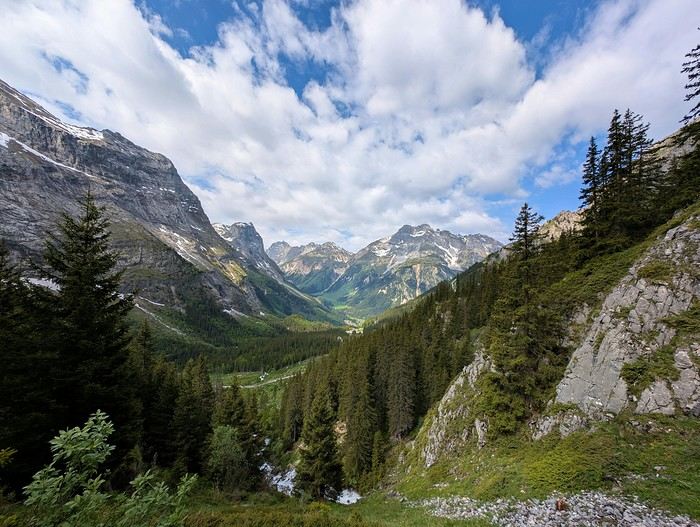
Glacial valleys—my breath of fresh air
I often go there to reconnect with the mountains, especially when I want a spectacular setting without hours of climbing. The Orgère valley, starting from Saint-André in Maurienne, is a gem. Easy to access, super wild, with its Swiss pine trees and singing streams... You’re instantly immersed in the alpine atmosphere. A little higher up, from Val Cenis/Termignon, I recommend the Cirque du Génépy. It’s an old glacial landscape just the way we love it: rocks smoothed by ice, near-total silence, and a real sense of the end of the world.
Glacier mountaineering at the heart of the ice
For the more athletic (and always with a guide, of course), climbing the Grande Casse, 3,855 m, remains a legendary goal. I’ve only done it once, but what a rush! You’ll need crampons, an ice axe, and good fitness, but the view up there is indescribable. There are also more accessible glacial routes around Pointe de la Réchasse or the Dôme de Chasseforêt.
Gateways to Vanoise National Park
Bonneval-sur-Arc... this little village perched at 1,835 meters, I never get tired of it. It’s kept its charm: stone houses, slate roofs, fountains... It’s simple, everything’s beautiful. It’s also a great base for hiking in the park. And then there’s Pralognan-la-Vanoise, my favorite gateway. It’s a mountain village just the way I like them—quiet streets, typical chalets, and above all, direct access to incredible landscapes.
Sleeping in a mountain hut—the best way to experience the mountains
Hiking in Vanoise National Park is already magical, but spending a night in a refuge? That’s sacred. I recommend the glacier tour, a 4- to 7-day trek with stops at huts like L’Arpont, Dent Parrachée, or Leisse. The food’s great, you’ll meet other hikers, and in the early morning, when the sun lights up the peaks, I guarantee you won’t be thinking about your emails. Even a single night at Refuge du Fond d’Aussois or La Valette is enough to unplug.
High-altitude lakes: when the peaks reflect in the water
High-altitude lakes are a bit like my madeleine de Proust. I love climbing up early in the morning when everything’s still quiet. Lac Blanc, starting from Termignon, is a pretty accessible hike, often punctuated by the whistling of marmots. Wilder, Lac de la Glière near Champagny-en-Vanoise is one of my favorite spots for a picnic far from everything.
Glacial valleys—my breath of fresh air
I often go there to reconnect with the mountains, especially when I want a spectacular setting without hours of climbing. The Orgère valley, starting from Saint-André in Maurienne, is a gem. Easy to access, super wild, with its Swiss pine trees and singing streams... You’re instantly immersed in the alpine atmosphere. A little higher up, from Val Cenis/Termignon, I recommend the Cirque du Génépy. It’s an old glacial landscape just the way we love it: rocks smoothed by ice, near-total silence, and a real sense of the end of the world.
Glacier mountaineering at the heart of the ice
For the more athletic (and always with a guide, of course), climbing the Grande Casse, 3,855 m, remains a legendary goal. I’ve only done it once, but what a rush! You’ll need crampons, an ice axe, and good fitness, but the view up there is indescribable. There are also more accessible glacial routes around Pointe de la Réchasse or the Dôme de Chasseforêt.
Gateways to Vanoise National Park
Bonneval-sur-Arc... this little village perched at 1,835 meters, I never get tired of it. It’s kept its charm: stone houses, slate roofs, fountains... It’s simple, everything’s beautiful. It’s also a great base for hiking in the park. And then there’s Pralognan-la-Vanoise, my favorite gateway. It’s a mountain village just the way I like them—quiet streets, typical chalets, and above all, direct access to incredible landscapes.
Whether you're a beginner or an experienced trekker, choosing an effective camping mattress can often be complicated. Between comfort, weight, and bulk, the ideal compromise is hard to find. After testing the USKOO AirFlex 3.0 mattress in real conditions, here’s why it clearly deserves a spot in your backpack—despite being slightly heavier than some ultra-light competitors.
Compact and easy to transport despite its weight
The AirFlex 3.0 mattress weighs 839 grams. It’s true—if you're chasing ultra-lightweight gear at all costs, this might seem heavy. However, the real advantage of this mattress lies elsewhere: its ability to be ultra-compact when packed. It fits easily into a standard backpack, freeing up precious space for your other gear. Personally, after several self-sufficient hikes, I love how easily I can stow my mattress without struggling at every stop.
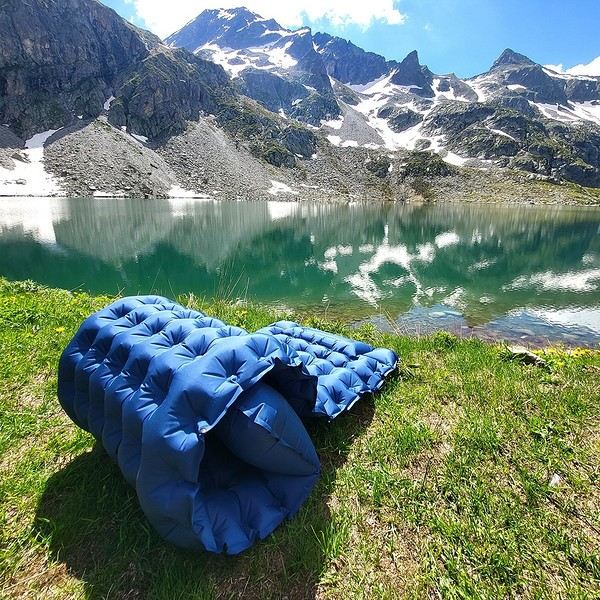
Unmatched comfort for restful nights
While the AirFlex 3.0’s weight isn’t its strongest point, its comfort definitely is. Its generous 7 cm thickness lets you forget about uneven terrain, delivering exceptional sleep quality even after weeks of trekking. I’ve tested it on various surfaces—rocky, damp, or uneven—and every time, the mattress provided unparalleled sleep. Plus, its design includes an integrated pillow and modularity that lets you easily switch to couch mode or a lounge chair. Whether you're reading, stargazing, or just resting, its comfort remains intact.
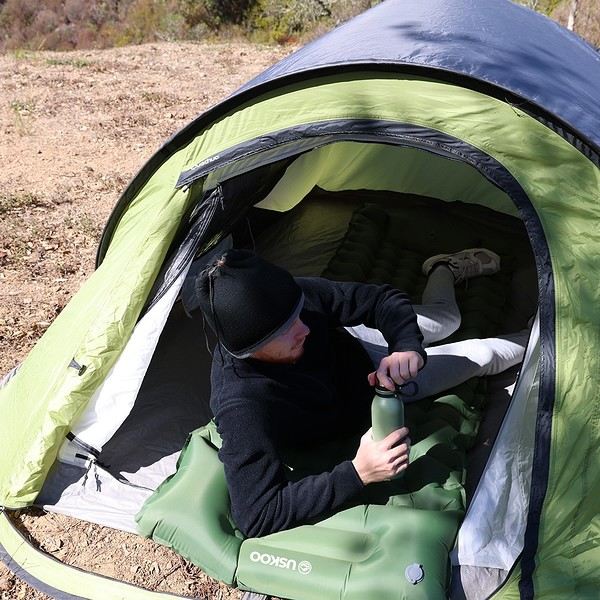
Durability and reliability on all terrains
After enduring the challenges of high-altitude campsites or spots near water, I can confirm the AirFlex 3.0 lives up to its durability promises. Its 100% waterproof and abrasion-resistant coating lets it handle the toughest conditions without puncturing. That’s a crucial feature when you know how much a leaky mattress can ruin a self-sufficient camping trip.
Quick and easy inflation
Another major plus: the built-in pump. No more spending ages blowing it up or using an external manual pump. It only takes 30 seconds to fully inflate the mattress. This often-overlooked feature is a game-changer after a long day of hiking.
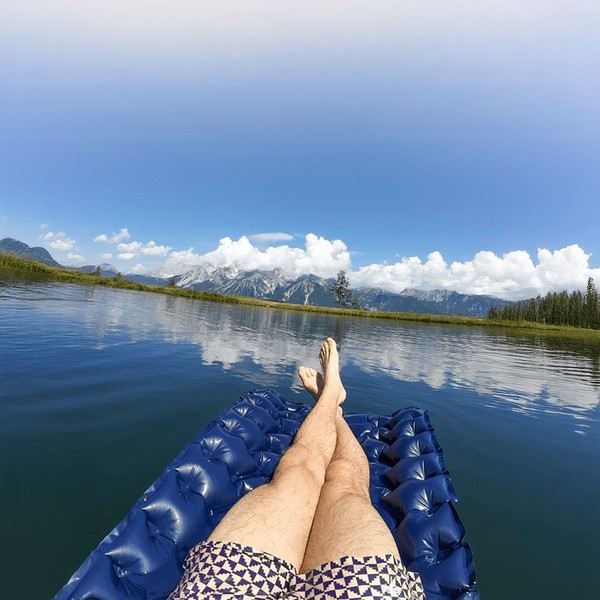
Verdict: Is it right for you?
The USKOO AirFlex 3.0 mattress is a smart investment for those who prioritize absolute comfort without sacrificing minimal bulk. Yes, it’s a bit heavier than some ultra-light models on the market, but this small trade-off is more than made up for by its many strengths: durability, versatility, quick inflation, and above all, unmatched comfort while camping. In short, if you're one of those demanding trekkers who no longer want to sacrifice sleep for the sake of absolute lightness, then the AirFlex 3.0 mattress is undoubtedly for you.
Compact and easy to transport despite its weight
The AirFlex 3.0 mattress weighs 839 grams. It’s true—if you're chasing ultra-lightweight gear at all costs, this might seem heavy. However, the real advantage of this mattress lies elsewhere: its ability to be ultra-compact when packed. It fits easily into a standard backpack, freeing up precious space for your other gear. Personally, after several self-sufficient hikes, I love how easily I can stow my mattress without struggling at every stop.
Unmatched comfort for restful nights
While the AirFlex 3.0’s weight isn’t its strongest point, its comfort definitely is. Its generous 7 cm thickness lets you forget about uneven terrain, delivering exceptional sleep quality even after weeks of trekking. I’ve tested it on various surfaces—rocky, damp, or uneven—and every time, the mattress provided unparalleled sleep. Plus, its design includes an integrated pillow and modularity that lets you easily switch to couch mode or a lounge chair. Whether you're reading, stargazing, or just resting, its comfort remains intact.
Durability and reliability on all terrains
After enduring the challenges of high-altitude campsites or spots near water, I can confirm the AirFlex 3.0 lives up to its durability promises. Its 100% waterproof and abrasion-resistant coating lets it handle the toughest conditions without puncturing. That’s a crucial feature when you know how much a leaky mattress can ruin a self-sufficient camping trip.
Quick and easy inflation
Another major plus: the built-in pump. No more spending ages blowing it up or using an external manual pump. It only takes 30 seconds to fully inflate the mattress. This often-overlooked feature is a game-changer after a long day of hiking.
Verdict: Is it right for you?
The USKOO AirFlex 3.0 mattress is a smart investment for those who prioritize absolute comfort without sacrificing minimal bulk. Yes, it’s a bit heavier than some ultra-light models on the market, but this small trade-off is more than made up for by its many strengths: durability, versatility, quick inflation, and above all, unmatched comfort while camping. In short, if you're one of those demanding trekkers who no longer want to sacrifice sleep for the sake of absolute lightness, then the AirFlex 3.0 mattress is undoubtedly for you.
Ah! New Zealand, the ultimate road trip destination. If you've been dreaming of trying out a campervan adventure, it's definitely one of the best places in the world to take the plunge. With its diverse landscapes—white sand beaches, volcanoes, glaciers, fjords, and glacial lakes—the country also boasts top-notch infrastructure for campers, making it ideal for campervan circuits, even for beginners!
Why is New Zealand the perfect country for your first campervan trip?
Safe and Scenic Roads
New Zealand offers a well-maintained road network, usually not too busy outside major cities. This is a huge plus if you're new to driving a campervan. The routes often feature spectacular viewpoints. You'll also find a vast network of campgrounds, and while freedom camping is regulated, there are still plenty of spots where you can sleep for free. Speed limits are reasonable, and the driving culture is pretty relaxed.
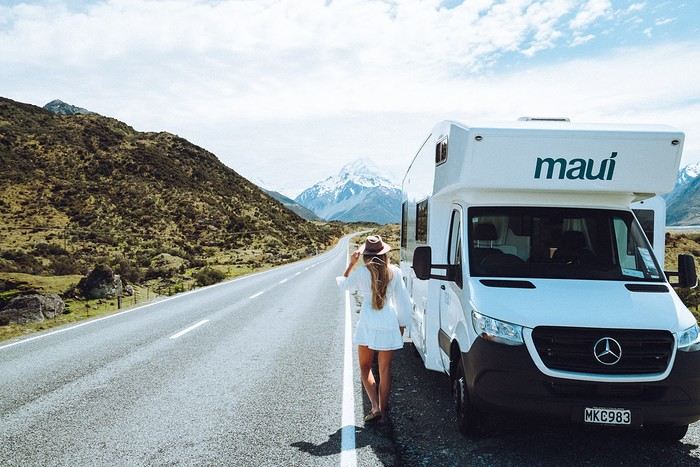
Adapted Infrastructure
There are plenty of campervan rental companies offering different models, from converted vans to large family motorhomes. You'll find rental depots in major cities (Auckland, Christchurch, Queenstown), along with shuttle services between the airport and the depot. Campgrounds in New Zealand, whether private or managed by the Department of Conservation (DOC), are easy to find and well-marked. Plus, since New Zealand is a country of campers, you'll often get helpful tips from the locals.
Diverse and Accessible Landscapes
Beaches, volcanoes, deep fjords, or subtropical forests—you can experience a completely different setting in just a few hours of driving. No need to be a 4x4 expert: most roads leading to these stunning sites are campervan-friendly. This variety of landscapes, combined with easy access, makes New Zealand a top choice for a first road trip experience.
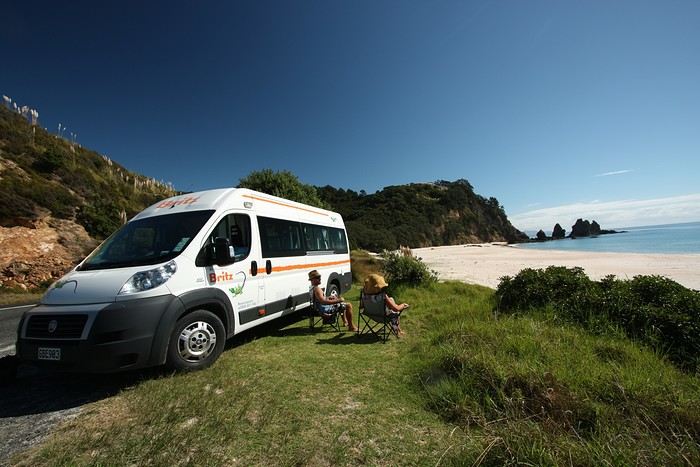
The Most Beautiful Places to Discover in a Campervan
To give you an idea, here’s a selection of must-see spots to inspire your next adventure.
1. The Coromandel Peninsula (North Island)
Just a few hours from Auckland, the Coromandel Peninsula is famous for its white sand beaches, hot springs, and lush vegetation. Hot Water Beach is a must-visit—dig your own "thermal bath" on the shore at low tide. You’ll easily find campgrounds by the ocean, perfect for your first taste of campervan life.
2. Rotorua and the Geothermal Wonders (North Island)
A little further south, Rotorua is the geothermal heart of New Zealand. Geysers, bubbling pools, and sulfur lakes with amazing colors—there’s no shortage of things to do. It’s also a major hub for Māori culture. Take the time to visit a traditional village or watch a haka performance. In the evening, relax at a campground with natural hot pools.
3. Tongariro National Park (North Island)
A UNESCO World Heritage site, this volcanic park is a paradise for hikers, especially with the famous Tongariro Alpine Crossing. Even if you're not an experienced hiker, you can enjoy stunning views from the roads or short marked trails. The campgrounds in the area will immerse you in a postcard-worthy setting.
4. Abel Tasman, Coastal Gem (South Island)
After taking the ferry from Wellington to Picton, head to Abel Tasman National Park. Its golden beaches, crystal-clear waters, and coastal trails are perfect for unwinding. One of the perks of a campervan is exploring at your own pace, choosing spots near the beaches or deeper in the forest.
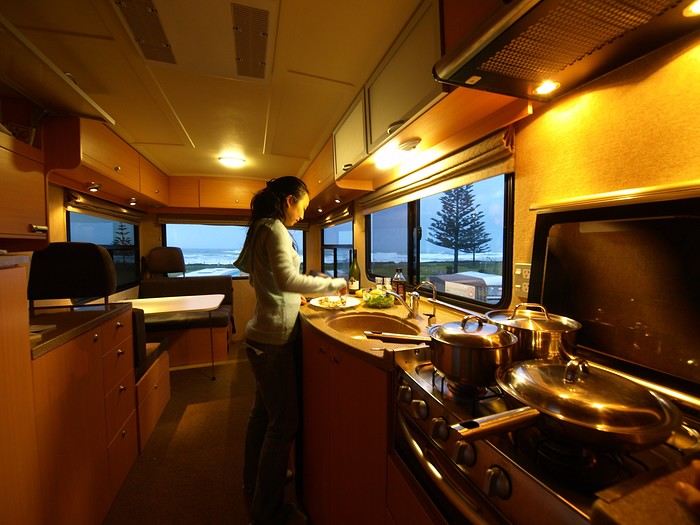
5. Punakaiki and the Pancake Rocks (South Island)
As you drive along the West Coast’s thick rainforests and wild beaches, stop at Punakaiki to see the Pancake Rocks—surprising rock formations that look like stacks of pancakes. A marked trail runs along the coast, letting you watch waves crash into the "blowholes" (marine geysers). Spending the night at a seaside campground, lulled by the sound of waves, is an experience not to be missed.
6. The Franz Josef and Fox Glaciers (South Island)
Further south, the glacier region is a must for lovers of breathtaking landscapes. You can admire the icy giants from a distance on an easy trail or take a helicopter to fly over them—or even walk on them. The campgrounds in Franz Josef or Fox Glacier let you wake up in an alpine atmosphere, contrasting with the lush vegetation around you.
7. Queenstown and Wanaka (South Island)
Queenstown, on the shore of a sparkling lake surrounded by majestic peaks, is known as the adventure capital: bungee jumping, paragliding, rafting—anything’s possible. If you prefer a quieter vibe, Wanaka is just as charming, with its beautiful lake and accessible walks. The road between these two towns is stunning, with plenty of perfect spots for a picnic stop.
8. Te Anau and Milford Sound (South Island)
New Zealand’s fjords are world-famous. Te Anau is the gateway to exploring Milford Sound or, for something wilder, Doubtful Sound. A cruise through these deep fjords, surrounded by towering cliffs, is one of the highlights of any trip to New Zealand. Staying overnight in a campervan in Te Anau saves you a long round trip in a day and lets you set off at dawn for more adventures.
9. Lake Tekapo and Mount Cook (South Island)
In the heart of the Southern Alps, Lake Tekapo charms with its unique turquoise color and its picturesque church by the water. The area is known for its starry skies (it’s an International Dark Sky Reserve). Mount Cook, the country’s highest peak, stands majestically in the background. Several campgrounds offer views of these mountains.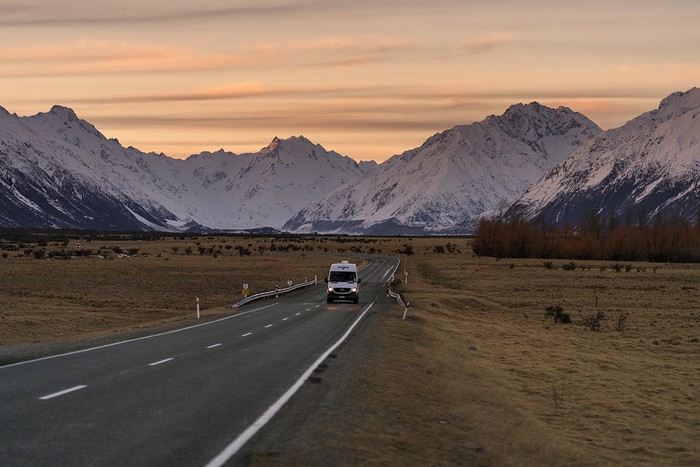
Practical Tips for a Successful Campervan Road Trip
Where to start? Between choosing the right vehicle, the best time to go, parking rules, and tips for where to sleep, here are our practical tips to plan your road trip stress-free.
Duration and Itinerary Choices
Less than 15 days: Focus on one island to avoid spending too much time on the road.
More than 15 days: Consider a North-South combo with a one-way trip (e.g., Auckland to Christchurch).
Book Early
In peak season (November to March), demand is high, especially for family-sized vehicles. Book your campervan ideally 6 to 8 months in advance.
Opt for full insurance to avoid high excess fees and hassles in case of issues. Standard bank insurance rarely covers campervans.
Choosing the Right Vehicle
Watch out for campervans over 3 years old—they can be "tired" in terms of both equipment and driving. If your budget allows, go for a newer model for better reliability and comfort.
Check the depot’s opening hours for pick-up. If you arrive late or after a long trip, it’s better to spend the first night in accommodation rather than driving straight away.
Where to Spend the Night
Freedom camping: Allowed in some remote areas but heavily regulated. Fines for breaking the rules can reach $200. Use comprehensive apps to identify legal spots and avoid penalties!
Basic campsites / DOC: Basic facilities but often in idyllic settings. These are campgrounds managed by the Department of Conservation, perfect for getting close to nature.
Private campgrounds: More expensive but offer hot showers, electricity, playgrounds for kids, pools, and laundry. Ideal for recharging—both your campervan’s batteries and your own.
Respect Nature
New Zealand is known for its pristine landscapes. Manage your waste, use designated dumping areas, and follow local signage. New Zealanders care deeply about keeping their environment clean and warmly welcome responsible tourists. For support, consider a local French-speaking agency like Frogs, which can help with administrative steps, planning your itinerary, and of course, renting a campervan.
Why is New Zealand the perfect country for your first campervan trip?
Safe and Scenic Roads
New Zealand offers a well-maintained road network, usually not too busy outside major cities. This is a huge plus if you're new to driving a campervan. The routes often feature spectacular viewpoints. You'll also find a vast network of campgrounds, and while freedom camping is regulated, there are still plenty of spots where you can sleep for free. Speed limits are reasonable, and the driving culture is pretty relaxed.
Adapted Infrastructure
There are plenty of campervan rental companies offering different models, from converted vans to large family motorhomes. You'll find rental depots in major cities (Auckland, Christchurch, Queenstown), along with shuttle services between the airport and the depot. Campgrounds in New Zealand, whether private or managed by the Department of Conservation (DOC), are easy to find and well-marked. Plus, since New Zealand is a country of campers, you'll often get helpful tips from the locals.
Diverse and Accessible Landscapes
Beaches, volcanoes, deep fjords, or subtropical forests—you can experience a completely different setting in just a few hours of driving. No need to be a 4x4 expert: most roads leading to these stunning sites are campervan-friendly. This variety of landscapes, combined with easy access, makes New Zealand a top choice for a first road trip experience.
The Most Beautiful Places to Discover in a Campervan
To give you an idea, here’s a selection of must-see spots to inspire your next adventure.
1. The Coromandel Peninsula (North Island)
Just a few hours from Auckland, the Coromandel Peninsula is famous for its white sand beaches, hot springs, and lush vegetation. Hot Water Beach is a must-visit—dig your own "thermal bath" on the shore at low tide. You’ll easily find campgrounds by the ocean, perfect for your first taste of campervan life.
2. Rotorua and the Geothermal Wonders (North Island)
A little further south, Rotorua is the geothermal heart of New Zealand. Geysers, bubbling pools, and sulfur lakes with amazing colors—there’s no shortage of things to do. It’s also a major hub for Māori culture. Take the time to visit a traditional village or watch a haka performance. In the evening, relax at a campground with natural hot pools.
3. Tongariro National Park (North Island)
A UNESCO World Heritage site, this volcanic park is a paradise for hikers, especially with the famous Tongariro Alpine Crossing. Even if you're not an experienced hiker, you can enjoy stunning views from the roads or short marked trails. The campgrounds in the area will immerse you in a postcard-worthy setting.
4. Abel Tasman, Coastal Gem (South Island)
After taking the ferry from Wellington to Picton, head to Abel Tasman National Park. Its golden beaches, crystal-clear waters, and coastal trails are perfect for unwinding. One of the perks of a campervan is exploring at your own pace, choosing spots near the beaches or deeper in the forest.
5. Punakaiki and the Pancake Rocks (South Island)
As you drive along the West Coast’s thick rainforests and wild beaches, stop at Punakaiki to see the Pancake Rocks—surprising rock formations that look like stacks of pancakes. A marked trail runs along the coast, letting you watch waves crash into the "blowholes" (marine geysers). Spending the night at a seaside campground, lulled by the sound of waves, is an experience not to be missed.
6. The Franz Josef and Fox Glaciers (South Island)
Further south, the glacier region is a must for lovers of breathtaking landscapes. You can admire the icy giants from a distance on an easy trail or take a helicopter to fly over them—or even walk on them. The campgrounds in Franz Josef or Fox Glacier let you wake up in an alpine atmosphere, contrasting with the lush vegetation around you.
7. Queenstown and Wanaka (South Island)
Queenstown, on the shore of a sparkling lake surrounded by majestic peaks, is known as the adventure capital: bungee jumping, paragliding, rafting—anything’s possible. If you prefer a quieter vibe, Wanaka is just as charming, with its beautiful lake and accessible walks. The road between these two towns is stunning, with plenty of perfect spots for a picnic stop.
8. Te Anau and Milford Sound (South Island)
New Zealand’s fjords are world-famous. Te Anau is the gateway to exploring Milford Sound or, for something wilder, Doubtful Sound. A cruise through these deep fjords, surrounded by towering cliffs, is one of the highlights of any trip to New Zealand. Staying overnight in a campervan in Te Anau saves you a long round trip in a day and lets you set off at dawn for more adventures.
9. Lake Tekapo and Mount Cook (South Island)
In the heart of the Southern Alps, Lake Tekapo charms with its unique turquoise color and its picturesque church by the water. The area is known for its starry skies (it’s an International Dark Sky Reserve). Mount Cook, the country’s highest peak, stands majestically in the background. Several campgrounds offer views of these mountains.
Practical Tips for a Successful Campervan Road Trip
Where to start? Between choosing the right vehicle, the best time to go, parking rules, and tips for where to sleep, here are our practical tips to plan your road trip stress-free.
Duration and Itinerary Choices
Less than 15 days: Focus on one island to avoid spending too much time on the road.
More than 15 days: Consider a North-South combo with a one-way trip (e.g., Auckland to Christchurch).
Book Early
In peak season (November to March), demand is high, especially for family-sized vehicles. Book your campervan ideally 6 to 8 months in advance.
Opt for full insurance to avoid high excess fees and hassles in case of issues. Standard bank insurance rarely covers campervans.
Choosing the Right Vehicle
Watch out for campervans over 3 years old—they can be "tired" in terms of both equipment and driving. If your budget allows, go for a newer model for better reliability and comfort.
Check the depot’s opening hours for pick-up. If you arrive late or after a long trip, it’s better to spend the first night in accommodation rather than driving straight away.
Where to Spend the Night
Freedom camping: Allowed in some remote areas but heavily regulated. Fines for breaking the rules can reach $200. Use comprehensive apps to identify legal spots and avoid penalties!
Basic campsites / DOC: Basic facilities but often in idyllic settings. These are campgrounds managed by the Department of Conservation, perfect for getting close to nature.
Private campgrounds: More expensive but offer hot showers, electricity, playgrounds for kids, pools, and laundry. Ideal for recharging—both your campervan’s batteries and your own.
Respect Nature
New Zealand is known for its pristine landscapes. Manage your waste, use designated dumping areas, and follow local signage. New Zealanders care deeply about keeping their environment clean and warmly welcome responsible tourists. For support, consider a local French-speaking agency like Frogs, which can help with administrative steps, planning your itinerary, and of course, renting a campervan.
Games have been an integral part of Occitanie’s culture for centuries. From traditional French games to the modern rise of game cafés, the region has embraced games not just as entertainment, but as a way to connect, strategize, and share experiences. Whether it’s playing pétanque in the village square, gathering for an intense chess match in a local café, or diving into the latest board games at Toulouse’s vibrant gaming spots, Occitanie offers a rich and evolving gaming culture.
Traditional games that shaped Occitanie
Long before video games and themed game cafés, the people of Occitanie entertained themselves with games passed down through generations.
Pétanque – This classic game, deeply rooted in southern France, is a staple of social life in Occitanie. Played in public squares and parks, it’s a game of precision and patience, with friendly rivalries often lasting for years.
La Mourre – A lesser-known but historically significant game, la mourre was once a favorite among locals. It involves quick hand gestures and guessing, blending skill with a bit of luck.
Jeu de Nain Jaune – This 18th-century card game, still played today, remains a favorite at family gatherings. Known as Le Nain Jaune, it mixes strategy and chance, much like modern board games.

These traditional games laid the foundation for Occitanie’s love of strategy and competition, paving the way for today’s board game culture. Whether in a lively café, at a family gathering, or in an entertainment venue where skill and chance meet, the region’s deep appreciation for games continues to evolve. Even today, that same blend of strategy and chance can be found in modern settings—whether around a board game café or during a poker tournament at an online casino.
Gaming expert François Leclerc highlights the best online casinos in France, offering players access to thousands of games, exciting daily tournaments, fast payouts, and attractive bonuses like matched deposit bets and free bets, so those who love the thrill of gaming can fully enjoy the experience.
The rise of game cafés and chess clubs
While traditional games remain beloved, board game cafés and chess clubs are experiencing a spectacular boom in the region. Blending nostalgia with innovation, these spaces provide a place for players of all backgrounds to meet and play.
Toulouse: A board game hotspot
Toulouse, Occitanie’s cultural and technological hub, has fully embraced the board game café trend. Popular spots like Blastodice, La Taverne du Troll, and Yggdrasil have become gathering places for locals and visitors looking for an alternative to traditional nightlife.
These cafés offer vast libraries of games, from classic strategy games like Catan and Carcassonne (named after the famous medieval city in Occitanie) to the latest indie releases. In these cafés, game nights often turn into social events where newcomers and experienced players bond over strategy and competition. Some venues even host themed nights, where players can immerse themselves in historical or fantasy game sessions.
The chess culture in Occitanie
Chess is experiencing a major revival, with tournaments and clubs multiplying across the region. The Toulouse Chess Club is one of the most well-known, attracting both casual and competitive players. This established club offers a structured environment where players can hone their skills, participate in local competitions, and deepen their passion for the game. With the rise of chess streaming and its representation in pop culture, the game’s appeal continues to grow, drawing in more participants eager to master its strategy.
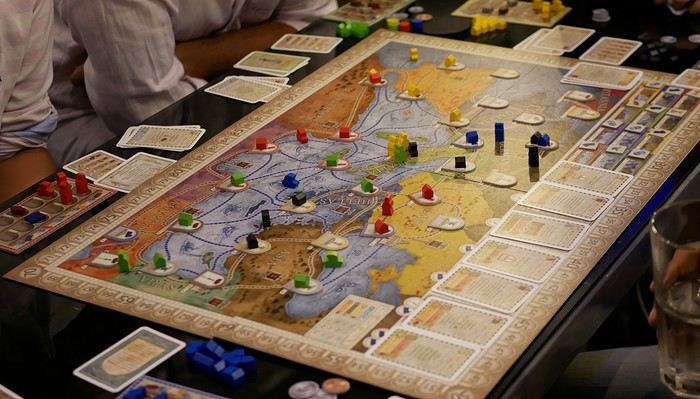
A new era of gaming and entertainment
Occitanie’s gaming culture extends beyond cafés and clubs. Larger entertainment venues now incorporate gaming zones with immersive experiences, virtual reality sections, and lounges for classic strategy games. While these venues focus on digital entertainment, many still host board game nights and chess tournaments. Cities like Toulouse offer a mix of experiences, from live music to themed game nights, for a complete evening out.
Why gaming thrives in Occitanie
What makes Occitanie a true hub for gaming culture? Several factors contribute to its success:
A strong social culture – The region’s love for shared experiences naturally extends to gaming. Whether it’s a game of pétanque or a chess match in a café, competition and camaraderie go hand in hand.
A growing gaming scene – Cities like Toulouse and Montpellier are home to expanding gaming communities that fuel demand for new and engaging social activities, making board game cafés and gaming lounges popular choices for all types of players.
A blend of tradition and innovation – Occitanie’s respect for tradition pairs perfectly with its openness to modern trends. Classic games remain popular, but new gaming formats keep the culture fresh and exciting.
Conclusion
From ancient pastimes played in village squares to lively modern board game cafés, gaming culture in Occitanie continues to thrive. Chess clubs, board game hotspots, and evolving entertainment spaces offer something for every type of player. Whether enjoying a game of pétanque under the southern sun or gathering with friends over a strategy game in a cozy café, the region’s love for games remains stronger than ever.
Traditional games that shaped Occitanie
Long before video games and themed game cafés, the people of Occitanie entertained themselves with games passed down through generations.
Pétanque – This classic game, deeply rooted in southern France, is a staple of social life in Occitanie. Played in public squares and parks, it’s a game of precision and patience, with friendly rivalries often lasting for years.
La Mourre – A lesser-known but historically significant game, la mourre was once a favorite among locals. It involves quick hand gestures and guessing, blending skill with a bit of luck.
Jeu de Nain Jaune – This 18th-century card game, still played today, remains a favorite at family gatherings. Known as Le Nain Jaune, it mixes strategy and chance, much like modern board games.
These traditional games laid the foundation for Occitanie’s love of strategy and competition, paving the way for today’s board game culture. Whether in a lively café, at a family gathering, or in an entertainment venue where skill and chance meet, the region’s deep appreciation for games continues to evolve. Even today, that same blend of strategy and chance can be found in modern settings—whether around a board game café or during a poker tournament at an online casino.
Gaming expert François Leclerc highlights the best online casinos in France, offering players access to thousands of games, exciting daily tournaments, fast payouts, and attractive bonuses like matched deposit bets and free bets, so those who love the thrill of gaming can fully enjoy the experience.
The rise of game cafés and chess clubs
While traditional games remain beloved, board game cafés and chess clubs are experiencing a spectacular boom in the region. Blending nostalgia with innovation, these spaces provide a place for players of all backgrounds to meet and play.
Toulouse: A board game hotspot
Toulouse, Occitanie’s cultural and technological hub, has fully embraced the board game café trend. Popular spots like Blastodice, La Taverne du Troll, and Yggdrasil have become gathering places for locals and visitors looking for an alternative to traditional nightlife.
These cafés offer vast libraries of games, from classic strategy games like Catan and Carcassonne (named after the famous medieval city in Occitanie) to the latest indie releases. In these cafés, game nights often turn into social events where newcomers and experienced players bond over strategy and competition. Some venues even host themed nights, where players can immerse themselves in historical or fantasy game sessions.
The chess culture in Occitanie
Chess is experiencing a major revival, with tournaments and clubs multiplying across the region. The Toulouse Chess Club is one of the most well-known, attracting both casual and competitive players. This established club offers a structured environment where players can hone their skills, participate in local competitions, and deepen their passion for the game. With the rise of chess streaming and its representation in pop culture, the game’s appeal continues to grow, drawing in more participants eager to master its strategy.
A new era of gaming and entertainment
Occitanie’s gaming culture extends beyond cafés and clubs. Larger entertainment venues now incorporate gaming zones with immersive experiences, virtual reality sections, and lounges for classic strategy games. While these venues focus on digital entertainment, many still host board game nights and chess tournaments. Cities like Toulouse offer a mix of experiences, from live music to themed game nights, for a complete evening out.
Why gaming thrives in Occitanie
What makes Occitanie a true hub for gaming culture? Several factors contribute to its success:
A strong social culture – The region’s love for shared experiences naturally extends to gaming. Whether it’s a game of pétanque or a chess match in a café, competition and camaraderie go hand in hand.
A growing gaming scene – Cities like Toulouse and Montpellier are home to expanding gaming communities that fuel demand for new and engaging social activities, making board game cafés and gaming lounges popular choices for all types of players.
A blend of tradition and innovation – Occitanie’s respect for tradition pairs perfectly with its openness to modern trends. Classic games remain popular, but new gaming formats keep the culture fresh and exciting.
Conclusion
From ancient pastimes played in village squares to lively modern board game cafés, gaming culture in Occitanie continues to thrive. Chess clubs, board game hotspots, and evolving entertainment spaces offer something for every type of player. Whether enjoying a game of pétanque under the southern sun or gathering with friends over a strategy game in a cozy café, the region’s love for games remains stronger than ever.
If you dream of an extraordinary adventure, you’ve come to the right place! Argentina, this land at the end of the world, offers a unique change of scenery and the perfect opportunity to travel solo. With its spectacular landscapes, stretching from the ends of Tierra del Fuego to the high Andean plateaus, this vast country captivates both nature lovers and those passionate about authentic encounters. Here, the notions of borders and distance fade away: the glaciers of Patagonia, the Iguazu Falls in the heart of the tropical forest, wild steppes, and Andean villages nestled in colorful valleys. In Argentina, you quickly forget the passing of time, as the human experience and the beauty of the places leave their mark on every moment.
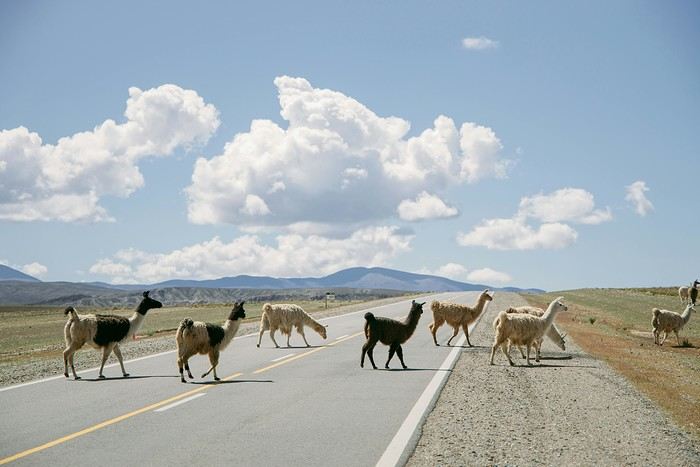
The perfect place to escape mass tourism
When traveling solo, there’s nothing like Argentina to get off the beaten path and avoid the crowds. Of course, some iconic spots like the Perito Moreno Glacier in El Calafate or Tierra del Fuego National Park in Ushuaia attract travelers from all over the world. However, the country’s vastness offers plenty of opportunities to find yourself almost alone in nature. A sunrise over the Andes, an afternoon riding with gauchos in the pampa, or a hike deep in Patagonia—these suspended moments happen far from the crowds.
A country ideal for connecting with local communities
One of Argentina’s strengths is the warmth of its people. Deeply attached to their traditions and genuinely curious about visitors, Argentinians have a knack for breaking down barriers, whether linguistic or cultural. You might find yourself chatting in Spanish over a mate (the local herbal tea), joining an impromptu barbecue, or even trying a few tango steps in a milonga. Simply showing interest in their culture and history is often enough to start a conversation. With Argentinians’ innate sense of hospitality, you never feel alone, even as a solo traveler.
Meeting local communities: a unique human adventure
Traveling solo in Argentina also means encountering its diverse communities. Staying with a local family or in an estancia (an Argentine ranch) lets you dive into the daily lives of families who often live self-sufficiently. In the Northwest, for example, you can share the life of an Andean community and learn to cook delicious local specialties. In Bariloche, some stays even include discovering a Mapuche community, offering a chance to better understand their relationship with the land and the importance of their ancestral traditions.
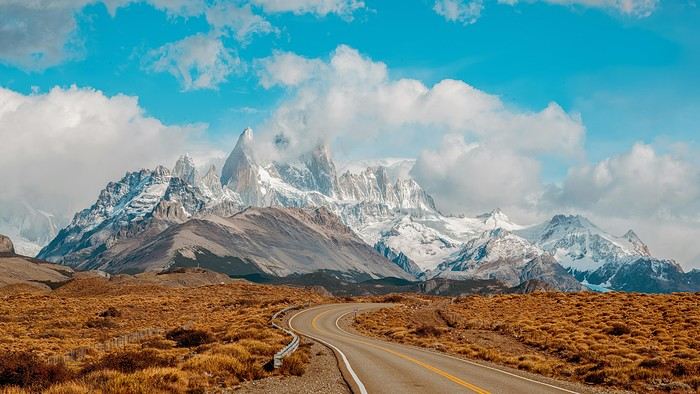
Diverse experiences for an unforgettable trip
Argentina is a true playground for outdoor enthusiasts: hikes in the steppes, sailing on the Beagle Channel in Tierra del Fuego, whale watching in Puerto Madryn (from June to December), or exploring the Iguazu jungle to encounter its wildlife and flora. And just when you think you’ve seen it all, Argentina still has surprises in store. In the Salta region, the Quebrada de Humahuaca reveals mountains with seven colors that tell the geological history of the Andes. It’s a feast for the eyes!
Why not join a small group with Tierra Latina?
Traveling alone doesn’t mean you can’t share parts of your journey with other enthusiasts. That’s what Tierra Latina offers: small-group tours (between 2 and 12 people), designed to balance the freedom of traveling in a small group with the camaraderie of exchanges between travelers. Each itinerary is crafted to alternate highlights (like visiting must-sees: Buenos Aires, Ushuaia, Perito Moreno…) with more intimate moments, far from mass tourism.
The focus is on authentic encounters and respect for local communities—that’s Tierra Latina’s signature. For example, in northwestern Argentina, Tierra Latina offers the chance to spend time in an Andean community to learn about traditional dish preparation during a cooking workshop. It’s an opportunity to exchange recipes and knowledge passed down through generations. The goal: to go beyond simple sightseeing and experience true moments of sharing.
In a small group, you quickly feel like part of a family of travelers, all united by the beauty of the landscapes. You also benefit from French-speaking guides who share their tips and anecdotes while leaving plenty of free time to explore at your own pace. Whether you’re traveling solo, as a couple, or with friends, you’ll find the perfect balance between independence and the comfort of being surrounded.
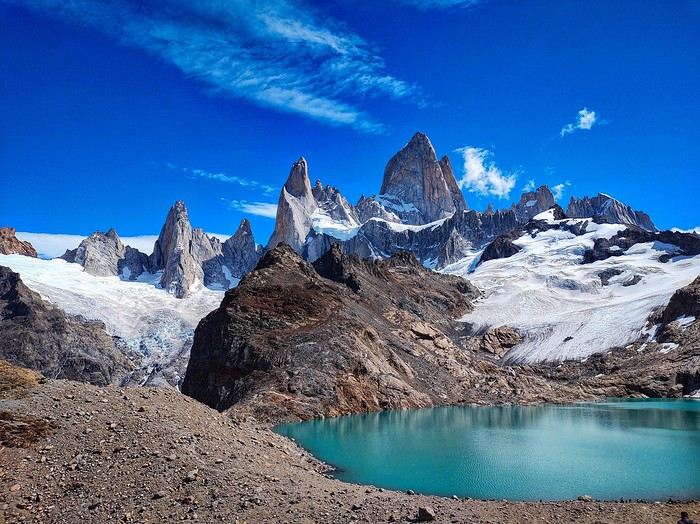
Human connections at the heart of the journey
At Tierra Latina, the goal is to put people at the center of the experience. Accommodations are chosen for their authentic character, often tested and approved by the team itself. Whether you’re staying with an Andean family in a small village in the Quebrada de Humahuaca or in an estancia in the heart of the Patagonian steppe, you’ll take part in local life and contribute to the economy of these sometimes isolated regions.
This responsible approach to travel helps minimize environmental impact while maintaining a privileged connection with those who make Argentina so rich: its people. You’ll leave with intense memories, marked by moments of sharing that are hard to replicate elsewhere. So, ready to pack your bags? Follow the guide and fly off to this fascinating country—you’ll only want one thing: to come back!
The perfect place to escape mass tourism
When traveling solo, there’s nothing like Argentina to get off the beaten path and avoid the crowds. Of course, some iconic spots like the Perito Moreno Glacier in El Calafate or Tierra del Fuego National Park in Ushuaia attract travelers from all over the world. However, the country’s vastness offers plenty of opportunities to find yourself almost alone in nature. A sunrise over the Andes, an afternoon riding with gauchos in the pampa, or a hike deep in Patagonia—these suspended moments happen far from the crowds.
A country ideal for connecting with local communities
One of Argentina’s strengths is the warmth of its people. Deeply attached to their traditions and genuinely curious about visitors, Argentinians have a knack for breaking down barriers, whether linguistic or cultural. You might find yourself chatting in Spanish over a mate (the local herbal tea), joining an impromptu barbecue, or even trying a few tango steps in a milonga. Simply showing interest in their culture and history is often enough to start a conversation. With Argentinians’ innate sense of hospitality, you never feel alone, even as a solo traveler.
Meeting local communities: a unique human adventure
Traveling solo in Argentina also means encountering its diverse communities. Staying with a local family or in an estancia (an Argentine ranch) lets you dive into the daily lives of families who often live self-sufficiently. In the Northwest, for example, you can share the life of an Andean community and learn to cook delicious local specialties. In Bariloche, some stays even include discovering a Mapuche community, offering a chance to better understand their relationship with the land and the importance of their ancestral traditions.
Diverse experiences for an unforgettable trip
Argentina is a true playground for outdoor enthusiasts: hikes in the steppes, sailing on the Beagle Channel in Tierra del Fuego, whale watching in Puerto Madryn (from June to December), or exploring the Iguazu jungle to encounter its wildlife and flora. And just when you think you’ve seen it all, Argentina still has surprises in store. In the Salta region, the Quebrada de Humahuaca reveals mountains with seven colors that tell the geological history of the Andes. It’s a feast for the eyes!
Why not join a small group with Tierra Latina?
Traveling alone doesn’t mean you can’t share parts of your journey with other enthusiasts. That’s what Tierra Latina offers: small-group tours (between 2 and 12 people), designed to balance the freedom of traveling in a small group with the camaraderie of exchanges between travelers. Each itinerary is crafted to alternate highlights (like visiting must-sees: Buenos Aires, Ushuaia, Perito Moreno…) with more intimate moments, far from mass tourism.
The focus is on authentic encounters and respect for local communities—that’s Tierra Latina’s signature. For example, in northwestern Argentina, Tierra Latina offers the chance to spend time in an Andean community to learn about traditional dish preparation during a cooking workshop. It’s an opportunity to exchange recipes and knowledge passed down through generations. The goal: to go beyond simple sightseeing and experience true moments of sharing.
In a small group, you quickly feel like part of a family of travelers, all united by the beauty of the landscapes. You also benefit from French-speaking guides who share their tips and anecdotes while leaving plenty of free time to explore at your own pace. Whether you’re traveling solo, as a couple, or with friends, you’ll find the perfect balance between independence and the comfort of being surrounded.
Human connections at the heart of the journey
At Tierra Latina, the goal is to put people at the center of the experience. Accommodations are chosen for their authentic character, often tested and approved by the team itself. Whether you’re staying with an Andean family in a small village in the Quebrada de Humahuaca or in an estancia in the heart of the Patagonian steppe, you’ll take part in local life and contribute to the economy of these sometimes isolated regions.
This responsible approach to travel helps minimize environmental impact while maintaining a privileged connection with those who make Argentina so rich: its people. You’ll leave with intense memories, marked by moments of sharing that are hard to replicate elsewhere. So, ready to pack your bags? Follow the guide and fly off to this fascinating country—you’ll only want one thing: to come back!
If you're dreaming of idyllic beaches and picturesque villages, you're in the right place! Known for its crystal-clear waters, millennia-old traditions, and preserved nature, Sardinia captivates travelers seeking a change of scenery. Here, you can enjoy a spectacular coastline, but also discover the authentic heart of the island, with its wild mountains and history-laden towns. Visiting Sardinia means taking the time to let yourself be lulled by the song of cicadas and the scent of the maquis. Escape to Sardinia with an all-inclusive stay at a 5-star hotel, allowing you to get away from it all.
To help you plan your itinerary, here’s an overview of ten must-see spots and a few off-the-beaten-path escapes.
Cagliari, the vibrant capital
Often the first point of contact with the island, Cagliari charms with its historic center, dominated by the medieval Castello district. Stroll through the narrow streets to reach the Santa Maria Cathedral, then climb up to the Saint-Remy Bastion, where the view of the city and the sea is well worth the effort. Be sure to visit the San Benedetto market, where stalls of cheeses, cured meats, and fish reflect Sardinia’s culinary diversity.
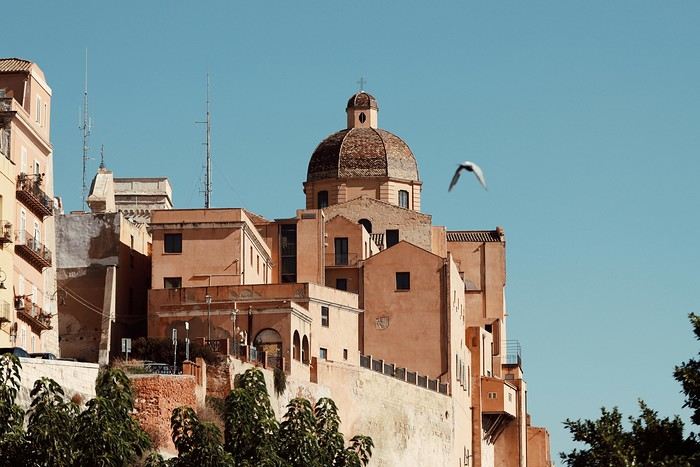
Villasimius, fine sand and turquoise waters
Less than an hour’s drive from Cagliari, the Villasimius area is famous for its dreamy beaches, including Porto Giunco and Simius Beach. The white sand contrasts beautifully with the crystal-clear blue of the sea—a postcard-perfect setting. Diving enthusiasts will be delighted, while hikers can explore Capo Carbonara, a protected area home to pink flamingos.
Costa Smeralda, the glamorous side of the island
Renowned for its prestigious seaside resorts, the Costa Smeralda attracts yachts and lively evenings. Porto Cervo, its iconic port, draws travelers from around the world. Don’t worry—if you venture a little off the beaten path, you’ll find small, wild coves and trails lined with umbrella pines. A stop at a local wine bar to taste a glass of vermentino is highly recommended, if only to admire the view.
The La Maddalena Archipelago, a marine gem
In the northeast, this national marine park comprises several islands with stunning beaches. La Maddalena, the main island, charms with its colorful houses and lively port. Offshore, wonders like Spargi Island or the famous Pink Beach of Budelli await visitors. It’s best to dedicate a full day—or more—to exploring this paradise by boat.
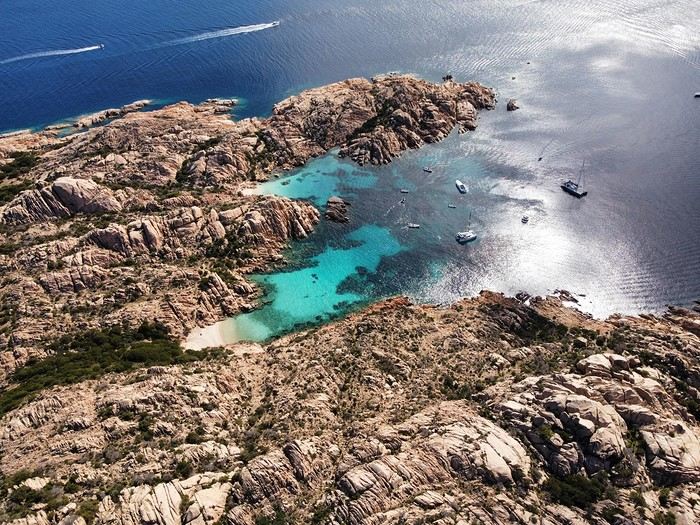
Alghero, the Catalan city
On the northwest coast, Alghero reveals a historic center encircled by ramparts, where the Catalan influence is still strong. Walk along the fortifications to watch the sunset, then sample the local cuisine, focused on seafood and wine. A short drive away, Neptune’s Grotto is a spectacular site: you can reach it via a staircase of 654 steps carved into the cliff or by boat for a more romantic approach.
Bosa, a painting under the open sky
Heading south along the coast from Alghero, you’ll reach Bosa, one of Sardinia’s most charming villages. Its colorful houses line the Temo River, overlooked by the Serravalle Castle. Wander the streets, admiring the vibrant facades, then settle into a small restaurant to taste the famous bottarga. The atmosphere is peaceful—this is la dolce vita.
The Piscinas Dunes, a desert by the sea
Head southwest to discover Piscinas, a natural site where sand dunes evoke a desert. Between sparse vegetation and turquoise sea, the contrast is simply stunning. The beaches, rarely crowded, offer a soothing tranquility. A perfect spot for lovers of wild landscapes, far from the hustle and bustle of seaside resorts.
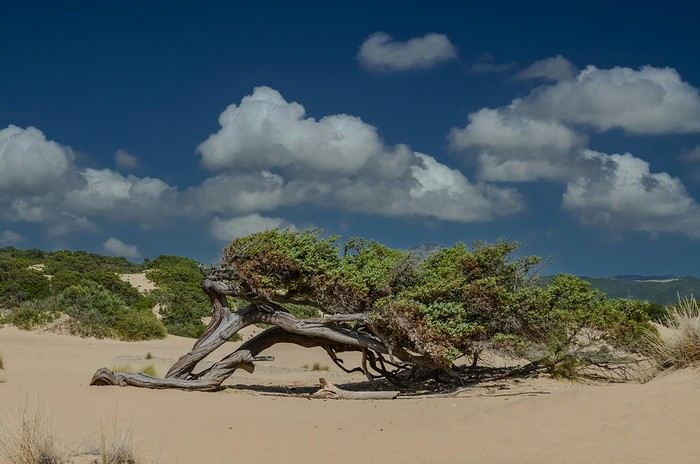
Su Nuraxi di Barumini, a prehistoric relic
You can’t truly understand Sardinian history without mentioning the nuraghes, mysterious stone towers left by the Nuragic civilization. In Barumini, you can explore Su Nuraxi, the most famous, a UNESCO World Heritage site. Its millennia-old architecture and vast complex make it a must-visit for anyone wanting to delve into the island’s past.
Orgosolo and the mountainous interior
To experience the deep soul of Sardinia, head to the Supramonte massif. Orgosolo, once a bandit hideout, is known for its mural paintings adorning house facades. These artworks tell the local history, social struggles, and Sardinian pride. The surrounding nature is breathtaking: forests, canyons, and panoramic views invite you to hike.
The Gulf of Orosei, dreamy coves
Finally, it’s hard to miss the beaches of the Gulf of Orosei. Cala Luna, Cala Mariolu, and Cala Goloritzé are among the most beautiful in the Mediterranean. Accessible by boat or on foot, each reveals transparent waters perfect for diving. Time seems to stand still in these wild landscapes, immersing you in the charm of a preserved Sardinia. From its sandy beaches to its rugged mountains, the island offers a stunning array of scenery. Far beyond the Costa Smeralda, Sardinia is full of hidden corners where nature reigns supreme and traditions are still very much alive. Once there, let yourself be swept up by the Sardinian dolce vita, savor its generous cuisine, and soak in its legends.
Happy travels!
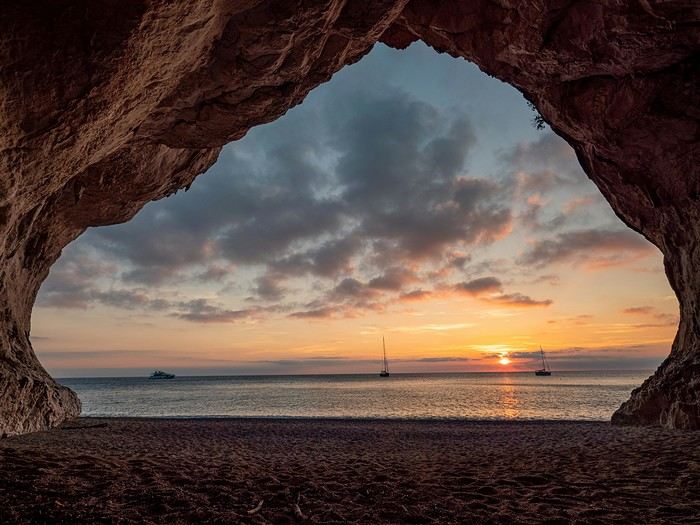
Beyond Athens' iconic sites and Santorini's popular beaches, Greece reveals its hidden treasures to those who dare venture off the beaten path. FairMoove travel agency offers eco-responsible stays in Greece for an authentic experience at the heart of Hellenic traditions.
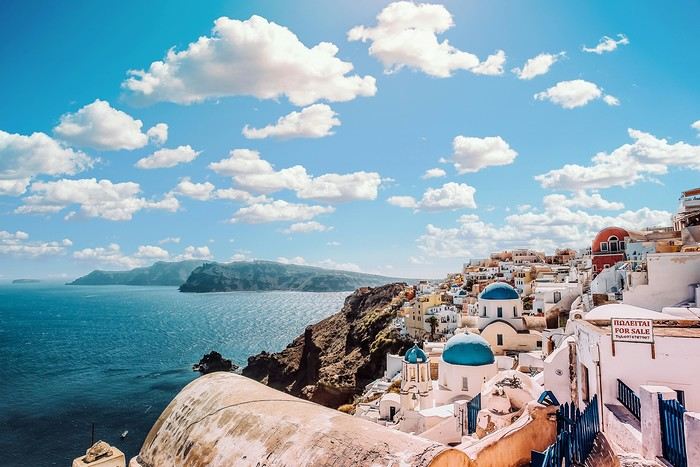
Authentic Peloponnese: A Land of Living Traditions
The Peloponnese peninsula is home to traditional villages where time seems to have stood still. In Dimitsana, perched in the Arcadian mountains, locals keep centuries-old traditions alive in their craft workshops. The cobbled streets echo with the sound of traditional looms, where artisans still create textiles using age-old methods.
In the Mani region, ancient stone towers tell the story of an untamed land. Local families welcome you into their traditional homes to share their culinary art: olive oil preparation, olive bread making, and dolmades crafted according to recipes passed down through generations. The Unknown Islands: Preserved Jewels of the Aegean Sea
Far from Mykonos' hustle and bustle, Ikaria island reveals its longevity secrets. This blue island, known for its inhabitants' exceptional lifespan, invites you to discover a unique way of life. Join the panigiria, traditional festivals where the entire community gathers to dance, sing, and share local dishes prepared in large communal ovens.
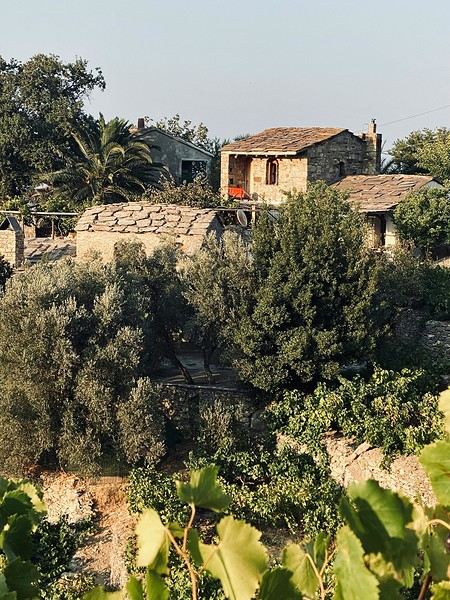
On Lemnos island, fishermen introduce you to their traditional sustainable fishing techniques. The ancient salt pans, still in operation, bear witness to ancestral know-how. In family-run tavernas by the harbor, taste thallasomelo, a unique sea honey produced by bees foraging on wild thyme from coastal cliffs. Greek Macedonia: A Living Heritage
In the northern mountains, the villages of Zagoria preserve their characteristic stone architecture. Eighteenth-century arched bridges still span deep gorges, showcasing a unique construction art. Locals invite you to discover medicinal herb gathering and traditional herbal tea preparation, knowledge passed down through generations.
In Nymfaio, a village perched at 1,350 meters altitude, ecotourism initiatives help preserve the natural habitat of brown bears. Traditional stone guesthouses offer an ideal base for exploring the region and observing wildlife in its natural environment. Agritourism and Authentic Rural Life
Traditional farms in Thessaly open their doors to travelers eager to discover sustainable agriculture. Participate in the autumn olive harvest, traditional feta cheese making, or the cultivation of aromatic herbs that flavor Greek cuisine. These experiences not only support the local economy but also help preserve ancestral farming practices.
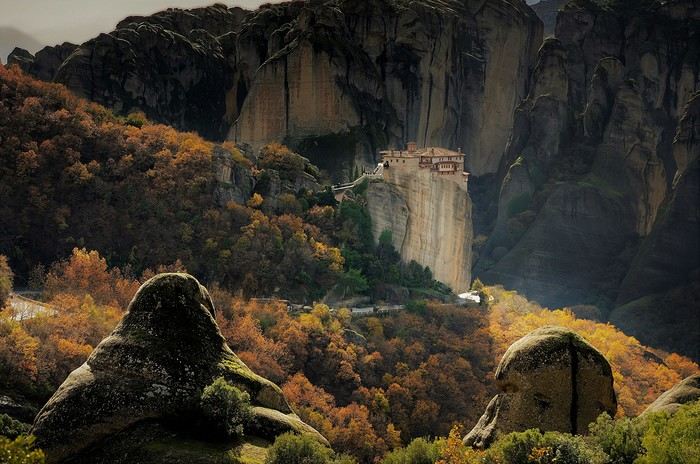
Traditional Festivals and Local Celebrations
The Greek calendar is marked by authentic celebrations that vary by region. In Pelion, the Goat Carnival transforms villages into living theater stages, where pagan traditions blend with Christian folklore. On Syros, the rebetiko festival lets you discover this UNESCO-listed music in its original context. Sustainable Initiatives and Heritage Preservation
Many Greek communities are committed to sustainable tourism projects. On Thirassia, Santorini's lesser-known neighbor, a traditional troglodyte house rehabilitation project allows visitors to stay in authentic dwellings while contributing to architectural heritage preservation. Supporting Local Communities
Women's cooperatives, particularly active in rural areas, offer traditional craft workshops. In Arnaia, Chalkidiki, learn to weave on traditional looms or prepare preserves using age-old methods. These initiatives help women maintain economic independence while preserving local traditions.
For more responsible tourism, many accommodations adopt eco-friendly practices. Using local products, sustainable water management, and solar energy production are among the initiatives that help preserve places' authenticity while respecting the environment.
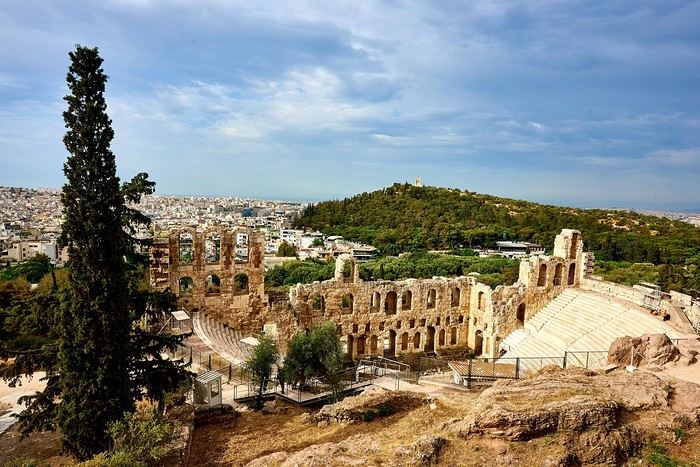
Tips for an Authentic Trip
To discover the real Greece, choose off-season stays from October to April. Milder temperatures and fewer crowds allow for more authentic encounters with locals. Opt for small family-run guesthouses and host tables that offer true immersion in local culture.
Greece's regions thus invite you to discover another facet of this millennia-old country, far from tourist clichés. Each village, each island, each mountain holds authentic treasures waiting to be discovered by travelers who respect traditions and the environment.
Authentic Peloponnese: A Land of Living Traditions
The Peloponnese peninsula is home to traditional villages where time seems to have stood still. In Dimitsana, perched in the Arcadian mountains, locals keep centuries-old traditions alive in their craft workshops. The cobbled streets echo with the sound of traditional looms, where artisans still create textiles using age-old methods.
In the Mani region, ancient stone towers tell the story of an untamed land. Local families welcome you into their traditional homes to share their culinary art: olive oil preparation, olive bread making, and dolmades crafted according to recipes passed down through generations. The Unknown Islands: Preserved Jewels of the Aegean Sea
Far from Mykonos' hustle and bustle, Ikaria island reveals its longevity secrets. This blue island, known for its inhabitants' exceptional lifespan, invites you to discover a unique way of life. Join the panigiria, traditional festivals where the entire community gathers to dance, sing, and share local dishes prepared in large communal ovens.
On Lemnos island, fishermen introduce you to their traditional sustainable fishing techniques. The ancient salt pans, still in operation, bear witness to ancestral know-how. In family-run tavernas by the harbor, taste thallasomelo, a unique sea honey produced by bees foraging on wild thyme from coastal cliffs. Greek Macedonia: A Living Heritage
In the northern mountains, the villages of Zagoria preserve their characteristic stone architecture. Eighteenth-century arched bridges still span deep gorges, showcasing a unique construction art. Locals invite you to discover medicinal herb gathering and traditional herbal tea preparation, knowledge passed down through generations.
In Nymfaio, a village perched at 1,350 meters altitude, ecotourism initiatives help preserve the natural habitat of brown bears. Traditional stone guesthouses offer an ideal base for exploring the region and observing wildlife in its natural environment. Agritourism and Authentic Rural Life
Traditional farms in Thessaly open their doors to travelers eager to discover sustainable agriculture. Participate in the autumn olive harvest, traditional feta cheese making, or the cultivation of aromatic herbs that flavor Greek cuisine. These experiences not only support the local economy but also help preserve ancestral farming practices.
Traditional Festivals and Local Celebrations
The Greek calendar is marked by authentic celebrations that vary by region. In Pelion, the Goat Carnival transforms villages into living theater stages, where pagan traditions blend with Christian folklore. On Syros, the rebetiko festival lets you discover this UNESCO-listed music in its original context. Sustainable Initiatives and Heritage Preservation
Many Greek communities are committed to sustainable tourism projects. On Thirassia, Santorini's lesser-known neighbor, a traditional troglodyte house rehabilitation project allows visitors to stay in authentic dwellings while contributing to architectural heritage preservation. Supporting Local Communities
Women's cooperatives, particularly active in rural areas, offer traditional craft workshops. In Arnaia, Chalkidiki, learn to weave on traditional looms or prepare preserves using age-old methods. These initiatives help women maintain economic independence while preserving local traditions.
For more responsible tourism, many accommodations adopt eco-friendly practices. Using local products, sustainable water management, and solar energy production are among the initiatives that help preserve places' authenticity while respecting the environment.
Tips for an Authentic Trip
To discover the real Greece, choose off-season stays from October to April. Milder temperatures and fewer crowds allow for more authentic encounters with locals. Opt for small family-run guesthouses and host tables that offer true immersion in local culture.
Greece's regions thus invite you to discover another facet of this millennia-old country, far from tourist clichés. Each village, each island, each mountain holds authentic treasures waiting to be discovered by travelers who respect traditions and the environment.
Beyond the traditional tourist circuits, Spain reveals its true essence through its lesser-known regions and preserved traditions. For a unique and authentic experience, we invite you to explore the hidden facets of this fascinating country. You can check out FairMoove’s offers, an eco-responsible and authentic travel agency.
The Hidden Gems of Rural Andalusia
Far from the well-trodden paths of Seville and Granada, the white villages of Andalusia transport you to a timeless Spain. In Ronda, perched on its vertiginous cliffs, the cobbled streets tell centuries of history. In the intimacy of Mijas, artisans keep age-old traditions alive in their workshops, open to curious visitors.
Master potters introduce you to their ancestral craft, sharing techniques passed down through generations. In family-run taverns, tapas are enjoyed to the rhythm of conversations with locals, revealing jealously guarded recipes. Come evening, local flamenco schools open their doors, letting you discover the deep soul of Andalusia through its traditional dances. A Sensory Journey: The Wine Route
The wine regions of Rioja and Ribera del Duero invite you to a truly "non-touristy" authentic experience. In these family-run estates, often centuries old, winemakers share their passion with characteristic generosity. Tours of historic cellars reveal the secrets of traditional winemaking, while guided tastings awaken your senses to the subtleties of local grape varieties.
During harvest season, you can join in the grape picking alongside local families, continuing age-old traditions. Meals shared in the vineyards become moments of conviviality where the wine tells the story of the terroir. Some estates even offer blending workshops where you create your own cuvée under the expert guidance of enologists. From Lively Markets to Traditional Farms: Authentic Gastronomy
In Catalonia, local markets are true theaters of daily life. Beyond Barcelona’s La Boqueria, the markets in Catalan villages offer a more intimate experience. Producers share the stories behind their products—organic vegetables, artisanal cheeses, and traditional cured meats.
In the Balearic Islands, *fincas* turned into agritourism spots keep centuries-old agricultural traditions alive. In Mallorca, join the olive harvest and oil production using ancestral methods. In Menorca, cheesemakers introduce you to the crafting of the famous Mahón-Menorca PDO cheese, a skill passed down through generations.
The Vibrant Soul of Spain’s Autonomous Regions
Each of Spain’s autonomous regions proudly cultivates its unique identity. In Galicia, Celtic traditions blend harmoniously with age-old pilgrimages. Traditional fishing ports welcome you to discover the secrets of sustainable fishing, while local festivities celebrate ancestral legends.
The Basque Country surprises with its ancient language and world-renowned gastronomy. In *txokos*—traditional gastronomic societies—you’ll explore Basque cuisine alongside locals. Local festivals, like Valencia’s Fallas or Seville’s Feria de Abril, immerse you in the excitement of Spanish popular traditions. Community-Based Tourism: A Rewarding Human Experience
Extremadura, a pioneer in community-based tourism, offers homestays that redefine travel. These initiatives not only support the local economy directly but also create authentic connections with communities. You’ll take part in seasonal agricultural work, learn traditional farming and livestock techniques, and share daily life with the families hosting you.
Community-based tourism projects also extend to preserving cultural heritage. Join efforts to restore historic monuments, rehabilitate traditional hiking trails, or pass on endangered artisanal skills.
Responsible Travel to Preserve Authenticity
This immersive approach to travel in Spain helps preserve local traditions and promote sustainable development in communities. By choosing these authentic experiences, you actively contribute to keeping Spain’s cultural heritage alive while enjoying unique moments far from mass tourism. The income generated directly supports local preservation initiatives and the passing down of traditional knowledge. Positive Impact on Local Communities
Authentic tourism allows communities to keep their traditions alive while adapting to modern challenges. Younger generations find new opportunities to carry on ancestral skills, while visitors leave enriched by unforgettable experiences and encounters.
Spain’s regions invite you to discover their differences and similarities, creating a fascinating cultural mosaic where every stone tells a unique story. Each trip becomes an opportunity to learn, share, and support local initiatives that keep authentic Spain alive while preserving its heritage for future generations.
The Hidden Gems of Rural Andalusia
Far from the well-trodden paths of Seville and Granada, the white villages of Andalusia transport you to a timeless Spain. In Ronda, perched on its vertiginous cliffs, the cobbled streets tell centuries of history. In the intimacy of Mijas, artisans keep age-old traditions alive in their workshops, open to curious visitors.
Master potters introduce you to their ancestral craft, sharing techniques passed down through generations. In family-run taverns, tapas are enjoyed to the rhythm of conversations with locals, revealing jealously guarded recipes. Come evening, local flamenco schools open their doors, letting you discover the deep soul of Andalusia through its traditional dances. A Sensory Journey: The Wine Route
The wine regions of Rioja and Ribera del Duero invite you to a truly "non-touristy" authentic experience. In these family-run estates, often centuries old, winemakers share their passion with characteristic generosity. Tours of historic cellars reveal the secrets of traditional winemaking, while guided tastings awaken your senses to the subtleties of local grape varieties.
During harvest season, you can join in the grape picking alongside local families, continuing age-old traditions. Meals shared in the vineyards become moments of conviviality where the wine tells the story of the terroir. Some estates even offer blending workshops where you create your own cuvée under the expert guidance of enologists. From Lively Markets to Traditional Farms: Authentic Gastronomy
In Catalonia, local markets are true theaters of daily life. Beyond Barcelona’s La Boqueria, the markets in Catalan villages offer a more intimate experience. Producers share the stories behind their products—organic vegetables, artisanal cheeses, and traditional cured meats.
In the Balearic Islands, *fincas* turned into agritourism spots keep centuries-old agricultural traditions alive. In Mallorca, join the olive harvest and oil production using ancestral methods. In Menorca, cheesemakers introduce you to the crafting of the famous Mahón-Menorca PDO cheese, a skill passed down through generations.
The Vibrant Soul of Spain’s Autonomous Regions
Each of Spain’s autonomous regions proudly cultivates its unique identity. In Galicia, Celtic traditions blend harmoniously with age-old pilgrimages. Traditional fishing ports welcome you to discover the secrets of sustainable fishing, while local festivities celebrate ancestral legends.
The Basque Country surprises with its ancient language and world-renowned gastronomy. In *txokos*—traditional gastronomic societies—you’ll explore Basque cuisine alongside locals. Local festivals, like Valencia’s Fallas or Seville’s Feria de Abril, immerse you in the excitement of Spanish popular traditions. Community-Based Tourism: A Rewarding Human Experience
Extremadura, a pioneer in community-based tourism, offers homestays that redefine travel. These initiatives not only support the local economy directly but also create authentic connections with communities. You’ll take part in seasonal agricultural work, learn traditional farming and livestock techniques, and share daily life with the families hosting you.
Community-based tourism projects also extend to preserving cultural heritage. Join efforts to restore historic monuments, rehabilitate traditional hiking trails, or pass on endangered artisanal skills.
Responsible Travel to Preserve Authenticity
This immersive approach to travel in Spain helps preserve local traditions and promote sustainable development in communities. By choosing these authentic experiences, you actively contribute to keeping Spain’s cultural heritage alive while enjoying unique moments far from mass tourism. The income generated directly supports local preservation initiatives and the passing down of traditional knowledge. Positive Impact on Local Communities
Authentic tourism allows communities to keep their traditions alive while adapting to modern challenges. Younger generations find new opportunities to carry on ancestral skills, while visitors leave enriched by unforgettable experiences and encounters.
Spain’s regions invite you to discover their differences and similarities, creating a fascinating cultural mosaic where every stone tells a unique story. Each trip becomes an opportunity to learn, share, and support local initiatives that keep authentic Spain alive while preserving its heritage for future generations.
Set off on a journey to the heart of Japan with the "Immersion in Japan" tour. Over thirteen days, explore a country where tradition and modernity intertwine harmoniously. This trip will take you through dynamic metropolises, picturesque villages, majestic mountains, and spiritually charged places, offering a comprehensive glimpse into the many facets of this fascinating destination.
Your adventure begins in Osaka, Japan’s third-largest city, famous for its lively atmosphere and gastronomy. The Dotonbori district, with its colorful neon lights, restaurants serving takoyaki and okonomiyaki, and karaoke bars, provides a vibrant first taste of contemporary Japan. On the second day, you head to Himeji, home to the famous White Heron Castle, a majestic and perfectly preserved fortress. This visit is a dive into feudal Japan.
Next, you reach Kyoto, the former imperial capital and a cultural gem. Every street corner breathes history and elegance. You stroll through the Arashiyama bamboo grove, visit the Golden Pavilion (Kinkaku-ji), and participate in a tea ceremony, an experience steeped in serenity. A trip to Nara, where sacred deer roam freely in the parks, completes your exploration. The Great Buddha of Nara, housed in the Todai-ji temple, impresses with its size and splendor.
The journey continues in the Japanese Alps, in Takayama and Shirakawago. These picturesque villages, with their thatched-roof houses, seem frozen in time. A UNESCO World Heritage site, Shirakawago is a true treasure of authenticity. You spend a night in Gero Onsen, a renowned hot spring resort, where you can enjoy relaxing hot baths and savor refined Japanese cuisine served in a traditional ryokan.
Finally, Tokyo, the bustling capital, awaits with its many faces. From the futuristic Akihabara district, dedicated to geek culture enthusiasts, to the traditional charm of Asakusa and the Senso-ji temple, every moment is a discovery. A side trip to Kamakura, famous for its Great Buddha and temples, adds a spiritual dimension to your stay.
This trip wouldn’t be complete without immersive experiences. Learn to wield a katana in a samurai workshop, take a cooking class to master the art of sushi, or explore the world of manga with a drawing lesson. Each activity is designed to deepen your connection to the local culture.

The carefully selected accommodations blend modern comfort with Japanese charm. From contemporary hotels in Kyoto and Tokyo to traditional ryokans in the mountains, every night is an experience in itself. With a passionate local guide and free time to explore at your own pace, this tour offers the perfect balance between adventure and relaxation.
The "Immersion in Japan" tour is much more than just a trip. It’s an invitation to discover the soul of a country rich in contrasts, through diverse landscapes, living traditions, and fascinating modernity. Whether you're a culture lover, nature enthusiast, or simply in search of wonder, this journey promises a memorable and transformative experience.
Your adventure begins in Osaka, Japan’s third-largest city, famous for its lively atmosphere and gastronomy. The Dotonbori district, with its colorful neon lights, restaurants serving takoyaki and okonomiyaki, and karaoke bars, provides a vibrant first taste of contemporary Japan. On the second day, you head to Himeji, home to the famous White Heron Castle, a majestic and perfectly preserved fortress. This visit is a dive into feudal Japan.
Next, you reach Kyoto, the former imperial capital and a cultural gem. Every street corner breathes history and elegance. You stroll through the Arashiyama bamboo grove, visit the Golden Pavilion (Kinkaku-ji), and participate in a tea ceremony, an experience steeped in serenity. A trip to Nara, where sacred deer roam freely in the parks, completes your exploration. The Great Buddha of Nara, housed in the Todai-ji temple, impresses with its size and splendor.
The journey continues in the Japanese Alps, in Takayama and Shirakawago. These picturesque villages, with their thatched-roof houses, seem frozen in time. A UNESCO World Heritage site, Shirakawago is a true treasure of authenticity. You spend a night in Gero Onsen, a renowned hot spring resort, where you can enjoy relaxing hot baths and savor refined Japanese cuisine served in a traditional ryokan.
Finally, Tokyo, the bustling capital, awaits with its many faces. From the futuristic Akihabara district, dedicated to geek culture enthusiasts, to the traditional charm of Asakusa and the Senso-ji temple, every moment is a discovery. A side trip to Kamakura, famous for its Great Buddha and temples, adds a spiritual dimension to your stay.
This trip wouldn’t be complete without immersive experiences. Learn to wield a katana in a samurai workshop, take a cooking class to master the art of sushi, or explore the world of manga with a drawing lesson. Each activity is designed to deepen your connection to the local culture.
The carefully selected accommodations blend modern comfort with Japanese charm. From contemporary hotels in Kyoto and Tokyo to traditional ryokans in the mountains, every night is an experience in itself. With a passionate local guide and free time to explore at your own pace, this tour offers the perfect balance between adventure and relaxation.
The "Immersion in Japan" tour is much more than just a trip. It’s an invitation to discover the soul of a country rich in contrasts, through diverse landscapes, living traditions, and fascinating modernity. Whether you're a culture lover, nature enthusiast, or simply in search of wonder, this journey promises a memorable and transformative experience.
Looking for a new way to travel that’s both unusual, affordable, and comfortable? Look no further—renting a docked boat is THE trend right now. As accessible as a hotel room, as unique as a treehouse, and with the comfort of a real floating home, this innovative concept is sure to appeal to anyone craving new experiences.
I. Why Spend an Unusual Night on a Boat?
Imagine this: you wake up to the sound of gentle waves, a soft ray of sunlight dancing on the water’s surface as you enjoy breakfast on deck. You’re just steps away from restaurants, shops, and points of interest, since your accommodation is perfectly located in the heart of the harbor. This experience, which few have had the chance to try yet, is within everyone’s reach thanks to docked boat rentals.
Discover why spending an unusual night on a boat is the next big trend. Whether it’s for a romantic weekend, a family vacation, or a getaway with friends, a night on a docked boat offers a one-of-a-kind experience. Unlike a standard hotel room, where walls limit your view, on a boat, it’s the vast expanse of water that surrounds you. It’s a refreshing and calming escape, where simply waking up on the water turns your stay into a memorable moment. Another plus? The variety of boats available.
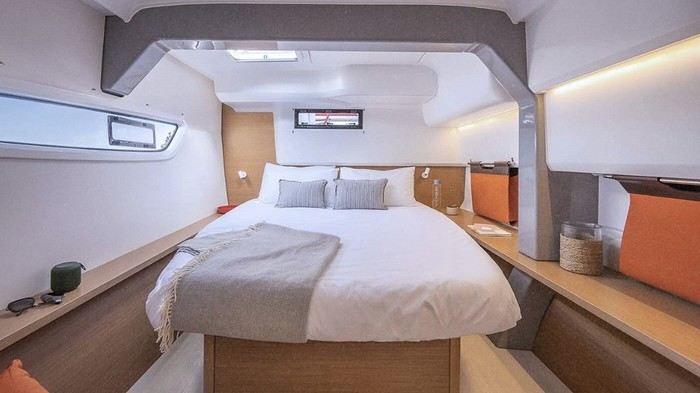
Each type of boat brings its own advantages and a different experience:
Sailboat: Ideal for families or couples looking for an authentic experience. Sailboats offer irresistible nautical charm with their optimized spaces and cozy atmosphere. Catamaran: Spacious and stable, perfect for groups of friends or large families. With its wide outdoor areas, it’s made for socializing. Yacht: Synonymous with luxury and elegance, it’s the perfect choice for marking a special occasion, like a birthday or a marriage proposal. Houseboat: For those who prefer a more nature-focused vibe, houseboats offer a bucolic experience along canals or rivers.
Beyond their unique charm, these boats are often just as affordable as a hotel room. Take, for example, a sailboat in Hendaye priced at 129 € per night for four people. For that price, you’re not just getting an unusual place to stay—you’re getting the equivalent of a floating cottage with a bedroom, bathroom, fully equipped kitchen, and outdoor spaces. It’s the perfect choice for anyone looking to combine comfort, authenticity, and originality.
II. Sleeping on a Boat—Yes, But Where?
Docked boat rentals aren’t limited to just one or two destinations—far from it. With BedBoat, you can explore numerous ports in France and even the Caribbean.
Here’s a look at some top destinations:
Atlantic Coast:
Hendaye: This Basque port offers a picturesque setting between sea and mountains. Perfect for discovering Basque culture and traditions. La Rochelle: With its iconic old port, medieval towers, and cobbled streets, it’s an ideal city for a historic and gastronomic weekend. Arcachon: Known for its oysters and the majestic Dune of Pilat, this destination is a must for nature lovers.
Mediterranean Coast:
Cannes: Who hasn’t dreamed of spending a night in the port of this legendary city, surrounded by yachts and just steps from the Croisette? Toulon: A dynamic and authentic port, perfect for a getaway between land and sea. Mandelieu-La Napoule: A charming town just a few kilometers from Cannes, known for its peaceful landscapes and seaside château.
The Caribbean:
Martinique and Guadeloupe: Here, the experience takes on a whole new dimension. Picture yourself on a catamaran, lulled by turquoise waters. It’s the ultimate dream for anyone seeking a paradise getaway.
Rivers:
Bordeaux: Docked in the heart of this historic city, your boat lets you explore its vineyards and UNESCO-listed architecture. Lyon: Enjoy the Rhône or Saône rivers for a unique experience in this foodie city. Asnières-sur-Seine: Just a stone’s throw from Paris, discover a surprising stay at the capital’s doorstep. Saint-Florentin: A more rural option for those seeking tranquility and nature.
No matter the destination, spending an unusual night on a boat gives you the luxury of choosing between the buzz of big cities or the peace of more secluded spots. Unlike treehouses, which are often remote, boats let you be right in the heart of the action while still enjoying privacy.
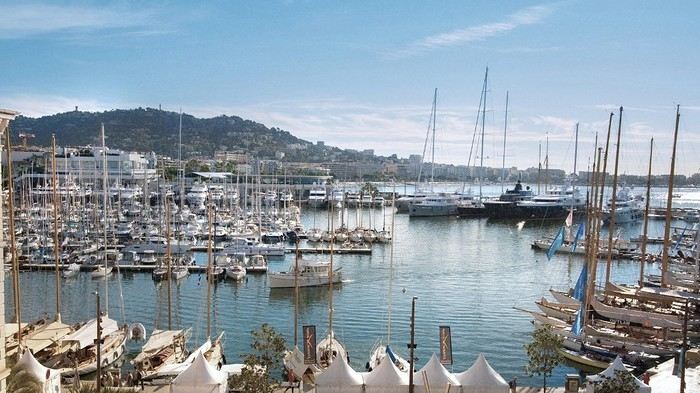
III. BedBoat: An Innovative Startup
Did you know France has over a million boats docked in its ports? Yet, on average, these boats are only used 10 to 15 days a year. Based on this observation, three friends—Félix, Fabian, and Luke—decided to create BedBoat, the first platform dedicated to docked boat rentals.
The idea is simple but brilliant: turn these underused boats into tourist accommodations. This not only helps owners cover their costs but also lets travelers live a unique experience—all without building new infrastructure, making it both an economical and eco-friendly solution. Far from being just a booking platform, BedBoat offers a true immersion into the world of boating. It’s an innovative way to discover France’s and the Caribbean’s most beautiful ports while enjoying all the perks of an unusual stay. For cities, it’s also a great opportunity. Boats allow them to welcome more tourists without overloading the traditional rental market. Everyone wins: owners, travelers, and even locals.
Docked boat rentals are much more than just a trend—they’re a revolution in the world of tourism. Whether you’re looking for a romantic getaway, a family vacation, or a trip with friends, BedBoat opens the door to a whole new world. So, ready to set sail on your next adventure?
I. Why Spend an Unusual Night on a Boat?
Imagine this: you wake up to the sound of gentle waves, a soft ray of sunlight dancing on the water’s surface as you enjoy breakfast on deck. You’re just steps away from restaurants, shops, and points of interest, since your accommodation is perfectly located in the heart of the harbor. This experience, which few have had the chance to try yet, is within everyone’s reach thanks to docked boat rentals.
Discover why spending an unusual night on a boat is the next big trend. Whether it’s for a romantic weekend, a family vacation, or a getaway with friends, a night on a docked boat offers a one-of-a-kind experience. Unlike a standard hotel room, where walls limit your view, on a boat, it’s the vast expanse of water that surrounds you. It’s a refreshing and calming escape, where simply waking up on the water turns your stay into a memorable moment. Another plus? The variety of boats available.
Each type of boat brings its own advantages and a different experience:
Sailboat: Ideal for families or couples looking for an authentic experience. Sailboats offer irresistible nautical charm with their optimized spaces and cozy atmosphere. Catamaran: Spacious and stable, perfect for groups of friends or large families. With its wide outdoor areas, it’s made for socializing. Yacht: Synonymous with luxury and elegance, it’s the perfect choice for marking a special occasion, like a birthday or a marriage proposal. Houseboat: For those who prefer a more nature-focused vibe, houseboats offer a bucolic experience along canals or rivers.
Beyond their unique charm, these boats are often just as affordable as a hotel room. Take, for example, a sailboat in Hendaye priced at 129 € per night for four people. For that price, you’re not just getting an unusual place to stay—you’re getting the equivalent of a floating cottage with a bedroom, bathroom, fully equipped kitchen, and outdoor spaces. It’s the perfect choice for anyone looking to combine comfort, authenticity, and originality.
II. Sleeping on a Boat—Yes, But Where?
Docked boat rentals aren’t limited to just one or two destinations—far from it. With BedBoat, you can explore numerous ports in France and even the Caribbean.
Here’s a look at some top destinations:
Atlantic Coast:
Hendaye: This Basque port offers a picturesque setting between sea and mountains. Perfect for discovering Basque culture and traditions. La Rochelle: With its iconic old port, medieval towers, and cobbled streets, it’s an ideal city for a historic and gastronomic weekend. Arcachon: Known for its oysters and the majestic Dune of Pilat, this destination is a must for nature lovers.
Mediterranean Coast:
Cannes: Who hasn’t dreamed of spending a night in the port of this legendary city, surrounded by yachts and just steps from the Croisette? Toulon: A dynamic and authentic port, perfect for a getaway between land and sea. Mandelieu-La Napoule: A charming town just a few kilometers from Cannes, known for its peaceful landscapes and seaside château.
The Caribbean:
Martinique and Guadeloupe: Here, the experience takes on a whole new dimension. Picture yourself on a catamaran, lulled by turquoise waters. It’s the ultimate dream for anyone seeking a paradise getaway.
Rivers:
Bordeaux: Docked in the heart of this historic city, your boat lets you explore its vineyards and UNESCO-listed architecture. Lyon: Enjoy the Rhône or Saône rivers for a unique experience in this foodie city. Asnières-sur-Seine: Just a stone’s throw from Paris, discover a surprising stay at the capital’s doorstep. Saint-Florentin: A more rural option for those seeking tranquility and nature.
No matter the destination, spending an unusual night on a boat gives you the luxury of choosing between the buzz of big cities or the peace of more secluded spots. Unlike treehouses, which are often remote, boats let you be right in the heart of the action while still enjoying privacy.
III. BedBoat: An Innovative Startup
Did you know France has over a million boats docked in its ports? Yet, on average, these boats are only used 10 to 15 days a year. Based on this observation, three friends—Félix, Fabian, and Luke—decided to create BedBoat, the first platform dedicated to docked boat rentals.
The idea is simple but brilliant: turn these underused boats into tourist accommodations. This not only helps owners cover their costs but also lets travelers live a unique experience—all without building new infrastructure, making it both an economical and eco-friendly solution. Far from being just a booking platform, BedBoat offers a true immersion into the world of boating. It’s an innovative way to discover France’s and the Caribbean’s most beautiful ports while enjoying all the perks of an unusual stay. For cities, it’s also a great opportunity. Boats allow them to welcome more tourists without overloading the traditional rental market. Everyone wins: owners, travelers, and even locals.
Docked boat rentals are much more than just a trend—they’re a revolution in the world of tourism. Whether you’re looking for a romantic getaway, a family vacation, or a trip with friends, BedBoat opens the door to a whole new world. So, ready to set sail on your next adventure?
Réunion Island, this paradise in the Indian Ocean, is a must-visit destination for hiking enthusiasts. With its active volcanoes, majestic cirques, and impressive peaks, there’s plenty to delight nature and adventure lovers. This article takes you on a journey to discover the eight most beautiful hikes the island has to offer. Lace up your hiking boots—let’s go!
1- Piton des Neiges: The Summit of Réunion
Piton des Neiges is the highest point on Réunion Island at 3,070 meters. It’s an iconic hike that attracts a large number of hikers every year. Climbing Piton des Neiges is like stepping into a unique atmosphere where volcanic landscapes blend with lush vegetation.
The hike usually starts from the picturesque village of Cilaos. It takes about six hours to reach the summit, so good physical condition is a must. Once at the top, you’ll be rewarded with a breathtaking panoramic view of the entire island. A simple flight from Paris to Saint-Denis and you’re ready for this stunning adventure.
Here are a few tips:
Bring warm clothes—it can get very cold at the summit. Pack enough water and food. Start before dawn to catch the sunrise from the summit.
2- Piton de la Fournaise: A Volcanic Walk
You can’t visit Réunion without stopping by Piton de la Fournaise, one of the world’s most active volcanoes. The hike usually begins at Pas de Bellecombe, accessible after a winding road that already offers spectacular views. The well-marked trail first takes you through lunar landscapes to the Enclos Fouqué, then continues toward the Dolomieu crater. Frequent eruptions often change the scenery, making each visit unique. Piton de la Fournaise is a grand natural spectacle you won’t want to miss during your trip.
Here are a few tips:
Check the volcano’s current activity before heading out. Wear sturdy shoes for walking on solidified lava. Always bring maps or a GPS, as signs may be damaged by eruptions.
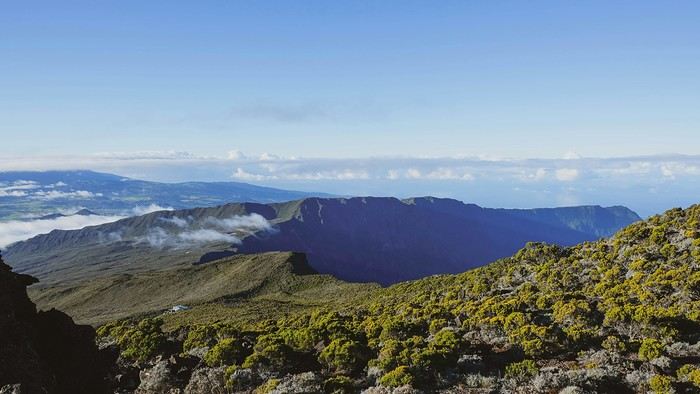
3- Cirque de Mafate: In the Heart of Nature
Accessible only on foot or by helicopter, the Cirque de Mafate is a true paradise for hikers. This isolated area offers a multitude of trails leading to authentic villages, stunning viewpoints, and untouched nature. The Sentier Scout is one of the most popular routes for exploring Mafate. It starts at Le Bélier, passes through the Col des Bœufs, and then descends into the cirque. Get ready to be amazed by the enchanting panoramas and majestic peaks along the way. It’s a full immersion into the tranquility of Mafate.
Here are a few tips:
Wear good hiking shoes, as some sections can be steep. Book your nights in a gîte in advance if you’re planning a multi-day hike. Respect the environment and locals by taking all your trash with you.
4- Cirque de Cilaos: Between Mountains and Vineyards
The Cirque de Cilaos, with its waterfalls and lush forests, also offers magnificent hiking opportunities. One of the most remarkable trails leads to Grand Bénare, the island’s third-highest peak.
The hike usually starts from the Plateau des Chênes. This moderate-difficulty hike takes about five hours to reach the summit. Once there, you’ll be treated to a breathtaking view of the Cirque de Cilaos and Piton des Neiges.
Here are a few tips:
Start early to avoid clouds that can quickly envelop the summit. Don’t forget your camera to capture the stunning landscapes. Visit the vineyards of Cilaos after your hike to taste local wine.
5- Cirque de Salazie: The Valley of Waterfalls
Known for its humid climate, the Cirque de Salazie is filled with impressive waterfalls and lush tropical forests. One of the most popular hikes leads to the Trou de Fer.
The trail starts in Hell-Bourg, ranked among France’s most beautiful villages. After a few hours of hiking through primary forest, you’ll reach a viewpoint offering an incredible view of the Trou de Fer’s abyss and its dizzying waterfalls.
Here are a few tips:
Wear waterproof and mosquito-repellent clothing. Bring a headlamp and compass, as fog can make the trail hard to follow. Check trail conditions before heading out, especially after heavy rain.
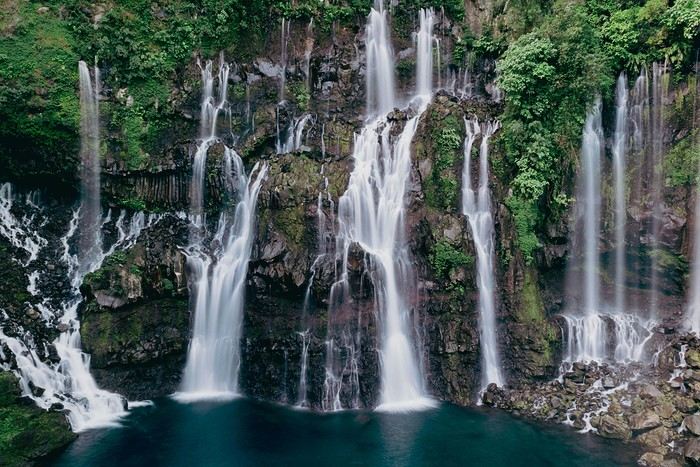
6- Grand Bénare: A Stunning Panorama
Grand Bénare offers a spectacular hike that’s a must-do on Réunion Island. Starting from the well-known viewpoint of Maïdo, the challenging yet rewarding ascent leads to the summit.
Over about ten kilometers of climbing through varied vegetation, the summit reveals a breathtaking panorama of the three cirques—Mafate, Cilaos, and Salazie. It’s a true feast for the eyes and a memorable experience for mountain lovers.
Here are a few tips:
Go when the weather is clear to fully enjoy the view from the summit. Wear good hiking shoes and bring trekking poles to make the climb easier. Don’t underestimate the duration—prepare physically for this long hike.
7- Roche Écrite: Biodiversity at Altitude
Located between the Cirque de Salazie and the Cirque de Mafate, Roche Écrite offers a hike that lets you discover exceptional flora and fauna. The hike often starts at Le Colorado, near Saint-Denis, the island’s capital.
After several hours of walking through tropical forests and varied landscapes, you’ll reach the summit at 2,276 meters. From there, you can enjoy a spectacular view of the two adjacent cirques and even spot Piton des Neiges in the distance. A must for adventurers and budding biologists.
Here are a few tips:
Check the weather forecast before heading out, as conditions can change quickly at altitude. Bring binoculars to observe endemic birds and other wildlife. Take regular breaks to soak in the scenery and recharge your energy.
8- Col des Bœufs: The Gateway to Mafate
Col des Bœufs is another popular starting point for accessing the Cirque de Mafate. This comfortable hike offers beautiful views along the way and leads to picturesque villages like Marla and La Nouvelle.
The trail starts gently from the Col des Bœufs parking lot, climbing slightly before revealing a panoramic view of Mafate. Perfect for a relaxed day hike, this route is suitable for all levels of hikers.
Here are a few tips:
Bring a picnic to enjoy a lunch break with a view. Start early to avoid crowds and the afternoon heat. Check local bus schedules to avoid any surprises at the end of your hike.
In conclusion, Réunion Island offers a multitude of exceptional hikes that let you discover breathtaking landscapes—volcanoes, cirques, tropical forests, and waterfalls. Whether you’re a beginner or an experienced hiker, the island will amaze you with the diversity of its trails. Get ready for unforgettable adventures in the heart of preserved nature while admiring the unique beauty of this volcanic island.
1- Piton des Neiges: The Summit of Réunion
Piton des Neiges is the highest point on Réunion Island at 3,070 meters. It’s an iconic hike that attracts a large number of hikers every year. Climbing Piton des Neiges is like stepping into a unique atmosphere where volcanic landscapes blend with lush vegetation.
The hike usually starts from the picturesque village of Cilaos. It takes about six hours to reach the summit, so good physical condition is a must. Once at the top, you’ll be rewarded with a breathtaking panoramic view of the entire island. A simple flight from Paris to Saint-Denis and you’re ready for this stunning adventure.
Here are a few tips:
Bring warm clothes—it can get very cold at the summit. Pack enough water and food. Start before dawn to catch the sunrise from the summit.
2- Piton de la Fournaise: A Volcanic Walk
You can’t visit Réunion without stopping by Piton de la Fournaise, one of the world’s most active volcanoes. The hike usually begins at Pas de Bellecombe, accessible after a winding road that already offers spectacular views. The well-marked trail first takes you through lunar landscapes to the Enclos Fouqué, then continues toward the Dolomieu crater. Frequent eruptions often change the scenery, making each visit unique. Piton de la Fournaise is a grand natural spectacle you won’t want to miss during your trip.
Here are a few tips:
Check the volcano’s current activity before heading out. Wear sturdy shoes for walking on solidified lava. Always bring maps or a GPS, as signs may be damaged by eruptions.
3- Cirque de Mafate: In the Heart of Nature
Accessible only on foot or by helicopter, the Cirque de Mafate is a true paradise for hikers. This isolated area offers a multitude of trails leading to authentic villages, stunning viewpoints, and untouched nature. The Sentier Scout is one of the most popular routes for exploring Mafate. It starts at Le Bélier, passes through the Col des Bœufs, and then descends into the cirque. Get ready to be amazed by the enchanting panoramas and majestic peaks along the way. It’s a full immersion into the tranquility of Mafate.
Here are a few tips:
Wear good hiking shoes, as some sections can be steep. Book your nights in a gîte in advance if you’re planning a multi-day hike. Respect the environment and locals by taking all your trash with you.
4- Cirque de Cilaos: Between Mountains and Vineyards
The Cirque de Cilaos, with its waterfalls and lush forests, also offers magnificent hiking opportunities. One of the most remarkable trails leads to Grand Bénare, the island’s third-highest peak.
The hike usually starts from the Plateau des Chênes. This moderate-difficulty hike takes about five hours to reach the summit. Once there, you’ll be treated to a breathtaking view of the Cirque de Cilaos and Piton des Neiges.
Here are a few tips:
Start early to avoid clouds that can quickly envelop the summit. Don’t forget your camera to capture the stunning landscapes. Visit the vineyards of Cilaos after your hike to taste local wine.
5- Cirque de Salazie: The Valley of Waterfalls
Known for its humid climate, the Cirque de Salazie is filled with impressive waterfalls and lush tropical forests. One of the most popular hikes leads to the Trou de Fer.
The trail starts in Hell-Bourg, ranked among France’s most beautiful villages. After a few hours of hiking through primary forest, you’ll reach a viewpoint offering an incredible view of the Trou de Fer’s abyss and its dizzying waterfalls.
Here are a few tips:
Wear waterproof and mosquito-repellent clothing. Bring a headlamp and compass, as fog can make the trail hard to follow. Check trail conditions before heading out, especially after heavy rain.
6- Grand Bénare: A Stunning Panorama
Grand Bénare offers a spectacular hike that’s a must-do on Réunion Island. Starting from the well-known viewpoint of Maïdo, the challenging yet rewarding ascent leads to the summit.
Over about ten kilometers of climbing through varied vegetation, the summit reveals a breathtaking panorama of the three cirques—Mafate, Cilaos, and Salazie. It’s a true feast for the eyes and a memorable experience for mountain lovers.
Here are a few tips:
Go when the weather is clear to fully enjoy the view from the summit. Wear good hiking shoes and bring trekking poles to make the climb easier. Don’t underestimate the duration—prepare physically for this long hike.
7- Roche Écrite: Biodiversity at Altitude
Located between the Cirque de Salazie and the Cirque de Mafate, Roche Écrite offers a hike that lets you discover exceptional flora and fauna. The hike often starts at Le Colorado, near Saint-Denis, the island’s capital.
After several hours of walking through tropical forests and varied landscapes, you’ll reach the summit at 2,276 meters. From there, you can enjoy a spectacular view of the two adjacent cirques and even spot Piton des Neiges in the distance. A must for adventurers and budding biologists.
Here are a few tips:
Check the weather forecast before heading out, as conditions can change quickly at altitude. Bring binoculars to observe endemic birds and other wildlife. Take regular breaks to soak in the scenery and recharge your energy.
8- Col des Bœufs: The Gateway to Mafate
Col des Bœufs is another popular starting point for accessing the Cirque de Mafate. This comfortable hike offers beautiful views along the way and leads to picturesque villages like Marla and La Nouvelle.
The trail starts gently from the Col des Bœufs parking lot, climbing slightly before revealing a panoramic view of Mafate. Perfect for a relaxed day hike, this route is suitable for all levels of hikers.
Here are a few tips:
Bring a picnic to enjoy a lunch break with a view. Start early to avoid crowds and the afternoon heat. Check local bus schedules to avoid any surprises at the end of your hike.
In conclusion, Réunion Island offers a multitude of exceptional hikes that let you discover breathtaking landscapes—volcanoes, cirques, tropical forests, and waterfalls. Whether you’re a beginner or an experienced hiker, the island will amaze you with the diversity of its trails. Get ready for unforgettable adventures in the heart of preserved nature while admiring the unique beauty of this volcanic island.
Recommended for you







Previous
Page 1 of 1
Next