
Travel guide
England
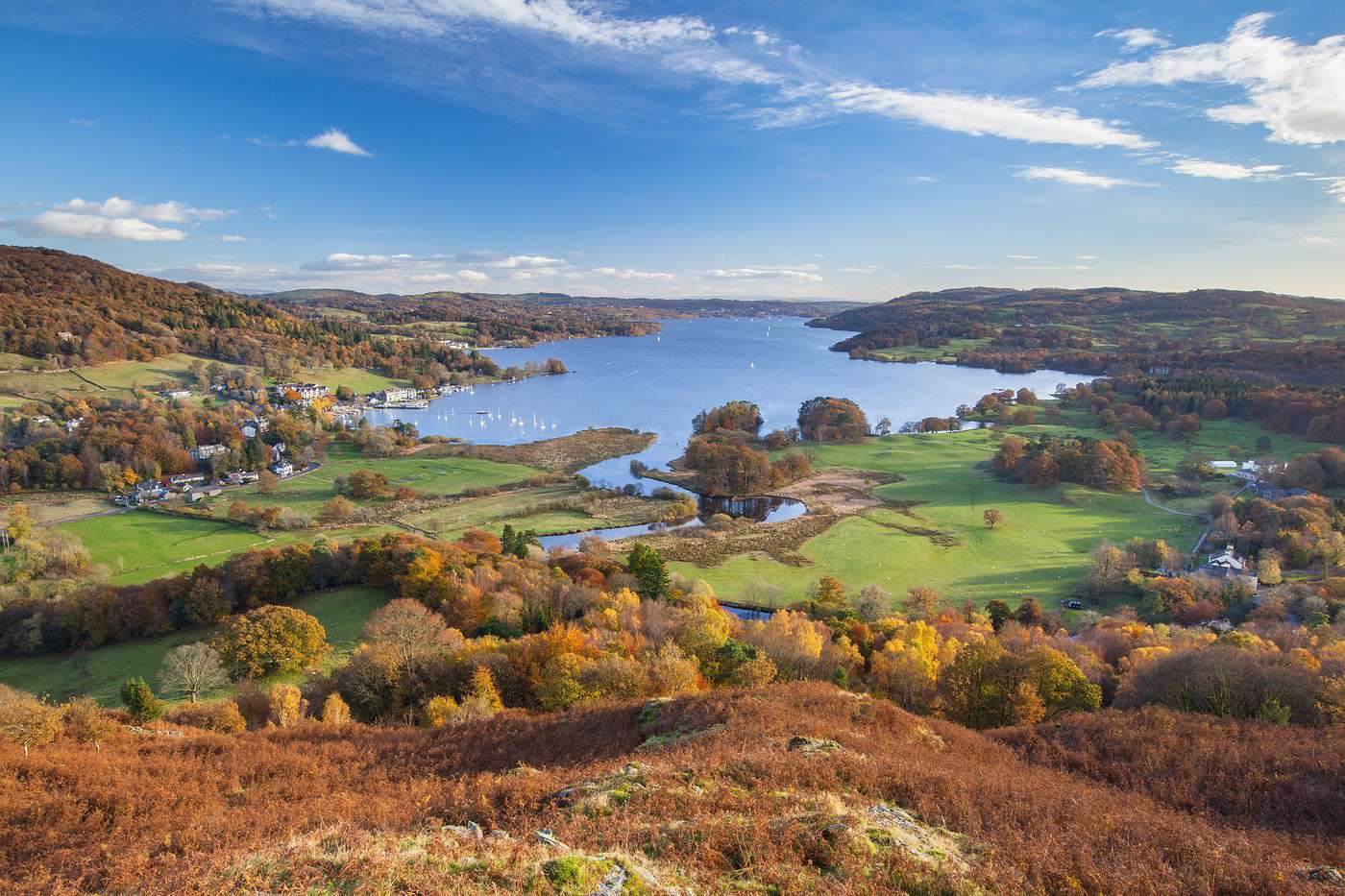
While many people limit their discovery of England to a trip to London, the region has many other points of interest. Several cities, such as Bath, Cambridge, and Canterbury, are well worth a visit. Beyond the London conurbation or major urban centres, nature is also very much present in England, from Cornwall to the Lake or Peak District, including the beautiful Exmoor National Park.
What to See in England
England has 19 sites inscribed on the UNESCO World Heritage list: London and surroundings: Greenwich ★★ (1997) This "borough" on the outskirts of London is known for "its" meridian, its museums, and various sites (observatory, docks, royal park, etc.) in its…
Introduction to England
Overview
Key Facts
- Type of place: tourist region.
- Local time:
- Capital: London.
- Political status: constituent nation of the United Kingdom.
- Official language: English (plus Welsh and Cornish at regional level).
- Population: 55,012,000 inhabitants (2015).
- Area: 130,395 km²
- Density: 422 inhabitants/km².
- Highest point: Scafell Pike (978 m).
- Lowest point: The Fens (-4 m).
- Coastline:
Tourism
While many people limit their discovery of England to a trip to London, the region has plenty of other points of interest. Several cities, such as Bath, Cambridge, and Canterbury, are well worth a visit. Beyond the London conurbation and major urban centres, nature is also very much present in England, from the Cornwall to the Lake District or Peak District, including the beautiful Exmoor National Park.
Travel Essentials
- By air: France-London.
- Backpacker daily budget:
- Best for accommodation:
- Best for getting around:
- Best time for climate/crowds/prices:
- Interests (out of ): Nature ; Adventure / ; Culture ; Relaxation-holidays
- Website:
Geography and Environment of England
Geography of the Region
Natural Areas
Wildlife and Flora
England's Climate and Weather
Climate Overview
England's climate is primarily characterised by low temperature variation, with relatively small average differences between summer and winter (roughly 5°C to 20°C) or between day and night. In short, it never gets very hot, nor does it get very cold. However, rain is indeed common (as is wind in certain areas), and while heavy storms are rare, showers are almost regular throughout the year. Winter is the season of fog (mist) across England. Of the entire country, the south coast enjoys the most sunshine.
Best Time to Visit England
Late spring and summer are the most pleasant times to visit.
| Jan. | Feb. | Mar. | Apr. | May | Jun. | Jul. | Aug. | Sep. | Oct. | Nov. | Dec. | |
|---|---|---|---|---|---|---|---|---|---|---|---|---|
| Climate |
: very favourable | : favourable | : moderately favourable | : unfavourable.
Sea Temperature Throughout the Year
As expected, sea temperatures are not particularly high, and it is mainly in the heart of summer that swimming is most "pleasant" along the English Channel coast.
| Jan. | Feb. | Mar. | Apr. | May | Jun. | Jul. | Aug. | Sep. | Oct. | Nov. | Dec. | |
|---|---|---|---|---|---|---|---|---|---|---|---|---|
| Brighton | 9 | 9 | 9 | 10 | 11 | 13 | 16 | 16 | 15 | 14 | 12 | 11 |
Climate and Weather in London
Things to Do in England
Travel Themes
- Interests (out of ): Nature ; Adventure / ; Culture ; Relaxation-holidays
Nature-Adventure
Culture
Relaxation-Holidays
Beaches and Seaside Resorts

Water Activities
Thalassotherapy and Wellness
Hiking

Hiking
Cycling
Horseback Riding
Outdoor Sports
Golf
Whitewater Sports
Climbing and Mountain Sports
Paragliding and Aerial Sports
Hunting and Fishing
Cultural Life and Activities
Nightlife and Going Out
Travel and suggested itineraries in England
Best times to visit
Finding the best time to visit involves balancing climate constraints with crowd levels and the most attractive prices for travel and on-site expenses.
| Jan. | Feb. | Mar. | Apr. | May | Jun. | Jul. | Aug. | Sep. | Oct. | Nov. | Dec. | |
|---|---|---|---|---|---|---|---|---|---|---|---|---|
| Climate | ||||||||||||
| Avoid crowds | ||||||||||||
| Low prices |
Some itinerary ideas
Must-see
Offbeat
Family-friendly
By duration
Other practical information for England
Luggage and equipment to bring
Budget
Precautions
Opening hours
Laundromats
Local tourist offices
Using French
Something wrong or out of date? Report this page