Skip to content
Regions of Great Britain

Travel guide

Regions of Great Britain

last edited Jan 9, 2020 · 2 versions

England

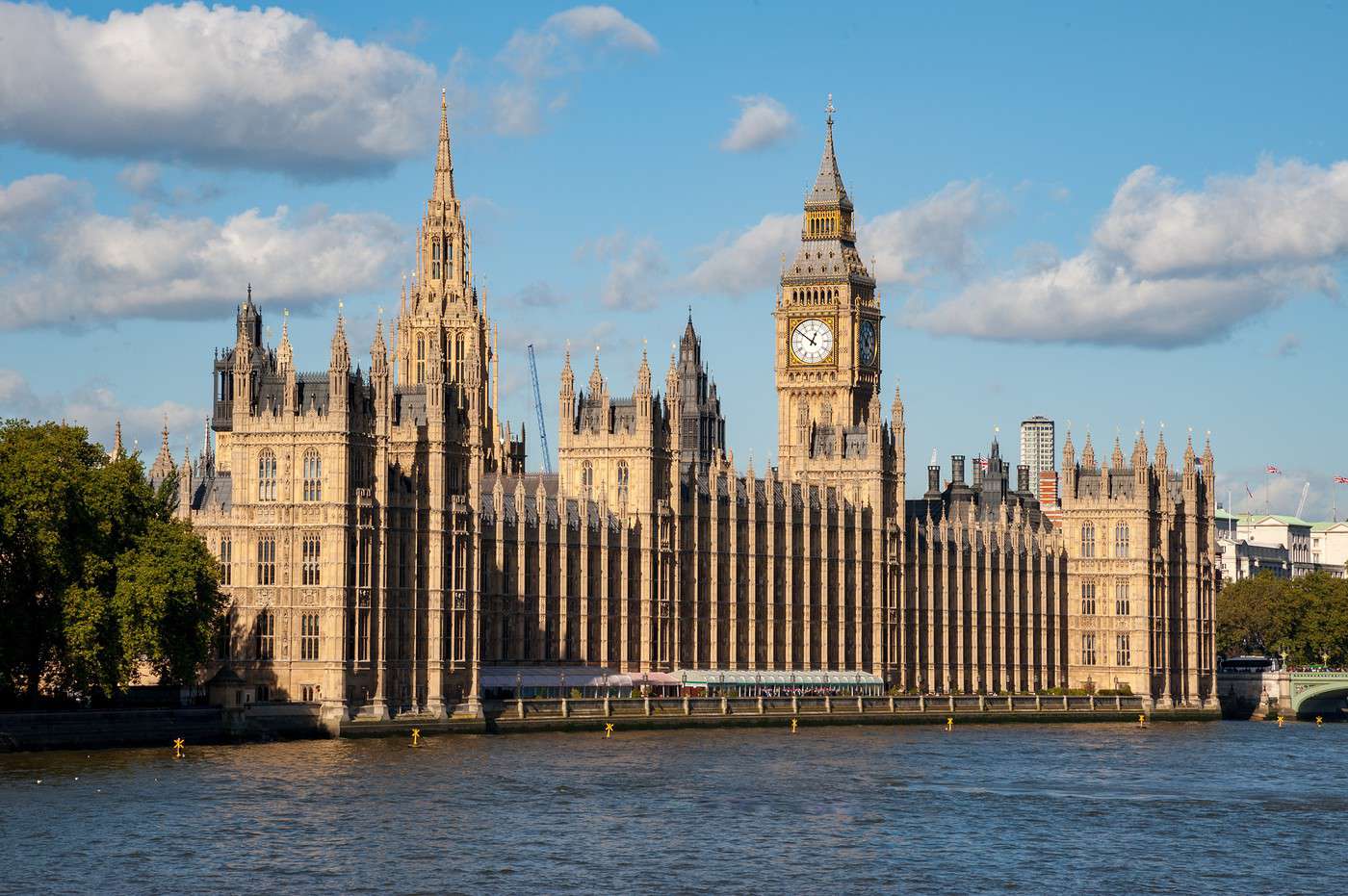
Palais de Westminster, Londres, Grande Bretagne

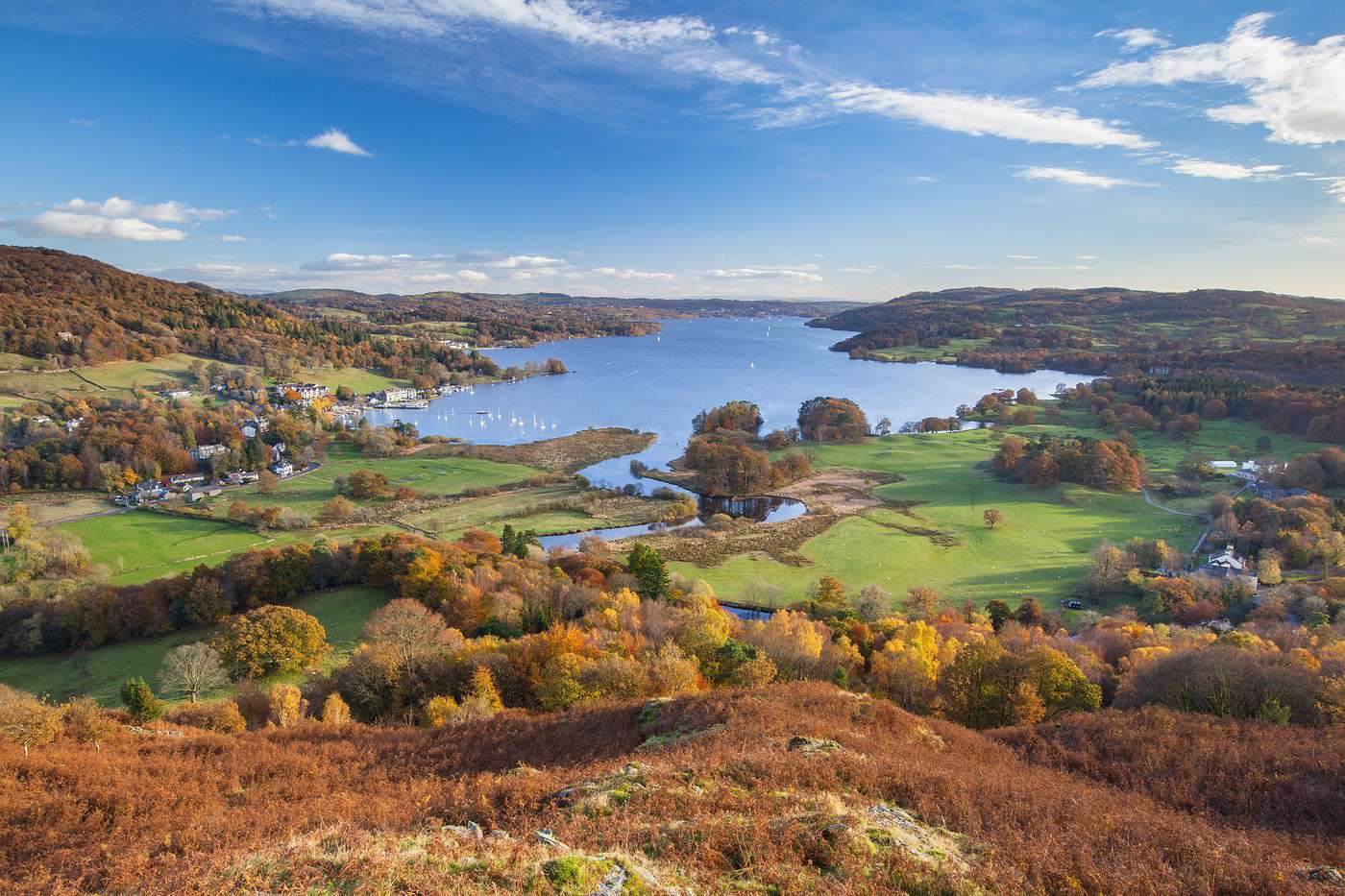
While for many, discovering England is limited to a trip to London, the region has many other points of interest. Several cities, such as Bath, Cambridge, and Canterbury, are well worth a visit. Beyond the London metropolitan area or major urban centres, nature is also very much present in England, from the Cornwall to the Lake District or Peak District, including the beautiful Exmoor National Park.

Scotland

Parc national de Cairngorms, Grande Bretagne

England’s eternal rival is a wild land that, beyond the cities of Glasgow and Edinburgh, opens up to its moors, islands, small mountains, and famous lochs (lakes) that shape its landscape. In short, Scotland is undeniably a nature destination, set against a backdrop of culture and traditions that remain very much alive.

Channel Islands
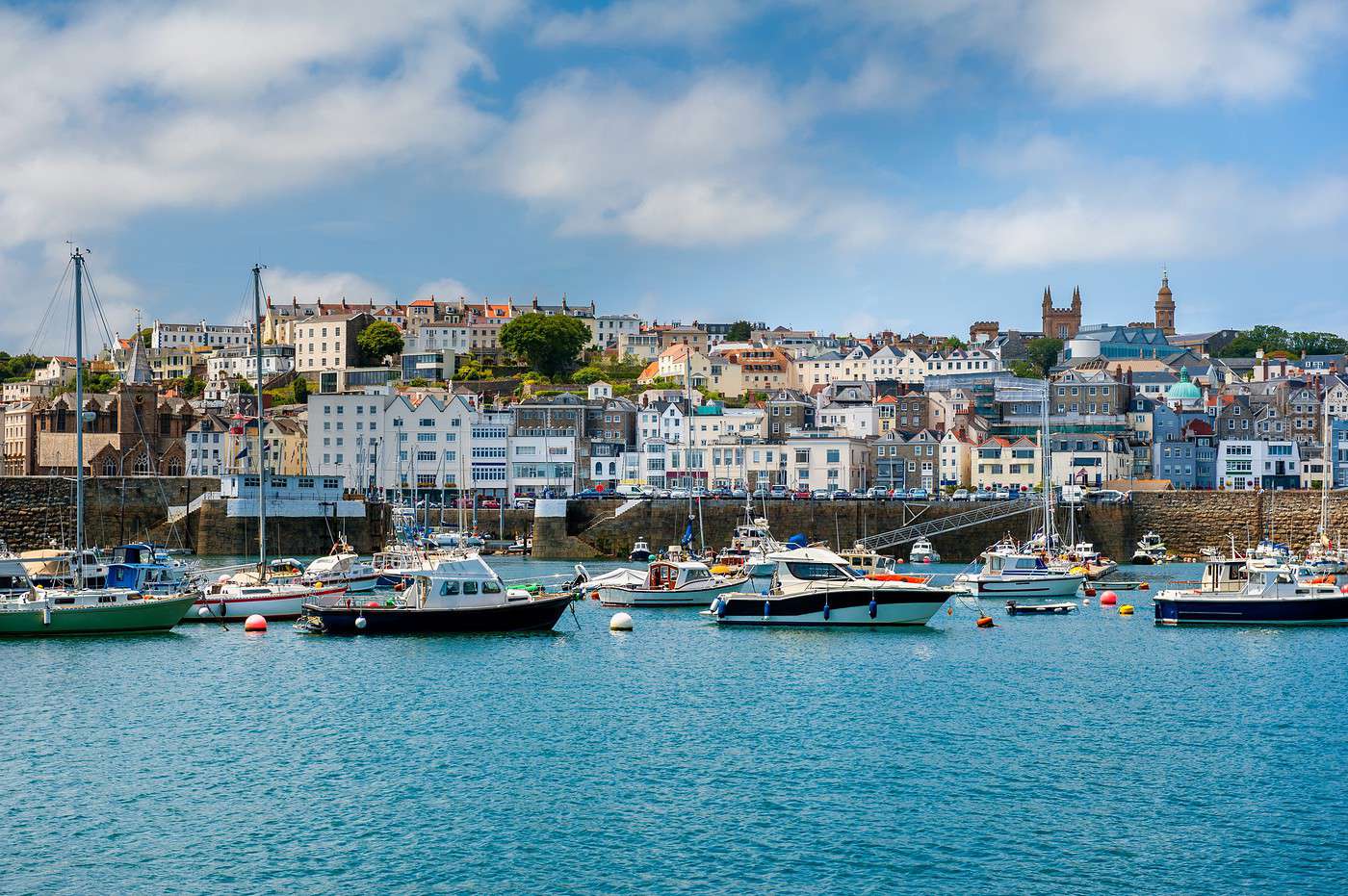
Guernesey, Grande Bretagne

A few small islands closer to France than to England, best explored over a few days—preferably in the off-season to avoid crowds. They will appeal primarily to lovers of coastal landscapes and seaside walks.

Northern Ireland

Chaussée des Géants, Grande Bretagne

Less well-known and therefore less visited than its southern neighbour, Northern Ireland can still be seen as a complement to the latter, with the discovery of the Giant's Causeway, the region’s "must-see", as well as the entire coast of Antrim, appreciated for its landscapes. For those interested in the region’s turbulent history, cities like Belfast and Derry are also worth visiting.

Wales
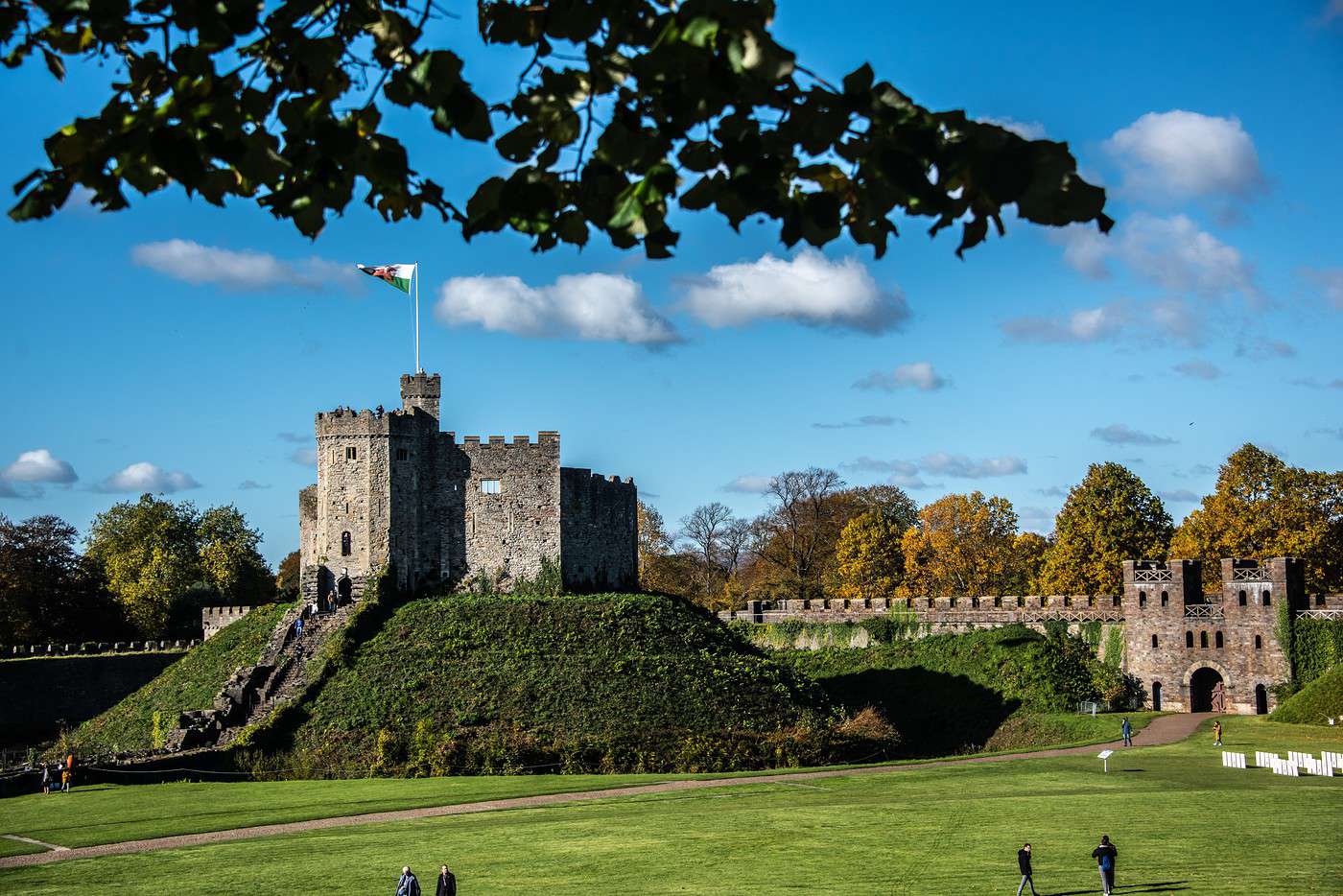
Cardiff, Grande Bretagne

Sometimes overshadowed by its British neighbours on the tourist front, Wales nonetheless offers its share of medieval castles (including those in the Gwynedd region) and pleasant nature, with landscapes and "outdoor" activities like those in Gower Peninsula, the Brecon Beacons parks, Pembrokeshire Coast, or Snowdonia. Wales is also a land of culture and traditions that remain very much alive.
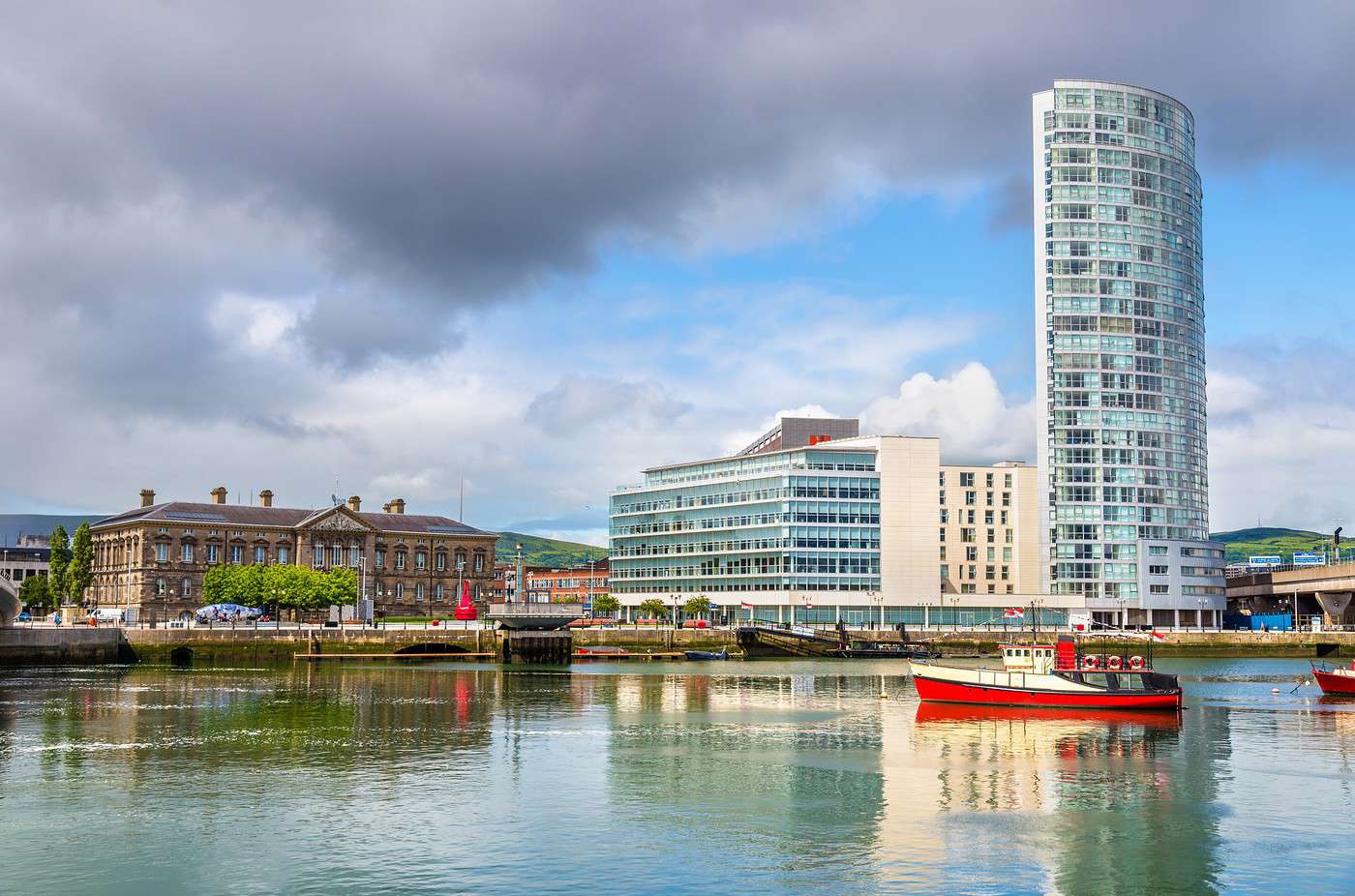
Northern Ireland

Less well-known as a tourist destination and therefore less visited than its southern neighbour, Northern Ireland can nevertheless be seen as a complement to the latter, with the discovery of the Giant's Causeway, the "must-see" of the region, as well as the entire Antrim coast, appreciated for its landscapes. And for those interested in the region's turbulent history, cities like Belfast or Derry are also worth visiting. Introduction to Northern Ireland Geography and Environment of Northern Ireland Climate and Weather in Northern Ireland Culture, Society, and Customs of Northern Ireland Northern Ireland Cuisine What to See in Northern Ireland Things to Do in Northern Ireland Travel and suggested itineraries in Northern Ireland Flying to Northern Ireland Getting to Northern Ireland by Land or Sea Getting Around Northern Ireland Accommodation in Northern Ireland Other practical information for Northern Ireland Living in Northern Ireland
Belfast, Grande Bretagne
Belfast, Grande Bretagne · © VoyageForum

Further reading on VoyageForum

View guide page: Northern Ireland

Introduction to Northern Ireland

Overview

Key Facts

  • Type of place: tourist region.
  • Location: the northeastern part of the island of Ireland.
  • Local time: Heure : 4698
  • Political status: constituent nation of the United Kingdom.
  • Official languages:
  • Population: 1,864,000 inhabitants (2016).
  • Area: 14,130 km²
  • Density: 132 inhabitants/km².
  • Highest point: Slieve Donard (848 m).
  • Lowest point: sea level.
  • Coastline:

Tourism

Less well-known and therefore less visited than its southern neighbour, Northern Ireland can nevertheless be seen as a complement to the latter, with the discovery of the Giant's Causeway, which is the "must-see" of the region, as well as the entire coast of Antrim, appreciated for its landscapes. For those interested in the turbulent history of this region, cities like Belfast or Derry are also worth visiting.

Travel Essentials

  • By air: France-Belfast.
  • Backpacker daily budget:
  • Best for accommodation:
  • Best for getting around:
  • Best time for climate/crowds/prices:
  • Interests (out of ): Nature ; Adventure / ; Culture ; Relaxation-Holiday Adventure /
  • Website:
View guide page: Introduction to Northern Ireland

Geography and Environment of Northern Ireland

Geography of the Region

Natural Areas

Antrim, Grande Bretagne
Antrim, Grande Bretagne · © VoyageForum

Wildlife and Flora

View guide page: Geography and Environment of Northern Ireland

Climate and Weather in Northern Ireland

Climate Overview

Ireland, both north and south, has never been known for its climate. While it’s fairly mild—not too hot in summer or too cold in winter, with small temperature ranges—the weather is primarily changeable and, above all, rainy year-round, with rain every two or three days depending on the season. That said, the east coast of the island is less rainy than the west. In any case, it’s usually light showers or drizzle rather than heavy storms.

Best Time to Visit Northern Ireland

Climatically, the period from late April to early October is the best. You can expect daytime temperatures of 15–20°C, and spring brings slightly less rain—the sunniest time of the year. Still, Northern Ireland’s climate isn’t an insurmountable obstacle for visiting the country.

Jan.Feb.Mar.Apr.MayJun.Jul.Aug.Sep.Oct.Nov.Dec.
Climate

: very favourable | : favourable | : moderately favourable | : unfavourable.

Sea Temperatures Throughout the Year

As you might expect, sea temperatures in Ireland aren’t particularly high. The bravest swimmers might attempt a dip in the heart of summer.

Jan.Feb.Mar.Apr.MayJun.Jul.Aug.Sep.Oct.Nov.Dec.
South Coast1099101113151615131211

Climate and Weather in Belfast

View guide page: Climate and Weather in Northern Ireland

What to See in Northern Ireland

Northern Ireland has one site inscribed on the UNESCO World Heritage list: Giant's Causeway ★★★ (1986) Arguably the most famous site in Northern Ireland. A UNESCO World Heritage Site, it is a collection of thousands of basalt columns along the coast. Armagh ★…

Read the full guide: What to See in Northern Ireland

Things to Do in Northern Ireland

Travel Themes

  • Interests (rated ): Nature ; Adventure / ; Culture ; Relaxation-Holiday Adventure /

Nature-Adventure

Culture

Relaxation-Holidays

Beaches and Seaside Resorts

Bangor, Bangor, Grande Bretagne
Bangor, Bangor, Grande Bretagne · © VoyageForum

Water Activities

Thalassotherapy and Wellness

Hiking

Hiking on Foot

Cycling

Horseback Riding

Golf

Cultural Life and Activities

Nightlife and Outings

View guide page: Things to Do in Northern Ireland

Travel and suggested itineraries in Northern Ireland

Best times to visit

Finding the best time to visit means balancing climate constraints with crowd levels and the most attractive prices on-site or for getting there.

Jan.Feb.Mar.Apr.MayJun.Jul.Aug.Sep.Oct.Nov.Dec.
Climate
Avoid crowds
Low prices

: very favourable | : favourable | : moderately favourable | : unfavourable.

Some itinerary ideas

Must-see

Offbeat

With family

By duration

View guide page: Travel and suggested itineraries in Northern Ireland

Getting to Northern Ireland by Land or Sea

By Land

Northern Ireland shares a land border with the Republic of Ireland; specifically, 443 km in common. There are numerous border crossings between the two Irelands, and they pose no issues. Moreover, given the long "shared history" between Ireland and the United Kingdom, to which Northern Ireland belongs, there are no checks (pending the effects of Brexit), and the border is not always clearly marked.

By Sea

Ferries

Cargo

Sailing

Cruises

View guide page: Getting to Northern Ireland by Land or Sea

Getting Around Northern Ireland

Road Network, Traffic

Car, Camper Van

Rental

Bus

Two Wheels

Motorcycle

Bicycle

Hitchhiking

Trains

Boats

In Town

Taxis

Other Means

Which Transport to Choose?

Distances Between Cities

Distances (km) between the main cities on the island:

BelfastCorkDerryDublinGalwayKillar.Limer.Rossl.SligoWate.
Belfast*165
Cork265
Derry*235
Dublin165265235210310200160210170
Galway210
Killarney310
Limerick200
Rosslare160
Sligo210
Waterford170

Belfast* and Derry* are in Northern Ireland.

View guide page: Getting Around Northern Ireland

Other practical information for Northern Ireland

Luggage and equipment to bring

Given the changeable climate in all seasons, it's best to pack light clothing, some warmer layers, and especially something to protect yourself from rain and wind. Also bring good shoes for walking in nature, waterproof gear if you plan to camp, and midge repellent in summer.

Budget

Precautions

Opening hours

Laundries

Local tourist offices

French language use

View guide page: Other practical information for Northern Ireland

England

While many people limit their discovery of England to a trip to London, the region has many other points of interest. Several cities, such as Bath, Cambridge, and Canterbury, are well worth a visit. Beyond the London conurbation or major urban centres, nature is also very much present in England, from Cornwall to the Lake or Peak District, including the beautiful Exmoor National Park. Introduction to England Geography and Environment of England England's Climate and Weather Culture, Society, and Customs of England English Cuisine What to See in England Things to Do in England Travel and suggested itineraries in England Flying to England Getting to England by Land or Sea Getting Around in England Accommodation in England Other practical information for England Living in England
Abbaye de Westminster, Londres, Grande Bretagne
Abbaye de Westminster, Londres, Grande Bretagne · © VoyageForum

Further reading on VoyageForum

View guide page: England

What to See in England

England has 19 sites inscribed on the UNESCO World Heritage list: London and surroundings: Greenwich ★★ (1997) This "borough" on the outskirts of London is known for "its" meridian, its museums, and various sites (observatory, docks, royal park, etc.) in its…

Read the full guide: What to See in England

Introduction to England

Overview

Key Facts

  • Type of place: tourist region.
  • Local time: Heure : 20284
  • Political status: constituent nation of the United Kingdom.
  • Official language: English (plus Welsh and Cornish at regional level).
  • Population: 55,012,000 inhabitants (2015).
  • Area: 130,395 km²
  • Density: 422 inhabitants/km².
  • Highest point: Scafell Pike (978 m).
  • Lowest point: The Fens (-4 m).
  • Coastline:

Tourism

While many people limit their discovery of England to a trip to London, the region has plenty of other points of interest. Several cities, such as Bath, Cambridge, and Canterbury, are well worth a visit. Beyond the London conurbation and major urban centres, nature is also very much present in England, from the Cornwall to the Lake District or Peak District, including the beautiful Exmoor National Park.

Travel Essentials

  • By air: France-London.
  • Backpacker daily budget:
  • Best for accommodation:
  • Best for getting around:
  • Best time for climate/crowds/prices:
  • Interests (out of ): Nature ; Adventure / ; Culture ; Relaxation-holidays
  • Website:
View guide page: Introduction to England

Geography and Environment of England

Geography of the Region

Natural Areas

Lake District, Grande Bretagne
Lake District, Grande Bretagne · © VoyageForum

Wildlife and Flora

View guide page: Geography and Environment of England

England's Climate and Weather

Climate Overview

England's climate is primarily characterised by low temperature variation, with relatively small average differences between summer and winter (roughly 5°C to 20°C) or between day and night. In short, it never gets very hot, nor does it get very cold. However, rain is indeed common (as is wind in certain areas), and while heavy storms are rare, showers are almost regular throughout the year. Winter is the season of fog (mist) across England. Of the entire country, the south coast enjoys the most sunshine.

Best Time to Visit England

Late spring and summer are the most pleasant times to visit.

Jan.Feb.Mar.Apr.MayJun.Jul.Aug.Sep.Oct.Nov.Dec.
Climate

: very favourable | : favourable | : moderately favourable | : unfavourable.

Sea Temperature Throughout the Year

As expected, sea temperatures are not particularly high, and it is mainly in the heart of summer that swimming is most "pleasant" along the English Channel coast.

Jan.Feb.Mar.Apr.MayJun.Jul.Aug.Sep.Oct.Nov.Dec.
Brighton999101113161615141211

Climate and Weather in London

View guide page: England's Climate and Weather

Things to Do in England

Travel Themes

  • Interests (out of ): Nature ; Adventure / ; Culture ; Relaxation-holidays

Nature-Adventure

Culture

Relaxation-Holidays

Beaches and Seaside Resorts

Blackpool, Grande Bretagne
Blackpool, Grande Bretagne · © VoyageForum

Water Activities

Thalassotherapy and Wellness

Hiking

Peak District, Grande Bretagne
Peak District, Grande Bretagne · © VoyageForum

Hiking

Cycling

Horseback Riding

Outdoor Sports

Golf

Whitewater Sports

Climbing and Mountain Sports

Paragliding and Aerial Sports

Hunting and Fishing

Cultural Life and Activities

Nightlife and Going Out

View guide page: Things to Do in England

Travel and suggested itineraries in England

Best times to visit

Finding the best time to visit involves balancing climate constraints with crowd levels and the most attractive prices for travel and on-site expenses.

Jan.Feb.Mar.Apr.MayJun.Jul.Aug.Sep.Oct.Nov.Dec.
Climate
Avoid crowds
Low prices

Some itinerary ideas

Must-see

Offbeat

Family-friendly

By duration

View guide page: Travel and suggested itineraries in England

Other practical information for England

Luggage and equipment to bring

Budget

Precautions

Opening hours

Laundromats

Local tourist offices

Using French

View guide page: Other practical information for England

Scotland

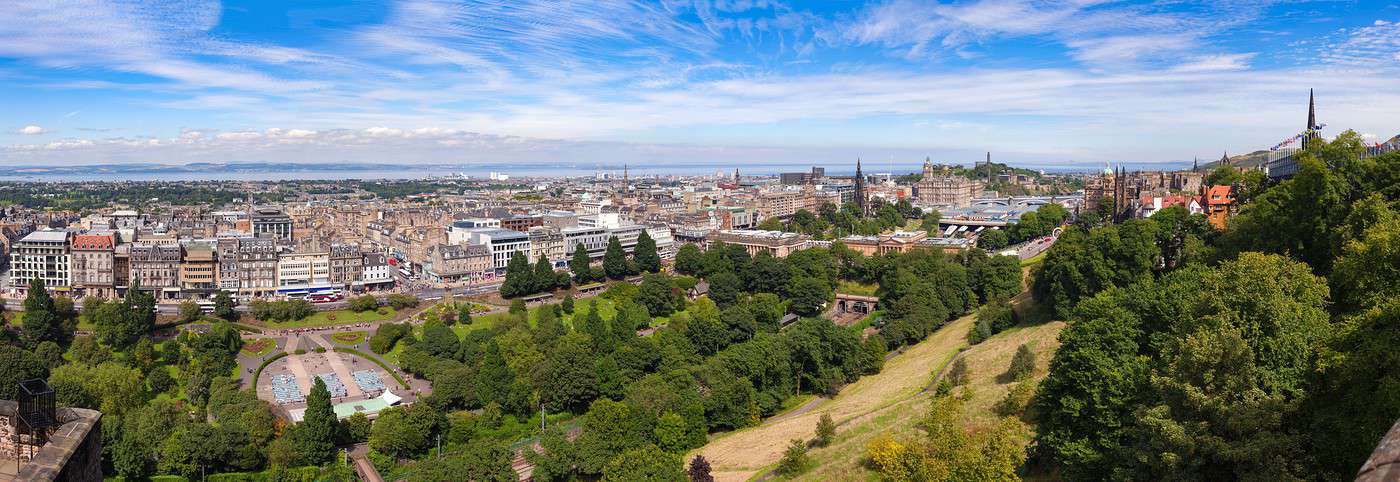
Scotland, the eternal rival of England, is a wild land that, beyond the cities of Glasgow and Edinburgh, opens up to its moors, islands, small mountains, and famous lochs that shape its landscape. In short, Scotland is unmistakably a nature destination, set against a backdrop of culture and traditions that remain very much alive. Introduction to Scotland Geography and Environment of Scotland Scotland's Climate and Weather Culture, Society, and Customs of Scotland Scottish Cuisine What to See in Scotland Things to Do in Scotland Travel and Suggested Itineraries in Scotland Flying to Scotland Getting to Scotland by Land or Sea Getting Around Scotland Accommodation in Scotland Other practical information for Scotland Living in Scotland
Edimbourg, Grande Bretagne
Edimbourg, Grande Bretagne · © VoyageForum

Further reading on VoyageForum

View guide page: Scotland

Introduction to Scotland

Overview

Key facts

  • Type of place: tourist region.
  • Location: at the northern end of Great Britain.
  • Local time: Heure : 20285
  • Political status: constituent nation of the United Kingdom.
  • Official languages: English and Scottish Gaelic.
  • Population: 5 373 000 inhabitants (2015).
  • Area: 78 772 km2.
  • Density: 68 inh./km2.
  • Lowest point: sea level.
  • Coastline:

Tourism

The eternal rival of England is a wild land which, beyond the cities of Glasgow and Edinburgh, opens onto its moors, its islands, its hills and its famous lochs (lakes) that make up its landscape. In short, Scotland is resolutely a nature destination set against a backdrop of culture and traditions still very much alive.

Each year, Scotland welcomes a little over 2,5 million foreign visitors (2,7 million in 2014), coming mainly from the USA (15% of arrivals, many of them visiting the land of their ancestors), Germany, France (190 000 tourists), Australia or the Netherlands.

Travel essentials

  • By plane: France-Edinburgh.
  • Daily backpacker budget:
  • Best for accommodation:
  • Best for getting around:
  • Best time for weather/crowds/prices:
  • Interests (out of ): Nature ; Adventure ; Culture ; Relaxation /
  • Website:
View guide page: Introduction to Scotland

Geography and Environment of Scotland

Geography of the Region

Natural Areas

Glen Coe, Grande Bretagne
Glen Coe, Grande Bretagne · © VoyageForum

Wildlife and Flora

View guide page: Geography and Environment of Scotland

Scotland's Climate and Weather

Climate Overview

Best Time to Visit Scotland Weather-Wise

Jan.Feb.Mar.Apr.MayJun.Jul.Aug.Sep.Oct.Nov.Dec.
Climate

: very favourable | : favourable | : moderately favourable | : unfavourable.

Sea Temperature Throughout the Year

As you might expect, sea temperatures in Scotland are never very high, and you’ll need to be hardy if you want to swim—even in summer.

Jan.Feb.Mar.Apr.MayJun.Jul.Aug.Sep.Oct.Nov.Dec.
North Sea/Atlantic76679111314131198

Climate and Weather in Edinburgh

View guide page: Scotland's Climate and Weather

What to See in Scotland

Scotland has 5 sites inscribed on the UNESCO World Heritage List: Edinburgh ★★★★ (1995) Scotland’s capital is by far the most beautiful and most visited city in the country. Both its historic centre and its New Town are UNESCO World Heritage Sites. New Lanark…

Read the full guide: What to See in Scotland

Things to Do in Scotland

Travel Themes

  • Interests (rated ): Nature ; Adventure ; Culture ; Relaxation-holidays /

Nature-Adventure

Culture

Relaxation-Holidays

Beaches and Seaside Resorts

Water Activities

Thalassotherapy and Wellness

Hiking

Hiking on Foot

Cycling

Horseback Riding

Outdoor Sports

Golf

White-Water Activities

Climbing and Mountain Sports

Skiing and Winter Activities

Paragliding and Aerial Sports

Hunting and Fishing

Cultural Life and Activities

Nightlife and Going Out

View guide page: Things to Do in Scotland

Travel and Suggested Itineraries in Scotland

Best Times to Visit

Finding the best time to visit means balancing weather conditions with crowds and the most attractive prices for travel and on-site expenses.

Jan.Feb.Mar.Apr.MayJun.Jul.Aug.Sep.Oct.Nov.Dec.
Climate
Avoid crowds
Low prices

: very favorable | : favorable | : moderately favorable | : unfavorable.

Some Itinerary Ideas

Must-See

Offbeat

Family-Friendly

By Duration

View guide page: Travel and Suggested Itineraries in Scotland

Other practical information for Scotland

Luggage and equipment to bring

Budget

Precautions

Opening hours

Laundromats

Local tourist offices

Using French

View guide page: Other practical information for Scotland

Channel Islands

A few small islands closer to France than to England, perfect for a short getaway and ideal for lovers of coastal landscapes and seaside strolls. Overview of the Channel Islands Geography and Environment of the Channel Islands Climate and Weather in the Channel Islands Culture, Society, and Customs of the Channel Islands Cuisine of the Channel Islands What to see in the Channel Islands Things to do in the Channel Islands Travel and suggested itineraries in the Channel Islands Flying to the Channel Islands Getting to the Channel Islands by Sea Getting Around the Channel Islands Accommodation in the Channel Islands Other practical information for the Channel Islands Living in the Channel Islands
Guernesey, Grande Bretagne
Guernesey, Grande Bretagne · © VoyageForum

Further reading on VoyageForum

View guide page: Channel Islands

Overview of the Channel Islands

Overview

The Channel Islands are a group of islands located in the English Channel, around thirty kilometres west of the Cotentin Peninsula. They are direct dependencies of the British Crown but are not part of the United Kingdom. Similarly, their special status means they are not members of the European Union.

Key facts

  • Type of place: tourist region.
  • Location: four main islands (Alderney, Jersey, Guernsey, Sark) west of the Cotentin.
  • Local time: Heure : 20286
  • Main town: Saint Helier on Jersey.
  • Political status: British Crown Dependencies.
  • Official language: English.
  • Population: 164,600 inhabitants (2016).
  • Area: 198 km²
  • Density: 831 inhabitants/km²
  • Highest point: Les Platons (136 m) on Jersey.
  • Lowest point: sea level.
  • Coastline:

Tourism

These small islands, closer to France than to England, can be explored in a few days, preferably in the off-season to avoid crowds. They will appeal first and foremost to lovers of coastal landscapes and short seaside walks.

Travel essentials

  • By air: France-Jersey.
  • Backpacker daily budget:
  • Best for accommodation:
  • Best for getting around:
  • Best time for climate/crowds/price:
  • Interests (out of ): Nature ; Adventure ; Culture ; Relaxation/holidays
  • Website:
View guide page: Overview of the Channel Islands

Climate and Weather in the Channel Islands

Climate Overview

Best Climate Period for the Channel Islands

Jan.Feb.Mar.Apr.MayJun.Jul.Aug.Sep.Oct.Nov.Dec.
Climate

: very favorable | : favorable | : moderately favorable | : unfavorable.

Sea Temperature Throughout the Year

As one might expect, sea temperatures are not particularly high, and it is primarily in the heart of summer that swimming is most "pleasant" along the Channel coasts.

Jan.Feb.Mar.Apr.MayJun.Jul.Aug.Sep.Oct.Nov.Dec.
Jersey1099101113161715141211

Climate and Weather in Jersey

View guide page: Climate and Weather in the Channel Islands

What to see in the Channel Islands

UNESCO World Heritage Sites

The Channel Islands have no sites listed as UNESCO World Heritage Sites:

The islands (inhabited)

Alderney
The northernmost of the Channel Islands, just fifteen kilometres from the French coast of the Cotentin. It's visited for its landscapes, birds, and tranquillity.
Herm, Grande Bretagne
Herm
A very small, tranquil island of around sixty inhabitants near Guernsey. It is typically visited as a day trip from there.
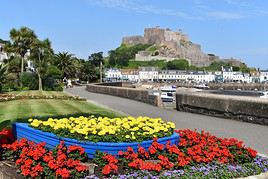
Guernesey, Grande Bretagne
Guernsey
The island where Victor Hugo spent 15 years in exile. Among the sights, beyond the "lively" capital St Peter Port, you can visit his house and numerous WWII bunkers. Though fairly populated, the island also offers beautiful landscapes, coves between cliffs, and hiking trails.
Jersey, Grande Bretagne
Jersey
The main and most populous island in the archipelago, Jersey is also the most visited for its beaches, hiking opportunities, various World War II landmarks (bunkers, "tunnels", museums), and tax-free shopping.
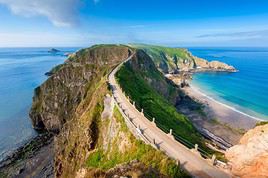
Sercq, Grande Bretagne
Sark
About ten kilometres east of Guernsey, this car-free, preserved island, surrounded by cliffs, attracts nature lovers, those seeking coastal landscapes, and tranquillity.
View guide page: What to see in the Channel Islands

Alderney

The northernmost of the Channel Islands, just fifteen kilometres from the French coast of the Cotentin. It's visited for its landscapes, birds, and tranquillity.

Overview of Alderney

It's the northernmost of the Channel Islands, just fifteen kilometres from the French coast of the Cotentin. Visitors come for its landscapes, birds, and tranquillity.

Key facts

  • Type de lieu: island.
  • Intérêt touristique: (worth a stop if you are in the area).
  • Localisation:
  • Heure locale: Heure : 17094
  • Localité principale: St Anne.
  • Population: 2,020 inhabitants (2016).
  • Superficie: 7.8 km².
  • Densité:
  • Point le plus haut: 90 m.
  • Littoral:

History of Alderney

Island environment

Wildlife and flora

Precautions

What to see and do in Alderney

Nearby

Climate and weather in Alderney

Sea temperature throughout the year

Jan.Feb.Mar.Apr.MayJun.Jul.Aug.Sep.Oct.Nov.Dec.
Alderney10910111214161716151311

Transport

Getting there

Getting around

Accommodation

Eating out

Useful addresses

  1. == Further information
View guide page: Alderney

Herm

A very small, tranquil island of around sixty inhabitants near Guernsey. It is typically visited as a day trip from there.

Overview of Herm

It is a very small, tranquil island of around sixty inhabitants near Guernsey. It is typically visited as a day trip from there.

Key facts

  • Type of place: island.
  • Tourist interest: (worth a stop if you are in the area).
  • Location:
  • Local time: Heure : 17095
  • Main locality:
  • Population: 60 inhabitants (2012).
  • Area: 2 km².
  • Density:
  • Highest point:
  • Coastline:

History of Herm

Island environment

Wildlife and flora

Precautions

What to see and do on Herm

Nearby

Climate and weather on Herm

Sea temperature throughout the year

Jan.Feb.Mar.Apr.MayJun.Jul.Aug.Sep.Oct.Nov.Dec.
Herm10910111214161716151311

Transport

Getting there

Getting around

Accommodation

Eating

Useful addresses

  1. == Additional information
View guide page: Herm

Jersey

The main and most populous island in the archipelago, Jersey is also the most visited for its beaches, hiking opportunities, various World War II landmarks (bunkers, "tunnels", museums), and tax-free shopping.

Overview of Jersey

The main and most populous island in the archipelago, Jersey is also the most visited for its beaches, hiking opportunities, various World War II landmarks (bunkers, "tunnels", museums), and tax-free shopping.

Key facts

  • Type of place: island.
  • Tourist interest: (worth seeing).
  • Location:
  • Local time: Heure : 17096
  • Main town: Saint Helier.
  • Population: 100,080 (2014).
  • Area: 118.2 km².
  • Density: 819 inhabitants/km².
  • Highest point: Les Platons (136 m).
  • Coastline: 70 km.

History of Jersey

Island environment

Wildlife and flora

Precautions

What to see and do in Jersey

In the surrounding area

Climate and weather in Jersey

Sea temperature throughout the year

Jan.Feb.Mar.Apr.MayJun.Jul.Aug.Sep.Oct.Nov.Dec.
Jersey10910111214161716151311

Transport

Getting there

Getting around

Accommodation

Food

Useful addresses

Further information

View guide page: Jersey

Guernsey

The island where Victor Hugo spent 15 years in exile. Among the sights, beyond the "lively" capital St Peter Port, you can visit his house and numerous WWII bunkers. Though fairly populated, the island also offers beautiful landscapes, coves between cliffs, and hiking trails.

Overview of Guernsey

This is the island where Victor Hugo spent 15 years in exile. Among the sights, beyond the "lively" capital St Peter Port, you can visit his house and numerous WWII bunkers. Though fairly populated, the island also offers beautiful landscapes, coves between cliffs, and hiking trails.

Key facts

  • Type of place: island.
  • Tourist interest: (worth seeing).
  • Location:
  • Local time: Heure : 17097
  • Main town: St Peter Port.
  • Population: 63,026 (2016).
  • Area: 65 km².
  • Density: 965 inhabitants/km².
  • Highest point: 106 m.
  • Coastline:

History of Guernsey

Island environment

Wildlife and flora

Precautions

What to see and do in Guernsey

In the area

Climate and weather in Guernsey

Sea temperature throughout the year

Jan.Feb.Mar.Apr.MayJun.Jul.Aug.Sep.Oct.Nov.Dec.
Guernsey10910111214161716151311

Transport

Getting there

Getting around

Accommodation

Food

Useful addresses

Further reading

View guide page: Guernsey

Sark

About ten kilometres east of Guernsey, this car-free, preserved island, surrounded by cliffs, attracts nature lovers, those seeking coastal landscapes, and tranquillity.

Overview of Sark

About ten kilometres east of Guernsey, to which it is linked, this car-free, preserved island (known as Sark in English), surrounded by cliffs, attracts nature lovers, those seeking coastal landscapes, and tranquillity.

Key facts

  • Type of place: island.
  • Tourist interest: (worth seeing).
  • Location:
  • Local time: Heure : 17098
  • Main locality: Sark.
  • Population: 600 inhabitants (2014)
  • Area: 5.45 km².
  • Highest point: Le Moulin (114 m).
  • Coastline:

History of Sark

The island’s environment

Wildlife and flora

Precautions

What to see and do in Sark

In the surrounding area

Climate and weather in Sark

Sea temperature throughout the year

Jan.Feb.Mar.Apr.MayJun.Jul.Aug.Sep.Oct.Nov.Dec.
Sark10910111214161716151311

Transport

Getting there

Getting around

Accommodation

Eating out

Useful addresses

  1. == Further information
View guide page: Sark

Things to do in the Channel Islands

Travel themes

  • Interests (out of ): Nature ; Adventure ; Culture ; Relaxation-holidays

Nature-adventure

Culture

Relaxation-holidays

Beaches and seaside resorts

Water activities

Thalassotherapy and wellness

Hiking

Hiking on foot

Cycling

Horseback riding

Golf

Cultural life and activities

Nightlife and going out

View guide page: Things to do in the Channel Islands

Travel and suggested itineraries in the Channel Islands

Best times to visit

Finding the best time to visit means balancing weather conditions with crowds and the most attractive prices on the ground or for travel.

Jan.Feb.Mar.Apr.MayJun.Jul.Aug.Sep.Oct.Nov.Dec.
Climate
Avoid crowds
Low prices

: very favourable | : favourable | : moderately favourable | : unfavourable.

Some itinerary ideas

Must-see

Offbeat

Family-friendly

By duration

View guide page: Travel and suggested itineraries in the Channel Islands

Flying to the Channel Islands

Overview

Types of flights

Charter, scheduled and low-cost flights

Promotions and special offers

From France

From the rest of Europe

From the rest of the British Isles

From elsewhere

Only European flights serve the Channel Islands. For all other destinations, you’ll need a connecting flight—most often via a London airport.

View guide page: Flying to the Channel Islands

Getting Around the Channel Islands

Between the Islands

Travel within the Channel Islands can be done by both air and sea.

By Air

By Boat

On Jersey and Guernsey

Road Network and Traffic

Car Rental

Taxis

Buses

Two Wheels

Hitchhiking or Walking

Choosing Your Mode of Transport

On the Other Islands

View guide page: Getting Around the Channel Islands

Other practical information for the Channel Islands

Luggage and equipment to bring

Budget

Precautions

Opening hours

Laundromats

Local tourist offices

Using French

View guide page: Other practical information for the Channel Islands

Wales

Often somewhat overshadowed by its British neighbours in terms of tourism, Wales still offers its fair share of castles, pleasant landscapes, and above all, a culture that remains very much alive. Introduction to Wales Geography and Environment of Wales Climate and Weather in Wales Culture, Society, and Customs of Wales Welsh Cuisine What to See in Wales Things to Do in Wales Travel and suggested itineraries in Wales Flying to Wales Getting to Wales by Land or Sea Getting Around Wales Accommodation in Wales Other Practical Information for Wales Living in Wales
Châteaux forts de la région du Gwynedd, Grande Bretagne
Châteaux forts de la région du Gwynedd, Grande Bretagne · © VoyageForum

Further reading on VoyageForum

View guide page: Wales

Introduction to Wales

Overview

Wales is above all a region of coastal plateaus, though with some relief in the south (Black Mountains) and especially in the north-west (Cambrian Mountains). Since the 19th century, the region has had an industrial tradition (mining, metallurgy...) rather than an agricultural one (livestock farming), which, however, has suffered considerably from the economic crises of recent decades. Administratively, Wales, which is an integral part of the United Kingdom, has a certain autonomy, embodied among other things by a devolved assembly and an official language, Welsh, on equal footing with English.

Key facts

  • Type of place: tourist region.
  • Location: on a peninsula in the centre-west of Great Britain, facing Ireland.
  • Local time: Heure : 20287
  • Political status: constituent nation of the United Kingdom.
  • Official languages: Welsh and English on an equal footing as national languages.
  • Population: 3 063 000 inhabitants (2012).
  • Area: 20 779 km2.
  • Density:
  • Highest point: Snowdon (1 085 m).
  • Lowest point: sea level.
  • Coastline: 1 200 km.

Tourism

Sometimes overshadowed on the tourist front by its British neighbours, Wales nonetheless offers its share of medieval castles (including those in the Gwynedd region) and pleasant nature with its landscapes and "outdoor" activities such as in Gower Peninsula, the parks of Brecon Beacons, Pembrokeshire Coast or even Snowdonia. And Wales is also a culture and traditions that are still very much alive.

Essentials for the trip

  • By plane: France-Cardiff.
  • Daily "backpacker" budget:
  • Best for accommodation:
  • Best for getting around:
  • Best time (weather/crowds/prices):
  • Interests (out of ): Nature ; Adventure ; Culture / ; Relaxation
  • Website:
View guide page: Introduction to Wales

Geography and Environment of Wales

Geography of the Region

Natural Areas

Parc national de Brecon Beacons, Grande Bretagne
Parc national de Brecon Beacons, Grande Bretagne · © VoyageForum

Wildlife and Flora

View guide page: Geography and Environment of Wales

Climate and Weather in Wales

Climate Overview

Wales's climate, like England's, is primarily characterised by low temperature ranges, with relatively small average differences between summer and winter (roughly 5 to 20°C) or day and night. In short, it never gets very hot, nor does it get very cold. However, rain is indeed a constant presence (as is wind in some areas), and while heavy storms are rare, showers are almost regular throughout the year.

Best Time to Visit Wales

Late spring and summer are the most pleasant times to visit.

Jan.Feb.Mar.Apr.MayJun.Jul.Aug.Sep.Oct.Nov.Dec.
Climate

: very favourable | : favourable | : moderately favourable | : unfavourable.

Sea Temperature Throughout the Year

As expected, sea temperatures are not particularly high, and it is in the heart of summer that the least cold-sensitive visitors can swim most "comfortably".

Jan.Feb.Mar.Apr.MayJun.Jul.Aug.Sep.Oct.Nov.Dec.
Cardiff98991012141514121110

Climate and Weather in Cardiff

View guide page: Climate and Weather in Wales

What to See in Wales

Wales has 3 sites inscribed on the UNESCO World Heritage list: Blaenavon ★ (2000) A former mining and ironworks town designated a UNESCO World Heritage Site for its industrial landscape. Castles of the Gwynedd Region ★★★ (1986) Four magnificent medieval…

Read the full guide: What to See in Wales

Things to Do in Wales

Travel Themes

  • Highlights (rated ): Nature ; Adventure ; Culture / ; Relaxation-holidays

Nature-Adventure

Culture

Relaxation-Holidays

Beaches and Seaside Resorts

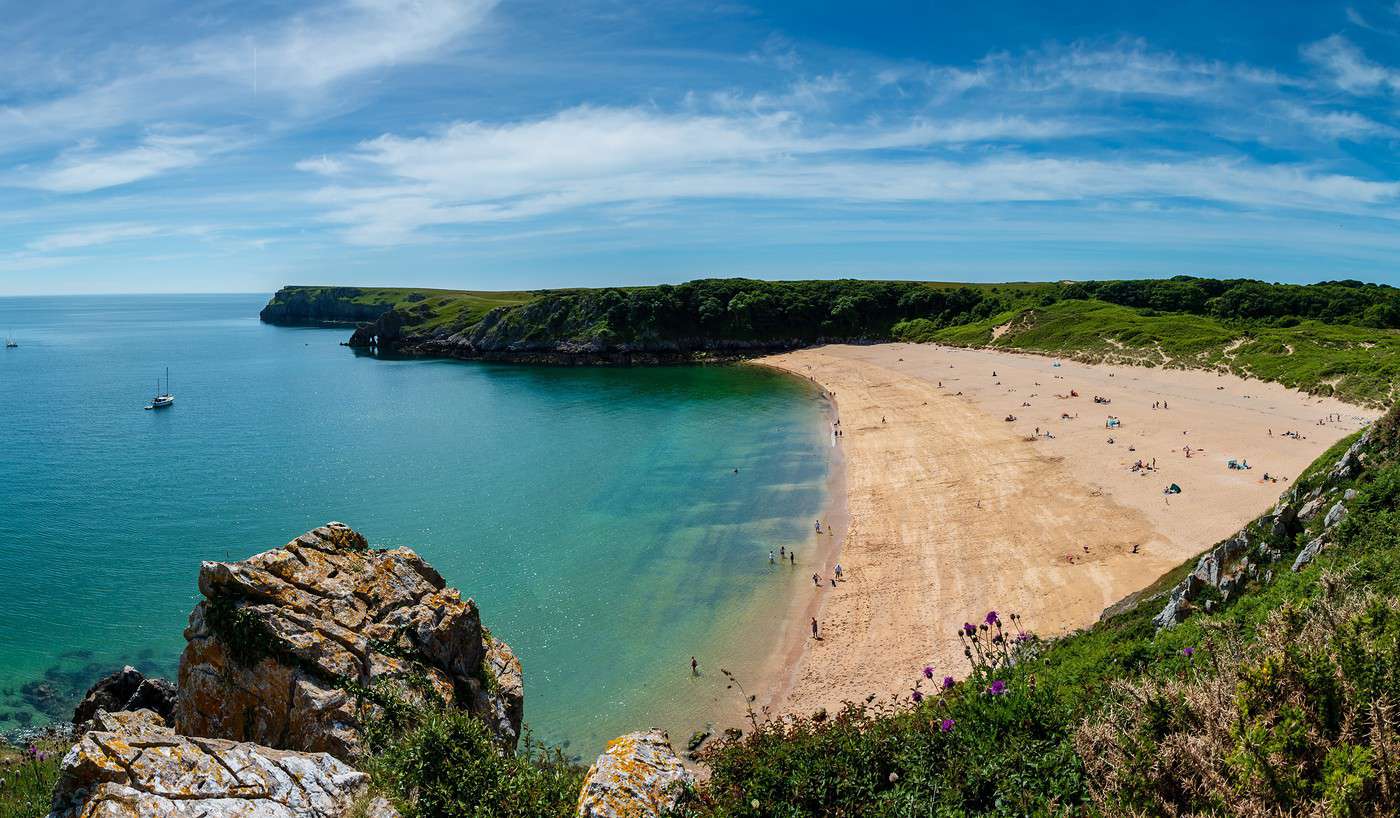
Parc national de la Pembrokeshire Coast, Grande Bretagne
Parc national de la Pembrokeshire Coast, Grande Bretagne · © VoyageForum

Water Activities

Thalassotherapy and Wellness

Hiking

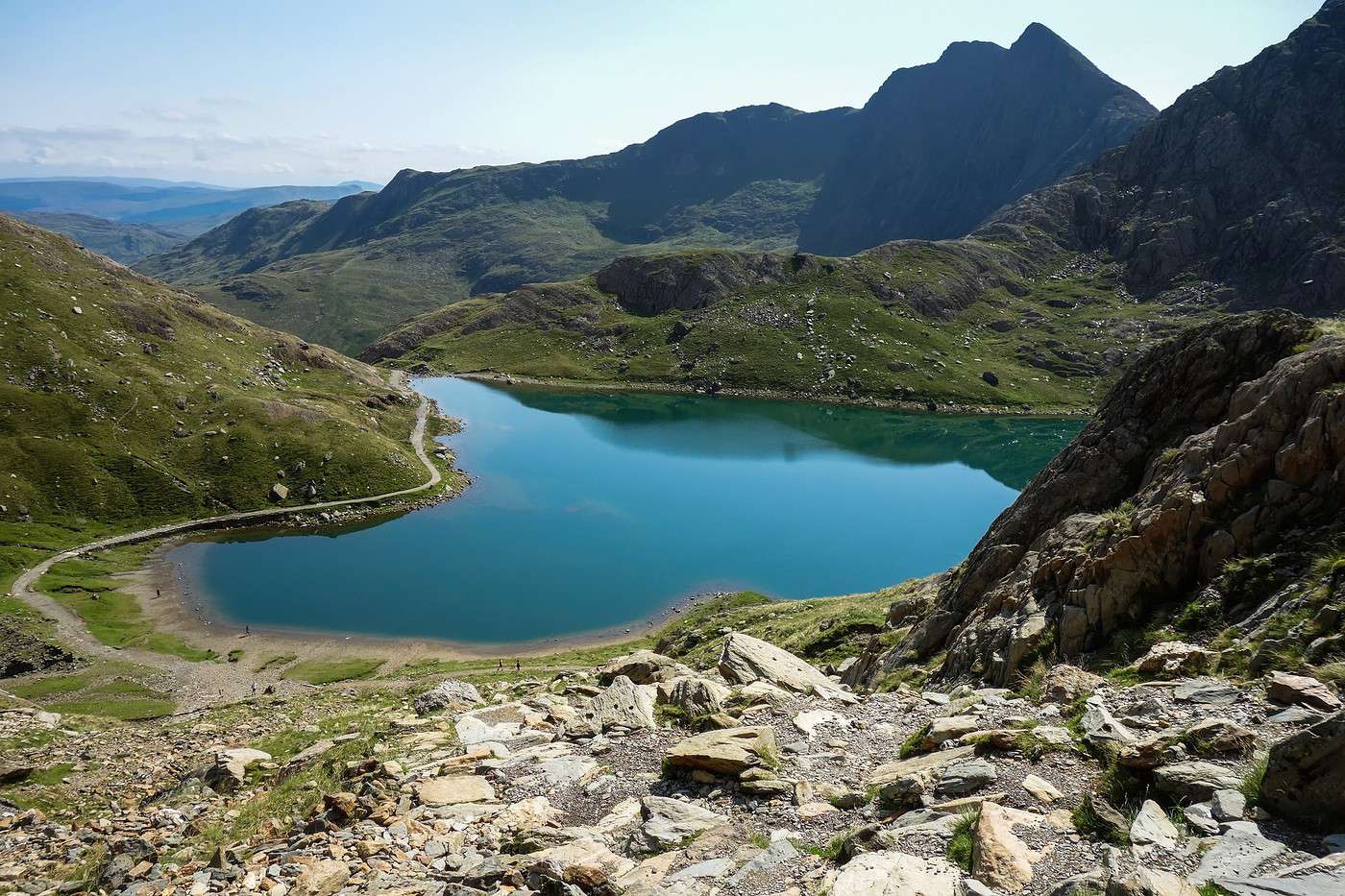
Parc national du Snowdonia, Grande Bretagne
Parc national du Snowdonia, Grande Bretagne · © VoyageForum

\n

Hiking

Cycling

Horseback Riding

Outdoor Sports

Golf

Whitewater Activities

Climbing and Mountain Sports

Paragliding and Aerial Sports

Hunting and Fishing

Cultural Life and Activities

Nightlife and Going Out

View guide page: Things to Do in Wales

Travel and suggested itineraries in Wales

Best times to visit

Finding the best time to visit involves balancing weather conditions with crowds and the most attractive prices for travel and on-site costs.

Jan.Feb.Mar.Apr.MayJun.Jul.Aug.Sep.Oct.Nov.Dec.
Climate
Avoid crowds
Low prices

: very favorable | : favorable | : moderately favorable | : unfavorable.

Some itinerary ideas

Must-see

Offbeat

Family-friendly

By duration

View guide page: Travel and suggested itineraries in Wales

Other Practical Information for Wales

Luggage and Equipment to Bring

Budget

Precautions

Opening Hours

Laundromats

Local Tourist Offices

Using French

View guide page: Other Practical Information for Wales

Something wrong or out of date? Report this page