last edited Dec 11, 2019
Money, Budget, and Shopping for Northern Cyprus
Location Map of Northern Cyprus
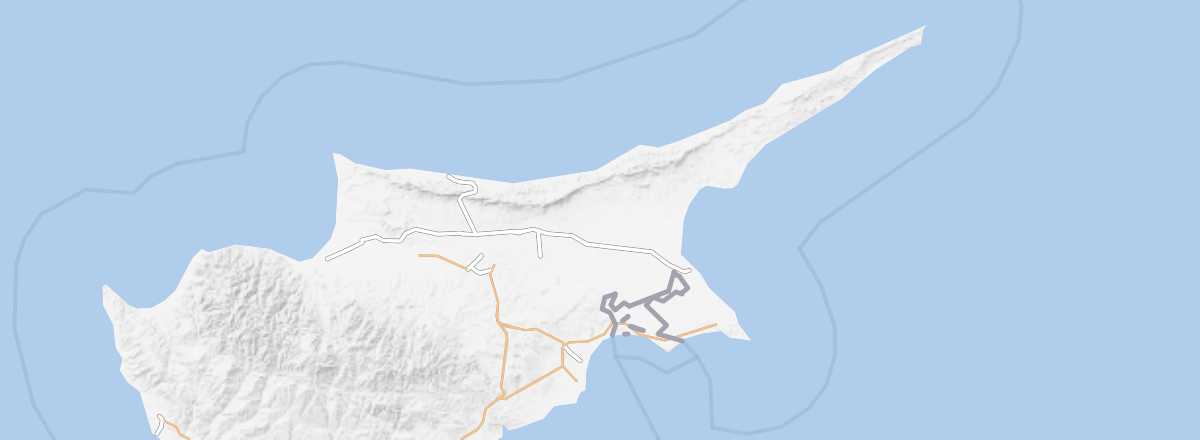 Northern Cyprus
Open the interactive map
Money
Currency
- Currency: Turkish lira (100 kurus).
- Banknotes: 5, 10, 20, 50, 100, and 200 TRY.
- Coins: 1, 5, 10, 25, and 50 kr + 1 TRY.
- Exchange:
Exchange
The main currencies, especially the euro and the British pound, can be exchanged without any issues at exchange bureaus and banks that offer this service.
Which currency to bring
The euro is obviously the easiest option if you're coming from the eurozone.
Payment methods
You can, of course, pay in cash, including often directly in euros or British pounds, especially in cities (but watch the exchange rate). You can also use a bank card, but almost exclusively in upscale places and businesses. In short, it's useful to always have a minimum of cash in the local currency or even euros, especially if you venture off the beaten path.
When returning
As is often the case, it's best to avoid ending up with too much local currency that you'll struggle to exchange back at a good rate upon return.
Budget
The Turkish part of Cyprus is much more affordable than the Greek part; less tourism and fewer Western visitors are among the reasons for this difference. Budget roughly 35 € to 50 € per person per day (for two people), and even less if you stick to local or basic options. On the other hand, an extended stay in Kyrenia may see the necessary daily budget increase slightly.
What can be expensive
- Flights to Northern Cyprus (compared to the South).
- Staying too long in the resort of Kyrenia, considered the tourist capital of the "country."
What can be inexpensive
- Eating, sleeping, and getting around "local."
Price range
- Double room in a "backpacker" hotel:
- Double room in a "tourist" hotel:
- Snack or meal in a "local" restaurant:
- Meal in a "tourist" restaurant:
- Budget car rental:
- 50 km by bus:
- Urban taxi:
- Urban bus: