last edited Feb 1, 2026
Money, Budget, and Shopping for Egypt
Location Map of Egypt
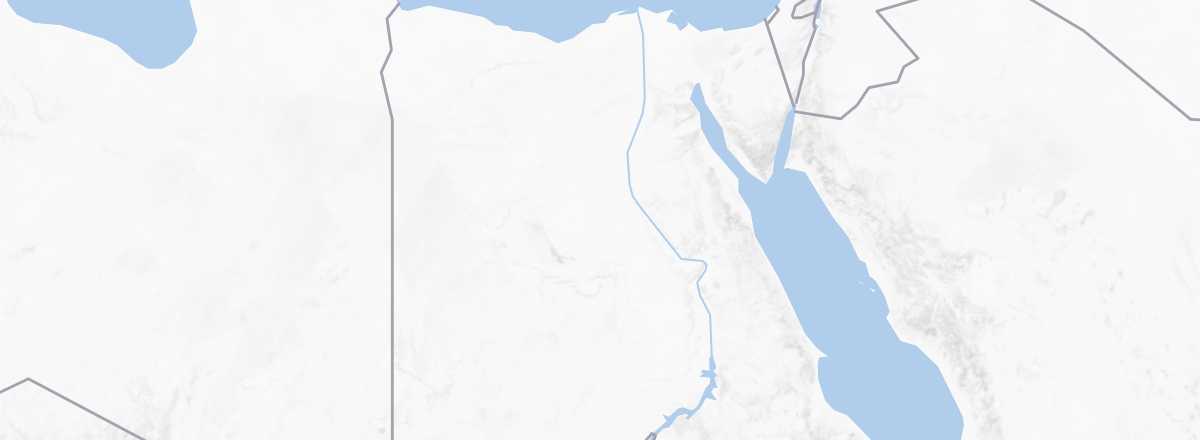 Egypt
Open the interactive map
Money
Currency
- Currency: Egyptian pound (100 piastres).
- Banknotes: 5, 10, 20, 50, 100, and 200 pounds.
- Coins: 25 and 50 piastres + 1 pound.
- Exchange:
Exchange
There’s really no problem exchanging money in Egypt. You’ll easily find exchange bureaus at ports and airports, in most banks, some high-end hotels, and many tourist spots. ATMs are also widely available across the country, and most major banks have them.
Which currency to bring
If you live in the Eurozone, it’s obvious you’ll bring euros, including small denominations. These can always be used as a means of payment in many situations once you’re there. Otherwise, other major foreign currencies are exchanged without issue.
Payment methods
Generally, it’s best to always have cash and small change (which isn’t always easy to get) on hand to cover daily expenses and small purchases. Card payments, however, can be used for hotels, vehicle rentals, and in many shops in tourist areas.
Note that in tourist zones, especially in Red Sea resorts, you can often pay directly in euros for almost everything. This is always an option, even a useful one if you’re running low on Egyptian pounds, but you’ll need to know the current exchange rate.
Returning home
The Egyptian pound isn’t convertible abroad, so there’s no point in bringing any home.
So, plan to spend everything or exchange any remaining pounds back into euros before leaving, even if the rates for such transactions aren’t always the best. In almost all cases, especially if the amount is significant, keep your previous exchange receipts to prove the origin of the money you want to exchange.
Budget
The budget for a trip to Egypt can vary widely depending on the type of stay, planned activities, and the season. But in all cases, the country remains affordable compared to Europe.
On average, budget around 35 € to 50 € per day per person for a "backpacker" trip for two, using public transport, eating at markets or small restaurants, and staying in mid-range hotels. However, for more convenience, activities, and visits, it’s better to plan for at least 50 € or 60 € per day minimum. Especially since entry tickets for the most famous sites generally cost around 10 € to 20 €.
What can be expensive
- Forgetting or poorly negotiating prices, especially for purchases.
- Entry fees for sites and museums if you want to see everything.
- Nile cruises if you haven’t chosen your provider carefully.
- Staying too long in coastal resorts.
- Traveling during high season.
What can be inexpensive
- Meals when eating local.
- Local hotels.
- Ground public transport.
- Traveling off-season.
Price range
- Double room in a "backpacker" hotel: 10 € to 15 €.
- Double room in a "tourist" hotel: 20 € to 30 €.
- Local breakfast: less than 1 € to 1.5 €.
- "Tourist" breakfast: 3 € to 5 €.
- Meal in a local restaurant: 5 € to 10 €.
- Meal in a "tourist" restaurant: around 15 €.
- Budget car rental: 45 € to 50 € per day.
- 100 kilometers by bus: 1 € to 1.5 €.
- 100 kilometers by train: 4 € or 5 €.
- Urban taxi: around 2 € or 3 € for a 5- or 6-kilometer daytime trip.
Bargaining and tipping
Bargaining
Bargaining is part of the local culture. You’ll have plenty of opportunities to negotiate prices during your stay, which will also affect your budget.
However, not everything is negotiable. Bargaining mainly applies to purchases in souks and other shops. While you can also negotiate for a guide or agree on a taxi fare, there’s no bargaining for meals, public transport (though it’s still useful to check the rates), or entry fees for sites and monuments.
To bargain well, first determine the maximum amount you’re willing to spend and check prices beforehand (fixed-price shops, hotel staff, etc.) for the items or services you’re interested in.
In shops, only start negotiating if you’re truly interested, and don’t haggle over the equivalent of a few cents. For the first price quoted (avoid stating yours first), you can generally offer a third, so that in the end, everyone settles at 50% or 60% of the starting price. In any case, bargaining takes time but should remain enjoyable and a kind of "mutual exchange" between both parties.
Tipping
Since wages are low for many people in Egypt, tips—or *bakshish*—are all the more appreciated, even if they’re not "mandatory." It’s customary to leave about 10% of the bill at restaurants or for taxi drivers. For a service (like car guarding), less than 1 € will do. For guides, it depends on the service provided.
In all cases, while you can be generous, there’s no need to leave disproportionately large tips, like those you might leave in Europe or North America. The amount of a tip, wherever you are, should reflect the service provided and the local cost of living. Even if some recipients might pressure you for much more.
Shopping and souvenirs
Egypt is famous for its crafts, which you can discover in souks and shops where bargaining is customary. If you have no idea about prices, start by visiting shops with fixed and displayed prices, or even check online.
What to bring back
Among the things to bring back from your trip, consider items made of copper, brass, silver, ceramic, alabaster, wicker, or wood. Perfumes and spices are also interesting options. Then there’s the wide range of jewelry of all kinds, including pieces inspired by ancient Egypt. Just remember that anything classified as an antiquity (even over a century old) or objects from the Pharaonic era are prohibited for purchase, with fines or worse as penalties.