Countries of North Africa

Travel guide
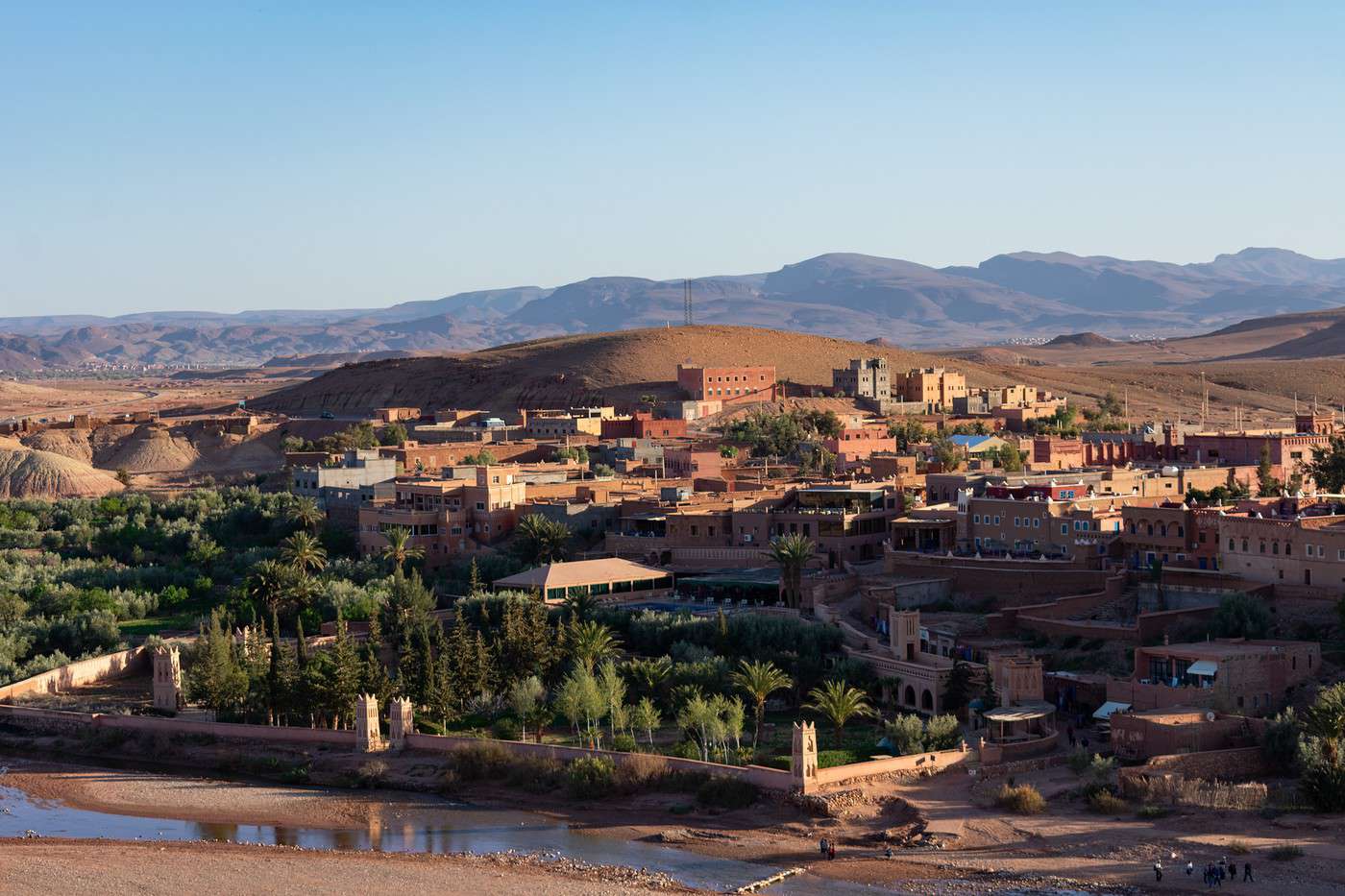
Located in North Africa, bordered by the Atlantic Ocean to the west and the Mediterranean to the north, Morocco is separated from Spain and Europe by the Strait of Gibraltar. To the east, it shares borders with Algeria and Mauritania . The country is divided…
Volubilis, Maroc · © VoyageForum 11th century BCE: Phoenician settlement on the Moroccan coasts. 6th century BCE: establishment of Carthaginian trading posts, the main city of which, Carthage, was destroyed in 146 BCE. 40 CE: annexation by Rome,…
Morocco is primarily a mountainous country, with reliefs covering nearly two-thirds of its territory. The Rif range, peaking at 2,000–2,500 m, lies to the north along the Mediterranean. Elsewhere, the Atlas Mountains—comprising the Middle, High, and…
For tourist travel, a passport valid for at least the duration of the stay is required. No visa is necessary for stays of less than 3 months. It should be noted that, although Morocco is a highly popular destination, particularly for French travelers, a…
Currency : Dirham (100 centimes). Banknotes: 20, 50, 100 and 200 dirhams. Note that 10-dirham banknotes have been out of circulation since 2026, replaced by coins of the same value. Coins: 10, 20 and 50 centimes + 1, 2, 5 and 10 dirhams. Exchange: Since the…
In France, both for individuals and professionals, the "travel advice" from the Ministry of Foreign Affairs regarding precautions for each country has legal value. A similar online travel advice system exists in several countries: Foreign Affairs Belgium…
Morocco has around fifteen airports, with Marrakech and Casablanca being by far the two main ones. Casablanca also serves as the "hub" (main hub) for the national carrier Royal Air Maroc (RAM) and, to a lesser extent, Air Arabia. There are two Moroccan…
Spain (Ceuta and Melilla; 6 and 10 km), Algeria (1,600 km), plus at the level of Western Sahara the Mauritania (1,560 km). There are roughly 2,000 km from Paris to Morocco ( Tangier ). In two or three days, you can easily reach the country by land (with just…
Gorges du Dadès, Maroc · © VoyageForum Moroccan roads are generally good on main routes, and the motorway network (toll-based) is expanding rapidly, with nearly 2,000 km. However, there are still many unpaved roads and tracks that aren’t always…
Morocco is a highly touristic country, so the range of accommodation is vast, generally offering good value for money and prices significantly lower than those in Europe, even though they logically increase during the season. You’ll find campsites,…
Agadir, Maroc · © VoyageForum Unlike other similar countries, Morocco has developed its seaside tourism only minimally—or at least much later. On the Atlantic coast, Agadir remains by far the leading seaside destination (and proudly claims this…
Interests (rated ★★★★ ) : Nature ★★★★ ; Adventure ★★★ ; Culture ★★★ ; Relaxation-holidays ★★★ Morocco offers countless opportunities for nature-adventure travel. The entire Rif and Atlas mountain ranges are rich in parks, open spaces, and all kinds of outdoor…
Officially, over 40,000 French nationals (and 30,000 other Europeans), including many retirees, have settled in Morocco. In addition to those registered with consulates, there are thousands more who haven’t completed this step or who spend part of the…
Les musées sont en général ouverts tous les jours (sauf le mardi) de 9h00 à 12h00 et de 14h30 à 18h00. Parmi les principaux musées du pays on notera: Le musée Dar Batha des arts et artisanats de Fès, Les musées de Marrakech, Le musée archéologique de Rabat,…
Perhaps it’s the long French presence in the country that has fostered Morocco’s love for good food. But Moroccan gastronomy goes far beyond couscous. As varied as the country itself, the cuisine—whether refined or rustic—will satisfy both gourmets and food…
From spring to autumn, pack light clothing plus a woollen layer for evenings and higher altitudes. In winter, however, warmer clothes are useful if you’re not staying only on the coast or in the far south. Winter is also the rainy season in the north of the…
Morocco has 9 sites inscribed on the UNESCO World Heritage list: Aït Ben Haddou ★★★★ (1987) À quelques kilomètres de Ouarzazate, l'ancien village fortifié (ksar) est un site remarquable et unique classé au patrimoine mondial de l'Unesco. Portuguese City of El…
Al Hoceima, Maroc Also known as the Rif, this is Morocco's Mediterranean region. For a long time, this mountainous Berber land was "ignored" by its capital. Perhaps that’s why it’s still not the most visited area, even though new tourism projects have emerged…
The country's diversity, with terrain ranging from sea level to over 4,000 meters in altitude, results in significant climatic variations. The coastline remains pleasant year-round, with mild summers and agreeable winters (averaging 17 to 26°C depending on…

Unless you stay for weeks, it's hardly possible to see everything in Morocco in a single trip. This means you'll need to make geographical choices or focus on the essentials. Whatever the length of your stay and/or your arrival city in the country, there will…
The most favorable times of the year based on climate, crowds, and prices for both travel and stay. July-August are peak tourist months on the coast (unlike the interior), as is the April-May period. Late spring and early autumn are the best times to visit,…
Algeria is the largest country in North Africa, with its southern part covering a large portion of the Sahara. Type of place: country. Location: between the Sahara and the Mediterranean, facing France . Latitude/longitude: 36°46' N, 3°03' E. Local time: Heure…

| Jan. | Feb. | Mar. | Apr. | May | Jun. | Jul. | Aug. | Sep. | Oct. | Nov. | Dec. | |
|---|---|---|---|---|---|---|---|---|---|---|---|---|
| Coast | ||||||||||||
| Inland |
: very favourable | : favourable | : moderately favourable | : unfavourable.
The Mediterranean water temperature allows for swimming almost year-round, though May to early November remains the most pleasant period.
| Jan. | Feb. | Mar. | Apr. | May | Jun. | Jul. | Aug. | Sep. | Oct. | Nov. | Dec. | |
|---|---|---|---|---|---|---|---|---|---|---|---|---|
| Algiers | 15 | 14 | 15 | 16 | 18 | 20 | 23 | 24 | 24 | 22 | 18 | 16 |

A few local words or expressions useful to know when traveling:
Algeria has 7 sites inscribed on the UNESCO World Heritage list: Coastal: Casbah of Algiers ★★★★ (1992) The old city—or medina—of Algiers has shaped the capital's "reputation." This entire historic district has been a UNESCO World Heritage site since 1992.…

While not an overly challenging destination, Algeria does require some safety precautions, especially if you venture off the beaten path (not to mention areas that are formally advised against—best to avoid those). In short, the country is better suited for slightly experienced travellers.
Finding the best time to visit means balancing climate conditions with crowd levels and the most attractive prices for travel and on-site expenses.
| Jan. | Feb. | Mar. | Apr. | May | Jun. | Jul. | Aug. | Sep. | Oct. | Nov. | Dec. | |
|---|---|---|---|---|---|---|---|---|---|---|---|---|
| Climate coasts | ||||||||||||
| Climate interior | ||||||||||||
| Avoid crowds | ||||||||||||
| Low prices |
: very favorable | : favorable | : moderately favorable | : unfavorable.
The country has over 6,000 km of borders with its neighbours: Libya (982 km), Mali (1,376 km), Mauritania (463 km), Morocco (1,600 km), Western Sahara (42 km), Niger (956 km), and Tunisia (965 km).
While Algeria shares borders with six other countries, overland crossings are extremely limited. Only Tunisia is accessible this way, and even then only via the far north of the border. Crossings further south between Algeria and Tunisia are strongly discouraged due to security concerns. The same applies to all other neighbouring countries, as their borders lie in insecure Saharan zones. As for the Algeria-Morocco border, it has been officially closed to all traffic since 1994, with numerous landmines remaining in the southern section from the Western Sahara conflict era.
You can easily find car rental agencies in the main cities. Note that French nationals are allowed to drive, including rental vehicles, with their French license for stays of up to 90 days.
Distances (km) between the main cities and tourist sites in the country:
| Algiers | Annaba | Béchar | Bejaia | Biskra | Constantine | Djanet | Ghardaïa | Oran | Tamanrasset | Tindouf | Tlemcen | |
|---|---|---|---|---|---|---|---|---|---|---|---|---|
| Algiers | ||||||||||||
| Annaba | ||||||||||||
| Béchar | ||||||||||||
| Bejaia | ||||||||||||
| Biskra | ||||||||||||
| Constantine | ||||||||||||
| Djanet | ||||||||||||
| Ghardaïa | ||||||||||||
| Oran | ||||||||||||
| Tamanrasset | ||||||||||||
| Tindouf | ||||||||||||
| Tlemcen |
For travel with a tourist purpose. As with many other nationalities, entry into Algeria is not always straightforward for French citizens due to multiple and sometimes changing requirements. In practice, visitors must have a passport valid for at least 6…
In France, both for individuals and professionals, the "travel advice" from the Ministry of Foreign Affairs regarding precautions for each country has legal value. A similar online travel advice system exists in several countries:
While the risks may not be enormous, it is important to follow basic vigilance rules.
These are strictly the border areas (due to trafficking and terrorist groups) with Mali, Niger, and Libya, as well as those with Mauritania, and large parts of the borders with Tunisia and Morocco (the latter remains closed). In short, it’s best to avoid wandering near Algeria’s borders for safety reasons. It’s also important to stay alert—and keep up to date with the current situation—for the entire Grand Sud region and the coast between Algiers and Tunisia.
If you encounter problems while traveling abroad, your country’s consular services can assist you. It’s also worth noting that if you are a citizen of the European Union and your country is not represented, you can contact any other EU member state’s representation.
Belgium:
Canada:
Switzerland:
Local time: .
230 Volt (50 Hz) with "French" plugs (officially types C and E), which will require an adapter for North American plugs.

L'Égypte est à mi-chemin dans bien des domaines entre l'Afrique et le Moyen-Orient. C'est une terre désertique où seul 4% du territoire le long de la vallée du Nil et de son embouchure est fertile. C'est d'ailleurs là que se concentre la majeure partie de la…

This is the northern part of the country, from the Mediterranean coast and the Nile Delta to the region south of Cairo, which, for tourism purposes, can also be associated with the area further south corresponding to Middle Egypt.

Upper Egypt is the southernmost part of the country, starting above Luxor and ending at the Sudanese border. This is where you can discover some of the country's most beautiful archaeological sites (Valley of the Kings, Luxor Temple, Karnak, etc.).

This vast triangular peninsula of about 60,000 km² lies between the Mediterranean and the Red Sea. Its mountainous southern part is home to Mount Catherine, the country's highest peak at 2,642 m. Along its southeastern coast, you'll find some of the country's main seaside resorts, such as Sharm el-Sheikh or Nuweiba.
Preview temporarily unavailable.
Preview temporarily unavailable.
Preview temporarily unavailable.
Preview temporarily unavailable.
Preview temporarily unavailable.
Preview temporarily unavailable.
Preview temporarily unavailable.
Preview temporarily unavailable.
Preview temporarily unavailable.
Preview temporarily unavailable.
Preview temporarily unavailable.
Preview temporarily unavailable.
Preview temporarily unavailable.
Preview temporarily unavailable.
Preview temporarily unavailable.
Preview temporarily unavailable.
Preview temporarily unavailable.
Preview temporarily unavailable.
Preview temporarily unavailable.
Preview temporarily unavailable.
Preview temporarily unavailable.
Preview temporarily unavailable.
Preview temporarily unavailable.

Tunisia, the smallest state in the Maghreb, separated from Europe by the Strait of Sicily and its 150 kilometres. The country consists of mountains, steppes, and deserts. The northern/north-western part is mountainous (Jebel Chambi: 1,544 m), while the rest…

Apart from a few specific places (Kairouan, El Jem...), this is the least visited region of the country, nestled against the Algerian border. It is in this part of Tunisia that you’ll find the only elevations, though they barely reach 1,544 m at Jebel Chambi. These are the final extensions of the Atlas mountain range, which begins at Morocco.

From the Algerian to the Libyan border, Tunisia has 1,300 km of coastline, featuring some of the country’s most visited spots like Djerba or the shoreline between Tunis and Monastir.

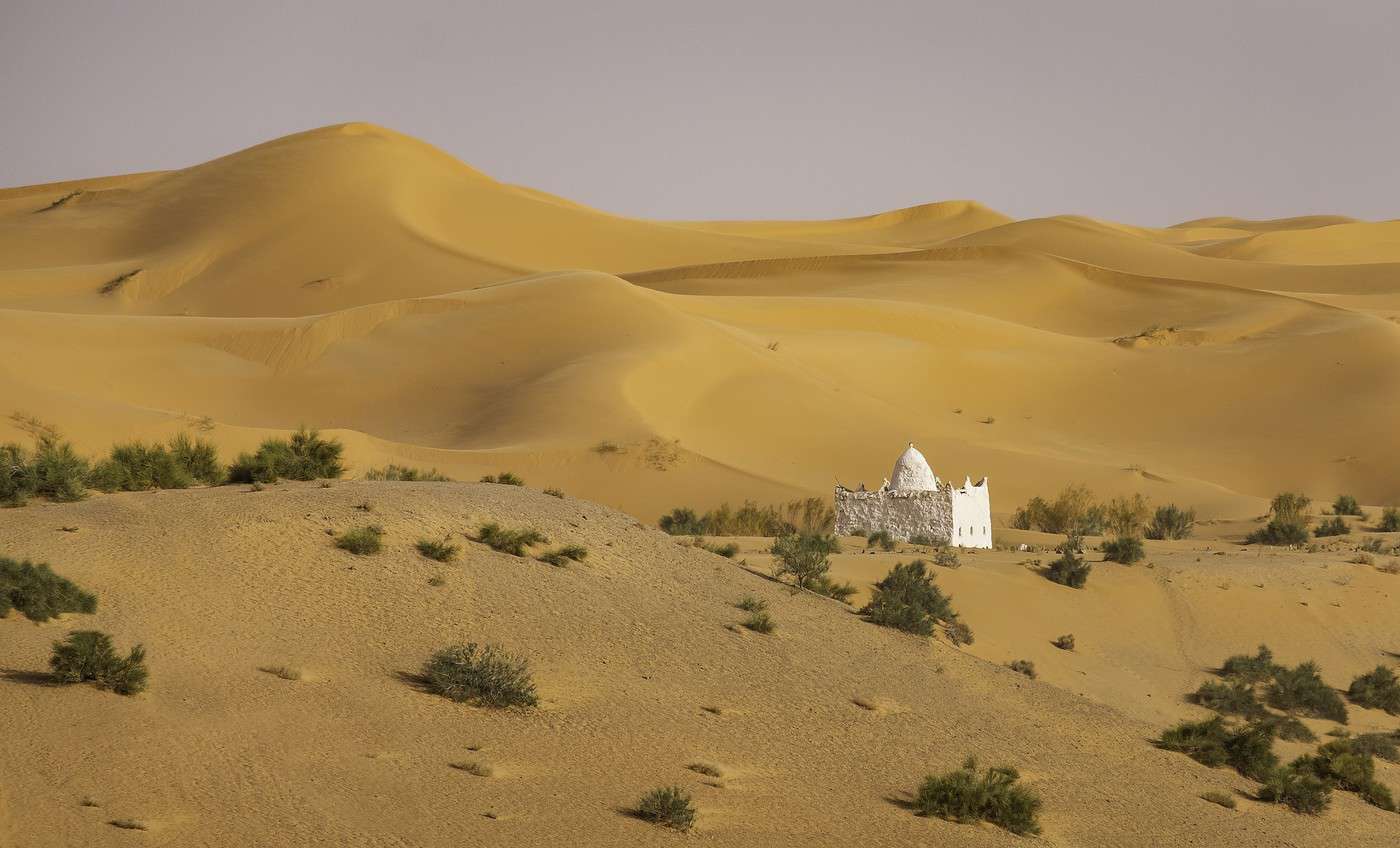
This vast desert region occupies over a third of Tunisia in the south, stretching along the Algerian and Libyan borders. Sparsely populated except for a few towns and oases, it’s synonymous with dunes and camel treks, though in many areas, the reality is also one of arid, rocky landscapes perfect for hiking or 4x4 excursions.
Warning: Some areas in the far south of Tunisia, near the Algerian and Libyan borders, are currently not recommended for security reasons by the French Ministry of Foreign Affairs.
Preview temporarily unavailable.
Preview temporarily unavailable.
Preview temporarily unavailable.
There are around fifteen national parks and as many nature reserves in the country. Among the most "interesting" natural sites for tourism are:
Tunisia has a Mediterranean and desert climate. The former is found along the coast and in the north, with hot, dry summers and mild, rainy winters. The closer you get to the Sahara, the more the climate becomes desert-like, with year-round sunshine and extremely high temperatures in summer (over 40 °C) and more bearable conditions in winter, though nights can be particularly cold.
Generally, the most enjoyable period to explore the country is from early spring to early autumn, avoiding the summer months, which are hot inland (and crowded on the coast). For the south, November to March is ideal in every respect.
| Jan. | Feb. | Mar. | Apr. | May | Jun. | Jul. | Aug. | Sep. | Oct. | Nov. | Dec. | |
|---|---|---|---|---|---|---|---|---|---|---|---|---|
| Coastal Climate | / | / | ||||||||||
| Southern Climate | / | / |
: very favourable | : favourable | : moderately favourable | : unfavourable.
The Mediterranean Sea is warm enough for swimming almost year-round, though May to November is the most pleasant period.
| Jan. | Feb. | Mar. | Apr. | May | Jun. | Jul. | Aug. | Sep. | Oct. | Nov. | Dec. | |
|---|---|---|---|---|---|---|---|---|---|---|---|---|
| Bizerte | 15 | 14 | 15 | 16 | 18 | 20 | 23 | 24 | 24 | 22 | 19 | 16 |
| Djerba | 15 | 15 | 15 | 16 | 18 | 21 | 24 | 25 | 24 | 23 | 20 | 17 |
Dougga, Tunisie · © VoyageForum 9th–2nd century BC: The Phoenicians, who originally inhabited land populated by Berbers, occupy the region and found the city of Carthage . 146 BC: Destruction of Carthage; the Numidians oppose the Romans for…
Islam is the official religion of Tunisia. The country has 98% Muslims and around 1% Jews and as many Christians.
The main points of etiquette and social norms in Tunisia.
Tunisia is a 99% Muslim country. Although tourism has been widespread for many years, it is advisable to respect certain dress codes when leaving beach areas, especially for women travellers. Avoid mini-skirts, overly revealing outfits, and low-cut tops outside tourist zones or beach areas.
Arabic is the official language. French is very common in Tunisia, especially in cities and tourist areas. It is, in fact, the most widely spoken foreign language in the country. In short, communication should never be a problem.
A few useful local words and phrases to know when travelling:
Perhaps due to the long French presence in the country, Tunisia has a strong culinary culture. Tunisian gastronomy makes extensive use of olive oil, tomatoes, spices, seafood, and lamb. But it’s not just about couscous... Beyond local specialties, you’ll also…
Tunisia has 8 sites inscribed on the UNESCO World Heritage list. They are all located in the northern part of the country: Carthage ★★★ (1979) On the outskirts of Tunis, Carthage is both an upscale suburb and the site of the UNESCO-listed archaeological site…
Djerba, Tunisie · © VoyageForum With over a thousand kilometres of coastline, Tunisia remains a renowned and pleasant destination for beach lovers and swimmers. The sea is generally safe, though you should watch out for currents and, occasionally,…
Interests (rated ★★★★ ) : Nature ★★★ ; Adventure ★★ ; Culture ★★★ ; Relaxation-holidays ★★★★ . Logically, it’s the Saharan south that offers the most opportunities for nature and adventure lovers, particularly with the famous desert camel treks. Beyond…
The most favorable times of the year based on climate, crowds, and prices for both travel and accommodation.
Generally, the best period to enjoy the country is from early spring to early autumn, avoiding the summer months, which are hot inland and crowded on the coast. For the south, November to March is ideal in every respect.
| Jan. | Feb. | Mar. | Apr. | May | Jun. | Jul. | Aug. | Sep. | Oct. | Nov. | Dec. | |
|---|---|---|---|---|---|---|---|---|---|---|---|---|
| Coastal climate | ||||||||||||
| Southern climate | ||||||||||||
| Avoid crowds | ||||||||||||
| Low prices |
: very favorable | : favorable | : moderately favorable | : unfavorable.
Several "circuit" ideas (add your own!) covering most of the country and requiring between a week and ten days to visit. For longer stays, you can combine these itineraries...
Tunisia has around ten airports, with Tunis , Monastir , Hammamet , and Djerba being the main ones. Tunis is also the hub for the national airline Tunisair, just as Monastir is for Nouvelair. From France alone, around ten airports offer direct regular flights…
The country shares borders with Algeria (965 km) and Libya (459 km).
The entire border area with Libya is not recommended for security reasons. As for the border with Algeria, it is open at several points (note that foreigners cannot obtain an Algerian visa from Tunisia). However, the entire southern section should be avoided for security reasons, as well as some areas further north. The crossing at Tabarka remains the best option.
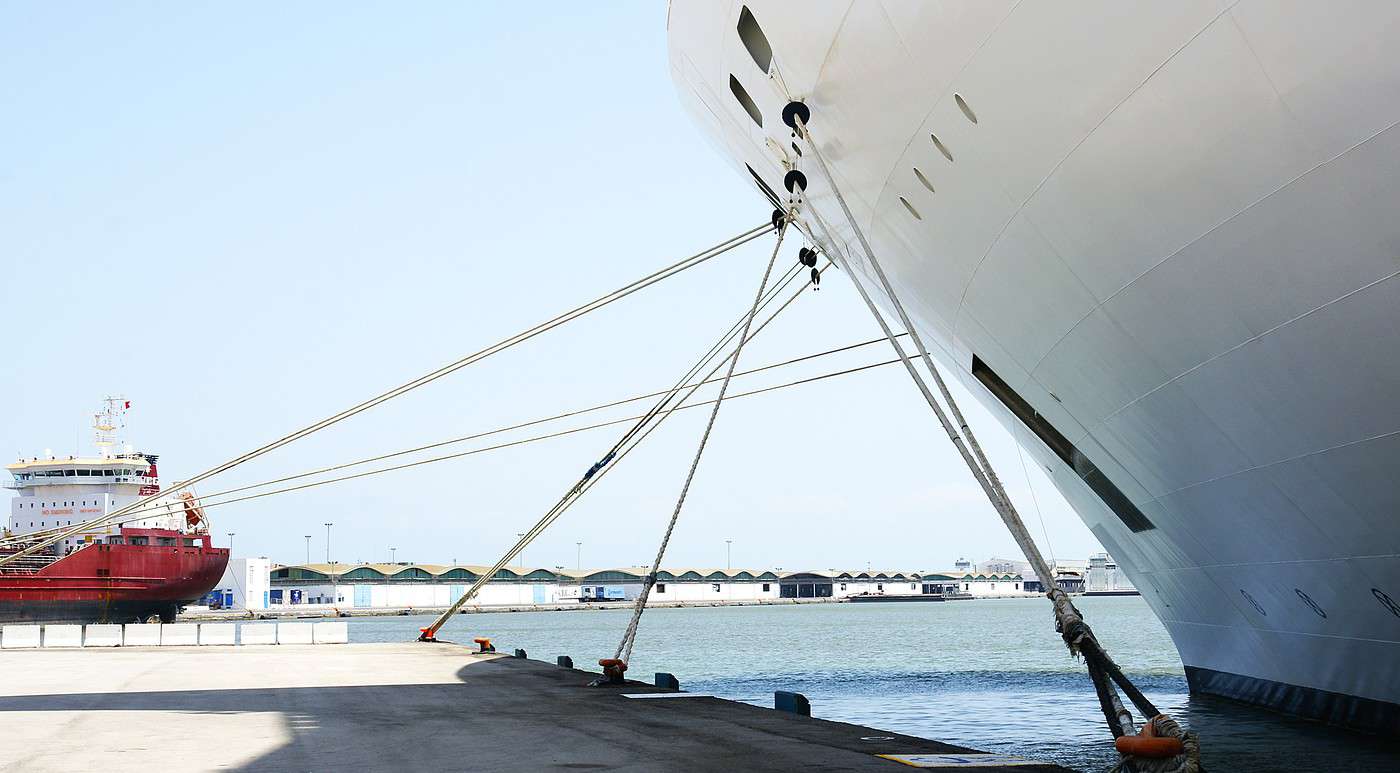
Tunisia—or more precisely Tunis—is easily accessible by ferry, mainly from Italy. There is also a route to/from Marseille, which takes roughly a day at sea, with fares generally higher than those for flights.
CTN, Grandi Navi Veloci, Grimaldi Lines, SNCM, Tirrenia
Several Tunisian ports are accessible by cargo ship; Sfax and Tunis (via its "outlying ports") are the main ones.
Tunisia is on the route of many cruise ships sailing the Mediterranean. The port of La Goulette, in the capital’s suburbs, is their main stop in the country.
Let’s start with Tunisia’s road network and traffic. Tunisian roads are generally in good condition, with a small network of toll highways that are quite affordable. The regulations are the same as in France, with bilingual Arabic-French signage. Speed limits…
Tunisia is a highly touristic country, so the range of accommodation is vast, generally offering good value and lower rates than in Europe, even though prices logically rise (sharply) in season. You’ll find campsites, guesthouses, all kinds of…
For tourist travel (and even business trips), since 2025, a passport valid for at least 3 months from the date of entry into the country is mandatory. No visa is required for stays of less than 3 months. It is important to note that the national identity card…
Currency: Tunisian dinar (1,000 millimes). Banknotes: 5, 10, 20, and 50 dinars. Coins: 5, 10, 20, 50, 100, and 200 millimes + 1/2, 1, 2, and 5 dinars. Exchange: Since the Tunisian dinar is not convertible outside the country, you’ll need to wait until you…
In France, both for individuals and professionals, the "travel advice" from the Ministry of Foreign Affairs regarding precautions for each country has legal value. A similar online travel advice system exists in several countries: Foreign Affairs Belgium…
From spring to autumn, pack light clothing plus a woollen layer for evenings, especially in the South. In winter, mid-season clothes will do, along with something warm for the sometimes freezing nights in the desert. Winter is also the rainy season in the…
North Africa is, as its name suggests, the northernmost part of the African continent bordering the Mediterranean. It is sometimes also called the Maghreb, although this designation theoretically only refers to Algeria , Morocco , and Tunisia . Algeria : the…
Level of "interest" for the main countries in the region:
It is almost impossible to travel between countries by land. The Algerian-Moroccan border remains closed, and the situation in Libya makes transit through the country unfeasible. The only permitted crossing is between Tunisia and Algeria.
In theory, local currencies are not convertible outside the country, so you should wait until you arrive to exchange your money. However, there are no issues with carrying out these transactions. Exchange bureaus can be easily found at ports and airports, in…
From spring to autumn, pack light clothing plus a woollen layer for evenings and higher altitudes. In winter, however, warmer clothes are useful if you’re not staying only on the coast or in the far south. Winter is also the rainy season in some areas, such as the north of Morocco.
For the desert, sunglasses, sun protection, a hat, and optionally a *cheich* (a long local scarf) are essential. Don’t forget a warm layer for the evenings.
Otherwise, a torch can be handy in poorly lit alleys or for desert nights, as can earplugs (for the muezzin and other early-morning noises). If you’re staying in budget hotels, pack a towel, toilet paper, and a lightweight sleeping-bag liner for questionable bedding.
That said, North African countries are generally well-stocked, and you’ll find all the equipment and supplies you might need in major cities.
North African countries use the metric and decimal system, just like France.
In France, both for individuals and professionals, the "travel advice" from the Ministry of Foreign Affairs regarding precautions for each country has legal value. A similar online travel advice system exists in several countries: Foreign Affairs Belgium…
Something wrong or out of date? Report this page