
Travel guide · Ascension Island
Azores
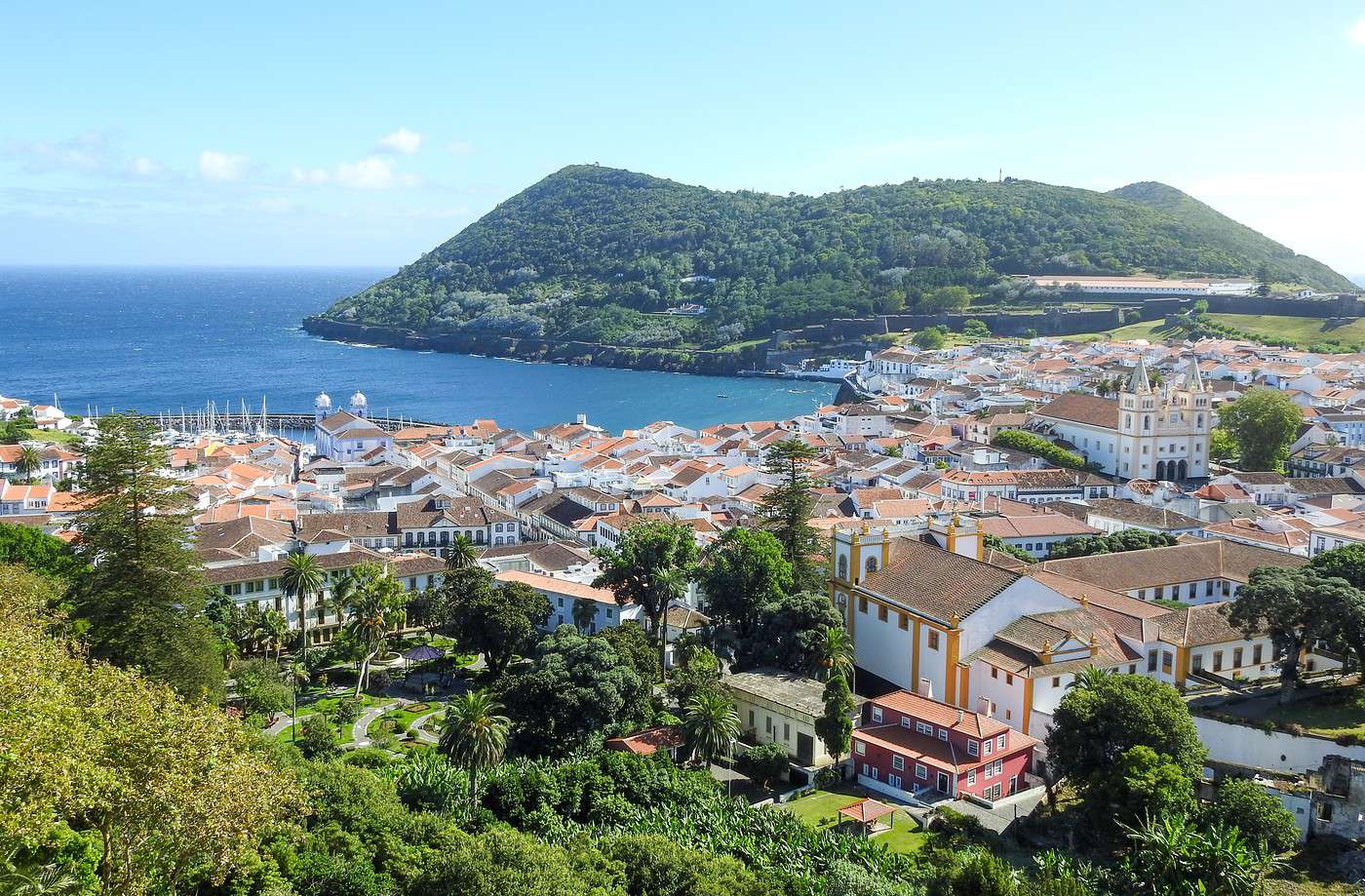
Better known for its anticyclone than for tourism, this Portuguese archipelago still has its share of enthusiasts. Beyond a few colonial remnants and specific traditions, it offers great hiking opportunities in beautiful landscapes, as well as ocean-focused activities that are never far away.
Overview of the Azores
The Azores are an archipelago of 9 islands stretching across the Atlantic for nearly 600 km, at the same latitude as Lisbon and over a thousand kilometres from their metropole. These islands are divided into three groups: the eastern group (São Miguel and…
Geography and Environment of the Azores
Geography of the Country
Natural Areas

Wildlife and Flora
Climate and Weather in the Azores
Climate Overview
Like Ireland, the climate in the Azores is quickly changing with high humidity, plenty of rain, and relatively little sunshine. The period from October to March is the wettest, though the islands of Corvo and Flores (the westernmost ones) experience frequent rain almost year-round. However, temperatures are mild throughout the year across the archipelago, averaging 16°C in winter and 24°C in summer. That said, even if the sun may shine on the coasts, the highlands can easily be covered in clouds at the same time.
Best Time to Visit the Azores
June to early September is the most suitable period for visits, if only because it rains less across the archipelago.
| Jan. | Feb. | Mar. | Apr. | May | Jun. | Jul. | Aug. | Sep. | Oct. | Nov. | Dec. | |
|---|---|---|---|---|---|---|---|---|---|---|---|---|
| Climate |
: very favorable | : favorable | : moderately favorable | : unfavorable.
Sea Temperature Throughout the Year
The Atlantic waters around the Azores are pleasant in summer, and even almost year-round.
| Jan. | Feb. | Mar. | Apr. | May | Jun. | Jul. | Aug. | Sep. | Oct. | Nov. | Dec. | |
|---|---|---|---|---|---|---|---|---|---|---|---|---|
| São Miguel | 17 | 16 | 16 | 17 | 17 | 19 | 21 | 23 | 23 | 21 | 20 | 18 |
Climate and Weather in Ponta Delgada
Additional Information
Culture and Customs of the Azores
Arts, Crafts, and Architecture
Arts
Crafts
Architecture
Museums
Customs and Traditions
Local Traditions
Etiquette
Dress and Behavior
Sensitive or Taboo Topics
Languages
Glossary
A few local words and expressions useful to know when traveling:
Festivals and Celebrations
Major Events and Public Holidays
Books, Films, and Music
What to See in the Azores
The Azores have two sites listed as UNESCO World Heritage Sites: Madalena ★ (2004) On the west coast of Pico and connected to Faial by ferries, the town lies at the heart of the "vineyard landscape of Pico Island," a UNESCO World Heritage site. From here, you…
Things to Do in the Azores
Beaches and Seaside Resorts
Water Activities
Diving:
Whale Watching:
Surfing and Watersports:
Sailing:
Thalassotherapy and Wellness
Hiking
Hiking on Foot
Cycling
Horseback Riding
Outdoor and Adventure Sports
Golf
Whitewater Activities
Other Activities
Climbing and Mountaineering:
Paragliding and Aerial Sports:
Caving:
Cultural Life and Activities
Nightlife and Going Out
Types of Trips to the Azores
Travel Themes
- Interests (out of ): Nature ; Adventure / ; Culture ; Relaxation-holidays / .
Nature-Adventure
Culture
Relaxation-Holidays
Independent Travel
The Azores are an easy independent-travel destination, perfect for beginner travellers. There are no major issues, though you should still take basic precautions when hiking, especially since the weather can change quickly.
Organised Travel
Family
To Do
To Avoid
Senior Travellers
Women Travellers
Gay and Lesbian Travellers
Travellers with Disabilities
When and Where to Go in the Azores
Best Times to Visit the Azores
Finding the best time to visit means balancing weather conditions with crowd levels and the most attractive prices for travel and on-site expenses.
| Jan. | Feb. | Mar. | Apr. | May | Jun. | Jul. | Aug. | Sep. | Oct. | Nov. | Dec. | |
|---|---|---|---|---|---|---|---|---|---|---|---|---|
| Climate | ||||||||||||
| Avoid crowds | ||||||||||||
| Low prices |
: very favorable | : favorable | : moderately favorable | : unfavorable.
Where to Go by Travel Type and Interest
Getting Around the Azores
Between the Islands
Travel within the archipelago can be done by air or by sea.
By Plane
By Boat
On the Islands
Since the islands vary in size and often have a good but limited road network, transportation options are equally varied.
Car Rental
Buses and Minibuses
Taxis
Two Wheels
Hitchhiking
Choosing Your Transport
Distances Between the Islands
Distances (km) between the islands of the archipelago:
| Corvo | Faial | Flores | Graciosa | Pico | Sao Jorge | Sao Miguel | Sta Maria | Terceira | |
|---|---|---|---|---|---|---|---|---|---|
| Corvo | |||||||||
| Faial | |||||||||
| Flores | |||||||||
| Graciosa | |||||||||
| Pico | |||||||||
| Sao Jorge | |||||||||
| Sao Miguel | |||||||||
| Santa Maria | |||||||||
| Terceira |
Entry Requirements and Visa for the Azores
For travel purposes. A valid passport or national identity card is sufficient (officially for up to 90 days on site per 6-month period). That said, the Azores, despite its status as an "Outermost Region of the E.U.", is part of the Schengen Area like mainland…
Money, budget and shopping in the Azores
Money
Currency
- Currency: Euro (100 cents).
- Notes: 5, 10, 20, 50, 100, 200 and 500 €.
- Coins: 1, 2, 5, 10, 20 and 50 cents + 1 and 2 €.
- Exchange:
The euro replaced the escudo on 1 January 2002, which had been the currency of the Azores and Portugal since 1911.
Exchange
For those not in the Eurozone, banks (usually open from 8:30 am to 3:00 pm on weekdays) and exchange bureaus accept the main currencies. ATMs are also widely available.
Payment methods
You can pay in cash or by card (with no fees for euro accounts), just like in France.
Budget
What can be expensive
What doesn’t have to be expensive
Price range
- Double room in a budget hotel:
- Double room in a tourist hotel:
- Snacks, local restaurant meal:
- Tourist restaurant meal:
- Budget car rental:
- 50 km by bus:
- Taxi:
Bargaining and tipping
Shopping and souvenirs
What to bring back
There isn’t much in the way of souvenirs to bring back, just some local crafts like embroidery, wooden items, and ceramics.
Health and Safety in the Azores
Official Recommendations
In France, both for individuals and professionals, the "travel advice" from the Ministry of Foreign Affairs regarding precautions for each country has legal value. A similar online travel advice system exists in several countries:
Health
No vaccinations are mandatory to enter the archipelago, though it is still advisable to be up to date with your "basic vaccines."
Illnesses and Hygiene
No particular issues.
Local Healthcare Facilities
Local facilities are good but limited and mainly concentrated in the capital. For medical care, nationals of European Economic Area countries must present their European Health Insurance Card (formerly E-111 form), which guarantees the same rights to everyone—otherwise, they will have to pay for their medical expenses. Other visitors must rely on their insurance or pay the full cost of care.
Safety
Crime, Delinquency, and Socio-Political Risks
Nothing to report; the archipelago is calm with low crime, though it’s always wise to stay vigilant.
Scams and "Tourist" Harassment
Climate, Nature, and Animals
Foreign Consulates on Site
If you encounter problems while traveling abroad, your country’s consular services can assist you. It’s also worth noting that if you are a European Union national and your country is not represented, you can contact any other EU member state’s representation.
France
Other Countries
Belgium:
Canada:
Switzerland:
Other practical information for the Azores
Luggage and equipment to bring
Pack light clothing for summer and mid-season wear for winter, plus at least one warmer layer, especially for higher altitudes. Also bring rain gear for all seasons and proper walking shoes if you plan to hike.
Communications
Phone
Internet
Post
Time difference
Local time: .
The Azores are on UTC-1. This means there is one hour less difference year-round compared to the rest of Portugal and two hours compared to France. When it is 1:00 PM in the Azores or Portugal, it is 3:00 PM in France.
Electricity
230 V (50 Hz) with mostly "French" plugs (officially types C and F), which will require an adapter for North American plugs, even though you may occasionally find US plugs (type B) in the archipelago.
Opening hours
Laundromats
Local tourist offices
Weights and measures
The archipelago uses the metric and decimal system, like France.
French language use
Press and media
Something wrong or out of date? Report this page