★ 3 · last edited Dec 11, 2019
Bordeaux Wine Routes
Contributionsversion #1created Dec 11, 2019Report this pageLatest contributions in this guideContributors to this guide
Location verified location
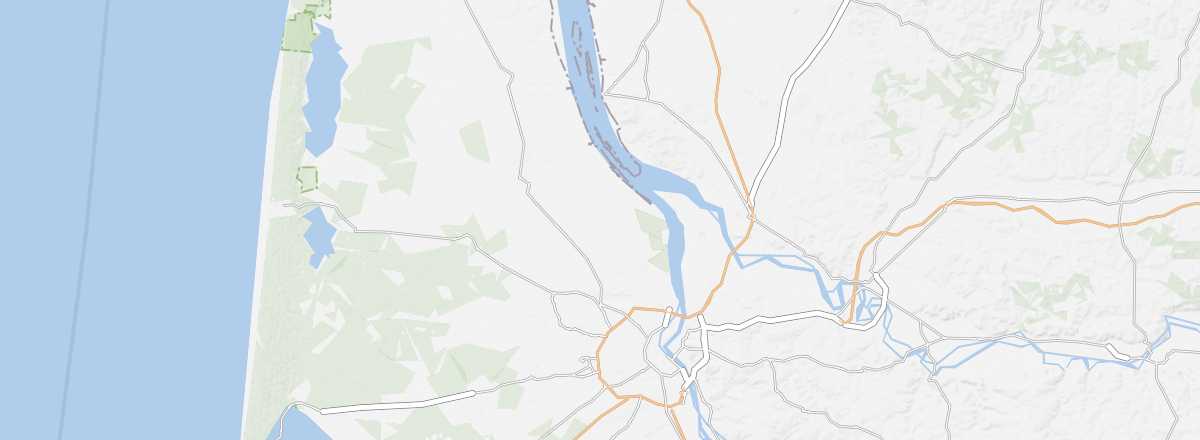 Bordeaux Wine Routes
Open the interactive map
Bordeaux Wine Routes
Open the interactive map
Graves, Margaux, Médoc, Pauillac, Saint-Estèphe, and the Saint-Émilion vineyard, a UNESCO World Heritage site, which you can explore along several scenic routes around Bordeaux.
Overview of Bordeaux Wine Routes
The Bordeaux vineyard is the oldest in the world and also one of the largest. It spans 117,000 hectares of vines, encompassing around sixty "Appellations d'Origine Contrôlée" and 8,000 châteaux or estates spread around Bordeaux.
Traditionally, the Bordeaux region is divided into five terroirs: Bourgeaix-Blayais, Libournais (including Saint-Émilion and Pomerol), Médoc (Pauillac, Saint-Estèphe, etc.), Graves and Sauternes, and Entre-deux-Mers.
Key Details
- Type de lieu: scenic route.
- Intérêt touristique: (recommended).
- Thématique: oenological discovery.
- Localisation: around Bordeaux.
- Heure locale:
- Localités principales:
- Superficie:
- Site internet: www.gironde-tourisme.fr/les-routes-du-vin-de-bordeaux/
The Routes
Graves, Margaux, Médoc, Pauillac, Saint-Estèphe and the Saint-Émilion vineyard, a UNESCO World Heritage site. You can explore all these crus along several scenic routes around Bordeaux.
The Five Terroir Circuits
Bourgeaix-Blayais Wine Route
This region is located north of Bordeaux, on the right bank of the Gironde estuary.
This region is located north of Bordeaux, on the right bank of the Gironde estuary.
Libournais Wine Route
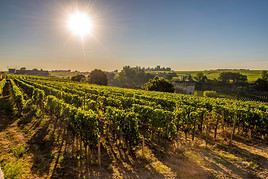
This is the region of Saint-Émilion and Pomerol. Though not as vast as others, it stretches east of Bordeaux toward Périgueux and the Dordogne. The jurisdiction of Saint-Émilion is a UNESCO World Heritage site.
This is the region of Saint-Émilion and Pomerol. Though not as vast as others, it stretches east of Bordeaux toward Périgueux and the Dordogne. The jurisdiction of Saint-Émilion is a UNESCO World Heritage site.
Médoc Wine Route
The Médoc is located a few kilometres north of Bordeaux, on the left bank of the Gironde estuary, roughly as far south as the town of Lesparre-Médoc. The vineyard stretches over an area of about 50 km by 12 km and remains one of the most visited.
The Médoc is located a few kilometres north of Bordeaux, on the left bank of the Gironde estuary, roughly as far south as the town of Lesparre-Médoc. The vineyard stretches over an area of about 50 km by 12 km and remains one of the most visited.
Graves and Sauternes Wine Route
The Graves and Sauternes region begins near Bordeaux and continues toward Agen, along the Garonne River past Langon.
The Graves and Sauternes region begins near Bordeaux and continues toward Agen, along the Garonne River past Langon.
Entre-deux-Mers Wine Route
On the right bank of the Garonne, east of Bordeaux, this is the wine-growing region between Graves and Libournais.
On the right bank of the Garonne, east of Bordeaux, this is the wine-growing region between Graves and Libournais.
Nearby
Climate and Weather
Getting Around
For visiting, it’s best to have a vehicle (or at least a bike), as public transport only provides access to a few sites. Alternatively, most regional tourist offices offer organized tours.
Getting There
Getting Around
Sleeping and Eating
You’ll find plenty of places to eat and stay, from campsites and hotels to guesthouses. Many châteaux now offer combined tours and (charming) accommodation within their walls. Note that there’s also a "Bacchus" label awarded to lodgings that promote the discovery of the Bordeaux vineyard.