★ 3 · last edited Dec 11, 2019
Médoc Wine Route
Location verified location
 Médoc Wine Route
Open the interactive map
Médoc Wine Route
Open the interactive map
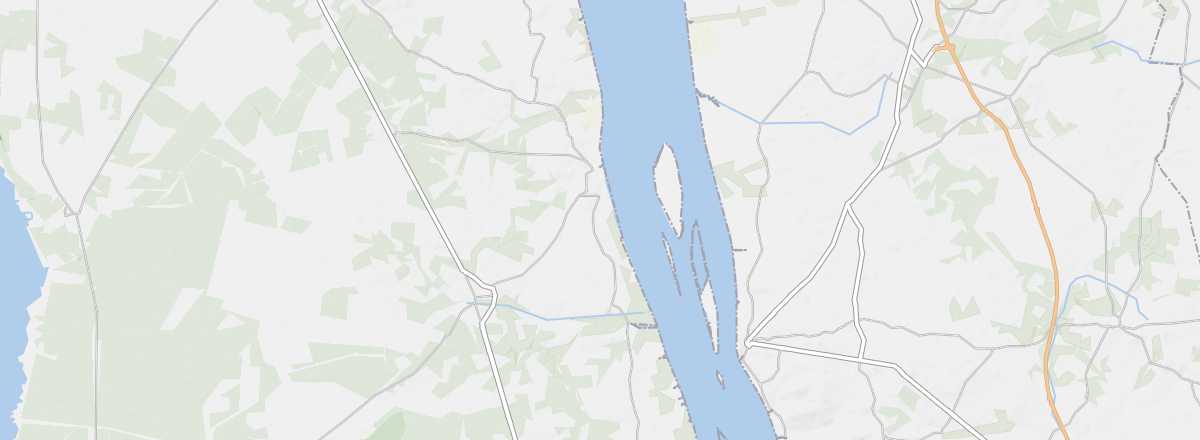
The Médoc is located a few kilometres north of Bordeaux, on the left bank of the Gironde estuary, roughly as far south as the town of Lesparre-Médoc. The vineyard stretches over an area of about 50 km by 12 km and remains one of the most visited.
Overview of the Médoc Wine Route
The Médoc is located a few kilometres north of Bordeaux, on the left bank of the Gironde Estuary, roughly as far south as the town of Lesparre-Médoc. The vineyard stretches over an area of about 50 km by 12 km and remains one of the most visited.
Key Points
- Type of place: vineyard.
- Tourist interest: (recommended).
- Theme: wine discovery.
- Location:
- Local time:
- Main towns:
- Area:
- Website:
The Route
The Médoc produces only red wine, mostly Cabernet-based. Among the best-known wines are Châteaux Margaux, Châteaux Lafite, Châteaux Latour, Pauillac, and Saint-Estèphe. The Médoc wine route circuit is 100 to 150 km long and takes a full day if you want to complete it.
Itinerary
Bordeaux > Margaux (estates) > Fort Médoc (historic site) > Pauillac (estates) > Château Mouton-Rothschild (estate and museum) > Saint-Estèphe (estates) > Vertheuil (church and abbey) > Lesparre-Médoc (historic site) > Moulis-en-Médoc (museum, church) > Bordeaux.
Margaux
Located 30 km from Bordeaux and accessible by train, the small village of Margaux is a must-visit for wine lovers. Château Margaux is indeed one of the most prestigious Bordeaux wines, though the estate of the same name is not open to visitors. However, several properties in the area, as well as the Maison du Vin de Margaux, offer tours and tastings.
Fort Médoc
About ten kilometres from Margaux, the Fort Médoc (in Cussac) faces the Gironde estuary. Built by Vauban in the late 17th century, it was designed—along with Fort Pâté on an island in the middle of the river and the citadel of Blaye on the opposite bank—to protect access to Bordeaux.
Note that near Fort Médoc is the port of Lamarque. From there, a ferry takes just 20 minutes to cross the 4.5 km of the estuary and reach Blaye on the other side.
Pauillac
Another 10 km on, you reach Pauillac. Besides the Tourist and Wine Office, this town of just over 5,000 people is home to several renowned châteaux, including Château Lafite and, most notably, Château Mouton-Rothschild, both of which offer guided tours and tastings. Château Mouton-Rothschild also features a museum dedicated to "Wine in Art." Pauillac is also home to one of Bordeaux’s wine-tasting schools. Open to the public, the Pauillac Wine School at Château Lynch-Bages offers courses and tastings.
Saint-Estèphe
Following the estuary north, you arrive in Saint-Estèphe. This town of 1,700 people is about 60 km from Bordeaux. While the village has a beautiful church, its main attraction lies in its vineyards and châteaux. There are no fewer than 60 châteaux here, several of which can be visited.
Vertheuil
Six kilometres west of Saint-Estèphe, Vertheuil is home to two lovely religious monuments: an 11th–12th century abbey and the Church of Saint-Pierre from the same period.
Lesparre-Médoc
If you have time, you can continue to Lesparre-Médoc. This sub-prefecture of 5,000 people is home to the Tour de l’Honneur, the last remnant of the medieval castle that once stood there.
Moulis-en-Médoc
On the way back to Bordeaux, about 35 km away, you’ll reach Moulis-en-Médoc. This small town of 1,600 people has a beautiful Romanesque church. Moulis is also home to the Museum of Vine and Wine Arts and Crafts.
Nearby
Alongside wine discovery, you can visit a few other sites along the way, or even venture as far as the beaches of Montalivet, about 20 km away. The Gironde estuary is also the birthplace of *carrelets*—small wooden fishing huts built on stilts over the water.
Climate and Weather
Transport
The best option is to have your own vehicle or at least a bike.
By public transport, the bus 705 and the TER Bordeaux-Le Verdon train take about an hour and run several times a day from Bordeaux to Pauillac. Both allow bikes on board.