last edited Dec 11, 2019
Culture and Customs of Mauritius
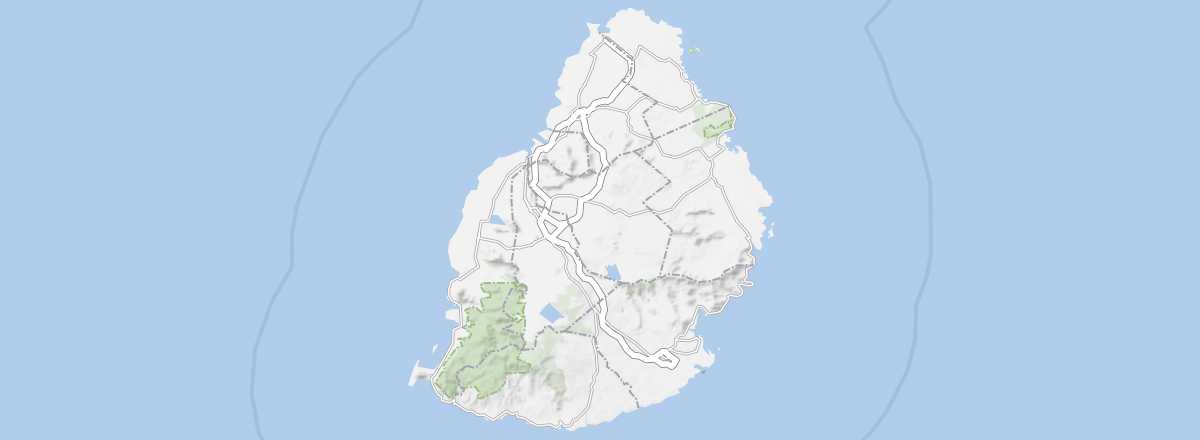
Location Map of Mauritius
 Mauritius
Open the interactive map
Arts, Crafts, and Architecture
Arts
Crafts
Architecture
Museums
Mauritius has two main museums located in Port Louis and Mahebourg:
- Mahebourg Natural History Museum: the history of Mauritius presented in an 18th-century colonial house.
- Port Louis National History Museum: featuring collections of marine and terrestrial species, including a skeleton of the iconic dodo.
Customs and Traditions
Local Traditions
Etiquette
The key points of etiquette and behavior in Mauritius.
Attire
There are no real "constraints," just a minimum of common sense, especially when entering places of worship, regardless of the religion. In another context, naturism is prohibited, and monokinis are only tolerated on the private beaches of hotel complexes.
Behavior
No issues here either; Mauritians are friendly and approachable, with easy-going interactions. Smoking is prohibited in public places, including parks and public gardens.
Sensitive or Taboo Topics
Languages
Officially—and paradoxically—there is no official language defined by the country’s constitution. However, English serves as the reference language in many areas, even though French is also used, for example, in the Mauritian parliament or in the media. Additionally, Mauritian Creole (close to French) is spoken by a majority of the population, Bhojpuri—a dialect used by the Indian diaspora living on the island—as well as other "minority" languages. In short, most Mauritians are polyglots.
Glossary
A few useful local words and expressions to know while traveling:
Festivals and Celebrations
Mauritius has numerous events, particularly religious ones that lead to festivities. Among the most significant:
- Divali: This Hindu festival marking the end of the year symbolizes the "victory of truth over ignorance." Across the island, people light small lamps at dusk, believed to bring good luck.
- Ganesh Chaturthi: Celebrated in August or September, this commemorates the birth of the Hindu god Ganesh. Statues of him are carried to beaches to be immersed before sunset.
- Holi: An Indian festival at the start of the year where people throw water and colored powders to wish each other good luck.
- Maha Shivratree: Thousands of pilgrims dressed in white converge at the sacred lake of Grand Bassin to celebrate Shiva, followed by several days of ceremonies.
- Fire Walking: A Tamil ceremony held between December and February. After ten days of purification, participants walk on hot coals before cooling their feet in milk.
- Chinese New Year: A major celebration with the Dragon Festival and its dancers as the highlight, taking place a few days after the New Year.
- Ugadi: The New Year for the Telugu (an Indian minority), featuring cultural performances, among other events.
- Thaipoosam Cavadee: The most important and spectacular Tamil festival, held in January or February. After a period of fasting and prayer, pilgrims process to temples carrying "cavadees" (decorated sculptures). Some also pierce their bodies with needles for the occasion.
Public Holidays
Mauritius has 15 public holidays, half of which are religious festivals with dates that vary each year.
January 1 (and 2): New Year
January/February: Thaipoosam Cavadee (Tamil festival)
February 1: Abolition of Slavery
February: Chinese New Year
March: Maha Shivaratri (Hindu festival)
March 12: National Day
April: Ugadi (Indian festival)
May 1: Labor Day
August/September: Ganesh Chaturthi (Hindu festival)
November 1: All Saints' Day
November 2: Arrival of Indentured Laborers, first Indian immigrants.
November: Divali (Hindu festival)
December 25: Christmas
Varies: Eid al-Fitr (marks the end of Ramadan)